Skip to content
Punching Bag for Kids Manufacturer – Safe PVC Training Solutions by EPN
Custom inflatable and freestanding kids punching bags engineered for safety, durability, and real play environments.
EPN is a specialized PVC and composite material manufacturer with in-house material workshops, welding production lines, and sampling facilities. We develop punching bags for kids that are not only safe and lightweight, but also structurally stable for repeated use in homes, schools, and training environments. With an integrated system covering material processing, production, and packaging, EPN helps maintain consistent quality and more predictable lead times.
Projects can start from 50 pcs, with samples in 3–7 days and production in 15–20 days, allowing flexible development and reliable delivery.
- Designed for children aged 3–16 with controlled impact resistance
- Reinforced PVC structure with stable rebound performance
- Custom size, weight, and base configuration available
Who We Work With — Typical Customers and Applications
EPN works with a range of customers across different markets, including e-commerce brands, retailers, and product developers. While their business models differ, most projects share similar priorities: stable product performance, controlled cost, and clear product positioning.
Instead of offering a fixed solution, EPN typically adjusts structure, material, and configuration based on how the product will be used and where it will be sold. This allows each project to better match its target market.

E-commerce Brands and Amazon Sellers
Projects in this category are usually focused on product differentiation and cost efficiency. In practice, this often means combining stable structure design with optimized packaging to reduce shipping costs. Branding is also important, and many projects include custom logos and color box packaging for online sales.

Retailers and Distributors
Retail-focused projects require consistency and clear product positioning. The same product needs to perform reliably across multiple batches, and packaging must be suitable for shelf display. In these cases, production stability and standardized specifications become key factors.

Brand Owners and Product Developers
Some projects begin with only a concept or reference product rather than a finalized design. These projects usually involve more development work, including structure adjustments, material selection, and sample testing. At EPN, it is common for these products to go through 1–2 rounds of sample refinement before final confirmation.

Promotional and Seasonal Buyers
These projects are often driven by timing and cost. Products need to be developed and produced within a shorter timeframe, while still meeting basic quality and performance requirements. In these cases, efficient sampling and flexible production scheduling become especially important.
Why Kids Punching Bags Require a Different Design Approach
Punching bags designed for adults are built for high-impact training, using heavier materials and stronger rebound systems. Reducing the size alone does not make them suitable for children. In real use, children interact with punching bags in a completely different way — not only in strength, but also in movement, balance, and contact patterns.
At EPN, this difference is often identified during sampling. Designs that look acceptable on paper may show issues such as instability, excessive rebound, or discomfort once tested in real use. Because of this, kids punching bags are usually developed with a separate structure logic instead of adapting adult designs.
1. Impact Behavior
Children do not punch in a controlled way. They push, lean, and strike from different angles, often repeatedly and unpredictably. This requires the product to absorb impact in a softer and more stable manner.
At EPN, this is handled by adjusting both PVC thickness (typically 0.3–0.5 mm) and internal air pressure. Lower and more controlled air pressure helps reduce rebound speed while maintaining structure.


2. Stability and Base Design
Stability is one of the most common issues in this product category. In testing, products with narrow or lightweight bases tend to tilt after repeated side impact.
EPN typically improves this by adjusting proportions during development:
- Increasing base diameter by 10%–25%
- Using water or sand-filled bases for freestanding models
- Reinforcing bottom layers for better weight distribution
These changes significantly improve balance without making the product difficult to handle.
3. Safety in Daily Use
Children often interact with punching bags at close range, including holding, falling against, or leaning on them. This requires more than just soft material — the overall structure must be safe.
EPN designs focus on:
- Rounded shapes without sharp transitions
- Smooth PVC surface finishing
- Controlled firmness to reduce discomfort


4. Rebound Performance
Rebound affects how the product feels during use. If it is too strong, the punching bag becomes difficult to control. If it is too weak, it collapses easily.
From EPN internal testing:
- Higher air pressure can increase rebound speed by over 30%
- Controlled air pressure improves usability and stability
For most kids punching bags, rebound is tuned for consistency rather than maximum elasticity.
Design Adjustment Example from EPN
In one development case:
- Initial design:
- 120 cm height
- 0.3 mm PVC
- Standard base
- Issue observed during testing:
- Product tilted after repeated use
- Final adjustment:
- Base diameter increased by 20%
- PVC upgraded to 0.45 mm
- Bottom structure reinforced
Result:
- Improved stability
- More consistent rebound
- Better performance in repeated use scenarios

| Factor | Adult Punching Bag | Kids Punching Bag (EPN Approach) |
|---|---|---|
| Impact Level | High | Controlled & soft |
| Material Thickness | Thick & rigid | Balanced (0.3–0.5 mm) |
| Base Design | Narrow/heavy | Wider + weighted |
| Rebound | Fast & strong | Moderate & stable |
| Safety Focus | Durability | Safety + usability |
A kids punching bag is not simply a smaller version of an adult product. It requires a balance between softness, stability, and durability. This balance is achieved through coordinated adjustments in material thickness, structure proportions, and air pressure.
At EPN, these factors are evaluated during sampling and testing, ensuring that the final product performs reliably in real use rather than just meeting basic specifications.
Types of Kids Punching Bags Manufactured by EPN
Kids punching bags are not a single standardized product. Different structures are designed for different use cases, age groups, and price levels.
At EPN, most punching bag projects are developed based on three key factors:
- Usage scenario (indoor, outdoor, training, retail)
- Stability requirement
- Target price range
With in-house PVC material production and multiple processing lines, EPN can adjust structure, thickness, and configuration across different product types without relying on external suppliers.

1. Inflatable Punching Bag (Air-Filled Structure)
This is one of the most common structures for younger children and indoor use. The product is fully inflatable, making it lightweight and easy to handle.
It is typically used in:
- Home environments (living room, bedroom)
- Early-age play (3–6 years old)
- Entry-level retail products
From EPN production experience, this type accounts for over 40% of total punching bag orders, mainly due to its lower cost and compact packaging.
Typical Specifications:
- Height: 80–120 cm
- PVC thickness: 0.3–0.4 mm
- Base: air-filled or small water compartment
Key Characteristics:
- Soft impact and safe contact
- Easy to deflate and store
- Lower shipping cost due to compact packaging
Limitations:
- Lower stability compared to weighted models
- Not ideal for active or older children

2. Freestanding Punching Bag (Weighted Base)
Freestanding punching bags are designed for better stability and more active use. The base is filled with water or sand, providing weight to keep the product upright during repeated impact.
This type is commonly used in:
- Backyard play
- Kids fitness or training scenarios
- Retail products targeting ages 5–12
At EPN, this structure is often recommended when stability is a priority.
Typical Specifications:
- Height: 100–150 cm
- PVC thickness: 0.45–0.55 mm
- Base capacity: 2–5 liters water or sand equivalent
Key Characteristics:
- High stability during use
- More consistent rebound performance
- Suitable for repeated impact
Development Insight:
In multiple EPN projects, increasing the base diameter by 15%–20% significantly improved stability without increasing material cost too much.

3. Hanging Punching Bag (Suspended Structure)
Hanging punching bags are designed for light training and require external support such as a frame or ceiling hook.
This type is less common in general retail but is used in:
- Indoor training spaces
- Boxing clubs or activity centers
- Structured training environments
Typical Specifications:
- Soft PVC outer layer with internal air or padding
- Suspension via straps or ropes
Key Characteristics:
- Stable during impact due to suspension
- More realistic punching experience
Considerations:
- Requires installation
- Not suitable for all home environments

4. Interactive Training Punching Bag (Printed Target Design)
This type focuses on engagement and coordination. The structure is similar to inflatable or freestanding models, but the surface includes printed targets, numbers, or game elements.
It is often used for:
- Skill development
- Educational play
- Retail products with higher visual appeal
At EPN, full-surface printing is commonly applied for this type, using heat transfer or full graphic printing.
Typical Features:
- Target zones for accuracy training
- Multi-color design
- Branding integration
Market Insight:
Products with interactive designs tend to have higher visual appeal and better retail performance, especially in e-commerce channels.
| Type | Stability | Cost Level | Setup Difficulty | Best Use Scenario |
|---|---|---|---|---|
| Inflatable | Medium | Low | Easy | Indoor play |
| Freestanding | High | Medium | Moderate | Training / outdoor |
| Hanging | High | Medium | Complex | Gym / training |
| Interactive | Medium | Medium | Easy | Retail / education |
Where Kids Punching Bags Are Used and How Design Changes by Scenario
Kids punching bags are used across a wide range of environments, from home play to structured training programs. Each scenario places different requirements on structure, material thickness, stability, and packaging.
At EPN, most punching bag projects are not defined by product type first, but by where and how the product will be used. This directly affects design decisions during sampling and production.
1. Home Indoor Play
This is the most common entry-level use case. The product is typically used in living rooms, bedrooms, or play areas where space is limited and safety is the main concern.
Children in this scenario tend to interact with the punching bag casually — pushing, tapping, or lightly punching rather than training.
Design Focus:
- Soft impact and low rebound
- Lightweight structure for easy movement
- Quiet operation (important for indoor use)
Typical Specifications:
- Height: 80–120 cm
- PVC thickness: 0.3–0.4 mm
- Structure: fully inflatable
EPN Experience:
This category represents a large portion of entry-level retail products. Many projects in this segment prioritize cost control and compact packaging, especially for e-commerce platforms.


2. Backyard and Outdoor Use
Outdoor use introduces different requirements. The product needs to handle uneven surfaces such as grass or concrete, as well as exposure to sunlight and temperature changes.
Compared to indoor use, children are more active outdoors, leading to stronger and more frequent impact.
Design Focus:
- Improved stability and base weight
- UV-resistant PVC material
- Stronger seam reinforcement
Typical Specifications:
- PVC thickness: 0.45–0.55 mm
- Structure: freestanding with water/sand base
- Reinforced bottom layer
EPN Insight:
In outdoor projects, upgrading material thickness from 0.4 mm to 0.5 mm can significantly improve durability, especially under repeated use on hard surfaces.
3. Kindergarten and School Use
In group environments such as schools and kindergartens, punching bags are used more frequently and by multiple children. Products in this category need to withstand continuous use while remaining safe and easy to manage.
Design Focus:
- Durability for repeated use
- Easy setup and maintenance
- Consistent performance across units
Typical Specifications:
- PVC thickness: 0.45 mm or above
- Reinforced seams and base
- Simple inflation system
EPN Experience:
For institutional use, design adjustments often focus on reducing maintenance issues, such as air leakage or instability, which can become more noticeable with frequent use.


4. Kids Fitness and Training Programs
This scenario is closer to structured activity rather than casual play. The punching bag is used to develop coordination, reaction speed, and basic boxing skills.
Children in this environment tend to use the product more actively and repeatedly.
Design Focus:
- Stable base and controlled rebound
- Durable structure for repeated impact
- Optional target zones for training
Typical Specifications:
- Height: 100–150 cm
- PVC thickness: 0.5 mm or above
- Freestanding structure with weighted base
EPN Insight:
In training-oriented projects, rebound tuning becomes important. Adjusting air pressure and structure helps maintain consistent performance over repeated impact cycles.
5. Retail and E-commerce Products
For retail-focused projects, the product needs to balance performance, cost, and visual appeal. Packaging size and shipping efficiency are also key considerations.
Design Focus:
- Attractive design and printing
- Compact packaging size
- Easy assembly for end users
Common Requirements:
- Full-surface printing or branded graphics
- Color box packaging
- Multi-language instructions
EPN Data Point:
In recent orders, over 70% of e-commerce projects required custom packaging, and many required adjustments to product dimensions to optimize carton size and reduce shipping cost.

| Scenario | Structure | PVC Thickness | Key Priority | Typical Adjustment |
|---|---|---|---|---|
| Indoor Play | Inflatable | 0.3–0.4 mm | Safety & softness | Reduce rebound |
| Outdoor Use | Freestanding | 0.45–0.55 mm | Stability | Reinforced base |
| School Use | Reinforced inflatable | 0.45 mm+ | Durability | Strong seams |
| Training | Weighted base | 0.5 mm+ | Performance | Rebound tuning |
| Retail | Mixed | Flexible | Cost & design | Packaging optimization |
PVC Material Selection for Kids Punching Bags
Material selection is one of the most important decisions in a kids punching bag project. It directly affects durability, air tightness, safety, and overall product cost.
At EPN, PVC material is not simply purchased and used. With an internal material workshop, the formulation, thickness, and surface treatment can be adjusted based on the product structure and usage scenario.
This allows better control over performance consistency compared to standard off-the-shelf materials.

1. Standard PVC
Standard PVC is typically used for lightweight and cost-sensitive products.
It provides good flexibility and is suitable for indoor use where impact levels are lower.
Typical Range:
- Thickness: 0.3–0.35 mm
- Softness: high
- Weight: light
Best Use:
- Indoor punching bags
- Entry-level retail products

2. Reinforced PVC
Reinforced PVC is the most commonly used option for balanced performance.
It offers improved tear resistance and structural stability without significantly increasing cost.
Typical Range:
- Thickness: 0.45–0.55 mm
- Strength: high
- Flexibility: moderate
Best Use:
- General retail products
- Freestanding punching bags
- Outdoor use

3. Composite PVC (Multi-Layer Structure)
Composite PVC combines multiple layers to increase strength and durability.
It is typically used in products that require higher impact resistance or longer lifespan.
Typical Range:
- Thickness: 0.6 mm and above
- Strength: very high
- Structure: multi-layer
Best Use:
- Training products
- High-end branded products
| Material Type | Thickness | Durability | Flexibility | Cost Level | Typical Use |
|---|---|---|---|---|---|
| Standard PVC | 0.3 mm | Medium | High | Low | Indoor play |
| Reinforced PVC | 0.5 mm | High | Medium | Medium | Retail / outdoor |
| Composite PVC | 0.6 mm+ | Very High | Medium | Higher | Training |

How Thickness Affects Performance
In punching bag production, thickness directly impacts durability, stability, and user experience.
From EPN internal testing:
- Increasing thickness from 0.3 mm to 0.5 mm improves tear resistance by over 40%
- Air retention performance improves due to stronger welding seams
- However, material cost increases by approximately 20%–30%
Because of this, many projects settle on 0.45–0.5 mm as a balanced option between cost and performance.

Material Behavior in Real Use
Material is not only about strength. It also affects how the punching bag behaves during use.
- Thinner PVC → softer impact, but less stable
- Thicker PVC → more stable, but slightly firmer feel
- Multi-layer PVC → better durability, but increased weight
At EPN, this balance is adjusted based on product positioning rather than simply choosing the thickest option.

Safety and Compliance
For kids punching bags, material safety is essential.
EPN materials can be produced to meet:
- Non-toxic and odor-free standards
- BPA-free requirements
- Skin-contact safety requirements
Material specifications can be adjusted depending on target market regulations.
Structural Design and Product Details for Stability, Safety, and Long-Term Use
For kids punching bags, structure design is just as important as material selection. Even with the same PVC thickness, different structures can result in completely different performance in stability, rebound, and durability.
At EPN, structure is not fixed. It is adjusted during sampling based on real testing, including impact cycles, air pressure balance, and base stability.
Most improvements in performance come from structural optimization rather than simply increasing material thickness.

1. Multi-Chamber Air Structure
Most EPN punching bags are designed with separate air chambers for the upper body and the base. This allows better control of balance and prevents the entire structure from collapsing if one section loses pressure.
Compared to single-chamber designs, multi-chamber structures:
- Maintain shape more consistently
- Improve stability during impact
- Reduce the effect of minor air leakage
In production testing, multi-chamber designs show more stable performance across repeated use cycles.

2. Reinforced Welding Seams
Seams are one of the most critical points in any inflatable product. Weak seams often lead to air leakage or structural failure after repeated use.
EPN uses high-frequency welding equipment to create strong and consistent seams. For high-stress areas such as the base and connection zones, reinforcement is applied.
Typical improvements include:
- Double-layer welding in stress areas
- Wider seam width for better bonding
- Consistent pressure control during welding
From production data, reinforced seams can reduce seam-related defects by over 30% compared to standard single-layer welding.

3. Weighted Base System
The base is the main factor determining stability. For freestanding punching bags, the base is designed to hold water or sand, providing additional weight to keep the product upright.
Typical configuration:
- Base diameter: 40–60 cm
- Filling capacity: 2–5 liters
During EPN testing, increasing base diameter by 15%–20% significantly improves resistance to tipping, especially under side impact.

4. Proportion Between Body and Base
Balance is not only about weight, but also about proportions. A tall punching bag with a narrow base is more likely to tilt, even if the base is filled.
EPN adjusts the ratio between height and base diameter during development to improve balance.
Example adjustment:
- Increasing base width without increasing height
- Lowering center of gravity
This helps maintain stability while keeping the product visually balanced.

5. Air Valve System
The air valve is a small component but has a direct impact on usability and air retention.
EPN uses leak-resistant valve designs that:
- Reduce air loss during inflation
- Ensure secure sealing during use
- Support standard pump compatibility
Poor valve quality is a common cause of product complaints, so this component is carefully selected during development.

6. Bottom Reinforcement and Anti-Slip Design
The bottom section experiences continuous pressure and friction, especially in outdoor or training use.
To improve durability, EPN typically applies:
- Thicker PVC layer at the base
- Reinforced bottom structure
- Optional anti-slip surface
This helps reduce wear and improve stability on smooth surfaces.

7. Surface Design and Edge Treatment
Surface structure also affects safety and usability.
EPN punching bags are designed with:
- Rounded transitions between sections
- Smooth PVC surface finishing
- No sharp edges or exposed seams
This reduces discomfort during contact and improves overall safety for children.
| Feature | Basic Structure | EPN Structure |
|---|---|---|
| Air Chambers | Single | Multi-chamber |
| Seams | Standard | Reinforced welding |
| Base Design | Narrow | Wider + weighted |
| Valve | Basic | Leak-resistant |
| Bottom | Standard | Reinforced |
| Stability | Medium | High |
Accessories and Configuration Options for Kids Punching Bags
In many projects, the punching bag itself is only one part of the final product. Accessories, packaging, and configuration details play a major role in usability, customer experience, and shipping cost.
At EPN, accessory selection is usually finalized together with structure and packaging. Based on past projects, over 60% of product adjustments are related to accessories or packaging configuration, not the punching bag body itself.

1. Inflation Solutions (Air Pump Options)
Inflation method is one of the first practical considerations, especially for retail products.
Available Options:
- Manual hand pump
- Foot pump
- Electric pump (for larger models)
EPN Project Insight:
- Around 40% of retail punching bag projects include a manual or foot pump
- Bulk or wholesale orders often exclude pumps to reduce packaging volume
Selection Considerations:
- Including a pump improves user convenience
- Excluding a pump reduces carton size and shipping cost

2. Base Filling System (Water or Sand)
For freestanding punching bags, the base filling system is critical for stability.
Options:
- Water filling (easy and convenient)
- Sand filling (higher weight and stability)
Typical Capacity:
- 2–5 liters depending on size
EPN Experience:
In stability testing, sand-filled bases provide stronger resistance to tipping, but water filling is more commonly used due to convenience.
Practical Approach:
Most retail products are designed for water filling, while training-oriented products may recommend sand.

3. Repair Kit (After-Sales Support)
Repair kits are a small but important component that helps extend product lifespan and reduce returns.
Typical Contents:
- PVC patch material
- Adhesive solution
- Simple instructions
EPN Data Point:
- Over 60% of retail orders include a repair kit
- Products without repair kits tend to have higher after-sales inquiries

4. Carry and Storage Bag
A carry bag improves storage and portability, especially for inflatable products.
Use Cases:
- Home storage
- Travel or outdoor use
- Premium retail packaging
EPN Observation:
Carry bags are more common in mid-to-high-end products and are often used to increase perceived value.

5. Instruction Manual
Instructions play an important role in reducing user confusion and improving product experience.
Options:
- Printed manual
- Multi-language versions
- QR code linking to video instructions
EPN Practice:
For e-commerce projects, manuals are often customized to include:
- Setup instructions
- Safety notes
- Brand information

6. Packaging Configuration
Packaging is often one of the most important configuration decisions, especially for retail and e-commerce.
Options:
- Standard export carton (bulk orders)
- Color box packaging (retail ready)
- Customized packaging with branding
EPN Data Point:
- Over 70% of e-commerce punching bag projects require custom color box packaging
- Packaging size optimization can reduce shipping cost by 10%–20% in some cases
| Component | Basic Configuration | Upgraded Configuration | Impact |
|---|---|---|---|
| Pump | Not included | Manual/foot pump | Convenience vs cost |
| Base Filling | Water | Sand option | Stability |
| Repair Kit | Not included | Included | After-sales reduction |
| Carry Bag | None | Included | Added value |
| Manual | Basic | Multi-language / QR | User experience |
| Packaging | Carton | Color box | Retail readiness |
Accessories and configuration are not secondary decisions. They are part of the overall product strategy, affecting usability, cost, and market positioning.
At EPN, configuration is usually finalized together with product design to ensure that the final product is practical, cost-effective, and aligned with its intended use.
Logo Application and Private Label Branding for Kids Punching Bags
For most kids punching bag projects, branding is not just about placing a logo. It involves how the product looks on the shelf, how it performs during use, and how consistent it is across production batches.
At EPN, branding is handled as part of product development, not as a final step. With an internal printing workshop and integrated packaging facility, logo implementation can be aligned with material, structure, and production processes from the beginning.

1. Silk Screen Printing
Silk printing is one of the most commonly used methods for simple logos.
It applies ink directly onto the PVC surface and is suitable for basic branding needs.
Characteristics:
- Lower cost
- Fast production
- Suitable for simple logos or single-color designs
Limitations:
- Moderate durability under repeated impact
- Not ideal for complex graphics
Typical Use:
- Entry-level products
- Cost-sensitive projects

2. Heat Transfer Printing
Heat transfer allows more detailed and colorful designs to be applied to the product surface.
It is widely used for retail products where visual appearance is important.
Characteristics:
- High-resolution graphics
- Smooth surface finish
- Better color consistency
Typical Use:
- E-commerce products
- Multi-color branding
- Interactive designs with patterns

3. Embossed Logo (Molded Branding)
Embossed logos are integrated into the material surface during production, creating a raised or recessed effect.
Characteristics:
- Strong durability
- Does not fade or peel
- Adds a premium feel
Considerations:
- Requires mold adjustment
- Slightly higher initial cost
Typical Use:
- Premium products
- Long-term brand positioning

4. Full-Surface Graphic Printing
This method covers the entire punching bag with printed graphics, including colors, patterns, and branding elements.
Characteristics:
- Strong visual impact
- High flexibility in design
- Supports character themes, target zones, or brand identity
EPN Insight:
Full printing is used in a large portion of retail projects because it improves product visibility and differentiation.
| Method | Durability | Cost Level | Visual Impact | Recommended Use |
|---|---|---|---|---|
| Silk Print | Medium | Low | Basic | Entry-level |
| Heat Transfer | High | Medium | Clean & detailed | Retail |
| Embossed | Very High | Medium | Premium | Branding focus |
| Full Printing | High | Higher | Strong | E-commerce |

How Branding Is Developed at EPN
Branding is typically developed together with the product, not added afterward.
Step 1: Artwork Preparation
- Logo files provided or adjusted
- Color matching based on design
Step 2: Layout Planning
- Logo placement on product
- Alignment with structure and seams
- Integration with target zones or graphics
Step 3: Sampling
Play music from a safe, dry location. Children move while the music plays and stop when it pauses.
Step 4: Adjustment
- Minor changes based on sample feedback
- Optimization for mass production
Step 5: Mass Production
- Printing integrated into production process
- Quality checked before shipment
Branding + Packaging Integration
One key advantage at EPN is the ability to align product branding with packaging.
Because packaging and printing are handled internally:
- Product graphics and box design can match
- Color consistency is easier to maintain
- Packaging layout can be adjusted based on product size
EPN Data Point:
- Over 70% of retail punching bag projects require both product branding and custom packaging
- Coordinating these two elements early helps avoid rework and delays
Minimum Order, Production Timeline, and Shipping Options
For most punching bag projects, decisions are not based on product design alone. Order quantity, production timeline, and shipping options play a major role in planning inventory, product launches, and overall cost.
At EPN, these factors are discussed early in the project to avoid delays and unexpected adjustments later. With in-house material production, processing, and packaging, timelines are more predictable compared to suppliers relying on external coordination.

Minimum Order Quantity (MOQ)
EPN supports a starting MOQ of 50 pieces, which allows more flexibility for new product development and testing.
Why MOQ Matters:
- Lower MOQ helps reduce initial inventory risk
- Makes it easier to test new designs or markets
- Allows faster product iteration
Typical MOQ Range at EPN:
| Product Type | MOQ |
|---|---|
| Standard inflatable punching bag | 50 pcs |
| Freestanding punching bag | 50–100 pcs |
| Custom structure / mold involved | 100+ pcs |

Sample Development Timeline
Sampling is a critical step where structure, material, and branding are confirmed before mass production.
Standard Sample Time:
- 5–10 days for regular products
Custom Sample Time:
- 10–15 days (if new mold or special structure is required)
What Happens During Sampling
- Structure verification
- Material and thickness confirmation
- Branding and printing check
- Stability and rebound testing
EPN Practice:
Samples are made using the same PVC materials and welding process as mass production, ensuring consistency between sample and final product.

Mass Production Timeline
Once the sample is approved and deposit is received, production begins.
Typical Production Time:
- 20–30 days depending on order size and complexity
Factors That Affect Production Time
- Order quantity
- Material availability
- Printing complexity
- Packaging requirements
EPN Production Insight
- Small to medium orders (50–300 pcs) are usually completed within 20–25 days
- Larger orders or complex designs may require closer to 30 days
- Integrated production reduces delays caused by external suppliers
| Stage | Time Required |
|---|---|
| Requirement confirmation | 1–3 days |
| Sample development | 5–10 days |
| Sample confirmation | 2–3 days |
| Mass production | 20–30 days |
| Total cycle | ~30–45 days |

Shipping Options
EPN supports multiple shipping methods based on order size, urgency, and budget.
1. Express Shipping
- Fastest option
- Suitable for small orders or samples
- Higher cost
2. Air Freight
- Balanced speed and cost
- Suitable for medium-sized orders
- Common for urgent retail restocking
3. Sea Freight
- Most cost-effective for large orders
- Longer transit time
- Suitable for bulk shipments
| Method | Transit Time | Cost Level | Best Use |
|---|---|---|---|
| Express | 3–7 days | High | Samples / urgent |
| Air | 7–12 days | Medium | Mid-size orders |
| Sea | 20–40 days | Low | Bulk orders |
Quality Inspection Before Shipment
At EPN, all products go through 100% inspection before shipment.
This includes:
- Air tightness testing
- Seam inspection
- Structural check
- Packaging verification
This process helps reduce defects and ensures consistency across all units.


Trade Terms
EPN supports multiple trade terms to match different logistics arrangements:
- EXW (Ex Works)
- FOB (Free on Board)
- DAP (Delivered at Place)
- DDP (Delivered Duty Paid)
This allows flexibility depending on whether logistics is handled by the customer or coordinated through EPN.

Payment Methods
- PayPal
- T/T (bank transfer)
- Credit card
- Alibaba Trade Assurance
- Alipay
- Western Union

Communication and Project Coordination
EPN supports direct communication through:
- Voice and video calls
Sales and project teams communicate in English, helping reduce misunderstandings during development and production.
Integrated Manufacturing Capability for PVC Kids Punching Bags
Manufacturing capability is not only about having machines or production capacity. It is about how materials, processes, and different production stages are connected and managed as one system.
For products like kids punching bags, performance depends heavily on how PVC material behaves during welding, how stable the structure is after assembly, and how consistently each unit performs across batches. At EPN, production is organized through an integrated manufacturing system that includes internal PVC material preparation, processing, testing, and packaging.
PVC Material and Processing Integration
One of the main differences at EPN is that PVC material production and product processing are closely connected. Materials are not simply sourced and used; they are adjusted based on the requirements of each project.
This allows better control over:
- Thickness consistency across batches
- Flexibility and formulation based on product type
- Surface quality for welding and printing
In practical production, this reduces variation in welding performance and helps maintain more stable product quality over time.


Production and Welding Control
The core production stage takes place in the PVC processing workshop, where high-frequency welding machines and automated cutting equipment are used to form the product structure.
Welding is especially important for inflatable products. At EPN, welding parameters are controlled during production, and reinforcement is applied in high-stress areas such as the base and connection points. Operators follow standardized procedures to ensure consistency.
This approach improves seam strength and reduces the risk of air leakage, which is one of the most common issues in this category.
Testing Integrated into Production
Instead of treating testing as a separate step, EPN integrates testing directly into the production workflow.
Products are checked for:
- Air tightness
- Pressure stability
- Structural balance
Because testing is done alongside production, issues can be identified and corrected earlier rather than after large quantities have already been produced.


Production Capacity and Flexibility
EPN operates multiple production lines, which allows both small and medium-sized orders to be handled efficiently. Projects starting from 50 pieces can be arranged without requiring large initial quantities, while larger orders can be scheduled based on production capacity.
Because material, production, and packaging are coordinated internally, scheduling is more flexible and adjustments can be made more quickly when needed.

Accessories and Packaging Coordination
In many projects, accessories and packaging are handled by separate suppliers, which can lead to misalignment. At EPN, these elements are coordinated within the same system.
Accessories such as valves and connectors are managed internally, while packaging and printing are handled in a dedicated workshop. This makes it easier to align product dimensions with packaging, maintain consistent branding, and adjust designs when needed.
| Stage | Key Process |
|---|---|
| Material Preparation | PVC production and inspection |
| Cutting | Automated component cutting |
| Welding | High-frequency bonding |
| Assembly | Structure formation |
| Testing | Air and performance checks |
| Packaging | Final packing and labeling |

Consistency Across Batches
Consistency is particularly important for repeat orders. When materials and processes vary between batches, products may differ in feel, performance, or appearance.
Because EPN controls material supply, production, and packaging within one system, it is easier to maintain:
- Consistent product dimensions
- Stable structural performance
- Uniform appearance and branding
| Aspect | EPN Integrated System | Typical Multi-Supplier Setup |
|---|---|---|
| Material Control | In-house | Outsourced |
| Production | Own factory | Mixed |
| Accessories | Coordinated internally | External sourcing |
| Packaging | In-house printing | Separate supplier |
| Communication | Direct | Multiple parties |
| Lead Time | More predictable | Less stable |
Frequently Asked Questions About Kids Punching Bags

Q1. What age group are kids punching bags suitable for?
Kids punching bags are generally designed for children aged 3 to 12 years, but the exact configuration depends on structure and size. At EPN, products for younger children (3–6 years) are typically designed with softer inflatable structures and lower height, while products for older children (5–12 years) use freestanding structures with better stability. Age considerations are reflected in height, rebound control, and base design.
Q2. What PVC thickness should be used for a kids punching bag?
PVC thickness is selected based on usage scenario. For indoor or light-use products, 0.3–0.4 mm is commonly used, while most retail products use 0.45–0.5 mm to balance durability and cost. For higher-frequency use or training, 0.5 mm and above is recommended. At EPN, the 0.45–0.5 mm range is the most widely used in production.
Q3. How do you prevent the punching bag from tipping over?
PVC thickness is selected based on usage scenario. For indoor or light-use products, 0.3–0.4 mm is commonly used, while most retail products use 0.45–0.5 mm to balance durability and cost. For higher-frequency use or training, 0.5 mm and above is recommended. At EPN, the 0.45–0.5 mm range is the most widely used in production.
Q4. Can the punching bag be used outdoors?
Yes, but the structure and material should be adjusted for outdoor conditions. EPN typically recommends PVC thickness of 0.45 mm or above, combined with UV-resistant material and reinforced bottom structures to handle sunlight exposure and surface friction.
Q5. Can size and height be customized?
Yes. EPN supports full customization, including height (typically 60–160 cm), diameter, and base size. Dimensions are usually adjusted based on target age group, usage scenario, and packaging requirements.
Q6. What is the difference between inflatable and freestanding punching bags?
Inflatable punching bags are lightweight, easy to store, and suitable for indoor play, while freestanding models use a weighted base and provide better stability for active use. In many EPN projects, initial inflatable designs are upgraded to freestanding structures after stability testing.
Q7. Do you support private label and custom branding?
Yes. EPN supports multiple branding methods including silk printing, heat transfer, embossed logos, and full-surface printing. With an in-house printing workshop, branding can be aligned with production to ensure consistent results.
Q8. Can you provide retail packaging (Amazon / e-commerce ready)?
Yes. EPN provides retail-ready packaging such as color boxes, barcode labeling, and multi-language instruction manuals. Based on project data, over 70% of retail orders require customized packaging, especially for e-commerce channels.
Q9. What is the minimum order quantity (MOQ)?
The standard MOQ is 50 pieces per design, which allows flexibility for testing new products and entering new markets. EPN supports both small batch and larger volume production.
Q10. How long does production take?
Sample production typically takes 5–10 days, while mass production requires 20–30 days, resulting in a total project cycle of approximately 30–45 days. With integrated manufacturing, EPN maintains more stable timelines.
Q11. How do you ensure product quality?
EPN applies a multi-stage quality control process including material inspection, welding checks, air tightness testing, functional testing, and 100% final inspection. This approach helps ensure consistent product performance and reduces defect rates.
Q12. How is air leakage prevented?
Air leakage is controlled through stable material quality, high-frequency welding, and multi-stage air testing. Because EPN manages material production internally, consistency is improved, and production data shows leakage defects can be reduced by over 30%.
Q13. Can you develop a product from scratch?
Yes. EPN supports full development from concept to production. Most projects begin with a reference product or idea, and structure and materials are refined through sampling and testing.
Q14. Do you provide samples before mass production?
PVC thickness is selected based on usage scenario. For indoor or light-use products, 0.3–0.4 mm is commonly used, while most retail products use 0.45–0.5 mm to balance durability and cost. For higher-frequency use or training, 0.5 mm and above is recommended. At EPN, the 0.45–0.5 mm range is the most widely used in production.
Q15. How many sample revisions are usually needed?
Yes. Samples are produced using the same materials and processes as mass production, ensuring that the sample accurately reflects the final product.
Q16. Can you help optimize cost?
Yes. At EPN, cost optimization is usually achieved by adjusting material thickness, simplifying structure where possible, and optimizing packaging size to reduce shipping costs.
Q17. What payment methods do you accept?
EPN supports multiple payment methods including PayPal, T/T (bank transfer), credit card, Alibaba Trade Assurance, Alipay, and Western Union.
Q18. What shipping methods are available?
Shipping options include express for small or urgent orders, air freight for medium-sized shipments, and sea freight for bulk orders. Packaging optimization is also used to help reduce logistics costs.
Q19. Can we visit your factory?
Yes. EPN supports both on-site factory visits and video factory tours, allowing better understanding of production capability and processes.
Q20. How do you communicate during the project?
PVC thickness is selected based on usage scenario. For indoor or light-use products, 0.3–0.4 mm is commonly used, while most retail products use 0.45–0.5 mm to balance durability and cost. For higher-frequency use or training, 0.5 mm and above is recommended. At EPN, the 0.45–0.5 mm range is the most widely used in production.
Case Studies — Real Kids Punching Bag Projects by EPN
Every kids punching bag project has different requirements depending on usage, market positioning, and cost targets. Below are selected examples based on actual development and production experience at EPN, showing how structure, material, and configuration are adjusted in real projects.

Improving Stability for an Indoor Retail Product
Project Background
A customer planned to launch an inflatable kids punching bag for indoor use through an e-commerce platform. The initial design focused on low cost and compact packaging.
Initial Specification:
- Height: 110 cm
- Material: 0.3 mm PVC
- Structure: standard inflatable
- Packaging: compact carton
Problem Identified
During sample testing, the product showed:
- Instability after repeated use
- Tendency to tilt when pushed from the side
This would likely result in poor user experience and higher return rates.
EPN Solution
After reviewing the structure, EPN recommended:
- Increasing base diameter by 20%
- Slightly adjusting the height-to-base ratio
- Reinforcing the bottom layer
No major increase in material cost was required.
Result
- Stability improved significantly
- Product remained upright after repeated impact
- Packaging size remained within target limits
Outcome:
The final product was successfully launched with improved user experience and reduced return risk.

Upgrading Durability for Outdoor Use
Project Background
A brand planned to sell a kids punching bag designed for backyard use. The product needed to handle outdoor conditions and more active use.
Initial Specification:
- Material: 0.4 mm PVC
- Structure: freestanding with water base
- Target: general retail market
Problem Identified
After initial evaluation:
- Material showed signs of wear under repeated outdoor use
- Stability was acceptable but not optimal on hard surfaces
EPN Solution
EPN suggested a combination of adjustments:
- Upgrading material thickness to 0.5 mm PVC
- Reinforcing welding seams in high-stress areas
- Increasing base diameter by 15%
Result
- Improved durability under repeated impact
- Better stability on outdoor surfaces
- Longer product lifespan
Outcome:
The upgraded design provided a better balance between durability and cost, making it suitable for outdoor retail use.

Packaging Optimization for E-commerce Shipping
Project Background
A customer focused on online sales needed to optimize packaging to reduce shipping costs while maintaining product performance.
Initial Situation:
- Product dimensions resulted in oversized cartons
- Higher shipping costs, especially for air freight
- Standard packaging without optimization
Problem Identified
- Packaging size exceeded optimal shipping thresholds
- Logistics cost was higher than expected
EPN Solution
EPN worked on both product and packaging adjustments:
- Slightly modified product height and deflation structure
- Redesigned folding method
- Adjusted color box dimensions
Result
- Carton size reduced
- Shipping cost reduced by approximately 15%–20%
- Product performance remained unchanged
Outcome:
The optimized packaging improved cost efficiency and made the product more competitive in e-commerce channels.
What These Cases Show
Across different projects, several patterns are consistent:
- Most improvements come from small structural adjustments
- Material and proportion changes often have a bigger impact than expected
- Early-stage optimization helps avoid issues after production
At EPN, these adjustments are typically made during sampling and development, allowing the final product to perform better in real use conditions.
Start Your Kids Punching Bag Project with EPN
Whether you already have a design or just an idea, EPN can support the development and production process. Most projects start with a simple discussion about usage, size, and target price.
- MOQ starting from 50 PCS
- Fast sampling (5–10 days)
- Stable production timeline (20–30 days)
- 100% inspection before shipment
- Integrated manufacturing setup
Explore More PVC Inflatable Products by Epsilon
If you are sourcing PVC inflatable outdoor products or planning to expand your product catalog, you may also be interested in the following manufacturing solutions.
Snow Tube Manufacturer: https://amepsilon.com/snow-tube
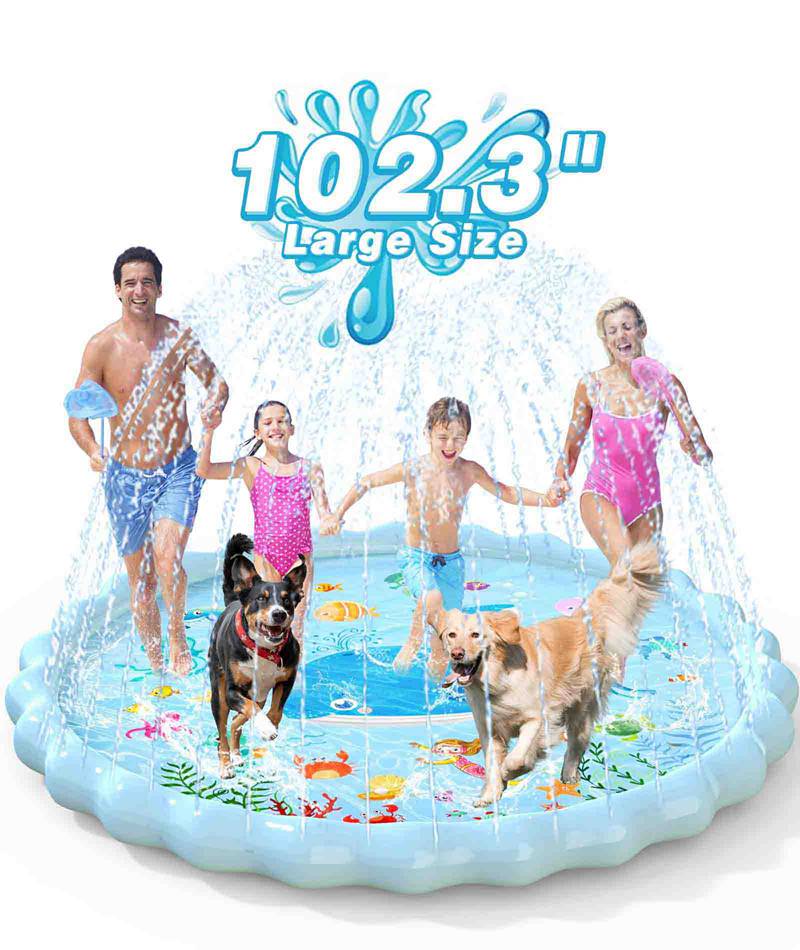
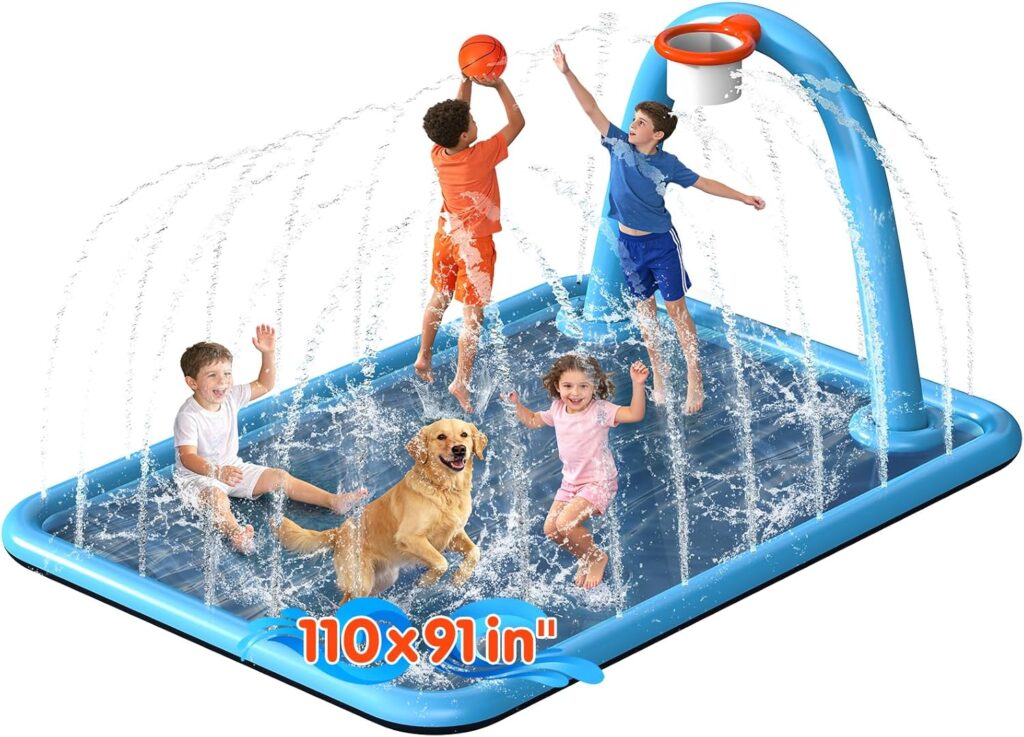
Splash Pad Manufacturer: https://amepsilon.com/splash-pad
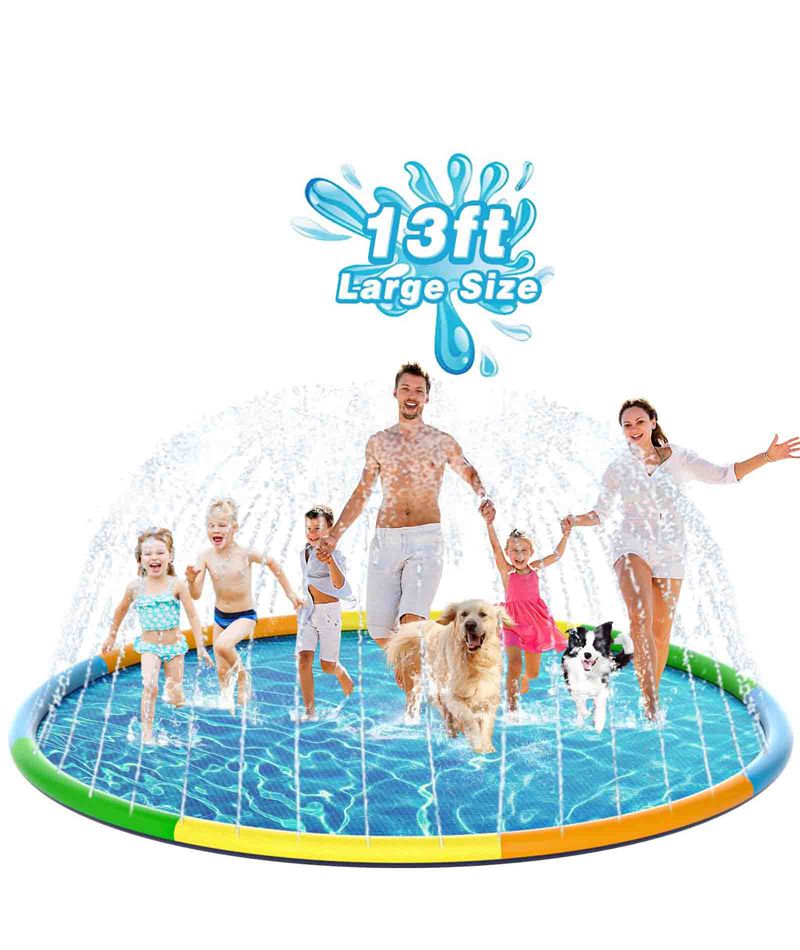
Dog Splash Pad Manufacturer: https://amepsilon.com/dog-splash-pad/
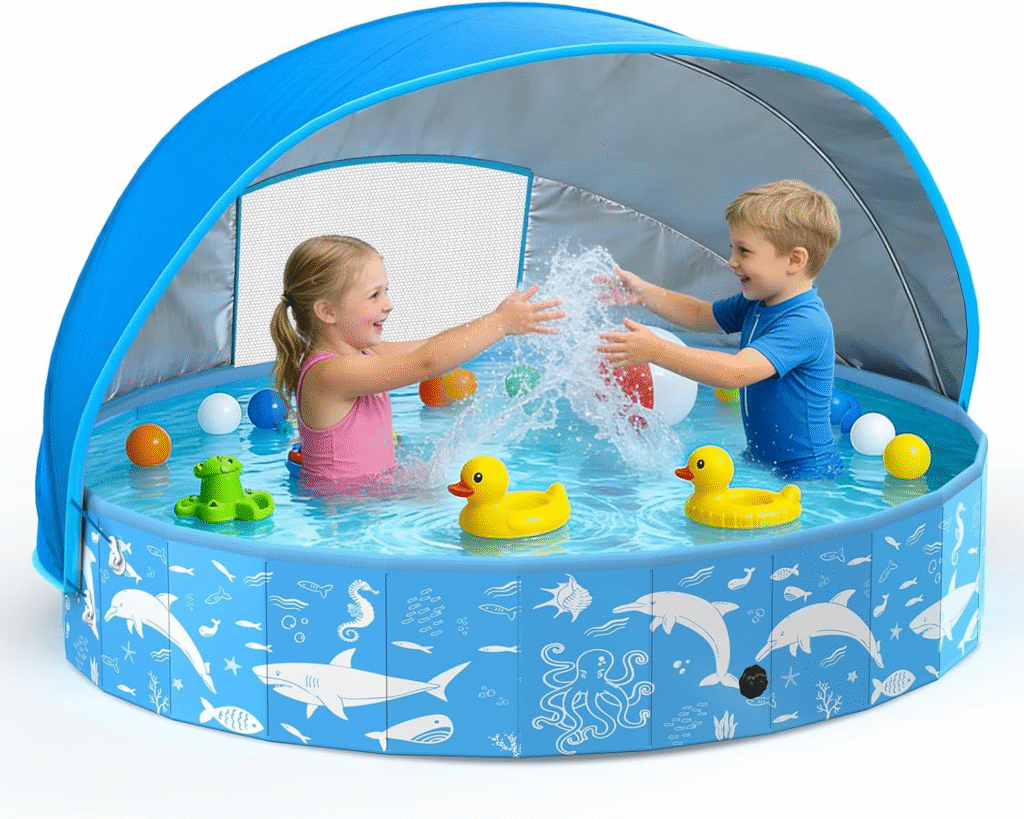
Dog Pool Manufacturer: https://amepsilon.com/dog-pools
Pool Pillow Manufacturer: https://amepsilon.com/pool-pillow/
Soccer Splash Pad Manufacturer: https://amepsilon.com/soccer-splash-pad