Skip to content

Non-Slip Dog Pool with Sprinkler for Large Dogs
A foldable backyard pool with textured footing, supported walls, and adjustable sprinkler play.
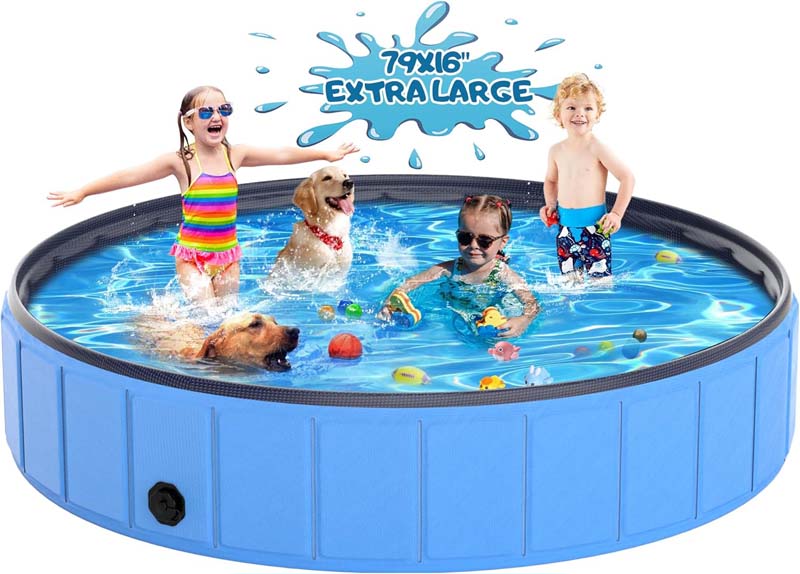
Choose from five round sizes for dogs and outdoor areas of different scales. The 0.55 mm PVC body, PP-supported walls, textured base, edge sprinkler, and dual outlets simplify setup, water control, drainage, drying, and storage.
- Five sizes from 79 to 132 inches
- Pool and sprinkler in one
- 0.55 mm PVC body
- PP-supported foldable walls
- Textured base for wet paws
- Upper outlet and lower drain
Shallow Water With Adjustable Sprinkler Play
Dogs can cool their paws, stand in shallow water, walk through gentle spray, or use the wide basin for outdoor washing. Water depth and sprinkler pressure can be adjusted according to dog size, mobility, confidence, and preferred activity.

Water-Holding Center
The round basin holds shallow water for standing, turning, sitting, paw cooling, rinsing, and supervised wading. Begin with a thin layer so the dog can explore the surface calmly, then increase the depth only when entry, movement, and exit remain comfortable and controlled.
Adjustable Edge Spray
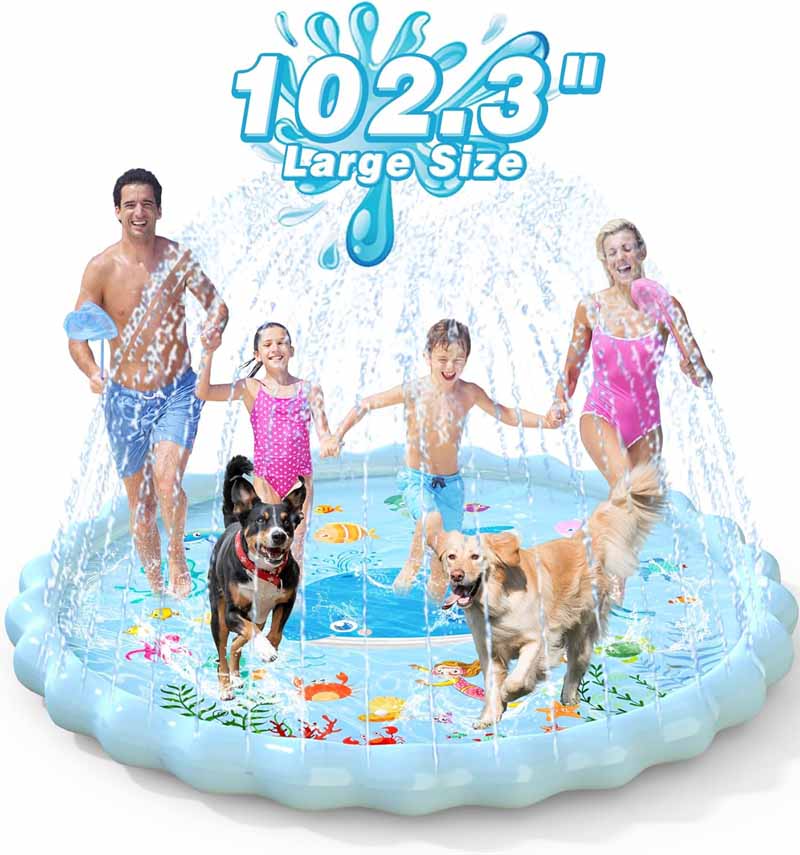
Small openings around the upper edge create water arcs after the inlet connects to a garden hose. Household faucet pressure controls the height and reach, allowing owners to begin with short, quiet spray before introducing more visible movement around the pool.
Supported Sidewalls
Built-in PP panels help the round wall remain upright without inflatable air chambers. No pump or external frame is required, and each section stays attached during setup. After drainage and complete drying, the wall folds along the original panel divisions.
Separate Water Controls
One inlet supplies the sprinkler, an upper outlet helps manage the working water level, and a lower outlet drains the main basin. Position the fittings toward the planned hose and runoff routes before filling so water can be controlled without moving a heavy pool.
Why Wet Paws Need Better Support
Water, mud, loose hair, bathing residue, sudden movement, and uneven ground can make a basic seasonal pool difficult for dogs to use. Textured footing helps, but stable placement, shallow water, supported walls, and calm movement remain equally important.

More Wet-Paw Contact
The patterned bottom provides more contact than a completely smooth PVC floor. It supports slower standing, turning, rinsing, and bathing when the pool lies flat and the water remains manageable. Clear away hair, mud, leaves, and soap whenever they collect beneath the paws.
Clearer Wall Support
Dogs may brush the wall while turning or place one paw across the edge during entry. PP-supported sections help maintain a clearer round boundary than an unsupported sheet. The wall remains foldable, so sitting, jumping, or repeated heavy pressure on the rim should be prevented.
Room for Large Dogs
Medium and large dogs need enough diameter to stand, turn, and leave without constant wall contact. Body length, turning radius, mobility, and movement style provide a better guide than breed name or weight. Wider options also help separate compatible dogs during shared sessions.
Easier Water Removal
The upper outlet helps control rising water while the sprinkler operates, and the lower outlet drains most of the remaining volume afterward. A planned runoff route reduces lifting and tipping, while a compatible drainage hose may guide water away from patios, doors, and pathways.
Three Water Modes in One Pool
The basin and edge sprinkler can operate separately or together. Begin with still shallow water, introduce gentle spray later, or combine both after the dog accepts the floor, wall height, sound, and water movement.

Pool-Only Mode
Add a shallow water level and leave the sprinkler turned off for cooling, standing, paw rinsing, or outdoor bathing. The quieter setup suits cautious dogs and early introductions because the dog can focus on the wall and floor without moving water around the perimeter.

Sprinkler-Only Mode
Connect the garden hose and keep standing water minimal while short arcs rise around the edge. Dogs attracted to moving water can explore the spray without entering a deeper basin. Low pressure also helps control oversplash in smaller yards or patio areas.

Combined Water Play
Use shallow water and edge spray together for dogs already comfortable with both. The center provides a calmer standing area while the sprinkler adds movement around the perimeter. Floating toys can encourage gentle exploration, but fast chasing and sharp turns should be limited.

Gradual Adjustment
Begin with the faucet barely open and increase the flow in small steps. Reduce the pressure whenever the dog becomes hesitant, the center fills too quickly, or water begins reaching doors, furniture, walkways, neighboring areas, or the dog’s face.
How the Textured Base Supports Wet Paws
The patterned floor is designed to improve contact during controlled movement, but no wet surface can guarantee completely slip-free use. Ground condition, water depth, cleanliness, nail care, and dog behavior all influence footing.

Patterned Surface
Raised texture gives wet paws more contact points than a fully smooth PVC sheet. The benefit is most noticeable during slow entry, standing, turning, rinsing, and short cooling sessions. Smooth the floor outward before filling so deep folds do not remain beneath the dog.
Clean Footing
Mud, loose hair, leaves, grass, sand, toys, and bathing residue can create a movable layer over the pattern. Remove visible debris during use and rinse the floor before residue dries. Turn off active play while soap or loose material remains underfoot.
Shallow Water
Begin with enough water to wet the paws and lower legs while keeping movement easy to observe. Increase the depth only when the dog enters voluntarily and maintains a steady posture. Wall height should not be treated as a required filling level.
Calm Movement
Running, spinning, jumping, and fast toy chasing can reduce stability on any wet surface. Use short introductions and prevent high-speed activity until the dog understands the wall, textured floor, entry point, and water movement. Calm play also places less pressure on the sidewall.
Five Details for Regular Backyard Use
Material thickness, wall support, floor texture, water control, and foldable storage all influence how practical a dog pool feels after repeated sessions. Each detail supports a different part of the routine.

0.55 mm PVC Body
The pool uses 0.55 mm PVC for water contact, rinsing, folding, and supervised paw movement. The flexible material provides a substantial surface for seasonal use but can still be damaged by sharp debris, digging, biting, rough dragging, or folding while dirt remains trapped inside.

PP Panel Support
Firm PP panels sit inside the sidewall and help maintain the round shape without inflation. Position every panel correctly before filling so water pressure reaches the wall evenly. Prevent heavy leaning, sitting, jumping, or repeated downward pressure on the rim.

Textured Bottom
The patterned floor improves wet-paw contact compared with a completely smooth surface. It works best on level ground with shallow water, clean footing, and controlled movement. Recheck the bottom during bathing or muddy play when residue can collect quickly.

Dual Water Outlets
The upper outlet releases excess water while the sprinkler operates, and the lower outlet drains the main basin afterward. Separate controls reduce the need to tip or lift a large pool. Position both outlets before filling so water leaves in a suitable direction.

Foldable Storage
After drainage, rinsing, and complete drying, the pool folds along the PP panel divisions. No deflation is required, and the fittings stay attached. Protect the folded structure from sharp tools, strong heat, chemicals, damp floors, and heavy objects during storage.
Choose the Right Size for Dog and Yard
Pool diameter affects turning room, entry height, water use, drainage time, drying space, and folded storage. Measure the dog and the complete working area before choosing a size.

| Size | Approximate Dimensions | Suggested Fit | Planning Notes |
|---|---|---|---|
| 79 in | 200 cm diameter × 30 cm high | One medium or large dog; several small pets | Balanced for many lawns and wider patios |
| 97 in | 246 cm diameter × 30 cm high | One large dog or two compatible medium dogs | Requires more turning and runoff space |
| 106 in | 270 cm diameter × 30 cm high | Large dogs and multi-pet households | Better suited to open lawns |
| 118 in | 300 cm diameter × 40 cm high | Several pets and larger yards | Higher wall requires a calmer entry |
| 132 in | 335 cm diameter × 40 cm high | Multiple large dogs and very large yards | Confirm water use, drainage, and storage |
The 79-inch size provides a practical balance between movement room, water use, drainage, and storage for many households. Larger models provide more space but require wider ground, longer filling time, and a larger area for rinsing and drying.
Leave walking clearance around the full circumference for entry, hose routing, supervision, and water removal. Select a diameter that allows comfortable standing and turning without constant wall contact or unnecessary water use.
Match Pool Space to Large Dogs
Dogs of similar weight may have very different body lengths, shoulder heights, mobility, and turning styles. Measure actual movement needs rather than choosing solely by breed category.

Medium Dogs
The 79-inch size gives many medium dogs room to enter, stand, turn, sit, and cool their paws. Compare the dog’s nose-to-tail-base length with the usable center and allow additional clearance for turning, owner assistance, floating toys, and a clear exit route.
Large Dogs
Labradors, Golden Retrievers, German Shepherds, and similarly sized dogs may benefit from the 97- or 106-inch options. Wider diameters provide more turning room when the yard can support the larger footprint, increased water use, and longer drainage and drying routines.
Multiple Dogs
Compatible dogs may share a larger pool when each animal has enough room to move and leave separately. Introduce them one at a time, keep more than one exit route open, and remove toys that encourage guarding, competition, crowding, or rough movement.
Senior Dogs
Older or mobility-limited dogs may need shallower water, lower spray, and a stable entry point. Select according to step-over ability rather than maximum diameter. A secure mat or pet step outside the pool may assist entry when placed on level ground.
How PVC and PP Panels Work Together
The PVC body and internal PP panels perform different roles during filling, use, drainage, and storage. PVC creates the flexible water-holding surface, while the panels support the wall and guide folding.

Flexible PVC Body
The 0.55 mm PVC forms the bottom and wall covering. It can be rinsed after muddy play, outdoor bathing, or sprinkler use while remaining flexible enough for repeated folding. Avoid abrasive brushes, sharp cleaning tools, strong solvents, and dragging across rough ground.
Supported Wall Sections
Each side section contains a PP panel that helps the wall stand without an inflatable ring. Open every panel evenly and add water gradually so the circular shape settles correctly. The supported wall remains flexible and should not carry body weight.
Natural Folding Lines
The panel divisions create predictable folding points after the pool has dried. Follow the original sections rather than forming sharp new bends near the inlet, outlets, or rigid edges. Careful folding helps the wall return to shape during the next setup.
Handled Fittings
The inlet and outlets receive regular contact during setup, drainage, and cleaning. Tighten them by hand and support the surrounding material when opening caps. Avoid carrying, pulling, or hanging the pool by one fitting or wall section.
Adjust Spray for Dog Comfort
Household faucet pressure determines the height, reach, and force of the sprinkler arcs. Gradual adjustment helps create comfortable water movement without excessive sound, oversplash, or rapid filling.

Low Pressure
Begin with the faucet barely open to create shorter, quieter arcs. The gentle setting suits puppies, senior dogs, first-time users, and pets uncertain around moving water. Keep the center shallow and allow the dog to approach or leave freely.
Moderate Pressure
Increase the flow after the dog remains relaxed and continues moving comfortably. Moderate spray creates more visible activity while leaving the center available for standing, turning, and rest. Watch the water level and reduce flow when the basin fills quickly.
Higher Pressure
Strong spray increases sound, water use, oversplash, and excitement. Maximum height is rarely necessary, especially when water reaches the dog’s face, nearby furniture, doors, or walking paths. A lower setting often creates a more manageable play area.
Uneven Spray
Grass, hair, soil, sand, or mineral residue may reduce flow through individual openings. Turn off the faucet before cleaning and use clean water or a soft cloth. Avoid pins, blades, wire, or other sharp objects that may enlarge the holes.
One Inlet and Two Water Outlets
The three water ports manage separate parts of the routine. The inlet supplies the sprinkler, the upper outlet helps control the working depth, and the lower outlet drains the main water volume.

Garden Hose Inlet
Connect a compatible garden hose and tighten the fitting by hand. Leave enough slack to prevent sideways pulling and keep the hose outside the dog’s main entry route. Open the faucet slowly and check the connection before increasing the pressure.
Upper Level Outlet
Open the upper outlet when sprinkler flow begins raising the center beyond the preferred depth. Keep hair, leaves, toys, towels, and grass away from the opening. The outlet supports water-level control but does not replace faucet adjustment or supervision.
Lower Drain Outlet
Use the lower outlet after cooling, washing, or play to empty most of the basin. Point it toward a suitable lawn or drainage route before filling. A compatible hose may help direct water away from doors, paths, and foundations.
Final Water Removal
Small amounts may remain inside shallow floor folds after the main drainage step. Wait until most water has left, then gently raise the opposite side to guide the remainder toward the lower outlet. Never lift or drag a heavily filled pool.
Set Up the Pool in Four Steps
A level surface, correctly positioned panels, a protected hose route, and gradual filling create a more predictable first session. Complete the preparation before water makes the pool heavy.

Prepare the Ground
Choose level grass, a smooth patio mat, or another stable surface. Remove stones, sticks, thorns, roots, screws, gravel, hard toys, and other sharp debris from the complete footprint. Leave enough clearance for entry, supervision, and drainage.

Open Every Panel
Unfold the wall divisions and arrange each PP-supported section upright. Smooth the floor outward from the center so deep wrinkles do not remain beneath the paws. Point the lower outlet toward the selected runoff area before adding water.

Connect and Fill
Attach the garden hose while the faucet remains off. Open it slowly, inspect the connection, and add shallow water before increasing the sprinkler pressure. Confirm that the upper outlet remains clear when it is needed for water-level control.

Introduce the Dog
Begin with still water or low spray and allow voluntary entry. Use calm encouragement, a familiar cue, or a floating toy without forcing the dog inside. End the first session before fatigue, stress, or uncontrolled movement begins.
Safer Water Play Starts With Good Habits
Pool features can support a more manageable water area, but actual footing and comfort depend on placement, water depth, nail condition, cleanliness, and supervision. Check these factors during every session.

Use Level Ground
Uneven ground can twist the bottom, move water toward one side, and affect wall alignment. Recheck the area after filling because hidden objects may become more noticeable under water weight. Avoid soft ground where individual wall sections may sink.
Smooth Dog Nails
Trim and file pointed nail edges before regular use, especially for large or active dogs. Nail care reduces concentrated pressure but cannot make flexible PVC resistant to every puncture or scratch. Stop digging, biting, and repeated clawing immediately.
Keep Water Shallow
Use only enough water for comfortable standing, cooling, rinsing, and wading. The listed wall height does not represent a required filling level. Shallow water keeps the paws visible and reduces the volume that must be drained afterward.
Stay Close
Remain near enough to control the faucet, remove debris, assist entry, and stop rough play. Separate dogs when energy levels differ or space becomes crowded. Drain the pool after use rather than leaving standing water accessible without supervision.
Four Ways to Use the Dog Pool
The same foldable setup can support cooling, outdoor bathing, gentle water activity, and shared pet sessions. Adjust the water depth and sprinkler flow according to the weather and dog confidence.

Summer Cooling
Create short water breaks after walking, training, grooming, or time outdoors. Use shallow water, shade, and gentle spray while keeping fresh drinking water and a dry resting area nearby. End the session when the dog becomes tired or uncomfortable.

Outdoor Bathing
Use the broad basin to contain rinse water, loose hair, sand, mud, and outdoor dirt. Turn off the sprinkler for greater control and use dog-appropriate bathing supplies. Remove loose hair and rinse the textured bottom until no visible residue remains.

Water Enrichment
Float durable toys or reward calm movement through low spray. Alternate active moments with quiet standing and rest instead of encouraging nonstop chasing, jumping, or spinning. Allow the dog to leave freely whenever interest or comfort decreases.

Multi-Dog Sessions
Compatible dogs may share larger sizes when each animal has enough room and a clear exit. Introduce them separately, manage toys carefully, and end shared activity when crowding, guarding, pushing, or rough contact begins.
Compare Common Dog Water Options
A sprinkler pool, splash pad, standard foldable pool, and inflatable pool create different experiences for entry, water depth, bathing, drainage, and storage. Choose according to how the dog naturally approaches water.
| Water Option | Water Experience | Wall Structure | Best Match | Main Trade-Off |
|---|---|---|---|---|
| EPN Dog Pool With Sprinkler | Shallow water with edge spray | PP-supported foldable wall | Cooling, bathing, wading, and spray | Requires planned drainage and drying |
| Flat Dog Splash Pad | Surface spray with minimal retained water | Flat center or low edge | Cautious dogs and easy entry | Limited soaking and bathing depth |
| Standard Foldable Pool | Standing water without spray | Supported foldable wall | Quiet cooling and outdoor washing | No built-in sprinkler |
| Inflatable Pool | Standing water | Air-filled chambers | Occasional light water use | Requires inflation and deflation |
Choose the EPN format when a dog enjoys both standing water and moving spray and the household can manage a larger setup, planned drainage, and complete drying after use.
A flat splash pad may suit dogs that avoid raised walls, while a standard foldable pool may be sufficient when outdoor bathing and quiet soaking are the main goals.
Drain, Rinse, Dry, and Fold
A consistent after-use routine removes hair and dirt, protects the fittings, and prevents moisture from remaining between folded layers. Complete cleaning before mud or bathing residue dries.

Drain Before Moving
Turn off the faucet and open the lower outlet while the pool remains flat. Never lift, drag, or fold the pool while it still holds a significant amount of water. Direct runoff toward a suitable area before the session begins.

Rinse Away Residue
Use clean water to remove fur, grass, mud, sand, leaves, and bathing products. A soft cloth or sponge can clean stubborn areas without scratching the PVC. Check around the fittings and sprinkler openings before residue dries.

Dry Both Sides
The interior may feel dry while moisture remains beneath the bottom and between wall panels. Reposition the empty pool so airflow reaches the underside, fittings, rim, and every fold. Allow additional time after use on grass or in humid weather.

Follow Panel Lines
Fold along the original PP panel divisions and protect the inlet and outlets from concentrated pressure. Store the dry pool away from heat, chemicals, sharp tools, pests, and heavy objects that may bend the panels or damage the fittings.

The full setup requires more room than the listed diameter. Confirm dog fit, wall height, hose access, drainage direction, drying area, and folded storage location before selecting a size.
- Measure the complete open footprint
- Leave walking space around the rim
- Compare dog length and turning room
- Check wall height and entry ability
- Confirm the hose reaches the inlet
- Keep the hose outside entry routes
- Plan the upper-outlet runoff
- Point the lower drain safely
- Allow room for complete drying
- Check folded storage space
- Confirm the selected size
- Verify the included fittings
A larger diameter provides more movement room but requires more water, longer drainage, and a wider drying area. Choose the smallest size that still provides comfortable standing, turning, and exit space.
Confirm the selected variation, package contents, included components, availability, and delivery information before checkout.
Frequently Asked Questions
These answers cover the main questions about textured footing, large-dog use, sprinkler adjustment, inflation, drainage, suitable surfaces, cleaning, and storage.
Is the EPN dog pool completely slip-proof?
No wet surface can remove every slipping risk. The textured bottom improves paw contact when the pool is level, clean, shallow, and used with controlled movement.
Why is it described as non-slip?
The bottom has a textured finish rather than a completely smooth surface. Actual footing also depends on water depth, cleanliness, ground condition, nail length, and dog behavior.
Can large dogs use the pool?
Yes. The 79-inch size suits many medium and large dogs, while wider options provide additional standing and turning room for longer dogs or several pets.
Does the pool require inflation?
No. Built-in PP panels support the foldable wall, so no air pump, inflatable ring, loose frame pieces, or deflation step is required.
How is the sprinkler height controlled?
Household faucet pressure controls the water arcs. Begin with low pressure and increase it gradually after the dog becomes comfortable with the sound and movement.
Can the pool be used without spray?
Yes. Add shallow water and use the center for cooling, standing, rinsing, soaking, or outdoor bathing without activating the edge sprinkler.
What do the two outlets do?
The upper outlet helps manage rising water while the sprinkler runs. The lower outlet drains most of the remaining water after cooling, bathing, or play.
Can the pool sit on grass?
Yes, when the area is level and cleared of stones, sticks, roots, thorns, screws, seed pods, and other sharp or hidden debris.
Can the pool sit on a patio?
A smooth, level patio can work with a suitable protective layer and planned drainage. Avoid rough concrete, gravel, exposed hardware, hot surfaces, and slopes.
Should dog nails be trimmed?
Smooth nails reduce concentrated pressure on the PVC. Prevent digging, biting, jumping, sharp spinning, and repeated scratching at the bottom or wall.
How should the pool be cleaned?
Drain the water, remove loose debris, rinse the PVC and fittings, and use a soft cloth where needed. Avoid abrasive brushes, sharp tools, and strong solvents.
How should the pool be dried?
Expose the interior, underside, wall folds, inlet, outlets, and rim to airflow. Fold only after every visible and hidden area is completely dry.
How should the pool be stored?
Fold along the PP panel divisions and protect the fittings. Store away from heat, chemicals, sharp tools, pests, damp floors, and heavy objects.
Can water remain inside overnight?
Drain the pool after use. Standing water can collect dirt and debris and may allow pets or children to enter when direct supervision is unavailable.
Where can purchase information be checked?
Use the Amazon page to confirm available sizes, package contents, included fittings, availability, delivery timing, and other variation-specific details.
Create a Steadier Backyard Water Routine

The EPN Non-Slip Dog Pool with Sprinkler for Large Dogs combines shallow water, adjustable edge spray, a textured 0.55 mm PVC base, PP-supported walls, and dual water outlets in one foldable setup.
Choose a diameter that gives the dog enough standing and turning room while fitting the yard, hose route, runoff area, and drying space. Begin with level ground, shallow water, and low pressure so the dog can adjust gradually.
After each session, turn off the faucet, drain the pool in place, rinse away hair and dirt, dry the interior and underside, and fold along the original panel divisions. A consistent routine keeps cooling, bathing, and sprinkler play easier to repeat throughout summer.