Skip to content

Pet Pool with Sprinkler for Large Dogs
A foldable backyard pet pool for cooling, bathing, shallow soaking, and adjustable sprinkler play.
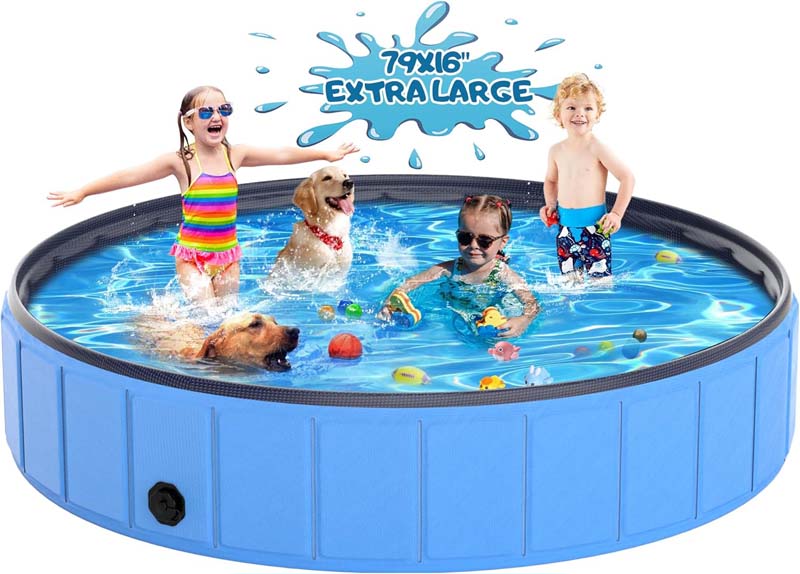
Choose from three round sizes for dogs and yards of different scales. The 0.55 mm PVC body, PP-supported walls, textured base, edge spray, and dual outlets simplify setup, drainage, drying, and storage.
- Three sizes from 79 to 106 inches
- Pool and sprinkler in one
- 0.55 mm PVC body
- PP-supported foldable walls
- Textured base for wet paws
- Upper outlet and lower drain
Pool and Sprinkler Play in One Setup
A regular dog pool provides standing water, while a splash pad mainly creates moving spray. The EPN design combines both experiences in one foldable setup for cooling, rinsing, bathing, and supervised backyard play.

Shallow Water Center
The round basin holds shallow water for standing, turning, paw cooling, resting, rinsing, and outdoor bathing. Begin with a thin layer, watch how the dog enters and moves, and increase the depth only when it remains comfortable and can leave the pool without difficulty.
Adjustable Edge Spray
Small openings around the upper edge create water arcs after the inlet connects to a compatible garden hose. Household faucet pressure controls the height and reach, allowing owners to begin with quieter, shorter spray before gradually adding more movement for confident dogs during supervised play.
Supported Sidewalls
Built-in PP panels support the sidewall, so setup does not require inflation, air-pressure checks, or waiting for several chambers to deflate. Unfold the pool, position the outlets, connect the hose, and add water gradually. After use, complete the main tasks of drainage, rinsing, drying, and folding.
Controlled Drainage
The upper outlet helps release excess water while the sprinkler continues running, and the lower outlet drains most remaining water afterward. Position the runoff route before filling, keep both openings clear of debris, and avoid lifting or dragging the pool while it still holds water.
A Practical Summer Water Area for Dogs
Warm-weather routines need manageable activity, nearby cooling, clear supervision, and a setup that fits an ordinary lawn or patio. Shallow water and adjustable spray offer several options without permanent installation.

Cooling Breaks
A shallow pool gives dogs a place to wet their paws and lower legs after walking, training, or spending time outside. Use cooler periods of the day when possible, begin with gentle water, and keep shade, fresh drinking water, and a dry resting area nearby.
Outdoor Variety
Moving water adds sound and motion when ordinary yard activities feel less engaging. Owners can adjust the faucet pressure, session length, and play area while keeping the dog close to home. Alternate active spray moments with quiet standing, sniffing, cooling, or resting nearby.
Outdoor Bathing
The raised wall creates a contained area for rinsing muddy paws, loose hair, sand, and outdoor dirt. Turn off the sprinkler for a calmer wash, use dog-appropriate bathing products, and remove loose hair or residue before opening the lower drain and rinsing the basin.
Defined Play Area
The round shape creates a visible boundary for supervised water activity. Owners can monitor footing, water depth, entry, turning, and movement while keeping hoses, furniture, tools, and walking paths outside the main play space. Leave enough surrounding room for a clear, unobstructed exit.
Compare Dog Water Play Options
Water depth, entry preference, bathing needs, spray activity, and storage space all affect which backyard setup works best. Choose according to how the dog naturally responds to standing water and moving spray.
| Water Option | Water Experience | Best Match | Main Trade-Off |
|---|---|---|---|
| EPN Pool With Sprinkler | Shallow soaking with adjustable edge spray | Cooling, bathing, wading, and moving-water play | Requires more water and space than a flat pad |
| Dog Splash Pad | Surface spray with minimal retained water | Dogs preferring low entry and spray-focused play | Limited soaking and bathing depth |
| Foldable Dog Pool | Standing water without sprinkler spray | Calm cooling, rinsing, and outdoor bathing | No built-in moving water |
| Inflatable Pool | Standing water supported by air chambers | Occasional light water use | Inflation, deflation, and pet-nail care |
The EPN format suits households wanting both standing water and sprinkler activity without preparing two separate water items.
A flat splash pad may work better for dogs that hesitate to step over a raised wall. A standard foldable pool may be sufficient when bathing and quiet soaking are the main goals.
Six Features for Everyday Water Play
Material thickness, wall support, spray control, drainage, surface texture, and foldability all influence how practical a dog pool feels after repeated use. Each feature supports a different stage from opening the pool to storing it.

Pool and Sprinkler Modes
Use shallow water alone, activate the edge sprinkler, or combine both functions for more active outdoor play. One setup can support quiet cooling, rinsing, bathing, and moving-water enrichment without preparing a separate splash pad. Adjust the water depth and spray pressure gradually for comfort.

0.55 mm PVC Body
The floor and sidewalls use 0.55 mm PVC for water contact, rinsing, folding, and supervised paw movement. The flexible material supports regular outdoor use when placed on prepared ground, but sharp debris, dragging, digging, chewing, or repeated scratching may still damage the surface.

PP Panel Support
Built-in PP panels help the round wall remain upright without air pressure, an inflatable ring, or a separate pump. Open every panel evenly on level ground, smooth the floor outward, and confirm that each wall section is positioned correctly before gradually adding water.

Textured Bottom
The patterned base provides wet paws with more surface contact than a completely smooth PVC floor. It performs best on level ground with shallow water and controlled movement. Remove mud, soap, loose hair, leaves, grass, sand, and toys whenever they collect during use.

Dual Water Outlets
The upper outlet releases excess water while the edge sprinkler remains active, and the lower outlet drains most remaining water afterward. Separate outlets provide better control during use and cleanup while reducing the need to lift, drag, or sharply tip the large basin.

Foldable Storage
After drainage, rinse the floor, walls, underside, folds, and fittings, then allow every surface to dry completely. The pool folds naturally along the PP panel divisions without deflation. Protect the fittings and store it away from sharp tools, strong heat, chemicals, pests, and heavy objects.
Built for Water, Paws, and Folding
The PVC body, internal panels, textured base, fittings, and correct handling work together during setup, play, drainage, and storage. Material thickness alone cannot replace level placement, controlled movement, and regular care.

Flexible PVC Body
The 0.55 mm PVC forms the water-holding floor and covers the inner and outer sidewalls. It can be rinsed after muddy play, bathing, or sprinkler use. Once completely dry, the flexible material follows the panel sections for organized folding and compact seasonal storage.
PP Panel Core
Firm PP panels sit inside the segmented wall and help maintain the round boundary during normal use without relying on air pressure. They also create natural folding divisions after drainage. Open each section evenly and avoid sharp bends along the rigid panel edges during storage.
Textured Floor
The bottom pattern supports wet-paw contact during slow entry, standing, turning, rinsing, and outdoor bathing. Footing still depends on ground level, water depth, cleanliness, nail condition, and dog behavior. Remove mud, soap, hair, leaves, grass, sand, toys, and bathing residue whenever they collect.
Frequently Handled Areas
The inlet, upper outlet, lower drain, wall transitions, and panel folds receive regular contact during setup and cleanup. Tighten fittings securely by hand, inspect their alignment before filling, and avoid pulling, lifting, dragging, or carrying the pool by one port or wall section.
Choose the Right Pool Size
The right diameter should provide enough room for standing and turning without creating unnecessary filling, drainage, or storage work. Measure the dog, yard, hose route, runoff area, and drying space before ordering.
| Size | Approximate Dimensions | Suggested Fit | Planning Notes |
|---|---|---|---|
| 79 in | 200 cm diameter × 30 cm high | One medium or large dog; several small pets | Balanced for medium lawns and wider patios |
| 97 in | 246 cm diameter × 30 cm high | One large dog or two compatible medium dogs | Provides more turning room and shared play space |
| 106 in | 270 cm diameter × 30 cm high | Large dogs and multi-pet households | Better suited to open lawns with wider drainage space |
The 79-inch size offers a practical balance between movement room, water use, drainage time, and folded storage. Larger options provide more space but require more water and a wider drying area.
Leave walking room around the full diameter and keep the garden hose outside the main entry route. The selected size should allow the dog to stand and turn without continuous wall contact.
Give Every Dog Room to Move
Dogs of similar weight can have different body lengths, turning styles, and mobility needs. Body shape, entry ability, energy level, and pet count provide a more useful size guide than breed name alone.

Medium Dogs
The 79-inch pool gives many medium dogs room to enter, stand, turn, sit, and cool their paws. Measure from the nose to the base of the tail, consider the dog’s turning style, and compare those dimensions with the usable center before selecting a size.
Large Dogs
Labradors, Golden Retrievers, German Shepherds, and similarly sized dogs often need more room than a compact bathing tub provides. A 97- or 106-inch pool may offer additional turning and resting space when the yard, drainage route, water supply, storage, and drying area allow.
Several Pets
Compatible dogs may share a larger pool when every animal has enough room to move, turn, rest, and leave separately. Introduce pets one at a time, supervise movement around the sprinkler edge, and remove toys that encourage guarding, competition, crowding, or rough contact.
Senior Dogs
Older or mobility-limited dogs may need shallow water, gentle spray, shorter sessions, and stable entry support. Choose according to step-over ability rather than maximum diameter, keep the approach clear and level, and consider a lower-entry splash pad when the raised wall feels difficult.
Set the Spray for Dog Comfort
Household water pressure controls the final spray height, allowing owners to begin gently and increase the flow gradually. Dog behavior should guide the setting rather than the highest possible water arc.

Low-Pressure Start
Open the faucet slowly to create shorter, quieter spray arcs and a calmer first introduction. This setting suits puppies, senior dogs, first-time users, and pets uncertain around moving water. Increase the flow only after the dog remains relaxed while standing, walking, or turning.
Everyday Cooling
A moderate setting creates visible spray while keeping the center available for standing, paw cooling, and quiet soaking. Watch the dog’s movement and the rising water level throughout use. Reduce the faucet flow whenever the basin fills too quickly or overspray reaches nearby areas.
Active Spray Play
Water-loving dogs may enjoy a fuller spray curtain, but stronger flow also increases sound, oversplash, water use, and movement around the edge. Keep activity controlled and redirect hard jumping, sharp turns, digging, repeated scratching, chewing, or biting at the sprinkler openings during play.
Uneven Spray
Grass, loose hair, soil, sand, dried residue, and mineral buildup may reduce flow through individual sprinkler openings. Turn off the faucet and release pressure before cleaning the edge. Use clean water, a soft cloth, or a soft brush rather than pins, needles, blades, or wire.
Three Water Controls Simplify Use
The inlet, upper outlet, and lower drain each handle a different part of the water routine. Together, they supply the sprinkler, help control the working depth, and release the remaining volume after play or bathing.

Garden Hose Inlet
Connect a compatible garden hose, confirm that the inlet fitting is aligned, and tighten it securely by hand. Leave enough slack so dogs, people, or nearby objects do not pull it sideways. Open the faucet slowly and inspect for twisting, movement, or visible leakage.
Upper Level Outlet
The upper outlet releases excess water while the sprinkler continues running, helping maintain a shallower center instead of allowing the level to rise continuously. Keep the opening clear of hair, toys, towels, leaves, grass, and debris so water can leave freely without backing up.
Lower Drain Outlet
The lower outlet releases most remaining water after cooling, bathing, cleaning, or play. Before filling the pool, face it toward a suitable lawn or drainage route. Make sure the released water will not reach doors, walkways, foundations, neighboring areas, landscaping, or electrical equipment.
Remaining Water
A small amount of water may remain inside shallow floor folds after the main drainage step. Wait until the pool is nearly empty, then gently raise the opposite edge to guide it toward the outlet. Avoid sharp folds and never move the pool while heavily filled.
Set Up the Pool in Four Steps
A level surface, correctly positioned panels, a protected hose route, and gradual filling create a more predictable first session. Prepare the complete area before water makes the pool heavy and difficult to reposition.

Prepare the Ground
Choose flat grass, a smooth patio mat, or another stable surface that supports the full pool evenly. Remove stones, sticks, thorns, gravel, exposed roots, sharp toys, and hardware. Leave enough surrounding room for dog entry, owner movement, hose routing, drainage, drying, and cleanup.

Open Every Panel
Place the folded pool in the prepared area and open each PP-supported wall section evenly. Smooth the base outward from the center so deep wrinkles do not remain beneath the paws. Confirm every panel stands upright and the lower outlet faces the planned drainage route.

Connect the Hose
Close the lower drain before attaching a compatible garden hose to the inlet. Tighten the fitting by hand, leave enough hose slack, and begin with low pressure. Keep the hose outside the main entry route and correct twisting, pulling, looseness, or leakage before use.

Introduce the Dog
Begin with shallow water and leave the sprinkler off during the first approach. Allow the dog to sniff, enter, turn, and leave voluntarily without being forced. Add gentle spray only after movement remains relaxed, balanced, comfortable, and controlled inside and around the pool.
Build Water Confidence Gradually
Water-loving dogs, cautious pets, senior animals, and multi-dog households need different introductions and session lengths. A gradual routine helps dogs understand the wall, floor, water sound, and moving spray.

Cautious Dogs
Begin with the empty pool and allow the dog to sniff, investigate, or step inside without water. Add a shallow layer during the next stage and keep the sprinkler off. Introduce low spray only after entry, turning, standing, and exit remain relaxed and voluntary.
Water-Loving Dogs
Confident dogs may accept moderate spray sooner, but activity should still remain controlled and supervised. Increase the flow gradually, watch footing and water depth, and alternate active sprinkler play with quiet soaking, shaded rest, and access to fresh drinking water throughout the session.
Senior Dogs
Older dogs often prefer lower water, gentle spray, stable footing, and shorter sessions. Place a secure mat outside the pool, keep the entry route level and clear, and provide calm assistance only when accepted. Stop the session if movement becomes hesitant or tiring.
Multi-Dog Homes
Introduce dogs separately before shared use and match pets with compatible energy levels, movement styles, and water confidence. Keep more than one exit route open, remove high-value toys when guarding appears, and end the session if crowding, rough contact, or visible stress develops.
Four Ways to Use the Pool
One foldable pool can support cooling, water enrichment, outdoor washing, and supervised shared play without permanent installation. Adjust the water depth and sprinkler pressure according to the weather and activity.

Cooling Breaks
Create a short cooling break after walking, training, exercise, or extended time outdoors. Place the pool in a shaded area and begin with shallow water and gentle spray. Keep fresh drinking water, a dry resting space, and a clear exit nearby throughout the session.

Water Enrichment
Use durable floating toys, gentle recall activities, or slow walks through low spray to encourage controlled movement and curiosity. Alternate short active periods with quiet standing, sniffing, or resting. Avoid hard throws, nonstop chasing, repeated jumping, or sharp turns across the wet floor.

Outdoor Bathing
The raised wall creates a contained area for rinsing mud, loose hair, sand, and outdoor dirt. Turn off the sprinkler when greater control is needed, use dog-appropriate bathing products, and remove hair before opening the drain. Rinse the floor, walls, and fittings afterward.

Shared Pet Play
Compatible dogs can share larger sizes when the center provides enough room and every pet has a clear entry and exit. Introduce them separately, supervise movement around water and toys, and end the session when crowding, guarding, rough interaction, or visible stress begins.
Check Before Choosing a Sprinkler Pool
A suitable pool should fit the dog, yard, hose route, drainage area, drying space, and storage location. Reviewing the complete routine helps prevent problems after delivery.
| Decision Point | Why It Matters | EPN Detail |
|---|---|---|
| Water Style | Determines whether dogs can soak and use moving water | Shallow basin with hose-powered edge spray |
| Main Material | Affects folding, rinsing, and regular outdoor use | 0.55 mm PVC body |
| Wall Structure | Supports the round shape without inflation | Built-in PP panels |
| Bottom Surface | Supports wet-paw contact | Textured base |
| Size Options | Affects fit, water use, and drying | 79, 97, and 106 inches |
| Water Control | Manages spray, depth, and drainage | One inlet, upper outlet, and lower drain |
| Setup | Determines preparation and storage work | No pump; unfold, fill, drain, dry, and fold |
| Storage | Requires dry folded space | Keep fittings protected and panels uncompressed |
The largest size is not automatically the best choice. A smaller diameter may provide enough movement room while remaining easier to fill, drain, dry, and store.
Confirm the selected size, included fittings, package details, and delivery information before checkout.
Drain, Clean, Dry, and Store
Most avoidable odor, residue, and storage problems begin after the water session ends. A complete drainage and drying routine keeps the pool cleaner and easier to reopen.

Drain Before Moving
Turn off the faucet, remove the dog, and open the lower outlet toward the planned drainage area at a steady pace. Do not drag the filled pool, pull it by a fitting, or lift one wall sharply. Reposition it only after the basin is nearly empty.

Rinse Away Residue
Use clean water to remove loose fur, soil, grass, sand, mud, and bathing products from the floor, walls, rim, folds, and fittings. Check corners and panel transitions carefully. Use a soft cloth or non-abrasive sponge on stubborn residue without scratching the PVC surface.

Dry Both Sides
The interior may feel dry while moisture remains beneath the base, around fittings, or between wall panels. Carefully reposition the empty pool so airflow reaches the underside, rim, folds, and panel divisions. Allow every surface to dry completely before folding to reduce trapped moisture and odor.

Fold Along Panels
Fold the pool along the original PP panel divisions and keep the inlet, outlets, and drain fittings away from concentrated pressure. Store it completely dry in a clean, covered, ventilated area. Keep it away from sharp tools, strong heat, chemicals, pests, and heavy stacked objects.
Frequently Asked Questions
These answers cover the main questions about size, setup, spray control, drainage, suitable surfaces, dog comfort, cleaning, and storage.
What is a pet pool with sprinkler?
It combines a foldable water-holding pool with hose-powered spray around the upper edge. Dogs can cool, soak, rinse, bathe, or play.
Does the pool require inflation?
No. Built-in PP panels support the foldable wall, so the pool opens without an air pump, inflatable rim, or external frame.
Is the 79-inch size suitable for large dogs?
It suits many medium and large dogs, but body length, turning room, mobility, and activity level should be compared with the open diameter.
How high is the wall?
The listed 79-, 97-, and 106-inch versions use an approximate 12-inch wall.
How is spray height adjusted?
Household faucet pressure controls the water arcs. Begin with low flow and increase it gradually when the dog remains relaxed.
Can the pool be used without spray?
Yes. Add shallow water and use the center for cooling, standing, rinsing, or outdoor bathing without activating the sprinkler.
What surface works best?
Use level grass or a smooth, clean patio. Remove stones, sticks, thorns, gravel, sharp toys, and exposed hardware before setup.
How do the two outlets work?
The upper outlet manages rising water while the sprinkler runs. The lower outlet drains most remaining water afterward.
Is the bottom completely slip-proof?
No wet surface can remove every slipping risk. The textured base improves contact, but shallow water, clean footing, level ground, and calm movement remain necessary.
Can several dogs use the pool?
Compatible dogs may share a larger size under close supervision. Keep clear exits and stop crowding, guarding, or rough play.
How should the pool be cleaned?
Drain the water, remove loose debris, rinse the PVC and fittings, and use a soft cloth when needed.
How should the pool be dried?
Expose the center, underside, wall folds, inlet, and outlets to airflow. Fold only after every area is fully dry.
How should the pool be stored?
Fold along the PP panel divisions and protect the fittings. Store away from heat, sharp tools, chemicals, pests, and heavy objects.
Where can purchase details be checked?
Use the Amazon page to confirm available sizes, package contents, delivery timing, and included components.
Create a Better Summer Water Routine

The EPN Pet Pool with Sprinkler for Dogs combines shallow water, adjustable edge spray, a 0.55 mm PVC body, PP-supported walls, a textured base, and dual water outlets in one foldable setup.
Choose the size according to dog length, turning space, yard dimensions, hose position, runoff area, and available drying space. Begin with level ground, shallow water, and low spray so the dog can become familiar with the pool gradually.
After each session, turn off the water, drain the pool in place, rinse away hair and dirt, dry the interior and underside, and fold along the original panel divisions. A consistent routine keeps cooling, bathing, and backyard water play easier to repeat.