Skip to content
Leading Splash Pad Manufacturer Specializing in Durable, Safe & Custom Water Play Solutions
Designing and manufacturing high-quality splash pads using advanced PVC and composite materials for global brands, retailers, and families.
What Defines a Professional Splash Pad Manufacturer?
A professional splash pad manufacturer is defined not only by product appearance, but by material safety, structural durability, water flow design, and compliance with international standards. High-quality splash pads require reinforced PVC or composite materials, precise high-frequency welding, balanced water distribution systems, and rigorous safety testing to ensure long-term performance for children, pets, and families.
At EPN, we specialize in designing and manufacturing splash pads that meet global safety regulations while delivering engaging water play experiences. From backyard splash mats to large-format water play systems, our products are engineered for durability, UV resistance, leak prevention, and consistent water spray performance. We support both direct-to-consumer markets and B2B partners through OEM and ODM solutions, offering customization, fast sampling, and scalable production for global distribution.
What Challenges Do Buyers Face When Choosing a Splash Pad Manufacturer
Inconsistent Material Quality
Many splash pads on the market use thin or low-grade PVC that cracks, fades, or leaks after limited use, especially under sunlight and water pressure.
Uneven Water Spray Performance
Poorly designed water channels result in weak or uneven spray patterns, reducing play value and causing customer complaints.
Safety and Compliance Risks
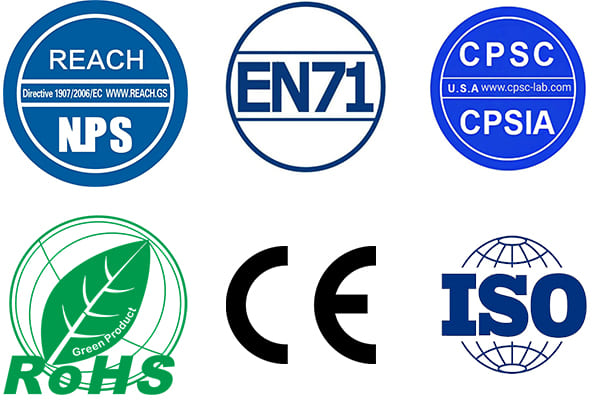
Manufacturers without proper testing may fail to meet CPSIA, EN71, or REACH standards, creating serious compliance and recall risks for brands and retailers.
Limited Customization Capabilities
Some suppliers offer only standard designs, making it difficult for brands to differentiate products or adapt to regional market preferences.
What Makes a Reliable Splash Pad Manufacturer?
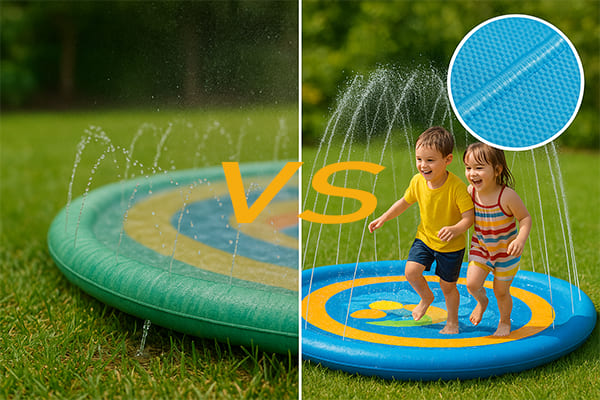
A reliable splash pad manufacturer combines material science expertise, engineering precision, safety compliance, and scalable production. Without these foundations, even visually attractive splash pads may fail under real-world use.
Manufacturer Evaluation Criteria
| Evaluation Factor | Why It Matters | What to Look For |
|---|---|---|
| PVC & Composite Materials | Determines durability, safety, and lifespan | Non-toxic, UV-resistant, reinforced PVC |
| Welding & Sealing Technology | Prevents leaks and seam failure | High-frequency welding, pressure testing |
| Water Spray Engineering | Ensures consistent play experience | Even nozzle layout, stable water flow |
| Safety & Compliance | Reduces regulatory and recall risks | CPSIA, EN71, REACH, ASTM compliance |
| Customization Capability | Supports brand differentiation | OEM/ODM design, size, color, pattern options |
| Production Scale | Ensures stable supply | High-capacity factories with QC systems |
How Are Durable Splash Pads Engineered for Long-Term Use?
Durable splash pads are the result of material science, structural engineering, and water-flow optimization working together. Long-term performance depends on reinforced PVC or composite materials, controlled thickness selection, high-frequency welded seams, and evenly distributed internal water channels. When any of these elements are compromised, splash pads become vulnerable to leaks, cracking, uneven spray, and early failure under real outdoor conditions.
Professional manufacturers engineer splash pads not just for appearance, but for repeated water impact, UV exposure, folding stress, and continuous seasonal use.
PVC Material Formulation & Thickness Strategy
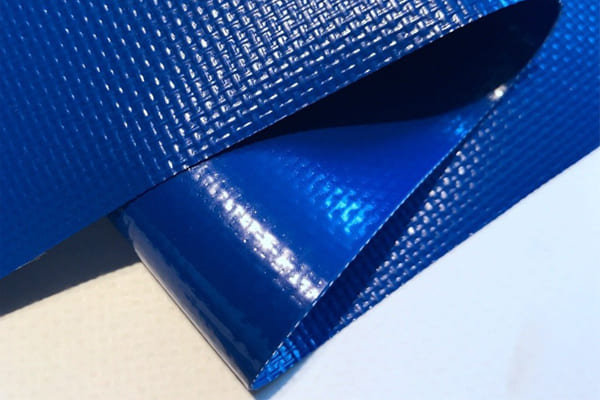
Material selection is the foundation of splash pad performance. Many low-cost splash pads rely on generic PVC sheets that prioritize appearance over mechanical stability. These materials often lack sufficient plasticizer balance and UV stabilizers, leading to brittleness, fading, and surface cracking over time.
At EPN, splash pad materials are engineered based on use scenario and water pressure requirements, not a single fixed thickness. Factors considered include:
- Expected water flow rate and pressure
- Surface area and spray hole density
- Frequency of folding and storage
- Target user group
- Climate exposure
By adjusting PVC formulation and reinforcement layers, splash pads maintain flexibility while resisting micro-fractures and long-term material fatigue.
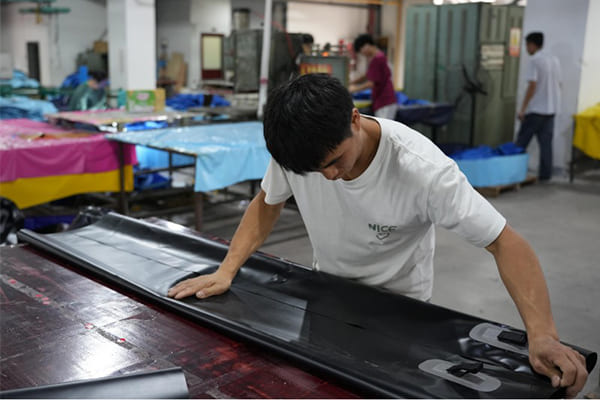
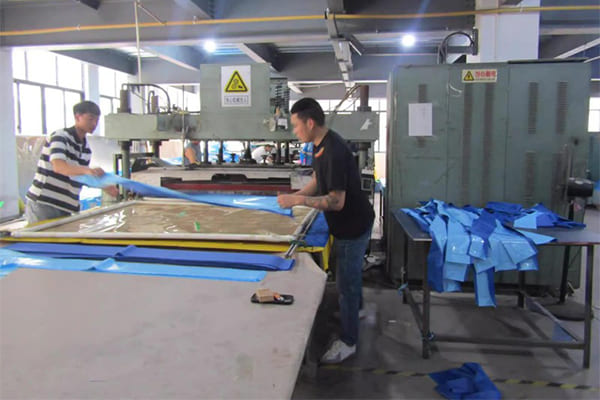
Seam Structure & High-Frequency Welding Control
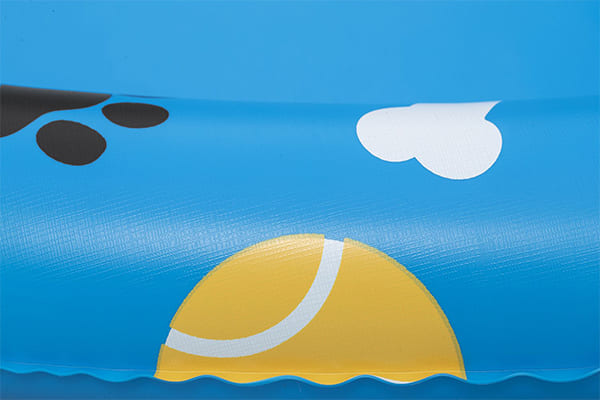
Seams are the most common failure points in splash pads, yet they are often invisible to end users. Weak seams may pass initial inspections but fail after repeated use due to internal stress concentration.
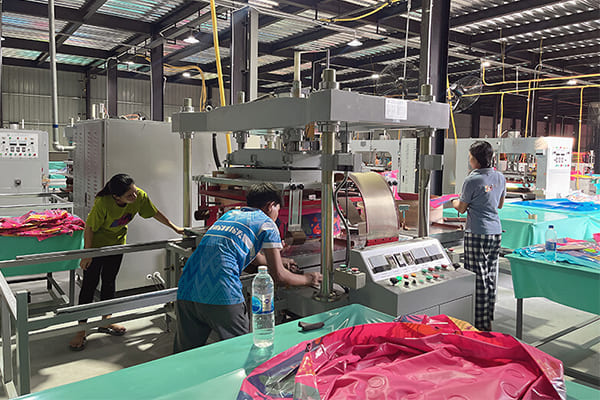
EPN applies controlled high-frequency welding with precise regulation of:
- Welding temperature
- Pressure duration
- Seam overlap width
- Cooling stabilization time
This process ensures molecular bonding across seam layers rather than superficial surface adhesion. Each batch undergoes pressure retention and water circulation testing to identify early-stage seam weakness before products enter the market.
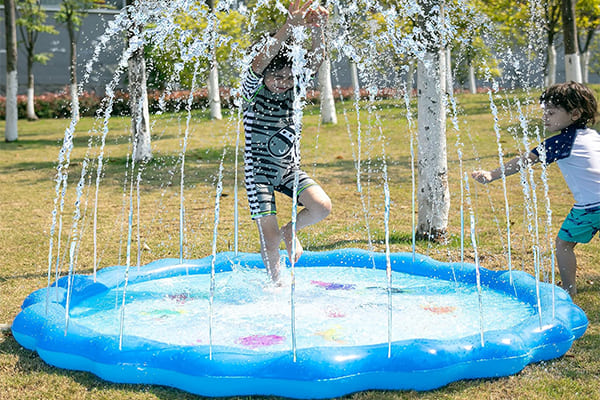
Water Channel & Spray Distribution Engineering
Splash pad spray quality is directly linked to internal channel geometry. Poor designs create pressure imbalance, where certain spray holes eject excessive force while others remain weak or inactive.
EPN engineers splash pads with:
- Balanced channel lengths to equalize water pressure
- Optimized nozzle spacing for uniform spray height
- Controlled spray angles to prevent concentrated impact zones
This engineering approach improves play experience while significantly reducing localized stress on material surfaces and seams.
Common Failure Modes & Engineering Solutions
| Failure Mode | Root Cause | Engineering Solution |
|---|---|---|
| Early leaks | Weak seam bonding | High-frequency welding and seam reinforcement |
| Surface cracking | Thin or unstable PVC | Reinforced PVC formulation |
| Uneven spray | Poor channel layout | Balanced water distribution design |
| Material fading | UV degradation | UV-stabilized compounds |
Which Splash Pad Designs Fit Different Use Scenarios?
Different splash pad applications impose different mechanical, safety, and durability requirements. A well-engineered splash pad must adapt material thickness, spray intensity, and structural reinforcement to real usage scenarios rather than relying on a universal design. Understanding these differences is essential for reducing complaints, improving longevity, and ensuring safe water play.
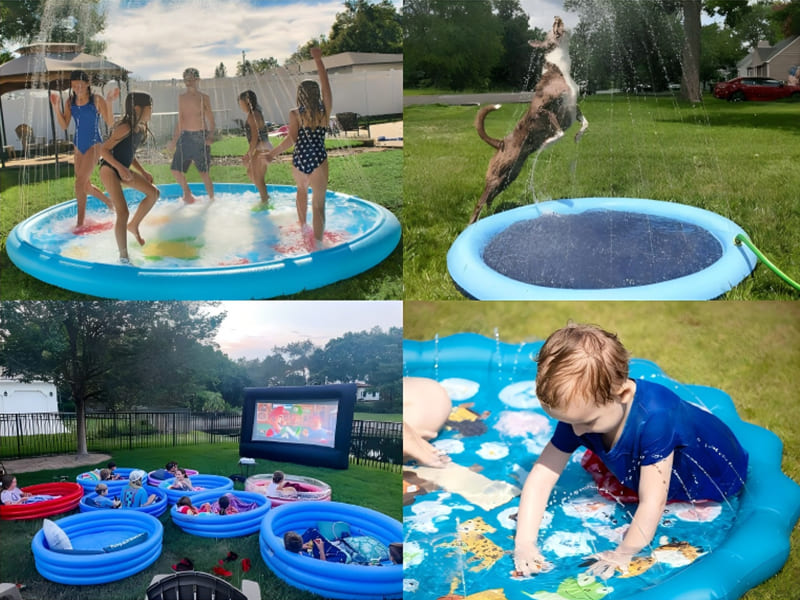
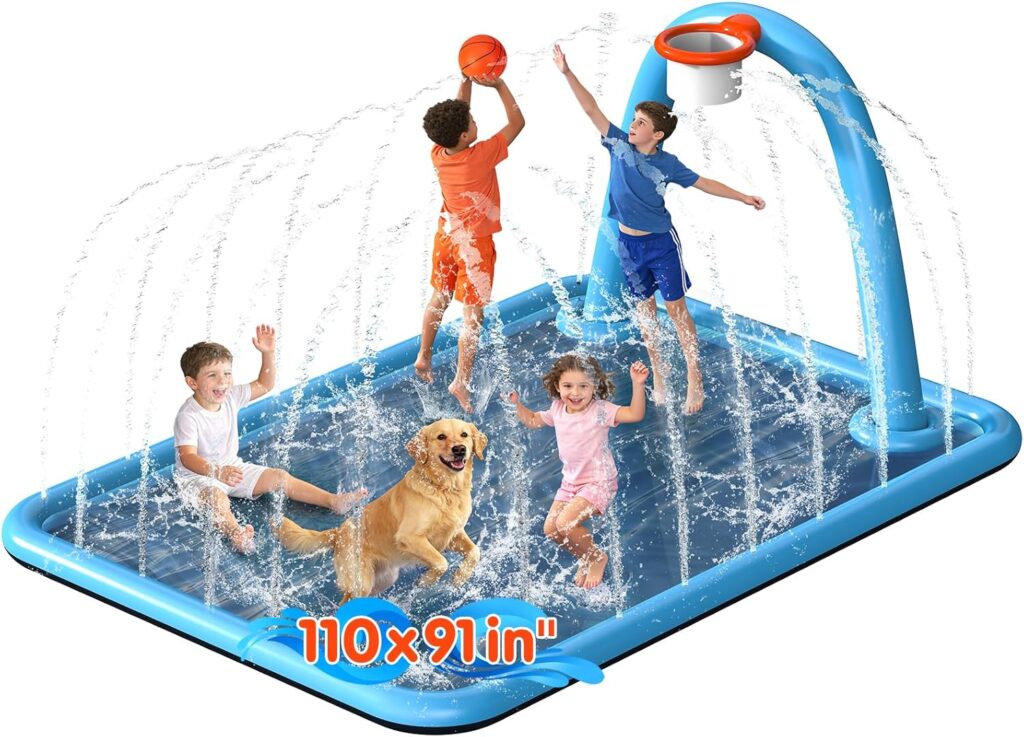
1. Backyard Family Splash Pads
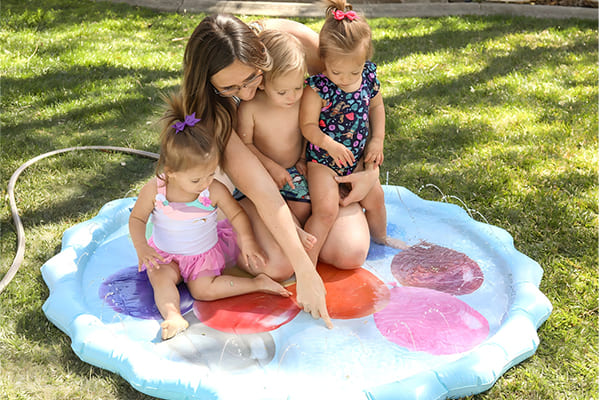
Designed for frequent seasonal use, family splash pads prioritize safety, comfort, and ease of setup. Engineering focus areas include:
- Moderate spray height to avoid eye irritation
- Soft surface texture for barefoot play
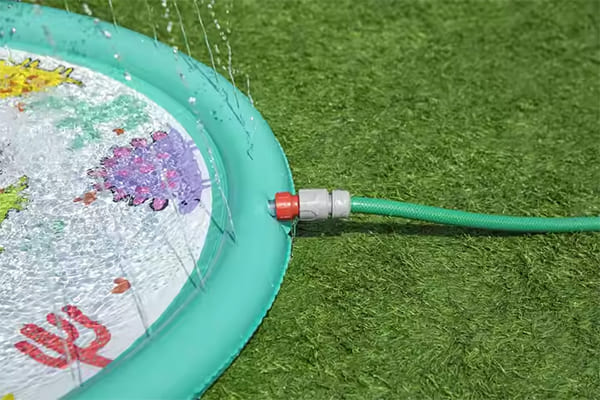
- Stable hose connectors to prevent sudden pressure spikes
- Bright but UV-stable color formulations
2. Pet Splash Pads & Cooling Applications
Pet splash pads face higher mechanical stress due to claws, jumping behavior, and uneven weight distribution. Engineering considerations include:
- Thicker PVC layers and reinforced edges
- Anti-slip surface textures
- Lower spray intensity for cooling efficiency
- Structural stability during repeated entry and exit
3. Large-Format & Event Splash Pads
Commercial and event-use splash pads require enhanced structural reliability:
- Increased seam reinforcement
- Higher water throughput tolerance
- Larger surface areas with consistent spray performance
- Enhanced quality control for repeated public use
4. Educational & Activity-Based Splash Pads
Used in schools and activity centers, these splash pads integrate:
- Controlled spray zones for guided play
- Educational graphics or game layouts
- Compliance-focused safety margins
- Predictable water behavior for supervision
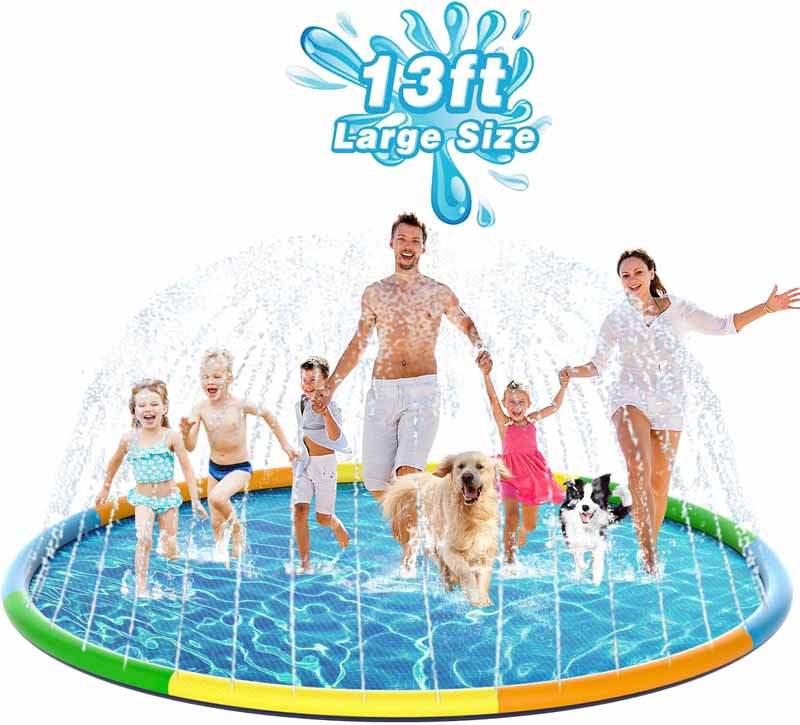
5. Multi-Child Group Play Splash Pads
Designed for environments where multiple children play simultaneously, these splash pads must withstand concentrated foot traffic, frequent running and jumping, and extended water flow duration. Engineering priorities include:
- Wider play zones to reduce localized wear
- Even water pressure distribution across large surfaces
- Reinforced seams to handle repeated impact
- Controlled spray height to maintain safety during active play
6. Mixed-Use Family & Pet Splash Pads
Designed for households where children and pets share the same splash pad, these products must handle varied stress patterns caused by claws, jumping behavior, and uneven weight distribution. Engineering considerations include:
- Thicker PVC layers with enhanced puncture resistance
- Reinforced edge sealing to prevent peeling or tearing
- Anti-slip surface textures for mixed movement patterns
- Moderated spray intensity suitable for both children and pets
7. Compact Space & Urban Outdoor Splash Pads
Designed for patios, balconies, and limited outdoor areas, compact splash pads must deliver engaging water play within a smaller footprint. Engineering focus areas include:
- Precise spray layout to maximize play value
- Efficient internal water channel design
- Stable hose connections to prevent pressure fluctuation
- Foldable structures for easy storage and reuse
8. Repeated Seasonal Use Splash Pads
Designed for use across multiple seasons, these splash pads must maintain performance after repeated setup, folding, storage, and reinstallation. Engineering priorities include:
- Fatigue-resistant PVC formulation
- Reinforced seam zones in high-stress areas
- UV-stabilized materials to prevent aging
- Consistent spray performance after long-term storage
What OEM and ODM Customization Options Does EPN Offer?
OEM and ODM manufacturing for splash pads extends far beyond logo placement. True customization involves adapting material performance, structural design, and compliance alignment to specific brand strategies and regional market requirements. EPN supports both OEM execution and full ODM development, enabling partners to bring differentiated water play products to market with reduced risk.
OEM services focus on manufacturing reliability and execution accuracy:
- Exact replication of client-approved designs
- Controlled material sourcing and thickness consistency
- Brand-specific packaging and labeling
- Multi-language instruction manuals
- Stable batch-to-batch quality control
ODM Development
ODM projects involve collaborative product development:
- Concept ideation based on market trends
- Structural optimization for durability and safety
- Custom spray layouts and interactive features
- Exclusive molds and proprietary designs
- Market-specific compliance planning
Customization Scope Guide
| Customization Area | Options |
|---|---|
| Structure | Size, shape, spray layout |
| Materials | PVC thickness, formulation |
| Visual Design | Color, graphics, patterns |
| Branding | Logo, packaging, manuals |
| Compliance | CPSIA, EN71, REACH alignment |
Why EPN Is a Trusted Splash Pad Manufacturer
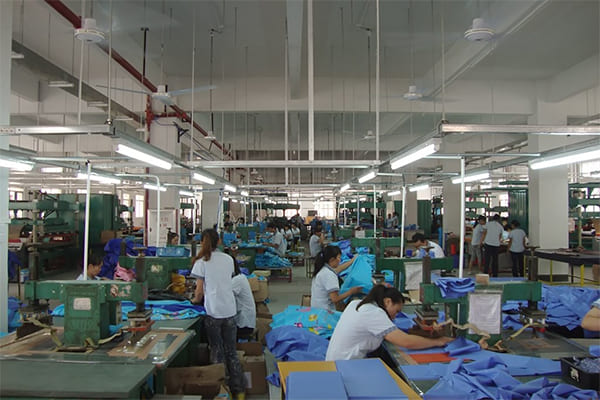
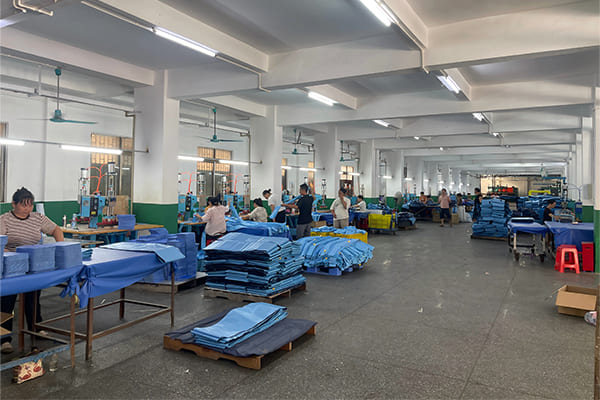
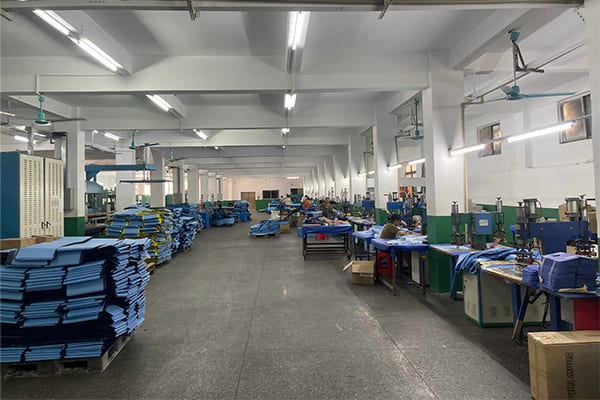
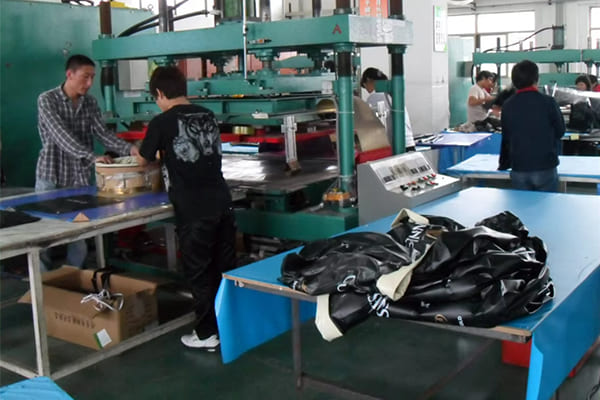
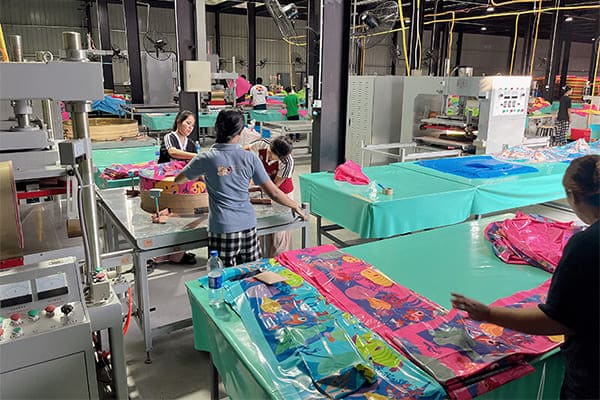
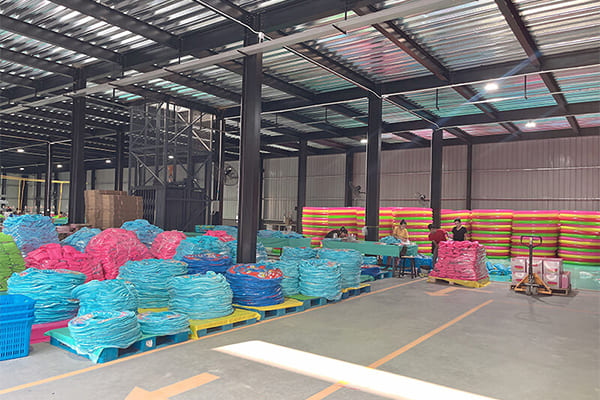
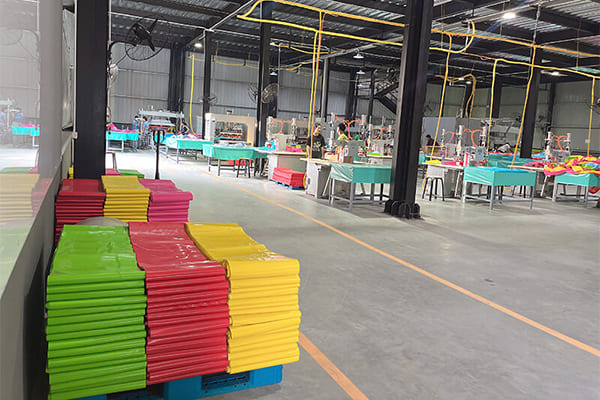
EPN operates as a U.S.-registered manufacturer specializing in PVC and composite water-play products. Our expertise spans material formulation, structural engineering, industrial-scale production, and global compliance alignment. Rather than focusing solely on individual products, we build long-term manufacturing systems designed to support consistent quality and scalable growth.
Experience
- Years of hands-on manufacturing across multiple water play categories
- Thousands of product iterations refined through real-world feedback
- Continuous optimization based on failure analysis and customer use data
Expertise
- Dedicated R&D teams covering material science, structural mechanics, and product design
- In-house testing facilities performing durability, pressure, and safety evaluations
- Engineering-driven decision-making rather than purely cost-driven choices
Authoritativeness
- Global distribution across major e-commerce and retail channels
- Long-term OEM/ODM partnerships with international brands
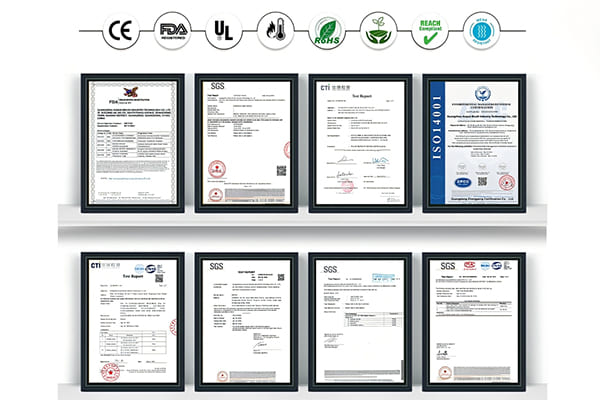
- Compliance alignment with major global safety standards
Trustworthiness
- Transparent manufacturing processes
- Stable production capacity and quality control systems
- Consistent adherence to international material and safety regulations
Capability Snapshot
| Dimension | Details |
|---|---|
| Registration | U.S.-registered manufacturer |
| Core Focus | PVC and composite water-play products |
| Testing | Material, pressure, durability testing |
| Production | Vertically integrated manufacturing |
| Markets | North America, Europe, Asia |
| Services | OEM, ODM, custom development |
Safety & Material Assurance
Quality You Can Trust
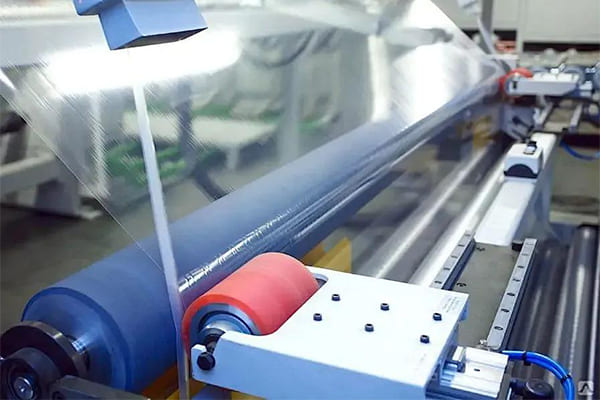
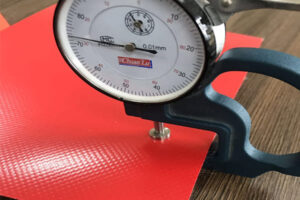
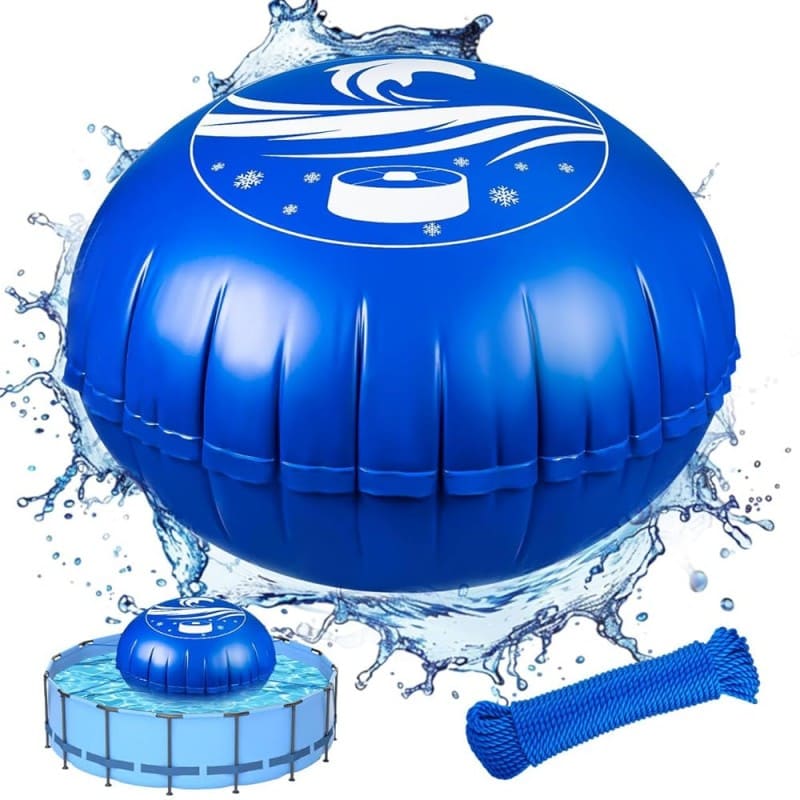
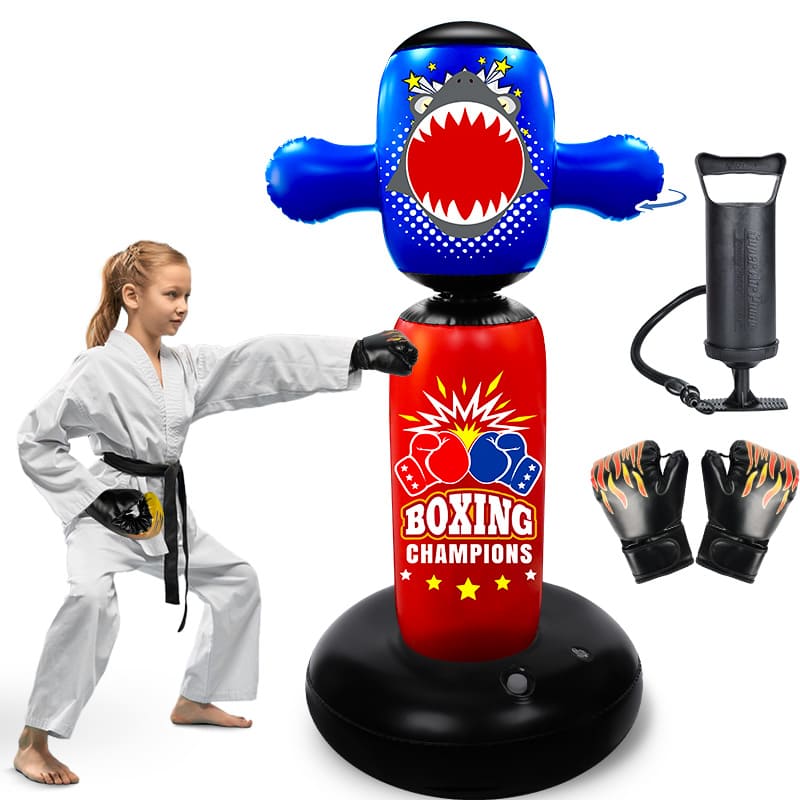
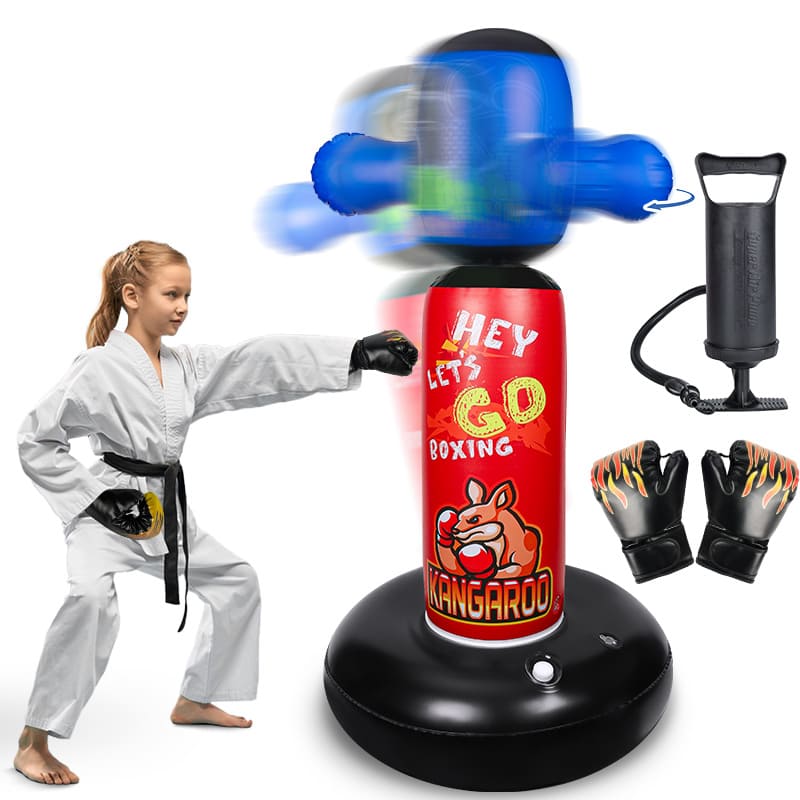
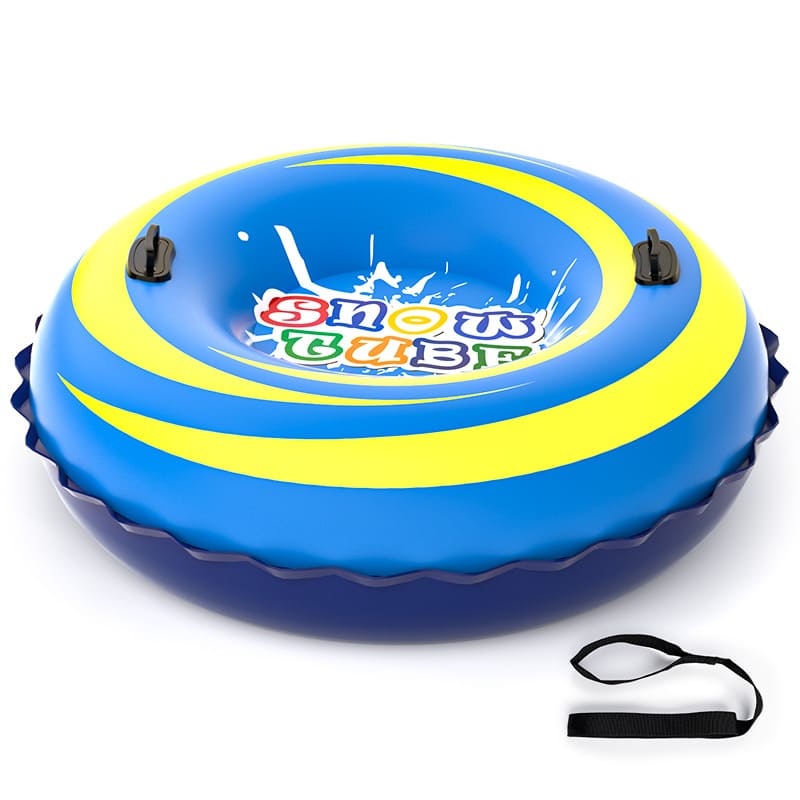
Our polymer specialists optimize PVC and composite films for durability and safety. Every lot is verified against phthalate limits, heavy metals, and odor thresholds. UV packages protect colors on pools and holiday inflatables; cold-crack additives maintain flexibility for snow tubes. For pet products, surface hardness balances bite resistance with comfort.
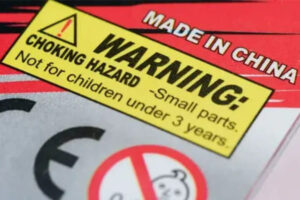
Documentation includes COA, MSDS, and third-party test reports per region. Labels and manuals carry age grades, choking-hazard warnings, and care symbols. With compliant inputs, downstream processes become more stable—fewer scrap events, tighter welding windows, and better cosmetic results.



How Are Splash Pad Samples Developed and Approved?
Sampling and prototyping are critical stages in splash pad manufacturing, especially for OEM and ODM projects. A structured sampling process helps validate durability, spray performance, and compliance before mass production, reducing risk and ensuring consistent results at scale.
At EPN, sampling is treated as an engineering validation workflow rather than a one-time sample request. Each stage verifies a key performance variable before moving forward.
Use Scenario Definition & Requirement Alignment
Sampling begins with clearly defining real-world use scenarios and translating them into technical requirements.
This includes:
- Target users (children, pets, mixed use, commercial)
- Expected usage intensity and behavior
- Water pressure range and spray expectations
- Target size, shape, and play area layout
- Environmental exposure conditions
Compliance Standards & Market Requirements
Regulatory requirements are confirmed early to avoid redesign later in the process.
Key considerations include:
- CPSIA and ASTM requirements for the U.S. market
- EN71 and REACH standards for the EU
- Labeling, warnings, and instruction formats
- Market-specific safety margins
Material Selection & Structural Design
Material formulation and structural design are determined based on usage demands and safety requirements.
Engineering focus includes:
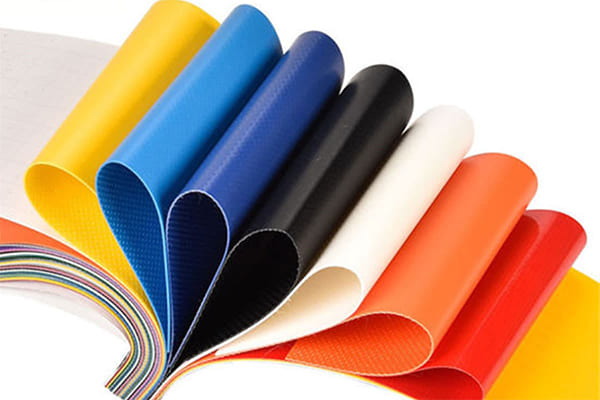
- PVC formulation and thickness strategy
- Reinforcement of high-stress zones
- Surface texture for comfort and slip resistance
- Seam structure and edge design
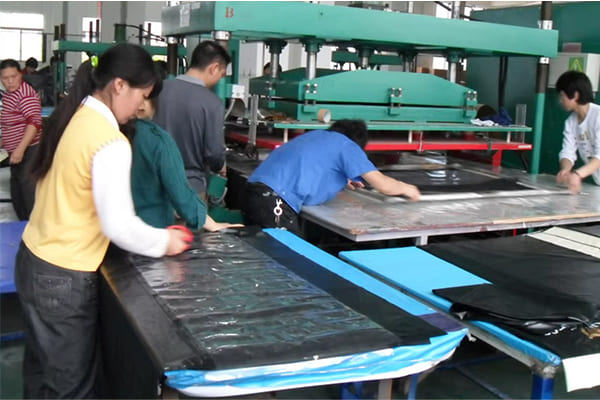
Sample Production & Performance Testing
Samples are produced to validate manufacturability and performance under real conditions.
Testing typically covers:
- Spray height and distribution consistency
- Water flow balance across the surface
- Seam strength and pressure retention
- Initial durability under repeated use simulation
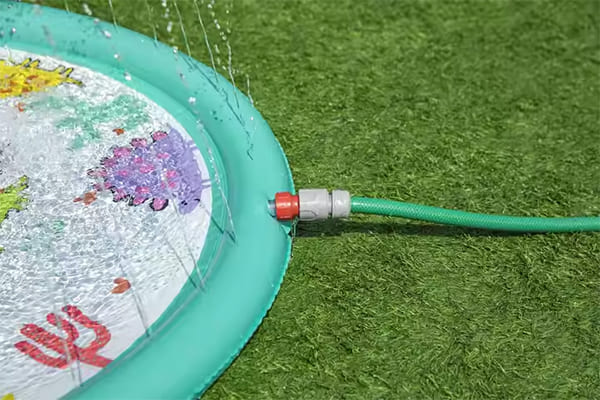
Iteration, Optimization & Sample Approval
Based on testing results and feedback, necessary adjustments are made before final approval.
Common adjustments include:
- Spray layout or nozzle density refinement
- Thickness distribution and reinforcement tuning
- Visual design or graphic updates
- Packaging and instruction alignment
Once approved, the sample becomes the reference standard for production.
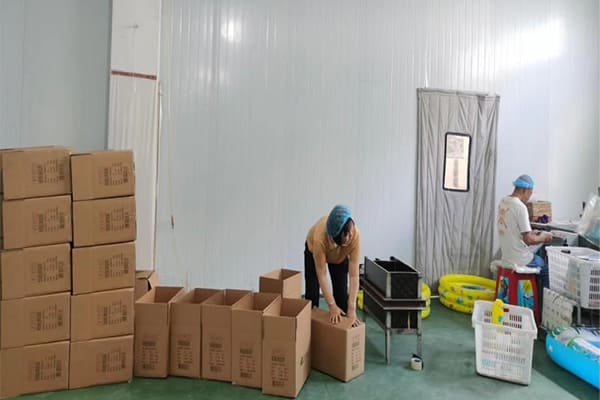
Pre-Production Lock & Quality Alignment
Before mass production, approved sample specifications are converted into repeatable manufacturing standards.
This stage includes:
- Material and process parameter locking
- Welding and quality inspection benchmarks
- Packaging and labeling specifications
How Is Splash Pad Production Managed at Scale?
From Approved Design to Stable, High-Volume Output
Once a splash pad design has been fully validated through sampling and prototyping, manufacturing shifts from engineering verification to operational execution. This module focuses exclusively on how approved splash pad designs are transformed into consistent, scalable, and repeatable production output.
At EPN, production management is built as a system rather than a sequence of isolated steps. While each stage serves a distinct role, multiple activities are coordinated and executed in parallel to optimize lead times without compromising quality or consistency.
- Sampling and prototyping are completed prior to this stage
- No further design validation occurs during production
- This module addresses capacity planning, execution control, and batch consistency
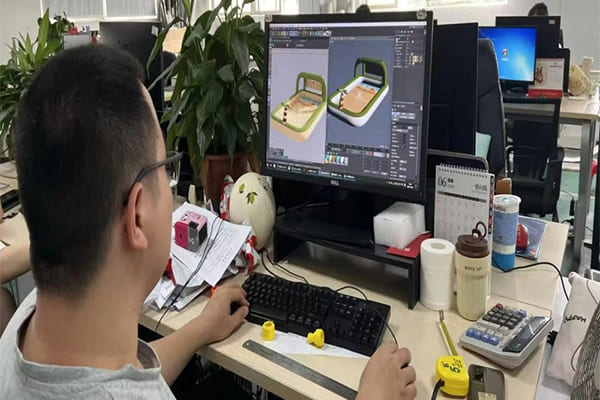
Sample Approval Handoff & Production Readiness
Production begins only after the final approved sample is formally released into manufacturing. This step marks the handoff from engineering validation to operations and confirms that the approved design can be reproduced reliably at scale.
Key confirmations include:
- Finalized material formulation and thickness parameters
- Locked seam structure and spray layout
- Approved visual details, packaging, and documentation standards
No further design adjustments are introduced beyond this point.
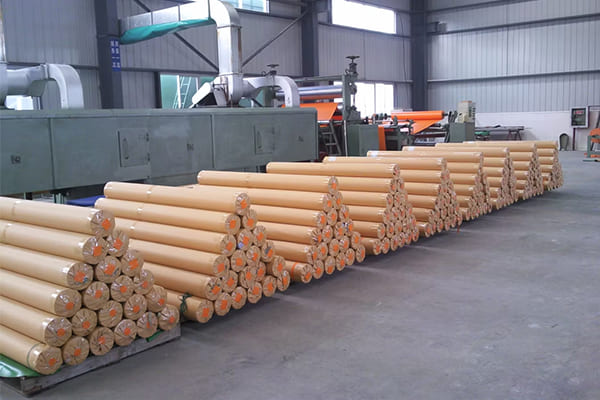
Capacity Allocation & Production Planning
Once production readiness is confirmed, manufacturing capacity is allocated at a program level, not on a single-order basis. Planning considers order volume, customization depth, and seasonal demand patterns.
This stage focuses on:
- Assigning appropriate production lines or time slots
- Balancing workloads across concurrent orders
- Aligning output schedules with seasonal peaks
Proper capacity planning protects delivery reliability and prevents quality degradation under load.
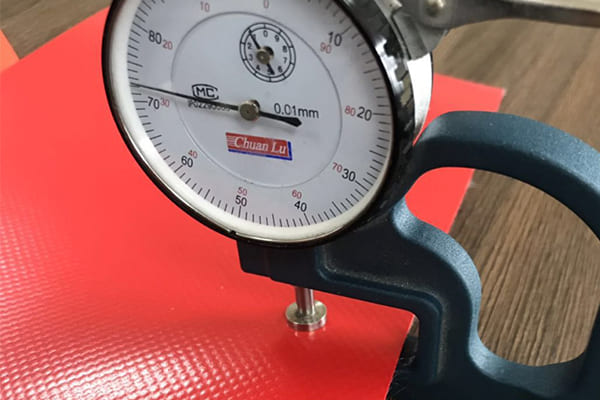
Material Preparation & Incoming Quality Control
Stable production output depends on consistent material inputs. Before manufacturing execution, all materials and components are prepared and verified.
This stage includes:
- Incoming inspection of PVC and composite materials
- Verification of formulation consistency across batches
- Preparation of connectors, hoses, and accessories
- Alignment of packaging and labeling materials
The objective here is supply stability, not material experimentation.
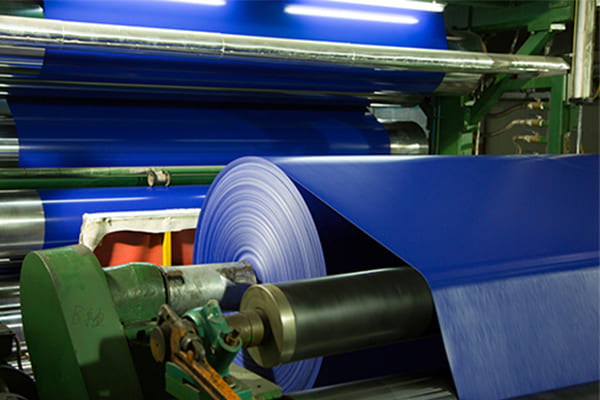
Controlled Manufacturing & Welding Execution
Splash pad manufacturing relies heavily on precision welding and structural consistency. All manufacturing parameters used at this stage are fixed and locked based on approved sample specifications.
Execution priorities include:
- Stable welding temperature and pressure control
- Consistent seam overlap width
- Reinforcement of high-stress zones
- Uniform execution across production batches
This ensures that durability observed during sampling is maintained in mass production.
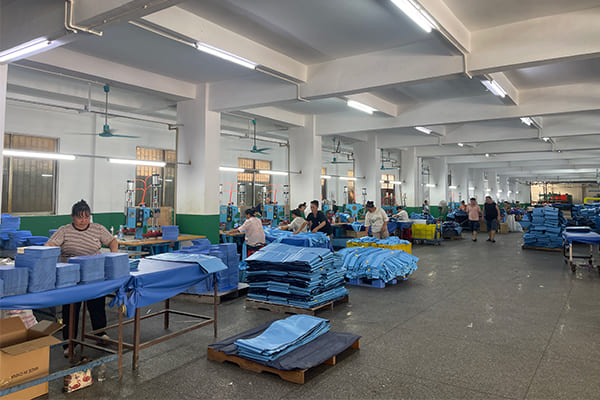
In-Process Quality Control & Monitoring
Quality control is embedded directly into the manufacturing process rather than applied only at final inspection.
Ongoing monitoring includes:
- Visual inspection of seams and surface integrity
- Spot checks of spray behavior and water distribution
- Pressure retention and circulation testing
- Connector and edge integrity verification
Early detection prevents localized deviations from scaling into systemic issues.
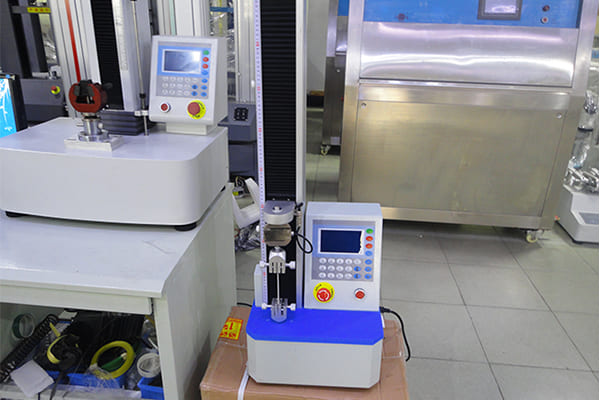
Batch Consistency & Performance Verification
As production progresses, batch-level reviews are conducted to ensure alignment with approved standards. The focus here is cross-batch consistency, not individual unit performance.
Verification typically involves:
- Random sampling across production batches
- Performance comparison against approved samples
- Review of spray uniformity and structural stability
This step protects large-scale output quality and reduces downstream complaints.
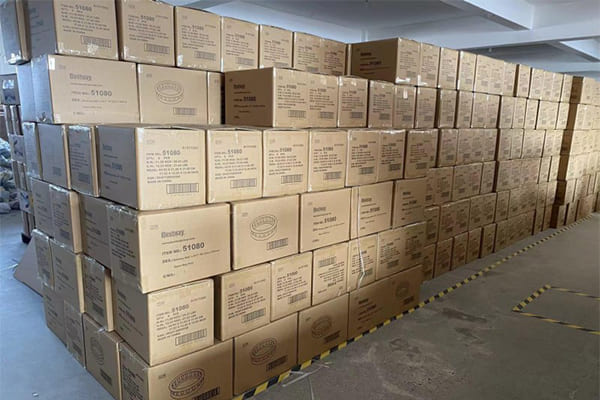
Seasonal Load Management & Schedule Coordination
Splash pads are highly seasonal products. During peak periods, production pacing is adjusted to maintain execution stability.
This stage includes:
- Advance planning for seasonal demand surges
- Avoidance of over-compressed schedules
- Prioritization of process stability over speed
Managing seasonal load effectively is critical for maintaining long-term product reliability.
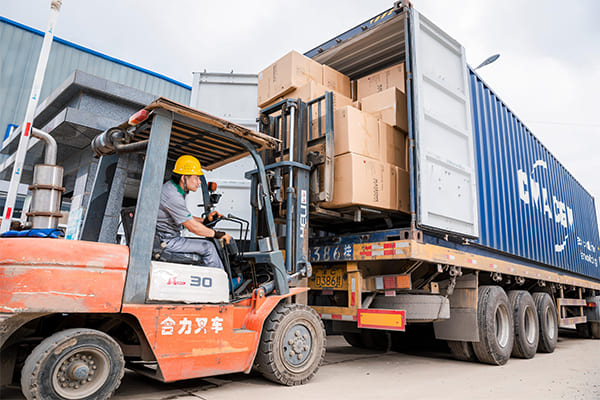
Final Inspection & Production Release
Before logistics coordination begins, finished products undergo final inspection to confirm full compliance with quality and documentation standards.
Final checks include:
- Seam integrity and spray performance validation
- Visual consistency and finish quality
- Packaging accuracy and labeling compliance
- Documentation readiness for shipment
Only approved batches are formally released for delivery and logistics coordination.
How Are Splash Pads Delivered to Global Markets?
Global delivery for splash pads requires coordination between production release, export packaging, documentation compliance, and destination-specific logistics models. At EPN, logistics planning is integrated into the manufacturing workflow to reduce delivery risk and improve predictability for global partners.

1. Shipment Planning by Destination & Fulfillment Model
Logistics planning starts after production release and is structured around where the products are going and how they will be fulfilled.
Planning considerations include:
- Destination country or region
- Order volume and packaging format
- Amazon FBA vs non-FBA delivery requirements
- Cost-efficiency versus delivery speed
Early planning helps avoid routing changes and warehouse rejection issues.
2. Export Packaging & Transport Protection
Splash pads are sensitive to folding stress and moisture during transit. Export packaging is designed to protect product integrity across long-distance transportation.
Support includes:
- Reinforced export cartons for international shipping
- Moisture-resistant inner protection
- Carton sizing optimized for containers or pallets
- Packaging alignment with FBA and non-FBA warehouse handling
Proper packaging reduces damage risk and improves receiving efficiency.
3. FBA Delivery & Non-FBA Distribution Support
Different fulfillment models require different logistics preparation.
For Amazon FBA deliveries:
- Carton and labeling alignment with FBA requirements
- Pallet configuration guidance (where applicable)
- Documentation preparation for FBA receiving
- Support to reduce check-in delays or rejection risks
For non-FBA deliveries (DTC, retail, local warehouses):
- Door-to-door or port-based delivery coordination
- Retail warehouse packaging and labeling alignment
- Collaboration with third-party forwarders
- Flexible routing based on regional logistics infrastructure
4. Documentation, Customs & Delivery Risk Management
Accurate documentation and proactive risk management are essential for smooth international delivery.
Support typically includes:
- Commercial invoices and packing lists
- HS code and compliance document alignment
- Pre-dispatch documentation checks
- Coordination support during customs or transit issues
This structured approach helps minimize clearance delays and unexpected landed costs.
Trusted by Brands Worldwide
EPN supports water play product programs for global brands, retail ecosystems, and large-scale private-label operators. The following examples illustrate how our manufacturing capabilities support brand-level requirements, not individual transactions.

Amazon Private Label Splash Pad Program
Brand Type: Top-tier Amazon private label brand (Kids Outdoor Category)
Market: United States
Project Scope: OEM manufacturing, FBA optimization, seasonal scaling
Project Background:
The brand planned to position a splash pad as its core summer hero product and required stable quality, low return rates, and FBA-efficient packaging. Previous suppliers caused issues with thin materials, seam leakage, and oversized cartons.
EPN Solution:
- Reinforced PVC formulation with improved flexibility
- Optimized seam welding to reduce leakage risk
- Packaging redesign that reduced carton volume by ~12%
- FBA-aligned labeling and carton specifications
Result:
The product achieved strong sales momentum within two weeks of launch, entered the top tier of category rankings during peak summer campaigns, and maintained a significantly lower return rate compared to previous seasons. The brand expanded the program into multiple sizes and committed to long-term seasonal production.
Nike Youth Outdoor Activity Initiative
Brand Type: Global sportswear brand supply chain partner
Market: North America
Project Scope: ODM-supported water play product development
Project Background:
As part of a youth outdoor activity initiative, the brand required water play products that met strict material safety standards and brand-level durability expectations.
EPN Solution:
- Custom material formulation aligned with child safety standards
- Controlled spray layouts to prevent excessive water pressure
- Reinforced edge structures for repeated use
- Documentation support aligned with internal compliance review
Result:
The product passed internal durability and safety assessments and was approved for inclusion in seasonal youth activity assortments. The project emphasized reliability, compliance, and brand-consistent execution.

Adidas Regional Retail Program
Brand Type: Global sports brand – regional retail initiative
Market: Europe
Project Scope: OEM manufacturing, EU compliance alignment
Project Background:
The program required splash pad products suitable for family-oriented retail promotions across multiple EU countries, with strict EN71 and REACH compliance.
EPN Solution:
- Material adjustments to meet EU regulatory thresholds
- Localized artwork and labeling formats
- Batch-level consistency controls for multi-country distribution
Result:
The products were successfully rolled out across multiple EU retail channels with consistent quality and regulatory clearance, supporting seasonal promotional campaigns.

IKEA Family Outdoor Living Concept
Brand Type: Global home furnishing brand supply ecosystem
Market: Europe & North America
Project Scope: ODM concept support, structural optimization
Project Background:
As part of a family outdoor living concept, the brand evaluated water play products that emphasized safety, simplicity, and durability.
EPN Solution:
- Simplified structural design with reinforced durability zones
- Neutral, family-friendly visual language
- Long-term material stability testing
Result:
The product concept met internal evaluation benchmarks for safety and longevity, supporting its inclusion in seasonal family-oriented assortments.
Petco Private Brand Pet Water Play Program
Brand Type: Petco ecosystem private brand
Market: United States & Canada
Project Scope: ODM engineering, durability optimization, pet-use reinforcement
Project Background:
As part of a private-label expansion within the Petco ecosystem, the brand planned to launch pet-focused water play and cooling products designed for repeated outdoor use. Key challenges included puncture resistance, seam durability, and surface stability under claw impact and uneven pet movement.
EPN Solution:
- Thicker PVC formulation with enhanced puncture resistance
- Reinforced seam and edge zones to handle repeated stress
- Anti-slip surface textures for pet safety
- Controlled spray output suitable for pet cooling behavior
Result:
The product line demonstrated strong durability in real-world pet usage scenarios and met internal performance benchmarks. It was successfully introduced as a recurring seasonal SKU within the brand’s water play assortment, supporting long-term category expansion.

Walmart Multi-Channel Retail Supply Program
Brand Type: Large retail supply chain operator
Market: North America
Project Scope: Large-volume OEM production, logistics coordination
Project Background:
The supplier required stable, repeatable manufacturing to support synchronized retail launches across multiple channels.
EPN Solution:
- Batch consistency management
- Packaging efficiency optimization
- Production scheduling aligned with retail timelines
Result:
The program delivered consistent product quality across high-volume orders, supporting on-time retail launches and long-term supply planning.
Frequently Asked Questions
Q1. What is a splash pad and how does it work?
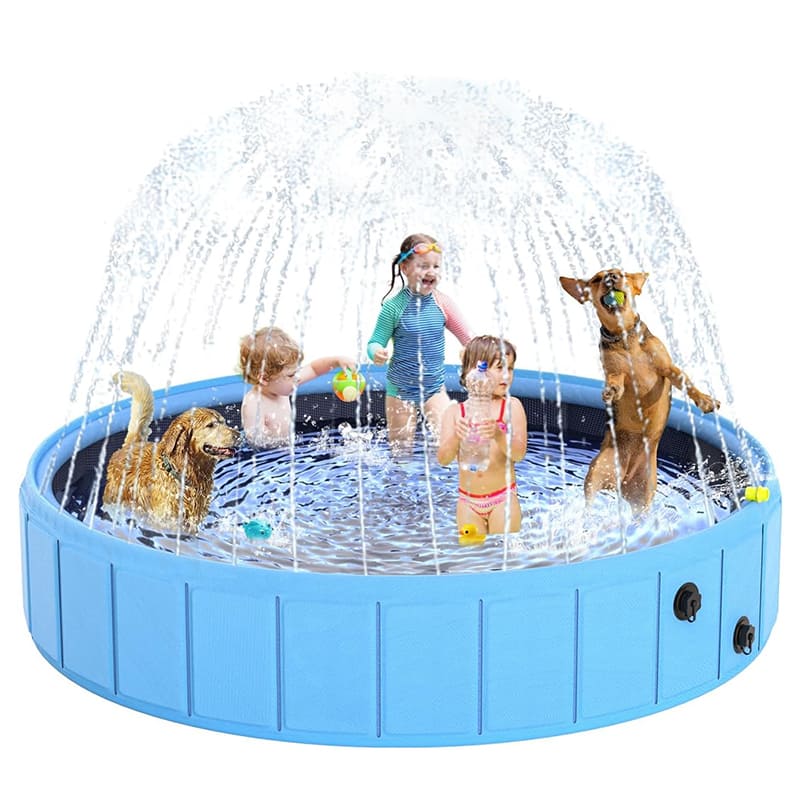
A splash pad is a water play surface designed to spray water through built-in nozzles when connected to a standard water source. Water flows through internal channels and exits evenly distributed spray holes, creating a safe, shallow play environment without standing water. Splash pads are widely used for children’s outdoor play, pet cooling, and recreational events due to their low drowning risk and easy setup.
Q2. What materials are best for manufacturing splash pads?
High-quality splash pads are typically made from reinforced PVC or composite materials that balance flexibility, durability, and safety. These materials must be non-toxic, UV-resistant, and capable of withstanding continuous water pressure. Thicker, well-formulated PVC significantly reduces cracking, fading, and seam failure compared to thin, low-grade alternatives.
Q3. How thick should PVC be for a durable splash pad?
PVC thickness varies depending on splash pad size and application. Thin PVC below 0.30 mm is prone to early wear and leakage. Durable splash pads generally use reinforced PVC or composite structures designed to handle repeated water impact, folding stress, and outdoor exposure while remaining safe for children and pets.
Q4. Why do some splash pads leak or fail early?
Early failure is often caused by weak seam welding, uneven water pressure, or low-quality materials. Poorly controlled heat sealing can create micro-gaps that expand under water flow. In addition, unbalanced spray layouts concentrate pressure in certain areas, accelerating material fatigue and leaks.
Q5. Are splash pads safe for children and pets?
Yes. Splash pads can be customized in size, shape, color, graphics, spray layout, and packaging to match regional preferences and regulatory requirements. Customization allows brands to differentiate products while ensuring compliance in markets such as the U.S., Europe, and Asia.
Q6. Can splash pads be customized for different markets?
Yes! We offer custom design options for both individuals and businesses. You can choose from a variety of colors, patterns, and even add your logo or artwork to make the snow tube uniquely yours.
Q7. What is the difference between OEM and ODM splash pad manufacturing?
OEM manufacturing produces splash pads based on a client’s existing design and specifications, while ODM includes full product development from concept to production. ODM services are ideal for brands seeking unique designs, proprietary structures, or market-specific innovations.
Q8. How long does splash pad production usually take?
Production timelines depend on customization level and order volume. Sampling and prototyping can often be completed within days, while mass production typically follows established manufacturing schedules. Vertically integrated manufacturers can shorten lead times and ensure consistent quality.
Q9. What compliance standards apply to splash pads?
Splash pads sold internationally often need to meet CPSIA, EN71 and REACH, ASTM, and other relevant safety and material regulations. Compliance reduces regulatory risk and ensures products are suitable for global distribution.
Q10. Who typically works with splash pad manufacturers?
Clients include consumer brands, retailers, e-commerce sellers, event organizers, educational institutions, and private-label startups. Both B2C and B2B partners rely on manufacturers for product quality, customization, and reliable supply.

Ready to Work With a Professional Splash Pad Manufacturer?
Whether you are sourcing splash pads for retail, developing a private-label product, or exploring custom OEM or ODM solutions, working with an experienced manufacturer helps reduce risk and improve long-term product performance.


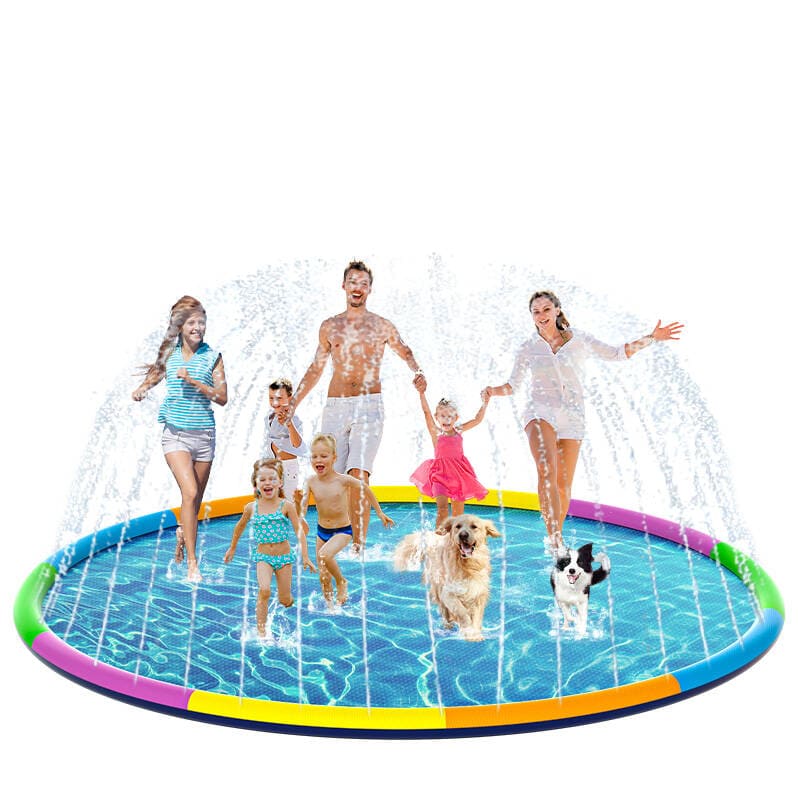
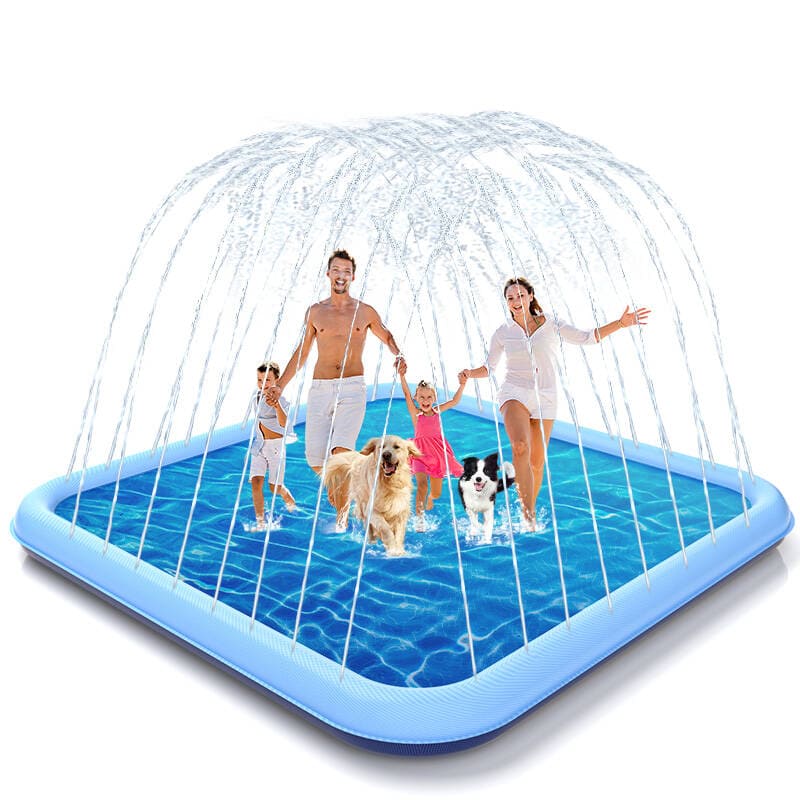
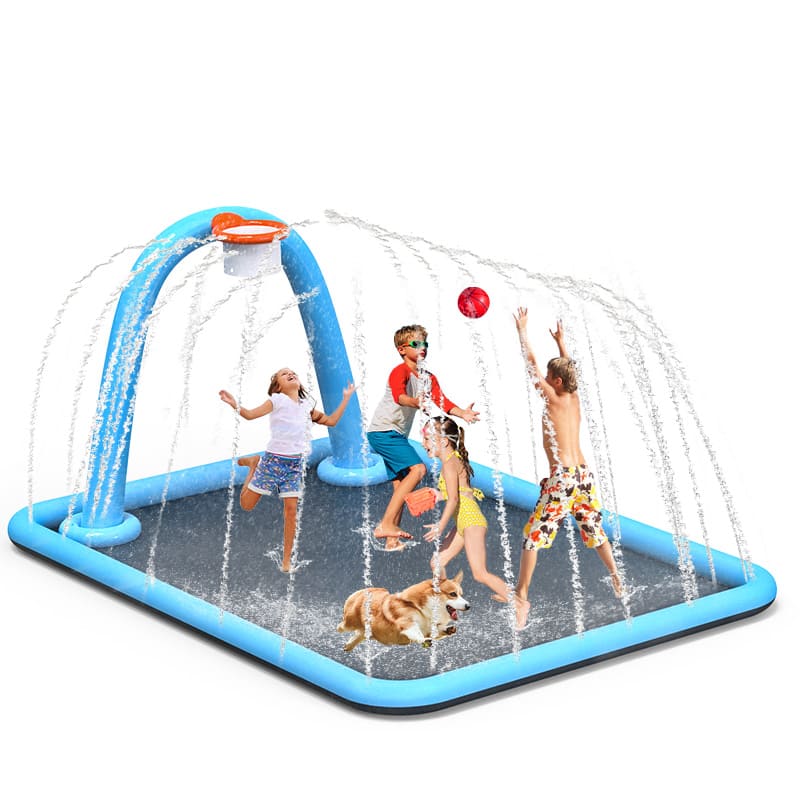
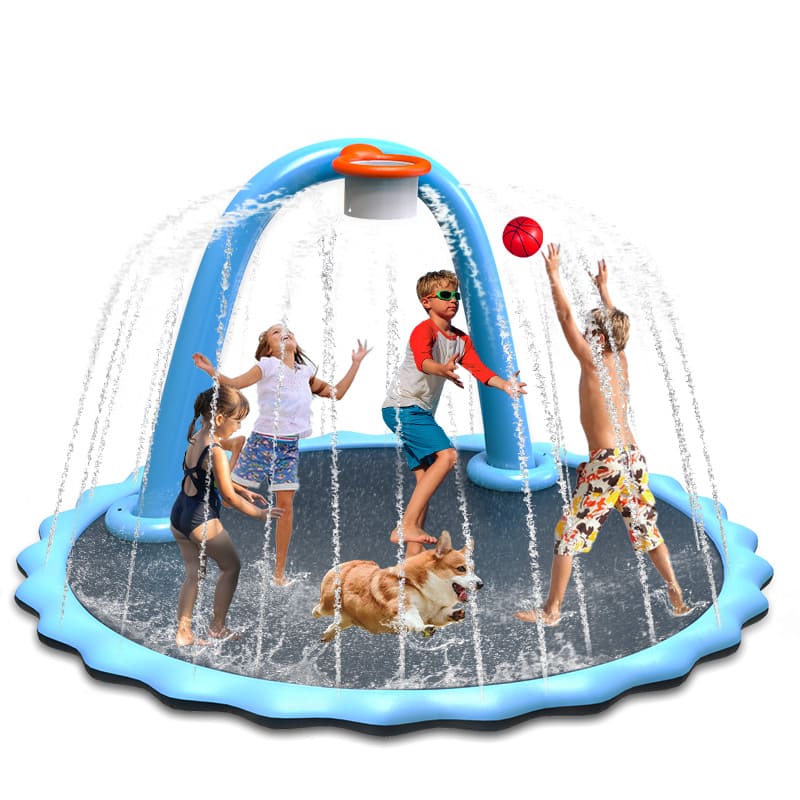
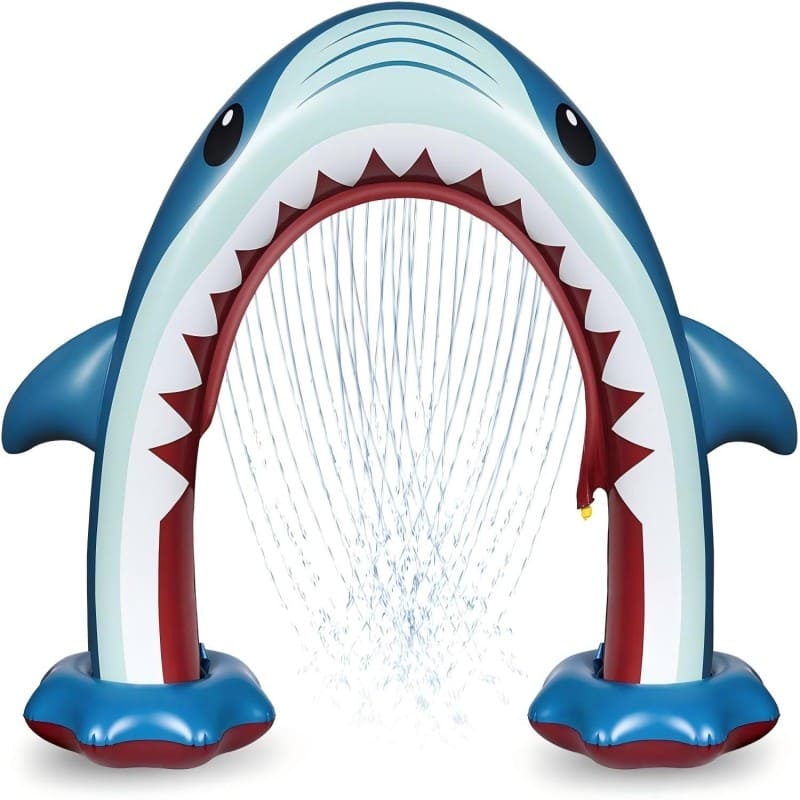
Looking for OEM or ODM Splash Pad Solutions?
Contact our team to discuss material options, customization, compliance requirements, and production timelines.
Explore Finished Splash Pad Products
Browse splash pads designed for families, pets, and outdoor play, available through global online platforms.