Skip to content

Easy Clean Dog Pool with Sprinkler
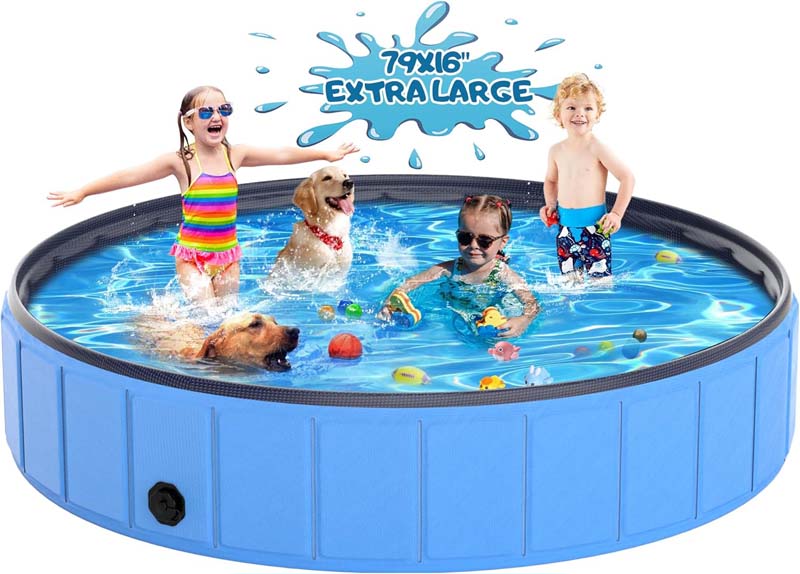
A 79-inch foldable pet pool for cooling, bathing, sprinkler play, and easier cleanup.
Unfold the PP-supported pool, connect a garden hose, and add shallow water. Dual outlets simplify water control and drainage, while the textured 0.55 mm PVC body rinses clean and folds for compact storage after complete drying.
- 79-inch roomy water area
- Pool and sprinkler in one
- No pump or frame needed
- Textured base for wet paws
- Upper outlet and lower drain
- Folds after complete drying
A Simpler Cleanup Routine After Water Play
Large dog pools become inconvenient when hair, mud, standing water, and hidden moisture are difficult to remove. The EPN design combines two drainage outlets, rinse-friendly surfaces, and foldable panels to make the after-play routine easier to organize.

Dual Water Release
The upper outlet helps control water level while the edge sprinkler is operating, while the lower outlet releases most of the remaining water afterward. Planning the outlet direction before filling reduces the need to lift or reposition a wet pool. A drainage hose can also guide runoff away from doors, furniture, and busy pathways.

Rinse-Friendly Surface
Hair, grass, mud, and bathing residue can be removed from the PVC with clean water and a soft cloth or sponge. Rinse the floor, inner wall, fittings, and panel folds rather than cleaning only the visible center. Avoid abrasive pads, wire brushes, sharp tools, and harsh solvents that may damage the surface.

No Pump Routine
Built-in PP panels support the sidewall, so setup does not require inflation, air-pressure checks, or waiting for several chambers to deflate. Unfold the pool, position the outlets, connect the hose, and add water gradually. After use, the main tasks are drainage, rinsing, drying, and folding.

Fold After Drying
The panel sections create natural fold lines for compact storage. Moisture may remain underneath the pool or between the wall sections even when the center feels dry. Open the folds, expose both sides to airflow, and store the pool only after every surface is dry.
Common Problems With Ordinary Foldable Dog Pools
Easy cleaning depends on the complete routine rather than one drain plug or one smooth surface. Hair, muddy water, slow final drainage, hidden moisture, and poor outlet placement can all create extra work after a short play session.

Hair and Mud
Loose hair, grass, soil, leaves, and toys often collect along floor creases and the point where the wall meets the base. Remove larger material before opening the main drain so it does not block the outlet or spread across the yard. A soft scoop, gloved hand, or damp cloth works well for this first step.
Slow Final Drainage
A drain positioned above the lowest part of the floor may leave a shallow layer of water behind. Large wet pools are difficult to lift safely, especially when the wall sections begin folding inward. Use the lower outlet for the main volume, then wipe or gently direct the small remaining amount toward the drain.
Moisture Between Folds
The upper floor may dry while the underside and panel folds remain damp against grass or patio surfaces. Folding too early traps moisture and outdoor residue between the layers. Turn or reposition the empty pool so airflow reaches the base, wall sections, and areas around the fittings.
Poor Drain Direction
Cleanup becomes harder when the lower outlet faces a doorway, foundation, furniture area, or low section of the yard. Position the empty pool with the drain facing a suitable runoff route before adding water. Leave enough room to attach a drainage hose and reach the outlet without stepping across the pool.
Cooling, Bathing, Wading, and Sprinkler Play
The same 79-inch pool can support several warm-weather routines without preparing a separate bathing tub and sprinkler mat. Owners can adjust the water depth and spray pressure according to the dog, weather, available space, and cleanup time.

Backyard Cooling
Add shallow, cool tap water and let the dog stand, turn, sit, or rest for a short period during warm afternoons. Place the pool in shade whenever possible and keep fresh drinking water nearby. Allow the dog to enter and leave voluntarily rather than treating the pool as a fixed enclosure.
Outdoor Bathing
The raised wall keeps rinse water, loose hair, and mud within one outdoor area. Many medium and large dogs have more turning space than they would inside a small household tub. Use dog-appropriate bathing products, rinse the surfaces afterward, and direct the wash water to a suitable location.
Sprinkler Play
Connect the inlet to a standard garden hose and open the faucet slowly to create spray around the upper edge. Start with low pressure for cautious dogs and increase it only after the dog moves comfortably. Spray height can vary according to hose length, household pressure, connector fit, and local water flow.
Shallow Wading
Some dogs prefer standing or stepping through shallow water instead of swimming. Begin with a thin water layer and keep the sprinkler off during the first introduction if the dog is uncertain. Short, calm sessions help the dog become familiar with the surface, wall, and water movement.
EPN Dog Pool Size and Product Details
Check the expanded dimensions, water ports, wall structure, cleaning routine, and storage needs before ordering. The pool also requires additional space around the 79-inch diameter for dog entry, hose placement, drainage, towels, and owner access.

Price, stock, delivery timing, package details, and return information may change. Confirm the active Amazon listing and selected model before placing an order.
| Specification | EPN Product Detail | Why It Matters |
|---|---|---|
| Product Type | Foldable dog pool with edge sprinkler | Combines bathing, cooling, wading, and spray play |
| Expanded Size | 79 in diameter × 12 in high | Provides space for one medium or large dog |
| Main Body | 0.55 mm PVC | Supports water contact, rinsing, folding, and outdoor use |
| Wall Support | Built-in PP panels | Helps the round wall stand without inflation |
| Floor | Textured bottom | Provides additional contact for wet paws |
| Water Ports | One inlet and two outlets | Separates sprinkler supply, water-level control, and drainage |
| Inflation | Not required | Removes the pump, air-valve, and deflation steps |
| Setup Area | Level lawn or protected smooth patio | Reduces uneven pressure and surface abrasion |
| Cleaning | Drain, remove debris, rinse, wipe, and dry | Helps remove hair, mud, soap, and moisture |
| Storage | Fold after complete drying | Fits garages, sheds, utility rooms, and RV storage |
| Amazon ASIN | B0FWRFW6GX | Identifies the 79-inch listing |
Dual Drainage Reduces After-Play Work
The upper and lower outlets handle different parts of the water routine. One manages the level while the sprinkler is active, and the other releases the main water volume when cooling, bathing, or play is finished.
Upper Water-Level Outlet
Water entering through the inlet feeds the edge sprinkler, and some of the spray falls back into the center. The upper outlet helps release excess water when the pool reaches the preferred depth. Keep it free from hair, grass, towels, toys, and other material that could slow the flow.
Lower Drainage Outlet
The lower outlet releases most of the water after the faucet has been turned off. Remove floating toys and larger debris first, then allow gravity to handle the main volume. Keep the wall panels upright until the water level has dropped instead of folding the sides inward during drainage.
Controlled Runoff
Face the lower outlet toward a lawn, garden area, suitable drain, or attached drainage hose before filling. Keep runoff away from foundations, electrical equipment, furniture, and heavily used walkways. When bathing products are used, follow local guidance for disposing of the wash water.
Final Residual Water
Small amounts of water may remain inside shallow floor creases after the main drainage step. Use a soft cloth, sponge, or gentle lift at the opposite edge to guide this water toward the lower outlet. Do not drag or carry the pool while it still holds a significant amount of water.
Five Steps for Faster Dog Pool Cleaning
Following the same order after every session helps keep loose debris out of the drains and prevents soap, mud, and moisture from remaining inside the folded pool. Complete the routine while the residue is still easy to rinse away.

Release the Water
Turn off the garden hose and open the lower outlet while the pool remains flat on the ground. Use a drainage hose when the water needs to bypass patios, doorways, or low lawn areas. Never lift the 79-inch pool by one wall section while a large amount of water remains inside.

Remove Loose Debris
Collect hair, leaves, grass, toys, and visible mud before the final rinse. Removing solids first keeps them from blocking the outlet or spreading across the setup area. A soft scoop, damp cloth, or gloved hand is safer for the PVC than a hard scraping tool.

Rinse Every Surface
Use clean water on the floor, inner wall, outside rim, inlet, outlets, and panel folds. Work from the side farthest from the lower drain so remaining residue moves toward the opening. Continue rinsing after bathing until no visible shampoo foam remains.

Wipe Folds and Ports
A soft cloth can reach areas where rinsing alone may leave hair or residue. Check the inlet threads, upper outlet, lower drain cap, floor creases, and the connection between the wall and base. Do not insert knives, metal tools, or abrasive pads into the fittings.

Air-Dry Completely
Leave the pool open in a ventilated area until the inside, underside, wall folds, and ports are dry. Turn or reposition the empty structure so hidden surfaces receive airflow. Complete drying is more important than folding the pool quickly after use.
Dry and Fold Without Trapping Moisture
A clean pool can still develop unwanted odor or surface residue when it is folded while damp. Check the underside, panel folds, ports, and floor creases before moving it into a dry storage area.

Dry Both Sides
The inner surface often dries faster than the underside resting against grass, decking, or a patio. Lift or turn sections after the main water has drained and allow moving air to reach the base. Use sunlight for brief drying when helpful, but avoid leaving the PVC under intense heat for an extended period.
Follow Panel Lines
The built-in PP sections create natural divisions around the wall. Fold the dry panels together without forcing a rigid section backward or twisting the PVC between two panels. Keep the inlet and outlets protected so they do not become trapped inside a tight fold.
Protect the Fittings
Close the lower drain cap after drying and check that all ports are clean before storage. Do not pull, lift, or carry the pool by an inlet or outlet. When folded, keep the fittings away from shelf edges, hard tools, and heavy objects that may place pressure on them.
Store Without Compression
Choose a clean shelf, storage bin, garage, shed, utility room, or RV compartment. Keep the folded pool away from chemicals, heaters, open flames, sharp tools, and heavy stacked items. Before reuse, open it fully and inspect the floor, walls, and fittings.
Set Up the Pool Without an Air Pump
No inflation is required, but the setup area still needs to be prepared before water is added. A level surface, clear drainage route, straight hose connection, and gradual fill help protect the floor and keep the wall panels evenly supported.

Prepare the Surface
Select level ground with space around the full 79-inch circle. Remove stones, sticks, roots, thorns, toys, sharp mulch, and hard debris from underneath and around the pool. On mildly rough patios or decking, use a smooth protective layer made for wet outdoor use.

Unfold the Panels
Open the wall gradually and stand each PP-supported section upright. Smooth the floor outward from the center so deep creases do not collect debris or create uneven pressure beneath the dog. Inspect the inlet and two outlets before filling to confirm they are clean and properly positioned.

Connect the Hose
Attach a standard garden hose to the inlet and tighten the fitting by hand. Leave enough slack so the hose does not pull sideways or cross the dog’s entry route. Open the faucet slowly and inspect the connection before increasing the water pressure.

Fill and Adjust
Add a shallow water layer first, especially when the dog is new to the pool. Increase depth only after the wall sections remain evenly positioned and the dog moves comfortably. Open the upper outlet when the water reaches the planned level and supervise throughout the session.
Adjust Sprinkler Height for Different Dogs
Household water pressure controls the final spray height, so owners can adjust the pool for bathing, quiet cooling, shallow wading, or more active water play. Begin gently and watch the dog’s response before increasing the flow.

Start Low
Low pressure creates shorter arcs and a quieter sound around the rim. This setting suits first introductions, smaller dogs, senior pets, outdoor rinsing, and dogs that dislike water near their face. Make small faucet adjustments and allow the pattern several seconds to stabilize.
Watch the Dog
Relaxed posture, voluntary entry, calm stepping, and continued interest indicate that the session can continue. Repeated backing away, freezing, frantic jumping, or attempts to escape mean the spray should be lowered or turned off. Never force a dog to remain inside the water curtain.
Increase Gradually
Dogs already comfortable with sprinklers may enjoy a taller and more visible water arc. Increase pressure only after the pool is stable and the upper outlet is managing the rising water level. The most suitable setting is the lowest pressure that produces even spray and comfortable play.
Keep Spray Even
Blocked openings can create an uneven pattern and force more water through nearby holes. Turn off the faucet before clearing grass, hair, sand, or residue from the rim. Do not enlarge the openings or aim a high-pressure nozzle directly into them.
Choose the 79-Inch Pool for the Right Dog and Yard
Body length, movement style, water confidence, entry ability, number of pets, and available drying space matter more than breed name alone. Measure the full setup area and allow room outside the pool for the hose, drainage route, towels, and supervision.

Measure the dog from the nose to the base of the tail and compare the length with the usable center. A dog that turns actively may require more space than a calmer dog of similar weight.
| Dog or Setting | 79-Inch Fit | Recommended Use | Important Check |
|---|---|---|---|
| Small Dog | Very roomy | Shallow cooling and gentle play | Keep water low and assist short-legged dogs |
| Medium Dog | Roomy | Standing, turning, bathing, and light splashing | Leave a clear entry side |
| Large Dog | Suitable for one dog | Cooling, wading, bathing, and controlled spray | Compare body length and turning room |
| Several Small Pets | Possible with supervision | Short shared cooling sessions | Separate pets when crowding begins |
| Senior Dog | Depends on entry ability | Low-water cooling and bathing | Add stable entry support when needed |
| Small Patio | Measure carefully | Bathing and low-water use | Allow space for drainage and towels |
| Medium Lawn | Strong fit | Full sprinkler and cooling use | Choose level ground without sharp debris |
| Large Backyard | Strong fit | Bathing, cooling, and water play | Plan runoff to prevent mud or erosion |
Materials and Structure for Outdoor Pet Use
The PVC body, PP-supported wall, textured floor, and water ports each handle a different part of the routine. Correct placement, calm use, regular cleaning, and protected storage remain necessary around paws, water, sunlight, and repeated folding.

0.55 mm PVC
The pool uses 0.55 mm PVC for water contact, rinsing, folding, and supervised outdoor use. Rinse the surface after muddy or soapy sessions and avoid dragging it across concrete or gravel. Thickness does not make the material puncture-proof, so clear the ground and keep dog nails smooth.

PP Wall Support
Built-in PP panels help the wall maintain a round boundary without inflatable air chambers. They also create clear folding sections when the pool is dry. Keep the panels upright during use and do not force them backward or create sharp reverse folds during storage.

Textured Floor
The bottom provides more contact than a completely smooth plastic surface. Footing also depends on water depth, dog speed, nail condition, surface cleanliness, and level placement. Begin with shallow water and stop rapid spinning, long jumps, or rough running.

Protected Water Ports
The inlet, upper outlet, and lower drain perform separate water-control tasks. Keep threads, caps, and openings free from grass, hair, dirt, and storage debris. Do not pull the pool by a fitting or leave the connected hose hanging with sideways tension.
Prepare Grass, Patios, and Drainage First
The surface beneath the pool affects floor wear, paw stability, water distribution, and cleanup time. Prepare the complete 79-inch area while the pool is empty and easy to reposition.

Choose Level Ground
A level surface helps water spread evenly and keeps the PP-supported wall sections at a consistent height. Avoid slopes, deep holes, soft mud, loose gravel, and raised deck gaps. Walk across the full setup area before unfolding and confirm the dog has a clear entry and exit path.
Remove Sharp Objects
Pick up sticks, stones, metal pieces, hard toys, burrs, thorns, and rough landscaping fragments. Hidden debris becomes more damaging after water and dog weight press the PVC against the ground. Selecting a clean location is easier than moving or repairing the pool after filling.
Protect Hard Surfaces
A smooth patio can work when it is clean and covered where necessary with a suitable wet-area mat. The protective layer should lie flat and extend beneath the entire base without bunching. Avoid dragging the PVC across concrete, pavers, exposed screws, or rough decking edges.
Plan the Runoff
Face the lower outlet toward a suitable lawn, garden, drain, or drainage-hose route before adding water. Keep discharge away from buildings, electrical equipment, neighboring property, and heavily used paths. Release bath water responsibly when shampoo or other cleaning products have been used.
Use the Pool for Outdoor Dog Bathing
A contained backyard bath area keeps rinse water, loose hair, mud, and supplies outside while giving many medium and large dogs more space than a small household tub. Prepare the water source, towels, products, and drainage route before bringing the dog to the pool.

Prepare the Bath Area
Place the pool on level ground near a hose, shaded area, towels, and suitable runoff route. Add only enough water for comfortable paw contact and steady movement. Edge spray is optional during bathing, as a handheld hose or cup may provide more control around the coat, legs, belly, and paws.
Gather Supplies First
Keep dog-appropriate shampoo, a soft cloth or grooming mitt, dry towels, treats, and a hair catcher within reach. Add stable entry support for senior, short-legged, or mobility-limited dogs when needed. Avoid leaving bottles or tools where the dog may step on them or knock them into the drain.
Remove Hair Before Draining
Bathing produces more loose coat, skin oils, soap, and mud than a cooling session. Collect visible hair and heavier material before opening the lower outlet. This reduces blockage and prevents large clumps from spreading across the drainage area.
Rinse Before Folding
Rinse the floor, wall, inlet, upper outlet, lower drain, and panel folds until no visible foam remains. Wipe the connection areas with a soft cloth and dry the underside as well as the center. Do not store wet towels, brushes, shampoo bottles, or toys inside the folded pool.
Help Dogs Build Confidence Around Water
A slow introduction gives dogs time to become familiar with the floor texture, raised wall, water sound, and moving spray. Let the dog choose to approach and end each early session before fear, fatigue, or overstimulation develops.

Explore the Empty Pool
Place the dry pool on the ground and allow the dog to sniff, walk around, or step inside without water. A familiar toy or a few small treats can encourage voluntary exploration. Do not pull, push, or lift a fearful dog into the center.
Add Shallow Water
Cover only the lower floor during the first wet introduction. Watch how the dog enters, shifts its weight, turns, and exits. Keep the sprinkler off initially so the new surface and moving water do not appear at the same time.
Start Gentle Spray
Open the faucet slowly until low arcs appear around the edge. Stay beside the dog and keep spray away from the face and ears. Turn the sprinkler off when the dog freezes, repeatedly backs away, barks frantically, or tries to escape.
Reward Calm Movement
Use calm praise, a familiar toy, or small treats to reinforce voluntary entry, standing, turning, and exit. Avoid energetic throwing games during the first sessions because sudden movement can reduce paw stability. Short, positive repetitions usually build confidence better than one long introduction.
End and Rest
Finish while the dog is still comfortable and interested. Reduce the spray before exit, towel the coat and paws, and provide shade and drinking water. Drain and clean the pool instead of leaving dirty water available for an unsupervised return.
Compare Common Dog Water Options
A sprinkler pool, splash pad, and basic foldable pool each provide a different balance of water depth, spray, bathing space, drainage, and entry height. Choose according to how the dog naturally approaches water and how the setup will be cleaned and stored.

A flat splash pad may suit dogs that hesitate to step over a wall or prefer spray-focused activity. A basic foldable pool provides standing water and bathing space but normally lacks the edge sprinkler.
The EPN design combines both functions for households that want one foldable setup for cooling, bathing, shallow wading, and supervised spray play.
| Decision Point | EPN Pool With Sprinkler | Flat Dog Splash Pad | Basic Foldable Dog Pool |
|---|---|---|---|
| Water Area | Raised 12-inch wall for shallow wading | Very shallow open center | Raised wall for standing water |
| Sprinkler Function | Built into the upper edge | Main feature | Usually not included |
| Outdoor Bathing | Suitable for medium and large dogs | Limited wash-water containment | Suitable when drainage is adequate |
| Wall Support | PP-supported foldable panels | No raised wall | Varies by model |
| Water Control | Inlet, upper outlet, and lower drain | Faucet pressure and surface runoff | Usually one drain |
| Inflation | Not required | Not required | Usually not required |
| Cleanup | Drain, remove debris, rinse, dry, and fold | Turn off, rinse, dry, and fold | Drain, rinse, dry, and fold |
| Best Match | Cooling, bathing, wading, and spray play | Dogs that prefer low-entry spray | Bathing and calm wading |
Six Checks Before Choosing an Easy-Clean Pool
A good cleaning routine begins before checkout. Confirm the drain position, expanded diameter, wall support, bottom texture, hose connection, and drying space to make sure the full setup fits the yard.

Drain Position
Check how close the main drain sits to the floor and where the water will leave the setup area. A lower outlet reduces the main water volume, although small amounts may remain in floor creases. Confirm that a drainage hose can be used when direct runoff is unsuitable.

Pool Diameter
The 79-inch measurement covers only the expanded pool itself. Additional space is needed for dog entry, towels, hose connection, owner movement, and drainage. Measure the complete area instead of judging scale from a product-only view.

Wall Support
Built-in panels help the wall hold its round shape without inflation. The structure still depends on level placement, gradual filling, and calm use. Confirm that the wall is fully unfolded and each section is upright before the dog enters.

Paw Contact
A textured floor can improve contact but cannot eliminate every slipping risk. Consider the dog’s age, speed, nails, mobility, and comfort in water. Use shallow depth, remove slippery residue, and stop uncontrolled running or sharp turns.

Hose Connection
Confirm that the garden hose can reach the inlet without crossing the dog’s entry path. Hand-tighten the connector and leave enough slack to prevent sideways tension. Open the faucet slowly and check the connection before increasing pressure.

Drying Space
A large foldable pool needs enough open area to dry inside, underneath, and between the panels. Fast drainage does not replace full drying. Decide where the empty pool can remain open and where it will be stored after every surface is dry.
Frequently Asked Questions
These answers cover the main questions about cleaning, drainage, sprinkler use, size, outdoor bathing, surfaces, nail care, drying, and storage. Each point focuses on the practical information needed before setup or purchase.
Is the EPN dog pool easy to clean?
Remove loose hair and debris, open the lower drain, rinse the floor and walls, wipe the fittings, and dry both sides. Prompt cleaning is easier than removing dried mud or soap later.
How do the two outlets work?
The upper outlet manages water level while the sprinkler runs. The lower outlet releases most of the remaining water after bathing, cooling, or play.
Can the pool be used without the sprinkler?
Yes. Add shallow water and use the center for cooling, wading, rinsing, or outdoor bathing without activating the edge spray.
Does setup require an air pump?
No. PP panels support the foldable wall, so the pool can be unfolded, positioned, connected to the hose, and filled without inflation.
Will it connect to a garden hose?
The inlet is designed for connection using the supplied hose structure. Hand-tighten the fitting, leave hose slack, and open the faucet slowly.
Is the 79-inch pool suitable for large dogs?
It provides room for many single medium or large dogs to stand, turn, cool, and bathe. Measure body length and turning space before ordering.
Can it be used as an outdoor pet bath?
Yes. The raised wall contains rinse water and gives many dogs more room than a small tub. Remove hair and rinse away soap before drying.
How can nail damage be reduced?
Trim and smooth pointed nails, clear the ground, and prevent digging, biting, or frantic running. No foldable PVC pool is completely claw-proof.
Which surfaces are suitable?
Clean, level grass and smooth protected patios are suitable options. Avoid gravel, sharp roots, rough concrete edges, slopes, and exposed hardware.
How should the pool be dried?
Leave the interior, underside, wall folds, inlet, and outlets open to airflow. Fold only after every visible and hidden surface is fully dry.
How should the pool be stored?
Fold along the PP panel sections and keep the fittings protected. Store in a cool, dry area away from heat, chemicals, sharp tools, and heavy objects.
Can water remain in the pool overnight?
Drain the pool after use. Standing water can collect dirt and may allow pets or children to enter without direct supervision.
Where can current details be checked?
Use Amazon ASIN B0FWRFW6GX to confirm the active 79-inch listing, current stock, delivery timing, package details, and included components.
Make Outdoor Cleanup Easier

The EPN Dog Pool with Sprinkler combines a roomy water center, adjustable spray, 0.55 mm PVC, PP-supported walls, a textured base, two drainage outlets, and no-pump setup. These details support cooling, outdoor bathing, shallow wading, and supervised water play in one foldable structure.
Place the pool on level ground, clear the surface, position the lower drain toward a suitable runoff route, and keep the hose outside the dog’s entry path. Begin with shallow water and low pressure, then adjust the depth and spray only after the dog moves comfortably.
After each session, remove loose hair and mud, drain the main water volume, rinse the floor and walls, wipe the fittings, and expose both sides to airflow. Complete drying before folding keeps the next setup cleaner and easier.