Skip to content

Thick Dog Pool with Sprinkler for Large Dogs
A foldable outdoor pet pool with supported walls and adjustable spray for summer cooling, bathing, and play.
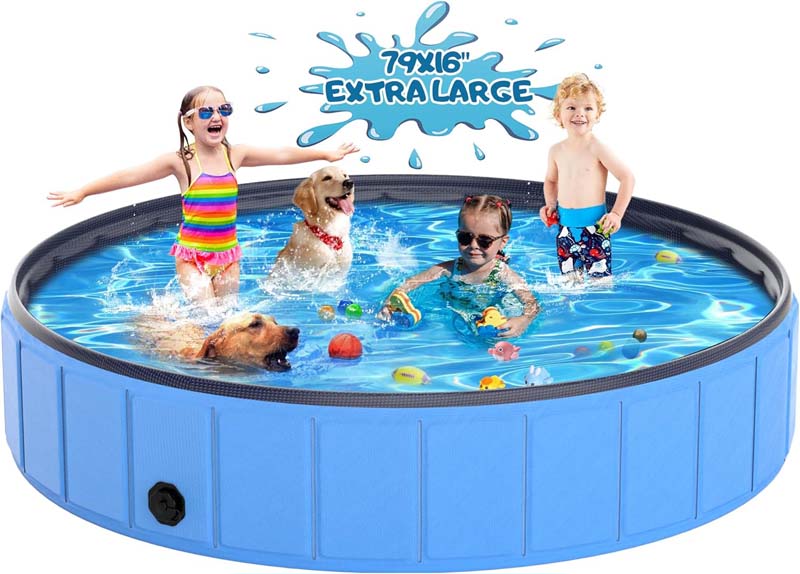
Choose from six round sizes for dogs and yards of different scales. The 0.55 mm PVC body, PP-supported walls, textured base, edge sprinkler, and dual outlets simplify setup, drainage, drying, and storage.
- Six sizes from 79 to 132 inches
- Pool and sprinkler in one
- 0.55 mm PVC body
- PP-supported foldable walls
- Textured base for wet paws
- Upper outlet and lower drain
Thicker Pool Designed Around Dog Movement
Dogs place concentrated pressure on the floor and wall as they enter, turn, stand, and leave the water. The EPN design combines thicker PVC, internal wall support, a textured base, and controlled drainage for repeated supervised backyard use.

Shallow Water Center
The round basin holds shallow water for paw cooling, quiet standing, outdoor rinsing, bathing, and supervised wading. Owners can begin with a thin water layer and increase the depth according to the dog’s body size, mobility, confidence, and preferred style of water play.
Adjustable Edge Spray
Small openings around the upper edge create sprinkler arcs after the inlet connects to a garden hose. Household faucet pressure controls the height and reach of the spray, allowing owners to begin gently and increase the flow only when the dog remains relaxed.
Supported Sidewalls
Built-in PP panels help the foldable wall maintain a clearer round shape without inflatable air chambers. No pump or external frame is required, and the wall folds along the panel sections after drainage, rinsing, and complete drying.
Separate Water Controls
One inlet supplies water to the sprinkler edge, an upper outlet helps manage rising water, and a lower outlet drains the basin after use. Planning the hose route and runoff direction before filling makes the full backyard routine easier to manage.
Why Large Dogs Need a Stronger Pool
Heat, concentrated paw pressure, wall movement, wet footing, and difficult cleanup can make a basic seasonal pool less practical for large dogs. A thicker material layer and supported structure help create a more manageable water area when combined with correct setup and supervision.

Hot-Weather Cooling
A shallow backyard pool gives dogs a nearby place to wet their paws and lower legs after walking, outdoor play, grooming, or time on a warm patio. Use it during cooler periods when possible and keep shade, fresh drinking water, and a dry resting area nearby.
Wall Pressure
Medium and large dogs may place one paw over the rim, brush the wall while turning, or lean lightly during bathing. PP-supported sections provide a clearer boundary than a completely soft wall, although heavy jumping, sitting, or repeated pressure on the rim should still be prevented.
Paw and Nail Contact
The 0.55 mm PVC body provides a more substantial material layer for normal walking, standing, sitting, and turning. Flexible PVC can still be damaged by sharp nails, digging, biting, hidden debris, or rough movement, so preventive care remains important.
After-Play Cleanup
A large pool becomes inconvenient when water, fur, grass, mud, and bathing residue are difficult to remove. The upper and lower outlets support water-level control and drainage, while the washable PVC surface can be rinsed before drying and folding.
Three Water Modes in One Pool
The center and sprinkler can operate separately or together, allowing owners to match each session to dog confidence, weather, bathing needs, and energy level. Begin with the quietest mode and introduce additional water movement gradually.

Pool-Only Mode
Fill the basin with shallow water and leave the sprinkler turned off. This creates a quieter area for cooling, paw rinsing, outdoor bathing, and dogs that prefer standing water without additional sound or movement around the edge.

Sprinkler-Only Mode
Connect the garden hose and keep standing water minimal while low arcs form around the perimeter. This mode suits dogs attracted to moving water but less interested in soaking or stepping into a deeper water-holding area.

Combined Play Mode
Use shallow water and edge spray together for dogs already comfortable with both. The center provides a calmer place to stand or rest, while the sprinkler adds movement around the perimeter. Keep pressure moderate and prevent sharp turns, digging, or jumping.
Six Details for Everyday Dog Pool Use
Material thickness, wall support, surface texture, spray adjustment, drainage, and folding all affect how practical the pool feels after repeated sessions. Each detail supports a different stage of the routine from opening the pool to storing it after summer use.

0.55 mm PVC Body
The pool uses 0.55 mm PVC for repeated water contact, rinsing, folding, and supervised outdoor activity. The thicker flexible surface provides a stronger starting point than a thin seasonal mat but cannot prevent every puncture, cut, or abrasion caused by improper use.

PP Panel Walls
Firm PP panels sit inside the segmented sidewall and help the pool remain upright without inflation. Position each section correctly before filling and prevent dogs from sitting, jumping, or placing repeated heavy pressure on one area of the rim.

Textured Pool Floor
The patterned base gives wet paws more contact than a completely smooth PVC surface. It works best on level ground with shallow water and controlled movement. Remove soap, mud, loose hair, grass, toys, and leaves when they collect beneath the paws.

Adjustable Edge Spray
Household faucet pressure controls the sprinkler height and reach. Begin with short, gentle arcs for cautious dogs and increase the flow gradually. The most suitable setting is the lowest pressure that creates comfortable, even spray without excessive oversplash.

Dual Water Outlets
The upper outlet releases excess water while the sprinkler operates, and the lower outlet drains the main basin afterward. A compatible drainage hose may help guide runoff away from patios, doors, walkways, landscaping, and muddy low areas.

Foldable Storage
After drainage, rinsing, and complete drying, the pool folds along its PP panel sections. No deflation step is needed. Protect the fittings and keep the folded pool away from sharp tools, strong heat, chemicals, damp floors, and heavy objects.
Designed for Normal Paw Contact
The thicker PVC body and textured base are suited to ordinary supervised pet movement, including walking, standing, turning, sitting, and calm entry. They do not make the pool puncture-proof, scratch-proof, chew-proof, or suitable for uncontrolled digging.

Normal Dog Movement
Walking through shallow water, standing during bathing, turning calmly, and stepping over the wall create ordinary pressure on the floor and sidewall. The PVC body, textured base, and PP-supported wall provide a more suitable structure for these regular movements.
High-Risk Behavior
Repeated scratching in one area, digging at the floor, chewing the rim, jumping from furniture, and pushing heavily against one wall section can damage flexible material. Redirect these behaviors immediately instead of relying on thickness or wall support alone.
Nail Preparation
Trim and file sharp nail edges before regular water play, especially for large or highly active dogs. Freshly clipped nails may still have pointed corners, so inspect the main nails and dewclaws before the dog enters the pool.
Ground Protection
Stones, sticks, exposed roots, screws, gravel, and hard seed pods can press into the PVC from underneath. Inspect the complete footprint before unfolding and use a smooth protective ground layer when the surface is mildly abrasive.
PP Panels Support the Wall Without Inflation
Internal PP panels help the round sidewall remain defined during filling, bathing, and calm water play. The segmented structure also creates natural fold lines, reducing setup and storage steps compared with inflatable pools or rigid plastic tubs.

Segmented Wall Support
Each PP panel supports one part of the pool wall and helps distribute the round shape around the circumference. Position every section upright before filling so water pressure reaches the wall more evenly and the base remains fully spread.
Reduced Side Collapse
The supported sections offer more resistance to ordinary leaning than a completely soft PVC edge. The wall can still bend when a dog jumps, sits, climbs, or presses down heavily, so it should not be treated as a rigid barrier or step.
No Air Chamber
The wall does not require pumping, air-pressure checks, valve maintenance, or deflation. Owners can unfold the pool, position the water fittings, add shallow water, and begin the session without preparing additional equipment.
Guided Folding
The panel divisions guide the pool into a more organized folded shape after use. Fold only after every surface is dry and avoid forcing a rigid section backward or creating sharp reverse bends near the inlet and outlets.
Better Footing Starts With More Than Texture
The textured base supports wet-paw contact, but footing also depends on the surface underneath, water depth, cleanliness, nail condition, and dog movement. No wet floor can guarantee completely slip-free use under every condition.

Textured Wet-Paw Contact
The patterned bottom creates more contact points than a completely smooth PVC sheet. It is most useful during slow entry, standing, turning, rinsing, and bathing when the dog moves calmly and keeps all four paws under control.
Level Ground
Set the pool on level grass, a smooth patio, or another stable surface. Uneven ground can twist the base, move water toward one side, and create deeper areas that make footing and wall alignment less predictable.
Clean Pool Floor
Soap, mud, grass, loose hair, leaves, and toys can create a movable layer over the textured surface. Remove visible residue during use and rinse the bottom promptly after bathing, muddy play, or extended sprinkler sessions.
Calm Entry
Allow the dog to approach voluntarily and begin with shallow water. Prevent running jumps, sharp turns, high-speed toy chasing, and repeated climbing until the dog understands the wall height, floor texture, and water movement.
Choose a Size That Fits Dog and Yard
Pool diameter affects dog movement, water use, drainage time, setup space, drying area, and storage. Measure the complete routine rather than selecting the largest option based only on the listed diameter or available lawn width.
| Size | Approximate Diameter | Suggested Use | Planning Notes |
|---|---|---|---|
| 79 in | 200 cm | One medium or large dog; several small pets | Balanced for many lawns and wider patios |
| 95 in | 241 cm | One large dog needing more turning space | Requires broad level ground and clear drainage |
| 97 in | 246 cm | One large dog or two compatible medium dogs | Suitable for open lawns and shared pet play |
| 106 in | 269 cm | Large breeds and multi-dog homes | Requires more water and drying space |
| 118 in | 300 cm | Several pets or spacious outdoor use | Measure the full yard and entry route carefully |
| 132 in | 335 cm | Extra-wide water area for large open yards | Confirm hose reach, runoff capacity, and storage |
The 79-inch model has a 12-inch sidewall and folds to approximately 17 × 6.5 × 13 inches. Dimensions and wall heights for other variations should be confirmed before ordering.
Leave enough clearance around the full diameter for dog entry, hose routing, owner movement, supervision, and drainage. Larger models provide more room but require more water and longer after-use care.
Match Pool Space to Large Dogs
Body length, turning radius, mobility, water confidence, and movement style provide a more useful size guide than breed name or weight alone. A well-matched pool should give the dog room to enter, stand, turn, and exit without constant wall contact.

Medium Dogs
The 79-inch size gives many medium dogs enough space for standing, turning, cooling, and outdoor bathing. Measure the dog from the nose to the base of the tail and compare that length with the usable center before choosing.
Large Dogs
Labradors, Golden Retrievers, German Shepherds, and similarly sized dogs may benefit from wider turning space. The 95-, 97-, or 106-inch options can provide additional room when the yard, water supply, and drainage area support a larger setup.
Multiple Dogs
Compatible dogs may share a wider pool when each animal has enough room to stand and exit separately. Introduce pets one at a time and remove toys that encourage guarding, crowding, or high-speed chasing.
Senior Dogs
Older or mobility-limited dogs may need shallow water, gentle spray, a lower wall, and stable entry support. Choose according to step-over ability rather than maximum diameter, and provide calm assistance only when the dog accepts it.
Adjust Sprinkler Height Through Water Pressure
Spray performance depends on household pressure, faucet position, hose length, connector fit, pool size, and the condition of the sprinkler openings. Gradual adjustment creates a more comfortable and predictable session for dogs with different confidence levels.

Low Pressure
Begin with the faucet barely open to create shorter arcs and less sound. Low pressure suits cautious dogs, puppies, senior pets, first-time users, and smaller outdoor areas where overspray should remain controlled.
Moderate Pressure
Increase the flow after the dog remains relaxed and continues moving comfortably. Moderate pressure creates a more visible water curtain for walking, splashing, and following floating toys while keeping the center available for standing and rest.
Higher Pressure
Taller spray is not automatically better. Strong flow increases sound, oversplash, water use, and the speed at which the basin fills. Reduce pressure when water reaches furniture, pathways, neighboring areas, or the dog’s face and ears.
Uneven Spray
Grass, loose hair, dirt, mineral residue, or a folded rim section may reduce flow through individual openings. Turn off the faucet before inspecting the edge and clean it gently without using pins, blades, needles, or wire.
One Inlet and Two Outlets
The three water ports handle separate parts of the pool routine. The inlet supplies the sprinkler, the upper outlet helps manage the working depth, and the lower outlet drains the basin after cooling, bathing, or play.

Garden Hose Inlet
Connect the hose while the faucet remains off and tighten the fitting by hand. Keep the hose outside the dog’s walking route and leave enough slack to reduce sideways pulling. Open the water slowly and inspect the connection before increasing pressure.
Upper Water-Level Outlet
The upper outlet releases excess water while the sprinkler continues running. This helps maintain a shallower working depth instead of allowing the level to rise continuously. Keep toys, loose hair, grass, leaves, and towels away from the opening.
Lower Drain Outlet
The lower outlet releases most of the remaining water after the session. Point it toward a suitable lawn or drainage area before filling. A compatible drainage hose can provide more control near patios, doors, pathways, or landscaping.
Final Water Removal
Small amounts may remain inside shallow floor folds. Wait until the pool is nearly empty, then gently raise the opposite edge to guide the remaining water toward the drain. Never lift, drag, or reposition a heavily filled pool.
Set Up the Pool in Four Steps
A level surface, secure hose connection, controlled water flow, and gradual dog introduction make repeated setup easier. Prepare the full area while the pool remains empty and can be positioned without placing pressure on the base or fittings.

Unfold on Level Ground
Carry the folded pool to the selected area and open each wall section. Form an even circle, smooth the floor outward from the center, and remove stones, roots, sticks, metal pieces, and other sharp debris from the complete footprint.

Connect the Garden Hose
Attach the hose without cross-threading or overtightening the fitting. Keep the line away from doors, chairs, toys, and entry paths. Open the faucet slowly and check that water moves through the sprinkler edge evenly.

Set Water and Spray
Add shallow water according to the dog’s size and confidence. Begin with low spray and increase it in small steps. Open the upper outlet when continuous sprinkler use raises the center beyond the preferred working depth.

Introduce the Dog
Allow the dog to inspect the empty pool or shallow water before activating the sprinkler. Use calm praise or a familiar floating toy, and end the first session before fatigue, stress, or uncontrolled movement develops.
Six Ways to Use the Pool
One foldable pool can support cooling, water enrichment, outdoor bathing, shared pet sessions, vehicle-based travel, and supervised family activity. Adjust the water depth, spray pressure, and session length for every use.

Hot-Weather Cooling
Create short sessions during cooler parts of the day and use shade whenever possible. Shallow water can wet the paws and lower legs, but the pool does not replace drinking water, rest, airflow, or responsible hot-weather precautions.

Water Enrichment
Dogs that enjoy moving water can walk through the spray, paw at gentle arcs, or retrieve floating toys. Keep games calm and allow the dog to leave freely. Stop high-speed turns, biting, digging, or repeated contact with the rim.

Outdoor Bathing
Use the round basin for washing muddy paws, loose fur, sand, or outdoor dirt. Turn off the sprinkler for greater control, use dog-appropriate bathing products, and rinse all soap from the textured floor and wall afterward.

Multi-Pet Sessions
Larger diameters provide more space, but compatible behavior remains essential. Introduce dogs separately, keep more than one exit route open, and remove toys when guarding, crowding, or rough play begins.

RV and Camping Use
The foldable structure can travel more easily than a rigid pool when a level site, permitted water source, approved runoff route, and drying space are available. Dry every panel section before placing the pool inside a vehicle.

Supervised Family Use
Selected variations may also support supervised family water activity. Keep the water shallow, control the spray, separate rough pet movement from children, and follow the instructions provided with the selected size.
Compare Common Dog Water Options
Different formats suit different entry preferences, water depths, play styles, storage spaces, and cleanup routines. Choose according to how the dog naturally responds to standing water, moving spray, and raised pool walls.
| Water Option | Water Experience | Wall Structure | Setup and Storage | Best Match |
|---|---|---|---|---|
| EPN Dog Pool With Sprinkler | Shallow water with edge spray | 0.55 mm PVC with PP panel support | No inflation; folds after drying | Cooling, bathing, and sprinkler play |
| Flat Dog Splash Pad | Minimal water with perimeter spray | Flexible mat with low edge | Folds compactly | Low-entry spray activity |
| Standard Foldable Dog Pool | Standing water without spray | Supported foldable wall | No inflation; folds after drying | Bathing and calm wading |
| Inflatable Pool | Standing water, usually without spray | Air-filled chambers | Requires inflation and deflation | Occasional light water use |
Choose the EPN design when the dog enjoys both shallow soaking and moving water and the household can manage a larger setup, planned drainage route, and complete drying routine.
A flat splash pad may suit dogs that hesitate to step over a raised wall. A standard foldable pool may be sufficient when quiet bathing and soaking are the main goals.
Clean, Dry, and Fold After Every Session
A consistent after-use routine removes hair and grit, protects the fittings, reduces trapped moisture, and prepares the pool for the next warm-weather session. Complete the routine before dirt, mud, or soap dries onto the PVC.

Release the Water
Turn off the faucet and remove dogs and toys before opening the lower drain. Direct the outlet toward an area that can accept the water without flooding a foundation, pathway, doorway, garden bed, or neighboring property.

Rinse Fur and Grit
Use clean water to remove hair, mud, grass, sand, and bathing residue from the floor, wall, fittings, and sprinkler edge. A soft cloth or sponge can handle stubborn areas without scratching the PVC.

Dry Both Sides
Moisture can remain beneath the base and between panel sections after the visible center feels dry. Turn or reposition the empty pool so airflow reaches the underside, rim, fittings, and every folded area.

Fold Without Forcing
Follow the natural panel lines and keep fittings away from concentrated pressure. Allow warm PVC to cool before folding and store the dry pool away from heaters, chemicals, pests, sharp tools, and heavy objects.
Four Habits That Help Protect the Pool
Thicker material performs best when nail care, ground preparation, fitting protection, complete drying, and protected storage become part of every session. These habits reduce avoidable damage more effectively than relying on one durability claim.

Trim and File Nails
Inspect the main nails and dewclaws before water play. File sharp corners left after clipping and stop repeated scratching as soon as it begins. Nail preparation reduces concentrated pressure but does not make flexible PVC puncture-proof.

Prepare the Ground
Walk the complete setup area and remove stones, sticks, roots, screws, hard seed pods, and rough debris. On mildly abrasive ground, use a smooth protective layer that lies flat without hard folds, raised edges, or trapped objects.

Protect the Fittings
Do not lift the pool by the inlet, outlets, or one wall panel. Keep dogs from biting the connector or pulling the hose. Position fittings outward while folding so the PP panels do not press directly against them.

Store Completely Dry
Dry the interior, underside, wall sections, folds, and fittings before storage. Choose a cool, dry location away from sunlight, damp floors, chemicals, pests, and heavy stacked items that could distort the panel sections.
Check Before Ordering
A well-matched pool should fit the dog, outdoor area, hose route, drainage capacity, drying space, and storage location. Review the full routine instead of selecting only by maximum diameter, material thickness, or yard width.

- Measure the complete setup footprint
- Leave walking room around the rim
- Compare dog length and turning space
- Check wall height and entry ability
- Confirm the garden hose can reach
- Keep the hose outside entry paths
- Plan the upper-outlet runoff
- Point the lower drain safely
- Allow space for complete drying
- Measure the folded storage area
- Confirm the selected size option
- Check the included fittings
A larger diameter provides more room but also requires more water, longer drainage, and a wider area for cleaning and drying. Choose the smallest size that still provides comfortable standing and turning space.
Confirm the current size, package details, stock, delivery timing, and included components before checkout.
Frequently Asked Questions
These answers cover the main questions about PVC thickness, normal paw contact, wall support, sizes, spray control, drainage, suitable surfaces, cleaning, and storage.
Is the EPN dog pool completely claw-proof?
No. The thicker PVC and textured floor support normal paw contact, but sharp nails, digging, biting, hidden debris, and rough handling can still cause damage.
Is the pool suitable for regular dog use?
Yes. The PVC body, textured base, and PP-supported wall are designed for supervised walking, standing, turning, bathing, and calm sprinkler play.
How thick is the PVC?
The pool body uses 0.55 mm PVC. The material supports water contact, folding, rinsing, and wet-paw use, while PP panels support the wall separately.
Which sizes are available?
The range includes 79, 95, 97, 106, 118, and 132-inch options. Confirm the current selection and exact dimensions before ordering.
Is the pool suitable for large dogs?
Yes. Several diameters provide standing and turning room for medium and large dogs. Choose by body length, mobility, entry ability, and movement style.
Does the pool require inflation?
No. Built-in PP panels support the foldable wall, so no air pump, inflatable ring, or external frame is required.
How does the sprinkler work?
A garden hose supplies water to openings around the upper edge. Household faucet pressure controls the height and reach of the spray arcs.
Can the pool be used without spray?
Yes. Add shallow water and use the basin for cooling, rinsing, standing, soaking, or outdoor bathing without activating the sprinkler.
What do the two outlets do?
The upper outlet helps manage rising water during sprinkler use. The lower outlet drains most remaining water after the session.
Can the pool sit on grass?
Yes, when the grass is level and cleared of stones, roots, sticks, screws, seed pods, and other sharp or hidden debris.
Can the pool sit on concrete?
A smooth, level patio may work with a suitable protective layer. Avoid hot, rough, abrasive concrete, exposed hardware, and sharp edges.
Should dog nails be trimmed first?
Yes. Smooth nails reduce concentrated pressure during entry and turning. Stop digging, biting, and repeated scratching immediately.
How should the pool be cleaned?
Drain the water, remove loose debris, rinse the PVC and fittings, and use a soft cloth where needed. Avoid abrasive tools and harsh solvents.
How should the pool be dried?
Expose the interior, underside, wall folds, inlet, and outlets to airflow. Fold only after every visible and hidden area is fully dry.
How should the pool be stored?
Fold along the PP panel sections and protect the fittings. Store away from strong heat, sharp tools, chemicals, pests, and heavy objects.
Where can current information be checked?
Use the active Amazon listing to confirm available sizes, stock, package contents, delivery timing, and included components.
Build a Stronger Summer Water Routine

The EPN Thick Dog Pool with Sprinkler for Large Dogs combines a 0.55 mm PVC body, PP-supported walls, a textured base, adjustable edge spray, six size options, and separate water controls in one foldable setup.
Choose the size according to dog length, mobility, pet count, yard dimensions, hose access, runoff direction, and drying space. Begin with level ground, shallow water, and low spray so the dog can enter and move at a comfortable pace.
After each session, turn off the water, drain the pool in place, rinse away hair and dirt, dry both sides and every panel fold, and store the pool under cover. Careful preparation helps the thicker material and supported structure perform through repeated summer use.