Skip to content
Is a Splash Pad Safe for Toddlers?
# Your Trusted Inflatable Supplier In US

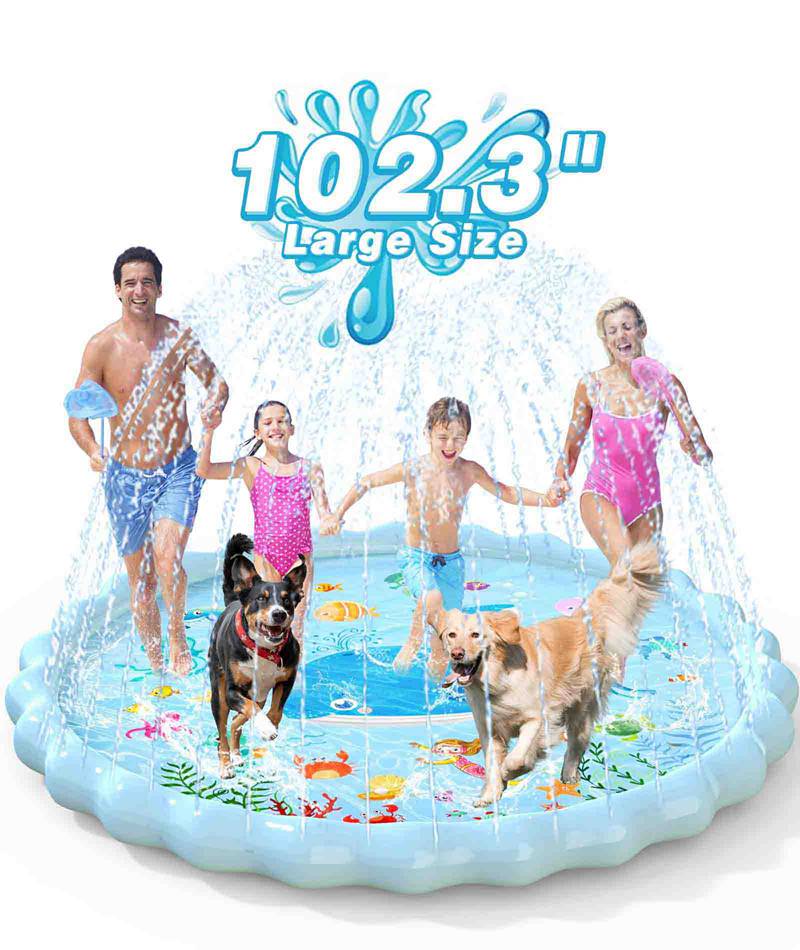
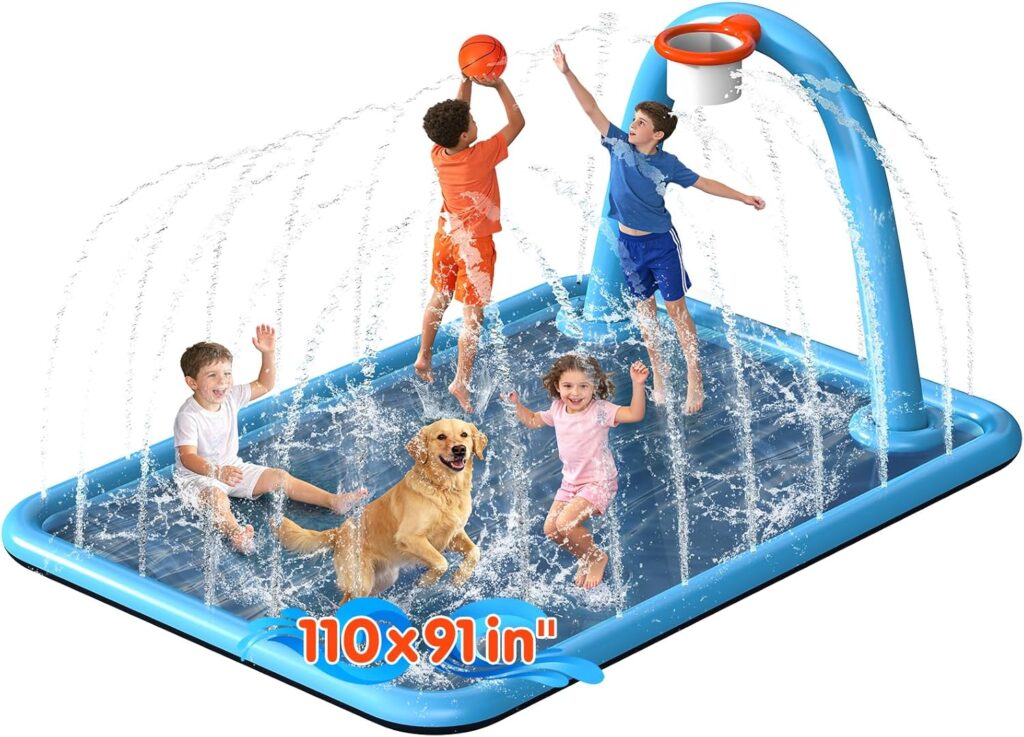
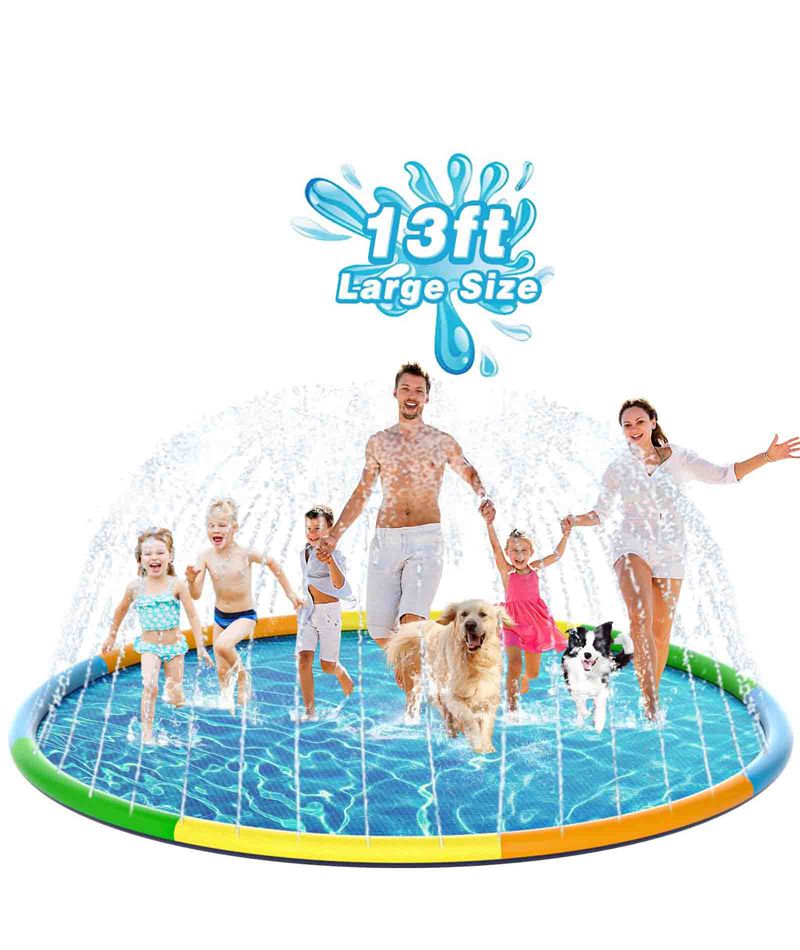
A splash pad can look like one of the easiest summer toys to bring into the backyard. Connect the garden hose, let the outer ring spray water inward, and toddlers suddenly have a cool place to sit, splash, and move around without stepping into a pool. For parents, that sounds simple. But toddler safety is not only about how shallow the water looks. It also depends on the ground surface, spray pressure, material feel, drainage, cleaning habits, sun exposure, and whether an adult stays close enough to react quickly.
A splash pad can be safe for toddlers when it is used on a flat, clean surface with gentle water pressure, fresh water, soft PVC material, easy drainage, and close adult supervision. It is often a safer backyard water-play choice than a pool because it has little or no standing water, but parents still need to manage slipping, hygiene, spray height, heat, and storage.
That difference matters because toddlers do not move like older children. A 2-year-old may sit suddenly, crawl across the wet surface, step on the outer ring, chase the spray, or put wet hands near their mouth. A good toddler splash pad should make those real-life behaviors easier to manage, not harder.
For families, the best splash pad is not always the one with the tallest spray or the brightest pattern. It is the one that feels comfortable under small feet, stays stable during play, drains well after use, and can be cleaned and stored without turning summer fun into extra work.
Is a Splash Pad for Toddlers Safe?
A splash pad for toddlers can be safe when it is treated as supervised water play, not a hands-free outdoor toy. It usually has less standing water than a pool, which can reduce deep-water exposure, but toddlers still need close adult supervision, a flat surface, gentle spray, clean water, and short play sessions.
How a Toddler Splash Pad Compares to a Pool
A toddler splash pad and a pool both involve water, but they create very different play environments. A pool holds water. A splash pad spreads water across a surface and sends spray through small holes or jets. For toddlers, that difference changes the level of risk, the amount of adult control required, and the cleanup routine afterward.
A pool can be enjoyable for family time, but it also brings deeper standing water, entry and exit points, flotation decisions, and stronger supervision demands. A splash pad removes much of that pool-like depth. The child usually plays on top of a flat mat, with water spraying up and draining away.
This makes a splash pad useful for short summer play, especially for younger children who are not ready for independent swimming. Still, a splash pad is not risk-free. Toddlers can still slip, run too quickly, drink spray water, sit directly on spray holes, step on the outer ring, or get startled by high water pressure.
| Option | Water Level | Main Risk | Best Use |
|---|---|---|---|
| Home splash pad | Little or no standing water | Slips, hygiene, spray pressure | Short backyard play with an adult nearby |
| Kiddie pool | Shallow collected water | Drowning, dirty water, slipping | Closely supervised sitting and splashing |
| Inflatable pool | More collected water | Entry, exit, water depth | Planned pool-style play |
| Public splash pad | Depends on the facility | Shared water, crowds, hygiene | Short visits with close watching |
For many families, a home splash pad sits in the practical middle. It gives toddlers the feeling of water play without the full setup of a pool. That makes it suitable for a short backyard session before lunch, after daycare, during a playdate, or at a weekend family gathering.
When Toddlers Are Ready for Water Play
Many parents ask whether it is safe for a 2-year-old to swim. A better question is whether the water activity matches the child’s age, balance, attention span, and comfort with water.
A 2-year-old may enjoy water, but that does not mean they are ready for independent swimming or unsupervised play around water. Toddlers are still learning how to control their bodies. They may run without warning, sit suddenly, turn quickly, or cry if water sprays their face.
A splash pad can be a gentle first step into backyard water play because it allows toddlers to touch water without entering a deeper pool. They can sit or stand in a low-water area, move in and out of the spray zone, and stay close to a supervising adult.
For a first session, parents do not need to plan a long activity. Many toddlers do well with 10–15 minutes at first. If the child stays comfortable, parents can extend play to 20–30 minutes depending on weather, shade, water temperature, and the child’s mood.
| Stage | Play Style | Parent Check |
|---|---|---|
| 12–18 months | Sitting near gentle spray | Comfort, warmth, hands-on help |
| 18–24 months | Short standing and splashing | Balance, surface safety, shade breaks |
| Around 2 years | Light walking and sensory play | Low pressure and simple rules |
| Around 3 years | Longer supervised play | Group rules and no running |
The goal is not to keep toddlers in the water as long as possible. The goal is to create a safe, happy, repeatable backyard routine.
A toddler who dislikes spray on the face may still enjoy sitting near the edge and touching the water with one hand. A toddler who wants to run may need a lower spray, fewer children nearby, and a softer grass setup. Safe water play should adapt to the child, not force the child to match the product.
Splash Pad Risks Parents Should Notice
Most toddler splash pad risks come from small setup mistakes rather than dramatic product failure. A splash pad may look safe, but the wrong surface, too much hose pressure, or poor cleaning can change the experience quickly.
Parents should pay attention to:
- Wet PVC, patios, and decks that may become slick
- Concrete or hard ground that increases fall impact
- Sloped areas that cause water to collect on one side
- Stones, sticks, mulch, or toys under the mat
- Strong spray that hits the face or lifts the edge
- Toddlers touching the surface and putting hands near their mouth
- Damp storage that may create odor or mildew
Before each play session, parents can do a quick check.
| Check Item | Good Setup | Quick Fix |
|---|---|---|
| Ground | Flat, clean, open | Move away from slopes or debris |
| Water pressure | Gentle inward spray | Turn the hose down |
| Surface | No sharp objects underneath | Lift the mat and clear the area |
| Edge | Lays flat during filling | Adjust placement and pressure |
| Child | Comfortable and alert | Keep the session shorter if tired |
| Adult | Close enough to reach quickly | Avoid phone use or multitasking |
Parents who plan to use a splash pad on patios, decks, or harder backyard surfaces should pay extra attention to slipping. Wet PVC, running toddlers, and uneven ground can quickly change a fun play session into a fall risk. A few simple anti-slip setup habits can make the play area feel much safer before the water even starts.
A splash pad becomes safer when parents treat setup as part of the product. The mat, the water, the ground, and the supervising adult all work together.
A useful way to think about it is simple: the splash pad should support the parent’s control. If the surface is too slippery, the spray is too strong, or the cleaning routine is too hard, the product may create more stress than fun.

What Makes a Splash Pad for Toddlers Safer?
A safer splash pad for toddlers uses soft PVC material, better thickness, smooth edges, gentle spray, stable seams, and a reliable hose connection. The safest design is not the one with the tallest spray. It is the one that feels comfortable under small feet, stays stable during play, and supports easy cleaning after use.
Soft PVC Material for Toddler Play
For toddler use, material is one of the first details parents notice. A splash pad touches bare feet, knees, hands, and sometimes the child’s seated body. If the surface feels too thin, stiff, sticky, slippery, or rough, the product may still work, but it will not feel reassuring for daily family use.
PVC is widely used in splash pads because it can be flexible, water-resistant, foldable, printable, and practical for garden hose water play. For toddlers, the goal is not only waterproof performance. The surface should feel soft enough for sitting and stepping, while still having enough structure to stay in place during water flow.
For toddler use, better PVC should feel:
- Soft under bare feet
- Flexible when folded
- Stable when water enters the outer ring
- Low-odor after opening
- Smooth enough for sitting and crawling
- Easy to rinse, dry, and store
Low odor is especially important for family products. A strong smell can reduce trust before the product is even used. Material selection, processing control, packaging ventilation, and storage conditions all affect the first-use experience.
Epsilon works with PVC and composite materials across children’s water play, pet water play, inflatable pools, floating products, snow tubes, water toys, and seasonal outdoor products. For toddler splash pad projects, the material direction should balance comfort, structure, and storage convenience.
Parents rarely evaluate a splash pad through technical language. They evaluate it by touch, smell, spray behavior, setup, cleanup, and whether they feel comfortable using it again the next weekend.
Why Better Thickness Matters
Thickness is not a magic safety claim, but it can make a meaningful difference in how a toddler splash pad feels and performs.
A very thin splash pad may feel flimsy when children step on it. It may wrinkle more easily, shift during use, or show wear faster after repeated folding and outdoor placement. For family splash pad products, a PVC thickness range around 0.40–0.55 mm is often a practical direction because it can provide a more solid feel while still allowing the product to fold and store easily.
For toddlers, better thickness helps in several daily-use ways. It improves ground feel, helps the outer spray ring stay more stable, makes the product feel less disposable, supports repeated folding and unfolding, and gives parents more confidence during setup.
| Detail | Why It Matters | Better Choice |
|---|---|---|
| Hand feel | Parents want it to feel solid, not flimsy | Thicker PVC with a stable touch |
| Ground comfort | Small bumps feel stronger under wet feet | Better material support under the play area |
| Folding use | Splash pads are folded many times | Flexible PVC that does not crease too harshly |
| Edge stability | Toddlers often step near the border | A spray ring that stays flatter during use |
| Seasonal value | Families want more than a few uses | Material and seams made for repeat play |
Epsilon’s splash pad development can include pressure testing, leak testing, outdoor exposure checks, folding-use considerations, and high-temperature aging tests such as 60°C aging tests for selected projects.
These checks matter because a splash pad does not only face water. It also faces:
- Sun exposure
- Grass friction
- Hose pressure
- Toddler movement
- Repeated folding
- Warm garage storage
- Seasonal use and reuse
For families, better thickness is not about making the product heavy. It is about making the splash pad feel more stable, more comfortable, and more suitable for real backyard routines.
Smooth Edges and Gentle Water Spray
A toddler splash pad should feel inviting, not aggressive. Tall spray may look exciting in a product image, but toddlers often prefer gentle water that does not hit their face too hard or make the play area feel chaotic.
Spray direction and edge structure matter because toddlers often move unpredictably. They may step on the border, sit near the outer ring, crawl toward the water, or lean into the spray.
A safer toddler splash pad usually has spray holes positioned on the outer ring, with water directed inward toward the center. This design creates a clearer play area. The center stays open for sitting, standing, and gentle movement, while the water forms a playful boundary around the edge.
The outer ring should not lift, twist, or roll too easily when water enters. If the edge becomes unstable, toddlers may trip or become uncomfortable. A stronger edge structure helps the splash pad keep its shape during play.
| Feature | Parent Need | Better Design |
|---|---|---|
| Spray height | Gentle, not face-hitting | Adjustable with moderate hose pressure |
| Spray direction | Water stays in the play area | Inward spray from the outer ring |
| Spray holes | Soft water streams | Small, controlled spray points |
| Edge feel | Comfortable under small feet | Smooth and reinforced border |
| Hose connector | No sudden leaks or shifting | Stable connection with steady flow |
| Center area | Space to sit and move | Open, shallow play surface |
The best toddler splash pad does not need to create a dramatic water show. It should create a steady, gentle play area that parents can control with the hose.
How to Set Up a Splash Pad for Toddlers
Set up a splash pad for toddlers on flat grass or a clean smooth surface, start with low water pressure, clear the area around the mat, and keep an adult close enough to reach the child quickly. A safer setup should take only a few minutes, but those minutes decide how comfortable the play session will be.

The Best Surface for a Toddler Splash Pad
For toddler water play, the setup area matters almost as much as the splash pad itself. A flat, clean lawn is usually the most comfortable choice because grass gives toddlers a softer base when they sit, kneel, walk, or lose balance.
Before placing the splash pad, parents should walk the area and remove anything that could press through the surface or create discomfort. Small stones, sticks, mulch pieces, garden clips, pet waste, outdoor toys, sharp grass clippings, and uneven soil patches should be cleared away.
A toddler may sit, step, crawl, or fall on the same area several times during one play session. What feels small to an adult can feel sharp under a wet splash pad, especially when the child is barefoot.
A smooth patio can also work, but it needs more care. Hard surfaces increase fall impact, and some patios become slick when wet. If the product is used on a patio, parents should keep the water pressure low, consider toddler water shoes, and avoid placing the splash pad near stairs, furniture corners, grills, or electrical items.
| Surface | Comfort | Setup Note |
|---|---|---|
| Flat lawn | High | Clear debris before setup |
| Smooth patio | Medium | Use lower pressure and water shoes |
| Wooden deck | Medium | Can become slippery when wet |
| Rough concrete | Low | Not the best choice for young children |
| Sloped ground | Low | Water may pool on one side |
| Gravel or mulch | Very low | Avoid for toddler play |
Drainage should also be checked. If water collects heavily on one side, the ground may not be level. Parents should move the splash pad instead of trying to make a poor spot work.
The safest area is flat, open, visible, and easy to reach from all sides.
How to Keep Water Pressure Gentle
Water pressure controls the mood of a splash pad. Low pressure creates a soft, playful spray. High pressure can turn a toddler-friendly product into something overwhelming.
Parents should always begin with the hose turned low, then increase slowly until the outer ring sprays evenly. For toddlers, the spray does not need to be tall. A gentle arc is usually enough to create excitement.
The pressure may be too high if:
- Water hits the child’s face
- The toddler backs away or cries
- The outer ring shakes or lifts
- Water rushes across the surface too quickly
- The hose connector leaks strongly
- The spray becomes uneven and harsh
| Spray Check | Meaning | Action |
|---|---|---|
| Spray barely rises | Pressure is too low | Increase slowly |
| Soft inward arcs | Good toddler setting | Begin play |
| Face-height spray | Too strong | Turn pressure down |
| Edge ring shakes | Pressure is too high or uneven | Reduce water flow |
| Water pools on one side | Surface may be uneven | Move the splash pad |
| Connector leaks | Attachment needs checking | Turn off and reconnect |
Water pressure also affects how much water a splash pad uses during each play session. Parents do not need to turn the hose to full power for toddlers. A lower, steadier spray is usually more comfortable and can also help reduce unnecessary water use. Families who want to plan playtime more carefully can learn more about how much water a splash pad uses before setting up regular summer sessions.
A toddler should be able to approach the water, not be chased by it. Gentle pressure gives children more confidence and gives parents more control.
A good setting is one where the water looks playful but not forceful. If the spray makes the child close their eyes, turn away, or run from the mat, the pressure is probably too high for toddler use.

What Toddlers Should Wear During Play
Toddlers do not need complicated gear for a splash pad, but they do need practical protection. The right clothing can make play more comfortable and reduce common problems such as slipping, sun exposure, and hygiene concerns.
For splash pad play, parents may consider:
- Swim diaper for children who are not fully toilet trained
- Water shoes for patios, decks, or slick surfaces
- Lightweight rash guard for sun coverage
- Sun hat for hot days
- Child-safe sunscreen
- Towel nearby for breaks
- Dry clothes after play
| Item | Use Case | Parent Note |
|---|---|---|
| Swim diaper | Not fully toilet trained | Check often and change away from play area |
| Water shoes | Patio, deck, or slick surface | Helps reduce slipping |
| Rash guard | Longer sun exposure | Adds skin coverage |
| Sun hat | Midday outdoor play | Helps with heat and sun comfort |
| Sunscreen | Sunny sessions | Reapply as directed |
| Towel | Short breaks | Helps dry and warm the child quickly |
A splash pad usually requires less gear than a pool because toddlers are not floating in deeper water. Still, supervision is the most important protection. The safest setup is simple: keep play short, keep water pressure low, keep the adult nearby, keep the surface clean, and keep toddlers warm, shaded, and comfortable.
Are Splash Pads for Toddlers Clean?
A splash pad for toddlers can be clean when it uses fresh hose water, drains after play, and is rinsed, dried, and stored correctly. The biggest hygiene problems usually come from shared water, dirty surfaces, wet storage, swim diaper accidents, sunscreen buildup, and pets using the same play area without cleaning between sessions.
How Clean a Home Splash Pad Can Be
A home splash pad gives parents more control than most shared water-play spaces. You choose where it goes, who uses it, how long the session lasts, how the water drains, and how the splash pad is cleaned afterward.
That control is one reason many families prefer a backyard splash pad for toddlers instead of taking very young children to crowded public water areas.
The cleanest setup starts before the hose is connected. Parents should check whether the ground is clean, the splash pad is fully opened, the product has any odor after storage, the spray holes are clear, the hose connector is secure, and the first hot water from the hose has been flushed out.
For toddlers, hygiene matters more because they often touch the mat with their hands, sit directly on the surface, and may put wet fingers near their mouth.
A splash pad used by older children, pets, or multiple toddlers should be cleaned more often than one used by a single child for short sessions.
| Clean Factor | Why It Matters | Better Habit |
|---|---|---|
| Fresh water | Toddlers may touch or taste spray water | Use clean garden hose water |
| Clean ground | Dirt transfers easily to a wet mat | Use clean grass or a rinsed smooth surface |
| Short sessions | Less buildup of sunscreen and body oils | Keep toddler play around 10–30 minutes |
| Full drainage | Standing water gets dirty faster | Drain immediately after use |
| Dry storage | Damp folds can create odor or mildew | Dry fully before folding |
A splash pad does not need to be treated like a pool, but it should not be treated like a disposable tarp either. If toddlers use it repeatedly through summer, a simple cleaning habit protects both the child’s play experience and the product’s service life.
Fresh Hose Water vs Public Splash Pads
Home splash pads and public splash pads are often discussed as if they are the same, but parents experience them very differently.
A home splash pad usually connects directly to a garden hose. Water enters the outer spray ring, sprays inward, spreads across the play surface, and drains away. This makes water flow easier for parents to understand and manage.
Public splash pads may involve more complex water systems. Some are crowded. Some are used by children of many ages at the same time. Parents also have less control over when the surface was last cleaned, how many children used it, and whether every child followed hygiene rules.
This does not mean public splash pads should always be avoided. It means parents should be more alert. A home toddler splash pad gives families more control over timing, water source, surface cleaning, number of children, pet separation, drying, storage, and session length.
| Setting | Control Level | Hygiene Note |
|---|---|---|
| Home splash pad | High | Parents control water, cleaning, and storage |
| Public splash pad | Lower | Shared surfaces and shared water systems need more caution |
| Kiddie pool | Medium | Collected water needs close supervision and draining |
| Pet-shared splash pad | Medium | Clean before toddler use |
For toddlers, the advantage of a home splash pad is control. Parents can decide that pets play separately, toddlers go first, the splash pad is rinsed after a messy session, and the product is dried before storage.
A good rule for families is simple: if the splash pad has been used by pets, older children, or multiple toddlers, rinse and inspect it before the next toddler session. That small habit keeps the product cleaner and helps protect the PVC surface from unnecessary buildup.

Simple Cleaning After Toddler Water Play
Cleaning a splash pad for toddlers should be simple enough that parents can actually do it after every use. If the process feels too complicated, families are more likely to leave the splash pad wet on the grass or fold it before it is dry.
That is when odor, mildew, and sticky residue become more likely.
After each toddler play session:
- Turn off the hose
- Disconnect the hose
- Drain the water fully
- Rinse away grass and soil
- Wipe visible dirt with a soft cloth
- Let both sides dry before folding
- Avoid dragging the splash pad across rough ground
For weekly cleaning during heavy summer use, mild soap and water are usually enough. Parents can wipe the surface with a soft cloth, rinse thoroughly, and dry completely. Harsh cleaners are not ideal for toddler water-play surfaces because residue may remain where children sit, touch, or crawl.
| Cleaning Time | Action | Reason |
|---|---|---|
| Before first use | Open, air out, rinse, inspect | Removes storage dust and checks condition |
| After each use | Drain, rinse, dry | Reduces odor, dirt, and mildew risk |
| After pet use | Rinse and check for claw marks | Keeps toddler play cleaner |
| Weekly in summer | Mild soap and soft cloth | Removes sunscreen, grass film, and body oils |
| Before storage | Dry both sides and fold loosely | Helps prevent sticking and odor |
The drying step is the one parents should not skip. Even a splash pad that looks clean can smell unpleasant later if folded damp.
For Epsilon and EPN splash pad product planning, easy cleaning is not only a household convenience. It is a product value point. A toddler splash pad should drain well, dry reasonably fast, and fold without trapping heavy pockets of water. Parents are much more likely to reuse a product that does not make cleanup feel like a chore.
How to Choose a Splash Pad for Toddlers
Choose a splash pad for toddlers by checking material feel, PVC thickness, spray direction, edge stability, size, hose connection, cleaning ease, and safety-related documentation. The best toddler splash pad is not always the largest or brightest one. It is the one that fits the child’s movement, the parent’s setup routine, and repeated summer use.
What Size Works Best for Toddlers
The best splash pad size for toddlers depends on the number of children, available backyard space, and how closely parents can supervise.
A very small splash pad may feel crowded once a toddler sits, turns, and moves around. A very large splash pad may look exciting, but it can be harder to place, clean, dry, and supervise in a compact yard.
For one toddler, parents usually need enough open center space for sitting, standing, gentle walking, turning around, touching the spray, and playing with small outdoor toys. For two toddlers or siblings, more room helps reduce bumping and crowding. For family gatherings, a larger splash pad can be useful, but only if the yard has a flat, open setup area.
| Use Scene | Size Direction | Parent Check |
|---|---|---|
| One toddler | Compact to medium | Easy supervision and fast cleanup |
| Two toddlers | Medium | Enough sitting and moving space |
| Toddler plus sibling | Medium to large | Separate movement zones and lower pressure |
| Backyard party | Larger size | Flat lawn, adult visibility, no crowding |
| Small patio | Compact | Water shoes and lower pressure |
Size should match the household routine, not only the product image. A good toddler splash pad should feel roomy without becoming hard to manage.
Safety Details Parents Should Check
Parents should look beyond bright colors and fun patterns. A toddler splash pad should have details that make daily use safer and easier.
The most important details include:
- Soft PVC material
- Low-odor first-use experience
- Smooth edge structure
- Stable outer spray ring
- Controlled spray holes
- Inward spray direction
- Reliable hose connection
- Easy drainage
- Clear setup instructions
- Practical cleaning and storage guidance
A splash pad designed for toddlers should not depend on high spray pressure to feel fun. The spray should work well at moderate pressure because young children often prefer gentle water.
The outer ring should lie flat and stable during use. Spray holes should be positioned so water moves inward toward the center, creating a clear play area instead of spraying randomly away from the mat.
| Feature | Why It Matters | Better Choice |
|---|---|---|
| PVC feel | Toddlers sit, step, and touch the surface | Soft, flexible, low-odor PVC |
| Thickness | Affects ground feel and repeat use | Around 0.40–0.55 mm for family use |
| Edge structure | Toddlers often step near the border | Smooth, reinforced outer ring |
| Spray direction | Strong spray can startle young children | Inward, gentle spray |
| Hose connection | Leaks affect play quality | Secure connector with stable flow |
| Drainage | Dirty water should not sit long | Easy to drain after play |
| Instructions | Parents need clear guidance | Simple setup, cleaning, and storage steps |
For retailers, distributors, and private-label projects, safety-related documentation and market adaptation can also become part of the product value, but for this article, the main point is simple: parents need a splash pad that feels safe, clear, and easy to use at home.
Epsilon’s experience in PVC and family water-play products supports better material selection, structure planning, and product testing behind the scenes. For families, that experience should show up in the parts they actually notice: softer material, steadier spray, easier drainage, clearer instructions, and better repeat-use value.
What Helps a Splash Pad Last Longer
A toddler splash pad lasts longer when the material, structure, use habits, and storage routine work together.
Many families focus only on thickness, but durability also depends on seam strength, water pressure control, sun exposure, ground friction, cleaning habits, drying habits, folding style, storage temperature, and whether pets also use the product.
Repeated summer use creates several stress points. The splash pad may be unfolded on grass, stepped on by toddlers, sprayed with water, exposed to sun, rinsed, dried, folded, and stored again. If older children or pets also use it, the material faces more movement, more pressure, and more surface contact.
Better use habits include:
- Use clean grass or smooth ground
- Keep water pressure gentle
- Avoid dragging the splash pad
- Rinse after each session
- Dry both sides before folding
- Store away from heavy objects
- Clean after pet use before toddlers play
| Damage Cause | Better Habit |
|---|---|
| Stones or sharp debris | Use clean grass or smooth ground |
| Maximum hose pressure | Keep spray gentle for toddlers |
| Long sun exposure | Dry and store after play |
| Dirt and sunscreen buildup | Rinse after each session |
| Damp folding | Dry fully before folding |
| Pet claws | Supervise pets and clean before toddler use |
For families, durability means the splash pad still feels worth taking out next weekend. For retailers and brand customers, durability means fewer complaints, stronger reviews, and better seasonal product trust.
A toddler splash pad should be designed for the way families actually use it: quick setup, short play, repeated folding, and many small summer moments.
Is a Splash Pad for Toddlers Worth It?
A splash pad for toddlers is worth it for many families because it creates quick, low-depth backyard water play without the setup, water volume, and storage burden of a pool. It works best for short summer sessions, toddler playdates, family BBQs, and parent-child outdoor time when the product is gentle, easy to clean, and simple to store.
Why Toddlers Enjoy Splash Pad Play
Toddlers enjoy splash pads because the play feels active but not overwhelming. The water is moving, the surface is open, and the child can explore at their own pace.
A toddler can touch the spray with one hand, sit near the center, walk through gentle water, watch the water streams change, move back to the dry edge when needed, play with simple cups or outdoor toys, and join siblings without entering a deep pool.
For many 1–3 year olds, this kind of water play is easier to accept than a pool. A pool may feel deep, enclosed, cold, or too intense. A splash pad gives toddlers more control. They can enter slowly, test the water, and decide how close they want to get to the spray.
This matters because toddler play is not only about entertainment. It also supports sensory exploration, outdoor movement, parent-child interaction, confidence around water, and short active play during hot days.
| Play Behavior | Why It Works | Parent Benefit |
|---|---|---|
| Sitting and splashing | Low-depth surface feels less intense | Easier to supervise closely |
| Walking through spray | Gentle water encourages movement | Supports active outdoor play |
| Touching water streams | Builds sensory curiosity | Keeps play simple and engaging |
| Playing near the edge | Child can enter slowly | Better for cautious toddlers |
| Short repeat sessions | Easy to restart another day | Fits real family schedules |
A splash pad also works well for toddlers with different comfort levels. One child may run toward the spray immediately. Another may sit outside the ring for five minutes before stepping in. Both can enjoy the same product because the experience does not require jumping, floating, or full-body pool entry.
Why Parents Like Backyard Water Play
Parents like a toddler splash pad because it fits into normal family life. It does not require a pool trip, a long packing list, or a large amount of water.
A parent can usually set it up in the backyard, connect the garden hose, adjust the water pressure, watch a short play session, drain the splash pad, rinse the surface, dry it, and fold it away for next time.
This convenience is one reason splash pads are appealing for families with toddlers. Young children often have short energy windows. A full pool activity may be too much before lunch, after daycare, or on a weekday afternoon.
A splash pad can turn 20 minutes of outdoor time into a memorable summer moment without taking over the whole day.
Because a splash pad is easy to set up, store, and reuse, it can also work well as a summer gift for families with toddlers, preschoolers, or young siblings. For birthdays, holiday surprises, or backyard play gifts, choosing by age, yard size, and play scene is usually more helpful than choosing by pattern alone. A simple summer splash pad gift guide can make that decision easier.
| Parent Need | Better Feature |
|---|---|
| Quick setup | Simple garden hose connection |
| Lower water depth | Little or no standing water |
| Easy cleanup | Fast drainage and smooth surface |
| Small storage space | Foldable PVC structure |
| Toddler comfort | Gentle spray and open play area |
| Repeat use | Better PVC thickness, seams, and pressure stability |
For EPN splash pads, this household convenience is an important design direction. A family water toy should not only look good online. It should make sense when a parent is carrying it outside, connecting the hose, watching toddlers play, and cleaning it afterward.
Best Everyday Scenes for Toddler Splash Pads
A toddler splash pad works best in simple everyday scenes. It does not need to replace a pool, water park, or beach trip. Its value is in giving families an easy way to add water play to ordinary summer days.
Good use scenes include backyard morning play, afternoon cooling breaks, toddler playdates, family BBQs, weekend parent-child play, summer birthday gatherings, and light pet-family outdoor time with cleaning between uses.
| Scene | Setup Tip | Reminder |
|---|---|---|
| Morning play | Flat grass, gentle pressure | Watch for cold skin or fatigue |
| Afternoon cooling | Add shade breaks | Avoid overheated hose water at first flow |
| Family BBQ | Place away from grill and furniture | Assign one adult to supervise |
| Toddler playdate | Use a medium or larger play area | Keep group size small |
| Parent-child play | Sit nearby and guide movement | Keep water pressure low |
| Pet-family use | Clean between pet and toddler use | Trim pet nails and supervise closely |
For families with pets, the same splash pad may sometimes be used for light pet cooling. This can be practical, but toddlers and pets should not always share the surface without cleaning. Pet claws, dirt, hair, and outdoor debris can affect both hygiene and product life.
The strongest everyday use case is controlled, short, repeated play. A splash pad becomes valuable when it is easy enough to use many times, not just once.
Choosing a Safer Toddler Splash Pad for Summer
A toddler splash pad may look like a simple summer toy, but parents usually expect more than bright colors and water spray. They want a product that feels soft under small feet, sprays gently, drains easily, cleans without trouble, and can be folded away after play.
For toddlers, the better choice is a splash pad that supports short, supervised, low-depth water play. It should help parents control the play environment instead of adding extra work.
What Parents Should Remember
A safe-feeling toddler splash pad is not decided by one feature alone. It comes from the way material, setup, cleaning, and supervision work together.
Before using a splash pad with toddlers, parents should keep these points in mind:
- Place it on flat, clean grass whenever possible.
- Start with low water pressure and adjust slowly.
- Choose soft, low-odor PVC material.
- Look for a stable outer ring and inward spray.
- Keep play sessions short, especially for younger toddlers.
- Drain, rinse, and dry the splash pad after use.
- Store it only after both sides are fully dry.
- Stay close enough to reach the child quickly.
These simple habits can make backyard water play feel easier, cleaner, and more comfortable for both parents and toddlers.
Why Product Details Still Matter
Good use habits are important, but product design also matters. A very thin splash pad may feel less stable. A poorly placed spray pattern may make water too strong or uneven. A weak hose connection may leak or change pressure during play. A surface that is hard to clean may be used less often over the summer.
That is why families should look beyond the pattern and size. A toddler splash pad should feel practical from the first setup to the final fold.
| Key Detail | Why It Matters |
|---|---|
| Soft PVC material | Feels better under bare feet and hands |
| Better thickness | Helps improve ground feel and repeat-use value |
| Inward spray | Keeps water play focused toward the center |
| Smooth edge | Reduces discomfort when toddlers step near the border |
| Stable hose connection | Makes water pressure easier to control |
| Easy drainage | Helps reduce dirty water and cleanup effort |
| Foldable design | Makes seasonal storage more realistic |
For family splash pad products, a practical PVC thickness range around 0.40–0.55 mm can offer a better balance between comfort, flexibility, and repeated summer use. It is still easy to fold, but it feels more reliable than very thin one-time-use water mats.
A Practical Choice for Toddler Water Play
A splash pad is not a replacement for adult supervision, and it should not be treated like a hands-free toy. But when used correctly, it can be one of the easier ways to introduce toddlers to summer water play at home.
It gives children a place to splash, move, sit, and explore water without the deeper standing water of a pool. It also gives parents more control over setup, playtime, cleaning, and storage.
For families looking for a ready-to-use option, EPN splash pads are designed around practical backyard use, with soft PVC material, gentle inward spray, foldable storage, and simple garden hose setup.
Epsilon’s experience in PVC and family water-play products also supports better material selection, structure planning, and product testing behind the scenes. For brands or retailers planning seasonal water-play products, Epsilon can also support custom splash pad development with size planning, pattern design, packaging adaptation, and product structure support.
A safer toddler splash pad does not need to be complicated. It should make summer water play feel simple, comfortable, and worth repeating.
Get A Fast quote
Here, bringing your inflatable concepts to life is no longer a challenge—it’s a collaborative journey where American Epsilon helps families, outdoor enthusiasts, and global brands transform creative ideas into safe, certified, and market-ready inflatable solutions.


Partner With Epsilon
Whether you are a family looking for safe backyard fun or a brand seeking large-scale OEM/ODM solutions, American Epsilon Inc. guarantees every inflatable is built with safety, durability, and excitement in mind. With flexible low MOQs, strategically placed warehouses in the U.S., Canada, U.K., and Germany, plus 24/7 professional support, we ensure smooth delivery and reliable service worldwide.
Ready to bring your inflatable ideas to life? Request free samples, fast prototypes, and customized designs today—your trusted inflatable journey starts here.