Skip to content

What Warranty and Return Details Matter When Buying a Kids Splash Pad?
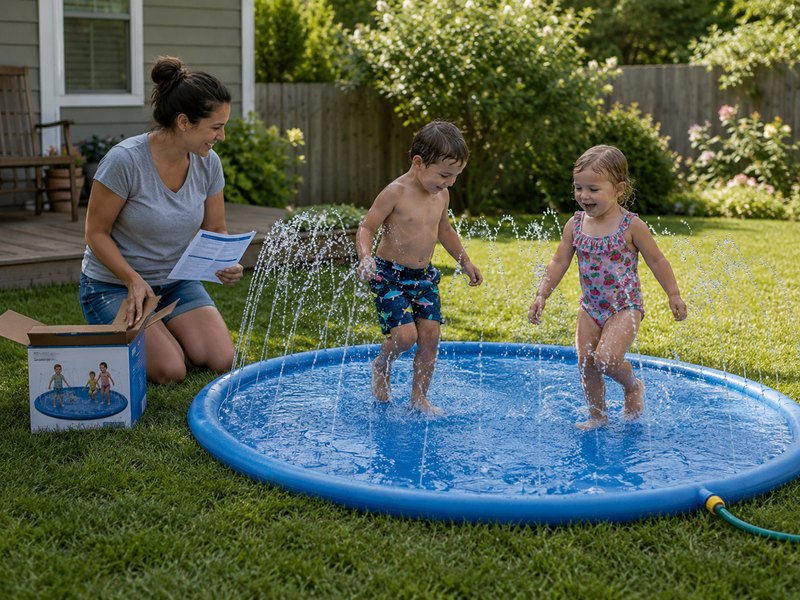
The most useful protection is not simply the longest return period or the longest warranty. A careful purchase checks when the return clock begins, what condition the product must remain in, whether opening or water testing affects eligibility, what the written warranty covers, which types of damage are excluded, who handles the claim, what evidence is required, who pays the return freight, and what remedy is actually offered. The FTC advises consumers to read written warranties before purchase because the coverage can be broad or narrow, and the details matter more than the presence of the word “warranty.”
How Much Storage Space Does a Large Kids Splash Pad Need?
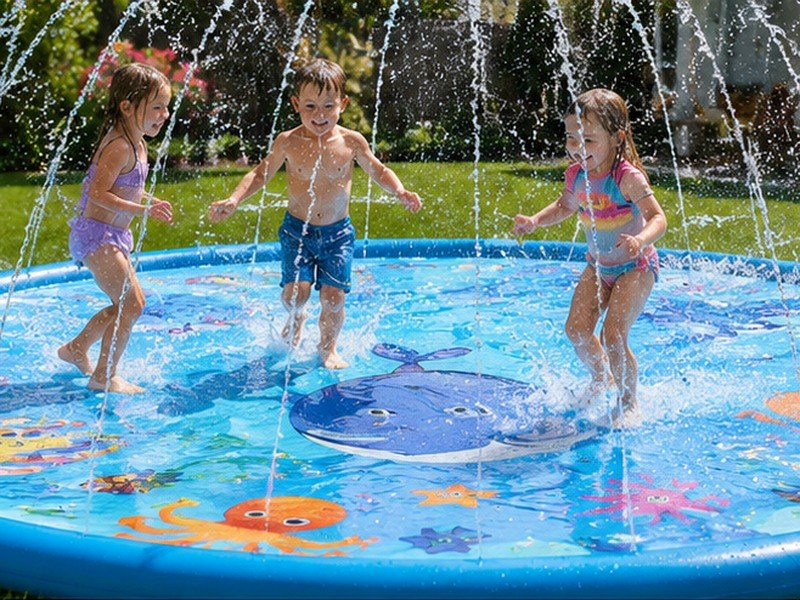
The important point is that expanded size, drying space, factory package size, and household folded size describe four different conditions. A splash pad advertised as 10 feet wide does not need a 10-foot storage shelf. At the same time, seeing a surprisingly small shipping carton does not mean every family will reproduce the factory fold after using the product. A factory can fold a new PVC sheet according to a controlled packing sequence, while a household usually creates broader and less compressed folds after cleaning and drying.
Do You Need a Hose Adapter for a Splash Pad?
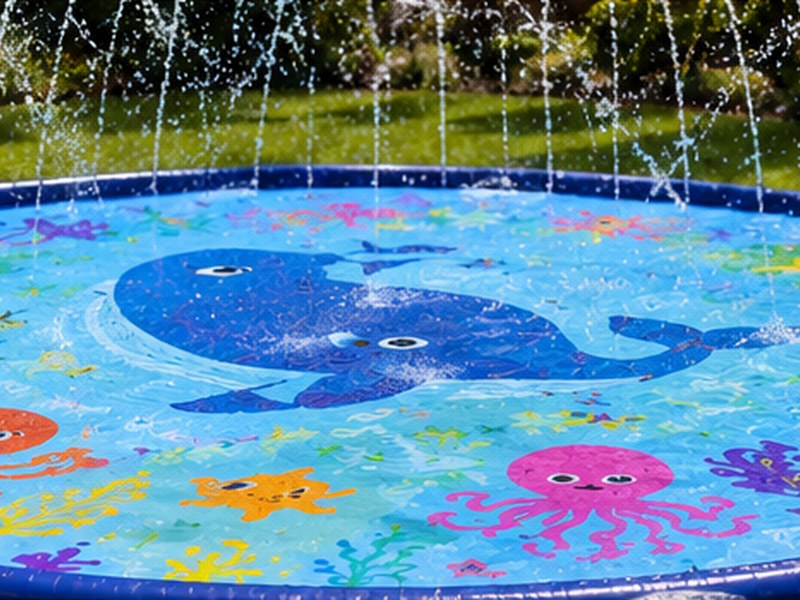
splash pad hose adapter, splash pad garden hose, splash pad hose connector, garden hose adapter, splash pad connector size, splash pad setup, garden hose fitting, GHT garden hose thread, splash pad quick connect, garden hose quick connector, splash pad leaking connector, hose washer, garden hose gasket, replacement splash pad adapter, kids splash pad setup, splash pad water pressure, garden hose flow rate, PVC splash pad, splash pad troubleshooting, backyard water play
What Size Dog Pool with Sprinkler Should I Buy
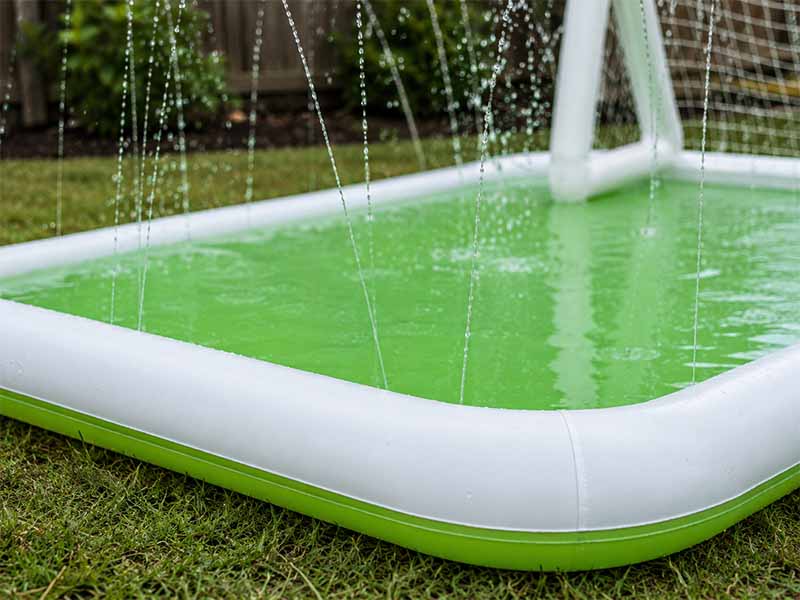
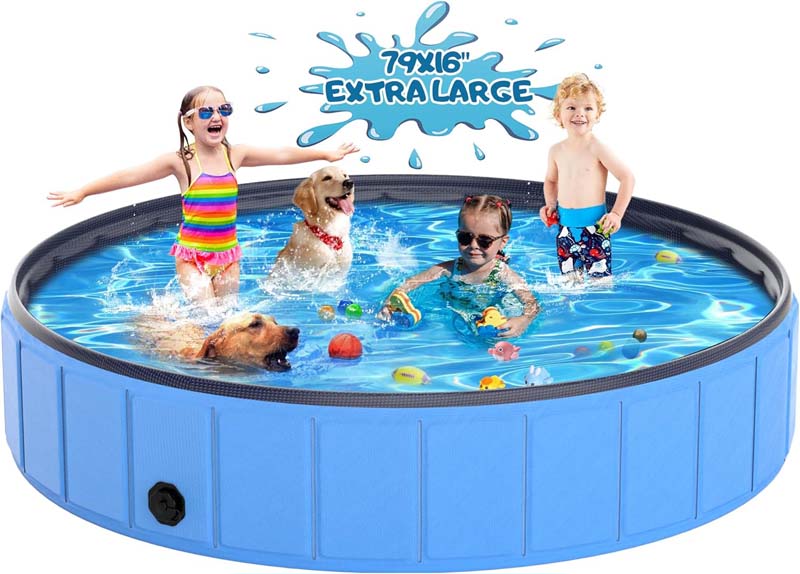
The right dog pool with sprinkler should let your dog stand, turn, lie down, and move toward the spray without constantly touching the walls. Body length, shoulder height, activity level, number of dogs, and play style matter more than weight alone. Larger pools become more useful for active large dogs and shared play, but wall height, water use, yard space, drainage, and storage also need to fit your home.
Dog Pool vs Dog Bath Tub: Which Is Better for Your Dog?

A dog pool is generally better for summer cooling, splashing, shallow water play, and occasional outdoor bathing, while a dog bath tub is better for frequent washing and grooming. A foldable dog pool can often handle both jobs at home, but a dedicated bath tub usually offers better working height, controlled drainage, easier access to the coat, and more convenient handling during regular baths.
Why Does My Garden Hose Not Fit the Splash Pad Connector?
For most household splash pads, replacing the garden hose should not be the first response. Connector style, thread type, male and female orientation, a missing supplied adapter, a quick-connect fitting already installed on the hose, damaged threads, or a missing sealing washer are often more relevant than the diameter printed on the hose packaging. In North America, for example, garden hoses with 1/2-inch, 5/8-inch, and 3/4-inch internal diameters commonly use the same 3/4-inch Garden Hose Thread connection at their ends. A 5/8-inch hose therefore does not automatically conflict with a fitting described as 3/4-inch GHT.
How to Inspect a New Splash Pad Before the First Use
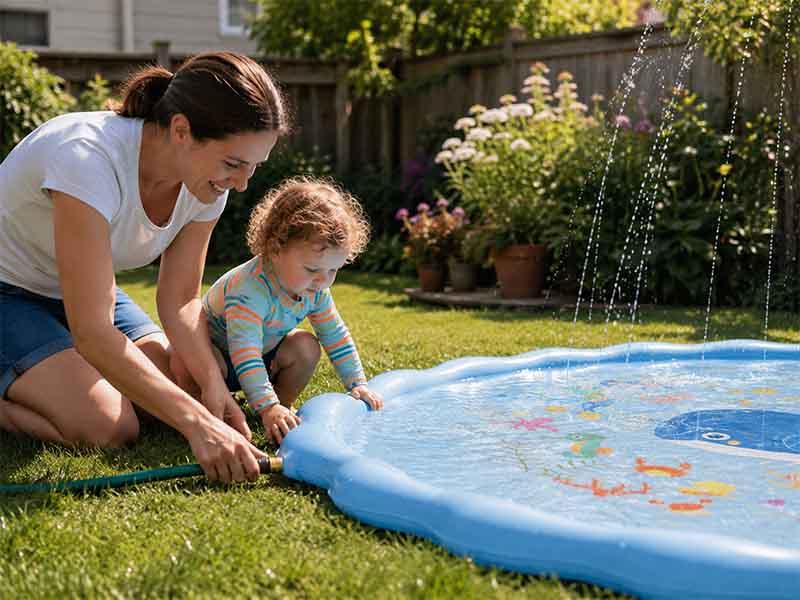
A new backyard splash pad can look ready to use as soon as it comes out of the package, but the first few minutes after unpacking are the best opportunity to identify shipping damage, a poor hose connection, a damaged heat-sealed seam, an obstructed spray opening, or an unsuitable setup area before children begin playing. […]
How Often Can You Use a Splash Pad
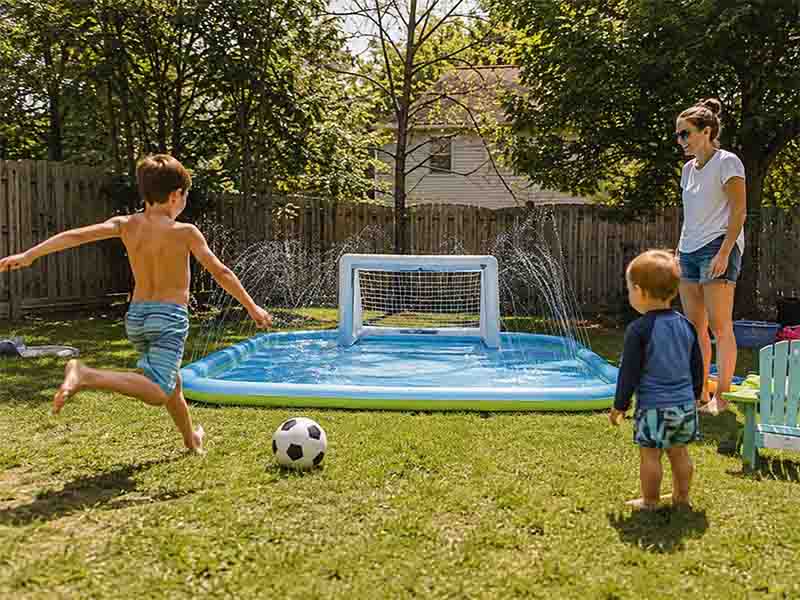
Kids can generally use a backyard splash pad several times a week or even every day when they are healthy, supervised, and playing in suitable conditions. There is no universal rule that limits splash-pad use to a fixed number of days. Session length, heat, sun exposure, water cleanliness, surface safety, product condition, and proper drying are more important than counting weekly uses.
How to Choose a Splash Pad for Small Yard
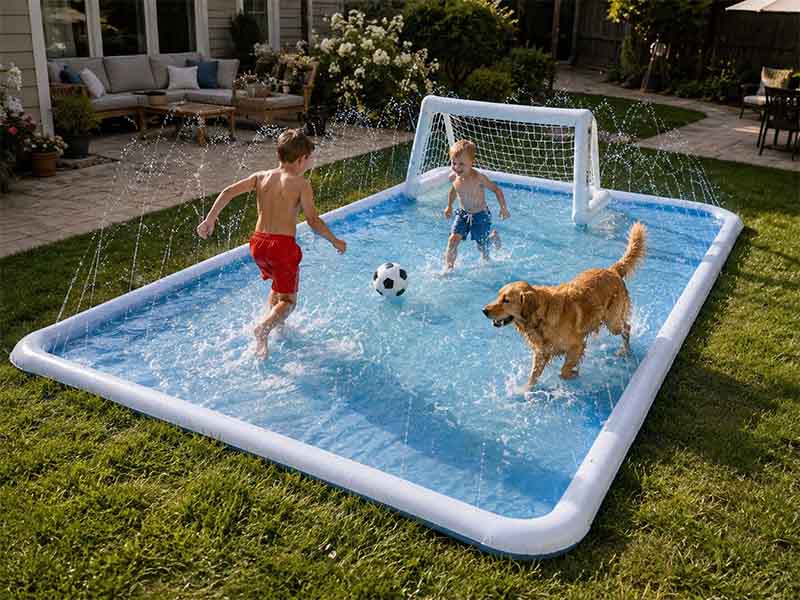
A small backyard can be a great place for summer water play, but it changes what “the right splash pad” actually means. When space is limited, buying the biggest diameter that fits on the lawn often creates more problems than benefits. A large pad can leave almost no dry walking space, send spray onto patio furniture or doors, soak the same patch of grass for hours, and become awkward to drain and dry after the children have finished playing. The better choice is a splash pad that fits into the way the yard is already used. That means looking beyond the advertised diameter and considering how many children will play, where the hose will run, where runoff will go, how much spray can be contained, and whether one adult can comfortably put the product away afterward.
What Features Matter Most in a Kids Splash Pad
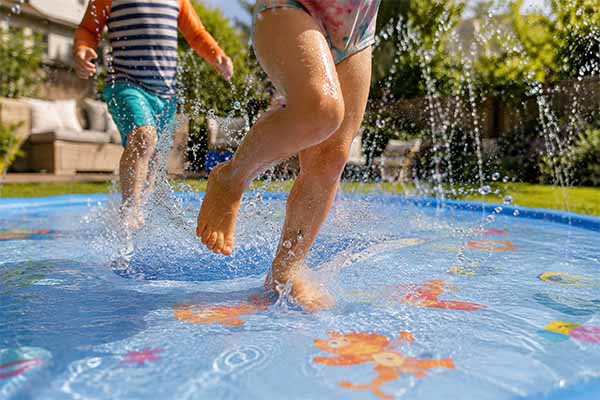
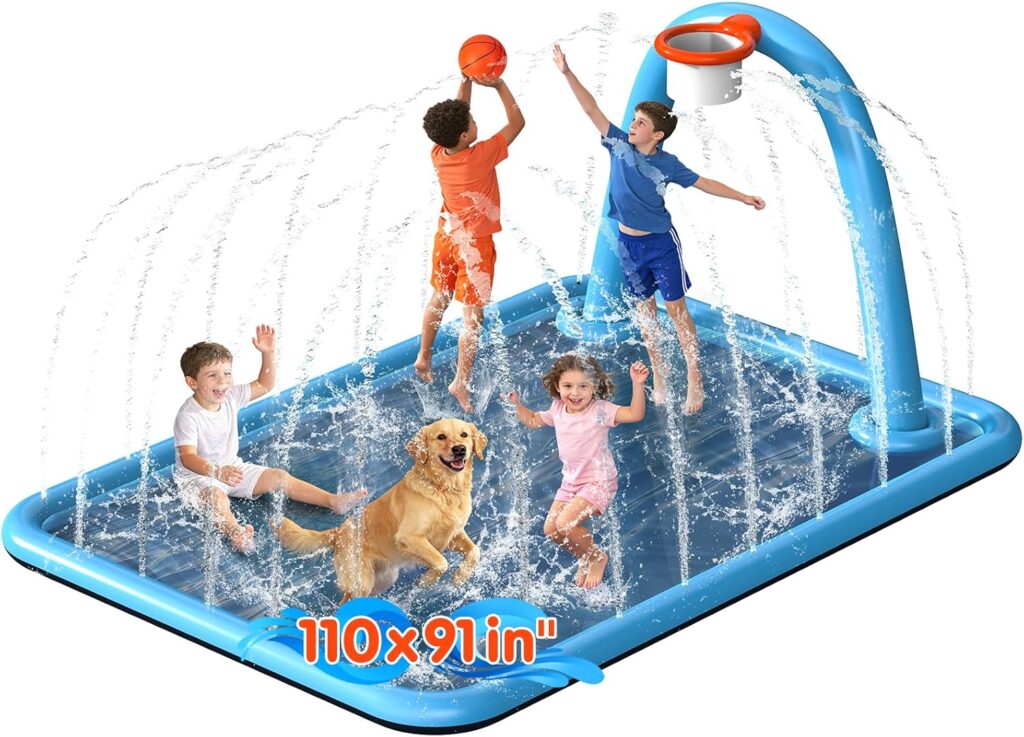
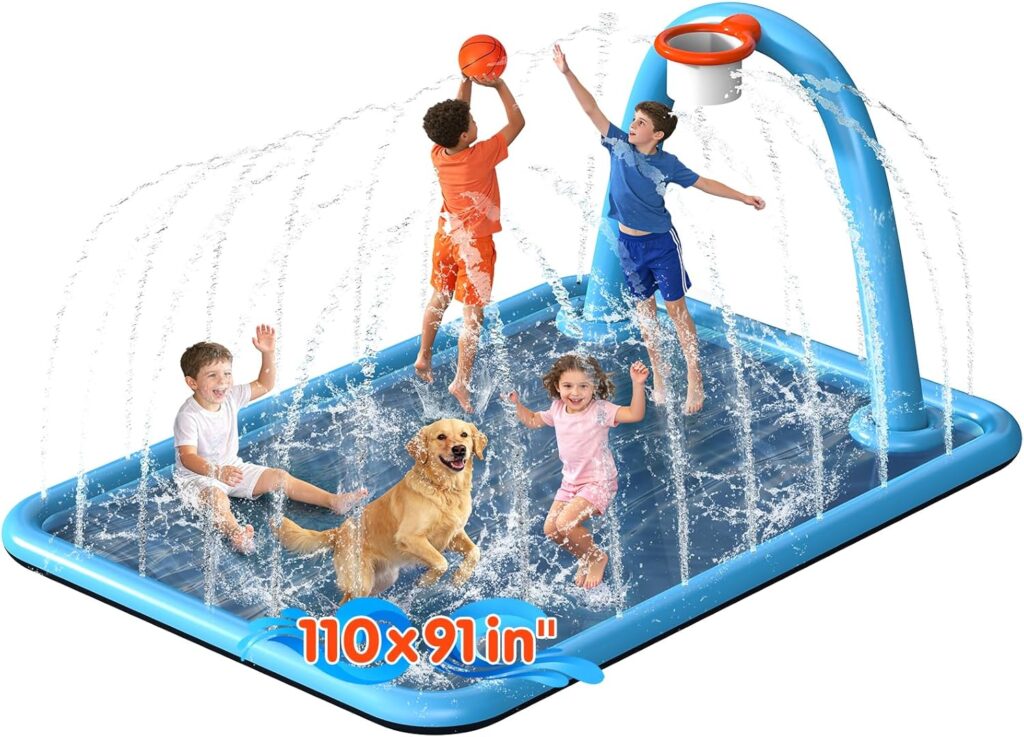
The features that matter most in a kids splash pad are a textured wet-play surface, suitable material and construction, enough usable space for the children using it, adjustable and evenly distributed spray, a reliable hose connection, durable seams and edges, and easy drainage and storage. Decorative themes add fun, but they should come after safety, fit, water performance, durability, and everyday usability.
Why Kids Love Splash Pads
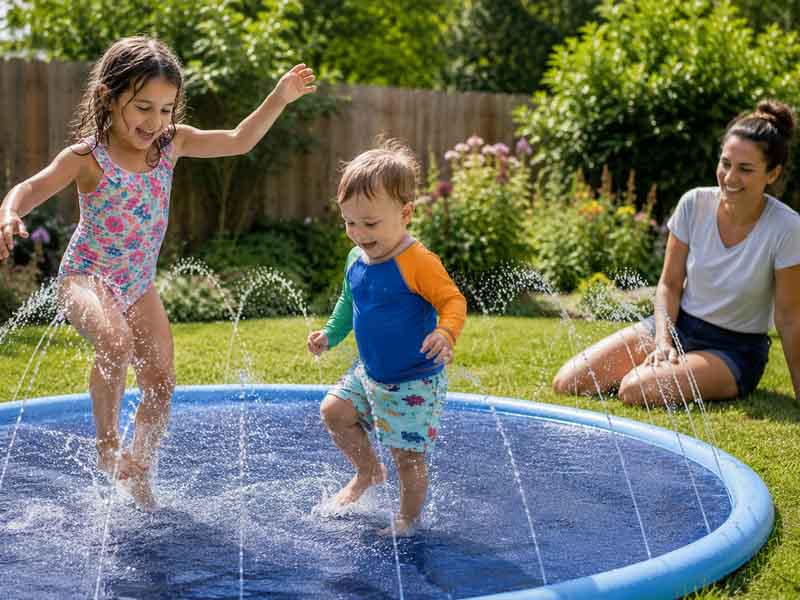
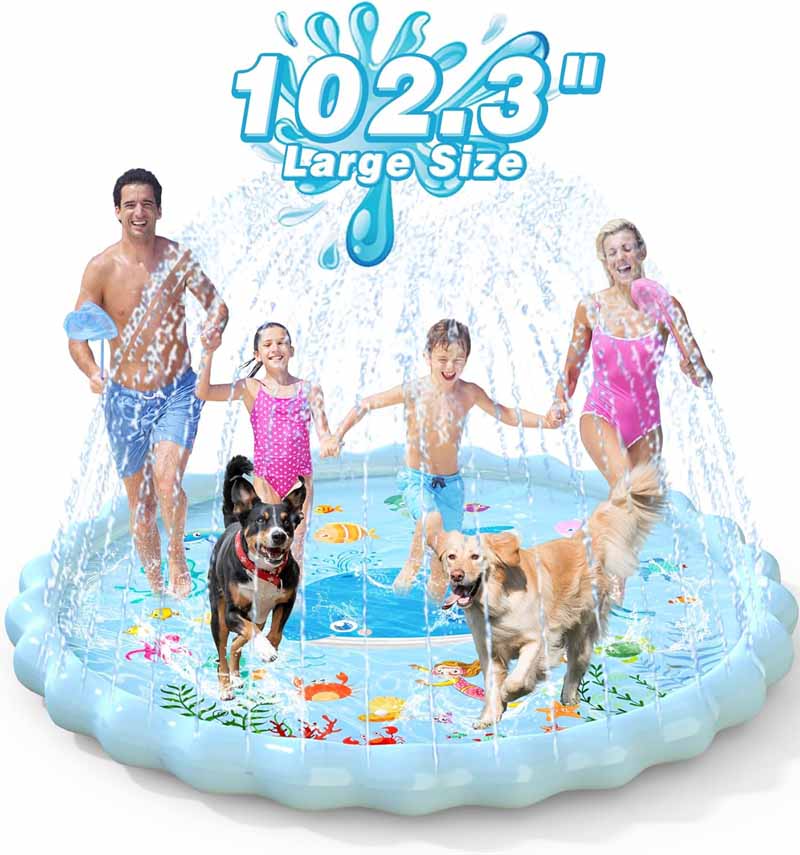
Kids love splash pads because moving water gives them immediate sensory feedback while leaving them free to run, experiment, imagine, and play with other children. A splash pad has no single correct way to use it, so children can continually change the activity. Water temperature, spray direction, movement, social interaction, and simple cause-and-effect make the experience feel different throughout a play session.
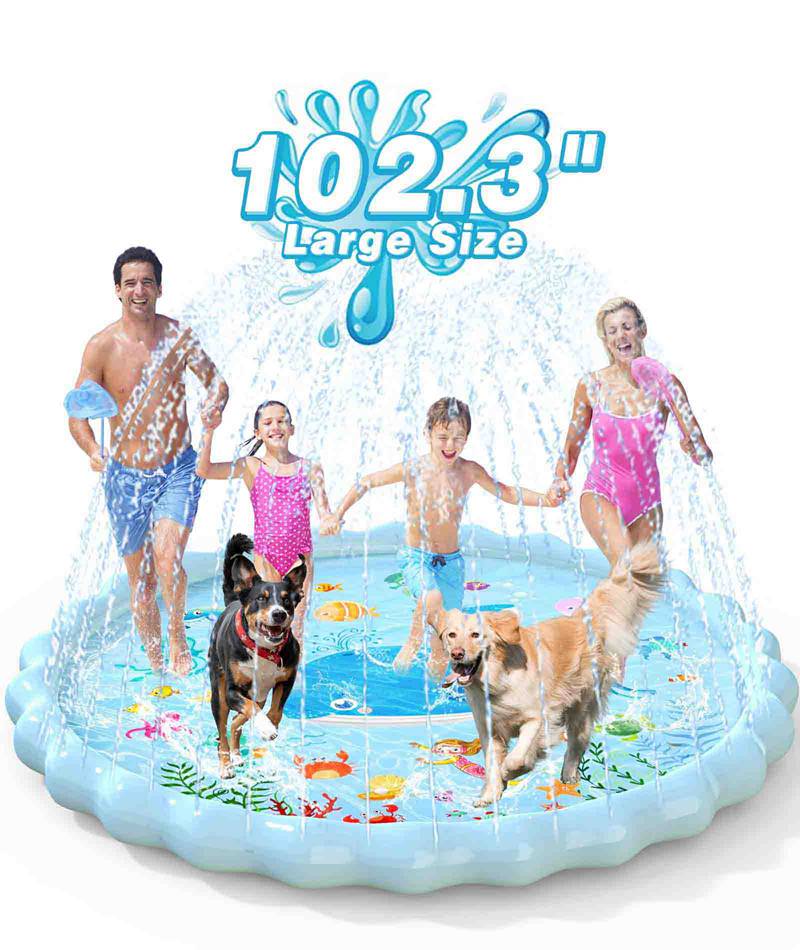
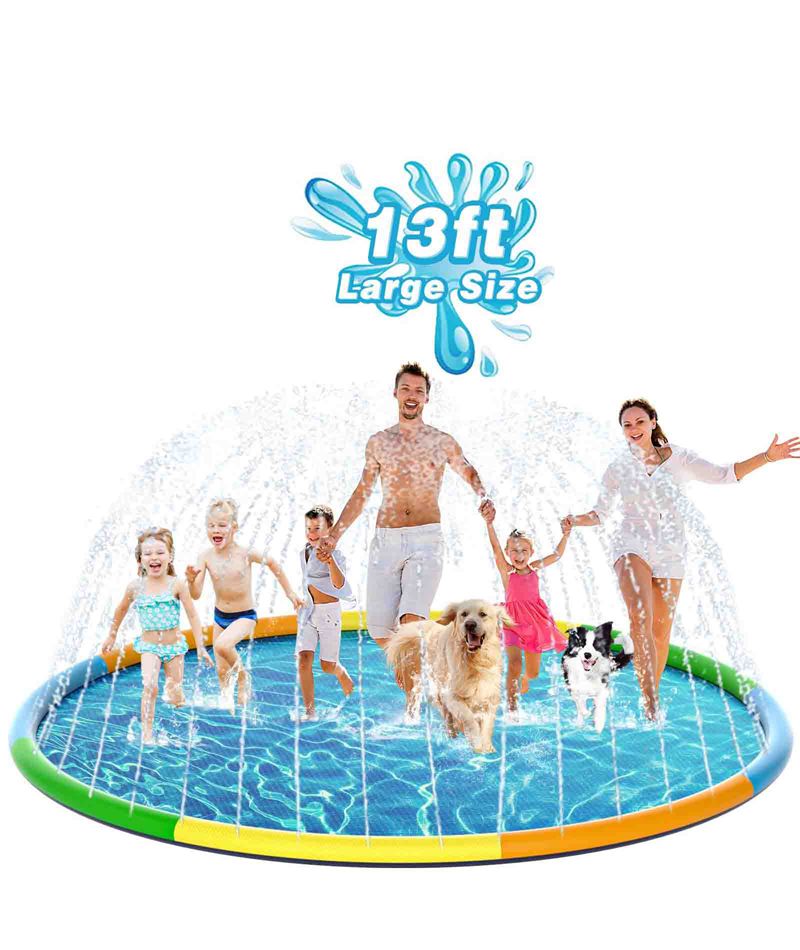
What Size Splash Pad Should I Buy

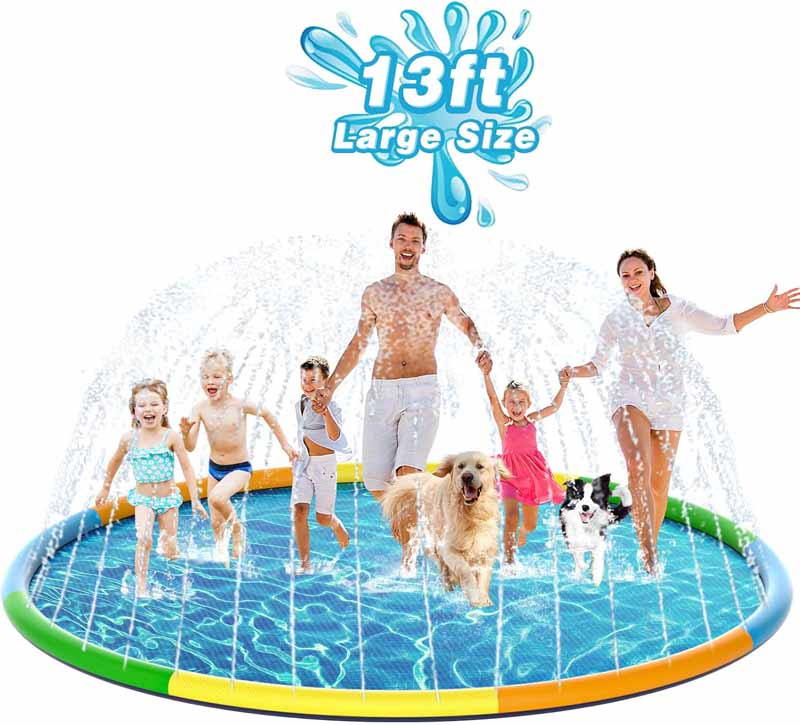
For most families, 5–8 ft works well for one young child, 8–10 ft is a practical range for one or two children, 10–12 ft gives two to four active children more comfortable movement space, and 13–16 ft makes more sense for larger groups, regular playdates, pets, or spacious yards. The best choice depends on users, activity level, usable play area, yard space, water supply, and storage.