What Size Splash Pad Should I Buy

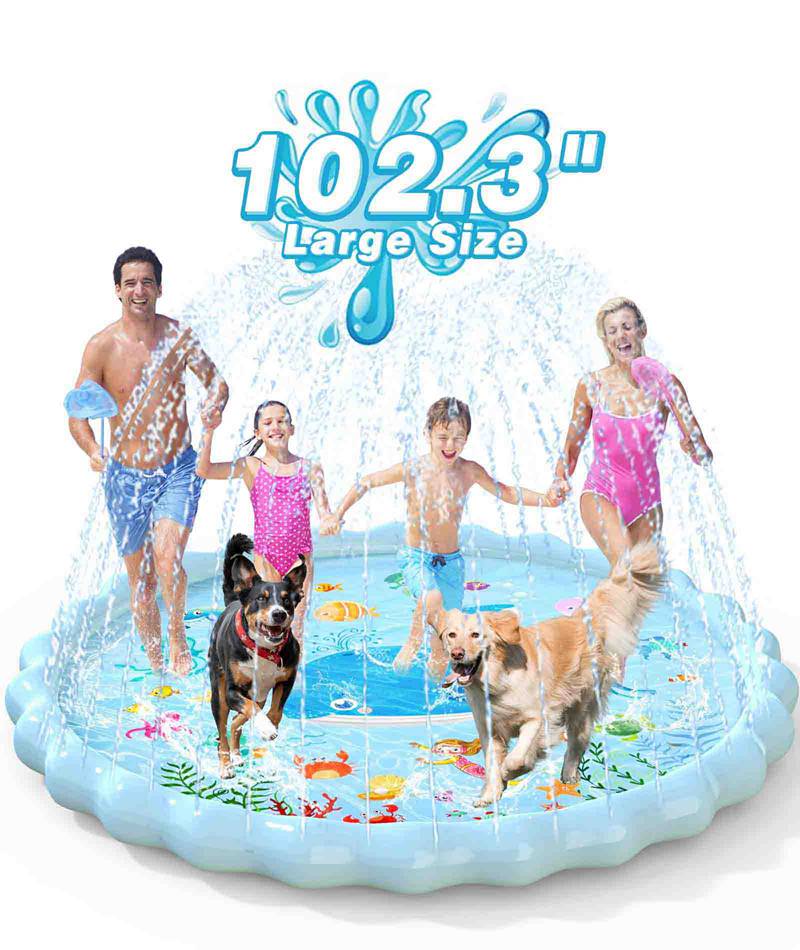
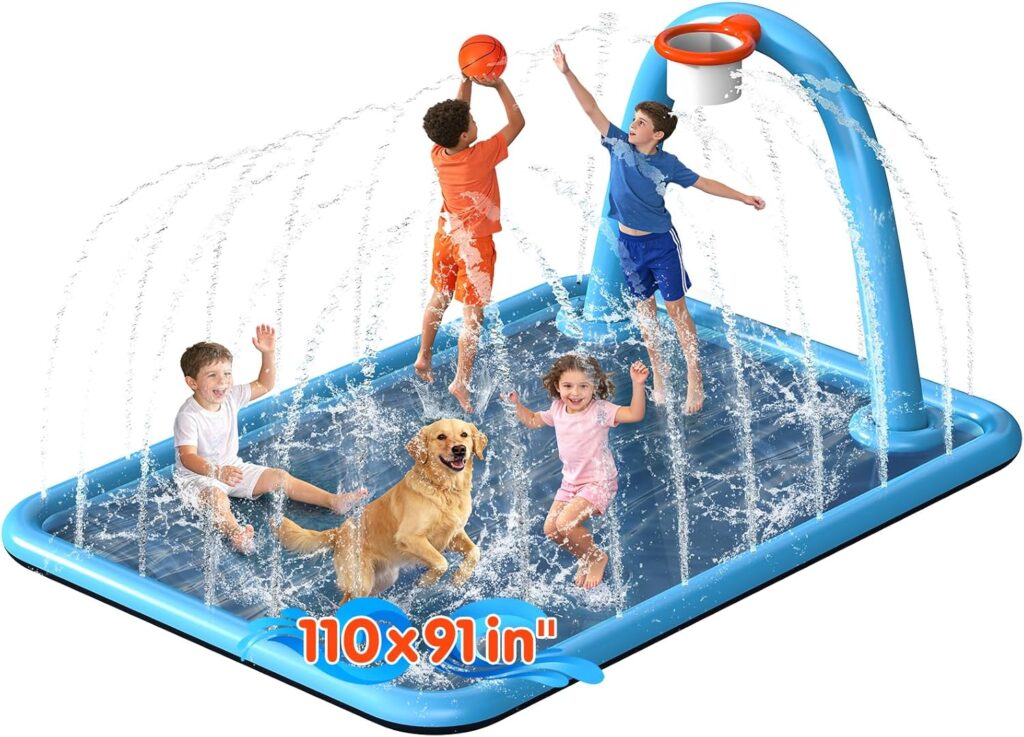
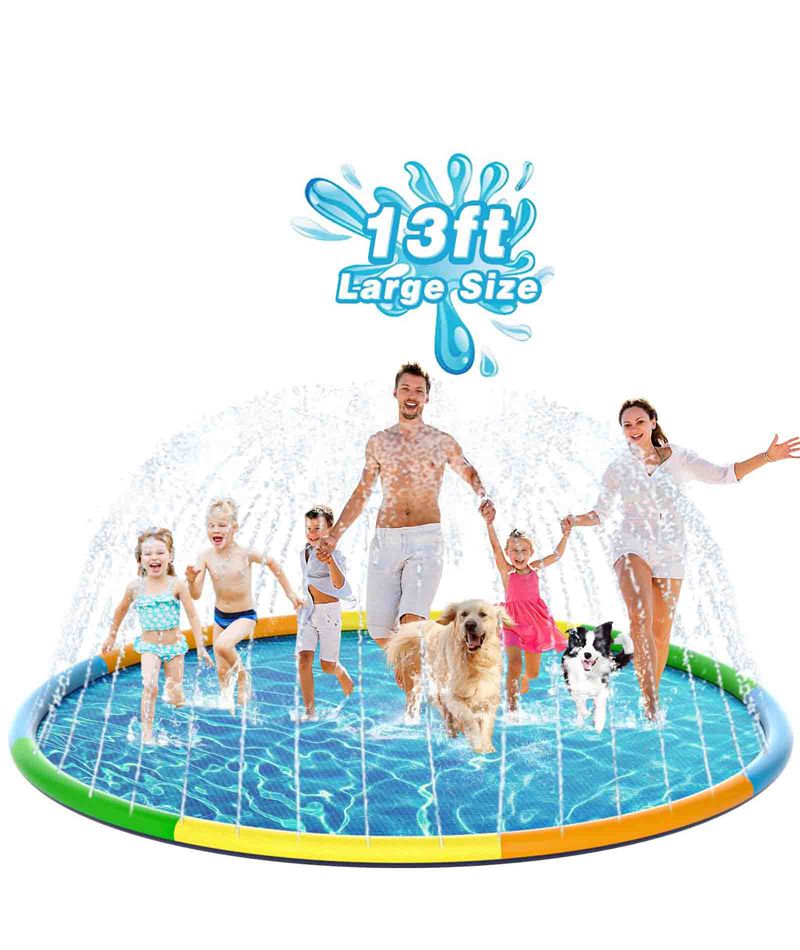
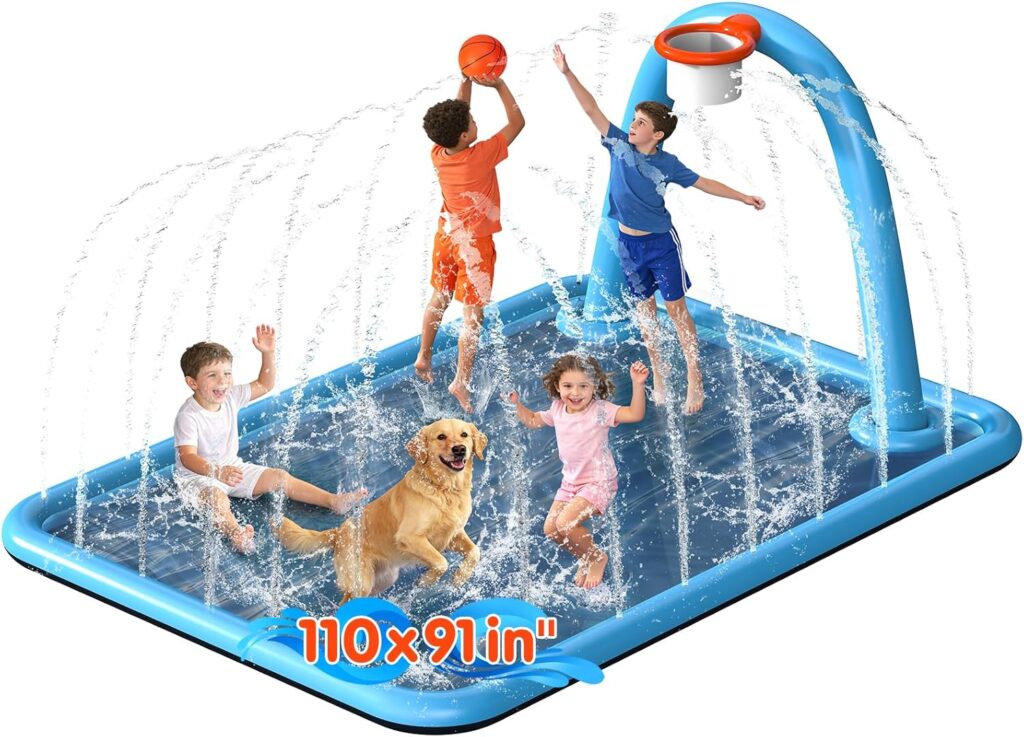
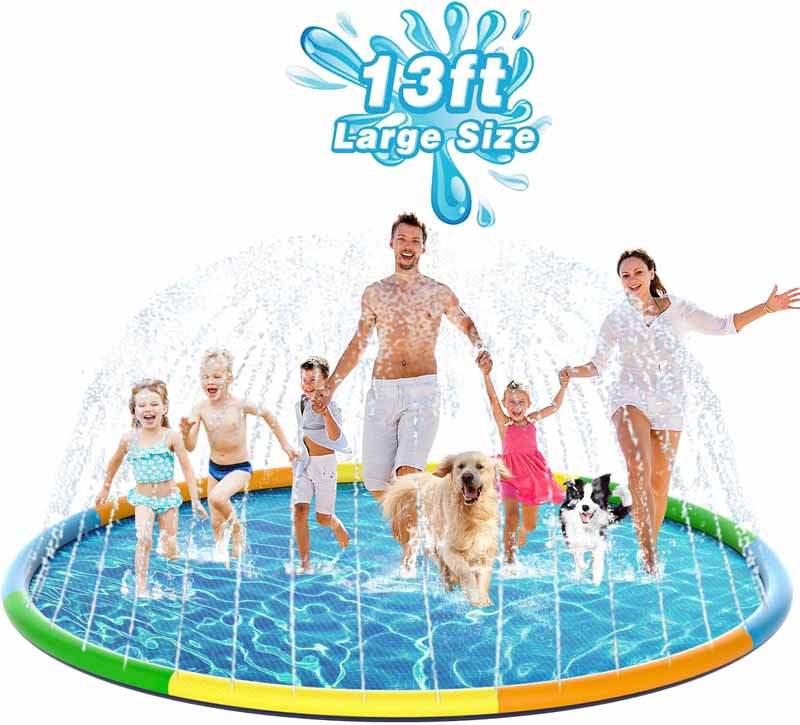
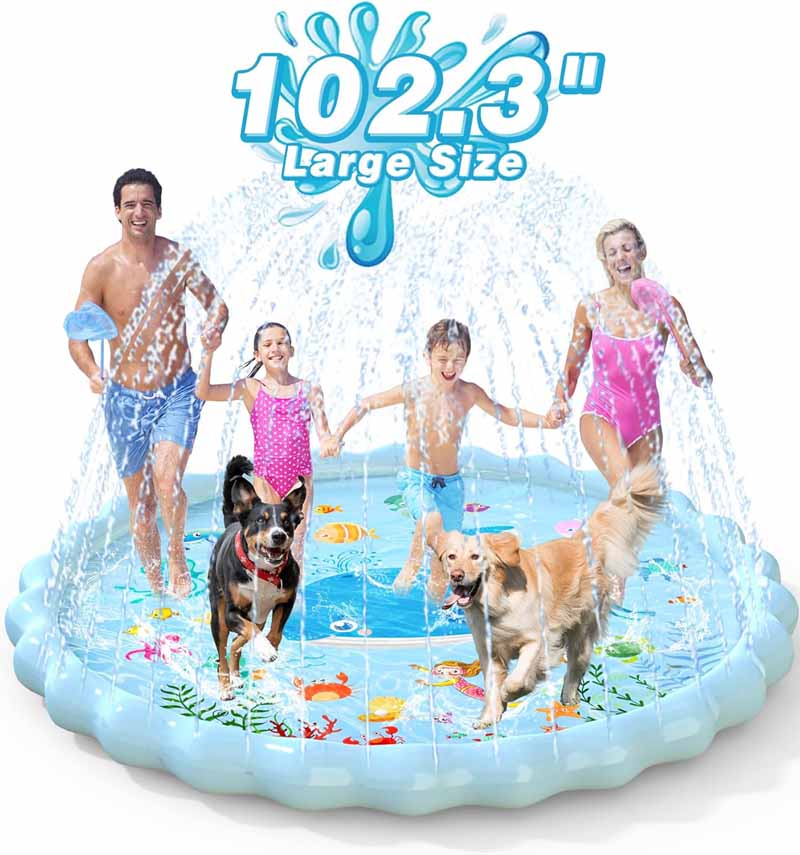
For most families, 5–8 ft works well for one young child, 8–10 ft is a practical range for one or two children, 10–12 ft gives two to four active children more comfortable movement space, and 13–16 ft makes more sense for larger groups, regular playdates, pets, or spacious yards. The best choice depends on users, activity level, usable play area, yard space, water supply, and storage.
Thick Splash Pad vs Thin Splash Pad
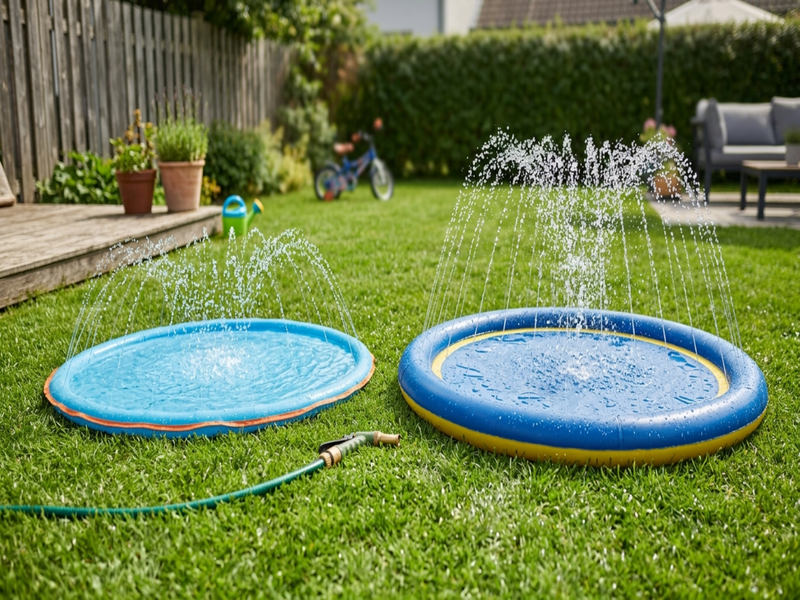
For frequent backyard use, multiple children, larger splash pads, dogs, or harder ground surfaces, thicker PVC generally provides a better durability margin. A thinner or medium-weight splash pad can still be a practical choice for occasional light use on clean grass. Thickness matters, but seam quality, hose-inlet reinforcement, surface texture, ground preparation, water pressure, and storage habits also influence how long a splash pad remains usable.
How Much Water Pressure Does a Splash Pad Need
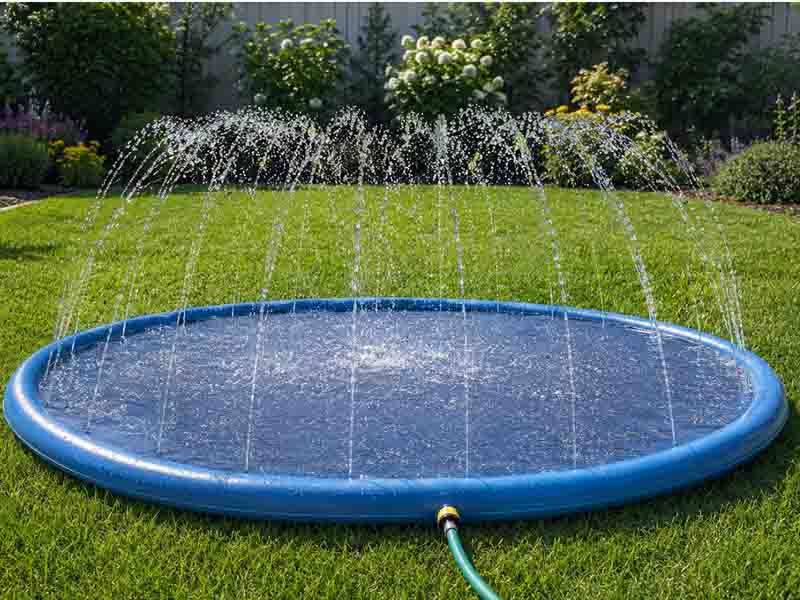
Most hose-fed backyard splash pads are designed to work from ordinary residential water pressure rather than a dedicated high-pressure pump. A household supply around 45–60 PSI is a useful residential reference, but there is no universal PSI requirement for every splash pad. Actual performance also depends on available GPM, hose length, fittings, pad size, spray-hole design, leaks, and the manufacturer’s operating limits.
How to Clean and Store a Splash Pad
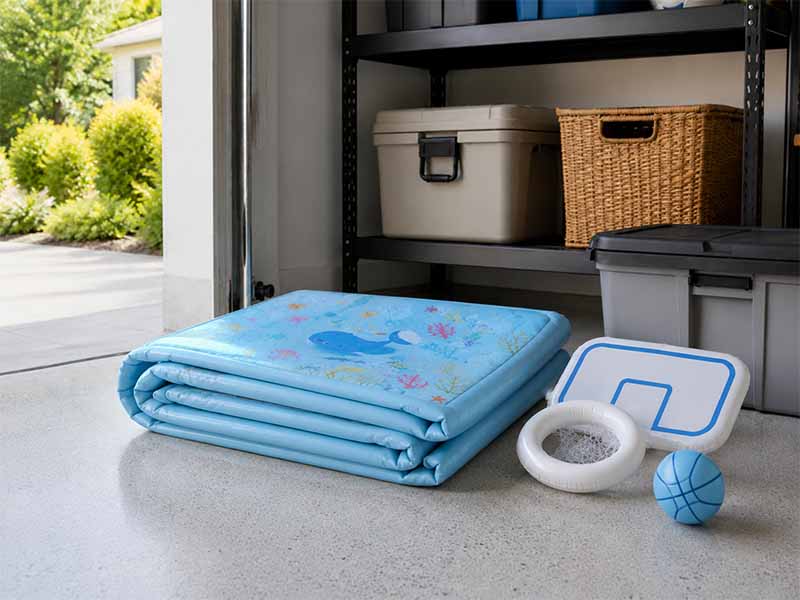
The best way to clean and store a splash pad is to drain it promptly, rinse away dirt and debris, use mild soap when a deeper clean is needed, rinse away all cleaner residue, dry the top, underside, perimeter, seams, and hose connection completely, then fold it gently and keep it in a clean, dry, protected location. Avoid storing it while damp or under prolonged sunlight, heavy pressure, or contact with sharp objects.
Why Some Splash Pads Leak Easily
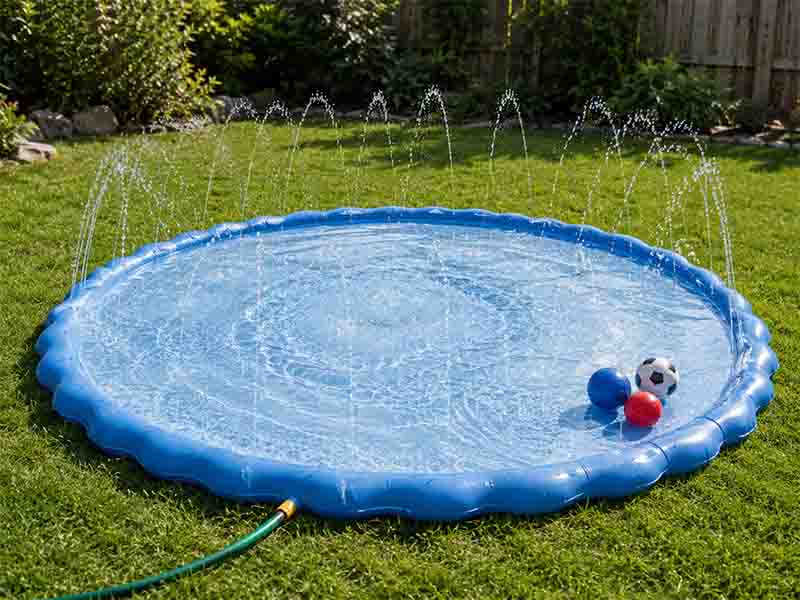
Most splash pads leak because of a punctured or abraded PVC surface, a welded seam that begins to separate, a hose connection that does not seal correctly, or excessive stress around a high-load area. PVC thickness affects durability, but seam quality, connector construction, water pressure, ground preparation, folding, and repeated movement are equally important when determining how long a splash pad lasts.
How to Clean a Dog Pool
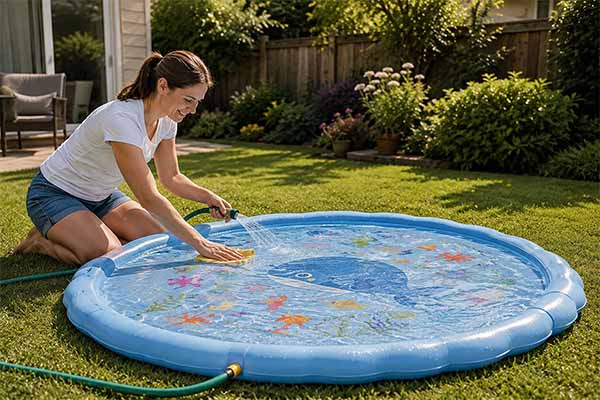
That does not mean dog-pool maintenance needs to become complicated. Portable PVC pools are different from permanent swimming pools because most of them do not have continuous filtration, circulation, or measured sanitizer systems. In many cases, the most practical solution is not adding more chemicals but removing dirty water, cleaning the surface properly, and starting again with fresh water.
Splash Pad vs Splash Pool
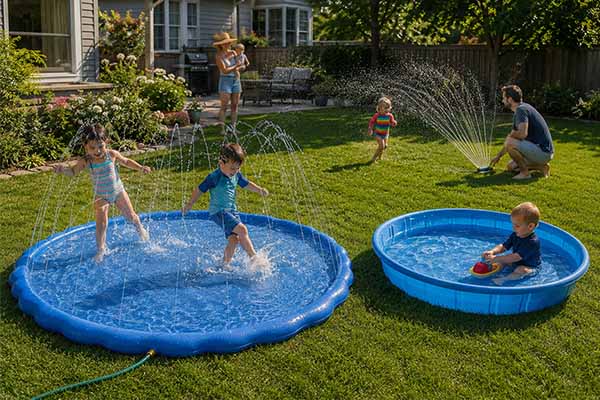
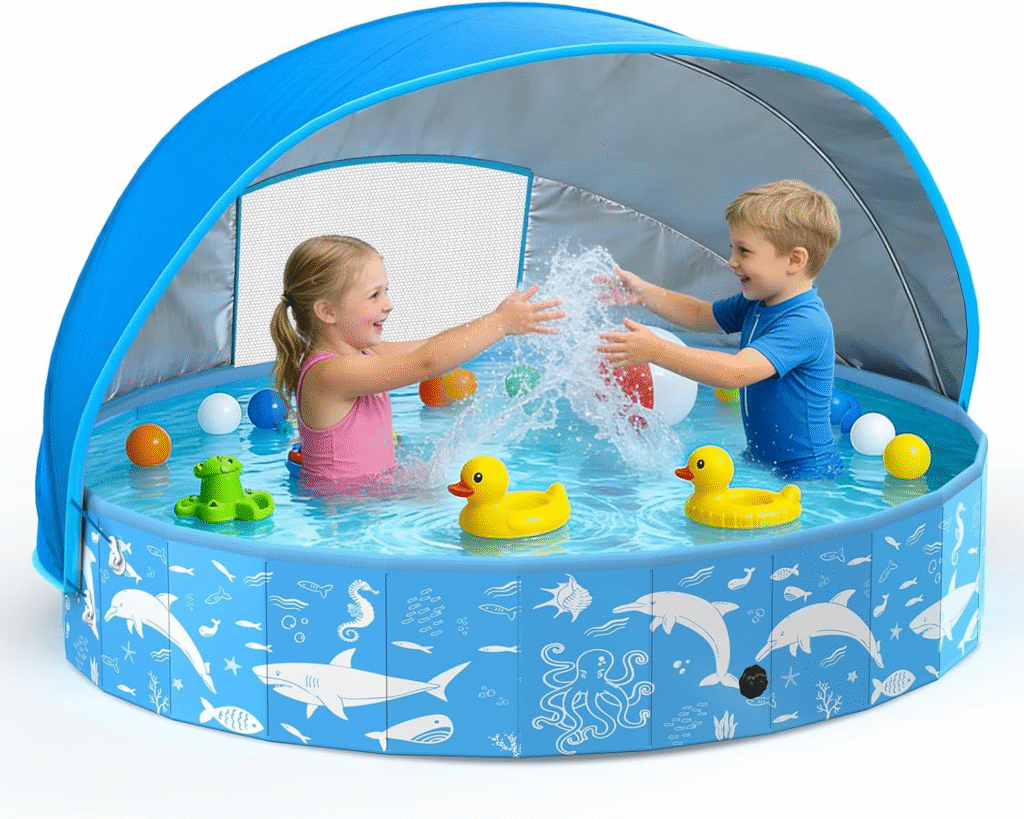
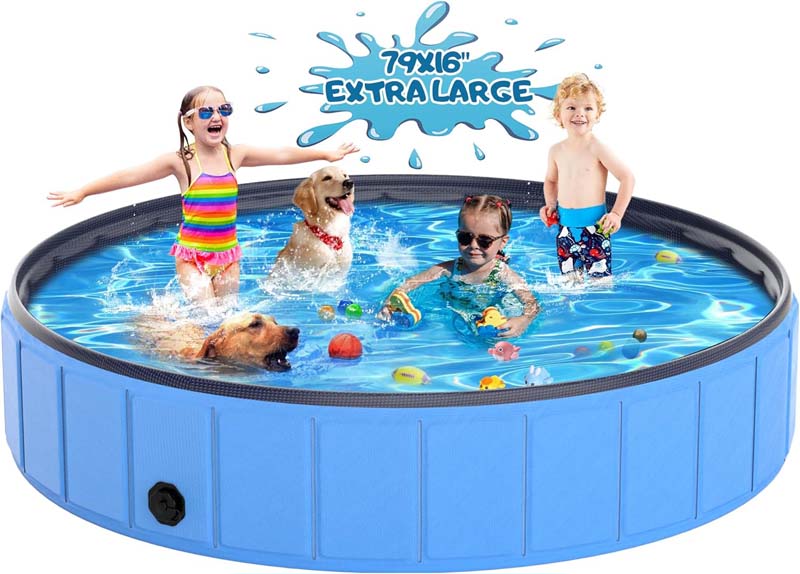
For many families with toddlers and young children, a splash pad is the better choice when the priorities are active play, very little standing water, quick hose-connected setup, easier seasonal storage, and enough open space for several children to play together. A splash pool may be better when children prefer sitting directly in water, using boats and cups, pouring and scooping, or enjoying slower sensory play. Both still require attentive adult supervision and proper cleaning, drying, placement, and storage.
What Is a Splash Pad
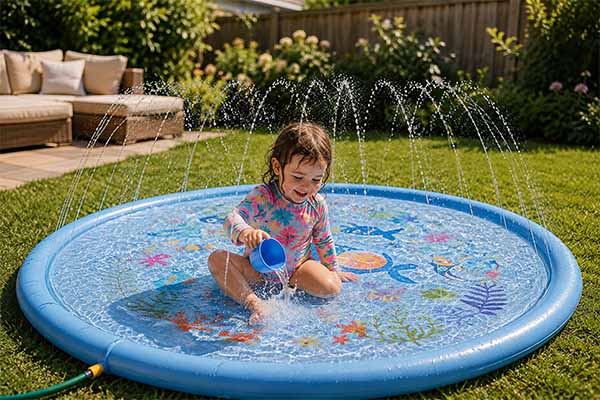
A splash pad is an interactive water-play area that uses sprays, jets, fountains, or sprinkler openings instead of relying on deep swimming water. Public splash pads are usually permanent recreational facilities, while portable backyard splash pads commonly use household hose pressure to fill an integrated PVC water channel and create controlled spray around a shallow or nearly flat play surface.
How Thick Should a Dog Pool Be
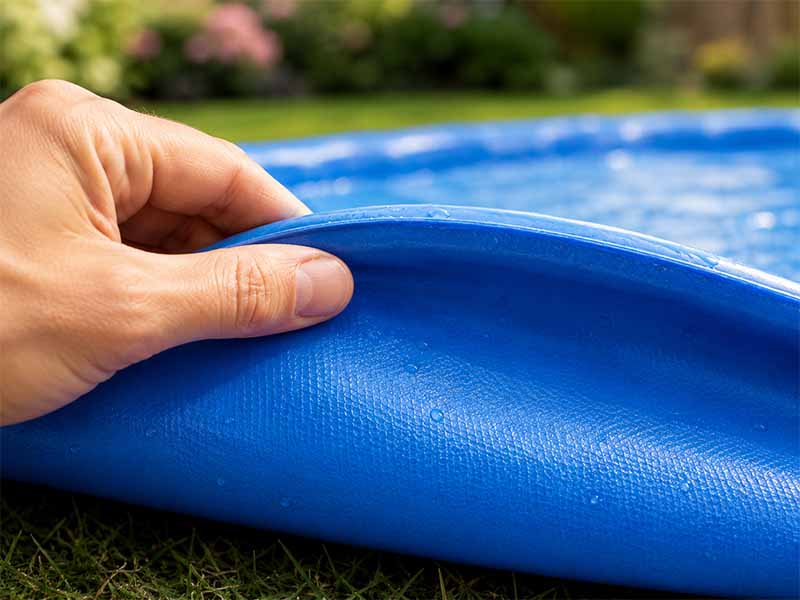
For most foldable household dog pools, approximately 0.50–0.60 mm PVC provides a practical balance of durability, flexibility, weight, and storage. Around 0.55 mm is a strong choice for regular use when combined with a textured floor and rigid internal wall panels. Large, active, or multiple dogs may benefit from reinforced floor areas in the 0.60–0.70 mm range.
How EPN Thinks About Kids, Pets, and Shared Family Use
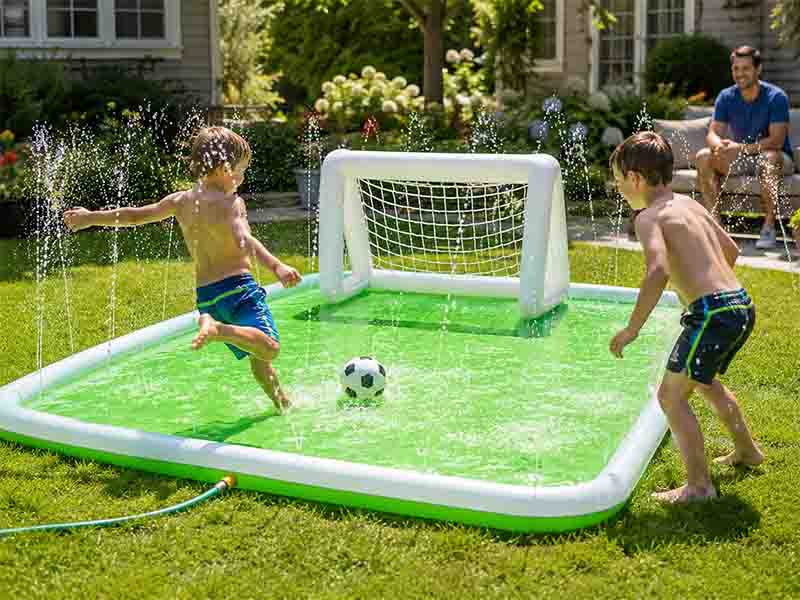
EPN designs shared-use PVC products by studying how children, pets, and caregivers move, apply pressure, control water, and maintain the product afterward. Material thickness, surface texture, wall support, seam placement, drainage, cleaning, and storage are considered together. The aim is not to suggest that one design suits every family, but to match each structure with realistic users, activities, and limits.
Why EPN Focuses on Material Thickness and Low Odor Formulas

Material thickness affects puncture resistance, abrasion tolerance, structural stability, weight, flexibility, folding behavior, and welded-seam performance. A low-odor formula improves the opening experience by controlling raw materials, printing, processing temperature, ventilation, storage, and packaging. EPN focuses on both because a dependable recreational product must feel acceptable when first opened and continue performing under water pressure, pet claws, foot traffic, cold weather, sunlight, and repeated folding.
The Complete Guide to a Non-Slip Dog Pool Base
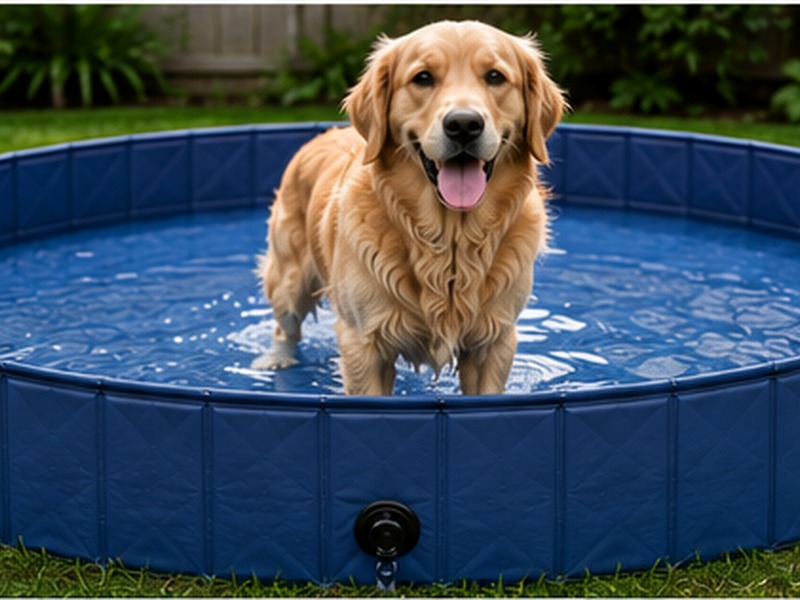
A non-slip dog pool base uses surface texture, material grip, floor support, and structural stability to help dogs maintain traction while entering, standing, turning, and playing. It matters because better footing can reduce uncontrolled sliding, improve confidence, support dogs with limited mobility, and make shallow-water activities more comfortable. However, no textured floor can replace level-ground setup, sensible water depth, nail care, and close supervision.