Skip to content

ODM PVC Inflatable Manufacturer
From Early Concepts to Production-Ready PVC Designs
Amepsilon develops low-pressure PVC products for brands, retailers, importers and distributors, coordinating design, engineering, sampling, heat pressing, testing, packaging and bulk manufacturing.
- 27 Material and Development Specialists
- 18+ Industrial, Graphic and Packaging Designers
- 500+ Annual Material and Product Tests
- 1,500+ Development Projects Each Year
- Custom Water Play, Pet and Winter Products
- Engineering, Testing, Packaging and Production Support
What ODM Adds to Development
ODM support is most useful when dimensions, structure, materials, functions or packaging have not yet been converted into a complete manufacturing specification.

Design Definition
Development may begin with a general idea, target market or reference item rather than complete factory drawings. The working brief establishes intended use, dimensions, required functions, materials, accessories, quantity, packaging and destination market. These details give engineering, sampling and costing teams a shared starting point before tooling or bulk materials are arranged.
Structural Engineering
The visible shape must be converted into flat PVC panels, heat-press paths, chambers, water channels and component positions. Engineering determines how the construction will retain air, distribute water, support filled walls, drain, fold and fit into its carton. Seam access and manufacturing limits are considered before the first physical prototype is prepared.
Prototype Testing
A prototype needs to confirm function as well as color, dimensions and appearance. Depending on the category, testing may cover air retention, spray balance, drainage, wall support, handle strength, valve access, folding and carton fit. Findings from each round are linked to a specific structure and material version before further changes are made.
Production Transfer
An approved sample becomes valuable only when the same construction can be reproduced in commercial quantities. Materials, dimensions, graphics, heat-press paths, components, testing points and packing requirements are recorded before bulk manufacturing. The Golden Sample and current factory files give each department the same reference during first-unit approval and final inspection.
PVC Product Categories We Develop
Amepsilon focuses on low-pressure recreational designs that match our flexible materials, heat-press equipment, component experience and established functional testing methods.

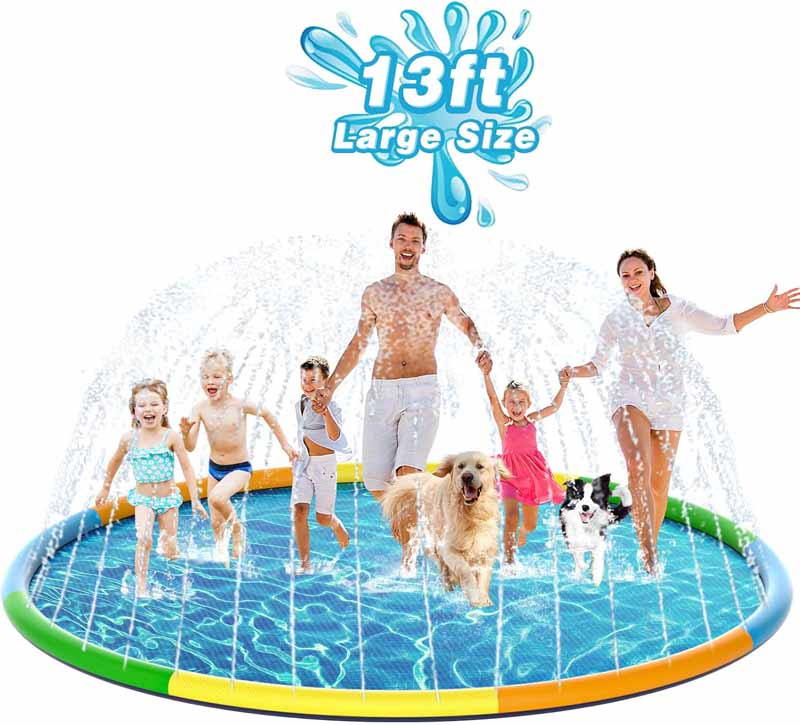
01. Round Splash Pads
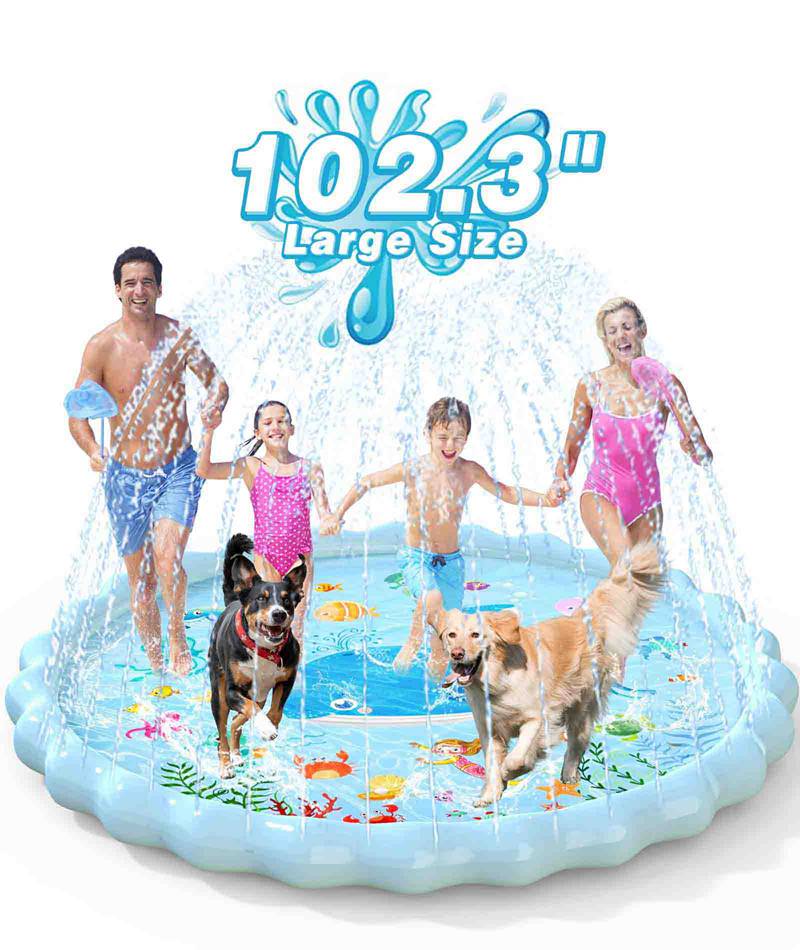
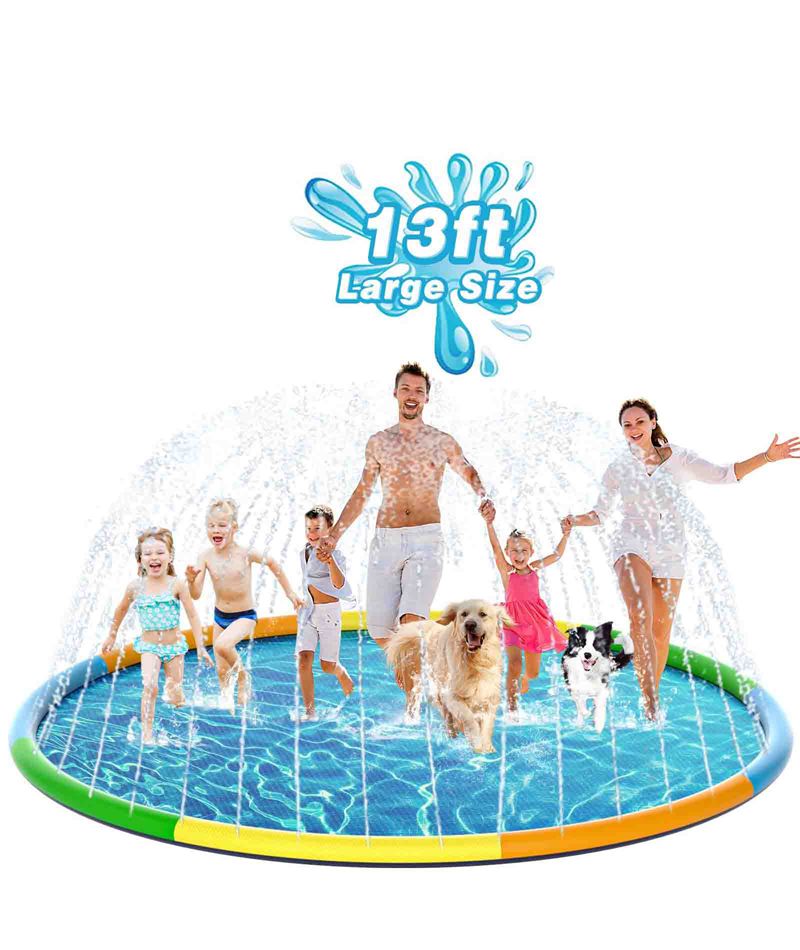
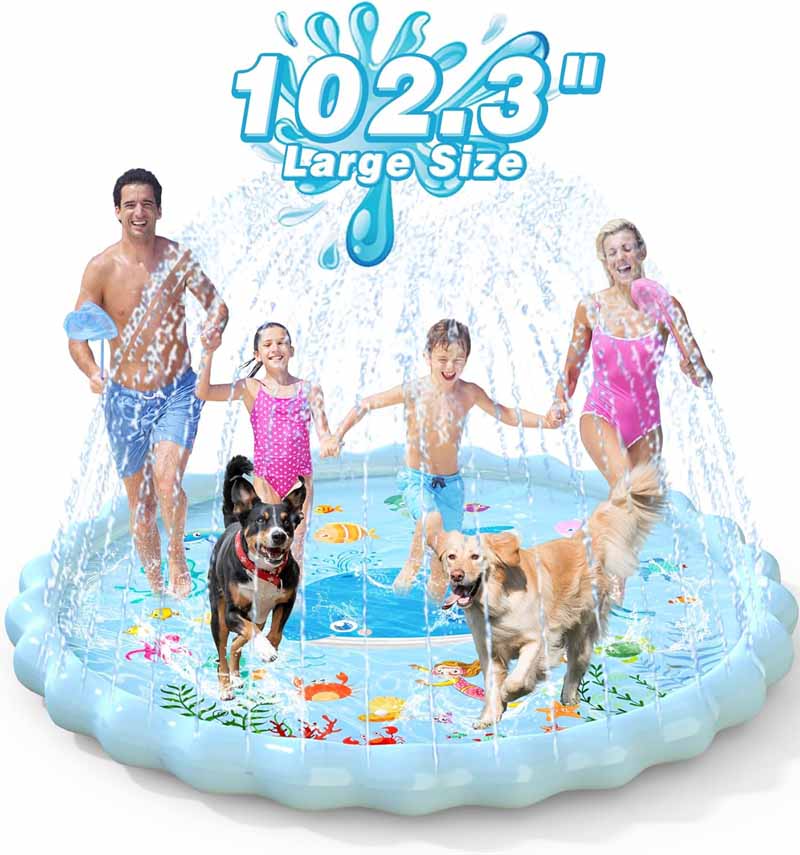
Round splash pads use an inward-facing sprinkler channel around an open central play area. Current programs commonly range from approximately 90.5 inches to 16.4 feet. Diameter, printed graphics, inlet position, spray-hole arrangement, surface finish and accessory combinations can be adjusted according to the intended play area and household water pressure.

02. Rectangular Splash Pads
Rectangular splash pads provide a wider activity surface for several children, large printed themes or simple sports play. Standard, oversized and 118 × 138 inch formats can be developed with different corner shapes and channel widths. Longer water paths require carefully planned outlet spacing to maintain balanced spray across the full perimeter.

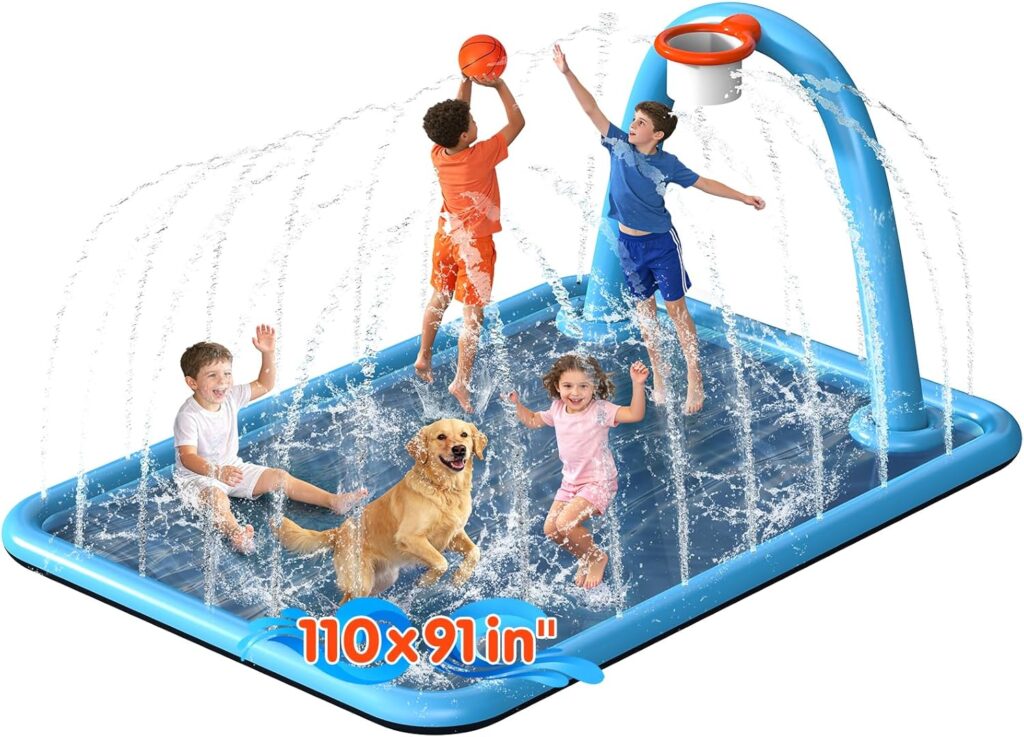
03. Activity Splash Pads
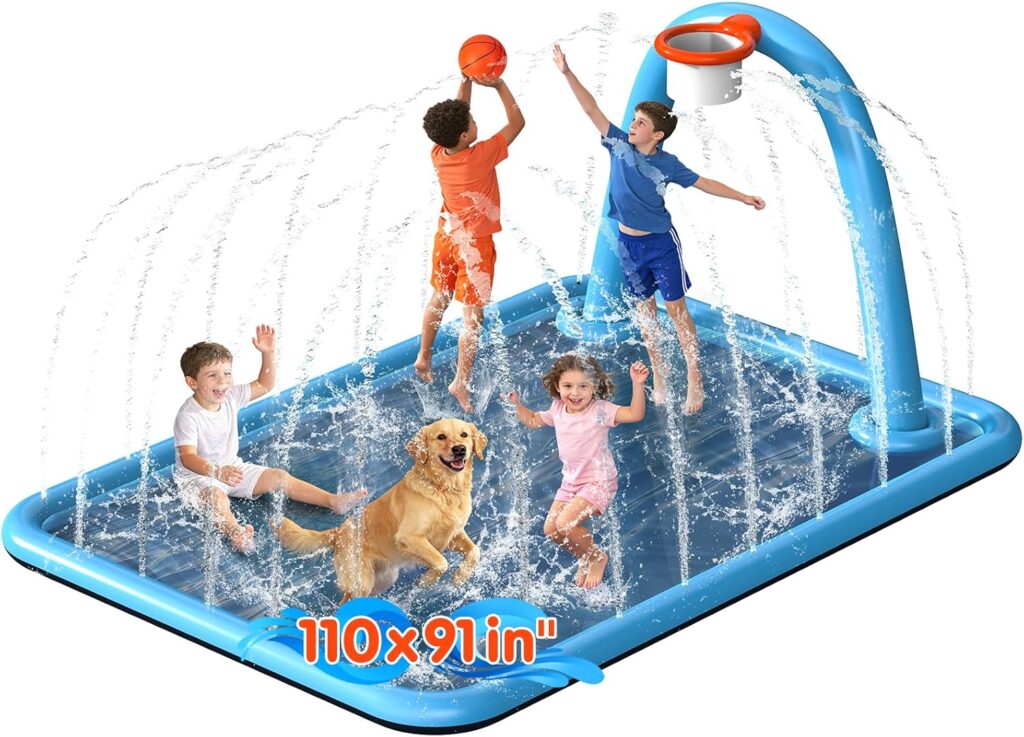
Activity splash pads combine a flat sprinkler surface with goals, hoops, targets, rings or throwing games. Soccer, basketball and multi-game concepts can use printed PVC with selected inflatable attachments. Target position, chamber support, water direction and folding are developed together so added play features do not interfere with the water channel.

04. Sprinkler Play Mats
Compact sprinkler mats connect directly to a household garden hose and suit lawns, patios and family play areas. Round, oval, square and character-shaped layouts can include educational graphics or seasonal themes. Spray height and distribution are adjusted through water-channel width, outlet spacing and clear water-pressure guidance.

05. Sprinkler Arches
Sprinkler arches create elevated water play through inflatable supports, water channels or a combination of both. Single arches, double arches, tunnels and themed gateways require stable bases and balanced upper chambers. Height, base shape, outlet position, decorative attachments and graphics can be adapted within the limits of the selected structure.

06. Pet Splash Pads
Pet splash pads are developed for repeated movement on wet outdoor surfaces. They commonly use heavier PVC, reinforced hose connections and finishes selected for ground contact. Diameter, texture, drainage, inlet support and storage accessories can be adjusted while keeping setup, cleaning, folding and seasonal storage manageable.

07. Sprinkler Pet Pools
Sprinkler pet pools combine a shallow supported pool with a water channel around the side or upper edge. Wall height, floor texture, drain position, water distribution and carrying handles must work as one construction. The added channel changes wall connection, inlet reinforcement and folding, so it requires separate engineering from a standard foldable pool.

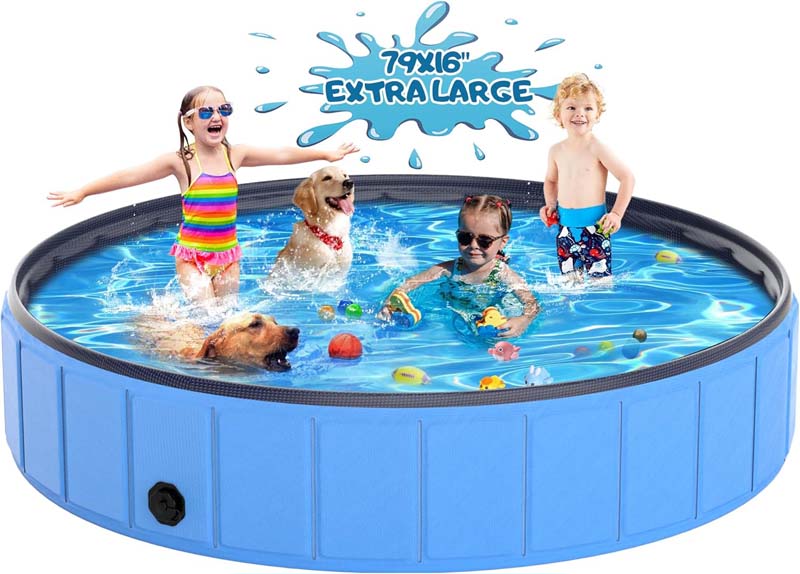
08. Foldable Dog Pools
Foldable dog pools use flexible PVC surfaces and evenly spaced support boards, allowing the walls to stand without inflation. Round, square and rectangular formats may use approximately 0.55–0.70 mm PVC with support panels around 5 mm thick. Diameter, wall height, drain position, floor texture and fold sequence can be customized.

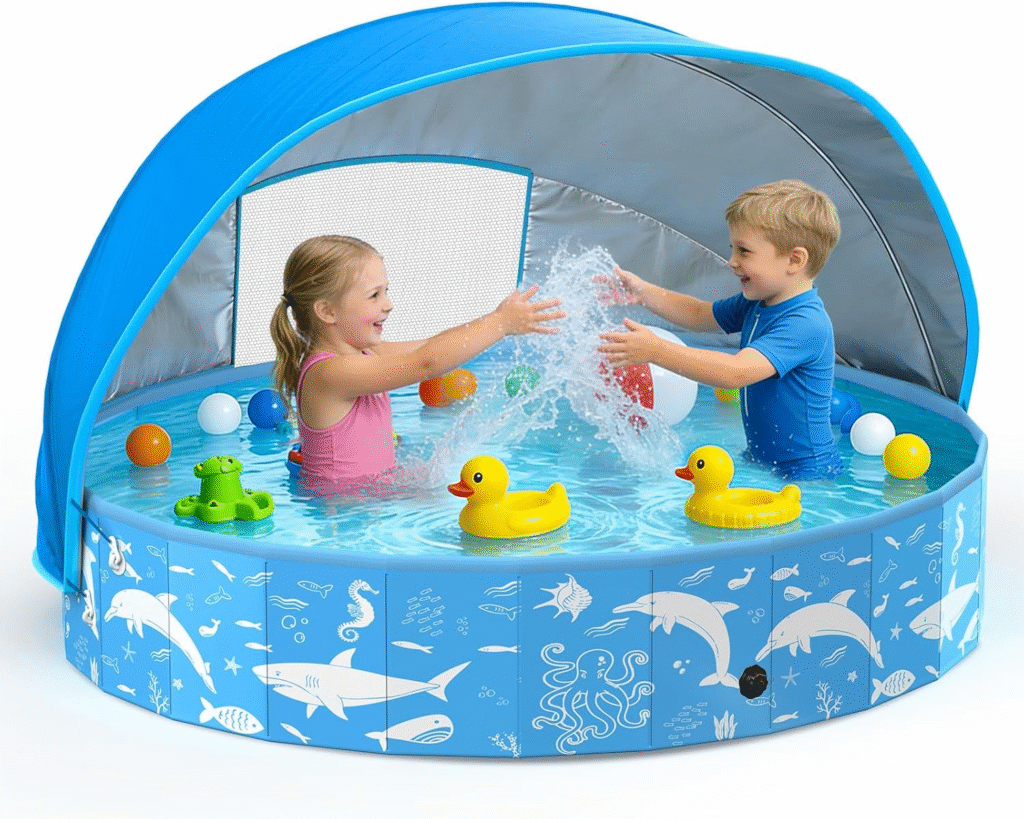
09. Shaded Pet Pools
Shaded pet pools combine a supported pool body with a detachable or integrated fabric canopy. The shade may use Oxford fabric, poles, straps or buckle attachments. Pool size, canopy coverage, connection strength, drain access and carton arrangement are coordinated so the shade does not reduce wall stability or complicate setup.

10. Snow Tubes
Snow tubes use sealed air chambers developed for recreational use in cold conditions. Single-rider, double-rider and family formats commonly use 0.60–0.80 mm K-80 cold-resistant PVC, sometimes with a textile cover or reinforced bottom. Diameter, seat depth, handle layout, rope position and high-wear areas can be adjusted.

11. Pool Cover Pillows
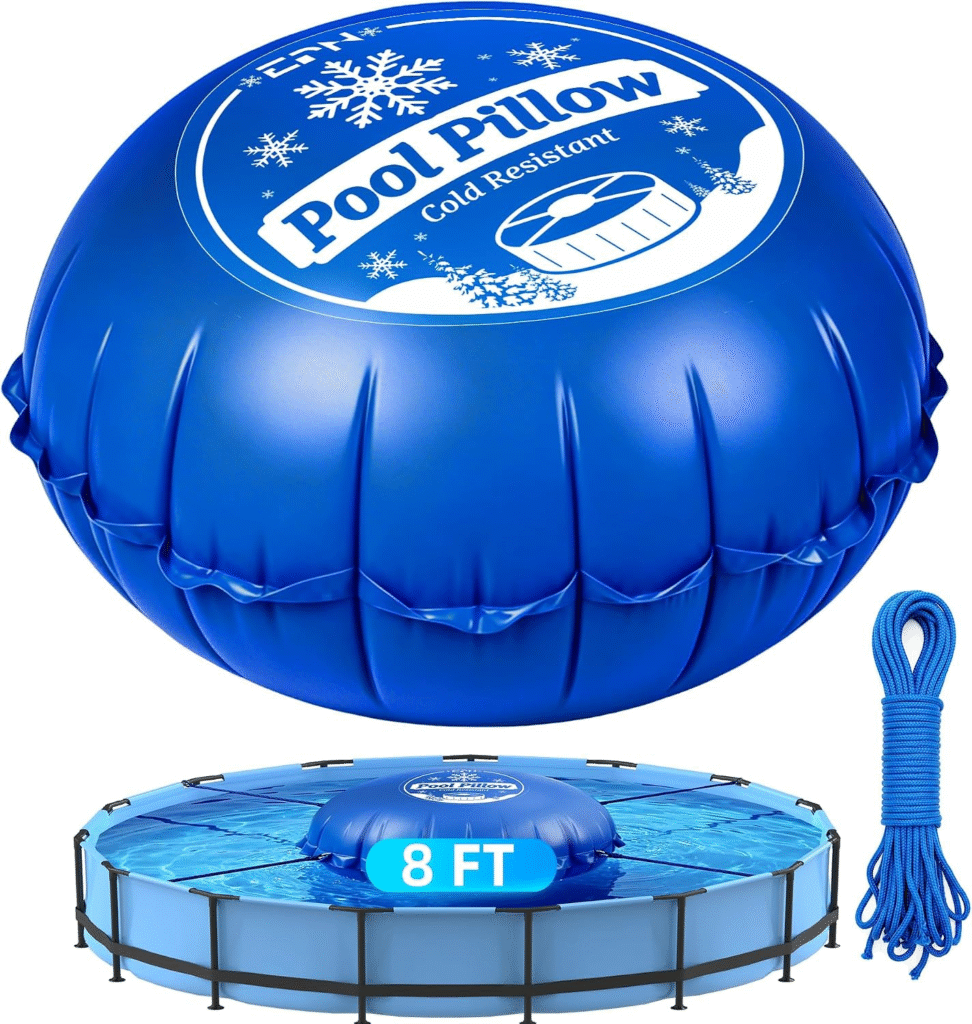
Pool cover pillows are seasonal air chambers placed beneath winter covers. Common programs include approximately 4, 6, 7 and 8 foot sizes with cold-resistant PVC, valves and corner tie points. Shape, valve type, rope kit, instructions and carton dimensions can be adapted for different pool sizes and retail channels.

12. Rebound Structures
Rebound structures use an inflatable upper chamber and a weighted base that returns upright after impact. Punching bags, animals, characters and sports shapes require balanced proportions between the upper body and lower chamber. Height, outline, base volume, reinforcement and filling method are developed around the required movement and packed size.
Related low-pressure PVC concepts can also be assessed when the operating pressure, materials, intended use and manufacturing method remain close to our established capabilities.
ODM, OEM and Private Label
The right manufacturing route depends on how much engineering, material selection, testing and packaging work has already been completed before factory involvement.
| Manufacturing Route | Starting Information | Amepsilon’s Role | Suitable Situation |
|---|---|---|---|
| Private Label | Selected design, logo, artwork and packaging requirements | Apply branding and prepare the chosen structure for the sales channel | The existing construction already meets the intended use |
| OEM Production | Complete drawings, materials, parts, artwork and testing requirements | Confirm factory details, prepare samples and manufacture to specification | Most engineering work has already been completed |
| Platform ODM | General direction, target size, market needs and differentiation points | Modify an established platform through size, function, materials or packaging | Faster development is needed with lower structural risk |
| New Structure ODM | Concept, sketch, sample, performance target or unresolved issue | Develop structure, materials, prototypes, testing and factory files | Substantial engineering work is still required |
The route can change after technical assessment. A private-label inquiry may become platform ODM when dimensions, drains, water channels, handles or internal chambers are altered.
Where Your ODM Project Begins
Complete factory drawings are not required for the first discussion, but the starting information should explain how the finished design will be used and sold.

An Early Concept
A concept brief may include the intended user, approximate dimensions, primary function, preferred appearance, target market, expected quantity and launch date. The first assessment identifies which structural, material, packaging and commercial details remain open. These points are then organized into a working brief before drawings and prototypes are prepared.
A Physical Sample
An existing sample can show dimensions, materials, seams, components, weak points, folding behavior and packaging limitations. It may be used as a reference for reproduction, structural improvement or development into a wider size range. Ownership and authorization must be clear before protected graphics, shapes or licensed elements are incorporated.
A Dimensional Drawing
A dimensional drawing or 3D file can establish shape, proportions and component positions. Flat PVC panels still need to be created for cutting and heat pressing. A three-dimensional file alone does not define seam width, panel overlap, chamber expansion, water flow, tolerances or the folding sequence required for commercial packing.
An Existing Performance Issue
Development can begin with poor drainage, uneven spray, weak handles, unstable walls, difficult folding or excessive carton volume. The cause is traced to the material, panel geometry, component position or manufacturing method. Adjustments then focus on the identified weak area instead of replacing unrelated parts of the construction.
A Retail Brief
Retail teams may define target cost, carton limits, age range, selling season and launch window before the construction is complete. Engineering then works within realistic material, testing, packaging and production limits. The brief should also identify barcode, language, display and shipping requirements that may affect carton design.
Technical Feasibility Before Product Sampling
Technical, commercial and production conditions are assessed before tooling, special materials or prototype work are confirmed.

Intended Use
The team establishes who will use the item, where it will be used, how it will be filled or inflated and how long each use period may last. Expected handling, cleaning, storage and foreseeable misuse are also considered. These conditions influence material thickness, chamber pressure, warnings, component selection and the functional tests required later.
Structural Feasibility
Panel access, heat-press paths, chamber layout, water channels, wall support and folding are checked against available equipment. Tight corners, inaccessible seams and crowded component areas may need to be simplified. Structural changes are made before physical sampling whenever the original concept cannot be pressed, assembled or measured consistently.
Material Availability
PVC, PP boards, fabric, valves, drains and other parts are matched with established supply routes where possible. Special colors, textures, laminations or exclusive components may carry separate supplier minimums. Material availability, lead time and minimum purchase quantities are considered together with the expected quantity per SKU.
Functional Direction
The intended function determines whether air retention, water balance, drainage, rebound, support or pull strength needs the most attention. Early testing points are defined before the sample is made. When one function conflicts with another, such as strong wall support versus compact folding, the priority must be agreed before engineering continues.
Packaging Feasibility
Approximate folded dimensions, accessory placement, carton limits and shipping volume are considered while the structure is still being developed. Valves, drains, boards and reinforced seams should not become trapped in sharp folds. Where the proposed carton is too small, the folding plan, dimensions or component position may need adjustment.
Quantity and Scope
Expected quantities are compared with material minimums, printing methods, tooling needs, component purchasing and SKU count. A complex range with many colors and sizes may require a different production plan from one large-volume design. Projects involving high pressure, life-safety use, medical use or hazardous contents fall outside the normal scope.
From Concept to Factory Files
Development converts a visual idea into controlled dimensions, panel layouts, seam paths, component maps and packing instructions that factory teams can follow.

Working Dimensions
Important measurements are identified as flat, inflated, filled or packed dimensions. Tolerances are added so prototypes and bulk units can be measured under the same conditions. Measurement points, inflation level and resting time are recorded where they affect the final size, preventing different teams from using inconsistent methods.
Panel Layout
The three-dimensional shape is divided into flat PVC sections that can be cut, printed and joined. Panel size, curve, overlap and orientation are adjusted around the intended finished shape. The cutting files must also provide enough material around seams, reinforcement areas and components for stable heat pressing.
Chamber and Channel Layout
Air chambers and water channels are planned according to overall dimensions, operating pressure, flow path and intended function. Connections and transitions are positioned to reduce distortion, pressure concentration and inactive spray areas. The heat-press drawing identifies chamber boundaries, channel widths and areas that must remain open during assembly.
Component Positions
Valves, drains, hose inlets, handles and plugs are positioned for operation, reinforcement, assembly and folding. Enough contact area is allowed around each connection, and hard parts are kept away from damaging crease lines where possible. Assembly order is also considered when one component could block access to another.
Folding and Pack-Out
The finished construction needs a repeatable folding sequence that protects seams, components, printed surfaces and supporting boards. Folded dimensions are confirmed with the physical sample and then used for individual packaging and master-carton planning. Accessories and manuals are positioned so they do not create pressure marks inside the pack.
Material Selection for Each Application
PVC thickness is only one part of material selection. Formulation, hardness, texture, temperature resistance, printing behavior and compatibility with components also affect performance.

Splash Pad Rings
Perimeter water channels commonly use approximately 0.40–0.55 mm PVC. The exact choice depends on diameter, channel width, spray layout, printed coverage, folding frequency and ground contact. Larger layouts may require targeted reinforcement, while excessive thickness can make long channels harder to form and increase carton volume.
Printed Play Surfaces
Printed surfaces need stable color, suitable ink adhesion and enough flexibility for folding and repeated ground contact. Artwork coverage, abrasion areas and planned crease lines are considered before the material is approved. A visually similar substitute may behave differently during printing, heat pressing or long-term folded storage.
Foldable Pool Walls
An established foldable pool platform may combine approximately 0.55 mm PVC with support boards around 5 mm thick. Wall stability depends on panel spacing, board dimensions, drain position and base flatness as well as PVC thickness. The materials must stand reliably when filled and still fold without cracking or permanent distortion.
Snow Tube Chambers
Snow tubes commonly use K-80 cold-resistant PVC selected according to chamber size, rider format, valve construction and expected temperature. The material needs to retain flexibility during inflation, impact and seasonal storage. Handle reinforcement, textile covers and bottom wear layers are specified separately from the main air chamber.
Reinforced Bottom Areas
High-contact areas may use heavier PVC, laminated construction or an additional wear layer. Reinforcement must follow the direction and location of expected abrasion without making folding unnecessarily difficult. Attachment method, added weight, surface condition and compatibility with nearby seams are confirmed during sampling.
Valves, Drains and Parts
Valves, drains, hose fittings and handles are selected according to material compatibility, sealing method, operation and supply stability. Component bases are tested with the surrounding PVC rather than assessed separately. Fit, leakage, repeated use, orientation and final folding position are checked before bulk purchasing.
Batch Approval
Approved samples, supplier references, material codes and batch information are recorded before bulk purchasing. Incoming materials are compared for thickness, color, surface condition, print response and heat-press behavior. Repeat orders follow the confirmed specification instead of using an untested visually similar alternative.
Structural Details Checked During Development
The first prototype gives more useful results when major stress areas, flow paths, hard components and folding pressures have already been considered.

Seam Geometry
Tight corners, narrow pressed areas and crowded intersections can make stable joining difficult. Seam paths are adjusted to provide suitable width, panel overlap, tooling access and material contact. Curves are shaped so the machine can maintain even pressure without burning, thinning or leaving incomplete bonded areas.

Pressure Balance
Poor chamber proportions can create uneven expansion, distorted shapes and concentrated seam stress. Panel ratios, chamber volume and valve position are considered together before cutting files are finalized. Larger chambers may require internal divisions or revised panel geometry to maintain the intended shape at the recommended inflation level.

Water Distribution
Long water paths and poorly positioned spray holes can cause inactive areas or noticeably different spray heights. Channel width, inlet location, hole diameter and outlet spacing are developed as one system. Hose testing confirms whether water reaches the full perimeter without excessive pressure near the connection point.

Component Support
Valves, drains, hose inlets and handles concentrate force where rigid and flexible materials meet. Reinforcement size, attachment area and position are selected according to the expected load and direction of use. Components placed too close to seam intersections may become difficult to press, operate or fold.

Folding Pressure
Valves, thick seams and support boards may be damaged when trapped inside sharp packaging folds. The fold sequence is considered before component positions and carton dimensions are finalized. Packed samples are reopened after compression to check for pressure marks, trapped parts, surface rubbing and permanent creasing.
Brand Design Integrated into Manufacturing
Graphics, warnings and packaging need to follow the approved structure so printed elements remain aligned with panels, seams, folds and components.

Main Artwork
Logos, graphics, licensed content and Pantone references are fitted to the actual panel shapes. Artwork scale, orientation, seam clearance and expected stretching are checked before printing begins. Large logos may need slight adjustment so they appear balanced after the chamber is inflated or the walls are filled.
Multi-Panel Graphics
Large designs may continue across several PVC panels. Registration points are planned around cutting tolerances, panel overlap and the way the finished shape changes after filling. Critical visual elements are kept away from areas where small alignment differences are unavoidable during heat pressing.
Printed Information
Warnings, setup details, dimensions and required markings need suitable space and readable type size. Important text is kept away from high-wear areas, sharp folds, valves and pressed seams. Country-specific information is linked to the correct packaging and SKU version before printing is released.
Packaging Design
Retail boxes, inserts, barcodes and accessory lists must match the final approved construction. Dimensions, colors, included parts and setup diagrams are confirmed against the Golden Sample. Packaging should not present an earlier size, component layout or feature that is no longer included in the manufacturing specification.
Sample Types for ODM Development
Different samples serve different purposes, from confirming printed graphics and platform changes to testing new structures and approving the final manufacturing version.

Graphic Sample
A graphic sample is prepared when the structure, materials and principal components are already confirmed. It focuses on artwork scale, logo position, printed color, panel alignment and overall presentation. Structural or material changes introduced at the same time are recorded separately because they may require additional functional testing.
Modified Platform Sample
A modified platform sample uses an established construction with selected changes to dimensions, materials, water channels, drains, handles, accessories or packing. It confirms whether the requested changes remain compatible with the original structure. Their effect on function, assembly, folding, testing and carton dimensions is also checked.
Engineering Prototype
An engineering prototype is required for a new chamber, water path, wall-support system, component arrangement or major dimensional change. It confirms panel geometry, heat-press paths, assembly order, component access and basic function. Structural concerns are corrected before retail packaging and bulk material purchasing are finalized.
Pre-Production Sample
A pre-production sample uses the intended bulk materials, print files, components, labels and packaging as closely as the manufacturing setup allows. It confirms that the approved design has transferred correctly into factory conditions. Any remaining difference in material, color, workmanship, accessories or packing is recorded before production begins.
Golden Sample
The Golden Sample is the final approved physical standard for bulk manufacturing, finished-unit inspection and repeat orders. It is used together with current drawings, the bill of materials, artwork, packaging files and inspection requirements. This keeps every department aligned with the same construction and quality level.
A first engineering prototype commonly requires about two to three weeks after the main dimensions, materials, functions and development scope are confirmed. Graphic and platform-based samples may move faster, while new tooling, special materials and further revisions can extend the schedule.
Key Sample Approval Checkpoints
A prototype becomes a manufacturing standard only after its dimensions, materials, appearance, function, accessories and packaging have been clearly confirmed.

Dimensions and Tolerances
Flat, inflated, filled and packed measurements are confirmed where applicable. The dimensional drawing identifies measurement points, acceptable tolerances and testing conditions. This prevents different teams from measuring chamber size, wall height or folded dimensions in different ways during sampling and bulk inspection.
Materials and Components
PVC, boards, fabrics, valves, handles, drains and supporting parts are matched with the approved bill of materials. Thickness, color, material code and component version are recorded. Any substitution requires confirmation before it is used, even when the replacement appears visually similar.
Appearance and Artwork
Printed color, artwork scale, logo position, panel alignment and surface finish are confirmed against the current files. Approved graphics are connected to the correct size and structure. A change to panel dimensions or seam paths may require artwork adjustment before production release.
Structure and Function
Heat-press paths, chamber shape, reinforcement and component positions are confirmed together with air, water, drainage, standing, pulling or folding performance. The construction must satisfy the intended use under the agreed test conditions before it becomes the reference for bulk manufacturing.
Packaging and Accessories
Individual packing, accessories, manuals, labels, carton quantities and shipping data are matched with the finished sample. The folding sequence must protect valves, drains, boards and printed surfaces. Packed dimensions and weights are confirmed before final carton and freight planning.
Version Control
The current construction, materials, artwork and packaging are connected by a version number and approval date. Later changes receive a new version and may affect cost, tooling, timing or testing. General statements such as “looks good” are not treated as complete manufacturing approval.
Controlled Stages of PVC Manufacturing
The approved version moves through eight controlled stages, keeping materials, graphics, heat-pressed structures, components and packing aligned with the Golden Sample.

01. Material Preparation
PVC, fabric, PP boards, valves, drains, handles and packaging materials are received and matched with the order specification. Thickness, color, surface condition, dimensions and material codes are checked before release. Unconfirmed materials remain separated from active production until their status is resolved.
02. Material Conditioning
Flexible PVC may be allowed to stabilize when storage temperature, roll tension or material memory affects flatness. Proper conditioning helps reduce curling and movement during printing, cutting and heat pressing. The required preparation depends on material type, storage conditions and panel dimensions.
03. Graphic Printing
Artwork version, orientation, color, ink coverage and seam exclusions are confirmed before printing begins. Initial printed panels establish the standard for the remaining quantity. Smudging, missing details, registration errors and incorrect placement are identified before the panels move to cutting and heat pressing.
04. Panel Cutting
PVC panels and reinforcement pieces are cut from current factory files. Each group is identified by SKU, size, color and version, then separated from similar parts. Accurate cutting helps maintain panel alignment, chamber shape, seam overlap and finished dimensions across the production run.
05. Heat Pressing
Panels are joined using tooling, pressure, temperature and cycle settings selected for the material thickness and seam shape. Operators check bonding continuity, panel alignment, seam width and surface condition. Curves, chamber transitions and reinforced areas receive additional attention during normal production.
06. Component Assembly
Valves, drains, hose inlets, handles, support boards, covers and accessories are installed in the approved order and position. Reinforcement areas are checked for complete contact. Component access, orientation and final folding position are confirmed before the unit moves forward.
07. Functional Inspection
Finished units complete the air, water, drainage, wall-support, handle or folding checks required by their intended use. Leakage, unstable shape, poor spray balance and incorrect component operation are identified before packing. Unresolved units remain outside the accepted production quantity.
08. Final Packing
Accepted units are cleaned, fully dried, folded and combined with the required accessories, instructions and labels. Folding follows the confirmed pack-out method to protect hard components and printed surfaces. Carton quantities, marks and SKU information are checked before sealing.
Production progress can be reported through defined milestones such as materials prepared, printing completed, panels cut, first unit accepted and packing started.
Workmanship Standards for Bulk Production
Small construction details reveal whether printing, heat pressing, component installation and folding remain consistent throughout the production run.

Seam Workmanship
A finished seam should follow the intended path without skipped areas, severe wrinkles, burns or uneven overlap. Inspectors check width, panel alignment, curved areas, trapped contamination and material thinning. Graphics should remain positioned correctly after the panels are joined, and the finished edge should not contain rough or sharply distorted areas.

Component Workmanship
Valves, drains, hose inlets and handles should remain secure, correctly positioned and easy to operate. Their bases need complete contact with the surrounding PVC and appropriate reinforcement. Installation direction, accessibility and protection during folding are checked before the unit enters functional testing.

Surface Workmanship
Printed and unprinted surfaces are checked for smudging, contamination, trapped debris, heat marks and repeated color variation. Minor differences may occur with flexible materials, but recurring defects point to a process problem. Finished units must also be clean and dry before they are folded.

Folding Workmanship
Large PVC structures should follow a repeatable folding sequence rather than being compressed randomly. Packed dimensions, support-board order, component protection and surface contact are checked together. Rigid parts should not sit on sharp creases, and printed areas should not experience unnecessary rubbing inside the carton.
Functional Testing for Each Category
Testing follows actual use conditions and concentrates on the failure points most likely to affect setup, performance, storage or transportation.
| Category | Main Tests | Typical Risks |
|---|---|---|
| Splash Pads | Water containment, spray distribution, inlet stability and drainage | Inactive spray areas, inlet leakage and uneven flow |
| Pet Splash Pads | Water flow, surface condition, folding and inlet strength | Surface wear, poor drainage and inlet movement |
| Foldable Dog Pools | Wall standing, drain operation, base flatness and repeated folding | Wall collapse, drain stress and panel misalignment |
| Snow Tubes | Air retention, cover fit, handles, cold flexibility and bottom condition | Air loss, cover movement and cold stiffness |
| Pool Pillows | Air retention, valve operation, tie points and cold folding | Valve leakage, corner stress and material hardening |
| Rebound Structures | Base sealing, upright recovery, chamber connection and repeated impact | Unstable base, leakage and weak rebound |
| Packaging | Compression, drops, vibration and pack-out checks | Damaged valves, crushed cartons and permanent folds |
Selected winter materials may be tested at temperatures down to approximately −25°C. Final conditions, duration and acceptance criteria depend on the confirmed specification and intended claims.
Quality Control Throughout Production
Inspection is divided into release stages so material, printing, assembly and functional issues can be corrected before more work is added.

Incoming Materials
PVC, support boards, fabrics, components and packaging are checked before entering printing, cutting or assembly. Inspectors confirm material codes, thickness, dimensions, color and surface condition. Items that do not match the confirmed specification remain identified and separated from active production.

First Production Unit
The first completed unit is compared with the Golden Sample and current factory files. Dimensions, panel alignment, seams, components, overall shape and basic function must meet the agreed standard before continuous manufacturing begins. Necessary machine or tooling adjustments are completed first.

In-Process Inspection
Printing, cutting, heat pressing, reinforcement, component installation and cleanliness are checked throughout manufacturing. Inspectors monitor seam consistency, panel movement, artwork position, component direction and early leakage. Material changes, tooling adjustments and machine restarts may require another first-unit inspection.

Finished-Unit Inspection
Completed units are checked for appearance, dimensions, components, function, folding, accessories and labeling. Air, water or wall-support tests are completed according to the applicable category. Units that do not meet the agreed criteria remain outside the accepted batch until correction and reinspection.

Shipment Release
Carton quantity, barcodes, marks, weights, dimensions, SKU versions and shipping labels are confirmed before release. Production records connect finished goods with material batches, manufacturing dates, inspection results and packing details, supporting repeat-order consistency and traceability.
Compliance Requirements by Product Market
Testing and documentation depend on the finished construction, intended user, destination market, material combination and claims shown on packaging.

Category Classification
A children’s splash pad, pet pool, snow tube and pool pillow may contain similar PVC while falling under different regulatory categories. Classification affects age grading, warning language, test methods and required documentation. The intended user and selling claims should therefore be confirmed early.
Material Coverage
The finished construction may contain PVC, inks, valves, boards, fabric, handles, labels and other parts. A report covering one PVC sheet does not automatically cover every component. The bill of materials is used to determine which substances and parts require supporting documentation or laboratory testing.
United States
Children’s recreational goods may require CPSIA assessment, applicable ASTM F963 testing, tracking labels, age grading and warning information. The final scope depends on intended use, included accessories and claims. Packaging text should be confirmed before laboratory submission because additional claims may change the test plan.
European Union
EU programs may require EN 71 testing, REACH restricted-substance checks, technical documentation and traceability information. Warning languages, importer details and responsible-party information should be confirmed before packaging artwork is released. Reports must correspond to the material and component version intended for commercial manufacturing.
United Kingdom
UK programs may require local responsible-party information, English warnings and market-specific documents. Files should be prepared separately rather than copied directly from an EU version. Addresses, markings and documentation responsibilities must be settled before labels, manuals and cartons are printed.
Laboratory Coordination
The finished version, bill of materials, test scope, sample quantity, laboratory cost and schedule are confirmed before submission. Amepsilon can prepare representative samples and organize technical information for qualified third-party laboratories. Final regulatory responsibility remains connected to the selling entity and destination market.
Packaging Developed Alongside Product Design
Packaging affects protection, freight volume, warehouse handling and first-use condition, so it is planned alongside folding, components, accessories and final dimensions.

Individual Packaging
Printed boxes, kraft boxes, sleeves, polybags, carrying bags and plain cartons can be selected according to item size and sales channel. The final specification confirms format, dimensions, materials, accessory placement and opening method. Internal space must protect hard components without allowing excessive movement.
Instructions and Labels
Instructions can cover setup, use, cleaning, drying, folding, storage and important warnings. Barcode labels, origin labels and carton labels are prepared for the approved SKU and market. Content and diagrams must match the actual valve, drain, inlet and accessory arrangement.
E-Commerce Packing
Goods prepared for e-commerce may require FNSKU labels, country-of-origin labels, parcel protection and channel-specific carton information. Warehouse and shipment data must be supplied by the responsible account or logistics team. Protection is planned around repeated handling and parcel delivery rather than retail display alone.
Master Cartons
Carton quantity, strength, gross weight, dimensions, shipping marks and pallet requirements are confirmed before booking. Changes to dimensions, accessories or folding can affect carton volume and freight cost. Packed samples are used to verify loading arrangement before the final carton specification is released.
MOQ, Pricing and Production Timing
Commercial terms are calculated from the confirmed dimensions, materials, structure, graphics, components, packaging, quantities and testing requirements.
| Commercial Item | Main Factors | Planning Reference |
|---|---|---|
| MOQ | Material purchasing, special PVC colors, printing, accessories, size, packaging and SKU count | Fully customized programs commonly begin around 500 units per SKU |
| Unit Price | Material area, thickness, print coverage, complexity, reinforcement, parts and packaging | Quantity tiers should use the same confirmed specification |
| Sample Cost | Tooling, printing preparation, materials, accessories, packing samples and tests | Graphic, modified and new-structure samples require different budgets |
| Initial Sample | File completeness, material availability, structure and sample type | A first functional prototype commonly requires about 2–3 weeks |
| Sample Revision | Structural changes, materials, graphics, parts and testing findings | Timing is confirmed after the current version has been assessed |
| Bulk Manufacturing | Material lead time, quantity, SKU count, printing, assembly, inspection and packing | Established designs commonly require about 40–60 days after approval |
| Laboratory Work | Category, market, materials, laboratory capacity and possible retesting | Confirmed by the selected laboratory |
| Delivery | Carton volume, trade terms, destination, shipping method and customs | Confirmed after final packing data is available |
A formal quotation should identify dimensions, material, thickness, graphics, structure, components, packaging, quantity, sample charges, testing, payment terms and expected lead time.
Representative ODM Product Development Projects
These examples show how market references and established platforms can move through structural changes, prototypes, testing, packing and commercial manufacturing.

13-Foot Splash Pad
An 800-piece splash-pad program began with a market reference and revised graphic direction. Development covered perimeter channel width, hose-inlet reinforcement, spray-hole positions and folding. Two sample rounds improved water distribution and reduced pressure on the inlet during packing. Bulk manufacturing was planned for approximately 45 days after material, packaging and pre-production approval.

200 cm Dog Pool
A 600-piece dog-pool program used an existing 200 × 40 cm platform. Development concentrated on drain location, support-board spacing, wall stability and parcel packing. The drain was moved away from a high-pressure fold to improve sealing and carton arrangement. Manufacturing was planned for approximately 40–50 days after material and packaging approval.

55-Inch Snow Tube
A 1,200-piece snow-tube program began with a K-80 PVC chamber and textile cover. Development covered chamber fit, valve access, handle reinforcement, seat depth and bottom protection. The chamber and fabric cover were tested together to confirm alignment and folding. Manufacturing was planned for approximately 50–60 days after final approval.
Common Questions About PVC ODM
The following answers cover common questions about development scope, prototypes, PVC selection, testing, quantities, timing, pricing and confidentiality.
What Does ODM Include?
ODM may include design definition, structural engineering, material selection, prototypes, testing, packaging development and preparation for commercial manufacturing.
Can Development Begin with an Idea?
Yes. A sketch, written brief, dimensional drawing, physical sample or known performance issue can provide the starting information.
Can a Physical Sample Be Supplied?
Yes. A supplied sample can establish dimensions, construction, weak points, folding and packing, subject to clear ownership authorization.
Which Categories Are Suitable?
Our main range covers splash pads, sprinkler play, pet pools, snow tubes, pool pillows and selected rebound structures.
Which Categories Fall Outside the Range?
High-pressure Drop-Stitch structures, life-saving equipment, medical items, industrial vessels and continuous-air amusement structures are outside our standard scope.
How Long Does Sampling Take?
A new functional prototype commonly requires two to three weeks after dimensions, materials, functions and development terms are confirmed.
Are Several Prototype Rounds Normal?
Yes. New chambers, water paths and support structures may require several rounds, with each version addressing specific earlier findings.
How Is PVC Selected?
PVC is selected according to dimensions, pressure, temperature, abrasion, flexibility, folding, printing, packing and target cost—not thickness alone.
What Is the Usual MOQ?
Fully customized programs commonly begin around 500 units per SKU, depending on materials, printing, components, packaging and size.
Can Third-Party Testing Be Arranged?
Yes. Amepsilon can prepare representative samples and coordinate submission details with qualified third-party laboratories.
What Information Is Needed for Pricing?
Please provide intended use, dimensions, required functions, quantity, destination market, material preferences, packaging and target timing.
Is an NDA Available?
Yes. Drawings, artwork, samples, technical files and commercial information can be handled under an agreed confidentiality arrangement.
Start Your ODM PVC Project
A useful initial assessment begins with enough technical and commercial information to understand how the design should function, pack and reach its intended market.

Please provide:
- Category and intended use
- Target user and use environment
- Approximate flat or working dimensions
- Required functions and accessories
- Reference drawings, samples or 3D files
- Estimated quantity per SKU
- Destination market and sales channel
- Branding and packaging requirements
- Known testing or retailer requirements
- Target sample and launch dates
- Existing performance issues requiring correction
Useful project materials may include:
- PDF drawings
- CAD exports
- Editable artwork
- Dimension sheets
- Technical specifications
- Physical samples
- Packaging references
- Inspection standards
- Existing test reports
- Defect summaries
The initial assessment confirms whether the concept fits Amepsilon’s materials, heat-press equipment, pressure range and established testing methods. The team then outlines the suitable development route, missing information, prototype plan, estimated timing and quotation requirements.
Clear dimensions, intended use and expected quantities allow engineering, material, artwork, packaging and commercial teams to work from the same conditions from the beginning.