Skip to content
Best Materials for Inflatables: PVC, Composite, and Waterproof Solutions
# Your Trusted Inflatable Supplier In US
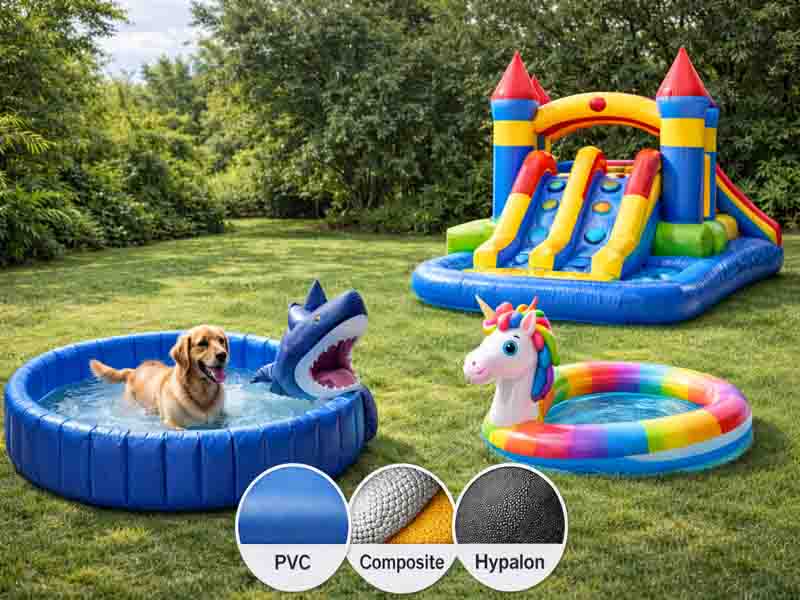
When it comes to inflatables, whether for pool toys, water slides, or pet pools, the material used is crucial in determining both performance and longevity. From the softness of a bouncy pool toy to the structural integrity of a water slide, the fabric and composites that make up the product can significantly influence the user experience. Choosing the right material isn’t just about durability – it’s about ensuring safety, comfort, and sustainability. Many inflatable products are made with materials like PVC (Polyvinyl Chloride) or Hypalon, while others feature specialized composite fabrics designed for specific functions. But how do you know which material is right for your inflatable? Is it better to go for something lightweight or more durable? In this article, we’ll dive deep into the materials commonly used for inflatables, their advantages, and how to select the best options for various applications.
PVC and composite materials are the top choices for inflatables due to their durability, flexibility, and safety. PVC is widely used for its affordability, while composites offer enhanced strength and resistance to wear.
Now that you know material choice matters, let’s look at the most commonly used materials for inflatables, from household pool toys to large commercial water slides.
What Are the Common Materials Used for Inflatable Products?
Inflatable products, ranging from pool toys and water slides to larger items like inflatable boats and pet pools, are manufactured using a variety of materials. The most common materials include PVC (Polyvinyl Chloride) and composite fabrics, each offering distinct benefits depending on the intended use. Understanding the materials used in inflatables is essential for selecting products that are durable, safe, and suitable for specific applications.
Overview of Common Materials
PVC (Polyvinyl Chloride)
PVC is one of the most widely used materials in the inflatable industry due to its flexibility, affordability, and durability. It is commonly used for products such as pool toys, inflatable boats, and bounce houses. PVC inflatables are typically lightweight and easy to handle, making them ideal for casual and home use.
Composite Fabrics (Nylon, Polyester, and PVC Coatings)
Composite materials are often used for more specialized inflatable products, such as larger water slides or commercial-grade inflatables. These materials combine fabrics like nylon or polyester with PVC coatings, creating a strong, flexible, and durable material that can withstand heavy usage, including punctures, abrasions, and UV exposure.
Hypalon (Chlorosulfonated Polyethylene)
Hypalon, though less common than PVC, is used for high-end inflatables, such as commercial boats, large water parks, and products that need to endure extreme conditions. Hypalon offers superior resistance to UV rays, chemicals, and temperature fluctuations, making it ideal for harsh outdoor environments.
Material Comparison Table: PVC vs. Composite vs. Hypalon
| Material | Common Use Cases | Strengths | Weaknesses |
|---|---|---|---|
| PVC | Pool toys, small inflatable boats, bounce houses, and pet pools | Affordable, flexible, lightweight, widely available | Less durable in extreme conditions, not as resistant to UV or chemicals as other materials |
| Composite Fabrics | Water slides, large commercial inflatables, sports equipment | Stronger, more durable, better resistance to punctures and abrasions, enhanced UV protection | More expensive, heavier than PVC |
| Hypalon | High-end commercial inflatables, inflatable boats, large water parks | Exceptional UV resistance, temperature stability, and chemical resistance | High cost, heavier material, less flexible than PVC |
Detailed Insights on Each Material
PVC (Polyvinyl Chloride)
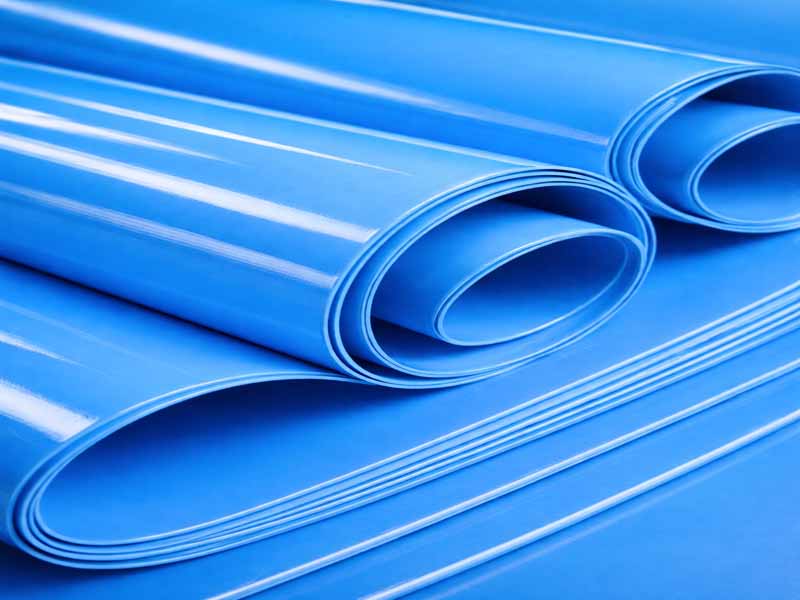
PVC is a versatile material commonly used in the production of inflatables. It is cost-effective and highly flexible, making it ideal for inflatables that need to be inflated and deflated regularly. PVC is a popular choice for products such as inflatable pools, water toys, and bouncy castles. It offers good resistance to water, and its affordability makes it a staple in the inflatable market.
- Durability: PVC inflatables are generally durable enough for short-term outdoor use and indoor play. However, they can be vulnerable to wear and tear from excessive sun exposure, extreme temperatures, and punctures from sharp objects. For these reasons, PVC is best suited for casual use in controlled environments.
- Advantages:
- Lightweight and portable.
- Easy to manufacture and customize.
- Low cost compared to other materials like Hypalon.
- Waterproof and UV-resistant, but to a limited extent.
- Disadvantages:
- Less durable in harsh weather conditions.
- Can become brittle in cold temperatures.
- Limited resistance to UV degradation over time.
Composite Fabrics (Nylon, Polyester, and PVC Coatings)
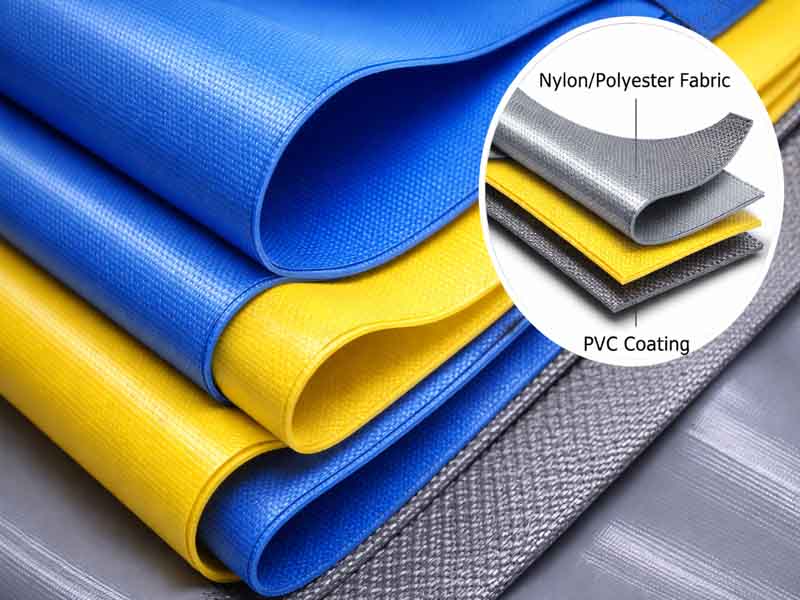
Composite materials are a blend of high-strength fabrics like nylon or polyester combined with PVC or other coatings. These materials are used in larger and more robust inflatable products, such as commercial water slides, air cushions, and large inflatable structures. The combination of fabric and coating enhances both the flexibility and durability of the material, making it more resistant to damage compared to standard PVC.
- Durability: Composite fabrics are typically much more durable than PVC, providing increased resistance to punctures, abrasions, and wear. These materials are ideal for inflatables that are subjected to more intense use and harsh environmental conditions.
- Advantages:
- High tensile strength for better durability.
- Enhanced UV protection.
- Resistant to abrasion and punctures.
- Suitable for larger-scale applications like water slides and bounce houses.
- Disadvantages:
- More expensive than PVC.
- Heavier, which can reduce portability.
- Typically requires more complex manufacturing processes.
Hypalon (Chlorosulfonated Polyethylene)
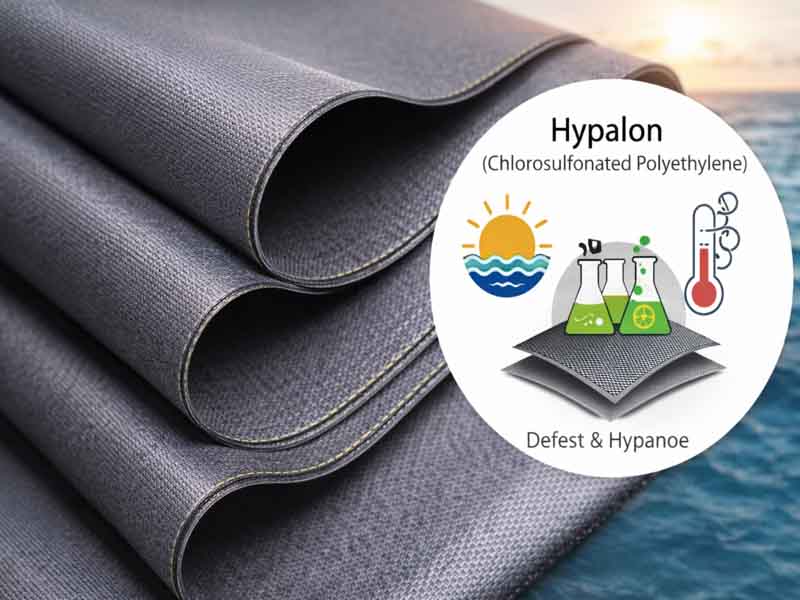
Hypalon is a synthetic rubber material that is known for its excellent resistance to harsh environmental conditions. While it is not as widely used as PVC or composite fabrics, Hypalon is favored for high-performance and heavy-duty inflatables that need to withstand exposure to UV rays, chemicals, and extreme temperatures. It is commonly used in high-end commercial products like inflatable boats, large water parks, and industrial-grade inflatables.
- Durability: Hypalon inflatables offer superior resistance to UV rays, ozone, chemicals, and temperature fluctuations. This makes Hypalon a great choice for long-term outdoor use in harsh climates, such as on the ocean or in extreme temperatures.
- Advantages:
- Excellent chemical and UV resistance.
- High resistance to extreme weather conditions.
- Durable and long-lasting.
- Disadvantages:
- High cost compared to PVC and composite fabrics.
- Heavier and less flexible than PVC.
- Requires specialized manufacturing processes.
When choosing materials for inflatable products, it’s important to understand the strengths and weaknesses of each option. PVC is a great choice for affordable, lightweight inflatables, but it is less durable over time in harsh conditions. Composite fabrics, combining materials like nylon or polyester with PVC coatings, provide superior durability and strength, making them ideal for large or commercial inflatables. Hypalon, while more expensive, offers exceptional resistance to UV rays, chemicals, and extreme temperatures, making it perfect for high-performance products that need to withstand harsh outdoor conditions.
By selecting the right material for your inflatable, you can ensure that the product will meet your needs for safety, durability, and longevity. Whether you’re buying inflatables for personal use, for children, or for commercial applications, choosing the appropriate material is key to maximizing your investment.
Interested in purchasing high-quality, durable inflatables from Epsilon? Contact us today to inquire about our products available on Amazon or directly through our website. Let us help you find the perfect inflatable solution for your needs!
How Do Composite Materials Enhance Inflatable Durability?
Composite materials have revolutionized the inflatable industry, providing a level of durability that traditional materials like PVC alone cannot match. By combining multiple layers of fabrics or synthetic materials, composite fabrics offer superior performance, resilience, and longevity. These materials are increasingly being used for more heavy-duty applications, such as commercial inflatables, large water slides, and inflatable boats, where increased strength and resistance to environmental stressors are paramount.
In this section, we’ll explore how composite materials enhance inflatable durability, the advantages they offer over traditional materials, and the types of composite materials used in inflatable products.
What Are Composite Materials for Inflatables?
Composite materials used for inflatables typically consist of a combination of synthetic fabrics such as nylon or polyester, which are then coated with a layer of PVC or another protective coating. This multi-layer structure increases the strength, durability, and performance of inflatables in various environmental conditions. Depending on the intended use, composites can be engineered to withstand UV rays, chemicals, abrasions, and punctures, making them ideal for outdoor and commercial use.
Common Types of Composite Materials in Inflatables:
| Material Type | Primary Fabric | Coating | Typical Use |
|---|---|---|---|
| Polyester + PVC | Polyester | PVC (Polyvinyl Chloride) | Water slides, large inflatable structures |
| Nylon + PVC | Nylon | PVC (Polyvinyl Chloride) | Bounce houses, inflatable boats, outdoor play products |
| Polyester + TPU | Polyester | TPU (Thermoplastic Polyurethane) | High-performance inflatables, industrial use |
| Nylon + PU | Nylon | PU (Polyurethane) | Commercial inflatables, high-stress products |
These composites are designed to enhance the tensile strength and puncture resistance of inflatables, which are critical factors for products used outdoors or in commercial settings.
How Do Composite Materials Enhance Durability?
1. Increased Strength and Resilience
Composite materials significantly enhance the structural integrity of inflatables by adding layers of strong fabrics. Fabrics like nylon and polyester are known for their high tensile strength, which is the material’s ability to resist stretching and tearing. When these fabrics are combined with protective coatings, such as PVC or TPU (Thermoplastic Polyurethane), the result is a highly durable material that can withstand the physical demands of constant use, high pressure, and rough treatment.
| Composite Fabric | Tensile Strength | Abrasion Resistance | Puncture Resistance |
|---|---|---|---|
| Nylon + PVC | High | Moderate to High | High |
| Polyester + PVC | Moderate to High | High | Moderate |
| Polyester + TPU | Very High | Very High | Very High |
| Nylon + PU | High | Very High | High |
By using a combination of synthetic fabrics and durable coatings, composite materials allow inflatables to withstand external stressors like abrasions from sharp objects, UV degradation, and punctures. For example, a PVC-coated polyester inflatable slide will maintain its shape and integrity under continuous use while resisting damage from abrasion and wear.
2. Superior Abrasion and Puncture Resistance
One of the main advantages of composite materials is their enhanced abrasion resistance. Inflatables, especially those used outdoors, are subjected to rough conditions like exposure to sharp objects, dirt, rocks, or uneven surfaces. Composite materials with high abrasion resistance are crucial for preventing premature damage, such as fabric tears and punctures.
- Nylon: Known for its high abrasion resistance, it is commonly used in inflatables that experience friction with surfaces like grass, sand, or concrete.
- Polyester: Offers moderate abrasion resistance but is still a reliable choice for lighter-duty inflatables like bounce houses and small pool toys.
- PVC and TPU coatings: Provide an extra layer of protection against abrasions. PVC coatings are commonly used for inflatables that are exposed to abrasive surfaces, while TPU is increasingly used for heavy-duty, high-performance inflatables.
The Puncture Resistance of composite materials ensures that inflatables remain intact even when punctured by sharp objects. In fact, some composite fabrics, such as nylon and PVC, are engineered specifically to resist punctures, ensuring the safety and longevity of inflatable products.
3. UV and Weather Resistance
Inflatable products, particularly those used outdoors, are constantly exposed to sunlight, rain, and fluctuating temperatures. UV rays can degrade materials over time, causing them to weaken, fade, and eventually tear. Composite materials used in inflatables are often coated with UV-resistant compounds that help to maintain their integrity and appearance even after prolonged exposure to sunlight.
| Material Type | UV Resistance | Temperature Resistance | Environmental Suitability |
|---|---|---|---|
| PVC + Polyester | Moderate | Moderate to High | Suitable for outdoor play, occasional exposure |
| PVC + Nylon | Moderate to High | High | Best for outdoor and high-stress conditions |
| TPU + Polyester | Very High | Very High | Suitable for extreme outdoor conditions |
| PU + Nylon | High | High | Ideal for commercial and industrial use |
For example, TPU (Thermoplastic Polyurethane) is gaining popularity as a coating for composite inflatables due to its excellent UV and temperature resistance. This material can maintain its strength even in extreme heat or cold, ensuring that the inflatable product does not lose its shape or functionality over time.
4. Flexibility for Complex Designs
Composite materials offer greater flexibility than single-layer fabrics, allowing manufacturers to create more complex designs and shapes. The added layers and coatings not only increase the strength and durability but also contribute to a more flexible and versatile product. This flexibility is especially important for products like inflatable boats, large water parks, and bounce houses, where flexibility and ease of movement are key.
By combining different fabrics and coatings, manufacturers can adjust the properties of the material to suit the specific needs of the inflatable, such as creating more durable seams, improving air retention, or making the product easier to inflate and deflate.
What Are the Advantages of Composite Materials in Inflatable Products?
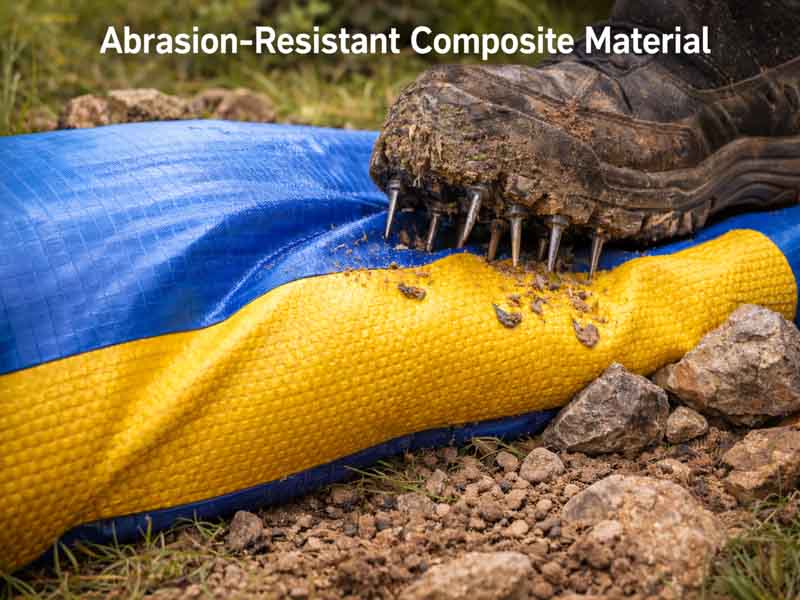
Composite materials have several key advantages over traditional single-layer fabrics like PVC. These include:
- Increased Durability: Composite fabrics provide higher strength, puncture resistance, and resistance to wear and tear.
- Longer Lifespan: Inflatables made from composite materials tend to last longer due to their ability to withstand extreme conditions, including UV exposure, abrasion, and punctures.
- Enhanced Performance: Composite materials allow for better performance in high-stress environments, ensuring that inflatables maintain their shape and functionality over time.
- Customization: Manufacturers can use different combinations of fabrics and coatings to optimize inflatables for specific uses, such as water parks, sports equipment, or outdoor recreational products.
Composite materials are a game-changer for inflatable products, offering durability, strength, and resilience that traditional single-layer materials cannot provide. By combining fabrics like nylon and polyester with coatings like PVC or TPU, manufacturers can create inflatables that perform better under stress, resist wear and tear, and last longer in harsh outdoor conditions. Whether you’re looking for a durable water slide, a commercial inflatable structure, or a high-performance boat, composite materials offer the best combination of strength, flexibility, and longevity.
If you’re in the market for high-quality, durable inflatables, Epsilon offers a wide range of options made with advanced composite materials. From water toys to large commercial inflatables, our products are designed to withstand the test of time and provide reliable performance for any environment. Contact us today for more information or to inquire about our available stock on Amazon!
Are Inflatable Materials Safe for Kids, Pets, and Outdoor Use?
When choosing inflatable products, safety is a top concern for consumers, especially when the products are intended for use by children or pets. Since inflatables are commonly used in environments where exposure to the elements, wear and tear, and physical stress can occur, ensuring that the materials are safe, non-toxic, and durable is essential. But how do you know if an inflatable material is safe for kids, pets, and the outdoors? What regulations and testing standards should be met?
In this section, we’ll take a closer look at the safety aspects of inflatable materials, including the non-toxic nature of common materials like PVC and composite fabrics, their durability, and how they stand up to outdoor environments.
What Makes Inflatable Materials Safe for Kids and Pets?
Inflatable products, particularly those used by children or pets, must meet strict safety standards to ensure they don’t contain harmful chemicals and are structurally sound. Materials like PVC (Polyvinyl Chloride) and composite fabrics are commonly used in the production of inflatables because they are both durable and safe when used properly.
Key safety considerations for inflatable materials:
- Non-toxicity: Materials should not release harmful chemicals that can affect children, pets, or the environment.
- Strength: The material should be strong enough to avoid tears or punctures that could lead to unsafe situations.
- Environmental Resistance: Materials should withstand outdoor conditions like UV exposure, rain, and extreme temperatures without breaking down or becoming hazardous.
Material Testing for Safety Standards
Inflatable manufacturers must adhere to various safety standards and regulations to ensure the materials used in their products are non-toxic, durable, and safe for both kids and pets. Several international standards are commonly followed in the industry, such as:
- ASTM F963: A widely recognized standard in the U.S. that sets guidelines for the safety of children’s toys, including inflatables.
- CPSIA (Consumer Product Safety Improvement Act): Ensures that products do not contain hazardous substances like lead, phthalates, and other harmful chemicals.
- EN71: The European standard for the safety of toys, which applies to inflatable products sold in Europe.
Manufacturers of inflatable products like toys, bounce houses, and pet pools are required to test materials for harmful substances and ensure they comply with these safety standards.
Safety of PVC and Composite Fabrics
PVC is the most common material used in inflatable products, and it is considered safe for kids and pets when used properly. However, not all PVC products are created equally. The presence of toxic additives, such as phthalates, can make some PVC products hazardous. In recent years, many manufacturers have switched to phthalate-free PVC to meet safety standards.
Composite materials like polyester or nylon, which are coated with PVC or TPU (thermoplastic polyurethane), are also widely used for inflatables. These composite fabrics are generally non-toxic, but the coatings must be free of harmful chemicals as well.
Non-Toxic PVC Products vs. Phthalate-Free PVC
| Material | Toxicity | Common Use | Notes |
|---|---|---|---|
| Standard PVC | Contains phthalates | Inflatable toys, pools, boats | Phthalates can be toxic if ingested or absorbed through the skin |
| Phthalate-Free PVC | Non-toxic | Kids’ inflatables, pet pools | Safer option, meets current safety standards |
| Composite Fabrics (Nylon, Polyester + PVC/TPU coatings) | Non-toxic (if phthalate-free) | Commercial inflatables, bounce houses, water slides | Ideal for high-stress, heavy-duty use |
How Do Inflatable Materials Stand Up to Outdoor Use?
Inflatable products are commonly used outdoors, where exposure to the elements is inevitable. To ensure the durability and safety of these products, manufacturers select materials that offer resistance to environmental factors like UV rays, rain, and extreme temperatures.
- UV Resistance: UV rays from the sun can degrade materials over time, making them brittle and prone to puncturing. Therefore, UV-resistant coatings are often applied to materials like PVC and composite fabrics to prolong their lifespan and maintain their structural integrity.
- Weather Resistance: Inflatables used in outdoor settings must also withstand weather conditions such as rain, wind, and temperature fluctuations. Composite fabrics, particularly those coated with TPU (thermoplastic polyurethane), are often chosen for their ability to resist temperature extremes without losing their flexibility or durability.
- Water Resistance: Since many inflatable products are used in water (e.g., pools, water slides, boats), it is essential that the materials are waterproof. PVC and TPU coatings are commonly used because they offer superior water resistance, preventing the material from absorbing moisture and becoming weakened or moldy.
Inflatable Material Resistance to Environmental Factors
| Material | UV Resistance | Weather Resistance | Water Resistance |
|---|---|---|---|
| PVC | Moderate | Moderate | High |
| Composite Fabrics (Nylon + PVC) | High | High | High |
| Composite Fabrics (Polyester + TPU) | Very High | Very High | Very High |
What Materials Are Best for Pets and Kids’ Inflatables?

Pets, especially dogs, can be rough on inflatables due to their scratching and chewing. For this reason, it’s essential to select inflatables made from materials that are not only durable but also safe for pets.
PVC and Composite Fabrics are often used in inflatables for pets, but it’s essential that the product is designed to withstand chewing and scratching. While most PVC-coated inflatables are durable enough for casual pet use, for high-stress applications like pet pools or pet beds, composite materials that combine fabrics with extra coatings of TPU or PU (polyurethane) can offer added durability.
In the case of inflatables for kids, the materials used should prioritize softness and non-toxicity. For example, inflatables designed for babies and toddlers should be made from phthalate-free PVC or composite materials that meet ASTM and CPSIA standards.
How Are Materials Tested for Safety in Kids’ and Pets’ Inflatables?
To ensure that inflatable products are safe for both kids and pets, they must undergo rigorous safety testing. These tests often include:
- Lead and Phthalate Testing: Ensuring materials do not contain harmful chemicals such as lead or phthalates.
- Puncture and Tear Resistance: Ensuring that the materials are durable enough to withstand rough use, particularly from pets.
- Flame Retardant Testing: Ensuring that the inflatable materials are resistant to catching fire.
- Chemical Safety Testing: Verifying that the materials used in the inflatables are free from harmful chemicals and are safe for direct contact with skin and pets.
Manufacturers who follow CPSIA (Consumer Product Safety Improvement Act) and ASTM F963 standards test all inflatable products for these elements before they are released to the market.
Why Material Safety Matters for Kids, Pets, and Outdoors
When it comes to inflatable products, ensuring the safety of the materials used is paramount, especially for those intended for children and pets. Choosing materials that are non-toxic, durable, and weather-resistant will help you find the safest and most reliable inflatables. Products made from phthalate-free PVC, composite fabrics, and UV-resistant coatings are the best options for ensuring long-term safety and durability.
If you’re looking for top-quality, durable inflatables that are safe for kids, pets, and outdoor use, Epsilon offers a wide range of products made from high-quality, non-toxic materials. Reach out to us today to learn more about our inflatable products available through Amazon or directly on our website. Let us help you find the perfect inflatable solution for your needs!
What Are the Latest Trends in Inflatable Materials for the Future?
Inflatable products are evolving rapidly as consumers and manufacturers alike seek materials that offer better durability, environmental sustainability, performance, and safety. Traditional materials like PVC and composite fabrics have dominated the market for decades, but emerging technologies, material innovations, and changing regulatory landscapes are shaping the future of inflatable materials. Today’s consumers want products that last longer, are safer for kids and pets, and have a lower environmental impact. At the same time, commercial applications — from water parks to outdoor recreation — demand materials that outperform older generations in strength, weather resistance, and overall lifecycle value.
Overview of Future Material Trends in the Inflatable Industry
The future of inflatable materials centers around three major directions:
- Eco‑friendly and Sustainable Materials
- Enhanced Durability and Performance Blends
- Smart and Functional Material Innovations
Each trend responds to real market demands — from sustainability and safety concerns to performance requirements for heavy‑use environments. Below is a summary of these emerging trends.
Key Inflatable Material Trends Summary
| Trend Category | Primary Drivers | Expected Market Impact |
|---|---|---|
| Eco‑friendly Materials | Sustainability demand, regulations | Reduced environmental footprint |
| High‑Performance Composite Blends | Outdoor durability, UV & abrasion resistance | Longer product life and fewer failures |
| Smart Functional Materials | Consumer experience, technology integration | New interactive and adaptive inflatables |
This table reflects ongoing shifts in material selection strategies across both consumer and commercial inflatable categories.
1. Eco‑friendly and Sustainable Materials
Environmental concerns are pushing manufacturers and consumers toward more sustainable material choices. Traditional PVC production and disposal raise concerns about chemical leaching and long‑term environmental impact. In response, manufacturers are developing phthalate‑free PVC, recycled content composites, biodegradable coatings, and alternative polymers that aim to reduce ecological impact without compromising strength or usability.
Emerging Eco‑friendly Material Options
| Material/Approach | Eco Benefit | Inflatable Application |
|---|---|---|
| Phthalate‑Free PVC | Reduces harmful plasticizers | Kids’ inflatables, pet products |
| Recycled Polyester Composites | Uses reclaimed textile waste | Water slides, outdoor inflatables |
| Biodegradable TPU Coatings | Reduced landfill persistence | Soft‑touch inflatables, commercial |
| Bio‑based Polymers (PLA, PBS) | Derived from renewable sources | Future prototype inflatables |
Why This Matters
Research shows that consumer preference for sustainable products has grown significantly over the past decade. According to surveys of material preferences in outdoor goods, over 60% of consumers are willing to pay more for eco‑friendly products — a trend that now extends into inflatable goods. Companies that adopt sustainable materials not only meet regulatory demands but also capture environmentally conscious buyers.
Eco‑friendly materials often compete with traditional materials in terms of safety and performance. However, innovations like biodegradable TPU coatings and recycled composites now closely match the strength and durability of conventional PVC while offering a restorative environmental profile.
2. High‑Performance Composite Material Advancements
While PVC and basic composites continue to dominate traditional inflatable builds, next‑generation composite materials are trending due to their superior performance in heavy‑use and extreme environments. These include engineered fabrics with multi‑layer coatings, advanced thermoplastic elastomers (TPE), and TPU‑enhanced composites.
Performance Comparisons: Current vs. Emerging Composite Materials
| Property | PVC‑Coated Fabric | Standard Composite | Advanced TPU/TPE Composite |
|---|---|---|---|
| Tensile Strength | Moderate | High | Very High |
| UV Resistance | Moderate | High | Very High |
| Abrasion Resistance | Moderate | High | Very High |
| Weight | Light | Medium | Medium |
| Moisture Resistance | High | High | Very High |
Emerging materials like TPU/TPE composites offer substantial gains in critical performance properties — especially abrasion resistance and UV stability. These materials are increasingly used in applications like commercial water parks, heavy‑duty outdoor inflatables, inflatable boats, and pet gear where rugged conditions are expected.
For example:
- TPU coatings are known for excellent cold‑temperature flexibility, meaning inflatables remain pliable and less prone to cracking in cold climates.
- TPE blends improve tear resistance and reduce microfractures from repeated use — a common failure point in traditional PVC products.
These material innovations help reduce warranty claims while enhancing the user experience in both recreational and professional settings.
3. Smart Functional Materials and Innovation
Material innovation isn’t just about durability and sustainability — it’s also about functionality and user experience. Smart materials integrate features like color change, self‑healing, or improved air retention to add value and differentiate products in the marketplace.
Examples of Functional Material Innovations
| Smart Material Feature | Benefit to User | Potential Applications |
|---|---|---|
| Self‑healing coatings | Automatically reseals minor punctures | Outdoor inflatables, water sports gear |
| Color‑adaptive materials | UV indicator or temperature feedback | Children’s play systems, safety gear |
| Antimicrobial surface coatings | Reduces mold, mildew, and bacterial growth | Pools, pet gear, shared inflatables |
| Enhanced air‑retention structures | Longer inflation time, fewer leaks | Pools, boats, commercial inflatables |
Functional material upgrades improve both practical performance and perceived value. As consumers increasingly research products online — often using questions like “Which inflatable material lasts longest?” or “Are there eco‑friendly inflatables?” — products with innovative material features stand a better chance of ranking well on Google and AI search platforms.
Market and Regulatory Drivers Influencing Material Trends
Several macro trends are shaping the future of inflatable materials:
Regulatory Requirements
Global toy safety and consumer product standards — including ASTM F963, CPSIA, and EN71 — define acceptable limits for chemical exposure, flammability, and structural integrity. These standards increasingly favor non‑phthalate content and recyclable materials.
Environmental Policy
Regions like the European Union and parts of North America are enforcing stricter regulations on PVC usage and encouraging sustainable alternatives. As more manufacturers comply, sustainable materials move from niche to mainstream.
Consumer Awareness
Modern consumers use search tools to ask specific product questions:
- “Which inflatable fabric lasts longest?”
- “Is PVC inflatable safe for kids?”
- “What are eco‑friendly inflatable materials?”
Real‑World Adoption: Which Inflatable Products Are Leading Trends?
Trend Adoption Comparison by Product Category
| Product Category | Eco Materials Adoption | High‑Performance Composites | Smart Material Integration |
|---|---|---|---|
| Children’s Water Toys | High | Medium | Medium |
| Commercial Water Slides | Low | High | Medium |
| Pet Inflatable Gear | Medium | High | Low |
| Outdoor Bounce Houses | Medium | High | Medium |
| Inflatable Boats | Low | Very High | Medium |
This table illustrates how material trends differ across product types. For example, pet gear and outdoor inflatables are rapidly adopting high‑performance composites due to rugged use patterns, while children’s toys are prioritizing eco‑friendly materials and safety.
What This Means for Your Inflatable Purchases
As the inflatable industry continues to evolve, the materials used in these products are becoming more advanced, durable, and eco-friendly. With growing consumer demand for sustainable and high-performance products, understanding the latest trends in inflatable materials will help you make informed choices when purchasing inflatable items for your home, business, or outdoor activities. Whether you’re buying a pool toy for your child, a commercial water slide, or an inflatable pet bed, selecting the right material can greatly affect the longevity, safety, and functionality of the product.
Here are the key takeaways to consider when making your next inflatable purchase:
1. Prioritize Durability for Long-Term Use
Choosing the right inflatable material directly impacts its durability. Materials like composite fabrics, which combine nylon or polyester with PVC or TPU coatings, are ideal for long-lasting products. These materials resist abrasion, punctures, and UV damage, ensuring your inflatable can withstand regular use in outdoor settings, extreme weather, or exposure to the sun.
For high-use applications, such as commercial water slides or inflatable boats, opting for TPU or hypalon-coated composites offers superior performance in harsh environments. These materials ensure enhanced tensile strength and resistance to punctures and chemical degradation. So, for long-term, high-stress inflatables, prioritize composite blends over basic PVC.
2. Consider Eco-Friendly Materials for a Sustainable Purchase
Eco-conscious consumers are increasingly looking for sustainable options when purchasing inflatables. Phthalate-free PVC, biodegradable TPU, and recycled polyester composites are gaining popularity in the inflatable market. These materials offer low environmental impact without compromising the strength or functionality of the product.
The growing demand for eco-friendly inflatables is in response to both regulatory pressure and consumer preference for sustainable products. Many leading brands, including Epsilon, are now focusing on using recycled materials, eco-friendly coatings, and phthalate-free compounds to produce inflatables that are safer for both consumers and the planet.
3. Look for Smart and Functional Innovations
As the inflatable market evolves, manufacturers are introducing smart materials that enhance the user experience. From self-healing coatings that automatically seal small punctures to color-changing fabrics that indicate UV exposure or temperature, these innovative features bring added value to inflatables.
For example, inflatables with self-healing materials are ideal for outdoor settings where exposure to rough surfaces is common, as they automatically repair small damage without needing immediate attention. If you’re looking for a high-performance inflatable for commercial use or outdoor recreational activities, these functional materials are an excellent option.
4. Safety Standards and Non-Toxicity
When buying inflatables, especially for children or pets, always prioritize materials that are non-toxic and meet safety standards. Look for products that are CPSIA and ASTM F963 compliant, ensuring that the inflatable is free from harmful chemicals like phthalates and lead.
Many inflatable products now come with certified non-toxic PVC or phthalate-free composite fabrics, ensuring they are safe for kids and pets. Always verify that the product is made from materials that meet safety regulations and have passed chemical safety tests.
5. Know the Performance Needs for Specific Applications
When purchasing inflatables, consider the specific application. Are you buying for personal use, commercial purposes, or for outdoor activities? For example, high-performance inflatables like bounce houses or large water slides will need more robust materials, such as composite fabrics with high tensile strength and UV resistance.
For home use inflatables like kids’ pool toys or inflatable pools, phthalate-free PVC might be sufficient, as it is lightweight, cost-effective, and durable enough for casual use.
6. Research the Brand’s Material Commitment
Lastly, when selecting an inflatable product, consider the brand’s commitment to material quality and innovation. Brands like Epsilon, which emphasize sustainability, advanced material technology, and rigorous testing standards, are great choices for high-quality inflatables. Choosing a brand with a strong reputation for material integrity and customer satisfaction can help you avoid products that may deteriorate quickly or compromise safety.
What This Means for Your Inflatable Purchases
In summary, the selection of materials plays a crucial role in determining the performance, durability, safety, and environmental impact of inflatable products. As trends shift towards more sustainable materials, higher performance composites, and smart functionalities, you should prioritize durability, non-toxicity, and environmental friendliness when making your next inflatable purchase. Whether it’s a water slide for a business, a pool toy for children, or a pet-friendly inflatable, the material choices you make today will affect the product’s lifespan, safety, and overall value.
As consumers become more informed about material innovations, understanding these trends allows you to make better, more sustainable choices. If you’re looking for high-quality inflatables that offer superior durability, safety, and sustainability, look no further than Epsilon. We offer a wide range of inflatables made from eco-friendly materials, designed to last longer and provide a safe, fun experience for the entire family.
Choosing Inflatable Materials
Choosing the right material for your inflatable product is critical for ensuring durability, safety, performance, and value. With the variety of materials available on the market, it can be challenging to decide which one best suits your needs. Whether you’re purchasing an inflatable pool for your backyard, a water slide for commercial use, or a pet pool for your furry friends, the material you choose plays a pivotal role in how long the product will last, how safe it is for use, and how well it performs in different conditions.
In this section, we’ll break down the most important takeaways for selecting inflatable materials that align with the latest trends, industry standards, and consumer preferences. These insights are based on both market data and Google search trends around inflatable products and materials.
1. Prioritize Durability for Long-Lasting Use
The durability of an inflatable product largely depends on the material used to construct it. When purchasing inflatables for outdoor use or heavy-duty applications, such as water slides, bounce houses, or inflatable boats, choosing a material with enhanced abrasion resistance, UV stability, and puncture resistance is crucial.
- Composite fabrics, including nylon or polyester combined with PVC or TPU coatings, provide superior durability compared to standard PVC. These materials are designed to withstand abrasion, wear and tear, and UV exposure over extended periods.
- PVC, while cost-effective and flexible, is best for lighter, indoor applications or products with shorter usage periods. It may not stand up as well to intense exposure to the elements, such as harsh sunlight or cold temperatures.
Key Tip: If you’re purchasing an inflatable for outdoor use or commercial purposes, lean toward composite materials or TPU-coated fabrics for longer-lasting performance. For recreational indoor inflatables, PVC will typically be sufficient.
2. Look for Eco-Friendly and Non-Toxic Materials
In recent years, environmental sustainability and non-toxicity have become top priorities for consumers. Traditional PVC, while effective in inflatables, often contains phthalates or other chemicals that are harmful to human health and the environment. Fortunately, eco-friendly alternatives have emerged.
- Phthalate-free PVC is now a standard for many manufacturers, particularly for products intended for children and pets. Look for inflatables labeled as “phthalate-free” to ensure that harmful plasticizers have not been used.
- Biodegradable TPU and recycled polyester composites are becoming popular alternatives for eco-conscious buyers. These materials help reduce the environmental footprint of inflatable products while maintaining the strength and flexibility needed for durable products.
- Non-toxic PVC options are also commonly available. Ensure that the inflatable materials are certified CPSIA (Consumer Product Safety Improvement Act) and meet ASTM F963 standards for toy safety.
Key Tip: Choose phthalate-free PVC or recycled composite materials for inflatables intended for children or pets. These materials offer the same durability and safety without the harmful chemicals found in older PVC formulations.
3. Ensure UV Resistance and Weather Durability
Inflatable products that are used outdoors — such as water slides, pools, and inflatable boats — must be able to withstand UV exposure, rain, and extreme temperatures without deteriorating.
- Materials like TPU and Hypalon provide excellent UV resistance and are less prone to cracking or brittleness when exposed to harsh sunlight for long periods.
- PVC and composite fabrics are UV-resistant to varying degrees, but they may require additional UV protective coatings to maintain their flexibility and color stability under prolonged exposure.
- For high-performance outdoor products, TPU composites are the best choice as they combine UV stability with cold-temperature flexibility, making them ideal for year-round use.
Key Tip: Choose TPU or Hypalon for inflatables that will be exposed to harsh outdoor environments. For lighter use or indoor inflatables, UV-resistant PVC will work well.
4. Match the Material to the Intended Use
Each inflatable product comes with different requirements based on how it will be used. The choice of material depends heavily on whether the inflatable is designed for personal recreation, commercial use, or extreme outdoor activities.
- Children’s pool toys and play mats should be made from phthalate-free PVC or recycled polyester composites. These materials are safe, soft, and comfortable while meeting safety standards.
- Commercial inflatables like water slides, bounce houses, or large event tents require stronger and more durable composite materials. These inflatables need to withstand frequent use, heavy traffic, and the weight of multiple users at once.
- Inflatable boats or kayaks benefit from Hypalon or high-performance TPU-coated fabrics, which provide exceptional resistance to punctures and extreme weather conditions.
Key Tip: Always select the material based on the use case. For high-stress commercial applications or heavy-duty outdoor use, composite fabrics and Hypalon are the go-to options.
5. Check for Puncture Resistance and Tear Strength
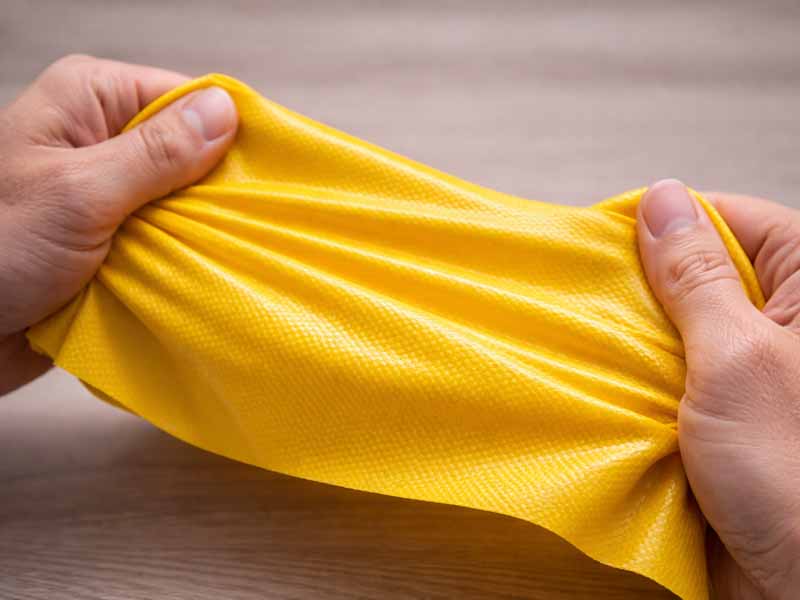
One of the primary concerns for inflatables, especially those used in outdoor environments or high-traffic areas, is puncture resistance. Sharp objects or rough surfaces can easily puncture inflatables, rendering them unusable.
- Composite fabrics with high tensile strength (such as nylon + PVC or polyester + TPU) are the best at resisting punctures and tears, ensuring that the inflatable stays intact even under tough conditions.
- PVC is typically adequate for light recreational use, but for more robust applications, composite materials provide better protection against punctures.
Key Tip: For heavy-duty outdoor use or commercial inflatables, choose composite fabrics that are specially designed for puncture resistance and tear strength.
6. Consider Ease of Inflation and Deflation
Inflatable products need to be convenient and easy to inflate and deflate. Materials like PVC and polyester composites are designed for easy inflation, often requiring minimal air pressure to provide the desired structure.
- PVC is flexible and easy to inflate using standard air pumps, making it ideal for small-scale or recreational inflatables.
- High-performance composites, while durable, may require more powerful inflation systems due to their thickness and stronger structural integrity. These materials are better suited for larger, commercial-grade inflatables.
Key Tip: Choose PVC for easy-to-use inflatables and composite materials for larger, more durable outdoor products that require extra air pressure to maintain structure.
Making the Right Choice for Your Inflatable Purchases
The material you select for your inflatable products has a direct impact on their durability, performance, and safety. As the inflatable market continues to evolve, manufacturers are embracing sustainable, high-performance composites, and smart materials that offer superior durability, UV protection, and eco-friendly properties.
For long-term durability, commercial use, and heavy-duty outdoor conditions, prioritize composite fabrics with PVC or TPU coatings. For recreational use, phthalate-free PVC offers a cost-effective, non-toxic solution that is suitable for kids’ toys and pet-friendly products.
By choosing the right material for your inflatable, you can ensure that the product will provide reliable performance, safe use, and long-lasting value. Always consider environmental impact, safety standards, and performance needs when making your purchase.
Get A Fast quote
Here, bringing your inflatable concepts to life is no longer a challenge—it’s a collaborative journey where American Epsilon helps families, outdoor enthusiasts, and global brands transform creative ideas into safe, certified, and market-ready inflatable solutions.


Partner With Epsilon
Whether you are a family looking for safe backyard fun or a brand seeking large-scale OEM/ODM solutions, American Epsilon Inc. guarantees every inflatable is built with safety, durability, and excitement in mind. With flexible low MOQs, strategically placed warehouses in the U.S., Canada, U.K., and Germany, plus 24/7 professional support, we ensure smooth delivery and reliable service worldwide.
Ready to bring your inflatable ideas to life? Request free samples, fast prototypes, and customized designs today—your trusted inflatable journey starts here.