Skip to content
Are Splash Pads Worth It for Families: Pros, Costs, and Value
# Your Trusted Inflatable Supplier In US

Every summer, families end up asking the same question in different ways. Some ask whether a splash pad is worth buying. Some ask whether it is better than a pool. Some want to know if it is just a short-lived toy that children will ignore after a few days. Others are trying to figure out whether a splash pad is a smarter choice than setting up a bulky inflatable pool or simply turning on the yard sprinkler.
The reason this question matters is simple: most families are not just buying a product. They are buying convenience, repeat use, and peace of mind. A summer product may look fun in a listing photo, but parents usually judge it later by very practical standards. Was it easy to set up? Did the kids actually use it often? Was it easy to store? Did it feel safe enough? Did it create fun without creating a lot of extra work? These are the questions that decide whether a splash pad feels like a smart purchase or just another seasonal item.
A splash pad is often worth it for families when the main goal is easy, active outdoor play rather than deep-water swimming. It usually costs less than larger pool products, starts faster, stores more easily, and fits short daily play sessions well. For families with young children, smaller yards, or a preference for low-hassle summer fun, a good splash pad often delivers strong real-life value.
That does not mean every splash pad is automatically worth buying. Some are built for light use only. Some are better for toddlers. Some are too small for siblings. Some look attractive online but perform poorly in real use. And some are worth much more because the material, spray layout, edge design, and overall structure were developed with real family use in mind. That is where this topic becomes much more useful than a simple yes-or-no answer, and why the details matter.
Are Splash Pads Worth It?
For many families, splash pads are worth it because they solve a very specific summer problem better than a lot of other outdoor water products. Children want something fun, cooling, and active. Parents want something that does not take too long to prepare, does not take up too much space, does not feel too stressful to supervise, and does not become a big cleanup project every single time. A splash pad often sits in that sweet spot. It gives children a strong sense of excitement, but it usually asks much less from the adults than a pool.
That is the real reason this question matters. Most families are not trying to answer a theoretical question like “Is a splash pad a good product category?” They are asking a much more practical question: “Will this actually make our summer easier and more fun, or will it become one more thing sitting in the garage?” That is why the answer depends less on hype and more on daily use.
A splash pad usually feels worth it when it fits these real-life situations:
- the family wants a quick backyard activity
- the children are younger and enjoy spray-based play
- the yard is not large enough for a bigger pool setup
- the adults want something simpler than filling and managing a pool
- the family prefers short, repeatable play sessions instead of long, high-effort ones
- storage space matters after the season ends
When those conditions are true, a splash pad often gives very good value. It is also helpful to think about “worth it” in more than one way. Families usually judge a splash pad through four kinds of value:
| Type of Value | What Families Usually Care About |
|---|---|
| Fun value | Do the kids actually enjoy it and come back to it? |
| Time value | Is it quick enough to set up on a normal day? |
| Space value | Does it fit the yard and store easily later? |
| Product value | Does it hold up well enough to feel like money was well spent? |
A splash pad feels worth it when most of those boxes are checked at the same time. If the product is fun but annoying to use, its value drops. If it is easy to use but too small or too weak to keep children interested, its value drops. If it works well but is made too lightly for the family’s play style, the product may still feel disappointing later. So the real answer is not just about the category. It is about whether the category and the specific product both match the household.
Another useful way to look at it is frequency of use. Many family products look worth the money on the day they arrive. Fewer still feel worth it after six, eight, or ten uses. Splash pads often do well here because they are easier to use repeatedly than many people first expect. A family does not usually need to plan a whole event around a splash pad. They can use it for 15 minutes, 25 minutes, or an hour depending on weather, mood, and time. That makes it easier for the product to become part of normal life instead of something saved only for special days.
Here is a practical comparison of what often makes a splash pad feel like a good purchase:
| Family Situation | Why a Splash Pad Often Feels Worth It |
|---|---|
| Hot weekday afternoon | Fast to start and easy to stop |
| One or two younger children | Good active play without deep water |
| Small or medium backyard | Easier to fit than many pool products |
| Parents want low hassle | Less setup and cleanup pressure |
| Seasonal gift purchase | Easy to understand and exciting for kids |
| Family wants repeated use | Simple enough to pull out often |
This is where splash pads often outperform expectations. They are not always the most dramatic product in the category, but they are often the product families use more consistently.
There is also a money side to the decision that customers care about, even if they do not always say it directly. A splash pad may cost less than many larger pool products, but price alone is not what makes it worth it. What matters more is whether the family feels the cost was justified by the number of enjoyable uses they got from it.
For example, a low-cost splash pad may still feel like poor value if:
- the spray is weak or uneven
- the size is too small for siblings
- the connector leaks quickly
- the material feels too thin for active play
- the child loses interest after two uses
At the same time, a slightly better-made splash pad may feel like excellent value if:
- it gets used several times a week
- the children stay engaged
- it fits the yard well
- the adults do not mind taking it out again
- it stores without becoming a burden
That is why the smarter way to judge value is not “What is the cheapest splash pad?” but “What kind of splash pad will fit how my family actually plays?”
A good splash pad often feels worth it because it lowers friction. That may sound simple, but it is one of the strongest reasons families like them. A lot of summer toys create excitement for children but create resistance for adults. Splash pads often avoid that by being:
- easier to understand
- easier to start
- easier to supervise than deeper water
- easier to dry and store than many larger water toys
- easy enough to reuse several times in a week
That balance is hard to beat.
Are Splash Pads Worth It?
Yes, for many families they are, especially when the goal is easy, active summer play instead of deep-water use. A splash pad often feels worth it because it combines fun for children with lower setup effort for adults. It may not replace a pool for every household, but it often becomes the product that gets used more often because it is so much easier to start, stop, and store.
Families usually feel a splash pad is worth it when it works well in everyday life, not just in theory. A product can look great online and still feel disappointing if it takes too much effort to enjoy. Splash pads often avoid that problem because they fit short play windows very well. Parents do not always want to fill a pool, manage a large amount of water, or turn every warm afternoon into a major backyard event. A splash pad gives them a simpler option.
This is especially true for families with younger children. A splash pad creates movement, spray, and excitement without asking the family to manage deeper water. That makes it more approachable for many parents and more likely to be used often.
Here is a practical “worth it” test:
| Question | If the Answer Is Yes, a Splash Pad Often Makes Sense |
|---|---|
| Do you want quick backyard water play? | Yes |
| Do your kids enjoy running and spray play? | Yes |
| Do you want something easier than a pool? | Yes |
| Do you want better visual play than a sprinkler? | Yes |
| Do you care about easy seasonal storage? | Yes |
A splash pad is usually not worth it only when the family actually wants something very different, such as longer soaking time, deeper swimming play, or the largest water volume possible. In those cases, a pool may be the better fit.
What Makes a Splash Pad Worth It?
A splash pad becomes worth it when the product fits the child, the yard, and the family routine at the same time. That is what separates a good purchase from a regret purchase.
For most households, the product feels worth it when it succeeds in these areas:
- it creates fun quickly
- it does not require too much work
- it feels comfortable for the child’s age
- it fits the available outdoor space
- it is durable enough for expected use
- it stores easily after the season
The strongest value usually comes from repeat use. A splash pad that gets used ten or fifteen times in a season often feels much more worthwhile than a larger product that looks impressive but is only used once or twice because the setup feels tiring.
Material and structure also play a big role. Families often discover after purchase that appearance is only one part of value. Real value shows up in things like:
- whether the spray is balanced
- whether the edge holds shape
- whether the connector stays reliable
- whether the surface still feels good after repeated play
- whether the product dries and folds without becoming annoying
This is why “worth it” is often a combination of performance and convenience.
| What Makes It Worth It | Why It Matters |
|---|---|
| Easy setup | Parents are more likely to use it often |
| Good spray effect | Children stay interested longer |
| Proper size | Better comfort and movement |
| Better material | Better durability and less frustration |
| Easier storage | Better long-term ownership experience |
The best splash pad is not just the one with the lowest price or brightest graphics. It is the one that keeps feeling useful after the excitement of the first day is gone.
Which Families Need a Splash Pad?
A splash pad is usually a very good fit for families who want easy outdoor play, especially when the children are younger and the adults want to keep things simple. It works especially well for households that like the idea of water play but do not want the work that can come with larger pool setups.
Families who often benefit most from a splash pad include:
- parents of toddlers and preschoolers
- families with one or two young children
- households with small or medium yards
- families who like quick after-school or weekend play
- grandparents shopping for a practical summer gift
- families that want a child-focused option instead of using a sprinkler
It can also be a very strong fit for homes where storage space matters. A splash pad is often easier to fold and put away than a larger inflatable pool or rigid water-play item. That becomes more important at the end of the season than many people realize at the beginning.
A splash pad may be less ideal for families whose main goal is:
- deep soaking play
- longer water sessions
- floating or swimming practice
- larger group pool-style use
Here is a simple family-fit view:
| Household Type | Splash Pad Fit |
|---|---|
| Toddlers and preschoolers | Strong |
| Siblings under 8 | Strong |
| Small-yard homes | Strong |
| Families wanting deep-water play | Weak |
| Homes wanting quick summer activity | Strong |
| Gift buyers | Strong |
A useful way to think about it is this: a splash pad is often best for families who want a product they will actually use, not just a product that sounds impressive. That is why it fits so many homes.

Are Splash Pads Better?
Whether splash pads are “better” depends on what a family really wants from summer water play. That is the most honest place to start. A splash pad is not better at everything. It is not better than a pool for swimming, floating, or longer soaking time. It is not always better than a sprinkler if the only goal is the absolute lowest-cost way to spray some water in the yard. But for many families, a splash pad is better in the ways that matter most in real life: it is usually easier to set up, easier to use often, easier to store, easier to explain to children, and easier to fit into an ordinary afternoon.
That is why this comparison matters so much. Families do not buy water products based only on maximum fun in a perfect moment. They buy based on how likely they are to use the product again next week, how much effort it takes, and whether the child still gets excited once the box has been opened and the novelty is gone.
A splash pad often feels better because it reduces friction in the whole experience.
It usually helps with:
- faster setup
- lower mental effort before use
- easier supervision for younger children
- less storage trouble after summer
- shorter, repeatable play sessions
- better visual appeal than a basic sprinkler
- less overall hassle than many pool products
This is especially important for families with toddlers, preschoolers, or younger elementary-age children. At those ages, many kids care less about deep water and more about movement, spray, stomping, quick sensory excitement, and being able to run in and out of the play area. A splash pad does that very well.
Another reason splash pads often feel better is that they work well in the kind of time windows families actually have. Parents are often not planning an all-day backyard event. They may have 20 minutes after lunch, 30 minutes before dinner, or an hour on a warm weekend afternoon. A splash pad fits those windows better than many larger water-play products.
A practical comparison helps make this clearer:
| Daily-Life Factor | Splash Pad | Why It Often Feels Better |
|---|---|---|
| Setup speed | Fast | More likely to be used often |
| Play style | Active and quick | Fits younger children well |
| Storage burden | Lower | Easier to accept after the season |
| Supervision comfort | Often better | Open play zone, less intimidating |
| Product identity | Fun and giftable | Feels more special than yard tools |
| Use frequency potential | High | Easier to say yes to repeatedly |
So when families ask whether splash pads are better, the strongest answer is often this: they are better for households that value easy, repeatable, low-hassle summer fun more than maximum water volume.
Are Splash Pads Better Than Pools?
In many families, yes, splash pads are better than pools for everyday use. But that is only true when the family’s real goal is convenience, active play, and easier water fun rather than deep-water recreation.
A pool is designed around holding water. A splash pad is designed around moving water. That sounds simple, but it changes the whole ownership experience. A pool often asks the family to do more before the fun even begins. It usually takes more water to start, more time to prepare, more space in the yard, and more effort to manage afterward. A splash pad usually asks much less. It can often be connected quickly, enjoyed for a shorter session, turned off, and put away without turning the day into a project.
This is where many families discover that “better” does not mean “bigger.” A larger product may look more exciting, but that does not mean it matches daily life better. A splash pad often wins because it fits how families really behave.
It is often better than a pool when the family wants:
- quick weekday use
- easier setup
- lower cleanup stress
- less intimidating water play
- something more suitable for toddlers or younger children
- something easier to store in the off-season
A pool is still better when the family wants:
- soaking and sitting in water
- floating
- deeper water experience
- longer play sessions centered on the water itself
Here is a clearer comparison:
| Comparison Point | Splash Pad | Pool |
|---|---|---|
| Setup time | Usually faster | Usually slower |
| Water needed before play starts | Lower | Higher |
| Best for short backyard sessions | Strong | Medium |
| Best for deep-water play | Weak | Strong |
| Best for toddlers with close supervision | Often stronger | Depends on pool type |
| Storage after use | Easier | Usually harder |
| Ease of repeated use | Strong | Often weaker |
For many families, the real advantage is not that a splash pad replaces a pool. It is that it avoids the parts of pool ownership that stop parents from using the product often. That is why a splash pad may deliver more real value even when it looks smaller on paper.
Are Splash Pads Better Than Sprinklers?
For a lot of households, this is actually the more important comparison. Many parents already own a sprinkler, so the real question is not “Should we buy a splash pad or a pool?” It is “Why buy a splash pad when we can already turn on the sprinkler?”
The answer is that a splash pad is made for children’s play from the beginning, while a sprinkler is usually a lawn tool first and a play tool second. That difference shows up in several ways. A splash pad usually creates a clear play area. Children can see where the fun is happening. The product often has graphics, shapes, or themes that pull them in right away. The spray feels like part of the product instead of just water moving across the yard. That makes the experience feel more intentional and more child-centered.
For parents, this often translates into longer interest and better repeat use. A sprinkler may be fun for a while, but it usually feels more random. A splash pad usually feels more like a real activity.
It is often better than a sprinkler when the family wants:
- a product that looks like a real gift
- a defined play zone
- stronger visual appeal
- a more child-focused experience
- something easy to understand in one glance
- a product that feels more special than a household utility item
A sprinkler still has advantages:
- lower cost
- already available in many homes
- quick and flexible use
- simple yard-wide cooling effect
But once the family wants something more playful and more intentional, the splash pad usually becomes the better option.
Here is a practical comparison:
| Comparison Point | Splash Pad | Sprinkler |
|---|---|---|
| Built for children’s play | Yes | No |
| Defined play area | Yes | No |
| Visual excitement | High | Low |
| Gift value | Strong | Weak |
| Product identity | Seasonal toy | Yard tool |
| Child engagement time | Often longer | Often shorter |
| E-commerce appeal | Strong | Weak |
This is one reason splash pads sell so well online. Customers can understand the value almost instantly. A sprinkler may already work, but a splash pad feels like something made for the child, and that changes the buying decision.
Which Splash Pad Is Easier to Use?
The easiest splash pad is usually the one that fits the family’s routine, not the one with the most dramatic marketing image. Ease of use is what often decides whether a product becomes a favorite or gets ignored after a few tries.
A splash pad feels easy when it does not create unnecessary friction. That means:
- the hose connection is simple
- the spray starts without much trouble
- the size fits the yard well
- the water pressure can be adjusted easily
- the child can understand the play right away
- the product is not annoying to dry and store later
Families often think about ease of use only in terms of setup, but real ease is broader than that. A splash pad also has to feel easy during play and after play. If the spray is too strong, if the pad shifts too much, if it feels too large for the space, or if folding and drying it becomes a chore, it stops feeling easy. This is why medium, well-balanced splash pads often perform so well. They are large enough to feel exciting, but not so large that the yard, supervision, or storage becomes a problem.
A useful ease-of-use view looks like this:
| Ease Factor | What Usually Helps |
|---|---|
| Setup | Clear connector and quick water start |
| Comfort | Adjustable spray strength |
| Yard fit | Size that matches available space |
| Supervision | Open and visible play area |
| Cleanup | Easy rinse and drying routine |
| Storage | Foldable, manageable footprint |
In real family life, the easiest splash pad is often the one adults do not mind taking out again. That sounds obvious, but it is one of the strongest reasons splash pads often feel better than other summer water options.
Why Do Splash Pads Often Fit Daily Family Life Better?
Splash pads often fit daily family life better because they deliver a lot of visible fun without asking the family for too much time, space, or effort. That makes them especially strong for modern households, where parents are often balancing busy schedules, limited yard space, and children who want quick results.
A splash pad works well in short, normal life moments:
- after-school outdoor play
- a quick cool-down after lunch
- a short weekend backyard activity
- sibling play during hot weather
- a simple family gathering without full setup stress
That matters because many outdoor products look great in theory but are harder to use in ordinary life. A splash pad often feels better because the “fun per minute of setup” is high.
Here is how that usually plays out:
| Daily Routine Need | Why a Splash Pad Often Wins |
|---|---|
| Short free time | Fast to start and stop |
| Younger kids need quick fun | Easy to understand and enjoy |
| Limited storage space | Easier to fold and store |
| Parents want lower hassle | Less effort than many pool products |
| Frequent reuse matters | Easy enough to use repeatedly |
This is why many parents end up describing splash pads as the product they “actually use,” not just the product they thought would be fun. That makes a big difference in whether it feels like the better choice.
When Are Splash Pads Not Better?
A good article should also be honest about where splash pads are not the best answer.
A splash pad may not be better when the family mainly wants:
- deep soaking and sitting in water
- floating toys and pool-style relaxation
- swimming practice
- one large water environment for older children
- the absolute cheapest way to spray water in the yard
In those cases, another product may fit better. A pool may be better for deeper water play. A sprinkler may be enough for the family that only wants a simple water spray at the lowest cost.
Here is a useful decision table:
| Family Goal | Better Choice |
|---|---|
| Quick active play | Splash Pad |
| Deep-water play | Pool |
| Lowest-cost water spray | Sprinkler |
| Easy repeat use | Splash Pad |
| Floating and soaking | Pool |
| Giftable child-focused product | Splash Pad |
That is why the best answer is not that splash pads are “better than everything.” It is that they are often better for the kind of summer use many families actually want most: easy, active, low-hassle water fun they will realistically use again and again.

Are Splash Pads Safe?
For many families, safety is the most important question in the whole buying decision. Parents may love the look of a splash pad, children may get excited the moment they see one, and the price may feel reasonable, but if the product does not feel safe enough, none of the other selling points matter. That is why this question deserves a clear and practical answer.
A splash pad can be a very safe and enjoyable choice for families when the product is used correctly, the setup is appropriate, and adults supervise actively. That last part matters a lot. A splash pad is usually easier to manage than a deeper pool, but “easier” does not mean “risk-free.” Children are still moving fast on a wet surface. Water pressure still affects comfort. Hygiene still matters. The ground under the product still matters. And the product itself still needs to be built well enough to handle repeated use without becoming unreliable.
The reason many families feel more comfortable with a splash pad is simple. It usually has little or no standing water, the play area is open and visible, and the whole activity can be started or stopped quickly. That gives parents a stronger sense of control. Instead of managing a large body of water, they are managing a spray-based play zone. For toddlers and younger children, that often feels much more approachable.
But good family safety is never only about category. It is about the whole use situation. The same splash pad can feel calm, fun, and easy in one yard and feel stressful in another if the ground is poor, the water is too strong, the children are rougher, or the product is not suited to the age group. That is why families should think about safety in layers, not as a yes-or-no label.
A practical way to look at splash pad safety is through these six areas:
| Safety Area | What Families Should Watch | Why It Matters |
|---|---|---|
| Water depth | Little or no standing water is better for younger kids | Reduces one major parent concern |
| Surface condition | Check slipping risk and how flat the pad stays | Wet play surfaces can still cause falls |
| Water pressure | Start low and increase slowly | Strong spray can overwhelm toddlers |
| Setup area | Use flat, open, clean ground | The area around the splash pad matters too |
| Hygiene | Clean and dry the product regularly | Water play products still need care |
| Product quality | Check seams, connector, and material stability | Weak structure creates avoidable problems |
This is one reason a better-made splash pad often feels safer in daily use. Good material alone is not enough. The product should also hold pressure evenly, lie reasonably flat, avoid obvious weak points, and feel comfortable enough for active play. Safety is not just about avoiding major accidents. It is also about reducing small frustrations that can quickly become risky: unexpected leaks, a shifting edge, overly harsh spray, or a slippery setup area.
For most parents, the smartest way to think about splash pad safety is this: a splash pad can be a strong family-friendly option, but the safest experience comes from good supervision, sensible setup, proper cleaning, and choosing a product that fits the child’s age and the household’s real use style.
Are Splash Pads Safe for Toddlers?
For many households, this is the first real concern, and it makes sense. Toddlers are one of the main age groups for splash pad use, but they also bring a very specific kind of play behavior. They do not use a splash pad the way an older child does. A toddler may crouch down near the spray holes, sit suddenly, put hands or face into the water, turn too quickly on a wet surface, or become unsure if the spray feels stronger than expected. That means toddler safety depends on more than the product looking cute or being sold for young children.
In many cases, a splash pad is a good choice for toddlers because it gives them a water-play experience without needing a larger pool setup. Parents usually like that the activity zone is open and visible. A toddler can step in and out more easily than with a pool wall, and the adult can control the intensity just by adjusting the faucet. Those are real advantages.
But toddlers usually do best with a splash pad when a few things are true:
- the spray starts low and stays gentle at first
- the splash pad is not too large to supervise closely
- the surrounding ground is flat and safe
- the child is introduced gradually instead of being rushed into strong spray
- the product feels stable enough underfoot
A useful toddler-safety guide looks like this:
| Toddler Factor | Better Choice |
|---|---|
| Spray strength | Low to medium |
| Product size | Small to medium for easier supervision |
| First session | Short and gentle |
| Parent position | Close enough to guide immediately |
| Ground type | Flat, clean, open surface |
| Play style | Calm introduction, then gradual adjustment |
A lot of parents make the right decision when they think less about “maximum fun” and more about “comfortable first use.” A toddler who feels secure is much more likely to enjoy the product and return to it. A toddler who gets startled by strong spray or slips early may become hesitant even if the product itself is fine. So yes, a splash pad can be safe for toddlers, but it works best when parents choose a size and spray level that fit the child’s stage, not just the product photo.
Are Splash Pads Dirtier Than Pools?
This is a smart question, because many parents assume moving water automatically means cleaner play. Real life is a little more complicated than that. A splash pad is not automatically dirtier than a pool, but it can become less hygienic if families treat it like something that does not need regular care. Children run on it with bare feet. Grass, dirt, dust, sunscreen, pet hair, and yard debris can all end up on the surface. If the splash pad is folded wet and put away carelessly, the next use may feel much less clean and much less pleasant.
Pools and splash pads simply collect mess in different ways. A pool holds more standing water and creates its own maintenance needs. A splash pad usually has less standing water, which many parents prefer, but the surface itself is touched constantly. That means families should pay attention not only to the water source, but to the product surface and storage habits too.
In practical home use, splash pads usually stay in better condition when families:
- do not let children drink the water
- rinse the surface after play
- wipe it if dirt is visible
- allow it to dry fully before folding
- clean it more carefully after dog use
- store it in a dry, clean space
Here is a practical hygiene comparison:
| Hygiene Point | Splash Pad | Pool |
|---|---|---|
| Standing water | Lower | Higher |
| Surface contact | Higher | Medium |
| Quick rinse after use | Easy | Less convenient |
| Full drying before storage | Important | Not relevant in same way |
| Day-to-day cleaning effort | Moderate | Moderate to higher |
| Child temptation to drink water | Still possible | Still possible |
From a family point of view, the better question is not “Which one is dirtier in theory?” It is “Which one can we keep cleaner in our real routine?” For many households, the splash pad wins that test because it is easier to rinse, easier to dry, and easier to stop using when needed. But that only stays true if the family treats it like a real play product that needs care, not like a surface that cleans itself.
What Splash Pad Safety Rules Matter Most?
Parents usually do not need a long list of vague warnings. They need the rules that actually matter during normal use. The most useful safety rules are simple, repeatable, and easy to apply every time the splash pad comes out.
These are the rules that matter most for most families:
- supervise children the whole time
- set the splash pad up on flat, open ground
- start with low water pressure
- do not let children drink the water
- stop use if the pad is damaged
- keep sharp or hard objects away from the play area
- rinse and dry the product after each use
- match the splash pad to the age and activity level of the users
These rules sound basic, but they prevent a lot of the real problems families run into. Most stress around splash pads does not come from one dramatic issue. It comes from a series of smaller mistakes: too much spray for the child’s age, poor ground choice, folding it wet, ignoring a small leak, or letting children play too roughly in a slippery setup area.
A useful safety-priority chart looks like this:
| Rule | Why It Matters |
|---|---|
| Watch children closely | Water play changes fast |
| Choose flat ground | Helps with footing and product stability |
| Adjust pressure slowly | Creates a better comfort level |
| Inspect before use | Small damage becomes bigger quickly |
| Keep area clear | Reduces tripping and puncture risk |
| Dry before storage | Helps hygiene and product life |
Another good rule is to think about the whole play area, not just the splash pad itself. Parents often focus on the surface, but the space around the product matters too. If children are likely to run off the edge onto concrete, steps, furniture, or a crowded patio, the overall setup becomes less safe even if the splash pad itself is fine. The safest households are usually not the ones with the most expensive product. They are the ones with the clearest routine.
Is the Surface Too Slippery for Kids?
This is one of the most realistic parent concerns, and it deserves a realistic answer. Any wet play surface can become slippery. A splash pad is no exception. But whether it feels manageable or risky depends on several things working together:
- how flat the splash pad lies
- what kind of material finish it has
- how much the product wrinkles during use
- what kind of ground is underneath it
- how fast the children are moving
- how many children are using it at once
- whether the water pressure is moderate or excessive
In other words, slipperiness is not only about the splash pad itself. It is about the whole use environment.
A splash pad usually feels safer underfoot when:
- it is placed on a flat, suitable surface
- the spray is not excessively forceful
- the size fits the available space
- children are supervised and not roughhousing
- the surface stays reasonably stable instead of bunching up
Here is a simple slip-risk view:
| Situation | Slip Risk |
|---|---|
| Flat ground, moderate spray, one child | Lower |
| Uneven ground, heavy running, multiple children | Higher |
| Calm toddler use with close supervision | Lower |
| Rough sibling play with chasing and pushing | Higher |
| Stable, well-made pad | Lower |
| Thin or unstable pad that shifts easily | Higher |
Parents usually do best when they avoid extreme conditions rather than trying to eliminate every possible slip risk. Start slower, watch how the child moves, and adjust the session around what feels manageable. That approach usually leads to safer and more enjoyable play.
Can Dogs Use a Splash Pad Safely?
Yes, many dogs can use a splash pad safely, but dog use changes the safety picture in a few important ways. With children, parents usually worry most about slipping, spray comfort, and hygiene. With dogs, the concerns shift more toward movement style, nails, rougher play, and how mixed child-and-pet use changes the surface.
Dogs often interact with splash pads differently from children. They may paw at the spray, scratch the surface, spin in circles, dig at one spot, or jump onto the product more forcefully. That means households with dogs should think about safety in two directions:
- Is the splash pad comfortable and manageable for the dog?
- Is the product durable and stable enough for that kind of use?
Dog use is usually safer and more practical when:
- the dog’s nails are trimmed
- the splash pad is large enough for the dog’s movement style
- the surface does not bunch too much
- the spray is not so strong that it causes stress
- children and dogs are watched more carefully during mixed play
A useful dog-use table looks like this:
| Dog-Use Factor | Why It Matters |
|---|---|
| Dog size | Larger dogs create more force and surface stress |
| Nail length | Longer nails increase wear and slipping issues |
| Activity level | Rougher motion changes surface stability |
| Surface condition | Dogs need confidence underfoot too |
| Mixed use with kids | Requires closer supervision |
Families should also be honest about whether the splash pad is really being bought for kids only or likely to become a shared summer item. Thinking about that early usually leads to a better and safer choice.
Why Do Splash Pads Feel Safer Than Pools for Many Parents?
Many parents describe splash pads as feeling safer even before they fully understand the product details. That feeling comes from several real advantages.
A splash pad usually has:
- little or no standing water
- a more open play area
- easy entry and exit
- a setup that can be stopped quickly
- less physical barrier between parent and child
- a lower emotional barrier to starting play
That gives many families a stronger sense of control. They can see the whole activity zone at once. They can step in quickly if needed. They can stop the water right away. They do not have to deal with a large filled product after use. All of that makes the experience feel more manageable, especially with younger children.
Here is a simple comfort comparison:
| Parent Concern | Why a Splash Pad Often Feels Easier |
|---|---|
| Fear of deeper water | Minimal or no standing depth |
| Worry about setup burden | Fast to start and stop |
| Need to supervise closely | Open, visible play area |
| Concern about cleanup | Easier to manage after use |
| Hesitation on ordinary days | Lower barrier to saying yes |
That is one of the biggest reasons families keep choosing splash pads. They make outdoor water play feel possible without demanding too much from the adults.
How Can Families Make Splash Pad Use Safer Every Time?
The safest splash pad routines are usually the simplest ones. Families do not need complicated systems. They need a repeatable process that lowers risk and keeps the product in better condition.
A strong day-to-day routine often looks like this:
- Check the ground before setup
- Unfold the splash pad fully
- Inspect the seams and connector quickly
- Start the water low
- Watch how the child responds
- Adjust only if needed
- Stay nearby during the whole session
- Turn off the water when play ends
- Rinse the surface
- Dry it fully before storage
That routine helps in three ways:
- it improves safety
- it improves product life
- it improves the next-use experience
Here is a simple daily-use checklist:
| Daily Habit | Main Benefit |
|---|---|
| Ground check | Better footing and safer play area |
| Quick product inspection | Fewer surprises during use |
| Low-pressure start | Better comfort and age control |
| Active supervision | Faster response if a problem happens |
| Rinse and dry after use | Better hygiene and longer product life |
That is the real answer to the safety question. A splash pad can be a very practical and family-friendly summer product, but the safest experience comes from good setup, realistic use, close supervision, and a product that matches the household’s real needs.
Do Splash Pads Save Money?
For many families, splash pads can save money, but not in the overly simple way some product pages suggest. They do not “save money” just because they are cheaper than everything else. They save money when the family wants a lower-cost, lower-effort, lower-storage water-play option that gets used often enough to justify the purchase. In real life, that is why many parents feel good about them. A splash pad often costs less up front than a larger pool setup, usually asks for less storage space, and can be used in shorter sessions without turning the whole day into a bigger water project. At the same time, families should be realistic: a splash pad still uses running water, and outdoor household water use can already account for about 30% of household use nationally, or as much as 70% in drier regions.
That is why the better question is not simply, “Do splash pads save money?” The better question is, “Do splash pads save money for our family compared with the other options we would actually use?” In many homes, the real alternatives are not a luxury in-ground pool. They are a small inflatable pool, a kiddie pool, a yard sprinkler, or no water-play product at all. Once the comparison becomes more realistic, splash pads often look much stronger. They usually require less space than many pool products, often feel easier to pull out for a 20–30 minute session, and can deliver a high amount of child enjoyment without the heavier setup and cleanup burden of larger water items. That “easy enough to use again” factor is one of the biggest reasons families feel the purchase was financially sensible.
A smart way to judge money value is to break it into four parts:
| Money Question | What Families Should Really Ask |
|---|---|
| Purchase price | Is the product cost reasonable for the expected level of use? |
| Water cost | Will we use it in short, controlled sessions or leave it running too long? |
| Storage cost | Will this become a space burden after summer? |
| Replacement risk | Is the product built well enough to avoid early frustration? |
When families think about money this way, the answer becomes much clearer. A splash pad may not be the cheapest way to spray water in a yard, but it is often one of the cheapest ways to create a repeatable, child-focused summer activity that feels like a real product instead of a temporary workaround. That is the real reason many families say it saved them money in practice: it gave them enough fun, often enough, without pushing them toward a much bigger and more expensive water-play setup.
Do Splash Pads Waste Water?
A splash pad can waste water, but it does not have to. The real answer depends less on the category itself and more on how the family uses it. A splash pad becomes less efficient when it is left running too long, when the faucet is turned up much higher than necessary, or when the spray pattern throws water far outside the play zone. That matters because U.S. households already use a large share of their water outdoors, and EPA WaterSense notes that outdoor residential use can account for roughly 30% of household water use nationally and much more in some dry regions. EPA also says that a large portion of outdoor water can be wasted because of evaporation, wind, or runoff.
What makes a splash pad still attractive for many families is that it can be used in a more controlled way than people first assume. A family that uses it for a short play session, keeps the spray at a sensible level, and turns it off the moment play ends is managing water very differently from a household that lets water run in the yard with no real plan. In real use, splash pads often make the most sense when families treat them as a short active activity, not as background water.
A good rule of thumb is to think about water use like this:
| Use Habit | Likely Result |
|---|---|
| 15–30 minute play session | More controlled use |
| Moderate faucet setting | Better balance of fun and efficiency |
| Turn off when kids leave | Lower waste |
| Maximum spray all the time | Higher waste |
| Overspray beyond play area | More waste, less value |
That is why a well-designed splash pad can still feel practical. If it creates good spray at normal household pressure, it often gives families a satisfying play experience without forcing them to run water harder or longer than necessary.
Are Splash Pads Easy to Store?
Storage is one of the biggest reasons splash pads often feel like a money-saving choice, even though buyers do not always think about it at the beginning. Families usually shop with the fun in mind, but they judge the product later by what happens when the play session ends and when summer is over. A splash pad is often easier to fold, easier to dry, and easier to fit into normal household storage than larger pool products. That matters because products that become a storage burden often get used less, and once something gets used less, it starts to feel less worth the money.
In practical terms, a splash pad often saves “space cost” in three ways:
- it usually stores flatter than many inflatable pools
- it is easier to put away between uses
- it creates less off-season storage stress in garages, sheds, or closets
That makes a big difference for families with limited space. A bigger water product may promise more water fun, but if it takes over the yard during use and takes over the garage after the season, parents often feel the hidden cost much more strongly than they expected.
Here is a practical storage comparison:
| Storage Factor | Splash Pad | Larger Pool Product |
|---|---|---|
| Drying time | Usually shorter | Usually longer |
| Foldability | Easier | More difficult |
| Off-season storage footprint | Smaller | Larger |
| Mid-season reuse convenience | Higher | Often lower |
That is why splash pads often feel like a smarter “real home” purchase. They may not be the biggest summer item, but they are often the one parents least regret storing.
How Long Does a Splash Pad Last?
This question matters because durability changes the entire money equation. A splash pad can feel inexpensive on day one and still feel like poor value if it stops being enjoyable after a few uses. On the other hand, a slightly better-made splash pad can feel like a very smart purchase if it survives regular family use and still works well later in the season.
How long a splash pad lasts usually depends on:
- material quality
- seam strength
- connector quality
- how rough the ground is
- how often it is used
- whether pets use it
- whether it is dried and stored properly
- how much direct sun exposure it gets
This is why families should avoid looking only at sticker price. The better financial question is, “How many enjoyable uses are we likely to get from this product?” A splash pad used by one toddler on soft grass and stored dry can last much longer than a splash pad used by multiple children every day on rough ground, especially if it is folded wet or used by a large dog as well.
A practical durability view looks like this:
| Use Condition | Likely Effect on Value |
|---|---|
| Light toddler use | Better lifespan and lower wear |
| Frequent sibling play | More wear, stronger product needed |
| Large dog use | Higher wear and replacement risk |
| Good drying and storage | Better long-term value |
| Poor storage habits | Lower long-term value |
So yes, splash pads can save money, but much of that depends on whether the family buys the right quality for how they really plan to use it.
Where Do Splash Pads Save Money Most Clearly?
The clearest savings usually do not come from one dramatic number. They come from several smaller advantages adding up over time. That is why many parents say a splash pad “felt worth it” even if they never sat down and calculated exact water or storage costs.
The biggest areas where splash pads often save money are:
- lower entry cost than many bigger backyard water-play products
- less storage pressure, which matters in smaller homes
- fewer setup barriers, which helps the family use the product more often
- less push toward bigger purchases, because the splash pad may already solve the summer play problem well enough
- good value per use, if the children keep coming back to it
That last point is especially important. A family product does not need to be the cheapest to save money in a meaningful way. It needs to be the product that gets used enough, with little enough hassle, that the family feels the purchase made sense.
A simple value-per-use view helps:
| Product Outcome | How It Feels Financially |
|---|---|
| Used 1–2 times, then ignored | Poor value |
| Used weekly through the season | Strong value |
| Easy to store and reuse next year | Even better value |
| Replaced quickly due to weak build | Weak value |
That is the real answer. Splash pads save money most clearly when they prevent a family from spending more on a bigger, harder-to-use product they would enjoy less often, while still giving the children enough fun to make the purchase feel worthwhile.

How to Pick a Splash Pad
Picking a splash pad sounds easy until families start comparing real options. At that point, the decision becomes much more practical than emotional. A splash pad may look fun in a product photo, but the questions that matter later are much more specific. Is it the right size for the yard? Is the spray gentle enough for a toddler, or lively enough for older kids? Will it feel too small once siblings use it together? Is the material strong enough for repeated summer use? Will it still feel worth buying after the third, fifth, or tenth play session?
That is why choosing a splash pad is not only about color, pattern, or price. It is about matching the product to the family’s real routine. A household that wants quick toddler play in a small backyard should not choose the same way as a household with two active kids and a dog. A gift buyer should not choose the same way as a parent looking for repeated all-summer use. And a family that wants something simple and low-cost for light use should not expect the same long-term performance as a family buying for heavy weekly use.
In real life, most splash pad purchases come down to six questions:
- Who will use it?
- How many children will play at the same time?
- How much outdoor space is really available?
- How often will the splash pad be used?
- Does the family need light use quality or stronger repeat-use quality?
- Could pets end up using it too?
These questions matter because two splash pads can both be listed as “kids splash pads” and still fit very different homes.
A good buying decision usually balances the following factors:
| Selection Factor | Why It Matters |
|---|---|
| Size | Affects movement, comfort, and yard fit |
| Spray pattern | Affects how fun the product feels in real use |
| Material and seams | Affects durability and product confidence |
| Age fit | Affects safety, comfort, and spray preference |
| Use frequency | Helps decide how much quality matters |
| Storage and cleanup | Affects whether parents want to use it again |
Many families make one of three common mistakes. They buy only by print, only by size, or only by price. All three can create problems later. A cute splash pad may still disappoint if the spray feels weak. A very large splash pad may look exciting but feel awkward in a small yard. A very cheap splash pad may feel fine on day one but lose value fast if it wrinkles badly, leaks at the connector, or wears out too early.
The best splash pad is usually not the biggest one, the cheapest one, or the one with the loudest design. It is the one that fits the family’s actual summer life well enough that adults do not mind taking it out again and children still get excited when they see it.
What Splash Pad Size Is Best?
Size is one of the first things customers notice, but it should not be chosen by instinct alone. Bigger is not always better, and smaller is not always more practical. The right size depends on how many children will use the splash pad, how active they are, and how much clear, usable outdoor space the family has around the product.
A small splash pad can be a very smart choice for one toddler or one younger child with close supervision. It is easier to monitor, easier to dry, and easier to store. A medium splash pad is often the most practical range for one active child or two younger siblings. A larger splash pad usually makes more sense when several children will play together, when the family wants more movement room, or when a dog may also end up using it.
The important point is that customers should think beyond product diameter. Children do not stay perfectly inside the circle. They run through the spray, step off the edge, circle back, and move around the outside. So the family needs not only room for the splash pad itself, but also safe movement space around it.
A useful size guide looks like this:
| Household Situation | Better Size Direction | Why |
|---|---|---|
| One toddler | Small to medium | Easier to supervise and less overwhelming |
| One child age 3–6 | Medium | Better room to move without taking over the yard |
| Two children | Medium to large | Helps reduce crowding |
| Three or more children | Large | Better shared play flow |
| Child + dog use | Medium to large | More flexible movement space |
| Gift for an unknown household | Small to medium | Safer fit for more homes |
The most common size mistake is buying too large for the yard. A splash pad that looks exciting online may become less enjoyable if spray lands too close to patios, fences, furniture, or hard surfaces. The second mistake is buying too small for siblings, which can make the product feel crowded and less fun very quickly. A good rule is this: choose a size that feels big enough to create excitement, but still easy enough to supervise, clean, dry, and store.
Which Splash Pad Material Lasts Longer?
Material quality matters much more than many customers realize. A splash pad may look attractive in photos, but real satisfaction usually depends on how the material behaves after repeated summer use. Families notice this quickly in the surface feel, the seam strength, the edge shape, the connector area, and the way the product folds and reopens after several sessions.
In most splash pads, PVC or composite material is the main base. But the words on a listing do not always tell the full story. Two splash pads can both claim strong material and still perform very differently once water pressure, sunlight, children’s movement, and storage habits all start affecting the product.
Families usually notice material quality in practical ways:
- whether the surface feels comfortable under bare feet
- whether the splash pad lies flat or wrinkles too much
- whether the seams hold pressure evenly
- whether the connector feels secure
- whether the print still looks good later in the season
- whether the product is easy to fold without feeling flimsy
A stronger splash pad usually matters more in these situations:
- repeated weekly use
- households with siblings
- rougher stomping and running
- lots of sun exposure
- mixed child-and-pet use
- families hoping to reuse it beyond one short season
A useful durability breakdown looks like this:
| Material Factor | Why It Matters | What Families Notice |
|---|---|---|
| Surface quality | Comfort and wear resistance | Better feel and less early damage |
| Seam strength | Holds pressure in the edge/ring | Fewer leaks and fewer weak spots |
| Connector reinforcement | High-stress area | Less loosening and less frustration |
| Flexibility | Helps with storage and reuse | Easier folding, less stiffness |
| Print durability | Affects appearance over time | Better-looking product after repeated use |
| Outdoor tolerance | Helps under sun and summer use | Slower aging and fading |
Customers should not think about material only as “thicker is better.” Thickness matters, but balance matters too. A splash pad should still feel usable, foldable, and comfortable. What families really want is a product that feels dependable after repeated use, not just impressive on the first day.
What Splash Pad Design Matters Most?
Design matters in two very different ways. First, it affects how excited children feel when they see the product. Second, it affects how well the splash pad actually works during play. Many customers focus almost entirely on the print, but the better buying decision comes from looking at both visual design and functional design together.
Visual design includes things like:
- bright colors
- animal or ocean themes
- sports themes
- cartoon graphics
- playful shapes
- age-appropriate styling
These things matter because splash pads are emotional products. Children respond quickly to graphics and color. Gift buyers also care a lot about appearance because the first impression strongly affects whether the product feels fun and worth giving.
But functional design matters just as much. Families should also pay attention to:
- how the spray holes are arranged
- whether the play zone looks balanced
- whether the size and shape support movement
- whether the edge structure looks stable
- whether the product feels suited to the child’s age
A splash pad with strong graphics but poor spray distribution may look exciting online and feel disappointing in real use. A splash pad with decent performance but dull design may still struggle to hold a child’s attention or feel gift-worthy.
A practical design comparison looks like this:
| Design Element | Why Families Care | Why It Matters in Real Use |
|---|---|---|
| Graphics/theme | Immediate excitement | Helps children engage faster |
| Color contrast | Strong visual appeal | Makes the play zone feel lively |
| Spray-hole layout | Better water interaction | Helps the splash pad feel fun instead of weak |
| Shape and play zone | Better movement flow | Helps multiple kids use it more naturally |
| Age fit in design | Feels right for the child | Improves long-term enjoyment |
The best design is usually the one that makes the child want to play and makes the parent feel the product works as expected.
How Should Age Change the Choice?
Age should strongly affect the choice, because a splash pad that feels right for a 5-year-old may not be the right choice for a 1-year-old toddler. Families often underestimate this point and buy only by appearance or price, then realize later that the spray style, size, or layout does not match the child’s stage very well.
For toddlers, parents usually want:
- gentler spray
- easier supervision
- a size that does not feel too large
- a calm, simple play layout
- a surface that feels manageable
For slightly older children, parents often start looking for:
- more movement room
- stronger play value
- more exciting spray interaction
- graphics that feel lively rather than babyish
For mixed-age siblings, a flexible middle option is often best. That usually means medium-to-large sizing and water pressure that can be adjusted easily.
A practical age guide looks like this:
| Age Group | What Usually Matters Most |
|---|---|
| 1–2 years | Gentle spray, smaller or medium size, easy supervision |
| 3–5 years | Balance of fun, movement, and comfort |
| 5–8 years | More room, more active spray interest |
| Mixed siblings | Balanced size and adjustable pressure |
That does not mean parents should always size up aggressively. It means they should think one step ahead and choose based on likely use, not only current age today.
Does the Cheapest Splash Pad Give the Best Value?
Not always. Low price can matter a lot, especially for families on a budget or for customers who want a basic seasonal item with light use expectations. But lowest price and best value are not the same thing.
A cheaper splash pad may be fine if the family:
- expects only occasional use
- is shopping mainly for one season
- wants something simple for one child
- is comfortable with lighter quality
But if the family wants the splash pad to be used often, to feel more reliable, to hold up through repeated play, or to work for multiple children, then quality becomes much more important.
Families usually feel disappointed when they buy a low-cost splash pad but expect mid-level or strong performance from it. That is where frustration starts. The smarter way to think about value is cost per enjoyable use.
A simple comparison helps:
| Purchase Approach | Upfront Cost | Likely Experience |
|---|---|---|
| Lowest-cost splash pad | Lower | Fine for light use, more quality variability |
| Mid-range splash pad | Moderate | Often better balance of fun and durability |
| Stronger branded splash pad | Higher | Better for repeated use, gifting, and confidence |
A splash pad used ten or fifteen times in a season often feels like strong value even if it cost a bit more at the beginning. A splash pad that causes frustration after two or three uses often feels expensive no matter how low the price looked at checkout.
Should Families Think About Pets Before Buying?
Yes, they should. Even if the splash pad is mainly for children, many families already know that once the product is set up in the yard, the dog may end up joining in. That changes the buying decision more than people first expect.
Dog use changes the product demands because dogs move differently from children. They may scratch, spin, jump, paw at the water, or concentrate more force in one area. That means a splash pad that is fine for light toddler use may wear much faster if a large dog uses it regularly.
Families that may involve pets should think more carefully about:
- material durability
- seam strength
- size
- surface stability
- likely wear level
- whether the product is really meant for mixed use
A useful pet-use guide looks like this:
| Household Situation | What to Think About |
|---|---|
| Kids only | Standard child-focused splash pad may be enough |
| Kids + small dog | Better general durability helps |
| Kids + large active dog | Stronger material and larger size matter more |
| Dog-focused use | Buy with durability first, not just graphics |
Thinking ahead usually leads to a better purchase. It is much easier to buy the right splash pad once than to buy a light-use splash pad and then feel disappointed when family reality turns out to be rougher than expected.
What Should Families Check Before Ordering?
Before ordering, families should slow down and check the splash pad from the perspective of real use, not just product photos. This is where many buying mistakes can be avoided.
A smart pre-order checklist includes:
- Is the size right for the yard and the number of users?
- Does the design fit the child’s age?
- Does the spray layout look balanced?
- Does the material seem suitable for expected use?
- Will this splash pad be used lightly or often?
- Could pets end up using it too?
- Will the family be comfortable drying and storing it?
- Is the family choosing only by price, or by overall fit?
A simple final checklist looks like this:
| Checkpoint | Why It Helps |
|---|---|
| Match size to yard | Prevents buying too large or too small |
| Match style to age | Improves real enjoyment |
| Think about use frequency | Helps judge needed durability |
| Consider storage | Improves ownership later |
| Consider pets | Prevents surprise wear problems |
| Compare fit, not just price | Leads to better satisfaction |
That is the real way to choose a splash pad well. The best splash pad is the one that fits the child, the yard, the family’s routine, and the expected use level closely enough that the product still feels like a smart buy after the first excitement wears off.
Ready to Buy Splash Pads or Start Your Custom Project?
If you are looking for a splash pad that is not only fun for families, but also built with stronger structure, better material planning, and real product experience behind it, Epsilon is ready to help.
American Epsilon Inc. is a U.S.-registered company focused on PVC and composite material products for children’s water play, pet products, family entertainment, and seasonal outdoor categories. Under the EPN brand, we supply ready-to-ship splash pad products and also support OEM and ODM development for brands, retailers, distributors, and importers.
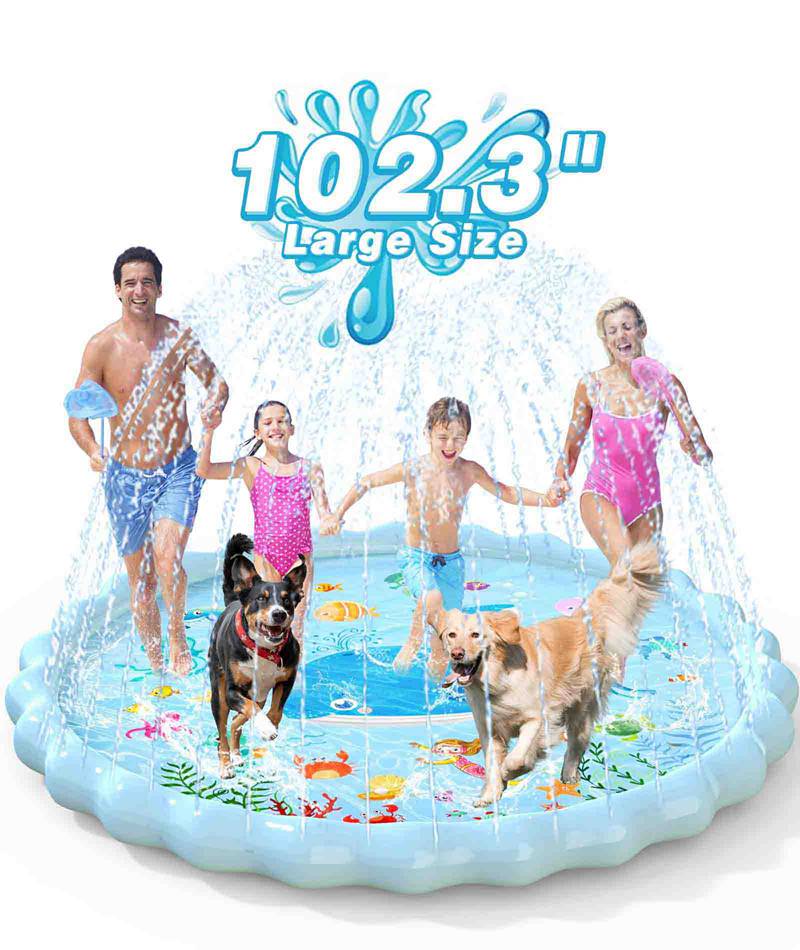
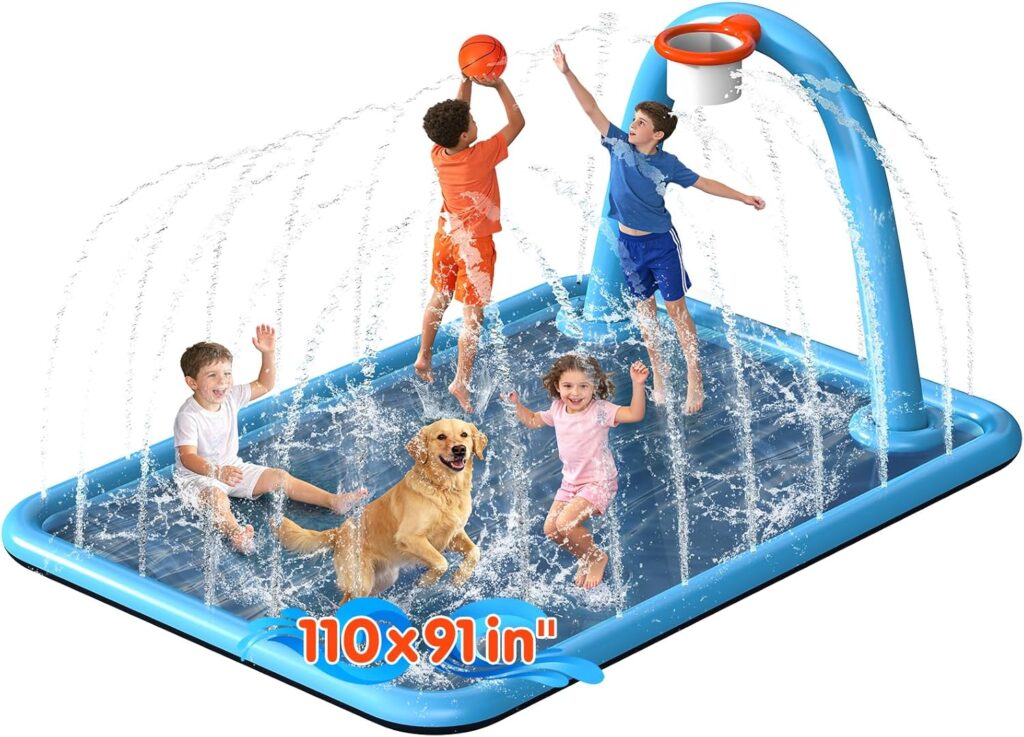
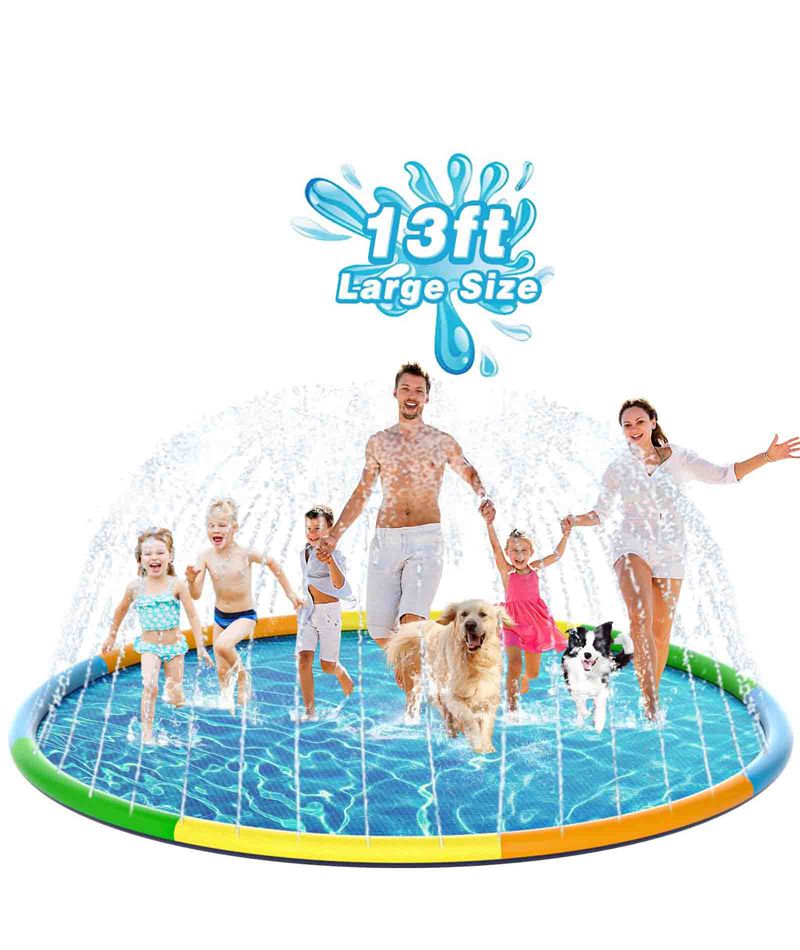
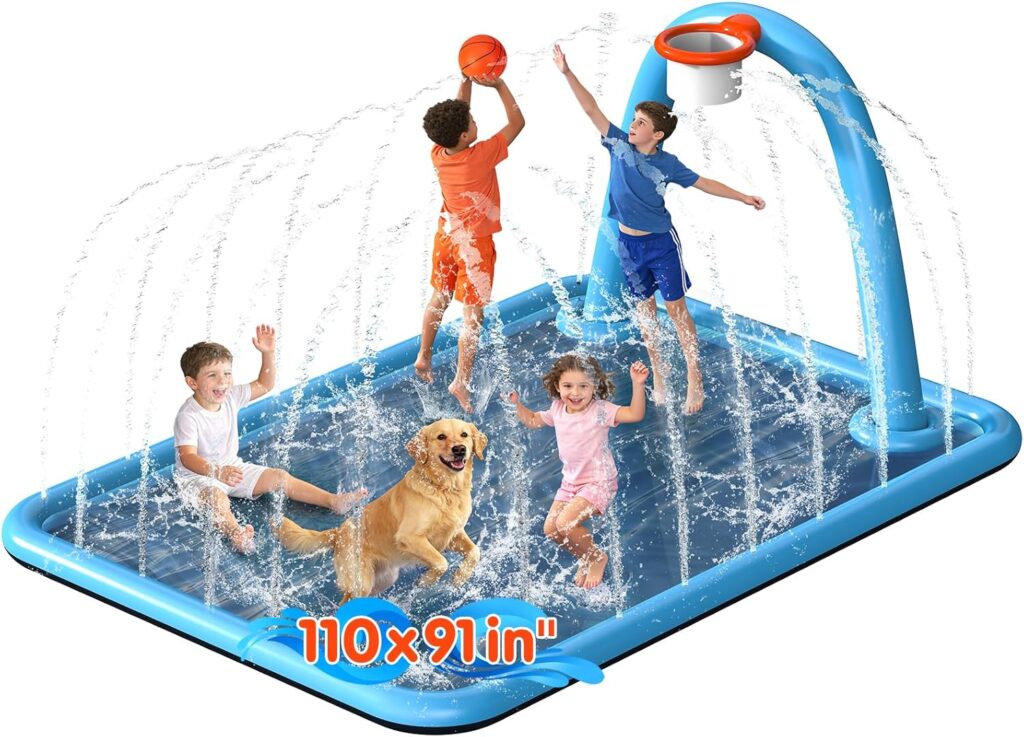
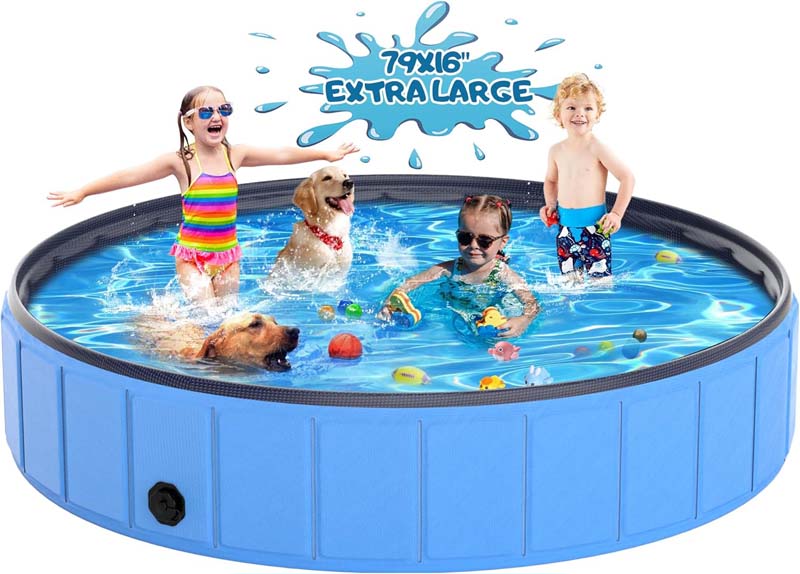
We work across a wide range of related categories, including kids splash pads, square splash pads, dog splash pads, soccer splash pads, splash pads with basketball hoops, dog pools, dog pools with sprinkler, pool pillows, snow tubes, punching bags, and more.
What makes Epsilon valuable is not only production capacity. We combine product development, material control, structure planning, testing, packaging support, and market understanding, so customers can move more efficiently from idea to finished product.
For retail customers, we offer in-stock splash pad products that are ready to purchase now. For business customers, we support custom sizes, graphics, logo printing, packaging customization, OEM and ODM development, sample support, and large-scale production. For customers still comparing options, we also welcome sample requests before full order discussions.
Shop In-Stock Splash Pad Products
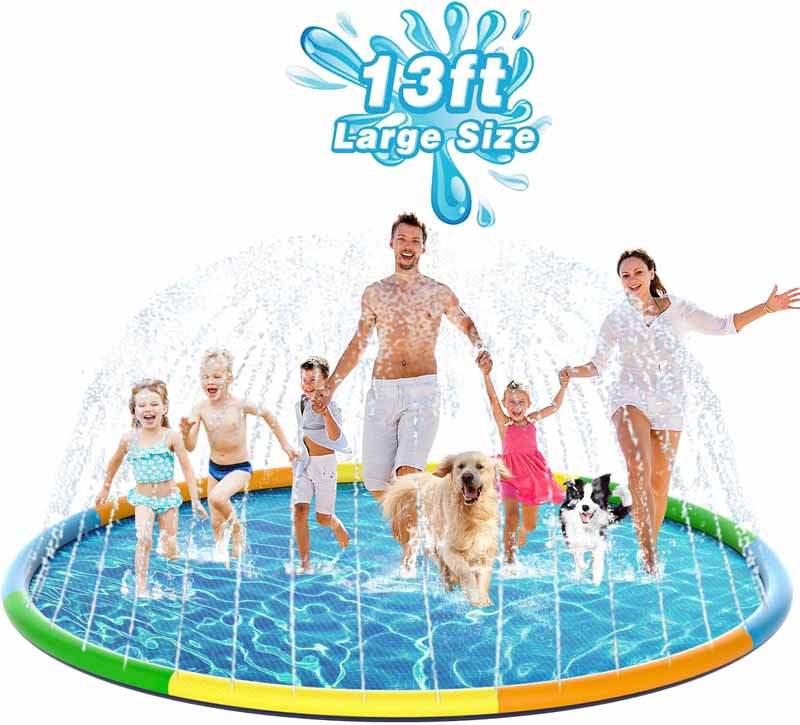
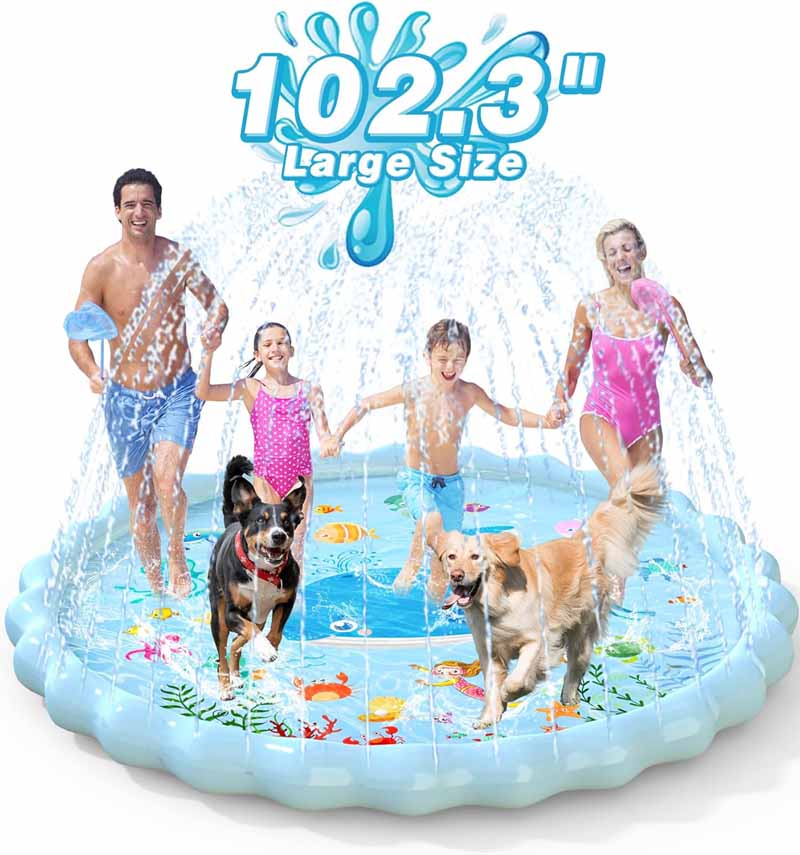
- Buy Round Splash Pad
- Buy Square Splash Pad
- Buy Dog Splash Pad
- Buy Soccer Splash Pad
- Buy Splash Pad with Basketball Hoop
Start a Custom Splash Pad Project
- Contact Us for Custom Splash Pads
Request a Sample
- Request a Splash Pad Sample
What to Share in Your Inquiry
To help us respond faster and more accurately, it is helpful to include:
- your target market
- expected user group
- preferred size range
- artwork or theme direction
- packaging requirements
- material expectations
- estimated order quantity
- expected delivery timeline
Explore More Related Product Pages
If you are also sourcing other seasonal water-play and PVC product categories, you can continue exploring our related product pages below:
Whether you want to buy ready-to-ship splash pad products, request samples, or develop a private-label splash pad line, Epsilon is ready to discuss your project in detail.
Get A Fast quote
Here, bringing your inflatable concepts to life is no longer a challenge—it’s a collaborative journey where American Epsilon helps families, outdoor enthusiasts, and global brands transform creative ideas into safe, certified, and market-ready inflatable solutions.


Partner With Epsilon
Whether you are a family looking for safe backyard fun or a brand seeking large-scale OEM/ODM solutions, American Epsilon Inc. guarantees every inflatable is built with safety, durability, and excitement in mind. With flexible low MOQs, strategically placed warehouses in the U.S., Canada, U.K., and Germany, plus 24/7 professional support, we ensure smooth delivery and reliable service worldwide.
Ready to bring your inflatable ideas to life? Request free samples, fast prototypes, and customized designs today—your trusted inflatable journey starts here.