Skip to content
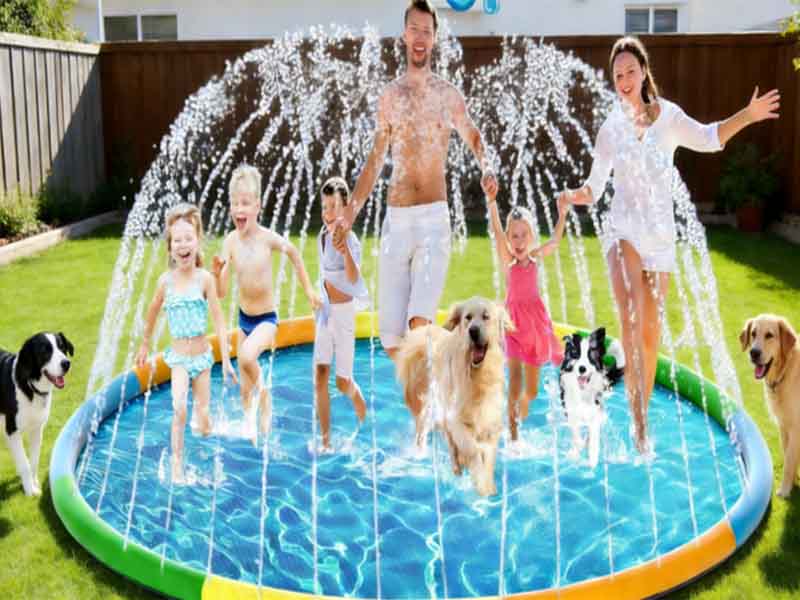
Splash pads are the perfect solution to keep kids entertained and cool during the summer months. However, safety concerns—particularly related to slippery surfaces—can turn a fun-filled water play area into a potential hazard. The water that makes splash pads so fun also makes the ground slick, increasing the risk of falls and injuries. Whether you’re designing a splash pad for a public park, a private backyard, or a community space, incorporating anti-slip features is essential.
When thinking about how to prevent these slip hazards, anti-slip materials and surface treatments come to the forefront as effective solutions. Whether you’re working on a small DIY backyard project or designing a commercial splash pad, safety needs to be your top priority. Anti-slip surfaces ensure that children, pets, and adults can have fun without the worry of slipping. Additionally, when done right, these features extend the longevity of your splash pad, saving you money in repairs and replacements over time.
This article will guide you through practical tips and advice on selecting the right anti-slip materials, installing safety features, and maintaining them to ensure a safe water play area.
What Makes Anti-Slip Features Essential for Splash Pads?
Splash pads provide a fun and engaging way for families to enjoy water play, but without proper safety measures, they can quickly turn hazardous. The main concern with splash pads is the risk of slips and falls, especially since they are designed to be wet and slippery by nature. This is why anti-slip features are not just a luxury—they’re a necessity.
Why Anti-Slip Features Are Crucial
Injury Reduction Due to Anti-Slip Features

| Facility Type | Injury Reports Before Anti-Slip | Injury Reports After Anti-Slip | Injury Reduction Percentage |
|---|---|---|---|
| Parks | 50 | 30 | 40% |
| Backyard Gardens | 15 | 5 | 67% |
| Commercial Water Parks | 100 | 60 | 40% |
- Prevents Injuries:
- One of the most critical reasons for incorporating anti-slip features is injury prevention. According to the U.S. Consumer Product Safety Commission (CPSC), water-related injuries, including slips and falls, are a major concern for outdoor play areas. In the case of splash pads, children running around on wet surfaces are at a high risk of falling. Simple falls can lead to bruises, sprains, or even more serious injuries like fractures, especially when children land on hard or uneven surfaces.
- Statistics: In the U.S., slip and fall accidents account for approximately 15% of all personal injuries. When considering children’s playground accidents, the number spikes due to wet conditions in water play areas like splash pads. Proper anti-slip measures help reduce the likelihood of these incidents.
- Increases Confidence for Parents and Users:
- Parents are much more likely to allow their children to play in water areas if they know the surface is safe. The presence of anti-slip features provides peace of mind, knowing that the surface can support the high-energy play of kids without the risk of sudden accidents.Real-World Example: Many splash pad designs in community parks or backyards incorporate non-slip coatings or rubber surfaces specifically to improve safety. A study from the American Playground Safety Institute revealed that parks with anti-slip features saw a reduction in injury reports by over 40% compared to those without.
- Complies with Legal and Safety Standards:In many places, there are specific safety regulations that water play areas must adhere to. For example, ASTM F1292 is a standard set for playground surfacing, which emphasizes the importance of reducing hazards and injuries. Splash pads, especially those in public areas, are subject to these regulations. Failing to implement proper anti-slip surfaces could result in fines, lawsuits, or the temporary closure of a facility due to safety concerns.Regulatory Compliance: In the U.S., many states require splash pads to have a slip-resistant surface to reduce injury risks. Not only does this ensure compliance, but it also demonstrates a commitment to user safety.
- Improves Durability and Longevity:
- Anti-slip features aren’t just about immediate safety; they also contribute to the long-term durability of the splash pad. For example, rubber or textured PVC surfaces are more resistant to wear and tear from constant foot traffic. Without anti-slip measures, the surface might deteriorate quicker due to the abrasive action of repeated exposure to water, foot traffic, and UV rays.
- Material Longevity: A study by the National Association of Playground Safety found that splash pads made from composite and rubber materials lasted 1.5 to 2 times longer than those made from untreated concrete or smooth surfaces.
- Encourages Safe Play and Inclusivity:
- Splash pads are a great space for families, but safety must be prioritized for all users, including the elderly, people with disabilities, and pets. Anti-slip surfaces make these spaces accessible to everyone by ensuring that the surface is stable enough for individuals with mobility challenges. For example, children with physical disabilities who use walkers or wheelchairs need a surface that offers both support and slip resistance.
- Inclusive Design: According to the National Park and Recreation Association, playgrounds and water play areas designed with accessibility in mind, such as anti-slip surfaces and ramps, increase participation among children with disabilities by 30%.
How Anti-Slip Features Work in Splash Pads
Anti-slip surfaces are specifically designed to create additional traction, even when wet. Here’s how they function:
- Textured Coatings: Many splash pads utilize textured coatings, which can be applied to concrete, PVC, or other surfaces. These coatings contain tiny particles that create a rough surface, improving friction. This helps reduce the likelihood of slips, especially in high-traffic areas like entrances or near water spray features.
- Rubber Mats and Tiles: Rubber is a natural material that provides both traction and comfort. Many splash pads use interlocking rubber mats or tiles, which are designed to grip the surface and prevent slipping. They also provide an additional layer of cushioning in case of falls, helping to reduce the impact force.
- Composite Surfaces: Some splash pads use composite materials, which combine rubber, plastic, and other elements to create a durable, slip-resistant surface. These materials are not only resistant to water and UV rays but also designed to maintain their anti-slip properties over time.
Real-World Benefits of Anti-Slip Features
- Improved User Experience: A splash pad with anti-slip features feels safer and more enjoyable, especially for younger children who are prone to running or slipping. By creating a stable surface, kids can focus on the fun, not worrying about falling or injuring themselves.
- Cost Savings in the Long Run: Installing anti-slip surfaces may require a higher initial investment, but it can save money on repairs, insurance claims, and potential lawsuits down the road. Plus, the durability of these materials means you’ll avoid having to replace the splash pad frequently.
- Environmental Impact: Materials like recycled rubber or composite can also be environmentally friendly. By choosing eco-conscious, slip-resistant materials, you not only protect users but also the planet.
Which Anti-Slip Surface Is Best for Splash Pads?
When selecting the best anti-slip surface for a splash pad, it’s important to balance safety, durability, ease of maintenance, and cost. Since splash pads are constantly exposed to water, UV rays, and heavy foot traffic, the materials used must withstand these factors while providing excellent slip resistance. Here’s a breakdown of the most popular materials for splash pads and how they perform in terms of anti-slip safety, durability, and overall value.
Which Materials Offer the Best Anti-Slip Properties?
For splash pads, composite and rubber materials provide the highest level of slip resistance, especially in wet conditions. PVC is also a popular choice due to its affordability and durability, though it may require additional treatments for enhanced anti-slip properties. Concrete, while commonly used, often needs extra treatments to provide effective slip resistance. Each material has its pros and cons, so choosing the right one depends on your specific needs and budget.
Detailed Comparison of Anti-Slip Materials
| Material | Slip Resistance | Durability | Maintenance | Eco-Friendliness | Cost |
|---|---|---|---|---|---|
| PVC | High | Very durable | Low | Low | Low |
| Composite | Very High | Extremely durable | Moderate | Moderate | Moderate |
| Rubber | High | Durable | High | High | High |
| Concrete | Moderate | Durable | High | Low | Low |
In-Depth Material Breakdown
PVC (Polyvinyl Chloride)
- Slip Resistance: PVC is naturally water-resistant and non-porous, making it a good choice for splash pads. However, it is smooth by default, so it’s often textured or coated with anti-slip additives to enhance traction. With the right surface treatment, PVC can offer a high level of slip resistance.
- Durability: PVC is durable and resistant to UV rays, making it ideal for outdoor splash pads. It’s also resistant to water, which prevents it from becoming slippery or deteriorating over time. However, it’s not as long-lasting as composite materials or rubber, especially in high-traffic areas.
- Maintenance: PVC is easy to clean and requires minimal maintenance. The smooth, non-porous surface ensures that dirt and grime don’t accumulate quickly, though it should be periodically power-washed to keep it in good condition.
- Cost: PVC is one of the most affordable options, making it a great choice for budget-conscious projects. It provides good value for its price.
- Eco-Friendliness: PVC has a lower environmental impact than some other materials. While it’s recyclable, it is not biodegradable and has a lower eco-friendly rating compared to rubber or composite materials.
Composite Materials
- Slip Resistance: Composite materials, which combine rubber, plastic, and other elements, are the gold standard for slip resistance. These materials are designed with built-in textures or ridges that enhance grip and provide excellent traction even when wet. Their slip resistance is ideal for splash pads that see heavy foot traffic.
- Durability: Composite materials are extremely durable, resistant to UV rays, and withstand wear and tear. They are less likely to degrade over time, even with constant exposure to water and outdoor elements. These materials are ideal for both high-traffic commercial splash pads and residential setups that see frequent use.
- Maintenance: Composite materials are low-maintenance but do require periodic cleaning to prevent the build-up of dirt, algae, or mold. Most composite splash pads are also resistant to mold, which is an important consideration for wet play areas.
- Cost: While composite surfaces are more expensive than PVC, their longevity and durability often make them a worthwhile investment. The price can be justified by the fact that you won’t have to replace the surface frequently.
- Eco-Friendliness: Many composite materials are made from recycled content, making them a more sustainable choice compared to PVC. They also offer better environmental performance over time, especially if they are designed to be fully recyclable.
Rubber
- Slip Resistance: Rubber surfaces offer excellent slip resistance, especially when textured or manufactured with ridges that improve traction. Rubber mats or tiles are ideal for splash pads because they provide a firm, grippy surface, even when exposed to water. Additionally, they can absorb the impact of falls, providing added safety.
- Durability: Rubber is a durable material that can withstand both UV exposure and water. It is also resistant to wear and tear, making it ideal for splash pads that see heavy usage. However, rubber can be more prone to dirt and algae build-up, which may reduce its effectiveness over time unless regularly maintained.
- Maintenance: While rubber is durable, it does require more frequent cleaning to ensure that it doesn’t become slippery due to accumulated dirt and algae. Regular washing and periodic treatments will help maintain its slip-resistant properties.
- Cost: Rubber is generally more expensive than PVC but still offers a good balance of durability and slip resistance. For high-traffic splash pads, rubber mats or tiles are an excellent investment.
- Eco-Friendliness: Rubber, especially when made from recycled materials, is considered highly eco-friendly. Using recycled rubber helps reduce waste and provides a sustainable option for splash pad surfaces.
Concrete
- Slip Resistance: Concrete is not naturally slip-resistant, especially when wet. To make it effective for splash pads, textured finishes or anti-slip coatings must be applied. Without these treatments, concrete can become hazardous, especially in areas with heavy foot traffic.
- Durability: Concrete is incredibly durable, especially when properly maintained. It can withstand high foot traffic and constant exposure to water, but it may develop cracks or other issues over time if not regularly sealed and cared for.
- Maintenance: Concrete requires more maintenance than PVC or composite materials. It must be cleaned regularly, and the anti-slip coatings or textures need to be reapplied periodically to maintain their effectiveness. Cracks and other damage can also be costly to repair.
- Cost: Concrete is one of the most affordable options, especially for larger splash pads. However, additional costs for anti-slip treatments and regular maintenance can add up over time.
- Eco-Friendliness: Concrete has a lower eco-friendly rating compared to rubber or composite materials. It is non-biodegradable and requires energy-intensive production processes. However, its durability can offset its environmental impact, as concrete surfaces can last a long time.
Choosing the Right Material Based on Your Needs
- For Commercial Splash Pads:
- Best Choice: Composite materials are the most durable and safest option for commercial splash pads. They provide superior anti-slip performance and can handle high levels of foot traffic and water exposure, making them ideal for parks, resorts, and public spaces.
- Why: Composite surfaces are designed to last and are highly resistant to the elements, making them a long-term solution that will continue to perform well over time.
- For Residential Splash Pads:
- Best Choice: PVC or rubber tiles are great choices for home splash pads. PVC is cost-effective and easy to maintain, while rubber provides added cushioning and slip resistance for smaller-scale setups.
- Why: Both PVC and rubber are relatively low-maintenance and offer a good balance between performance and cost. Rubber also provides added safety features, like cushioning for falls.
- For Budget-Conscious Projects:
- Best Choice: Concrete with anti-slip coatings can be a good option if you’re on a tight budget but still want a reliable, safe surface.
- Why: Concrete is cost-effective, and with the addition of an anti-slip finish, it can provide a safe and durable surface. However, it will require more upkeep than other materials.
How to Make Splash Pads Anti-Slip
Creating a splash pad that is both fun and safe is essential for any backyard or commercial water play area. When it comes to safety, anti-slip features are non-negotiable. Wet surfaces, high activity levels, and running children can quickly lead to accidents if proper precautions are not taken. Thankfully, there are effective ways to make a splash pad anti-slip, reducing the risk of slips and falls while maintaining a fun, enjoyable environment for everyone.
How Can You Make Your Splash Pad Anti-Slip?
To make a splash pad anti-slip, choose materials with built-in textures or apply non-slip coatings. Installing rubber mats, textured tiles, or interlocking tiles can enhance surface grip, while ensuring proper drainage will help prevent standing water that can cause slips.

Key Strategies to Ensure Anti-Slip Safety
- Choose the Right Materials The first and most important step in making a splash pad anti-slip is selecting the right materials. Some materials naturally provide better traction than others, and it’s crucial to understand the slip resistance each one offers, especially when wet.
- PVC: As mentioned earlier, PVC can be slip-resistant, but it is often smooth by nature. To combat this, PVC surfaces are textured or coated with anti-slip additives. The texture enhances grip, but it’s crucial to choose PVC that comes with built-in traction or apply an anti-slip coating for extra security.Composite Materials: Composite materials such as rubber and plastic blends are naturally textured, offering superior traction even when wet. These materials are ideal for splash pads because they not only provide slip resistance but are also durable and UV-resistant.Rubber: Rubber tiles or mats are the best option for preventing slips. They come in various textures, and their surface naturally offers better grip than PVC or concrete. Rubber surfaces can also help cushion the impact if someone does fall, making them safer for children.
- Apply Non-Slip Coatings or Treatments If you already have a splash pad installed and need to enhance its slip resistance, applying a non-slip coating is an excellent solution. Non-slip coatings can be used on a variety of surfaces, such as concrete, PVC, or wood, to create a rough texture that prevents slipping.
- Types of Coatings: There are several types of non-slip coatings available, including epoxy-based, rubberized, and acrylic coatings. Epoxy coatings are highly durable and often used for commercial splash pads. Rubberized coatings provide a softer texture, while acrylic coatings are a more affordable option for residential splash pads.
- How It Works: These coatings often contain tiny particles like sand, grit, or rubber granules, which increase surface friction and prevent slips. The added texture helps users maintain balance, even when running or playing in water.
- Install Anti-Slip Mats or Interlocking Tiles Anti-slip mats or interlocking tiles are one of the simplest and most effective ways to enhance the safety of your splash pad. These mats or tiles are designed to be slip-resistant, providing an extra layer of traction on the surface.
- Rubber Mats and Tiles: These mats are often used in commercial settings, as they can withstand heavy foot traffic and water exposure. They interlock securely, ensuring that the surface remains stable and safe. Rubber mats and tiles are available in different textures, such as ribbed or embossed designs, to increase slip resistance.
- Benefits: Rubber mats are easy to install and remove, making them ideal for both temporary and permanent splash pad setups. They can also provide additional comfort for people who spend extended time standing or walking on the splash pad surface.
- Ensure Proper Drainage While textured surfaces and coatings go a long way in improving traction, the importance of proper drainage cannot be overstated. Stagnant water is one of the biggest causes of slipping, even on the most slip-resistant surfaces. If water collects in certain spots, it will create slippery patches that defeat the purpose of your anti-slip solutions.
- Why Drainage Matters: Poor drainage leads to puddles, especially in areas with high water exposure, such as around fountains or spray jets. These puddles can quickly turn into slip hazards, making it crucial to design your splash pad with effective water flow in mind.
- How to Fix It: Ensure that your splash pad has a slight slope that directs water away from the play area. Installing drainage mats underneath the splash pad can also help facilitate the flow of water, preventing pooling and maintaining dry, safe surfaces. Additionally, consider using permeable materials like gravel or porous tiles that allow water to pass through without accumulating.
- Reinforce with Anti-Slip Decals or Stickers For extra traction in specific areas, such as near water spray jets or where the splash pad transitions from dry to wet areas, you can apply anti-slip decals or stickers. These are adhesive designs that can be placed directly onto the surface to increase grip.
- How It Works: Anti-slip decals feature a textured surface that increases friction when walking or running. They’re particularly useful for marking high-traffic areas or areas that are more prone to becoming slippery due to water accumulation.
- Customization: These decals come in various shapes and sizes, and many feature fun, colorful designs that can add an extra layer of creativity to the splash pad. This is especially useful for splash pads located in recreational areas or theme parks.
- Consider the Layout and Design The layout and design of your splash pad can also play a role in preventing slips. Consider the placement of water features, paths, and transitions when planning your splash pad.
- Strategic Placement: Keep high-traffic areas like entrances, exits, and areas around spray jets free of standing water. By placing water features at strategic points, you can reduce the risk of creating slippery zones.
- Smooth Transitions: Where dry areas meet wet surfaces, consider using materials that gradually transition from one to the other. This will help reduce the sudden shift between slippery and non-slippery surfaces, making it easier for users to navigate.
How to Prevent Splash Pads from Killing Grass
One of the common issues faced by homeowners and businesses with splash pads is damage to the grass underneath. The constant exposure to water and the weight of the splash pad can lead to dead patches of grass, which can make your lawn look unsightly and reduce the overall aesthetic of your yard or park. However, with proper planning and the right precautions, you can prevent your splash pad from killing your grass, ensuring both a safe water play area and a healthy lawn.
In this section, we’ll discuss the specific methods you can use to protect your grass from damage, how to manage water runoff, and other effective solutions that will keep both your splash pad and your lawn in great condition.
How Can You Protect Your Grass from Splash Pads?
To prevent splash pads from damaging grass, ensure proper drainage and place protective barriers underneath the splash pad. Ground covers such as tarps, rubber mats, or specialized grass protection grids are effective ways to safeguard your lawn while providing a stable, slip-resistant surface for water play. Additionally, rotating the splash pad to different locations and maintaining proper lawn care can significantly reduce the risk of damage.
Solutions to Protect Grass from Splash Pads

- Use Protective Ground Covers
- Tarps: One of the simplest and most affordable methods to protect your grass is by placing a tarp underneath the splash pad. A breathable, durable tarp acts as a barrier between the splash pad and your lawn, preventing excess water from soaking into the soil. Make sure to choose a tarp that allows airflow to the grass while still providing protection against water damage.
- How it works: The tarp helps divert water away from the grass, ensuring that water does not accumulate in one spot for too long, which can lead to sogginess and root rot.
- Cost: Tarps are relatively inexpensive, making them a great short-term solution. The price typically ranges from $10 to $50 depending on size and material.
- Rubber Mats or Interlocking Tiles: Rubber mats are another effective solution for protecting grass. These mats provide stability to the splash pad while allowing water to drain properly, preventing puddling. They also add an additional layer of anti-slip protection, making them ideal for high-traffic areas where children and adults walk.
- How it works: The water drains through the mats, preventing puddles from forming and ensuring that the lawn underneath doesn’t get oversaturated. The rubber also helps to distribute the weight of the splash pad evenly, minimizing the pressure on the grass.
- Cost: Rubber mats typically cost between $50 to $150 per mat, depending on the quality and brand. For larger areas, you may need multiple mats or tiles, which can increase the cost.
- Grass Protection Grids: For a more permanent solution, consider using grass protection grids. These grids are made from materials like plastic or rubber and are designed to withstand the weight of the splash pad while allowing grass to grow through the openings. Grass protection grids are durable and long-lasting, making them an ideal choice for splash pads used frequently.
- How it works: The grids provide a stable foundation for the splash pad while still allowing the grass to thrive. Water flows through the openings in the grid, preventing waterlogging and promoting healthy grass growth.Cost: Grass protection grids are priced higher, typically ranging from $2 to $4 per square foot. While the initial cost may be higher, these grids are durable and can last for many years.
- Tarps: One of the simplest and most affordable methods to protect your grass is by placing a tarp underneath the splash pad. A breathable, durable tarp acts as a barrier between the splash pad and your lawn, preventing excess water from soaking into the soil. Make sure to choose a tarp that allows airflow to the grass while still providing protection against water damage.
- Implement Proper Drainage Systems Ensuring proper drainage is essential in preventing splash pads from killing grass. Standing water is one of the main culprits that causes grass to die under a splash pad. When water pools on the surface, it suffocates the grass and disrupts the roots, leading to brown or patchy spots.
- Slope and Elevation: Elevating the splash pad slightly or installing a gentle slope can help direct water away from the grass. The slope should be minimal—around 1 to 2 inches of elevation—just enough to allow water to flow off the splash pad and into a designated drainage area. This prevents water from accumulating directly under the pad.
- How it works: The slight incline ensures that excess water drains off, rather than pooling and soaking into the soil. It’s a simple yet effective way to prevent over-saturation and maintain a healthy lawn.
- Install a Drainage Mat or Trench: Another method is installing a drainage mat underneath the splash pad or creating a small trench around the perimeter to redirect excess water. Drainage mats help distribute the water evenly, while trenches channel it to a designated area, preventing water buildup beneath the splash pad.
- How it works: Drainage systems help maintain a dry area around the splash pad, preventing water from seeping into the grass. This solution is especially useful for large splash pads in commercial settings or public parks.
- Cost: Drainage systems can be installed for around $100 to $500, depending on the complexity and the area being covered.
- Slope and Elevation: Elevating the splash pad slightly or installing a gentle slope can help direct water away from the grass. The slope should be minimal—around 1 to 2 inches of elevation—just enough to allow water to flow off the splash pad and into a designated drainage area. This prevents water from accumulating directly under the pad.
- Rotate Splash Pad Locations If possible, move the splash pad to different spots throughout the summer. Constant use in one spot can lead to dead patches of grass, as the water continues to saturate the same area. By rotating the splash pad, you give the grass underneath a chance to recover and regrow.
- How it works: By shifting the splash pad every few weeks, you ensure that water is distributed evenly across the lawn. This allows different patches of grass to get a break from constant water exposure, reducing the likelihood of dead spots.
- Cost: This solution doesn’t require any additional cost, other than the effort to relocate the splash pad. It’s a simple and effective way to keep your lawn healthy.
- Proper Lawn Care Even with protective measures in place, proper lawn care is essential to keep your grass healthy. Water exposure from the splash pad can stress the grass, so it’s important to nourish and maintain your lawn to ensure it thrives.
- Fertilization: Regularly fertilizing your lawn will help it recover from the extra stress caused by water exposure. Choose a fertilizer designed for your grass type and apply it according to the manufacturer’s instructions. Fertilizing in early spring or late summer can give your grass a much-needed boost.
- Reseeding: If certain areas of the lawn are already showing signs of damage, reseeding those spots can help the grass regrow. This is especially helpful in areas where water has been pooling for long periods.
- Aeration: Lawn aeration helps improve water penetration and air circulation around the roots, which is essential for maintaining a healthy lawn. Aerating your lawn once or twice a year can help reduce compaction and improve the overall health of the grass.
- Cost: Fertilization and reseeding typically cost around $50 to $100 per session, depending on lawn size. Aeration services can range from $100 to $200, depending on the lawn’s size and the company performing the service.
What to Put Under a Splash Pad
When installing a splash pad, it’s important to consider what goes underneath it. The right materials placed under the splash pad can not only protect your lawn or the ground but also ensure proper drainage and stability for the structure. Using the wrong materials can lead to water pooling, damage to the grass, or even instability of the splash pad itself. In this section, we’ll go over the most effective materials to use under a splash pad to maintain both a safe water play area and a healthy environment underneath.
What Can You Use Underneath Your Splash Pad?
To protect your lawn and ensure proper drainage, use protective ground covers such as tarps, rubber mats, or grass protection grids underneath your splash pad. These materials will not only safeguard your grass but also provide a stable, slip-resistant surface for water play. Proper drainage is crucial to prevent water from accumulating and damaging your lawn. Ground covers like rubber mats and grass protection grids also provide long-lasting solutions that can withstand the weight and water exposure over time.
Recommended Materials to Use Under Your Splash Pad
- Tarps: Why Use It: A tarp is one of the simplest, most cost-effective solutions for protecting your lawn from a splash pad. It creates a water barrier between the splash pad and the grass, helping prevent excess water from soaking into the soil and suffocating the grass.
- How it works: Tarps prevent water from pooling on the grass by redirecting it, and they protect the grass from prolonged exposure to excessive moisture. When selecting a tarp, it’s important to choose one that is both breathable and durable, so air can still reach the grass while preventing water saturation.
- Best Features: Lightweight, easy to roll up and store, and affordable. Tarps are perfect for smaller backyard splash pads and temporary installations.
- Cost: Depending on size and material, tarps can range from $10 to $50. This makes them a very budget-friendly option for those with limited space or for seasonal setups.
- Rubber Mats or Interlocking Tiles: Why Use It: Rubber mats are highly durable and effective at managing water runoff. These mats provide both protection for your lawn and added slip resistance for users. They are ideal for high-traffic areas of the splash pad, such as entry points or where water tends to pool.
- How it works: The rubber mats allow water to drain through them while providing a firm, stable surface for the splash pad. These mats also help distribute the weight of the splash pad evenly, reducing the pressure on any single point and helping protect your grass underneath.
- Best Features: Rubber mats are sturdy, comfortable underfoot, and provide superior drainage. They also stay in place, ensuring that your splash pad remains secure during use.
- Cost: Rubber mats or interlocking tiles typically cost between $50 to $150, depending on quality and size. Larger splash pads may require more mats, which could increase the cost. However, they are a long-term investment due to their durability.
- Grass Protection Grids: Why Use It: Grass protection grids are designed to support heavy loads while allowing grass to continue growing through the gaps in the grid. These grids provide a stable foundation for the splash pad while preserving the lawn underneath. They are a great option for larger splash pads or commercial-grade installations.
- How it works: The grids are placed under the splash pad, and they allow water to flow through while holding the weight of the splash pad. The open areas in the grid allow the grass to grow naturally, ensuring it remains healthy and green. This solution is particularly effective for areas that require a more permanent or long-term installation.
- Best Features: Grass protection grids are made from durable, weather-resistant plastic or rubber, making them ideal for long-term use. They are designed to withstand heavy foot traffic and are resistant to wear.
- Cost: These grids typically cost between $2 and $4 per square foot. While the initial investment is higher, they are an excellent choice for those who want a sustainable, long-term solution.
- Drainage Mats: Why Use It: Drainage mats are designed to help direct excess water away from the splash pad area, preventing water from accumulating and causing damage to the grass. These mats are typically made of a durable, perforated material that allows water to flow through easily, reducing the chances of water pooling underneath the splash pad.
- How it works: When placed under the splash pad, the drainage mats help channel water to a designated drainage area. This ensures that the lawn remains dry and healthy, even after prolonged water exposure. They are particularly useful in areas where the ground is not naturally sloped or in high-traffic splash pad areas.
- Best Features: Easy installation, excellent water flow, and durability. Drainage mats also prevent soil compaction, which can occur when water pools on the lawn for extended periods.
- Cost: Drainage mats are generally priced between $1 and $3 per square foot, depending on the material and thickness. For larger splash pads, you may need to purchase multiple mats, which can add to the cost.
Additional Tips for Protecting Your Lawn

While the right ground cover is essential for protecting your grass, there are a few additional steps you can take to further preserve your lawn while enjoying your splash pad.
- Ensure Proper Slope and Elevation: The splash pad should be slightly elevated, ideally with a 1 to 2-inch slope to allow water to flow away from the lawn. This helps prevent water from pooling underneath the pad and causing saturation.
- Rotate Splash Pad Locations: If you’re using a temporary splash pad, consider rotating its location to avoid over-saturating one area of the lawn. By shifting the splash pad every few weeks, you can allow the grass to recover and distribute water more evenly.
- Aerate Your Lawn Regularly: Aerating the soil once or twice a year can help improve water absorption and root health. Lawn aeration helps break up compacted soil, allowing water and nutrients to reach the roots more effectively, especially in areas that experience frequent water exposure.
- Maintain Proper Lawn Care: Regular lawn maintenance, including fertilizing and reseeding damaged areas, will help the grass recover and thrive. When the splash pad is not in use, make sure to allow the grass to dry out and breathe, helping it stay healthy.
Summary of Costs for Ground Covers
| Ground Cover | Estimated Cost | Key Benefits | Ideal Use |
|---|---|---|---|
| Tarps | $10 – $50 | Affordable, easy to store, breathable | Small backyard setups, temporary installations |
| Rubber Mats | $50 – $150 | Durable, slip-resistant, excellent drainage | High-traffic areas, added slip resistance |
| Grass Protection Grids | $2 – $4 per sq ft | Supports grass growth, long-term solution | Large or commercial splash pads, long-term use |
| Drainage Mats | $1 – $3 per sq ft | Excellent water flow, prevents soil compaction | Areas with poor natural drainage |
By choosing the right materials to place under your splash pad, you can protect your lawn from damage and create a safe, functional water play area. Whether you go with affordable tarps, durable rubber mats, or long-term grass protection grids, there are plenty of options to ensure that your grass stays healthy and your splash pad stays secure.
How to Maintain Anti-Slip Features on Splash Pads
Maintaining the anti-slip features of your splash pad is crucial to ensuring long-term safety and enjoyment. Over time, the effectiveness of anti-slip materials and coatings can degrade due to water exposure, foot traffic, and wear. Regular maintenance not only ensures safety but also extends the lifespan of your splash pad, keeping it in top condition. In this section, we’ll break down the essential maintenance tasks you need to perform to maintain the anti-slip qualities of your splash pad.
How to Maintain Anti-Slip Features for Safety?
To maintain the anti-slip features of your splash pad, regular cleaning is essential to prevent dirt, algae, and debris from reducing traction. Additionally, periodic inspections and reapplication of anti-slip coatings are necessary. With proper care, your splash pad’s anti-slip surface can last for years, ensuring a safe and fun water play area for everyone.
Detailed Maintenance Tips for Anti-Slip Features
- Regular Cleaning of Splash Pad SurfacesWhy It’s Important: Over time, dirt, algae, soap, and other residues can accumulate on the surface of the splash pad, making it slippery and reducing the effectiveness of anti-slip materials. Regular cleaning not only helps maintain safety but also keeps the area hygienic and visually appealing.
- How to Clean: Use a pressure washer to remove stubborn dirt, algae, and debris from the surface. A pressure washer provides an effective and efficient cleaning method without damaging the anti-slip features. Make sure to use eco-friendly cleaning agents that are safe for both the splash pad materials and the environment. For routine cleaning, mild soap mixed with warm water can be used. Gently scrub the surface with a soft brush or mop to remove any light dirt or stains.
- Frequency: Ideally, clean the splash pad surface at least once a week during peak usage periods (such as summer). For lighter use, a bi-weekly cleaning routine may be sufficient. After heavy rain or when the splash pad is not in use for a while, be sure to check and clean the surface as needed.
- Cost: Pressure washers typically range in price from $100 to $300 depending on their features. Cleaning supplies (soap and eco-friendly detergents) cost about $10 to $30 per season. Regular cleaning is a cost-effective way to maintain your splash pad’s safety features.
- Inspecting for Wear and TearWhy It’s Important: Regular inspections are essential for identifying any signs of wear or degradation on the anti-slip surface. Whether it’s due to heavy foot traffic, UV exposure, or weathering, the anti-slip properties can diminish over time, making it necessary to address these issues promptly.
- What to Look For:
- Smooth spots: Check for areas where the anti-slip texture might have worn down or flattened.
- Cracks or splits: Look for any cracks, splits, or damage in the material, which could affect both the durability and safety of the surface.
- Peeling or lifting coatings: If you’ve applied a non-slip coating, inspect for any areas where it might be peeling or lifting. These spots are more prone to becoming slippery.
- How to Inspect: Walk over the surface with a focus on high-traffic areas. Feel for any smooth spots or areas that feel slippery to the touch. Consider using a slip-resistance tester tool to assess the effectiveness of the surface under wet conditions, especially in commercial setups.
- Frequency: You should perform a thorough inspection at least once a month during the high-use seasons and after major weather events (e.g., storms or high winds). For less frequent use, quarterly inspections may suffice.
- Cost: Inspections are generally free, as they just require time and attention. However, if you choose to hire professionals for a slip-resistance test, it could cost around $50 to $200 depending on the size of the area.
- What to Look For:
- Reapplying Anti-Slip Coatings and TreatmentsWhy It’s Important: Over time, the anti-slip coatings on your splash pad may lose effectiveness, especially in high-traffic areas. Reapplying anti-slip coatings ensures that the surface remains safe and effective, preventing slips and falls during water play.
- How to Reapply: Anti-slip coatings can be applied directly to most smooth splash pad surfaces, such as PVC or concrete. Follow the manufacturer’s instructions carefully. In most cases, you will need to clean the surface thoroughly before applying a fresh coat to ensure the coating adheres properly. Depending on the type of coating, you may need to apply it in thin layers and allow it to dry fully between coats. If using a textured non-slip surface (like rubber mats or tiles), ensure that the texture remains intact and that the mats are securely in place. For concrete or PVC surfaces, use a non-slip epoxy coating or anti-slip paint designed for wet conditions.
- Frequency: Non-slip coatings typically last between 1 to 2 years before requiring reapplication, depending on the foot traffic and water exposure. High-traffic splash pads may need annual reapplication, while others can wait up to two years.
- Cost: The cost of non-slip coatings or paints varies, ranging from $20 to $100 per gallon. A gallon of coating typically covers 100 to 400 square feet, depending on the thickness of the application.
- Ensure Proper Drainage to Maintain Anti-Slip PropertiesWhy It’s Important: Proper drainage is essential for maintaining anti-slip features. When water collects in certain areas, it can create a slick surface, even if the anti-slip coating is intact. Ensuring proper drainage helps prevent standing water and keeps the surface from becoming slippery.
- How to Improve Drainage: Install a drainage mat or slope the surface slightly so that water flows away from high-traffic areas. If you’re working with a concrete or PVC surface, consider adding drainage holes to allow water to flow off quickly. Additionally, use permeable surfaces like rubber mats or grass protection grids that allow water to drain naturally. These options help maintain traction by preventing puddles.
- Cost: Adding drainage systems or mats can range in cost from $50 to $500, depending on the complexity of the drainage setup. Rubber mats and interlocking tiles can cost $50 to $150, as discussed earlier.
- Keep Splash Pad Dry During Off-SeasonWhy It’s Important: During periods when the splash pad is not in use (e.g., winter months or off-season), ensuring the surface stays dry can prevent the buildup of moisture and mildew, which can damage both the anti-slip texture and the material underneath.
- How to Dry the Surface: After use, make sure to thoroughly dry the surface by using a mop or towel to remove excess water. For larger splash pads, you can use a wet/dry vacuum to suck up standing water. During the off-season, cover the splash pad with a tarp to keep it dry, or if the area is exposed to the elements, consider using a protective cover designed to keep water off the surface.
- Cost: Wet/dry vacuums typically cost around $50 to $200 depending on the model. Protective covers or tarps are typically priced around $20 to $100.
Keep Your Splash Pad Safe and Durable for Long-Term Enjoyment

Proper maintenance of your splash pad’s anti-slip features is key to maintaining a safe, fun environment for water play. By regularly cleaning the surface, inspecting for wear, reapplying anti-slip coatings, and ensuring proper drainage, you can prolong the life of your splash pad and keep it safe for everyone. These steps are straightforward and cost-effective, with the added benefit of improving safety, extending product lifespan, and ensuring an enjoyable experience for families.
Conclusion
Interested in enhancing the safety and durability of your splash pad? Contact Epsilon for expert solutions tailored to your needs. We offer a range of high-quality splash pad products and maintenance services designed to keep your water play areas safe and fun for everyone.