Skip to content
How to Remove Mold from Inflatable Pools: A Complete Guide for Clean and Safe Use
# Your Trusted Inflatable Supplier In US

Mold in inflatable pools is a frustrating problem that many pool owners face, especially when the pool is left outdoors for extended periods. If you’ve noticed unsightly black or green spots on your inflatable pool, you’re likely dealing with mold. Mold thrives in damp environments, making inflatable pools, especially those used by pets or children, a perfect target for growth. Not only does mold look unpleasant, but it also poses health risks to you and your pets. Left untreated, mold can damage the material of the pool, weakening it and reducing its lifespan.
Removing mold from inflatable pools requires quick action and the right cleaning methods. With the right tools, materials, and techniques, you can restore your inflatable pool to a mold-free, safe, and usable state. Regular cleaning and proper care can prevent mold from returning.
But how exactly do you remove mold from inflatable pools without damaging the material? And more importantly, how can you ensure that mold doesn’t return in the future? In this guide, we’ll cover everything from identifying the causes of mold, to the best cleaning products, and tips for long-term maintenance. Keep reading to discover simple, effective strategies that will help you keep your inflatable pool clean and safe for all seasons.
Why Do Inflatable Pools Get Moldy?
Inflatable pools are a popular choice for family and pet owners, offering an affordable and convenient way to enjoy water-based activities during the warmer months. However, despite their many benefits, inflatable pools are also prone to mold growth if not properly maintained. Mold can quickly turn an inflatable pool from a fun, relaxing environment into a breeding ground for harmful spores, which can pose health risks to you, your pets, and your family.
Understanding the factors that contribute to mold growth in inflatable pools is essential for prevention. In this section, we will explore why mold grows in inflatable pools, what causes it, and how you can mitigate the risk of mold forming in the first place.
Mold thrives in warm, moist environments, and inflatable pools provide the perfect conditions for mold growth when they are not properly dried, cleaned, or stored. The combination of trapped moisture, organic debris, and exposure to heat and humidity creates a breeding ground for mold spores.
1. Moisture: The Primary Cause of Mold Growth
The primary factor that contributes to mold growth in inflatable pools is moisture. Mold spores need moisture to thrive, and inflatable pools, especially those left outside or in damp environments, are highly susceptible.
Why Does Moisture Lead to Mold?
When you use an inflatable pool, the material naturally becomes wet due to the water inside. Even after the pool is drained, residual moisture can remain trapped in crevices, seams, or folds of the material. If the pool is not dried thoroughly after each use, this moisture provides the perfect environment for mold spores to take root and grow. Over time, the mold will spread across the surface of the pool, causing unsightly stains and potentially damaging the material.
Additionally, if the pool is left in a humid or wet environment for extended periods, such as during rainy seasons, moisture accumulates in the material, making it even more prone to mold growth.
2. Organic Debris: Food Source for Mold
Inflatable pools often become a collection point for dirt, leaves, pet hair, and other organic debris. These materials act as food for mold, further encouraging its growth.
How Does Organic Matter Contribute to Mold?
Organic debris, such as fallen leaves, pet hair, or dirt, can easily find its way into the pool. When left untreated, these organic materials provide the ideal nutrients for mold spores to feed on, helping the mold grow and spread more quickly. Over time, the accumulation of organic matter not only promotes mold growth but also creates an ideal environment for bacteria and algae to thrive.
To prevent mold from growing in the first place, it’s important to remove all debris from the pool regularly, especially after each use. This simple step can help keep your pool free from food sources that mold needs to grow.
3. Warmth and Humidity: Ideal Conditions for Mold
Warmth and humidity are other major contributors to mold growth in inflatable pools. Mold thrives in these conditions, making inflatable pools left outside or in areas with high humidity more susceptible to mold infestation.
How Does Heat and Humidity Affect Mold Growth?

Inflatable pools are often exposed to the sun, which provides warmth, especially during the summer months. While warmth alone is not enough to cause mold, it creates the ideal environment when combined with moisture and humidity. Humid conditions, particularly in areas with high rainfall or during the rainy season, can make inflatable pools even more susceptible to mold growth. In these environments, moisture cannot escape as easily, allowing mold spores to settle and thrive on the wet surface of the pool.
Even when the pool is deflated, if it’s stored in a humid area with poor ventilation, the material may trap moisture, providing the ideal breeding ground for mold. Additionally, storing the pool in direct sunlight without proper drying can cause the pool material to weaken, making it more vulnerable to mold growth.
4. Improper Drying and Storage: Common Mistakes That Promote Mold
Improper drying and storage of inflatable pools after use is one of the most common reasons mold grows. Many pool owners either fail to dry the pool completely or store it in an area that is prone to moisture buildup.
Why Is Drying and Storing the Pool Important?

After you’ve finished using the pool, it’s important to dry it thoroughly before storing it. This means allowing the pool to air dry in a well-ventilated area, preferably away from direct sunlight. If the pool is not fully dried, moisture remains trapped inside the material, contributing to mold growth.
When storing your pool, always choose a dry, cool location that is free from humidity. A damp garage or basement is not ideal, as these areas are prone to moisture buildup. Even if the pool is stored for the off-season, any residual moisture can lead to mold growth, causing lasting damage to the pool’s material. A dry, shaded space is best for long-term storage.
5. Overuse or Neglect: Contributing Factors to Mold Growth
Frequent use of an inflatable pool, particularly by pets, can contribute to mold growth if proper maintenance steps are not taken. Overuse can lead to the accumulation of organic debris, while neglecting to clean and inspect the pool regularly can allow mold spores to take hold.
How Does Overuse Lead to Mold?
If multiple pets or people are using the pool regularly, it can accumulate dirt, pet hair, and organic debris more quickly. This creates a breeding ground for mold, especially if the pool is not cleaned and dried thoroughly after each use. Furthermore, heavy use can cause stress to the seams and material, making the pool more prone to tears and leaks, which can contribute to mold growth in the interior.
How to Remove Mold from an Inflatable Pool: Step-by-Step Guide
Mold is one of the most common issues inflatable pool owners face, particularly when the pool is used frequently or stored improperly. Mold can spread quickly in humid conditions, causing damage to the pool material and posing health risks to your pets and family. However, with the right cleaning method, you can easily remove mold and keep your inflatable pool clean and safe. This step-by-step guide will provide you with all the information you need to tackle mold removal and ensure your inflatable pool stays mold-free.
To remove mold from an inflatable pool, first, drain and empty the pool, clean it with a mild soap solution, then use vinegar or bleach to tackle mold. Rinse thoroughly and dry completely to prevent future growth. Proper care and maintenance are key to avoiding mold in the future.
Step 1: Drain the Pool and Empty Any Remaining Water
The first step in mold removal is to drain the pool and remove any remaining water. This ensures that the cleaning process is effective, as mold thrives in damp environments.
Why Drain the Pool First?
Draining the pool ensures that you can clean every area of the pool surface without any water hindering the process. Mold can spread rapidly in the presence of water, and you want to make sure the entire pool is free of moisture before starting the cleaning.
Step 2: Clean the Pool with a Mild Soap Solution
Once the pool is drained, use a mild soap solution to clean the pool’s surface. This will help remove dirt and debris that might harbor mold spores.
What Kind of Soap Should You Use?
Use a gentle, non-abrasive dish soap or a specialized pool cleaner that’s safe for PVC or composite materials. Avoid harsh chemicals or abrasive cleaners, as they can damage the pool’s surface and lead to further deterioration.
Step 3: Apply a Vinegar Solution to Remove Mold
Vinegar is an effective natural cleaner that can help kill mold and mildew without harming the pool’s material. Mix vinegar with water to create a cleaning solution that will break down mold spores.
How to Make a Vinegar Solution?
To create the vinegar solution, mix one part white vinegar with three parts warm water. Apply the solution to the moldy areas of the pool and allow it to sit for at least 10-15 minutes. Vinegar’s acidic nature helps break down mold growth, making it easier to remove.
Benefits of Using Vinegar:
- Non-toxic: Safe for both pets and humans.
- Gentle on materials: Doesn’t damage the pool’s PVC or composite materials.
- Effective: Kills most common mold species and mildew.
Step 4: Use a Bleach Solution for Stubborn Mold (Optional)
For particularly stubborn mold, a bleach solution can be an effective way to kill the mold. However, bleach should be used with caution, as it is stronger than vinegar and can be harsh on the pool’s material if not properly diluted.
How to Use Bleach for Mold Removal
- Mix one part bleach with 10 parts water.
- Apply this solution directly to the moldy areas and allow it to sit for 10 minutes.
- Gently scrub the surface with a soft brush or sponge.
- Rinse thoroughly with clean water to remove any bleach residue.
Note: Always test a small, hidden area of the pool first to ensure the bleach solution does not damage the material.
Step 5: Scrub the Moldy Areas
Once the cleaning solutions have had time to sit, use a soft scrub brush or sponge to scrub away the mold. Be sure to scrub gently to avoid damaging the material.
What Type of Brush Should You Use?
Use a soft-bristled brush, like a non-abrasive cleaning brush or a sponge. Avoid using metal brushes or abrasive sponges, as they can scratch and weaken the pool’s surface, making it more vulnerable to mold regrowth in the future.
Step 6: Rinse Thoroughly
After scrubbing, thoroughly rinse the pool with clean water to remove all soap, vinegar, or bleach residue. Any leftover cleaning product can affect the pool’s material and cause damage over time.
Why Is Rinsing So Important?
Rinsing is critical to ensure that no cleaning solution remains in the pool. Leftover soap, vinegar, or bleach can cause chemical buildup, weaken the material, or harm your pets if they come into contact with it.
Step 7: Dry the Pool Completely
After the pool is cleaned and rinsed, the final step is to dry it thoroughly. This is one of the most important steps in preventing mold from returning.
Why Is Drying Essential?
Mold thrives in moist environments. After you finish cleaning, it is crucial to dry the pool completely to remove any remaining moisture. This will prevent mold from regrowing, as mold spores need moisture to thrive. Make sure to dry the pool completely before storing it for the season.
How to Dry Your Inflatable Pool
- Use a Towel: Wipe down the pool with a dry towel or cloth to absorb any remaining moisture.
- Air Dry: If possible, leave the pool to air dry in a well-ventilated area. Avoid leaving the pool in direct sunlight for extended periods, as UV rays can degrade the material over time.
- Storage Tip: Always store your pool in a dry, cool place to prevent moisture buildup during the off-season.
How to Prevent Mold from Returning to Your Pool
Preventing mold from coming back is just as important as removing it in the first place. Implementing the following maintenance practices will help keep your inflatable pool mold-free.
Regular Cleaning and Inspection
Regularly clean your inflatable pool and inspect it for signs of mold or mildew. Cleaning after each use and performing routine checks will prevent mold from building up.
Proper Storage
Store the pool in a dry, shaded place after each use to avoid humidity and moisture accumulation. Ensure the pool is completely dry before storing it to prevent mold regrowth.
Use a Pool Cover
A pool cover can protect your inflatable pool from debris, dirt, and moisture when not in use. It can also shield the pool from harmful UV rays, reducing wear on the material and helping to prevent mold.
Can I Put Vinegar in My Inflatable Pool?
Vinegar is a widely used, natural cleaning agent that can be highly effective for various cleaning tasks around the house. When it comes to inflatable pools, particularly those made from materials like PVC or composite materials, many pool owners wonder if vinegar is safe to use and how it can help with maintenance. In this section, we’ll discuss whether you can use vinegar in your inflatable pool, how it works as a cleaner, and the benefits and risks associated with using it.
Yes, you can safely use vinegar in your inflatable pool, provided it is diluted properly. Vinegar is a natural, non-toxic solution that can effectively clean mold, mildew, and debris without damaging the pool’s material. However, it’s essential to follow the correct procedure to avoid any potential damage to the pool or discomfort to pets.
Why Use Vinegar in an Inflatable Pool?
Vinegar is a common and versatile cleaner known for its antimicrobial properties, which make it an ideal solution for cleaning inflatable pools, especially when dealing with mold or mildew. Here’s why vinegar can be a good choice:
Is Vinegar Safe for Inflatable Pools?
Yes, vinegar is safe for most inflatable pools. Its mild acidity makes it effective at removing grime, mold, and other residues without causing harm to the pool’s material. However, vinegar should always be diluted with water to prevent it from being too harsh on the PVC or composite materials.
How Does Vinegar Work as a Cleaner?
Vinegar works effectively as a cleaner because it contains acetic acid, which has natural antifungal, antibacterial, and antiviral properties. This makes it ideal for eliminating mold, mildew, and bacteria that can accumulate in your inflatable pool. Vinegar can also help break down hard water deposits, soap scum, and other residues that may collect on the pool’s surface.
How to Safely Use Vinegar in Your Inflatable Pool
Using vinegar in your inflatable pool is simple, but it’s essential to follow the proper steps and dilution ratios to avoid causing any damage. Here’s how you can use vinegar to clean your pool effectively:
How to Dilute Vinegar for Pool Cleaning
To ensure that vinegar is safe for use on your inflatable pool, it’s important to dilute it properly. The general ratio is one part vinegar to three parts water. This dilution is enough to clean effectively without being too harsh on the pool’s material.
Steps for Using Vinegar in Your Inflatable Pool
Prepare the Vinegar Solution
Mix one part white vinegar with three parts warm water in a large container or spray bottle. Stir or shake to combine.
Apply the Solution to Mold or Stains
Spray or pour the diluted vinegar solution directly onto the moldy areas or stains in your inflatable pool. Allow it to sit for 10-15 minutes to let the vinegar break down the mold or residue.
Scrub the Area
Use a soft brush or sponge to gently scrub the affected area. Be sure to scrub in a circular motion to ensure that you’re working the solution into all crevices.
Rinse Thoroughly
After scrubbing, rinse the pool thoroughly with clean water to remove any remaining vinegar solution. This is crucial to ensure that there are no residues left that could harm your pets or the pool’s material.
Dry the Pool Completely
Once cleaned, dry the pool completely before using or storing it. This helps to prevent mold regrowth and ensures that no moisture remains inside the pool.
Benefits of Using Vinegar in Inflatable Pools
Vinegar offers a wide range of benefits when used to clean inflatable pools. Here are some key advantages:
Non-Toxic and Safe for Pets
One of the main benefits of using vinegar is that it’s non-toxic and safe for pets. Unlike harsh chemicals or bleach, vinegar does not pose any risks to your pets if they come into contact with it. It’s also environmentally friendly, making it a great choice for eco-conscious pool owners.
Effective at Removing Mold and Mildew
Mold and mildew are common issues in inflatable pools, especially in humid or damp environments. Vinegar’s natural antifungal properties make it highly effective at killing mold and mildew spores, preventing them from regrowing.
Affordable and Readily Available
Vinegar is an inexpensive cleaning solution that’s readily available in most households. It’s an affordable alternative to store-bought pool cleaning products that can sometimes contain harsh chemicals.
Gentle on Pool Materials
Vinegar is much gentler on inflatable pool materials than harsher chemical cleaners like bleach. When used in the correct dilution, vinegar will not weaken or degrade the PVC or composite materials that inflatable pools are typically made from.
Risks of Using Vinegar in Your Inflatable Pool
While vinegar is a safe and effective cleaner, it’s important to be aware of the potential risks if not used properly.
Too Much Vinegar Can Damage Pool Material
Although vinegar is generally safe, using it in high concentrations or without proper dilution can potentially weaken or degrade the PVC or composite material of the pool over time. Always use a diluted vinegar solution to avoid causing any lasting damage to the pool.
Vinegar May Leave an Odor
While vinegar is effective at eliminating mold and mildew, it may leave behind a lingering smell. However, this is usually temporary and dissipates once the pool is rinsed and fully dried.
May Not Be Effective for Severe Mold Infestations
For heavy mold infestations, vinegar alone may not be sufficient. In such cases, a more powerful cleaner or a specialized mold remover might be required. For stubborn mold, consider using a combination of vinegar and a stronger disinfectant like diluted bleach, but always be cautious with chemical cleaners.
What Are the Best Alternatives to Vinegar for Inflatable Pool Cleaning?
While vinegar is a great option, it’s not the only choice for cleaning inflatable pools. Here are some other effective cleaning solutions you can consider:
Baking Soda for Stubborn Stains
Baking soda can be used in combination with vinegar or water to scrub tough stains and odors from your inflatable pool. Its mild abrasiveness makes it ideal for removing hard water deposits and debris buildup without damaging the pool’s surface.
Pool-Specific Mold Removers
There are specialized mold removers designed specifically for use on inflatable pools. These products are formulated to eliminate mold without damaging the pool’s material and are often a good choice for tougher mold problems. Be sure to read the product labels carefully to ensure that the cleaner is safe for your pool type.
Preventing Mold from Returning to Your Inflatable Pool
Mold in inflatable pools is a common issue, but fortunately, it can be effectively managed and prevented with the right care. Mold thrives in humid, damp conditions, and inflatable pools, especially those made from materials like PVC, are particularly vulnerable if not maintained properly. Preventing mold from returning requires a combination of proper cleaning, drying, and storing techniques that help reduce the chances of mold growth in the future.
In this section, we will explore key methods to prevent mold from regrowing in your inflatable pool. By following these steps, you can keep your pool mold-free and ensure it remains safe and hygienic for pets and family members.
Preventing mold from returning to your inflatable pool requires thorough cleaning, proper drying, and correct storage. Regular inspections, using a pool cover, and maintaining a mold-free environment are essential practices to keep mold at bay.
Regular Cleaning and Maintenance: The Foundation of Mold Prevention
Routine cleaning is one of the most effective ways to prevent mold growth in inflatable pools. By removing debris, dirt, and organic matter after each use, you reduce the food sources that mold needs to thrive. Regularly maintaining your pool ensures that mold doesn’t have a chance to build up or spread.
How Often Should You Clean Your Inflatable Pool?
It’s important to clean your inflatable pool after each use to prevent mold and bacteria from growing. Here’s a quick guide on how often to clean different parts of your pool:
| Pool Area | Cleaning Frequency | Reason |
|---|---|---|
| Surface & Interior | After every use | Removes dirt, debris, and pet hair |
| Seams & Corners | Every 2–3 weeks | Prevents buildup of organic matter |
| Pool Cover | Every 1–2 weeks | Keeps it free from dirt and moisture |
Cleaning the pool thoroughly after each use ensures that you eliminate any buildup that could serve as food for mold. Regularly clean the seams and corners, as these areas are often prone to mold growth.
Recommended Cleaning Products for Mold Prevention
Using the right cleaning products will help you remove mold while also preventing it from coming back. Below is a table of effective cleaning solutions:
| Cleaning Solution | Benefits | Best For |
|---|---|---|
| White Vinegar (Diluted) | Natural, safe, and kills mold | Light mold, mildew, and general cleaning |
| Baking Soda & Water | Non-abrasive, deodorizing | Tough stains, odor, and gentle scrubbing |
| Pool-Specific Cleaners | Specialized for inflatable pools | Deep cleaning and stubborn mold removal |
Drying the Pool Thoroughly After Each Use
Proper drying is essential to prevent mold from growing. Mold requires moisture to thrive, so removing any remaining moisture after every use is key to stopping mold growth.
Why is Drying Crucial for Mold Prevention?
After cleaning your inflatable pool, always ensure that it is thoroughly dried. Mold thrives in damp, dark conditions, and even small amounts of moisture can encourage mold spores to take root. Drying your pool completely eliminates the moisture that mold needs to grow.
Effective Drying Techniques
| Drying Method | Duration | Effectiveness |
|---|---|---|
| Air Drying | 4-6 hours (in good weather) | Removes excess moisture in a well-ventilated area |
| Towel Drying | 30 minutes per session | Effective for quick drying of small areas |
| Use of a Fan | 3-4 hours | Speeds up drying time, especially in humid areas |
Using a combination of towel drying and air drying in a well-ventilated space is ideal. If possible, use a fan to accelerate drying time, especially in humid conditions. Make sure no moisture remains in the seams or folds of the pool, as these areas are most likely to harbor mold spores.
Proper Storage of Your Inflatable Pool
Proper storage plays a significant role in preventing mold growth. If you don’t store your inflatable pool correctly, it may be exposed to moisture or humidity, which can lead to mold.
How to Store Your Pool to Prevent Mold
- Drain and Dry Thoroughly: Before storing, ensure that the pool is completely drained of water and dried. Any remaining moisture will provide the perfect environment for mold to grow.
- Store in a Dry, Cool Place: Keep the pool in a dry, cool place away from direct sunlight, humidity, and areas prone to moisture. Avoid storing the pool in basements or attics, as these spaces are often damp and poorly ventilated.
- Use a Pool Cover: When storing, use a pool cover to protect the pool from dirt and moisture. This will help prevent contaminants from settling on the surface and reducing the chances of mold growth.
Recommended Storage Locations for Inflatable Pools
| Storage Location | Pros | Cons |
|---|---|---|
| Indoor (Cool, Dry Area) | Protects from UV rays, humidity | Limited space, potential for clutter |
| Outdoor Shed (Well-Ventilated) | Avoids moisture buildup | Exposure to dust, requires proper coverage |
| Garage (Dry, Clean Spot) | Accessible and out of sight | May still accumulate dust, requires ventilation |
Always ensure that the pool is stored in an area that is protected from humidity, UV rays, and dust. A garage or well-ventilated outdoor shed is ideal, as long as the space is dry and free from excess moisture.
Use of Pool Covers to Minimize Mold Risk
A pool cover is a highly effective tool to prevent mold growth. It acts as a barrier to prevent dirt, debris, and moisture from coming into contact with the pool’s surface when not in use.
Why Use a Pool Cover?
A pool cover helps minimize the exposure of the pool to environmental elements such as rain, dirt, and UV rays. This reduces the chance of mold growth by keeping the pool dry and free from debris that could act as food for mold.
Types of Pool Covers for Mold Prevention
| Cover Type | Features | Best For |
|---|---|---|
| Tarpaulin Covers | Waterproof, affordable | Temporary use, protecting the pool from rain |
| Mesh Pool Covers | Allows air circulation, durable | Long-term storage, reducing humidity buildup |
| Solar Pool Covers | Heat retention, UV protection | Prevents debris, maintains pool temperature |
Mesh pool covers are particularly useful as they allow for air circulation, reducing the risk of moisture buildup while still protecting the pool from external contaminants.
Best Cleaning Products for Inflatable Pools
Keeping your inflatable pool clean not only enhances the fun but also prevents issues like mold, mildew, algae buildup, and unpleasant odors. Choosing the right cleaning products is essential — especially products that are effective yet gentle enough not to damage the pool’s PVC or composite material.
Below is a detailed, SEO‑optimized breakdown of the best cleaning solutions for inflatable pools, supported by clear comparison tables to help you decide what’s right for your situation.
Why Choosing the Right Cleaner Matters
Inflatable pools are typically made from PVC or reinforced composite materials. Strong chemicals or abrasive cleaners can weaken seams, fade colors, or degrade material integrity. Effective cleaners must balance powerful mold/mildew removal with material safety and user/pet friendliness.
Top Recommended Cleaning Products & Solutions
Below is a quick comparison of the most effective and pool‑safe cleaning solutions:
| Product / Solution | Effectiveness | Material Safety | Ease of Use | Best For |
|---|---|---|---|---|
| White Vinegar (Diluted) | Moderate to High | Very safe | Easy | Light mold, mildew, general cleaning |
| Bleach (Diluted) | High | Moderate (when diluted) | Moderate | Heavy mold buildup |
| Baking Soda Paste | Moderate | Very safe | Easy | Stains & odors |
| Pool‑Specific Mold Removers | Very High | High (pool safe) | Easy to Moderate | Persistent or hard‑to‑remove mold |
| Mild Dish Soap + Warm Water | Low to Moderate | Very safe | Very Easy | Routine cleaning, debris removal |
White Vinegar — Natural and Pool‑Safe Cleaner
White vinegar is a widely recommended natural cleaner that kills mold and mildew while remaining safe for PVC surfaces when used in proper dilution. It’s non‑toxic, inexpensive, and ideal for regular maintenance.
Why It Works
Vinegar contains acetic acid, which has antimicrobial properties capable of breaking down mold spores and bacteria. Unlike harsh chemicals, vinegar won’t degrade pool material or harm pets when properly rinsed.
How to Use
- Mix 1 part white vinegar + 3 parts water in a spray bottle.
- Apply to the moldy area and let sit 10–15 minutes.
- Scrub gently with a soft brush.
- Rinse thoroughly with clean water.
Bleach — Powerful for Stubborn Mold (Use with Caution)
Diluted bleach can be useful for heavy mold growth, but it must be used carefully because undiluted or strong bleach can damage PVC and composite materials.
Best Practice
- Use 1 part bleach + 10 parts water.
- Always test on a small hidden area first.
- Rinse thoroughly after cleaning to remove all chemical residue.
When to Use
- Severe mold buildup
- Mildew that doesn’t respond to vinegar or detergent
- Algae patches or discoloration
Baking Soda — Gentle Stain and Odor Remover
Baking soda is a gentle, non‑toxic cleaner that helps with surface stains and lingering odors. It’s not a primary mold killer but works well as an adjunct cleaner for light discoloration and routine care.
How to Use
- Make a paste: baking soda + small amount of water.
- Apply to stained areas.
- Gently scrub with soft cloth or brush.
- Rinse thoroughly.
Pool‑Specific Mold and Mildew Removers — Best for Tough Jobs
There are mold & mildew removers specially formulated for inflatable and soft‑sided pools. These products are typically safe for PVC, biodegradable, and powerful enough to tackle tough infestations without damaging material integrity.
Top Features
- Designed for inflatable pool materials
- Often includes anti‑mold inhibitors
- Safe for pets when rinsed properly
When to Choose Them
- When vinegar/soap solutions aren’t enough
- Frequent mold outbreaks
- Pools used in humid environments
How Often Should You Clean Your Inflatable Pool?
For optimal maintenance, combine regular cleaning with proper storage and drying routines:
| Cleaning Task | Suggested Frequency |
|---|---|
| Surface cleaning | After every use |
| Mold/mildew treatment | As needed (immediately upon spotting) |
| Full deep clean | Every 1–2 weeks |
| Close inspection of seams | Monthly |
Note: Pools used by pets may require more frequent cleaning due to organic debris.
What to Avoid — Products That Can Damage Your Pool
| Cleaner Type | Risk Level | Reason |
|---|---|---|
| Abrasive scrubbers | High | Scratches PVC surface |
| Undiluted bleach | High | Material degradation |
| Solvents (e.g., gasoline, acetone) | Very High | Can strip material and weaken seams |
| Strong industrial detergents | High | May leave harmful chemical residues |
Rule of Thumb: If you’re unsure whether a cleaner is safe, test on a very small area or avoid it altogether.
Best Practices for Post‑Clean Rinse and Drying
Proper rinsing and drying are just as important as the cleaning itself because residual moisture and cleaner residues can encourage mold to return.
Effective Post‑Clean Routine
- Rinse thoroughly with clean, fresh water — no cleaning solution should remain.
- Towel dry the interior surfaces to absorb standing moisture.
- Air dry fully in a well‑ventilated, shaded area.
- Store dry to prevent future mold growth.
Moisture left behind is one of the biggest triggers for mold recurrence — so don’t skip drying.
Tips for Mold Prevention Alongside Cleaning
In addition to choosing the right cleaner, these habits further reduce mold risk:
- Drain and dry after each use
- Store in a dry, cool location
- Use a pool cover when not in use
- Inspect seams/corners weekly
- Remove debris immediately
Maintaining Your Inflatable Pool to Prevent Mold Growth
Maintaining an inflatable pool is essential for ensuring it stays clean, functional, and safe to use for extended periods. One of the most common issues pool owners face is mold growth, which can lead to unsightly stains, unpleasant odors, and potential health risks. Mold thrives in damp, warm environments, making inflatable pools, especially those used by pets or children, prime candidates for mold growth if not properly cared for.
In this section, we will discuss how to maintain your inflatable pool to prevent mold growth. These preventive maintenance tips will help you keep your pool in top condition and safe for use year-round.
Regular maintenance practices, such as proper cleaning, drying, storage, and inspection, are key to preventing mold growth in inflatable pools. By following these essential steps, you can extend the life of your pool and avoid the need for frequent mold removal.
Why Mold Grows in Inflatable Pools
Mold grows in inflatable pools primarily due to the combination of moisture, warmth, and organic debris. These factors create an ideal environment for mold spores to thrive. The material of inflatable pools, typically made from PVC or composite materials, can trap moisture, providing the perfect breeding ground for mold.
The Role of Moisture in Mold Growth
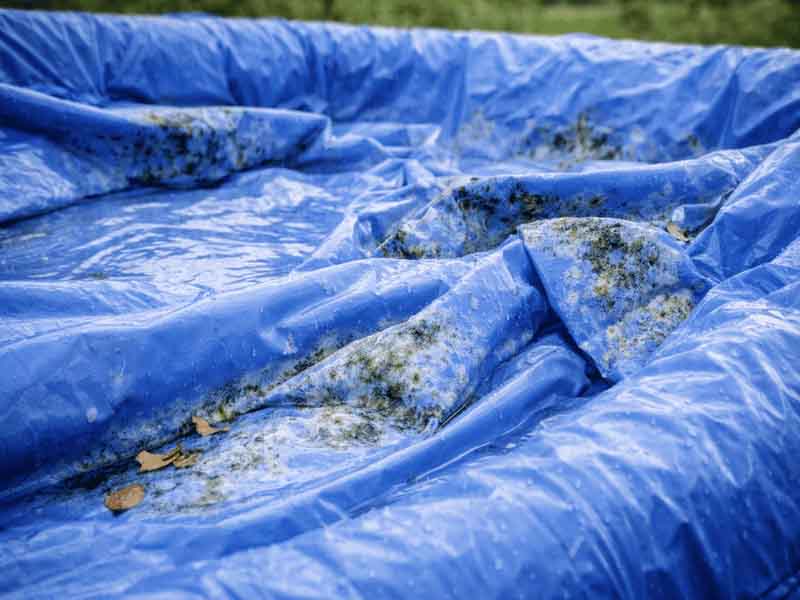
Moisture is the primary contributor to mold formation in inflatable pools. After each use, water can remain trapped in the seams and folds of the pool, especially if it is not properly drained or dried. Mold spores require moisture to grow, so any residual water provides a constant supply for mold to develop. Even if the pool is emptied, moisture can remain, especially in humid environments, causing mold to grow on the surface or in hidden areas.
Organic Debris and Mold Growth
Another factor that contributes to mold growth is the accumulation of organic material such as pet hair, dirt, and plant debris. These materials serve as a food source for mold and can accelerate its growth. Regular cleaning is crucial for removing debris and preventing it from decomposing in the pool, which would otherwise promote mold growth.
How to Properly Clean Your Inflatable Pool
Regular cleaning is one of the most effective ways to prevent mold growth. When you clean your inflatable pool, you remove organic debris and other materials that could harbor mold spores. Proper cleaning also ensures that the pool remains hygienic and safe for your family and pets.
Clean After Each Use
Cleaning the pool after every use is essential to prevent mold and mildew from building up. Here’s how to clean your inflatable pool effectively:
| Cleaning Step | Recommended Frequency | Purpose |
|---|---|---|
| Remove Debris | After every use | Prevents organic buildup and mold growth |
| Clean with Mild Soap | After every use | Removes dirt, oils, and grime |
| Rinse with Water | After every use | Removes any soap or cleaning residue |
| Scrub Seams and Corners | Every 2–3 weeks | Focuses on high-risk mold areas |
By removing dirt, debris, and organic material, you prevent mold from taking root in the first place. Use a mild, non-abrasive soap and warm water to clean the pool’s interior.
Proper Drying to Prevent Mold
Drying your inflatable pool thoroughly after each use is crucial for preventing mold. Mold spores require moisture to grow, and any lingering water or dampness in your pool provides an ideal environment for mold to thrive.
Why is Drying So Important?
Even after draining the pool, moisture can remain in the seams, folds, and corners. If not properly dried, this moisture can lead to mold growth. Drying your inflatable pool removes the moisture that mold needs to form and helps to prevent mold spores from taking hold.
| Drying Method | Duration | Effectiveness |
|---|---|---|
| Air Drying | 4–6 hours (in good weather) | Ideal for removing excess moisture |
| Towel Drying | 30 minutes per session | Quick drying for small areas |
| Use of a Fan | 3–4 hours | Speeds up drying, especially in humid conditions |
The most effective drying method is air drying the pool in a well-ventilated area. You can speed up the process by using a fan, but avoid direct sunlight for extended periods as this could weaken the material over time.
Storing Your Inflatable Pool Correctly
Proper storage is one of the most effective ways to prevent mold from returning. If your inflatable pool is left in a damp or humid area, it can trap moisture, which will lead to mold growth. To avoid this, follow these storage tips:
Where Should You Store Your Inflatable Pool?
The ideal storage location for your inflatable pool is a dry, cool space that is free from excess humidity and sunlight. Avoid storing the pool in basements, garages, or attics where moisture can accumulate and cause mold to grow.
| Storage Location | Pros | Cons |
|---|---|---|
| Indoor (Cool, Dry Area) | Protects from moisture and UV rays | Limited space for large pools |
| Outdoor Shed (Well-Ventilated) | Keeps pool safe from debris | Exposure to dust, requires proper coverage |
| Garage (Dry, Clean Spot) | Accessible, out of sight | Can accumulate dust if not covered |
If possible, store the pool in an indoor location, such as a closet or storage room, where it will be safe from moisture. Always deflate the pool and store it properly to prevent mold growth during the off-season.
Use a Pool Cover for Extra Protection
Using a pool cover when your inflatable pool is not in use is an effective way to prevent mold and other contaminants from settling on the pool surface. A cover will keep debris, dirt, and moisture away from the pool, reducing the chances of mold growth.
How Does a Pool Cover Help Prevent Mold?

A pool cover provides a barrier against external elements such as dirt, dust, leaves, and rain. This not only keeps the pool clean but also reduces the moisture and humidity that mold needs to grow.
| Cover Type | Benefits | Best For |
|---|---|---|
| Mesh Pool Covers | Allows airflow, reduces moisture buildup | Long-term storage, reducing humidity |
| Tarpaulin Covers | Waterproof, protects from external debris | Temporary coverage during off-season |
| Solar Pool Covers | Retains heat, UV protection | Prevents debris and maintains temperature |
Mesh covers are especially effective for mold prevention as they allow for some airflow, which prevents moisture buildup. Always use a cover when the pool is not in use for extended periods.
Inspect the Pool Regularly for Mold and Damage
Routine inspections are critical to preventing mold from regrowing. Regularly checking your inflatable pool for signs of mold, damage, or wear will help you address issues before they escalate.
How Often Should You Inspect Your Inflatable Pool?
It’s essential to inspect your pool at least once a month, especially if it is being stored for a long time. Pay special attention to high-risk areas, such as seams, corners, and folds, where mold is most likely to form.
| Inspection Area | Inspection Frequency | Risk of Mold |
|---|---|---|
| Seams and Edges | Every 1–2 weeks | High |
| Interior Surface | Monthly | Moderate |
| Pool Cover | Every 1–2 weeks | Low |
By checking for visible mold or mildew early, you can address the issue before it spreads. Be sure to clean any mold immediately using the methods discussed in this guide.
Conclusion:
Mold is a common and frustrating issue that many inflatable pool owners face, but the good news is it can be easily removed and prevented with the right care and maintenance. Mold thrives in humid, damp conditions, which is why inflatable pools—especially those made from materials like PVC or composite materials—are particularly susceptible if not properly maintained. However, with regular cleaning, thorough drying, and the correct use of cleaning products, you can ensure that your pool remains mold-free and safe for continued use.
Key Steps to Prevent Mold:
- Regular Cleaning: Make it a habit to clean your inflatable pool after each use. This helps remove organic debris that can serve as food for mold and mildew. Use gentle cleaning solutions, such as diluted vinegar or baking soda, to avoid damaging the material of the pool.
- Drying Thoroughly: After cleaning, always make sure to dry the pool completely. Even a small amount of moisture left in the pool can encourage mold growth. Use towels to absorb moisture and allow the pool to air dry in a well-ventilated area.
- Proper Storage: When the pool is not in use, ensure that it is stored in a dry, cool, and well-ventilated area. Avoid storing it in damp places like basements or garages, where moisture can accumulate and promote mold growth. A pool cover can also provide extra protection when the pool is not in use.
- Routine Inspections: Regularly inspect your pool for any signs of mold or damage, particularly in areas where water might accumulate, like seams and corners. Early detection of mold will help prevent it from spreading and causing more extensive damage.
By following these simple steps, you can significantly reduce the risk of mold regrowth in your inflatable pool. Routine maintenance is key to keeping your pool in top condition, ensuring that it lasts for years to come.
For high-quality, durable inflatable pools built to withstand regular use and resist mold, Epsilon offers a range of PVC and composite material-based products that are specifically designed to meet your needs. Whether you need a new pool for your pets, replacement parts for your existing pool, or a custom solution, our expert team is ready to assist you in finding the perfect fit for your requirements.
Visit Epsilon’s Amazon store for fast shipping and availability, or contact us directly for personalized solutions and quotes. We are committed to providing you with top-tier products that are reliable, mold-resistant, and built to last. Keep your pets cool, safe, and happy with a durable, easy-to-maintain inflatable pool from Epsilon! Take action today and ensure a mold-free, enjoyable experience for years to come.
Get A Fast quote
Here, bringing your inflatable concepts to life is no longer a challenge—it’s a collaborative journey where American Epsilon helps families, outdoor enthusiasts, and global brands transform creative ideas into safe, certified, and market-ready inflatable solutions.


Partner With Epsilon
Whether you are a family looking for safe backyard fun or a brand seeking large-scale OEM/ODM solutions, American Epsilon Inc. guarantees every inflatable is built with safety, durability, and excitement in mind. With flexible low MOQs, strategically placed warehouses in the U.S., Canada, U.K., and Germany, plus 24/7 professional support, we ensure smooth delivery and reliable service worldwide.
Ready to bring your inflatable ideas to life? Request free samples, fast prototypes, and customized designs today—your trusted inflatable journey starts here.