Skip to content

Custom PVC Recreational Products Manufacturer
Custom Development and Production for Water, Pet, Winter and Pool-Care Programs
Amepsilon develops heat-pressed PVC recreational products for established brands, retailers, importers and distributors, combining engineering, material selection, sampling, functional testing, packaging and coordinated bulk production through its Dongguan manufacturing facility.
- 0.35–0.90 mm Flexible PVC Options
- Splash Pads from 90.5 Inches to 16.4 Feet
- Graphic Samples in 5–12 Business Days
- Modified and New-Structure Sample Routes
- 27 R&D and 18+ Design Specialists
- Up to 12 Million Units of Annual Capacity
Products We Can Develop
PVC recreational products use different pressure levels, materials, supporting components and internal structures. Before accepting a project, Amepsilon evaluates whether the concept can be manufactured, tested and repeated within our established production system.

Best-Fit Categories
Our strongest experience is in flexible, low-pressure structures made from PVC sheet, PVC-coated fabric and compatible supporting materials.
Suitable product categories include:
- Round and rectangular splash pads
- Kids’ sprinkler mats
- Inflatable sprinkler arches
- Dog splash pads
- Foldable dog pools
- Dog pools with canopies
- Custom snow tubes
- Winter pool pillows
- Inflatable punching structures
- Water-filled rebound products
These products can normally be developed through measurable dimensions, controlled heat-press paths, approved materials and category-specific functional testing.
Categories Requiring Added Review
Further technical assessment is required when a proposed change affects air pressure, water flow, chamber balance, structural loading, component positioning or packed volume.
Projects requiring added review may include:
- Dimensions enlarged by more than approximately 20%
- New perimeter water-channel layouts
- Multiple connected air chambers
- Elevated sprinkler arches or tunnels
- Additional handles, valves or drain systems
- Dedicated molded plastic components
- Unusual three-dimensional outlines
- PVC and textile combination structures
- Products with concentrated loading areas
- Products requiring uncommon folding methods
These projects are reviewed for heat-press access, material yield, tooling requirements, reinforcement, functional testing, packaging and practical order quantity.
Categories Outside the Standard Range
Some inflatable categories require high-pressure construction, Drop-Stitch materials, industrial fabrics or specialized compliance controls outside our standard production range.
Categories generally outside the standard range include:
- SUP boards
- Inflatable docks
- High-pressure kayaks
- Drop-Stitch platforms
- Large continuous-air amusement structures
- Medical inflatables
- Rescue equipment
- Personal flotation equipment
- Hazardous-liquid containers
- Industrial pressure bags
These projects are normally declined or placed under a separate technical feasibility review before quotation.
Manufacturing Support for Brands and Retail Programs
Development support is organized around measurable specifications, formal approval points, packaging requirements and repeat-order control. The working priorities vary according to the customer’s business model and sales channel.

Global Consumer Brands
Established brands may use Amepsilon to extend a seasonal product range, improve an existing structure or replace an inconsistent supply source.
Development normally focuses on product positioning, material improvement, structural refinement, seasonal launch timing, sample approval, packaging consistency and repeat-order specifications.
Retail and Club Programs
Retail and club-store programs often include several SKUs, fixed carton limits, barcode systems, shelf-ready packaging and strict delivery windows.
The project plan normally coordinates colorways, packaging dimensions, barcode placement, inspection access, shipping marks and delivery scheduling across the full SKU group.
Importers and Distributors
Importers may use one approved product structure across several countries, languages or sales channels.
Amepsilon can coordinate regional packaging versions, multi-language instructions, market-specific warning text, separate barcode systems, carton identification and replenishment planning.
Development and Licensing Teams
Development teams may begin with a sketch, CAD drawing, physical sample, product link or a known performance problem.
Support can include NDA handling, design-for-manufacturing review, artwork authorization, sample revision records, approval responsibilities and intellectual-property documentation.
Core PVC Recreational Product Platforms
Twelve product platforms organize our material standards, engineering experience, sampling methods, functional testing and repeat-production records.
For Elementor, this module can be arranged as a four-column, three-row product grid. Every product card follows the same content format.

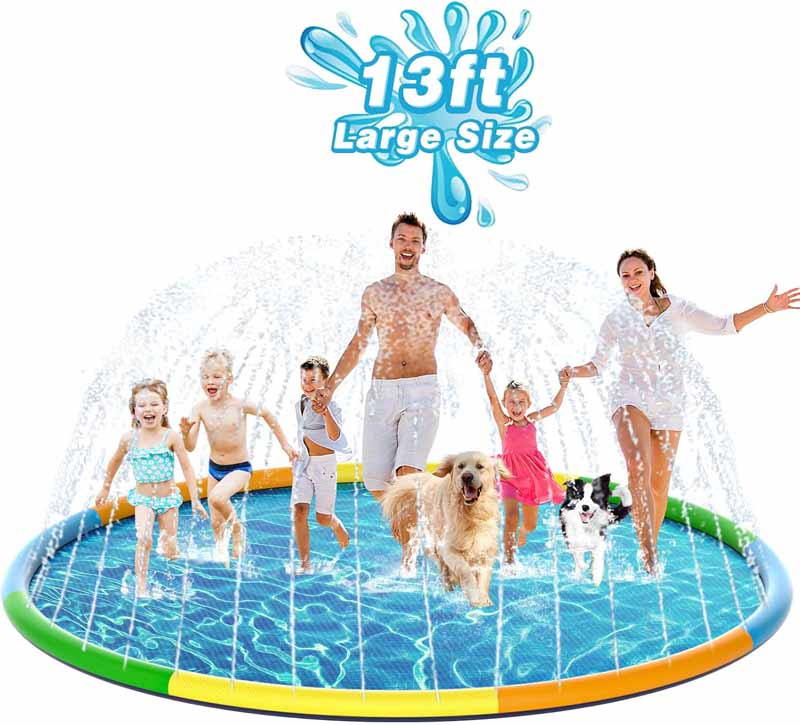
01. Round Splash Pads
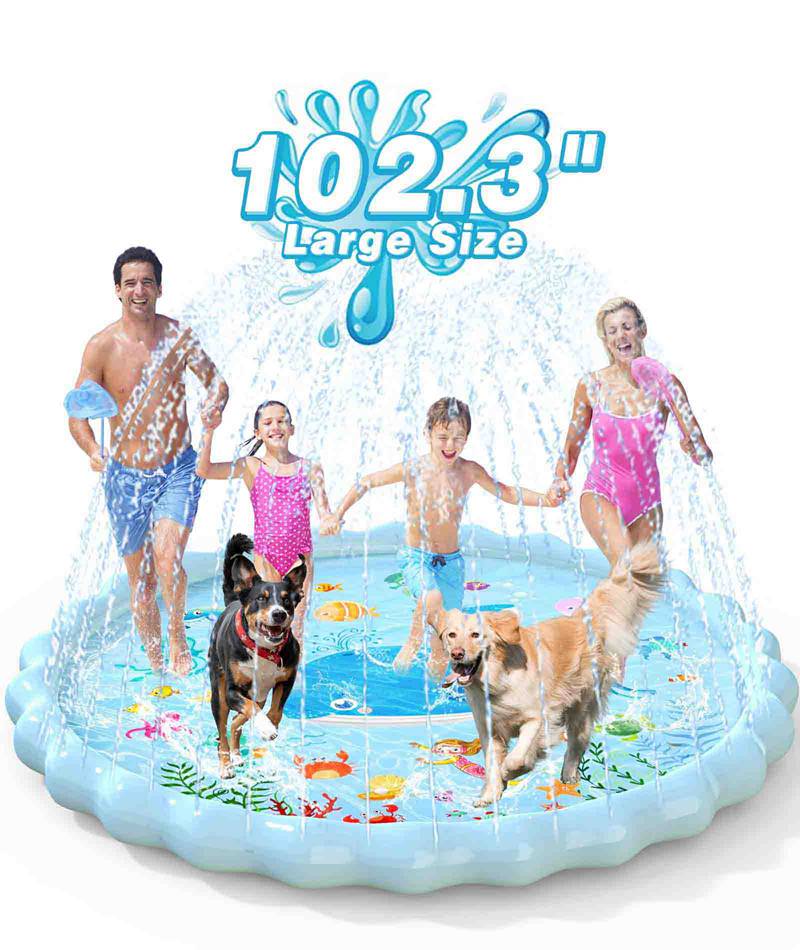
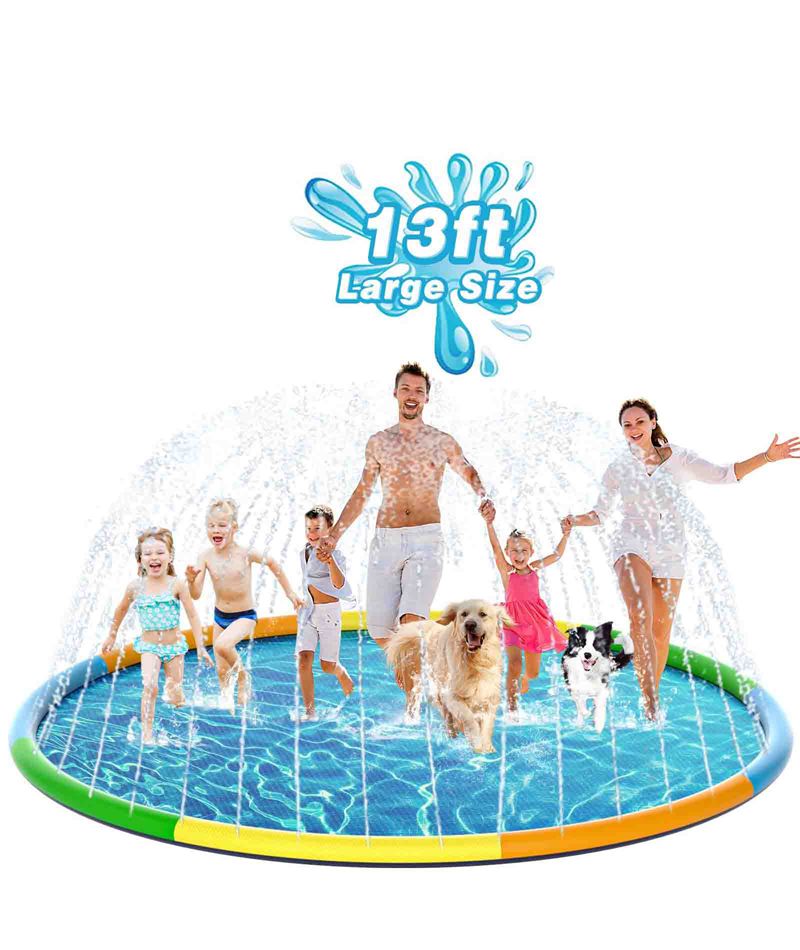
Round splash pads provide a central play area surrounded by an inward-facing perimeter sprinkler channel. They can be developed for children, pets, family use or larger group activities.
Typical Formats: Approximately 90.5 inches to 16.4 feet
Material Direction: Printed PVC commonly from 0.40 mm to 0.55 mm
Custom Options: Size, graphics, spray layout, texture and hose inlet

02. Rectangular Splash Pads
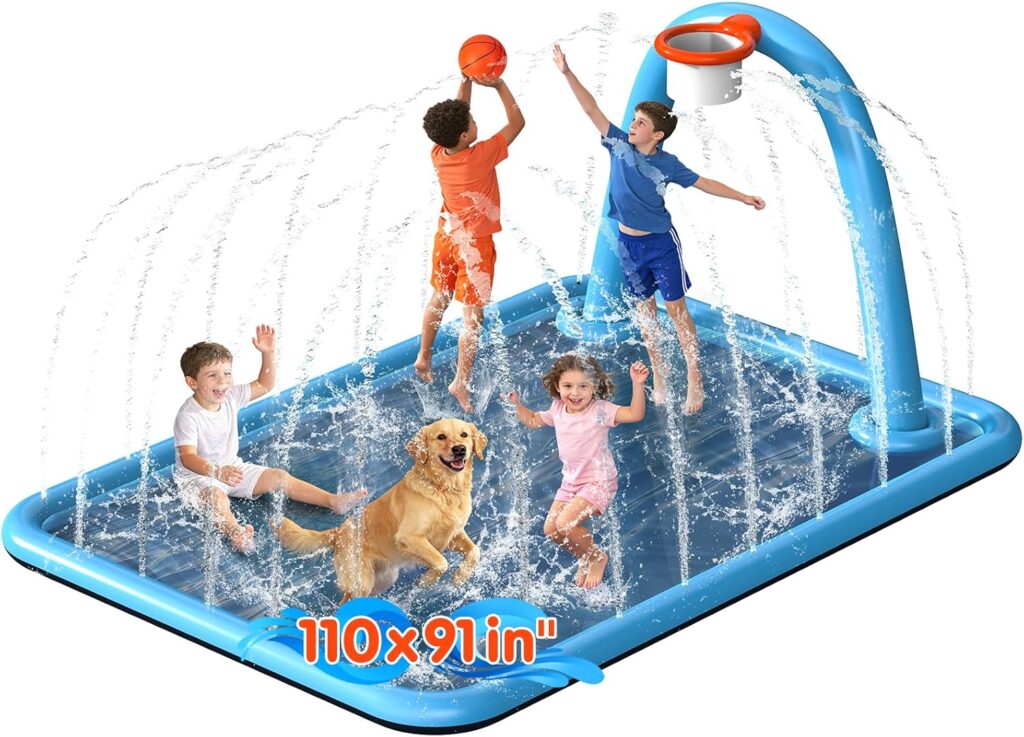
Rectangular splash pads create a larger usable activity area and provide more space for sports, target-throwing and multi-user play features.
Typical Formats: Standard or oversized rectangular layouts
Material Direction: Printed PVC commonly from 0.45 mm to 0.55 mm
Custom Options: Dimensions, water-channel width, graphics and activity zones

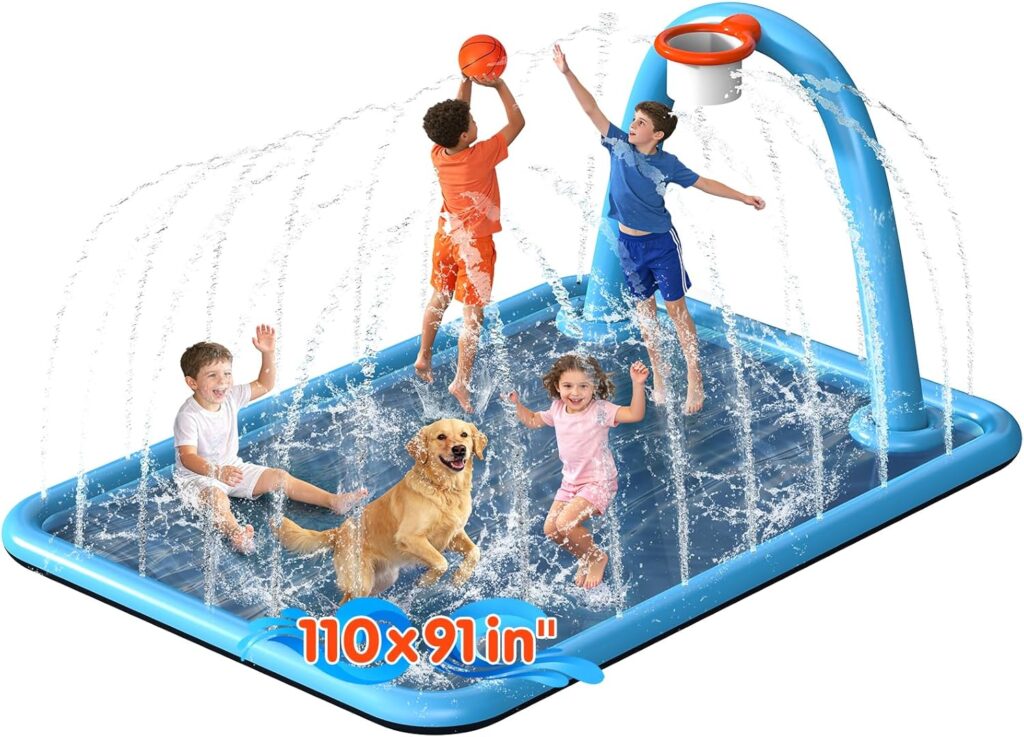
03. Sports Splash Pads
Sports splash pads combine sprinkler functions with soccer goals, hoops, throwing targets or other interactive structures.
Typical Formats: Soccer, basketball, target and multi-activity layouts
Material Direction: Flexible PVC with optional inflatable upper structures
Custom Options: Theme, goal structure, spray direction and accessories

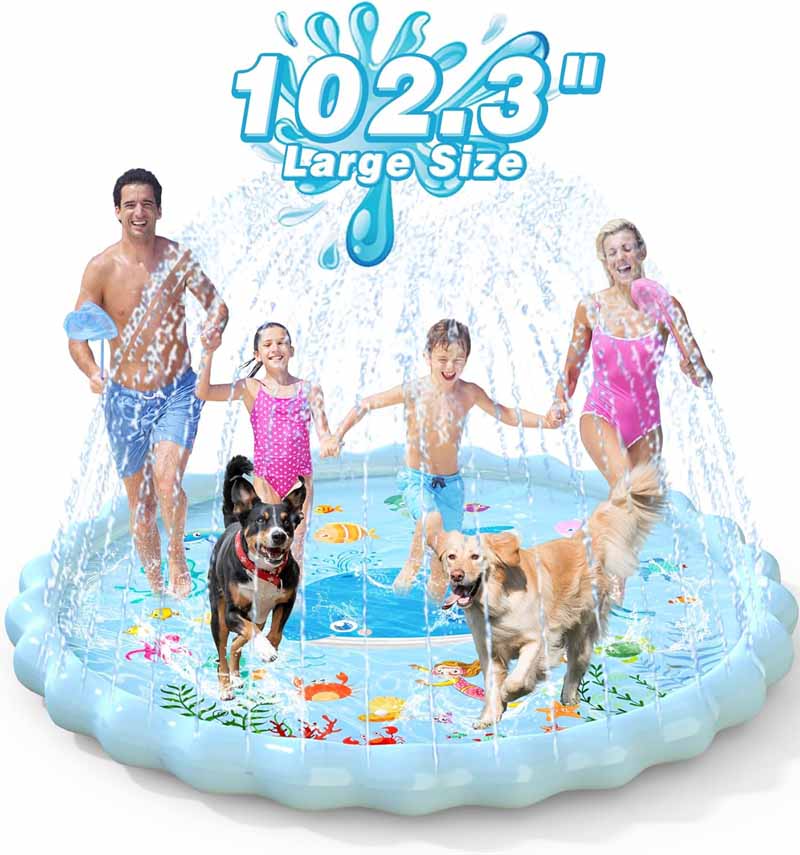
Kids’ Sprinkler Mats
Kids’ sprinkler mats use a simple garden-hose connection and a compact folding structure for seasonal backyard water play.
Typical Formats: Round, oval, square or custom outlines
Material Direction: Printed PVC commonly from 0.40 mm to 0.50 mm
Custom Options: Characters, educational graphics, spray height and packaging

05. Inflatable Sprinkler Structures
Inflatable sprinkler structures can include arches, tunnels, animal forms and elevated spray elements connected to a flat or water-weighted base.
Typical Formats: Single arch, double arch, tunnel or themed structure
Material Direction: Multi-chamber flexible PVC construction
Custom Options: Shape, chamber arrangement, spray zones and support base

06. Dog Splash Pads
Dog splash pads are developed with reinforced water inlets, stable perimeter channels and central surfaces suitable for repeated outdoor use.
Typical Formats: Round, square and large-diameter designs
Material Direction: PVC commonly from 0.50 mm to 0.55 mm
Custom Options: Surface texture, size, water flow, folding and storage bag

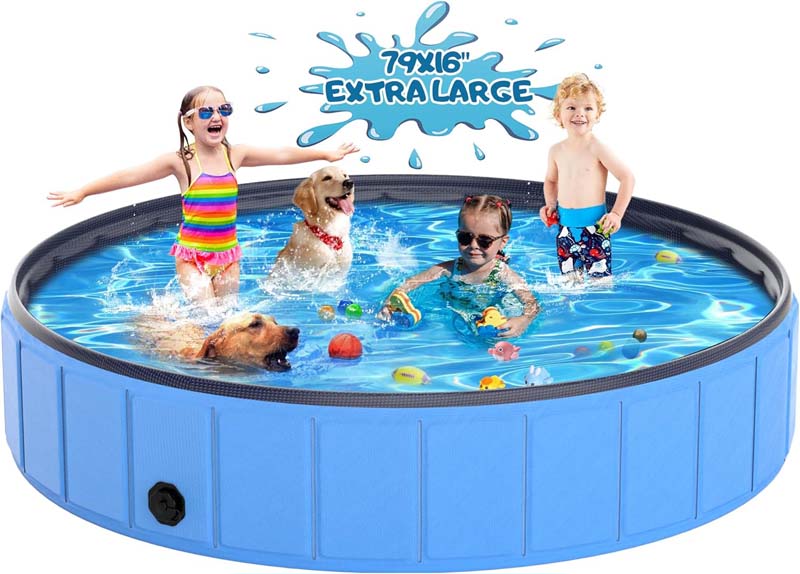
07. Foldable Dog Pools
Foldable dog pools combine flexible PVC, internal support boards, reinforced floors, drain valves and planned fold lines.
Typical Formats: Round, square and rectangular pools
Material Direction: Approximately 0.55 mm PVC with 5 mm support boards
Custom Options: Dimensions, drain valve, floor texture, color and logo

08. Dog Pools with Canopy
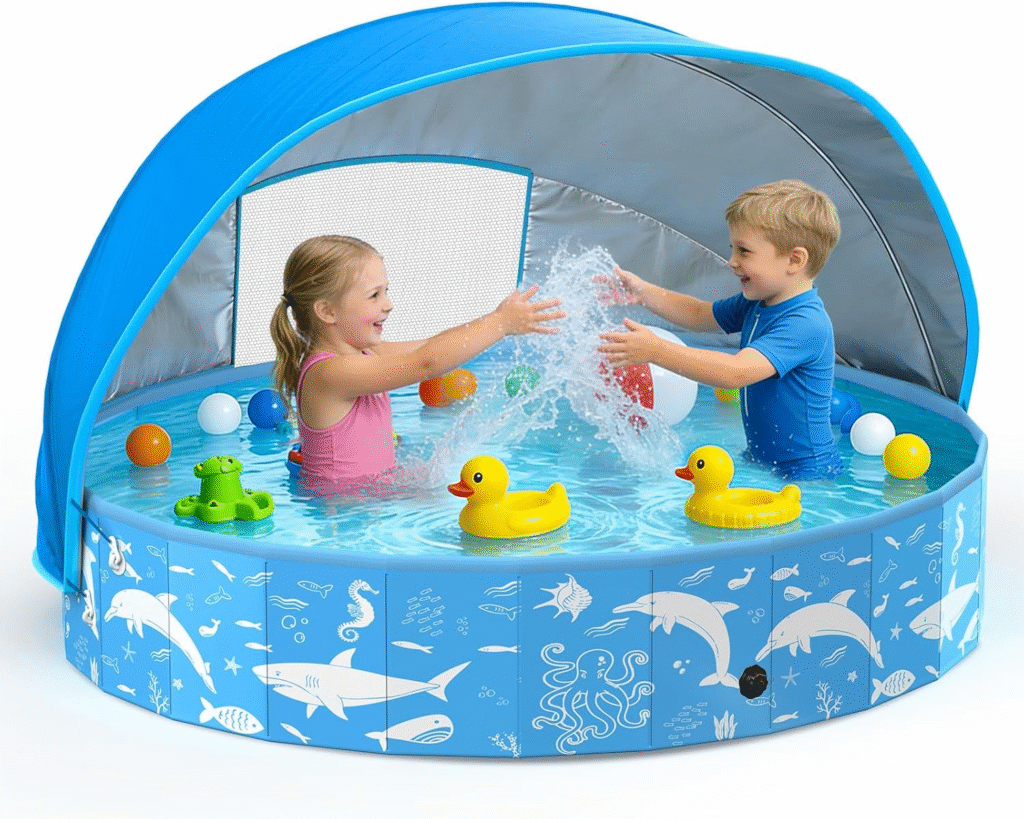
Canopy dog pools combine a foldable pool body with a removable or integrated shade structure for outdoor pet use.
Typical Formats: Round or rectangular pool with detachable canopy
Material Direction: PVC pool body with Oxford fabric canopy
Custom Options: Pool size, canopy color, attachment points and carry bag

09. Custom Snow Tubes
Snow-tube programs can include low-temperature PVC chambers, Oxford fabric covers, reinforced handles, pull straps and abrasion-resistant bottoms.
Typical Formats: Single-person and two-person snow tubes
Material Direction: Low-temperature K-80 PVC with reinforced bottom
Custom Options: Size, cover material, handles, graphics and packaging

10. Winter Pool Pillows
Winter pool pillows are low-pressure air chambers designed to support pool-cover systems during seasonal pool closing.
Typical Formats: 4, 6, 7 and 8 foot sizes
Material Direction: Approximately 0.50 mm cold-resistant PVC
Custom Options: Size, valve, tie points, rope set and retail packaging

11. Inflatable Punching Structures
Inflatable punching products use an air-filled upper chamber and an air-filled or water-filled base to create controlled rebound movement.
Typical Formats: Children’s punching bags and character structures
Material Direction: Multi-chamber PVC with reinforced base connection
Custom Options: Height, graphics, base volume, valves and packaging

12. Water-Filled Rebound Products
Water-filled rebound products include activity toys, promotional structures and training forms designed to return upright after controlled impact.
Typical Formats: Animal, character, sports or promotional shapes
Material Direction: Separate upper air chamber and weighted water base
Custom Options: Shape, height, base ratio, printing and valve system
Each platform can be modified within practical material, heat-press, testing and production limits. Products involving new chamber structures, dedicated molded parts or unusual loading conditions require additional engineering review.
Choose the Right Development Option
The correct development route depends on how much of the structure has already been validated. It directly affects engineering work, sample timing, tooling, MOQ and approval requirements.

Private-label development is the most efficient option when the product structure remains unchanged. Platform modification is suitable when selected dimensions, materials or components need adjustment. New development applies when the project introduces a new chamber, waterway, outline or functional structure.
Timing begins after product requirements, artwork, materials, packaging, commercial terms and production capacity have been confirmed.
| Development Option | Starting Point | Typical Work | Sample Window | Common Quantity |
|---|---|---|---|---|
| Private Label | Approved existing structure | Logo, colors, labels, manuals, accessories and packaging | 5–12 business days | 500–1,000 pieces |
| Platform Modification | Proven structure with selected changes | Size, PVC grade, texture, valve, drain, spray layout or reinforcement | 10–20 business days | 800 pieces or more |
| New Development | Sketch, drawing, sample or functional brief | New structure, materials, tooling, sample testing and packaging | 15–45 business days | 1,000 pieces or more |
| Multi-SKU Retail Program | Several colors, artworks or channel versions | SKU control, barcodes, packaging and inspection planning | 15–35 business days | 2,000 total pieces or more |
| Exact Reorder | Approved specification and Golden Sample | Material confirmation, first-piece approval, production and inspection | Approval sample normally not repeated | Based on agreed terms |
Materials Selected by Use Conditions
Material selection depends on product dimensions, pressure, surface wear, temperature exposure, folding frequency and packaging limits. PVC thickness is important, but formulation, texture and supporting components also affect finished-product performance.

| Material Type | Typical Range | Common Uses | Main Considerations |
|---|---|---|---|
| Lightweight Flexible PVC | 0.35–0.40 mm | Small low-pressure products and selected pool accessories | Weight and folding |
| Standard Flexible PVC | 0.45–0.55 mm | Splash pads, waterways and general recreational products | Heat-press response and print adhesion |
| Reinforced Flexible PVC | 0.55–0.70 mm | Pet products, larger pools and high-wear areas | Abrasion and dimensional support |
| Low-Temperature PVC | 0.60–0.90 mm | Snow tubes and winter products | Cold flexibility and valve compatibility |
| Textured PVC | Project-specific | Wet play areas and pet-contact surfaces | Traction and cleaning |
| Transparent PVC | Project-specific | Visible chambers and decorative areas | Heat marks and print trials |
Flexible PVC Grades
Thickness alone does not determine product durability. The material formulation also affects flexibility, odor, printing, heat-press response, abrasion and storage behavior.
Material evaluation can include:
- Thickness and manufacturing tolerance
- Surface hardness and flexibility
- Color and surface texture
- Low-temperature performance
- Print and ink compatibility
- Heat-press response
- Fold recovery
- Batch identification
A dimensional increase of more than approximately 20% normally triggers a broader engineering review because material weight, air volume, water volume, seam loading and shipping-carton size may all change.
Supporting Materials and Components
Several recreational products combine flexible PVC with textiles, internal boards, webbing, valves, drains and molded parts.
Available supporting materials can include:
- 420D or 600D Oxford fabric
- Heavier abrasion-resistant textile
- Approximately 5 mm support boards
- Air and mini Boston-style valves
- Large or compact drain valves
- Reinforced garden-hose inlets
- Webbing handles and pull straps
- Gaskets, plugs, ropes and adapters
Every approved material and component is recorded in the bill of materials. A visually similar substitute is not used without technical review and approval.
Engineering Before Sample Production
Engineering converts a commercial concept into measurable dimensions, panel layouts, heat-press paths, component positions and test requirements.
Each engineering stage produces information needed by the following stage, reducing the risk of design changes after tooling or material preparation begins.

Project Brief
The first review defines how the product will be used and which commercial requirements must be reflected in the design.
The project brief should confirm:
- Product category and intended use
- Target user or age group
- Operating environment
- Finished dimensions
- Required functions
- Estimated order quantity
- Number of SKUs
- Destination market
- Packaging direction
- Required arrival date
After reviewing the brief, Amepsilon identifies missing information, foreseeable risks and the most suitable sampling route.
Structural Review
Design-for-manufacturing confirms whether the panels can be printed, cut, heat pressed, assembled, tested, folded and packed consistently.
The structural review covers:
- Panel layout and material yield
- Heat-press access
- Corner radius and seam intersections
- Water-channel or chamber arrangement
- Valve, inlet and drain clearance
- Handle loading direction
- Reinforcement position
- Support-board arrangement
- Folding behavior
- Packed dimensions
The engineering team then confirms tooling, reinforcement, material specifications and functional tests.
Production File Set
Bulk production requires more than a finished artwork file. Each production department must work from the same approved information.
The controlled file set may include:
- Dimensional drawing
- Structural drawing
- Heat-press path drawing
- Bill of materials
- Material specification
- Artwork placement file
- Component list
- Functional test plan
- Inspection standard
- Packaging specification
- Revision record
- Golden Sample reference
Purchasing, printing, production, quality control and packing teams use the same approved revision.
From Project Brief to Approved Sample
Sampling confirms product appearance, dimensions, materials, structure, function and packaging before bulk production resources are committed.

| Sampling Stage | Main Work | Typical Timing |
|---|---|---|
| Requirement Review | Confirm use, dimensions, materials, quantity and market | Based on file completeness |
| Artwork and Drawings | Confirm colors, logo position, seam areas and components | Before sample cutting |
| Material Preparation | Source or confirm PVC, fabric, valves, drains and boards | Depends on availability |
| Graphic Sample | Confirm graphics, colors, labels and standard packaging | 5–12 business days |
| Modified Sample | Confirm selected structural or material changes | 10–20 business days |
| New Development Sample | Confirm new waterways, chambers, shapes or components | 15–45 business days |
| Functional Evaluation | Check air, water, drainage, handles, folding and packaging | Before approval |
| Golden Sample Approval | Freeze appearance, structure, parts and pack-out | Before production |
A graphic sample is normally used when the existing structure remains unchanged. A modified sample is required when dimensions, materials, components or functional details change. New product development may require several sample rounds to confirm chamber balance, water flow, structural stability and packaging feasibility.
Logo or text corrections may require approximately 2–5 business days. Structural, material or water-channel changes may require approximately 7–30 business days.
Every revision receives a controlled version number. Changes requested after Golden Sample approval require a new cost, timing and testing review.
How Custom PVC Products Are Manufactured
Eight connected stages convert approved materials and controlled production files into finished recreational products.

01. Material Inspection
PVC, fabric, webbing, support boards, valves, drains, inks and packaging materials are checked against approved specifications. Thickness, color, surface condition, batch identity and trial heat-press response are confirmed before release.
02. Artwork Preparation
Artwork is aligned with panel shapes, heat-press seams, valves, drains, handles and folding areas. Critical logos and warning text are kept away from positions where pressing or folding could affect readability.
03. Printing
Silk-screen, gravure, digital, UV or another agreed method is selected according to artwork coverage, order quantity and material surface. Color, registration, ink adhesion, odor and surface condition are checked before printed panels continue.
04. Conditioning and Cutting
PVC is conditioned after unrolling to reduce curl, shrinkage and temperature-related variation. Flat cutting, die cutting or CNC cutting prepares each panel according to approved dimensions and orientation.
05. Heat Pressing
Compatible PVC panels are joined through controlled heat, pressure, pressing time, cooling time and tooling geometry. Settings are adjusted according to PVC thickness, formulation, texture, ink coverage and seam design.
06. Component Installation
Valves, hose inlets, drains, handles, gaskets, ropes, adapters and support boards are installed at approved positions. Part model, sealing, orientation, loading direction and folding clearance are checked during assembly.
07. Functional Testing
Air chambers, waterways, spray systems, drains, handles and bases receive tests matched to their intended use. Failed units are isolated, corrected where permitted and retested before returning to the accepted batch.
08. Cleaning and Packing
Finished products are cleaned, dried, folded, combined with accessories, labeled and packed. Packing teams confirm the manual version, warning labels, barcode, accessory quantity, unit package, carton quantity and shipping marks.
Workmanship Controlled at Critical Operations
Stable workmanship begins with approved materials, accurate cutting and controlled heat-press settings. The most important controls are concentrated around seams, components and dimensional alignment.

Heat-Press Process Control
More heat or pressure does not automatically create a stronger seam. Excessive settings can thin the PVC, distort printing or produce brittle edges, while insufficient settings can cause incomplete bonding or slow leakage.
Key control points include:
- Seam continuity
- Panel alignment
- Pressed-seam width
- Corner formation
- Cross-seam consistency
- Surface condition
- Peel behavior
- Air or water leakage
Trial pressing is required whenever material formulation, thickness, texture, printing coverage or tooling changes.
Components and Reinforcement
Valves, hose inlets, handles and drains introduce concentrated stress into the flexible PVC structure. Their performance depends on component compatibility, position and reinforcement rather than the part alone.
Key control points include:
- Valve-flange compatibility
- Inlet reinforcement area
- Gasket compression
- Drain clearance
- Handle patch size
- Webbing direction
- Stitching pattern
- Folding clearance
Reinforcement spreads force across a wider area and reduces stress around the attachment point.
Printing, Cutting and Assembly
Accuracy before heat pressing affects finished dimensions, water-channel width, chamber volume and component position. Small errors during panel preparation can become larger functional problems after assembly.
Key control points include:
- Artwork orientation
- Color registration
- Cut-panel dimensions
- Reinforcement pieces
- Component position
- Chamber sequence
- Support-board arrangement
- Current file version
Preventing errors before heat pressing reduces material waste, rework and late-stage failures.
Testing Based on Common Performance Risks
Different PVC recreational categories require different test methods. Testing is selected according to intended use, loading, operating environment and the most likely failure points.

The approved sample must meet the agreed functional conditions before bulk production begins. Testing conditions, duration, equipment and acceptance standards are confirmed according to the product category and destination market.
When a structural material, valve, handle, drain or water-channel design changes, the affected functional tests are repeated before approval.
| Product Category | Main Test Areas | Typical Evaluation |
|---|---|---|
| Splash Pads | Water flow, inlet sealing and spray distribution | Perimeter filling, spray direction, leakage, drainage and folding |
| Dog Splash Pads | Surface use and repeated outdoor exposure | Inlet strength, wet-surface behavior, drainage, cleaning and folding |
| Foldable Dog Pools | Filled-condition stability | Base leakage, wall support, drain sealing, deformation and repeated folding |
| Snow Tubes | Low-temperature performance | Cold flexibility, inflation retention, valve sealing, handle loading and bottom wear |
| Pool Pillows | Air retention and tie-point loading | Valve sealing, chamber shape, low-temperature flexibility and corner strength |
| Punching Structures | Base stability and rebound | Water-base sealing, controlled impact, chamber connection and upright recovery |
| Water-Filled Bases | Weight distribution and sealing | Base ratio, leakage, stability, plug sealing and repeated use |
Quality Control Through Every Production Stage
Quality control begins with incoming materials and continues through printing, cutting, heat pressing, assembly, testing and packing.

Incoming Material Control
PVC, fabric, webbing, support boards, valves, drains, inks and packaging materials are inspected before use. Records can include supplier, material code, batch number, thickness, color, surface condition, visible defects and trial-press results.
Materials outside approved limits are isolated for review or rejection.
Print First Article
The first printed panel confirms that the correct artwork and color have reached the production floor. File version, print scale, Pantone reference, registration, logo position, warning text, white backing and orientation are checked.
Bulk printing begins only after the first panel matches the approved standard.
Production First Article
The first assembled units confirm materials, dimensions, heat-pressed seams, component positions, function, folding and packaging. The unit is compared with the controlled drawings, specification and Golden Sample.
Normal production begins only after first-piece approval.
In-Process Inspection
Inspection continues during cutting, heat pressing, assembly, hole processing, functional testing and packing. Cut accuracy, seam formation, component orientation, reinforcement position, leakage, surface condition and cleanliness are checked during production.
Material changes, tooling changes and machine restarts trigger renewed first-piece checks.
Finished-Goods Review
Final inspection combines appearance, dimensions, function, accessories, packaging and carton data. The review confirms manuals, labels, accessory quantity, unit package, carton quantity, gross weight and shipping marks.
Finished products are released only after the results meet the agreed acceptance standard.
Repeat-Order Records
Repeat orders follow the approved bill of materials, drawings, artwork, Golden Sample and packaging files. Material source, component availability, artwork version, tooling condition, test requirements and shipping instructions are reconfirmed for each batch.
Previous approval supports the reorder but does not replace current-batch inspection.
Compliance Planned for Each Target Market
Compliance planning begins with the intended use, target age, materials, foreseeable behavior, destination market and sales channel.

Product Classification
Children’s water-play products, pet pools, snow tubes and seasonal pool accessories may follow different requirements. Product classification considers dimensions, target age, small parts, material composition, mechanical risks, accessories and expected use.
The result is a category-specific testing, labeling and packaging plan.
Third-Party Testing
Amepsilon can coordinate specifications, samples and supporting documents with qualified independent laboratories.
The project scope confirms the applicable framework, laboratory, test items, sample quantity, material coverage, cost, submission timing and report requirements. Possible frameworks may include CPSIA, ASTM, EN standards, REACH or retailer-specific protocols.
Documentation Control
A material report does not automatically cover every finished SKU. Changes in PVC color, thickness, ink, valve, dimensions or structure may affect the required test scope.
Compliance documents are linked to the tested material, finished construction, artwork version, warning text, responsible-party information, country of origin, batch identification and packaging languages.
Intellectual-Property Control
Logos, characters, sports marks, licensed artwork and protected product structures require lawful authorization.
Artwork ownership, licensing documents, trademark permission, NDA terms, file access, approved use and publication restrictions are confirmed before production files are released.
Product Branding and Retail Packaging
Branding and packaging are developed alongside the PVC structure so printed graphics, labels, accessories, unit packaging and shipping cartons remain aligned.

Product Branding
Brand identity can be applied through:
- Printed PVC graphics
- Pantone-controlled product colors
- Textile cover printing
- Woven or printed labels
- Branded storage bags
- Coordinated valves and accessories
- Multi-SKU color systems
- Full-surface themed artwork
Logo scale, orientation, seam clearance and color references are confirmed before printing.
Manuals and Labels
Instruction and labeling support can include:
- Setup instructions
- Operating limitations
- Warning statements
- Age information
- Accessory lists
- Country-of-origin marking
- UPC or EAN barcodes
- FNSKU labels
- Batch identification
- Shipping-carton labels
Files are reviewed at actual printed size before release.
Retail Packaging
Available unit packaging can include:
- Color boxes
- Kraft boxes
- Mailer boxes
- PE bags
- Fabric storage bags
- Display boxes
- Shelf-ready packaging
- PDQ structures
A packaging sample confirms product fit, accessory position, compression, folding sequence and customer opening experience.
Shipping Cartons
Outer-carton planning can include:
- Three-ply or five-ply cartons
- B-flute or C-flute construction
- BC double-wall cartons
- Carton-quantity planning
- Gross-weight control
- Pallet arrangement
- Stack-height review
- Shipping marks
Carton dimensions, unit quantity and pack-out instructions are confirmed before bulk packing.
Typical MOQ and Lead Time by Project Type
Formal quotations separate sample work, materials, packaging, testing, production and delivery assumptions.

Production timing begins after the following conditions are complete:
- Deposit confirmation
- Product-specification approval
- Golden Sample approval
- Artwork approval
- Packaging approval
- Material availability
- Test-plan confirmation
- Production-slot confirmation
Delays caused by missing approvals, dedicated material production, independent testing, destination changes or mid-order revisions are not included in the standard production window.
| Project Type | Typical Scope | Sample Window | Common Quantity | Production Window |
|---|---|---|---|---|
| Private Label | Logo, colors, labels, manuals, standard accessories and packaging | 5–12 business days | 500–1,000 pieces | 25–40 days |
| Platform Modification | Size, material, valve, drain, handle, spray layout or reinforcement changes | 10–20 business days | 800–1,500 pieces | 30–50 days |
| New Development | New chamber, waterway, shape or component system | 15–45 business days | 1,000 pieces or more | 40–60 days |
| Multi-SKU Retail Program | Several colors, languages, boxes, barcodes or channel versions | 15–35 business days | 2,000 total pieces or more | 45–65 days |
| Exact Reorder | Frozen BOM, artwork, parts, packaging and inspection standard | Approval sample normally not repeated | Based on agreed terms | 20–35 days when materials are available |
Custom Project Examples
The following examples show how product specifications, quantities, testing and packaging can be combined during commercial planning. Each example follows the same project-card structure.

1,200-Piece Rectangular Splash Pad
Project Scope: A representative 118 × 138 inch rectangular splash pad using approximately 0.55 mm printed PVC.
Main Specification: Reinforced hose inlet, wide perimeter water channel, inward-facing spray layout, textured activity area, retail color box and FNSKU preparation.
Engineering Focus: Water distribution along the long and short sides, corner shape, spray-hole spacing, finished dimensions and packaging fit.
Expected Timing: A major modified sample commonly requires 10–15 business days. Production can follow a 30–45 day window after approval.
800-Piece Foldable Dog Pool
Project Scope: A representative foldable dog pool measuring 200 cm in diameter with a 40 cm wall height.
Main Specification: Approximately 0.55 mm PVC, approximately 5 mm support boards, reinforced bottom, textured inner surface, large drain valve and two units per shipping carton.
Engineering Focus: Panel stiffness, wall movement after filling, drain sealing, wet traction, folding performance and carton weight.
Expected Timing: A modified sample commonly requires 12–20 business days. Production can follow a 30–50 day window after approval.
2,400-Piece Snow Tube Program
Project Scope: A three-colorway snow-tube program based on one approved 55-inch two-person structure.
Main Specification: Low-temperature PVC chamber, 1.0 mm reinforced bottom, Oxford fabric cover, two reinforced handles, pull strap and retail-ready packaging.
Engineering Focus: Cold flexibility, inflation retention, valve sealing, handle reinforcement, cover fit, bottom wear and barcode control.
Expected Timing: A full material and cover sample commonly requires 18–30 business days. Production can follow a 40–60 day window after approval.
How to Evaluate a PVC Recreational Manufacturer
A qualified supplier review should focus on relevant production evidence, controlled records and category-specific testing rather than general promotional claims.

A factory audit should confirm that the manufacturing equipment, inspection tools, operating records, production address and legal entity match the information provided during sourcing.
The evaluation should also confirm how the supplier manages material substitutions, sample revisions, production restarts, failed test units and repeat-order specifications.
| Evaluation Area | Evidence to Request | Amepsilon Approach |
|---|---|---|
| Relevant Experience | Finished structures and samples | Focused water-play, pet, winter and low-pressure PVC categories |
| Material Control | Specifications and batch records | Approved material codes and substitution review |
| Heat-Press Capability | Seam samples and process records | Settings matched to material, thickness and structure |
| Engineering | Drawings and manufacturing reviews | Commercial brief converted into production instructions |
| Sampling | Sample plan and revision history | Separate options for graphics, modifications and new development |
| Functional Testing | Category-specific test records | Air, water, load, cold and folding checks |
| Quality Control | Incoming, in-process and final records | First-piece approval and batch inspection |
| Compliance | Test plans and reports | Scope confirmed by category and destination market |
| Packaging | Manuals, labels and carton specifications | Retail and shipping preparation |
| Repeat Orders | Golden Sample and BOM | Version control and documented changes |
PVC Manufacturing Frequently Asked Questions
What PVC recreational products does Amepsilon manufacture?
Amepsilon focuses on splash pads, sprinkler products, pet water-play products, foldable dog pools, snow tubes, pool pillows and related low-pressure PVC categories.
What joining process does Amepsilon use?
Flexible PVC panels are mainly formed through controlled heat pressing, with settings matched to material thickness, formulation and product structure.
Can development begin from a sketch?
Yes. A sketch, CAD drawing, physical sample, product link or written functional brief can establish the starting point.
Can Amepsilon modify an existing structure?
Yes. Dimensions, PVC grade, texture, valves, drains, handles, spray layouts, graphics and packaging can be evaluated for modification.
How is PVC thickness selected?
Thickness is selected according to product dimensions, pressure, abrasion, temperature, loading and folding requirements.
How long does sample development take?
Graphic samples commonly require 5–12 business days, modified samples 10–20 days and new samples 15–45 days.
What is the normal MOQ?
Private-label programs commonly begin around 500–1,000 pieces. New structures often require 1,000 pieces or more.
Can several designs use one product structure?
Yes. Multiple colorways or graphics can share one approved structure, subject to printing, packaging and SKU quantity requirements.
How are products tested?
Checks may cover air retention, water flow, seams, drainage, handles, cold flexibility, folding and packaging.
Can Amepsilon coordinate CPSIA or EN testing?
Yes. Test scope, laboratory, sample quantity, cost and timing are confirmed according to the target market and product category.
Can retail packaging be prepared?
Yes. Support includes boxes, bags, manuals, warning labels, barcodes, FNSKU labels and shipping cartons.
Can Amepsilon sign an NDA?
Yes. Confidential drawings, pricing, launch plans, artwork and sourcing information can be handled under an agreed NDA.
Which categories are outside the standard range?
Medical, rescue, personal flotation, industrial-pressure, continuous-air amusement and Drop-Stitch products are outside the standard range.
Start Your Custom PVC Project
A useful project assessment begins with enough information to define the manufacturing method, commercial scale, sampling route, testing requirements and packaging direction.

Information to Provide
- Company name and business email
- Product category
- Intended use
- Target user or age group
- Operating environment
- Approximate finished dimensions
- Required functions
- Preferred materials
- Estimated order quantity
- Number of SKUs
- Destination market
- Sales channel
- Compliance requirements
- Packaging direction
- Required arrival date
- Known performance issues
- NDA requirements
Accepted Reference Materials
- PDF drawings
- CAD files
- Editable vector artwork
- Dimension sheets
- Physical samples
- Product links
- Packaging briefs
- Test reports
- Inspection records
- Defect summaries
After receiving the available information, Amepsilon will confirm whether the product fits established manufacturing capabilities, identify missing specifications and recommend the most suitable development option.
The preliminary assessment will outline the likely material direction, sample type, functional testing, MOQ, packaging work and approval stages required before a formal quotation is prepared.