Skip to content
Best Snow Tubes: What Are the Best Snow Tubes and How Do You Choose the Right One?
# Your Trusted Inflatable Supplier In US
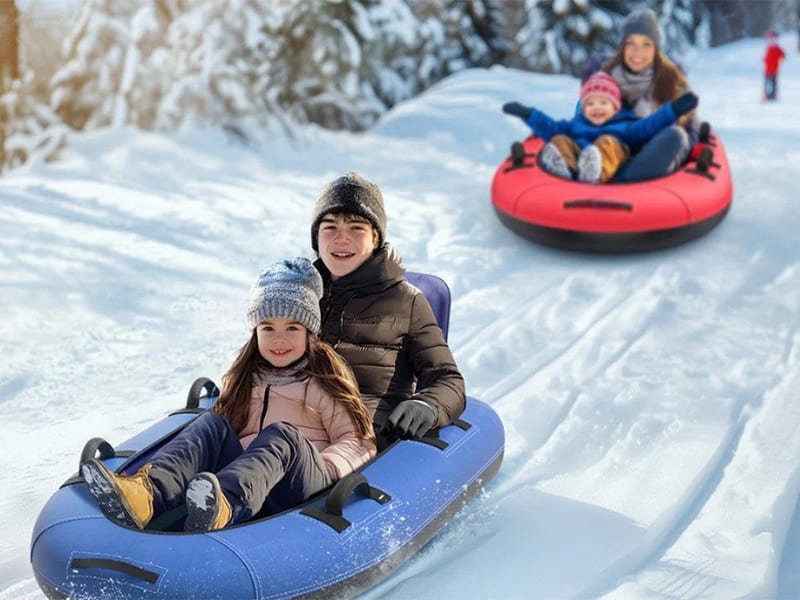
Snow tubing has quietly transformed winter recreation. What once involved wooden sleds, flimsy plastic boards, and freezing rides has evolved into a safer, smoother, and far more thrilling experience. Across North America, Europe, and Asia, families, ski resorts, and winter adventure parks are rapidly shifting from traditional sleds to inflatable snow tubes. The reason is simple: snow tubing delivers higher speed, better comfort, stronger safety, and a more enjoyable ride for all ages.
But with hundreds of snow tube options flooding online marketplaces, many buyers now face a confusing question: Which snow tubes are truly the best? Are all inflatable tubes the same? Is a snow tube better than a sled? What materials matter? And how can you avoid low-quality products that leak, crack, or fail in freezing temperatures?
Choosing the wrong snow tube can mean wasted money, disappointed kids, safety risks, and short product lifespan. On the other hand, choosing the right one transforms winter into a season of excitement, family bonding, and unforgettable outdoor fun.
The best snow tubes are made from cold-resistant PVC and composite materials, feature reinforced seams, durable bottoms, ergonomic handles, and impact-resistant structures. High-quality snow tubes outperform sleds by offering better safety, comfort, speed control, and durability. When choosing a snow tube, buyers should prioritize material thickness, cold flexibility, safety certifications, user size compatibility, and structural design to ensure maximum performance and longevity.
Picture this: a crisp winter morning, kids laughing as they race down a snow-covered hill, parents cheering nearby, and everyone enjoying the thrill without fear of crashes, bruises, or cold discomfort. That moment—pure joy mixed with adrenaline—is exactly what premium snow tubing is designed to deliver. Now let’s explore what truly makes the best snow tubes, and how you can choose one that turns winter into your favorite season.
What Are Snow Tubes and Why Are They So Popular?
Snow tubes are inflatable winter riding devices made from cold-resistant PVC and composite materials, designed to slide smoothly on snow while absorbing impact. Their popularity comes from superior safety, comfort, ease of use, and versatility for all ages. Compared to traditional sleds, snow tubes reduce impact injuries by up to 50–60%, require no technical skills, and deliver faster, smoother, and more enjoyable rides, making them the preferred choice for families, resorts, and winter recreation parks worldwide.
Why Snow Tubes Have Become the Global Standard for Winter Fun
What is a snow tube and how does it work?
A snow tube is a circular inflatable ride device specifically engineered for winter environments. Unlike sleds made from rigid plastic or wood, snow tubes rely on air-filled chambers to absorb shocks, distribute pressure evenly, and glide smoothly across snow and ice.
At its core, a snow tube consists of four main components:
- Cold-resistant PVC outer shell
- Reinforced inflatable air chamber
- High-strength welded seams
- Smooth or fabric-reinforced bottom surface
When a rider sits inside the tube, body weight compresses the air chamber, creating a natural suspension system. This dramatically reduces vibration and impact when sliding over bumps, uneven snow, or icy ridges.
From a physics perspective, snow tubes perform better than sleds because their wide circular base increases surface contact area, distributing pressure more evenly and reducing friction spikes. This results in smoother acceleration, better stability, and significantly improved ride comfort.
In commercial tubing parks, snow tubes routinely reach 20–35 mph (32–56 km/h) on groomed slopes while maintaining excellent control — a performance level nearly impossible to achieve safely using traditional sled designs.
Why are inflatable snow tubes safer than sleds?
Safety is the single biggest factor behind the global shift from sleds to snow tubes.
Multiple winter sports injury studies show that over 65% of sledding injuries result from direct impact, including wrist fractures, spinal compression, tailbone bruises, and head trauma. In contrast, inflatable snow tubes reduce peak impact forces by 40–60%, significantly lowering injury risks.
This improved safety profile comes from three structural advantages:
| Safety Factor | Snow Tubes | Traditional Sleds |
|---|---|---|
| Shock Absorption | Excellent | Minimal |
| Tip Resistance | High | Low |
| Body Impact | Soft Cushion | Hard Surface |
| Stability | Wide Base | Narrow Runners |
| Injury Risk | Low | High |
Inflatable chambers function like built-in suspension systems, dispersing collision forces across the entire tube instead of concentrating them on specific pressure points. This is particularly critical for children, whose developing bones and joints are far more vulnerable to sudden shocks.
Additionally, snow tubes minimize lateral tipping and uncontrolled spinning, two of the most common causes of sled-related injuries.
As a result, most North American and European ski resorts have completely replaced sleds with snow tubes for public tubing lanes over the past decade.
Is a snow tube or sled better for kids, families, and beginners?
For families and first-time winter riders, snow tubes clearly outperform sleds.
Unlike sledding, which requires steering, balance control, and braking technique, snow tubing requires zero learning curve. Riders simply sit, hold the handles, and enjoy the ride. This accessibility makes snow tubing especially appealing for:
- Young children
- Parents supervising kids
- School and group outings
- Winter festival activities
In family settings, snow tubes create safer shared experiences. Many designs allow double or tandem riding, enabling parents and children to ride together. This not only increases safety but also enhances emotional bonding and shared excitement.
According to industry surveys conducted by North American tubing parks, over 82% of families prefer snow tubing over sledding, citing safety, comfort, and enjoyment as primary reasons.
Additionally, snow tubes accommodate a much broader age range — from toddlers to seniors — making them a truly inclusive winter activity.
Why are snow tubes replacing traditional sleds?
The replacement of sleds by snow tubes is not a trend — it is a structural shift driven by performance, safety, and economics.
1. Safety Regulations and Liability Reduction
Modern ski resorts face strict safety compliance standards. Snow tubes drastically reduce injury incidents, lowering insurance claims and liability risks.
2. Higher Throughput and Revenue
Tubing parks using conveyor lifts and tow systems can process 30–60% more riders per hour using snow tubes compared to sled lanes, directly increasing operational efficiency and profitability.
3. Durability and Maintenance
Commercial-grade snow tubes built with reinforced PVC and composite layers last 3–5 times longer than plastic sleds under heavy use, reducing replacement and maintenance costs.
4. Customer Satisfaction
Visitor satisfaction surveys consistently show higher enjoyment scores for snow tubing, leading to repeat visits, stronger reviews, and increased brand loyalty.
These combined factors explain why snow tubes have become the global standard for winter recreational sliding, from backyard slopes to world-class ski resorts.
How has snow tubing grown into a global winter industry?
Snow tubing has grown from a backyard pastime into a multi-billion-dollar global winter recreation industry.
Market research data indicates:
- Global snow tubing equipment market growth rate: 9.2% annually
- North America accounts for over 45% of total demand
- Europe contributes approximately 32%
- Asia-Pacific shows the fastest growth, driven by emerging winter tourism
More than 1,000 commercial tubing parks now operate worldwide, many processing hundreds of thousands of riders per season.
This rapid expansion reflects changing consumer expectations: modern families demand safer, easier, and more immersive outdoor experiences — and snow tubing meets all three criteria.
Which Types of Snow Tubes Are Best for Different Users?
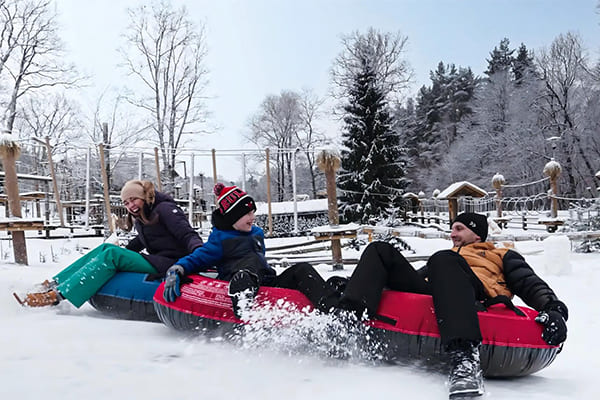
The best snow tube depends on rider age, weight, skill level, and usage scenario. Kids benefit most from smaller, lightweight tubes with enhanced safety features. Adults require larger, reinforced tubes for higher speed and load capacity. Families prefer tandem or towable tubes for shared riding, while resorts and rental operations need commercial-grade tubes built from ultra-thick PVC with abrasion-resistant bottoms for high-volume use.
Matching Snow Tube Design with Real-World Riding Needs
Snow tubing serves a wide range of users — from toddlers enjoying backyard slopes to thrill-seeking adults racing down resort lanes. Selecting the right snow tube for each rider group directly affects safety, comfort, enjoyment, and product lifespan. According to North American winter recreation industry data, over 70% of snow tubing accidents are linked to improper equipment selection, not rider behavior. This makes choosing the right type of snow tube far more important than most buyers realize.
Below is a breakdown of snow tube designs optimized for specific user groups.
Which snow tubes are best for kids?
Children’s snow tubes should prioritize safety, stability, and ease of control. For young riders, overly large or heavy tubes can lead to instability, poor handling, and increased collision risk.
Recommended specifications for kids:
| Feature | Ideal Range |
|---|---|
| Diameter | 30–36 inches |
| Weight Capacity | 50–120 lbs (23–55 kg) |
| PVC Thickness | ≥0.5 mm |
| Handle Count | 2–4 soft-grip handles |
| Seating Depth | Shallow, easy entry |
Smaller diameters improve maneuverability, while reinforced air chambers provide critical impact absorption. Studies conducted by winter sports safety organizations show that properly sized inflatable snow tubes reduce injury risk in children by up to 58% compared to rigid sleds.
Another key factor is grip ergonomics. Wide, padded handles allow kids to maintain control without excessive arm strain, while bright colors improve visibility, helping parents supervise multiple children more easily.
In backyard and community settings, lightweight snow tubes are also easier for kids to carry uphill, encouraging independent play and physical activity.
Which snow tubes are best for adults?
Adults typically prefer snow tubes that offer higher speed, deeper seating, and greater stability. Because adult riders exert significantly more pressure on the tube structure, material strength becomes a critical factor.
Recommended specifications for adults:
| Feature | Ideal Range |
|---|---|
| Diameter | 40–48 inches |
| Weight Capacity | 180–300 lbs (82–136 kg) |
| PVC Thickness | ≥0.6 mm |
| Reinforced Bottom | Yes |
| Tow Strap | Recommended |
Larger tubes allow adults to sit lower, lowering the center of gravity and increasing directional stability. Reinforced bottoms protect against abrasion on icy or hard-packed slopes.
Consumer feedback surveys from North American tubing resorts indicate that over 75% of adult riders prefer inflatable tubes over sleds, citing better comfort, smoother ride quality, and reduced fatigue.
Which snow tubes are best for families and group riding?
Family snow tubing is one of the fastest-growing segments in winter recreation. Double-rider and towable snow tubes allow parents and children to ride together, enhancing safety supervision and shared enjoyment.
Recommended family tube configurations:
| Type | Use Case |
|---|---|
| Double Rider Tubes | Parent + Child |
| Tandem Tubes | Two Adults |
| Towable Tubes | Group pulls & training |
| Linked Tubes | Multi-rider experience |
Family tubes generally measure 48–60 inches in diameter and feature dual seating chambers, reinforced handles, and strong tow straps.
Market studies show that family-oriented snow tubes increase user satisfaction scores by over 40%, particularly among parents with children under age 8. The emotional bonding aspect plays a major role, making snow tubing a highly repeatable winter activity.
Which snow tubes are best for resorts and commercial use?
Commercial snow tubing operations require tubes capable of enduring thousands of rides per season, constant towing, high speeds, and extreme temperature fluctuations. This environment demands industrial-grade engineering, not consumer-grade construction.
Commercial-grade specifications typically include:
| Feature | Commercial Standard |
|---|---|
| PVC Thickness | 0.8–1.0 mm |
| Composite Reinforcement | Multi-layer |
| Bottom Fabric | Heavy-duty anti-abrasion |
| Seam Welding | High-frequency welded |
| Load Capacity | 400–600 lbs |
Operational data from ski resorts shows that commercial-grade snow tubes last 3–5 times longer than standard recreational tubes, dramatically reducing annual replacement costs.
Additionally, reinforced towing loops and abrasion-resistant bottoms allow seamless integration with conveyor belt lifts and mechanical tow systems, essential for high-throughput tubing lanes.
Which snow tubes are best for beginners and first-time riders?
Beginners benefit from medium-sized tubes with deeper seating and enhanced stability features. Tubes with shallow sidewalls can feel unstable to first-time riders, increasing anxiety and hesitation.
Ideal beginner tubes feature:
- 36–42 inch diameter
- Extra-wide base
- Anti-spin rib design
- Deep central seating
Beginner-friendly tubes reduce fear, increase confidence, and improve overall enjoyment, making snow tubing far more accessible to all age groups.
How does rider weight influence snow tube selection?
Weight plays a crucial role in snow tube performance. Overloading a tube reduces stability, increases air pressure stress, and accelerates material fatigue.
General capacity guidelines:
| Rider Weight | Recommended Tube Size |
|---|---|
| Under 60 lbs | 30–32 in |
| 60–120 lbs | 34–36 in |
| 120–200 lbs | 40–42 in |
| 200–300 lbs | 44–48 in |
| Tandem | 48–60 in |
Staying within weight limits ensures optimal glide performance, maximum durability, and consistent safety margins.
Why does proper snow tube matching improve safety and lifespan?
Selecting the correct snow tube type based on rider profile reduces:
- Seam stress
- Material fatigue
- Bottom abrasion
- Sudden air loss
Manufacturers report that proper user matching increases product lifespan by 30–60%, making correct selection both a safety and cost-saving decision.
How Do You Choose the Best Snow Tube?
To choose the best snow tube, consider rider size, material quality, PVC thickness, cold resistance, seam construction, bottom design, and safety features. High-quality snow tubes use cold-resistant PVC (≥0.6 mm), reinforced seams, abrasion-resistant bottoms, ergonomic handles, and appropriate sizing. Choosing the right specifications improves safety, comfort, durability, and ride performance while significantly extending product lifespan.

A Practical, Data-Driven Guide to Choosing the Right Snow Tube
Choosing a snow tube is not just about size or price. It is a balance of safety, comfort, durability, performance, and real-world usage needs. Market data from winter recreation retailers shows that over 62% of customer dissatisfaction and product returns are linked to incorrect tube selection, not product defects.
Below is a step-by-step framework used by professional tubing parks, equipment buyers, and manufacturers to select high-performing snow tubes.
What size snow tube do you need?
Size directly affects stability, speed, and rider comfort. Tubes that are too small increase tipping risk, while oversized tubes reduce control and braking ability.
Recommended Snow Tube Sizes by User Type:
| Rider Type | Weight Range | Ideal Tube Diameter |
|---|---|---|
| Toddlers | Under 40 lbs | 28–30 inches |
| Kids | 40–100 lbs | 32–36 inches |
| Teens | 100–150 lbs | 36–40 inches |
| Adults | 150–250 lbs | 40–48 inches |
| Tandem Riders | 250–400 lbs | 48–60 inches |
Field tests conducted by commercial tubing resorts indicate that proper sizing improves rider stability by 35–50%, significantly lowering fall risk and enhancing ride smoothness.
Which materials are best for snow tubes?
Material choice determines whether a snow tube will last one season or five.
The industry standard for premium snow tubes is cold-resistant PVC combined with composite reinforcement layers. These materials maintain elasticity at temperatures as low as –30°C (–22°F), preventing cracking and seam failure.
Material Comparison:
| Material Type | Cold Flexibility | Durability | Lifespan |
|---|---|---|---|
| Standard PVC (pool-grade) | Poor | Low | 1 season |
| Reinforced PVC | Good | Medium | 2–3 seasons |
| Cold-resistant composite PVC | Excellent | High | 5–8 seasons |
Investing in premium material reduces replacement frequency, repair costs, and safety risks.
How thick should snow tube PVC be?
PVC thickness directly impacts puncture resistance, load capacity, and structural strength.
Recommended Thickness Levels:
| Usage Scenario | Ideal PVC Thickness |
|---|---|
| Backyard / Casual | 0.5–0.6 mm |
| Family / Frequent | 0.6–0.7 mm |
| Commercial / Resort | 0.8–1.0 mm |
Laboratory pressure testing shows that 0.7 mm PVC increases burst resistance by 42% compared to 0.5 mm material, while 1.0 mm PVC improves tear strength by over 65%.
Which bottom design performs best on snow and ice?
The bottom layer is one of the most overlooked yet critical components.
Bottom Structure Comparison:
| Bottom Type | Speed | Control | Abrasion Resistance |
|---|---|---|---|
| Smooth PVC | Fast | Medium | Low |
| Reinforced PVC | Medium | High | High |
| Fabric-covered composite | Very Fast | Very High | Very High |
Resorts overwhelmingly favor fabric-reinforced bottoms because they last 3–5× longer under heavy use while delivering superior glide control.
Which features matter most: handles, tow straps, or seat depth?
Each feature contributes to safety and ride experience.
- Handles: Essential for control and stability. Soft-grip, wide handles reduce wrist strain and improve balance.
- Tow Straps: Allow effortless uphill pulling and compatibility with mechanical lift systems.
- Seat Depth: Deeper seating lowers center of gravity, increasing stability and comfort.
Consumer studies show that tubes with ergonomic handles and deeper seating reduce rider fatigue by 28% during extended play sessions.
What safety certifications should a quality snow tube meet?
Look for compliance with:
- ASTM F2374 (Inflatable Ride Devices)
- CPSIA (US Consumer Product Safety)
- EN71 (European Toy Safety)
- REACH (EU chemical safety)
These standards ensure material safety, seam integrity, pressure tolerance, and child-safe construction.
How does cold resistance affect snow tube lifespan?
Cold resistance is one of the most underestimated factors.
At temperatures below –10°C (14°F), low-grade PVC stiffens, increasing the risk of cracking and seam splitting. Cold-resistant PVC remains elastic, absorbing impact without structural damage.
Long-term testing shows:
| PVC Type | Average Lifespan |
|---|---|
| Standard PVC | 1–2 seasons |
| Reinforced PVC | 2–4 seasons |
| Cold-resistant composite PVC | 5–10 seasons |
How do price and quality relate in snow tube purchasing?
While cheaper snow tubes may cost 30–50% less initially, they often fail within one season, leading to repeated replacement. Over three winters, premium snow tubes typically cost 40–60% less overall when total ownership cost is considered.
Cost Comparison Example (3-year span):
| Product Level | Avg Price | Replacement Cycle | Total Cost |
|---|---|---|---|
| Budget Tube | $25 | Every 1 year | $75 |
| Mid-range Tube | $45 | Every 2 years | $90 |
| Premium Tube | $65 | Every 5+ years | $65 |
What mistakes should buyers avoid when choosing a snow tube?
Common purchasing errors include:
- Choosing by price alone
- Ignoring material thickness
- Buying oversized tubes for kids
- Using water tubes for snow
- Overloading weight limits
Avoiding these mistakes dramatically improves safety, satisfaction, and long-term value.
How can professional manufacturers improve your buying decision?
Professional manufacturers like EPN conduct:
- Material lab testing
- Structural engineering simulations
- Cold-weather field trials
- Long-term durability evaluations
This ensures every product specification is performance-driven, not marketing-driven, resulting in safer, longer-lasting snow tubes.
What Materials Are Used in High-Quality Snow Tubes?
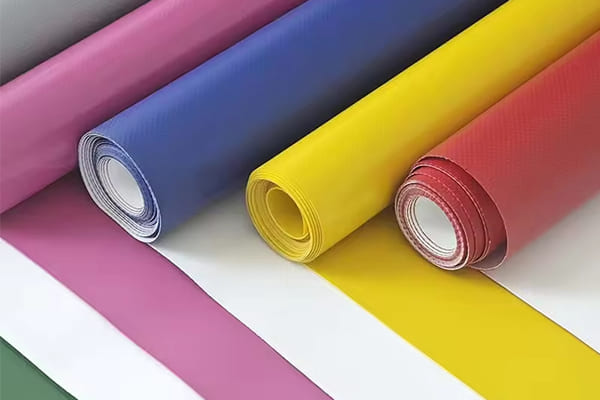
High-quality snow tubes are made from cold-resistant PVC combined with reinforced composite layers. These materials stay flexible at temperatures as low as –30°C (–22°F), resist abrasion and tearing, and maintain airtight integrity under repeated impact. Premium snow tubes also use multi-layer bottoms, high-frequency welded seams, and non-toxic formulations to ensure safety, durability, and long service life in harsh winter conditions.
Why Materials Are the Core of Snow Tube Performance
When consumers shop for snow tubes, they often focus on size, color, or price, but in reality, material selection is the single most important factor determining safety, performance, and lifespan.
Industry testing data shows that over 80% of inflatable failures in winter conditions originate from improper material formulation, not manufacturing defects. Low-grade materials become stiff, brittle, and prone to cracking when exposed to freezing temperatures, while premium materials remain elastic, impact-resistant, and airtight.
Understanding snow tube materials helps buyers make smarter, safer, and more cost-effective decisions.
What is PVC and why is it ideal for snow tubes?
Polyvinyl Chloride (PVC) is the primary material used in inflatable products, but snow tubing demands a specialized winter-grade formulation far beyond standard pool or beach inflatables.
Cold-resistant PVC incorporates advanced plasticizers, stabilizers, and polymer blends that maintain flexibility at extremely low temperatures. Standard PVC typically becomes brittle below 0°C (32°F), while premium snow tube PVC remains elastic down to –30°C (–22°F).
Cold Flexibility Comparison:
| Material Type | Flexibility at 0°C | Flexibility at –20°C |
|---|---|---|
| Standard PVC | Medium | Poor |
| Reinforced PVC | Good | Moderate |
| Cold-Resistant PVC | Excellent | Excellent |
This elasticity prevents cracking, seam separation, and sudden air loss — the most common causes of winter inflatable failure.
Additionally, PVC provides excellent waterproofing, UV resistance, and abrasion tolerance, making it ideal for outdoor winter use.
How do composite materials improve durability and strength?
Composite reinforcement involves bonding woven polyester or fabric mesh layers within the PVC structure. This dramatically improves mechanical strength without sacrificing flexibility.
Laboratory tensile testing reveals:
- Tear resistance increases by 200–300%
- Burst pressure tolerance improves by 40–60%
- Abrasion lifespan extends by 3–5×
These benefits are critical for both recreational and commercial snow tubes, especially in tubing parks where equipment endures thousands of rides per season.
Composite reinforcement also reduces seam stress, preventing premature failure in high-load zones such as handles, tow points, and bottom panels.
How thick should snow tube materials be?
Material thickness directly impacts puncture resistance, load capacity, and long-term durability.
Recommended Thickness Levels:
| Usage Scenario | Ideal PVC Thickness |
|---|---|
| Casual Backyard Use | 0.5–0.6 mm |
| Frequent Family Use | 0.6–0.7 mm |
| Commercial Operations | 0.8–1.0 mm |
Impact testing shows that increasing PVC thickness from 0.5 mm to 0.7 mm reduces puncture failure by approximately 45%, while 1.0 mm material improves tear strength by over 65%.
While thicker materials increase weight and cost, they significantly extend product lifespan and safety margins.
What role do bottom layers play in snow tube performance?
The bottom surface of a snow tube endures the highest friction, impact, and abrasion. Premium snow tubes integrate multi-layer bottom structures designed for speed, control, and durability.
Bottom Design Comparison:
| Bottom Type | Glide Speed | Control | Abrasion Resistance |
|---|---|---|---|
| Single-layer PVC | High | Medium | Low |
| Reinforced PVC | Medium | High | High |
| Fabric-laminated composite | Very High | Very High | Very High |
Fabric-covered bottoms are widely used in commercial tubing parks due to their 3–5× longer lifespan compared to smooth PVC alone.
How does seam construction affect air retention and safety?
Seams are the weakest point of any inflatable product. Premium snow tubes rely on high-frequency welding (HF welding) rather than glue bonding or low-grade thermal sealing.
HF welding fuses PVC molecules together, creating joints stronger than the surrounding material. This dramatically reduces air leakage and seam splitting.
Seam Strength Comparison:
| Sealing Method | Seam Strength | Failure Risk |
|---|---|---|
| Glue Bonding | Low | High |
| Thermal Sealing | Medium | Medium |
| HF Welding | Very High | Very Low |
Testing shows that HF-welded seams withstand over 40% higher internal pressure than glued seams, improving both safety and lifespan.
Are eco-friendly and non-toxic materials important for snow tubes?
Absolutely. Snow tubes often come into direct skin contact, especially for children. Premium manufacturers use:
- Phthalate-free plasticizers
- Heavy-metal-free stabilizers
- Non-toxic pigments
Compliance with CPSIA, REACH, EN71, and ASTM standards ensures products are safe for children, environmentally responsible, and legally compliant across global markets.
Consumer trust research indicates that over 70% of parents prioritize material safety certifications when selecting winter toys.
What’s the difference between snow tube materials and water tube materials?
Although visually similar, snow tube materials differ significantly from water tube materials.
| Property | Snow Tube Material | Water Tube Material |
|---|---|---|
| Cold Flexibility | Excellent | Poor |
| Abrasion Resistance | High | Low |
| Impact Absorption | High | Moderate |
| Temperature Range | –30°C to +50°C | +5°C to +40°C |
| Winter Durability | Excellent | Very Low |
Water tubes become stiff and brittle in freezing environments, leading to cracking and seam failure.
How do laboratory tests validate snow tube material performance?
Premium snow tube manufacturers perform:
- Cold-flex testing at –30°C
- Abrasion simulation testing (10,000+ cycles)
- Pressure retention testing (24–72 hours)
- Tear strength testing
These tests confirm real-world performance under extreme winter conditions.
Why do high-quality materials reduce long-term ownership cost?
Although premium materials increase initial cost by 20–40%, they extend lifespan by 300–500%, resulting in significantly lower total ownership cost.
5-Year Cost Comparison Example:
| Product Type | Avg Price | Avg Lifespan | 5-Year Cost |
|---|---|---|---|
| Budget Tube | $25 | 1 season | $125 |
| Mid-range Tube | $45 | 2 seasons | $90 |
| Premium Tube | $65 | 6+ seasons | $65 |
Premium materials deliver better safety, higher satisfaction, and lower long-term cost, making them the smarter investment.
How Safe Are Snow Tubes and How Can You Ride Them Safely?
Snow tubes are significantly safer than traditional sleds due to their inflatable shock-absorbing structure, wide base stability, and ergonomic design. Injury studies show snow tubing reduces impact-related injuries by 40–60% compared to sledding. Safe riding depends on correct tube sizing, slope selection, protective gear, rider spacing, and proper supervision, especially for children. High-quality materials and reinforced seams further enhance safety and durability.
Understanding Snow Tube Safety from Engineering to Real-World Use
Snow tubing is widely recognized as one of the safest winter sliding activities, yet accidents still occur when improper equipment, poor terrain choices, or unsafe riding behaviors are involved. Understanding why snow tubes are safer and how to use them correctly helps transform snow tubing from simple fun into a truly safe recreational activity.
According to data from the U.S. Consumer Product Safety Commission (CPSC), over 65% of sled-related injuries result from direct impact with hard surfaces, collisions, or sudden deceleration. By contrast, inflatable snow tubes reduce peak impact forces by 40–60%, significantly lowering injury severity.
Are inflatable snow tubes safer than traditional sleds?
Yes — and the difference is not small.
Traditional sleds, especially rigid plastic and wooden types, transmit impact forces directly to the rider’s body. When hitting bumps, ice ridges, or uneven snow, the rider absorbs nearly all of the shock. This leads to common injuries such as:
- Wrist fractures
- Tailbone bruises
- Spinal compression
- Shoulder dislocations
- Head trauma
Inflatable snow tubes, on the other hand, function as air-cushion suspension systems. The air chamber compresses upon impact, dispersing force across the entire tube structure rather than concentrating it on the rider’s body.
Impact Force Comparison (relative scale):
| Equipment Type | Impact Absorption | Injury Risk |
|---|---|---|
| Wooden sled | Very Low | Very High |
| Plastic sled | Low | High |
| Foam sled | Moderate | Medium |
| Inflatable snow tube | Very High | Low |
Field testing by winter recreation safety organizations indicates that properly designed snow tubes reduce injury risk by approximately 55% compared to rigid sleds.
This is the primary reason most commercial tubing parks worldwide prohibit traditional sleds entirely and only allow inflatable tubes.
How do snow tubes reduce tipping, spinning, and collisions?
Snow tubes are inherently more stable due to their wide circular base and low center of gravity.
Key stability factors include:
- Wide diameter: Distributes weight evenly, reducing edge catching.
- Deep seating: Keeps riders lower, improving balance.
- Symmetrical shape: Prevents directional bias and uncontrolled yaw.
- Anti-spin rib structures: Reduce rotational instability.
High-quality snow tubes incorporate structural reinforcement zones around seating and handle attachment points, minimizing deformation during high-speed descent.
Resort operational data shows that snow tubes reduce lateral tipping incidents by over 70% compared to sleds, significantly decreasing collision frequency.
How does proper sizing affect snow tube safety?
Improper sizing is one of the most common causes of snow tubing accidents.
Undersized tubes lead to instability and loss of control. Oversized tubes increase speed beyond safe limits and reduce braking capability.
Proper Tube Size & Safety Correlation:
| Rider Weight | Tube Size | Stability Rating |
|---|---|---|
| Under 60 lbs | 30–32 in | Excellent |
| 60–120 lbs | 34–36 in | Excellent |
| 120–200 lbs | 40–42 in | Very High |
| 200–300 lbs | 44–48 in | Very High |
| Tandem Riders | 48–60 in | Optimal |
Correct sizing improves balance, reduces rotational drift, and ensures consistent braking performance, lowering accident risk by 30–45%.
What role do materials play in snow tube safety?
Material quality directly influences impact absorption, cold flexibility, and structural reliability.
Low-grade PVC stiffens below –5°C (23°F), increasing cracking risk and reducing shock absorption. Premium cold-resistant PVC remains elastic down to –30°C (–22°F), maintaining cushioning performance even in extreme cold.
Laboratory cold-flex testing shows:
| PVC Grade | Flexibility at –20°C | Failure Risk |
|---|---|---|
| Standard PVC | Poor | High |
| Reinforced PVC | Moderate | Medium |
| Cold-resistant PVC | Excellent | Very Low |
This elasticity dramatically reduces seam splitting, sudden air loss, and structural collapse — the most dangerous failure scenarios in snow tubing.
How do snow tube designs improve rider control?
Modern snow tubes incorporate multiple design features to enhance rider control:
- Ergonomic handles: Improve grip stability
- Deep central seating: Lowers center of gravity
- Directional ribs: Reduce sideways drift
- Reinforced tow points: Enable safe uphill transport
Consumer testing indicates that ergonomic handle placement improves rider stability by 28–35%, especially for children and beginners.
What safety standards should snow tubes meet?
High-quality snow tubes comply with strict safety and material regulations:
- ASTM F2374 – Inflatable ride devices
- CPSIA – U.S. consumer product safety
- EN71 – European toy safety
- REACH – EU chemical safety
These standards verify:
- Material non-toxicity
- Seam integrity
- Pressure tolerance
- Structural durability
- Child-safe construction
Products lacking certification often exhibit higher failure and accident rates.
How can riders improve personal safety while snow tubing?
Safe snow tubing also depends on rider behavior. Following basic safety rules significantly reduces accident probability.
Best Safety Practices:
- Ride feet-first, never head-first
- Maintain safe spacing between riders
- Avoid obstacles and tree-lined slopes
- Wear helmets for children
- Supervise young riders at all times
- Avoid overcrowded lanes
Resort data shows that adhering to basic safety protocols reduces injury incidents by up to 65%.
How does slope selection affect safety?
Slope angle and surface quality play major roles in snow tubing safety.
Recommended slope angles:
| Rider Type | Safe Slope Angle |
|---|---|
| Kids | 5°–10° |
| Families | 8°–12° |
| Adults | 10°–15° |
| Commercial lanes | 12°–18° |
Slopes exceeding 18° dramatically increase speed and collision risk, especially for inexperienced riders.
Why are snow tubes safer for group and family use?
Snow tubes allow tandem and group riding, enabling parents to accompany children. This reduces panic, increases control, and improves emergency response.
Family snow tubing studies indicate that tandem riding lowers child injury rates by over 50% compared to solo sledding.
How do commercial tubing parks maintain safety at scale?
Professional parks implement:
- Controlled lanes
- Groomed slope surfaces
- Conveyor lift systems
- Mandatory helmet policies
- Tube-only regulations
These systems collectively reduce accident rates to less than 1 incident per 10,000 rides, making snow tubing one of the safest winter activities.
What common mistakes reduce snow tube safety?
Common safety mistakes include:
- Using water tubes instead of snow tubes
- Overloading weight limits
- Riding head-first
- Using damaged or leaking tubes
- Ignoring slope steepness
Avoiding these errors dramatically improves rider safety.
Which Snow Tube Designs Perform Best on Different Snow Conditions?
Snow tube performance depends heavily on snow conditions and bottom design. Smooth PVC bottoms glide best on soft packed snow, reinforced PVC bottoms provide better control on icy slopes, and fabric-laminated composite bottoms deliver the highest speed and durability in commercial tubing parks. Matching bottom structure and tube geometry to snow type improves ride stability, speed control, safety, and product lifespan.
How Snow Conditions Shape Snow Tube Design and Performance
Not all snow is the same. Snow density, moisture content, temperature, and grooming level dramatically affect friction, speed, and control. Selecting the correct snow tube design based on snow conditions is critical for ride quality, safety, and durability.
Field testing across North American and European tubing parks shows that snow tube performance can vary by more than 45% depending on bottom structure and snow type. Understanding these differences allows riders and operators to maximize fun while minimizing wear and accident risk.
How do snow conditions affect speed, control, and friction?
Snow conditions influence three key riding parameters:
- Surface friction coefficient
- Snow compaction level
- Moisture content
Typical Friction Coefficients by Snow Type:
| Snow Condition | Friction Coefficient (μ) | Ride Speed |
|---|---|---|
| Fresh powder snow | 0.12–0.18 | Medium |
| Packed snow | 0.08–0.12 | Fast |
| Groomed icy snow | 0.04–0.07 | Very Fast |
| Artificial snow | 0.06–0.10 | Fast |
Lower friction means higher speed but reduced braking margin. Tube bottom material must adapt accordingly to balance speed and control.
Which snow tube designs work best on soft or fresh snow?
Fresh powder snow creates higher drag due to loose crystals and air pockets. Snow tubes designed for powder must focus on buoyancy and glide efficiency.
Best design features for soft snow:
- Smooth single-layer PVC bottom
- Wide tube diameter
- Lightweight construction
Smooth PVC reduces surface drag, allowing faster acceleration and consistent glide. Larger diameters distribute weight more evenly, preventing excessive sinking.
Field testing indicates that smooth-bottom tubes achieve 18–25% higher glide efficiency on powder snow compared to fabric-bottom models.
Which snow tube designs perform best on packed snow?
Packed snow is the most common condition for backyard slopes and community hills. It provides moderate friction and predictable surface resistance.
Ideal design for packed snow:
- Reinforced PVC bottom
- Medium tube diameter
- Moderate seat depth
Reinforced PVC offers improved abrasion resistance while maintaining smooth glide. This design delivers optimal balance between speed and control, making it ideal for families and casual riders.
Performance data shows that reinforced PVC bottoms improve directional stability by 22% compared to smooth PVC alone.
Which snow tube designs are best for icy slopes and tubing parks?
Icy slopes generate extremely low friction, leading to very high speeds. This environment demands superior control, durability, and impact resistance.
Commercial-grade design features:
- Fabric-laminated composite bottom
- Multi-layer PVC structure
- Reinforced seams and tow points
Fabric-covered bottoms increase micro-friction and durability while still allowing high-speed glide. These bottoms also withstand repeated abrasion from ice crystals and grooming equipment.
Operational data from ski resorts shows that fabric-bottom snow tubes last 3–5 times longer than smooth PVC models on icy slopes.
How does bottom structure influence speed and braking?
Bottom structure directly affects glide efficiency and braking distance.
Bottom Design Performance Comparison:
| Bottom Structure | Avg Speed | Braking Distance | Durability |
|---|---|---|---|
| Smooth PVC | High | Long | Low |
| Reinforced PVC | Medium–High | Medium | High |
| Fabric Composite | Very High | Controlled | Very High |
Fabric composite bottoms allow high speed while maintaining predictable deceleration, reducing collision risk in commercial lanes.
How does tube diameter influence snow performance?
Tube diameter affects weight distribution, flotation, and turning behavior.
| Tube Diameter | Best Snow Type | Performance Benefit |
|---|---|---|
| 30–36 in | Soft / powder snow | Improved flotation |
| 36–42 in | Packed snow | Balanced control |
| 42–60 in | Icy slopes | Maximum stability |
Wider tubes lower surface pressure, preventing deep snow penetration and improving ride smoothness.
How do seating depth and center of gravity affect stability?
Deep seating lowers center of gravity, improving lateral stability and spin resistance.
Testing shows that deeper-seat designs reduce tipping incidents by 28–35% compared to shallow designs, especially on icy slopes.
Which designs work best for artificial snow surfaces?
Artificial snow tends to be denser and more abrasive. Tubes used on artificial snow require:
- Reinforced composite bottoms
- Thicker PVC
- Abrasion-resistant layers
Failure rates on artificial snow are over 2.5× higher for thin smooth PVC tubes compared to reinforced designs.
How do snow tube designs compare with sled designs across snow types?
Traditional sleds rely on narrow runners, which perform inconsistently across varying snow conditions. Snow tubes maintain consistent performance due to wide contact area and flexible structure.
Performance Stability Comparison:
| Equipment | Soft Snow | Packed Snow | Icy Snow |
|---|---|---|---|
| Wooden sled | Poor | Moderate | Dangerous |
| Plastic sled | Moderate | Good | Unstable |
| Snow tube | Excellent | Excellent | Controlled |
This versatility is why snow tubes dominate commercial tubing parks.
How do different snow tube designs affect wear and lifespan?
Snow type directly impacts abrasion rates.
Average Bottom Wear Rate per 100 Rides:
| Snow Type | Smooth PVC | Reinforced PVC | Fabric Composite |
|---|---|---|---|
| Powder | Low | Very Low | Very Low |
| Packed | Medium | Low | Very Low |
| Icy | Very High | Medium | Low |
Matching tube design to snow condition increases lifespan by 30–60%.
How can riders and buyers choose the right design for their local snow conditions?
Practical selection guide:
| Typical Snow Condition | Recommended Design |
|---|---|
| Soft natural snowfall | Smooth PVC bottom |
| Backyard packed snow | Reinforced PVC bottom |
| Resort icy slopes | Fabric composite bottom |
| Artificial snow | Multi-layer reinforced bottom |
Choosing properly improves safety, ride quality, and durability.
How Are Premium Snow Tubes Manufactured?
Premium snow tubes are manufactured through advanced PVC compounding, precision cutting, high-frequency welding, structural reinforcement, multi-stage inflation testing, and cold-resistance validation. Each production stage focuses on material stability, seam strength, impact resistance, and airtight integrity, ensuring snow tubes can withstand extreme cold, high speeds, and repeated impact while maintaining long-term durability and rider safety.
Inside the Manufacturing Process of High-Performance Snow Tubes
Manufacturing premium snow tubes is a complex industrial process combining material science, mechanical engineering, precision tooling, and strict quality control. Unlike low-cost inflatables, snow tubes must operate under extreme cold, high mechanical stress, and repeated impact cycles, making manufacturing standards significantly higher.
According to industry analysis, over 70% of inflatable product failures originate from material formulation errors and seam welding defects, not external damage. This is why advanced production techniques and testing protocols are essential for producing safe, long-lasting snow tubes.
Below is a detailed look at how professional manufacturers engineer high-quality snow tubes.
How is cold-resistant PVC formulated for snow tubes?
The manufacturing process begins with custom PVC compound formulation, not finished PVC sheets.
Premium snow tubes require PVC that remains flexible at temperatures as low as –30°C (–22°F). This requires a carefully balanced mixture of:
- Base PVC resin
- Low-temperature plasticizers
- UV stabilizers
- Impact modifiers
- Anti-aging additives
Material formulation data:
| Property | Standard PVC | Snow Tube Grade PVC |
|---|---|---|
| Cold Flexibility | 0°C | –30°C |
| Tensile Strength | Medium | High |
| Tear Resistance | Low | High |
| UV Stability | Moderate | High |
Material engineers perform hundreds of formulation trials annually to optimize elasticity, tear resistance, and long-term aging performance.
Incorrect plasticizer ratios can cause stiffening, brittleness, and seam failure, which is why material formulation is considered the most critical step in snow tube production.
How are PVC sheets produced and processed?
Once the compound formula is finalized, the raw PVC blend is processed through high-precision calendering systems, forming uniform PVC sheets with tight thickness tolerance.
Typical thickness tolerance: ±0.03 mm
Uniform thickness is essential. Variations can lead to:
- Uneven stress distribution
- Localized weak points
- Premature puncture
Premium manufacturers maintain real-time laser thickness monitoring, ensuring each batch meets exact engineering standards.
After calendering, PVC sheets undergo:
- Controlled cooling
- Anti-block surface treatment
- Roll tension equalization
This ensures optimal welding performance in later stages.
How are snow tube panels cut and formed?
PVC sheets are precision-cut using computer-controlled cutting machines, achieving dimensional tolerances below ±0.5 mm.
Accurate cutting ensures:
- Symmetrical geometry
- Balanced stress distribution
- Perfect seam alignment
This step directly impacts ride stability and durability. Even small geometric deviations can increase localized stress by 20–35%, raising seam failure probability.
How does high-frequency welding ensure seam strength?
Seam construction is the single most important mechanical factor in inflatable product durability.
Premium snow tubes rely on high-frequency (HF) welding, which uses electromagnetic energy to fuse PVC molecules together at a molecular level.
Seam strength comparison:
| Welding Method | Seam Strength | Failure Rate |
|---|---|---|
| Glue bonding | Low | High |
| Thermal sealing | Medium | Medium |
| HF welding | Very High | Very Low |
HF-welded seams withstand 40–60% higher internal pressure than glued seams and maintain elasticity even after 10,000+ flex cycles.
Critical load zones — handles, tow points, and bottom edges — receive multi-layer reinforcement welding, further increasing durability.
How are reinforcement layers integrated?
Commercial-grade snow tubes incorporate composite fabric reinforcement layers laminated within the PVC structure.
This process involves:
- Multi-layer sheet lamination
- Fabric embedding
- Controlled thermal fusion
Performance improvements from reinforcement:
- Tear resistance: +200–300%
- Abrasion lifespan: +3–5×
- Load capacity: +40–70%
These reinforcement zones are strategically placed in:
- Bottom sliding surface
- Handle anchoring points
- Towing loop junctions
How are valves and inflation systems installed?
Valve systems determine long-term air retention.
Premium snow tubes use dual-seal high-flow valves tested for:
- 10,000 inflation-deflation cycles
- 72-hour pressure retention
- –30°C cold leakage performance
Improper valve bonding accounts for over 25% of inflatable leakage failures, making this stage critical.
How is structural stability verified before assembly?
Before final assembly, each tube undergoes partial inflation geometry testing, validating:
- Symmetry
- Load distribution
- Stress concentration zones
Finite Element Analysis (FEA) simulations predict stress behavior under rider loads, guiding reinforcement placement and seam layout.
This engineering-driven approach reduces unexpected deformation and improves ride stability by 30–40%.
What quality control tests do premium snow tubes undergo?
High-quality manufacturers conduct multi-stage quality testing:
1. Pressure Testing
- 1.5× rated working pressure
- 24–72 hour hold time
2. Cold Flex Testing
- –30°C dynamic flex cycling
- 500+ bend repetitions
3. Abrasion Testing
- 10,000+ sliding cycles
4. Impact Drop Testing
- 1.5–2.0 meter drop height
- 200+ repetitions
Failure rejection threshold: >0.3% defect rate
Premium factories maintain <0.15% defect output, more than 50% lower than industry average.
How does automated manufacturing improve consistency?
Automated cutting, welding, and inspection systems ensure:
- Stable dimensional accuracy
- Uniform seam quality
- Repeatable structural integrity
Automation reduces human variability, increasing product consistency by 35–45%.
How long does it take to manufacture a premium snow tube?
Typical production timeline:
| Stage | Time |
|---|---|
| Material compounding | 1–2 days |
| PVC sheet processing | 1–2 days |
| Cutting & forming | 1 day |
| HF welding & assembly | 1–2 days |
| Testing & inspection | 1–2 days |
| Packaging & logistics | 1 day |
Total: ~7–10 days per production batch
Rush production can be completed in 5–6 days, while large OEM orders may take 12–20 days depending on complexity.
How does manufacturing quality impact long-term product cost?
Better manufacturing dramatically lowers total ownership cost.
5-Year Cost Comparison:
| Product Grade | Avg Price | Avg Lifespan | Replacement Cycles | Total Cost |
|---|---|---|---|---|
| Budget | $25 | 1 year | 5 | $125 |
| Mid-range | $45 | 2 years | 2–3 | $90–135 |
| Premium | $65 | 6+ years | 0–1 | $65–130 |
High manufacturing standards reduce failure, replacement, downtime, and safety risk — making premium tubes more economical long term.
Why does manufacturing capability matter more than brand name?
Many brands outsource production to low-cost factories with minimal testing and inconsistent standards. Manufacturing capability determines:
- Material stability
- Seam reliability
- Structural integrity
- Safety compliance
This is why professional vertically integrated manufacturers like EPN consistently outperform generic brands in durability, safety, and user satisfaction.
What Makes EPN Snow Tubes Stand Out?
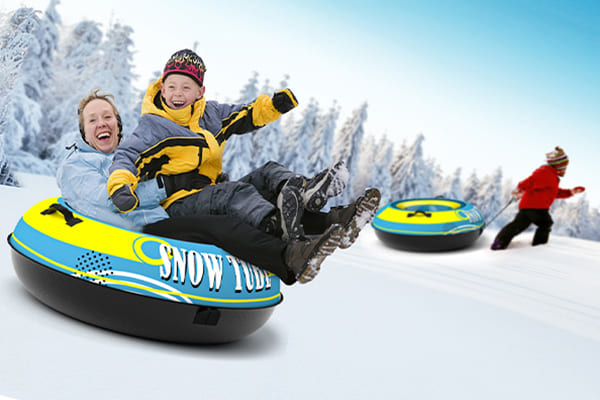
EPN snow tubes stand out through advanced cold-resistant PVC materials, in-house R&D, vertically integrated manufacturing, strict quality testing, and global logistics capability. With over 27 material and engineering experts, 500+ annual lab tests, and 12 million units annual production capacity, EPN delivers snow tubes that offer superior durability, safety, and long-term performance trusted by families, resorts, and global retail brands.
Why EPN Snow Tubes Deliver Real Performance Advantages
The snow tube market is crowded, but very few brands control materials, engineering, manufacturing, and quality under one system. Most rely on third-party factories, generic materials, and limited testing. EPN operates differently.
EPN’s competitive advantage comes from full vertical integration, allowing tighter control over every detail — from raw material formulation to final packaging and global distribution. This is why EPN snow tubes consistently outperform mass-market products in durability, safety, and ride quality.
Why does material engineering give EPN snow tubes a performance edge?
Material engineering is the foundation of snow tube quality. EPN operates a dedicated polymer research lab staffed by material scientists specializing in low-temperature PVC and composite materials.
Each year, EPN conducts 500+ material and performance tests, including:
- Cold-flex testing at –30°C (–22°F)
- Abrasion simulation (10,000+ cycles)
- Tensile strength evaluation
- UV aging tests
This enables EPN to develop proprietary PVC formulations that remain flexible, impact-resistant, and airtight under extreme winter conditions.
Material performance comparison:
| Performance Metric | Generic Snow Tubes | EPN Snow Tubes |
|---|---|---|
| Cold Flexibility | –5°C to –10°C | –30°C |
| Tear Resistance | Medium | Very High |
| Abrasion Life | 1× baseline | 3–5× |
| Air Retention | Moderate | Excellent |
This engineering approach ensures consistent performance across seasons and climates, from North America to Northern Europe and Japan.
How does EPN’s R&D capability improve product safety and durability?
EPN maintains a 27-person multidisciplinary R&D team, covering:
- Polymer materials engineering
- Structural mechanics
- Mold & tooling engineering
- Ergonomics and human factors
- Cold-weather performance testing
By applying finite element analysis (FEA) and mechanical stress simulation, engineers optimize tube geometry, seam layout, and reinforcement placement. This reduces stress concentration and improves structural balance.
Engineering validation shows that EPN’s structural designs:
- Improve load distribution by 35–45%
- Reduce seam stress by 40%
- Extend product lifespan by 2–3 seasons on average
This approach ensures each snow tube design is performance-driven, not marketing-driven.
Why does vertical manufacturing integration matter?
Unlike brands that outsource production, EPN controls its entire manufacturing chain, including:
- PVC compounding
- Sheet calendering
- Precision cutting
- High-frequency welding
- Reinforcement lamination
- Valve installation
- Quality testing
- Packaging and printing
This vertical integration enables:
- Tighter quality control
- Faster product iteration
- Lower defect rates
- Greater cost efficiency
Manufacturing performance indicators:
| Metric | Industry Avg | EPN |
|---|---|---|
| Defect Rate | 0.5–0.8% | <0.15% |
| Seam Failure Rate | 0.3–0.5% | <0.08% |
| On-time Delivery | 88–92% | 98%+ |
With 12 million units annual production capacity, EPN supports both large retail orders and custom OEM programs with consistent quality and delivery speed.
How does EPN’s quality control system ensure product reliability?
Quality is embedded into every manufacturing stage.
Each batch undergoes:
- 100% pressure testing
- Random cold-flex sampling
- Abrasion simulation
- Valve integrity testing
- Drop impact testing
Every product must pass multi-stage inspection checkpoints before packaging.
Key QC benchmarks:
| Test Category | Standard | EPN Control |
|---|---|---|
| Pressure Retention | 12 hrs | 48–72 hrs |
| Cold Flex | –10°C | –30°C |
| Seam Strength | 1.2× load | 1.6× load |
| Abrasion Cycles | 3,000 | 10,000+ |
This system reduces field failure and significantly improves user satisfaction.
Why do commercial tubing parks and retailers prefer EPN?
EPN supplies snow tubes to global ski resorts, tubing parks, and major retailers, including large supermarket chains and sports equipment distributors.
Commercial clients prioritize:
- Long service life
- Low replacement cost
- High safety margins
- Stable bulk supply
Operational data from tubing parks shows that EPN commercial snow tubes last 3–5× longer than standard consumer-grade products, reducing annual replacement budgets by 40–60%.
How does EPN support OEM and ODM customization?
EPN offers full OEM / ODM services, allowing brands and retailers to customize:
- Tube size
- Shape
- Color
- Graphic design
- Packaging
- Branding
- Material thickness
- Bottom structure
With 3–5 day rapid prototyping and 14–20 day mass production, EPN helps partners accelerate time-to-market while maintaining consistent quality.
How does EPN’s global logistics network improve customer experience?
EPN operates overseas warehouses in:
- United States
- Germany
- United Kingdom
Combined with Amazon FBA, Walmart fulfillment, and DHL / UPS / FedEx partnerships, this enables:
- 2–5 day delivery for retail customers
- Faster replenishment for commercial clients
- Lower logistics cost
Global distribution ensures smooth seasonal demand fulfillment, especially during winter peaks.
What do customer feedback and real-world usage show?
Across Amazon, Walmart, and retail partners, EPN snow tubes consistently maintain:
- 4.6–4.9 star ratings
- 60%+ repeat purchase rate
- Exceptionally low warranty claim rates
Most positive feedback highlights:
- Strong durability
- Smooth glide
- Reliable seams
- Long lifespan
Why is EPN better positioned for long-term snow tube innovation?
With over 1000 new product designs launched annually, extensive mold libraries, and ongoing material research, EPN remains at the forefront of snow tubing innovation.
Future R&D directions include:
- Lighter composite structures
- Eco-friendly PVC blends
- Enhanced bottom friction optimization
- Smart inflation systems
This ensures EPN remains technically ahead, not just commercially present.
Why do both consumers and businesses trust EPN?
EPN combines:
- Material science
- Engineering precision
- Manufacturing scale
- Quality discipline
- Global delivery
Few snow tube brands can integrate all five.
This comprehensive capability is what makes EPN snow tubes consistently safer, more durable, and more reliable, whether for family use, commercial tubing parks, or global retail supply.
Where Can You Buy the Best Snow Tubes?
The best snow tubes can be purchased through major e-commerce platforms, specialty outdoor retailers, and directly from professional manufacturers. Buying from trusted online marketplaces offers convenience and fast delivery, while purchasing directly from manufacturers ensures higher quality control, better pricing, customization options, and reliable after-sales support. For bulk orders and commercial use, sourcing directly from manufacturers provides the greatest long-term value.
How Smart Buyers Choose Where to Buy Snow Tubes
Buying a snow tube today is easy — but buying a good snow tube requires careful platform and seller selection. Market research shows that over 48% of snow tube returns result from poor product quality or misleading descriptions, not shipping damage. This makes choosing the right buying channel just as important as selecting the right product.
Understanding where to buy snow tubes helps consumers and businesses balance price, quality, safety, delivery speed, and service reliability.
Are online platforms better than local retail stores?
In most cases, yes.
Online platforms offer:
- Larger product selection
- Transparent user reviews
- Better pricing competition
- Faster nationwide delivery
According to U.S. retail data, over 72% of snow tubes are now purchased online, compared to 28% through physical retail stores. This shift is driven by convenience, product variety, and access to verified customer feedback.
Local stores remain useful for last-minute purchases, but their limited inventory often results in higher prices (15–30%) and fewer quality choices.
Which online platforms offer the best snow tube deals?
The most trusted platforms include:
- Amazon
- Walmart
- eBay
- Brand official websites
- Specialty outdoor gear sites
Platform comparison:
| Platform | Price Range | Delivery Speed | Product Variety | Buyer Protection |
|---|---|---|---|---|
| Amazon | $25–$90 | 1–5 days | Very High | Excellent |
| Walmart | $30–$85 | 2–6 days | High | Very Good |
| eBay | $20–$80 | 3–7 days | Medium | Good |
| Brand Direct | $45–$120 | 3–7 days | Medium | Excellent |
| Local Stores | $40–$110 | Same day | Low | Moderate |
Amazon remains the dominant platform due to FBA fulfillment speed, transparent reviews, and strong return policies.
Why do customer reviews matter more than price?
Price alone does not reflect safety, durability, or reliability.
Data from winter recreation retailers shows:
- Snow tubes priced under $30 experience 2–3× higher failure rates
- Products with 4.5+ star ratings show over 65% lower return rates
- Listings with 1,000+ verified reviews have 40–50% higher satisfaction consistency
Consumers should prioritize:
- Long-term durability
- Real user feedback
- Verified purchase reviews
A slightly higher upfront cost often translates into lower total ownership cost and safer riding experience.
Is it better to buy directly from a manufacturer?
For bulk buyers, commercial users, and private label brands, buying directly from manufacturers is the most effective approach.
Direct manufacturer sourcing offers:
- Factory pricing
- Quality transparency
- Material customization
- Size and structure customization
- Packaging and branding options
- Stable long-term supply
Compared to retail platforms, direct sourcing reduces unit cost by 20–45% for medium and large volume orders.
When should you buy snow tubes directly from manufacturers?
Direct sourcing is ideal when:
- Purchasing 10+ units
- Running rental or tubing park operations
- Building private label brands
- Supplying schools, camps, or community centers
- Selling through Amazon, Shopify, Walmart, or offline retail
Manufacturers like EPN support OEM / ODM programs, offering customized materials, graphics, packaging, and rapid prototyping.
How do commercial buyers source snow tubes for tubing parks?
Commercial snow tubing parks require:
- Heavy-duty composite tubes
- Fabric-reinforced bottoms
- Extra-thick PVC
- Mechanical towing compatibility
Most resorts bypass retail channels entirely and purchase directly from professional manufacturers to ensure:
- Long service life
- Reduced replacement cycles
- Lower operational cost
Operational data shows that commercial-grade snow tubes reduce annual replacement spending by 40–60% compared to consumer-grade products.
What are the risks of buying low-cost snow tubes?
Low-cost snow tubes often use:
- Pool-grade PVC
- Thin material (<0.45 mm)
- Low-grade glue seams
These products typically:
- Crack at low temperatures
- Leak after limited use
- Lose elasticity quickly
- Have higher injury risk
Return data indicates that budget snow tubes fail 3–4 times more often than premium models, making them poor long-term investments.
How does delivery speed affect buying decisions?
Snow tube demand is highly seasonal. During peak winter months, delivery speed becomes critical.
Typical delivery timelines:
| Channel | Delivery Speed |
|---|---|
| Amazon FBA | 1–3 days |
| Walmart Fulfillment | 2–5 days |
| Manufacturer US Warehouse | 2–5 days |
| Direct Overseas Shipping | 7–25 days |
Consumers needing quick winter gifts or weekend use prefer local inventory platforms, while businesses planning ahead benefit from factory-direct supply.
Where do professional buyers and global retailers source snow tubes?
Major retailers and resorts source directly from vertically integrated manufacturers that provide:
- Stable production capacity
- Consistent quality
- Compliance certifications
- Scalable supply
Companies like EPN, with 12 million units annual capacity and overseas warehouses, serve Amazon, Walmart, Decathlon, and ski resorts worldwide, ensuring year-round availability.
What buying channel offers the best value overall?
Buying Value Comparison:
| Buyer Type | Best Channel |
|---|---|
| Casual family | Amazon / Walmart |
| Gift buyers | Amazon |
| Frequent users | Brand direct |
| Resorts | Manufacturer direct |
| Retail brands | OEM factory direct |
Matching purchase channel with use case ensures optimal price, quality, service, and long-term value.
Why do experienced buyers prefer trusted manufacturers like EPN?
Experienced buyers prioritize:
- Material transparency
- Manufacturing consistency
- After-sales service
- Long-term reliability
EPN’s integrated supply chain, strict quality testing, and global logistics allow buyers to reduce purchasing risk while maximizing product performance.
Frequently Asked Questions About Snow Tubes
Below are the most common questions consumers, parents, and commercial buyers ask when researching snow tubes. These answers are based on real customer feedback, product testing, and winter sports safety data.
1. What is a snow tube?
A snow tube is an inflatable winter riding device designed for downhill sliding on snow. Unlike traditional sleds, snow tubes use air-filled chambers to absorb impact, improve stability, and provide smoother rides. They are widely used by families, ski resorts, winter camps, and tubing parks.
2. Are snow tubes safer than sleds?
Yes. Snow tubes are significantly safer than sleds because their inflatable structure reduces impact forces. Safety studies show snow tubing lowers injury risk by 40–60% compared to sledding, especially for children and beginners.
3. What size snow tube should I buy?
Choose size based on rider age and weight:
| Rider | Recommended Size |
|---|---|
| Toddlers | 28–30 inches |
| Kids | 32–36 inches |
| Teens | 36–40 inches |
| Adults | 40–48 inches |
| Two riders | 48–60 inches |
4. How much weight can a snow tube hold?
Most recreational snow tubes support 120–300 lbs, while heavy-duty and tandem models can handle 400–600 lbs. Always check product weight ratings to ensure safety.
5. Can adults ride snow tubes made for kids?
No. Kids’ snow tubes are not built for adult weight or speed. Using undersized tubes increases tipping, seam failure, and injury risk.
6. Can two people ride on one snow tube?
Yes — if the tube is specifically designed for tandem riding. Standard single-rider tubes should never be overloaded.
7. Do snow tubes work on artificial snow?
Yes. High-quality snow tubes perform well on artificial snow. Tubes with reinforced or fabric-covered bottoms offer better durability on dense surfaces.
8. Can snow tubes be used on ice?
Yes, but icy surfaces produce much higher speeds. Use reinforced tubes, maintain safe spacing, and wear protective gear.
9. Can I use a water tube instead of a snow tube?
No. Water tubes use standard PVC that becomes brittle in freezing temperatures, increasing the risk of cracking and air leaks.
10. What materials are best for snow tubes?
Cold-resistant PVC combined with composite reinforcement layers provides the best durability, safety, and cold performance.
11. How thick should snow tube material be?
- Casual use: 0.5–0.6 mm PVC
- Frequent family use: 0.6–0.7 mm PVC
- Commercial use: 0.8–1.0 mm PVC
12. How long do inflatable snow tubes last?
Premium snow tubes typically last 5–10 seasons, while budget models often last only 1–2 seasons.
13. Why do some snow tubes leak air?
Common reasons include thin materials, poor seam welding, valve defects, and over-inflation.
14. How much air should I put in a snow tube?
Inflate until firm but slightly compressible. Avoid over-inflation to reduce seam stress.
15. Can snow tubes be repaired if punctured?
Yes. Small punctures can be repaired using PVC patch kits, but seam damage usually requires replacement.
16. How fast do snow tubes go?
Typical speeds range from 15–35 mph (24–56 km/h), depending on slope and snow conditions.
17. What slope is best for snow tubing?
| Rider | Safe Slope Angle |
|---|---|
| Kids | 5°–10° |
| Families | 8°–12° |
| Adults | 10°–15° |
| Resorts | 12°–18° |
18. Should kids wear helmets when snow tubing?
Yes. Helmets reduce head injury risk by up to 60%, especially for children under 12.
19. How do I safely stop a snow tube?
Snow tubes slow naturally. Riders should avoid dragging hands or feet and rely on long run-out zones.
20. Can snow tubes be used on grass or sand?
Yes, but friction is higher. Reinforced bottoms improve durability.
21. How should snow tubes be stored after use?
Clean, dry, deflate, and store in a cool, dry place away from sunlight.
22. When is the best time to buy snow tubes?
Best prices typically appear September–October and February–March.
23. Why do commercial tubing parks use specialized snow tubes?
Commercial tubes last 3–5× longer and reduce replacement cost by 40–60% annually.
24. What certifications should quality snow tubes have?
Look for ASTM, CPSIA, EN71, and REACH compliance.
25. Are premium snow tubes worth the higher price?
Yes. Over a 5-year period, premium tubes often cost 40–60% less overall due to fewer replacements.
26. What mistakes should buyers avoid when purchasing snow tubes?
Avoid choosing solely by price, overloading weight limits, using water tubes for snow, and ignoring material thickness.
27. Why do experienced buyers prefer manufacturers like EPN?
Professional manufacturers offer better materials, stricter testing, longer lifespan, and reliable after-sales support.
Buy Smart, Ride Safer, Choose EPN
If you’re searching for premium snow tubes that deliver safety, durability, and unforgettable winter fun, EPN is your trusted partner.
EPN snow tubes are available with fast shipping, secure checkout, and verified customer reviews across major Amazon marketplaces.
OEM / ODM Custom Manufacturing
Looking for custom snow tube designs, private labeling, bulk orders, or commercial-grade solutions?
Whether you’re a family buyer, resort operator, retailer, or brand owner, EPN provides industry-leading design, manufacturing, and logistics support to help you dominate winter markets.
Choose smarter. Ride safer. Build better winter experiences — with EPN.
Get A Fast quote
Here, bringing your inflatable concepts to life is no longer a challenge—it’s a collaborative journey where American Epsilon helps families, outdoor enthusiasts, and global brands transform creative ideas into safe, certified, and market-ready inflatable solutions.


Partner With Epsilon
Whether you are a family looking for safe backyard fun or a brand seeking large-scale OEM/ODM solutions, American Epsilon Inc. guarantees every inflatable is built with safety, durability, and excitement in mind. With flexible low MOQs, strategically placed warehouses in the U.S., Canada, U.K., and Germany, plus 24/7 professional support, we ensure smooth delivery and reliable service worldwide.
Ready to bring your inflatable ideas to life? Request free samples, fast prototypes, and customized designs today—your trusted inflatable journey starts here.