Skip to content
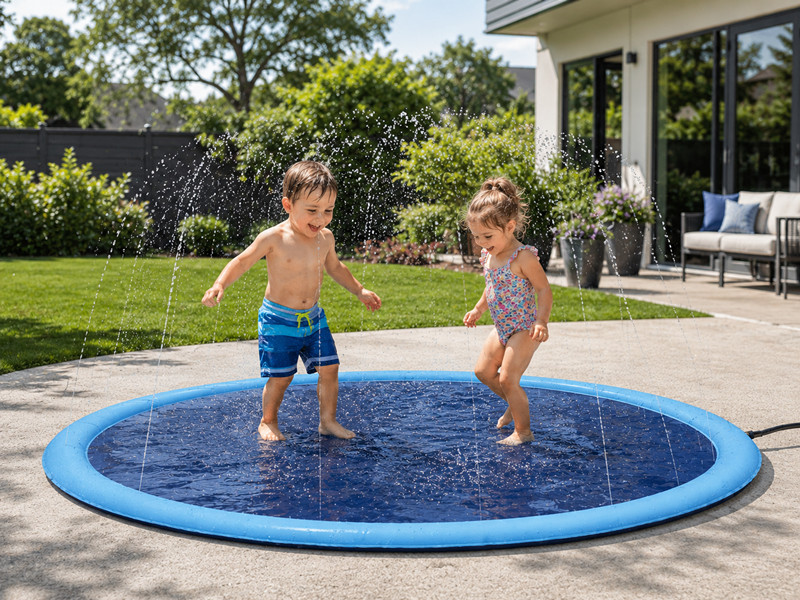
A splash pad can look like one of the easiest summer toys to buy. The pattern is bright, the box looks fun, and the setup sounds simple: connect a garden hose and let kids enjoy backyard water play. But the real test does not happen during the first ten minutes. It happens after repeated setup, folding, sun exposure, grass friction, water pressure, cleaning, and storage at the end of the season.
A splash pad that lasts more than one summer should have thick flexible PVC, reinforced edge seams, a reliable hose connection, evenly placed inward spray holes, moderate water pressure, a clean setup surface, and full drying before storage. The right splash pad is not only large or colorful. It should match real backyard use, family routines, and repeated summer handling.
This matters because summer play is rarely gentle. Children step on the outer ring. Pets may walk across the surface. The hose may pull at the connector. The pad may sit on warm grass for hours, then get folded quickly after dinner. A better splash pad is made for these small daily stresses, not just for a clean product photo. Once families know what to check, choosing a splash pad for next summer becomes much easier.

What Makes a Splash Pad Last Longer?
A splash pad lasts longer when material strength, flexible structure, seam stability, spray balance, and storage design work together. Thick PVC helps, but it is not the only factor. A better splash pad should resist outdoor wear, handle moderate water pressure, fold without sharp stress, and stay easy to clean after repeated backyard use.
Which splash pad material lasts longer?
PVC is widely used for splash pads because it is flexible, water-resistant, printable, and suitable for seasonal outdoor play. But not every PVC splash pad feels the same. Some products feel thin and papery, while others feel smoother, thicker, and more stable underfoot.
A durable splash pad material should offer:
- A smooth surface for barefoot children
- Enough body to reduce easy wrinkling during play
- Flexibility for folding after drying
- Lower initial odor for family use
- Better outdoor stability under sun and water exposure
- Stronger wear resistance for lawns, patios, and light pet contact
For EPN splash pads, material selection is matched to the use scene. A kids splash pad needs comfort and low odor. A pet-friendly splash pad needs more wear focus. A larger backyard splash pad needs stronger pressure stability and better edge support.
How thick should a splash pad be?
Thickness matters because a splash pad has to handle stepping, folding, water pressure, and ground contact. Many family water-play PVC products are planned around a practical material range of about 0.40–0.55 mm, depending on product size, structure, and target use.
A thicker PVC feel can give families more confidence, especially for repeat summer play. However, thickness alone does not decide product life. A thick splash pad with weak seams can still leak. A thicker product that is hard to drain and fold may also be poorly cared for after use.
For most families, the best thickness decision depends on use frequency:
- Toddler patio play: compact size with smooth PVC may be enough
- Weekend family play: thicker PVC feel is worth considering
- Siblings or playdates: thicker PVC plus reinforced seams matters more
- Pet use: wear resistance becomes especially important
- Large backyard use: thickness must match edge structure and spray design
A good splash pad should feel sturdy in the hands, but not so stiff that drying and storage become frustrating.
Should a splash pad feel soft or firm?
A soft splash pad can feel more comfortable for young children, especially when they sit, crawl, or play barefoot. But softness should not be confused with long-term strength. If the PVC is too soft, the outer ring may stretch too much when water pressure increases. If the material is too stiff, repeated folding may create stress marks.
The better goal is flexible stability. A lasting splash pad should lie flat before water flows in. The outer ring should fill evenly without twisting. The center play area should feel comfortable, not thin or unstable. After use, the material should fold naturally without forcing the same seam into a sharp bend.
A good splash pad should feel balanced in several ways:
- Soft enough for children’s feet
- Stable enough to stay flat during water play
- Flexible enough for seasonal storage
- Strong enough to resist grass friction
- Smooth enough to rinse and wipe after use
| Splash Pad Factor | What Families Should Check | Why It Matters |
|---|---|---|
| PVC feel | Thick, smooth, flexible | Helps resist stepping and folding wear |
| Material odor | Lower initial odor direction | Better for children and family use |
| Thickness range | Practical PVC thickness for the use scene | Supports repeat play without making storage difficult |
| UV stability | Outdoor-use material planning | Helps reduce aging from summer sun exposure |
| Surface comfort | Smooth feel under feet | Better for barefoot backyard play |
| Fold response | Bends without sharp stress | Helps reduce storage-related cracking |
| Use scene | Kids, pets, or mixed family use | Matches material strength to real play habits |
Why Does a Splash Pad Leak?
A splash pad usually leaks because water pressure, weak seams, hose stress, ground friction, or repeated folding damages a vulnerable area. The most common leak points are the outer spray ring, edge seams, hose connector, and bottom surface. Moderate pressure, reinforced edges, and clean setup ground can prevent many early leak problems.
Why do splash pad seams matter?
Seams are one of the most important parts of a splash pad because the outer ring holds water pressure while children play nearby. When water enters the ring, the seam area has to manage pressure from inside and movement from outside.
Children may sit on the edge, step close to the ring, or pull the mat while running. If the seam is narrow, uneven, or poorly bonded, leaks may appear early.
Strong splash pad seams matter most for:
- Large splash pads with longer edge lines
- Playdates with several children
- Pet-friendly water play
- Backyards with frequent weekend use
- Products used on grass, patio mats, or mixed surfaces
A strong seam should look clean, even, and stable. Once water starts flowing, the outer ring should rise evenly instead of bulging in one area.
Is the splash pad hose area reinforced?
The hose connection area is often the most stressed part of a splash pad. Many families compare product size, pattern, or spray height first, but the hose inlet can decide whether the product feels easy or frustrating to use.
This area handles twisting, water flow, hose weight, and setup pressure at the same time. A reliable splash pad hose area should connect smoothly to a standard garden hose without hard pulling, awkward bending, or aggressive twisting.
Common hose area problems include:
- Water leaking near the connector
- Hose pulling the outer ring out of shape
- Connector loosening during play
- Stress marks near the inlet after repeated use
- Difficulty attaching or removing the hose
To protect the hose area, avoid dragging the splash pad by the hose. Children should not step directly on the connector. After use, the hose should be removed gently instead of pulled away quickly.
Can too much water pressure damage a splash pad?
Yes. Water pressure can make a splash pad more fun, but too much pressure can shorten product life. Higher pressure may create taller spray, yet it also increases stress on seams, spray holes, and the hose inlet.
For children, very high spray is not always better. Moderate inward spray is usually easier to enjoy, easier to supervise, and better for product durability.
A well-set splash pad should show these signs:
- The outer ring fills evenly
- Spray holes work around most of the ring
- Water sprays toward the center play area
- The hose area does not twist or pull
- Children can play comfortably without harsh spray
The safest setup is simple: start low and adjust slowly. If water shoots too far outside the play area, the ring looks overly tight, or the connector looks strained, the pressure is likely too high.
If the spray looks weak instead of too strong, the issue may come from hose flow, connector angle, partial blockage, or uneven ring pressure. Before assuming the splash pad is damaged, it helps to check the most common causes of low water pressure on splash pads.
| Leak Cause | What Families May Notice | Better Habit |
|---|---|---|
| Weak edge seam | Water seeps from outer ring | Choose reinforced seams and avoid overpressure |
| Hose stress | Leak near connector | Keep hose relaxed and avoid side pulling |
| Sharp ground | Small punctures or bottom scratches | Clear stones, sticks, and debris first |
| High pressure | Ring bulges or spray becomes uneven | Start low and adjust gradually |
| Rough folding | Stress lines near seams | Dry fully and fold loosely |
| Dragging | Bottom wear or scratches | Lift and reposition instead of pulling |
Which Splash Pad Size Works Best?
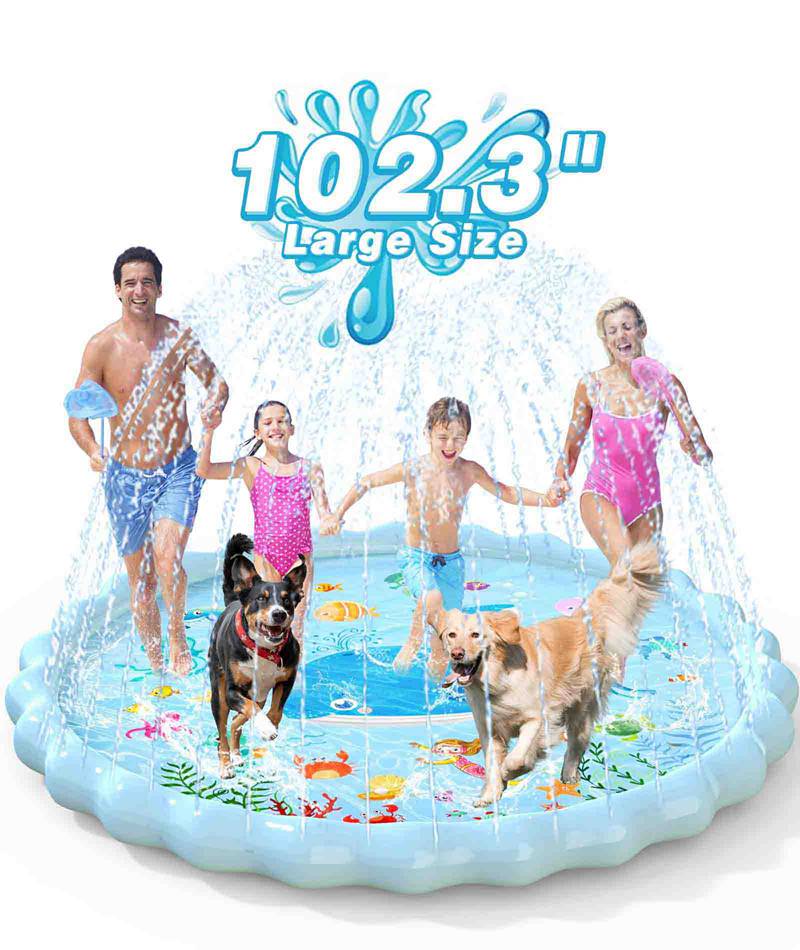
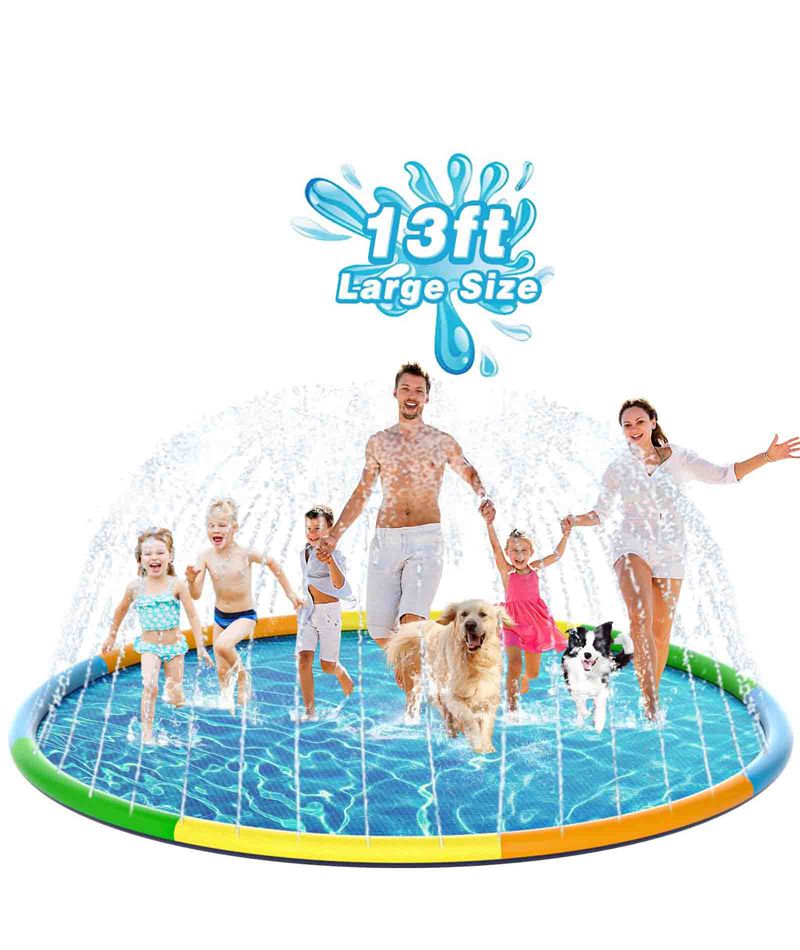
The best splash pad size depends on yard space, number of children, age range, pet use, and storage habits. A large splash pad gives more room for siblings and parties, while a compact splash pad is easier to move, dry, fold, and store. Bigger works best only when the material and seams support the size.
Is a large splash pad worth it?
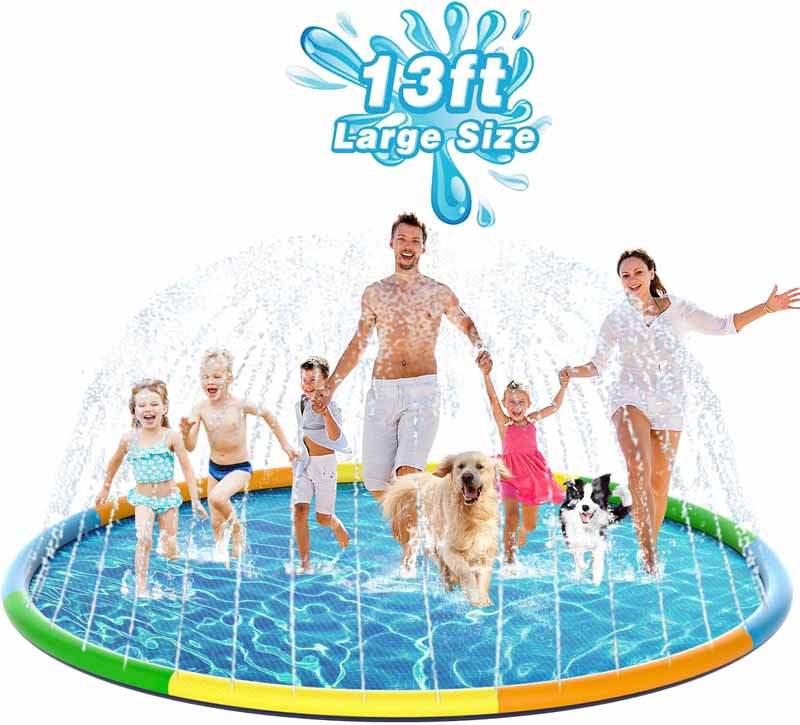
A large splash pad is a strong choice for families with more outdoor space and more than one child. It gives children room to sit, move, splash, and play together without crowding the center. It also works well for birthday parties, summer BBQs, playdates, and weekend family gatherings.
But large size should not be the only decision point. A bigger splash pad has more surface area, more seam length, and more water flow to manage. If the PVC is thin or the edge structure is weak, a large splash pad may fail faster than a smaller product with better material and seam design.
A large splash pad works best when it has:
- Thick flexible PVC
- Reinforced edge seams
- Stable outer spray ring
- Even inward spray holes
- Manageable drainage
- Enough yard space for safe movement
- Easy folding after drying
For casual toddler use, a large size may create more cleanup than needed. The best product is the one that fits how the family actually plays.
What splash pad fits a small yard?
For small yards, patios, townhomes, and toddler play areas, a compact or standard splash pad may be more practical. A smaller product is easier to set up after school, move between spaces, dry before dinner, and store without taking over the garage.
A small-yard splash pad should still have enough open space around the edges. Parents need room to walk, adjust the hose, supervise children, and drain water safely. The product should not be pressed against sharp patio corners, fences, furniture legs, garden tools, or rough walls.
Small-space families should consider:
- Where the hose will connect
- Where water will drain after use
- Whether the surface is smooth enough
- Whether children have room to move safely
- Whether the splash pad can dry fully before storage
A compact splash pad can be the better long-term choice if it encourages proper care. When a product is easy to rinse, dry, and fold, families are more likely to maintain it well.
Can pets use a splash pad safely?
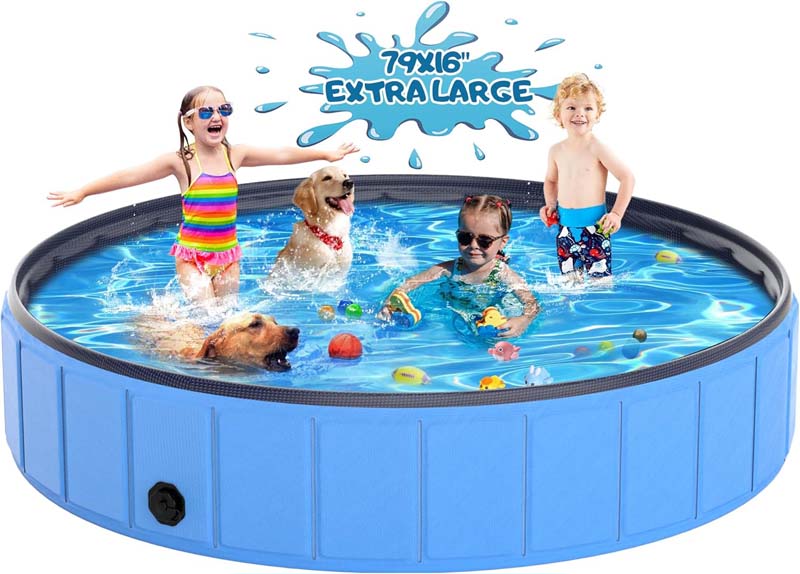
Pets can use a splash pad when the product, surface, and supervision match the pet’s behavior. For calm dogs that enjoy light cooling, a PVC splash pad can be a fun outdoor option. For dogs that dig, bite, scratch heavily, or jump hard, a reinforced pet pool may be a better fit.
Pet use creates different stress than children’s play. Claws press into smaller areas. Paw dirt can scratch the surface. Hair and outdoor debris can collect around the spray ring. If pets use the splash pad, families should clean it more often and check the surface after play.
For pet-friendly use, families should pay attention to:
- Trimmed nails
- Smooth ground surface
- Moderate water pressure
- Supervised play
- Thicker PVC feel
- Cleaning after pet use
- No biting, digging, or clawing behavior
EPN’s product range includes kids splash pads, pet splash pads, foldable pet pools, and other PVC water-play products. This makes it easier to match the structure to the use scene instead of expecting one product to fit every family, pet, and outdoor space.
| Use Scene | Better Splash Pad Choice | Main Concern |
|---|---|---|
| Toddler patio play | Compact splash pad | Easy setup, low spray, simple drying |
| Two children at home | Standard splash pad | Balanced play space and storage |
| Playdates | Large splash pad | More room and stronger edge structure |
| Backyard BBQs | Large splash pad | Shared play and stable water flow |
| Pet cooling | Pet-friendly splash pad | Wear resistance and surface protection |
| Small lawn | Compact or standard size | Better fit and less runoff |
| Retail product planning | Custom size option | Market fit, packaging, and cost control |

Where Should a Splash Pad Go?
A splash pad should be placed on clean, flat, smooth ground with no sharp objects underneath. Short grass is often the best home surface because it is softer than concrete, but it still needs inspection before setup. Avoid gravel, sticks, mulch, rough patio edges, splintered wood, and uneven ground.
Is grass good for a splash pad?
Grass is one of the most practical surfaces for a backyard splash pad. It feels softer under children’s feet, helps cushion the PVC bottom, and usually stays cooler than hard pavement. For many homes, short grass gives the best mix of comfort, surface protection, and easy outdoor setup.
However, grass should still be checked before use. Small stones, dry sticks, pine needles, roots, and hard clumps of soil can hide under the pad. Once children step on the surface, those hidden points may press into the PVC.
Before setup, families can do a quick surface check:
- Walk the area first
- Remove stones, sticks, mulch, and sharp weeds
- Choose a flat section of lawn
- Avoid slopes where water may collect unevenly
- Keep the pad away from fences, tools, and patio corners
- Let the grass dry after water play
To protect both the splash pad and the lawn, move the product occasionally instead of using the same spot every day.
What flooring is best for a splash pad?
The best flooring for a splash pad is smooth, level, clean, and soft enough to reduce abrasion. Short grass is often the easiest option. Smooth artificial turf, rubber play flooring, or a clean outdoor mat may also work if the surface is stable and safe for wet use.
Families should avoid surfaces that can scratch or puncture PVC. Rough concrete may look flat, but it can wear the bottom over time. Gravel and mulch should be avoided because they create pressure points. Wooden decks can be risky if there are splinters, gaps, screws, or slippery wet areas.
Good splash pad flooring should offer:
- A flat base
- No sharp points
- Good drainage
- Enough space around the product
- Comfortable walking area
- Lower abrasion under children’s movement
For patio use, a protective mat can help if it is clean, smooth, and larger than the splash pad. The mat should lie flat and not wrinkle underneath the product.
| Surface Type | Fit for Splash Pad Use | What to Check First |
|---|---|---|
| Short grass | Very good | Remove sticks, stones, and roots |
| Smooth artificial turf | Good | Check heat and drainage |
| Rubber play flooring | Good | Confirm it is safe when wet |
| Smooth patio with mat | Possible | Use a protective layer |
| Rough concrete | Not ideal | High abrasion risk |
| Gravel | Avoid | High puncture risk |
| Mulch | Avoid | Sharp pieces and trapped dirt |
| Splintered wood deck | Avoid | Surface damage and slipping risk |
Should kids wear shoes on a splash pad?
Children usually do not need heavy shoes on a home splash pad if the surface is clean, soft, and safe. Bare feet or lightweight water shoes are usually more practical than sneakers. Heavy shoes can hold dirt, trap stones, feel slippery when wet, and create more pressure on the PVC surface.
Water shoes may help when children walk across hot patios, rough decking, public outdoor areas, or mixed surfaces between the house and the lawn. If water shoes are used, the soles should be smooth and clean. Parents should check the bottom before children step onto the splash pad.
Water shoes can be useful for:
- Hot patio surfaces
- Rough ground around the play area
- Children who need better walking confidence
- Shared outdoor spaces
- Moving between grass and deck areas
For product protection, avoid hard-soled shoes, muddy shoes, or shoes with small stones stuck in the bottom.

How Clean Is a Splash Pad?
A home splash pad can stay clean when it uses fresh water, is drained after play, rinsed regularly, dried fully, and stored properly. Shared water play has more hygiene concerns, so families should avoid swallowing splash water, keep sick children away from water play, clean the surface after use, and never fold the product while wet.
Is a home splash pad sanitary?
A home splash pad is easier to manage than a shared public water play area because families know who used it, how long it was used, whether pets joined the play, and whether the product was cleaned. This makes a private backyard splash pad a practical option for families who want outdoor water play without maintaining a full pool.
Still, a home splash pad should not be treated as self-cleaning. Grass, sunscreen, dirt, pet hair, leaves, food crumbs, and outdoor debris can collect on the surface. If the product is folded while wet, odor or mildew-like marks may appear later.
A cleaner splash pad routine should include:
- Fresh hose water for each play session
- Full drainage after use
- Quick rinse to remove grass and dirt
- Soft wiping for sunscreen or pet marks
- Full drying before folding
- Dry storage away from sharp tools and damp floors
For families using the splash pad several times each week, this simple routine can make a clear difference in product freshness and second-season usability.
Can a splash pad spread norovirus?
A splash pad can spread stomach-related germs if water becomes contaminated and children swallow it. This concern is higher in shared public splash pads, but families should still follow safe water-play habits at home. Norovirus is one of several germs associated with stomach illness, so the goal is to reduce the chance of contaminated water being swallowed.
The most important habit is keeping sick children away from water play, especially if they have diarrhea or vomiting symptoms. Children should also be reminded not to drink splash water, even if it looks clean. Diaper changes should happen away from the play area, and hands should be cleaned before returning to play.
For home splash pad use, families can reduce concern by following a few clear habits:
- Use fresh water for each play session
- Do not let children swallow spray water
- Keep sick children out of water play
- Take bathroom breaks during longer play
- Change diapers away from the splash pad
- Drain the product after use
- Clean and dry the surface before storage
A private splash pad is easier to control than a public setting, but hygiene still depends on family habits.
How should a splash pad be cleaned?
Cleaning a splash pad should be quick, gentle, and consistent. After use, disconnect the hose and let the outer ring empty. Rinse the surface with clean water to remove grass, dirt, and sunscreen residue. Use a soft cloth for visible marks.
Avoid sharp tools, stiff brushes, harsh scraping, or strong chemicals unless the product instructions allow them. The goal is to clean the surface without damaging the PVC.
For families who use a splash pad several times a week, cleaning and storage should work as one simple routine. Dirt, sunscreen, pet hair, and trapped moisture are easier to manage when the pad is rinsed, checked, dried, and folded properly. A clear routine for how to clean and store a splash pad can also help reduce odor and moisture problems.
Drying is just as important as washing. A splash pad should be opened flat or placed in a clean drying position until both sides are dry. Folding a damp splash pad traps moisture between PVC layers, which may lead to odor, surface sticking, or mildew-like spots.
Pet use requires extra cleaning. Remove pet hair, paw dirt, and outdoor debris before drying. If children and pets both use the splash pad, clean between uses whenever possible.
| Cleaning Step | What to Do | Why It Helps |
|---|---|---|
| Drain | Empty the outer ring and center area | Reduces standing water |
| Rinse | Wash off grass, dirt, and debris | Keeps surface cleaner |
| Wipe | Use a soft cloth on marked areas | Removes sunscreen and pet residue |
| Check | Look at seams, hose area, and spray holes | Finds small problems early |
| Dry | Air dry fully before folding | Reduces odor and moisture issues |
| Store | Keep in a cool dry place | Protects PVC during off-season |

How Do You Store a Splash Pad?
A splash pad should be stored only after it is fully drained, rinsed, wiped, and air dried. Fold it loosely, avoid sharp creases, and keep it in a cool, dry place away from direct sun, heavy boxes, sharp tools, and damp floors. Proper storage helps reduce odor, moisture marks, seam stress, and PVC cracking.
Should a splash pad dry before storage?
Yes. A splash pad should dry fully before storage. This is one of the simplest ways to help it last more than one summer. When a wet splash pad is folded and closed, moisture becomes trapped between PVC layers. This can create odor, surface sticking, stains, or mildew-like marks when the product is opened again.
After play, families can lift one side gently to help water run out. Then the surface can be wiped with a towel or left open to air dry. If the grass underneath is wet, move the splash pad to a cleaner dry area before final drying. Both the top and bottom should feel dry before folding.
When time is short, drying does not have to be complicated. The key is to remove standing water first, wipe the high-moisture areas, and let air reach both sides before folding. For busy families, learning how to dry a splash pad quickly can make after-play cleanup much easier.
Drying also gives families a chance to inspect the product. Look at:
- Hose connector area
- Outer spray ring
- Edge seams
- Spray holes
- Bottom surface
- Fold lines
- Any area that rubbed against the ground
Small problems are easier to notice before the splash pad is packed away for months.
How should a splash pad be folded?
A splash pad should be folded loosely along natural lines. It should not be crushed into the smallest possible shape, especially around the hose connector or outer ring. Sharp folding in the same place again and again may create stress lines over time.
Before folding, remove grass, leaves, small stones, and pet hair. Debris trapped inside folds can rub the surface during storage. The splash pad should feel dry and clean enough that the PVC layers do not stick together.
A better folding routine is:
- Drain all water first
- Rinse off dirt and grass
- Wipe or air dry both sides
- Fold without sharp pressure
- Keep the hose connector protected
- Store without heavy weight on top
For larger splash pads, folding with two people may be easier. Fold slowly, avoid twisting the ring, and keep the connector area protected.
Where should a splash pad be stored?
A splash pad should be stored in a cool, dry, shaded place. A garage shelf, storage bin, closet, or dry utility room can work well. It should not be left on a damp basement floor, under heavy tools, near sharp garden equipment, or in direct sunlight for months.
Long storage periods can expose PVC products to heat, moisture, pressure, and accidental damage. Keeping the splash pad in a clean box or bag can help protect it from dust and sharp items. Care instructions should stay with the product so setup and cleaning are easy next season.
For brands and retailers, storage guidance is not a small detail. Clear care instructions can reduce complaints and help families feel more satisfied after purchase. Epsilon supports packaging, labels, instructions, barcodes, and multi-language localization for different markets, making the product easier to understand and use after delivery.
| Storage Risk | What May Happen | Better Habit |
|---|---|---|
| Folding while wet | Odor, stains, moisture marks | Dry fully first |
| Tight sharp folding | Stress lines near seams | Fold loosely |
| Heavy weight on top | Creases and shape stress | Store on a clear shelf |
| Damp storage area | Moisture and odor risk | Use a dry indoor space |
| Sharp nearby tools | Scratches or punctures | Store away from tools |
| Direct sun storage | Faster material aging | Keep shaded |
What Details Make a Splash Pad Last Longer?
A good splash pad should have thick flexible PVC, reinforced edges, a reliable hose connection, evenly placed inward spray holes, a stable outer ring, smooth surface feel, easy drainage, foldable storage, low-odor material, and clear care instructions. These details help the product feel safer, last longer, and fit real backyard use.
Are the splash pad edges reinforced?
Strong edges are essential because the outer ring carries water pressure and controls the spray effect. If the edge structure is weak, the splash pad may leak, bulge unevenly, or lose spray balance. A stronger edge helps the product keep its shape during play.
Families should look for even edge bonding, a stable ring shape, and no obvious weak points around the seam. When water starts flowing, the ring should fill smoothly. It should not twist, pull, or create one swollen area while another area stays flat.
Strong edge design matters most for:
- Large splash pads
- Frequent summer use
- Group play
- Pet-friendly use
- Higher movement around the ring
- Products used on grass or patio mats
EPN pays close attention to edge structure in splash pad development. Reinforced edges, pressure checks, and spray stability review help support repeated summer use.
Are the splash pad holes evenly placed?
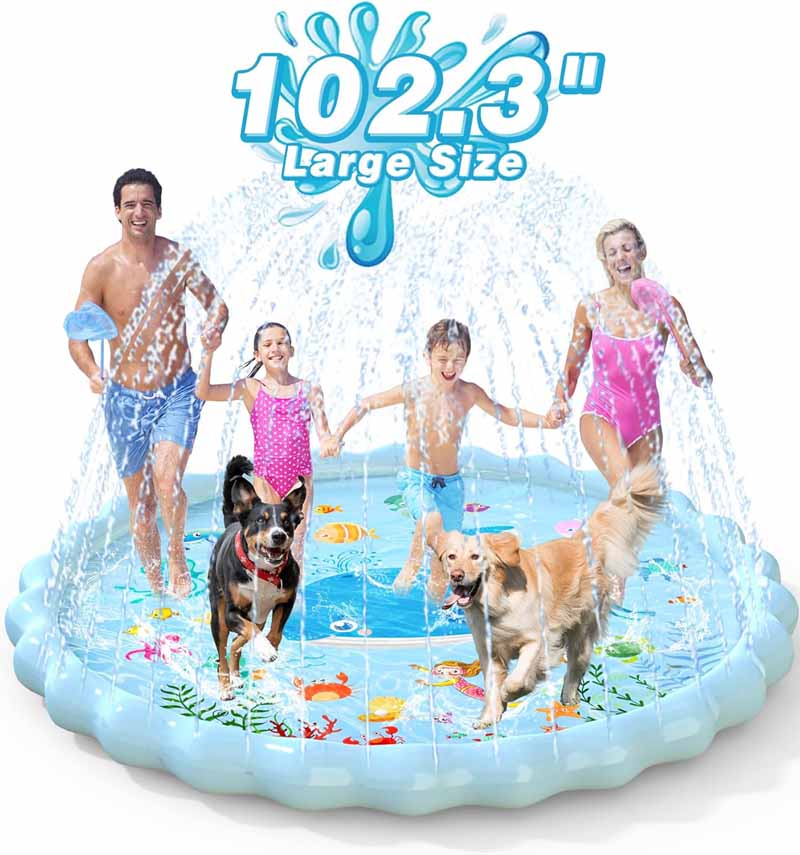
Spray holes should be placed around the outer ring and directed inward toward the center play area. Even spray holes help create balanced water flow, better play coverage, and a more controlled experience for children. Oversized or uneven holes may cause water to shoot outside the pad or leave dry zones in the center.
The hole pattern also affects pressure balance. If some holes release too much water and others release too little, the ring may not fill evenly. This can make the product feel less stable and may increase stress on certain areas.
A better splash pad spray design should offer:
- Inward spray direction
- Even hole spacing
- Controlled spray height
- Balanced water flow
- No oversized visible holes
- Stable outer ring pressure
- Comfortable play coverage for children
For families, even inward spray is easier to enjoy and supervise. For online sales, spray performance also affects reviews, product videos, and repeat purchase confidence.
Is the splash pad easy to clean and store?
A durable splash pad should still be easy to use. If setup, drainage, cleaning, or storage feels difficult, families may skip proper care. That is when even a well-made product can age faster. Convenience supports durability because customers are more likely to maintain a product that fits their routine.
Good daily-use design includes a standard garden hose connection, manageable size, clear setup steps, easy drainage, foldable structure, and simple cleaning instructions. The product should not require special tools or complicated handling.
For B2B customers, ease of use is also important for reviews, return rates, and seasonal sales. Epsilon can support OEM/ODM splash pad projects with size planning, color design, pattern design, packaging, labels, instructions, and localized market presentation.
| Product Feature | Customer Benefit | EPN Development Focus |
|---|---|---|
| Thick PVC feel | Better repeated-use confidence | Material matching by use scene |
| Reinforced seams | Lower leak risk | Edge structure and pressure testing |
| Stable hose inlet | Easier setup and less stress | Standardized water connector planning |
| Inward spray holes | Better play experience | Multi-point spray balance |
| Smooth surface | More comfortable children’s play | Surface feel and family-use direction |
| Foldable design | Easier cleanup and storage | Flexible PVC and storage structure |
| Low-odor direction | Better first-use experience | Material selection and odor control |
| UV review | Better outdoor fit | Sun exposure and aging checks |
| Wear testing | Better fit for grass and pets | Surface friction and use simulation |
| Localized packaging | Clearer customer instructions | Multi-language packaging support |

How EPN Builds Splash Pads for Real Summer Use
EPN splash pads are developed around real family use, not only product appearance. A lasting splash pad should handle water pressure, sunlight, grass contact, folding, storage, and repeated play. Epsilon combines PVC material experience, structural design, testing, packaging support, and OEM/ODM capability to support both family customers and business projects.
Built for real backyard splash pad use
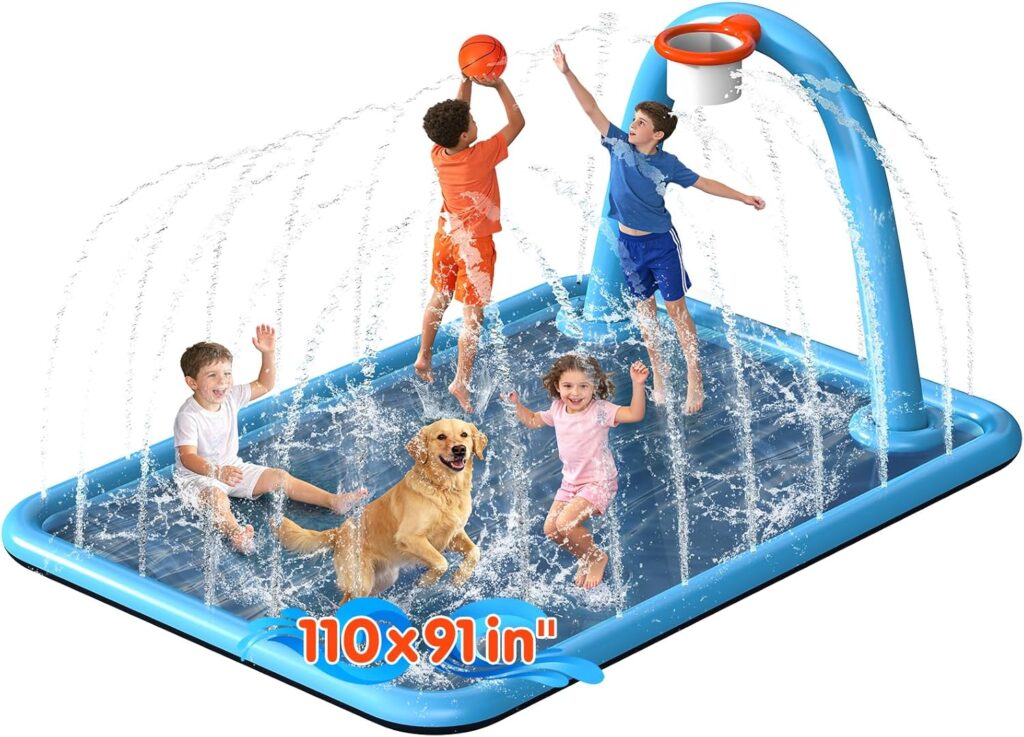
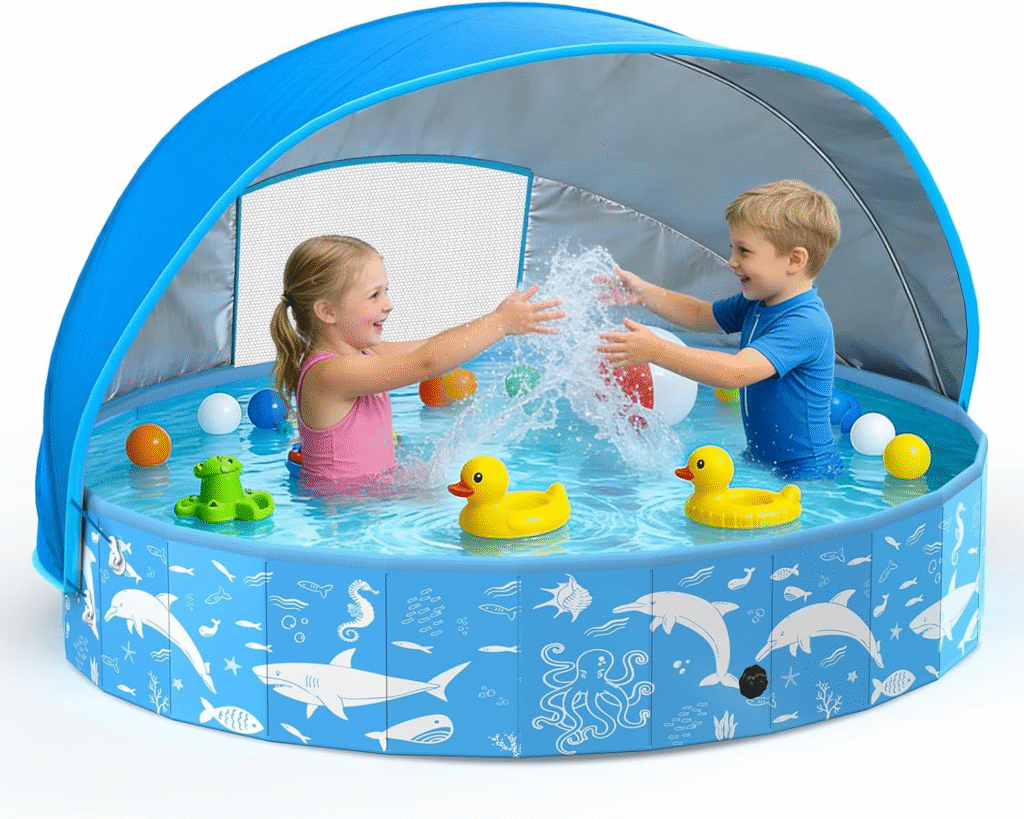
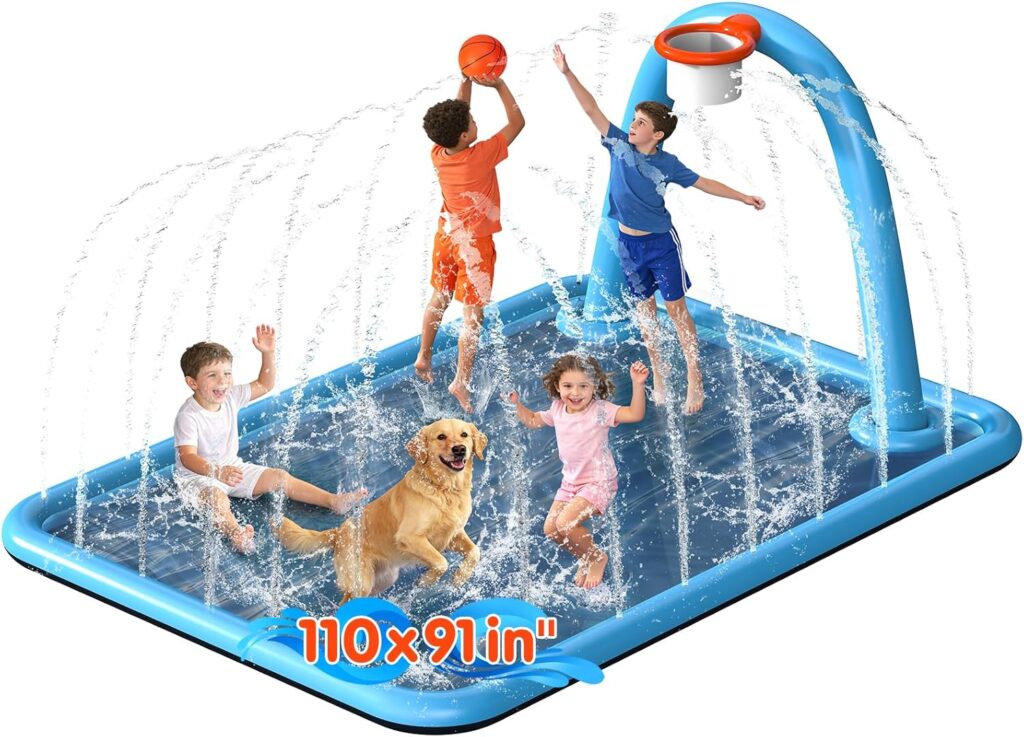
EPN belongs to American Epsilon Inc., a U.S.-registered company focused on PVC and composite-material products. Its product range covers kids splash pads, pet splash pads, basketball splash pads, slip-and-slide products, inflatable pools, children’s pools, pet pools, tent pools, glowing pools, inflatable water toys, water hammocks, float products, snow tubes, sprinkler arches, pool pillows, and other seasonal outdoor products.
This wider product experience helps EPN understand how PVC behaves in different outdoor scenes. A splash pad is not only a printed water mat. It needs to handle water pressure, folding, stepping, surface friction, sun exposure, and storage.
For families, this means a product direction that fits daily summer play. For retailers and brands, it means more room to build a full seasonal product line instead of relying on one basic style.
Tested for splash pad pressure, sun, and wear
Epsilon’s team includes 27 R&D staff and 18+ designers, with support from an independent lab. The company completes 500+ material and product performance tests each year, covering pressure stability, seam performance, UV exposure, wear resistance, folding behavior, and high-temperature aging.
For splash pads, these checks matter because real summer use is not gentle. Children step on the surface. The hose pulls on the inlet. Grass rubs against the bottom. The product may sit under direct sun, then be folded and stored after play.
EPN can review splash pad performance through:
- Long-time water pressure stability
- Seam and edge bonding checks
- Spray distribution review
- UV exposure direction
- Wear resistance checks
- Folding and storage behavior
- 60°C aging test for selected PVC projects
- Hose inlet and water connector reliability
These tests help reduce problems before the product reaches the backyard. They also support more stable product planning for seasonal retail projects.
Custom splash pad options for brands and retailers
Epsilon supports OEM/ODM splash pad projects for brands, retailers, cross-border sellers, distributors, regional agents, and wholesale customers. Custom options can include size, color, pattern, packaging, label content, instruction sheets, barcodes, platform labels, and selected structure adjustments.
This is useful because splash pad demand changes by market. Some families want large backyard splash pads. Some pet owners need stronger wear-focused options. Some retailers need colorful children’s designs with clear packaging. Some online sellers need compact products that are easier to ship and store.
Epsilon can help customers plan:
- Product size and shape
- PVC thickness direction
- Spray hole layout
- Color and pattern design
- Logo and packaging design
- Retail box or mailer packaging
- Multi-language instructions
- Platform label and barcode support
- Small-batch test orders
- Seasonal production planning
For seasonal products, timing matters. Epsilon can usually support samples in 3–5 days for regular projects, with standard production around 20–30 days depending on product type, packaging, structure, and order scale. Urgent projects may be arranged faster when conditions match.
| What Epsilon Supports | Data Behind It | Why It Helps Your Project |
|---|---|---|
| R&D planning | 27 R&D staff | Better material and structure decisions |
| Product and packaging design | 18+ designers | Faster design, packaging, and localization work |
| Performance testing | 500+ tests per year | More confidence before market launch |
| New product development | 1,000+ products per year | Faster seasonal product expansion |
| Production capacity | Up to 12 million units annually | Stronger supply support |
| Sample confirmation | Usually 3–5 days | Faster project review |
| Standard production | Usually 20–30 days | Clearer launch planning |
| Urgent projects | Around 14 days when conditions match | Better response to seasonal timing |
| Market reach | 180+ countries and regions | Multi-market delivery experience |
| B2C sales experience | 100,000+ monthly orders | Product direction shaped by real demand |
Ready to Choose a Longer-Lasting Splash Pad?
A splash pad that lasts more than one summer is built through better decisions before the first hose connection. The right product should have thick flexible PVC, reinforced edge seams, a stable hose inlet, evenly placed inward spray holes, clean setup guidance, easy cleaning, and practical storage. Families feel the difference during use. Sellers see the difference through reviews, repeat orders, and lower product complaints.
EPN splash pads are designed for real summer scenes:
- Backyard water play for kids
- Outdoor activity for families
- Summer parties and BBQs
- Light pet cooling with supervision
- Seasonal retail sales
- Brand product line development
- OEM/ODM splash pad projects
Families can explore EPN splash pad options for backyard use, summer play, and pet-friendly cooling scenes. Brands, retailers, distributors, and cross-border sellers can contact Epsilon for custom splash pad projects, including size planning, PVC material direction, pattern design, logo packaging, labels, instructions, and market-specific product development.
If you are planning a summer water-play product line, upgrading a current splash pad, or looking for a more durable PVC splash pad supplier, Epsilon can help turn the project into a practical, market-ready product.