Skip to content
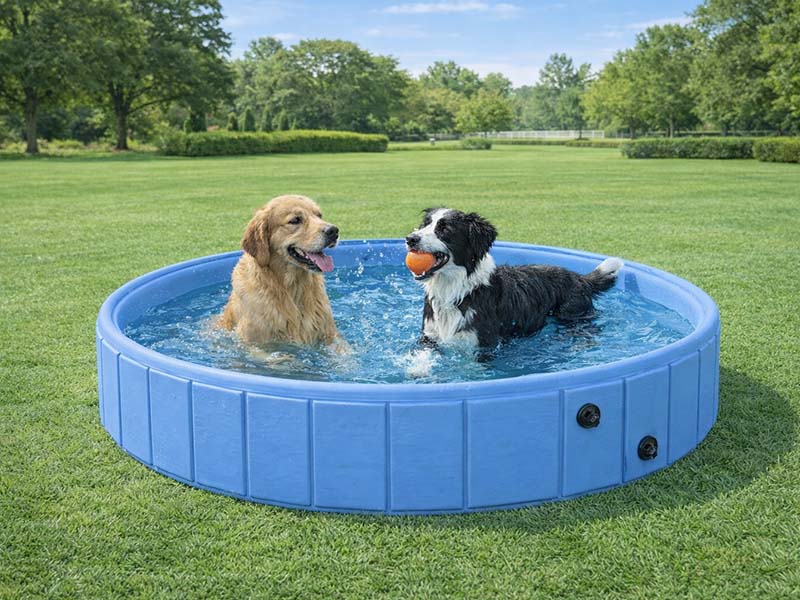
When summer rolls around, many dog owners are looking for ways to help their pets stay cool and enjoy the heat safely. One of the best ways to do this is with a dog pool. A dog pool not only keeps your pet comfortable, but it also gives them a space to cool down, exercise, and have fun. But with so many options available, choosing the right dog pool can be overwhelming. What features should you look for? Which type of pool is most suitable for your dog’s needs? In this guide, we’ll take you through everything you need to know to make an informed decision, ensuring that your dog enjoys the summer while staying safe and comfortable.
A good dog pool should not only be a place to cool off, but it should also offer durability, comfort, and ease of maintenance. When you’re considering the best dog pool, keep in mind key factors such as the material used, pool size, safety features, and ease of use. In this article, we will walk you through the essential features and considerations to help you select the ideal pool for your furry friend.
What to Consider When Choosing a Dog Pool
Choosing the best dog pool involves considering several factors that directly impact your pet’s comfort, safety, and enjoyment. When making a decision, it’s important to focus on materials, pool size, design features, and the ease of use and maintenance. This section will explore these factors in more detail to help you find a pool that suits your dog’s needs.
Material Durability: PVC vs. Other Materials
When selecting a dog pool, material durability is one of the most important aspects to consider. PVC (Polyvinyl Chloride) is commonly used in dog pools because of its ability to withstand wear and tear, extreme weather conditions, and rough handling by pets. PVC is also resistant to UV rays, which is critical for pools exposed to the sun, as UV rays can degrade materials over time.
For smaller dogs or less active pets, vinyl and plastic may be options. Vinyl is lighter than PVC and easier to store, but it does not have the same level of durability, especially under heavy use. While these pools are generally cheaper, they may wear out faster, especially if your dog is energetic or likes to chew. Plastic pools are often sturdy but can crack under heavy impact, which means they are better suited for dogs with lighter activity levels.
Here’s a quick breakdown of the benefits of each material:
| Material | Durability | Best For | Pros | Cons |
|---|---|---|---|---|
| PVC | High | Most dogs, high-energy breeds | Durable, flexible, UV-resistant | Can be heavy, may require additional support for large breeds |
| Vinyl | Moderate | Small to medium dogs | Lightweight, easy to store | Less durable, prone to punctures |
| Plastic | Low | Low-energy dogs | Low cost, easy to find | Cracks under pressure, less flexible |
Size and Design: Does Your Dog Need More Space?
The size of the dog pool plays a huge role in your dog’s comfort and safety. A pool that is too small can limit your dog’s movement, making them feel cramped or uncomfortable. On the other hand, a pool that is too large may make it difficult for your dog to feel secure, especially if they are not accustomed to large bodies of water.
To determine the ideal size, consider your dog’s breed, size, and how they interact with water. Small dogs or puppies generally need a shallow, compact pool where they can comfortably stand and splash around. For larger breeds, a deeper pool will be required to allow them to fully immerse themselves, stretch out, and move freely.
- Small to Medium Dogs: A pool that’s between 3 to 4 feet in diameter should be sufficient, with a water depth of 6 to 12 inches.
- Large Dogs: Opt for a pool with a diameter of 5 feet or more, with a depth of at least 12 inches, to ensure comfort and enough room to move.
Additionally, the design of the pool is equally important. Some dog pools feature an easy entry ramp or stairs, which can be especially beneficial for older dogs or those with joint issues. Look for a pool with non-slip features that make it easier and safer for your dog to enter and exit. Pools with a flat, even surface allow your dog to move freely and prevent any risk of slipping.
Ease of Use: Quick Setup and Maintenance
When it comes to dog pools, convenience matters. Ideally, the pool you choose should be easy to set up, use, and clean. Inflatable pools, for example, are lightweight and portable, making them easy to set up when needed. Some inflatable pools come with built-in air valves for quick inflation and deflation, saving time and effort. However, they can sometimes be more difficult to clean because they tend to accumulate dirt and debris in folds, and the setup process may take longer compared to other options.
On the other hand, hard-shell pools, although bulkier, often come with features that make them easier to maintain. These pools generally have a smoother surface, which means less dirt sticks to the sides, and cleaning them is much easier. Additionally, most hard-shell pools are equipped with drainage valves, making it quick to empty the pool after use.
Look for a pool that is easy to drain, clean, and store. Some inflatable pools come with a quick-release valve, which makes it easy to empty the water. For hard-shell pools, ensure that the material is durable enough to withstand frequent cleaning and that it can be stored without taking up too much space.
Cost and Value for Money
When it comes to purchasing a dog pool, cost is always an important consideration. While inflatable pools may seem more affordable upfront, they may not last as long as higher-quality hard-shell pools. If you’re looking for something that will withstand frequent use and last for several seasons, it might be worth investing a little more in a durable, well-made pool.
Here’s how the cost might compare:
| Type of Pool | Average Cost | Expected Lifespan | Best For | Pros | Cons |
|---|---|---|---|---|---|
| Inflatable | $30 – $100 | 1 – 3 years | Smaller dogs, portable use | Affordable, portable, easy to store | Can puncture, less durable |
| Hard-Shell | $100 – $300 | 5 – 10 years | Large dogs, frequent use | Durable, stable, long-lasting | Heavier, less portable |
| Plastic | $50 – $150 | 2 – 4 years | Low-energy dogs | Lightweight, easy to store | Prone to cracking under pressure |
It’s important to balance your budget with the pool’s expected lifespan and how often you plan to use it. Consider whether you need something temporary for a few uses a year, or a long-term investment that will last for multiple seasons.
Portability and Storage
If you have limited storage space or plan to use the pool occasionally (e.g., for vacations or outdoor trips), portability is a key factor to consider. Inflatable pools are the most portable, as they can be deflated, rolled up, and stored in a small space. However, you’ll need to account for the time it takes to inflate and deflate, as well as the potential for punctures.
Hard-shell pools are heavier and bulkier, making them less portable. However, they do offer better stability and can be stored outdoors for extended periods, making them a better option for those with larger backyards or dedicated spaces for pet play.
For those who need portability, consider folding hard-shell pools, which can collapse for easier storage while still offering more durability than inflatable pools.
Which Dog Pool Is Best for Your Pet?
Choosing the right type of dog pool is one of the most important steps in ensuring your pet’s comfort and safety. There are two primary types of dog pools to consider: inflatable pools and hard-shell pools. Both options have their own set of advantages and considerations. The type of pool you choose should be based on your dog’s size, activity level, and how you intend to use the pool.
Inflatable vs. Hard-Shell Pools: Which One Suits Your Dog?
When deciding between an inflatable pool and a hard-shell pool, there are several factors to consider—each type offers distinct benefits that cater to different needs.
Inflatable Pools: Best for Smaller Dogs or Occasional Use
Inflatable dog pools are lightweight, portable, and easy to store, making them perfect for people with limited space or for those who need a pool for occasional use. Inflatable pools are typically more affordable compared to hard-shell options, which makes them a good choice for budget-conscious pet owners.
For smaller dogs or puppies, inflatable pools are a great choice as they allow for shallow water where your dog can comfortably splash around. They’re also easier to transport, so if you like to travel with your dog or want to take the pool to the park or beach, inflatable pools are a convenient option.
However, inflatable pools are less durable than hard-shell pools and may not hold up well with larger, more active dogs. The constant jumping, splashing, or even chewing can cause punctures or damage, meaning you might have to replace the pool sooner. Some inflatable pools also require a bit of time to inflate and deflate, which may not be ideal for pet owners who prefer a quick and hassle-free setup.

Hard-Shell Pools: Best for Larger Dogs and Frequent Use
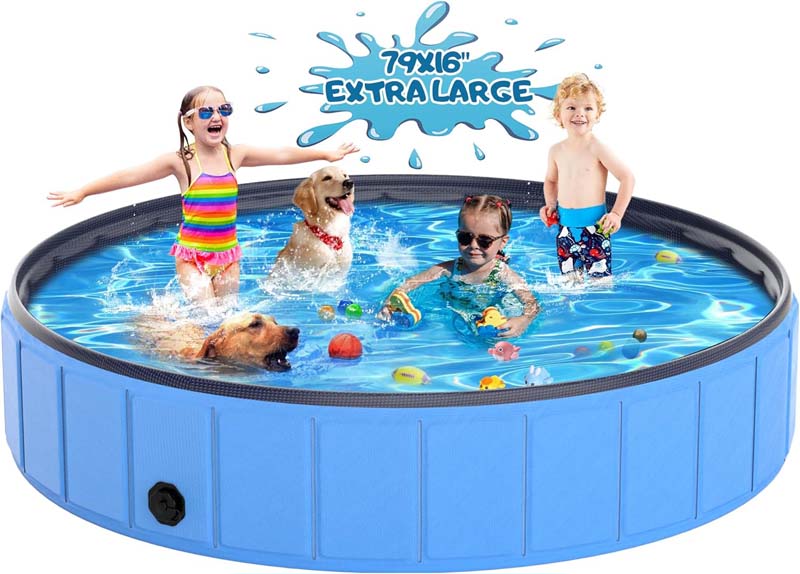
Hard-shell dog pools, also known as rigid pools, are made from sturdy materials like thick plastic or reinforced PVC. They offer better durability, particularly for larger dogs, more active pets, or dogs with a tendency to chew. These pools are designed to withstand constant use and can handle a lot of rough play, making them perfect for dogs that love splashing, digging, or playing in the water for extended periods.
Hard-shell pools come in a variety of sizes, so whether you have a small dog or a large breed, you can find one that suits your pet’s needs. Larger pools also give your dog enough space to comfortably move around, which is essential for bigger breeds that need room to stretch their legs and fully immerse themselves in the water.
Although hard-shell pools are generally more expensive than inflatable pools, they are much more durable and require less maintenance over time. They also don’t need to be inflated, so there’s no need to worry about leaks or punctures. If you’re looking for a long-term solution that will provide your dog with a stable and safe swimming environment, a hard-shell pool is the better option.

| Pool Type | Best For | Pros | Cons |
|---|---|---|---|
| Inflatable | Smaller dogs, occasional use | Lightweight, portable, easy to store, affordable | Less durable, prone to punctures, needs inflation |
| Hard-Shell | Larger dogs, frequent use | Durable, stable, long-lasting, no inflation needed | Heavier, bulkier, more expensive |
Cooling Pools vs. Play Pools: Which One Fits Your Dog’s Needs?
When it comes to dog pools, there are two main categories to consider: cooling pools and play pools. Both types offer unique benefits, and the choice between them should depend on your dog’s activity level and what you intend to achieve with the pool.
Cooling Pools: Perfect for Hot Weather and High-Energy Dogs
If your primary concern is cooling your dog off during hot weather, cooling pools are the way to go. These pools are designed with built-in water jets, misters, or fountains that circulate water and keep it cool. Cooling pools are especially helpful for breeds that are prone to overheating, such as brachycephalic dogs (Bulldogs, Pugs, etc.) or dogs with thick coats that don’t handle heat well.
Cooling pools are perfect for providing immediate relief from the heat. If your dog spends long hours outdoors or enjoys being active during the summer, a cooling pool will help them stay comfortable and prevent heatstroke. The continuous flow of cool water also provides a more refreshing experience compared to still water in a traditional play pool.

Play Pools: Fun and Shallow for Splashing and Exercise
Play pools, on the other hand, are great for dogs that love to splash around, jump in and out of the water, or just enjoy a little water play without the need for constant cooling. Play pools are generally more affordable and easier to maintain than cooling pools. They can be filled with regular tap water, and your dog can enjoy playing and splashing to their heart’s content.
Play pools are typically shallow, making them ideal for small to medium-sized dogs who want to have fun but don’t need to immerse their bodies fully in the water. They are perfect for pups who love water activities but don’t necessarily need the cooling benefits that come with misting systems or running water.

Here’s a comparison to help you decide which type of pool is best for your dog:
| Pool Type | Best For | Features | Benefits |
|---|---|---|---|
| Cooling Pool | Dogs prone to heatstroke, active dogs | Built-in misters, fountains, or jets to circulate water | Keeps water cool, ideal for hot weather, keeps dogs cool for long periods |
| Play Pool | Dogs that enjoy splashing and playing in water | Shallow water, no cooling features | Fun and easy to use, no need for constant water circulation, affordable |
Portable Dog Pools: Best for Travel and On-the-Go Pet Owners
If you’re someone who loves to travel with your pet, or if you have limited space in your backyard, portable dog pools are a great option. These pools are designed to be lightweight, easy to set up, and convenient to store. Most portable pools are inflatable or foldable, making them easy to carry around and store in small spaces when not in use.
Inflatable pools are often the most portable option because they can be deflated and rolled up for easy storage in a vehicle or closet. This makes them perfect for trips to the beach, park, or even camping. However, keep in mind that while they are portable, they can be prone to punctures, especially if your dog is rough around the pool.
Portable hard-shell pools are another option, though they tend to be bulkier and less flexible than inflatable pools. Some hard-shell models are designed to fold down, allowing for easy transport and storage. These pools are more durable and stable but may require more storage space and effort to transport.
Choosing the Right Size Pool for Your Dog
The size of the dog pool is just as important as the type of pool you choose. If you have a larger breed, such as a Golden Retriever or German Shepherd, you’ll need a pool that offers ample space for your dog to move around. For small to medium-sized dogs, a smaller pool might be sufficient, as long as it provides enough room for your dog to cool off comfortably.
Here’s how to choose the right pool size based on your dog’s size and breed:
| Dog Size | Recommended Pool Size | Recommended Pool Depth |
|---|---|---|
| Small Dogs | 3 to 4 feet in diameter | 6 to 12 inches |
| Medium Dogs | 4 to 5 feet in diameter | 6 to 12 inches |
| Large Dogs | 5 feet or more in diameter | 12 inches or more |
For larger breeds, consider pools with a greater depth, allowing them to submerge comfortably and cool off completely. The water should be deep enough for your dog to stand in but not so deep that it becomes overwhelming.
How to Keep Your Dog Safe and Comfortable in the Pool
Ensuring your dog’s safety and comfort while in the pool should be a top priority. Whether it’s a hot day or just time for some fun, your dog’s pool experience should be enjoyable and stress-free. To make sure your dog stays safe, comfortable, and happy in their pool, there are several things to keep in mind, from choosing the right pool features to knowing how to introduce them to water.
Anti-Slip Features and Smooth Edges
One of the most important safety features for a dog pool is a non-slip surface. Dogs are naturally curious and may move around quickly or even jump in and out of the pool. If the surface is too slippery, they could easily lose their footing and slip, which could result in injury.
Look for pools that feature a non-slip base or textured surface to give your dog better traction. This is especially important for older dogs or dogs with joint issues, who might have trouble balancing on slippery surfaces. Many high-quality pools are designed with anti-slip coatings that provide extra grip, preventing accidents during play or when your dog enters and exits the pool.
Tip: If your dog struggles with slippery surfaces, consider adding a non-slip mat or pool liner underneath the pool. These can provide extra grip and reduce the chance of slipping.
In addition to anti-slip features, the edges of the pool should be smooth and rounded. Sharp, hard edges could cause cuts, scrapes, or injury if your dog bumps into them. Pools with rounded edges or padded rims offer a safer, more comfortable environment for your pet.

Choosing the Right Water Depth for Your Dog
Water depth is one of the most crucial factors for your dog’s safety in the pool. The depth should be appropriate for your dog’s size and swimming abilities. If the water is too deep, your dog may struggle to stand or feel overwhelmed, especially if they are not experienced swimmers. On the other hand, a pool that is too shallow might not provide enough room for your dog to cool off or stretch out fully.
Here’s how to determine the right depth for your dog:
- Small Dogs (under 20 pounds): A pool with a depth of 6 to 8 inches is ideal. Small dogs tend to enjoy shallow water where they can splash around comfortably without fully immersing themselves.
- Medium Dogs (20 to 50 pounds): For medium-sized dogs, look for a pool with a depth of 8 to 12 inches. This allows them to cool off by standing or wading in the water.
- Large Dogs (over 50 pounds): Larger dogs need more depth to fully submerge and cool off. Look for pools with at least 12 inches of water depth, or even deeper if your dog loves to swim or submerge themselves completely.
Note: If your dog is new to the pool or hesitant about water, start with a shallower depth and gradually increase it as they become more comfortable.
Introducing Your Dog to Their New Pool
For first-time pool users, it’s important to introduce your dog to the pool in a calm and gradual manner. Jumping into a pool can be intimidating for some dogs, especially if they are not used to water. Taking the time to help your dog adjust will ensure that they enjoy the experience and feel safe while using their pool.
Here’s a step-by-step guide to introducing your dog to their new pool:
- Start Slowly: Allow your dog to approach the pool at their own pace. Let them sniff the pool and explore the area around it. This builds their curiosity without overwhelming them.
- Positive Reinforcement: Use treats and praise to encourage your dog to get closer to the water. Offering a favorite toy near the pool can also encourage them to come closer.
- Gradual Entry: Once your dog is comfortable, gently lead them into the pool. Avoid forcing them in, as this could cause stress or anxiety. For small dogs, let them dip their paws in first. For larger dogs, slowly walk them into the shallow end of the pool.
- Stay Calm and Patient: It’s important to stay calm and patient. Some dogs may take longer to get used to water, so don’t rush them. Let them explore and adjust at their own pace.
- Use Water Toys: Once your dog is comfortable with the pool, you can introduce floating toys to make the experience more enjoyable. This will help them associate the pool with positive experiences.
It’s important to monitor your dog closely during the first few times they use the pool. Watch for signs of discomfort or anxiety, such as excessive panting, whining, or attempting to escape the pool. If your dog shows signs of distress, calmly guide them out of the pool and give them some time to relax.
Avoiding Overexposure to Water and Heat
While a pool is an excellent way to help your dog cool down, it’s also important to avoid overexposure to the water, especially during very hot days. Spending too much time in the water can lead to exhaustion, dehydration, or overheating, even if the pool is cool.
Signs of Overheating or Fatigue in Dogs:
- Excessive panting or drooling
- Lethargy or difficulty standing
- Red or pale gums
- Vomiting or diarrhea
To avoid these risks, limit the amount of time your dog spends in the pool, particularly during peak heat hours. Make sure they have plenty of fresh water available to drink and encourage them to take breaks. If your dog seems tired or overheated, remove them from the pool immediately, offer water, and let them rest in a shaded area.
Pro Tip: During the hottest parts of the day, keep pool sessions short (10-15 minutes) and allow your dog to cool down periodically in a shaded spot. This will prevent overheating and ensure that they stay hydrated.
Supervision at All Times
No matter how comfortable your dog is in the pool, always supervise them while they are in or around the water. Even if your dog is a good swimmer, accidents can happen quickly, and water-related risks like drowning or exhaustion can occur.
Why Supervision is Key:
- Unexpected slips or falls: Dogs may accidentally slip or fall into the pool, especially if the pool area is slippery.
- Inexperience: Not all dogs are natural swimmers. Even those that enjoy water may struggle to stay afloat if the water is deep.
- Emergencies: In the case of exhaustion or distress, quick intervention can be the difference between life and death.
When your dog is swimming or playing in the pool, keep a close eye on them. If you notice that they are struggling or showing signs of discomfort, remove them from the water immediately. If your dog starts to panic or is unable to get out of the pool, be prepared to assist them by gently lifting them to safety.
Cleaning and Maintenance for Comfort
Finally, keeping the pool clean is essential for your dog’s comfort and health. After each use, remove any debris such as leaves, twigs, or fur. If you’re using an inflatable pool, deflate it and wipe it down with a mild soap solution to prevent mold or mildew buildup. Hard-shell pools should be drained and scrubbed regularly to remove dirt or algae buildup.
Regular cleaning not only maintains hygiene but also prevents the pool from developing unpleasant odors, ensuring your dog enjoys a fresh, clean environment every time they use it.
How to Care for Your Dog Pool
Caring for your dog pool is essential to keep it in great shape throughout the season. Regular maintenance ensures that your dog has a safe, clean, and comfortable environment to enjoy. Whether you have an inflatable pool or a hard-shell pool, each type requires specific care and attention. Below, we’ll cover the essential steps to properly clean, maintain, and store your dog pool.
Cleaning and Maintaining Your Dog Pool
After each use, cleaning your dog pool is a crucial step to ensure your dog’s health and comfort. Pools can collect debris, dirt, and even bacteria, which can affect the quality of the water and your dog’s safety. Regular cleaning helps to prevent buildup, odors, and the growth of mold or algae.
1. Draining the Pool
Before you begin cleaning, always drain the water. Depending on the type of pool you have, you can either use a drain plug (for hard-shell pools) or tilt the pool to empty it (for inflatable pools). Make sure to completely drain the pool, leaving no standing water, as stagnant water can breed bacteria and attract pests.

2. Washing the Pool
- Inflatable Pools: For inflatable pools, use a mild soap solution or a pet-safe cleaner. Apply the solution using a soft sponge or cloth to avoid damaging the pool material. Pay extra attention to the seams and corners, as dirt and algae can accumulate in these areas. Use a hose to rinse the pool thoroughly after cleaning to remove any soap residue.
- Hard-Shell Pools: Hard-shell pools are easier to clean and maintain because of their sturdy surface. You can use a long-handled pool brush or a sponge to scrub the interior. If your pool has algae or stubborn stains, use a diluted vinegar or bleach solution (1 part bleach to 10 parts water) to disinfect the surface. Be sure to rinse the pool thoroughly after using any cleaning solutions to prevent harmful chemicals from affecting your dog.
3. Removing Debris
After draining and cleaning the pool, remove any debris such as leaves, dirt, or pet fur. Regularly skimming the pool with a leaf skimmer can help reduce the amount of debris that accumulates. For inflatable pools, consider using a handheld vacuum designed for pool cleaning to keep the interior free of dirt and debris.
How to Prevent Leaks and Damage
Whether you have an inflatable or hard-shell dog pool, it’s important to inspect your pool regularly for any signs of wear and tear. Even with durable materials like PVC, pools can develop leaks or cracks, especially with active dogs around.
1. Inspecting for Leaks
- Inflatable Pools: Inflatable pools are prone to punctures, especially if your dog is rough on toys or prone to chewing. After each use, inspect the pool for visible holes or tears. To check for leaks, fill the pool with air, spray soapy water over the surface, and watch for bubbles. If you find a leak, patch it immediately using a pool patch kit designed for inflatable pools.
- Hard-Shell Pools: Hard-shell pools are less likely to experience punctures but can develop cracks over time. Check the bottom and sides of the pool for any visible signs of damage. You can use waterproof sealant for minor cracks, but if the damage is significant, it may be time to replace the pool.
2. Protecting the Pool from Excessive Sun Exposure
Prolonged exposure to the sun can weaken the materials of your dog pool, especially inflatable pools. UV rays can cause the pool’s surface to degrade, fade, and lose flexibility. To extend the lifespan of your pool, avoid leaving it in direct sunlight for long periods. When not in use, consider covering your pool with a protective tarp or storing it in a shaded area.
3. Storing the Pool Properly
When the pool is not in use, proper storage is key to preventing damage and prolonging its lifespan. Here’s how to store both types of pools:
- Inflatable Pools: Deflate the pool completely before storing it. Roll it up gently and store it in a dry, cool place away from direct sunlight. Avoid folding it in ways that can create permanent creases or stress points in the material.
- Hard-Shell Pools: If you have a hard-shell pool, it’s essential to clean and dry it before storing. If possible, store the pool indoors or under a cover to protect it from the elements. If you leave the pool outside, ensure that it is empty, clean, and covered to prevent debris from accumulating.
Dealing with Algae and Mold Buildup
Algae and mold can develop in pools that are not properly cleaned or maintained, especially during warm, humid weather. If you notice that your pool has a greenish tint or an unpleasant smell, it’s time to address algae or mold buildup.
1. Preventing Algae Growth
To prevent algae from growing in your dog pool, make sure the water is always fresh and clean. If the pool is left stagnant for too long, algae can quickly start to grow. Regular cleaning and draining will help prevent this.
If you’re dealing with an algae outbreak, use a diluted bleach solution to clean the pool. Make sure to rinse it thoroughly before filling it with fresh water again.
2. Cleaning Mold and Mildew
Mold and mildew can develop on the pool’s interior if it’s left wet for extended periods. This is more common with inflatable pools, as moisture can get trapped in the folds and seams. To remove mold or mildew, mix a solution of water and white vinegar (1:1 ratio) and scrub the affected areas with a soft brush. Allow the pool to dry completely before storing it to prevent mold from returning.
Storing the Pool During Off-Season
If you live in an area with cold winters or don’t plan to use the pool year-round, it’s important to properly store the pool during the off-season. Storing the pool correctly can help preserve its quality for the next summer.
1. Inflatable Pools: After cleaning and drying the pool, deflate it completely. Store it in a dry, cool place that is free from excessive moisture or heat. If you plan to store the pool for an extended period, consider keeping it in a storage bag to protect it from dirt and dust.
2. Hard-Shell Pools: For hard-shell pools, it’s best to clean, dry, and store the pool in a covered area, such as a shed or garage. If the pool will be stored outside, ensure it is covered with a durable tarp to protect it from rain, snow, or ice.
Is a Dog Pool Worth the Investment?
Investing in a dog pool is more than just a luxury for your pet—it’s a practical solution to keeping your dog cool, active, and healthy, especially during the summer months. But is it truly worth the cost? In this section, we’ll look at the benefits of a dog pool, compare it to other cooling methods, and help you decide whether it’s a smart investment for both you and your pet.
The Benefits of Swimming for Dogs
Swimming is one of the best forms of exercise for dogs, offering several physical and mental health benefits. Unlike running or walking, swimming is a low-impact activity that is easy on the joints, making it an ideal workout for dogs with arthritis, senior dogs, or those recovering from surgery.
Key benefits of swimming for dogs include:
- Joint Health: Swimming is a great way to promote joint mobility and reduce pain in dogs with arthritis. The buoyancy of water reduces the pressure on joints, providing relief from conditions like hip dysplasia.
- Weight Management: Regular swimming helps dogs burn calories without putting excess stress on their joints. This makes it an excellent form of exercise for overweight dogs or dogs that are prone to obesity.
- Cooling: On hot summer days, swimming is an effective way to help your dog stay cool. By immersing themselves in the water, dogs can regulate their body temperature, preventing heat stroke and dehydration.
- Muscle Strength: Swimming helps build strength and endurance by engaging various muscle groups. This is particularly beneficial for high-energy breeds or dogs that need to stay in top physical condition.
- Mental Stimulation: Many dogs enjoy water play, and swimming offers mental stimulation. For dogs that get bored easily, having access to a pool can provide a new, fun activity to enjoy.
Preventing Heat-Related Issues
For dogs, especially brachycephalic breeds (like Bulldogs and Pugs), heatstroke can be a serious concern during the summer months. Unlike humans, dogs can’t sweat to regulate their body temperature effectively. Therefore, providing them with a cooling solution like a dog pool can help mitigate heat-related health issues.
In fact, heatstroke is one of the most common health problems in dogs during hot weather, and it can be fatal if not addressed immediately. A dog pool offers an easy and safe way to keep your dog cool, reducing the risk of heat exhaustion and heatstroke.
How Much Does a Dog Pool Cost?
Dog pools come in a wide range of prices, depending on the size, material, and features. You can find inflatable pools for as little as $30, while larger hard-shell pools can cost $200 or more. Here’s a breakdown of typical costs for different types of dog pools:
| Type of Pool | Price Range | Best For | Expected Lifespan |
|---|---|---|---|
| Inflatable | $30 – $100 | Small to medium-sized dogs, occasional use | 1 – 3 years |
| Hard-Shell | $100 – $300 | Large dogs, frequent use | 5 – 10 years |
| Plastic | $50 – $150 | Low-energy dogs, shallow play | 2 – 4 years |
Cost Comparison: Dog Pools vs. Vet Bills
One of the reasons a dog pool is a worthwhile investment is the potential cost savings it offers in comparison to the cost of treating heat-related illnesses and other medical issues that could arise from inadequate cooling. Here’s how the costs compare:
- Heatstroke and Dehydration Treatment: A visit to the vet for heatstroke can cost anywhere from $200 to $1,500, depending on the severity of the condition and the treatments required. In extreme cases, heatstroke can even lead to hospitalization, which can cost thousands of dollars.
- Overweight-Related Issues: Dogs that are overweight are more likely to suffer from joint problems, diabetes, and other health conditions. Vet visits for these issues can cost anywhere from $50 to $200 per visit. Over the long term, swimming in a dog pool can help prevent obesity and keep your dog in better shape, potentially reducing vet visits and long-term health costs.
- Behavioral Issues: If your dog is often cooped up inside during hot weather, they might develop behavioral issues due to lack of exercise and mental stimulation. This can result in additional costs for training or therapy, which could have been avoided by simply offering them a fun, engaging way to cool off and exercise.
The Long-Term Value of a Dog Pool
While the upfront cost of a dog pool may seem like an extra expense, the long-term benefits far outweigh the initial price tag. Here are some reasons why investing in a dog pool is a smart decision:
- Year-Round Use: If you live in a warm climate, a dog pool can be used all year round. Even during the cooler months, you can still use it to provide exercise and mental stimulation for your dog.
- Low-Cost Entertainment: A dog pool offers an affordable and fun way to keep your dog entertained. Instead of spending money on expensive toys or expensive outings, a pool can provide hours of fun without breaking the bank.
- Durability and Longevity: High-quality dog pools made from durable materials, such as PVC, are built to last. With proper care and maintenance, a well-made dog pool can provide enjoyment for several years, offering great value over time.
- Health Savings: By helping your dog stay cool, active, and healthy, a dog pool can prevent costly health issues down the line. Preventing heatstroke, joint problems, and obesity can save you significant amounts on vet bills and treatments in the future.
Other Alternatives to Dog Pools
While dog pools are an excellent investment, they are not the only option for keeping your dog cool in the summer. Other alternatives include:
- Cooling Mats and Beds: These mats are designed to provide a cool surface for your dog to lay on. They are portable and easy to use but do not offer the same level of exercise and water play that a dog pool provides.
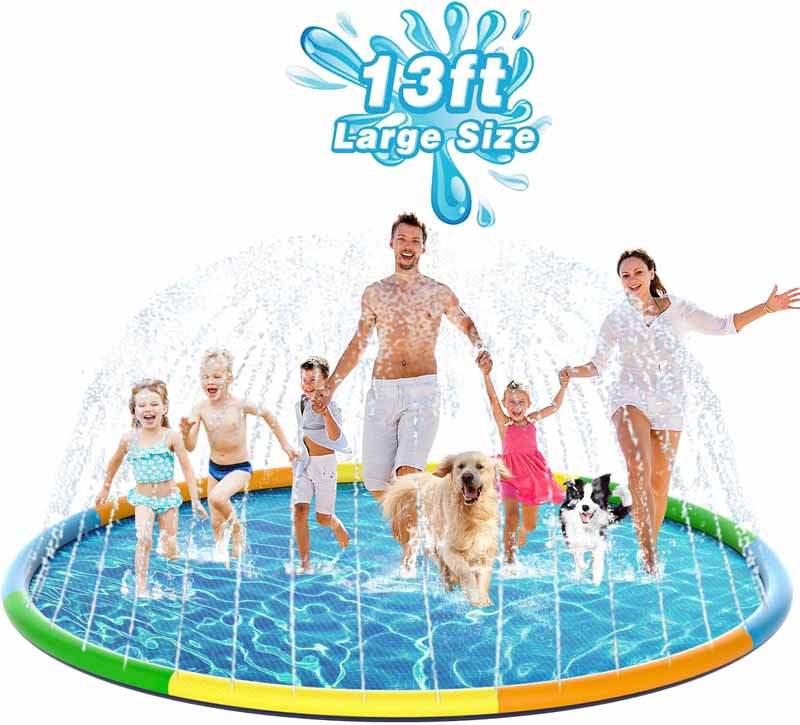
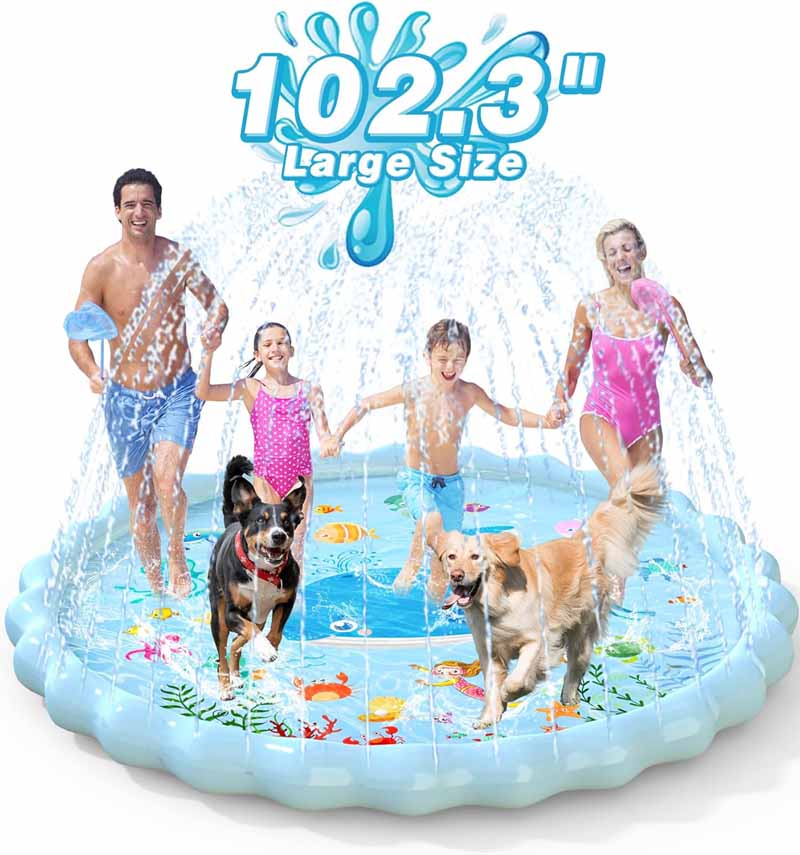
- Sprinklers or Misting Systems: Setting up a sprinkler or misting system in your backyard can help cool your dog down during the summer. However, this option doesn’t provide the same cooling effect or fun that a dog pool does.
- Portable Fans and Air Conditioning: While indoor cooling methods like fans and air conditioning can help your dog stay cool indoors, they don’t provide the same active outlet that a dog pool offers. Plus, they require energy and don’t allow your dog to exercise.
Is a Dog Pool Right for You?
Whether or not a dog pool is worth the investment depends on several factors, including your dog’s size, energy level, and health needs. For pet owners with active or large dogs, a dog pool can be an invaluable tool for keeping them cool, healthy, and engaged. If your dog enjoys being outside in the summer and needs a safe, fun way to cool off, a dog pool is a great solution.
Ultimately, the long-term health benefits, enjoyment, and cost savings make a dog pool a worthwhile investment for many pet owners. It’s not just a place to cool off; it’s a way to help your dog live a healthier and happier life.
Conclusion: Finding the Best Dog Pool for Your Pet
Choosing the best dog pool for your pet is an investment that will pay off in many ways. Not only will it keep your dog cool and comfortable during hot weather, but it will also offer them a chance to engage in healthy, low-impact exercise. Whether you’re looking for an inflatable pool for easy storage or a durable hard-shell pool for long-lasting use, the right dog pool can make a huge difference in your pet’s life.
By considering factors such as material, size, safety features, and maintenance, you can ensure that your dog gets the most out of their pool experience. A high-quality dog pool will not only provide a safe and enjoyable environment for your pet but will also enhance their overall health and happiness. Investing in a dog pool that suits your dog’s needs ensures that your furry friend stays cool, comfortable, and active throughout the summer.
Why Choose Epsilon Dog Pools
At Epsilon, we understand that pets deserve the best. Our dog pools are designed with durability, comfort, and safety in mind. Made from high-quality PVC materials, our pools are built to withstand rough play and harsh weather conditions. Whether you’re looking for an inflatable dog pool for easy setup or a hard-shell pool for long-term use, we have the perfect option to suit your needs.
Our pools are also designed for ease of maintenance. They feature quick-drain systems and smooth, non-slip surfaces to ensure that your pet enjoys a safe and enjoyable swimming experience. Plus, our pools come in a variety of sizes to accommodate dogs of all breeds and sizes.
Ready to invest in a high-quality dog pool for your pet? Contact Epsilon today to learn more about our premium dog pools and custom options. We’ll help you find the perfect solution to keep your dog cool, comfortable, and active all summer long!