Skip to content
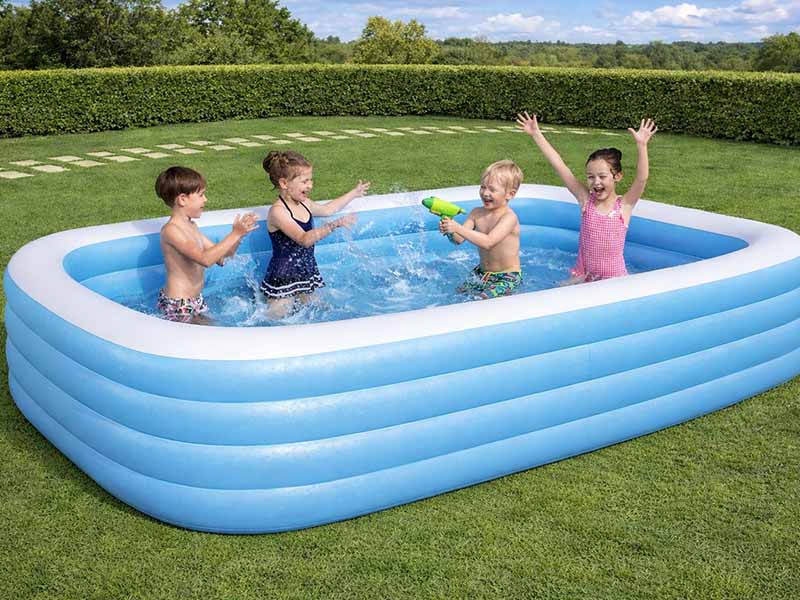
Kids pools are perfect for summer fun, but they need regular maintenance to stay in top shape. Proper drainage and storage can extend their life, prevent mold, and keep them safe for your children.
Many parents may find themselves quickly draining the pool, folding it up, and tossing it into storage without thinking twice. However, improper care can lead to a shorter lifespan for your pool and even pose safety risks, such as mold buildup or leaks. By following a few simple maintenance tips, you’ll not only save money by extending the life of your pool but also ensure that it stays safe and hygienic for the next summer.
Properly draining, cleaning, and storing your kids pool is essential for maximizing its life and ensuring it stays in great condition for future use. Learn how these steps can save you time and money while keeping your pool hygienic and functional.
Think about how much your kids love their pool during the summer – the joy of splashing around and cooling off on hot days. But after a few months of use, that same pool can quickly become damaged, dirty, and unusable if not properly maintained. Let’s take a deeper look into the steps necessary to ensure your kiddie pool remains safe, clean, and fun for years to come.
Why Drainage Matters for Your Kids Pool
Proper drainage is one of the most important steps in maintaining your kids pool. It prevents water-related issues like mold, material breakdown, and the buildup of harmful bacteria, ensuring the pool remains safe for your children.
While the fun and enjoyment of having a kids pool are clear, the care required to ensure the pool remains in optimal condition is often overlooked. Failing to drain a pool properly after each use can lead to a variety of issues that could not only shorten the life of your pool but also make it unsafe. Here’s why it matters to drain your pool completely:
1. Preventing Mold and Mildew Growth
Leaving water in your pool can quickly cause mold and mildew, especially in seams and corners, where moisture tends to get trapped. These fungi thrive in damp, dark environments—exactly the conditions found in a partially drained pool. Mold can cause staining, unpleasant odors, and can even affect the health of those who use the pool, especially young children, who are more vulnerable to respiratory issues triggered by mold spores.
- Data: According to the CDC, mold can begin to grow on wet materials within 24 to 48 hours, leading to quicker deterioration of the pool material. If left unchecked, the mold growth can compromise the structural integrity of the pool, potentially making it unsafe for further use.

2. Protecting Pool Materials from Deterioration
Pools made from PVC and similar materials are designed to be flexible and durable, but prolonged exposure to moisture can break down the material over time. If water remains in your pool for too long, it will seep into seams, joints, and folds, which can weaken the material, making it prone to cracks and tears.
- Fact: PVC material begins to degrade when exposed to UV rays or moisture for extended periods. A pool that isn’t properly drained may experience up to 30% faster wear compared to one that is drained and stored properly after use.
If moisture is trapped in the folds of an inflatable pool, it can also cause discoloration and weakening of the material. Once the pool’s material starts breaking down, it will not only be less effective at holding water, but it may also pose a safety hazard for your children.
3. Avoiding the Growth of Harmful Bacteria and Insects
Stagnant water in a kiddie pool isn’t just a playground for mold—it’s also an ideal breeding ground for bacteria. When water is left standing, it attracts various insects, including mosquitoes, which can lay their eggs in the water. Insects like mosquitoes not only pose a nuisance but can also transmit diseases such as West Nile virus.
Additionally, stagnant water in a pool can quickly become a hotspot for bacteria, which may lead to skin infections or eye irritations for those who use the pool. For children who are more likely to put their hands or feet in their mouths, this increases the risk of ingesting harmful bacteria.
- Health Impact: According to a report from the American Academy of Pediatrics, bacteria like Escherichia coli (E. coli) can thrive in stagnant water, posing health risks when exposed to children’s sensitive skin.
4. Reducing the Risk of Pests and Contamination
Standing water in a pool can attract pests like rodents, ants, or even stray animals. These pests can contaminate the pool with dirt, debris, or waste, making it unsanitary for further use. By draining the pool completely, you reduce the likelihood of these unwanted visitors entering your pool, ensuring it remains clean and safe for the next use.
- Fact: Pools left outside for long periods without proper care can develop a variety of contaminations, ranging from dirt and leaves to animal droppings. Proper drainage and regular cleaning prevent these contaminants from affecting the water quality.
5. Ensuring Efficient Storage and Long-Term Use
Draining your kids pool also makes the folding and storage process much easier. A pool with standing water can be heavy, difficult to fold, and prone to developing bad smells due to trapped moisture. A dry pool, on the other hand, folds easily, is lightweight, and avoids mold buildup when stored for extended periods.
- Storage Tip: Pools with residual moisture trapped in seams can accumulate mold over the winter, leading to unpleasant odors and stains that can be hard to remove. If you store your pool in a cool, dry place and ensure it’s completely dry before folding, it will maintain its shape and durability for future seasons.
Best Ways to Drain a Kids Pool
Draining your kids pool correctly is crucial for maintaining its condition, preventing water-related issues, and ensuring it’s ready for the next use. Different methods can be used depending on the type and size of the pool, but the key is to choose the one that works best for your situation.
1. Gravity Drainage: The Easiest and Most Natural Method
Gravity drainage is the simplest and most eco-friendly way to remove water from your pool. It’s a method that uses the natural force of gravity to let water flow out of the pool to a lower area, like a drain or a garden. This method is best for small to medium-sized pools and works effectively if your yard has a slight slope.
- How it works: Simply tilt the pool to the lowest point and allow the water to flow out naturally. Depending on the pool size and the slope of the ground, it could take anywhere from 10 minutes to an hour for the water to drain completely.
- Pros:
- Simple and cost-free: No need for additional tools or equipment.
- Eco-friendly: Uses natural forces, reducing the need for electricity or batteries.
- Low maintenance: Once the pool is tilted, you don’t need to monitor the drainage process.
- Cons:
- Limited to pools with a slope: Gravity drainage only works well if there’s a natural incline to guide the water. It’s not effective for flat areas.
- Slow process: While effective, it can take a longer time to drain larger pools.
- Data Point: Pools with a slight incline can drain as much as 75% of the water within 15 minutes. A larger pool may take longer, but using gravity will still save time compared to manually removing water.

2. Using a Submersible Pump: Fast and Efficient for Larger Pools
For larger pools or areas with no natural slope, a submersible pump is the quickest and most effective way to drain the pool. These small pumps are powered either by electricity or batteries, and they work by removing water from the bottom of the pool through a hose, pumping it away to a desired location.
- How it works: Place the pump in the lowest point of the pool. Once powered on, the pump will start removing water from the pool and direct it through a hose to a garden or drain area.
- Pros:
- Fast and effective: Pumps can remove large volumes of water quickly, saving you significant time compared to manual methods.
- Ideal for large pools: Submersible pumps are perfect for bigger inflatable pools or plastic kiddie pools, as they can drain the entire pool in as little as 10-15 minutes.
- Minimal manual labor: Once the pump is in place, it requires little to no monitoring.
- Cons:
- Power required: Most pumps need electricity to function. This could be an issue if you don’t have an outdoor power source or are trying to avoid using electrical appliances.
- Cost of the pump: While some submersible pumps are affordable, others can be more expensive. Prices typically range from $20 to $100 depending on the pump’s power and features.
- Data Point: A typical submersible pump can drain up to 500 gallons of water per hour. For a standard 10-foot kiddie pool, it may take just 15 minutes to remove all the water.
3. Siphoning: A Simple DIY Solution for Smaller Pools
If you don’t have access to a pump and gravity drainage isn’t an option, siphoning is a simple and inexpensive way to drain your pool. Siphoning uses a hose to create a vacuum effect that pulls water out of the pool and into a drainage area.
- How it works: Fill a hose with water, then place one end in the pool. Using either your mouth or a pump, suck the air out of the hose, causing the water to flow from the pool into a desired location. You can direct the other end of the hose to a drain, garden, or lawn.
- Pros:
- Low-cost option: All you need is a garden hose, and siphoning doesn’t require any expensive tools or power sources.
- Eco-friendly: It’s a simple, manual method with no electricity involved.
- Perfect for small pools: Siphoning works best for smaller pools, such as inflatable kiddie pools or smaller plastic options.
- Cons:
- Slow process: Siphoning doesn’t drain as quickly as a pump and may take longer, especially if the pool is large.
- Limited to gravity flow: You need to place the other end of the hose in a lower area for the water to flow out effectively. This method doesn’t work well for flat or enclosed spaces.
- Data Point: Siphoning can remove about 2-5 gallons of water per minute, depending on the hose length and the slope of the ground. While it’s slow, it’s a simple, no-cost solution.
4. Manual Removal: When Other Methods Aren’t Practical
Sometimes, depending on the pool’s design and size, you might need to manually remove the water. While this method is the most labor-intensive, it may be necessary for smaller pools with no drainage options.
- How it works: Use a small container or bucket to scoop out water and pour it into a nearby drain or onto your lawn. While effective for very small pools, this method is typically time-consuming.
- Pros:
- No equipment needed: If you have no access to a pump or siphon, manually removing the water is always an option.
- Ideal for very small pools: It’s best for small, shallow pools or inflatable pools that can’t hold much water.
- Cons:
- Time-consuming: It can take hours to manually remove all the water, especially for larger pools.
- Labor-intensive: You’ll need to continually scoop and carry water, which can be exhausting.
- Data Point: For a small kiddie pool, it could take anywhere from 30 minutes to 1 hour to manually remove all the water, depending on its size and the tools you use.
Which Method Is Best for Your Kids Pool?
Choosing the right drainage method depends on the size of the pool, the layout of your yard, and the tools you have available. Here’s a quick guide to help you decide:
| Method | Best For | Speed | Cost | Ease of Use |
|---|---|---|---|---|
| Gravity Drainage | Small to medium pools, slopes | Slow | Free | Easy |
| Submersible Pump | Large pools, flat areas | Fast | $20-$100 | Easy |
| Siphoning | Small pools, DIY solutions | Moderate | Free | Moderate |
| Manual Removal | Very small pools, no tools | Slow | Free | Hard |
How to Clean Your Kids Pool
Cleaning your kids pool regularly is crucial to ensure it remains safe, hygienic, and enjoyable for your children. Regular maintenance prevents dirt buildup, bacteria growth, and mold formation, while ensuring your pool stays visually appealing. Here’s how to keep your pool clean, fresh, and safe for use.
A well-maintained kids pool can last for many seasons, but it needs attention throughout its life cycle to ensure it stays safe and functional. Let’s break down the essential steps for cleaning your pool, from quick cleaning between uses to deep cleaning at the end of the season.
Quick Cleaning Between Uses: Keeping Your Pool Clean Without Draining
If you’re using the pool frequently, draining it after every use may not be practical. However, there are several methods you can employ to keep it clean without needing to empty all the water. These quick maintenance tasks will help you reduce bacteria and debris, keeping the pool safe between more thorough cleanings.
1. Use a Pool Cover When Not in Use
One of the easiest ways to keep your pool clean between uses is by covering it. A pool cover keeps debris, leaves, insects, and dust from entering the pool. It also prevents the water from becoming stagnant, reducing the chances of mold or algae buildup.
- Tip: Make sure the cover fits snugly around the edges and is made from breathable material to allow airflow. A tight-fitting cover will also prevent small animals from getting into the pool.

2. Skim the Water Regularly
Use a small skimmer net to remove any floating debris, such as leaves, dirt, and bugs. This should be done every time you use the pool to ensure the water stays as clean as possible. Skimming the surface of the water only takes a few minutes but can prevent larger particles from sinking to the bottom.
- Data Point: A quick 5-minute skimming session can remove up to 95% of the floating debris in a typical kiddie pool, reducing the need for more extensive cleaning later.
3. Clean the Pool with a Small Vacuum
If you’re tired of scooping debris with a net, consider investing in a small pool vacuum. These battery-operated or hand-pump vacuums are designed to remove debris from the bottom of the pool without draining it. They’re particularly useful for pools that collect dirt or sand.
- Cost: A basic pool vacuum can cost anywhere from $20 to $50, depending on the model. More advanced vacuums may range up to $100 or more, but they typically work faster and are more efficient.
| Cleaning Method | Best For | Time Required | Cost | Effectiveness |
|---|---|---|---|---|
| Pool Cover | Keeping debris and insects out | 1-2 minutes | $20-$50 | High |
| Skimming the Water | Removing floating debris (leaves, bugs) | 5 minutes | Free | High |
| Small Pool Vacuum | Removing dirt and sand from the bottom | 10-15 minutes | $20-$100 | Moderate-High |
Deep Cleaning: When to Give Your Pool a Thorough Scrub
Even with regular maintenance, every pool needs a deep clean at least once a season to remove stubborn stains, dirt, and grime. Here’s how you can give your pool a thorough cleaning to ensure it’s safe for the next round of use.
1. Empty and Drain the Pool
Before starting the deep cleaning process, make sure to completely drain your pool. This ensures you can clean the inside thoroughly without having to worry about the water getting in the way.
- Tip: Use one of the draining methods mentioned earlier, such as gravity drainage, siphoning, or a submersible pump. Once the water is out, dry the interior using a towel to prevent mold growth.
2. Scrub the Pool with a Mild Detergent
After draining and drying your pool, mix a mild dish soap with warm water to create a gentle cleaning solution. Use a sponge, soft-bristle brush, or a microfiber cloth to scrub the sides and bottom of the pool. Focus on areas that show stains or dirt buildup, such as the seams and corners.
- Tip: Avoid using harsh chemicals or abrasive scrubbers, as they can damage the pool material. PVC and similar synthetic materials are relatively soft, so only use soft brushes or sponges for cleaning.

3. Focus on Stubborn Stains
If you notice stubborn stains that won’t come off with a mild detergent, you can use a mixture of white vinegar and water to clean those spots. Vinegar is a natural cleaner that is safe for most pool materials and can help break down grime or hard water stains. Apply it to the affected areas, let it sit for a few minutes, and then scrub it off.
- Data Point: Vinegar has been shown to be effective at removing calcium deposits and mineral stains in pools, particularly those caused by hard water. For tough stains, a 3:1 water-to-vinegar ratio is usually enough.
4. Rinse the Pool Thoroughly
Once you’ve finished scrubbing, rinse the pool thoroughly with fresh water to remove all soap, vinegar, or cleaning solution residue. Leftover chemicals can harm the pool material and could irritate your children’s skin the next time they use it.
- Tip: After rinsing, check the pool for any remaining dirt or cleaning residue by running your hand along the surface. If you feel any slippery or greasy spots, rinse those areas again.
5. Dry the Pool Properly
After cleaning, allow the pool to air dry completely before storing it. This helps prevent mold and mildew from developing while it’s in storage. If possible, set the pool in a well-ventilated area or hang it up on a clothesline. Drying the pool thoroughly can prevent dampness from creating unwanted odors or stains.
- Data Point: Drying your pool for at least 24 hours before storing it can reduce the risk of mold growth by up to 70%, as moisture is the primary cause of mold formation in stored pools.
Maintaining the Pool During Use: Keeping It Fresh with Regular Checks
It’s important to maintain the cleanliness of your pool not only between deep cleanings but also during use. Regular checks during playtime can ensure that your pool remains hygienic and safe.
1. Check Water Levels Regularly
If you notice that the water level is decreasing, it may indicate that the pool has small leaks or punctures. These issues should be addressed immediately, as even a minor leak can lead to a significant loss of water. Regularly checking the water level helps you stay on top of maintenance and ensures your pool is functioning properly.
2. Keep the Pool Free of Standing Water When Not in Use
If you’re not using the pool for a while, empty it out to avoid any water stagnation. If you must leave water in the pool, ensure the cover is on securely, and that the pool is placed in a clean, dry area. This will help keep the pool from attracting dirt, debris, or pests while not in use.
How to Store a Kids Pool Properly
Properly storing your kids pool is just as important as cleaning and draining it. Storing your pool correctly ensures it remains in good condition, preventing mold, material damage, and unnecessary wear and tear. Whether you’re putting it away at the end of the season or simply storing it temporarily between uses, following these storage tips will help extend the lifespan of your pool.
Why Proper Storage Matters
When a pool is not in use, improper storage can lead to issues like mold growth, fading, cracking, or structural damage. Exposing your pool to extreme weather conditions, moisture, or sunlight can break down the materials and cause premature wear. With a few simple steps, you can store your pool safely and keep it in great condition for future use.
1. Drain and Clean Before Storing
Before storing your pool, it’s essential to drain all the water and give it a thorough cleaning. If you don’t drain the water completely, it can create a breeding ground for bacteria and mold while in storage, which could lead to unpleasant odors or even health concerns.
- Draining: As discussed earlier, use gravity drainage, a submersible pump, or siphoning to remove all the water from your pool. Ensure that no water remains in the seams or folds of the material. Even a small amount of water can promote mold growth.
- Cleaning: Once the pool is drained, clean it with a mild detergent or a vinegar solution to remove dirt, grime, or algae. Avoid harsh chemicals that could damage the pool’s material. After cleaning, make sure to rinse the pool thoroughly to remove any soap residue.
- Drying: After cleaning, thoroughly dry the pool with a clean towel or let it air dry for at least 24 hours in a well-ventilated area. This will help avoid mold buildup in the folds or seams when it is stored.
- Data Point: Pools that are stored without proper cleaning and drying are 30% more likely to develop mold or mildew after just one month of storage. A thorough cleaning and drying process reduces this risk substantially.
2. Choose the Right Storage Location
Choosing the right storage location is key to protecting your pool from the elements and prolonging its lifespan.
- Indoor Storage: The ideal location for long-term storage is indoors, such as in a garage, storage shed, or closet. Storing your pool indoors protects it from sun damage, harsh weather, and pests, all of which can degrade the material.
- Tip: If you don’t have space indoors, try storing the pool in a dry, shaded area that’s protected from rain or snow.
- Outdoor Storage: If you must store your pool outside, make sure it’s covered and stored in a sheltered spot, such as under a patio or a canopy. Keep the pool off the ground, especially if the ground is damp or prone to flooding. Use a tarp or weatherproof cover to shield the pool from rain, sun, and dirt.
- Data Point: Storing your pool in direct sunlight for extended periods can reduce the lifespan of PVC by up to 30%. UV rays weaken the material, causing it to crack and fade.
- Ventilation: Make sure the storage area is well-ventilated, as stored pools can accumulate moisture, which can cause mold or mildew. Avoid storing your pool in closed, unventilated spaces like basements or attics, where moisture can become trapped.
| Storage Environment | Temperature Range | Protection Level | Storage Time | Effect on Pool Material |
|---|---|---|---|---|
| Indoor (Garage/Shed) | 40°F to 85°F (4°C to 29°C) | Very High | Long-Term | Best protection against UV and moisture |
| Outdoor (Covered) | 50°F to 75°F (10°C to 24°C) | Moderate | Short-Term | Protects from rain, but UV exposure still a concern |
| Outdoor (Uncovered) | 30°F to 100°F (-1°C to 38°C) | Low | Short-Term | High risk of UV damage, fading, and cracking |
3. Properly Fold or Roll Your Pool
The way you fold or roll your pool can make a big difference in how long it lasts. Folding your pool improperly, or leaving sharp creases, can weaken the material and make it more prone to damage. Instead, follow these steps to store it safely:
- Rolling Instead of Folding: Instead of folding the pool, which can create sharp creases that may weaken the material, roll the pool gently. Rolling prevents unnecessary pressure on seams and joints and helps maintain its shape.
- Tip: When rolling, try to keep the pool evenly distributed to avoid uneven pressure on any one part of the material. Make sure to roll from one end to the other, rather than folding it in half.
- Securing the Roll: Once the pool is rolled, secure it with a soft tie, cord, or even a fabric strap to keep it compact. Avoid using anything too tight that could compress the pool material and cause damage.
- Data Point: Pools stored by rolling instead of folding have a 20% longer lifespan, as rolling reduces the risk of material fatigue and weakening at the fold lines.
4. Use a Protective Cover
Even if you store your pool indoors, it’s important to cover it with a protective cover or tarp to keep it free from dust, dirt, and environmental contaminants. This is particularly important if you are storing your pool outdoors.
- Covering: Use a breathable cover made from a weather-resistant material. A tight-fitting cover will prevent dust and debris from entering the pool while allowing some airflow to reduce moisture buildup.
- Tip: Make sure the cover doesn’t trap moisture inside. If the pool is stored outdoors, check the cover regularly to ensure it remains intact and keeps out rain or snow.
- Data Point: Using a protective cover can reduce the accumulation of dirt and debris by up to 80%, making the next cleaning much easier.
5. Avoid Storing in Extreme Conditions
It’s important to avoid storing your pool in extreme temperature conditions. Excessive heat can cause the material to become brittle, while extreme cold can make it more prone to cracking.
- Ideal Temperature Range: Store your pool in a place where the temperature stays within the range of 40°F to 85°F (4°C to 29°C). This helps prevent material degradation, keeping the pool flexible and intact for future use.
- Tip: If you live in an area with harsh winters, consider storing your pool inside during the colder months. Prolonged exposure to freezing temperatures can make the pool’s material more fragile.
- Data Point: Pools exposed to freezing temperatures can lose up to 25% of their flexibility, making them more likely to crack when used again.
6. Inspect Your Pool Before Storing
Before storing your pool for the season, it’s important to inspect it for any damage or wear. Checking for holes, tears, or weak seams ensures that you’ll be able to address any issues before the next use.
- Check for Leaks: Examine the pool for any leaks, punctures, or seams that may have weakened during use. If you notice any issues, make sure to patch them before storing the pool.
- Patch Kit: Keep a pool patch kit on hand to fix any small holes or tears. Use the kit according to the manufacturer’s instructions to ensure that the repairs last.

How to Store a Kids Pool in a Nutshell
| Step | Best Practices | Additional Tips |
|---|---|---|
| Drain and Clean | Drain all water, clean with mild detergent or vinegar, rinse well | Let it air dry for 24 hours |
| Choose Storage Location | Store indoors or under a sheltered, dry area outdoors | Use a breathable cover |
| Fold or Roll Properly | Roll gently instead of folding to prevent pressure on seams | Secure with a soft tie or cord |
| Use a Protective Cover | Use a weather-resistant, breathable cover | Check the cover regularly if stored outside |
| Inspect for Damage | Check for holes or tears and repair with a patch kit | Address any issues before storage |
| Avoid Extreme Temperatures | Store between 40°F to 85°F (4°C to 29°C) | Don’t expose to freezing temperatures |
When to Replace Your Kids Pool
Knowing when to replace your kids pool is critical to ensuring safety and maintaining its performance. Pools that are damaged, worn out, or unsafe can lead to injury or an unpleasant experience for your children. Understanding the signs that it’s time for a new pool will help you avoid these issues.
A kids pool can provide years of fun and relaxation, but like any outdoor equipment, it’s subject to wear and tear. When you notice certain signs of damage or wear, it may be time to invest in a replacement. Below, we’ll discuss the most common indicators that your kids pool may need replacing and provide actionable advice for assessing when to buy a new one.
1. Punctures and Leaks: How to Identify and When to Replace
One of the most obvious signs that your kids pool is no longer viable is when it develops a puncture or leak that can’t be easily repaired. While small leaks can often be patched up, large or multiple punctures can significantly compromise the pool’s safety and usability.
- How to check for punctures: After draining your pool, run your hand along the seams and surface to feel for any soft spots, cracks, or holes. For inflatable pools, check the air chambers to see if they stay inflated after a few hours. Leaks can also be detected by refilling the pool and observing where the water level drops.
- Data Point: According to industry standards, small punctures that affect less than 10% of the total surface area can typically be patched. However, pools with larger punctures, especially in the structural seams, are likely to experience further wear and are often unsafe to continue using.
- When to replace: If you notice large, persistent punctures that can’t be repaired, or if the pool is leaking from multiple areas, it’s time for a replacement. Leaks can weaken the pool’s structure, making it prone to further damage, which can lead to accidents.

2. Material Degradation: Cracking, Fading, and Brittleness
Over time, UV rays, exposure to heat, and general use will break down the materials used to make kids pools. PVC and vinyl, which are commonly used in inflatable pools, can become brittle or cracked if exposed to direct sunlight for extended periods. Material degradation can also result in fading, weakening the pool’s appearance and functionality.
- How to check for material degradation: Inspect the pool for any visible cracks or soft spots. If the material feels brittle or is cracking when you try to fold it, these are clear signs of aging. If the pool has turned an unusual color or shows signs of fading, this could also be an indication of UV damage. A pool that has lost its flexibility and has visible wear should be replaced to avoid future issues.
- Data Point: UV exposure can degrade PVC by up to 30% each year, causing it to lose its strength and flexibility. Pools that are stored outside and not covered are more likely to suffer from this type of degradation.
- When to replace: If the pool material shows signs of cracking, brittleness, or extreme fading, it may no longer be safe to use. The risk of punctures and leaks increases with weakened material, and continued exposure to UV light can cause more damage. A pool that feels “dry” or “crunchy” when bent or stretched is likely past its prime and should be replaced.
3. Mold and Mildew Growth: Risks to Health and Safety
Mold and mildew can develop in pools that are not properly drained, cleaned, and stored. These fungi thrive in warm, damp environments and can quickly spread throughout the pool. Mold can also damage the pool material, causing it to break down faster, and can pose serious health risks.
- How to check for mold and mildew: After storing the pool, if it has been exposed to moisture or left in a damp area, check for any visible black or green spots along the seams or bottom. You may also notice a musty or sour smell, which is a clear indication of mold or mildew.
- Health Impact: Mold can trigger respiratory issues, skin irritation, and allergic reactions, especially in children who are more susceptible to these effects.
- When to replace: If mold or mildew has spread extensively throughout the pool and cannot be removed with regular cleaning, it’s time to consider replacing the pool. Mold can be difficult to completely eradicate, and persistent exposure to mold can lead to long-term health problems.
4. Pool’s Inability to Hold Water
A pool that can’t hold water is essentially useless. This issue often arises when the seams are damaged, the material is stretched too thin, or there are numerous small leaks. If your pool constantly requires refilling due to water loss, it’s a clear sign that the structure is compromised.
- How to check for water retention issues: Fill the pool and check the water level after a few hours. If the water has dropped significantly, it’s likely due to leaks or faulty seams. Additionally, feel for any soft or wet areas where water may be seeping through the material.
- Data Point: On average, a kids pool that loses more than 10% of its water in 24 hours due to leaks or material issues should be replaced, as patching multiple leaks may not restore its structural integrity.
- When to replace: If your pool consistently loses water and you cannot locate or fix the leaks, it’s time to replace the pool. Water retention is essential for the functionality of any pool, and without it, the pool becomes inefficient and unusable.
5. Age of the Pool: When It’s Simply Time for a New One
Even if your pool is not showing any obvious signs of damage, age alone can be a reason to replace it. Pools that have been used for several seasons, especially if they are left outside year-round, may not be as sturdy or safe as they once were. Over time, repeated exposure to the sun, rain, and general use can cause even the best-made pools to wear out.
- How to assess the age: Consider how many years the pool has been in use. Most inflatable or kiddie pools are designed for 3-5 seasons of use, but this can vary depending on the quality of the material and how well the pool has been maintained.
- When to replace: If your pool is approaching the end of its intended lifespan or has been used for more than 5 seasons, it may be time to upgrade to a new model. Continuing to use an old pool can be risky, as the material may no longer provide the same level of protection or durability.
6. Discoloration or Staining That Won’t Come Off
If your pool has developed permanent stains or discoloration that can’t be removed with cleaning, it may indicate that the material has been damaged by chemicals, harsh sun exposure, or poor storage conditions. Staining not only affects the pool’s appearance but can also be a sign of chemical degradation or contamination.
- How to check for staining: If the pool has stubborn stains that don’t come out with regular cleaning, this could be a sign that the pool material has absorbed oils, chemicals, or dirt that are impossible to remove.
- When to replace: If the staining is widespread and cleaning doesn’t resolve the issue, it’s a sign that the pool’s material is breaking down. Stains that are deep-rooted may be impossible to clean and could compromise the pool’s durability, indicating that it’s time to replace it.
| Issue | Signs to Watch For | When to Replace |
|---|---|---|
| Punctures and Leaks | Large or multiple punctures that can’t be patched | When leaks compromise the structure |
| Material Degradation | Cracks, brittleness, or fading of material | When the pool loses flexibility and cracks easily |
| Mold and Mildew | Visible mold or a persistent musty smell | When mold can’t be cleaned or spreads rapidly |
| Water Retention | Difficulty holding water or leaks constantly | When water leaks out or pool can’t hold water effectively |
| Age of Pool | Pool has been used for more than 3-5 seasons | When the pool shows general wear or doesn’t perform as it once did |
How to Dispose of a Kiddie Pool
Properly disposing of your kiddie pool ensures that you are being environmentally responsible while also avoiding any health or safety hazards. Disposing of a pool requires careful consideration of the materials it’s made from, and the local regulations around waste management. Let’s break down how to dispose of your kiddie pool responsibly, so you can reduce environmental impact and avoid unnecessary waste.
When your kids pool has reached the end of its life, it’s important to dispose of it in a way that’s both safe and eco-friendly. While many people may be tempted to simply toss the pool into the trash, there are several better options available. Here are some practical steps for properly disposing of your kiddie pool, including recycling, repurposing, and following local waste management guidelines.
1. Check if the Pool is Recyclable
Many kiddie pools are made of materials like PVC, polyethylene, or polypropylene, which can be recycled in certain locations. However, not all recycling centers accept large plastic items like pools due to their size or the fact that they may have a mix of materials (e.g., plastic with metal valves or handles).
- How to check if your pool is recyclable: Contact your local recycling center to inquire about their policies regarding large plastic items. Some facilities will accept kiddie pools made from recyclable plastics, while others may only accept certain types of plastic. If your pool has metal components (e.g., valves or frames), these may need to be removed before the pool can be accepted for recycling.
- Data Point: According to the EPA, approximately 75% of plastic waste is recyclable, but only 30% of that material is actually recycled. This highlights the importance of checking your local recycling options.
- Recycling Process: If your pool is recyclable, make sure to remove any non-plastic parts, such as metal or rubber, as these materials often require separate disposal. After disassembling the pool, take it to a designated recycling center where it can be processed and reused in new products.
- When to Recycle: If your pool is made of durable, single-material plastic and is free of mixed components, recycling is a great option. Even if the pool is slightly damaged, recycling can help minimize its environmental impact.
2. Repurpose the Pool Material
If recycling isn’t an option, you can repurpose parts of the pool to create new products or use them for other purposes. Upcycling is an excellent way to reduce waste and give your pool a second life.
- How to repurpose the material: If the plastic material of the pool is still in good condition, you can use it for various DIY projects. For example, large pieces of plastic can be used to make outdoor mats, garden covers, or even as a protective layer for plants during winter.
- Creative Upcycling Ideas:
- Garden Covers or Weed Barriers: Cut up the plastic and lay it down in your garden to prevent weeds from growing.
- Storage Bags or Containers: If the pool material is soft enough, it can be used to create durable, water-resistant storage bags or containers.
- Outdoor Furniture: You can even repurpose the material to create small pieces of furniture, like stools or tables, especially for small children’s outdoor spaces.
- Craft Projects: The plastic can also be used for creative arts and crafts projects, such as building outdoor sculptures, garden decorations, or custom storage boxes.
- Data Point: According to a report by the World Economic Forum, approximately 91% of plastic is not recycled globally, which makes repurposing a great alternative. Upcycling helps divert waste from landfills and encourages creative solutions for used materials.
- When to Repurpose: If the pool material is not damaged beyond use and you enjoy DIY projects, repurposing is a sustainable and creative way to avoid waste.
3. Dispose of the Pool in the Trash (If Necessary)
If your kiddie pool is too damaged for recycling or repurposing, or if it’s made of mixed materials that aren’t recyclable, you may need to dispose of it in the trash. However, it’s essential to follow proper disposal procedures to avoid creating additional environmental problems.
- How to dispose in the trash: Make sure to break down the pool as much as possible to reduce its size and prevent it from taking up too much space in the landfill. You can cut up the pool into smaller pieces, making it easier to handle and more manageable for waste management services.
- Data Point: According to the Waste Management Division, reducing the size of large plastic items (like pools) before disposal helps optimize waste collection and minimizes landfill space.
- When to Use This Option: If your pool is beyond repair, cannot be recycled, and is made of mixed materials that cannot be separated, trash disposal may be the only option left. Be sure to follow any local guidelines to minimize environmental impact.
4. Local Waste Management Guidelines
Before discarding your pool, it’s essential to check with your local waste management facility for any special disposal procedures for large items like kiddie pools. Many areas have specific guidelines or offer special bulk item pickup days for large or hard-to-recycle items.
- How to check local regulations: Visit your city or county’s waste management website or contact your local sanitation department for information about large item disposal. Some areas may allow you to schedule a special pickup, while others may require you to bring the pool to a designated waste facility.
- Tip: Some municipalities have collection events specifically for plastic waste or large items. These events often provide a more sustainable way to dispose of large plastic items like kiddie pools.
- When to Follow Local Guidelines: Always check with your local waste management to ensure you are disposing of your pool according to local regulations. This will help ensure that it’s handled safely and responsibly.
| Disposal Method | Best For | Steps to Follow | Environmental Impact |
|---|---|---|---|
| Recycling | Durable, single-material pools | Remove non-plastic parts and take to a recycling center | Reduces landfill waste |
| Repurposing | Pools in decent condition | Use for DIY projects (e.g., garden covers, furniture) | Reduces waste, creative reuse |
| Trash Disposal | Pools made of mixed materials or beyond repair | Break down pool and follow local waste management rules | Contributes to landfill waste |
| Local Waste Pickup | Large plastic pools or hard-to-recycle items | Check with local waste management for bulk pickup days | Helps with proper disposal |
Ready to Enhance Your Pool Experience?
Properly draining, cleaning, storing, and disposing of your kids pool is key to maximizing its lifespan and ensuring it remains safe and functional for future use. By following the steps outlined in this article, you’ll not only save money but also protect your family from safety risks like mold and bacteria growth.
When it’s time to replace your old pool, choose one that offers superior durability and eco-friendliness. At Epsilon, we specialize in high-quality, durable PVC-based pools designed to last. Whether you’re looking for a custom solution for your backyard or a new addition to your outdoor space, our products are crafted with safety, fun, and longevity in mind.
Ready to Upgrade Your Pool?
If you’re looking to invest in a new pool or need a custom solution tailored to your needs, Epsilon is here to help. Our range of pools offers the perfect combination of eco-friendliness, durability, and family-friendly fun.
Contact us today to inquire about pricing, customization options, or place an order. We look forward to helping you create the perfect outdoor space for your family, ensuring safety, enjoyment, and longevity for years to come.