Skip to content
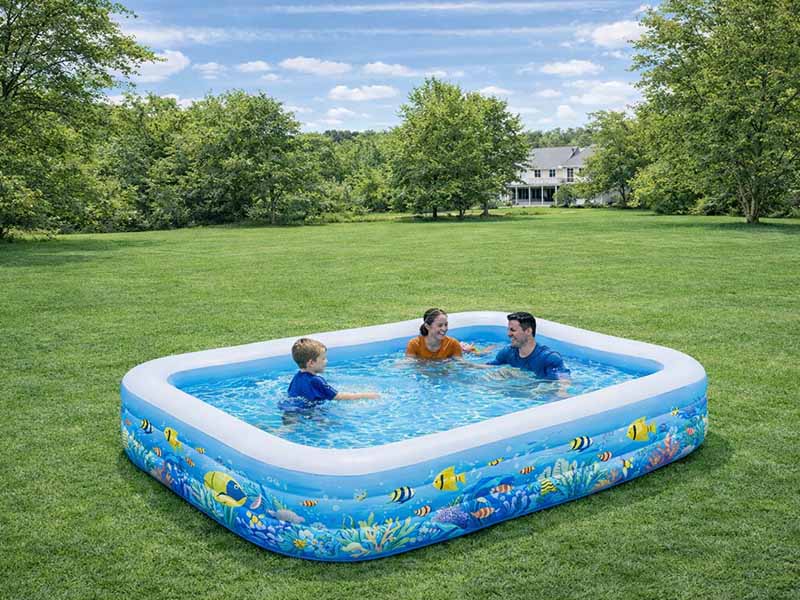
Imagine the joy of stepping into a perfectly clean and clear inflatable pool on a hot summer day. Inflatable pools are a great, budget-friendly option for those who want to enjoy a relaxing swim in their own backyard. However, keeping the water sparkling, fresh, and safe throughout the season requires regular upkeep and the right equipment. Unlike traditional pools, inflatable pools often require more attention to maintain water quality, but with the right cleaning routine and products, your pool can stay pristine all season long.
To ensure long-lasting water clarity and health, it’s crucial to understand what factors contribute to water contamination, the right tools to use, and how to establish a consistent cleaning routine. Whether you’re using eco-friendly alternatives or relying on state-of-the-art automatic pool cleaners, there’s no one-size-fits-all approach.
Why Is Clean Pool Water Important?
Maintaining clean pool water goes beyond aesthetic appeal—it directly impacts safety, health, and the longevity of your pool equipment. Dirty water can lead to harmful bacteria growth, algae build-up, and even clogged filters, resulting in high maintenance costs. For more information on pool water hygiene and waterborne diseases, check out the https://www.cdc.gov/healthywater/swimming/index.html. To ensure that your pool remains a safe and enjoyable environment, effective cleaning practices are essential.
What Causes Pool Water to Get Dirty?
Understanding what causes water contamination in your inflatable pool is essential for maintaining clean water. Since inflatable pools tend to be smaller and have less efficient filtration systems than larger, in-ground pools, contaminants can build up faster.
- Debris and Contaminants: Inflatable pools, being exposed to the elements, can accumulate leaves, dirt, and insects quickly. This is especially true if you don’t use a cover when the pool is not in use. These contaminants can clog the small filters typically found in inflatable pools.
- Chemical Imbalance: As with larger pools, an imbalance in pH, chlorine, or alkalinity can quickly lead to cloudy or green water. Regularly testing and adjusting your inflatable pool’s water chemistry is essential for clear, safe water.
- Stagnant Water: Poor water circulation in inflatable pools, especially if they’re smaller and lack a powerful filtration system, can result in water stagnation, making it easier for algae and bacteria to thrive.
1. Debris and Contaminants
Debris is one of the most common culprits that cause pool water to get dirty. This includes leaves, insects, dirt, and even dust carried by the wind. When debris enters the pool, it not only affects the aesthetic appeal of the water but also adds to the load of the pool’s filtration system.
How It Affects Your Pool:
- Clogs the Filter: Excessive debris can clog the pool’s filter and reduce its efficiency, causing the pool’s filtration system to work harder and less effectively. Over time, this can result in higher energy consumption and maintenance costs.
- Cloudy Water: As debris breaks down in the water, it can introduce organic material like oils and bacteria. This can cause the water to look murky or even develop an unpleasant odor.
- Algae Growth: Debris like leaves and twigs can accumulate at the pool’s bottom, creating a nutrient-rich environment where algae can thrive.
Real Data Insight:
- Increased chemical use: Pools with heavy debris loads often require up to 20% more chemicals for proper maintenance. This not only raises costs but also increases the chemical burden on your water.
How to Prevent It:
- Use a Pool Cover: A pool cover helps prevent debris from entering the water, reducing the need for daily skimming.
- Regular Skimming: Skim your pool daily, especially during fall when leaves are more likely to accumulate. This can prevent debris from decomposing in the water and keep your pool looking fresh.
2. Chemical Imbalance
Your pool’s chemistry is a key factor in keeping water clear and safe. If the balance of pH, chlorine, alkalinity, or calcium hardness is off, it can lead to a variety of water problems, such as cloudy water, algae growth, or skin irritations. To maintain proper chemical balance in your pool, it’s essential to follow industry standards. For more detailed pool chemistry guidelines, refer to the
PHTA Pool & Spa Chemical Safety.
| Chemical Component | Ideal Range | Purpose |
|---|---|---|
| pH | 7.4 – 7.6 | Maintains water stability and prevents equipment corrosion or skin/eye irritation. |
| Free Chlorine | 1.0 – 3.0 ppm | Sanitizes, prevents algae growth, and keeps the water clear. |
| Total Alkalinity | 80 – 120 ppm | Stabilizes pH levels and avoids water fluctuations. |
| Calcium Hardness | 200 – 400 ppm | Prevents water hardness or scale buildup and protects equipment. |
How It Affects Your Pool:
- Algae Growth: An imbalance in chlorine or pH can make it easier for algae to develop, turning your pool water green. Algae thrives in conditions where the sanitizer levels (such as chlorine) are too low.
- Cloudy Water: If the pH is too high or too low, it can cause minerals in the water to precipitate out, which can create cloudy or hazy water.
- Damaged Equipment: Poor chemical balance can cause scaling on pool surfaces or damage to the pool’s equipment. For instance, high calcium levels can lead to calcium deposits on pool tiles and plumbing.
Real Data Insight:
- Chlorine Levels: According to the Centers for Disease Control and Prevention (CDC), pools with low chlorine levels are 40% more likely to develop waterborne illnesses.
- Cost Implications: Poor chemical balance can increase pool maintenance costs by up to 15%, as more chemicals will be needed to bring the water back into balance.
How to Prevent It:
- Test Water Regularly: Test your pool water at least once a week using a reliable pool test kit. Keep pH levels between 7.4 and 7.6, free chlorine between 1.0 and 3.0 ppm, and alkalinity between 80-120 ppm.
- Add Stabilizer: Stabilizers like cyanuric acid protect chlorine from being broken down by the sun, reducing the need for excessive chlorine addition.
3. Sunlight and UV Exposure
UV rays from the sun can break down chlorine and other sanitizers in your pool, making them less effective at disinfecting the water. This process, known as “chlorine loss,” is particularly prevalent on sunny days, leading to higher chemical demand.
How It Affects Your Pool:
- Chlorine Breakdown: UV exposure can degrade chlorine by up to 90% in just a few hours. When chlorine levels drop, bacteria and algae are more likely to grow, leading to contaminated water.
- Algae Growth: With reduced chlorine levels, algae spores can take root more easily, especially in warm, sunny weather.
Real Data Insight:
- Chlorine Loss: On a sunny day, pools can lose as much as 2-3 ppm of chlorine per day due to UV exposure, particularly in areas with high sunlight like southern climates. This necessitates the use of stabilizers or increased chemical maintenance.
- UV Impact on Pool Chemistry: Pools with direct sunlight exposure typically require 30-40% more chlorine than those in shaded areas.
How to Prevent It:
- Use Pool Covers: Pool covers can reduce chlorine loss by protecting your pool from direct UV exposure, especially when the pool is not in use.
- Consider a UV Pool System: A UV system can help to neutralize bacteria and prevent algae growth, providing a supplement to chlorine and reducing the need for heavy chemical use.
4. Poor Circulation and Stagnant Water
Water circulation refers to the movement of water through the pool’s filtration system. Without proper circulation, debris cannot be filtered out, and the water becomes stagnant. Stagnant water also makes it easier for bacteria and algae to multiply.
How It Affects Your Pool:
- Uneven Filtration: Poor circulation means that debris may settle on the pool floor or walls and stay there, clogging the filter and making cleaning efforts less effective.
- Algae and Bacteria Growth: Stagnant water becomes a breeding ground for algae, bacteria, and other microorganisms. Without proper movement, these contaminants can quickly multiply, turning your pool water cloudy or even green.
Real Data Insight:
- Circulation Time: A pool that is properly circulated for 8-12 hours per day is up to 50% more efficient in preventing algae growth and ensuring water clarity.
- Debris Removal Efficiency: Pools with inadequate circulation may have debris build-up at the bottom, which can require more than 30% more cleaning time and chemicals to clear.
How to Prevent It:
- Run the Pump Regularly: Ensure your pool pump is running for a sufficient amount of time each day—typically 8-12 hours depending on the pool size.
- Check for Obstructions: Regularly inspect the pump and skimmer baskets for debris that might be blocking water flow.
- Upgrade Your Pump: If your current pump isn’t circulating the water effectively, consider upgrading to a variable-speed pump, which can improve circulation and save on energy costs.
| Circulation Time (Hours per Day) | Effect on Water Quality | Recommended Frequency |
|---|---|---|
| 8 hours | Ensures even distribution of chemicals and removes contaminants efficiently. | Minimum for most pools |
| 10-12 hours | Optimizes filtration and circulation, preventing stagnant water and algae growth. | Ideal for larger pools |
| Less than 8 hours | May cause poor circulation, increased debris buildup, and algae growth. | Not recommended |

What Pool Equipment Helps Keep Water Clean?
To keep your inflatable pool water clean and clear, you need the right equipment. Here are some essential products that will make maintaining your inflatable pool easier and more effective:
- Inflatable Pool Covers: A pool cover is crucial for preventing debris from entering your inflatable pool when it’s not in use. It also helps retain heat and reduce chlorine loss from UV exposure, especially for smaller pools.
- Pool Filters and Skimmers: While inflatable pools often have built-in filters, adding a skimmer can help you remove larger debris and prevent clogging in the filtration system.
- Inflatable Pool Pillows: These are a great addition to your pool setup, providing comfort and helping to maintain proper water circulation.
1. Pool Filters: The Backbone of Water Clarity
A pool filter is essential for removing debris, dirt, and contaminants from the water. There are three main types of pool filters: sand filters, cartridge filters, and diatomaceous earth (DE) filters. Each one operates differently and has its own strengths and weaknesses.
How It Helps Keep Water Clean:
Filters work by trapping dirt, bacteria, and other impurities from the pool water as it passes through the system. Over time, without an efficient filter, debris will build up, and water quality will degrade.
Types of Filters:
| Filter Type | Best For | Maintenance Requirements | Pros | Cons |
|---|---|---|---|---|
| Sand Filters | Large debris, general filtration needs | Backwash or replace sand every 3-5 years | Low maintenance, cost-effective | Less effective at trapping fine particles |
| Cartridge Filters | Small to medium debris, general cleaning | Clean or replace cartridges every 1-2 years | More effective at trapping finer particles, easier to clean | Needs more frequent maintenance than sand filters |
| Diatomaceous Earth (DE) Filters | Ultra-fine particles, highest level of filtration | Requires regular cleaning and adding DE powder | Best at filtering out tiny particles, high filtration efficiency | More expensive, requires more maintenance |
Real Data Insight:
- Efficiency Comparison: DE filters can trap particles as small as 2-5 microns, while sand filters typically only trap particles as large as 20 microns. For pools with high debris loads or fine dust, a DE filter is highly recommended for clearer water.
How to Choose the Right Filter:
- Pool Size: For large pools, a DE filter may be the most efficient choice due to its fine filtration. For smaller pools or budget-conscious users, a sand or cartridge filter will suffice.
- Maintenance: If you want a low-maintenance system, a sand filter might be the easiest to manage. However, if your pool needs superior filtration, a DE filter will be the best choice.
2. Pool Pumps: Ensuring Proper Circulation
A pool pump is responsible for moving water through the filtration system, ensuring that the entire pool gets properly filtered. It pulls water from the pool, passes it through the filter, and returns clean water back into the pool.
How It Helps Keep Water Clean:
Without proper circulation, debris and contaminants will settle at the bottom or on the walls of the pool. Pumps are essential for ensuring that your pool’s filtration system works effectively, preventing stagnant water and helping distribute chemicals evenly.
Key Features to Consider:
- Pump Size: Make sure the pump is appropriately sized for your pool’s volume. An undersized pump won’t circulate the water properly, leading to poor filtration.
- Pump Speed: Variable-speed pumps can be more efficient than single-speed pumps, allowing you to adjust the flow rate and save energy when full power isn’t necessary.
Real Data Insight:
- Energy Efficiency: Pools that use variable-speed pumps can save up to 70% on energy costs compared to traditional single-speed pumps.
- Circulation Time: It’s recommended to run the pool pump for 8-12 hours per day. This ensures that all of the pool water passes through the filter at least once each day, promoting healthy water circulation.
How to Choose the Right Pump:
- Pool Size: Larger pools need more powerful pumps. To determine the right pump size, use a pump that can circulate the entire volume of the pool in 8 hours.
- Energy Efficiency: Opt for a variable-speed pump if you want to save on energy bills and reduce your pool’s environmental impact.

3. Automatic Pool Cleaners: Hands-Free Cleaning
Automatic pool cleaners are machines that move around the pool to collect debris and scrub surfaces, helping maintain clean water without much effort from the pool owner. There are three main types: robotic cleaners, suction-side cleaners, and pressure-side cleaners.
How It Helps Keep Water Clean:
Automatic cleaners are an efficient way to keep your pool free from debris, dirt, and algae, ensuring that the water remains clear and clean. These machines are particularly useful in keeping the pool floor, walls, and waterline spotless, reducing the need for manual cleaning.
Types of Pool Cleaners:
| Cleaner Type | Best For | Maintenance Requirements | Pros | Cons |
|---|---|---|---|---|
| Robotic Cleaners | High-efficiency, complete pool cleaning (walls, floor, waterline) | Clean filter bags and brush regularly | Fully autonomous, best for thorough cleaning, energy-efficient | Higher upfront cost, occasional need for manual maintenance |
| Suction-Side Cleaners | Budget-friendly, cleaning pool floor | Check and clean filter regularly, monitor hose for leaks | Affordable, connects to pool’s skimmer for cleaning | Less effective on walls, can be slower to clean large debris |
| Pressure-Side Cleaners | Moderate pool cleaning (floor, walls) | Requires booster pump, clean debris bags regularly | Great for larger debris, doesn’t clog pool filter | Requires additional booster pump, more expensive |
Real Data Insight:
- Efficiency: Robotic pool cleaners can clean the pool surface 3-4 times faster than suction-side cleaners, reducing overall maintenance time. They can also scrub pool walls and waterlines effectively, which suction-side cleaners often miss.
- Cost Consideration: Robotic cleaners may have a higher initial cost (around $500 to $1,500), but they are a great long-term investment because they save time and energy by minimizing manual cleaning.
How to Choose the Right Cleaner:
- Pool Size: For large pools, robotic cleaners are often the best choice due to their efficiency and ability to clean the entire pool, including walls and waterline.
- Budget: If you’re on a budget, suction-side cleaners are the most affordable option, though they may not clean the walls as effectively as robotic cleaners.
- Cleaning Requirements: For high-efficiency, all-around cleaning, robotic cleaners are the ideal solution. If you only need basic floor cleaning, a suction-side cleaner might be enough.
4. Skimmers and Vacuums: Extra Help for Cleaning
Skimmers and vacuums are basic yet essential tools for regular pool cleaning. Skimmers are used to remove debris from the water’s surface, while vacuums help clean the pool’s floor.
How They Help Keep Water Clean:
- Skimmers: Remove leaves, bugs, and other debris that float on the pool’s surface. Skimming the pool daily helps prevent debris from sinking to the bottom, where it becomes harder to clean.
- Pool Vacuums: Pool vacuums are used to remove dirt, algae, and fine particles from the bottom of the pool. They can be manual or automatic, depending on your preferences.
Real Data Insight:
- Daily Skimming: Pools that are skimmed daily have up to 40% fewer contaminants than pools that are skimmed once a week. This leads to clearer water and fewer chemicals needed to maintain cleanliness.
- Vacuuming Efficiency: Manual vacuums typically take 30-60 minutes per cleaning session, while automatic vacuums can reduce this time by up to 50%.
How to Use Them Effectively:
- Skim the Surface Daily: Even if you have an automatic cleaner, manually skimming the pool each day removes debris before it sinks and becomes harder to clean.
- Vacuum Weekly: Set aside time once a week to vacuum the pool, especially if you don’t have an automatic vacuum system.

How Can You Reduce Chemicals for Cleaner Water?
Reducing the amount of chemicals you use in your pool not only helps the environment but also saves you money and provides a healthier swimming experience. While chemicals are essential for maintaining pool water clarity and safety, you can still take steps to minimize their use without compromising the quality of your pool water. Here’s how you can reduce chemicals while keeping your pool water clean and safe.
| Action | Chemical Use Reduction | Estimated Annual Savings | Additional Benefits |
|---|---|---|---|
| Use a Pool Cover | Reduces chlorine loss by 30-40% | $100-$200 | Lowers chlorine loss, reduces cleaning frequency |
| Use an Automatic Cleaner | Reduces manual cleaning, saves 20% in chemicals | $150 | Improves water quality, reduces chemical burden |
| Switch to Eco-Friendly Chemicals | Reduces chlorine use by 60% | $200-$300 | More environmentally friendly, gentler on skin and eyes |
1. Use Eco-Friendly Pool Chemicals
Eco-friendly pool chemicals are alternatives to traditional chlorine and other harsh chemicals. These products are made with natural ingredients that work to sanitize the water, fight algae, and balance pH levels without using harmful, toxic chemicals.
How It Helps:
Eco-friendly chemicals can help reduce the chlorine levels in your pool, decreasing the need for additional chemical treatments. They’re also safer for swimmers, pets, and the environment.
Popular Eco-Friendly Alternatives:
- Mineral Sanitizers: These are based on natural minerals like copper and silver, which work to kill bacteria and prevent algae growth. They are an effective alternative to chlorine and can help maintain water balance.
- Saltwater Chlorine Generators: Saltwater systems convert salt into chlorine through electrolysis, offering a more natural approach to pool sanitization. These systems produce a consistent, low level of chlorine, reducing the need for added chemicals.
- Non-Chlorine Shock: Instead of traditional chlorine-based shock, consider using non-chlorine shock products made from potassium monopersulfate. These alternatives break down organic contaminants without adding more chlorine.
Real Data Insight:
- Chlorine Reduction: Pools with mineral sanitizers or saltwater systems can reduce chlorine demand by up to 60%. This not only reduces chemical costs but also minimizes the harshness of chlorine, making the water gentler on the skin and eyes.
How to Use Them Effectively:
- Choose the Right System: Opt for a saltwater chlorinator or mineral sanitizer depending on your pool size and location. These systems can work in tandem with your regular pool maintenance routine.
- Follow Manufacturer Instructions: Ensure you are using the correct dosage for your pool size and water conditions to maintain optimal water quality without overusing chemicals.
2. Use a Pool Cover to Reduce Chemical Use
A pool cover is a physical barrier that keeps debris, dirt, and UV rays out of the pool when it is not in use. By covering the pool, you not only protect the water but also help reduce the need for additional chemical treatments.
How It Helps:
- Keeps Debris Out: Pool covers keep leaves, twigs, and dirt from falling into the water. Without debris, you won’t need to use as many chemicals to balance the water or kill bacteria that might otherwise grow on decaying organic material.
- Reduces UV Exposure: UV rays from the sun break down chlorine in the water, reducing its effectiveness. A pool cover can cut chlorine loss by up to 60%, meaning you won’t need to add as much chlorine to keep the water clean.
Real Data Insight:
- Chlorine Preservation: Pool covers can extend the lifespan of chlorine by reducing UV degradation. In pools with no cover, chlorine levels can drop by 2-3 ppm per day due to sunlight, but with a cover, that loss is minimized.
How to Use It Effectively:
- Cover Your Pool When Not in Use: Use a pool cover at night, during rainy days, or when the pool is not in use for an extended period. This will reduce debris and protect the water from UV damage.
- Use a Solar Cover: Solar pool covers not only keep the water cleaner but also help retain heat, reducing energy consumption for pool heating.

3. Regular Pool Maintenance to Minimize Chemical Dependency
Proper maintenance practices can help keep your pool water clean and reduce the need for excessive chemical treatments. By regularly removing debris, testing the water, and maintaining the equipment, you can extend the time between chemical treatments and keep the water balanced.
How It Helps:
Regular maintenance ensures that debris is removed before it starts to break down in the water, reducing the chemical load. Proper chemical balance also helps prevent the need for frequent shock treatments or excessive sanitizers.
Essential Maintenance Practices:
- Skim the Pool Daily: Skimming the surface removes leaves and debris before they sink to the bottom and affect water quality. Regular skimming will help reduce algae growth and improve filtration efficiency.
- Vacuum the Pool Weekly: Even with a pool cleaner, manually vacuuming the pool once a week removes dirt and algae buildup that can contribute to water contamination.
- Clean the Filter Regularly: A dirty filter cannot properly remove contaminants from the water, leading to poor filtration. Clean the filter every 1-2 weeks, depending on pool usage, and replace it when necessary.
Real Data Insight:
- Impact of Regular Skimming: Pools that are skimmed daily require up to 20-30% fewer chemicals for maintenance than pools that are skimmed less frequently. Skimming prevents debris from breaking down in the water and allows the filter to work more efficiently.
How to Maintain Your Pool Effectively:
- Check Filter and Pump: Inspect your pool filter, pump, and skimmer basket regularly to ensure they’re not clogged and are functioning properly.
- Test Water Weekly: Regular water testing ensures that the pH, alkalinity, and chlorine levels are balanced. This helps prevent imbalances that would require shock treatments or extra chemicals.
4. Algae Prevention without Harsh Chemicals
Algae growth is one of the biggest challenges in pool maintenance. While traditional algaecides are effective, they can be harsh and add to your chemical load. Using preventative methods can keep algae at bay without the need for excessive chemicals.
How It Helps:
Preventing algae growth without chemicals involves using mechanical and physical methods, such as good circulation, regular cleaning, and appropriate chemical maintenance, to reduce the conditions in which algae thrive.
Algae Prevention Methods:
- Maintain Proper Chlorine Levels: Keeping chlorine levels between 1.0-3.0 ppm is essential for algae prevention. Consistent chlorination can minimize the need for additional algaecides.
- Use a Pool Cover: As mentioned, a pool cover not only reduces debris but also limits the sunlight that encourages algae growth. Covering the pool when it’s not in use will help keep algae in check.
- Clean the Pool Regularly: Algae spores can be brought into the pool by wind or swimmers. By regularly cleaning and vacuuming the pool, you can remove the organic material algae need to grow.
Real Data Insight:
- Algae Control Efficiency: Pools that maintain proper chlorine levels and use covers for protection have up to 50% less algae growth compared to those that rely solely on chemical treatments.
How to Prevent Algae Growth:
- Regular Testing: Make sure the pH levels are balanced. High pH (above 7.8) can reduce the effectiveness of chlorine and promote algae growth.
- Use Natural Algaecides: For occasional algae outbreaks, consider using a natural algaecide that doesn’t contain harsh chemicals. These products are often based on essential oils or plant-based ingredients.
Do Automatic Pool Cleaners Really Work?
Automatic pool cleaners are a popular choice for pool owners looking to save time and effort on maintenance. But the real question is: do they really live up to the promise of cleaning your pool efficiently and thoroughly? The short answer is yes, but their effectiveness depends on the type of cleaner, your pool’s specific needs, and how well you maintain the system. Let’s break down the details.
1. What Are the Different Types of Automatic Pool Cleaners?
There are three main types of automatic pool cleaners: robotic cleaners, suction-side cleaners, and pressure-side cleaners. Each type operates differently and offers varying degrees of cleaning effectiveness.
How They Work:
- Robotic Pool Cleaners: These are self-contained units that operate independently from the pool’s filtration system. They are powered by electricity and equipped with brushes, suction, and sometimes even scrubbing technologies to clean the pool’s floor, walls, and waterline.
- Suction-Side Pool Cleaners: These cleaners are powered by the pool’s pump and filter. They use the suction created by the pump to move around the pool, collecting debris into the pool’s filter.
- Pressure-Side Pool Cleaners: These cleaners use pressure from the return jets to move around the pool and vacuum debris into a separate bag, rather than the pool filter.
Real Data Insight:
- Efficiency of Robotic Cleaners: According to a study by the Pool and Spa Warehouse, robotic cleaners are 2-3 times faster than suction-side cleaners in terms of cleaning the pool’s surface and walls, which makes them an excellent choice for quick and thorough cleaning.
2. How Effective Are Robotic Pool Cleaners?
Robotic pool cleaners are considered the most effective type of automatic cleaner due to their advanced technology and independent operation.
How They Work:
Robotic cleaners are equipped with built-in sensors that allow them to scan the pool’s surface and plan an efficient cleaning path. Many models come with rotating brushes and powerful suction to remove dirt, algae, and debris from both the pool floor and walls. They can also scrub the waterline, where grime often builds up.
How It Helps Keep Water Clean:
- Comprehensive Cleaning: Robotic cleaners are capable of cleaning the entire pool—floor, walls, and waterline—without relying on the pool’s pump or filter. This means that you get a more thorough cleaning with less effort.
- Energy Efficient: Since robotic cleaners don’t use the pool’s filtration system, they consume less power and don’t put additional strain on the pool’s pump and filter.
- Minimal Chemical Use: Because these cleaners pick up debris and dirt efficiently, the pool’s filter doesn’t have to work as hard, which can help reduce the amount of chemicals needed to keep the pool water clear.
Real Data Insight:
- Cleaning Time: Robotic cleaners can clean most standard pools in 2-4 hours, whereas suction-side cleaners can take up to 6-8 hours to complete the job. This efficiency means you can enjoy your pool without the long wait times.
- Debris Removal: Robotic cleaners are capable of removing even fine debris (down to 2-5 microns), making them ideal for keeping pool water crystal clear. Traditional suction-side cleaners typically only catch larger debris.
How to Use Them Effectively:
- Set a Cleaning Schedule: For optimal results, program your robotic cleaner to run at least 2-3 times per week depending on your pool’s size and how much debris it collects.
- Regular Maintenance: Empty the cleaner’s filter bag or cartridge regularly to maintain suction power and efficiency.
3. Are Suction-Side Pool Cleaners Effective?
Suction-side pool cleaners are often the most affordable option for automatic cleaning. They attach to the pool’s skimmer or dedicated suction line and move around the pool using the suction created by the pump.
How They Work:
These cleaners use the pool’s existing filtration system to move around and collect debris. As the cleaner moves through the pool, dirt and small debris are vacuumed up and sent to the pool’s filter. They are particularly effective for cleaning the pool floor but may struggle with the walls and waterline.
How It Helps Keep Water Clean:
- Affordable: Suction-side cleaners are typically the least expensive type of automatic cleaner, making them ideal for pool owners on a budget.
- Low Maintenance: Since they rely on the pool’s pump and filtration system, suction-side cleaners don’t require additional power sources or batteries. However, they may increase the wear on the pool’s filtration system.
- Good for Small Debris: Suction-side cleaners are great at picking up small debris like sand, dirt, and leaves that fall to the pool floor.
Real Data Insight:
- Debris Efficiency: While suction-side cleaners can remove small debris, they are generally not as efficient at picking up larger debris or fine particles. In fact, they are effective at cleaning about 70-80% of the pool’s surface, leaving some areas, especially the walls, uncleaned.
How to Use Them Effectively:
- Check Pump Size: Make sure your pool pump is strong enough to support the suction-side cleaner. If the pump is too weak, the cleaner won’t perform efficiently.
- Use for Regular Floor Cleaning: If you mainly need your cleaner for floor cleaning, suction-side cleaners are an excellent choice. They are affordable and work well for routine cleaning.
4. Are Pressure-Side Pool Cleaners Effective?
Pressure-side cleaners are powered by the pressure from the pool’s return jets. These cleaners are typically more powerful than suction-side cleaners and can clean both the floor and the walls of the pool.
How They Work:
Pressure-side cleaners move through the pool using water pressure from the return jets. As they move, debris is captured in a separate debris bag that is attached to the cleaner, keeping the pool’s filtration system free from clogs.
How It Helps Keep Water Clean:
- Efficient Cleaning: Pressure-side cleaners can handle both larger debris and fine particles, making them ideal for pools with heavier debris loads.
- No Impact on Pool Filter: Since debris is collected in a separate bag, pressure-side cleaners don’t clog the pool’s filter, helping the filtration system run more efficiently.
- Cleaning Walls and Floor: These cleaners are generally more effective than suction-side cleaners at cleaning both the pool floor and walls, providing more thorough coverage.
Real Data Insight:
- Large Debris Removal: Pressure-side cleaners are excellent for removing large debris, such as leaves, twigs, and insects, and they can handle pool sizes up to 20% larger than suction-side cleaners.
- Efficiency: Pressure-side cleaners can reduce cleaning time by 30% compared to suction-side cleaners, especially in larger pools with heavy debris.
How to Use Them Effectively:
- Use with Booster Pump: Pressure-side cleaners often require a booster pump to work effectively. Ensure you have the right pump installed for the cleaner to function at its best.
- Regularly Empty the Debris Bag: Check the cleaner’s debris bag regularly to maintain suction power and efficiency.
5. How Long Can Automatic Pool Cleaners Stay in the Water?
Automatic pool cleaners are generally designed to stay in the water for the duration of their cleaning cycle, which typically lasts between 1-4 hours, depending on the size of the pool and the amount of debris.
How It Helps Keep Water Clean:
Letting your pool cleaner stay in the water for the full cleaning cycle ensures that all areas of the pool are covered, reducing the need for frequent manual cleaning.
How to Use Them Effectively:
- Avoid Overuse: While it’s fine for cleaners to run for the full cleaning cycle, avoid leaving them in the pool indefinitely. This can wear down the cleaner’s components and cause unnecessary strain on the pool’s filtration system.
- Monitor for Efficiency: Check the cleaner periodically to ensure it’s working efficiently and that the brushes, wheels, and filters aren’t clogged.
| Cleaner Type | Best For | Efficiency | Maintenance Requirements | Cost |
|---|---|---|---|---|
| Robotic Cleaners | Suitable for all pool types, especially large pools | High efficiency, cleans in 3-4 hours | Clean filter bags and brushes regularly | Higher upfront cost ($500-$1500) |
| Suction-Side Cleaners | Small pools or budget-conscious users | Slower, takes 6-8 hours to clean | Clean filter regularly, check hose for leaks | Low cost ($150-$500) |
| Pressure-Side Cleaners | Large pools with heavy debris | More efficient, cleans 30%-50% faster | Requires booster pump, clean debris bags | Mid-range cost ($300-$800) |
How to Maintain a Consistent Pool Cleaning Routine?
A consistent cleaning routine is key to keeping your inflatable pool water clean and safe. Here are some essential tasks to include in your cleaning schedule for inflatable pools:
- Daily Skimming: Skim the surface of your inflatable pool daily to remove leaves and insects. This is especially important for smaller pools, as debris can accumulate quickly.
- Weekly Water Testing: Test the water chemistry at least once a week, especially since inflatable pools have less sophisticated filtration systems. Ensure pH, chlorine, and alkalinity are balanced.
- Regular Filter Cleaning: Even with a small filter, regular cleaning is necessary to ensure it functions properly. Clean the filter once a week, and replace it as needed.
1. The 3 C’s of Pool Cleaning: Circulation, Cleaning, and Chemistry
Understanding the 3 C’s—Circulation, Cleaning, and Chemistry—is the foundation of a consistent pool maintenance routine. By focusing on these three areas, you can keep your pool water sparkling while reducing chemical usage and ensuring a healthier swimming environment.
- Circulation: The movement of water through the filter system helps remove contaminants and ensures that water is evenly treated with chemicals. Without proper circulation, debris can settle and bacteria can grow.
- Cleaning: Regular cleaning of the pool, including skimming debris, vacuuming the pool floor, and brushing the walls, ensures that dirt and algae don’t accumulate.
- Chemistry: Maintaining the right chemical balance is essential to keep your pool water clear and safe. Imbalanced water can lead to problems such as algae growth, cloudy water, or irritation for swimmers.
How to Balance the 3 C’s:
- Circulation: Ensure your pool pump is running at least 8-12 hours per day. This ensures that all the water passes through the filter at least once every day.
- Cleaning: Skim the surface of the pool daily to remove leaves and debris, and vacuum the pool floor weekly to remove any accumulated dirt.
- Chemistry: Test your pool water at least once a week to ensure the pH, chlorine, and alkalinity are properly balanced. Make adjustments as needed to prevent imbalances.
2. How Often Should You Test Your Pool Water?
Regular testing of pool water is key to ensuring that the chemical balance is maintained and that the water is safe for swimming.
How It Helps:
Testing your pool water ensures that the pH, chlorine, and alkalinity levels are within the recommended range, preventing issues like cloudy water, skin irritation, and algae growth. Inconsistent chemical levels can lead to increased maintenance costs and make your pool more susceptible to contamination.
Test Frequency and Key Levels:
- pH Levels: Test at least once a week. Keep the pH between 7.4 and 7.6. A pH that’s too high or too low will prevent chlorine from working effectively.
- Chlorine Levels: Test every week or more often if your pool is used heavily. The ideal chlorine level is between 1.0 and 3.0 ppm. Low chlorine levels lead to algae and bacteria growth, while high levels can irritate the skin and eyes.
- Alkalinity: Test at least once a month. The ideal alkalinity range is 80-120 ppm. Low alkalinity can cause the pH to fluctuate, while high alkalinity makes it difficult to adjust the pH.
- Calcium Hardness: Test once a month to ensure calcium levels are between 200 and 400 ppm. High levels can cause scaling, while low levels can damage pool surfaces and equipment.
Real Data Insight:
- Chlorine & pH Impact: According to a study by the CDC, pools with properly balanced chlorine levels and pH are 30% less likely to experience waterborne illnesses.
How to Test Effectively:
- Use a reliable pool test kit or test strips to check the levels.
- Record your results and track changes over time to identify any trends or recurring issues.
3. How to Set a Pool Cleaning Schedule?
Having a set schedule for cleaning tasks helps ensure that your pool stays in good condition year-round. Regular maintenance reduces the likelihood of major issues like algae blooms or clogged filters and ensures that your pool remains visually appealing and safe to swim in.
How It Helps:
By following a consistent cleaning schedule, you can catch small issues before they become big problems. It also helps maintain chemical balance, improve circulation, and keep debris from accumulating, which can make cleaning more time-consuming and difficult.
Daily, Weekly, and Monthly Tasks:
Daily Tasks:
- Skim the Pool: Use a leaf skimmer to remove floating debris (leaves, insects, dirt). Skimming every day keeps the surface clean and reduces the amount of dirt that sinks to the bottom.
- Check Circulation: Ensure the pool pump is running and that the water is circulating properly. Make sure no debris is clogging the pump or skimmer baskets.
Weekly Tasks:
- Test and Adjust Chemicals: Test the pool water for pH, chlorine, and alkalinity. Adjust as necessary to maintain proper levels.
- Vacuum the Pool: Use a manual vacuum or automatic cleaner to clean the pool floor and remove debris that has sunk.
- Brush the Walls: Use a pool brush to scrub the walls and tiles, especially along the waterline where grime can build up.
- Clean the Filter: Check the filter and remove any debris. Depending on the type of filter, clean it as needed. Sand filters may require backwashing, while cartridge filters need to be hosed down.
Monthly Tasks:
- Inspect Equipment: Check the pool pump, filter, and skimmer for any signs of wear or damage. Clean the pump’s baskets and inspect the filter system for clogs.
- Deep Clean the Pool: Depending on the pool size and usage, consider doing a more thorough cleaning every month, including cleaning the tiles and checking for any hard water buildup.
- Check for Leaks: Examine the pool and surrounding area for any signs of leaks, which can increase water loss and affect chemical balance.
Real Data Insight:
- Impact of Regular Cleaning: Pools that are cleaned weekly (skimming, vacuuming, and chemical testing) have 20-30% fewer chemical-related issues than pools that only receive monthly maintenance. This means less need for chemical interventions like shocking or heavy algaecides.
4. How to Optimize Your Pool Pump for Consistency
The pool pump plays a crucial role in ensuring your pool water remains clean by circulating water through the filtration system. Optimizing your pool pump’s operation helps improve water circulation, prevent stagnant areas, and reduce debris buildup.
How It Helps:
Proper circulation ensures that water is filtered regularly, and contaminants are removed before they can affect water quality. By running the pump at the right times and for the right amount of time, you’ll avoid overworking the pump, which can increase energy costs and maintenance needs.
How to Optimize Pump Usage:
- Run the Pump for 8-12 Hours Per Day: Depending on the pool size, aim for 8-12 hours of circulation daily to ensure all water passes through the filter.
- Use a Variable-Speed Pump: If you have an older, single-speed pump, consider upgrading to a variable-speed pump. These are more energy-efficient and can be adjusted to circulate water more slowly when less filtration is needed, reducing energy consumption by up to 70%.
- Run Pump at Off-Peak Times: To save on energy costs, run the pool pump during off-peak hours (typically late at night or early morning) when electricity rates are lower.
Real Data Insight:
- Energy Savings: Switching to a variable-speed pump can save an average pool owner up to $200 annually on energy bills due to its energy-efficient operation.
5. Tips for Staying Consistent with Pool Maintenance
Staying consistent with your pool maintenance routine can be challenging, especially during busy seasons. However, sticking to a schedule is essential to keeping your pool clean and safe. Here are some tips to help you stay on track.
How It Helps:
Consistency in pool maintenance ensures that small issues are addressed before they escalate, saving you time and money in the long run. It also helps keep your pool water balanced and reduces the need for excessive chemical treatments.
How to Stay Consistent:
- Set Reminders: Use your phone or calendar to set reminders for key tasks like testing water, cleaning the filter, and vacuuming the pool.
- Create a Checklist: Keep a pool maintenance checklist that outlines daily, weekly, and monthly tasks. This can help you stay on top of tasks and track your progress.
- Hire Professional Help: If you’re short on time or want expert assistance, consider hiring a pool service to handle the more complex tasks (e.g., equipment inspections or heavy cleaning). This can help you stay on top of maintenance without the added stress.
Keep Your Inflatable Pool Sparkling All Season Long with EPN’s Premium Products
Maintaining your inflatable pool doesn’t have to be difficult. With the right cleaning routine and high-quality products, you can enjoy sparkling water all season long. At EPN, we offer a wide range of products specifically designed for inflatable pools, including durable pools, pool covers, and comfortable pool pillows.
Our inflatable pool covers help reduce chlorine loss and protect against debris, while pool pillows ensure proper water circulation and enhance comfort. These products make pool care easier, more efficient, and more enjoyable.
If you’re ready to keep your inflatable pool in top condition, EPN is here to help. Contact us today to inquire about our inflatable pools, accessories, and custom solutions. Whether you’re looking for standard products or custom designs, our team is ready to provide you with the best solutions tailored to your needs.
Order now and experience top-notch products that combine durability, comfort, and ease of use.