Skip to content
Building a backyard water park is one of the most exciting ways to bring outdoor fun into your home. Imagine your family and pets enjoying endless hours of water play without the need to leave your house. With the right approach, you can turn your backyard into a fun-filled oasis. Whether you’re looking for an inflatable water slide, a splash pad for kids, or a pet-friendly water feature, it’s easier and more affordable than you might think.
To create your perfect backyard water park, you need a mix of water products like inflatable splash pads, pools, and waterslides. These items are not only affordable, but also easy to set up and store, making them ideal for all kinds of outdoor fun.
Building a water park in your backyard might seem like a big project, but it’s actually quite simple if you know where to start. With the right products and a little creativity, you can transform your outdoor space into a water paradise for kids, pets, and the whole family. Let’s explore how to make this dream a reality and what you’ll need to get started.
What You Need for Your Backyard Water Park
Creating a backyard water park is not just about adding a few inflatables. It requires planning and the right selection of water features to ensure maximum fun, safety, and longevity. Whether you’re designing a small setup for kids or a larger space for family gatherings, here are the essential components you’ll need to get started.
Splash Pads — Interactive Water Play
Splash pads are an excellent first feature for any backyard water park. They offer a safe, interactive experience for kids, pets, and adults alike. Splash pads can provide hours of enjoyment with their spraying water patterns, making them ideal for hot summer days.
Why Splash Pads Are Essential:
- Safety: They don’t have standing water, which minimizes drowning risks. This makes them perfect for younger kids or pet owners.
- Ease of Setup: Most splash pads are either inflatable or can be set up quickly with minimal tools. Simply connect a hose, and the fun begins.
- Low Maintenance: Unlike traditional pools, splash pads require less cleaning and upkeep, making them a hassle-free water feature.
- Interactive Fun: With adjustable sprays and exciting patterns, splash pads can keep children and pets engaged for hours.
Popular Types of Splash Pads:
| Type | Best For | Key Benefits |
|---|---|---|
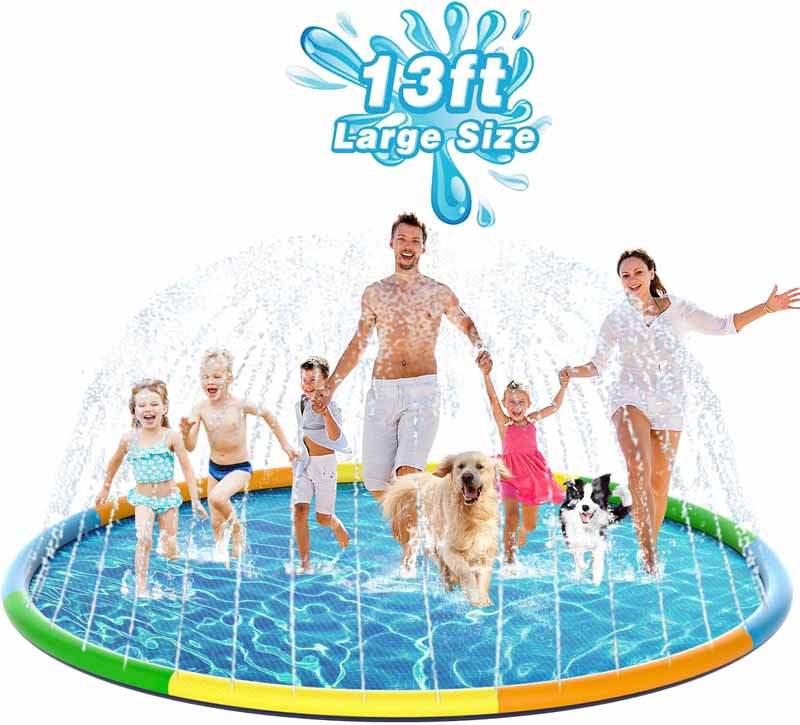
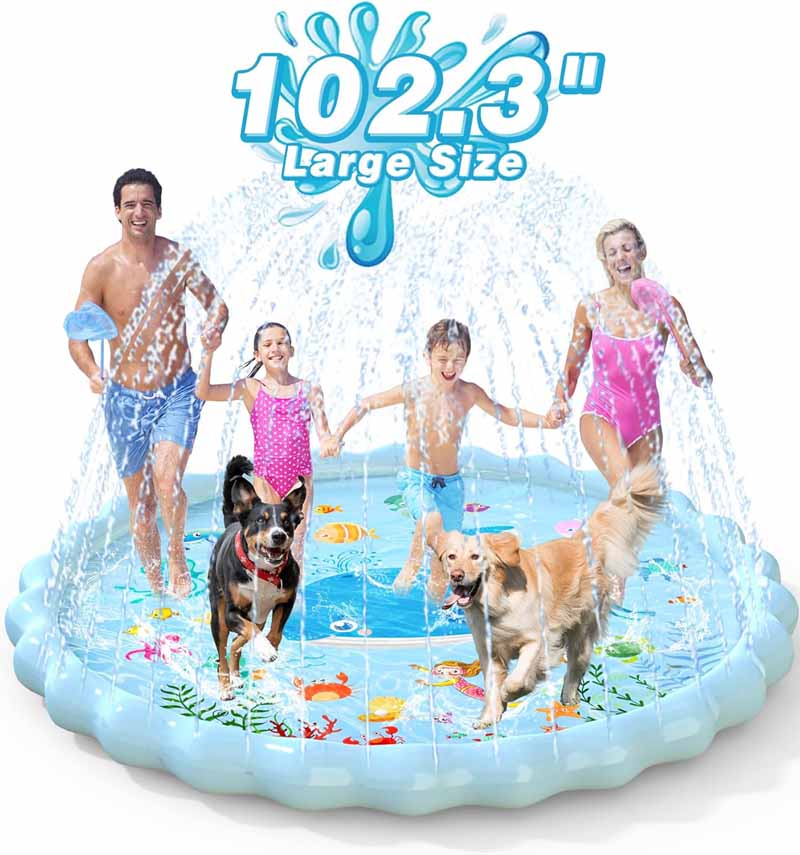
| Inflatable Splash Pads | Kids, pets, families | Easy setup, portable, affordable |
| Fixed Splash Pads | Larger spaces, parks | Durable, low maintenance |
| Splash Pads with Sprinklers | Fun for kids and family play | Multiple spray patterns for dynamic interaction |
Recommendation: If you are looking for a low-maintenance, affordable addition to your backyard water park, an inflatable splash pad is an excellent choice.
Inflatable Pools — Perfect for Relaxation
For a more relaxing water feature, an inflatable pool is an ideal option. These pools are perfect for cooling off, lounging, and even offering water play for pets. They’re easy to inflate, fill, and deflate, making them both practical and fun.
Why Inflatable Pools Are Essential:
- Space for Everyone: Inflatable pools come in various sizes, so whether you’re relaxing solo or with the family, there’s room for everyone.
- Portability: After use, these pools can be deflated and stored away easily, taking up minimal space when not in use.
- Affordable: Compared to traditional above-ground pools, inflatable pools offer a budget-friendly way to enjoy the water.
- Quick Setup: No need for a complicated installation process. Just inflate and fill, and you’re good to go.
Types of Inflatable Pools:
| Type | Best For | Key Features |
|---|---|---|
| Small Kiddie Pools | Kids, pets | Fun for younger children and small spaces |
| Family-Sized Pools | Families, relaxation | Spacious, great for lounging |
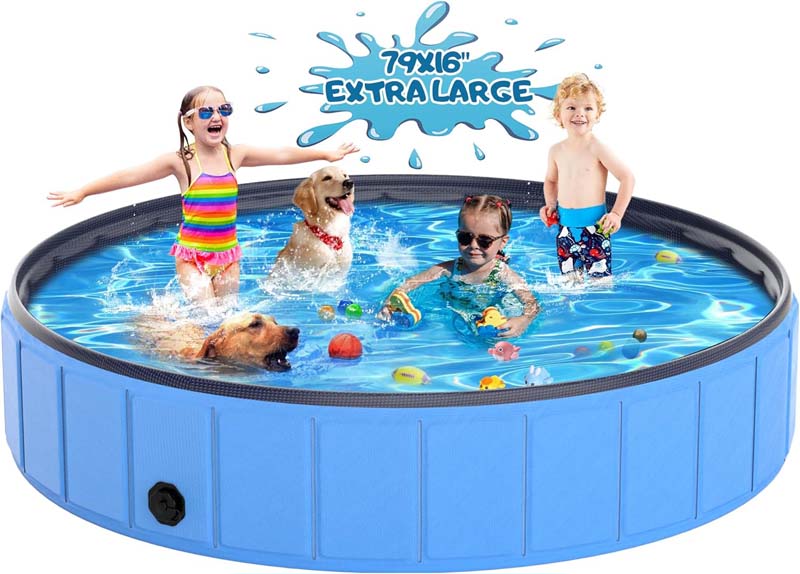
| Pet Pools | Dogs, pets | Shallow and safe for pets to cool off |
Recommendation: If you’re aiming for a comfortable, easy-to-install feature for relaxing, an inflatable family pool is a great option. It’s practical for all ages and is easy to store away after use.
Waterslides — Thrill and Fun for All Ages
No backyard water park is complete without a waterslide. Whether it’s a small slide for young children or a large one that provides a thrilling ride, waterslides add excitement and make any water park feel like a mini-amusement park.
Why Waterslides Are Essential:
- Fun Factor: Waterslides provide the thrill and excitement that kids crave. They encourage active play and promote outdoor fun.
- Variety: You can find a wide range of sizes, from small slides for toddlers to large slides for teenagers and adults. Some even include pools at the bottom for a splash.
- Interactive Experience: Waterslides are highly interactive. Whether racing down or taking turns, they bring people together and make the experience more engaging.
Types of Waterslides:
| Type | Best For | Key Features |
|---|---|---|
| Small Inflatable Slides | Kids, smaller yards | Fun for young children, easy to set up |
| Large Waterslides | Teens, family fun | Thrilling rides, large splash pools |
| Water Slides with Pools | Family groups | Combines slide excitement with a splash pool |
Recommendation: For the ultimate backyard water park experience, incorporate a large inflatable waterslide. It offers both excitement and fun for a wide age range, making it a great centerpiece.
Additional Water Play Features
While splash pads, inflatable pools, and waterslides are the main attractions, there are other water play features you can add to enhance the overall experience. Consider incorporating items that create a more dynamic, water-filled space.
- Water Toys: Water guns, floating toys, and inflatable floats provide extra entertainment and can be easily incorporated into your water park setup.
- Fountains and Waterfalls: Small fountains or waterfalls add a soothing, relaxing sound while providing an additional water element for play and cooling off.
- Water Cannons and Sprayers: Install water cannons or spray features for interactive fun, perfect for both kids and pets to enjoy.
- Pet Pools: These shallow pools are designed specifically for dogs to cool off and play in a safe, confined space.
Recommendation: Adding water toys and sprayers will keep everyone entertained and engaged. These accessories add extra fun and interactive play, making your backyard water park even more exciting.
Maintenance and Care for Water Features
Once you’ve set up your backyard water park, it’s essential to take care of your equipment to ensure its longevity. Regular maintenance will keep your water features in good working condition, saving you time and money in repairs or replacements.
Essential Maintenance Tips:
- Rinse After Use: Always rinse your inflatable products and water features after use, especially if they’ve been exposed to saltwater or chlorine. This helps remove debris and prevent material degradation.
- Dry Thoroughly: Allow your inflatable products to air dry completely before storing them. Avoid rolling them up while damp, as this can lead to mold or mildew.
- Inspect for Damage: Regularly check for tears or punctures. Use a repair kit to fix any small damage before it becomes a bigger issue.
- Storage: Store all products in a cool, dry area to protect them from UV damage or exposure to extreme temperatures.
By following these simple maintenance steps, you’ll ensure that your water features remain in excellent condition for years to come.
Cost of Building a Backyard Water Park
Building a backyard water park is an exciting project, but one that requires thoughtful budgeting. The costs involved can vary widely depending on the size of your space, the features you choose, and the quality of materials. While the idea of a personal water park may sound expensive, there are ways to create an enjoyable and safe space without breaking the bank.
How Much Should You Budget for Your Backyard Water Park?
The overall cost of a backyard water park depends on the scale and features you want to incorporate. On average, you can expect to spend anywhere from $300 to $2000 for a complete setup. Below is a breakdown of the different costs associated with building a backyard water park:
- Small Backyard Setup: If you’re looking for a simple, smaller water play area with just a splash pad and an inflatable pool, you could spend as little as $50 to $1,500.
- Medium Setup: A more extensive setup with a combination of waterslides, inflatable pools, and additional water features like fountains and sprayers may cost anywhere between $200 to $1,500.
- Large Backyard Water Park: For a full-fledged water park with large inflatable waterslides, custom splash pads, multiple inflatable pools, and various accessories, you could be looking at a budget of $500 to $2000or more.
Breaking Down the Costs of Common Water Features
Here’s a detailed look at the costs of some of the key components of a backyard water park:
| Feature | Cost Range | Details |
|---|---|---|
| Inflatable Pools | $50 – $1,500 | Prices vary based on size, quality, and additional features like built-in seats or shaded areas. |
| Inflatable Waterslides | $50 – $1,500 | Depending on size and complexity, including materials for durability. |
| Splash Pads | $50 – $500 | Inflatable splash pads are affordable, while permanent splash pad installations are more expensive. |
| Water Sprayers/Cannons | $30 – $300 | These are usually smaller items that can be connected to a hose. |
| Water Fountains | $100 – $600 | Fountains add visual appeal and can be purchased as standalone items or integrated with other features. |
| Water Toys and Accessories | $20 – $200 | Items such as water guns, floating toys, and rings. |
Costs of Professional Installation vs DIY
While it’s possible to set up a basic backyard water park yourself, some features, especially permanent installations like in-ground splash pads or custom water slides, may require professional installation. This can add significant costs, ranging from $500 to $3,000 depending on the complexity of the setup.
- DIY Setup: If you’re comfortable with DIY, you can save a lot of money by opting for inflatable water features and simple setups that only require basic assembly. Many inflatable products can be inflated, placed in position, and connected to a hose without professional help.
- Professional Installation: For larger projects or more durable setups, such as installing plumbing for fountains or creating a custom splash pad, you may need to hire a contractor. Labor costs for installing these features can range from $50 to $100 per hour, and the installation process can take several days.
Recommendation: For a cost-effective approach, consider focusing on inflatable water features and portable setups for ease of use and quick setup, as these are budget-friendly and require little to no professional help.
Additional Costs to Consider
In addition to the primary water features, there are other costs to consider in the planning of your backyard water park:
- Water Source and Hoses: Ensure you have a sufficient water source to keep your splash pads and pools filled. You may need to purchase additional long hoses or hose attachments, which can cost anywhere between $30 to $100.
- Electricity for Pumps: For water features that require pumps, such as fountains or water slides with built-in pumps, you will need to account for the electricity cost. Pumps typically use 50-100 watts, so the added energy cost will depend on usage and local electricity rates.
- Maintenance and Repair Costs: Inflatable products require regular maintenance, especially after heavy use. Having a repair kit on hand for patching small leaks or fixing tears is essential, and these kits usually cost between $10 and $30.
- Landscaping and Surface Preparation: If you’re planning to install permanent features or large inflatables, you may need to level the ground or prepare a smooth surface for safety and durability. Hiring landscapers or renting tools may cost an additional $200 to $1,000 depending on the size and complexity of the space.
Long-Term Investment: Is it Worth the Money?
Building a backyard water park is an investment in fun and family bonding. While the initial setup can be costly, the long-term enjoyment and endless entertainment it provides often outweighs the cost.
- Family Enjoyment: Once your water park is set up, it becomes an excellent way to keep everyone entertained during the summer months without having to leave home. It’s an investment in quality family time.
- Home Value: A backyard water park can add value to your home, especially in warmer climates. It’s a unique feature that can make your home more attractive to future buyers.
- Health Benefits: Regular physical activity through swimming or water play is great for both kids and adults, providing exercise and reducing stress.
In conclusion, while building a backyard water park can require a substantial investment, it offers years of enjoyment and lasting value for families, making it a worthwhile project for those looking to create a fun, safe, and exciting water play space at home.
How to Build a Homemade Waterslide
Building a homemade waterslide is one of the most fun and cost-effective ways to add excitement to your backyard water park. While it may sound complicated, creating a basic DIY waterslide can be done with minimal tools and materials. Whether you’re looking to create a slide for kids or a more advanced setup for adults, understanding the materials, design, and safety considerations will help you create a slide that is both fun and functional.
What Materials Do You Need for a Waterslide?
The materials you need to build a homemade waterslide will depend on the type and size of the slide you plan to create. Here’s a breakdown of common materials required for building a basic waterslide:
| Material | Purpose | Estimated Cost |
|---|---|---|
| Heavy-duty tarpaulin | To create the slide surface. A smooth, durable base that can handle water flow and sliding action. | $50–$100 (depending on size) |
| PVC Pipe | Used for creating the frame or structure for the slide. | $20–$50 (depending on size) |
| Plastic or Rubber Sheets | Alternative to tarpaulin for smoother, more durable surfaces. | $20–$60 |
| Duct Tape / Industrial Tape | For securing seams and edges of tarpaulin or plastic sheets. | $10–$20 |
| Water Pump | For supplying a consistent flow of water onto the slide. | $50–$150 |
| Hoses | To connect the water pump to the slide. | $10–$30 |
| Shovels & Stakes | For digging, anchoring, and securing the slide in place. | $10–$40 |
Tip: For a DIY project, a heavy-duty tarpaulin (sometimes called a “slip-n-slide material”) is often the best choice because it’s flexible, waterproof, and large enough to cover the length of your slide.
How to Design and Build Your Waterslide
Creating your own waterslide requires planning and a bit of creativity. Here’s a step-by-step guide to help you design and build a simple DIY waterslide:
Step 1: Choose the Location
First, choose a flat and safe area in your backyard. Ideally, the location should be large enough to fit the length of the slide and allow for a gentle slope. Avoid areas with rocks, tree roots, or uneven terrain to minimize the risk of injury.
Tip: It’s crucial to have a safe area at the end of the slide where users can safely land without hitting obstacles. Adding a soft landing area, such as grass or a splash pool, helps reduce impact.
Step 2: Create the Slope
To build a proper slide, you need a gentle slope for the water to flow down. The slope doesn’t need to be steep, but it should be enough to maintain momentum.
- Angle: A 5–10° angle works well for a simple slide. You don’t want it too steep, as it could be dangerous or difficult for younger children to slide down.
- Length: The length of the slide should be proportional to the slope. A 10–15-foot slide is ideal for children, while an adult slide may range from 20–30 feet or more, depending on the available space.
Tip: If you’re using PVC pipes to create a frame, make sure they are securely anchored to the ground and won’t shift or move while in use.
Step 3: Lay the Surface Material
Once the slope and location are set, you can lay down the surface material, typically a heavy-duty tarpaulin or plastic sheet. Stretch the material out along the slope, ensuring that it’s secured at both ends.
- Secure Edges: Use stakes or duct tape to secure the edges of the tarpaulin or plastic sheet to the ground. This prevents the material from shifting during use and ensures that the water flows properly down the slide.
- Smooth Surface: The material should be smooth and free of wrinkles. Any bumps or folds can slow down the slide or create friction, making it harder to glide.
Tip: Make sure the water flow area is positioned at the top of the slide, and the water should run down the slide from the top to the bottom to keep it slippery.
Step 4: Set Up the Water Supply
The water supply is essential to keep the slide lubricated and fast. The simplest method is to use a garden hose connected to a water pump that can spray water onto the surface of the slide.
- Water Pressure: Choose a pump with a high water flow rate to ensure the slide gets enough water for a fast and fun ride.
- Spray Setup: You can either lay the hose along the top of the slide or set up water sprayers to spray water directly on the slide. If you have multiple sprayers, make sure the water is evenly distributed across the slide to avoid dry spots.
Tip: If you’re using a garden hose without a pump, ensure the water pressure is strong enough to cover the entire slide. Alternatively, you can use a sprinkler system attached to the hose for a gentle water flow.
Step 5: Add Safety Features
Safety is a top priority, so don’t skip these important features:
- Soft Landing Area: At the end of the slide, place a soft mat or create a shallow splash pool where users can land safely. The soft landing ensures no injuries when they hit the bottom.
- Edge Safety: Ensure the edges of the slide are smooth and free of sharp corners. If using PVC pipes for framing, add foam padding around the frame to soften impacts.
Tip: Always supervise kids while using the slide, and limit the number of people on the slide at once to prevent accidents.
How Much Does It Cost to Build a Waterslide?
The cost of building a homemade waterslide can vary depending on the materials and size of the slide. Here’s an estimate based on a typical DIY waterslide:
| Component | Estimated Cost |
|---|---|
| Heavy-duty tarpaulin (for slide surface) | $50 – $100 |
| PVC Pipe (for frame) | $20 – $50 |
| Water Pump | $50 – $150 |
| Hoses and Accessories | $10 – $50 |
| Stakes and Duct Tape | $10 – $20 |
| Water Sprayers or Fountains | $20 – $50 |
| Soft Landing Area (pool or mat) | $30 – $150 |
Total Estimated Cost: $150 – $500 for a basic DIY waterslide.
Recommendation: While building a homemade waterslide is cost-effective compared to buying a commercial one, make sure to consider long-term durability, materials, and safety features to ensure you have a fun and lasting addition to your backyard water park. If you want to go for a more permanent structure, or need professional advice on materials, feel free to reach out to Epsilon for high-quality products and customization options.
How Much Does It Cost to Build a Backyard Water Park?
Building a backyard water park can be an exciting project that transforms your outdoor space into a fun and refreshing environment. However, understanding the costs involved is crucial for planning and budgeting. The price to build a water park in your backyard depends on several factors, including the size of the space, the complexity of the features you want, and the quality of the materials you choose.
Key Factors Influencing the Cost
Several elements contribute to the cost of building a backyard water park. Let’s break down the major factors:
1. Size and Layout of the Water Park
The overall size of the water park will be one of the largest cost factors. A larger area requires more materials, more labor, and potentially higher ongoing maintenance costs. For example:
- Small setups (e.g., splash pads or simple inflatables) typically start at $50 to $500 for materials.
- Mid-range setups (including small pools, slides, or water fountains) can cost between $300 to $3,000.
- Larger, more elaborate water parks, with multiple slides, pools, and advanced features, may start at $5,000 and go up significantly.
2. Types of Features
The features you choose to include in your backyard water park will impact the overall cost:
- Splash pads: Basic splash pads can be relatively inexpensive, especially if you’re using affordable materials like PVC tarps. Costs generally range from $50 to $1,000 depending on size and water features.
- Water slides: Simple DIY slides cost less than $500, but professional-grade slides or inflatable slides can cost between $100 and $5,000.
- Pools: Depending on the size, shape, and type (above-ground, in-ground, inflatable), pool costs can range anywhere from $50 to $10,000 for custom-built options.
- Water fountains: Installing water fountains or other water features can add anywhere from $100 to $2,000 to your budget.
3. Water Supply and Plumbing
One of the hidden costs of creating a backyard water park is ensuring you have an adequate water supply and drainage system:
- Water pump: If you are building a splash pad or a small pool, you will need a water pump to keep the water circulating. These typically cost between $50 to $150 depending on the flow rate.
- Hoses and plumbing: You may need additional hoses, valves, or plumbing equipment, which can cost $50 to $200 depending on your setup.
- Water usage: Keep in mind that filling a pool or running a splash pad uses a significant amount of water. You’ll need to factor in the monthly or seasonal water bills if you are using a lot of water. The cost of water usage varies widely based on location, but for reference, running a 10×10-foot splash pad may use up to 5,000–10,000 gallons of water per month in regular use.
4. Labor and Installation
Labor costs can add up quickly, especially if you’re planning to install complex features like slides, pools, or fountains. Here’s a general idea of the labor costs you can expect:
- DIY installation: If you are doing everything yourself, you can save a significant amount. However, be prepared for a time investment of 10 to 30 hours, depending on the complexity.
- Professional installation: Hiring a professional to install water slides, fountains, or pools can increase your costs significantly, ranging from $500 to $3,000 for small to medium-sized projects.
5. Maintenance and Accessories
After installation, maintenance will be an ongoing cost to keep your backyard water park in top condition:
- Water treatment chemicals: For pools, you will need chlorine, pH balancers, and other chemicals to keep the water safe and clean. The annual cost for chemicals can range from $200 to $500, depending on the pool size.
- Cleaning supplies: Skimmers, vacuums, and filters for pools and splash pads can cost $100 to $500 annually.
- Replacement parts: Over time, components such as pumps, filters, and hoses will need to be replaced. Expect to budget around $100 to $300 per year for maintenance.
Can You Build a Budget-Friendly Water Park?
Yes, you can definitely create a budget-friendly backyard water park by focusing on affordable features and opting for a DIY approach. Start with simple elements like inflatable water slides, a small splash pad, or even a DIY pool made from inexpensive materials like tarpaulin or PVC. As you save up for more permanent additions, you can gradually expand your park over time.
Cost-Saving Tips:
- Look for discounts or second-hand items for pools, slides, or accessories.
- Build it in stages: You don’t have to complete the entire setup in one go.
- Shop for seasonal deals: Many pool and water equipment suppliers offer discounts in the off-season.
Recommendation: If you’re looking to keep costs low but still build a fun, functional backyard water park, Epsilon offers affordable, high-quality water play products like splash pads, inflatable pools, and water slides that can be added to your setup at various stages.
Creating the Ultimate Water Park Experience
Designing the ultimate backyard water park goes beyond simply installing a pool or a slide; it’s about creating an immersive, fun, and safe environment for all ages. Whether you’re hosting a summer party or simply looking to have a relaxing weekend with your family, incorporating a variety of features will elevate the experience. Let’s break down how you can create a thrilling yet functional water park that fits your space, budget, and style.
Key Elements for an Ultimate Backyard Water Park
To make your backyard water park stand out, there are several key features you should include:
1. Splash Pad Area
A splash pad is a great way to start your water park setup. Not only is it fun, but it’s also safe for younger children since there are no deep areas to worry about. A splash pad can be as simple as a sprinkler system or as elaborate as a multi-functional water spray setup with fountains and water jets.
Cost: You can create a basic splash pad for around $200 to $500 using materials like PVC piping and sprinkler heads. Larger, professionally designed splash pads with multiple water features may cost upwards of $1,000.
Key Features:
- Adjustable spray jets for custom water effects
- Anti-slip surface for safety
- DIY options available for smaller budgets
2. Inflatable Water Slides
An inflatable water slide adds an element of excitement and is one of the most popular features for backyard water parks. These slides are easy to set up, highly portable, and can be used in combination with pools or splash pads.
Cost: Inflatable slides range from $300 to $2,500 depending on size, design, and brand. Basic slides start around $300, while larger, more advanced slides with water features can cost up to $2,500.
Key Features:
- Quick setup and takedown
- Durable PVC construction for long-lasting use
- Safe design with reinforced seams and splash zones
- Can be used with a variety of water sources (pool, hose, etc.)
3. Backyard Pool Setup
A pool is the centerpiece of any backyard water park. Whether you go with an above-ground pool or a more permanent in-ground pool, it adds a relaxed atmosphere to your water park setup. For smaller spaces, inflatable pools can also be a cost-effective option.
Cost:
- Inflatable pools range from $100 to $800, depending on size and material quality.
- Above-ground pools start at $1,000 and can go up to $5,000 or more for larger, higher-quality options.
- In-ground pools can be the most expensive option, ranging from $5,000 to $50,000, depending on customization and materials used.
Key Features:
- Above-ground pools are quick to install, affordable, and available in various shapes and sizes.
- In-ground pools offer long-term value but require significant investment and installation time.
- Can be equipped with additional features like pool lights, waterfalls, and heating systems.
4. Water Features: Fountains, Waterfalls, and Misting Systems
Adding water features such as fountains or waterfalls brings a relaxing and aesthetic element to your water park. A misting system can also help cool down the space, especially on hot summer days.
Cost: Simple fountains or waterfalls can range from $100 to $1,000 for DIY options, with professional setups costing more depending on design. Misting systems can cost around $100 to $300.
Key Features:
- Waterfalls: Create a tropical feel while providing the soothing sound of running water.
- Misting Systems: Perfect for cooling down hot summer days, misting systems are easy to install and low-maintenance.
- Fountains: Great for visual appeal and adding extra water spray elements for fun.
5. Landscaping and Seating Areas
To make your water park feel like a true outdoor oasis, landscaping plays a significant role. Adding comfortable seating, shade structures, and greenery will help make the space inviting for both water lovers and spectators.
Cost: Landscaping can be as simple or as elaborate as you’d like, with costs ranging from $500 to $5,000 depending on the complexity. Seating areas like lounge chairs, hammocks, and picnic tables can cost anywhere from $50 to $1,500.
Key Features:
- Shade structures (umbrellas, pergolas) to protect from the sun
- Comfortable seating like lounge chairs and benches
- Surrounding greenery like plants, bushes, and decorative rocks to enhance the atmosphere
Budgeting for Your Ultimate Water Park Experience
When it comes to creating the ultimate backyard water park, budgeting is essential to ensure you get the most value for your money while still achieving your desired outcome. Here are a few budgeting tips for various setups:
1. Budget-Friendly Options
If you’re looking to build a fun water park on a smaller budget, consider focusing on just a few key elements:
- Inflatable water slides and small splash pads (around $500 to $1,500)
- Use DIY fountains and basic pool setups to save on labor costs.
- Opt for above-ground pools or inflatable pools instead of installing an in-ground pool.
Estimated Total Budget: $500 – $3,000
2. Mid-Range Options
For a more complete water park with higher-end features, including larger pools, water slides, and fountains, you can budget:
- Mid-size pools ($1,000 to $5,000)
- Inflatable slides or high-quality splash pads ($500 to $2,500)
- Water features like fountains and waterfalls ($300 to $1,000)
Estimated Total Budget: $3,000 – $10,000
3. Luxury Options
If you’re aiming for a luxury water park experience, you can include all of the features mentioned above along with a custom-designed in-ground pool, high-end water slides, and professional landscaping.
Estimated Total Budget: $10,000 – $50,000+
How to Create a Balanced Experience Within Your Budget
The key to creating an amazing backyard water park without breaking the bank is prioritizing the most important features for you and your family. Start small with a few key elements and gradually build on your park as your budget allows. Here’s how to balance your budget effectively:
- Start with a basic pool or inflatable setup, which is a budget-friendly way to begin.
- Add water features (such as fountains and slides) gradually as you get the hang of managing your water park.
- Don’t forget about landscaping, as this can significantly improve the overall ambiance of your water park while still being cost-effective.
Top Budget Tip: If you are looking to keep your costs lower, Epsilon offers affordable water play products like splash pads, inflatable slides, and small pool setups, which can be great additions without compromising fun.
What to Expect for Long-Term Costs
Once your backyard water park is up and running, there will be some long-term costs to keep in mind, including:
- Water costs: Filling and maintaining a pool or splash pad may increase your water bill.
- Maintenance: Regular maintenance costs (for pools, slides, and water features) could add up, especially if you opt for high-end equipment.
- Seasonal operation: Depending on your location, you might need to winterize your equipment, especially pools and water slides, which could add extra costs each year.
Backyard Water Park Safety
When building your dream backyard water park, safety should always be a top priority. While the fun and excitement are the main focus, ensuring that your water park is safe for all participants—especially children and pets—will provide peace of mind and a more enjoyable experience for everyone. From proper supervision to equipment maintenance, here are the critical aspects of water park safety to consider.
Supervision — Always Keep an Eye on the Water Fun
The most essential safety measure is active supervision. Never leave children or pets unattended around water, even if it’s just a splash pad or a small inflatable pool. Accidents can happen quickly, so constant vigilance is a must.
Key Recommendations:
- Designate a responsible adult: Always have someone specifically in charge of supervising children in the water.
- Limit the number of swimmers: Avoid overcrowding the water areas to maintain easy supervision.
- Age-appropriate areas: Ensure different water zones (like splash pads or slides) are designated for various age groups and skill levels.
Why It Matters:
- According to the CDC, drowning is a leading cause of accidental injury-related death for children under 5, making supervision a non-negotiable safety measure.
- Ensure that even if the water feature is shallow (such as in a splash pad or small pool), it’s still essential to watch over everyone.
Non-Slip Surfaces for Safe Play
Slips and falls are common safety hazards in water parks, and the wet surfaces can make things even more dangerous. Non-slip surfaces should be incorporated into the design of your backyard water park to reduce the risk of accidents.
Key Features to Consider:
- Splash pads: Use a non-slip material for the base of your splash pad, such as rubberized flooring or textured PVC mats.
- Water slides: Ensure that the surface of the slide is designed for good grip, as some cheaper models can become very slippery.
- Deck or surrounding area: Install anti-slip decking or mats around water features, ensuring that the area where people walk remains safe.
Materials to Choose:
- PVC mats: These are common for splash pads and offer a durable, slip-resistant surface.
- Rubber flooring: This is great for walkways and slide bases, providing both comfort and safety.
- Gravel or pebbles: For areas that won’t come in direct contact with water, using smooth gravel or decorative pebbles can prevent falls while maintaining drainage.
Why It Matters:
- The American Academy of Pediatrics reports that wet surfaces around pools, slides, and splash zones can be a high-risk area for slips, particularly for young children and elderly individuals.
Proper Water Depth and Barriers
Having proper water depth is essential for safety. If you’re adding a pool or deep water feature, you need to ensure that the depth is appropriate for the users and that proper barriers or fencing are in place.
Key Considerations:
- Shallow vs. Deep Pools: Ensure shallow areas (less than 2 feet) are designated for toddlers and beginners, while deeper pools (3 feet or more) are for more experienced swimmers.
- Water features like fountains and water slides should have safe exit areas and should not be too deep.
- Fencing and Barriers: Install a fence around pools and larger water areas, especially if children or pets will be using the park. Fencing should be at least 4 feet tall and have a self-closing, self-latching gate.
Why It Matters:
- Drowning is a risk even in shallow water. The National Safety Council emphasizes that clear distinctions between shallow and deep areas, along with barriers, reduce drowning risk.
Fencing Recommendations:
- Chain-link or mesh fencing: These are popular choices for pool areas because they offer visibility while providing safety.
- Automatic pool covers: For added protection, especially for in-ground pools, use a cover that can be easily secured when not in use.
Safety Equipment for Emergencies
Having safety equipment readily available ensures that you’re prepared in case of an emergency. Make sure your backyard water park is equipped with the following essentials:
Essential Safety Gear:
- Life jackets and flotation devices: Especially for younger children, having properly-sized life jackets on hand is a must. Make sure everyone using the pool or water slide wears one if necessary.
- First aid kit: A well-stocked first aid kit should be kept nearby and easily accessible. It should include band-aids, antiseptic, gauze, scissors, tweezers, and any other emergency supplies.
- Rescue equipment: If you have a pool, you should have a reaching pole or life ring available for emergency use.
- Phone: Always have a phone nearby to call emergency services if needed.
Why It Matters:
- The Red Cross recommends having life-saving tools and training in place to ensure that anyone can respond quickly in an emergency.
Regular Maintenance and Inspections
Finally, maintaining your water park’s equipment and ensuring that it is functioning properly is crucial for long-term safety. This includes checking for wear and tear, especially after extended use or exposure to the elements.
Maintenance Tips:
- Inspect water slides and fountains: Check for any cracks, loose parts, or sharp edges that could cause injury.
- Regularly check inflatable water features for punctures and ensure they are properly inflated. Make sure the air pressure is correct to avoid deflation during use.
- Maintain water cleanliness: Keep water areas clean and free from debris by using appropriate filters and water treatment chemicals (for pools and larger water areas).
- Check for rust or corrosion in metal structures like ladders, rails, and support beams around water features.
Why It Matters:
- Regular checks help catch potential safety hazards before they cause harm. The Consumer Product Safety Commission emphasizes the importance of periodic inspections to maintain safe environments in backyard water parks.
Ready to Create Your Own Backyard Water Park?

Creating your very own backyard water park can be an exciting project, transforming your outdoor space into a fun, family-friendly retreat. Whether you’re looking to build a mini water slide, install a splash pad, or add a swimming pool, the possibilities are endless. The great news is that with some careful planning and the right equipment, you can create a water park that’s not only fun but also safe and sustainable.
Before diving into the planning stage, it’s important to evaluate your goals, available space, and budget. Building a backyard water park can be as simple as adding a few inflatable features or as elaborate as constructing custom water features like slides, fountains, and pools. Here’s how to make it happen:
Define Your Goals — What Kind of Water Park Do You Want?
The first step in creating your backyard water park is to define the type of water experience you want. Are you aiming for a simple splash pad for the kids to cool off, or do you want a more elaborate setup that includes water slides, fountains, and inflatable pools? Setting clear goals will help you determine the best products, layout, and features.
Key Considerations:
- Family Fun vs. Kids-Only: If you plan on having friends and family over, consider a setup that can accommodate multiple people, like larger splash pads or a pool with a slide. For younger kids, a small water fountain or splash pad could be sufficient.
- Physical Space: Assess how much space you have. A pool may require more space for water circulation and safety features like fencing. In contrast, inflatable slides or splash pads may take up less room.
- Durability: If you’re planning to use it for several seasons, investing in durable, long-lasting features like PVC-based inflatable pools or custom-built water slides is recommended.
Why It Matters: Knowing your end goal and available space ensures you purchase the right items for your needs and prevents wasting money on unnecessary features.
Choose the Right Water Features for Your Budget
Once you’ve determined your goals, it’s time to choose the right water features that fit your budget. Here are a few options depending on the scale of your water park:
- Splash Pads: These are an easy and cost-effective way to create a water play area. They can be set up quickly and require minimal maintenance, making them ideal for small backyards. Look for splash pads that are durable and have adjustable water flow for added fun.
- Inflatable Pools: If you’re looking for a portable and flexible option, inflatable pools are a great choice. They can be set up quickly and stored away when not in use. Some pools come with built-in slides, adding an extra element of fun.
- Water Slides: A water slide can be the highlight of your water park. You can choose between inflatable water slides or even build a custom slide if you’re up for a bigger project. Look for options that include non-slip surfaces and a smooth water flow for safety and comfort.
- Swimming Pools: For a permanent option, you can build a traditional swimming pool, either in-ground or above-ground. This option is more expensive but offers more versatility for relaxation and play.
Cost Overview:
| Feature | Estimated Cost | Pros | Cons |
|---|---|---|---|
| Splash Pad | $50 – $500 | Affordable, easy setup | Limited water play options |
| Inflatable Pool | $70 – $800 | Portable, fun for families | Can be damaged easily |
| Water Slide | $50 – $1,500 | Exciting, great for kids | Requires more space and setup |
| Swimming Pool | $80 – $50,000+ | Long-lasting, versatile | Expensive, requires maintenance |
Why It Matters: By selecting the right features that match your budget and goals, you ensure your investment is both enjoyable and sustainable.
Essential Considerations for Your Backyard Water Park Setup
As with any project, careful planning and consideration are key to ensuring your water park is both functional and safe. Consider these factors before you begin:
1. Water Supply & Drainage:
- Ensure you have an adequate water supply for the features you plan to install. A garden hose can often handle smaller features like splash pads, but for larger installations like a pool or fountain, you may need additional plumbing.
- Plan for proper water drainage. Ensure water doesn’t pool around the play area, which could lead to damage or create unsafe conditions. Installing a drainage system or choosing in-ground options helps avoid these issues.
2. Safety Measures:
- Fencing is crucial for pools, especially if you have young children or pets. Self-closing gates and high fences (at least 4 feet) are essential to keep everyone safe.
- If you have a water slide, ensure it has a smooth entry and exit area to avoid injuries. Non-slip mats and reinforced edges help prevent falls.
3. Environmental Considerations:
- Make sure to select water features that are environmentally friendly. Choose eco-friendly materials, such as PVC, that are durable and non-toxic for the environment.
- If you’re considering inflatables, opt for those made from high-quality PVC materials, which are more durable and have a longer lifespan, ensuring that your water park can last for many seasons without excessive wear.
Why It Matters: Planning ahead for water supply, safety, and environmental impact ensures that your backyard water park will be both enjoyable and sustainable for years to come.
Budgeting for Your Water Park
A well-built backyard water park is an investment that can pay off in endless hours of fun. However, keeping costs manageable is essential for many homeowners. Here are a few tips to help you stay within budget:
- DIY vs. Professional: Building your own splash pad or slide can save you money, but be sure you have the skills and tools needed for installation. Hiring professionals for large water features or pools can ensure safety and durability but will add to the cost.
- Seasonal Planning: Take advantage of off-season sales for water equipment like pools, slides, and other accessories. Buying outside of peak summer months can save you up to 30% on your overall purchase.
- Multi-use Items: Invest in versatile water features that can serve multiple purposes. For example, a pool with a built-in slide or an inflatable pool that can double as a relaxing lounge area.
Budgeting Tips:
- Plan your layout first: Visualize your backyard space and prioritize features based on available space and budget.
- Start small: If on a tight budget, begin with a splash pad or a small inflatable pool. You can always expand in the future.
- Look for package deals: Many retailers offer discounted bundles that include the pool, pump, slide, and other accessories.
What Products Are Essential for Your Backyard Water Park?
Creating a fun and functional backyard water park requires more than just a pool or splash pad. The right mix of products can elevate the experience, ensuring safety, convenience, and entertainment for everyone. Whether you’re planning a small splash zone for the kids or a more elaborate setup for the whole family, the following products are essential for building a successful backyard water park.
Splash Pads

Splash pads are one of the most popular and affordable water features for backyard water parks. They are perfect for younger kids, offering a safe, interactive space to cool off and have fun.
Why Splash Pads Are Essential:
- Cost-Effective: Splash pads are much cheaper than installing a full pool, making them ideal for those on a budget.
- Safety: With no deep water, splash pads offer a low-risk environment for younger children, reducing the chances of drowning accidents.
- Easy Setup: Many splash pads come pre-assembled, requiring only a water source to operate. For larger setups, you may need a pump to ensure water pressure is high enough to create a satisfying splash effect.
Key Features to Look For:
- Durable Material: Look for splash pads made from heavy-duty PVC or rubber to ensure they last multiple seasons.
- Adjustable Water Flow: Some splash pads offer adjustable jets that let you control the intensity of the spray.
- Storage and Portability: If you don’t have much space, opt for a portable splash pad that can be easily deflated and stored after each use.
Inflatable Water Slides

An inflatable water slide can be the centerpiece of your backyard water park, adding excitement and fun for kids and adults alike. They come in a wide range of sizes, with options for small backyard slides or larger, more elaborate designs.
Why Inflatable Water Slides Are Essential:
- Fun and Entertainment: Water slides provide hours of entertainment and are perfect for active kids or anyone who enjoys a thrill.
- Space-Saving: Unlike permanent slides, inflatable water slides can be set up and taken down in just a few hours, making them an excellent choice for homeowners with limited space.
- Durable: High-quality inflatable slides are made with puncture-resistant PVC, ensuring longevity even with heavy use.
Key Features to Look For:
- Weight Capacity: Check the slide’s weight limit to ensure it accommodates both kids and adults.
- Safety Features: Ensure the slide has non-slip surfaces, reinforced seams, and a soft landing area at the bottom to prevent injuries.
- Water Flow: Some slides include built-in sprayers or water fountains to keep the slide slick and enjoyable.
Swimming Pools

Pools are the classic water park element, offering a large space for swimming and lounging. Depending on your space and budget, you can choose from above-ground or in-ground pools.
Why Pools Are Essential:
- Versatile Use: Pools are ideal for both swimming and relaxation. They provide a space to cool off after using the splash pad or water slide.
- Variety of Sizes: Pools come in a variety of sizes and types, so there’s a perfect option for almost any backyard space.
- Great for Family Fun: Pools offer a multi-purpose space for families, from leisurely swimming to pool games.
Key Features to Look For:
- Material Quality: For inflatable pools, look for durable PVC that can withstand daily use. Rigid frame pools are a solid choice if you want something more permanent.
- Pump and Filtration System: Ensure the pool comes with a pump and filter system to keep the water clean and clear.
- Size and Depth: Depending on the number of users, opt for a larger pool if you have a big family or plan to entertain guests. For kids, a shallow pool with gentle slopes can work well.
Water Fountains and Water Features

Adding water fountains or small water features can enhance the atmosphere of your backyard water park. These elements can be integrated into pools, splash pads, or used as standalone attractions.
Why Water Features Are Essential:
- Visual Appeal: Fountains and water features add an aesthetic element, creating a relaxing, spa-like atmosphere in your backyard.
- Interactive Fun: For kids, water features can create interactive play zones where they can run through the water or play with different streams and jets.
- Relaxation: A gentle water fountain or stream can also provide a calming effect, perfect for those who want to unwind in their water park.
Key Features to Look For:
- Adjustable Water Flow: Choose a fountain with adjustable jets to create different water patterns and intensity levels.
- Durable Materials: Opt for rust-resistant materials like stainless steel or high-grade plastic to ensure longevity, especially if the feature will be exposed to the sun and water regularly.
- Power Source: Some water features are solar-powered, offering an eco-friendly way to operate your fountains without worrying about energy costs.
Shade Structures

While water play is fun, it’s also important to provide adequate shade to protect everyone from the sun, especially if you’re planning to spend several hours in the backyard. Shade structures, such as umbrellas, canopies, or permanent pergolas, can help keep everyone cool.
Why Shade Structures Are Essential:
- Protection from the Sun: Prolonged exposure to the sun can cause skin damage. A shade structure offers much-needed relief, especially during the hottest parts of the day.
- Comfortable Experience: Having shade means you can enjoy your water park for longer periods without overheating.
- Safety for Kids and Pets: Shade helps keep the water temperature in check and prevents dehydration or heatstroke, particularly in summer.
Key Features to Look For:
- UV Protection: Look for shade structures made with UV-resistant materials to ensure they block harmful rays.
- Adjustable Coverage: Some umbrellas or canopies offer adjustable height and tilt features, allowing you to adjust the amount of shade based on the sun’s position.
- Easy Setup: Consider lightweight and portable options for flexibility, especially if you want to store them away in the off-season.
Water Toys and Accessories

Lastly, water toys and accessories can enhance the fun factor in your backyard water park. From water guns and inflatable rafts to water balloons and beach balls, there are endless options for keeping kids entertained.
Why Water Toys Are Essential:
- Entertainment for Kids: Water toys encourage active play and can make the experience more exciting for children.
- Interactive Fun: Water toys like floating islands, inflatable rafts, or sprinkler systems can add a layer of interaction and creativity to the water park.
Key Features to Look For:
- Durability: Choose toys made from high-quality PVC or rubber for extended use.
- Age-appropriate: Ensure the toys are safe for the age group you intend to entertain.
- Inflation and Deflation: Opt for easy-to-inflate toys that can be deflated for storage when not in use.
What Products Are Essential for Your Backyard Water Park?
Creating a backyard water park requires the right products to ensure fun, safety, and longevity. While there are many water features you could incorporate, the key is to choose products that match your space, budget, and intended use. Whether you’re building a splash pad for the kids, adding a water slide, or planning for a full-scale pool experience, here’s a breakdown of the essential products you’ll need to create your ideal water park.
Inflatable Splash Pads
Inflatable splash pads are a fantastic entry-level option for families who want an easy-to-install, affordable water feature. These products are usually made from durable PVC material, which resists punctures and can hold up to hours of water play.
- Benefits:
- Affordable: Ideal for families on a budget.
- Portable: Easy to store away when not in use.
- Fun for All Ages: Great for young children to splash around safely.
Key Features:
- Multiple water jet outputs.
- Quick setup with a garden hose.
- Compact design for small backyards.
Size Recommendations:
| Size | Ideal For | Age Group |
|---|---|---|
| 6×6 feet | Small backyards | Toddlers |
| 10×10 feet | Medium backyards | Kids & Adults |
| 12×12 feet | Larger spaces | Families |
If you’re considering an inflatable splash pad, be sure to check the water pressure requirements for your area. While some pads may work well with standard water pressure, others might need a water pressure regulator for optimal performance.
Inflatable Pools
An inflatable pool can take your backyard water park to the next level. Perfect for family fun, a large pool is an investment that offers both entertainment and relaxation. Inflatable pools come in a wide range of sizes, from kiddie pools to larger, more advanced setups that can accommodate adults and children simultaneously.
- Benefits:
- Quick Setup: Easy to inflate and fill with water.
- Affordable: More budget-friendly than in-ground pools.
- Versatile: Suitable for all ages and various activities.
Recommended Sizes:
| Pool Size | Ideal For | Capacity |
|---|---|---|
| 8×5 feet | Children | 3-4 people |
| 12×8 feet | Small families | 5-6 people |
| 16×10 feet | Larger families | 6-8 people |
Considerations:
- Look for pools made with thick PVC that’s resistant to tearing and abrasion.
- Ensure the pool has a strong inflatable ring to support the walls and water weight.
An inflatable pool is a great addition for families who want the relaxation of a swimming pool but don’t have the budget or space for a permanent installation.
Water Slides
Water slides are an essential item for adding excitement and fun to your backyard water park. These come in both inflatable and permanent options, and depending on your space and budget, you can go for a simple slide or a multi-level water slide setup.
- Benefits:
- Adrenaline Rush: Kids and adults alike enjoy the thrill of sliding into water.
- Social Activity: Ideal for gatherings and parties.
- Variety of Styles: Available in many shapes and sizes, from small slides for children to larger slides for more intense water play.
Types of Slides:
- Inflatable Slides: Usually smaller, they are easy to set up and store away. Perfect for families with kids.
- Permanent Slides: Typically made from fiberglass or plastic, permanent slides are better for larger setups, though they can be expensive and require more installation work.
Installation Considerations:
- Look for slides with anti-slip surfaces for safety.
- Choose slides with strong supports that can withstand continuous use.
Size Considerations:
| Slide Type | Ideal For | Features |
|---|---|---|
| Inflatable | Small/Medium yards | Easy setup, portable |
| Permanent | Larger yards | Higher durability, fun for all ages |
Fountains and Water Features
Adding fountains and water features can enhance the ambiance of your backyard water park. These items can range from simple water spouts to intricate interactive water features that kids can play with. Fountains are excellent for aesthetic appeal and can transform a standard water play area into something more unique and fun.
- Benefits:
- Visual Appeal: A flowing fountain can add a tranquil or dynamic touch to your space.
- Entertainment: Interactive water features provide endless fun for children to explore.
Popular Options:
- Solar-Powered Fountains: These eco-friendly options use solar energy to run, making them a budget-friendly option.
- Waterfalls and Streams: These add a natural element to your water park, mimicking the sounds and feel of real waterfalls.
Tips for Choosing:
- Consider the size of your space to determine the type of water feature.
- Ensure your water feature has a pump with adequate water flow to provide a consistent spray.
Pool Furniture and Accessories
No water park is complete without the right furniture and accessories to enhance the experience. Pool chairs, floating loungers, and fun inflatable toys make the space more comfortable and enjoyable.
- Benefits:
- Relaxation: Floating loungers and pool chairs offer a relaxing spot after a day of play.
- Added Fun: Inflatable pool toys such as flamingo floats, water basketball hoops, and floating islands can keep everyone entertained.
Essential Accessories:
- Water Toys: Basketball hoops, floating volleyball nets, and water polo sets add a sporty element.
- Chairs and Loungers: Look for durable options that can withstand being wet and used outdoors.
- Umbrellas or Shade Structures: Essential for providing shade during sunny days.
Budget-Friendly Tip: Invest in high-quality inflatable toys that can easily be stored and reused.
How Much Does It Cost to Build a DIY Backyard Water Park?
Building your own DIY backyard water park is an exciting and creative way to transform your outdoor space into a fun-filled water paradise. However, one of the first questions on most people’s minds is, “How much does it really cost to create a backyard water park?” The price varies based on several factors, including the size of the water park, the types of water features you choose, and the materials used. Understanding these costs can help you plan and budget accordingly.
DIY Water Park Basics: What You’ll Need
To start, you need to consider the basic components of a backyard water park. Here’s a list of the main products that will make up your setup:
- Water Features: This includes splash pads, water slides, fountains, and even small pools. The more interactive and feature-rich, the higher the cost.
- Pool Equipment: For larger setups, you may want to include an inflatable pool or even a small in-ground pool, depending on the size of your space.
- Furniture & Accessories: Comfortable lounging areas and water toys like inflatable loungers, pool chairs, or floating mats are essential for enhancing the experience.
- Safety Features: Pool fences, non-slip mats, and shade structures to keep everyone safe under the sun.
Cost Breakdown:
| Product Type | Estimated Cost (Low-End) | Estimated Cost (High-End) |
|---|---|---|
| Splash Pads | $100 – $300 | $400 – $700 |
| Water Slides | $200 – $600 | $800 – $1,500 |
| Inflatables (Pools & Loungers) | $50 – $300 | $500 – $2,000 |
| Furniture & Accessories | $100 – $300 | $500 – $2,000 |
| Safety Features | $100 – $300 | $500 – $1,500 |
Total Estimate: For a modest, DIY setup, you can expect to spend $600 to $1,500, while a more elaborate water park could cost $2,000 to $5,000 or more, depending on the scope of your project.
Factors That Influence the Cost
There are several key factors that can influence the total cost of building your DIY water park. Let’s break them down:
1. Size of Your Water Park
The larger the space, the higher the cost. The more area you want to cover with water features, the more materials you will need. You may need more than one splash pad or a larger pool for families or groups, and additional accessories like large inflatable structures or water toys can quickly add up.
- Smaller Setups: A small water park with just a splash pad, a water slide, and some inflatables will cost around $600 – $1,500.
- Larger Setups: If you plan to include multiple water features like a full-sized pool, fountains, and several slides, the cost could easily exceed $3,000 – $5,000.
2. Type of Water Features
Some water features, like inflatable splash pads, are relatively inexpensive and easy to set up. On the other hand, permanent water slides or custom-designed pools can significantly increase the cost.
- Splash Pads: These are typically more affordable because they are inflatable and don’t require any installation, averaging $100 – $700.
- Water Slides: Inflatable slides range from $200 to $1,500, but permanent slides made of fiberglass or plastic can cost upwards of $3,000.
- Fountains & Waterfalls: Decorative water features can range from $100 for small, DIY fountains to over $1,000 for multi-tier waterfalls or solar-powered systems.
3. Materials & Construction
Quality materials will directly impact the price of your water park. Durable products made from PVC or high-quality plastics will last longer and provide better safety, but they come at a higher price point.
- Inflatable Products: While relatively affordable, these can have limitations in terms of durability, especially in extreme heat or when exposed to sharp objects.
- Permanent Pools & Slides: Higher-end materials like fiberglass or reinforced PVC are more durable but will cost significantly more, especially when you factor in installation.
Additional Costs to Consider
While you’ve got the basic materials and products covered, there are a few additional costs you should factor in to complete your water park:
1. Water and Energy Costs
Running water features and inflating pools or water slides will increase your utility bills. It’s important to consider both water usage and electricity costs (especially for pumps, heaters, and fountains).
- Water Usage: A typical splash pad or small pool may use 500-1,500 gallons of water per day. Over the course of a summer, this could increase your water bill by $100-$300 or more.
- Electricity Costs: Pumps, filters, and water heaters typically require electricity. You can expect an increase of $50-$100/month during the summer months.
2. Installation Fees
If you’re not comfortable handling some of the more complex parts of the setup (such as electrical installations for pumps or permanent water slides), you’ll need to factor in labor costs.
- DIY Projects: You can save a lot of money by installing the features yourself, but there may still be some setup costs (e.g., ground preparation, connecting water systems).
- Professional Help: For permanent water slides or more complex installations, professional installation can cost anywhere from $500 to $3,000 depending on the project scope.
3. Maintenance & Repairs
Once your water park is up and running, you’ll need to budget for maintenance and repairs, especially for inflatable products.
- Inflatable Pool Repairs: Small punctures or tears can be fixed easily, but larger damage may require professional help, which could cost around $50 – $200 per repair.
- Filter & Pump Maintenance: For pools or water slides, maintaining the pump and filtration system can cost between $100 – $400 annually.
Cost-Saving Tips
While building a backyard water park can be an investment, there are ways to cut costs without sacrificing fun:
- DIY Splash Pads: You can make your own splash pad using PVC pipes and sprinkler heads, saving hundreds of dollars.
- Shop Sales & Discounts: Look for seasonal discounts, bulk deals, or secondhand items for inflatable products and water toys.
- Go for Multi-Use Items: Invest in multi-purpose items like water toys that can be used in both the pool and splash pad areas to maximize their value.
How to Make Your Water Park Safe for Kids and Pets
Safety should be your top priority when creating a backyard water park, especially when kids and pets are involved. While water activities can be fun and refreshing, they can also pose risks such as slips, falls, and drowning. Thankfully, by taking a few simple precautions and implementing the right safety features, you can ensure that your water park remains a safe and enjoyable space for everyone, including your furry friends.
Setting Up Safe Boundaries for Kids and Pets
One of the first steps to ensuring safety is setting clear boundaries for where kids and pets can safely play. This includes both physical barriers and designated play areas.
- Fencing & Barriers: Installing a safety fence around the water park area is one of the best ways to prevent unauthorized access, especially for toddlers and pets. It should be at least 4 feet tall and hard to climb to keep both children and pets safe from wandering into potentially hazardous areas like pools or slides.
- Non-Slip Surfaces: Waterparks can get slippery fast, so it’s important to use non-slip materials around wet areas. You can add non-slip mats or rubberized flooring around splash pads and poolside areas to reduce the risk of slipping and falling. Look for mats specifically designed for wet environments to ensure they stay in place.
- Pet-Friendly Boundaries: Pets love water, but not all pets are comfortable with water slides or deep pools. You can create a designated pet area with shallow pools or splash pads where your dogs can cool off safely. Make sure the space is fenced off to prevent them from accidentally wandering into deeper water or areas with stronger water jets.
Cost of Fencing & Mats:
| Safety Feature | Estimated Cost (Low-End) | Estimated Cost (High-End) |
|---|---|---|
| Safety Fencing | $100 – $500 | $600 – $2,000 |
| Non-Slip Mats | $10 – $50 per mat | $100 – $300 per mat |
Water Depth and Pool Design for Kids and Pets
When designing your backyard water park, consider the depth of the water and the type of pool or water features you’re including. Shallow pools and splash pads are ideal for younger children, while deeper areas should be carefully monitored.
- Shallow Pools: For kids, a shallow pool or kiddie pool with water no deeper than 18-24 inches is safe for them to splash around in. These types of pools are ideal for young children who love playing in the water but are still learning to swim.
- Water Slide and Pool Depth: If you’re adding a water slide, ensure that the landing area is shallow but large enough to accommodate the flow of water from the slide. Keep the pool depth in this area around 2-3 feet for safety.
- Pet-Friendly Pools: When designing pools for pets, make sure they have gradual slopes and shallow entry points. Avoid steep drops or areas that are too deep. Pet pools should have no more than 12-18 inches of water, allowing easy access for dogs to enter and exit safely.
Average Pool Depth for Kids and Pets:
| Type of Pool | Ideal Depth for Safety | Recommended Water Features |
|---|---|---|
| Kids’ Splash Pools | 6-18 inches | Gentle fountains, no deep water |
| Pet Pools | 6-12 inches | Shallow areas, gradual slope |
| Family Pools | 18-36 inches | Safe entry points, no deep water in play areas |
Monitor Water Temperature and Hydration
Temperature control is a crucial factor for keeping both kids and pets comfortable and safe in your backyard water park.
- Water Temperature: Extreme water temperatures can lead to discomfort or even heatstroke. For kids, ensure the water temperature stays around 75-85°F (24-29°C), and for pets, it’s essential to keep the water cool, particularly on hot summer days. You can install a solar-powered pool heater or use a floating thermometer to regularly check the water temperature.
- Hydration: Playing in water can be fun, but it’s also easy to forget about hydration. Ensure that water and snacks are always available for kids and pets. Place pet water bowls around the area, and provide a shaded spot for everyone to rest. For kids, hydration stations with cool water are essential, especially if they are playing for extended periods.
Product Recommendations:
- Solar Pool Heaters: Can cost between $100-$500, helping you maintain a comfortable water temperature.
- Pet Hydration Bowls: Basic ones are around $10-$30, but you can opt for automatic refill water bowls that range between $30-$100.
Supervision and Emergency Readiness
No matter how many safety features you install, there’s no substitute for constant supervision when kids and pets are in or near the water.
- Adult Supervision: Always have an adult present who is actively watching over the kids. It’s important to never leave children unattended around water, even for a short period. This is crucial for safety, especially when kids are playing near water features like slides, fountains, or deep pools.
- Pet Safety: Pets can be unpredictable around water. Make sure your dog is comfortable in water before allowing them into deeper areas, and always keep an eye on them. If your dog is unsure about water, start with small, shallow splash pads and gradually move on to larger areas once they are comfortable.
- Emergency Supplies: Have a first aid kit available in case of accidents, and ensure that emergency contact information is easily accessible. For pools, make sure you have a life-saving flotation device or a rescue hook nearby.
Essential Emergency Equipment:
| Equipment | Estimated Cost |
|---|---|
| First Aid Kit | $20 – $60 |
| Rescue Hook | $25 – $80 |
| Life Preservers (for Kids) | $15 – $40 |
Kid- and Pet-Friendly Water Toys and Accessories
Water toys are a great addition to any backyard water park, but they need to be chosen with safety in mind.
- Water Toys for Kids: Opt for soft, non-toxic, and durable toys like floating beach balls, water squirters, and inflatable pool toys. Ensure that the toys are free of small parts that could be swallowed or create a choking hazard.
- Water Toys for Pets: Choose dog-friendly water toys made from sturdy materials that can withstand chewing and rough play. Floating fetch toys or floating discs can keep your pet entertained while ensuring they stay safe in the water.
Recommended Safety Features for Water Toys:
| Toy Type | Safety Feature | Ideal Use |
|---|---|---|
| Water Guns | Soft, rounded edges | Fun water play for kids |
| Floating Fetch Toys | Non-toxic, chew-resistant | Pet-safe water play |
| Beach Balls | Made with durable materials | Fun for kids in shallow water |
Making your backyard water park safe for both kids and pets doesn’t have to be complicated. By adding the right safety features, monitoring water conditions, and choosing safe water toys, you can create a fun, enjoyable, and secure environment for everyone to enjoy. Always prioritize safety with proper supervision and regularly inspect all water features and equipment to ensure it remains in top condition for years of fun.
How to Maintain Your Backyard Water Park
A backyard water park can provide endless hours of entertainment, but maintaining it properly is key to ensuring it stays safe, clean, and enjoyable for years to come. Regular upkeep prevents wear and tear, ensures the water stays hygienic, and prolongs the life of your equipment and water features. Here’s a guide to keeping your backyard water park in top condition.
Regular Cleaning of Water Features
Water features like splash pads, pools, and fountains can quickly accumulate debris, algae, and dirt if not properly cleaned. This can impact the quality of the water and, in turn, the safety and enjoyment of the space.
- Pools and Splash Pads: Regularly clean the water surface to remove leaves, twigs, or dirt using a skimmer or pool net. You should also scrub the pool walls and floor to prevent algae buildup and staining. Pool vacuums designed for inflatable pools or shallow splash pads can help remove debris that skimmers miss.
- Water Fountains: For fountains and water jets, clean the filters and nozzles frequently to ensure water flow is not obstructed. Depending on the type of water features, it might be necessary to flush out the pipes to prevent mineral deposits from clogging up the system.
- Frequency of Cleaning: For most backyard water parks, a weekly cleaning schedule will suffice for routine upkeep. If you live in an area with heavy trees or dust, more frequent cleaning may be required, especially during peak seasons.
Cleaning Supplies:
| Equipment Needed | Estimated Cost |
|---|---|
| Pool Skimmer | $10 – $50 |
| Pool Vacuum | $40 – $150 |
| Fountain Filter Cleaner | $10 – $30 |
| Non-toxic Pool Cleaner | $15 – $60 |
Water Quality and Hygiene Maintenance
Maintaining clean and safe water is essential, especially when kids and pets are involved. Water features can harbor bacteria and algae if not properly maintained.
- Water Sanitization: Using chlorine or bromine can help sanitize the water, especially in pools or other water bodies. For smaller, shallow areas like splash pads, you can opt for non-chlorine disinfectants that are less harsh. Always follow manufacturer instructions to ensure proper use.
- pH Levels: Regularly monitor the pH levels of your water, especially in pools, to ensure it’s within the safe range of 7.2-7.8. Use a water test kit to check the pH and adjust it using pH increasers or reducers as needed.
- Changing the Water: For inflatable pools and splash pads, you should drain and refill the water at least once every 1-2 weeks, depending on usage. For larger setups, consider using a water filter system to help maintain clean water over longer periods, especially if your water park is used frequently.
Cost of Water Treatment Supplies:
| Item | Estimated Cost |
|---|---|
| Chlorine Tablets | $10 – $50 |
| pH Test Kit | $10 – $20 |
| pH Increaser/Reducer | $10 – $30 |
| Water Filtration System | $50 – $150 |
Protecting Your Equipment
Your inflatable pools, water slides, and accessories are exposed to the elements, which can lead to wear and tear if not properly cared for.
- Storing Equipment: After use, always deflate and dry inflatable structures to prevent mold and mildew buildup. Store inflatable items in a cool, dry place away from direct sunlight. Avoid storing them in places where sharp objects could puncture the material.
- Inspecting for Damage: Regularly check for any holes, rips, or leaks in your inflatable items. Use patch kits to seal small tears and avoid further damage. If your water slide or pool has a punctured area, it’s best to patch it up immediately to prevent further damage.
- UV Protection: UV rays can degrade the material of inflatable pools and slides over time. Consider applying a UV-protective spray on your equipment to prolong its life. Some manufacturers even offer UV-resistant materials for long-term durability.
Maintenance Supplies for Inflatable Equipment:
| Product | Estimated Cost |
|---|---|
| Inflatable Repair Kit | $5 – $20 |
| UV Protection Spray | $10 – $25 |
| Storage Bags | $10 – $30 |
Keeping the Area Safe and Organized
Safety goes beyond just the water. The surrounding area should be well-maintained to prevent accidents and ensure ease of access.
- Non-slip Mats: As mentioned earlier, the water park area can become slippery when wet. Lay down non-slip mats or rubber flooring around water features to prevent slips and falls, especially for young children or older pets.
- Organizing Equipment: Invest in storage solutions such as shelving units or storage bins to keep water toys, pool accessories, and cleaning tools organized and accessible. This will prevent tripping hazards and keep the area neat and tidy.
- Lawn Maintenance: If your water park is set on a lawn, make sure to mow regularly and keep the grass short to reduce the risk of accidents. Additionally, clear away any fallen branches, leaves, or other debris that could obstruct the water flow or become a hazard.
Organizing Supplies:
| Storage Solution | Estimated Cost |
|---|---|
| Non-slip Mats | $10 – $50 |
| Storage Bins | $15 – $60 |
| Shelving Units | $20 – $100 |
| Lawn Maintenance Tools | $15 – $150 |
Seasonal Maintenance and Winterization
In regions with harsh winters, you’ll need to prepare your water park for cold weather. Freezing temperatures can damage water features, inflatable pools, and slides if left unattended.
- Draining and Storing: Before the winter months, be sure to drain all water from your inflatable pools and other water features. Once drained, allow them to dry completely before storing them in a dry, sheltered area.
- Winterizing Pumps and Filters: If you use a pump or filtration system, remove it from the water and store it in a frost-free location. You can winterize the pump by draining any residual water from the motor and pipes, which could freeze and damage the system.
Cost of Winterization Supplies:
| Winterizing Products | Estimated Cost |
|---|---|
| Pump Storage | $10 – $30 |
| Inflatable Pool Cover | $20 – $50 |
| Winterizing Kit | $15 – $60 |
Maintaining a backyard water park is an ongoing process, but with proper care and regular maintenance, you can keep your water features in excellent condition for years of enjoyment. Cleaning the water, protecting the equipment, and ensuring a safe environment will help prevent problems and ensure your water park is always ready for fun. By following these tips, you’ll create a safe, clean, and lasting water oasis in your backyard, perfect for all your family’s summer adventures.
Ready to Build Your Own Backyard Water Park?
Creating your own backyard water park is a fantastic way to turn your outdoor space into a fun, relaxing retreat for family and friends. Whether you’re dreaming of a small, budget-friendly setup with a simple splash pad or envisioning an elaborate water playground complete with a waterslide, there are multiple ways to bring your water park vision to life. The key is understanding your space, budget, and what features you want to incorporate.
Steps to Get Started with Your Backyard Water Park
Building a backyard water park doesn’t happen overnight, but with careful planning, you can create the perfect aquatic playground for your family. Here’s a step-by-step guide to get you started.
Step 1: Plan Your Space
The first step in building a water park is assessing your backyard space. The size of your yard will influence the types of water features you can install. For smaller spaces, you can focus on one or two features, like a splash pad and inflatable pool. For larger yards, you may have room for a waterslide, waterfall features, or even a swimming pool with a lazy river.
- Small Yards: Opt for compact water features like splash pads, small kiddie pools, and water fountains. These require less space and are perfect for families with smaller yards or budgets.
- Medium to Large Yards: Larger yards can accommodate more elaborate setups, such as water slides, multi-level splash zones, or even a fully integrated pool with water features like jets and fountains.
Step 2: Set Your Budget
Building a water park can be a fun project, but it’s important to establish a realistic budget. Costs can vary widely depending on the size of the project, materials used, and whether you are installing basic features or adding high-end amenities.
Here’s a breakdown of estimated costs for common backyard water park features:
| Feature | Estimated Cost Range |
|---|---|
| Inflatable Pool | $30 – $500+ |
| Splash Pad (Simple) | $50 – $200 |
| Splash Pad (Advanced/Custom) | $200 – $1,000+ |
| DIY Waterslide | $100 – $500+ |
| Pre-built Waterslide | $500 – $2,500+ |
| Fountains or Water Jets | $50 – $500+ |
| Pool Installation (Basic) | $1,000 – $5,000+ |
| Complete Water Park Setup | $5,000 – $25,000+ |
Step 3: Choose Your Water Features
Now comes the fun part—choosing the water features that will transform your backyard into a water park. The options range from simple to extravagant, and you can mix and match features based on your space and budget.
- Splash Pads: These are great for younger kids, and they are a cost-effective way to add water play to your yard. You can install a simple sprinkler system or a more elaborate splash pad with multiple water jets.
- Inflatable Pools: Perfect for families with limited space, inflatable pools are easy to set up and store away when not in use. For added fun, consider purchasing a pool with built-in slides or floating water toys.
- Waterslides: If you have a larger yard, installing a waterslide can be a thrilling addition to your backyard water park. You can build a DIY slide with materials like heavy-duty tarps or buy a pre-made inflatable waterslide for a more durable solution.
- Fountains and Water Jets: Adding fountains or water jets to your backyard can create a luxurious, spa-like atmosphere. These features are great for both relaxation and play.
Step 4: Installation and Safety Considerations
Once you’ve selected your features, the next step is installation. For small, temporary features like inflatable pools or small splash pads, installation is usually quick and easy. However, for permanent features like waterslides or custom-built water fountains, you may need professional help for plumbing, electrical work, and construction.
- DIY Installation: If you’re building a DIY water park with inflatable features, sprayers, and small pools, this process is typically easy to complete on your own. For DIY waterslides, make sure you have sturdy materials and space to safely set up the slide with proper drainage.
- Professional Installation: For large-scale projects like building a custom splash pad or installing a permanent pool with water features, it’s best to hire professionals to ensure everything is installed correctly and safely. Plumbers and landscapers are essential for water park installations that involve complex features, like slides or fountains.
Step 5: Focus on Safety
Safety should always be a top priority when setting up your backyard water park, especially when kids and pets are involved. Here are a few safety tips to keep in mind:
- Non-Slip Surfaces: Wet surfaces can be slippery, so consider installing non-slip mats or rubber flooring around the water features, especially on walkways, slides, and play areas.
- Fencing or Barriers: If your water park features a pool or slide, make sure to install a fence or barrier to prevent unsupervised access, especially for young children or pets.
- Supervision: Always supervise children when they’re in or near the water. Install safety gates or locks on gates that lead to the water area to prevent access when you’re not around.
Cost Considerations:
| Feature | Estimated Cost for Installation |
|---|---|
| Pool Fencing (Basic) | $200 – $2,000+ |
| Non-slip Mats | $50 – $150 |
| Safety Gates & Locks | $100 – $500+ |
| Professional Installation | $500 – $5,000+ |
Step 6: Add the Finishing Touches
Once the major features are set up, don’t forget to add finishing touches to make your backyard water park even more enjoyable. You can:
- Set Up Lounge Areas: Add some comfortable outdoor furniture or beach towels for lounging after swimming or sliding.
- Install Lighting: Add solar-powered lights or string lights around your water features to create a relaxing atmosphere during the evening.
- Landscaping: Plant shrubs, flowers, or grass around your water features to add a touch of nature and beauty.
Benefits of Creating a Backyard Water Park
The benefits of building your own water park at home are numerous. Not only will you be able to enjoy a fun, customized water experience whenever you want, but you’ll also be able to create lasting memories with your family and friends. Here are some key benefits:
- Cost-Effective: Creating a DIY water park at home can save you money compared to going to a commercial water park, especially for large families.
- Convenience: No long lines, no admission fees—just fun in your own backyard whenever you want.
- Customizable: Tailor your water park to fit your specific needs, whether you want a relaxing oasis or an active water playground.
Best Water Play Products for Your Backyard Water Park
When building a backyard water park, choosing the right water play products is essential for creating an enjoyable and safe environment. Whether you’re planning to add water slides, splash pads, or pools, the right equipment can transform your space into an aquatic paradise. Let’s explore some of the best water play products that will elevate your backyard water park experience.
Inflatable Pools – Easy Setup, Maximum Fun
Inflatable pools are one of the most popular and accessible options for creating a backyard water park. They come in various sizes, shapes, and styles, making them perfect for different spaces and needs. From basic kiddie pools to large, family-sized inflatable pools with slides, there’s something for every budget and backyard size.
Key Features of Inflatable Pools:
- Quick Setup: Most inflatable pools are easy to set up and can be inflated within minutes with the help of an air pump.
- Portability: They can be deflated and stored when not in use, making them ideal for smaller yards or spaces that need to be multifunctional.
- Variety of Sizes: From small kiddie pools for younger children to larger, deeper pools for families and adults, inflatable pools come in many different configurations.
Cost Range:
| Product Type | Price Range | Capacity |
|---|---|---|
| Kiddie Pools | $20 – $100 | 1-3 people |
| Family-Sized Pools | $100 – $500+ | 4-6 people |
| Inflatable Pools with Slides | $300 – $2,000+ | 4-8 people |
Inflatable pools are a budget-friendly option for families, and they are especially great for kids who love to splash around. If you want to take it a step further, look for inflatable pools with built-in slides, built-in sprayers, or water jets to keep everyone entertained for hours.
Splash Pads – A Water Fun Zone for All Ages
Splash pads are one of the easiest ways to add a water play element to your backyard. These shallow, water-filled play areas are perfect for young children, as they provide a safe, fun environment without the need for deep water. Many splash pads feature water jets that shoot up from the ground, creating a fun, interactive water experience.
Key Features of Splash Pads:
- Interactive Water Play: Water shoots up from jets located around the pad, creating a fun and refreshing experience.
- Low Maintenance: Splash pads require minimal upkeep compared to pools, making them a great option for busy families.
- Variety of Designs: Splash pads come in various sizes and themes, ranging from simple designs to more elaborate setups with fountains, sprayers, and lights.
Cost Range:
| Product Type | Price Range | Features |
|---|---|---|
| Simple Splash Pad | $30 – $150 | Water jets only |
| Interactive Splash Pad | $150 – $500+ | Built-in sprayers, fountains, or themed designs |
Splash pads are a perfect addition to your backyard water park because they allow kids to cool off, run around, and play with minimal risk, making them an excellent choice for families with young children. Additionally, splash pads can be paired with other water play items like inflatable pools or water slides to create a full water park experience.
Waterslides – Thrills for the Whole Family
A backyard water slide is an essential feature for any water park that wants to add excitement and thrills. Whether you opt for a small slip-and-slide or a larger, inflatable water slide, waterslides are sure to provide hours of entertainment for both kids and adults.
Key Features of Waterslides:
- High Fun Factor: Waterslides provide an adrenaline rush and can be enjoyed by people of all ages.
- Inflatable Options: Many water slides are inflatable, making them easy to set up and store when not in use.
- Variety of Sizes: You can choose from small, simple slides for younger children or larger slides with multiple lanes for competitive sliding.
Cost Range:
| Product Type | Price Range | Features |
|---|---|---|
| Slip-and-Slide | $20 – $100 | Basic sliding mat |
| Inflatable Waterslide | $150 – $1,500+ | Includes built-in water pumps, slides, and sprinklers |
| Large Water Slides | $500 – $3,000+ | Multi-lane slides, commercial-grade |
Inflatable waterslides are an excellent choice for a DIY backyard water park. They are available in a variety of designs and sizes, including options that feature multiple lanes for racing or slides that lead directly into pools for added excitement. For larger setups, consider permanent water slides that are installed with proper drainage and plumbing for a more professional feel.
Water Fountains and Sprayers – Enhance the Atmosphere
Adding water fountains and sprayers to your backyard water park will not only keep things cool, but they’ll also create a relaxing and aesthetically pleasing environment. These features are especially popular for homeowners who want to bring a little bit of a spa or resort feel to their outdoor space.
Key Features of Water Fountains and Sprayers:
- Aesthetic Appeal: Water fountains add an element of visual interest and create a calming sound that mimics nature.
- Customizable: Many water fountains and sprayers can be customized to fit the theme of your water park, from whimsical designs for kids to sleek, modern fountains for adult spaces.
- Multi-functional: Sprayers and fountains can also serve as part of an interactive water play area for kids.
Cost Range:
| Product Type | Price Range | Features |
|---|---|---|
| Small Water Fountains | $50 – $250 | Simple, decorative fountains |
| Large Fountains | $250 – $1,500+ | Multiple jets, light features |
Water fountains and sprayers can be a great addition to the water park as a decorative element that keeps the space cool and adds a bit of flair. These can be especially beneficial in larger water park designs to fill empty spaces or highlight specific features.
Water Toys and Accessories – Fun Additions to Keep the Party Going
To add extra fun to your backyard water park, consider integrating a variety of water toys and accessories. These can be used to make the water play experience more dynamic and engaging, ensuring that there’s something for everyone to enjoy.
Key Features of Water Toys:
- Variety: Water toys range from simple squirt guns to larger floating inflatables, offering options for all ages and preferences.
- Interactive Play: Toys like water guns, water balloons, and floating obstacle courses encourage kids and adults to engage in active play.
- Easy Setup and Storage: Water toys are easy to set up and store when not in use, making them perfect for a seasonal backyard setup.
Cost Range:
| Product Type | Price Range | Features |
|---|---|---|
| Squirt Guns | $5 – $20 | Basic water toys |
| Floating Obstacle Course | $30 – $300 | Interactive play toys |
| Inflatable Water Toys | $10 – $200+ | Giant floats, pools, and other inflatables |
Water toys and accessories add layers of fun to your backyard water park. They are not only entertaining but can also make the experience more interactive. Whether you choose basic toys like squirt guns or opt for inflatable floats and obstacle courses, these add-ons will keep the fun flowing all summer long.
Building a backyard water park is all about selecting the right features and products to create a fun, safe, and engaging environment for your family and guests. From inflatable pools and waterslides to water fountains and sprayers, the right water play products can turn your backyard into a personal water haven. Whether you’re looking for something simple like a splash pad or something more thrilling like a waterslide, there are plenty of options to choose from that fit your space and budget.
Building a Backyard Water Park on a Budget
Creating a backyard water park doesn’t have to break the bank. With careful planning and smart purchasing, you can build a fun and exciting water park without overspending. The key is to prioritize essential features, use affordable materials, and incorporate budget-friendly products that still offer an enjoyable experience. Let’s explore some ways you can build a budget-friendly backyard water park without sacrificing quality or fun.
Prioritize Essentials Over Luxuries
When building a water park on a budget, start by identifying what is truly necessary. You don’t need to have every feature imaginable—focus on the must-have products that will provide the most enjoyment for the whole family. Essentials include:
- A water play area: A splash pad or small pool can be the centerpiece of your water park. Choose one that is easy to set up and maintain.
- A slide: Even a small inflatable slide or slip-and-slide can bring excitement to the backyard. Larger slides with additional features can be more costly.
- Water features: Consider adding small fountains or sprinklers to make the experience more interactive without spending too much.
Budget Tip: Look for multi-use products like inflatable pools with slides or splash pads with built-in sprayers. These products combine features and reduce the need for separate purchases, helping you save money.
Use Affordable Materials for DIY Projects
Building your own water park features can significantly lower costs. For example, DIY water slides or splash pads can be made using affordable materials like PVC pipes, tarps, and hoses. Here’s how you can make simple yet effective water park additions:
- DIY Waterslide: Create a homemade waterslide with a plastic tarp, PVC pipes, and a garden hose to create water flow. This will give your backyard the thrill of a slide without spending hundreds of dollars.
- PVC Water Fountains: Use PVC pipes and connectors to create a custom water fountain. You can arrange the pipes to shoot water in different directions, providing a fun and interactive feature.
Cost Breakdown for DIY Projects:
| DIY Project | Estimated Cost | Key Materials Needed |
|---|---|---|
| DIY Waterslide | $30 – $100 | Tarp, PVC pipe, garden hose |
| DIY PVC Water Fountain | $20 – $50 | PVC pipes, connectors, small water pump |
| DIY Splash Pad | $50 – $150 | Waterproof tarp, PVC pipes, sprinkler heads |
With some creativity and basic tools, these projects are not only budget-friendly but also allow you to personalize your water park design.
Shop Smart – Find Affordable Water Play Products
While it’s tempting to go for high-end products, there are plenty of affordable water play products that will still offer plenty of fun. Here’s how to shop smart:
- Buy Inflatable Products: Inflatable water toys like pools, slides, and bounce houses can be a more affordable alternative to permanent installations. Look for inflatable pools with built-in features like slides, waterfalls, or sprayers for added fun at a lower cost.
- Discounts and Sales: Watch out for end-of-season sales or discounts. You can often find inflatable pools, slides, and sprinklers at significant markdowns at the end of summer.
- Multi-Use Products: Choose products that can serve more than one purpose. For example, an inflatable pool that can be used as both a play area and a lounging spot for adults. The fewer items you need, the less you’ll spend.
Cost Comparison for Inflatable Products:
| Product Type | Price Range | Features |
|---|---|---|
| Inflatable Pool | $50 – $200 | Basic pools with or without slides |
| Inflatable Water Slide | $100 – $400 | Slides with water sprayers |
| Inflatable Bounce House | $150 – $500 | Large, multi-use inflatable toys |
By choosing inflatable products, you’ll save both space and money, while still enjoying a fun, water-filled experience.
Maximize Your Water Park’s Potential
To make your backyard water park even more fun without spending a lot, consider adding low-cost features that maximize the play experience:
- Water Sprayers and Sprinklers: Add water sprayers around the perimeter of your splash pad or pool for a simple way to make the space feel more dynamic. You can also use garden sprinklers that spray in multiple directions to create an interactive water feature for minimal cost.
- Toys and Games: Consider adding inflatable toys, floating loungers, or pool games like volleyball nets or water basketball hoops. These are inexpensive ways to make the water park feel more like a recreational zone.
- Shaded Areas: Provide some shade using inexpensive items like tarps, umbrellas, or pop-up tents. This is especially important for families with children, as it helps protect everyone from the sun during extended playtime.
Affordable Additions to Maximize Fun:
| Addition | Estimated Cost | Key Features |
|---|---|---|
| Water Sprayers | $10 – $40 | Connects to garden hose, adjustable flow |
| Pool Games (Volleyball, etc.) | $20 – $80 | Floating nets, water basketball hoops |
| Shade Options | $20 – $100 | Umbrellas, tarps, pop-up tents |
These features don’t have to be expensive but can provide significant enhancements to the overall experience. They make your backyard water park more versatile and enjoyable for all ages.
Plan for Seasonal Use and Storage
One of the easiest ways to save money when building a backyard water park is to plan for seasonal use and storage. Instead of purchasing permanent, costly features, focus on items that are easy to store and can be packed away when the season ends. This ensures your water park doesn’t take up unnecessary space or incur additional maintenance costs during the colder months.
Storage Tips:
- Deflate inflatable products after each season to avoid wear and tear.
- Store items indoors in cool, dry spaces to prevent damage from sun exposure.
- Cover and protect outdoor features like sprinklers and water fountains with tarps during the off-season.
By focusing on inflatable and removable products, you’ll save money not just on the initial cost but on maintenance and storage as well.
Maintenance Tips for Your Backyard Water Park
A backyard water park stays fun when it stays clean, safe, and easy to reset the next day. Most “maintenance problems” come from three things: dirty water, slippery surfaces, and products stored wet. The good news is you don’t need a complicated routine—just a clear schedule, the right tools, and a few habits that prevent the biggest headaches (algae smell, clogged spray holes, mildew, leaks, and angry lawns).
Below is a practical, real-life maintenance plan that works for splash pads, sprinklers, inflatable pools, kiddie pools, and dog water play areas.
Backyard Water Park — Daily reset (10–20 minutes)
If you do nothing else, do this. It keeps the park “ready to play” without turning your weekend into a cleaning project.
After each play session
- Drain standing water (pools, basins, dog pools). Standing water = odor + algae + mosquitoes.
- Rinse surfaces (splash pad, slide tarp, pool floor) with clean hose water to remove dirt, grass, sunscreen, and pet hair.
- Quick slip check: walk the area barefoot for 10 seconds. If it feels slimy, it needs a wash before tomorrow.
- Dry what you can: flip or hang small items (hose sprayer toys, mats) so they don’t sit wet overnight.
Fast “end-of-day” checklist
- Water drained
- Spray holes clear
- No mud tracking zone
- Products not stored wet
Backyard Water Park — Water quality for pools
If you’re using any pool that holds water, water care is the difference between “fresh” and “gross.” Here’s the simplest way to decide what to do:
1) If the pool is small (kiddie pool / dog pool)
- Change the water often instead of treating it like a big swimming pool.
- A realistic routine:
- Kids pool: replace every 1–2 days
- Dog pool: replace every 1 day (dogs bring in dirt + oils fast)
2) If the pool is medium/large and you want to keep water longer
You’ll need filtration and testing—otherwise it turns in days.
Practical water-change guidance
| Pool Use | Keep Water How Long (Typical) | Best Routine |
|---|---|---|
| Small kiddie pool | 1–2 days | Drain + rinse daily |
| Dog pool | Same day to 1 day | Drain daily, rinse hair/dirt |
| Medium pool without filter | 1–3 days | Drain often, scrub walls |
| Medium pool with small filter | 3–7 days | Test + skim + clean filter |
Simple water clarity rule
- If the water smells, feels slimy, or looks cloudy → drain it.
- Clear water is cheaper than treating a “swamp pool” later.
Backyard Water Park — Keep splash pad spray holes flowing
Splash pads and sprinklers fail in two annoying ways: weak spray and uneven spray. Most of the time it’s not “bad quality”—it’s clogging from minerals, sand, or tiny debris.
What clogs spray holes
- hard water mineral buildup
- grass/dirt sucked into the hose
- sand from feet or pets
- tiny leaf fragments
Fix & prevention (easy routine)
- After use: flush the pad/sprayer for 30–60 seconds before turning off the hose (helps push debris out).
- Weekly: wipe spray zones with a soft cloth (don’t use sharp objects).
- Monthly (if hard water): quick soak/wipe with a mild vinegar-water mix and rinse well.
Spray performance troubleshooting
| Problem | Most Common Cause | Quick Fix |
|---|---|---|
| weak spray everywhere | low water pressure / kinked hose | straighten hose, remove splitters |
| weak spray in one area | partial clog | flush longer, gently wipe holes |
| spray stops randomly | hose connection leak | tighten connector, add washer |
| uneven spray pattern | mineral buildup | wipe/soak, rinse thoroughly |
Backyard Water Park — Slip and surface safety maintenance
Most backyard water injuries are slips, not “big accidents.” Sunscreen + grass + mud + water turns surfaces into skating rinks.
High-risk zones
- splash pad edges
- DIY slides (tarps)
- pool entry/exit points
- areas where kids run from grass onto wet plastic
What to do
- Create a “no-running” zone near the wettest area (even a simple sign helps).
- Add a grip step: foam mat, textured outdoor mat, or grass-free stepping stones.
- Wash slippery surfaces weekly.
Simple cleaning mix for surfaces
- Mild dish soap + warm water + soft brush
- Rinse thoroughly (soap residue can make it more slippery)
Don’t do this
- Avoid harsh solvents on PVC products (can weaken material and print).
Backyard Water Park — Mold and odor prevention
Most inflatable products get ruined because they’re stored damp. That leads to mildew smell, sticky surfaces, and weak glue points.
Best storage routine
- Rinse → dry → store
- Let it air dry 15–30 minutes in shade after rinse.
- If you must pack the same day, reopen at home and dry again.
Drying tips that actually help
- Wipe seams and folds (water hides there).
- Turn items upside down to drain.
- Store in a cool, dry spot—heat speeds up material aging.
Storage mistakes vs outcomes
| Mistake | What Happens | How to Prevent |
|---|---|---|
| storing wet | mildew smell + stains | dry before folding |
| storing in hot garage | faster aging + deformation | store indoors if possible |
| tight folds same spot | crease weak points | vary fold direction |
| leaving in sun all day | fading + material stress | shade when not in use |
Backyard Water Park — Leak checks and small repairs
Tiny leaks usually become “big leaks” because people ignore them. A 5-minute check once a week can prevent sudden failures mid-party.
Weekly quick inspection
- Look at seams, corners, hose connection areas, and valves.
- Feel for soft spots or bubbling seams.
Simple leak test
- Inflate/fill (if inflatable) to normal firmness.
- Use soapy water on seams/valves.
- Bubbles = leak point.
Repair expectations
- Small punctures are usually repairable if caught early.
- Seam damage is harder—catch it early before it spreads.
Backyard Water Park — Weekly & monthly schedule
Here’s a realistic schedule most families can stick to.
Weekly (20–40 minutes)
- Scrub splash pad / slide surface lightly
- Flush sprayers longer
- Check hose connectors + washers
- Inspect inflatables for scuffs/leaks
- Rinse and brush the “mud line” area
Monthly (30–60 minutes)
- Deep rinse & full dry of all products
- Clean spray holes if hard water
- Check storage bags/straps/handles
- Replace cheap hose washers (they’re a common leak source)
Maintenance time vs payoff
| Routine Level | Time per Week | What You Avoid |
|---|---|---|
| minimum (drain + rinse) | 10–20 min | odor, bugs, slippery buildup |
| solid (weekly scrub + checks) | 30–60 min | clogs, leaks, algae stains |
| full (monthly deep care) | 1–2 hrs | season-ending failures |
Backyard Water Park — Keep your yard from turning into a swamp
Your lawn is part of the “water park system.” If the yard stays wet all day, you’ll get mud, mosquitoes, and dead patches.
Smart yard habits
- Rotate the setup location every few sessions if possible.
- Use a drain direction: slope water away from the house and away from high-traffic grass.
- Add a “shoe-off zone” or towel station to reduce dirt going back onto products.
Ready to Build Your Own Backyard Water Park?
Turning a backyard into a “water park” doesn’t require a single giant product—it’s usually a smart mix of splash + soak + interactive play. The most popular setups combine a splash pad for constant movement, a pool for longer soak time, and a game element (like a hoop) to keep kids engaged. If you’re building a family-friendly summer zone—or planning a seasonal retail bundle—Epsilon’s inflatable and water-play products let you scale from a small patio setup to a full weekend party layout.
Shop In-Stock Water Park Essentials on Amazon
If you want to start fast with ready-to-ship products, here are the most direct “Backyard Water Park” picks:
If you want a pet-friendly “water park” corner (also great for families with dogs), these two are strong add-ons:
Contact Epsilon for Custom Water Park Solutions (OEM/ODM)
If you’re building your own product line or upgrading an existing listing, Epsilon supports OEM/ODM development for backyard water-play products. You can customize the details that actually change customer satisfaction and reviews—size, thickness, spray layout, anti-slip surfaces, reinforced seams, print patterns, color themes, packaging, and multi-market compliance needs. Share your target users (toddlers/kids/family/pets), your sales channel, and your budget range, and we’ll recommend a practical spec direction for sampling and production.
Explore More Product Pages on Our Site
If you’re planning a broader seasonal catalog or want more product options beyond the in-stock items above, these pages are good next steps: