Skip to content

Making your own inflatable can be an exciting and rewarding project. Whether you’re looking to create a custom pool float, a water slide, or even a bounce house, the process of crafting an inflatable from scratch allows you to unleash your creativity and tailor the product to your exact needs. But what does it really take to make an inflatable? From selecting the right materials to getting the necessary tools, the journey to creating your own inflatable requires both skill and careful planning.
Making your own inflatable involves selecting the right materials like PVC or composite fabrics, using specialized tools for welding and cutting, and following a step-by-step design process. It allows for full customization and a personal touch in every product.
As you embark on this creative endeavor, you might wonder: “What materials are best suited for inflatables? How do I design one? And what tools are essential to get the job done?” Let’s explore these questions in detail, and walk through each step to successfully create your own inflatable product.
What Are the Key Materials Needed for Making an Inflatable?
When making your own inflatable, selecting the right materials is essential for ensuring the product is durable, safe, and functional. The materials you use will affect everything from the strength of the inflatable to its ability to hold air and withstand environmental elements like UV exposure and rough use. The two most common materials used in the production of inflatables are PVC (Polyvinyl Chloride) and composite fabrics, each offering unique advantages and considerations. Additionally, coatings and additives play a crucial role in enhancing the material’s performance and longevity.
In this section, we’ll dive deeper into the most commonly used materials for inflatables, including PVC, composite fabrics, and other specialized coatings. We’ll explore their characteristics, uses, and advantages for DIY inflatable projects.
1. PVC (Polyvinyl Chloride)
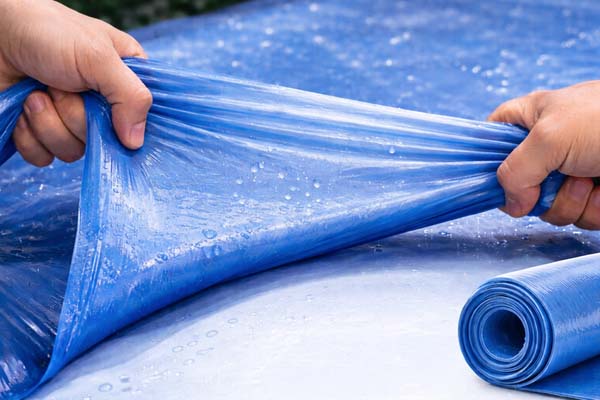
PVC (Polyvinyl Chloride) is the most widely used material for inflatables due to its flexibility, affordability, and ease of handling. It is commonly used for a variety of inflatables, including pool toys, inflatable boats, and bounce houses. PVC is a thermoplastic material, meaning it becomes pliable when heated and hardens as it cools, making it ideal for heat sealing and welding.
Key Features of PVC:
- Affordable: PVC is a cost-effective material, which makes it ideal for budget-friendly DIY inflatables.
- Flexible: PVC can be easily shaped and sealed, offering a wide range of design possibilities.
- Waterproof: It’s highly resistant to water, making it perfect for pool toys, floats, and other water-related inflatables.
- Lightweight: PVC inflatables are easy to handle, transport, and store.
PVC Material Comparison
| Property | PVC (Standard) | PVC (Reinforced) | PVC (Phthalate-Free) |
|---|---|---|---|
| Durability | Moderate | High | Moderate |
| Flexibility | High | Moderate | High |
| UV Resistance | Low | Moderate | Low |
| Water Resistance | High | High | High |
| Cost | Low | Moderate | Moderate |
- Standard PVC is often used for general inflatables and smaller DIY projects.
- Reinforced PVC is stronger and is used for inflatables that require more durability, like larger bounce houses or inflatable boats.
- Phthalate-Free PVC ensures that the product is non-toxic, making it safer for children’s toys or pet-related products.
While PVC is the most common material, it does have some limitations, particularly when exposed to prolonged sunlight or extreme weather conditions. Therefore, it’s essential to consider other materials or coatings if your inflatable will be used in harsh environments.
2. Composite Fabrics (Nylon and Polyester + PVC or TPU Coatings)
Composite fabrics, such as nylon or polyester combined with PVC or TPU (Thermoplastic Polyurethane) coatings, are used for more heavy-duty inflatables. These fabrics provide superior puncture resistance, abrasion resistance, and UV protection, making them ideal for products like commercial water slides, large outdoor inflatables, and inflatable boats.
- Nylon and Polyester: Both fabrics are known for their strength and lightweight nature. When coated with PVC or TPU, they become extremely durable and resistant to damage from rough handling or environmental stress.
- PVC Coatings: PVC coatings provide an additional layer of water resistance and UV protection, but the material can become brittle over time when exposed to UV rays.
- TPU Coatings: TPU-coated fabrics offer enhanced performance compared to PVC. TPU is known for its higher UV resistance, flexibility in extreme temperatures, and longer lifespan.
Composite Fabrics Performance Comparison
| Material | Durability | UV Resistance | Puncture Resistance | Cost |
|---|---|---|---|---|
| Nylon + PVC | Moderate to High | Moderate | High | Moderate |
| Polyester + PVC | High | Moderate | Moderate to High | Moderate to High |
| Polyester + TPU | Very High | Very High | Very High | High |
Composite fabrics are widely used in larger inflatables where additional durability and resilience to the elements are necessary. TPU coatings, in particular, are ideal for high-performance inflatables that are used for commercial purposes, as they offer superior resistance to UV rays and abrasion compared to PVC.
3. Coatings and Additives for Enhanced Performance
In addition to the primary material, coatings and additives play a key role in improving the performance of inflatables. These can enhance UV resistance, abrasion resistance, and chemical resistance, as well as air retention and self-healing properties. Coatings like UV protectants, anti-mildew treatments, and self-healing layers are becoming more common in high-performance inflatable products.
- UV Protective Coatings: Coatings like PVC with UV stabilizers or TPU coatings can greatly extend the lifespan of an inflatable, making them ideal for products exposed to harsh sunlight.
- Self-Healing Coatings: These are especially useful for commercial inflatables that are exposed to high wear and tear, as they automatically repair minor punctures and tear damage.
- Anti-Mildew and Anti-Microbial Coatings: These coatings are often added to inflatables designed for outdoor use or those exposed to moisture, ensuring the product remains mold-free.
Performance Benefits of Coatings and Additives
| Coating/Feature | UV Resistance | Abrasion Resistance | Self-Healing | Mildew Resistance |
|---|---|---|---|---|
| UV Protective Coating | Very High | Moderate | No | Low |
| Anti-Microbial Coating | Low | Low | No | High |
| Self-Healing Coating | Moderate | High | Yes | Low |
Coatings and additives are generally used to enhance the material’s performance over time, making them an important consideration for anyone looking to create a long-lasting inflatable.
4. Other Materials for Specialized Inflatables
While PVC and composite fabrics are the go-to materials for most inflatables, some specialized products use alternative materials for enhanced functionality:
- Hypalon: This synthetic rubber material is highly resistant to UV rays, chemicals, and temperature fluctuations, making it ideal for inflatable boats, raft liners, and other heavy-duty inflatables exposed to harsh environmental conditions. However, it is more expensive than PVC and typically used for high-end commercial products.
- Polyurethane (PU): PU-coated fabrics are gaining popularity as an alternative to PVC for inflatables. PU is highly flexible, tear-resistant, and less toxic, making it a good option for children’s inflatables or those designed for commercial use. While it’s less common than PVC, PU-coated fabrics are known for their eco-friendly qualities.
Alternative Materials Comparison
| Material | Durability | UV Resistance | Cost | Best Use |
|---|---|---|---|---|
| Hypalon | Very High | Very High | High | Commercial boats, extreme outdoor use |
| PU (Polyurethane) | High | High | Moderate to High | Children’s inflatables, eco-friendly options |
These alternative materials are often used in specialized inflatables or for high-performance applications, where superior durability and environmental resistance are essential.
Which Tools Are Required to Make an Inflatable?
Creating your own inflatable requires specific tools to shape, seal, and inflate the product. These tools ensure the inflatable is properly constructed, airtight, and safe for use. Whether you’re crafting a small pool toy or a large inflatable water slide, having the right equipment is crucial for a successful DIY inflatable project. Below is a detailed overview of the tools you’ll need, along with their specific functions and recommendations.
1. Heat Sealers and Welding Machines
Heat sealing is the most common method used for joining PVC and composite fabrics. Heat sealers work by applying heat and pressure to the edges of the material, melting the surface to create a strong bond. Welding machines, on the other hand, are used for larger inflatables, where a high degree of heat is needed to weld the material together.
Key Features:
- Heat Sealers: Ideal for small to medium-sized DIY inflatables. They are more affordable and easier to use.
- Welding Machines: Best for large inflatables requiring stronger seams. These are used in more professional settings or for heavy-duty projects.
| Tool Type | Best Use | Price Range | Ease of Use |
|---|---|---|---|
| Heat Sealer | Small to medium DIY inflatables | $50 – $300 | Easy to use, ideal for beginners |
| Welding Machine | Large, commercial inflatables | $200 – $1,000+ | Requires more skill and expertise |
Heat sealers are perfect for creating tight, secure seams in pool toys or inflatable furniture. For larger projects like bounce houses or inflatable boats, welding machines offer better durability and strength for the seams, especially in high-stress areas.
2. Cutting Tools
Cutting tools are essential when designing the shape of your inflatable. From precise material cuts to shaping the product, accurate cutting is crucial to ensure the inflatable fits together properly.
Types of Cutting Tools:
- Rotary Cutters: Ideal for cutting large sheets of material. Rotary cutters provide straight cuts and are especially useful for PVC sheets.
- Scissors: For more detailed cuts, scissors can be used for small or delicate trimming.
- Utility Knives: These are good for cutting smaller, intricate designs, or making straight cuts through thin layers of PVC.
| Tool Type | Best Use | Price Range | Ease of Use |
|---|---|---|---|
| Rotary Cutter | Large, straight cuts for PVC | $20 – $60 | Easy to use, requires less effort |
| Scissors | Detailed cuts for small projects | $5 – $30 | Quick and simple to use |
| Utility Knife | Precision cuts and trimming | $10 – $40 | Great for detailed cutting |
Using the right cutting tool depends on your project scale. For large-scale inflatables, rotary cutters help save time and energy, while utility knives offer more precision for detailed designs.
3. Air Pumps
Air pumps are essential for inflating the final product. There are two main types of air pumps: manual pumps and electric pumps. The type of pump you use depends on the size and type of inflatable you are creating.
Types of Air Pumps:

- Manual Pumps: Best for small, portable inflatables like pool toys or small floats. These pumps require physical effort to inflate the product.
- Electric Pumps: Ideal for larger, heavier-duty inflatables like bounce houses and water slides. These pumps are powered by electricity and can inflate an inflatable quickly.
| Pump Type | Best Use | Price Range | Inflation Speed |
|---|---|---|---|
| Manual Pump | Small inflatables (e.g., pool toys) | $10 – $30 | Slow, but affordable |
| Electric Pump | Large inflatables (e.g., bounce houses) | $30 – $100+ | Fast, convenient |
Electric pumps are more efficient for inflating large items. They can inflate a bounce house or water slide in just a few minutes, compared to manual pumps, which are ideal for smaller inflatables.
4. Pattern Templates
Creating a pattern template is important to ensure that the inflatable pieces fit together correctly. Templates provide an accurate guide for cutting the materials and can help you achieve a symmetrical design.
Pattern Template Options:
- Paper Templates: For smaller DIY inflatables, paper templates can be traced directly onto the PVC or composite fabric to cut out the required shapes.
- Plastic Templates: For larger projects, you may want to use plastic templates or stencils for more accuracy.
| Template Type | Best Use | Price Range | Ease of Use |
|---|---|---|---|
| Paper Templates | Small to medium inflatables | $5 – $20 | Easy to use, low cost |
| Plastic Templates | Large-scale projects | $20 – $50 | More durable, accurate |
Patterns help ensure that the pieces align correctly and are proportional to one another, ensuring that the final inflatable functions properly and has a neat, professional appearance.
5. Glue and Sealants
For certain parts of your inflatable that require additional sealing, you may need strong adhesive glue or sealants. These are useful for reinforcing seams or attaching non-airtight sections.
Glue and Sealant Options:
- PVC Glue: Ideal for bonding PVC materials together. It creates a strong, waterproof bond, ensuring no air leakage.
- Rubber Sealant: For composite fabric inflatables, rubber-based sealants can be used to provide a waterproof and flexible seal.
| Sealant Type | Best Use | Price Range | Bond Strength |
|---|---|---|---|
| PVC Glue | Sealing PVC seams | $10 – $20 | Very Strong |
| Rubber Sealant | Composite fabric reinforcements | $15 – $25 | Strong, flexible |
Using the right sealant ensures that your inflatable remains airtight and durable. Whether you’re creating a custom pool float or a larger bounce house, applying sealants correctly will increase the lifespan and safety of the inflatable.
6. Pressure Testing Equipment
Once your inflatable is sealed and inflated, pressure testing is essential to ensure the product holds air properly and remains safe during use.
Pressure Testing Equipment:
- Pressure Gauges: Used to measure the air pressure inside the inflatable and ensure it meets the recommended levels.
- Leak Detectors: Special detectors or foam can be used to identify tiny air leaks that could cause your inflatable to lose air over time.
| Testing Equipment | Best Use | Price Range | Importance |
|---|---|---|---|
| Pressure Gauge | Monitoring internal pressure | $10 – $30 | Essential for testing |
| Leak Detectors | Finding small leaks in seams | $5 – $15 | Important for ensuring airtightness |
Testing your inflatable for air retention and structural integrity ensures that it can handle real-world use without failure, ensuring both safety and longevity.
How to Design Your Own Inflatable: Step-by-Step Process
Designing your own inflatable can be an exciting and rewarding project. Whether you’re creating a pool toy, a bounce house, or a commercial-grade water slide, the process requires careful planning and attention to detail. Each step plays a critical role in ensuring that the inflatable is not only functional but also safe and durable for long-term use.
In this section, we will walk through the step-by-step process of designing your own inflatable. From conceptualizing the design to final inflation and testing, we’ll cover everything you need to know to bring your inflatable idea to life.
1. Conceptualize Your Inflatable Design
Before jumping into the actual production process, it’s essential to conceptualize your inflatable. The first step is to determine the purpose and functionality of your inflatable, which will influence everything from size to material choice.
Considerations for Conceptualizing Your Design:

- Type of Inflatable: Is it a pool toy, a bounce house, a water slide, or something else? This will determine the size, materials, and construction methods.
- Target Audience: Are you designing for children, pets, or commercial use? Consider safety, durability, and user-friendliness.
- Design Features: What special features will your inflatable have? Think about things like entry points, reinforcements, and decorative elements.
The first step in designing your inflatable is conceptualizing its purpose, size, target audience, and special features. This blueprint helps guide your material choices and design decisions.
Once you have a clear vision of what you want to create, start by sketching out the general shape and structure of the inflatable. If it’s a commercial-grade inflatable, think about the high-stress areas and reinforcement points that will need additional strength. For example, a water slide will need reinforced seams around the entry and exit points, while a pool float might only need simple sealing and a basic shape.
Create a rough draft of the design, either on paper or using design software like AutoCAD or SketchUp. This will give you a visual guide to work from and help you plan the cutting and welding process in the later steps.
2. Create a Pattern Template
Creating a pattern template is the next critical step. The pattern will serve as your blueprint when cutting the materials. Without a clear pattern, the pieces may not fit together correctly, which could affect the overall shape and function of the inflatable.
Materials for Pattern Creation:
- Paper Templates: Ideal for smaller projects, these are inexpensive and easy to cut.
- Plastic or Mylar Templates: For larger projects, plastic templates offer more durability and can be reused multiple times.
Next, create a pattern template to guide your cutting process. Use paper for small inflatables or plastic templates for larger, more complex designs.
To make the pattern, use your design draft to measure and cut out the various sections of the inflatable. Be sure to leave space for seam allowances — typically around 1-2 inches on each edge. This ensures that you’ll have enough material to weld or heat-seal the sections together. For more complex shapes, it might be helpful to use a 3D modeling program to visualize how the sections fit together before you start cutting.
Once the template is ready, trace it onto the material you’ll be using. Whether it’s PVC, composite fabrics, or TPU, be sure to mark the material clearly to avoid any confusion during the cutting process.
3. Cut the Material and Prepare for Welding

Once your pattern is in place, it’s time to cut the material. Precision is key in this step because any miscuts can lead to inefficiencies in the welding process or structural weaknesses in the final product.
Cutting Tools:
- Rotary Cutter: Best for straight cuts in large sheets of material. It ensures clean, even cuts, especially for PVC or composite fabrics.
- Utility Scissors: For smaller, detailed cuts, or adjustments along the edges.
- Cutting Mat: A cutting mat will help protect your workspace and ensure the cuts are straight.
Use a rotary cutter for straight cuts on large sheets of material and utility scissors for smaller, more intricate adjustments to the material.
When cutting larger pieces, align your pattern template carefully on the material to ensure the pieces are of the correct size and shape. Nylon, polyester, and PVC materials are relatively easy to cut, but always use sharp tools to avoid fraying or tearing.
If the material is thick or rigid, like composite fabrics or TPU, it might be helpful to score the material lightly with a utility knife before making the full cut. This allows for cleaner edges and more control over your cuts.
4. Welding or Sealing the Material

After cutting the material into the appropriate shapes, the next step is to join the pieces together by welding or sealing. This is where the inflatable takes shape, and it’s crucial to ensure all seams are tightly sealed to avoid air leakage.
Types of Welding and Sealing:
- Heat Sealing: The most common method for sealing PVC and composite fabrics. Heat-sealing machines work by applying heat and pressure to the edges of the material, causing the plastic to melt and bond.
- High-Frequency Welding: This method uses radio-frequency (RF) energy to weld material together. It’s especially useful for high-quality, larger inflatables where precise, durable seams are needed.
| Sealing Method | Best For | Cost | Advantages |
|---|---|---|---|
| Heat Sealing | Small and medium inflatables | $50 – $300 | Affordable, quick, easy |
| High-Frequency Welding | Large, high-end inflatables | $500 – $1,500+ | Strong, durable seams |
Use heat sealing for smaller inflatables and high-frequency welding for larger projects to ensure strong, airtight seams.
- Heat sealing works best for smaller inflatables or simple designs. It’s affordable and easy to use, making it ideal for DIY projects. The process involves placing the material between two heated plates and applying pressure to bond the edges.
- High-frequency welding is used for larger and more complex inflatables, such as bounce houses or inflatable boats, where a higher degree of strength is required. This method is faster and results in stronger, more durable seams.
In both cases, it’s important to avoid overheating the material, which can weaken the bond or cause the material to melt or burn.
5. Inflation and Testing
After the inflatable has been sealed, it’s time to inflate it and ensure that it holds air properly. This step helps to identify any weak seams or leaks that may need to be reinforced.
Inflation Methods:
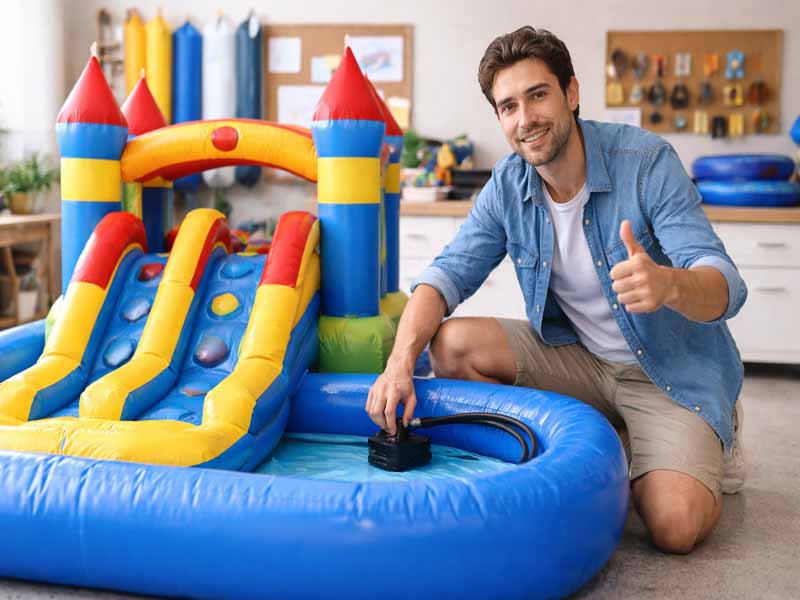
- Electric Pump: For larger inflatables, an electric pump is the quickest and easiest way to get the job done.
- Manual Pump: Suitable for smaller, low-pressure inflatables like pool toys or rafts.
Once your inflatable is welded, use an electric pump or manual pump to inflate the product, then test for air retention and check for leaks.
Once inflated, it’s essential to leave the inflatable inflated for several hours or even a day to test for air retention. If the inflatable loses air, inspect the seams for possible leaks. To find minor leaks, use soapy water or a foam solution to check the seams and valves. If there are any leaks, you’ll need to reinforce them with additional welding or sealant.
Additionally, ensure that the inflatable is stable and can hold the appropriate amount of weight or pressure without collapsing or losing shape. Proper pressure testing helps to ensure safety during use, especially for inflatables like bounce houses or water slides.
What Are the Safety Considerations When Making DIY Inflatables?
When creating your own inflatable, safety should be your top priority, especially if the inflatable is intended for children, pets, or commercial use. Whether you are designing a bounce house, pool float, or water slide, ensuring the inflatable is safe to use involves choosing the right materials, reinforcing the structure, and performing thorough testing.
In this section, we will discuss the essential safety considerations to keep in mind when making DIY inflatables, covering material safety, sealing methods, air pressure management, and safety features. We’ll also look at standards and regulations you should follow to guarantee that your inflatable meets safety requirements.
1. Choose Non-Toxic, Phthalate-Free Materials
One of the first safety concerns when making DIY inflatables is the material used. Many traditional inflatable products are made from PVC (Polyvinyl Chloride), which can contain phthalates, a harmful chemical used as a plasticizer. Phthalates have been linked to various health concerns, including hormonal disruption and respiratory problems. For this reason, phthalate-free PVC and eco-friendly materials are a safer choice, especially for products intended for children or pets.
Key Material Safety Considerations:
| Material | Toxicity | Best Use | Alternatives |
|---|---|---|---|
| PVC (Standard) | Can contain phthalates | General use inflatables (e.g., toys, pool floats) | Phthalate-free PVC |
| Phthalate-Free PVC | Non-toxic | Children’s toys, pet products | Recycled Polyester |
| TPU (Thermoplastic Polyurethane) | Non-toxic | Commercial inflatables, eco-friendly options | Polyurethane (PU) |
Choose phthalate-free PVC or eco-friendly materials like TPU for DIY inflatables to ensure they are safe for children, pets, and the environment.
For children’s inflatables or pet toys, always opt for materials that are phthalate-free and non-toxic. Phthalate-free PVC is widely available and offers the same durability and water resistance as regular PVC, but without the harmful chemicals. TPU (thermoplastic polyurethane) is another excellent choice for high-performance inflatables because it’s both eco-friendly and free of harmful chemicals. While TPU is more expensive than regular PVC, its superior UV resistance and flexibility make it ideal for inflatables that will be exposed to harsh sunlight or extreme weather conditions.
2. Securely Seal All Seams and Edges
The sealing process is one of the most critical aspects of inflatable safety. If the seams or edges are not securely sealed, the inflatable will leak air and may collapse, posing a safety risk. Heat sealing and welding are the most common methods used for sealing inflatables, but pressure points and stress areas require extra attention.
Sealing Methods and Best Practices:
| Sealing Method | Best Use | Advantages | Potential Drawbacks |
|---|---|---|---|
| Heat Sealing | Small to medium-sized inflatables | Affordable, quick to use | May not be as strong for larger inflatables |
| High-Frequency Welding | Larger, commercial inflatables | Strong, durable seams | Requires specialized equipment and skill |
Ensure that all seams are securely sealed using heat sealing for small projects or high-frequency welding for larger inflatables to prevent air leaks.
- Heat Sealing: This is the most common method for creating airtight seams, especially for PVC inflatables. It involves heating the material to a high temperature and then pressing it together to bond the edges. This process is ideal for small to medium-sized DIY projects like pool toys and small rafts. However, for larger inflatables like bounce houses, heat sealing alone may not provide enough strength.
- High-Frequency Welding: For larger or commercial-grade inflatables, high-frequency welding provides a more durable, high-strength bond. This method uses radio-frequency (RF) energy to heat the material, creating a stronger and more reliable seam that is less likely to fail under pressure. This method is ideal for inflatable slides and large bounce houses, where high-pressure areas need extra reinforcement.
In either case, ensure the seams are sealed securely and evenly to avoid air leakage and ensure the inflatable can handle regular use. Pay special attention to areas that will bear more weight or experience more stress, such as the entry points and seams along the bottom.
3. Proper Air Pressure and Inflation
Inflating an inflatable to the correct pressure is a crucial safety consideration. Overinflating or underinflating can affect the structural integrity of the product and lead to potential accidents. Overinflation can cause seams to stretch and tear, while underinflation can make the inflatable less stable and cause it to collapse.
Inflation Guidelines:
| Inflation Level | Risk of Overinflation | Risk of Underinflation | Ideal Inflation Range |
|---|---|---|---|
| Too High Pressure | Seams and fabric can burst | Inflation is too firm | Ensure it’s firm, but flexible |
| Too Low Pressure | Inflatable may collapse | Inflatable too soft | Maintain medium firmness |
Inflate your inflatable to the recommended pressure to avoid risks like bursting seams from overinflation or collapse from underinflation.
- Overinflation: When inflating your inflatable, it’s crucial not to exceed the recommended pressure levels. If you overinflate an inflatable, the pressure from the air can cause seams to split, leading to a catastrophic failure. Use a pressure gauge to monitor the inflation and stop once the inflatable is firm but still has some flexibility.
- Underinflation: On the other hand, underinflating the product can make it soft and unstable, potentially causing it to collapse under use. This can result in safety hazards, especially for larger inflatables like bounce houses or water slides. Always test the inflatable once inflated by giving it a few light bounces or applying pressure to see if it holds firm. If the material sinks or loses shape, you may need to inflate it further.
For large inflatables, like water slides or bounce houses, it’s best to use an electric pump for quick inflation and consistency in pressure. Manual pumps are typically sufficient for smaller, less demanding inflatables.
4. Reinforce High-Stress Areas
Certain parts of the inflatable are subjected to more stress and wear than others, especially in areas that support the weight of users or experience constant friction. Reinforcing these areas ensures that the inflatable maintains its structural integrity and lasts longer.
High-Stress Areas to Reinforce:
| Area | Reinforcement Method | Reason for Reinforcement |
|---|---|---|
| Entry Points | Extra stitching, padding | Frequent use and pressure |
| Seams at the Bottom | Reinforced with thicker fabric | Increased friction and weight |
| Corners and Edges | Double-seam reinforcement | Points where material is stressed |
Reinforce high-stress areas, such as entry points, seams at the bottom, and corners, to ensure the inflatable can handle heavy use and friction.
- Entry Points: These are areas that see frequent foot traffic and often bear the weight of multiple users, especially in bounce houses or water slides. Reinforcing entry points with extra stitching or padding can help distribute weight evenly and prevent the material from tearing. Adding zipper closures or Velcro flaps can also improve safety by allowing users to safely enter and exit.
- Bottom Seams: Since the bottom of the inflatable is in constant contact with the ground and subjected to a lot of pressure from users, these seams should be reinforced with thicker fabric or additional layers. Double-seaming and adding extra padding to high-wear areas can prevent the material from degrading quickly.
- Corners and Edges: Corners and edges are where the inflatable is most likely to experience stress. Use additional reinforcement in these areas to prevent rips, especially for larger inflatables like inflatable boats or sports inflatables.
5. Compliance with Safety Standards
Lastly, it’s essential to follow industry safety standards and regulations to ensure that your DIY inflatable is safe for use, especially for children. Inflatables must meet various standards such as CPSIA (Consumer Product Safety Improvement Act) and ASTM F963 for toy safety. Compliance with these standards helps protect users from harmful chemicals and ensures that the inflatable is built to withstand long-term use.
Important Standards:
- CPSIA: Ensures that products for children are free from toxic materials.
- ASTM F963: Regulates toy safety standards, including physical and mechanical properties of inflatables.
Ensure that your DIY inflatable complies with safety standards like CPSIA and ASTM F963 for children’s inflatables to ensure non-toxicity and durability.
Adhering to safety standards not only protects consumers but also helps ensure that your inflatable will be safe and durable for long-term use. Compliance with CPSIA guarantees that the inflatable is free from harmful chemicals, such as lead, phthalates, and other hazardous materials. ASTM F963 sets guidelines for toy safety, which includes ensuring that inflatables are structurally sound and free from sharp edges or choking hazards.
For DIY projects, it’s essential to verify material compliance with these standards and to check that your inflatable design doesn’t pose safety risks.
How Do You Inflate Your Own Inflatable?
Inflating your own inflatable correctly is crucial to ensure it functions as intended, remains structurally stable, and holds air pressure effectively. Whether you’re making a small pool float, a bounce house, or a commercial water slide, proper inflation is essential for both safety and performance. Overinflation and underinflation can both lead to serious issues, such as seam ruptures, improper air retention, or collapse.
In this section, we will walk you through the essential steps for inflating your DIY inflatable. We will also explain the different types of inflation pumps, the best practices for maintaining proper air pressure, and how to test for leaks and ensure the durability of your inflatable.
1. Choose the Right Inflation Pump
The first step in inflating your own inflatable is selecting the correct inflation pump. Different types of inflatables require different pumps based on their size, pressure needs, and material. There are two main types of pumps: manual pumps and electric pumps.
Manual vs. Electric Pumps:
| Pump Type | Best Use | Price Range | Inflation Speed |
|---|---|---|---|
| Manual Pump | Small inflatables (e.g., pool toys) | $10 – $30 | Slow |
| Electric Pump | Large inflatables (e.g., bounce houses) | $30 – $100+ | Fast |
- Manual Pumps: Best suited for small DIY projects like pool floats or air mattresses. They are slower and require physical effort but are budget-friendly and simple to use.
- Electric Pumps: Ideal for large inflatables such as bounce houses, inflatable slides, and water parks. These pumps quickly inflate large items without the need for manual effort.
Choose an electric pump for large inflatables like bounce houses and water slides, while manual pumps are better for smaller inflatables like pool toys.
- Manual Pumps work well for smaller DIY inflatables. They may take a bit more time and energy but are affordable and practical for inflating items that don’t require high air pressure, such as inflatable furniture or small water toys.
- Electric Pumps are faster and more efficient, making them the best choice for larger projects like bounce houses, inflatable water slides, and large pool floats. They can also be used to deflate the inflatable after use, making them a great tool for quick and easy setup and takedown.
2. Maintain Correct Air Pressure for Your Inflatable
Inflating your inflatable to the correct pressure is critical to ensure that it is safe to use and remains stable throughout its lifespan. Overinflating or underinflating can compromise the structure, and may even result in tears, seams bursting, or collapse. Always refer to the manufacturer’s specifications or guidelines for the recommended air pressure levels.
Signs of Overinflation vs. Underinflation:
| Inflation Level | Signs of Overinflation | Signs of Underinflation | Ideal Inflation |
|---|---|---|---|
| Overinflated | Tight, hard to the touch, seams may stretch or tear | Inflatable appears soft, slouches | Firm, with slight flexibility |
| Underinflated | Inflatable may sag or lack structure | Inflatable feels soft or wobbly | Slightly firm but flexible |
Properly inflate your inflatable until it is firm but slightly flexible. Overinflation can stretch the seams, while underinflation leads to instability.
- Overinflation occurs when too much air is pumped into the inflatable, causing it to become tight and rigid. Overinflated products are more likely to have weak seams and fabric stress, which can result in tears or punctures. High pressure can also lead to ruptured seams, especially around high-stress areas like the entry points or base.
- Underinflation happens when the inflatable doesn’t have enough air to maintain its shape. This can cause the product to collapse or sag, which makes it unsafe, especially for activities like jumping or sliding. A properly inflated inflatable should feel firm but slightly flexible, meaning it should hold its shape without being rock-hard.
To check for proper inflation, give the inflatable a few gentle bounces or apply light pressure. If it deforms or loses shape, it may need more air.
3. Monitor Air Pressure During Use
Even after inflation, it’s important to monitor the air pressure throughout the life of your inflatable. Changes in temperature, usage, and exposure to environmental factors like sunlight can cause the air pressure to fluctuate. For instance, hot weather can cause the air inside to expand, leading to overinflation, while cold weather can make the air contract, resulting in underinflation.
Key Considerations for Pressure Monitoring:
- Temperature Effects: Hot weather increases air pressure, while cold weather decreases it.
- Frequent Use: Over time, the inflatable may lose some air due to wear and tear, requiring periodic reinflation.
Monitor the air pressure during use, especially in extreme temperatures, and reinflate as necessary to maintain firmness and shape.
- Seasonal Changes: Hot weather can cause the air inside the inflatable to expand, which may lead to overinflation and cause the seams to stretch. Cold weather, on the other hand, can cause the air to contract, making the inflatable feel soft and potentially unstable. To avoid damage, always check the pressure regularly, particularly in outdoor settings where temperature changes are more extreme.
- Wear and Tear: For larger inflatables like bounce houses or water slides, air loss can occur with frequent use. Small punctures, leaks, or wearing down of seams can cause gradual deflation. Check the inflatable after every use and top up the air if needed.
To help maintain consistent air pressure, use manual pumps to add small amounts of air during the day or consider an electric pump with an integrated pressure gauge for more accurate inflation.
4. Test for Air Leaks and Reinforce Weak Areas
After inflating the inflatable, it’s crucial to check for air leaks or weak spots in the seams. Even the best-sealed inflatables may develop small leaks over time, especially with frequent use or exposure to harsh conditions.
How to Test for Leaks:
- Soap and Water: Use a soapy water solution to detect small leaks. Apply the mixture to the seams and look for bubbles, which indicate air escaping.
- Leak Detectors: There are specialized leak detectors available that can pinpoint tiny air leaks in hard-to-reach areas.
| Method | Best Use | Cost | Effectiveness |
|---|---|---|---|
| Soap and Water | Checking small leaks in seams | $5 – $10 | Highly effective for minor leaks |
| Leak Detector Spray | Finding hard-to-detect leaks | $10 – $30 | Effective for pinpoint accuracy |
After inflating your DIY inflatable, check for air leaks using soapy water or a leak detector to ensure it holds air properly.
- Use soapy water to test the inflatable’s seams. Apply the solution to the edges and valves and look for bubbles to indicate leaks. If you find any, use reinforcing patches or apply more heat sealing to fix the issue.
- Leak detectors are ideal for larger inflatables or inflatables with multiple seams. These sprays help you pinpoint tiny leaks that are hard to detect visually and allow for more targeted repairs.
Reinforce any weak areas using additional welds, patches, or sealants to ensure the inflatable remains airtight.
5. Ensure Safe Deflation
Once the inflatable is deflated, you should safely store it to ensure it remains in good condition for future use. Improper deflation can lead to damage or wear on the material.
Deflation Tips:
- Use an Electric Pump with a deflation setting to remove air quickly.
- Fold or roll the inflatable carefully to avoid crease damage or punctures.
- Store in a cool, dry place to avoid UV damage and mold growth.
What Are the Costs and Time Involved in Making Your Own Inflatable?
Creating your own inflatable is a rewarding project, but like any DIY endeavor, it requires careful planning regarding budget and time investment. The cost and time involved in making an inflatable can vary significantly depending on the type of inflatable you’re creating, the materials you use, and the tools required. Whether you’re making a small pool float or a large bounce house, understanding the costs and time commitment upfront will help you prepare and ensure the success of your project.
In this section, we’ll break down the costs and time required for different types of inflatables, offering an overview of the materials, tools, and processes involved in making your own inflatable. By understanding these factors, you can better plan your DIY project, avoid unexpected costs, and finish your inflatable on time.
1. Material Costs: What to Expect
The most significant expense when making an inflatable is the cost of the materials. The materials you choose depend on the size of the inflatable, its intended use, and its durability requirements. PVC, composite fabrics, and coatings are the most common materials used for inflatables, but there are different grades and types within these categories, each with varying costs.
Material Options and Costs:
| Material | Best Use | Cost Per Yard | Durability |
|---|---|---|---|
| PVC (Standard) | Small to medium inflatables (e.g., pool floats, toys) | $5 – $20 | Moderate |
| PVC (Reinforced) | Medium to large inflatables (e.g., bounce houses, rafts) | $20 – $50 | High |
| Composite Fabrics (Nylon + PVC) | Large, heavy-duty inflatables (e.g., water slides, commercial inflatables) | $25 – $60 | Very High |
| TPU (Thermoplastic Polyurethane) | High-performance inflatables (e.g., commercial slides, boats) | $50 – $150 | Very High |
The material costs for making your own inflatable can range from $5 per yard for standard PVC to $150 per yard for high-performance TPU. Larger, more durable inflatables require more expensive materials like reinforced PVC and composite fabrics.
- PVC (Standard): Ideal for small to medium-sized inflatables like pool toys or air mattresses, standard PVC is the most affordable option. It’s relatively easy to work with and still provides good durability for products that won’t face heavy wear.
- Reinforced PVC: Used for larger projects like bounce houses, rafts, or inflatable boats, reinforced PVC is more durable and resistant to punctures, making it suitable for higher-pressure inflatables. The cost increases due to its higher durability and strength.
- Composite Fabrics: For high-quality commercial inflatables, composite fabrics (e.g., nylon + PVC or polyester + TPU) are the best choice. These materials are used for large, high-stress inflatables like water slides, bounce houses, or inflatable pools. The cost reflects the added abrasion resistance, UV protection, and tear resistance.
- TPU (Thermoplastic Polyurethane): TPU is the most expensive option, but it’s also the most durable, making it perfect for long-lasting commercial-grade inflatables like inflatable boats or sports inflatables. Its high UV resistance, flexibility, and eco-friendly properties justify the higher cost, but it’s typically used only for premium projects.
2. Tool and Equipment Costs
In addition to materials, there are several essential tools and equipment you’ll need to make your own inflatable. These tools include heat sealers, welding machines, cutting tools, and inflation pumps. The type of tools required depends on the size and complexity of your inflatable. Smaller DIY projects may require fewer tools, while larger inflatables demand more specialized equipment.
Tools and Equipment Breakdown:
| Tool/Equipment | Best Use | Price Range | Duration of Use |
|---|---|---|---|
| Heat Sealer | Small to medium inflatables | $50 – $300 | Occasional use |
| Welding Machine | Larger inflatables (e.g., bounce houses) | $200 – $1,500+ | Long-term use |
| Cutting Tools | Cutting material into shape | $5 – $60 | Short-term use |
| Inflation Pump | Inflating and deflating inflatables | $10 – $100+ | Frequent use |
The cost of tools varies based on the scale of your project, with heat sealers priced from $50 for basic models to $1,500+ for welding machines used in larger inflatables.
- Heat Sealer: A heat sealer is an essential tool for small to medium-sized DIY inflatables. These machines are affordable and can be used for a wide range of PVC projects. Expect to pay $50 to $300 for a basic unit, which will handle most pool floats, rafts, and air mattresses.
- Welding Machine: For larger, commercial inflatables such as bounce houses or water slides, you’ll need a welding machine. These machines use radio-frequency welding to bond fabric pieces, ensuring strong, durable seams. They are more expensive, ranging from $200 to $1,500+ depending on the machine’s power and capabilities.
- Cutting Tools: You’ll need cutting tools like rotary cutters or utility knives to shape your material before sealing. These tools are relatively inexpensive, ranging from $5 to $60.
- Inflation Pump: Depending on the size of your inflatable, you’ll need an electric or manual pump. For larger projects, electric pumps are ideal and can range from $30 to $100+. Smaller inflatables can be inflated with manual pumps, which are more affordable but slower.
3. Time Investment
The amount of time it takes to create an inflatable depends on the size, complexity, and materials involved. Small inflatables like pool floats or air mattresses can be made relatively quickly, while larger projects, such as bounce houses or inflatable slides, require more time and effort to ensure quality and durability.
Time Breakdown:
| Project Type | Time to Complete | Complexity | Best For |
|---|---|---|---|
| Small Inflatables | 1-2 hours | Low | Pool toys, small air mattresses |
| Medium Inflatables | 1-3 days | Moderate | Bounce houses, pool rafts |
| Large Inflatables | 1-2 weeks | High | Commercial slides, large water parks |
Expect small inflatables to take 1-2 hours to complete, medium inflatables to take 1-3 days, and larger inflatables to take 1-2 weeks, depending on complexity and size.
- Small Inflatables: Projects like pool floats, air mattresses, or small pool toys are the quickest to make and can generally be completed in 1-2 hours. These projects require minimal cutting, simple sealing, and quick inflation.
- Medium Inflatables: Bounce houses, rafts, and medium-sized inflatable pool toys may take 1-3 days to complete. These projects involve more cutting, pattern-making, and welding, and may require additional time for inflation testing.
- Large Inflatables: For commercial-grade inflatables, such as water slides, bounce houses, or inflatable tents, expect to spend 1-2 weeks on the design, material cutting, welding, and inflation. These projects require careful attention to detail and multiple iterations of testing and reinforcement to ensure safety and durability.
4. Labor Costs
If you don’t have the required tools or time to complete the project yourself, you may need to consider labor costs. Hiring a professional welder or designer will add to the overall cost, but can be worthwhile for larger, more complex projects.
| Labor Type | Cost | Best Use | Time Needed |
|---|---|---|---|
| Professional Welder | $20 – $50 per hour | Large inflatables (e.g., bounce houses) | 5-10 hours for a medium project |
| Designer/Pattern Maker | $50 – $100 per hour | Custom designs, patterns, or large inflatables | 2-5 hours depending on complexity |
Professional help can cost $20 – $50 per hour for welding and $50 – $100 per hour for custom designs, depending on the complexity of your inflatable project.
- Professional Welders: If you’re making a larger inflatable that requires high-frequency welding or custom seam work, you may need to hire a professional welder. Their hourly rate typically ranges from $20 to $50 per hour, and a medium-sized project may require 5-10 hours of work.
- Designers: If you’re creating a highly customized inflatable with unique patterns or features, you might hire a designer to help with the initial design and pattern creation. Designers typically charge $50 – $100 per hour, depending on the complexity and creativity involved.
Why Making Your Own Inflatable is Worth the Effort ?
Creating your own inflatable might seem like a daunting task, but it can be an incredibly rewarding experience, whether you’re doing it for personal use or as a business venture. DIY inflatables allow you to customize designs to fit your exact needs, making them ideal for personal projects, events, or commercial purposes. From cost savings to personalization, there are numerous reasons why making your own inflatable is worth the time and effort.
In this section, we’ll dive deeper into the key reasons why creating your own inflatable can be a game-changer. We’ll also explore the advantages of customization, cost-efficiency, creativity, and long-term use. Whether you’re looking to make a unique product or save money, this guide will show you why DIY inflatables are worth considering.
1. Customization: Tailor Your Inflatable to Your Exact Needs
One of the greatest advantages of making your own inflatable is the freedom to customize it to your exact specifications. Whether you’re designing an inflatable for children’s play, promotional events, or outdoor recreation, DIY allows you to design an inflatable that is uniquely yours.
Benefits of Customizing Your Inflatable:
- Design Flexibility: You can choose the size, shape, color, and features of your inflatable. Whether it’s a water slide, bounce house, or custom float, the design possibilities are endless.
- Functionality: Customize your inflatable to meet specific functional requirements, such as adding reinforced seams in high-stress areas or incorporating entry points where needed.
- Branding: If you are creating a product for commercial use, you can add logos, custom colors, and unique designs that represent your brand. This is especially valuable for businesses looking for custom promotional inflatables or corporate events.
Making your own inflatable allows for full customization, enabling you to create a unique design, adjust the size and features, and even add branding elements for commercial use.
- When creating a personal inflatable, like a custom pool float or outdoor play equipment, you can design it to match your preferences. Whether you want an extra-large inflatable or a compact version, DIY gives you the ability to tailor everything from the size to aesthetic choices.
- For business purposes, customizing inflatables is a great way to create branded promotional products or event inflatables. Imagine designing a water slide or bounce house with your company’s logo and color scheme. This makes it easier to stand out at festivals, trade shows, or marketing events, providing a fun and engaging way to promote your brand.
2. Cost Efficiency: Save Money in the Long Run
While there are some initial costs for materials, tools, and time investment, making your own inflatable can actually save money in the long run compared to purchasing pre-made inflatables. If you plan on using inflatables frequently, especially for business purposes or events, DIY can offer significant cost savings over time.
How Making Your Own Inflatable Saves Money:
- Avoid Markup Costs: Buying pre-made inflatables often comes with a markup for brand names and retail costs. By creating your own, you eliminate this extra cost.
- Reusability: DIY inflatables can be designed with durability in mind, allowing them to be used multiple times for different events or activities. This makes them a one-time investment for long-term use.
- Affordable Materials: With the right tools and materials, making your own inflatable can be surprisingly affordable. PVC and composite fabrics are generally cost-effective materials, and purchasing them in bulk for multiple projects can lead to additional savings.
Making your own inflatable can save money by eliminating markup costs, ensuring durability for repeated use, and using affordable materials that can be purchased in bulk.
- Pre-made inflatables, especially custom-designed or commercial-grade products, can cost hundreds or even thousands of dollars. Creating your own inflatable allows you to avoid these high prices and have full control over material selection.
- Additionally, if you own or run a business that frequently needs inflatables for events or promotions, making your own allows you to reinvest the savings into additional projects, tools, or marketing efforts.
- For personal use, such as creating a custom pool float or bounce house for family events, the upfront cost of DIY will pay off after just a few uses, especially if you’re able to reuse the inflatable year after year.
3. Creativity: Bring Your Unique Vision to Life
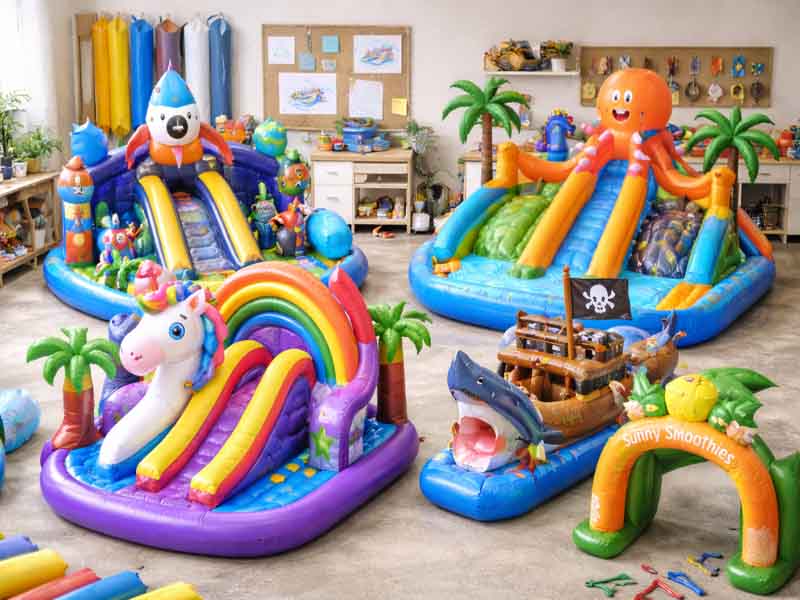
When you make your own inflatable, you can express your creativity in ways that aren’t possible with pre-made products. Whether you’re designing something for a birthday party, festival, or corporate event, DIY inflatables give you the freedom to bring your unique ideas to life without being limited by existing product options.
Creative Opportunities with DIY Inflatables:
- Personalized Designs: Want a custom-themed inflatable for a birthday party? Or perhaps you want to create a branded inflatable for a business event? DIY allows you to think outside the box and bring any vision to life.
- Color and Shape Variations: Unlike pre-made inflatables, which often come in standard colors and shapes, DIY inflatables can be made in any color and shape that you desire.
- Functional Features: Incorporating unique functional features like slides, obstacle courses, or air pockets is easier when you’re designing your own inflatable from scratch.
DIY inflatables offer endless creative possibilities that allow you to design custom shapes, colors, and features that reflect your personal style or brand identity.
- Custom themes can be incorporated into party inflatables or event products. For example, a birthday party could feature a custom inflatable slide shaped like the birthday child’s favorite cartoon character. With DIY, you can bring personalized touches to the product that go beyond the standard store-bought options.
- Custom logos, slogans, or product features are easy to add when making a branded inflatable for corporate events or trade shows. You can also incorporate interactive elements into your design, like bounce areas, water sprayers, or inflatable obstacle courses, to engage guests and make the experience memorable.
4. Long-Term Use and Durability
Another key reason why making your own inflatable is worth the effort is that you can design it for long-term use and ensure it is durable enough to withstand regular wear and tear. By choosing high-quality materials like reinforced PVC or composite fabrics, you can create an inflatable that will last for years and can handle both heavy use and harsh environments.
Long-Term Use and Durability Benefits:
- Material Quality: Choose reinforced fabrics or coated PVC to ensure that your inflatable is strong, puncture-resistant, and UV resistant.
- Maintenance: With proper maintenance, DIY inflatables can last far longer than mass-produced options, which are often made with cheaper materials.
- Adaptability: You can modify and repair your inflatable as needed, something that may be difficult or impossible with store-bought products.
DIY inflatables are built for long-term use, with durable materials and the ability to repair or modify them as needed, ensuring they last for many years.
- By choosing high-quality materials, you can reinforce stress areas like seams and joints to extend the life of your inflatable. Reinforced PVC and composite fabrics provide better abrasion resistance and UV protection, which are critical for inflatables exposed to outdoor environments.
- Repairability is another key advantage of making your own inflatable. If you notice a small tear or puncture, you can easily fix it by applying more sealant or welding. On the other hand, pre-made inflatables often have limited repair options, and their warranty coverage may not cover extensive repairs.
Conclusion
Making your own inflatable is a worthwhile and cost-effective endeavor, whether you’re creating a unique personal product or developing commercial-grade inflatables for your business. The customization and creativity you gain, combined with the potential savings and long-term durability, make DIY inflatables an attractive option for many.
If you’re ready to make your own inflatable or need high-quality, custom inflatable solutions, Epsilon offers a wide range of products made from durable PVC and composite materials. We provide premium inflatables for both personal and commercial use, with customization options to fit your exact needs.
Ready to create your own inflatable or explore custom inflatable solutions? Contact Epsilon today for custom orders, bulk purchases, or to learn more about our premium inflatable products available on Amazon and through direct inquiries!