Skip to content
“Inflatable water park price” looks like a simple question, but the internet mixes three different products into one keyword. That’s why people see $199 one minute, $899 the next, and then a business blog talking about seven figures. The reality is: price is mostly driven by strIf you tell me the typical user scenario (toddlers vs older kids, patio vs lawness—how many kids, how big the slide, how long it runs, how rough the surface is, and whether it’s expected to survive repeat setups.
Most families don’t regret buying an inflatable water park because it “wasn’t fun.” They regret it because it didn’t fit their life: the footprint is too big for the yard, the blower is underpowered and keeps sagging, water sprays the patio into a slip zone, or the seams start leaking after a few weekends. In other words, the wrong park is not a toy problem—it’s a setup + durability problem.
Here’s the honest framing that prevents disappointment: you’re not paying for “features.” You’re paying for (1) usable size, (2) structure that stays firm while kids climb and slide, (3) seams that don’t split under wet chaos, and (4) a blower that can run continuously without drama. Once you price those four correctly, the rest becomes easy.
What Is the Inflatable Water Park Price Range?

Inflatable water park price isn’t one number—it’s a set of price bands that change mainly with size, capacity, build strength, and how “complete” the set is (blower, stakes, storage bag, repair kit, sprinkler features, etc.). If you shop with the wrong mental model, you’ll either overpay for “extras” you don’t need, or you’ll buy a cheap unit that feels great in photos and becomes a headache after a few uses.
Inflatable Water Park Price Bands
Think in four layers: small backyard play, family-size slides, big “party” setups, and commercial/rental grade.
| Inflatable water park type (what shoppers call it) | Typical use | What it usually includes | Common price range (USD) |
|---|---|---|---|
| Small splash + slide combo | 1–2 kids, ages 2–6 | short slide, splash zone, simple sprayer, basic blower | $180–$450 |
| Mid-size backyard water park | 2–4 kids, ages 3–9 | taller slide, climbing wall, splash pool, sprayer features, blower | $350–$900 |
| Large backyard “party” unit | 4–8 kids, parties, ages 4–10 | longer/taller slide(s), multi-zone play, more anchors, larger blower | $800–$1,800 |
| Heavy-duty / rental-style inflatable | events, rentals, frequent use | thicker material, reinforced seams, better stress layout, higher-output blower | $1,500–$6,000+ |
| Full inflatable water park system (multi-piece / event layout) | school/camp events | multiple modules, lanes, obstacles, many anchors + blowers | $6,000–$50,000+ |
Reality check:
Most families shopping for “inflatable water park price” end up choosing in the $350–$900 band because it’s the best balance of fun height + capacity without turning setup and storage into a weekend project.
What Pushes Inflatable Water Park Price Up
A lot of listings talk about “features.” The price usually moves because of 6 real things:
- Size and slide height Taller slides and bigger footprints require more material and a stronger structure.
- Material thickness and reinforcement Thicker PVC/composite layers + reinforced high-stress seams increase cost but reduce early leaks.
- Blower size and quality A properly matched blower keeps the unit firm. Underpowered blowers lead to “soft bounce” complaints.
- Number of play zones (and load capacity) More zones = more seams, more stress points, more anchors, more design work.
- Sprayer layout and water distribution More spray points or better distribution costs more, but reduces “only one good spot” arguments.
- Packaging + extras Some products look “cheap” until you realize the blower or stakes are not included.
Here’s how those factors usually translate to price:
| Upgrade factor | What you feel at home | Typical price impact |
|---|---|---|
| Bigger footprint | fewer fights, more kids fit | +$100 to +$600 |
| Better reinforcement | fewer seam leaks | +$80 to +$400 |
| Stronger blower | firmer structure, better bounce | +$50 to +$300 |
| Better sprayer layout | more even fun | +$30 to +$200 |
| Better accessories | faster setup, fewer missing parts | +$20 to +$120 |
“Real Total” Cost
Most families buy the inflatable and then realize they still need a few basics to make it feel smooth and safe.
| Add-on item | Why families end up buying it | Typical cost |
|---|---|---|
| Ground tarp / mat | prevents pinholes + keeps base cleaner | $15–$60 |
| Hose quick connector + spare washers | stops leaks and weak spray | $5–$20 |
| Y-splitter | run inflatable while still using hose | $8–$25 |
| Repair patch kit (extra) | saves the season from small punctures | $5–$20 |
| Storage bin / breathable bag | easier storage, less odor | $10–$35 |
Typical “real total” examples:
| Buyer scenario | What they buy | Realistic total |
|---|---|---|
| Budget backyard starter | $250 inflatable + $20 mat + $10 connectors | $280 |
| Family sweet spot | $600 inflatable + $35 mat + $20 setup kit | $655 |
| Party setup | $1,200 inflatable + $60 mat + $30 extras | $1,290 |
Home vs Rental Grade
If you’re buying for a business (rentals, events), your inflatable water park price range changes fast because durability becomes your profit.
Home-grade priorities: fun, price, basic safety
Rental-grade priorities: fast cleaning, seam survival, repeat inflation, less downtime
| Use type | What “good” looks like | Why it costs more |
|---|---|---|
| Home / weekends | lasts the season, easy setup | less reinforcement needed |
| Heavy home use | daily play, strong sun | better seams + material pays off |
| Rentals / events | repeated setup/teardown, transport, fast cleaning | thicker build + stress engineering |
Rental math is harsh: one weekend cancellation due to a seam failure can cost more than the upfront savings of buying cheaper units.
Price-to-Value Shortcuts
If you want quick “smart buying” rules:
1) If it’s under $250, assume:
- smaller footprint
- lower capacity
- more sensitive to rough ground → It can still be great for toddlers, but it’s rarely a party unit.
2) $350–$900 is the “family sweet spot” because:
- slide height feels exciting
- capacity fits siblings
- better chance the blower is matched correctly
3) $900–$1,800 is for “party households” when:
- playdates are frequent
- multiple kids use it hard
- you want fewer fights over space
4) $1,500+ makes sense when:
- you run rentals/events
- you need fewer repairs
- you need units to stay firm all day
Fast “Which Price Band Fits Me?” Decision Table
| Your situation | Best inflatable water park price band | Why |
|---|---|---|
| 1 toddler, occasional play | $100–$450 | small, quick, easy storage |
| 1–2 kids, weekly use | $350–$900 | best mix of fun + durability |
| 3+ kids / frequent playdates | $800–$1,800 | capacity prevents fighting |
| Rental / events | $1,500–$6,000+ | less downtime, better ROI |
| Large event layout | $6,000–$50,000+ | multi-module park system |
Which Inflatable Water Park Size Should You Buy?
The “right” inflatable water park size is the one that fits your yard, matches how many kids actually play at once, and doesn’t create a cleanup + storage nightmare. Most size regrets come from two directions:
- Too small: kids bump, argue, and lose interest fast.
- Too big: parents hate setup, the yard turns muddy, and it sits unused.
Below is a practical way to choose size using yard math, kid capacity, and real-life use patterns—not marketing photos.
Start With the Only Measurement That Matters: Your “Usable Rectangle”
Don’t measure the whole yard. Measure the space you can realistically dedicate without blocking doors, walkways, grills, or garden beds.
Usable rectangle = flat space + safe clearance zone
Add 3 ft (1 m) clearance on all sides for:
- kids running off the inflatable
- blower tube and power cord
- staking/anchoring
- parents walking around
Quick rule:
If the inflatable is listed as L × W, you want a yard area closer to (L + 6 ft) × (W + 6 ft).
Example:
A 16′ × 10′ unit “really wants” about 22′ × 16′ of usable space.
Size Bands That Match Real Backyards
Here’s a simple breakdown that matches what most families actually have.
| Size band (typical listing) | What it feels like | Best for | Yard space you should have (with clearance) |
|---|---|---|---|
| Small: 10–13 ft long | quick setup, easy supervision | 1–2 kids (ages ~2–6) | ~16′ × 14′ minimum |
| Medium: 14–18 ft long | “real water park” feel | 2–4 kids (ages ~3–9) | ~22′ × 16′ minimum |
| Large: 19–24 ft long | party-capable | 4–8 kids (ages ~4–10) | ~28′ × 18′ minimum |
| XL: 25 ft+ | event / rental vibe | 8–12 kids + rotating turns | 30’+ × 20’+ strongly recommended |
Reality check:
If your usable space is under 18′ × 15′, most “large” water parks will feel like they’re taking over the yard—and parents stop using them.
How Many Kids Will Actually Play at the Same Time?
Listings often show 6 kids having fun. At home, capacity is limited by slide access, splash pool size, and kids’ energy.
Use this “comfort capacity” table (less fighting, more fun):
| Inflatable size | Comfortable kids at once | Why |
|---|---|---|
| 10–13 ft | 1–2 | single slide + small landing zone |
| 14–18 ft | 2–4 | enough zones for turns |
| 19–24 ft | 4–6 | multiple kids can play without traffic jams |
| 25 ft+ | 6–10 | needs “party rules” and adult supervision |
Best family tip:
If your household often has siblings + neighbors, size up one band. That’s the difference between “we use it weekly” and “too chaotic to bother.”
Slide Height vs Yard Size
Parents usually buy bigger for “taller slide.” But tall slides come with:
- more runoff water
- more splash radius
- more kid speed at landing
- more need for a clear boundary
Use this quick guide:
| Slide height feel | Typical user age | When it works best | When it becomes a headache |
|---|---|---|---|
| Low / gentle | 2–5 | small yards, calmer play | older kids get bored |
| Medium / exciting | 3–9 | most backyards | needs good drainage |
| Tall / high-energy | 5–12 | large yards, parties | small yards = chaos + mud |
Backyard Surface and Drainage Decide What Size You Can Handle
Same inflatable, different yard = totally different experience.
Grass (best overall):
- good grip
- softer landings
- but can become muddy if used daily in one spot
Artificial turf:
- can be slick when soaked
- drainage varies (some drains well, some pools underneath)
Concrete/pavers:
- easiest cleanup
- highest slip and abrasion risk
- you’ll need a ground mat and stricter rules
Drainage check (30 seconds):
- Run your hose in the target spot for 3–5 minutes
- If water pools or flows toward the house, choose a smaller unit or relocate
Size recommendation by drainage:
| Drainage quality | Better size choice | Why |
|---|---|---|
| Good (water disappears fast) | medium/large ok | yard won’t turn swampy |
| Okay (some pooling) | small/medium | avoids muddy mess |
| Poor (standing water) | small only or move spot | big units will destroy the area |
Storage and Handling
A bigger inflatable is not just “more fun.” It’s also:
- heavier when damp
- larger to dry
- harder to fold neatly
- harder to store in small homes
Here’s a realistic handling guide:
| Inflatable size | Drying + folding effort | Storage reality |
|---|---|---|
| Small (10–13 ft) | 10–20 min | closet/garage shelf friendly |
| Medium (14–18 ft) | 20–35 min | needs a bin or dedicated corner |
| Large (19–24 ft) | 35–60 min | garage space strongly recommended |
| XL (25 ft+) | 60+ min | storage becomes a “project” |
The “Safe Clearance” Layout
Before buying, imagine the inflatable filled with kids running off the sides.
Minimum clearance tips:
- 3 ft on all sides (bare minimum)
- 5 ft on the slide exit side if you can
- Keep away from:
- fences (kids run into them)
- patio furniture (hard edges)
- grills (obvious, but happens)
- garden borders (trip hazards)
Simple yard layout checklist:
- blower sits on flat ground
- cord doesn’t cross a walkway
- hose connection doesn’t kink
- exit direction faces open space
Fast Size Picks by Household
| Household / use pattern | Best inflatable water park size | Why it works |
|---|---|---|
| 1 toddler, occasional play | 10–13 ft | quick, easy supervision |
| 1–2 kids, weekly use | 14–18 ft | enough zones, still manageable |
| 2–3 kids + friends often | 19–24 ft | fewer fights, party-ready |
| 4+ kids at once (events) | 25 ft+ | needs space + rules |
| Small yard or poor drainage | 10–13 ft (or skip) | prevents mud + regret |
| Concrete/pavers only | smaller + ground mat | reduces abrasion + slips |
Mistakes That Cause “We Used It Twice”
If you want to prevent the most common size regrets, avoid these:
- Buying party size for a small yard
- Ignoring the clearance zone (kids crash into things)
- Choosing big size with poor drainage (mud + mosquitos)
- Skipping a ground mat on abrasive surfaces
- Overestimating capacity (6 kids on a small unit becomes a traffic jam)
The Simplest Safe Answer
If you want a “most families” recommendation:
- Medium (14–18 ft) is the best buy for 2–4 kids and normal backyards.
- Small (10–13 ft) is best if you have limited yard space, toddlers, or low tolerance for teardown.
- Large (19–24 ft) is only worth it if you genuinely host playdates/parties and have the space + drainage.
If you share your usable yard dimensions (length × width) and how many kids usually play, I can point to the exact size band that will feel fun without turning into a weekly chore.
Are Inflatable Water Slide Inflatables Worth Buying?

Yes—inflatable water slides are worth buying when you’ll use them repeatedly in warm weather, you have a safe setup spot (space + surface + drainage), and you pick a model that matches your kids’ age and your “parent effort budget” (setup, drying, storage). They become a bad buy when they’re too big for the yard, too intense for the child, or too annoying to maintain—because then they get used twice and live in the garage.
The “Worth It” Test in One Line: Cost Per Use
Parents don’t regret the price—they regret the unused bulk. The cleanest way to judge value is:
Cost per use = (slide price + accessories you actually need) ÷ number of play sessions
Here’s how it usually feels:
| Slide total cost | 6 uses (one hot month) | 12 uses (2–3 months) | 20 uses (summer staple) |
|---|---|---|---|
| $180 | $30/use | $15/use | $9/use |
| $350 | $58/use | $29/use | $18/use |
| $600 | $100/use | $50/use | $30/use |
Rule of thumb:
- If you realistically hit 10–20 uses, it usually feels like a great purchase.
- If you’re likely under 6 uses, it’s often better to borrow/rent or buy a smaller unit.
When an Inflatable Water Slide Is Genuinely Worth It
It tends to be a “smart buy” if most of these are true:
- Kids are 3–10 (peak slide age)
- You have a flat, safe area with 3–5 ft clearance
- You have good drainage (grass that doesn’t turn into mud)
- You’re okay with 15–30 minutes total effort (setup + pack down)
- Your summer has 8–12+ hot weekends (or you live in a long warm season)
It’s especially worth it when:
- you host playdates or family gatherings
- you don’t have a pool
- you want an outdoor “activity anchor” that keeps kids busy
When It’s Not Worth It
These are the most common “we should not have bought this” situations:
- Too big for the yard Kids run into fences, sprinklers soak the patio, and it becomes stressful.
- Too intense for age Toddler + tall fast slide = fear, falls, crying, and no repeat use.
- Bad drainage / mud yard If the landing zone becomes a swamp, parents quit.
- Storage + drying is a pain If you can’t dry it decently, mildew smell shows up. Then it’s over.
- Cheap seams + rough surfaces Dragging across concrete or setting it on stones kills budget models fast.
Water Slide vs “Full Inflatable Water Park” — Which Is Better Value?
A slide-only unit often wins on ease. A full water park wins on variety.
| Choice | Why people like it | Hidden downside | Best for |
|---|---|---|---|
| Water slide only | simple, quick, less clutter | some kids get bored faster | families who want low effort |
| Slide + splash pool | better replay value | more water on lawn | 1–2 kids, weekly use |
| Water park with climb/bounce | stays fun longer | bigger setup, more drying | playdates, multiple kids |
Quick take:
If parents want low drama, buy a slide with a simple splash landing.
If kids need more variety, buy a multi-zone water park, but only if yard + drainage can handle it.
Real-World Setup Effort
A slide is “worth it” when a parent can set it up without feeling like it’s a project.
Typical at-home effort:
| Task | Realistic time | Notes |
|---|---|---|
| Unroll + position | 3–8 min | faster if you have a dedicated spot |
| Inflate with blower | 1–3 min | most units inflate quickly |
| Stake + safety check | 5–10 min | often skipped… but shouldn’t be |
| Connect hose | 1–2 min | leaks here ruin the fun |
| After play: drain + wipe | 5–15 min | biggest difference maker |
| Drying before storage | 10–30 min | prevents smell + stickiness |
Worth-it signal:
If your household can do pack-down in under 30 minutes, usage stays high.
Safety Reality
Most backyard injuries aren’t dramatic—they’re preventable: slips, collisions, face-first landings.
What matters most:
- Slide height matches age
- Ages 3–5: lower, gentler slide profile
- Ages 6–10: medium height + good landing area
- Older kids: you need sturdier build + clear rules
- Landing area design
- A larger splash landing reduces crashes.
- Narrow landings create pileups.
- Slip control
- Wet plastic gets slick.
- The biggest “boost” is a textured entry mat or placing on grass.
- Clearance zone
- You want 3–5 ft around it, more at the exit direction.
- Adult supervision design
- If kids line up, you need space to manage turns.
Simple safety rule that works:
“One slider at a time. Walk up. Slide down. Exit fast.”
Durability Reality
Inflatable slides usually fail in predictable ways:
| Failure point | What it looks like | How to reduce it |
|---|---|---|
| Seam stress | slow leak near joints | choose reinforced seams; don’t over-pressure water spray |
| Abrasion | scuffs/pinholes on bottom | use grass or ground mat; clear stones/twigs |
| Hose port leaks | spray backwards / weak water | use washers, tight connector, don’t cross-thread |
| Sun aging | fading, brittleness over time | don’t leave it inflated in sun all day; dry/store after use |
| Blower tube tear | rip near air entry | keep kids from stepping on tube; don’t yank |
Worth-it signal:
A unit that feels “thicker” and has visibly reinforced joints usually survives multi-season use far better than ultra-thin budget models.
Water Use and “Bill Shock”
Water slides aren’t filling a pool, but they can run like an open hose. The cost depends on flow and minutes.
If your hose is 6–10 GPM, then:
| Run time | 6 GPM | 10 GPM |
|---|---|---|
| 20 minutes | 120 gal | 200 gal |
| 40 minutes | 240 gal | 400 gal |
| 60 minutes | 360 gal | 600 gal |
How to keep it reasonable (without killing fun):
- Use burst play: 10 minutes on / 10 minutes off
- Use a hose timer (cheap, hugely effective)
- Avoid overspray onto pavement (pure waste + slip risk)
Buy vs Rent
Buying is best when you’ll use it often. Renting can win when:
- you only want it for one birthday
- you don’t have storage
- your yard setup is awkward
- you want a huge unit once, not a medium unit all summer
A simple decision:
- 12+ uses expected → buy
- 1–3 uses expected → rent/borrow
If You Want a “No-Regret” Purchase, Buy Like This
Instead of chasing the tallest slide, prioritize what keeps it fun and repeatable:
- Right size for yard (with clearance)
- Wide landing zone (less crashing)
- Reinforced seams + thicker feel
- Reliable hose connector (washers included)
- Bundle 1–2 small helpers:
- textured mat
- hose quick-connect
- hose timer
- patch kit
That’s how you turn “cool for one day” into “we actually use it all summer.”
How Much Would It Cost to Open Up a Water Park?

Opening a water park can cost anywhere from under $50,000 to tens of millions of dollars, depending on whether you mean (A) an inflatable “pop-up” water park, (B) a small fixed splash pad / spray park, (C) a traditional outdoor water park with slides + pools, or (D) an indoor water park. A real example of a mid-size amenity-style water park (lazy river + slides + splash pad) was reported at $4.6M for ~62,600 sq ft—that’s not a giant theme-park scale build, but it’s far beyond “buy a few inflatables.”
Below is a practical way to think about the budget—what you must pay before opening, what you must pay every month, and where projects usually go wrong.
1) First decide what “water park” you actually mean
A) Pop-up / inflatable water park
What it is: inflatable obstacles/slides + safety setup, placed at a lake, beach, campground, or large private venue (often seasonal).
- Typical upfront budget: $30,000–$250,000+
- Why it’s cheaper: no major concrete pools, no slide towers, limited mechanical systems
- Big requirement: strong safety rules + trained lifeguards + insurance
B) Fixed splash pad / spray park
What it is: built-in ground sprays, drainage, filtration (sometimes), concrete, surfacing, shade structures.
- Typical upfront budget: often $30,000–$300,000+ depending on size/features (Note: that range is commonly quoted across vendors/contractors; your local excavation, concrete, plumbing, and permits can swing it significantly.)
C) Outdoor water park (slides + pools + buildings)
What it is: slide towers, pools, pumps, filtration, deck, bathrooms, food service, electrical, mechanical rooms.
- Typical upfront budget: $3M–$25M+
- A real example: a 62,600 sq ft amenity-style water park with multiple features reported at $4.6M (That’s a good “reality anchor” for a modest multi-feature build.)
D) Indoor water park
What it is: everything in (C), plus a giant conditioned building, humidity control, heating, dehumidification, corrosion-resistant mechanical systems.
- Typical upfront budget: $15M–$80M+ for serious projects (For context, related large attraction builds like surf-park developments are often quoted $20M–$80M )
2) Startup cost map
Think in six buckets. This keeps you from underbudgeting.
| Cost bucket | Pop-up inflatable park | Fixed splash pad | Outdoor water park | Indoor water park |
|---|---|---|---|---|
| Design + feasibility | $2k–$25k | $10k–$80k | $50k–$500k | $150k–$1.5M |
| Permits + legal | $2k–$30k | $10k–$120k | $50k–$500k | $100k–$1M |
| Main equipment | $20k–$200k | $10k–$120k | $1M–$10M | $3M–$25M |
| Site work / construction | $5k–$80k | $10k–$250k | $1M–$12M | $5M–$40M |
| Safety + compliance setup | $3k–$60k | $5k–$50k | $50k–$400k | $80k–$600k |
| Pre-opening marketing + staffing | $2k–$40k | $5k–$80k | $50k–$500k | $80k–$800k |
3) The “monthly burn”
Water parks don’t fail because the slide looks bad. They fail when operating costs crush cash flow.
The 6 recurring cost categories
- Labor (usually the biggest)
- lifeguards, supervisors, cashiers, cleaners, maintenance, managers
- In many operators’ budgets, labor is the largest line item because lifeguard coverage can’t be “optimized away” safely.
- Insurance
- general liability + property + workers comp
- inflatable/water operations can be expensive to insure because risk is real.
- Utilities
- water, sewer (depends on billing rules), electricity, gas for heating
- indoor parks amplify this massively.
- Chemicals + water treatment
- chlorine/bromine, pH control, testing kits, filtration upkeep
- splash pads may still need water treatment depending on design and local rules.
- Maintenance + parts
- pumps, hoses, fittings, filters, patches, surface repairs, hardware
- Marketing + ticketing
- ads, promotions, signage, wristbands, POS fees
A simple “operator reality” rule:
If your park is open 10 hours/day, your costs behave like a business that is staffed and powered for 10 hours/day, even if attendance is only strong for 4 of those hours.
4) What does a realistic first-year budget look like?
Below are example numbers to help you sanity-check your plan. Your city, wages, rent/land, and utility rates will change these—use the structure.
Scenario A: Seasonal pop-up inflatable park (lean launch)
Assumptions: small waterfront venue, 70-day season, average 120 paid visitors/day, $18 ticket
Revenue
- Tickets: 70 × 120 × $18 = $151,200
- Add-ons (lockers, snacks, merch, photos): modest = $15,000–$35,000
- Total: ~$166k–$186k
Costs
- Labor (lifeguards + supervisor + cashier/ops): $70k–$120k
- Insurance: $12k–$40k
- Venue fee / rent: $10k–$60k
- Maintenance + replacements: $5k–$20k
- Marketing + payment fees: $5k–$20k
Scenario B: Small fixed splash pad attraction (community anchor)
Upfront: commonly $30k–$300k+ depending on scope
Operating model: often free (public) or bundled (HOA, membership, community center)
If it’s free/public, success is measured by:
- foot traffic
- community satisfaction
- low maintenance incidents
If it’s ticketed, you’ll need:
- staff coverage (even if minimal)
- clear rules + waivers where applicable
- predictable water + maintenance plan
Scenario C: Modest multi-feature outdoor water park (slides + lazy river + splash pad style)
A reported example: $4.6M for ~62,600 sq ft with multiple attractions
Use that as a “don’t fool yourself” reference point:
- once you add real structures, civil work, pumps, buildings, and amenities, you’re in multi-million territory quickly.
5) The three questions investors will ask (answer these before spending big)
Q1: “How many people can you process per hour?”
Capacity is not a vanity metric—it drives revenue.
- If your “headline attraction” can only handle 40 people/hour, you’ll get lines, refunds, and angry parents.
- Inflatable zones often scale better if you have multiple elements and good supervision.
Q2: “What’s your safety plan, in writing?”
- lifeguard staffing plan
- emergency action plan
- slip/fall prevention and signage
- incident documentation This affects both insurance pricing and whether you can even operate.
Q3: “What happens on a slow week?”
Weather, smoke, storms, heat waves, local events—attendance is volatile.
You need a plan for:
- variable staffing schedules
- local partnerships (camps, schools, group events)
- off-peak offers that don’t destroy your pricing
6) Cost traps that kill water parks
| Trap | What it looks like | How to reduce it |
|---|---|---|
| Underestimating staffing | “We’ll run it with 2 people” | build lifeguard coverage into the design |
| Choosing equipment that’s hard to maintain | constant downtime | buy fewer models, standardize parts |
| Ignoring drainage/site work | mud, standing water, complaints | budget for grading + drainage early |
| Overbuilding too soon | huge debt + low utilization | start modular, expand after demand proves |
| Weak rules + training | incidents + bad reviews | signage + staff drills + strict enforcement |
| No offseason plan | storage damage, mold, depreciation | proper drying, storage, maintenance calendar |
7) Where Epsilon fits
If your goal is to launch without committing to a multi-million construction project, inflatable water-play products are often the smartest first step:
- Lower upfront cost compared to slide towers/pools
- Modular growth: add features as demand proves itself
- OEM/ODM control: size, thickness, reinforced seams, anti-slip surfaces, spray layout, custom prints, and packaging for your market
If you share:
- your target user (kids/families/pets/teens),
- venue type (lakefront/park/campground/private land),
- season length and staffing reality,
- price target and capacity goal,
then Epsilon can recommend a practical “phase 1” product plan and a spec direction that matches how you’ll actually operate day to day.
How Do You Lower Total Inflatable Water Park Cost?

You lower total inflatable water park cost by controlling the three biggest money leaks: (1) staffing hours, (2) preventable damage/claims, and (3) equipment mismatch (buying the wrong size/material/layout for your venue and daily throughput). Most operators don’t “lose money on the inflatable”—they lose money on labor inefficiency, downtime, and replacement cycles. The goal is a setup that earns reliably on normal days, not just on peak weekends.
Inflate Smarter, Not Bigger
The fastest way to overspend is buying a huge set you can’t staff or fill.
Use this simple capacity-first sizing rule:
- If you can staff 2–3 lifeguards total, don’t buy a layout that needs 4–6 zones monitored at once.
- If your venue can realistically handle 80–150 paid guests/day, a “giant” layout may sit half-empty (looks bad and doesn’t earn back cost).
Practical sizing tiers (typical seasonal operator):
| Tier | Best for | What you buy | Why it saves money |
|---|---|---|---|
| Starter | first season, tight labor | 1 main inflatable + 1 small add-on | fewer staff + fewer repairs |
| Growth | steady weekends, moderate staff | 2–3 modular elements | can rotate and scale |
| Peak | proven demand + strong team | multi-zone layout | only after you’ve proven volume |
Money-saving move: start with a modular set (a strong “hero” unit + 1–2 compatible add-ons). Add pieces only after you see consistent sellouts.
Reduce Labor Cost With Layout Design
Labor often becomes your biggest cost because water operations need supervision. You can’t “marketing” your way out of being understaffed.
Design for fewer staff hours:
- Prefer one sightline layouts (one supervisor can see the whole play footprint).
- Avoid “maze” layouts with blind spots that require extra guards.
- Keep entry/exit controlled so staff aren’t chasing behavior everywhere.
Example: How layout affects staffing cost
Assume:
- Avg staff cost (wages + payroll burden) = $20/hour
- Open = 8 hours/day
- Season = 80 days
| Staffing plan | Guards per shift | Daily labor | Season labor |
|---|---|---|---|
| Lean but safe | 2 | $320/day | $25,600 |
| Moderate | 3 | $480/day | $38,400 |
| Heavy | 5 | $800/day | $64,000 |
That difference ($25.6k vs $64k) is often larger than the inflatable purchase price.
Money-saving move: buy a set that lets you operate safely with 2–3 guards, not 4–6.
Cut Replacement Cost by Choosing the “Right Durability” Up Front
The cheapest inflatable often becomes the most expensive if you replace it mid-season.
What drives replacement cost:
- thin material + aggressive daily use
- weak seams at high-stress corners
- rough surfaces (concrete, rocks, shells, abrasive turf)
- bad storage (folded wet, hot container, UV exposure all day)
Choose specs that reduce replacement cycles:
- thicker PVC / composite feel for high-traffic venues
- reinforced seam strategy in stress zones
- anti-slip texture where feet land and climb
- better valves / ports (less leakage, less rework)
Cost comparison: “Cheap pad trap”
| Option | Upfront cost | Likely life (heavy use) | Cost per season (3-year view) |
|---|---|---|---|
| Budget build | $8,000 | 1 season | $8,000/season |
| Mid durability | $12,000 | 2–3 seasons | $4,000–$6,000/season |
| Heavy duty | $16,000 | 3–5 seasons | $3,200–$5,300/season |
Money-saving move: if you’re running daily, pay for durability once and stop buying “again.”
Lower Insurance and Claim Risk With Simple, Visible Controls
Claims are a silent cost multiplier: they hit insurance pricing, downtime, refunds, and sometimes future permits/contracts.
The cheapest risk reduction tools are operational:
- clear posted rules (no flips, no shoes, no rough play)
- separate ages / sizes (small kids zone vs bigger kids zone)
- entry wristband system (controls crowding)
- dry-wet separation (mats, walkways, shoes off zone)
Low-cost upgrades that reduce incidents:
- anti-slip entry mats
- “one-way flow” signage (enter here / exit there)
- maximum capacity sign per zone
Reduce Water, Power, and Maintenance With Better Daily Habits
Even inflatable parks have operating costs: pump time, cleaning, staff time, patching.
Daily routine that saves money:
- quick rinse and debris check before closing (prevents clogged holes and abrasion)
- wipe down high-wear zones (sand + grit = faster wear)
- keep repair kit on-hand and fix pinholes early
Maintenance cost reality:
| Item | If you’re proactive | If you’re reactive |
|---|---|---|
| Patch + small repair | $5–$30, 10 minutes | $200+ lost revenue if it closes a zone |
| Cleaning time | 20–40 minutes/day | 2–3 hours on “gross” days |
| Replacement parts | planned, low | rush shipping + downtime |
Lower Shipping and Storage Cost With Modular Packaging
Shipping and storage can surprise you, especially for larger inflatables.
Cost-saving choices:
- modular pieces that fit standard pallets
- packing design that reduces cube (volume)
- storage plan that prevents mold/odor (keeps resale value)
Storage cost reality check:
- A larger set may require larger storage space, forklifts, or more labor hours to move/setup.
- That can add real cost even if the product itself was “a good deal.”
Plan Revenue First
The most practical cost reducer is buying equipment that matches your revenue model.
Use a break-even approach:
Break-even days = (Total upfront cost) ÷ (Net profit per day)
Example:
- Upfront cost (inflatable set + accessories) = $25,000
- Net profit per day after labor/fees = $500
- Break-even = 50 operating days
If your season is 60 days, you have almost no buffer. So you either:
- lower upfront cost,
- increase daily profit (pricing + upsells),
- or reduce labor hours.
Simple pricing levers that don’t annoy customers:
- timed sessions (90 minutes)
- family bundle tickets
- weekday discount to increase utilization
- group bookings (camps, parties)
Which Inflatable Water Park Is “Backyard Grade” vs “Rental Grade”?
Backyard grade inflatable water parks are made for short, occasional family use—think weekends, birthdays, and 1–2 kids at a time. Rental grade inflatable water parks are built for daily, repetitive, higher-stress use—multiple kids per hour, frequent setup/takedown, transport, sun exposure, and “rough play” that would quickly destroy a light-duty unit. The simplest way to tell the difference is not the label—it’s the material feel, seam strategy, anchor system, blower spec, and how the manufacturer supports repairs and parts.
The fastest way to tell (30-second check)
If you can only check a few things before buying, check these in order:
- Material feel + thickness
- Backyard grade often feels like a light pool float / thin tarp.
- Rental grade feels stiffer, heavier, and less “crinkly.”
- Seams (where it fails first)
- Backyard grade commonly uses simpler seam layouts with fewer reinforcements.
- Rental grade usually has reinforced stress seams (entry step, slide base, corners, high-pressure joins).
- Anchoring + stability
- Backyard grade may include a basic anchor set.
- Rental grade typically has multiple anchor points, stronger D-rings, and clearer anchoring instructions.
- Air system & duty cycle (for dry units)
- Backyard grade blowers are often “good enough” for home.
- Rental grade expects long duty cycles and fast recovery (kids jumping constantly).
- Repair + parts support
- Backyard grade: patch kit, minimal spare parts guidance.
- Rental grade: repair materials, spare valves, replacement parts, and clear maintenance rules.
Backyard grade vs rental grade—what it really means in daily life
Here’s what customers usually experience (not marketing claims):
| Category | Backyard grade (home use) | Rental grade (commercial/rental use) |
|---|---|---|
| Typical use | 5–20 days/season | 50–150+ days/season |
| Kids per session | 1–4 | 4–12+ cycling all day |
| Setup frequency | occasional | frequent (weekly/daily) |
| Transport | minimal | frequent loading/unloading |
| Ground conditions | lawn/flat patio | mixed (lawns, parks, event lots) |
| Most common failure | seam stress, punctures | abrasion wear, valve fatigue, anchor strain |
| Best for | families, gifts | rental businesses, camps, events |
Material and build differences that actually matter
1) PVC / composite thickness and reinforcement
You don’t need an engineer to feel it. Rental grade tends to have:
- thicker material feel (more resistance when you fold it)
- less stretching at seams
- better abrasion tolerance when kids drag feet or climb
Backyard grade tends to prioritize lower price and lighter shipping weight. That can be fine—if you’re not using it hard.
2) Seam strategy (the hidden durability factor)
Most inflatable water parks fail at:
- slide base and landing zones
- entry steps
- corners and tight radii
- around attachment points and anchors
Rental grade products usually add reinforcement in those zones so the seam isn’t doing all the work.
Quick tip: if product photos show extra seam tapes / double layers at high-stress areas, that’s a good sign.
What “rental grade” should include
If you’re buying for rentals, camps, or paid events, look for these basics:
Structure & safety
- multiple anchor points (not just a few)
- clear maximum user guidance (weight/age)
- stable entry/exit flow (less collision)
- slide and landing design that doesn’t “bottom out” easily
Durability
- reinforced seams in stress zones
- abrasion-resistant base (or base protection plan)
- better valve/port quality
Operations
- a repair kit that is actually useful (not a tiny patch)
- replaceable parts availability (valves, connectors)
- clear cleaning/drying instructions to prevent smell and material breakdown
Cost reality—why rental grade costs more
Rental grade almost always costs more upfront because it is designed to reduce:
- downtime (a closed unit makes $0)
- frequent repairs (labor hours add up)
- replacement cycles (buying “again” is expensive)
A simple way to think about it:
If backyard grade lasts 1 season and rental grade lasts 3 seasons, the “cheaper” unit may cost more per season.
| Scenario | Upfront cost | Expected life (heavy use) | Cost per season |
|---|---|---|---|
| Backyard grade used commercially | $6,000 | 1 season | $6,000 |
| Rental grade used commercially | $12,000 | 3 seasons | $4,000 |
This is why many small rental operators regret “saving money” upfront.
How to choose the right grade based on your use
Pick Backyard grade if:
- it’s for a family home, occasional weekends
- you’ll supervise use and limit rough play
- you can store it properly and you don’t need constant throughput
Pick Rental grade if:
- you plan to rent it out, run paid events, or operate daily
- it will see frequent setup/take-down and transport
- you can’t afford downtime or bad reviews
- you need a supplier who supports repairs, parts, and repeat orders
“Borderline cases” that fool people
These situations often cause mis-buys:
1) “It’s for my backyard… but we host parties every weekend”
If you’re doing heavy weekend use with 8–12 kids repeatedly, you’re already closer to rental-grade stress.
What to do: choose a heavier build, reinforce your ground setup, and plan for maintenance.
2) “We’re a small rental business, but it’s just one unit”
Even one unit can be rental grade if it’s used 50–100 days a season.
What to do: buy the stronger unit first. Your first season sets your reputation.
3) “It’s for a school/camp”
Camps behave like rentals: repeat use, lots of kids, mixed supervision.
What to do: rental grade + spare repair materials + clear rules signage.
Which Blower Do You Need (and What Does It Cost)?

For most inflatable water parks (especially dry units like bounce/slide combos), the blower is not a “nice-to-have.” It’s the engine that keeps the shape stable, keeps the slide firm, and keeps seams from getting over-stressed by sagging and re-inflation cycles. The right blower choice comes down to air volume (CFM), static pressure, how many air inlets your unit has, and whether you’re running one chamber or multiple zones. In practice, most problems people call “defective inflatable” are actually wrong blower size, long extension cords, leaking zippers/ports, or poor anchoring causing shape collapse.
Below is a practical, shopper-friendly way to pick the right blower—plus realistic cost bands.
First, one key question—“Is it constant-air or sealed-air?”
This changes everything.
1) Constant-air inflatables (most commercial bounce/slide/water-park structures)
- Blower runs the entire time.
- You need the correct horsepower + airflow and a safe power setup.
- Typical for: bounce houses, combo slides, obstacle courses, many “inflatable water park” modules.
2) Sealed-air inflatables (many backyard splash structures / some water-play products)
- Inflate, then close valves.
- No blower running during play.
- Typical for: many inflatable pools, float-style water toys, some backyard water-play designs.
Blower sizing that actually works
Manufacturers often specify the blower size. If they don’t, use these practical cues:
Rule 1: Bigger footprint + taller slide = more blower demand
- A tall slide needs higher pressure to stay firm.
- Wide bases need more air volume.
Rule 2: More entrances/air tubes = you may need more blower capacity
If a unit has multiple air inlets, it often expects either:
- one larger blower feeding a main inlet, or
- multiple blowers feeding multiple zones.
Rule 3: If it feels “soft” under kids’ weight, you’re underpowered or leaking
Softness usually comes from:
- wrong blower size
- leaking zippers/ports
- weak sealing around the blower tube
- long thin extension cords dropping voltage (very common)
Common blower ranges by inflatable “grade” and use
Here are realistic bands most buyers see in the market for constant-air units:
| Use / inflatable type | Typical blower size you’ll see | What it handles well | What goes wrong if undersized |
|---|---|---|---|
| Small backyard bounce/slide | 1.0–1.5 HP | 1–3 kids, low height | saggy walls, soft landing zones |
| Medium backyard combo | 1.5–2.0 HP | 3–6 kids, moderate slide | slide feels slow/soft, more seam stress |
| Larger backyard / light rental | 2.0 HP | heavier use, faster recovery | shape collapses when kids cluster |
| Rental grade modules / bigger slides | 2.0–3.0 HP (or more) | high throughput, taller features | unstable slide, safety complaints |
| Very large multi-zone setups | multiple blowers | zones stay firm independently | one blower can’t maintain all zones |
Important: “HP” labeling is not always consistent across brands. Two “2HP” blowers can perform differently. That’s why manufacturer spec (or a trusted supplier) matters more than the sticker.
What blowers actually cost (realistic price bands)
Retail pricing moves around, but these ranges are what most customers realistically pay:
| Blower type | Typical price band | Best for |
|---|---|---|
| 1.0–1.5 HP constant-air blower | $80–$180 | small backyard units |
| 1.5–2.0 HP constant-air blower | $130–$260 | most family-size combos |
| 2.0–3.0 HP constant-air blower | $220–$450+ | light rental to rental-grade |
| Commercial / multi-zone systems | $500–$1,500+ | large parks, pro operations |
Power and extension cords—where most people accidentally ruin performance
A blower can be “correct” and still perform badly because of power delivery.
The three most common power mistakes
1) Long, thin extension cords
- Voltage drops → blower runs weaker → inflatable gets soft
- This is one of the biggest reasons for “it won’t stay inflated” complaints.
2) Sharing a circuit with other heavy loads
- Fridge/freezer, AC, microwave, heaters → breaker trips or voltage dips.
3) Outdoor outlets not designed for sustained load
- Warm plugs, loose connections, safety issues.
Practical guidance that avoids headaches:
- Use the shortest extension cord possible.
- Use a heavy-duty outdoor-rated cord.
- If you must go long distance, do not cheap out—cord quality matters more than people think.
(I’m keeping this non-technical on purpose; if you want, I can provide a safe, simple “cord length vs gauge” table for your article.)
Water-play inflatables: blower vs pump
For many water-play products, you may see pumps mentioned. These are different:
- Blower = moves lots of air continuously (constant-air structures)
- Air pump = inflates sealed items, then stops
- Water pump = moves water, not air
A “kids splash pad” usually doesn’t use a blower at all—it uses a hose.
An “inflatable water park” (bounce + slide) usually uses a blower.
Operating cost—how much electricity does a blower add?
Electricity cost per hour ≈ blower kW × local $/kWh
Typical household electricity rates vary a lot, but many people see something like $0.15–$0.40/kWh depending on state and plan.
Approximate examples (for simple planning, not engineering):
| Blower size (rough) | Approx. power draw (ballpark) | Cost per hour at $0.25/kWh |
|---|---|---|
| 1.0–1.5 HP | ~0.8–1.2 kW | $0.20–$0.30/hr |
| 1.5–2.0 HP | ~1.2–1.8 kW | $0.30–$0.45/hr |
| 2.0–3.0 HP | ~1.8–2.5+ kW | $0.45–$0.65/hr |
What this means in real life:
Even if you run it 3 hours for a party, the electricity cost is usually not the main cost. The main costs are purchase price, transport, repairs, and storage.
What Will You Really Spend on Setup, Storage, and Safety?
Buying an inflatable water park isn’t just paying for the inflatable. What surprises most families (and first-time rental owners) is the “make it actually usable” budget: power delivery that doesn’t trip breakers, anchors that keep it from shifting, a ground plan that prevents punctures, and storage that doesn’t turn into mildew and stuck zippers.
For most customers, the real add-on spend lands here:
- Backyard use: about $60–$250 beyond the inflatable (depending on size + how prepared the home is)
- Light rental / heavy family use: about $180–$650 beyond the inflatable (more anchors, spares, transport, and cleaning)
Setup costs you’ll pay almost every time (power, anchors, ground)
These are the “day-one” needs that determine whether the inflatable feels stable, firm, and safe.
Power delivery (often underestimated)
If your outlet is far, the wrong extension cord can weaken the blower and make the unit feel soft.
| Item | Typical cost | Why it matters in real life |
|---|---|---|
| Heavy-duty outdoor extension cord (short) | $25–$60 | stable power, less voltage drop |
| Heavy-duty outdoor extension cord (long) | $60–$140 | only if you must go far |
| GFCI protection (if not already) | $15–$45 | basic outdoor safety |
| Cord cover / ramp (trip protection) | $12–$40 | stops kids tripping over cords |
Anchoring (where safety actually starts)
Most injuries come from sliding, shifting, or tipping—especially when kids pile on one side.
| Item | Typical cost | What it prevents |
|---|---|---|
| Basic anchor stake set | $15–$40 | shifting on grass |
| Heavy-duty stakes / anchors | $40–$120 | stronger hold for bigger units |
| Sandbags / water weights (hard surfaces) | $35–$120 | when stakes can’t be used |
| Extra tie-down straps | $10–$35 | keeps corners from lifting |
Reality check: if it’s windy or on turf/concrete, you don’t “hope.” You anchor.
Ground protection (puncture prevention is cheaper than repair)
A tarp helps, but the best protection is a proper ground sheet that doesn’t bunch up.
| Item | Typical cost | Best for |
|---|---|---|
| Large tarp | $15–$45 | quick backyard setup |
| Thick ground mat / inflatable base sheet | $40–$150 | frequent use, rough lawns |
| Foam tiles (select zones) | $25–$80 | entry/exit impact areas |
Water setup costs
If it has a water slide, you usually need a clean, simple water connection setup that doesn’t leak or reduce pressure too much.
| Item | Typical cost | Why it matters |
|---|---|---|
| Y-splitter (2-way) | $8–$25 | keep hose usable for other needs |
| Quick-connect fittings | $12–$35 | faster setup, fewer leaks |
| Hose washers (multi-pack) | $3–$10 | stops annoying drips |
| Spray nozzles / hose adapter | $8–$25 | better fit across brands |
Storage costs
Storage is a durability multiplier. Good storage doesn’t need to be fancy—it needs to prevent mildew smell, stuck zippers, and UV damage.
What most people end up buying
| Storage item | Typical cost | Why customers actually buy it |
|---|---|---|
| Large storage bag / heavy-duty tote | $20–$70 | keeps gear together, less mess |
| Dehumidifier packs / moisture absorbers | $10–$30 | reduces mildew risk in garages |
| Soft brush + towel kit | $10–$25 | quick cleaning before storage |
| Folding dolly / hand truck (big units) | $60–$180 | moves heavy roll without back strain |
The most common mistake: rolling it up damp, throwing it in a hot garage, then opening it later to a smell that’s hard to remove.
Cleaning and maintenance spend
Most inflatables don’t die from “bad material.” They die from dirt + moisture + rough folding.
| Maintenance item | Typical cost | What it prevents |
|---|---|---|
| Patch kit (PVC) | $8–$25 | saves you from a tiny puncture ending the season |
| Seam tape / repair adhesive | $10–$30 | reinforces small wear points |
| Mild cleaner (kid-safe) | $6–$18 | stops grime buildup |
| Soft bristle brush | $5–$15 | helps clean without damaging surface |
Simple rule: clean and dry before storage, or expect the smell and sticking.
How Do You Reduce Water Use Without Killing the Fun?
You reduce water use the fastest by changing how the hose runs, not by buying a “low-flow” splash toy. Most families waste water because the pad stays on while kids are running around, grabbing snacks, arguing, reapplying sunscreen, or switching games. The goal is simple: keep playtime long, keep water-on time short.
A realistic target for most homes is 20–40 minutes of water-on time for a 60–120 minute backyard play window. That one shift usually cuts water use by 30–60% without kids feeling like anything was taken away.
Start With the Only Math That Matters
Gallons used = hose flow (GPM) × minutes the water is ON
If you don’t know your flow, use planning ranges:
| Home setup | Planning flow (GPM) |
|---|---|
| Gentle / lots of fittings | 4–6 |
| Normal | 6–10 |
| Strong / short hose | 10–15 |
Now the “why parents get surprised” part:
| Flow (GPM) | 20 min | 40 min | 60 min |
|---|---|---|---|
| 6 | 120 gal | 240 gal | 360 gal |
| 8 | 160 gal | 320 gal | 480 gal |
| 10 | 200 gal | 400 gal | 600 gal |
| 12 | 240 gal | 480 gal | 720 gal |
That’s why cutting water-on time is the lever. If you reduce 60 minutes to 30 minutes, you basically cut the bill impact in half.
Use “Burst Play” Schedules Kids Don’t Argue With
This is the #1 water saver that still feels fun.
Option A: The easy default (works for most families)
- 10 minutes ON
- 10 minutes OFF
- Repeat 3–4 times
If the hose flow is 8 GPM:
- Continuous 60 minutes = 480 gal
- Burst play (30 min ON total) = 240 gal
- Same backyard time, ~50% less water
Option B: For toddlers (short attention, lots of resets)
- 5 minutes ON
- 10 minutes OFF
- Repeat 3–5 times
Toddlers love the “restart” feeling. Parents love the lower flow.
Option C: For parties (high energy)
- 15 minutes ON
- 10 minutes OFF
- Rotate kids in “waves” (Group A / Group B)
This avoids a giant crowd pile-up and keeps water-on time controlled.
Practical tip: Put a cheap kitchen timer or phone timer in sight. Kids treat it like a game rule, not a parent rule.
Build a “Dry Fun” Station So Off-Time Still Feels Like Play
Most parents turn water off and then kids instantly beg to turn it back on because they have nothing else going. Give them something that works without running water:
Low-water add-ons that stretch playtime
- Foam balls + target buckets (throwing games)
- Ring toss (set on lawn)
- Sidewalk chalk (best during OFF cycles)
- Bubble machine (weirdly effective)
- Small shaded snack + towel corner (“pit stop”)
You’re not trying to replace water play—just fill the gaps so the hose isn’t running the whole time.
Result: 90 minutes outside can feel like “forever” while the water only runs 25–35 minutes.
Fix the 3 Water-Waste Traps People Don’t Notice
1) Overspray onto pavement
If water is hitting driveway or patio and running straight to the street, that’s pure waste and a slip hazard.
Fix
- Move the pad onto grass
- Rotate it so jets point inward, not outward
- Put a simple edge boundary (mat/tarp) where runoff should go
2) Leaky hose connection
A slow leak at the faucet or pad connector can easily waste gallons per minute and also reduces spray performance (so kids ask to turn it higher).
Fix
- Replace the rubber washer (cheap, huge impact)
- Tighten gently but firmly
- Don’t stack too many quick-connect gadgets
3) “I turned it down but it still wastes water”
Many spigots don’t control flow smoothly. You think you reduced flow, but it’s still blasting.
Fix
- Add a simple inline valve or regulator
- Or use burst play instead of trying to micro-adjust flow all day
Sample “Low-Water Day” Plans (Parents Love These)
Plan 1: Weekday quick win (total 60–75 minutes outside)
- 10 min ON
- 15 min OFF (snack, sunscreen, chalk)
- 10 min ON
- 15 min OFF (dry games)
- 10 min ON
- Done
Total water-on time: 30 minutes
At 8 GPM: 240 gallons
Plan 2: Weekend long play (total 2 hours outside)
- 15 min ON
- 15 min OFF
- 15 min ON
- 15 min OFF
- 15 min ON
- 15 min OFF (wrap up, rinse, dry)
Total water-on time: 45 minutes
At 10 GPM: 450 gallons (instead of 1,200 gallons if left on for 2 hours)
Plan 3: Party rotation (6–10 kids, 90 minutes)
- Group A: 10 min ON
- Group B: 10 min OFF activities
- Switch
- Repeat
Total water-on time stays controlled, kids still feel like it’s nonstop.
“How Much Will This Save Me?” Quick Savings Table
Assume a normal home flow of 8 GPM:
| Water-on time | Gallons used | Compared to 60 min continuous |
|---|---|---|
| 60 min | 480 | baseline |
| 45 min | 360 | ~25% less |
| 30 min | 240 | ~50% less |
| 20 min | 160 | ~67% less |
That’s why timers and burst play matter more than fancy “eco” claims.
Keep the Fun High While Water Is OFF (3 Easy Tricks)
- Make OFF time feel intentional
- “Snack break + towel break + game break” Kids stop seeing it as “water taken away.”
- Add a challenge
- Targets, scoring zones, obstacle rules Kids spend time thinking/moving, not just standing in spray.
- Use shade as part of the routine
- Shade = longer outdoor time Longer outdoor time = you can afford shorter water-on time
The Best Low-Cost “Water Saver” Gift Add-Ons
These are small, cheap, and they actually change behavior:
| Add-on | Typical cost | Why it works |
|---|---|---|
| Hose timer | $10–$25 | forces water-on limits without arguments |
| Extra washers | $3–$10 | stops leaks + improves spray so you don’t overrun time |
| Textured mat | $15–$60 | keeps kids safer so you don’t “hose down” areas repeatedly |
| Simple target game | $5–$20 | creates OFF-time play without whining |
If someone is gifting a splash pad, adding a timer is one of the smartest ways to prevent “we accidentally ran it for 2 hours.”
How Do You Maintain an Inflatable Water Park (So It Doesn’t Leak or Smell)?

You keep an inflatable water park from leaking or smelling by controlling three things: (1) what it sits on, (2) how wet/dirty it stays after use, and (3) how it’s dried and stored. Most leaks come from abrasion + sharp ground + dragging + seam stress. Most odors come from organic buildup (sunscreen, sweat, dirt, lake water) + moisture trapped in folds. If you build a simple routine—ground prep, rinse, dry, and breathable storage—an inflatable water park can stay clean and reliable across repeated setups.
The “No-Regret” Maintenance Schedule
This is the schedule that matches real family use, rentals, and event setups.
| When | What to do | Why it matters | Time |
|---|---|---|---|
| Every use (end of day) | Rinse + drain + quick wipe of high-touch zones | Stops slime + prevents stains + reduces smell | 8–15 min |
| Every 2–3 uses | Flip/rotate contact areas, check seams, tighten/inspect connections | Prevents wear spots and “mystery leaks” | 10–20 min |
| Weekly (heavy use) | Mild soap wash + thorough dry + inspect anchors/tie points | Removes sunscreen oils that cause slick film and odor | 20–40 min |
| Monthly / hard-water areas | Mineral check + gentle descaling on spray holes / water ports | Prevents clogged sprays and weak flow | 15–30 min |
| End of season | Deep clean + full dry + fold properly + breathable storage | Prevents off-season mildew + crease cracking | 45–90 min |
Reality: If you only do “every use” + “end of season,” you’ll still prevent most smell problems.
Setup Choices That Prevent Leaks Before They Start
Most leaks are created on day one—not day thirty. The biggest driver is the ground.
1) Ground prep
Best surface: flat grass, smooth compacted lawn, clean turf, or a dedicated outdoor pad.
High-risk surfaces: gravel, mulch, rough concrete, pavers with gaps, dry twigs/pinecones.
5-minute ground checklist
- Walk the area barefoot or in thin shoes (you’ll feel sharp spots fast)
- Remove sticks, acorns, stones, dog bones, toys
- If it’s rough: add a ground sheet (heavy tarp or purpose mat)
Underlay recommendation by use
| Use level | Underlay | Why |
|---|---|---|
| Backyard (light) | Basic tarp or outdoor mat | Stops small punctures |
| Parties / frequent moves | Thicker ground mat + tarp | Prevents abrasion from shifting |
| Rental grade | Heavy-duty ground protection (multi-layer) | Abrasion is the #1 long-term killer |
2) Don’t drag it (dragging = seam stress)
Dragging across concrete or turf creates micro-abrasions that become leaks later. Move it by:
- draining fully first
- folding loosely
- carrying by multiple adults if large
3) Anchor correctly (too tight = seam strain)
Anchors are not about “locking it down with maximum force.” Over-tension can pull on seams.
Anchor rules that reduce failures
- Use enough anchors to prevent shifting, but don’t stretch the material like a trampoline
- Keep anchor lines at clean angles (avoid rubbing the inflatable surface)
- Re-check anchors after 10 minutes of play (wet ground loosens)
End-of-Use Cleaning (What Actually Removes the Stuff That Smells)
Smell doesn’t come from “water.” It comes from what water carries: sunscreen oils, sweat, grass, mud, lake algae, and pet grime.
The 12-minute end-of-day routine
- Water off + drain (2–4 min)
- Rinse top surfaces (2–3 min)
- Wipe high-gunk zones (slides, entry steps, splash zones, handles) (3–5 min)
- Quick rinse again (1–2 min)
- Start drying (see next section)
What to use
- Mild soap + water for weekly wash
- Soft brush or microfiber cloth (no harsh scouring pads)
- Avoid heavy bleach use on printed surfaces (can fade ink and stiffen material)
- If the park was used with lake water: rinse longer (lake organic matter is odor fuel)
Where to focus your wiping (highest odor risk)
- creases and folds at the base
- seams near splash zones
- under steps and ladder areas
- corners where water pools
Drying Is the Difference Between “Clean All Summer” and “Smells in a Week”
If you store it damp even once, you raise the chance of mildew smell coming back later.
Dry targets people can follow
- Goal: surfaces feel dry to the touch, and folds are not holding water
- Dry time: often 30–90 minutes depending on sun, shade, humidity, and park size
- Do not fold while the underside is wet
The fastest drying method
- Drain completely
- Tilt or lift edges so trapped water runs out
- Open/expand folds (don’t leave it tightly collapsed)
- Use airflow: a fan, leaf blower on low, or keep the blower running briefly (if safe and appropriate)
- Flip or rotate sections that were flat on the ground
Drying checklist (2 minutes)
- Check base corners (water hides here)
- Check under steps/ramps
- Check seams where panels overlap
- If any area feels cool/slimy: keep drying
Storage Rules That Prevent Mildew and “Plastic Smell”
Most bad storage habits are caused by convenience: “we’ll deal with it later.” Later becomes smell.
Storage rules that work
- Store only when fully dry
- Store in a breathable bag (mesh or vented) when possible
- Keep it out of hot, sealed garages if you can (heat accelerates odor and material aging)
- Don’t store in direct sunlight (UV breaks down surfaces and prints)
Folding rules that reduce cracking and leaks
Repeatedly folding on the same crease makes “weak lines.”
| Storage habit | What it causes | Better habit |
|---|---|---|
| Folding the same way every time | crease fatigue + pinholes | alternate fold pattern |
| Tight compression straps | seam compression + trapped moisture | loose fold + breathable bag |
| Storing damp “just overnight” | mildew starts fast | dry first, store later |
| Leaving heavy items on top | deformation + seam strain | dedicated storage space |
If you must pack it slightly damp (event reality):
- pack it loosely
- reopen within 6–12 hours
- re-rinse and finish drying before long-term storage
How to Find Leaks Early
Leaks usually start small. Catch them early and you avoid big downtime.
Weekly “fast inspection” (10 minutes)
- Look for scuffs and thinning spots on the base
- Check seam lines for separation or bubbling
- Inspect around entrances/steps (highest foot traffic)
- Inspect tie points and anchor tabs (stress zones)
- Check zipper/closure areas (if any)
Pressure behavior that signals a problem
- Needs more blower power than usual
- Feels soft in one zone while others are firm
- Slowly sags after 15–30 minutes
Simple leak test
- Listen for hissing near seams and corners
- Feel with your hand for escaping air
- If you can: use soapy water on suspected area and look for bubbles (classic, fast)
Water Quality Problems
If your inflatable water park includes spray features, water quality matters.
Hard water
Minerals can clog spray holes and reduce performance.
What to do
- Quick flush after use (30–60 seconds)
- Weekly wipe of spray holes with a soft cloth
- Monthly mild descaling wipe if your area is known for hard water, then rinse well
Sand, grass, and debris
- Keep the water intake/ports clean
- Rinse debris away before it dries into sticky residue
Quick troubleshooting table
| Symptom | Likely cause | Fix |
|---|---|---|
| Spray weaker overall | low pressure / too many attachments | simplify hose setup |
| One spray zone weak | partial clog | flush longer + wipe |
| Spray inconsistent | debris in holes | rinse + gentle brush |
| Water drips at connection | washer missing / loose threading | add washer + tighten |
What Actually Causes “That Smell”
Odor usually comes from one of these:
- Stored damp (most common)
- Sunscreen oils baked by sun (creates a sticky film)
- Lake/pond water organics (algae + bacteria)
- Pet use (hair, dirt, natural oils)
- Poor drainage (standing water in folds)
Prevention beats removal. Once mildew smell is set, it can linger even after cleaning.
If smell starts anyway
- Wash with mild soap, rinse thoroughly
- Dry longer than you think you need (airflow is key)
- Store breathable (don’t seal the smell in)
Maintenance Costs
People like knowing what supplies cost. This is the realistic range.
| Item | Typical cost | How long it lasts | Why it matters |
|---|---|---|---|
| Heavy tarp / ground sheet | $15–$60 | season(s) | prevents base punctures |
| Patch kit (PVC repair) | $8–$25 | many repairs | saves downtime |
| Spare anchor stakes/ropes | $10–$40 | season(s) | prevents shifting damage |
| Soft brush + mild soap | $5–$20 | long | removes oils and grime |
| Mesh storage bag | $10–$35 | long | reduces mildew risk |
| Hose washers / connectors | $3–$15 | long | prevents leaks at fittings |
Good news: spending $30–$80 on protection and storage can extend life more than spending $80 extra on a “fancier” park.
Start With In-Stock Options or Build Your Own (Epsilon)
Watch: Our Inflatable Water Toys in One Minute
If you’d rather see the product range before choosing, this short video shows Epsilon’s inflatable water-play lineup—splash pads, dog splash pads, dog pools, sprinklers, and more. It’s a quick way to confirm the style and size direction that fits your home and use case.
If you’re researching inflatable water park price, the smartest next step is to decide whether you’re buying for home fun or for repeat operation (rentals, events, promotions). A “good price” isn’t just the sticker number—it’s whether the product stays stable, feels safe, cleans easily, stores without odor, and survives the season without constant patching.
Buy Ready-to-Ship Inflatable & Water-Play Picks on Amazon (In-Stock)
If you want to move fast—testing demand, running seasonal content, or shipping gifts—start with in-stock options:
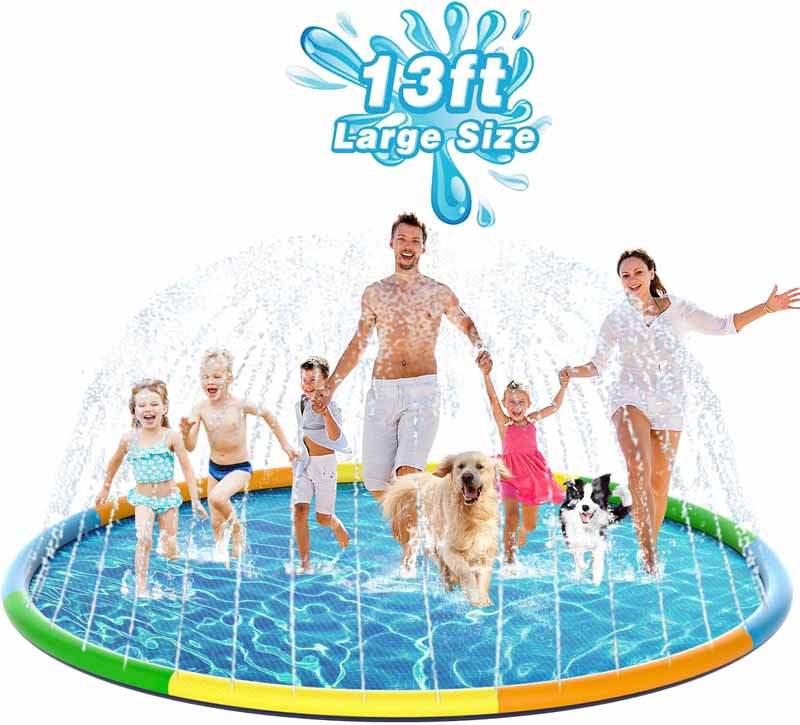
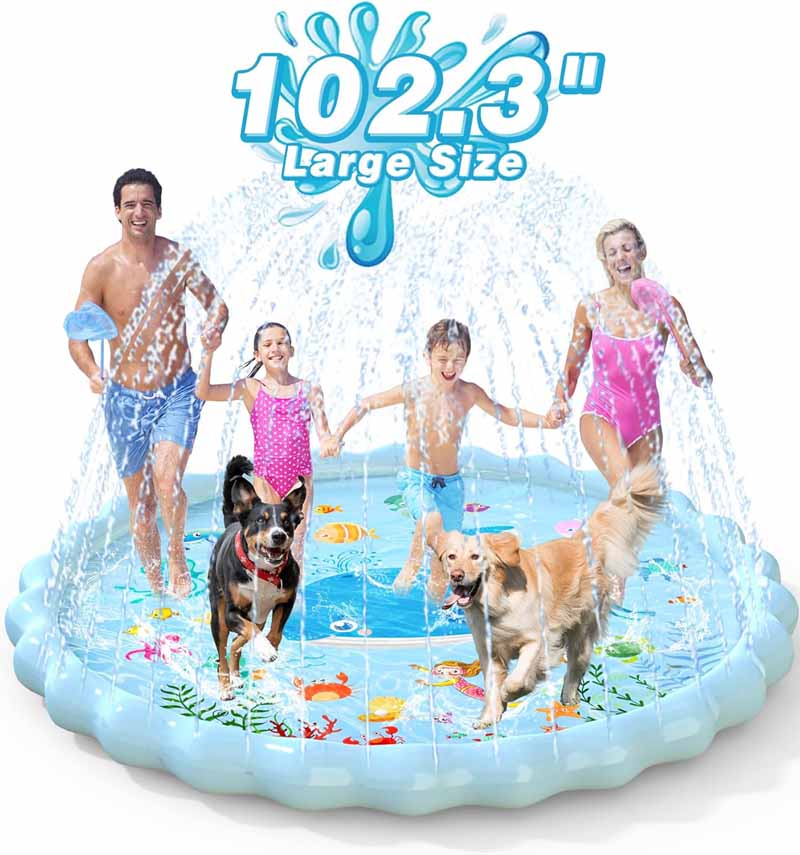
- Shop Kids Splash Pad (In-Stock)
- Shop Splash Pad with Basketball Hoop (In-Stock)
- Shop Soccer Splash Pad (In-Stock)
- Shop Square Dog Splash Pad (In-Stock)
- Shop Dog Splash Pad (In-Stock)
- Shop Dog Splash Pool (In-Stock)
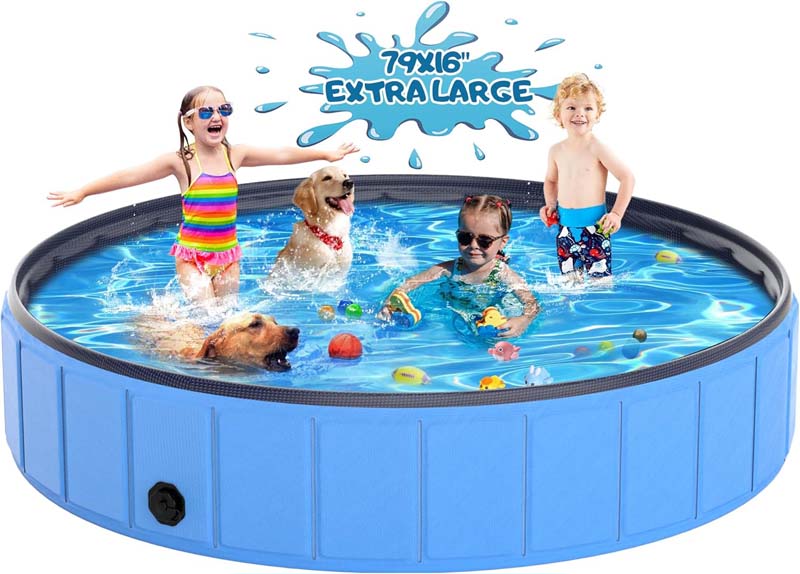
- Shop Foldable Kids Pool (In-Stock)
Need a Custom Inflatable Water Park or Water-Play Product? (OEM/ODM)
If you’re building a brand, planning promotions, or launching a rental/event program, Epsilon supports OEM/ODM development—size, material thickness, seam reinforcement, air chamber structure, spray layout, traction surface choices, print design, packaging, and multi-market compliance support.
To move faster, share:
- your target users (toddlers/kids/mixed ages)
- usage frequency (weekends vs daily vs rentals)
- yard surface (grass/patio/concrete)
- price target and sales channel (Amazon/DTC/retail/rental)
and we’ll recommend a spec direction that helps reduce the most common regret patterns: soft structure, leaky connectors, seam failures, and storage odor.
Explore Product Specs, Comparisons, and Use Cases on Our Site
If you want deeper guidance before buying—or you’re planning a custom project—these pages break down specs, options, and scenarios:
- Learn Splash Pad Options & Specs
- Compare Dog Splash Pad Designs
- Explore Dog Pool Size & Material Guide
- See Dog Pools with Sprinkler Use Cases
- Learn Basketball Hoop Splash Pad Configurations
- View Pool Pillow Specs (Winterizing Use Case)
- Compare Punching Bag Styles & Materials
- Learn Snow Tube Materials & Build Options