Skip to content
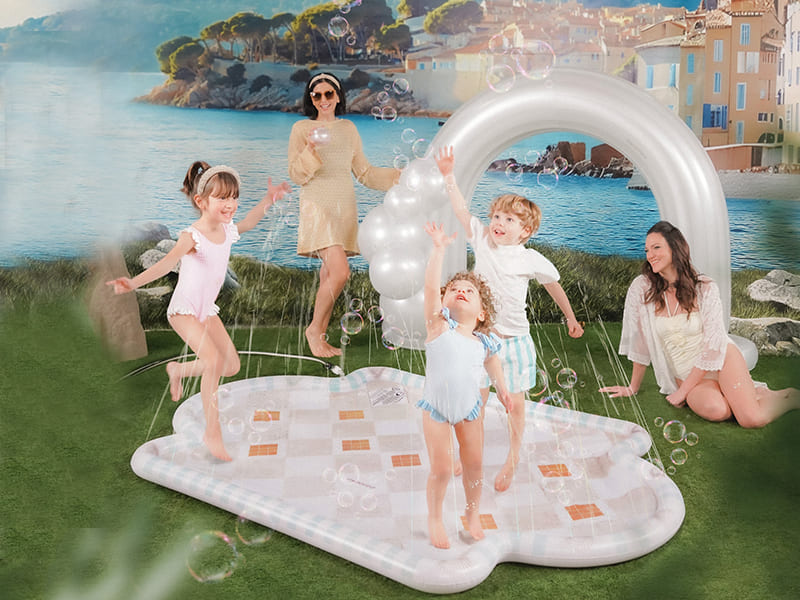
A splash pad looks like a “simple” gift—until you see how quickly the wrong one becomes a headache. The most common disappointment isn’t that the splash pad “doesn’t work.” It’s that it doesn’t fit the family’s real situation: the pad is too small for siblings, the spray is too aggressive for a toddler, the surface feels slippery, or it turns into a mildew-smelling roll because nobody wants to dry it properly.
A good splash pad gift should do three things well:
- Make water play easy (hose on, fun starts fast)
- Feel safe under bare feet (stable, less slipping, no sharp seams)
- Stay enjoyable for weeks, not days (less clogging, fewer leaks, easier reset)
Think of it like this: the best splash pad isn’t the one with the most “features.” It’s the one that your family will happily pull out on a random weekday, not just the first weekend. One good afternoon of backyard water play can beat a crowded pool day—and it can happen whenever the weather says “yes.”
Splash Pad Gifts That Get Used
A splash pad only feels like a “good gift” if it becomes part of the family’s routine—pulled out on hot afternoons, used during playdates, and requested again next weekend. In real homes, the splash pads that get used over and over share the same traits: easy setup, stable spray, low drama cleanup, and the right size for the space.
Below is the practical, numbers-first way to pick a splash pad gift that won’t end up forgotten in the garage.
What “Gets Used” Usually Means
Parents keep using a splash pad when all of these are true:
- Setup is under 5 minutes (hose on → water on → kids playing)
- Kids stay engaged for 20–60 minutes per session
- Reset is under 10 minutes (rinse, drain, quick dry)
- Storage doesn’t create mildew smell (drying is easy)
- The spray is fun without being annoying (not too weak, not too aggressive)
If any one of those fails, usage drops fast.
The 4 Factors That Predict Repeat Use
1) Size match (the #1 reason gifts disappoint)
Most “one-and-done” splash pads are simply too small for how families actually play.
Use this sizing guide:
| Household / Use | Recommended Pad Size | Why it gets used |
|---|---|---|
| 1 toddler | 6–8 ft | enough room without crowding |
| 1–2 kids | 8–10 ft | play space + less fighting |
| 2–4 kids / playdates | 10–12 ft | more jets, fewer arguments |
| Kids + dog | 10–12 ft | dog gets space to enter/exit |
Reality check: If two kids can’t move without bumping, they stop using it (or fight). Bigger pads get used more because they feel calmer.
2) Spray behavior
Spray needs to be:
- strong enough to feel fun
- not so aggressive that it hits faces nonstop
- evenly distributed so kids don’t fight for “the good spot”
What to look for:
- more spray points (better coverage)
- consistent ring inflation (prevents uneven spray angles)
- good hose connection (leaks reduce pressure)
Quick “home pressure” expectations:
- If most homes run around 5–10 GPM, weak connectors or splitters can turn the pad into a sad drizzle.
- If the family uses a hose splitter (very common), plan for a pad that still performs under slightly reduced pressure.
3) Setup + reset time
A splash pad gift gets used when parents can do this without thinking:
Normal play session flow
- Setup: 2–5 min
- Play: 20–60 min
- Reset: 5–10 min
Reset time breakdown
| Task | Time | Notes |
|---|---|---|
| Turn off water + drain | 1–2 min | easiest if the yard slopes slightly |
| Quick rinse | 1–2 min | removes sunscreen, grass, pet hair |
| Shake/flip for dry | 1–3 min | biggest mildew prevention step |
| Store (if needed) | 1–3 min | fastest with a storage bin |
If a splash pad requires a full “drying project,” parents stop pulling it out.
4) Storage & mildew risk
The top reason a splash pad “stops getting used” isn’t damage—it’s smell.
Mildew risk goes up when:
- the pad is folded wet
- stored in a hot garage
- seams and folds trap water
Practical gift tip: include a simple note (or card) with the gift:
- “Rinse, flip, dry 20 minutes before storing.”
That single habit makes the product last longer and keeps it in rotation.
“Used a Lot” vs “Used Once” — Quick Scoring Table
Score each item 1–5. Total tells you if it’s likely to become a favorite.
| Factor | 1 (Low) | 3 (Medium) | 5 (High) |
|---|---|---|---|
| Setup speed | needs tools | simple hose | hose + instant |
| Spray fun | weak/patchy | decent | strong + even |
| Space comfort | cramped | ok | roomy |
| Slip management | very slick | manageable | stable feel + mat |
| Dry & store | hard to dry | moderate | dries fast |
| Durability feel | thin | average | thick + reinforced |
Rule of thumb:
- 24–30 points: very likely to be used weekly
- 18–23 points: used sometimes (heat waves, parties)
- <18 points: “cool gift” that fades fast
Gift Bundles That Increase Usage
If you want the gift to actually get used more, add one or two small things that remove friction:
| Add-on | Typical Cost | Why it boosts repeat use |
|---|---|---|
| Hose washers (2–4 pack) | $3–$10 | prevents leaks + improves spray |
| Outdoor entry mat | $15–$60 | reduces slips + keeps pad cleaner |
| Storage bin or mesh bag | $10–$30 | easier dry storage = less mildew |
| Water toys (soft) | $5–$20 | extends play time by 10–20 min |
A $15 mat often increases repeat use more than upgrading to a slightly larger pad, because it makes the area safer and cleaner.
What Buyers Should Avoid
These are the products that often get used once or twice, then disappear:
- Too-small pads for more than one child
- Pads with weak connectors (constant leaks = weak spray + frustration)
- Wrinkly pads that never lay flat (trip lines + uneven spray)
- Hard-to-dry designs (mildew smell risk)
- Overly aggressive jets that hit faces nonstop (kids complain)
If You’re Buying as a Gift, Here’s the Simplest “Safe Pick”
If you don’t know the family well, choose:
- a medium-to-large size (8–10 ft or 10–12 ft for multiple kids)
- good spray coverage
- easy drying
- and add washers + a mat
That combo has the highest chance of becoming a “we use it every weekend” gift.
Splash Pad Gift Picks by Age and Home

A splash pad gift works best when it matches who’s playing (age + energy level) and where it’s used (patio, small yard, big lawn, shared space). Most “wrong gift” complaints come from just two issues: the pad doesn’t fit the space, or the spray style doesn’t fit the child. Use the guide below to pick something that gets pulled out repeatedly—not just once.
Quick Match Table (Age × Home Type)
| Age / Users | Small Patio / Deck | Small Yard | Medium Yard | Large Yard / Playdates |
|---|---|---|---|---|
| 1–2 (toddler) | 5–7 ft pad, soft spray | 6–8 ft pad | 6–8 ft pad | 8–10 ft pad |
| 3–5 (preschool) | 6–8 ft pad | 8–10 ft pad | 8–10 ft pad | 10–12 ft pad |
| 6–9 (big kid) | 6–8 ft pad + games | 8–10 ft pad + target play | 10–12 ft pad | 12+ ft pad or multi-zone |
| 10–12+ (older kids) | 6–8 ft pad (quick cool-off) | 10–12 ft pad | 10–12 ft pad | 12+ ft pad, sports-themed |
| Kids + dog | 8–10 ft pad | 10–12 ft pad | 10–12 ft pad | 12+ ft pad + dog pool corner |
Simple sizing rule:
- 1–2 kids: start at 8–10 ft
- 3+ kids or playdates: 10–12 ft becomes the “no fighting” size
Picks by Age (What Actually Matters at Each Stage)
Toddlers (1–2): “Safe + gentle + low stress”
What makes parents keep using it:
- soft spray (no constant face hits)
- easy entry/exit (they trip less)
- quick reset (toddlers are short sessions)
Practical spec targets:
- Size: 5–7 ft (patio) or 6–8 ft (yard)
- Spray style: low arc / outward ring spray
- Session length reality: 10–25 minutes, multiple sessions/day
Gift add-ons that help a lot:
- a textured mat at the entry point (cuts slips)
- extra hose washers (leaks are a toddler parent’s patience killer)
Preschool (3–5): “More space + more action”
This age wants movement—run, dodge, stomp, repeat.
What keeps it in rotation:
- room to run without bumping
- multiple spray points so everyone has “a good spot”
- easy to turn on/off for breaks
Practical spec targets:
- Size: 8–10 ft (best “sweet spot”)
- Spray: multiple jets or ring spray with decent height
- Use pattern: 20–45 minutes per session
Common regret:
- buying 6 ft for 2 kids → it feels crowded fast → they stop using it
Big Kids (6–9): “Make it a game, or they move on”
This group gets bored if it’s only water spray.
What increases repeat use:
- pads with printed targets / scoring zones
- sports themes (soccer/basketball) or obstacle play
- enough space for group play
Practical spec targets:
- Size: 10–12 ft if there’s more than one child
- Spray: strong, but not painful
- Use pattern: 30–60 minutes when friends are over
Best “gift angle” for this age:
- “water + game” beats “water only”
Older Kids (10–12+): “Cool-off + social”
They won’t usually “splash for hours,” but they’ll use it as:
- a cool-down zone after sports
- a party feature
- a quick refresh on very hot days
Practical spec targets:
- Size: 10–12 ft (group-friendly)
- Design: mature patterns or sport themes
- Use pattern: shorter, but recurring (especially in heat waves)
Picks by Home Setup
Small patio / deck / balcony
What works:
- smaller size (5–7 ft) and controlled spray
- leak-proof hose connection matters more (water where it shouldn’t be = complaint)
- plan drainage (water must flow away safely)
Avoid:
- oversized pads that fold into walls/furniture
- aggressive spray that hits seating areas
Small yard
Best choice:
- 8–10 ft pad for 1–2 kids
- 10–12 ft if playdates happen
Why:
- enough room without dominating the entire yard
- easier drainage than patios
Medium yard
Best choice:
- 10–12 ft becomes the “family standard”
- add a second feature (small pool or sprinkler) if budget allows
Large yard / frequent playdates
Best choice:
- 12+ ft or multi-zone play setup
- pairing matters more than the pad alone:
- splash pad + small pool
- splash pad + sports game (hoop/soccer target)
- splash pad + dog corner
Water Use Reality
Even without perfect measurement, families care about this. A simple way to frame it:
| Use Style | What It Feels Like at Home | What Affects It Most |
|---|---|---|
| Light play | “quick cool down” | lower hose pressure |
| Normal play | “steady spray, kids happy” | decent pressure + no leaks |
| Heavy play | “full spray, lots of runoff” | high pressure + strong connector |
Tip for gifting: If the family uses hose splitters (very common), performance drops. A pad with a better connection design and more spray points holds up better.
“Best Bet” Gift Picks
If you’re buying without details, choose based on probability:
- Families with kids 3–9:
- 8–10 ft for 1–2 kids
- 10–12 ft if they have siblings or friends over
- Families with toddlers:
- 6–8 ft + gentle spray + add a mat
- Families with dogs:
- 10–12 ft (space matters) or pad + separate dog pool corner
Fast Gift Notes You Can Include
A short card that prevents most problems:
- “Rinse after use, flip to dry 15–30 min, then store.”
- “If spray feels weak, remove hose splitter and check the washer.”
It’s simple, but it stops the two biggest issues: mildew smell and weak spray complaints.
Splash Pad Gifts That Feel Safe and Last

A splash pad gift “feels safe” when parents can relax instead of hovering every second—and it “lasts” when it survives sun + rough play + dragging + folding + hard water without turning into a leaky, smelly headache. The best picks aren’t the flashiest; they’re the ones built around real-life failure points: slippery surfaces, weak seams, clogged spray holes, and cheap hose fittings.
Below is a practical, parent-first checklist with clear, measurable targets.
Safety First — What Parents Actually Notice in Week 1
1) Slip resistance (the #1 backyard injury risk)
- Best signal: a textured play surface (not glossy-smooth).
- Where slips happen most: edge ring + entry/exit zone (kids run in/out).
- Good add-on gift: a textured outdoor mat placed at the edge (cheap, huge impact).
2) Gentle spray on faces
- Look for spray patterns that distribute water outward or in arcs, not a single “face jet.”
- Kids hate spray hitting eyes nonstop; parents hate the crying → the pad gets used less.
3) Stable footprint
- “Safe feeling” = pad stays flat, doesn’t curl, doesn’t bunch up.
- Pads that wrinkle easily create trip points and uneven spray.
4) Safe materials (what customers mean, not what marketing says)
Parents don’t ask for chemistry terms—they ask:
- “Does it smell strong out of the box?”
- “Will it irritate skin?”
- “Is it safe for toddlers to sit on?”
Durability — What Makes a Splash Pad Survive a Whole Summer
Most splash pads “fail” in one of four ways. Choose a gift that directly defends against them.
The 4 common failure points
- Seams split (edge ring, corners, stress zones)
- Hose connector leaks (drips, spraying backward, sudden disconnect)
- Spray holes clog (weak spray, uneven spray)
- Surface scuffs/tears (dragging on concrete, rough ground, dog nails)
What to look for
- Reinforced seams: double-layer welding or reinforced edge ring
- Thicker PVC feel: not “flimsy tablecloth” thin
- Strong hose port + washer: tight seal, stable threading
- Cleanable spray holes: not tiny needle holes that clog instantly
- UV resistance: matters if they play at noon in summer
“Lasts Longer” Spec Targets
These are the specs that correlate with fewer returns and longer use.
| What Matters | Better Target | Why It Lasts |
|---|---|---|
| PVC thickness feel | medium-thick, not flimsy | resists pinholes & scuffs |
| Seam construction | reinforced edge ring | stops splitting where pressure builds |
| Hose connection | tight fit + washer included | prevents constant leaks and frustration |
| Spray hole design | not too tiny; flushable | reduces clogging in hard water areas |
| Surface finish | textured / grippy | fewer slips + less “skating rink” feel |
| Print durability | good ink adhesion | avoids fading + peeling complaints |
If you can only verify one thing before gifting: verify the hose connection quality. A pad can be “nice” in every way, but if the connection leaks, parents stop using it.
Hard Water & Clogging — The Hidden Durability Problem
In many US areas, hard water is normal. That means minerals slowly build up in spray holes.
What customers experience
- Week 1: spray looks great
- Week 3–5: spray becomes weak in some zones
- Week 6+: “it’s defective” complaints start
How to choose a pad that handles it
- spray holes that are easier to wipe/flush
- designs with more spray points (so one clog doesn’t ruin the whole experience)
- a connection that doesn’t leak even after repeated tightening
Best low-cost “make it last” add-on gift
- extra hose washers + quick connector (parents love not having to troubleshoot)
Kid + Pet Households — Extra Durability Needs
If there’s a dog in the picture, durability expectations change.
What increases wear
- dog nails + digging
- repeated “launching” onto the pad
- hair + dirt clogging spray holes faster
- dragging the pad to chase shade
Better choice for dog homes
- thicker material feel
- reinforced seams
- larger size (less crowding → fewer hard collisions)
- avoid ultra-thin “budget” pads intended for toddlers only
Safety Accessories That Make the Gift Feel Thoughtful
These tiny items often create better “gift satisfaction” than buying the biggest pad.
Best add-ons
- Non-slip mat for the edge/entry zone
- Spare hose washers (2–4 pieces)
- Storage bag (keeps it clean, reduces mildew smell)
- Quick-dry towel station idea (even a small hook set)
Quick “Safe & Lasting” Checklist
Before you choose:
- Textured surface (or at least not glossy)
- Reinforced edge ring / solid seams
- Hose port seals tightly (washer included)
- Spray design avoids constant face hits
- Easy to rinse + dry (so it doesn’t get stored wet)
If a pad meets those five, it usually becomes a repeat-use summer item—not a one-week novelty.
Splash Pad Gifts by Age and Home
The safest splash pad gift is the one that matches the child’s age and the home’s setup. Most “unsafe” moments happen when a pad is too big for the space, too aggressive in spray, or used on a surface that turns into a slippery runway. Use the guide below to pick a splash pad that feels calm for parents and fun for kids—without surprise wipeouts.
The Two Things to Match First — Age + Ground Surface
Age decides how intense the water should be.
The ground surface decides how slippery things get.
- Under 3: gentle spray, soft play, slower movement
- Ages 3–6: more spray variety, room to run, still needs strong slip control
- Ages 6–10: sports themes, higher activity, bigger pads, more crowding risk
- 10+ / mixed ages: durable build + higher capacity + clear “zones”
Surface risk (highest to lowest):
- Concrete / tile / deck (most slip injuries)
- Artificial turf (can be slick when soaked)
- Compacted dirt (mud + slipping)
- Grass (best grip, but can turn muddy)
If the pad will be on concrete or a deck: add a textured outdoor mat at the entry edge. That single item prevents a lot of falls.
Safety-First Gift Picks by Age
Ages 1–2: “Toddler-safe splash time”
What parents want: no face blasting, no hard falls, quick reset
- Pad size: small-to-medium (easy supervision)
- Spray style: outward arcs / low jets, not tall center jets
- Best home setups: patio grass patch, backyard lawn, shaded area
- Avoid: huge pads (kids run too fast), aggressive tall sprays
Good add-on gift: soft foam mat or textured step mat at the edge.
Ages 3–5: “Busy kid energy, still needs control”
What parents want: kids can move, but the space stays manageable.
- Pad size: medium (enough running space, still controlled)
- Spray style: multiple spray points, adjustable pressure if possible
- Best home setups: small/medium yards, playdates, family BBQs
- Avoid: tight spaces with high spray (kids collide + slip)
Good add-on gift: spare hose washers + quick connector (less leak frustration).
Ages 6–9: “Sports + group play”
What families want: something that stays fun after the first week.
- Pad size: medium-to-large (room for games)
- Spray style: perimeter sprays that don’t block movement
- Best home setups: medium/large yards, group play
- Avoid: thin pads if used by multiple kids (tears + seam stress)
Good add-on gift: storage bag + drying hooks (prevents mildew smell).
Ages 10+ (and mixed ages): “More users = more durability needs”
When older kids show up, the pad needs to survive running jumps and rougher play.
- Pad size: large
- Build priority: thicker material feel + reinforced seams
- Spray style: balanced (fun but not chaotic)
- Best home setups: large yard, poolside lawn zone
- Avoid: bargain-thin pads used on concrete (fast wear + slips)
Good add-on gift: large textured mat “runway” path from door to pad.
Pick by Home Type
Apartment patio / small deck
Biggest risks: slips on hard surfaces, water splashing everywhere
- Choose smaller pad + gentle spray
- Put it on rubber outdoor mat or textured mat
- Keep water pressure moderate
Best style: compact kids splash pad or low-profile sprinkler pad
Small backyard (limited space)
Biggest risks: kids run too close to edges, collisions
- Choose a medium pad, not huge
- Keep a clear “no running” boundary on the wettest edge
- Place on grass when possible
Best style: medium splash pad with evenly distributed sprays
Medium backyard (most families)
Biggest risks: muddy zones, hose tangles, clutter
- Choose medium-to-large pad with more spray points
- Create a simple layout: splash zone + dry towel zone
- Rotate placement to avoid dead grass/mud
Best style: family-size splash pad, sports-themed pads, sprinkler combos
Large yard / parties
Biggest risks: too many kids on one pad, constant tripping near entry
- Go large and set play zones
- Add 1–2 textured mats at entry points
- Have 1–2 “reset rules”: no shoes, no running on the pad edge
Best style: large splash pad + game element (hoop / target areas)
Safety-First Size Guide
| Yard / Space | Recommended Pad Size | Max Kids Playing Comfortably | Why It’s Safer |
|---|---|---|---|
| Apartment patio / tiny lawn | small | 1–2 | easier supervision, less running speed |
| Small backyard | medium | 2–4 | room to move without edge collisions |
| Medium backyard | medium-large | 4–6 | fewer pileups, better spray distribution |
| Large yard / parties | large | 6–10 | space for zones, less crowding |
Rule that prevents most problems:
If kids can sprint from one edge to the other in 2 seconds, the pad is too small for that group.
Safety-First Setup Details Parents Appreciate
1) Hose connection that doesn’t leak
A leaking connector makes parents stop using the pad. Look for:
- tight threading
- washer included
- stable connection (doesn’t pop off when kids tug the hose)
2) Quick drainage / no standing water
Standing water brings:
- slippery film
- bugs
- smell After play, parents want to drain fast and rinse.
3) Easy drying
Stored wet = mildew smell.
A pad that air-dries faster gets used more often.
Age + Home Match Table
| Recipient | Home Type | Best Splash Pad Style | Safety Reason |
|---|---|---|---|
| 1–2 yrs | patio/deck | small, gentle spray pad | lower slip + lower spray intensity |
| 3–5 yrs | small yard | medium pad, balanced spray | fewer collisions, manageable space |
| 6–9 yrs | medium yard | medium-large sports pad | keeps interest, handles group play |
| 10+ / mixed ages | large yard | large durable pad | more capacity, fewer edge wipeouts |
| kids + dogs | any | thicker pad + reinforced seams | nails + dirt increase wear and clogging |
The “Gift That Feels Safe” Bundle
If you want the gift to feel complete without spending a lot more:
- Splash pad (right size)
- Textured mat for the entry edge (especially for decks/concrete)
- Spare hose washers (2–4 pieces)
- Simple storage bag or strap
Parents remember the gift that worked smoothly on day one.
Splash Pad Gift Costs
A splash pad gift usually costs less than a single day at a big water park, but the “real” total depends on two things people forget: (1) what you need to make it run well (hose setup, surface, storage) and (2) what it costs to use (water + occasional replacements). For most families, a usable, gift-ready setup lands in the $30–$120 zone, while bigger “wow” pads and bundles can run $120–$250+.
1) The splash pad itself: realistic price bands
Retail pricing moves constantly, but these examples show the common “floor” for basic sprinkler-style pads:
- $16.99 example for a kids’ sprinkler pad on Walmart.
- $20.99 example for a sprinkler-style pad on Target.
From there, costs rise mainly with size, thickness, print quality, anti-slip surface, and upgraded spray layout.
| Splash pad type (typical shopper language) | What you usually get | Typical “gift shelf” price band |
|---|---|---|
| Small sprinkler pad (toddlers) | 50–70 in range, simple ring spray | $15–$35 |
| Mid-size family pad | 80–100 in range, more jets, sturdier seam design | $35–$90 |
| “Statement” pad / premium build | 100–130 in range, thicker PVC feel, better anti-slip, more complex spray pattern | $80–$180 |
| Bundled set (pad + game feature / add-ons) | pad + extras (hoops/toys/attachments vary) | $100–$250+ |
What pushes price up:
- Bigger diameter (space is a feature)
- Thicker material / reinforced seams (less “one-season and done”)
- Better anti-slip texture
- More consistent spray layout (fewer dead zones)
2) The “hidden” checkout costs most gifts need
A splash pad is only “plug-and-play” if the home already has the right basics. If you want the gift to feel complete, budget for 2–5 of these:
| Extra item | Why it matters | Typical add-on cost |
|---|---|---|
| New hose washer + quick connector | Stops annoying leaks at the faucet and pad connection | $3–$15 |
| Y-splitter (2-way) | Lets you run the splash pad and still use the hose | $8–$25 |
| Water pressure regulator | Helps if pressure is too high/low; avoids “spray chaos” | $10–$30 |
| Ground mat / foam tiles / outdoor rug | Makes the area safer + keeps the pad cleaner | $15–$60 |
| Repair patches (PVC kit) | Saves a season if a small puncture happens | $5–$20 |
| Mesh storage bag | Helps dry faster; reduces mildew smell | $8–$25 |
Gift tip: If you’re giving this to a friend/family member, a $10–$25 “setup kit” (connectors + washers + patches) often creates more happiness than upgrading the pad one size.
3) What it costs to run: water math you can actually use
Water cost is regional, but you can estimate it with two real-world flow references:
- A hose nozzle can be around 2.5 gallons per minute (gpm).
- A typical sprinkler may use about 10–12 gpm (varies by sprinkler and pressure).
Most sprinkler-style splash pads behave more like “a small sprinkler” than “a pool fill,” but flow can still be meaningful.
Quick estimate table (useful for parents):
| Water flow assumption | Per hour | If used 30 min/day, 20 summer days |
|---|---|---|
| 2.5 gpm (gentler setup) | 150 gallons/hour | 1,500 gallons |
| 6 gpm (mid-range feel) | 360 gallons/hour | 3,600 gallons |
| 10–12 gpm (sprinkler-like) | 600–720 gallons/hour | 6,000–7,200 gallons |
How to convert gallons to dollars:
Your water utility bills by price per 1,000 gallons. Those rates vary a lot, but city examples commonly show single-digit dollars per 1,000 gallons (and sewer charges may apply depending on the utility).
So, as a rough feel: 3,600 gallons isn’t “free,” but it’s usually not a budget-breaker compared to gas + tickets + snacks for a day out.
4) Replacement cost: the “cheap pad trap”
The biggest long-term cost isn’t water—it’s re-buying because of:
- storing it damp (mildew smell),
- dragging it over rough concrete,
- high-pressure spray stressing seams,
- pet nails (if used with dogs).
If a family uses it hard, the cheapest pads often become 1-season items. A sturdier pad can last multiple seasons with basic care.
Budget rule that keeps gifts from disappointing:
- If the gift is for toddlers / light weekend use → you can stay in the $15–$35 band.
- If the gift is for big family use, parties, or dogs → plan $50–$120 for the pad + a small setup kit.
5) “Real total” examples
| Gift scenario | What’s included | Realistic total |
|---|---|---|
| Simple toddler gift | small pad + washer/connector | $25–$45 |
| “Ready-to-use” family gift | mid pad + Y-splitter + patches + mat | $70–$160 |
| Party-ready centerpiece | large pad + mat + splitter + storage + extra toys | $140–$280+ |
Water Use and Utility Reality
A splash pad can be a low-drama summer gift—if you set expectations on water use up front. Most “surprise bills” happen when families run it like a mini water park for hours a day, or when the hose flow is higher than they assumed. The good news: you can estimate water use in 30 seconds, choose a realistic play schedule, and cut waste fast (without killing the fun).
The simple math
Water used (gallons) = hose flow (gallons per minute) × minutes running
A common home hose flow rate is often in the ballpark of ~9–17 gallons per minute, depending on hose diameter and water pressure.
So a splash pad that runs continuously is basically “a hose left on,” unless you’re cycling it on/off.
What this looks like in real life
Here are practical scenarios using 10 GPM as an easy reference point (many homes will be near this, some higher/lower).
| Play pattern | Minutes/day | Est. gallons/day (10 GPM) | Est. gallons/month (30 days) |
|---|---|---|---|
| Quick cool-down | 15 | 150 | 4,500 |
| Regular play | 30 | 300 | 9,000 |
| “After camp” daily | 45 | 450 | 13,500 |
| Weekend party mode | 120 | 1,200 | 36,000 |
Reality check: Outdoor water use is already a big chunk of many households’ total usage (EPA notes that irrigation/outdoor use can be a major share, and also highlights how much can be wasted by inefficiency/leaks).
“How much will it cost?”
Water pricing varies a lot by city and tiered usage, so don’t promise one national number. Instead, use a range and then show a local example.
Rule of thumb ranges to communicate:
- In many US cities, the incremental cost per 1,000 gallons can feel like “a few dollars,” but tiered pricing can rise fast in summer.
- When families are already near a higher tier, “extra water” costs more than they expect.
Local example (Temple City area is near LA County): Glendale’s published water rate schedule charges by HCF (hundred cubic feet); 1 HCF ≈ 748 gallons. That unit alone helps parents translate their bill into splash-pad hours.
If your local bill shows $/HCF, you can estimate:
- Extra cost per hour ≈ (Hose GPM × 60 ÷ 748) × $/HCF
- Example at 10 GPM: 10×60 = 600 gallons/hour ≈ 0.80 HCF/hour
So if a customer’s tier is (for example) $6/HCF, then 10 GPM continuous play is roughly $4.80/hour in water volume charges (before any sewer rules, drought surcharges, etc.). The exact $/HCF is what they should read directly from their own bill or city rate page.
The “hidden” part parents forget: sewer charges and rules
Many utilities don’t charge sewer on outdoor hose use the same way they charge indoor use—but rules differ:
- Some bill sewer based on winter averages (outdoor summer use doesn’t raise sewer much).
- Others use flat/semi-flat wastewater fees.
- Some have seasonal policies or drought surcharges.
Best practice in your article: add one sentence telling readers to check whether their city’s wastewater charge is usage-based or seasonal-average based (no links needed).
How to keep water use reasonable without ruining the fun
These are the tactics that actually change the bill:
1) Use “burst play,” not constant run
Instead of 60 minutes continuous, do:
- 10 minutes ON → 10 minutes OFF (kids play, reset toys, snack, sunscreen, rotate turns) This can cut water use ~50% while playtime “feels” the same.
2) Pick a target schedule parents can live with
A safe, realistic baseline you can recommend:
- Weekdays: 20–30 minutes
- Weekends: 30–60 minutes That’s still a lot of fun, but it keeps monthly gallons from quietly going crazy.
3) Avoid “runaway flow” from pressure surprises
Some homes have higher pressure; hose flow can jump.
What to do:
- If spray is too aggressive, reduce at the spigot or add a simple regulator.
- If the pad is designed for a certain pressure, follow the product guidance to prevent seam stress and uncontrolled overspray.
4) Stop watering the driveway
Overspray onto pavement is pure waste and a slip risk. EPA has long pushed “water where it’s needed” and calls out waste from misdirected or poorly maintained watering.
Simple fixes:
- Reposition the pad on grass.
- Use a ground tarp/edge boundary if the yard slopes.
- Keep play away from hardscape.
“How much water does a sprinkler system use?”
Many parents already run sprinklers; giving them comparison points makes splash-pad water use feel less mysterious.
- Sprinkler flow is often discussed in GPM (gallons per minute). Clemson’s extension materials use examples like 7.2 GPM per sprinkler head in system calculations.
- If a yard zone runs multiple heads at once, the zone flow can be substantial.
Why this matters in your guide: If a family already irrigates heavily, a splash pad used in short bursts may be a smaller incremental change than they fear—but if they’re in a strict drought-tier city, the same splash pad could be the straw that bumps them into a pricier tier.
Are Splash Pads Worth It as a Gift?

Yes—a splash pad is usually “worth it” as a gift when it gets used at least a few times each summer, fits the family’s space, and doesn’t create extra chores (water mess, storage hassle, or safety worries). The biggest difference between “best gift ever” and “used twice” comes down to age fit + yard setup + how the family actually plays.
Below is a practical way to decide, with real numbers and trade-offs.
The quick verdict
A splash pad is a strong gift if:
- Kids are 1–8 (peak “run-through-the-sprays” age)
- The family has a flat lawn/patio space (even a small one)
- They like low-setup outdoor play (hose-on, instant fun)
- You’re aiming for a gift that creates repeat use (not a one-day “wow”)
It’s less worth it if:
- They live in a strict water-restriction area and already watch usage closely
- Their outdoor area is mostly sloped concrete (slip + runoff = headache)
- They have no storage (wet gear left outside ages faster and smells)
“Worth it” in dollars: cost per use
Most parents don’t think “MSRP.” They think: Will we actually use this enough to justify the space and water?
Here’s a simple way to frame it:
Cost per use = (Gift price + small accessories) ÷ number of play sessions
| Example gift price | If used 6 times | If used 12 times | If used 20 times |
|---|---|---|---|
| $35 | $5.83/use | $2.92/use | $1.75/use |
| $60 | $10.00/use | $5.00/use | $3.00/use |
| $90 | $15.00/use | $7.50/use | $4.50/use |
What “good value” looks like:
If a family uses it 10–15 times over summer, the cost per use usually feels “worth it,” especially compared with a single outing.
The “hidden costs” that decide regret vs. repeat use
Most splash pads don’t fail because of the pad itself. They fail because the experience isn’t smooth. These are the real cost/effort drivers:
1) Water use
A splash pad is basically a hose running while it’s on. The trick is play style:
- 15–30 minutes = typical weekday session
- 30–60 minutes = weekend session
- Burst play (10 min on / 10 min off) can cut water use a lot without killing fun
If the family is sensitive about utilities, include a simple timer with the gift.
2) Storage + drying (the #1 reason people stop using it)
If it gets folded wet and tossed in a bin:
- mildew smell
- sticky surfaces
- shorter life
A “worth it” gift often includes one small add-on:
- mesh storage bag or breathable tote
- a quick-dry routine note: rinse → shade dry → store
3) Slip and mess management
“Worth it” depends on where it’s placed:
- Best: grass, textured patio, outdoor mat
- Avoid: smooth tile, steep driveway
A $10–$20 textured outdoor mat near the entry can change the whole experience.
What families love
Here’s the honest pros/cons parents mention when a splash pad is a gift (not a “product review,” just real-life outcomes):
| What people love | Why it matters | What annoys them | How to prevent it |
|---|---|---|---|
| Instant setup | No batteries, no assembly | Weak spray | Check hose pressure, remove kinks, avoid too many splitters |
| High kid engagement | Kids don’t need “instructions” | Uneven spray/clogs | Quick flush after use; wipe holes weekly |
| Safer than pools | No standing water by default | Slippery edges | Use grass/mat; rule: no running |
| Easy to share | Siblings + friends play together | Storing it wet | Dry 15–30 min in shade before folding |
“Worth it” by age: who actually uses it?
A splash pad is not equally “gift-worthy” for every age. This is the usage reality:
| Age group | Likelihood of heavy use | Why | Gift tip |
|---|---|---|---|
| 1–2 | High (with supervision) | Sensory play, safe splashing | Choose softer spray + smaller size |
| 3–5 | Very high | Peak run/jump/play age | Bigger pad = fewer fights |
| 6–8 | High | Games + friends + running | Add a ball/target game element |
| 9–12 | Medium | They want “more challenge” | Pair with a hoop/soccer/water game |
| Teens | Low (as a splash pad alone) | Not “cool” enough | Only works if it’s part of a party setup |
When it’s especially worth it: the “gift multipliers”
These situations make a splash pad feel like an A+ gift:
- Hot climate + no pool It becomes their default summer cooling tool.
- Family gatherings It turns into an easy “activity station” that keeps kids busy.
- Kids + dog household Parents love gifts that entertain both without extra planning.
- Apartment patio / small yard A compact pad can beat a bulky kiddie pool for storage.
A practical “Worth It” checklist
Score each 0–2. Total out of 10.
- Space: flat area available? (0/1/2)
- Weather: at least 2–3 warm months? (0/1/2)
- Kids’ age fit: mainly 1–8? (0/1/2)
- Parents’ tolerance: okay with hose + drying? (0/1/2)
- Storage: can dry and store properly? (0/1/2)
8–10: Great gift, likely used often
5–7: Good gift, add small accessories to ensure use
0–4: Choose a different outdoor gift (or a smaller/lower-water option)
If you want it to feel “premium,” bundle it like this
Instead of just the pad, add 1–2 of these:
- Hose quick-connect set (makes setup painless)
- Outdoor textured mat (reduces slips)
- Mesh storage bag (prevents mildew issues)
- Simple kitchen timer (controls water use)
- A water game add-on (foam balls, ring toss, target game)
This is how you turn “nice” into “we use it all the time.”
What Are the Cons of Splash Pads?
Splash pads are one of the easiest “set it up and play” water gifts—but they’re not magic. Most complaints fall into a handful of predictable buckets: water use, slipping, weak spray, mildew/storage issues, durability, and yard mess. The good news: almost every downside has a simple fix that costs little (or nothing) if you plan for it.
The biggest cons
1) They can waste more water than people expect
A splash pad is basically a hose running continuously while it’s on.
What families run into
- They let it run 45–90 minutes because kids don’t want to stop.
- They don’t realize water use is “per minute,” not “per session.”
Reality check (simple math you can use)
A typical outdoor hose flow is often ~4–8 gallons per minute (GPM) depending on pressure and fittings. That means:
| Hose flow (GPM) | 15 minutes | 30 minutes | 60 minutes |
|---|---|---|---|
| 4 GPM | 60 gal | 120 gal | 240 gal |
| 6 GPM | 90 gal | 180 gal | 360 gal |
| 8 GPM | 120 gal | 240 gal | 480 gal |
How to reduce it
- Use “burst play”: 10 minutes on / 10 minutes off. Kids still feel like they’re playing “forever,” but water use drops a lot.
- Add a cheap hose timer: set 20–30 minutes and reset if needed.
- Avoid running it during the hottest midday peak if your local utility has higher summer rates (common in some areas).
2) Slip risk
The most common backyard water injuries aren’t dramatic—they’re slips.
High-risk spots
- Smooth concrete
- Tile
- Steep driveways
- Any area where kids sprint from grass onto wet plastic
How to reduce it
- Place the pad on flat grass whenever possible.
- If you must use a hard surface, add:
- a textured outdoor mat at entry/exit points, or
- rubber anti-slip tiles where kids stand/run.
- Make one simple rule: “Walk on the pad, run off the pad.” (Parents laugh, but it works.)
Quick safety check
- If you can’t walk across it barefoot without feeling like you might slide, kids will definitely wipe out.
3) Weak spray or uneven spray
Most “bad splash pad” reviews are actually water pressure + clogging + hose setup issues.
Common causes
- Low home water pressure
- Kinked hose
- Too many splitters/attachments
- Mineral buildup (hard water)
- Sand/grass debris getting into tiny holes
Fixes that work
- Use a shorter, wider hose when possible (long skinny hoses reduce pressure).
- Remove splitters, quick-connects, and “fancy nozzles” between faucet and pad.
- Flush for 30–60 seconds before turning off the water (push debris out).
- If you have hard water: wipe spray holes weekly; do a quick vinegar-water wipe monthly, then rinse well.
Troubleshooting table
| Problem | Likely cause | Fix |
|---|---|---|
| Weak spray everywhere | low pressure / too many attachments | simplify hose setup, remove splitters |
| One section weak | partial clog | flush longer, wipe holes gently |
| Spray stops randomly | loose connector / missing washer | tighten, add rubber washer |
| Spray pattern uneven | mineral buildup | wipe/soak + rinse |
4) Mold / mildew smell
This is the #1 reason a splash pad gets used twice and then “mysteriously disappears.”
What causes it
- Folding and storing it wet
- Leaving it in a hot closed bin/garage
- Keeping it outdoors in sun/rain between uses
How to reduce it
- After use: rinse → shade dry 15–30 minutes → store
- If you must pack immediately, reopen later at home and dry again.
- Store in a cool, dry place, not a hot garage.
What parents should know
- Mildew smell is much harder to remove than to prevent.
- A breathable mesh bag is better than an airtight tote.
5) Durability: punctures, seam stress, fading
Not all splash pads are built the same. Even good ones can get wrecked by rough surfaces or bad habits.
What causes premature damage
- Dragging it across concrete
- Setting it on rocks, mulch, or rough pavers
- Overexposure to sun all day every day
- Storing it tightly folded in the same crease
How to reduce it
- Always clear the ground: no twigs, stones, sharp mulch
- Keep it off rough concrete, or put a thin outdoor mat underneath.
- When not in use: move it to shade, or dry and store.
- Fold it differently each time to avoid “crease weak points.”
Durability expectations
- With good care: often multiple summers
- With “left outside + stored wet”: sometimes weeks to a season
6) Yard mess: mud, dead grass, mosquitoes
A splash pad doesn’t need standing water—but the yard around it can turn into a swamp.
What causes the mess
- Running the pad in the same spot daily
- Poor drainage (flat clay soil)
- Kids stomping mud back onto the pad (makes it slippery too)
How to reduce it
- Rotate the location every few sessions if possible.
- Create a “dry zone”:
- towels at the edge
- a small mat where kids step off
- Slope the runoff away from the house and away from high-traffic grass.
- Drain anything that holds water the same day (for mosquitoes and smell).
7) Noise / neighbor issues
Not a product flaw, but a real downside for some homes.
What people complain about
- Screaming kids + hose noise + splashing during quiet hours
How to reduce it
- Keep sessions shorter and earlier in the day.
- Use it as a planned activity window (30–45 minutes) rather than “all afternoon.”
A quick “cons vs. fixes” cheat sheet
| Common con | What it looks like | The fix that matters most |
|---|---|---|
| Water bill surprise | “Why did our bill jump?” | hose timer + burst play |
| Slipping | falls on patio edges | grass placement + textured mat |
| Weak spray | “It barely sprays” | simplify hose setup + flush holes |
| Mildew smell | “It stinks in the bin” | dry before storing + mesh bag |
| Punctures | pinholes, seam leaks | clear ground + mat underlay |
| Muddy yard | grass dies, muddy feet | rotate spot + manage runoff |
What to say in the article
If you’re adding one sentence under this H2 before the details, a natural opener is:
“Most splash pad problems come from where you set it up, how long you run it, and how you store it—fix those three and the rest gets easy.”
Gift Picks by Use Case
If you want a splash pad gift that actually gets opened, used, and re-used, match it to how the family will use it—not just the kid’s age. Most “didn’t work for us” stories come from a mismatch: wrong surface, wrong water pressure expectations, wrong space, or parents who didn’t want the setup hassle.
Below is a practical matching guide based on real household scenarios. It focuses on what people care about: setup time, mess level, storage, durability, water use, and who’s actually playing.
Quick match table
| Use Case | Best Splash Pad Type | Ideal Size Range | What Matters Most | Avoid If… |
|---|---|---|---|---|
| Apartment / patio / driveway | Low-profile inflatable splash pad + textured base + optional mat | 4–8 ft | slip control, compact storage, quiet play | surface is slick and you won’t use mats |
| Small backyard (tight lawn) | Medium splash pad with edge spray + adjustable flow | 6–10 ft | fits lawn, easy drain, quick reset | you expect “big water park” spray |
| Big family backyard | Large splash pad (multiple zones) | 10–13+ ft | space for multiple kids, durable seams | you have low water pressure |
| Toddler household | Gentle spray pad, shallow rim, soft base | 4–8 ft | soft spray, non-slip, easy supervision | strong jets / tall spray ring |
| Kids 5–9 (energy + games) | Game splash pad (targets, rings, hoop zone) | 8–12 ft | “activity value,” keeps them engaged | plain pad with no game element |
| Family with dog(s) | Pet-friendly splash pad or dog splash pad (reinforced rim, anti-slip) | 6–12 ft | claw resistance, stable base, easy rinse | thin material or slippery base |
| Hot climate / daily summer use | Heavy-duty splash pad (thicker material, reinforced seams) | 8–12 ft | durability + UV tolerance + easy drying | leaving it in sun all day |
| Weekend-only / occasional use | Standard inflatable splash pad | 6–10 ft | low cost + easy storage | complicated features you won’t set up |
| Party / birthdays | Large pad + add-on sprinklers / sprayers | 10–13+ ft | capacity + “wow factor” | small pad that bottlenecks kids |
| Grandparents’ house | Easy setup pad + simple connector + lightweight | 6–10 ft | minimal steps, low bending, fast drain | heavy/complex setups |
Use case 1: “I need a gift that works in a small space”
Typical home: apartment patio, townhouse driveway, small lawn patch
What parents care about: “Will this be annoying to set up, and will someone slip?”
Best pick
- Low-profile inflatable splash pad (simple ring + spray holes)
- Size: 4–8 feet (fits most patios and small lawns)
- Add-on that makes it safer: textured outdoor mat at the entry point
What to look for
- A pad that folds down small (storage matters more than “features” here)
- A hose connection that doesn’t leak easily (tight connector + washer)
Reality check
- Patios and driveways increase slip risk—so the “gift” includes the plan: pad + mat.
Use case 2: “Parents want low effort—set up fast, clean up fast”
Typical home: busy parents, daycare pickup, 20 minutes of play is the goal
What matters: setup time, easy draining, no mildew smell later
Best pick
- Medium pad 6–10 feet
- Simple spray pattern (not too many tiny jets that clog)
Daily-use-friendly routine (gift success factor)
- 1 minute connect hose
- 10–30 minutes play
- 2 minutes rinse
- 15 minutes air dry
- fold + store
Avoid
- Big multi-part setups if the household won’t maintain them (they stop using them fast)
Use case 3: “Two kids + neighbors come over = it needs capacity”
Typical home: weekend playdates, birthday parties
What matters: crowd space + fewer fights
Best pick
- 10–13+ feet large splash pad (space prevents “my turn” arguments)
- Look for multi-zone sprays (edge + center)
Capacity guideline
- 6–8 ft: usually 1–2 kids comfortably
- 8–10 ft: usually 2–4 kids
- 10–13 ft: usually 4–6 kids (and still fun)
If a gift is for parties, size is not optional. A too-small pad becomes a bottleneck in 3 minutes.
Use case 4: “Toddler gift (parents care about safety more than spray height)”
Typical home: 1–3 years old
What matters: gentle spray, stable footing, easy supervision
Best pick
- 4–8 ft pad
- Gentle spray pattern, no “jet blasting”
- Soft base + non-slip setup spot (grass preferred)
Extra “smart gift” add-ons
- A small hose timer (20 minutes) so parents can control water use
- A quick-dry towel set (parents love anything that reduces mess)
Avoid
- Strong spray rings designed for older kids
- Any setup that requires a slippery hard surface
Use case 5: “Kids 5–9 need an activity, not just water”
Typical home: kids get bored quickly
What matters: keeping them playing without constant parent involvement
Best pick
- Splash pad with a built-in game layer (targets, scoring zones, ball play)
- Size: 8–12 ft
Why it works
- Water alone = 10–15 minutes for some kids
- Water + a game goal = 30–60 minutes (big difference)
Gift tip
- Pair the pad with 1–2 simple water toys (soft ball, floating ring) instead of 20 cheap toys.
Use case 6: “Dog household (the pad must survive claws + chaos)”
Typical home: medium/large dogs, frequent backyard use
What matters: material strength + traction + easy cleaning
Best pick
- Pet-friendly splash pad or dog splash pad with:
- reinforced rim/seams
- anti-slip base
- thicker material feel
- Size: 6–12 ft depending on dog size and number of dogs
What owners really care about
- Does it slide around when the dog runs?
- Can it be rinsed fast (hair + dirt builds up quickly)?
- Does it dry without smelling?
Avoid
- Thin pads on rough surfaces
- Storing it damp (mildew smell kills repeat use)
Use case 7: “Hot climate, daily summer use”
Typical home: long summer season, strong sun
What matters: durability + UV exposure + not turning the lawn into mud
Best pick
- Heavy-duty pad with better seam reinforcement
- A rotation plan: move it every few sessions
Water use reality (parents appreciate this)
If the hose runs 6 GPM, then:
- 30 minutes ≈ 180 gallons
- 60 minutes ≈ 360 gallons
Daily use adds up, so the “best gift” includes a timer and a short play routine.
Use case 8: “Grandparents’ house (easy beats fancy)”
Typical home: older adults setting it up, kids visiting
What matters: fewer steps, less bending, quick drain
Best pick
- Medium pad 6–10 ft
- Simple connector, no complicated add-ons
- Lightweight foldable design
Avoid
- Heavy, awkward pads that become “too much work” and never come out
Start with In-Stock Options or Build Your Own (Epsilon)
A great splash pad gift is the one that’s easy to set up, safe to play on, and simple to store—so it gets used again and again, not just once.
Shop In-Stock Splash Pad Picks on Amazon
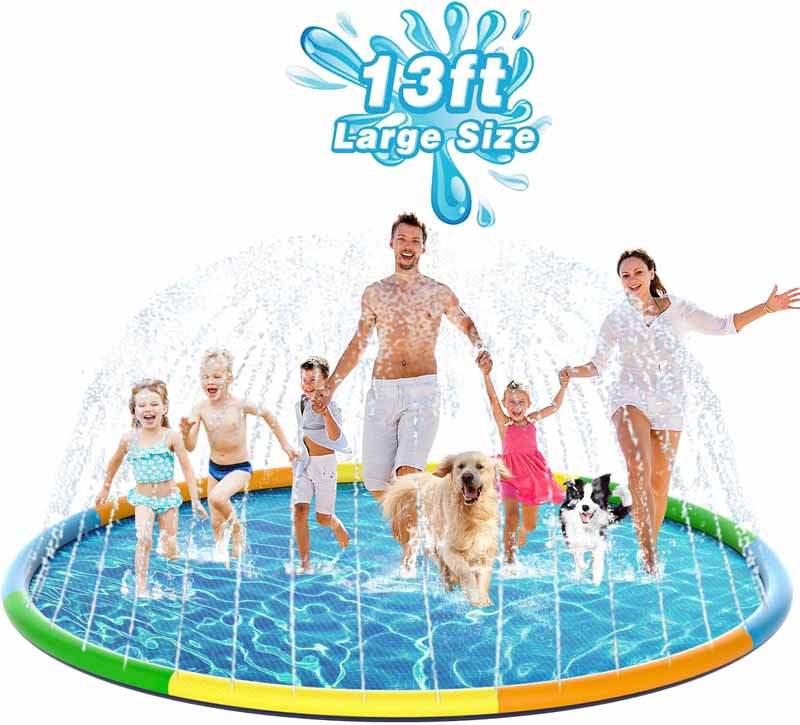
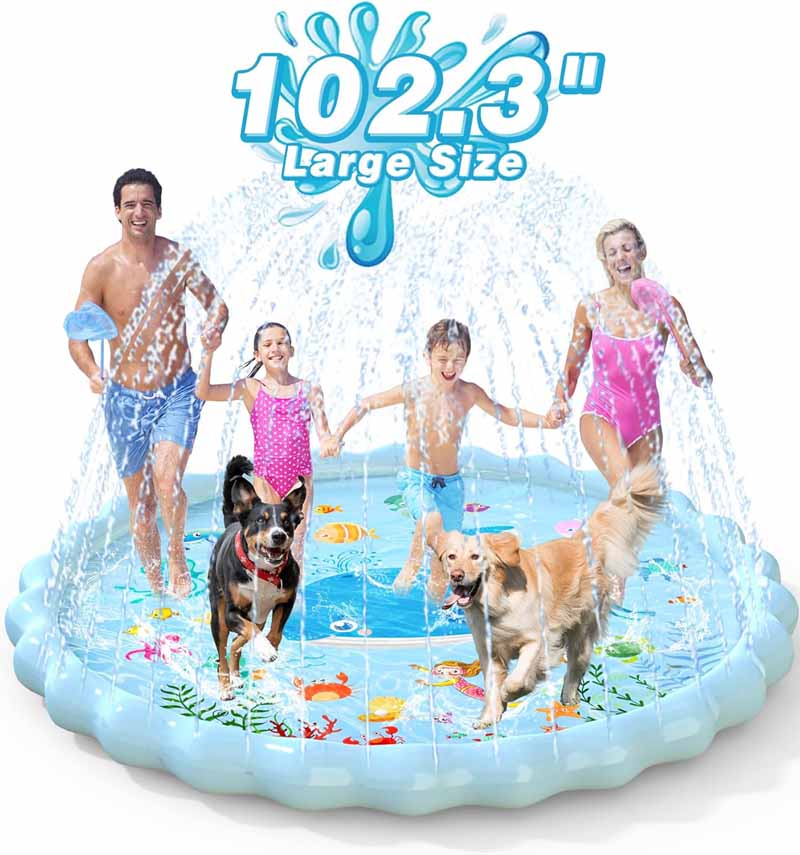
- Kids Splash Pad
- Splash Pad with Basketball Hoop
- Soccer Splash Pad
- Square Dog Splash Pad
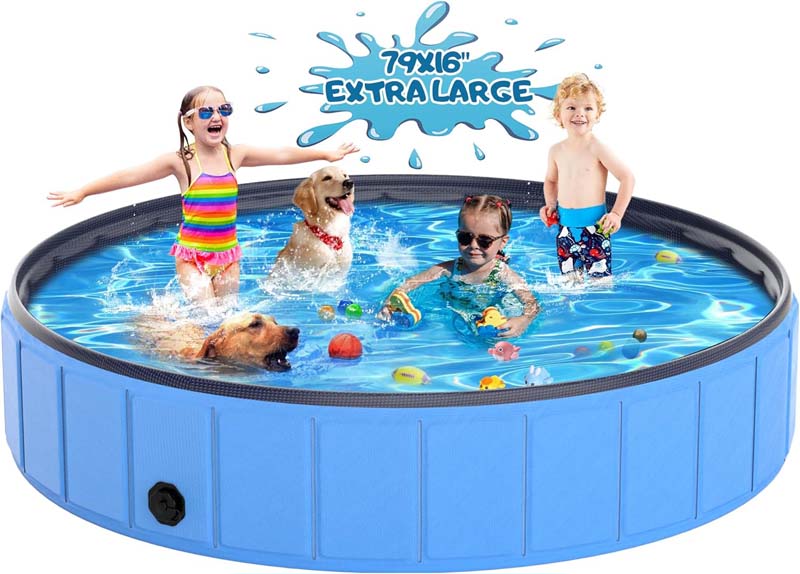
- Dog Splash Pad
- Dog Splash Pool
Need a Custom Splash Pad?
If you’re building a brand, preparing a seasonal promotion, or improving a listing that needs stronger reviews, Epsilon supports OEM/ODM development for splash pads and related water-play products—size, thickness, spray layout, anti-slip surface options, seam reinforcement, print design, packaging, and multi-market compliance. Share your target users (toddlers/kids/families/pets), price target, and sales channel, and we’ll recommend a practical spec direction for sampling and production.