Skip to content

When it comes to backyard water activities, the choice between splash pads and kiddie pools often comes down to safety, convenience, and fun. As the temperatures rise, families want an enjoyable way to cool off, but choosing the right water feature can make a big difference.
Splash pads vs kiddie pools: What’s the main difference?
Splash pads and kiddie pools offer distinct experiences, so it’s important to understand the unique features of each before making a decision. While splash pads are known for their interactive water jets and water-saving designs, kiddie pools offer a more traditional pool experience where children can sit and splash.
Why the right choice matters?
Choosing the right water feature for your family is crucial. It impacts not only the safety and durability of the product but also how it fits into your backyard setup, its maintenance needs, and how eco-friendly it is. In this article, we break down the differences, diving into which option is best based on your family’s needs.
What Is a Splash Pad?
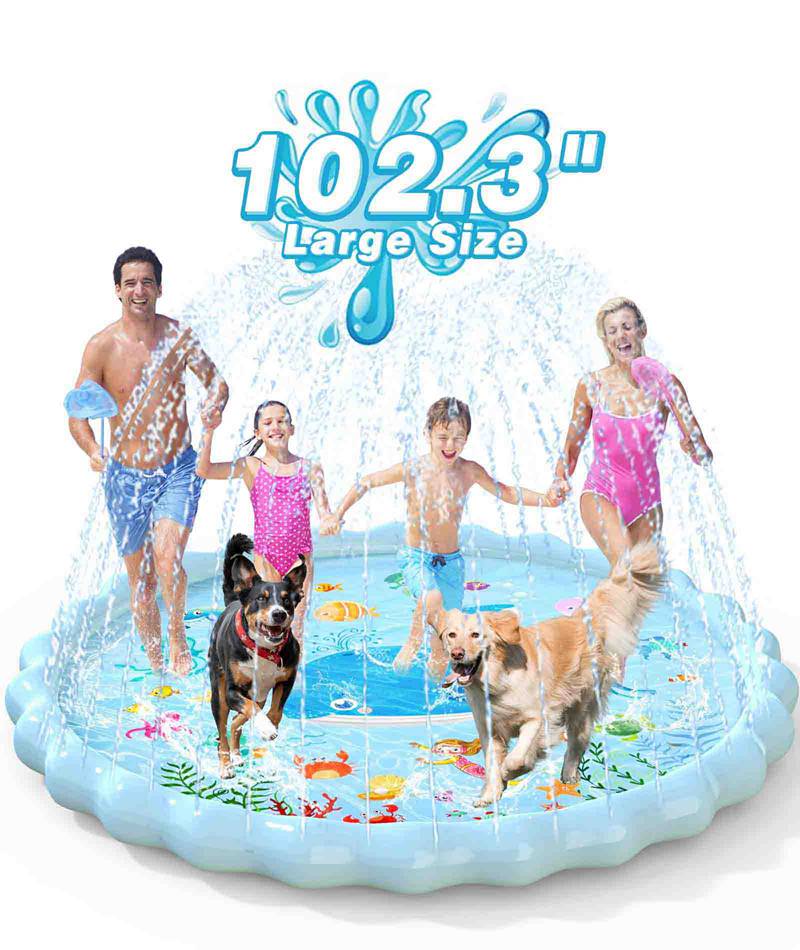
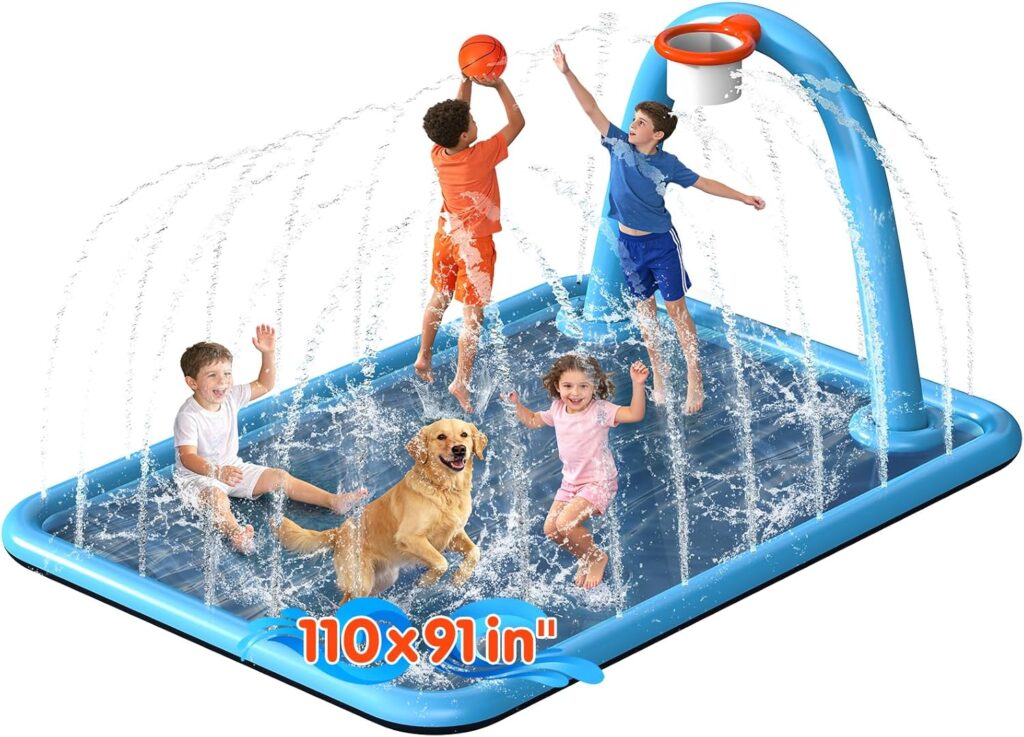
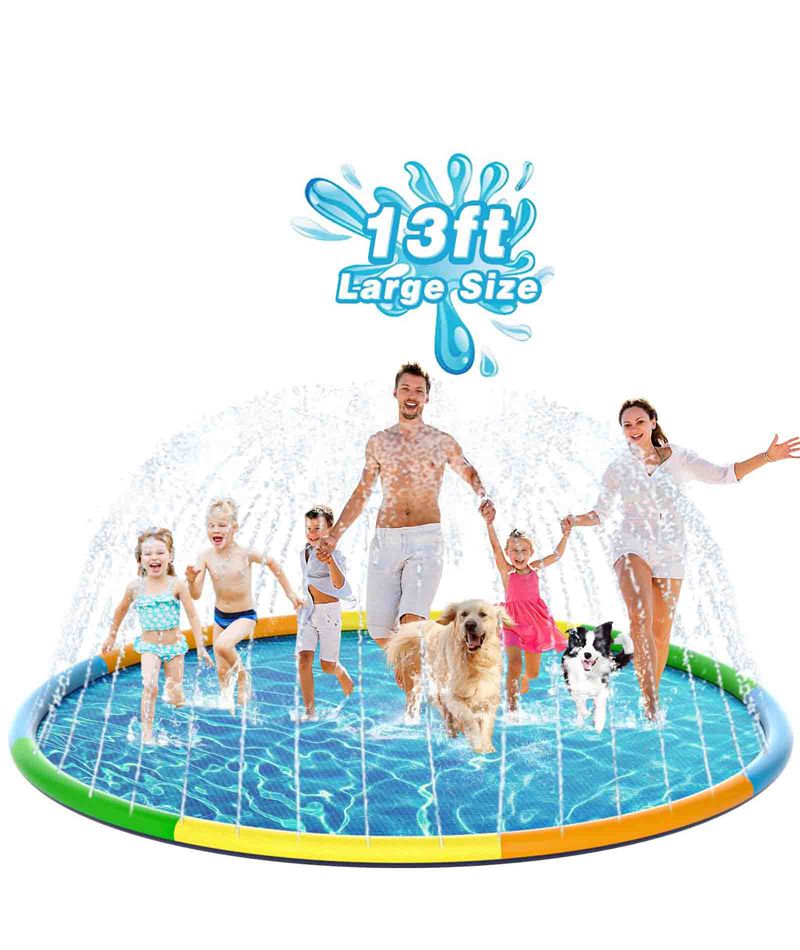
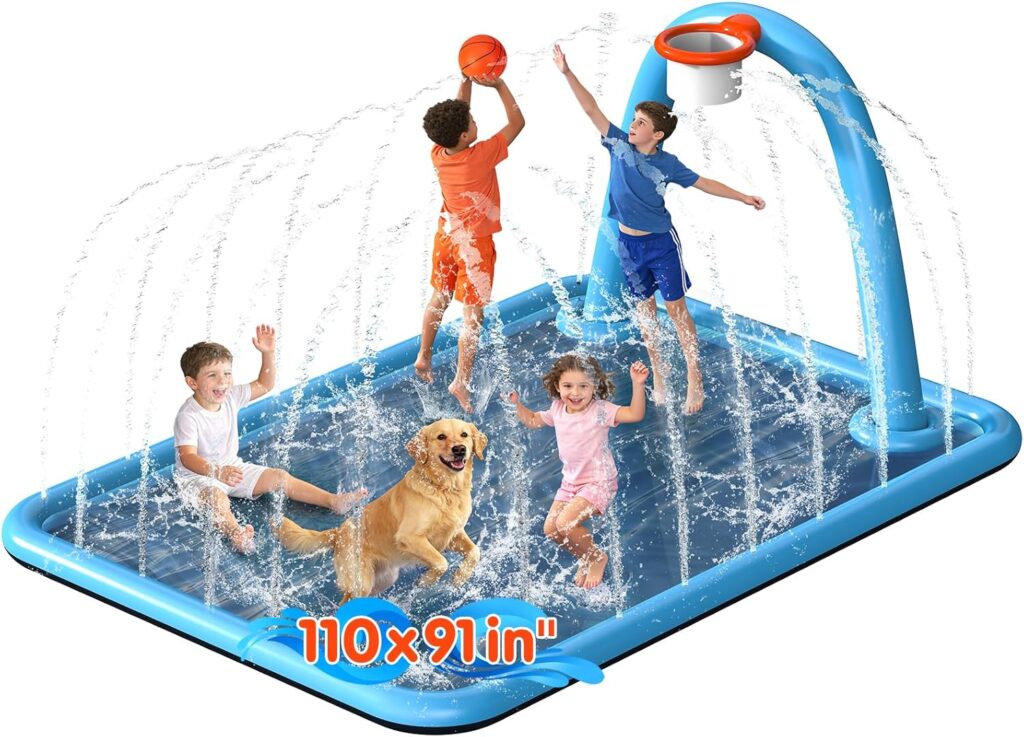
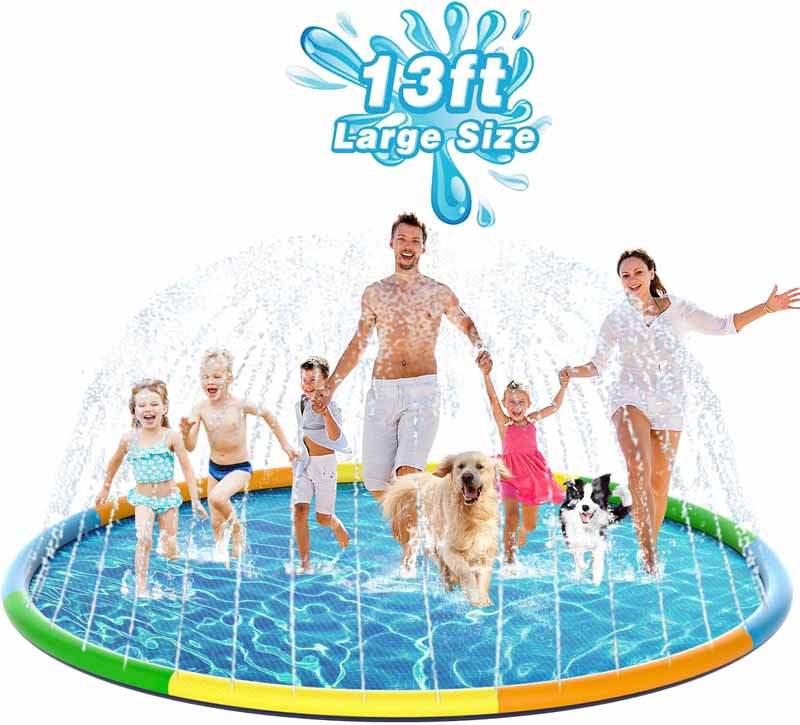
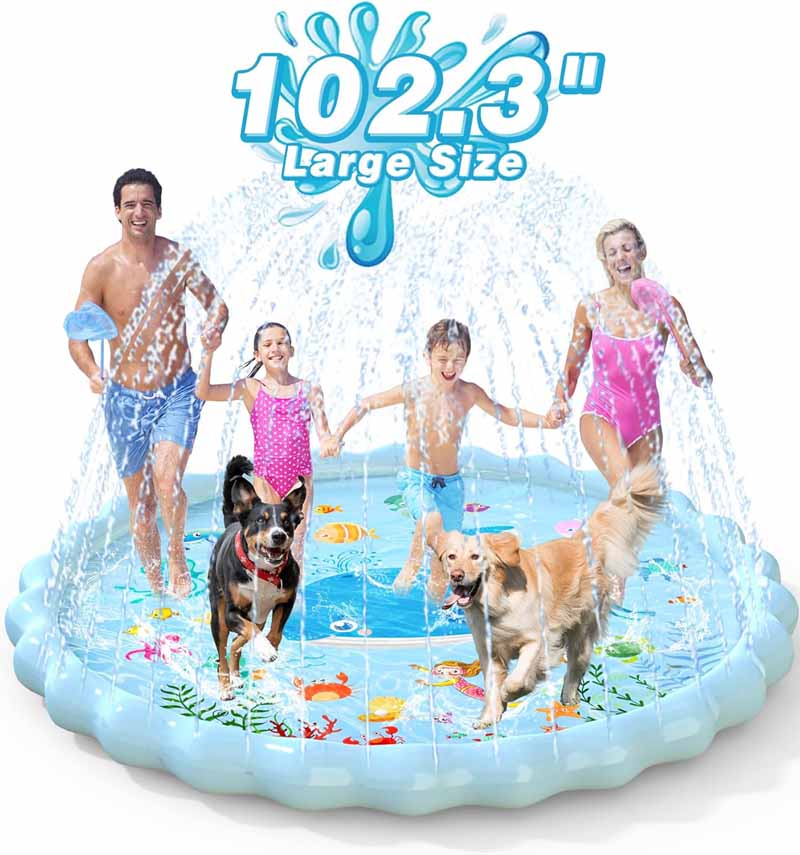
A splash pad is a water play feature designed to keep children cool while offering a fun, interactive experience. It consists of a flat surface with various water jets, fountains, and sprays that children can run through, jump over, or play with. Unlike traditional kiddie pools, splash pads do not hold water in a typical pool-like structure. Instead, they use water jets to spray water in various patterns, allowing for dynamic play without the risks associated with standing water.

Why Choose a Splash Pad for Your Backyard?
Splash pads are growing in popularity for several reasons, especially among families with young children. The lack of standing water makes them a safer alternative to traditional pools, and the variety of water features can keep kids entertained for hours. Here’s why many families are opting for splash pads:
- Safety: One of the biggest concerns for parents is safety. Splash pads significantly reduce the risk of drowning since they don’t hold water like kiddie pools or traditional swimming pools. The water is sprayed in short bursts or streams, and it quickly drains away, which means there’s no opportunity for children to accidentally get trapped in deep water. Most splash pads are designed with shallow water jets that are safe for children of all ages.
- Water Efficiency: Splash pads are an eco-friendly option when compared to kiddie pools. While kiddie pools require refilling every time they are used, splash pads use continuous water circulation. This means that the water used in splash pads is constantly in motion and is not wasted. In fact, many splash pads feature water-saving designs that minimize the amount of water used. For example, water is recycled or drained into the ground rather than being emptied and refilled, making splash pads a better option for areas with water restrictions or for families looking to conserve water.
- Ease of Maintenance: Splash pads are generally easier to maintain than kiddie pools. While kiddie pools need to be emptied, cleaned, and refilled regularly, splash pads are often connected to a water system, which means they require less frequent manual cleaning. Instead, you only need to rinse off the surface after use to keep it clean. Plus, since the water in splash pads doesn’t stay stagnant, you don’t need to worry about changing the water every few days, unlike kiddie pools where standing water can breed bacteria.
- Interactive and Fun: Splash pads offer more variety than a traditional pool or kiddie pool. They often come with a combination of water jets, spray fountains, and water arches that shoot water in various patterns, allowing children to play in different ways. Some splash pads even feature interactive elements, like spray triggers that children can activate themselves, making it a great way to encourage kids to be active outdoors.
- Durability: Most splash pads are made from high-quality materials, like PVC or durable vinyl, which can withstand the continuous water pressure and outdoor use. These materials are designed to last, and with proper care, a splash pad can last for years without significant wear and tear. This makes splash pads a worthwhile long-term investment for families looking for a durable and reliable water play feature.
- Cost-Effective: While splash pads may have a higher initial cost than a kiddie pool, they are often a more cost-effective long-term option. There’s no need for constant refills, and they tend to have fewer maintenance costs. If you’re concerned about recurring costs like water usage or chemical treatment (as in kiddie pools), splash pads can be more economical in the long run.
Here’s a breakdown of key statistics and features that highlight the advantages of splash pads:
| Feature | Splash Pad | Kiddie Pool |
|---|---|---|
| Water Efficiency | Uses continuous water flow, less water waste | Needs to be filled each time, leads to water waste |
| Maintenance | Low maintenance, just clean after use | Requires frequent draining, cleaning, and drying |
| Safety | No standing water, reduces drowning risk | Standing water, requires constant supervision |
| Fun Factor | Interactive water jets, fountains, and sprays for play | Traditional water immersion, less interactive |
| Cost | Higher initial cost but lower long-term maintenance | Lower upfront cost but higher maintenance and refills |
| Durability | Made from high-quality, long-lasting materials | Can be prone to punctures or wear over time |
A splash pad is a fun, safe, and water-efficient alternative to a kiddie pool. It provides interactive water play, is easier to maintain, and uses less water, making it ideal for families who want an enjoyable and low-maintenance water feature.
Real-World Example
For example, imagine a family in an area where water conservation is a concern, such as California, where droughts are common. By choosing a splash pad, they can enjoy water play without feeling guilty about excessive water usage. The continuous circulation system of a splash pad means that they use less water than a traditional kiddie pool, and the water jets create an engaging environment for their kids, who will happily run through the water without ever worrying about standing in it.
For those with small backyards, splash pads are also a great solution because they take up less space than a large kiddie pool. Parents can install them on a patio, driveway, or even a small lawn space, creating a fun water play zone without sacrificing valuable outdoor area.
What Is a Kiddie Pool?
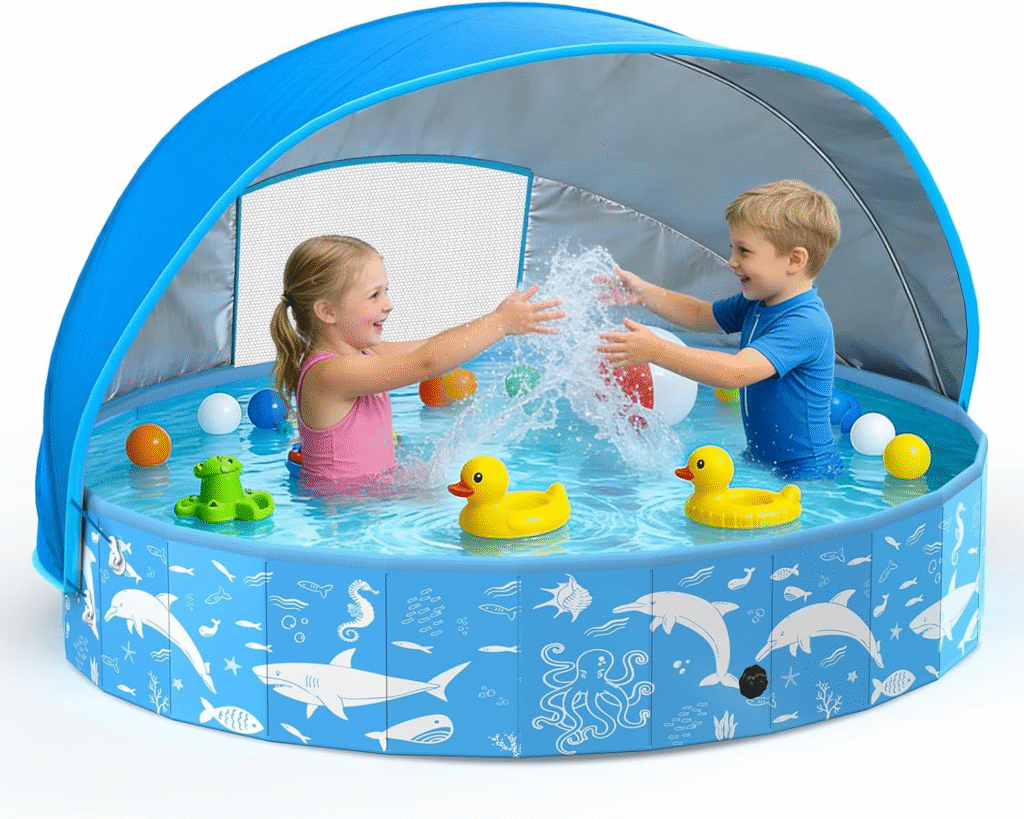
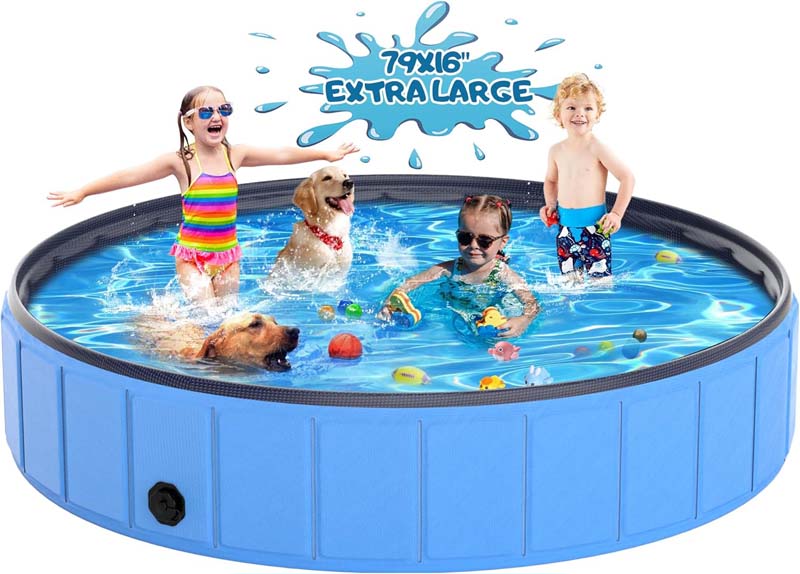
A kiddie pool is a small, inflatable or hard-sided pool designed specifically for children to sit, splash, and play in. Unlike splash pads that feature jets and fountains, kiddie pools are designed to hold water, giving kids the traditional experience of being in a pool. Kiddie pools come in a range of sizes and shapes, from simple inflatable designs to sturdier, hard-sided versions. They are an affordable option for families looking to bring the pool experience to their backyard without the high cost and commitment of a full-sized pool.

Why Choose a Kiddie Pool for Your Backyard?
Kiddie pools are one of the most popular ways for families to cool off in the summer, offering an affordable and fun water play option. Here are the key reasons why families choose kiddie pools:
- Traditional Pool Experience: Kiddie pools provide an authentic swimming pool experience. Children can sit or lay in the water, splash around, and cool off, much like they would in a larger pool. This makes kiddie pools perfect for families who want to introduce their kids to the fun of being in water without the size and complexity of an actual swimming pool.
- Affordable and Accessible: Compared to larger pools, kiddie pools are incredibly affordable. Inflatable kiddie pools can be purchased for as little as $20, making them a budget-friendly option for families looking to enjoy some water fun without breaking the bank. Even larger, hard-sided kiddie pools are much less expensive than traditional in-ground or above-ground pools, making them a great alternative if you’re looking for a cost-effective way to beat the summer heat.
- Easy Setup and Portability: One of the most attractive aspects of kiddie pools is their ease of setup. Inflatable kiddie pools require just a few minutes to inflate and fill, while hard-sided pools often only require assembly. Once set up, they provide hours of entertainment with minimal effort. Additionally, inflatable kiddie pools are portable, meaning you can easily deflate and store them when not in use or take them with you for a day at the beach or park.
- Variety of Sizes and Shapes: Kiddie pools come in a variety of sizes, making it easy to find one that fits your family’s needs and your yard. Smaller pools are ideal for toddlers and younger children, while larger pools can accommodate multiple children at once. Many kiddie pools also come in fun shapes, such as circular, rectangular, or even themed designs (like animals or vehicles), adding a playful element to outdoor activities.
- Fun and Relaxing: Kiddie pools offer children a fun way to enjoy the outdoors and relax in the water. Whether they’re splashing around or simply sitting and enjoying the cool water, kiddie pools offer a relaxing and enjoyable experience. The shallow water depth (usually no more than 6-12 inches) makes them perfect for young children to play in without fear of deep water.
- Customization Options: Some kiddie pools come with additional features that enhance the experience, such as built-in seats, canopies, and even water sprinklers. This makes the pool more versatile, offering shaded areas for children to stay cool while they play.
Here’s a breakdown of the key benefits of kiddie pools:
| Benefit | Kiddie Pool | Splash Pad |
|---|---|---|
| Affordability | Inexpensive, accessible for all budgets | Higher upfront cost, especially for larger models |
| Fun Factor | Traditional pool experience with sitting or lying in water | Interactive, active play with water jets |
| Portability | Easy to set up, deflate, and store | Requires permanent installation, not as portable |
| Water Usage | Requires refilling for each use | Water is circulated, more efficient |
| Maintenance | Needs regular water changes and cleaning | Low-maintenance, just rinse after use |
| Customization | Available in many fun designs and shapes | Limited customization, usually simple designs |
A kiddie pool offers a traditional pool experience for kids, allowing them to sit and splash in the water. They are affordable, easy to set up, and available in a range of sizes and designs, making them an excellent option for families on a budget.
Challenges of Kiddie Pools
While kiddie pools are fun and affordable, they come with some maintenance challenges that families should be aware of. Unlike splash pads, which rely on circulating water, kiddie pools require constant water replacement to maintain cleanliness. The water in a kiddie pool can quickly become dirty due to dirt, leaves, and debris that can accumulate, especially in outdoor environments. For families who want a low-maintenance option, this can be a drawback.
Another consideration is the risk of water stagnation. Since kiddie pools hold water, there is a greater chance for bacteria to develop if the pool isn’t emptied and cleaned regularly. This is especially true in warm weather when the water can become a breeding ground for harmful microorganisms.
Here are some maintenance tips for ensuring your kiddie pool stays clean and safe for your children:
- Drain and clean after every use: After each play session, drain the pool and rinse it out with clean water to remove debris and prevent bacterial growth.
- Use non-toxic cleaners: When cleaning the pool, opt for gentle, non-toxic cleaners that won’t harm your children or pets.
- Check water levels regularly: Kiddie pools need to be refilled after every use, but be sure to keep the water levels at a safe height, avoiding overfilling, which can lead to spills or overflows.
Safety Considerations
Safety is a major concern when using any water play feature, and kiddie pools are no exception. Since they hold water, they present a risk of drowning, especially for toddlers who may not have the ability to get in and out of the pool independently.
Here are some safety tips to ensure your child has a safe experience in a kiddie pool:
- Supervise at all times: Never leave children unattended in a kiddie pool, even if the water is shallow. Always stay within arm’s reach to ensure their safety.
- Keep the pool covered when not in use: Use a pool cover or tarp to prevent access when the pool isn’t in use, reducing the risk of accidents.
- Use childproof barriers: Consider placing barriers or safety gates around the pool to prevent unsupervised access when you’re not around.
Real-World Example:
For example, a family living in a suburban neighborhood might have a small backyard but still wants to offer their children a place to cool off in the summer. A kiddie pool fits perfectly in the available space, and the children can enjoy a pool-like experience without taking up too much room. The family can also get a larger, hard-sided kiddie pool for multiple kids to splash and play together, while ensuring they regularly clean and empty the pool to maintain water quality.
Splash Pads vs Kiddie Pools: Which Is Safer?
Safety is always a top priority when choosing water play options for children. Whether you’re considering a splash pad or a kiddie pool, each has its own set of safety features and concerns that parents should be aware of. Let’s break down the key safety factors for each, so you can make an informed decision based on what’s best for your family.
Why Splash Pads Are Safer
Splash pads are generally safer than kiddie pools for a variety of reasons, particularly when it comes to minimizing the risk of drowning and ensuring safe play for children. Here’s why splash pads often win when it comes to safety:
- No Standing Water: One of the biggest safety advantages of splash pads is the absence of standing water. Since splash pads don’t hold water like a pool, they eliminate the risk of drowning, which is a primary concern with kiddie pools. The water in splash pads is sprayed in short bursts or jets that flow across the surface and then quickly drain away. This means children can enjoy water play without the danger of becoming submerged. According to the Centers for Disease Control and Prevention (CDC), drowning is a leading cause of injury-related death for children under the age of 4. By opting for a splash pad, parents can drastically reduce the risks associated with water play in a traditional pool.
- Shallow Water: Splash pads are designed with shallow water features, ensuring that children stay at the surface and can easily stand, run, or jump without being at risk of falling into deep water. The shallow nature of splash pads means that, even if a child falls, they are unlikely to be hurt or get into dangerous situations. This makes them perfect for younger children, particularly toddlers, who are still developing coordination and motor skills.
- Interactive Play and Movement: The nature of splash pads encourages active play. Children are prompted to run, jump, and engage with water jets, fountains, and sprinklers. This physical activity not only keeps them engaged but also improves their motor skills and overall physical development. Since they are constantly moving around, the risk of them staying in one spot for too long or having an accident (such as slipping) is minimized.

- Low-Pressure Water Jets: Many splash pads use low-pressure water jets that are designed for safe play. This reduces the chances of injury that could occur with high-pressure water features. The gentle water flow allows for a fun, splash-free experience that is enjoyable without being too overwhelming for younger children.
- Surface Design: Splash pads are often built with non-slip surfaces to reduce the risk of slips and falls. The flooring is designed to be soft and safe, with some splash pads even featuring rubberized or foam-like materials to cushion falls. This is a key safety benefit when compared to the hard surfaces that kiddie pools often sit on, which can be slippery and hard on a child’s body if they fall.
Safety Concerns with Kiddie Pools
While kiddie pools are a fun and affordable way to cool off, they come with several safety concerns, particularly due to the presence of standing water. Here are some of the main safety issues to consider:
- Drowning Risk: Even though kiddie pools are small and typically hold only a few inches of water, drowning remains a significant safety concern. According to the CDC, most drownings happen in shallow water and often occur in situations where there is little supervision. Even in a shallow kiddie pool, children can easily slip, lose their balance, or fall face-down in the water without being able to lift their heads. This is especially dangerous for infants or toddlers who are not yet capable of safely exiting the pool on their own.
- Slippery Surfaces: Kiddie pools, especially inflatable ones, are often placed on hard or slippery surfaces, such as concrete or tile, which can increase the likelihood of slips and falls. These falls can result in minor to serious injuries like bruises, sprains, or even head injuries. Unlike splash pads, which are often designed with anti-slip surfaces, kiddie pools can be dangerous if the ground underneath is wet and slippery.
- Overfilling and Spillage: Parents need to be vigilant about water levels in kiddie pools. If a pool is overfilled, it can cause water to spill over the sides, creating puddles or slippery areas around the pool. This can lead to accidental slips and falls, especially for younger children who might not be aware of the wet conditions surrounding them.
- Water Contamination: Since kiddie pools are filled with water that sits stagnant, they are more susceptible to water contamination. The water can quickly accumulate dirt, leaves, and other debris, which can lead to health concerns, especially if the pool is not emptied and cleaned after each use. Moreover, stagnant water can quickly become a breeding ground for bacteria and algae, which increases the risk of skin irritations or infections, particularly for children with sensitive skin.

- Risk of Overheating: Unlike splash pads, which provide a constant flow of water, kiddie pools rely on water that sits in the sun. This can cause the water to heat up quickly, making it uncomfortable for children to play in and potentially leading to overheating. Hot water can also increase the risk of dehydration or heat exhaustion, especially in young children who are more susceptible to temperature changes.
Safety Tips for Kiddie Pools
While kiddie pools require more vigilance, there are steps parents can take to ensure safer play. Here are some safety guidelines to follow when using a kiddie pool:
- Always supervise children: Never leave children unattended, even for a moment. Always stay within arm’s reach, especially with toddlers and young children who are unable to swim or float on their own.
- Use safety barriers: Set up barriers, such as pool gates or fences, around the kiddie pool to prevent unsupervised access when not in use.
- Regularly change the water: To avoid contamination, drain and clean the kiddie pool after every use. Replace the water to ensure it stays clean and safe for children to play in.
- Fill the pool to safe levels: Avoid overfilling the kiddie pool, and ensure the water level is low enough to prevent spills or accidents.
- Keep the pool covered: When the kiddie pool is not in use, cover it to prevent debris from falling in and to avoid accidental entry by children or pets.
Conclusion: Splash Pad or Kiddie Pool—Which Is Safer?
Splash pads are generally safer than kiddie pools due to the absence of standing water, shallow features, and interactive design. The risk of drowning is virtually eliminated, making splash pads an excellent choice for families with younger children or for those concerned about water safety.
On the other hand, kiddie pools, while fun and affordable, require constant supervision to ensure that children stay safe in the water. The presence of standing water, combined with the potential for slips and spills, makes kiddie pools riskier, especially for toddlers and infants.
Ultimately, the decision depends on your family’s preferences, the ages of your children, and your comfort level with water safety. If you want a safer, low-maintenance water play option with fewer concerns about drowning, splash pads are the ideal choice. However, if you prefer a more immersive, traditional pool experience, a kiddie pool can still provide fun—just make sure to follow safety protocols carefully.
Durability: Splash Pad or Kiddie Pool?
When selecting a water play option for your backyard, durability is a key factor, especially since you’ll want to make an investment that lasts for several seasons. Whether you’re choosing a splash pad or a kiddie pool, it’s important to understand how each option stands up to wear and tear, environmental factors, and the level of maintenance required to keep them in good condition.
Let’s break down how splash pads and kiddie pools compare in terms of longevity, material quality, and maintenance requirements.
Durability of Splash Pads
Splash pads are built to withstand continuous water pressure and outdoor exposure, making them generally more durable than kiddie pools. Here’s why:
- High-Quality Materials: Most splash pads are made from durable, weather-resistant materials such as PVC (polyvinyl chloride) or heavy-duty vinyl, both of which are known for their ability to withstand outdoor conditions like UV rays, rain, and temperature fluctuations. These materials are also resistant to punctures and tears, meaning the risk of damage is significantly lower compared to inflatable kiddie pools.
- Low Wear and Tear: Splash pads have fewer moving parts compared to kiddie pools, which reduces the chances of them breaking or wearing out over time. Since splash pads are typically flat with water jets that spray water, there’s less risk of components getting damaged. Unlike inflatable pools that can easily be punctured by sharp objects, splash pads are usually designed to handle some wear and are less likely to deflate or crack.
- Maintenance and Lifespan: With proper maintenance, a splash pad can last for many years. Because splash pads rely on circulating water, they don’t require frequent refilling, which can reduce the strain on the material. The most maintenance you’ll need is periodically cleaning the surface and checking the water system for any leaks or blockages. In the long term, this makes splash pads a more cost-effective choice for families who want to invest in a water play feature that won’t need constant replacement.
- Weather Resistance: Splash pads are designed to be resistant to the elements. Whether exposed to the sun, rain, or wind, high-quality splash pads can handle various weather conditions. However, it’s still a good idea to store them in the off-season to extend their lifespan and prevent any damage from extreme temperatures or debris buildup.
Durability of Kiddie Pools
Kiddie pools, while affordable and fun, generally don’t last as long as splash pads due to a few factors related to their materials, design, and usage.
- Material Concerns (Inflatable vs. Hard-Sided): Kiddie pools come in two primary forms: inflatable and hard-sided.
- Inflatable Kiddie Pools: These pools are made from vinyl or PVC materials but are prone to punctures, tears, and leaks. Sharp objects, rough ground surfaces, or even pet claws can cause punctures, leading to deflation. Even a small hole can render the pool unusable, meaning inflatable kiddie pools typically have a shorter lifespan compared to splash pads.
- Hard-Sided Kiddie Pools: While these pools are made from sturdier plastic, they are still susceptible to cracking or fading due to UV exposure. Hard-sided pools may last longer than inflatable versions, but they can still show signs of wear after repeated use, especially in hot and sunny climates where plastic can degrade over time.
- Frequent Repairs: If you’re using an inflatable kiddie pool, the chances are high that you’ll need to patch it up at some point. Most inflatable pools come with repair kits, but frequent punctures or leaks can become frustrating. Over time, if the pool is not properly maintained or stored, these repairs may add up, making inflatable pools less durable in the long run.
- Water Contamination and Degradation: Kiddie pools, particularly those with standing water, can experience water contamination, especially if the water is not regularly changed. This can lead to algae growth or debris buildup, which can degrade the pool material and shorten its lifespan. Even small amounts of dirt or leaves left in the pool after a session can wear down the material, leading to more frequent cleaning and potential damage over time.
- Exposure to the Elements: Both inflatable and hard-sided kiddie pools are more vulnerable to damage from weather elements. Exposure to UV rays can cause fading and material breakdown, especially in inflatable pools. Hard-sided pools can also crack under extreme heat or freezing temperatures if not stored properly. Snow, rain, and extreme temperature changes can affect the pool’s structure, particularly in colder climates.
Comparing Durability: Splash Pads vs Kiddie Pools
| Feature | Splash Pad | Kiddie Pool |
|---|---|---|
| Material Durability | Made from heavy-duty PVC/vinyl; resistant to punctures and wear | Inflatable pools prone to punctures; hard-sided pools susceptible to cracks and fading |
| Lifespan | Long-lasting with proper care (several years) | Inflatable pools last 1-2 years; hard-sided pools last longer but still degrade over time |
| Maintenance | Minimal, just clean the surface after use | High maintenance: requires frequent water changes, cleaning, and repairs |
| Exposure to Elements | Weather-resistant, ideal for sun, rain, and wind | Susceptible to UV damage, cracking, and weather-related issues |
| Risk of Damage | Low risk of damage or punctures | High risk of punctures for inflatable pools, cracks for hard-sided pools |
| Storage | Easy to store and maintain | Requires more storage space, particularly for hard-sided pools |
Splash pads are generally more durable than kiddie pools. Made from high-quality materials like PVC, they are designed to last for many seasons with minimal maintenance. Kiddie pools, especially inflatable versions, are more prone to punctures, tears, and degradation over time. While hard-sided kiddie pools can last longer than inflatable ones, they are still more vulnerable to weather conditions and wear.
How to Maximize the Durability of Both Options
If you’re concerned about the durability of either a splash pad or a kiddie pool, here are some maintenance tips to extend their lifespan:
- For Splash Pads:
- Clean the surface after each use to avoid the buildup of dirt or debris that could affect water flow.
- Check the water system regularly to ensure there are no leaks or blockages.
- If your splash pad is stored outside during the off-season, consider covering it to protect it from extreme weather conditions.
- For Kiddie Pools:
- Always drain the pool after use, and clean it thoroughly to prevent algae buildup and material degradation.
- Store inflatable pools in a cool, dry place when not in use to avoid punctures and fading.
- For hard-sided pools, avoid leaving them exposed to extreme temperatures, and use a cover to protect against debris.
Conclusion: Which Is More Durable?
In terms of long-term durability, splash pads generally have the edge. They are made from sturdy, weather-resistant materials and require little maintenance, offering great value for families looking for a long-lasting investment. Kiddie pools, especially inflatable versions, are fun and affordable but tend to wear out faster and require more regular maintenance, repairs, and water changes. For families looking for durability and low maintenance over several seasons, a splash pad is the more reliable choice. However, if you’re on a budget and prefer a traditional pool experience, a kiddie pool can still offer enjoyment, with proper care and attention to its upkeep.
Which Is Better for Hot Days: Splash Pad or Kiddie Pool?
On a hot summer day, both splash pads and kiddie pools offer ways to cool off and have fun in the backyard. But which one provides the best relief from the heat? It ultimately depends on your preferences, space, and how much time you’re willing to invest in maintenance. Let’s dive into how each option stacks up when it comes to cooling efficiency, water use, and overall fun factor during those scorching hot days.
Cooling Effect: Splash Pad vs Kiddie Pool
The primary purpose of both a splash pad and a kiddie pool is to cool off, but they do so in different ways. Let’s take a look at the cooling effects of each option:
- Splash Pads – Continuous Flow of Cool Water One of the biggest advantages of splash pads is the continuous flow of water. Splash pads use water jets, fountains, or sprinklers that constantly spray cool water, ensuring that the surface stays wet and refreshing. As the water flows, it helps to evaporate quickly, providing a consistent cooling effect that is ideal for hot days.
- Pro Tip: On a hot day, the continuous flow of water ensures that your kids stay cool without worrying about the water getting warm, which is a concern in kiddie pools. The water is fresh and circulated, so it stays cooler for longer periods of time.
- Kiddie Pools – Immersive Water Experience On the other hand, kiddie pools provide an immersive experience where kids sit or splash in the water. While this can be refreshing initially, there are a few key drawbacks. Kiddie pools are filled with water that stays stagnant. Over time, especially in the hot sun, the water in a kiddie pool can warm up quickly, leading to a less refreshing experience.
- Pro Tip: If you’re using a kiddie pool on a hot day, you may need to regularly replace the water to maintain a cool temperature. If the water is left for too long, it can become warm and uncomfortable, especially for smaller pools.
Here’s a comparison of the cooling effects:
| Feature | Splash Pad | Kiddie Pool |
|---|---|---|
| Water Flow | Continuous water flow keeps water cool and refreshing | Stagnant water can heat up quickly in the sun |
| Cooling Efficiency | Constant evaporation cools the environment | Water temperature rises quickly, reducing cooling effect |
| Fun Factor | Interactive water play keeps kids active and cool | Immersive experience, great for sitting and relaxing |
Splash pads are better for providing continuous cooling on hot days, thanks to their constant water flow and evaporation. Kiddie pools can become warm quickly, making them less effective at cooling off kids on scorching days.
Water Efficiency: Splash Pad vs Kiddie Pool
Another important consideration for many families is water efficiency. On hot days, using water continuously can quickly add up, especially when you have multiple children playing in the pool. Let’s compare how each option uses water:
- Splash Pads – Efficient Water UseSplash pads are designed to be water-efficient. While they do use a continuous flow of water, it’s typically circulated, so the same water is reused. The water jets spray in different directions, and the surface drains away as new water is pumped in. This ensures that water is being used optimally, and there is less waste compared to kiddie pools.
- Pro Tip: Many splash pads are connected to garden hoses or water systems, meaning you can adjust the flow to suit your needs. If you want to conserve water further, look for splash pads with low-flow jets that minimize water usage without sacrificing fun.
- Kiddie Pools – Frequent RefillsKiddie pools require refilling every time they are used, which can result in significant water waste. Each time you use the pool, you need to fill it up completely, and when the water gets dirty or warm, you have to drain it and refill it with fresh water. In areas where water conservation is a concern, this can become a costly and environmentally unfriendly option.
- Pro Tip: To reduce water waste in kiddie pools, try to reuse the water if possible for things like watering plants or cleaning purposes after draining it from the pool.
Here’s a quick look at water efficiency:
| Feature | Splash Pad | Kiddie Pool |
|---|---|---|
| Water Use | Water is circulated, reducing waste | Requires refilling each time it is used, leading to water waste |
| Water Conservation | More eco-friendly, uses water efficiently | Not ideal for water conservation, needs to be replaced regularly |
| Refilling Needs | Minimal, only needs cleaning and occasional adjustments | Frequent refilling, especially in hot weather |
Splash pads are more water-efficient because they circulate water, while kiddie pools waste more water due to the need for refilling each time. If you’re concerned about water usage, splash pads are the better choice.
Maintenance and Cleanliness: Splash Pad vs Kiddie Pool
Another consideration on hot days is how easy it is to maintain cleanliness, especially when water play happens frequently. Here’s how each option holds up in terms of maintenance:
- Splash Pads – Low MaintenanceSplash pads are generally easier to maintain than kiddie pools. Since splash pads don’t hold water, there’s less chance for bacteria to build up. You don’t need to worry about water stagnation or algae growth. All you need to do is clean the surface after each use to ensure it remains free from dirt and debris.
- Tip: To keep a splash pad clean, rinse it down with fresh water after each use. You can also spray down the jets periodically to ensure they’re not clogged and that the water pressure remains optimal.
- Kiddie Pools – Higher MaintenanceKiddie pools require more maintenance. After each use, the pool should be emptied and cleaned to avoid stagnant water. If the water is not changed regularly, it can become contaminated, leading to bacteria growth and unpleasant odors. You’ll also need to check for debris, leaves, or insects that can fall into the water.
- Tip: Consider using a pool cover when the kiddie pool is not in use to keep debris out. Also, keep a small net on hand to scoop out leaves or dirt that may fall into the pool during playtime.
Here’s a comparison of maintenance needs:
| Feature | Splash Pad | Kiddie Pool |
|---|---|---|
| Maintenance Effort | Low maintenance, just rinse after use | Needs regular cleaning, draining, and refilling |
| Water Cleanliness | Water circulates and drains, reducing contamination risk | Stagnant water can accumulate dirt, debris, and bacteria |
| Upkeep | Only surface cleaning needed | Requires frequent care to avoid algae, bacteria, and dirt |
Splash pads require less maintenance and are easier to clean than kiddie pools, which need to be emptied, cleaned, and refilled after each use.
Fun Factor: Splash Pad vs Kiddie Pool
While both options provide fun ways to cool off, they offer different types of experiences:
- Splash Pads – Interactive Fun: Splash pads offer a highly interactive and engaging experience. With various water jets, fountains, and sprinklers, children can run, jump, and play in different ways. Splash pads also promote physical activity and social interaction, as kids can engage in water play with each other, moving through different features on the pad.
- Tip: If you have multiple kids or want a more engaging experience, splash pads are perfect for encouraging active outdoor play and keeping children entertained for hours.
- Kiddie Pools – Relaxing Water Play: Kiddie pools provide a more relaxed experience. Kids can sit, splash, or even lie in the water, making it ideal for those who want to relax and cool off. While it’s less physically demanding than a splash pad, it can still offer a lot of fun for children who enjoy the sensation of being in water.
- Tip: Kiddie pools are better suited for younger children or those who just want to soak in the water without too much movement. They are ideal for smaller kids who may be intimidated by the active water play of splash pads.
Here’s a fun comparison of the play experience:
| Feature | Splash Pad | Kiddie Pool |
|---|---|---|
| Activity Level | High, encourages running, jumping, and interactive play | Low, ideal for sitting or splashing in water |
| Engagement | Multiple water features to explore and enjoy | More passive water experience, good for relaxation |
| Group Play | Great for multiple children to interact together | Limited space for multiple children to play together |
Splash pads offer more interactive fun, encouraging children to stay active and engaged, while kiddie pools provide a more relaxing, immersive water experience.
Conclusion: Which Is Better for Hot Days?
When it comes to cooling off on hot days, both splash pads and kiddie pools offer unique benefits, but splash pads generally provide a better overall solution. They offer continuous cooling with fresh water, are more water-efficient, and require less maintenance. Splash pads also provide a more active and engaging experience, which is great for keeping children entertained for longer periods.
However, if you’re looking for a relaxing and more immersive experience in the water, and you don’t mind spending more time on maintenance, a kiddie pool could still be the right choice.
Ultimately, it depends on your family’s needs—whether you want something interactive and low-maintenance (splash pads) or a more traditional and relaxing pool experience (kiddie pools).
Splash Pad or Kiddie Pool: Which Fits Your Space?
Choosing the right water feature for your backyard often comes down to the available space. Whether you have a small apartment patio or a spacious backyard, both splash pads and kiddie pools offer different space requirements and usage options. Let’s break down how each one fits into various backyard sizes, taking into account ease of setup, storage, and space efficiency.
Splash Pads – Perfect for Small or Medium Spaces
Splash pads are incredibly space-efficient, making them an excellent choice for smaller yards or areas where you want to maximize the use of available space. Here’s why splash pads are great for various space sizes:
- Compact Size and Versatility: Most splash pads are designed to take up minimal space while still offering plenty of fun. They don’t need a large area to set up—many splash pads can be set up on a small section of a patio, driveway, or backyard lawn. They are usually flat, circular, or square in shape, meaning they can fit into areas that are too small for a full-sized kiddie pool.
- Pro Tip: Splash pads are a great option if you have a small space but still want a water feature that your kids can enjoy. They can be set up in places where a kiddie pool might not fit, such as a balcony or a small deck.
- Easy Setup and Storage: Setting up a splash pad is straightforward and doesn’t require much space. Most splash pads are connected to a standard garden hose or water supply, so no special plumbing or installation is necessary. This makes them highly portable—you can easily move them to different spots in your yard or store them away when not in use.
- Pro Tip: Since splash pads can be rolled up or folded, they’re ideal for families who don’t want to leave a water feature out year-round. They can be stored in a closet, shed, or garage during the winter months, saving space when not in use.
- Ideal for Multi-Use Spaces: Splash pads don’t require a permanent water setup, so if you have a multi-use space—like a small yard or even an urban apartment patio—you can use the area for other activities when the splash pad is not in use. This flexibility makes splash pads suitable for people who need to optimize the functionality of their space.
Kiddie Pools – Ideal for Larger, Open Spaces
Kiddie pools, particularly larger ones, require more space to set up and use. They are best suited for families who have a bit more room to spare in their backyards. Here’s how kiddie pools compare when it comes to fitting into your space:
- Space Considerations: Kiddie pools come in various sizes, but even smaller models need enough space to hold water and allow for safe play. If you opt for a larger kiddie pool (such as a hard-sided pool or an inflatable one that’s more than 6 feet in diameter), you’ll need a decently sized yard. Kiddie pools take up significant space, especially when you factor in the need for room to walk around the pool and for children to move in and out of the water.
- Tip: A kiddie pool is perfect if you have a spacious yard or an area where you don’t mind dedicating space to a water feature. However, if you have a smaller yard, an inflatable kiddie pool might be a better option, as they can be deflated and stored away after each use.
- Setup and Storage Challenges: Inflatable kiddie pools are easy to set up, but they require more space for storage when deflated. Depending on the size of the pool, you might need an area like a garage, shed, or closet for storage, especially if you live in a location with seasonal weather. Hard-sided kiddie pools also require storage space and need to be protected from extreme temperatures (freezing cold or intense heat) to prevent material damage.
- Tip: If you plan to keep the kiddie pool set up year-round, ensure that your space can accommodate it without crowding the area. For families with more permanent outdoor spaces, a hard-sided kiddie pool could work well.
- Consideration for Larger Families: If you have multiple children or plan to host neighborhood playdates, a larger kiddie pool can provide a great space for several kids to play in. However, you’ll need to make sure there is enough room in your yard to accommodate both the pool and safe areas around it for children to move, splash, and play.
- Tip: Larger kiddie pools can take up more space and require more water, so it’s essential to ensure your yard has the right layout for the pool. Also, consider the maintenance space needed for draining and cleaning the pool.
Comparing Space Requirements: Splash Pads vs Kiddie Pools
| Feature | Splash Pad | Kiddie Pool |
|---|---|---|
| Space Requirements | Small, compact, ideal for patios, driveways, or small yards | Requires more space, better suited for larger backyards |
| Setup Area | Can be set up on various surfaces, including lawns and patios | Needs flat, stable ground, usually requires a large area |
| Storage | Easily stored when not in use | Inflatable pools are portable, but hard-sided pools need more storage |
| Storage Space Needed | Small, can be rolled up or folded | Larger pools need a garage, shed, or extra space to store |
| Flexibility | Can be moved and set up in different spots | More permanent setup, unless inflatable |
Splash pads are ideal for families with smaller yards or multi-use spaces, as they take up less room and can be easily stored when not in use. Kiddie pools are better suited for larger outdoor spaces where there’s room for both the pool and safe play areas.
How to Make the Most of Your Space
Whether you choose a splash pad or a kiddie pool, here are some tips for maximizing your space:
- For Smaller Yards or Patios:
- Consider inflatable kiddie pools for easy setup and storage.
- Splash pads are a great way to provide water play without taking up much space. Look for compact options that are easy to store during the off-season.
- For Larger Yards:
- You have more options. A larger splash pad or a hard-sided kiddie pool could work well if you have the room to accommodate them.
- Be mindful of how much water use you’re comfortable with, as larger kiddie pools require refilling.
- Storage Considerations:
- If you live in an area with seasonal weather, both splash pads and kiddie pools should be properly stored during the off-season. Consider investing in a storage shed or storage bags to keep the water feature in good condition when not in use.
Conclusion: Which Fits Your Space?
The right choice between a splash pad or a kiddie pool ultimately depends on your available space and how much room you want to dedicate to water play. Splash pads are a fantastic option for those with limited space, as they are compact, portable, and easy to store. They’re also perfect for families who want interactive water play without taking up a lot of room.
For families with larger backyards, a kiddie pool—especially a larger model—might be a great option, offering a more traditional water experience with more space for multiple children to play. However, be prepared for additional storage needs and maintenance.
By assessing your yard size, space requirements, and maintenance preferences, you can make the best choice for your family’s water play needs.
Environmental Impact: Splash Pad vs Kiddie Pool
As families become more environmentally conscious, it’s essential to consider the environmental impact of the products they buy. When it comes to water play options, both splash pads and kiddie pools use water, but they do so in different ways. Understanding how each option affects water conservation, energy use, and the materials involved can help you make a more eco-friendly decision for your backyard.
Let’s explore how splash pads and kiddie pools compare in terms of their environmental impact, focusing on water usage, materials, and sustainability.
Water Usage: Splash Pads vs Kiddie Pools
One of the most significant environmental concerns with water play products is water usage. How much water do you need to use, and how efficiently is it utilized?
- Splash Pads – Efficient Water UseSplash pads are designed to be water-efficient. Although they use water to create jets, fountains, and sprinklers, the water is typically circulated through the system, meaning it’s reused. The water is constantly flowing and draining, so it doesn’t need to be replaced or refilled after every session. This continuous circulation helps reduce water waste compared to traditional pools, where fresh water is required for each use. In fact, many splash pads are designed to minimize water waste by using low-flow water jets that reduce the amount of water used without sacrificing fun. Some splash pads also have rainwater collection systems that allow families to recycle water used for the jets, further lowering their environmental impact.
- Pro Tip: You can save even more water by adjusting the water pressure to fit your needs, ensuring that water use stays as efficient as possible.
- Kiddie Pools – Higher Water ConsumptionKiddie pools, on the other hand, require large amounts of water to fill each time they are used. Unlike splash pads that circulate water, kiddie pools are filled once and need to be emptied after each use to maintain cleanliness. This results in substantial water waste, especially in larger pools that require more refilling and draining. On average, a standard kiddie pool (about 6 feet in diameter) can hold around 100 to 150 gallons of water, which, depending on how often you use it, can add up quickly over the summer months. In regions where water is in short supply, the continuous need for refilling kiddie pools can put a strain on resources.
- Pro Tip: To reduce the impact, consider using the drained water for tasks like watering plants or cleaning, but remember to replace the water frequently to keep it clean.
Here’s a quick comparison of water usage:
| Feature | Splash Pad | Kiddie Pool |
|---|---|---|
| Water Usage | Water is circulated, minimizing waste | Needs to be refilled after every use, leading to water waste |
| Efficiency | Uses water efficiently with low-flow jets and continuous circulation | Water is not reused, leading to more waste |
| Water Reuse | Often incorporates rainwater collection or recycling systems | Does not reuse water, which increases consumption |
Splash pads are much more water-efficient than kiddie pools because they circulate water and reduce the need for frequent refilling. Kiddie pools require fresh water each time they are used, leading to higher water consumption.
Materials: Splash Pads vs Kiddie Pools
The materials used in water play products also have an impact on the environment. From manufacturing processes to waste and disposal, the environmental footprint of these products can vary.
- Splash Pads – Durable, Sustainable Materials Most splash pads are made from PVC (polyvinyl chloride) or other durable vinyl materials that are resistant to wear, UV rays, and weather conditions. These materials can withstand the pressure of the water jets and provide a long-lasting solution for families. Many splash pads are designed to last for multiple seasons, reducing the need for replacement products and minimizing waste over time. However, PVC has a higher environmental footprint during manufacturing, as it requires significant energy and resources to produce. Additionally, the disposal of PVC can be problematic if not recycled properly. Many manufacturers are working to improve the sustainability of PVC by developing recyclable or bio-based alternatives, but it remains a challenge for the industry.
- Kiddie Pools – Material Concerns (Inflatable vs. Hard-Sided) Kiddie pools come in two main types: inflatable pools and hard-sided pools. The materials used for both types of pools have different environmental impacts:
- Inflatable Kiddie Pools: These are typically made from PVC or vinyl, much like splash pads. The same concerns about the environmental impact of PVC apply here. Additionally, inflatable pools are more likely to be discarded after a few seasons due to punctures or damage, leading to more plastic waste.
- Hard-Sided Kiddie Pools: These are usually made from plastic or resin, which are more durable than inflatable pools but still present environmental concerns. Plastic production requires a significant amount of energy, and plastic products can take hundreds of years to break down in landfills.
- Pro Tip: If you’re looking for a more eco-friendly option, consider investing in a hard-sided pool made from recyclable materials or one that is designed for long-term use, reducing the need for frequent replacement.
Here’s a comparison of the material durability and environmental impact:
| Feature | Splash Pad | Kiddie Pool |
|---|---|---|
| Materials Used | Durable PVC or vinyl, long-lasting and weather-resistant | PVC or vinyl for inflatable, plastic or resin for hard-sided |
| Sustainability | PVC has a high environmental impact but long-lasting | PVC and plastic are less sustainable and often end up in landfills |
| Recyclability | Often made from non-recyclable materials | Hard-sided pools may be recyclable, inflatables harder to recycle |
Splash pads are made from durable materials that can last for several years but often involve PVC, which has environmental drawbacks in terms of production and disposal. Kiddie pools also use PVC and plastic, and while hard-sided versions are more durable, they can contribute to waste if discarded after use.
Energy Use: Splash Pads vs Kiddie Pools
Energy consumption is another environmental factor to consider, especially if you’re running water play equipment frequently during the summer months.
- Splash Pads – Low Energy UseSplash pads generally require minimal energy to operate. Most splash pads are powered by a simple water pump that connects to a garden hose, meaning they don’t rely on electricity or high-energy systems. Even larger splash pads that use more complex water systems usually consume very little energy, making them an eco-friendly option.
- Pro Tip: You can further reduce the energy impact by using manual water pressure (if available) or opting for splash pads that require no additional energy input.
- Kiddie Pools – No Direct Energy Use Kiddie pools don’t require any electricity to operate, which is a positive from an energy perspective. However, if you use a pool pump or a water filter to keep the water clean, these accessories will require energy, especially if you run them for extended periods. Even if you don’t use additional equipment, the energy used in refilling the pool with water adds to the energy consumption, especially if you’re using a water heater to warm the water for colder climates.
Splash pads have minimal energy use, as they rely mostly on water pressure to operate. Kiddie pools don’t require direct energy for filling or play but may require additional energy if you use pumps or heaters.
Conclusion: Which Is More Environmentally Friendly?
When comparing the environmental impact of splash pads and kiddie pools, splash pads tend to be the more eco-friendly option overall. They are more water-efficient, use durable materials that last longer, and require less maintenance. While splash pads do involve the use of PVC, their long lifespan and low water consumption make them a more sustainable choice compared to kiddie pools, which require frequent refilling, use materials prone to wear and tear, and often end up in landfills after a few seasons.
That said, if water conservation and sustainability are priorities for your family, a splash pad is likely the better choice. However, if you prefer a more traditional water experience, and are mindful of your usage habits, a kiddie pool can still provide fun without an overwhelming environmental impact.
How to Choose the Best Option for Your Family?
Choosing the right water feature for your backyard can feel like a tough decision, but it ultimately comes down to your family’s needs. Here are some things to consider when choosing between a splash pad and a kiddie pool:
1. Space Requirements
If you have limited space, a splash pad is a great option since it requires less room and is more flexible. If you have a larger yard and want to create a more immersive pool experience for your kids, a kiddie pool could be the better fit.
2. Safety Concerns
For families with young children, splash pads are generally safer as they don’t hold water. Splash pads allow for active play, while reducing drowning risks. Kiddie pools require constant supervision, especially since they hold water, which can be dangerous for young children without supervision.
3. Durability and Maintenance
Splash pads are more durable and require less maintenance compared to kiddie pools. If you’re looking for a low-maintenance option, splash pads are a solid choice. Kiddie pools, especially inflatable versions, require more care, including regular water changes, cleaning, and repairs for punctures or leaks.
4. Water Efficiency
If you are conscious of water usage, a splash pad is more efficient and eco-friendly since it circulates water rather than requiring constant refilling. Kiddie pools, however, consume more water, especially during hot weather when they need to be replenished.
5. Fun Factor
While both options offer plenty of fun, kiddie pools provide a more traditional pool experience, allowing children to sit or splash in water. Splash pads, on the other hand, offer more interactive features and encourage running and active play, which can be better for children’s physical development.
Ultimately, the decision between a splash pad and a kiddie pool comes down to your yard size, safety concerns, budget, and the level of maintenance you are comfortable with. Consider all these factors to make the best choice for your family.
Make the Right Choice for Your Family’s Fun
Now that you’ve weighed the pros and cons of splash pads and kiddie pools, it’s time to make the perfect choice for your family. Whether you’re looking for an eco-friendly, low-maintenance option with interactive features, or a budget-friendly, traditional pool experience, both options can provide hours of outdoor fun.
If you’re ready to enhance your backyard and create the ultimate summer experience, consider exploring our Epsilon selection of high-quality splash pads and kiddie pools. We offer durable, safe, and fun water play solutions for all family sizes and backyard spaces. Plus, we provide customization options to fit your unique needs.
Contact us today to get a quote or to inquire about our custom-designed water play products. Our team is here to help you find the best solution for your family’s fun and comfort.