Skip to content
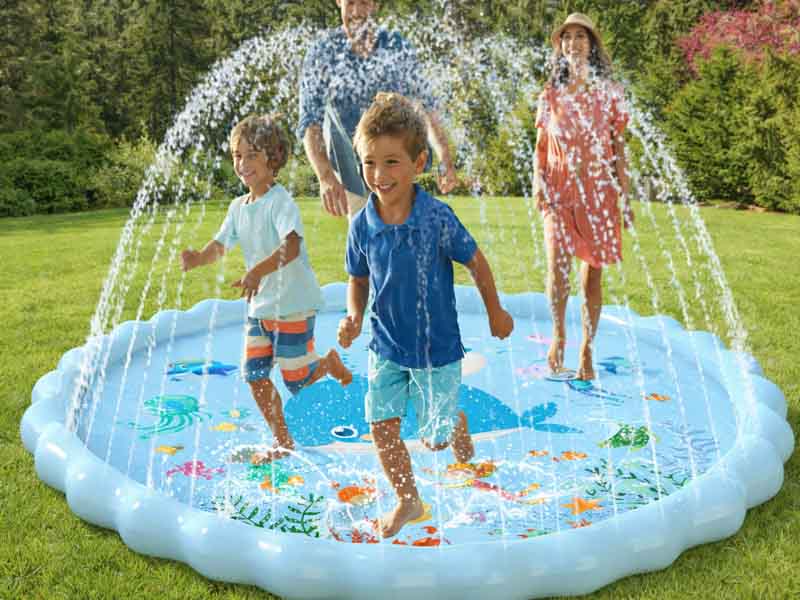
Splash pads are an excellent way to enjoy the water during hot summer days, but many people don’t realize how much water they can use. While splash pads are generally more efficient than traditional swimming pools, improper management can lead to excessive water consumption. This guide will help you understand exactly how much water a splash pad uses, how to calculate it, and most importantly, how to reduce water usage without compromising the fun experience.
Understanding how much water a splash pad consumes, and knowing how to manage it, can help you enjoy the benefits of this feature without worrying about environmental impact or excessive water bills. For example, typical splash pads may use anywhere from 1,000 to 2,500 gallons per hour, but various factors like size, water features, and operational efficiency affect these figures.
For those interested in reducing water consumption, knowing the specifics about splash pad water usage and implementing certain strategies can make a significant difference. In this guide, we will discuss how splash pads use water, how to calculate water usage, and eco-friendly methods to optimize your splash pad’s water efficiency.
Splash Pad Water Usage Overview
Splash pads are a fun and safe alternative to swimming pools, offering a refreshing experience for families and children. However, as these water features become more popular, many people are starting to question how much water they actually consume. Understanding the water usage of a splash pad is essential for both environmental concerns and cost efficiency, especially in areas experiencing water scarcity or drought conditions.
Splash pads use a considerable amount of water, but the actual consumption can vary significantly based on several factors, including the design, size, and features of the splash pad. On average, a splash pad can use anywhere between 1,000 and 2,500 gallons of water per hour. This means that over the course of a typical 5-hour operation, a splash pad could use anywhere from 5,000 to 12,500 gallons of water.
Water Usage Comparison: Splash Pads vs. Traditional Pools
When compared to traditional swimming pools, splash pads may seem like a more water-efficient choice. A standard pool might require around 18,000 to 20,000 gallons of water for a single fill, and regular maintenance such as cleaning, chemical treatments, and water replacement can add to the water consumption over time.
Splash pads, however, generally use fresh water continuously during operation and do not require the same maintenance as pools. While splash pads use less water than pools in terms of overall volume, the issue arises when water is not recycled or managed efficiently, leading to potentially high water usage during busy periods.
Water Usage Comparison between Splash Pads and Pools
| Feature | Splash Pad | Traditional Pool |
|---|---|---|
| Water Consumption (per hour) | 1,000 – 2,500 gallons | 1,500 – 3,000 gallons (average pool) |
| Water Refill Needs | Minimal (if recycled) | Regular refills due to evaporation and maintenance |
| Maintenance | Low (no chemicals required) | High (chemicals and filtration systems) |
Impact of Splash Pad Features on Water Usage
The number and type of water features significantly affect the overall water consumption of a splash pad. For instance, a splash pad with multiple interactive fountains or high-pressure jets will use more water than one with simple ground sprayers. The operational time and water pressure of each feature also play a critical role in determining how much water is consumed.
For example:
- Low-flow sprinklers: Typically use 1-3 gallons per minute (GPM).
- High-pressure jets and fountains: Can use 10 gallons per minute or more, depending on their design and function.
If you have a splash pad with several high-pressure water features running for several hours, the water consumption can add up quickly. For a typical public splash pad with five high-pressure water features, running for about 4 hours, the total water usage could easily exceed 12,000 gallons.
Water Use During Peak and Off-Peak Hours
The time of day and the number of people using the splash pad also affects water usage. On busy summer days, water features often run continuously, increasing the water usage. Conversely, during off-peak hours, such as in the early morning or late evening, water consumption is naturally lower, as fewer people are using the pad.
By tracking usage patterns and making adjustments, you can optimize the water flow and manage consumption more effectively. For instance, installing timers or sensors that detect when the area is in use can help prevent excessive water waste during low-traffic times.
Factors Impacting Water Usage
When it comes to the water consumption of splash pads, several factors come into play. Understanding these elements will allow you to manage and reduce water usage while still providing a fun and enjoyable experience for users. From the size of the splash pad to the types of water features included, every detail can have a significant impact on how much water is used.
Here’s a breakdown of the key factors that affect splash pad water usage:
1. Splash Pad Size and Area
The size of the splash pad is one of the most significant factors influencing water usage. Larger splash pads have a greater surface area to cover, which naturally requires more water to ensure that the entire space is adequately sprayed.
Smaller residential splash pads may only need 1,000 to 1,500 gallons of water per hour, while larger commercial or public splash pads with more extensive coverage and more water features could easily use up to 2,500 gallons per hour.

Water Usage by Splash Pad Size
| Size | Water Usage per Hour |
|---|---|
| Small (Residential) | 1,000 – 1,500 gallons |
| Medium (Public) | 1,500 – 2,000 gallons |
| Large (Commercial) | 2,000 – 2,500 gallons |
A larger splash pad may require multiple water features and larger spray nozzles to ensure coverage, which will increase the volume of water used.
2. Type and Number of Water Features
Splash pads feature a variety of water elements, from ground sprayers to interactive water fountains. The type and number of these features significantly affect the amount of water used. For example:
- Ground Sprayers: These use a relatively low amount of water, usually about 1 to 3 gallons per minute (GPM). A splash pad with several ground sprayers may use about 1,000 gallons per hour, depending on the flow rate.
- Fountains and Jets: These features are much more water-intensive, often using 10 gallons per minute (GPM) or more. A single high-pressure jet running for an hour can easily use 600 gallons of water.
- Interactive Features (e.g., water cannons, dumping buckets): These features can also use large amounts of water, depending on how they operate. Some features may be designed to spray continuously, contributing to high water usage.
Example: A splash pad with 4 high-pressure water jets using 10 GPM each could use up to 2,400 gallons per hour if they run continuously. This is a significant difference compared to a splash pad with only low-flow ground sprayers.
3. Water Pressure and Flow Rate
The flow rate and water pressure of each feature play a major role in how much water is used. A feature with higher water pressure and flow will use more water, even if it operates for the same amount of time as a feature with a lower pressure.
- Low-flow Nozzles: These use 1 to 3 GPM, making them water-efficient. They are ideal for splash pads that aim to reduce water waste.
- High-flow Nozzles: These use up to 10 GPM or more. While they create more dramatic and visually engaging sprays, they also consume a lot of water.
Adjusting the water pressure can have a direct effect on water consumption. Reducing the pressure can still maintain the fun experience but will use significantly less water.
4. Operating Time and Usage Hours
The longer the splash pad is in use, the more water it will consume. Typically, splash pads are operated during peak hours, often during the daytime in the summer when kids and families are most active. However, the time of day can also impact the water consumption levels. For example:
- Peak Hours: Splash pads used during the afternoon hours, particularly on hot summer days, will see the highest water usage. During these hours, water is sprayed continuously, and the water flow is often at maximum pressure.
- Off-Peak Hours: During early mornings or late evenings, splash pads are generally used less frequently, reducing the amount of water consumed. This is an opportunity to optimize water use by limiting operating times.
For commercial splash pads, adjusting the hours of operation based on foot traffic can help reduce unnecessary water consumption. Installing timers or sensors that detect activity can also help avoid excessive water usage when the pad is empty.

5. Weather and Climate Conditions
Weather conditions, especially heat and humidity, play a role in water consumption. In areas with extreme heat, splash pads may be used more frequently, which naturally increases water usage. For example, in dry or hot climates, splash pads may run for longer periods to provide relief, leading to higher water consumption.
Example: In regions like Arizona or Nevada, where temperatures regularly exceed 100°F (38°C), splash pads might be in operation for 6-8 hours a day. In contrast, in cooler areas, splash pads might only operate for 3-4 hours per day, resulting in lower water consumption.
Rain can also impact water usage; if it rains while the splash pad is in use, you may see an unnecessary increase in water waste as the system continues to operate despite the precipitation.
6. Water Reuse Systems
Water reuse systems are one of the best ways to reduce overall water consumption. Many modern splash pads are now designed with water filtration and reuse systems that recycle water, so it’s not constantly flowing into drains. These systems collect water, filter it, and send it back through the splash pad’s features.
- Benefits: Recycled water allows splash pads to operate using the same water multiple times, drastically reducing the amount of fresh water used. Depending on the design, these systems can reduce water consumption by up to 50% or more.
- Challenges: Installing and maintaining water reuse systems can increase the upfront cost of the splash pad, but the long-term benefits in water savings and reduced environmental impact are worth it for many commercial operators and municipalities.
Calculating Water Usage
Calculating the water usage of a splash pad is crucial for managing operational costs and ensuring sustainability. While splash pads are generally more water-efficient than traditional swimming pools, they can still consume a large amount of water, especially when running for extended periods or during peak usage. By understanding how to measure and calculate water consumption, splash pad operators can take steps to optimize water use and reduce unnecessary waste.
How to Measure Splash Pad Water Use
To measure water usage on a splash pad, you need to understand the flow rate of each water feature. Flow rate is usually measured in gallons per minute (GPM) and refers to the amount of water a feature releases each minute. Once you know the flow rate, you can calculate the total water usage based on the number of features and how long they run.
Here’s how you can calculate the water usage for a splash pad:
Formula to Calculate Water Usage:
Water Usage (gallons) = Flow Rate (GPM) x Time (minutes) x Number of Features
For example, if a splash pad has 4 nozzles, each with a flow rate of 3 gallons per minute, and they run for 30 minutes, the water usage would be:
Water Usage = 3 GPM x 30 minutes x 4 nozzles = 360 gallons
This calculation gives you the total water used by these 4 nozzles in 30 minutes. By applying this formula to all water features on the splash pad, you can get a more accurate total.
How to Calculate Water Usage for Different Splash Pad Models
When calculating water usage, it’s important to take into account the specific features of your splash pad. Different features can have vastly different water consumption rates. For instance, high-pressure jets will use much more water than ground sprayers. Here’s a breakdown of how to calculate water usage for various features:
- Ground Sprayers: These usually have a low flow rate of about 1-3 GPM. For example, a splash pad with 10 ground sprayers, each with a flow rate of 2 GPM, running for 30 minutes would consume: Water Usage = 2 GPM x 30 minutes x 10 sprayers = 600 gallons
- High-Pressure Jets: High-pressure jets can use 10 or more GPM. If you have 4 high-pressure jets, each using 10 GPM, running for 30 minutes, the calculation would look like this: Water Usage = 10 GPM x 30 minutes x 4 jets = 1,200 gallons
- Interactive Fountains: These can use 6-12 GPM depending on their design. If you have 2 interactive fountains using 8 GPM each for 30 minutes, the water usage would be: Water Usage = 8 GPM x 30 minutes x 2 fountains = 480 gallons
After calculating the water usage for each feature, you can add them all together to find the total water consumption for your splash pad during the operation.
Factors Affecting the Calculation of Water Usage

Several factors can impact the accuracy of your water usage calculation. These include:
- Water Pressure: The pressure of water flowing through each feature can vary, impacting the flow rate. Higher water pressure generally results in higher water usage. For example, increasing the pressure on a nozzle can increase its flow rate from 3 GPM to 5 GPM, which will significantly raise water consumption.
- Operational Time: The longer the splash pad is running, the more water will be used. Many splash pads are in use for several hours a day, especially during peak season, which can add up to a significant volume of water. By calculating the water usage per hour and multiplying it by the number of hours of operation, you can estimate daily or monthly water consumption.
Example: If your splash pad uses 1,000 gallons per hour and operates for 5 hours a day, your daily water usage would be:
1,000 gallons/hour x 5 hours = 5,000 gallons per day
Over a month (30 days), this would add up to:
5,000 gallons/day x 30 days = 150,000 gallons per month
How Much Water Does a Waterpark Use?
When comparing splash pads to larger water-based attractions like waterparks, the water consumption is significantly higher. Waterparks have numerous attractions, including lazy rivers, water slides, wave pools, and fountains, all of which consume substantial amounts of water. The water usage in a waterpark can range from 20,000 to 50,000 gallons per day, depending on the size of the park and the number of water features.
Example: A medium-sized waterpark with 5 water slides and a lazy river may use about 30,000 gallons of water per day during peak season. This can vary based on factors such as water recycling systems, the duration the features are running, and the water pressure.
Waterparks also typically use water filtration and recycling systems that treat and reuse water, reducing the overall consumption. Splash pads, on the other hand, tend to use fresh water continuously unless they are designed with water reuse systems.
Tips for Optimizing Water Usage
Knowing how to calculate and track your splash pad’s water usage is a key part of ensuring it remains efficient and sustainable. Here are a few tips to help reduce water consumption while still providing a fun experience for users:
- Install Timers or Sensors: By setting up timers or motion sensors, you can control when water features are activated. This prevents water from running when the splash pad is empty or when it’s not in use, saving a significant amount of water.
- Use Low-Flow Features: Installing low-flow water nozzles and spray heads can help reduce water consumption without compromising the user experience. These devices typically use 1-3 GPM, which is much more water-efficient than traditional high-flow features.
- Monitor Operational Hours: Track the operating hours of the splash pad and ensure that water features are only running during peak usage times. If possible, reduce the hours during non-peak times.
- Implement Water Recycling: Consider installing a water recycling system that allows water to be filtered and reused throughout the day. This can drastically reduce the overall amount of fresh water consumed.
Reducing Water Usage
As concerns about water conservation continue to grow, splash pad owners are increasingly looking for ways to reduce water usage without compromising the fun or safety of the experience. Water-efficient splash pads not only help preserve a valuable resource but also reduce operating costs, making them a smart investment for both private and public operators. Whether you’re managing a backyard splash pad or a commercial water park, there are several strategies you can use to minimize water consumption and ensure that your splash pad is as efficient as possible.
1. Install Timers and Sensors
One of the simplest and most effective ways to reduce water usage on your splash pad is by installing timers and motion sensors. These devices help regulate water flow, ensuring that water is only used when needed.
- Timers: By setting a timer for each feature, you can control how long the water flows. For example, you can limit water flow to 10-15 minute intervals, allowing users to enjoy the splash pad without continuously wasting water.
- Motion Sensors: Motion sensors detect when people are in the area and activate the water features only when someone is present. This is particularly useful for splash pads located in public spaces or larger commercial areas. Sensors ensure that water is not running when the splash pad is empty or unused, significantly reducing unnecessary consumption.
Example: If your splash pad typically uses 2,000 gallons of water per hour, installing timers and sensors could reduce water use by as much as 30-50%, depending on traffic patterns. If the splash pad operates for 6 hours a day, that could save up to 6,000 gallons a day.
2. Use Low-Flow Nozzles and Spray Heads
Switching to low-flow nozzles and spray heads is one of the most effective ways to reduce water usage without sacrificing user experience. These nozzles are designed to maintain the same level of excitement and fun while using much less water.
- Low-flow nozzles use 1 to 3 gallons per minute (GPM), which is significantly less than traditional water features that can use 5 to 10 GPM or more.
- Spray heads: Some splash pads use spray heads that can be customized to adjust the amount of water released. By reducing the spray diameter or limiting the number of sprays, water consumption can be minimized.
Example: If a typical water nozzle on your splash pad uses 5 GPM, switching to a low-flow nozzle using 2 GPM could reduce the water usage by up to 60% per nozzle. For a splash pad with 20 nozzles running for 4 hours a day, this could save 20,000 gallons of water each month.
Water Usage Comparison of Nozzle Types
| Nozzle Type | Flow Rate | Water Usage (per hour) |
|---|---|---|
| Standard Nozzle (5 GPM) | 5 GPM | 3,000 gallons |
| Low-flow Nozzle (2 GPM) | 2 GPM | 1,200 gallons |
| Ultra-low-flow Nozzle (1 GPM) | 1 GPM | 600 gallons |
3. Optimize Operating Hours
Controlling the operating hours of your splash pad can have a significant impact on water usage. Many splash pads operate for long hours, especially during peak season, but this doesn’t always have to be the case.
- Peak vs. Off-Peak Hours: During busy times, such as mid-afternoon or on weekends, water usage tends to be higher. By reducing the splash pad’s operating hours during non-peak times, you can decrease water consumption without sacrificing user satisfaction. For example, instead of running a splash pad for 8 hours a day, you could cut back to 5 or 6 hours during quieter periods.
- Seasonal Adjustments: In cooler months or during rainy periods, splash pads may not be used as frequently. Adjusting your operational hours based on seasonal usage can help reduce water consumption significantly during these times.
Example: If a splash pad operates 10 hours a day, but only 50% of those hours are during peak usage, you could reduce the hours by 20-30% without affecting the quality of experience. This simple adjustment could lead to savings of thousands of gallons of water per month.
4. Implement Water Recycling Systems
Implementing water recycling systems is one of the most effective ways to reduce overall water consumption in a splash pad. These systems collect, filter, and reuse water, which can be pumped back into the features rather than being discarded into the sewer system.
- How It Works: Water is collected after it has been sprayed onto the splash pad surface and is then filtered to remove any debris, dirt, or contaminants. The filtered water is then pumped back through the system to be used again.
- Benefits: By reusing water, splash pads can cut down on the amount of fresh water required for operation. This can result in water savings of 50% or more, depending on the system and the level of filtration.
Example: A splash pad using 10,000 gallons of water per day could save 5,000 gallons per day by implementing a recycling system. Over the course of a month, this could reduce total water consumption by 150,000 gallons.

5. Use Rainwater Harvesting
In areas with regular rainfall, rainwater harvesting is a great way to reduce dependence on local water supplies. Rainwater collection systems capture and store rainwater for use in various applications, including splash pads.
- Rainwater Harvesting Systems: These systems collect rainwater from the splash pad’s roof or nearby surfaces and store it in large tanks. The collected water is then filtered and used to fill the splash pad’s water features.
- Benefits: By using rainwater, you can offset the need for fresh water, especially during rainy seasons. This helps reduce overall water usage and provides a more sustainable option.
Example: If your splash pad uses 10,000 gallons of water daily and receives an average of 2,000 gallons of rainwater per day, you could reduce your daily water use by 20%. Over a month, this would save 60,000 gallons of fresh water.
6. Regular Maintenance to Prevent Leaks
One of the simplest yet often overlooked ways to reduce water usage is to ensure that the splash pad is properly maintained. Leaks and inefficiencies in the water system can waste a significant amount of water.
- Inspecting for Leaks: Regularly inspect all pipes, connections, and spray heads for leaks. A small leak might not seem like much, but over time, it can add up to thousands of gallons of wasted water.
- Maintaining Equipment: Proper maintenance of the water features, pumps, and filtration systems ensures that water is being used efficiently. Clogged filters or malfunctioning features can lead to water waste, so make sure everything is working as it should.
Example: A small leak in a high-pressure nozzle could waste up to 500 gallons of water per day. Regularly checking for leaks and repairing them quickly can save you thousands of gallons each month.
Reducing water usage on your splash pad is not only environmentally responsible but also cost-effective. By implementing strategies like installing timers and sensors, using low-flow nozzles, optimizing operating hours, and introducing water recycling systems, you can significantly decrease your water consumption while still providing an enjoyable experience for users.
For those looking to create a more sustainable splash pad, these solutions can make a big difference. Epsilon offers eco-friendly splash pads that incorporate water-saving technologies and designs, helping you reduce your environmental impact. Contact us today to learn more about how our products can help you create a water-efficient, fun-filled splash pad experience for your customers.
Environmental Impact of Splash Pads
Splash pads are increasingly popular for families and communities looking for a fun, safe, and low-maintenance water feature. However, as the use of splash pads grows, understanding their environmental impact is becoming more crucial, especially in areas where water conservation and sustainability are high priorities. While splash pads can be more eco-friendly than traditional swimming pools in some ways, they still have an environmental footprint that needs to be managed properly. From water usage to material choices, there are several factors that contribute to the overall impact of splash pads on the environment.
1. Water Consumption and Waste
While splash pads use less water compared to conventional swimming pools, they still consume significant amounts of water, especially when not properly managed. Most splash pads use fresh water continuously while in operation, which can lead to unnecessary waste if water is not recycled or if features are left running when not in use.
Water Waste: The primary environmental concern with splash pads is water waste. A typical splash pad can use anywhere from 1,000 to 2,500 gallons of water per hour depending on its size and features. On high-traffic days, this can add up to thousands of gallons of water that is flushed away after a few minutes of use.
For example, a 5-hour operation of a medium-sized splash pad running at 1,500 gallons per hour will consume 7,500 gallons of water in a single day. If this splash pad operates 30 days a month, it could result in 225,000 gallons of water used over the course of a month— a significant amount when compared to traditional water-saving systems.
To minimize this, splash pad operators should:
- Use timers and motion sensors to ensure water features are not running when no one is using the splash pad.
- Implement water reuse systems that filter and recycle water, reducing the need for constant replenishment.
Example: Installing a water reuse system could reduce water consumption by 50% or more, resulting in thousands of gallons saved each month. This is especially important in regions with water shortages or drought conditions.
2. Chemical Use and Water Quality
Unlike pools, which require regular chemical treatments to maintain clean water, splash pads typically don’t use chemicals like chlorine. This makes them less harmful to the environment, but it also means that the water in splash pads must be fresh and clean, as they don’t have the same filtration systems that pools rely on.
- Chemical-Free Water: Splash pads don’t require chlorination or other chemicals for water sanitation, which reduces the environmental impact of chemical runoff that can harm aquatic ecosystems.
However, splash pads still present challenges when it comes to water contamination. Public splash pads, especially in high-traffic areas, can easily become contaminated by dirt, oils, or sunscreen. This makes it necessary to filter and refresh the water frequently. Ideally, splash pads should include a filtration system that minimizes water loss and allows for safe reuse.
3. Sustainable Materials and Construction
The materials used to build a splash pad play an important role in its overall environmental impact. For example, splash pads constructed with PVC (polyvinyl chloride) or other non-recyclable materials can add to environmental pollution over time.
- Eco-Friendly Materials: Opting for sustainable, non-toxic materials in splash pad construction can greatly reduce the environmental footprint. This includes using materials that are both durable and recyclable, such as recycled rubber, steel, and environmentally friendly plastics.
- Durability: The longer the splash pad materials last, the less often they need to be replaced, reducing the need for manufacturing new products and the waste associated with replacing old, worn-out equipment. For example, using high-quality, UV-resistant materials in nozzles and spray features can help extend the life of the splash pad, reducing material waste.
Example: Choosing materials like recycled plastic or eco-friendly PVC alternatives for the spray pads and other elements helps reduce pollution and waste in the long term. It’s important to inquire about the sustainability of materials used by splash pad manufacturers to ensure they align with environmental goals.
4. Energy Consumption
While splash pads are primarily focused on water, many splash pads also feature lighting, pumps, and other electrical equipment to keep the water circulating and to power lighting systems in the evening. This can contribute to the carbon footprint of a splash pad, especially if the electricity used is sourced from fossil fuels.
- Energy-Efficient Equipment: Using energy-efficient pumps and LED lights for splash pads can significantly reduce electricity consumption. Modern, solar-powered lighting and low-energy pumps are available and can be incorporated into splash pad designs to minimize energy consumption.
- Solar Panels: For larger commercial splash pads or public installations, installing solar panels to power water features or lighting systems can help reduce the overall environmental impact. Solar panels can generate enough energy to run pumps and lighting during the day, reducing reliance on grid electricity.
Example: A splash pad that uses solar-powered pumps and LED lighting could reduce energy costs by 30-40% over the course of a year, while also lowering its carbon footprint.
5. Environmental Benefits Compared to Pools
While splash pads do have some environmental impact, they generally have a lower environmental footprint compared to traditional swimming pools in several ways:
- Reduced Water Consumption: Splash pads use less water than traditional pools, which need to be constantly refilled and filtered. For example, the average backyard swimming pool requires about 18,000 to 20,000 gallons of water to fill, and it needs regular water replacement due to evaporation. Splash pads, on the other hand, typically use less water and can be more efficient with the right management systems.
- No Need for Chemical Treatment: Unlike pools, which require regular doses of chemicals like chlorine, splash pads typically operate with untreated water. This reduces the need for toxic chemicals that can harm the environment when released into the water supply.
- Lower Energy Use: Splash pads generally require less energy than pools, especially if they don’t use heating systems and only use water jets or sprays that can operate with lower power requirements.
6. Sustainability Practices for Splash Pads
Operators can take several steps to make splash pads more sustainable:
- Use of Water-Efficient Features: Install low-flow nozzles and spray heads to minimize water use while still providing the same fun and excitement.
- Water Recycling: Install water filtration systems to allow water to be filtered and reused rather than replaced frequently.
- Smart Operational Practices: Use motion sensors to activate water features only when people are present, and limit splash pad operation to peak hours to reduce unnecessary water waste.
- Sustainable Construction: Choose eco-friendly, non-toxic materials for splash pad construction, and ensure that all equipment used is durable and made to last.
- Solar Power: Where possible, install solar panels to power water features and lighting systems, reducing electricity consumption and the carbon footprint.
Splash pads, while offering a more sustainable alternative to traditional swimming pools, still have an environmental footprint that needs to be managed. By focusing on water conservation, energy efficiency, and sustainable materials, splash pad owners can reduce their impact on the environment and operate more responsibly. The good news is that there are several ways to minimize water usage, reduce energy consumption, and ensure that splash pads remain eco-friendly, all while providing a fun and enjoyable experience for users.
Epsilon offers eco-friendly splash pad solutions that integrate sustainable design principles. From water-efficient features to durable, recyclable materials, our products are designed to meet your environmental goals without compromising on quality or performance. Contact us today to learn more about our sustainable splash pad options.
Make Your Splash Pad Eco-Friendly with Epsilon

At Epsilon, we offer high-quality, durable splash pads designed with sustainability in mind. Our products feature advanced water-saving technologies and eco-friendly materials, ensuring that your splash pad experience is both fun and environmentally responsible. Whether you need a custom design or a ready-made solution for your home or business, Epsilon can help. Contact us today to learn more about our splash pad options and how we can help you create an eco-friendly water feature that suits your needs.
By understanding and managing your splash pad’s water usage, you can enjoy a fun, sustainable experience while saving water and money. Ready to take the next step? Reach out to Epsilon now for more information on our splash pads and customization options.