Skip to content
How Thick Should a Splash Pad Be: Real Thickness Guide
# Your Trusted Inflatable Supplier In US

Most customers start with the wrong question. They ask, “What is the thickest splash pad I can buy?” That sounds logical, but it usually leads to a less useful buying decision. A splash pad does not become good just because one number is higher. In real family use, the better question is: How thick does this splash pad need to be for the way my family will actually use it? A splash pad on soft grass with one toddler faces a very different life from a splash pad on rough concrete with two children, frequent summer use, and maybe even a dog joining in. Those are not small differences. They change how much stress goes into the bottom, the ring, the seams, and the overall material every time the product is used.
A splash pad should be thick enough to handle the real stress level of the home using it. For lighter lawn use, thinner material may still work. For harder surfaces, heavier repeat use, or shared use with pets, thicker material usually becomes more important. But thickness still is not the whole story. A splash pad can be thick and still disappoint if the seams are weak, the connector is poorly supported, or the product is badly matched to the surface below it.
That is why thickness matters, but only in context. Once customers stop looking at thickness as a single magic number and start comparing it against surface, user type, and use frequency, the whole buying decision becomes much clearer.
How Thick Should a Splash Pad Be?
The right splash pad thickness is not really about chasing the highest number on a product page. It is about choosing a splash pad that still feels dependable after real family use begins. This is where many customers make the wrong decision. They see words like “thickened,” “heavy duty,” or “extra durable,” and assume thicker automatically solves everything. In real use, that is only partly true. A splash pad should be thick enough for the pressure it will actually face in the yard.
That pressure usually comes from a few very practical things:
- how many children will use it
- how active they are
- whether the splash pad will sit on grass, patio, or concrete
- whether a dog may step on it too
- how often it will be used each week
- how carefully it will be rinsed, dried, and stored
This is why the same thickness can feel perfectly fine in one home and disappointing in another. A splash pad used by one toddler on smooth grass once or twice a week is living a very easy life. A splash pad used by two or three children on a patio, with frequent summer use and rougher movement, is living a much harder life. Those two homes should not necessarily buy the same thickness.
For most customers, the better question is not:
- What is the thickest splash pad?
The better questions are:
- What thickness is enough for my family?
- What thickness will feel less flimsy?
- What thickness makes more sense for concrete?
- What thickness is safer for shared use with dogs?
- What thickness will still feel worth the money later in the season?
A practical thickness guide looks like this:
| Home Use Situation | Better Thickness Direction |
|---|---|
| One small child, lawn, light use | Lower to medium thickness may be enough |
| Two children, regular backyard play | Medium thickness is usually safer |
| Frequent use through the season | Medium to higher thickness is better |
| Patio or concrete use | Higher thickness matters more |
| Kids plus dog use | Higher thickness is usually the safer choice |
| Shared family use with rougher handling | Higher thickness gives more confidence |
This is why thickness should always be judged against use conditions, not in isolation.
A splash pad that is “thick enough” usually gives the family three things:
- more confidence during setup
- less worry during play
- less fear that normal use will wear it out too quickly
That confidence matters more than many people first realize. Parents do not only judge splash pads by whether they spray. They also judge them by how they feel when children run on them, kneel on them, or drag toys across them. If the splash pad feels too light, too soft, or too delicate, the family often becomes cautious very quickly. That usually lowers satisfaction even before any visible damage appears.
How Thick Should a Splash Pad Be?
A splash pad should be thick enough to match its real backyard job. That means the best thickness depends on how and where it will be used, not just on what sounds impressive in a listing.
A useful way to think about thickness is to ask what kind of stress the splash pad will face:
- light stress
- medium stress
- heavy stress
Light stress usually means:
- one child
- soft grass
- shorter sessions
- careful storage
- no pets
Medium stress usually means:
- two or more children
- regular weekly use
- mixed lawn and patio use
- normal summer wear
- moderate foot traffic
Heavy stress usually means:
- frequent use
- active children
- hard ground
- dog use
- rougher folding and storage
- stronger wear over time
A simple “stress and thickness” table helps:
| Stress Level | What It Usually Looks Like | Thickness Priority |
|---|---|---|
| Light | Toddler + lawn + light use | Lower to medium |
| Medium | Family use + regular play | Medium |
| Heavy | Concrete + pets + repeat use | Medium to higher |
So when customers ask how thick a splash pad should be, the most honest answer is: it should be thick enough that the family does not feel like they have to protect it from normal use every time it comes out. That is usually the real dividing line.
Is a Thick Splash Pad Better?
A thick splash pad is often better when the family needs extra margin for rougher use, harder ground, or more repeat use. But it is not automatically better in every situation. This is important because many customers hear “thicker” and assume the decision is over. In real use, thickness helps most when it solves a real problem. For example:
- harder bottom wear on patios or concrete
- more pressure from several children
- extra wear from a dog
- more confidence for repeat summer use
In those situations, thicker usually is better. But thicker is not automatically better when:
- the family only uses the splash pad lightly on grass
- the splash pad is mainly for one toddler
- the product becomes heavier or less convenient than the family wants
- the seams and build quality are not good enough to match the thickness
A practical “is thicker better” guide:
| Situation | Is Thicker Better? |
|---|---|
| Light toddler lawn use | Sometimes not by much |
| General family backyard use | Often yes |
| Patio or concrete use | Usually yes |
| Kids plus dog use | Usually yes |
| Buyer only wants the highest number | Not always the smartest choice |
What families usually notice from a thicker splash pad is not only durability. They also notice:
- a more solid feel
- less flimsiness during setup
- more confidence when children move quickly
- less anxiety about small rough-use moments
So yes, thicker is often better, but only when it matches the household’s real use pattern. Thickness should feel useful, not just impressive.
What Splash Pad Thickness Is Enough?
“Enough” thickness is the point where the splash pad feels dependable for the way it will actually be used. This is a much better standard than “maximum thickness.” Most families are not trying to buy the toughest commercial-grade product possible. They are trying to avoid two common regrets:
- buying too thin and worrying all summer
- paying for extra thickness they do not really need
That is why “enough” is the most useful word here. For many homes, enough thickness usually means:
- the splash pad does not feel flimsy under normal child use
- the bottom gives enough confidence for the surface below it
- the family feels comfortable using it repeatedly
- the splash pad still feels worth taking out later in the season
A practical “enough thickness” table:
| Use Pattern | What “Enough” Usually Means |
|---|---|
| Soft lawn, one toddler, light use | Lower to medium thickness can be enough |
| Lawn, two children, regular use | Medium thickness is often enough |
| Patio or mixed hard surfaces | Medium to higher thickness is often enough |
| Dog use or shared use | Higher thickness is usually the safer answer |
| Frequent summer rotation | Higher thickness often feels more dependable |
This is why enough thickness is really about confidence under real use.
If the family already knows:
- the splash pad will be used often
- the ground is not very forgiving
- pets may join in
- the children are active
then thickness should move up the priority list quickly.
If the family knows:
- the use will be light
- the splash pad will stay on grass
- there are no pets
- it is mostly occasional toddler use
then a lower or medium thickness may still make good sense.
Why Do Customers Worry About Thickness So Much?
Customers worry about thickness because thickness is one of the easiest visible signs of product seriousness. Most people cannot inspect the internal logic of seams, the balance of the spray ring, or the long-term quality of the material just by looking at a listing. But they can understand thickness.
Thickness feels like a shortcut for answering these worries:
- Will this tear easily?
- Will this wear out too fast?
- Will this feel cheap?
- Can it handle my yard?
- Is it safe enough for real use?
That is why thickness gets so much attention. But the smarter way to use thickness in a buying decision is not to treat it like a magic answer. It is to use it as one practical filter among several important ones.
A realistic customer priority list often looks like this:
| Concern | Why Thickness Feels Important |
|---|---|
| Fear of puncture or wear | Thicker feels safer |
| Concrete or patio use | Thicker feels more trustworthy |
| Shared use with pets | Thicker feels more practical |
| Multiple kids | Thicker feels more stable |
| General quality impression | Thicker feels less flimsy |
So customers worry about thickness because they are really worrying about long-term value.
They are asking:
- Will this still feel like a good purchase later?
Thickness is one of the clearest ways they try to answer that question.
How Should Families Decide Thickness Before Buying?
Before buying, families usually make a better decision when they stop looking at thickness by itself and ask a few simple questions first.
A strong pre-buy checklist includes:
- Will this be used on grass, patio, or concrete?
- How many kids will use it?
- Are they calm toddlers or very active children?
- Will a dog use it too?
- Will this be an occasional toy or a regular summer setup?
- Do we want lowest price, or better confidence over time?
A practical pre-buy table:
| Question | Why It Helps Choose Thickness |
|---|---|
| What surface will it sit on? | Harder ground usually needs more thickness |
| How many users? | More users usually means more wear |
| Will pets use it? | Pet use often pushes thickness higher |
| How often will it be used? | More use usually means more value from stronger thickness |
| Do we want more confidence or lowest upfront price? | Helps avoid mismatch between budget and expectations |
That is the real answer to how thick a splash pad should be. It should be thick enough that the splash pad feels appropriate for the family’s real use, real ground, real season, and real expectations. Not just thick enough to look good in a listing.
Which Splash Pad Thickness Lasts Better?
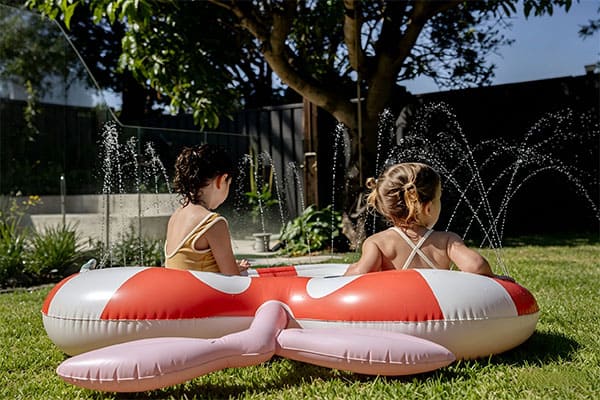
In real use, the splash pad thickness that lasts better is usually the one that matches the stress level of the home. A light-use splash pad on grass does not need the same material reserve as a splash pad used on patio, concrete, or by children and dogs together. Current consumer listings repeatedly position 0.45 mm and 0.5–0.55 mm PVC as stronger durability tiers than 0.25 mm, especially for pet use, shared use, and heavier backyard wear.
That does not mean thicker automatically wins every comparison. What it usually means is this:
- 0.25 mm can still work in lighter conditions, but it gives the family less margin for rough surfaces, pets, and repeated stress.
- 0.45 mm is often where the market starts describing splash pads as meaningfully more durable for children and pets.
- 0.5 mm to 0.55 mm is often marketed as a thicker, more confidence-giving tier for families who expect more wear tolerance.
For customers, the question is usually not “Which thickness is the absolute strongest?” The more useful question is “Which thickness still feels dependable after my own family’s kind of use?”
A practical thickness comparison looks like this:
| Thickness Level | How It Usually Fits Real Use |
|---|---|
| 0.25 mm | Lighter-use homes, softer surfaces, fewer users |
| 0.45 mm | Good all-around upgrade for family use and some pet use |
| 0.5 mm | Better for harder surfaces, heavier use, more confidence |
| 0.55 mm | Often positioned as a stronger premium durability tier |
This is why the thickness that lasts better is usually not a universal answer. It is the thickness that still feels stable once surface wear, child movement, storage habits, and possible dog use all become part of the product’s real life.
Is 0.25 mm Splash Pad Too Thin?
For some households, yes. For others, not always. A 0.25 mm splash pad is usually the thickness level where customers should be more realistic about how much stress the product can comfortably take. Current market comparisons repeatedly use 0.25 mm as the thinner reference point that 0.45 mm or 0.55 mm products claim to outperform. That alone tells you how the market is framing it: workable in lighter scenarios, but easier to worry about in tougher ones.
A 0.25 mm splash pad can still make sense when:
- one child uses it
- the splash pad stays on grass
- sessions are short and not very rough
- pets are not part of the setup
- the family stores it carefully after each use
It becomes much less comfortable as a choice when:
- the splash pad goes on patio or concrete
- two or more kids use it often
- the family wants stronger long-term confidence
- a dog may step, scratch, or paw on it
- the splash pad will be used many times each week
A practical 0.25 mm guide looks like this:
| Situation | How 0.25 mm Usually Feels |
|---|---|
| Light toddler lawn use | Often acceptable |
| Weekend-only child use | Sometimes workable |
| Frequent family use | Less confidence |
| Patio or concrete use | More vulnerable |
| Kids plus dog use | More vulnerable |
So 0.25 mm is not automatically “bad.” But it is usually the level where customers should think carefully before expecting heavier-use performance.
Is 0.45 mm Splash Pad Better?
In many homes, yes, 0.45 mm is the thickness where splash pads start feeling more reassuring. Current consumer listings and pet-friendly splash pad descriptions repeatedly present 0.45 mm as thicker and more durable than 0.25 mm, especially for households that want one splash pad to handle both kids and pets.
That makes practical sense because 0.45 mm often gives the family a better balance of:
- stronger feel underfoot
- better confidence on mixed surfaces
- better wear tolerance for repeat use
- more comfort with occasional pet use
- less “flimsy” feeling during setup and storage
A useful 0.45 mm view:
| Use Case | How 0.45 mm Usually Fits |
|---|---|
| General family backyard use | Good balance |
| Two or more children | Better confidence |
| Kids plus occasional dog use | Usually safer than thinner options |
| Patio use | Better than lighter thickness |
| Families wanting a sturdier feel | Often worthwhile |
This is why 0.45 mm is often the most practical “upgrade thickness” in real family buying decisions. It is thick enough to feel stronger, but usually still flexible and usable in a normal home setup.
Is 0.5 mm Splash Pad Worth It?
For many heavier-use households, yes. A 0.5 mm splash pad usually becomes easier to justify when the product is expected to face more stress than a simple lawn-use toddler toy. While current listings more commonly call out 0.45 mm and 0.55 mm, the same market logic applies: once the splash pad moves into the 0.5 mm range, customers are usually paying for more wear tolerance, more confidence, and a less delicate feel. Listings that promote 0.55 mm specifically frame it as more durable than 0.25 mm, especially for kids-and-dogs use.
A 0.5 mm splash pad is often worth it when:
- the splash pad may be used by dogs
- the family uses patio or smoother concrete often
- the splash pad is expected to stay in regular rotation all summer
- parents want less anxiety about bottom wear
- the product is meant to feel more premium and more dependable
A practical “is 0.5 mm worth it?” table:
| Household Need | Is 0.5 mm Usually Worth It? |
|---|---|
| One toddler on soft lawn | Sometimes not necessary |
| Regular child use | Often yes |
| Shared use with dogs | Usually more worthwhile |
| Harder ground use | Usually more worthwhile |
| Family wants stronger everyday confidence | Yes |
So the honest answer is that 0.5 mm is usually not “too much” for families who expect more than light occasional use. It matters most when the splash pad will actually be asked to do more.
What Thickness Gives the Best Value Over Time?
For many families, the best long-term value is not the cheapest thickness and not always the thickest one. It is usually the thickness that avoids early disappointment. That is why value and durability often connect more strongly around the middle-to-higher consumer thickness tiers.
A family that buys too thin may save money at the start, but later feel:
- too cautious on patio or rough lawn
- too nervous about pets
- less willing to take the splash pad out often
- more disappointed if the product ages early
A family that buys slightly stronger thickness often gets value in a different way:
- more relaxed use
- more willingness to reuse the splash pad
- more confidence for siblings or shared play
- less worry about ordinary backyard stress
A value guide looks like this:
| Thickness Choice | How It Often Feels Financially |
|---|---|
| Too thin for the household | Cheap at first, disappointing later |
| Matched to real use | Best value |
| Slightly stronger than needed | Often still reassuring value |
| Much stronger than the home really needs | Sometimes unnecessary spend |
That is why the thickness that lasts better is often also the thickness that feels like better value later in the season.
How Does Splash Pad Thickness Change Use?
Splash pad thickness changes much more than “durability” in the abstract. It changes how the product feels the moment a parent opens it, the amount of confidence the family has during play, how carefully people treat it, how well it handles the ground underneath, and whether it still feels worth using after the first few weekends. This is why thickness matters so much in real life. Families do not experience thickness as a factory number. They experience it as a series of very practical feelings:
- Does this feel too soft or too thin?
- Does this feel safe enough for active play?
- Will this hold up on my patio?
- Will I worry every time my dog steps on it?
- Will I still want to pull it out next month?
That is the real-world effect of thickness. A thinner splash pad may still be perfectly usable in a calm backyard setting. If it sits on smooth grass, gets used by one small child, and is dried and stored carefully, it may perform well enough for what that family needs. But once the use becomes heavier, the surface becomes rougher, or the splash pad starts getting treated like a regular outdoor play item instead of a light occasional toy, thickness starts changing the whole experience.
A thicker splash pad usually changes use in these ways:
- it feels more solid during setup
- it gives parents more confidence during play
- it handles rougher ground with less anxiety
- it feels less flimsy under repeated stepping
- it usually matches better with heavier-use homes
But thickness also changes use in another way that people often forget. A thicker splash pad may:
- feel heavier
- take up a bit more space when folded
- feel slightly less easy to handle for quick casual use
- create a more “serious product” feeling rather than a lightweight seasonal mat feeling
That does not make thicker worse. It just means thickness changes the whole user experience, not only the wear rate.
A practical thickness-and-use table looks like this:
| Thickness Effect | What Families Usually Notice |
|---|---|
| Thinner material | Lighter feel, easier handling, less confidence on hard ground |
| Medium thickness | Better balance between flexibility and durability |
| Higher thickness | More solid feel, better repeat-use confidence |
| Light build on rough surfaces | More caution during use |
| Stronger build in shared-use homes | More relaxed everyday use |
So thickness changes use because it changes how much normal family activity feels “safe enough” for the product.
Does Splash Pad Thickness Change Durability?
Yes, and for many households this is the most obvious reason thickness matters at all. A thicker splash pad usually has more margin against ordinary wear. That margin matters most when the splash pad is facing repeated pressure from:
- children stepping and running
- toys dragged across the surface
- rougher lawn patches
- patios or concrete
- frequent setup and takedown
- occasional pet use
The key word here is margin. A splash pad does not always fail because of one dramatic event. More often, it starts aging through many small moments of stress. A child jumps harder than expected. The splash pad is slightly dragged across the patio. It is folded a little roughly while still damp. A dog steps on the edge once or twice. None of those things may destroy the splash pad in one day. But over time, they build up. That is where thickness changes durability in a very practical way. A thicker splash pad often gives the product more tolerance before those everyday stresses start turning into visible wear.
A durability-focused table:
| Use Condition | Does Thickness Matter More? |
|---|---|
| Soft lawn, light use | Less |
| Weekend-only use | Less to medium |
| Frequent backyard family use | More |
| Patio or concrete use | More |
| Kids plus pets | More |
| Heavy summer rotation | Much more |
Families usually notice this not only through damage, but through confidence. A thicker splash pad often feels like something they can use normally. A thinner splash pad may make them feel like they need to be careful all the time. That difference in confidence is part of durability too, because a product that constantly feels “at risk” often feels lower value even before it breaks.
Is a Splash Pad Dirtier Than a Pool?
At first glance, this sounds like a cleanliness question, not a thickness question. But in real use, the two are connected more than many people realize. Thickness changes where and how families are willing to use the splash pad, and that directly affects how dirty it gets.
A splash pad usually sits directly on the ground. That means it naturally picks up:
- grass clippings
- dirt from feet
- mud after watering
- patio dust
- pet hair and paw marks
- sunscreen residue
- leaves and outdoor debris
A pool creates a different kind of cleaning problem because it holds more standing water. A splash pad usually gets dirty faster across the surface, while a pool often creates more concern around the water itself.
A practical comparison:
| Product Type | What Usually Gets Dirtier Faster |
|---|---|
| Splash pad on grass | Surface dirt builds faster |
| Splash pad on patio | Surface debris still builds, but usually less grass mess |
| Pool | Standing water creates different cleaning concerns |
| Splash pad with pets | Surface dirt and residue increase faster |
So is a splash pad dirtier than a pool? In many homes, yes, the splash pad surface can feel dirtier faster because it is closer to the yard and used more like a wet outdoor play mat. This connects back to thickness because thicker splash pads often make families more comfortable with repeated rinse-and-reuse life. They may move them more confidently, rinse them more firmly, and worry less about ordinary handling. A very thin splash pad can make every cleanup feel like something that must be done carefully. A stronger-feeling splash pad often feels easier to live with.
What Is the Average Splash Pad Size?
Average splash pad size matters because thickness should never be judged by itself. A small splash pad and a large splash pad do not live the same life, even if they are made from similar material. Larger splash pads usually mean:
- more total play area
- more total foot traffic
- more children using them at once
- more movement across the ring
- more bottom friction over the whole surface
- more folding and storage stress later
In the consumer market, home splash pads are often sold in rough size bands like these:
| Splash Pad Size | Common Use Pattern |
|---|---|
| Small | One small child or light use |
| Medium | One to two children, general family use |
| Large | Several children, shared use, or more active play |
This matters because thickness that feels fine on a smaller splash pad may feel less convincing on a larger one if the larger product is expected to host more activity.
A size-and-thickness guide looks like this:
| Splash Pad Size | Thickness Importance |
|---|---|
| Small splash pad | Moderate |
| Medium splash pad | Medium to higher |
| Large splash pad | Higher |
| Large splash pad with shared use | Much higher |
This is one reason customers should not compare thickness numbers without also thinking about size. A small splash pad used lightly and a large splash pad used hard should not be judged by the same expectations.
Why Does Thicker Sometimes Feel More Comfortable?
Comfort is not only about softness. For many families, comfort also means emotional comfort. It means not feeling nervous during play.
A thicker splash pad often feels more comfortable because:
- parents trust it more under quick movement
- children can play more naturally without constant warnings
- the splash pad feels steadier on the ground
- the product feels less like a delicate sheet and more like a real play item
Of course, too much stiffness would be a problem if the splash pad lost flexibility. But in most family buying decisions, the comfort benefit of extra thickness is not about luxury. It is about reduced worry.
A comfort-focused comparison:
| Thickness Feel | How It Often Changes Comfort |
|---|---|
| Very light feel | More caution, less confidence |
| Balanced medium feel | Good comfort for many homes |
| Stronger thicker feel | More confidence for active use |
That is why many families say a thicker splash pad “just feels better,” even before they can explain exactly why. They are often reacting to the combination of:
- steadier feel
- lower anxiety
- better match for real child behavior
- better sense of long-term value
How Does Thickness Change Shared Use?
Thickness matters even more when the splash pad is shared. Shared use does not only mean more people. It means more varied movement, more unpredictable pressure, and more total wear in one session.
Shared use often includes:
- siblings of different ages
- children plus parents kneeling nearby
- children plus pets
- repeated use across the same week
- more setup and cleanup cycles
In those homes, thickness often changes the experience from “be careful with it” to “this feels more appropriate for our family.”
A shared-use table:
| Shared Use Type | Why Thickness Matters More |
|---|---|
| Two children | More foot traffic |
| Several children | More total surface stress |
| Kids plus dog | More concentrated pressure and abrasion |
| Frequent party or backyard use | More repeat wear |
So thickness changes use because it changes what kind of family life the splash pad can comfortably tolerate. The more users, the more movement, and the more repeat use, the more that extra material starts feeling useful instead of optional. That is the real answer to how splash pad thickness changes use.
It changes:
- durability
- confidence
- comfort
- cleanup experience
- suitability for size and surface
- whether the product still feels like a good decision after real use begins

How to Pick Splash Pad Thickness
Picking splash pad thickness well is really about matching the product to the home, not just choosing the highest number. This is where many families make the wrong decision. They focus on one phrase like “extra thick,” or they compare two listings and assume the thicker one must automatically be the smarter buy. But once the splash pad gets into a real backyard, thickness only matters when it matches the way the product will actually be used. That is the key point.
A splash pad should not be chosen only by thickness. It should be chosen by the relationship between:
- thickness
- surface
- user type
- use frequency
- pet use
- storage habits
- overall build confidence
For example, a splash pad that works perfectly well for one toddler on smooth grass may feel too light in a home where:
- two or three children use it together
- the splash pad sits on patio or concrete
- the dog joins in sometimes
- it is used almost every warm day
- parents want a more solid, less flimsy feel from the start
That is why the best thickness is not the same for every household.
A practical selection table looks like this:
| Home Situation | Better Thickness Direction |
|---|---|
| One toddler, light lawn use | Lower to medium thickness may work |
| Two children, regular lawn use | Medium thickness is usually safer |
| Frequent family use all summer | Medium to higher thickness is better |
| Patio or concrete use | Higher thickness matters more |
| Kids plus dog use | Higher thickness is usually the safer choice |
| Shared use with rougher play | Higher thickness gives more confidence |
For most customers, the best buying decision happens when they stop asking, “Which splash pad is thickest?” and start asking, “Which splash pad thickness makes sense for the life this product will actually have in my home?” That is the question that usually leads to better value.
Which Splash Pad Thickness Is Best for Kids?
The best splash pad thickness for kids depends on three very practical things:
- the age of the children
- how active they are
- what surface the splash pad will sit on
This matters because children do not all use a splash pad in the same way. A toddler usually creates a much gentler use pattern than an older child. A toddler may sit, crawl, step carefully, or simply enjoy the spray. Older children are more likely to run, stomp, jump, slide, drag toys across the surface, and crowd the edge. That changes the thickness decision quickly.
A useful child-use guide looks like this:
| Child Use Situation | Better Thickness Direction |
|---|---|
| One toddler on grass | Lower to medium |
| Two toddlers on lawn | Medium |
| One or two active kids | Medium to higher |
| Several children sharing | Higher |
| Frequent party or backyard use | Higher |
For many families, medium thickness is the safest all-around choice for children because it usually gives a better balance of:
- flexibility
- comfort
- confidence
- repeat-use durability
A lower thickness may still work if the splash pad is mainly for one small child on soft grass. But once the child count or activity level rises, many parents feel better with more material under normal play. The real goal is not to buy “the thickest splash pad for kids.” The real goal is to buy a splash pad that feels calm and dependable under the way those kids actually play.
Which Splash Pad Thickness Is Best for Concrete?
Concrete changes the whole thickness question. This is one of the clearest situations where stronger thickness becomes much more important. Why? Because concrete changes how the splash pad wears from below. Even when the top side looks fine, the underside may face:
- more friction
- more heat
- more pressure on the same points
- more risk from grit or rough texture
- faster visible scuffing and wear
If the concrete is rough, dusty, or slightly uneven, the splash pad usually needs more margin. That is where thicker material often becomes easier to justify.
A practical concrete-use guide:
| Concrete Condition | Better Thickness Direction |
|---|---|
| Very smooth, clean patio | Medium may work |
| Smooth concrete with careful use | Medium to higher |
| Rough concrete | Higher is safer |
| Frequent concrete use | Higher is better |
| Concrete plus pet use | Higher becomes much more important |
Families using concrete often worry about two things:
- Will the bottom wear too fast?
- Will the splash pad feel too thin every time I set it down?
That second point matters. Even before visible damage appears, a splash pad can feel like the wrong choice if parents are nervous every time it touches the ground. So for concrete, the best splash pad thickness is usually not the lowest workable thickness. It is the thickness that gives the family enough confidence to use the product normally without constantly feeling cautious.
Which Splash Pad Thickness Is Best for Shared Use?
Shared use means the splash pad is dealing with more than one movement pattern in the same session. That could mean:
- two or more children
- children of different ages
- children plus a dog
- regular family gatherings
- repeated summer use across the same week
This matters because shared use usually creates more total pressure, more total foot traffic, and more total edge stress.
A shared-use splash pad often faces:
- more stepping on the ring
- more crowding in one area
- more repeated movement over the same surface
- more rough setup and cleanup handling
- more chance that the splash pad is treated like a “full family item,” not a light-use toy
A shared-use table makes this easier to see:
| Shared Use Type | Better Thickness Direction |
|---|---|
| Two children | Medium |
| Several children | Medium to higher |
| Kids plus occasional dog use | Higher is safer |
| Kids plus regular dog use | Higher is usually better |
| Frequent backyard gatherings | Higher gives more confidence |
For most homes, thickness becomes more valuable the moment the splash pad stops being a one-child product and starts becoming a shared backyard product. That is why shared use usually pushes the thickness decision upward. Not because thicker automatically solves everything, but because shared use creates more total wear and more total unpredictability.
How Should Surface Change the Thickness Choice?
Surface should be one of the first things families think about, because surface often changes thickness needs faster than people expect. A splash pad on soft grass usually lives a much easier life than a splash pad on:
- patio
- concrete
- exposed stone
- rough decking
- mixed hard-and-soft backyard areas
That means thickness should always be judged together with the surface below it.
A practical surface-based guide:
| Main Surface | Thickness Priority |
|---|---|
| Smooth grass | Lower to medium may work |
| Level lawn | Lower to medium |
| Smooth patio | Medium |
| Concrete | Medium to higher |
| Rough hardscape | Higher |
This is one reason customers sometimes feel a splash pad was “not durable enough” even though the product was not terrible. The real problem may be that the family bought a lawn-use thickness and then used it mostly on harder ground. So the smarter way to pick splash pad thickness is not just to compare product numbers. It is to ask: what kind of ground will this product actually live on? That answer often changes the decision more than people expect.
How Should Pet Use Change the Thickness Choice?
Pet use should move thickness up the priority list almost immediately. It does not matter only because dogs are heavier than small children. It matters because dogs apply pressure differently.
Dogs often create:
- nail pressure
- more concentrated force
- scratching or pawing at the spray
- faster turns
- repeated edge stepping
- less predictable movement than children
That means a splash pad thickness that feels acceptable for child-only lawn use may feel too light the moment dog use becomes part of regular play.
A pet-use guide looks like this:
| Pet Use Situation | Better Thickness Direction |
|---|---|
| No pet use | Lower to medium may work |
| Small dog, occasional use | Medium |
| Medium dog, occasional use | Medium to higher |
| Regular dog use | Higher |
| Kids plus dog shared use | Higher is usually safer |
For many households, the real question is not: “Can the dog use it once in a while?” The more useful question is: “Will the dog be part of the normal use pattern?” If the answer is yes, then thickness should usually move upward, because the splash pad is no longer living a child-only life.
What Should Families Check Before Buying?
Before buying, families usually do better when they run through a very simple checklist. This prevents a lot of the common regrets later.
A good pre-buy thickness checklist includes:
- What surface will this splash pad sit on most of the time?
- How many kids will use it?
- Are they toddlers or active older children?
- Will a dog use it too?
- Will this be light occasional use or regular summer use?
- Do I want the lowest price, or better confidence over time?
A final pre-buy table:
| Checkpoint | Why It Matters |
|---|---|
| Main surface | Harder ground usually needs more thickness |
| Number of users | More users usually means more total wear |
| User age and activity | Active play usually needs more confidence |
| Pet use | Often pushes thickness higher |
| Use frequency | Frequent use makes stronger thickness more valuable |
| Budget vs expectations | Helps avoid buying too light for the job |
That is the real way to pick splash pad thickness well. The best thickness is usually not the biggest number on the page. It is the thickness that fits the family’s real ground, real users, real habits, and real expectations closely enough that the splash pad still feels like a good decision after the first excitement wears off.
What Matters More Than Splash Pad Thickness?
Thickness matters, but it is not the whole story, and in many homes it is not even the main reason a splash pad lasts or fails. This is one of the biggest mistakes customers make when comparing products. They focus on one thickness number because it feels concrete and easy to compare. But once the splash pad gets into a real backyard, other factors often decide the result much faster.
A splash pad can sound impressive because the material is thick, but still disappoint if:
- the seams are weak
- the bottom is badly matched to the ground surface
- the connector area becomes the weak point
- the spray ring is poorly balanced
- the material feels stiff or ages too fast in summer use
- the family uses it much harder than the product was really built for
That is why a smart buying decision should treat thickness as one important factor, not the only one. For most families, the things that often matter as much as thickness, or even more, are:
- seam quality
- material quality
- surface choice
- user type
- use frequency
- storage habits
A practical comparison makes this much clearer:
| Product Factor | Why It Can Matter More Than Thickness |
|---|---|
| Seam quality | Weak seams can ruin a thick splash pad quickly |
| Material quality | Better material can outperform thicker but lower-quality material |
| Ground surface | Rough concrete can wear down even a thicker splash pad |
| Ring design | Poor pressure balance creates early stress points |
| Connector support | A weak connector can create frustration before thickness matters |
| Daily care | Poor storage can shorten life fast |
This is the point where many customers start making better decisions. They stop asking only:
- How thick is it?
And start asking:
- How well is this whole splash pad built?
- Will this actually fit my yard and my family?
- Will this still feel dependable later?
That is the better way to judge value.
Do Splash Pad Seams Matter More?
Yes, very often they do. In real backyard use, seam quality is one of the first things that separates a splash pad that still feels dependable from one that starts feeling questionable too early. This is because the seams are doing much more work than most customers realize.
The seams are helping the splash pad:
- hold water pressure around the ring
- keep the shape stable during use
- resist leaks at the edge
- handle repeated stepping and shifting weight
- survive folding and reopening over time
If the seams are weak, thickness helps less than people expect. A thick splash pad with weak seams can still become frustrating very quickly.
Families usually notice seam problems in simple ways:
- one section of the ring feels softer
- the spray pattern becomes less even
- a damp area starts showing near the edge
- the splash pad no longer feels equally firm all around
- a small edge leak appears earlier than expected
A seam comparison table helps explain why this matters:
| Seam Condition | What Families Usually Experience |
|---|---|
| Strong, even seams | Better ring stability and better long-term confidence |
| Weak seams | Earlier soft spots and edge problems |
| Strong seams + medium thickness | Often better than thick material + weak seams |
| Strong seams + stronger thickness | Best overall confidence |
This is why some families buy a thicker splash pad and still feel disappointed later. The thickness looked good in the listing, but the seams were doing the real work and could not support the product the way they expected. So yes, in many homes, seams matter more than one small increase in thickness.
Does Splash Pad Material Matter More?
Yes, because thickness only becomes useful when the material itself is good enough to use that thickness well. This is a very important point, and many customers miss it because thickness sounds more visible and easier to compare.
A thicker splash pad made from lower-confidence material may still:
- feel stiff too early
- wear down faster than expected
- fold poorly
- lose comfort during repeat use
- feel older after one strong summer season
A splash pad with better material usually performs better because it can do several things at once:
- stay flexible enough for folding
- feel strong enough during use
- support the seams better
- handle heat and outdoor wear better
- keep a more dependable feel through repeat sessions
A practical material table:
| Material Quality | What Families Usually Notice |
|---|---|
| Better flexibility | Easier folding and better long-term feel |
| Better toughness | Better confidence against surface wear |
| Better seam support | Better pressure hold around the ring |
| Better outdoor tolerance | Slower aging in summer use |
This is why material often matters more than thickness in real family life. Thickness is easy to advertise. Material quality is what often decides whether that thickness actually helps once the splash pad is used week after week. So when customers ask whether a thicker splash pad is always better, the real answer is: only if the material is strong enough to make that thickness meaningful.
Does Splash Pad Surface Matter More?
In many homes, yes, the surface matters much more than people expect, and sometimes more than a small difference in thickness. This is one of the most overlooked reasons two similar splash pads can perform very differently.
The ground under the splash pad changes:
- bottom wear
- friction
- heat exposure
- puncture risk from debris
- how cautious the family feels during use
A splash pad that feels fine on smooth grass may feel much more vulnerable on:
- rough concrete
- exposed stone
- gritty patio
- cracked hardscape
- mixed lawn-and-patio setups
A surface comparison makes this easier to see:
| Surface Type | How Much It Affects Splash Pad Life |
|---|---|
| Smooth grass | Lower wear pressure |
| Level lawn | Lower wear pressure |
| Soft outdoor mat | Lower wear pressure |
| Smooth patio with protection | Medium wear pressure |
| Rough concrete | Higher wear pressure |
| Gravel or stone | Highest wear pressure |
This is why the same splash pad can feel durable in one home and disappointing in another. The product itself may not be dramatically different. The surface underneath may be creating the difference.
For many families, surface is the hidden force behind comments like:
- It felt thinner than I expected
- It wore faster than I thought
- I got nervous using it on the patio
- It looked fine at first, then started feeling old quickly
So yes, surface often matters more than people first realize, and it can matter more than a small thickness upgrade if the ground is rough enough.
Does Splash Pad Size Matter More?
Sometimes yes, because size changes how much total stress the splash pad needs to handle. A larger splash pad is not automatically worse, but it usually means more play area, more motion, more stepping, and often more people using it at once. That means the thickness number should never be judged without thinking about the size of the product too.
A larger splash pad often means:
- more total foot traffic
- more children using it together
- more pressure around the ring
- more bottom friction during play
- more folding stress during storage
A size-and-stress guide looks like this:
| Splash Pad Size | Why It Can Matter as Much as Thickness |
|---|---|
| Small | Lower total stress in many homes |
| Medium | Balanced stress for general family use |
| Large | More total movement and more total wear |
| Large shared-use splash pad | Higher stress makes overall build more important |
This is why a medium-thickness small splash pad may feel completely fine in one home, while the same thickness on a large frequently used splash pad may feel less reassuring. So size does not replace thickness, but it changes how thickness should be judged.
Do Kids, Dogs, and Use Style Matter More?
Yes, because user behavior often decides how fast wear appears. Two homes can own the same splash pad on the same surface and still get different results simply because the users behave differently.
A calmer use pattern usually means:
- lighter stepping
- less edge stress
- less dragging
- less sudden impact
- easier storage afterward
A rougher use pattern usually means:
- harder movement
- more pressure in repeated zones
- more toys or activity on the surface
- more edge contact
- more total wear per session
A practical use-style table:
| Use Style | Why It Can Matter More Than Thickness |
|---|---|
| One toddler, calm play | Lower total stress |
| Two active children | More total stepping and movement |
| Several kids sharing | Much higher overall wear |
| Kids plus dog | More abrasion, more unpredictability |
| Frequent weekly use | More accumulated stress over time |
This is why families should never judge thickness alone without thinking about the people and pets actually using the splash pad. A splash pad does not wear out according to the number printed on the page. It wears out according to the life it actually lives.
What Should Customers Focus On Most?
If a customer wants the most useful way to compare splash pads without getting distracted by only one selling point, the best order is usually:
- seam quality
- material quality
- surface match
- user type
- use frequency
- thickness
Thickness still belongs on the list. It just should not sit alone at the top.
A final priority guide:
| What to Check First | Why It Matters |
|---|---|
| Seams | They often decide whether the ring stays reliable |
| Material | It decides whether thickness is meaningful |
| Surface match | It changes how quickly the bottom wears |
| User type | Kids, pets, and shared use change stress fast |
| Use frequency | More use means stronger build matters more |
| Thickness | Important, but best judged after the factors above |
That is the real answer to what matters more than splash pad thickness. Thickness is important. But the splash pads that feel like the best long-term purchase are usually the ones where thickness, seams, material, surface fit, and real household use all match each other well.
Why Choose Epsilon Splash Pads?
When customers ask why they should choose Epsilon splash pads, they are usually asking a much more practical question underneath: Why should I trust this splash pad more than the many other splash pads already on the market? That is exactly the right question. A splash pad is easy to underestimate. On the surface, it looks simple: a flat water-play product, a ring, some spray holes, and a hose connector. But once it reaches a real backyard, the product starts facing real pressure immediately. It has to deal with:
- repeated stepping and running
- outdoor sun and weather
- grass, patio, or concrete surfaces
- hose pressure through the ring
- folding, rinsing, drying, and storage
- sometimes shared use with dogs
That is why a splash pad should never be judged only by graphics, diameter, or one thickness number. A splash pad works well when the whole product is thought through properly:
- material
- thickness
- seams
- ring structure
- connector area
- outdoor durability
- packaging
- market fit
That is where Epsilon becomes different. American Epsilon Inc. is not only selling splash pads as one isolated summer product. It is a U.S.-registered company focused on PVC and composite material products for children’s water play, pet products, family entertainment, and seasonal outdoor use. That matters because splash pads perform better when the supplier understands the full product chain, not just the visual side of the item. For customers, that means Epsilon is useful in a very practical way.
Families want to know:
- Will this splash pad still feel worth using later in the season?
- Will it feel too flimsy on the ground?
- Will the seams hold up?
- Will it make sense for my children, my yard, and maybe my dog?
Business customers want to know:
- Can this supplier build the right thickness for my market?
- Can they support custom size, print, and packaging?
- Can they help me avoid weak products and unnecessary complaints?
- Can they scale if my sales grow?
Epsilon is a better answer to those questions because the company has real depth behind the product. From the company information you provided, Epsilon’s strengths include:
- a 27-person R&D team
- expertise in PVC and composite materials
- structure and mold engineering support
- children’s product and pet-use understanding
- more than 500 material and product tests per year
- more than 1,500 design projects annually
- more than 1,000 new products launched each year
- annual output capacity up to 12 million units
- OEM and ODM support
- packaging, printing, and localization capability
- cross-platform experience across Amazon, Walmart, Temu, eBay, Etsy, and independent sites
A practical value table makes this easier to see:
| Epsilon Capability | Why It Matters for Splash Pads |
|---|---|
| U.S.-registered company | Gives retail and B2B customers more confidence |
| Focus on PVC and composite materials | Helps improve real product durability |
| 27-person R&D team | Supports better material and structure decisions |
| 500+ tests per year | Helps reduce weak points before products reach customers |
| 1,500+ design projects annually | Shows broad development experience |
| 12 million units annual capacity | Supports scaling for both retail and wholesale demand |
| OEM/ODM capability | Helps brands build custom splash pad lines |
| Multi-platform experience | Helps products fit real market demand |
This is why Epsilon should not be judged only as “another splash pad supplier.” It is better understood as a company with the product background, development depth, and manufacturing support to build splash pads that make more sense in real use.
What Makes Epsilon Splash Pads More Durable?
Epsilon splash pads are more durable because the company is not treating the product like a simple printed water toy. It is treating it like a real-use outdoor product that needs to survive actual family behavior.
That means the company has to think carefully about:
- how the material feels during repeated use
- how thickness should match different use levels
- how seams handle pressure around the ring
- how the bottom tolerates lawn, patio, or concrete
- how the connector area holds up through repeated hose use
- how the splash pad performs after folding and storage
This matters because a splash pad rarely disappoints for one single reason. It usually disappoints because several small weaknesses combine:
- the material feels too light
- the seams soften too early
- the product feels less trustworthy on hard ground
- the splash pad seems to age faster than expected
A stronger splash pad usually comes from many correct decisions being made at the same time.
A practical durability table:
| Durability Area | Why It Matters in Real Use |
|---|---|
| Material planning | Better feel and better wear resistance |
| Thickness planning | Better fit for light, medium, or heavy use |
| Seam planning | Better leak resistance and better ring stability |
| Bottom-surface tolerance | Better confidence on grass, patio, or mixed use |
| Connector support | Less frustration during repeated setup |
This is why many families describe a stronger splash pad in simple language like:
- “It feels better made.”
- “It feels more solid.”
- “I’m less worried using this one on the patio.”
- “This one feels more worth the money.”
That feeling usually comes from better product logic, not just thicker material alone.
How Does Epsilon Control Splash Pad Thickness?
One of Epsilon’s biggest strengths is that the company does not have to treat splash pad thickness as one fixed number for every situation. Thickness can be planned more intelligently based on:
- target user age
- target market
- expected use frequency
- surface conditions
- whether pets may use it
- product price level and positioning
This is important because not every splash pad should be built the same way.
For example:
- a toddler splash pad for lawn use may not need the same thickness direction as
- a shared-use family splash pad on patio, or
- a splash pad that may also be used by dogs
That is why thickness control matters so much. It allows the product to match the job better.
A useful thickness-planning table:
| Product Need | Why Controlled Thickness Matters |
|---|---|
| Light-use splash pad | Avoids unnecessary overbuild |
| Family-use splash pad | Improves balance of feel and durability |
| Patio-use splash pad | Gives more confidence on harder surfaces |
| Dog-use or shared-use splash pad | Supports stronger wear tolerance |
| Private-label project | Matches market expectations more closely |
This is where Epsilon is more valuable than a supplier that only offers one version and describes everything as “heavy duty.” Real product development means choosing thickness on purpose, not just using one phrase in a listing.
Which Splash Pads Can Epsilon Customize?
Another reason to choose Epsilon is product flexibility. Splash pads are not being treated as one flat category. Epsilon can support different splash pad types based on different users, different markets, and different use conditions.
From the information you provided, Epsilon can support:
- round splash pads
- square splash pads
- dog splash pads
- soccer splash pads
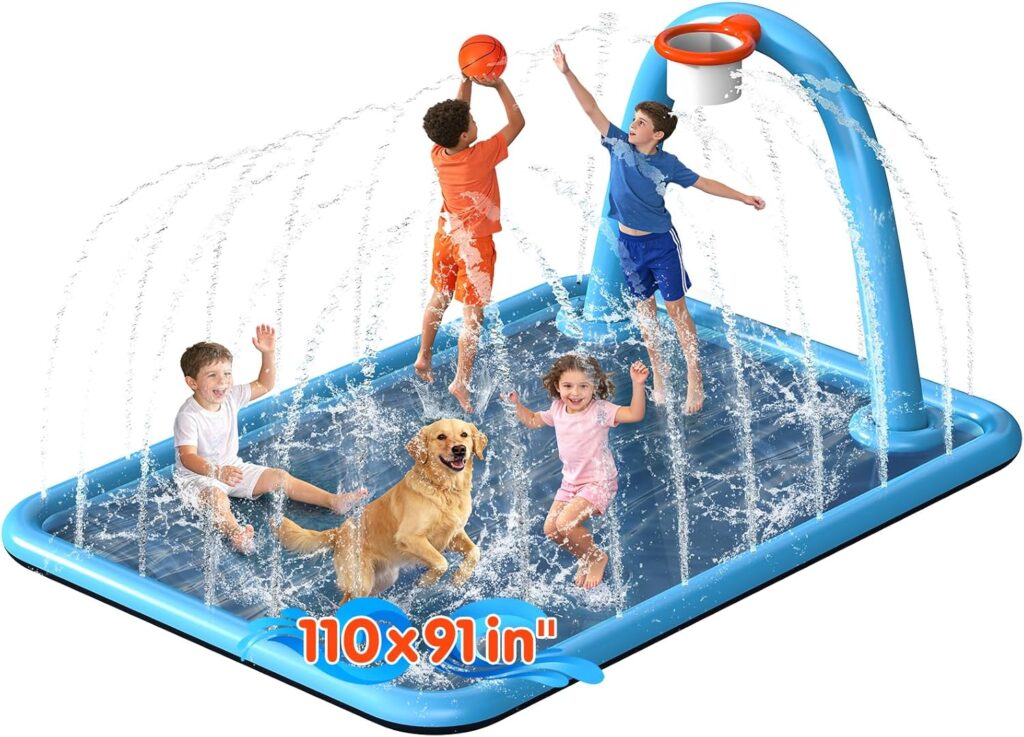
- splash pads with basketball hoops
- toddler-oriented splash pads
- private-label splash pads
- custom OEM/ODM splash pads
This matters because different splash pad types need different product logic.
For example:
- a kids splash pad needs child-friendly play and visual appeal
- a dog splash pad needs more wear tolerance and pet-friendly thinking
- a shared-use splash pad needs better balance between child use and pet use
- a sports splash pad often needs to handle more active movement
- a private-label splash pad may need different thickness, print theme, packaging, or positioning for a specific market
A practical customization table:
| Splash Pad Type | Main Product Focus |
|---|---|
| Kids splash pad | Child-friendly play and graphics |
| Dog splash pad | Better pet-use tolerance |
| Shared-use splash pad | Balance between child and pet needs |
| Sports splash pad | More active-play positioning |
| Private-label splash pad | Market-specific size, print, and packaging |
For B2B customers, this makes Epsilon much more useful because it means the product line can be built with intention instead of forcing every market into the same generic option.
Why Is Epsilon Better for OEM and ODM Splash Pads?
For business customers, this is often one of the most important reasons of all. A lot of suppliers can offer a splash pad. Fewer can help shape it into a product that is better matched to a market, more clearly positioned, and easier to sell long term. Epsilon OEM and ODM strength matters because the company can support much more than production. It can support:
- custom splash pad sizes
- custom thickness and material planning
- custom colors and print themes
- logo printing
- packaging customization
- multilingual packaging support
- sample development
- production planning
- market-specific positioning
From your company information, Epsilon can often support:
- rapid sampling in 3–5 days
- standard production in around 20 days
- rush orders in around 14 days in some cases
That is very useful for:
- Amazon sellers
- independent-site brands
- distributors
- wholesalers
- retail importers
- startup brands launching private-label water-play products
A practical OEM/ODM value table:
| Custom Need | Why Epsilon Helps |
|---|---|
| Faster testing of product ideas | Quick sample development |
| Better product differentiation | Size, thickness, print, and packaging support |
| Better retail fit | Market-specific design and presentation |
| Easier scaling | Strong production capacity |
| Stronger long-term cooperation | Factory plus development support |
This is why Epsilon should not only be seen as a factory. It is also a product-development partner for customers who want stronger splash pads and clearer market positioning.
Why Does Epsilon Matter for Real Family Use?
At the end of the day, real customers do not live inside technical specs. They live in homes with:
- children
- pets
- lawns and patios
- limited storage space
- real cleanup routines
- real summer habits
That is why the most important question is usually not:
- Can this supplier make a splash pad?
The more useful question is:
- Can this company help provide a splash pad that still feels right once real family use begins?
That is where Epsilon matters. Because of its background in materials, testing, structure planning, child-use products, pet products, and cross-market sales, Epsilon is in a stronger position to support splash pads that are:
- more durable
- more usable
- easier to position for the right customer
- better suited to different surfaces and shared-use conditions
- easier to develop into stronger branded or custom product lines
A final practical value table:
| Real Customer Need | Why Epsilon Fits Better |
|---|---|
| A splash pad that holds up better | Better material, seam, and thickness planning |
| A splash pad that feels worth the money | Better real-use performance |
| A splash pad for patio, pets, or shared use | Better product matching |
| A stronger private-label project | OEM/ODM and sample capability |
| A long-term manufacturing partner | Broader category and production strength |
That is the real answer to why choose Epsilon splash pads. Not because the company can simply make splash pads, but because it can help create splash pads that are more durable, more practical, and more market-ready from the beginning.
Ready to Buy Splash Pads or Start Your Custom Project?
If you are looking for a splash pad that is not only fun, but also built with better material planning, more suitable thickness, and stronger real-use durability behind it, Epsilon is ready to help. American Epsilon Inc. is a U.S.-registered company specializing in PVC and composite material products for children’s water play, family entertainment, pet products, and seasonal outdoor categories. Under the EPN brand, we offer ready-to-ship splash pad products and also support OEM and ODM development for brands, retailers, distributors, and importers.
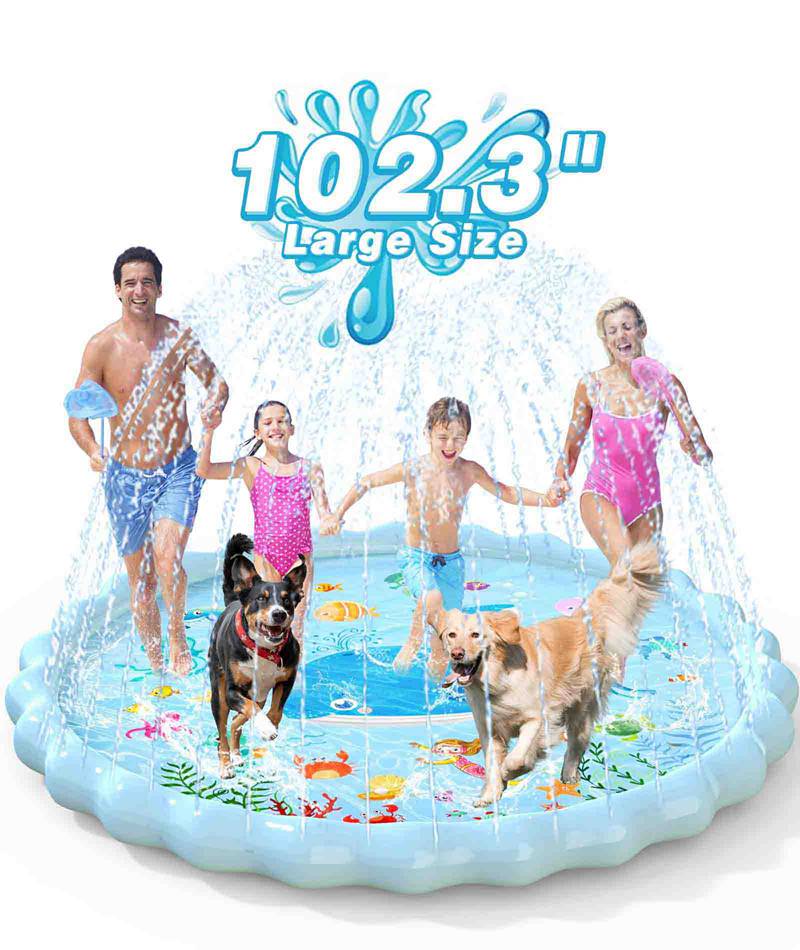
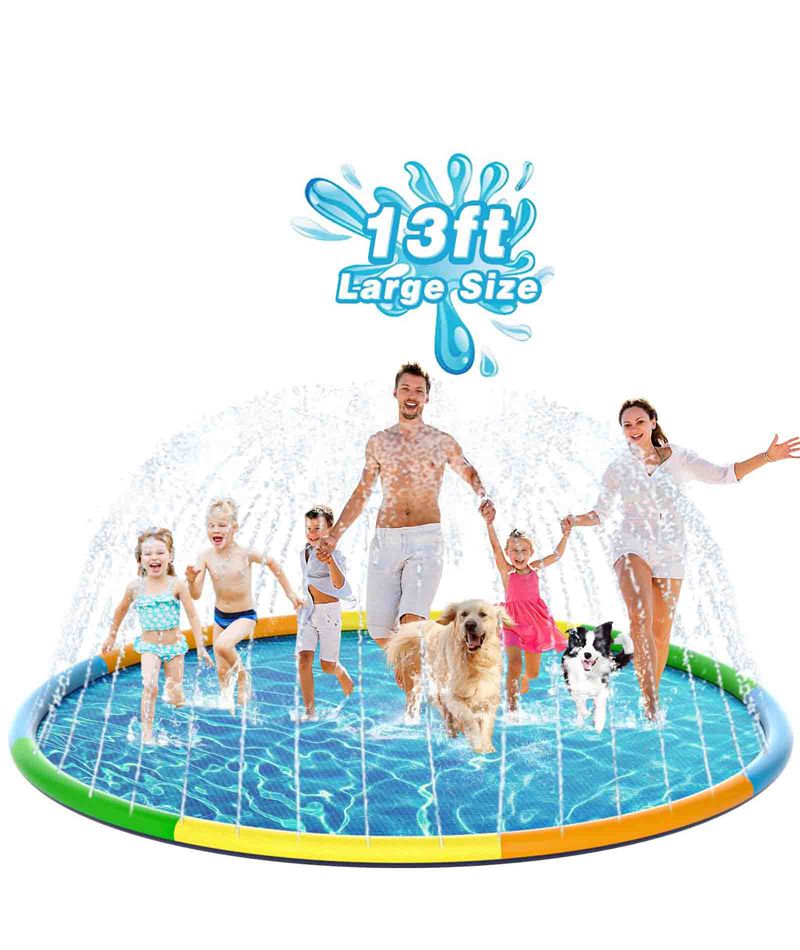
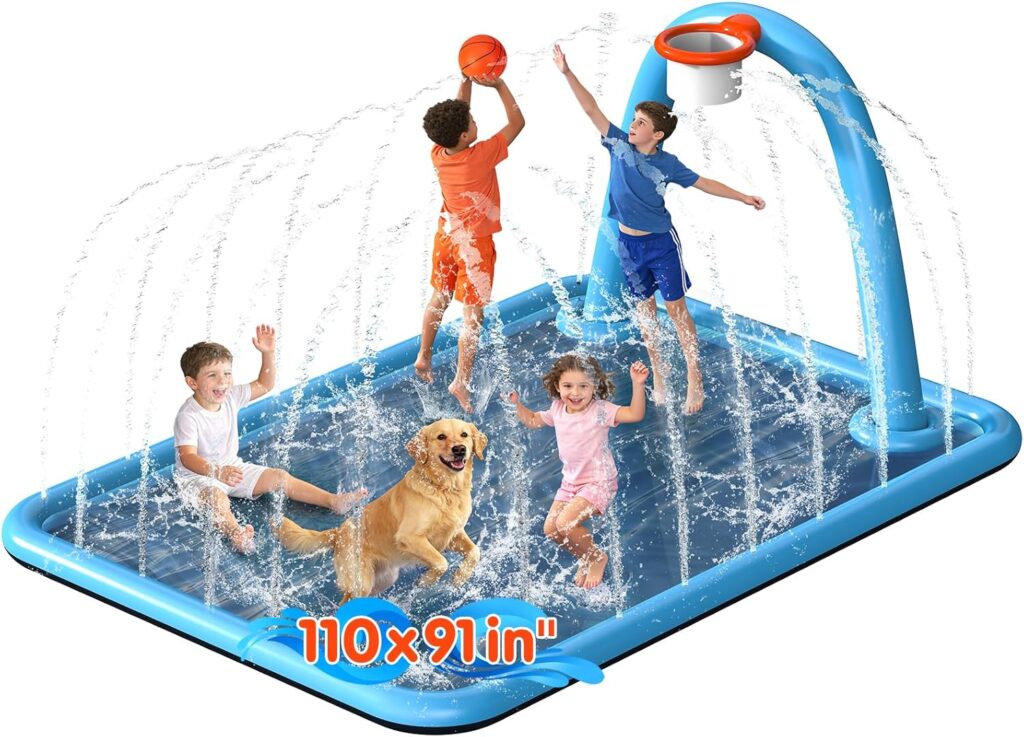
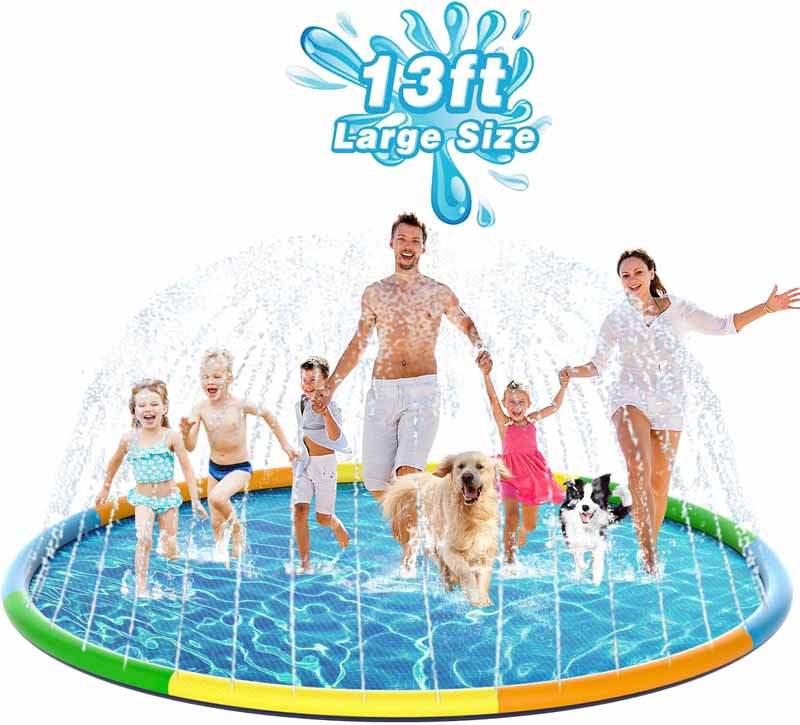
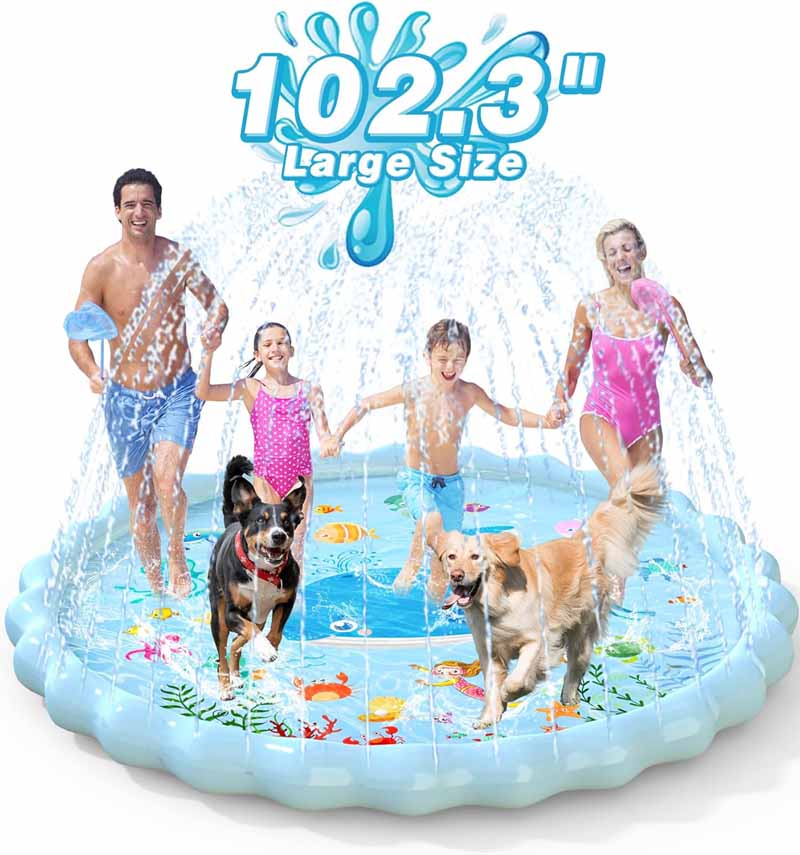
Our splash pad range includes round splash pads, square splash pads, dog splash pads, soccer splash pads, and splash pads with basketball hoops. Beyond splash pads, we also support related seasonal categories such as dog pools, dog pools with sprinklers, pool pillows, snow tubes, and punching bags.
What makes Epsilon valuable is not only production capacity. We combine material planning, thickness selection, structure design, seam development, testing support, packaging capability, and multi-market experience, so customers can move more smoothly from product idea to finished goods. For retail customers, we offer in-stock splash pad products that are ready to buy now.
Shop In-Stock Splash Pad Products
- Buy Round Splash Pad
- Buy Square Splash Pad
- Buy Dog Splash Pad
- Buy Soccer Splash Pad
- Buy Splash Pad with Basketball Hoop
Start a Custom Splash Pad Project
- Contact Us for Custom Splash Pads
Request a Sample
- Request a Splash Pad Sample
Explore More Related Product Pages
If you want to explore more seasonal PVC and outdoor family-use categories, you can continue browsing these related pages:
Whether you want to buy ready-to-ship splash pad products, request samples, or develop a custom splash pad line with more suitable thickness and stronger real-use durability, Epsilon is ready to discuss your project in detail.
Get A Fast quote
Here, bringing your inflatable concepts to life is no longer a challenge—it’s a collaborative journey where American Epsilon helps families, outdoor enthusiasts, and global brands transform creative ideas into safe, certified, and market-ready inflatable solutions.


Partner With Epsilon
Whether you are a family looking for safe backyard fun or a brand seeking large-scale OEM/ODM solutions, American Epsilon Inc. guarantees every inflatable is built with safety, durability, and excitement in mind. With flexible low MOQs, strategically placed warehouses in the U.S., Canada, U.K., and Germany, plus 24/7 professional support, we ensure smooth delivery and reliable service worldwide.
Ready to bring your inflatable ideas to life? Request free samples, fast prototypes, and customized designs today—your trusted inflatable journey starts here.