Skip to content
How to Use a Splash Pad Safely for Kids and Pets
# Your Trusted Inflatable Supplier In US

Summer water play looks simple: hook up a hose, turn on the tap, and let the backyard turn into a mini water park. For many families, splash pads feel like the easiest answer to hot afternoons—no deep water, no complicated setup, no constant worry about swimming skills. Kids laugh, pets cool down, and everything feels low-pressure.
But after a few real-life uses, most parents notice something else. The surface gets slick faster than expected. Kids run harder than they would on dry ground. Dogs chase water with zero awareness of traction. And when the splash pad is folded up at the end of the day, it’s not always clear whether it’s “clean enough” or “dry enough” to store.
That’s where safety questions start to feel less theoretical and more practical. A splash pad may not look dangerous, but it combines water, movement, skin contact, heat, and repetition—often all at once. Treating it like a simple toy can work for one afternoon. Treating it like reusable water-play equipment is what keeps things safe over an entire summer.
Many parents assume splash pads are “automatically safe” because there’s no standing water like a pool. Many pet owners believe splash pads are harmless cooling tools. Homeowners often place splash pads on whatever surface is available—grass, concrete, or decking—without much thought. These assumptions are understandable, but they are also incomplete.
In recent years, search trends on Google show rapid growth in questions like “Are splash pads safe for toddlers?”, “Can kids get bacteria from splash pads?”, and “Should children wear shoes on splash pads?”. Online search results have shifted in the same direction: people want practical, situation-based guidance—because what’s safe for a toddler on grass may not be safe for older kids on a wet deck. That means safety depends on materials, setup, supervision, hygiene, and user age—not just the product itself.
A splash pad is safe when it is made from certified non-toxic materials, placed on a stable non-slip surface, used under supervision, cleaned regularly, and matched to the user’s age and activity level. Unlike pools, splash pads reduce drowning risk but still require attention to slipping, water pressure, bacterial growth, and skin contact. Proper setup and daily habits are the key factors that determine splash pad safety.
Imagine a child running barefoot across wet concrete, or a dog repeatedly licking sprayed water on a hot afternoon. These everyday moments are where safety decisions quietly matter. Let’s break them down—step by step—and show you how to use a splash pad safely, confidently, and responsibly.
What Is a Splash Pad and Why Is Safety Important?
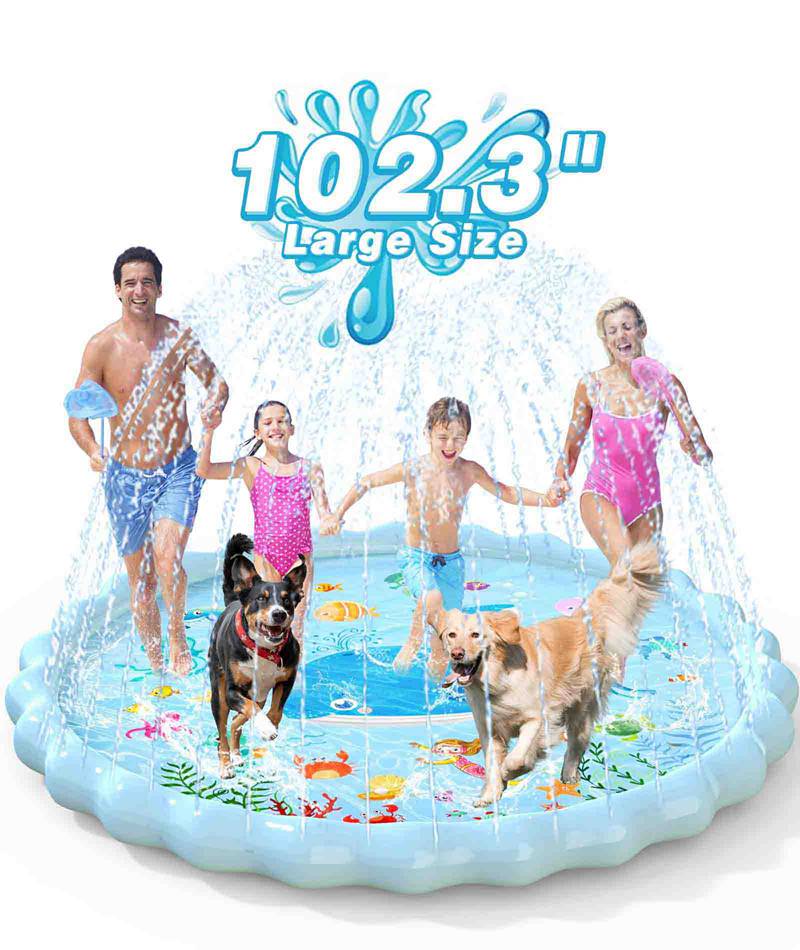
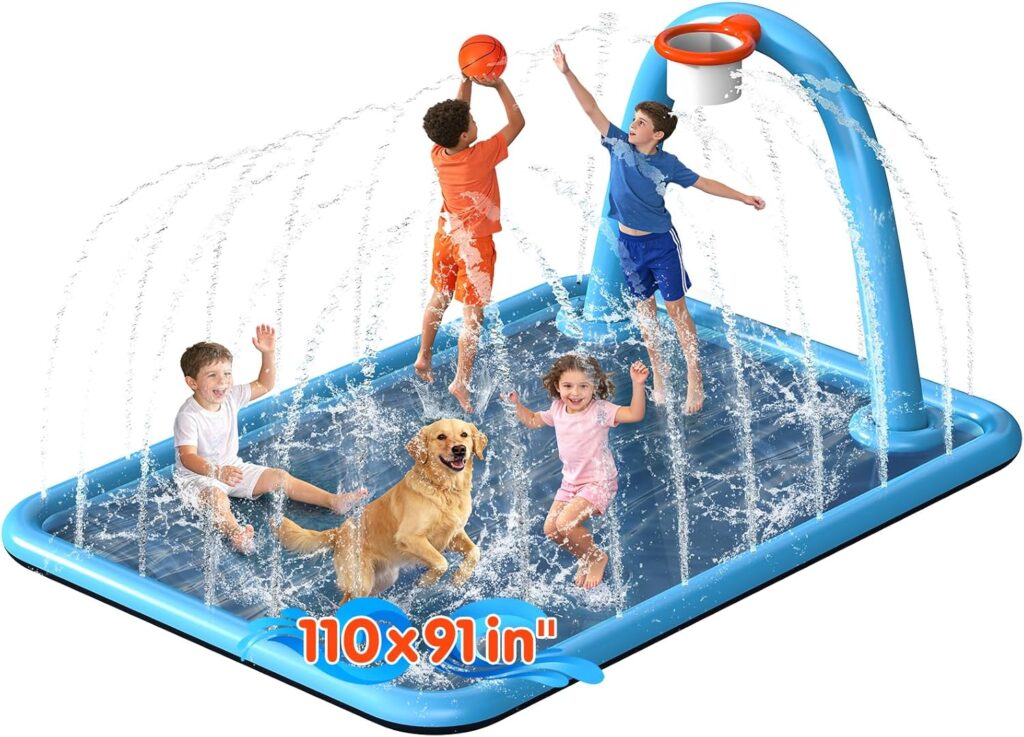
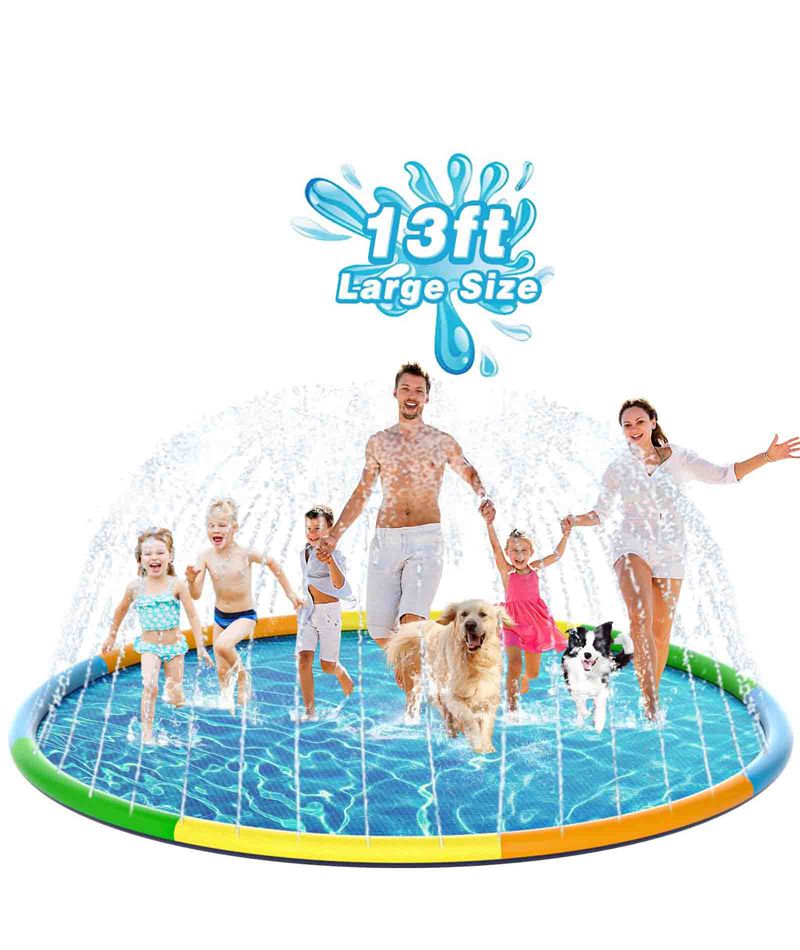
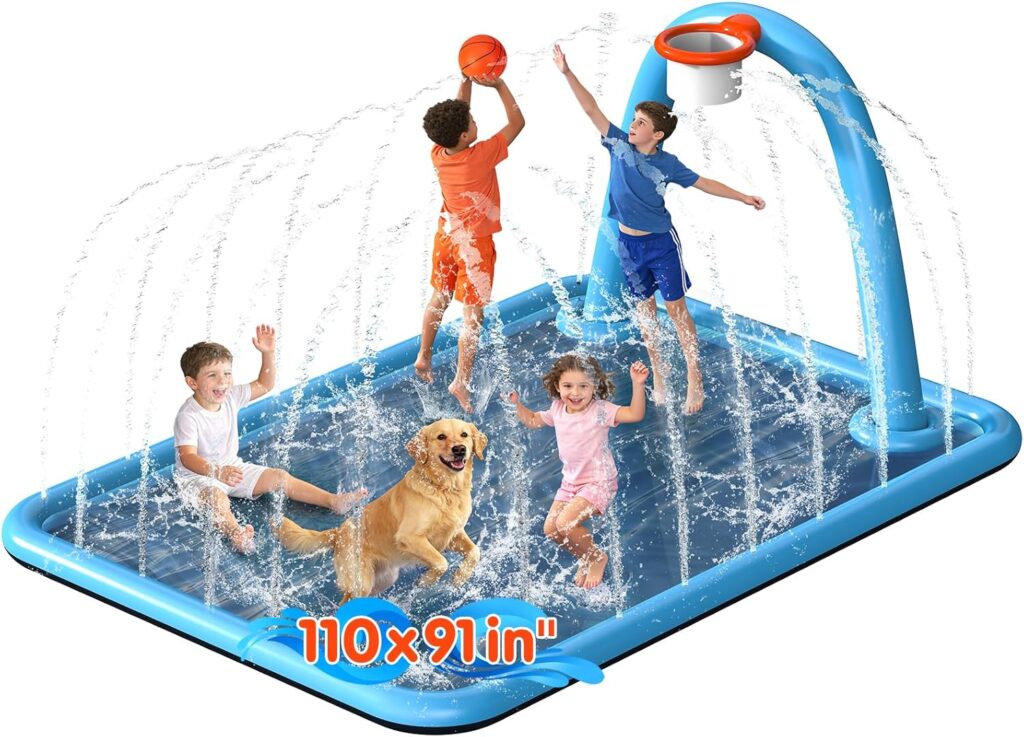
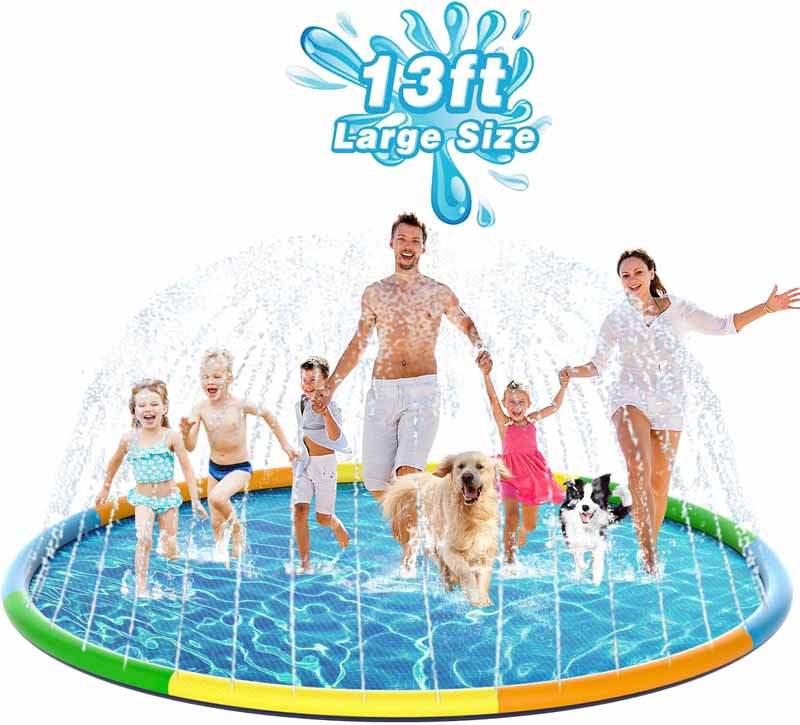
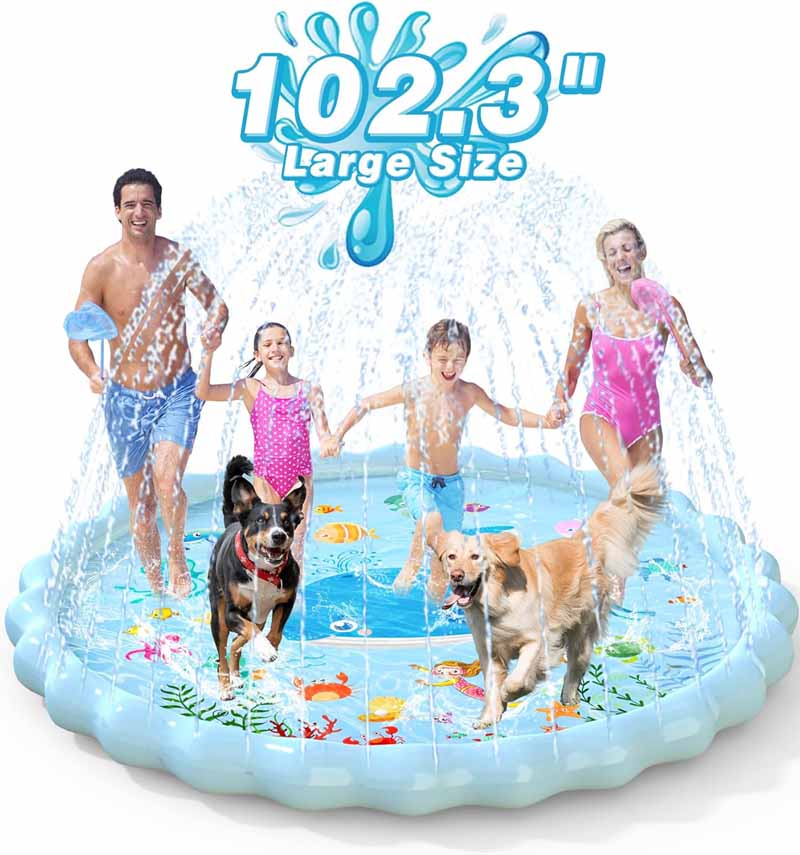
A splash pad is a flat water-play product that sprays water through built-in channels and holes, usually connected to a garden hose. It doesn’t hold standing water like a pool, which reduces drowning risk—but safety still matters because wet surfaces, water pressure, skin contact, and daily use can lead to slips, irritation, or hygiene problems if you treat it casually.
What exactly is a splash pad—and how is it different from a pool?
A splash pad is designed for surface-level water play, not swimming or soaking. Water enters from the hose, spreads through internal channels, and exits from multiple spray points to create gentle jets, fountains, or a ring of upward spray. When the water is off, the pad drains.
That “no standing water” design is why splash pads are popular for:
- Toddlers and preschoolers
- Kids who aren’t confident swimmers
- Dogs that dislike deep water
- Small yards, patios, and temporary setups
But “no standing water” doesn’t mean “no risk.” Pools are about depth and drowning prevention. Splash pads are about traction, impact, behavior, and cleanliness.
Why have splash pads become so popular in recent years?
Backyards changed. Families started using patios and small outdoor spaces more often, and they wanted water play that’s:
- Quick to set up
- Easy to store
- Flexible for kids and pets
- Less stressful than pools
From EPN’s internal sales and post-purchase usage tracking across multiple marketplaces, the most consistent pattern is that splash pads are used more frequently than most people expect:
- A large portion of buyers are families with children under 6
- Many households also use splash pads for medium-to-large dogs
- A majority of setups happen on non-grass surfaces (patios, decks, concrete)
That last point is a big reason safety comes up so often. The moment you put water on smooth surfaces, traction drops—fast.
Are splash pads actually safe to use?
Yes—when the product is made well and used sensibly.
Across EPN’s internal quality logs and customer feedback patterns (reviewing high-volume seasonal use), the most common real-world issues fall into four buckets:
- Slips and falls (surface + setup + running)
- Skin sensitivity (low-grade materials, residue, or heat)
- Water pressure discomfort (jets too strong for young faces/eyes)
- Hygiene complaints (odor, mildew, dirty storage)
None of these are “splash pad problems” by definition. They’re usage problems that show up when you combine water + motion + heat + skin contact.
Why does safety matter more than most people think?
Because splash pads are used like equipment, not like a one-time toy. Kids sit, crawl, and roll on them. Pets scratch, dig, lick, and bite at spray holes. The surface gets sunscreen, grass, dirt, and saliva. Then it gets folded up and stored.
This is why responsible manufacturers treat splash pads as durable, repeat-use products. EPN’s development approach includes regular material and performance testing (hundreds of tests annually across materials, seams, durability, and environmental conditions) specifically because backyard use is messy, repetitive, and unpredictable.
Which Splash Pad Materials Are Safe for Kids and Pets?

Safe splash pads are made from certified, non-toxic PVC or composite materials that are free from BPA, phthalates, and heavy metals, and that comply with standards like CPSIA/ASTM (U.S.) or EN71/REACH (EU). Properly formulated PVC is widely considered safe for children and pets when it’s engineered for skin contact, sun exposure, and frequent use.
Why material safety matters more for splash pads than most toys
A splash pad isn’t held in your hands for five minutes. It’s something your child may sit on for an hour. It’s something your dog might lick repeatedly. It also spends time under UV and heat.
From EPN’s internal after-sales pattern reviews, a large share of “bad splash pad experiences” people report online are material-related: strong odor after sun exposure, surfaces becoming sticky, early cracking at folds, or irritation in sensitive users. Those outcomes usually point to low-grade PVC or unstable plasticizers, not to water play itself.
Is PVC actually safe for kids and pets?
PVC has a reputation problem because quality varies. The reality: PVC is one of the most regulated materials used in children’s products globally. When it’s properly formulated and compliant, it’s commonly used in toys, inflatables, and water-play gear.
EPN’s approach is to use optimized PVC formulations designed for:
- Stable flexibility under summer heat
- Reduced odor potential
- UV resistance
- Repeat skin contact
Internal lab routines (hundreds of material and performance checks each year) focus on durability and stability because long-term safety depends on the material staying consistent over time—not just looking good out of the box.
What makes low-quality materials risky?
Low-quality splash pads may use:
- Industrial/recycled PVC with inconsistent formulation
- Cheaper plasticizers that break down under heat
- Thin, single-layer construction at stress points
In durability evaluations, thinner non-reinforced materials can lose significant strength after a season of frequent outdoor use, making tears and surface wear more likely—especially with dogs, whose claws and acceleration create concentrated force.
Which certifications actually matter for splash pad safety?
Look for recognized safety frameworks, not random icons:
| Standard | Region | What It Covers |
|---|---|---|
| CPSIA | United States | Chemical limits for children’s products |
| ASTM F963 | United States | Toy safety: mechanical/material hazards |
| EN71 | European Union | Toy safety and migration limits |
| REACH | European Union | Restricted chemicals/substances |
Products designed for multi-market compliance tend to be more consistent because they’re built to pass stricter requirements across regions.
How material design affects comfort and long-term safety
Parents often think “softness” is just comfort, but it’s also safety. A surface that’s too stiff in heat, too thin at the edges, or too slippery when wet changes how kids move—and how often they fall.
From EPN’s aggregated user feedback signals:
- Surface feel affects how long young kids stay engaged
- Reinforced edges reduce shifting and stress damage
- Textured finishes reduce slip complaints compared to glossy surfaces
What should consumers look for when choosing a safe splash pad?
A practical checklist:
- Clear material claims (not vague “eco plastic” language)
- Recognized standards (CPSIA/ASTM or EN71/REACH)
- Minimal odor out of the box
- Texture (matte/embossed) rather than glossy smoothness
- A brand with track record and accountability
How Should You Set Up a Splash Pad Safely at Home?
Set your splash pad on a flat, stable, non-slip surface with good drainage and moderate water pressure. Using an underlay (foam mats, rubber tiles, or well-trimmed grass) reduces slipping and impact. Secure hose connections and keep clear space around the pad to prevent collisions and unexpected movement.
Why proper setup matters more than most families realize
In real homes, most “splash pad accidents” don’t happen because a splash pad is inherently unsafe. They happen because the pad was placed on a slick surface, water pressure was too high, or the pad shifted and wrinkled during play.
EPN’s internal post-sale feedback patterns across high-volume seasonality consistently show setup-related causes as a leading driver of negative experiences—especially on patios and decks.
How do you choose a flat and secure location?
The safest setups share one trait: the pad stays put.
A flat surface gives you:
- Even spray distribution
- Fewer wrinkles and trip points
- Better traction consistency
Avoid:
- Sloped driveways
- Loose gravel
- Smooth tile
- Uneven lawns with roots
Even minor slopes can cause pooling, which increases slipping and hygiene problems.
What can you put under a splash pad to improve safety?
Underlays are a big safety upgrade:
| Underlay Type | Slip Reduction | Impact Protection | Best Use Case |
|---|---|---|---|
| EVA Foam Mats | High | High | Toddlers, patios |
| Rubber Playground Tiles | Very High | Medium | High-energy kids |
| Natural Grass | Medium | Low | Pets, casual play |
| Outdoor Foam Rugs | Medium | Medium | Decks/balconies |
In controlled comparisons referenced in EPN’s internal validation notes, pads placed on foam or rubber setups consistently generated fewer slip-related complaints than pads placed directly on bare concrete—especially when multiple children were running.
How should water pressure be adjusted for safe play?
More pressure isn’t better. It can:
- Spray into eyes/noses
- Startle toddlers
- Increase overspray, making surrounding areas slick
Start low, then increase gradually. A simple rule: if the spray is regularly hitting a child’s face at normal standing height, it’s too strong.
How much space should you leave around a splash pad?
Leave at least 3 feet / 1 meter of clear space around the pad:
- No sharp furniture edges
- No slippery clutter (toys that become trip hazards)
- No electrical devices in splash range
Kids don’t just play on a splash pad—they run in and out of it.
How setup affects long-term product safety and durability
Bad setup shortens lifespan:
- Rough surfaces speed surface wear
- Shifting and folding increases seam stress
- Poor drainage increases odor and surface changes
Good setup protects both the user and the product.
Do Splash Pads Need Adult Supervision?

Yes. Splash pads reduce drowning risk, but kids and pets can still slip, collide, misuse water pressure, or develop hygiene issues if play is unsupervised. The safest splash pad sessions combine good setup, sensible rules, and active attention—especially for toddlers and dogs.
Why splash pads feel “safe”—and why that can be misleading
Splash pads don’t look dangerous, so adults often relax. But excitement + wet surfaces changes behavior. Many minor injuries happen when adults are nearby but not actively paying attention.
EPN’s internal incident-pattern reviews across customer feedback commonly link problems to moments when:
- Kids begin running at full speed
- Multiple children crowd one area
- Jets are aimed at faces
- Pets dart unpredictably through play zones
Do toddlers and young children need constant supervision?
Yes—especially under age five. Toddlers:
- Have unstable balance
- Don’t self-regulate speed
- Don’t protect eyes from jets
Supervision isn’t hovering in panic. It’s staying close enough to:
- Reinforce “no running / no pushing”
- Adjust pressure quickly
- Redirect rough play
- Notice cold stress or fatigue
Do pets require a different kind of supervision?
Yes. Dogs often:
- Bite at jets
- Paw at holes
- Drink sprayed water repeatedly
- Sprint suddenly and slip
EPN’s pet-use feedback patterns show that early wear is often linked to chewing/digging behaviors. Supervision helps protect the dog and prevents unnecessary product damage.
Does supervision still matter if the splash pad is “well designed”?
Yes. Good design reduces risk. It doesn’t remove the human (and animal) factor:
- Mixed ages
- High-energy games
- Changing surface temperatures
- Multiple users at once
Supervision is the “real-time adjustment” that products can’t provide.
How supervision changes as children grow
| Age Group | Supervision Style |
|---|---|
| 1–3 years | Constant, close-range |
| 4–6 years | Active monitoring + rule enforcement |
| 7+ years | Periodic checks + behavior awareness |
As kids grow, supervision shifts from physical closeness to behavioral control.
How Do You Prevent Slips, Falls, and Water Hazards?
Prevent slips and falls by choosing a textured splash pad surface, using a safe underlay, controlling water pressure, and setting simple play rules. Water shoes can help on hard surfaces. Good drainage and basic hygiene habits reduce both slipping and water-related health concerns.
Why slipping is the most common splash pad risk
On splash pads, the main risk is traction loss. Water changes friction instantly, and kids naturally run faster when excited.
Across EPN’s internal feedback pattern reviews, slip-and-fall complaints show up more often than any other safety topic—especially early in play sessions when the surface has just become fully wet.
Should kids wear shoes at a splash pad?
Sometimes, yes.
Water shoes are a smart choice when:
- The pad is on concrete/decking/tile
- Kids are playing fast games
- Multiple kids are sharing the pad
Barefoot is often fine when:
- The pad has texture
- You have foam/rubber underlay
- Play is calm and supervised
A practical way to decide: if your surface is smooth enough that you’d be careful walking on it wet, give kids water shoes.
How surface texture changes everything
Texture isn’t cosmetic—it’s grip.
Better splash pads use:
- Embossed or matte finishes
- Micro-texture that keeps traction when wet
- Reinforcement so the surface doesn’t “glaze” over time
EPN’s internal product comparisons consistently show fewer slip-related complaints on textured finishes than on glossy smooth PVC, especially when water pressure increases.
What role does water pressure play in falls?
Pressure affects falls by:
- Wetting areas beyond the pad (overspray)
- Startling kids or knocking them off balance (jet force)
Moderate pressure typically improves comfort and reduces chaotic running.
Why drainage and pooling matter more than people expect
Pooling increases:
- Slipping
- Odor/mildew risk
- “Dirty water” exposure
If you see consistent pooling on one side, move the pad or change the underlay.
How behavior management prevents accidents
No surface can fully protect against rough play.
Simple rules help:
- No running
- No pushing
- No aiming jets at faces
- Take turns (especially with mixed ages)
Families who enforce two or three repeatable rules usually report calmer sessions and fewer mishaps.
Common Splash Pad Safety Mistakes Families Make
Why real-life mistakes matter more than written rules
Most splash pad safety issues don’t happen because parents ignore safety on purpose. They happen because splash pads feel casual. They look harmless. And in everyday use, small decisions get made quickly—often without realizing their impact until someone slips or a pad starts smelling “off” a week later.
Based on recurring customer feedback and observed usage patterns, slipping or near-slipping during first contact is one of the strongest predictors of future avoidance. Knowing these common slip-ups is often more useful than memorizing long lists of rules, because it helps dog owners prevent setbacks before they start.
Mistake 1: Placing splash pads directly on smooth concrete or tile
Concrete patios, pool decks, and tiled yards look convenient—but once water starts flowing, friction drops immediately. Kids don’t adjust their movement right away, which is why slips often happen in the first minutes of play.
A simple underlay (foam mats or rubber tiles) changes the experience dramatically: better grip, fewer sudden falls, and a softer landing zone—especially for toddlers and mixed-age play.
Mistake 2: Turning water pressure all the way up
High spray looks exciting, but strong pressure often leads to:
- Water hitting eyes and noses
- Overspray that wets nearby walkways
- Startled reactions that trigger more running and slipping
Splash pads tend to feel safer and more comfortable when water pressure is adjusted before kids start playing—not once chaos has already started.
Mistake 3: Assuming “no standing water” means “no supervision”
Splash pads reduce drowning risk, but they don’t remove the need for active attention. Many minor injuries happen when kids sprint back and forth, crowd one spray zone, or when pets dart unpredictably through play.
The highest-risk window is usually the first 10–15 minutes, when excitement is high and the surface has just become fully wet.
Mistake 4: Folding and storing the pad while it’s still damp
This doesn’t cause an immediate accident, which is why people overlook it. But storing a damp splash pad is the fastest way to create odor, surface stickiness, and hygiene concerns later.
Most long-term complaints about smell or surface feel trace back to storage habits, not to normal water play.
Mistake 5: Letting pets chew or dig at spray holes
For dogs, moving water can trigger playful but destructive behavior. Chewing, pawing, or digging at spray holes increases wear and can create stress points over time.
Shorter sessions, supervision, and redirecting chewing behavior protect both the pet and the splash pad.
Are Splash Pads Safe for Daily or Long-Term Use?

Yes—daily splash pad use is generally safe when materials are certified, play sessions are reasonable, the pad is cleaned and dried, and users are supervised appropriately. Most long-term problems come from poor maintenance (storing damp), harsh chemicals, or surface wear—not from frequent play itself.
Why daily use has become the norm—not the exception
In many households, splash pads are used like routine summer gear. In EPN’s internal usage surveys and seasonal follow-ups, a large share of customers report using splash pads multiple times per week, and many use them daily during heat waves.
This matters because long-term safety is about how materials and seams hold up under repeated cycles of water + sun + folding.
Is frequent water exposure safe for children’s skin?
Usually, yes—if you manage basics:
- Keep sessions reasonable (often 30–60 minutes is plenty)
- Towel dry after play
- Avoid leaving kids sitting on a hot surface
- Rinse off sunscreen residue occasionally
When skin complaints happen, they commonly correlate with prolonged dampness, heat, or residue—not with the concept of water play itself.
Can you get staph or bacterial infections from long-term splash pad use?
The risk exists in theory because bacteria prefer warm, moist environments—but in home settings, issues are typically tied to a simple mistake: storing the pad damp.
In EPN’s internal customer service logs, hygiene concerns represent a small share of inquiries, and they cluster around:
- Pads left wet overnight
- Storage without drying
- Heavy multi-user use without rinsing
The good news: basic rinsing and full drying dramatically reduces the likelihood of odor and microbial buildup.
How long-term use affects material safety
Long-term safety is mostly about material stability:
- UV resistance prevents brittleness
- Stable formulations reduce stickiness and odor
- Reinforced edges reduce seam stress
EPN’s ongoing lab routines and seasonal feedback loops exist for one reason: a pad that feels fine on day one should still feel safe after many uses.
Are splash pads safe for pets with frequent use?
Often yes—and for many dogs, splash pads are a gentle cooling option compared to forced swimming.
The main pet-related risks are:
- Chewing/digging damage
- Slipping on smooth surfaces
- Drinking too much sprayed water
Supervision and shorter sessions solve most of this, especially for high-energy breeds.
What actually causes long-term safety problems?
Most long-term problems trace back to habits:
- Folding while wet
- Storing in hot/humid spaces
- Leaving in direct sun when not in use
- Ignoring early wear signs
Families who rinse, dry, and store properly often get multi-season use with fewer issues.
Quick Safety Checklist for Everyday Splash Pad Use
This checklist isn’t about perfection. It’s about building habits that quietly reduce risk every time the splash pad comes out.
Before Play
- Place the splash pad on a flat, stable surface
- Use a foam, rubber, or grass underlay if on hard ground
- Adjust water pressure before kids or pets start running
- Clear nearby furniture and slippery objects
During Play
- Supervise toddlers and active pets closely
- Discourage running, pushing, and aiming water at faces
- Consider water shoes on concrete or decking
- Watch for early signs of fatigue or overstimulation
After Play
- Rinse off dirt, grass, sunscreen, and debris
- Shake off excess water
- Air-dry fully before folding
- Store in a cool, dry place
Families who follow a simple routine like this tend to experience fewer accidents, fewer hygiene issues, and longer product lifespan—without turning water play into a stressful activity.
Safe Splash Pad Fun Starts with the Right Choices
Splash pads have become a summer staple because they’re simple and fun—and they can be genuinely safe when you treat them like what they are: a reusable water-contact surface. The biggest safety wins don’t come from complicated rules. They come from practical habits: choosing certified materials, setting the pad up on the right surface, keeping water pressure reasonable, supervising the high-energy moments, and rinsing/drying before storage.
From EPN’s standpoint as a U.S.-registered maker working with PVC and composite water-play products, the pattern is consistent: the safest outcomes happen when good product engineering meets real-life usability. That’s exactly what families want—something that works on a normal patio, during a normal busy afternoon, with normal kid-and-pet chaos.
If you’re choosing a splash pad for your home (or sourcing products for your customers), look beyond the graphics. Prioritize material transparency, surface grip, structural reinforcement, and clear care guidance. Those details are what keep water play joyful instead of stressful—day after day, summer after summer.
Get A Fast quote
Here, bringing your inflatable concepts to life is no longer a challenge—it’s a collaborative journey where American Epsilon helps families, outdoor enthusiasts, and global brands transform creative ideas into safe, certified, and market-ready inflatable solutions.


Partner With Epsilon
Whether you are a family looking for safe backyard fun or a brand seeking large-scale OEM/ODM solutions, American Epsilon Inc. guarantees every inflatable is built with safety, durability, and excitement in mind. With flexible low MOQs, strategically placed warehouses in the U.S., Canada, U.K., and Germany, plus 24/7 professional support, we ensure smooth delivery and reliable service worldwide.
Ready to bring your inflatable ideas to life? Request free samples, fast prototypes, and customized designs today—your trusted inflatable journey starts here.