Skip to content
What Makes a Splash Pad Durable: Material and Build Guide
# Your Trusted Inflatable Supplier In US

A splash pad looks simple until it has been used for a few real summer weekends. On day one, almost every splash pad can look colorful, fun, and easy. The real difference shows up later. It shows up after repeated setup and folding. It shows up after children stomp on the outer ring, after the hose connector gets twisted a few times, after the product sits in strong sun, after it gets dragged across the yard, or after it is packed away slightly damp and then pulled out again the next day. That is when families stop judging the splash pad by appearance and start judging it by structure.
A durable splash pad is not just a pretty water toy with a hose connector. It is a pressure product. Water moves through the outer ring or channel, the seams hold that pressure in place, the spray holes need to stay balanced, and the bottom layer must handle contact with grass, dirt, patios, or concrete. If one part is weak, the whole experience starts to feel weaker.
A durable splash pad usually comes from five things working together: better material, stronger seams, more reliable connector design, better outdoor resistance, and a product layout that handles stress without breaking down too quickly. Families care because they do not want to replace a summer product after a few uses. Retailers care because durability affects complaints, returns, repeat sales, and brand trust.
That is why this topic matters so much. A splash pad does not need to be the thickest-looking product on the page. It needs to be the one that still feels worth owning after real outdoor use begins.
What Makes a Splash Pad Durable?
A splash pad becomes durable when the whole product is built to handle real outdoor use, not just one or two nice-looking features. This is where many families get misled. They see a colorful print, a large size, or a “heavy-duty” phrase in a listing and assume that means the splash pad will last. In real use, durability is much more practical than that. A splash pad lasts because the material can handle repeated water pressure, the seams stay sealed, the hose connector does not become a weak point, the bottom surface does not wear too fast, and the product still feels usable after many setups, many folds, many hot days, and many play sessions. That is why durability should always be judged as a system.
A splash pad is under stress in more ways than most customers realize:
- the outer ring is holding water pressure
- the spray holes are releasing water repeatedly
- the seams are containing pressure around the edge
- the connector is being twisted and reattached
- the bottom is rubbing against grass, patios, or concrete
- the material is exposed to heat, sunlight, and folding
If one part is weak, the product may still look fine at first, but the experience starts changing. The spray may become uneven. The ring may feel soft in one area. The connector may drip. The bottom may start looking worn. Families usually describe this as “it still works, but it doesn’t feel as good anymore.” That is often the first real sign that durability is dropping.
For customers, a durable splash pad usually means five things at once:
| What Customers Care About | What Durability Really Means |
|---|---|
| It does not leak too quickly | Seams and connector stay strong |
| It still sprays well after repeated use | Ring structure and water flow stay balanced |
| It does not feel worn out too fast | Bottom layer and material hold up |
| It survives summer sun better | Material resists weather aging |
| It still feels worth using later | The whole product remains reliable |
This is also why two splash pads that look similar online can behave very differently after a few weeks. One may hold shape, stay balanced, and keep its spray performance. Another may begin to weaken around the ring, fade faster, or show wear on the bottom. The difference usually comes from the hidden parts of the product, not from the print.
A durable splash pad usually depends on six core areas:
| Durability Area | Why It Matters in Real Use |
|---|---|
| Base material | Determines flexibility, toughness, and surface wear resistance |
| Seam quality | Controls leak resistance and outer-ring stability |
| Connector reinforcement | Handles repeated hose pressure and twisting |
| Ring construction | Affects spray balance and structural stability |
| Bottom-surface tolerance | Affects how well it survives different ground surfaces |
| Outdoor resistance | Affects how fast sun, heat, and weather age the product |
What makes this especially important is that splash pads are not passive products. They are not just sitting there like a mat. They are active pressure products. Water is moving through them. Children are stepping on them. Adults are dragging, folding, and reconnecting them. That means a splash pad needs more than just “good material.” It needs the right combination of material, structure, sealing, and use tolerance.
Another thing customers should understand is that durability is not only about surviving extreme use. It is also about staying satisfying under normal use. A splash pad does not need a giant tear to feel disappointing. It can become less enjoyable much earlier if:
- one side sprays lower than the other
- the edge loses firmness
- the connector starts dripping
- the surface feels older and stiffer
- the bottom gets worn much faster than expected
That is why real durability should be judged by performance over time, not by first-day appearance.
A practical “durable or not” view looks like this:
| Real-Use Sign | What It Suggests |
|---|---|
| Spray stays balanced | Structure is still working well |
| Ring feels firm and even | Seam and pressure performance are stable |
| Connector stays secure | High-stress entry point is holding up |
| Bottom shows only light wear | Material is handling ground contact well |
| Product still feels easy to use later | Overall durability is strong |
Families often make one common mistake here: they focus too much on one visible feature, usually size or thickness, and ignore the rest. But a bigger splash pad is not automatically more durable. A thicker splash pad is not automatically more durable. If the seams are weak, if the connector area is poorly reinforced, or if the ring structure is poorly balanced, the splash pad may still disappoint.
So the better question is not:
“What is the biggest splash pad?”
or
“What is the thickest splash pad?”
The better question is:
“Is this splash pad built well across all the areas that actually wear out?”
That is the real answer to what makes a splash pad durable.
A durable splash pad lasts because:
- the material stays flexible enough through repeated use
- the seams stay sealed under pressure
- the ring keeps its structure
- the connector does not become a weak point
- the bottom handles the chosen surface reasonably well
- the product still feels reliable after the first excitement is gone
That kind of durability is what makes a splash pad worth buying, worth recommending, and worth using again next weekend instead of leaving it folded in storage.

Which Splash Pad Material Lasts Best?
For most families, this is one of the most important questions in the whole buying process, because material affects almost everything they notice later: how the splash pad feels underfoot, how well it handles water pressure, how fast the bottom wears, how the seams hold, how the product reacts to hot weather, and whether it still feels worth using after several weeks of summer play.
The first thing to understand is that there is no single magic material name that guarantees durability. Many customers see “PVC” and assume that tells them everything. It does not. PVC can be a very practical material for splash pads because it is flexible, water-resistant, and widely used in welded outdoor products, but the real result depends on how that PVC is formulated, how thick it is, how well it is welded, and how the whole product is built around it. RF/HF welding is especially relevant here because PVC is one of the most common thermoplastics used in that process, and well-controlled welding is one of the biggest reasons some splash pads hold pressure better and fail less often.
That is why material choice should always be judged in layers. A splash pad material lasts best when it performs well in these real-world areas:
| Material Question | Why Families Should Care |
|---|---|
| Is the material flexible enough? | Helps with folding, comfort, and less stress at crease points |
| Is the material strong enough? | Helps resist bottom wear and repeated stepping |
| Is the material weld-friendly? | Helps seams stay stronger over time |
| Is the material suitable for outdoor exposure? | Helps with sun, heat, and seasonal aging |
| Is the material compliant for children’s use? | Important for trust, safety, and market acceptance |
For children’s splash pads, compliance also matters. Flexible plastics used in children’s products are closely watched for phthalate limits in the U.S., and children’s toys and child care articles must meet regulated phthalate thresholds. That means “good material” is not only about strength. It is also about whether the material is appropriate for children’s products from a safety and compliance point of view. (U.S. Consumer Product Safety Commission)
For most real households, the material that lasts best is the one that stays balanced across all of these needs:
- strong enough for repeated use
- flexible enough for folding and storage
- compatible with strong welded seams
- suitable for summer sun and outdoor moisture
- comfortable enough for barefoot family use
That balance is what usually separates a splash pad that lasts from one that only looks good on the first day.
Is PVC a Good Splash Pad Material?
Yes, PVC is one of the most practical splash pad materials when it is chosen and processed well. That is one reason it is used so widely in inflatable products, water-play goods, and other outdoor family categories. PVC works well because it combines water resistance, flexibility, and compatibility with welded seams. It also performs well in outdoor applications when it is formulated for weather resistance, and industry material resources consistently describe PVC as having strong resistance to moisture and UV-related outdoor exposure compared with many everyday materials.
But the important part is this: PVC is not one single quality level. Two splash pads can both be described as PVC and still perform very differently. That is because the actual result depends on:
- the PVC formulation
- the plasticizer and additive system
- how the product is welded
- how the bottom layer is expected to handle friction
- how the outer ring and seams are designed
Families usually do not describe it that way, of course. What they notice is the outcome:
- Does the splash pad still feel soft enough later in the season?
- Does it become stiff too quickly in heat and sun?
- Does the outer ring keep its shape?
- Does the connector area still feel trustworthy?
- Does the bottom surface wear too quickly on patios or concrete?
A practical PVC-performance table looks like this:
| PVC Performance Area | What Families Notice |
|---|---|
| Flexibility | Easier folding, softer feel, less stress at bends |
| Water resistance | Better repeated hose use |
| Weld compatibility | Fewer seam-related disappointments |
| Outdoor suitability | Better summer-use performance |
| Surface toughness | Better tolerance for grass, dirt, patios, and daily play |
So yes, PVC is a good splash pad material, but only when it is treated as a real engineered material choice rather than just a label.
Which Splash Pad Thickness Lasts?
Thickness matters, but not in the simple “thicker always wins” way many people think. This is where families often get pulled toward the easiest marketing message. A thicker splash pad can absolutely help with abrasion resistance, bottom-surface confidence, and a sturdier overall feel. But thickness by itself does not solve everything.
A thicker splash pad can still disappoint if:
- the seams are weak
- the hose connector is poorly reinforced
- the splash pad is badly balanced
- the outer ring softens too quickly under pressure
- the product becomes hard to fold or awkward to store
On the other hand, a splash pad with moderate thickness but better seam control and better material formulation may feel much more durable in ordinary family use.
The better question is not:
“What is the thickest splash pad?”
The better question is:
“What thickness fits the way this splash pad will actually be used?”
For example:
| Use Condition | Thickness Importance |
|---|---|
| Light toddler use on grass | Moderate |
| Frequent sibling play | Higher |
| Patio or concrete use | Higher |
| Dog use or mixed family-pet use | Higher |
| Occasional backyard use | Moderate |
| Daily summer use | Higher |
Thickness matters more when the splash pad will face:
- rougher surfaces
- more stomping and edge pressure
- more repeated setup and takedown
- more active or heavier users
- more bottom-surface friction
That is why many families are happier when they stop treating thickness as the only material question. Thickness is useful, but it only becomes a real durability advantage when it is combined with good seams, good structure, and good material balance.
Are Reinforced Splash Pad Seams Better?
Yes, very often they are, and for many splash pads, seams matter just as much as the material itself. In real use, the seams are doing a huge amount of the hidden work. They are holding pressure in the outer ring, supporting the spray channel, and absorbing repeated movement around the edges.
This is exactly why a splash pad can have acceptable material and still fail early if the seams are inconsistent or weak.
Stronger seam construction helps with:
- leak prevention
- more stable ring pressure
- better spray consistency
- fewer soft seam areas over time
- better long-term confidence during repeated use
This is also where welding method matters a lot. Technical welding guidance explains that RF/HF welding can produce very strong bonds in PVC when the process and material are matched correctly, and that PVC is one of the most common and most tolerant materials for this type of welding. In practical terms, that means seam durability is not just about “more glue” or “more thickness.” It is about whether the product was built with a seam method suited to flexible PVC pressure products in the first place.
A seam-quality comparison makes the real value clearer:
| Seam Condition | Likely Real-Use Result |
|---|---|
| Strong, even welded seam | Better leak resistance and edge stability |
| Weak or uneven seam | Faster soft spots and edge problems |
| Good seam + good material | Better overall durability |
| Thick material + weak seam | Still vulnerable in real use |
For families, reinforced seams matter because they reduce the kind of problems that make a splash pad feel old before it is actually unusable. For retailers and brands, they matter because seam-related failure is one of the quickest ways a summer product turns into a support problem.
So if the question is “Which splash pad material lasts best?”, the best answer is not just “PVC.” The better answer is: a well-formulated PVC splash pad with the right thickness, strong welded seams, child-appropriate compliance, and a structure designed for real outdoor use.

How Do Weather and Use Change a Splash Pad?
Weather and daily use can change a splash pad much faster than many families expect. A splash pad may look strong on the first day and still lose a lot of life if it spends long hours in direct sun, sits on rough ground, gets folded while damp, or is used hard every afternoon by multiple children or pets. That is why durability should never be judged only by the product photo or the first week of use. Real lifespan is shaped by the outdoor conditions around the splash pad just as much as by the material inside it.
The biggest outdoor durability pressures usually come from five areas:
- sun and heat
- rough ground or hard surfaces
- repeated pressure from children’s feet
- pet nails and rougher movement
- storage habits after each session
This matters because a splash pad is a flexible pressure product. Water moves through the outer ring, the seams hold that pressure, the bottom rubs against the ground, and the material heats up and cools down over and over again. Families often notice the result later as fading, stiffness, weak spray on one side, a softer edge, or faster bottom wear.
A practical outdoor-use view looks like this:
| Outdoor Factor | What It Changes |
|---|---|
| Direct sun | Fades print and ages material faster |
| Heat | Increases material stress and can make storage mistakes worse |
| Rough ground | Wears the bottom faster |
| Frequent use | Increases seam and connector fatigue |
| Dog use | Adds puncture and abrasion risk |
| Poor drying | Shortens useful life over time |
This is why two families can buy similar-looking splash pads and have very different results. One family uses it twice a week on grass, rinses it, dries it, and stores it properly. Another family uses it daily on concrete, leaves it outdoors in full sun, and folds it wet. The second splash pad usually ages much faster, even if the first day looked almost the same.
What Splash Pad Surface Is Best?
The surface under a splash pad changes durability more than many customers first realize. Families often focus on size, print, or spray height, but ground contact is one of the biggest long-term factors because the bottom layer is always under friction. A soft, level surface usually helps the splash pad last longer. A rough, hot, or gritty surface usually wears it faster.
In most homes, the more splash-pad-friendly surfaces are:
- flat grass
- level lawn
- a smooth outdoor play area
- a smooth patio with a protective layer underneath if needed
The more stressful surfaces are usually:
- rough concrete
- exposed stone
- cracked patios
- gravel
- ground with sticks, sharp grit, or rough debris
Surface choice affects both product life and user comfort. Hard surfaces are less forgiving if children fall, and CPSC playground guidance continues to warn that concrete, asphalt, and similar hard surfaces are poor choices where fall injury is a concern. Even though a splash pad is not playground equipment, the same fall-surface logic still matters for families deciding where children will run with wet feet.
A practical surface comparison looks like this:
| Surface Type | Effect on Splash Pad Life |
|---|---|
| Smooth grass | Better |
| Level lawn | Better |
| Soft outdoor mat | Better |
| Smooth patio with protection | Usually workable |
| Rough concrete | Harder on bottom wear |
| Gravel or rough stone | Worse |
So the best surface is usually the one that balances softer contact, lower abrasion, and reasonable cleanup for the family.
Does Sun Damage a Splash Pad?
Yes, sun can damage a splash pad over time, and this is one of the most overlooked reasons a product starts feeling old too early. Many parents assume that because a splash pad is made for outdoor use, summer sun should not matter very much. In real life, it matters a lot.
Direct sun usually wears a splash pad down in these ways:
- printed graphics fade
- the material can feel drier or stiffer later in the season
- repeated heating and cooling puts more stress on fold areas
- hot patios and decks add surface heat from underneath
- long outdoor exposure makes the whole product age faster even when not in use
This is exactly why better material formulation matters. Outdoor PVC-based products generally perform better when they are built with weather-resistant ingredients, and industry material resources consistently describe PVC as a material that can perform well outdoors when the formulation is suitable for weather and UV exposure.
A useful sun-exposure guide looks like this:
| Sun Condition | Likely Effect on Splash Pad |
|---|---|
| Normal family use, then stored away | Lower stress |
| Left outdoors all day repeatedly | Higher stress |
| Full sun on patio or concrete | Higher heat plus bottom stress |
| Partial shade and dry storage | Better long-term condition |
Families usually get a much better lifespan when they treat the splash pad like an outdoor-use product, not a permanently outdoor-stored product. That difference matters.
How Long Does a Splash Pad Last?
There is no one universal answer, because lifespan depends on product quality and use conditions together. A splash pad used gently by one toddler on smooth grass and dried well after play can stay in much better condition than one used every day by multiple children on rough concrete with poor storage habits.
In real family use, lifespan usually depends most on:
- material quality
- seam strength
- surface choice
- sun exposure
- how often it is used
- whether pets use it
- whether it is dried and stored carefully
A practical lifespan view looks like this:
| Use Pattern | Likely Effect on Lifespan |
|---|---|
| Light use on grass | Longer |
| Frequent sibling play | Medium to shorter |
| Daily patio or concrete use | Medium to shorter |
| Dog use plus children | Shorter unless the build is stronger |
| Good cleaning and dry storage | Longer |
| Strong sun plus careless storage | Shorter |
Families often ask for an exact number of months or seasons, but the better question is usually: Will this splash pad still feel reliable and fun after repeated real use? That is what makes it feel durable and worth buying.
Can Dogs Wear Out a Splash Pad Faster?
Yes, in many homes they can. Dog use changes the wear pattern because dogs move differently from children. They may paw at the spray, scratch the surface, spin in one spot, jump more sharply, or put more concentrated pressure on the same area. That does not mean dogs should never use a splash pad. It means families should understand that pet use usually increases wear and makes material strength more important.
The biggest dog-related durability pressures are:
- nail contact
- scratching and digging behavior
- fast repeated turning
- heavier pressure in one area
- mixed-use wear when children and pets use the same product frequently
A useful dog-use table looks like this:
| Dog-Use Factor | Effect on Durability |
|---|---|
| Small calm dog | Lower added wear |
| Large active dog | Higher added wear |
| Trimmed nails | Better for product life |
| Rough scratching behavior | Worse for surface life |
| Pet-only occasional use | Medium impact |
| Daily mixed pet-and-kid use | Higher total wear |
For many families, this simply means they should buy more carefully if pets are part of the real use case. A splash pad that feels fine for occasional toddler use may age much faster once a large dog joins in regularly.

How to Make a Splash Pad Last Longer
A splash pad usually lasts longer not because one family got lucky, but because they used it in a smarter way. This is one of the biggest misunderstandings in the category. Many people think durability is decided almost entirely at the factory. The factory matters a lot, of course, but the way the splash pad is used after purchase changes its lifespan more than many customers expect. A well-made splash pad can still wear out too fast if it is dragged across rough ground, left in strong sun all day, folded while wet, or used at maximum pressure every time. On the other hand, a splash pad that is used on better surfaces, cleaned properly, dried well, and stored with a little care can stay in much better condition through the season.
That is good news for families, because most of the things that shorten splash pad life are avoidable.
A splash pad usually lasts longer when these five areas are handled well:
- the setup surface
- water pressure
- cleaning after use
- drying before storage
- regular quick checks for early wear
These do not sound dramatic, but they matter because splash pads usually do not fail from one giant event. They wear down from repeated small stress:
- bottom friction
- too much strain at the hose connector
- heat and sun exposure
- folding stress
- dirt and grit left on the surface
- small leaks ignored for too long
A practical way to think about splash pad life is this:
| Habit | Effect on Lifespan |
|---|---|
| Better surface choice | Less bottom wear |
| Moderate water pressure | Less seam and ring stress |
| Rinsing after use | Less dirt-related wear |
| Dry storage | Better material condition |
| Quick inspection | Small problems caught earlier |
For many families, making a splash pad last longer is really about reducing unnecessary stress. The splash pad already has enough normal stress from water pressure, children stepping on it, outdoor heat, and folding. The goal is to avoid adding extra stress the product does not need.
How Is a Splash Pad Maintained?
Splash pad maintenance is usually simple, but it should be consistent. Families do not need a complicated care routine, but they do need to treat the splash pad like a real outdoor-use product, not like something that can be used, dropped in a corner, and expected to feel the same next time.
A good splash pad maintenance routine usually includes:
- turning off the water after play
- disconnecting the hose carefully
- draining any remaining water
- rinsing off dirt, grass, dust, and surface residue
- checking the connector and seams quickly
- letting the splash pad dry fully
- folding and storing it in a clean, dry place
This matters because a splash pad collects more than water. It also collects:
- dirt from feet
- grass and yard debris
- sunscreen and skin oils
- pet residue if dogs use it
- fine grit from patios or concrete
Those things may seem minor after one session, but repeated buildup makes the splash pad feel older faster and can increase wear when it is folded and reopened again.
A practical maintenance checklist looks like this:
| Maintenance Step | Why It Helps |
|---|---|
| Rinse after use | Removes dirt and small abrasive particles |
| Check seams quickly | Helps catch early weak spots |
| Check connector area | Finds leaks before they worsen |
| Dry before folding | Helps protect material condition |
| Store clean | Improves next-use experience |
Many families find that even 3 to 5 minutes of simple maintenance after each use makes a big difference later in the season.
How Should a Splash Pad Be Stored?
Storage is one of the biggest hidden durability factors. A splash pad can come through a play session in decent condition, then lose life quickly because it was stored badly. This is especially common when families are in a hurry and fold it wet, leave it outside in heat, or stuff it into a cramped space without much care.
A good storage routine should do three things:
- reduce moisture stress
- reduce folding stress
- reduce heat and sun exposure between uses
The best basic storage process is:
- Turn off the water
- Disconnect the hose
- Drain the splash pad
- Rinse if needed
- Let it dry fully
- Fold it gently
- Store it in a dry, cooler area
The most important step is drying. A splash pad that is folded wet may still “work” later, but repeated wet folding can make the material feel older faster, create a less pleasant next-use experience, and add unnecessary stress to the product.
A practical storage table looks like this:
| Storage Habit | Why It Matters |
|---|---|
| Dry before folding | Better long-term material condition |
| Fold gently | Less stress on repeated crease areas |
| Avoid hot outdoor storage | Slows aging |
| Store away from rough tools | Reduces accidental damage |
| Keep it clean before storage | Less dirt-related wear next time |
The families who get more life from a splash pad are often not doing anything complicated. They are simply storing it with more patience.
How Do You Prevent Splash Pad Leaks?
Most leaks start small. That is why leak prevention is not really about stopping every possible problem forever. It is about catching the common stress points before they turn into bigger damage.
The most common leak areas are:
- the hose connector
- the outer ring seams
- fold-stressed points
- worn bottom areas near rough surfaces
Families can lower leak risk a lot by doing a few simple things well:
- do not twist the hose connector too hard
- use moderate water pressure instead of maximum pressure every time
- avoid dragging the splash pad across patios or concrete
- use smoother ground whenever possible
- check small drips early instead of ignoring them
A useful leak-prevention guide looks like this:
| Leak Risk | Better Habit |
|---|---|
| Too much pressure | Use moderate spray settings |
| Connector strain | Position hose more carefully |
| Rough ground wear | Use smoother surfaces or protection |
| Ignored small seam issues | Inspect after play |
| Repeated rough folding | Fold more gently |
Many families wait until a leak becomes obvious before changing anything. A better approach is to react to the early signs:
- spray becoming uneven
- small drips around the connector
- one seam feeling softer than the rest
- the outer ring not holding shape as well
Those small signs often mean the splash pad needs lighter use, better storage, or closer inspection right away.
What Surfaces Damage a Splash Pad Faster?
Surface choice is one of the fastest ways to shorten or extend splash pad life. Families often think of the ground only in terms of safety or convenience, but the ground also acts like a wear factor every time the splash pad is used.
Surfaces that usually cause faster wear include:
- rough concrete
- gravel
- exposed stone
- cracked patios
- ground with sticks, grit, or rough debris
Surfaces that are usually easier on the splash pad include:
- smooth grass
- level lawn
- soft outdoor play surfaces
- smooth patios with a protective layer underneath
A surface-wear comparison helps:
| Surface | Effect on Splash Pad Life |
|---|---|
| Smooth grass | Lower wear |
| Level lawn | Lower wear |
| Soft mat surface | Lower wear |
| Smooth patio with protection | Medium to lower wear |
| Rough concrete | Higher wear |
| Gravel or stone | Highest wear |
This is one reason some families feel their splash pad “wore out too fast” even though the product itself was not necessarily poor. The surface underneath may simply have been much harder on it than they realized.
How Much Does Water Pressure Matter?
Water pressure matters more than many people think. Families often focus on spray height as part of the fun, but stronger pressure does not only change the play experience. It also changes how much stress is going into the outer ring, seams, and connector.
A splash pad usually does better long term when the water is set at a level that is:
- fun enough for the child
- not excessive for the age group
- not putting unnecessary stress on the product
Maximum pressure all the time can increase:
- seam strain
- connector stress
- spray imbalance over time
- outer ring fatigue
A practical pressure guide looks like this:
| Water Setting | Effect on Splash Pad Life |
|---|---|
| Low | Lower stress |
| Medium | Usually best balance |
| High | Higher stress |
| Maximum every use | Highest stress |
For many families, medium pressure is the smartest setting because it keeps the splash pad enjoyable without turning every session into maximum product strain.
How Often Should You Check a Splash Pad?
Families do not need a full inspection every day, but quick regular checks are very useful. A 30-second look before and after use can prevent a lot of frustration later.
The main things worth checking are:
- hose connector tightness
- ring firmness
- seam condition
- bottom-surface wear
- any new drips or weak spray sections
A simple inspection table:
| Checkpoint | What to Look For |
|---|---|
| Connector | Drips, looseness, stress marks |
| Outer ring | Soft areas or uneven pressure feel |
| Seams | Wet spots or weak-looking sections |
| Bottom | Scuffing or wear patches |
| Spray pattern | Uneven or weaker sections |
The earlier a family notices a small problem, the more likely they are to keep it from turning into a bigger one.
What Daily Habits Make the Biggest Difference?
If a family only wants to focus on a few habits, these usually make the biggest difference:
- use the splash pad on a better surface
- keep the water pressure moderate
- rinse it after use
- dry it before folding
- store it out of strong sun
- do quick checks for early wear
A final daily-habit summary looks like this:
| Daily Habit | Main Benefit |
|---|---|
| Better surface | Less bottom wear |
| Moderate pressure | Less stress on seams and ring |
| Rinse after play | Less dirt-related abrasion |
| Dry storage | Better material life |
| Quick checks | Problems caught earlier |
That is the real answer to making a splash pad last longer. It is not usually about one special repair trick or one miracle material. It is about using the splash pad in a way that keeps normal summer fun from turning into unnecessary product stress.
How to Pick a Durable Splash Pad
Picking a durable splash pad is not really about finding the loudest product claim. It is about matching the splash pad to the way it will actually be used. This is where many families make the wrong choice. They look at the print, the color, the size, or one phrase like “heavy duty,” but they do not stop to think about what will really happen once the splash pad reaches the backyard. Will it sit on grass or concrete? Will one toddler use it gently, or will two older kids run on it every day? Will the dog jump in too? Will it be folded carefully, or used hard and packed away fast? These questions matter much more than most customers expect.
That means the right splash pad is not always the biggest one, the cheapest one, or the one with the highest spray. It is the one that has the right balance of material, seam quality, structure, size, and use tolerance for the household buying it. A splash pad built for light use can still be a good product, but it may not feel durable in a family that uses it daily on rough ground. A stronger splash pad may cost a little more, but if it matches the way the family actually uses it, it often feels like the smarter purchase very quickly.
For most families, picking a durable splash pad comes down to six practical questions:
- Who will use it?
- How often will it be used?
- What surface will it sit on?
- Will it be used by toddlers, older kids, or both?
- Could pets use it too?
- Will the family store and maintain it carefully?
These questions matter because a splash pad does not wear out in theory. It wears out through actual use. A product that works well for one family may feel disappointing for another simply because the use pattern is different.
A practical pre-buy view looks like this:
| Buying Factor | Why It Matters for Durability |
|---|---|
| User age | Changes movement style and pressure on the pad |
| Use frequency | More use usually means more seam and bottom stress |
| Ground surface | Rougher surfaces wear the splash pad faster |
| Pet use | Adds nail pressure and rough motion |
| Size | Affects how evenly the splash pad is used and supervised |
| Storage habits | Better care usually means better lifespan |
This is why durable buying decisions should feel realistic, not emotional. The best splash pad is usually the one that still feels like a good idea after ten or fifteen sessions, not just the one that looks exciting when it is brand new.
Which Splash Pad Design Is Stronger?
Design affects durability much more than many customers realize. Most people think design only means graphics, shape, or color theme. But in a splash pad, design also includes the way the outer ring is shaped, where the spray holes are placed, how the water is distributed, where the hose connector sits, and how evenly stress is spread around the product.
A stronger splash pad design usually has:
- a balanced outer ring
- a connector area that does not feel awkward or overstrained
- spray-hole placement that does not overload one section
- a shape that lies flat instead of bunching too easily
- edges that hold pressure more evenly
This matters because poor design can shorten product life even if the material is decent. A splash pad with uneven pressure distribution may start to feel softer on one side. A connector placed in a more stressed position may twist more during setup. A shape that does not sit naturally on the ground may wrinkle more and create faster wear.
A practical design-strength table looks like this:
| Design Feature | Why It Helps Durability |
|---|---|
| Balanced ring structure | Helps spread pressure more evenly |
| Better connector placement | Reduces twisting and stress at the hose entry |
| Flatter shape | Reduces bunching and awkward wear |
| Controlled spray layout | Helps avoid overpressure in one section |
| Stable edge construction | Helps seams last longer |
Families may not describe these points in technical language, but they notice the results. A stronger design usually feels calmer, more even, and less frustrating after repeated use. That is what durability feels like in real life.
What Should You Check Before Buying a Splash Pad?
Before buying a splash pad, the smartest thing a family can do is stop thinking only about fun and start thinking about stress. In other words, ask what kind of pressure this product will face once summer really begins.
A useful pre-buy checklist includes:
- Will the splash pad be used once in a while or several times a week?
- Will it sit on soft grass, patio, or rough concrete?
- Will only one child use it, or several?
- Is the main user a toddler or an older child?
- Is pet use likely?
- Does the splash pad seem built for light use or stronger repeat use?
These questions matter because a product does not have to be “bad” to feel disappointing. It only has to be mismatched. A splash pad chosen for light toddler use may feel fine at first, but wear quickly once siblings or a large dog start using it. A splash pad chosen only by size may feel exciting online but awkward and overused in a small yard.
A practical buying table looks like this:
| Check Before Buying | Why It Helps |
|---|---|
| Match the splash pad to use frequency | Prevents underbuying for heavier use |
| Match the splash pad to the ground surface | Helps reduce bottom wear surprises |
| Match the splash pad to child age | Better fit for real play style |
| Think ahead about pets | Helps avoid faster-than-expected wear |
| Look at connector and ring quality | These areas often wear first |
Families usually regret buying too lightly for their real use conditions much more than they regret choosing slightly better quality at the beginning.
Which Splash Pad Is Better for Kids or Pets?
This question matters a lot because kids and pets do not stress a splash pad in the same way.
Children usually create:
- repeated stepping and stomping
- edge pressure
- movement across the full play area
- hose and connector stress from repeated setup by adults
Pets, especially dogs, usually create:
- nail contact
- scratching and spinning in one area
- heavier concentrated force
- faster surface abrasion
That means the best splash pad for a child-only household may not be the best splash pad for a mixed child-and-pet household. A splash pad that feels durable enough for light toddler play may wear much faster if a large active dog uses it regularly.
A simple kids-versus-pets table helps:
| Use Type | What Matters Most |
|---|---|
| Toddlers only | Manageable size, stable ring, softer overall use |
| Kids only | Good seams, balanced spray, reliable structure |
| Older kids | Better repeat-use durability and stronger build |
| Kids + dog | Better material toughness and stronger wear tolerance |
| Dog-heavy use | Bottom durability and surface tolerance matter more |
This is why families should be honest about the real use case. If the dog is likely to join in, that should be part of the buying decision from the beginning, not something discovered later.
How Should Surface Change the Buying Decision?
Surface is one of the most important durability filters, and many customers do not think about it soon enough. A splash pad used on smooth grass usually faces less bottom wear than one used on rough concrete or a gritty patio. The surface underneath changes how much abrasion the splash pad has to handle every single session.
Families should think about surface in these categories:
- soft lawn or smooth grass
- level but slightly rough patio
- rough concrete
- stone or gritty surfaces
- mixed-use surfaces depending on the day
A surface-based buying guide looks like this:
| Surface Type | Better Splash Pad Choice |
|---|---|
| Smooth grass | Standard family-use durability may be enough |
| Frequent patio use | Better bottom strength is more important |
| Rough concrete | Stronger material and more careful setup matter more |
| Mixed lawn and patio use | Balanced durability is the safest choice |
This is one reason some families think a splash pad “didn’t last,” when the real issue is that the product was being used on a much harder surface than it was really suited for.
Does Size Affect Durability?
Yes, it does, although not always in the way people think. A larger splash pad is not automatically less durable, but size changes how the product is stressed. A larger splash pad often means:
- more surface area to wear
- more children using it at once
- more water spread
- more edge movement
- more difficult drying and storage
A smaller or medium splash pad may actually feel more durable in some households because:
- it is easier to supervise
- it is easier to dry and store
- it is less likely to be crowded by multiple users
- it often fits the yard more naturally
A useful size view looks like this:
| Size Choice | Durability Effect |
|---|---|
| Small splash pad | Easier to manage, often lighter use stress |
| Medium splash pad | Best balance for many families |
| Large splash pad | More shared use, more total stress if used heavily |
The best size for durability is usually the one that matches the family’s real use level, not the one that simply looks the most impressive.
What Signs Suggest a Splash Pad Is Built for Better Durability?
Most customers cannot inspect a splash pad like a factory engineer, but they can still look for useful clues before buying.
Good signs often include:
- the splash pad is described with clear material and construction information
- the connector area looks reinforced or well-supported
- the ring appears balanced instead of thin and floppy
- the product seems intended for the right use level
- the brand or supplier shows real understanding of surfaces, wear, and maintenance
A simple “better durability signs” table:
| Good Sign | Why It Matters |
|---|---|
| Clear material details | Usually means the supplier understands product quality |
| Strong seam emphasis | Seams are one of the biggest real-life wear points |
| Reinforced connector area | This area often fails early on weak products |
| Real-use guidance | Suggests the brand understands actual customer use |
| Thoughtful maintenance advice | Usually means the product was designed for repeated use |
That is why the smartest way to pick a durable splash pad is not to look for one dramatic claim. It is to look for signs that the whole product was built with real outdoor use in mind.
What Is the Best Way to Think About Value When Choosing Durability?
For most families, durability is really a value question. They are not only asking, “Will this splash pad survive?” They are asking, “Will this still feel worth the money after repeated use?”
A durable splash pad usually feels like good value when:
- it matches the household’s real use level
- it does not create early frustration
- it still sprays and feels stable later in the season
- it is not stressful to clean, dry, and store
- it holds up well enough that the family wants to use it again
A final value guide looks like this:
| Product Outcome | How It Feels Financially |
|---|---|
| Used a few times, then worn too fast | Poor value |
| Used often and still feels reliable | Strong value |
| Fits the surface and user type well | Better long-term satisfaction |
| Handles repeat use without major frustration | Worth buying |
That is the real way to pick a durable splash pad well. The best choice is usually not the loudest, cheapest, or biggest option. It is the one that fits the family’s real summer life closely enough that the product still feels dependable after the first excitement wears off.
Ready to Buy Durable Splash Pads or Start Your Custom Project?
If you are looking for a splash pad that is not only fun for families, but also built with better material planning, stronger seams, and more real-use durability behind it, Epsilon is ready to help.
American Epsilon Inc. is a U.S.-registered company specializing in PVC and composite material products for children’s water play, family entertainment, pet products, and seasonal outdoor categories. Under the EPN brand, we offer ready-to-ship splash pad products and also support OEM and ODM development for brands, retailers, distributors, and importers.
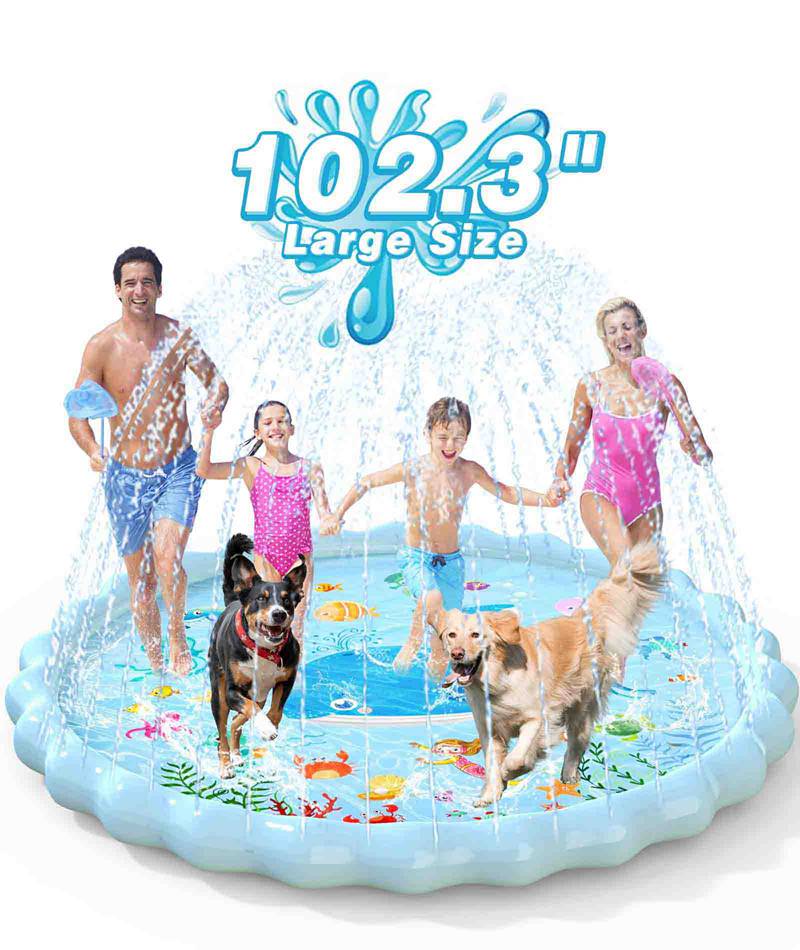
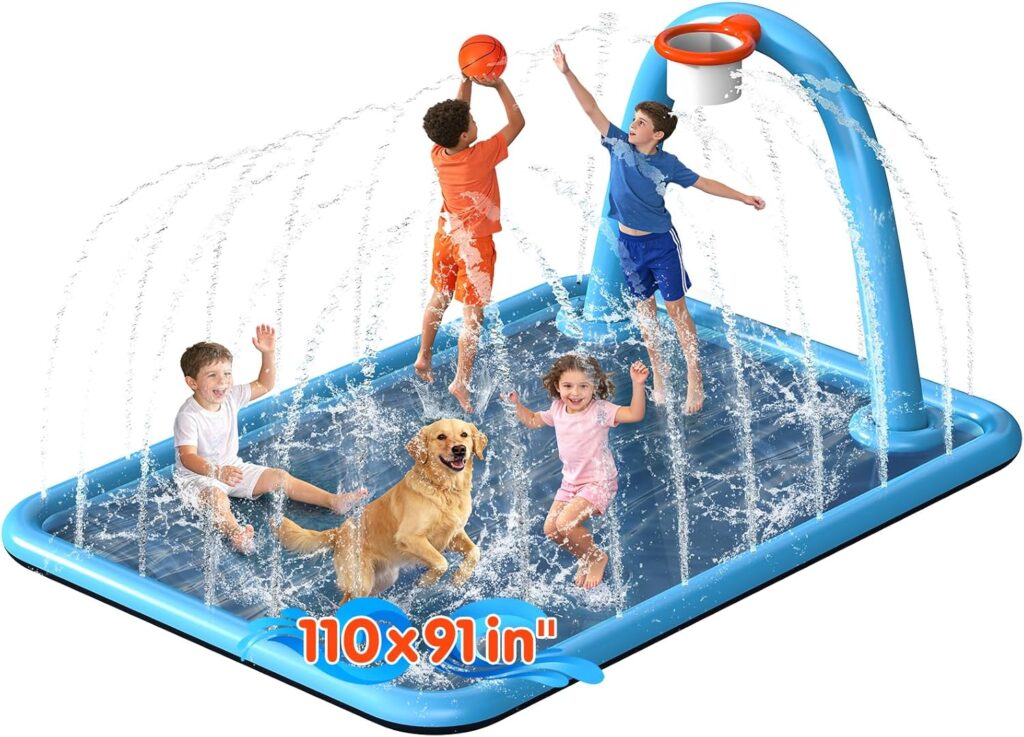
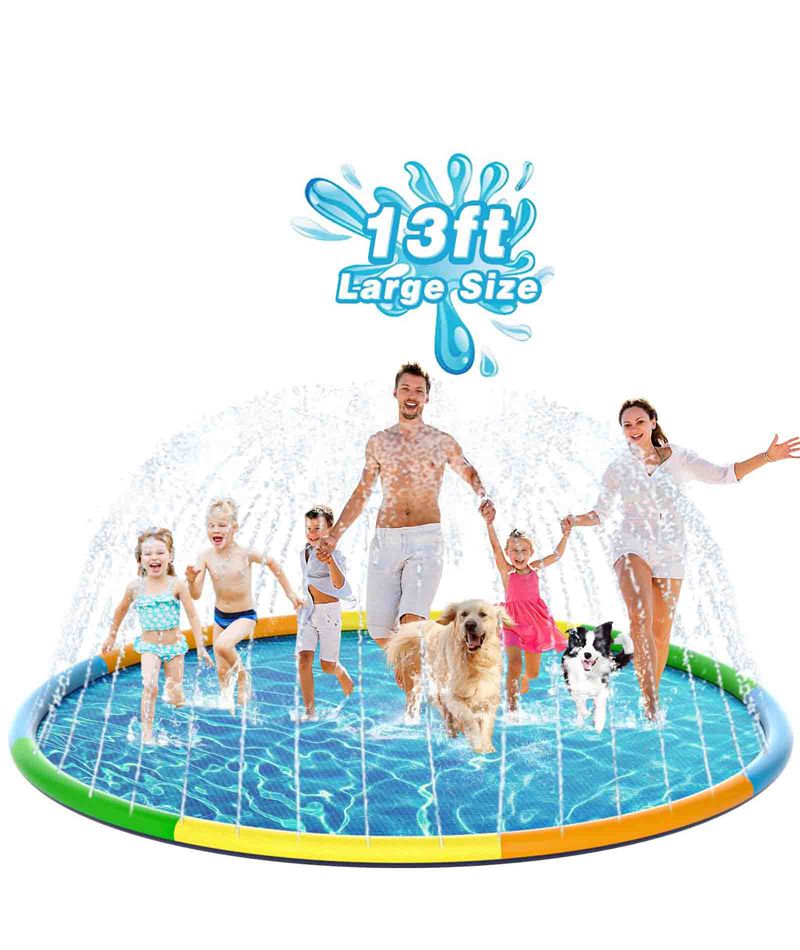
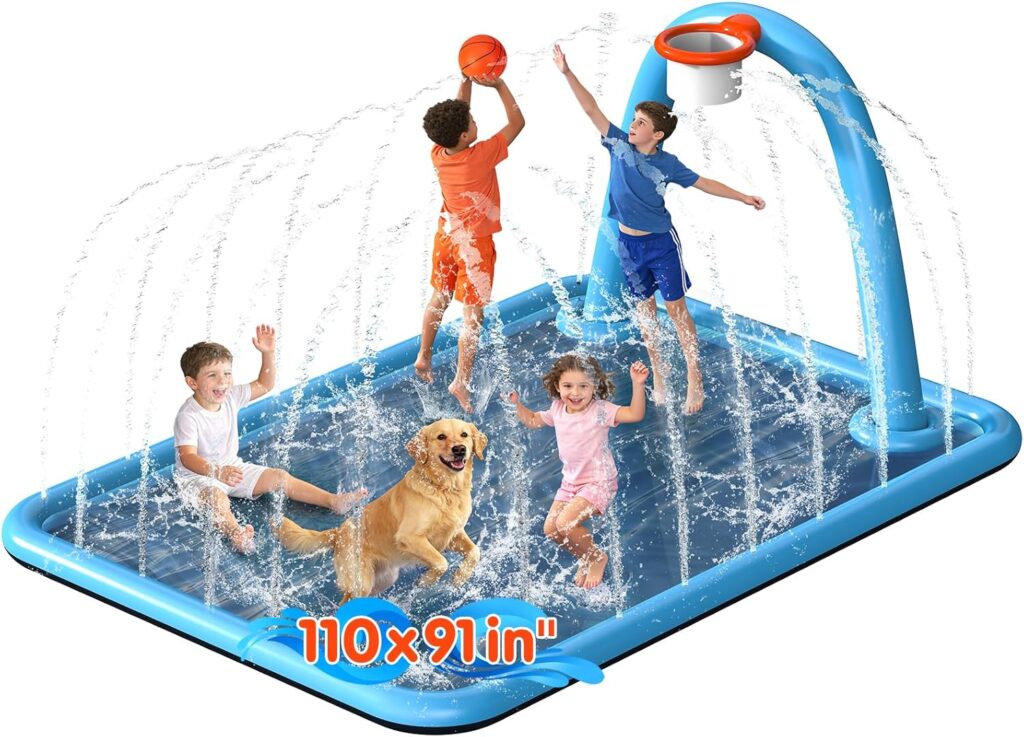
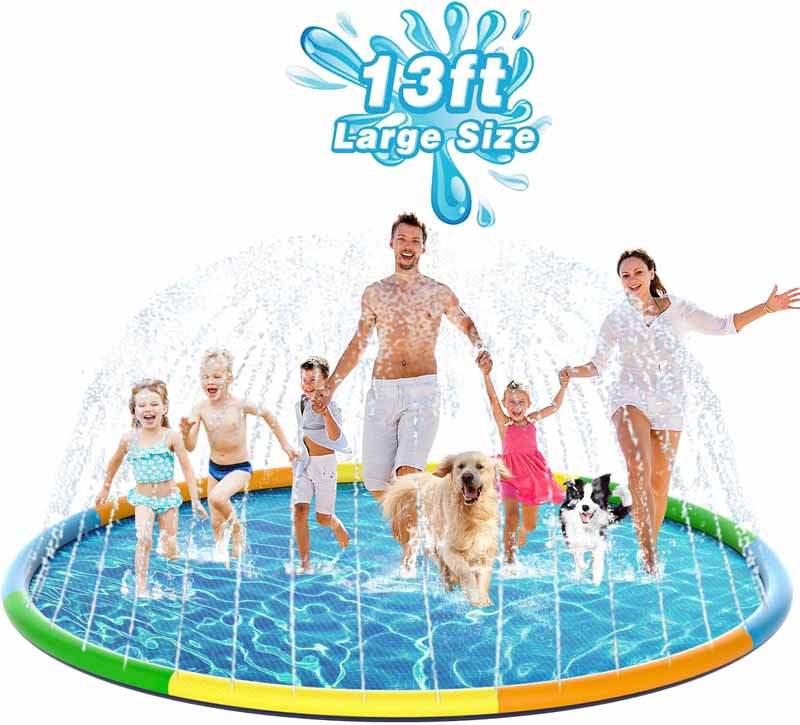
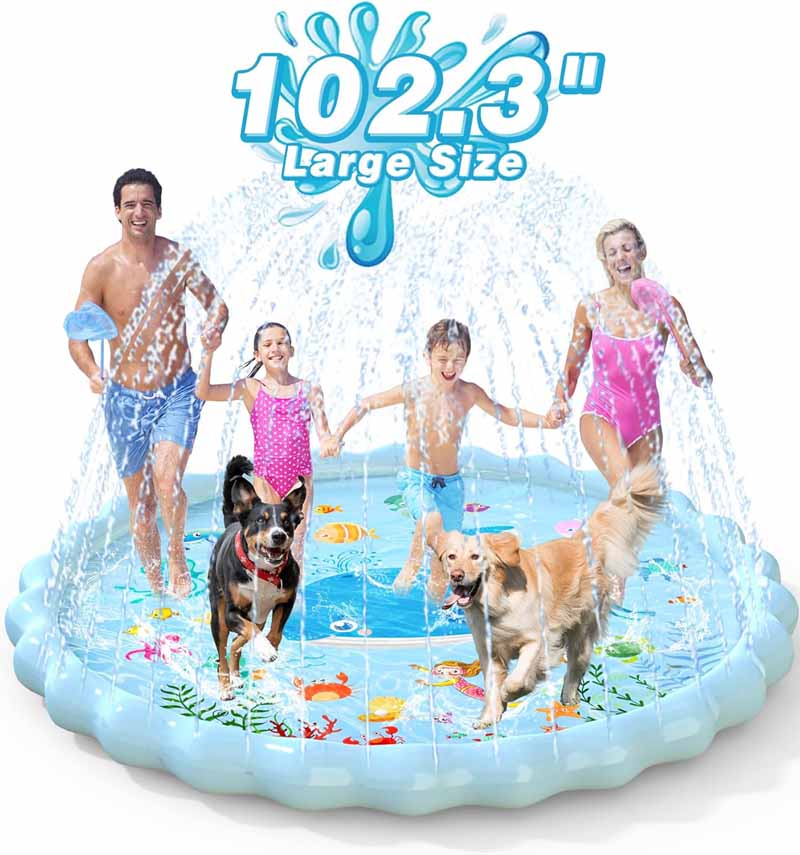
Our splash pad range includes round splash pads, square splash pads, dog splash pads, soccer splash pads, and splash pads with basketball hoops. Beyond splash pads, we also support related seasonal categories such as dog pools, dog pools with sprinklers, pool pillows, snow tubes, and punching bags.
What makes Epsilon valuable is not only manufacturing capacity. We combine material control, structure planning, testing, packaging support, and multi-market experience, so customers can move more efficiently from product idea to finished goods.
For retail customers, we offer in-stock splash pad products that are ready to buy now.
For business customers, we support:
- custom splash pad sizes
- custom colors and print themes
- logo printing
- packaging customization
- OEM and ODM projects
- sample development
- production planning
- market-specific splash pad positioning
If you want a faster and more accurate reply, it helps to share:
- your target market
- user group or age focus
- preferred size range
- material expectations
- artwork direction
- packaging requirements
- estimated order quantity
- expected timeline
Shop In-Stock Splash Pad Products
- Buy Round Splash Pad
- Buy Square Splash Pad
- Buy Dog Splash Pad
- Buy Soccer Splash Pad
- Buy Splash Pad with Basketball Hoop
Start a Custom Splash Pad Project
- Contact Us for Custom Splash Pads
Request a Sample
- Request a Splash Pad Sample
Explore More Related Product Pages
If you want to explore more seasonal PVC and family-use product categories, you can continue browsing these related pages:
Get A Fast quote
Here, bringing your inflatable concepts to life is no longer a challenge—it’s a collaborative journey where American Epsilon helps families, outdoor enthusiasts, and global brands transform creative ideas into safe, certified, and market-ready inflatable solutions.


Partner With Epsilon
Whether you are a family looking for safe backyard fun or a brand seeking large-scale OEM/ODM solutions, American Epsilon Inc. guarantees every inflatable is built with safety, durability, and excitement in mind. With flexible low MOQs, strategically placed warehouses in the U.S., Canada, U.K., and Germany, plus 24/7 professional support, we ensure smooth delivery and reliable service worldwide.
Ready to bring your inflatable ideas to life? Request free samples, fast prototypes, and customized designs today—your trusted inflatable journey starts here.