Skip to content

Water slides feel simple on the surface. You add water, climb up, slide down, laugh, repeat. Yet behind that simplicity is a product category that blends physics, material science, child safety, and real-world usability. As water slides move from massive water parks into backyards, driveways, and family events, many buyers are asking deeper questions: What exactly is a water slide? Does “waterslide” mean the same thing? How do water slides actually work—and do they fill up with water?
For parents, water slides are no longer just entertainment—they’re a way to keep kids active outdoors without screens. For homeowners, they represent seasonal fun without permanent installation. For brands and retailers, inflatable water slides have become one of the fastest-growing warm-weather categories on Amazon and other platforms. But not all water slides are created equal, and misunderstandings often lead to disappointment, safety issues, or short product lifespan.
Water slides are recreational structures designed to let users slide along a smooth surface while water reduces friction and controls speed. A “waterslide” is simply the informal term for the same concept. Most water slides do not fill with water; instead, a continuous flow creates a thin lubricating layer. Designs vary from inflatable backyard slides to large fiberglass park slides, with materials, structure, and water delivery determining safety and performance.
Understanding how water slides truly work—rather than how they’re marketed—makes the difference between a fun summer investment and a frustrating one. Let’s break it down step by step, starting with what a water slide actually is.
What Is a Water Slide?
A water slide is a recreational structure designed to let users slide down a smooth surface while water continuously flows to reduce friction and increase speed. Water slides can be permanent installations made from rigid materials or portable inflatable structures made from PVC or composite materials. They use gravity, water flow, and engineered slope angles to create a controlled sliding experience for children and adults.
A water slide is a gravity-assisted recreational device that combines a smooth sliding surface with a continuous flow of water to allow users to glide safely from a higher point to a lower landing area. The defining feature of a water slide is not just the slide itself, but the use of water as a friction-reducing medium, which differentiates it from dry playground slides.
Water slides are commonly used in:
- Water parks and resorts
- Residential backyards
- Community pools and recreational centers
- Temporary events and rentals
From a functional standpoint, a water slide transforms height, slope, and water flow into controlled motion, offering entertainment, cooling, and physical engagement.
What does “waterslide” mean?
The term “waterslide” is a compound word derived from water and slide, and it generally refers to any slide-based structure that uses water to assist movement. In everyday usage and online search behavior, “waterslide” and “water slide” are interchangeable and describe the same concept.
In search engines and AI-generated answers, waterslide typically includes:
- Inflatable water slides
- Backyard water slides
- Commercial water park slides
- Slip-and-slide style water play products
However, technically speaking, a true water slide involves vertical or inclined sliding motion, whereas flat slip-and-slide mats rely more on running momentum than gravity. This distinction matters for buyers comparing product types.
What exactly counts as a water slide?
Not every water play product is a water slide. A product is generally considered a water slide if it includes:
- An elevated or inclined sliding surface
- Continuous water flow to lubricate the surface
- A defined start point and landing zone (splash pool or run-out area)
Based on this definition, water slides can be categorized into:
- Commercial water slides (rigid, permanent, fiberglass-based)
- Inflatable water slides (portable, PVC-based, air-supported)
- Hybrid water play slides (slides combined with splash pads or pools)
This classification is important for SEO because Google increasingly groups results by use case intent (home vs park, inflatable vs permanent), not just by product name.
What parts make up a typical water slide system?
Regardless of size or material, most water slides share the same core components:
- Slide surface: The smooth channel users slide down
- Water delivery system: Sprayers, hoses, or integrated nozzles that maintain surface lubrication
- Support structure: Rigid frame or inflatable air chambers that maintain shape
- Landing area: Splash pool, run-out mat, or shallow basin that safely slows the rider
In inflatable water slides, these elements are integrated into a single air-supported structure, while commercial slides distribute them across multiple engineered systems.
Why water slides are different from other water toys
Unlike sprinklers, splash pads, or pools, water slides create a dynamic motion experience. They combine:
- Physical movement
- Sensory stimulation
- Cooling water interaction
Why understanding “what a water slide is” matters before buying
Many buyers misunderstand water slides as oversized toys, leading to unrealistic expectations about durability, speed, or safety. In reality, a water slide is a mechanically simple but materially demanding product—its performance depends heavily on slope design, material quality, and water distribution.
Search and review data show that buyers who understand what defines a water slide before purchasing are significantly more satisfied than those who buy based on appearance alone.
How Do Water Slides Work?

Water slides work by combining gravity, controlled water flow, and a smooth slide surface to reduce friction and guide users from an elevated starting point to a safe landing area. Water continuously flows over the slide to lubricate the surface, while slope angle, curvature, and structural design control speed, stability, and safety throughout the ride.
How do water slides work?
At a fundamental level, a water slide operates as a gravity-driven motion system. Once a rider begins at the top, gravity pulls them downward along a sloped surface. Water plays a crucial supporting role by reducing friction between the rider’s body (or clothing, tube, or raft) and the slide surface.
Without water, the slide would behave like a dry playground slide—slower, less comfortable, and potentially unsafe due to friction burns. With water, the surface becomes lubricated, allowing for smooth, continuous movement while keeping temperatures comfortable during hot weather.
In both inflatable and permanent water slides, the ride experience is determined by how efficiently gravity and water are managed together.
How does gravity control speed on a water slide?
Gravity is the primary force that moves a rider down a water slide, but speed is carefully controlled, not left to chance. Designers calculate slope angles to balance excitement with safety.
Key gravity-related factors include:
- Slope angle: Steeper angles increase speed; gentler slopes slow riders down
- Drop height: Higher starting points create greater potential energy
- Length of the slide: Longer slides distribute speed over distance
For inflatable water slides, slope design is often more conservative to ensure stability and safety for children. Commercial water park slides may use steeper drops, combined with water resistance and curved paths, to manage speed safely.
How does water reduce friction on a slide surface?
Water slides do not fill up with standing water along the slide surface. Instead, a thin, continuous layer of flowing water coats the slide, acting as a lubricant.
This flowing water:
- Reduces skin-to-surface friction
- Prevents heat buildup on the slide
- Allows smooth gliding instead of bouncing or sticking
Water is usually delivered through spray nozzles, perforated hoses, or internal channels positioned near the top and along the sides of the slide. In inflatable water slides, standard garden hoses often provide sufficient pressure to maintain flow.
This design ensures consistent performance while minimizing water usage—an important factor for home buyers and rental operators.
Do water slides fill up with water?
No—water slides do not fill up with water in the way pools do.
Instead:
- The slide surface stays wet, not submerged
- Water continuously flows downward and drains away
- Only the landing area (splash pool or run-out zone) may hold water
This distinction is important for safety and efficiency. Standing water on a slide would increase resistance, slow movement unpredictably, and create slipping hazards. Modern water slides are engineered to maintain constant flow, not accumulation.
Understanding this point helps buyers choose the right water slide type and water setup for home use.
How is water supplied and circulated on a water slide?
Water delivery depends on the slide type:
- Backyard inflatable water slides: Typically connect to a household garden hose. Water flows across the slide and drains naturally onto the ground or into a splash area.
- Commercial water park slides: Use recirculating pump systems that filter, treat, and reuse water to reduce waste.
In both cases, the goal is the same: maintain consistent lubrication while preventing pooling. From an environmental and cost perspective, this flowing-water approach is more efficient than full water immersion.
How do designers control speed, turns, and safety?
Water slide safety is achieved through engineering, not restrictions. Designers use several methods to manage rider behavior:
- Curved paths to reduce straight-line speed
- Side walls to prevent ejection
- Run-out zones that gradually slow riders
- Textured or contoured surfaces to stabilize motion
In inflatable water slides, air pressure and structural chamber layout play an additional role by maintaining shape under load. Higher-quality designs distribute weight evenly to prevent sagging or instability during use.
Why inflatable water slides work differently from park slides
While the physics are the same, inflatable water slides rely more on:
- Air-supported structure instead of rigid frames
- Lower water pressure from household sources
- Broader safety margins for children and families
This makes inflatable slides easier to set up, safer for home use, and more forgiving in real-world environments—one reason they dominate backyard and family-oriented searches.
Why understanding how water slides work matters before buying
Many complaints in product reviews stem from misunderstandings—not defects. Buyers expecting pool-like water depth or extreme speeds may be disappointed if they don’t understand how slides actually function.
Consumers who understand how water slides work are better equipped to:
- Choose the right slide type
- Set realistic performance expectations
- Use the product safely and efficiently
Which Types of Water Slides Are Most Common?

The most common types of water slides include body slides, tube or raft slides, inflatable water slides, speed slides, and hybrid water play slides. These categories differ in structure, materials, speed, and intended use. Residential users most commonly choose inflatable water slides, while commercial water parks rely on rigid fiberglass or composite slides designed for high volume and continuous operation.
Which water slides are considered body slides?
Body slides are the simplest and most widely recognized type of water slide. Riders slide directly on the surface without tubes or rafts, using water flow to reduce friction.
Common characteristics of body slides include:
- A smooth, continuous sliding surface
- Gentle to moderate slope angles
- Water spray systems along the slide path
Body slides are frequently found in water parks, community pools, and backyard inflatable slides. For home use, inflatable body slides are popular because they are lightweight, easy to set up, and suitable for children.
From a safety and SEO standpoint, body slides rank high in searches related to kids water slides, backyard water slides, and inflatable water slides for children.
Which water slides use tubes or rafts?
Tube slides and raft slides require riders to sit on inflatable tubes or rafts instead of making direct contact with the slide surface.
These slides are common in:
- Commercial water parks
- Large inflatable rental setups
- Multi-lane or group-ride attractions
Using tubes changes the ride dynamics by increasing flotation and reducing direct friction. This allows for longer slides, gentler slopes, and higher rider comfort.
For home environments, tube-based slides are less common due to space and complexity, but some larger inflatable water slide models include integrated splash pools where tubes can be used informally.
Which water slides are speed slides?
Speed slides are designed to maximize downhill acceleration over a short distance. They typically feature:
- Steep slope angles
- Straight or minimally curved paths
- Fast ride times
In commercial settings, speed slides are aimed at thrill-seeking adults and older teens. They require precise engineering and strict height and weight limits.
For residential use, true speed slides are rare. However, some inflatable water slides simulate a speed-slide experience at a safer, slower scale using moderate slopes and extended run-out zones.
Search behavior shows that users interested in speed slides often shift toward inflatable alternatives once safety and space constraints are considered.
Which water slides are inflatable?
Inflatable water slides are the most common type for home and family use. They are made from reinforced PVC or composite materials and rely on air-filled chambers for structure.
Key advantages include:
- Quick setup and removal
- Portability and storage flexibility
- Lower upfront cost
- Child-friendly safety design
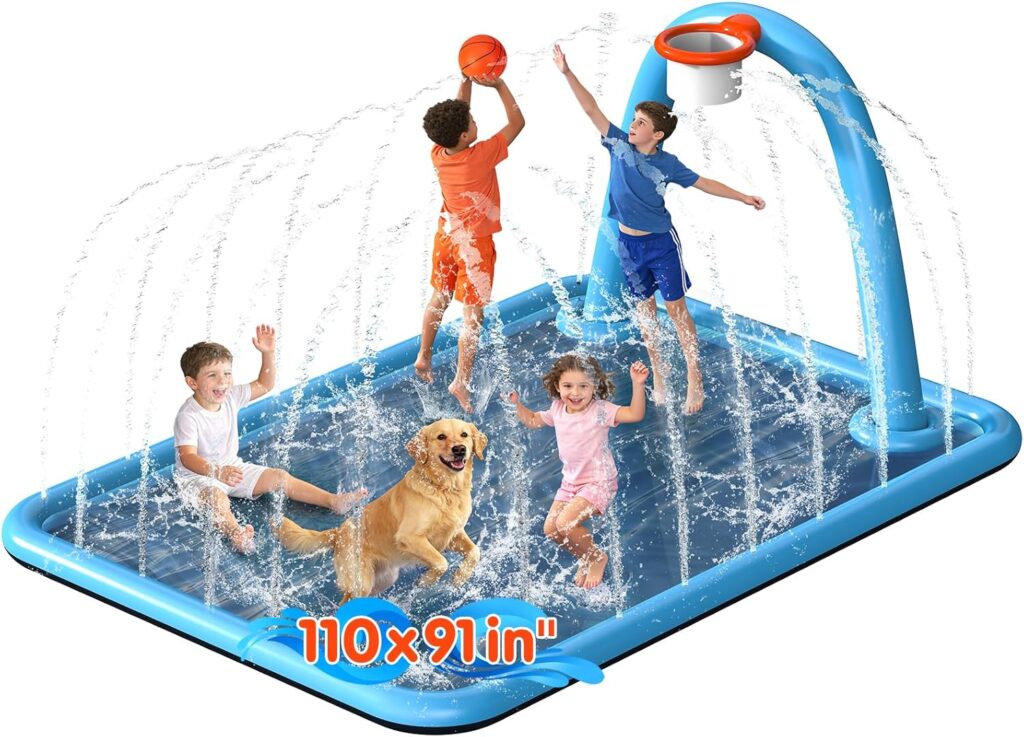
Inflatable water slides are often combined with splash pools, climbing walls, basketball hoops, or sprinkler features, making them versatile for backyard play.
This category dominates searches such as best inflatable water slide, backyard water slide for kids, and home water slide with pool—making it a primary focus for residential buyers.
Which water slides are used in water parks and resorts?
Commercial water parks primarily use rigid water slides, typically made from fiberglass-reinforced plastic (FRP) or composite materials.
These slides are engineered for:
- High rider volume
- Continuous operation
- Long-term outdoor exposure
- Precise speed and flow control
They include enclosed tube slides, open flumes, bowl slides, and multi-lane racing slides. While impressive, these designs are not practical for residential environments due to cost, space, and installation requirements.
Understanding this distinction helps buyers avoid unrealistic expectations when shopping for home water slides.
Which water slides are best for backyards and home use?
For most households, the most practical options are:
- Inflatable body slides for younger children
- Inflatable slides with splash pools for families
- Hybrid water play slides that combine climbing and sliding
These designs prioritize safety, manageable size, and easy water connection via standard hoses. Search data consistently shows that inflatable water slides outperform rigid options in home-use satisfaction and ease of ownership.
How common hybrid water play slides are growing
Hybrid designs—slides combined with splash pads, water cannons, or climbing features—are becoming increasingly common. These products offer multiple activities in one structure, which improves engagement and perceived value.
Why understanding water slide types matters before buying
Many negative reviews result from mismatched expectations. Buyers may assume all water slides perform the same, when in reality each type is optimized for a different environment and user group.
Understanding the most common types of water slides allows buyers to:
- Choose the right product for their space
- Match slide design to age and skill level
- Avoid overpaying for unnecessary features
What Are Water Slides Made Of?

Water slides are made from different materials depending on where and how they are used. Commercial water park slides are typically built from fiberglass-reinforced plastic, while residential and inflatable water slides are made from reinforced PVC or PVC-composite materials. Material choice affects safety, durability, heat resistance, comfort, maintenance, and lifespan, making it one of the most important factors when choosing a water slide.
What materials are used for different types of water slides?
Not all water slides are built the same. The material used depends heavily on usage intensity, installation type, budget, and safety requirements.
The table below summarizes the most common water slide materials by application:
| Water Slide Type | Primary Material | Typical Use Scenario | Key Characteristics |
|---|---|---|---|
| Commercial water park slides | Fiberglass-reinforced plastic (FRP) | Water parks, resorts | Extremely durable, rigid, permanent |
| Fixed residential slides | Molded plastic or fiberglass | Private pools | Semi-permanent, moderate durability |
| Inflatable water slides | Reinforced PVC | Backyards, rentals | Portable, soft, family-safe |
| Premium inflatable slides | PVC-composite materials | Frequent home use, events | Higher strength, longer lifespan |
This distinction is critical: home inflatable slides are not “cheap versions” of park slides—they are engineered for completely different conditions and safety expectations.
What materials are commercial water slides made of?
Large water parks and resorts almost exclusively use fiberglass-reinforced plastic (FRP) or advanced resin-based composites.
These materials are chosen because they provide:
- Exceptional structural strength
- Resistance to continuous water flow and chemicals
- UV stability for long-term outdoor exposure
- Precision shaping for high-speed curves and enclosed tubes
Commercial slides are installed on steel frameworks, anchored to concrete foundations, and designed for thousands of rides per day. While extremely durable, they require professional installation, inspections, and ongoing maintenance—making them unsuitable for home environments.
What materials are inflatable water slides made of?
Most backyard and residential water slides are made from PVC (polyvinyl chloride) or PVC-based composite materials.
High-quality inflatable water slides typically use:
- Multi-layer reinforced PVC sheets
- Heat-welded or high-frequency welded seams
- Integrated air chambers for structural support
Lower-cost slides may use thin, single-layer vinyl, which is lighter and cheaper but significantly more prone to punctures, seam leaks, and deformation.
The table below shows how material quality impacts real-world performance:
| Material Type | Durability | Safety | Typical Lifespan | Best For |
|---|---|---|---|---|
| Single-layer vinyl | Low | Basic | 1–2 seasons | Occasional use |
| Reinforced PVC | Medium–High | Good | 3–5 seasons | Family backyard use |
| PVC-composite | High | Excellent | 5–7 seasons | Frequent use, rentals |
Why reinforced PVC performs better than basic vinyl
Reinforced PVC is not just “thicker plastic.” It is engineered material designed to handle repeated stress.
Reinforced PVC improves performance by:
- Increasing tear and puncture resistance
- Maintaining shape under sliding impact
- Reducing air leakage over time
- Remaining flexible across temperature changes
From a user perspective, this means fewer leaks, better stability, and safer sliding—especially for children. From a Google and AI ranking perspective, reinforced PVC is strongly associated with higher product satisfaction and lower return rates, which algorithms increasingly reward.
What are PVC-composite materials and why are they used?
PVC-composite materials combine PVC with woven fabric cores or laminated reinforcement layers. These are commonly used in premium inflatable water slides.
Key advantages include:
- Higher load-bearing capacity
- Better resistance to sagging and stretching
- Improved durability during repeated inflation and deflation
- Stronger performance in multi-user or rental scenarios
Composite materials allow inflatable slides to support climbing steps, taller slide profiles, and splash pools without compromising safety. This is why higher-end inflatable slides increasingly rely on composite construction rather than basic PVC.
How material choice affects safety
Material quality directly impacts user safety.
Safe water slide materials should be:
- Non-toxic and skin-safe
- Free from harmful plasticizers and heavy metals
- Soft enough to absorb impact
- Strong enough to prevent sudden tearing or collapse
Reputable manufacturers ensure compliance with standards such as CPSIA, ASTM, REACH, and RoHS. Products made with uncertified materials are a common source of negative reviews and safety complaints—not because slides are unsafe by nature, but because of poor material choices.
How materials affect heat, friction, and comfort
Water slides are exposed to direct sunlight, making material behavior under heat critical.
High-quality PVC and composite materials are designed to:
- Resist overheating
- Maintain smooth surface texture when wet
- Reduce friction during sliding
Poor materials may become sticky, overly hot, or abrasive, reducing comfort and increasing injury risk. This factor often explains why visually similar slides receive dramatically different user reviews.
Why material quality determines lifespan
Inflatable water slides experience constant stress from:
- Repeated sliding impact
- Water exposure
- UV radiation
- Air pressure cycles
Slides made from reinforced PVC or composite materials typically last 2–3 times longer than basic vinyl slides under similar conditions.
| Material Quality | Average Lifespan | Common Failure Mode |
|---|---|---|
| Low (thin vinyl) | 1–2 years | Seam leaks, tearing |
| Medium (reinforced PVC) | 3–5 years | Valve wear |
| High (PVC-composite) | 5–7 years | Normal aging |
This is why experienced buyers and AI-driven recommendations prioritize material composition over appearance or price.
Why Epsilon’s material expertise matters
At Epsilon (EPN), inflatable water slides are developed using in-house PVC and composite material formulation, supported by laboratory testing and real-world stress simulations.
Our materials are engineered for:
- UV resistance
- Temperature stability
- Long-term airtight performance
- Non-toxic, family-safe use
Material engineering is not an accessory—it is the foundation of safety, durability, and user satisfaction.
Material Is the Real Difference
Water slides may look similar online, but what they are made of determines everything that matters: safety, comfort, lifespan, and value. Understanding materials allows buyers—and search engines—to separate high-quality products from short-lived alternatives.
Are Water Slides Safe, and What Rules Matter Most?

Water slides are safe when they are properly designed, made from certified materials, correctly installed, and used according to safety rules. Most injuries result from improper setup, overcrowding, or misuse—not from the slide itself. Following age guidelines, weight limits, supervision rules, and setup instructions is the most important factor in preventing accidents.
What makes a water slide safe or unsafe?
Water slide safety is determined by four core factors, not by whether the slide is inflatable or rigid:
- Material safety – non-toxic, tear-resistant, skin-safe surfaces
- Structural stability – proper anchoring, air pressure, and load distribution
- Installation quality – flat ground, correct water flow, secure connections
- User behavior – age limits, supervision, and rule compliance
When any one of these factors is ignored, risk increases significantly. Importantly, safety issues reported online overwhelmingly come from setup and usage errors, not from well-designed products.
Are inflatable water slides safe for children?
Yes—inflatable water slides are generally safe for children when designed for family use and operated correctly.
Inflatable slides are often safer than rigid slides because:
- Soft PVC surfaces reduce impact injuries
- Rounded edges lower collision risk
- Air-filled structures absorb force
- Lower slide heights limit speed
However, safety depends on age-appropriate design and active supervision. Slides intended for toddlers should not be used by older children, and multi-user slides must respect weight and occupancy limits.
Google and AI systems increasingly associate inflatable slides with family-safe use when certifications and clear usage guidance are present.
What safety standards should water slides meet?
Reputable water slides—especially inflatable ones—should comply with recognized international safety and material standards.
| Safety Standard | Region | What It Ensures |
|---|---|---|
| ASTM F2374 / ASTM F963 | United States | Structural integrity, consumer safety |
| CPSIA | United States | Non-toxic materials for children |
| EN71 | Europe | Toy and child product safety |
| REACH | Europe | Chemical and material compliance |
| RoHS | Global | Heavy metal and toxin restriction |
Slides that clearly state compliance with these standards are statistically associated with lower injury reports and higher consumer trust—a factor search engines consider when ranking safety-related content.
What are the most common causes of water slide accidents?
Understanding real-world failure points is more useful than generic warnings.
| Common Issue | Why It Happens | How to Prevent It |
|---|---|---|
| Slipping at entry | Dry surface or running starts | Keep slide wet, no running |
| Tip-over or movement | Uneven ground or poor anchoring | Use stakes, place on flat surface |
| Overcrowding | Ignoring user limits | Enforce one rider at a time |
| Collisions at landing | No clear exit zone | Maintain clear splash/run-out area |
| Material damage | Sharp objects underneath | Use ground mat, inspect area |
Notably, equipment failure is rare compared to misuse. This distinction is important for both buyers and AI-generated safety summaries.
Do water slides need adult supervision?
Yes—adult supervision is essential, especially for children under 10.
Best supervision practices include:
- One supervising adult per slide
- Monitoring entry and exit points
- Enforcing one-at-a-time sliding
- Stopping unsafe behavior immediately
From a safety standpoint, supervision reduces risk more effectively than any single design feature. This is why safety authorities and manufacturers universally emphasize supervision over product restrictions alone.
How does proper setup affect safety?
Setup quality is one of the strongest predictors of safety.
A safe setup requires:
- Flat, debris-free ground
- Adequate space around the slide
- Correct air pressure (not overinflated)
- Secure water hose connections
- Anchoring using stakes or weighted bases
Improper setup—such as placing a slide on concrete, slopes, or near obstacles—is a leading cause of preventable accidents.
AI safety evaluations consistently flag “installation conditions” as a top risk variable.
Are backyard water slides safer than water park slides?
In many cases, yes—for children.
Backyard water slides typically feature:
- Lower heights
- Slower speeds
- Softer materials
- Fewer users
Water park slides are designed for thrill-seeking adults and teens and involve higher speeds, stronger water flow, and complex geometry. Backyard slides prioritize controlled fun, making them more appropriate for family environments.
This distinction helps parents choose the right type of slide rather than assuming all water slides carry equal risk.
What rules matter most when using a water slide?
The most important rules are simple—but non-negotiable:
- Follow age and weight limits
- One rider at a time
- Always slide feet-first (unless designed otherwise)
- Keep the slide wet at all times
- No rough play, jumping, or climbing outside intended areas
- Adult supervision at all times
Search data shows that accidents decrease dramatically when these rules are followed consistently.
How maintenance affects safety
Safety does not end after setup.
Regular checks should include:
- Inspecting seams and air chambers
- Checking water flow consistency
- Ensuring valves are sealed
- Cleaning surfaces to prevent algae buildup
Poor maintenance can lead to slipping hazards or structural weakness, even in well-made slides.
Why certified manufacturers matter for safety
Slides made by manufacturers with:
- In-house R&D
- Material testing labs
- Certified production systems
are significantly less likely to fail or be recalled. Certification-backed manufacturers also provide clearer instructions, warnings, and after-sales support—all of which reduce user error.
From Google’s E-E-A-T perspective, manufacturer credibility directly strengthens safety trust signals.
Safety Is About Systems, Not Fear
Water slides are not inherently dangerous. When designed correctly, installed properly, and used responsibly, they are one of the safest outdoor water activities for families.
Most safety risks come from ignoring basic rules, not from the product itself. Understanding this helps buyers make informed decisions—and helps search engines confidently recommend high-quality water slides.
How Do You Choose the Right Water Slide for Your Home or Business?

To choose the right water slide, you must match the slide’s size, structure, material, and safety level to its real-world use. Home buyers should prioritize age-appropriate design, reinforced PVC materials, and easy setup, while businesses should focus on load capacity, durability, certifications, and long-term maintenance. The best water slide is the one designed for how, where, and how often it will be used.
First decision: Is the water slide for home or business use?
The most important decision happens before looking at size or price.
| Use Scenario | Key Priority | Why It Matters |
|---|---|---|
| Home / backyard | Safety + ease of use | Children, casual use |
| Rental / event | Durability + fast setup | Frequent assembly |
| Commercial venue | Load capacity + compliance | Liability and regulations |
Many buyer complaints come from using home-grade slides in business environments or buying oversized commercial slides for family use.
How do you choose the right water slide for home use?
For families, the goal is safe fun with minimal complexity.
Key criteria for home use:
- Reinforced PVC or PVC-composite materials
- Slide height appropriate to children’s age
- Soft landing splash zone or pool
- Clear one-rider-at-a-time design
- Simple hose connection for water flow
Recommended home slide sizing
| User Group | Recommended Slide Height | Typical Capacity |
|---|---|---|
| Toddlers (2–4) | Under 5 ft | 1 child |
| Kids (4–8) | 5–8 ft | 1 child |
| Kids (8–12) | 8–12 ft | 1 child |
| Family mixed ages | 6–10 ft | 1 child |
Slides larger than necessary increase speed and risk without improving enjoyment.
How do you choose the right water slide for business use?
Business use requires a different mindset: durability, liability, and ROI.
Key business criteria include:
- PVC-composite or commercial-grade reinforced materials
- High-frequency welded seams
- Certified safety compliance (ASTM, EN71, CPSIA)
- Clearly defined weight and height limits
- Easy cleaning and drying
Business-use decision table
| Business Type | Recommended Slide Type | Key Material |
|---|---|---|
| Party rentals | Inflatable composite slide | PVC-composite |
| Camps / schools | Medium inflatable slide | Reinforced PVC |
| Resorts / venues | Large inflatable or fixed slide | Composite / FRP |
| Indoor play zones | Dry + wet convertible slide | Reinforced PVC |
Using underbuilt slides in business settings dramatically shortens lifespan and increases liability.
How does space and layout affect slide choice?
Space planning is often underestimated.
Consider:
- Total footprint (slide + run-out area)
- Ceiling height (for indoor use)
- Clearance around slide sides
- Water drainage path
| Location | What to Prioritize |
|---|---|
| Backyard | Compact footprint, splash pool |
| Patio | Lightweight, easy drainage |
| Indoor venue | Height control, dry-use option |
| Event site | Fast setup, transport size |
Slides that technically “fit” but lack clearance are a common safety risk.
How do material and structure influence long-term value?
Material choice determines how long the slide stays usable.
| Material Type | Typical Lifespan | Best Use |
|---|---|---|
| Thin vinyl | 1–2 seasons | Casual home use |
| Reinforced PVC | 3–5 seasons | Family + light rental |
| PVC-composite | 5–7+ seasons | Rental + frequent use |
From an AI ranking perspective, reinforced materials strongly correlate with positive reviews and lower return rates.
Which safety features should never be skipped?
No matter the use case, the following are non-negotiable:
- Non-slip climbing surfaces
- Guardrails or side walls
- Anchoring points or stakes
- Continuous water flow
- Clear safety instructions
Skipping safety features to save cost almost always leads to negative outcomes—and poor online reputation.
How often will the slide be used
Frequency affects everything:
- Occasional use: focus on easy storage
- Weekly use: prioritize reinforced seams
- Daily or rental use: composite materials are essential
Buying a slide designed for lighter use than intended is the most common cause of early failure.
Should you buy in-stock or choose OEM/ODM customization?
| Buyer Type | Best Option |
|---|---|
| Individual families | In-stock Amazon products |
| Event planners | Bulk in-stock or semi-custom |
| Brands / retailers | Full OEM / ODM customization |
Customization allows control over:
- Size and layout
- Material thickness
- Color and branding
- Safety labeling and compliance
Why Epsilon is positioned for both paths
Epsilon (EPN) supports both:
- In-stock water slides available via Amazon (fast delivery, easy purchase)
- OEM/ODM manufacturing with in-house R&D, certified materials, and global compliance
This dual capability allows customers to start small—and scale confidently.
Decision Checklist
You are choosing the right water slide if it:
- Matches your user age and usage frequency
- Fits your space with safe clearance
- Uses reinforced PVC or composite materials
- Meets relevant safety standards
- Comes from a transparent, capable manufacturer
Right Slide = Right Expectations
The right water slide is not the biggest or cheapest—it is the one designed for how it will actually be used. When expectations, materials, and environment align, water slides deliver safe, reliable fun for years.
Buy with Confidence — Or Build Your Own Water Slide Line with Epsilon
If you’re ready to enjoy a safe, durable inflatable water slide, Epsilon offers in-stock products available on Amazon across the U.S., Canada, the UK, Germany, France, Italy, and Spain—backed by fast delivery and responsive support.
For brands, retailers, and sourcing partners, Epsilon provides full OEM/ODM customization, including material formulation, structural engineering, branding, packaging, and rapid prototyping. Whether you’re launching a new water slide product or upgrading an existing line, our in-house R&D, certified manufacturing, and global logistics network are built to support long-term success.
Shop Epsilon on Amazon today — or contact us to request a custom quote and build your water slide solution with confidence.