Skip to content
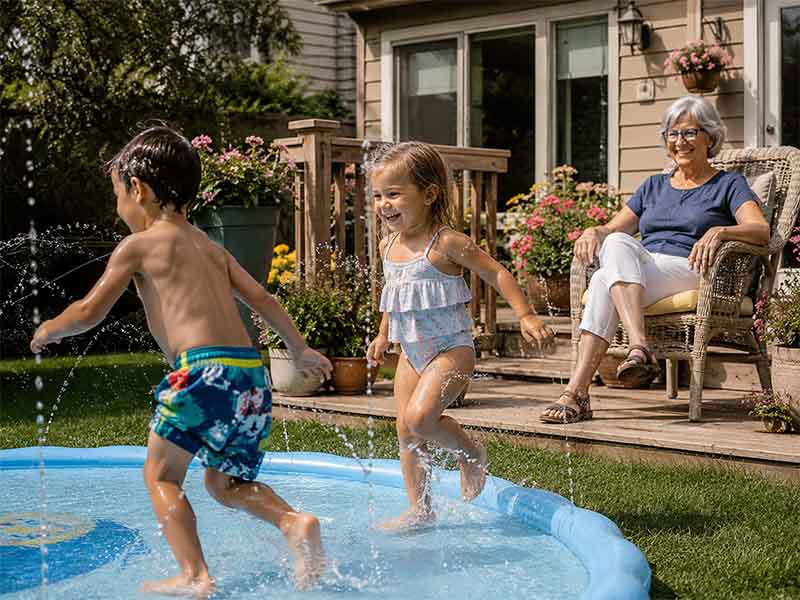
Backyard water play should make summer easier, not create another long chore after dinner. For many families, the choice starts with a simple goal: children need a fun way to cool down, pets need relief from hot afternoons, and the yard should stay usable after play ends. But once parents compare a splash pad with an inflatable pool, the decision becomes more practical. One offers fast spray play with very shallow water. The other creates a small pool-style space for sitting, soaking, and toy play.
A splash pad is usually better for fast, active backyard play because it connects to a garden hose, uses shallow surface water, and folds flat after drying. An inflatable pool is better for seated water play and longer soaking time, but it needs more water, closer supervision, more cleaning, and more drying space before storage.
The better choice depends on how the family actually uses the yard. A parent who wants 30 minutes of water play before dinner may prefer a splash pad. A child who likes cups, boats, and sitting in cool water may enjoy an inflatable pool more. A large dog may feel more comfortable walking through spray than climbing over a soft pool wall. Once summer gets busy, the water toy that fits the daily routine is usually the one that gets used most often.
Splash Pad vs Inflatable Pool Basics
A splash pad is designed for movement, spray, and quick cooling. An inflatable pool is designed for holding water, sitting, and soaking. Both can be useful in a backyard, but they create different play styles, cleaning routines, safety concerns, and storage needs.
Splash Pad Basics
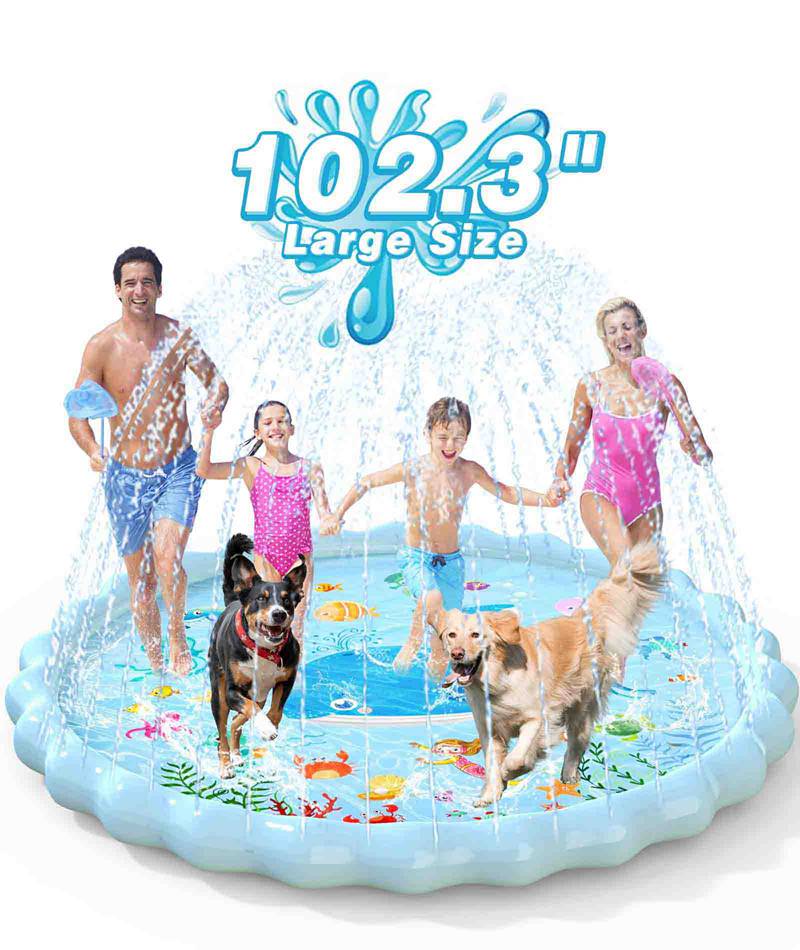
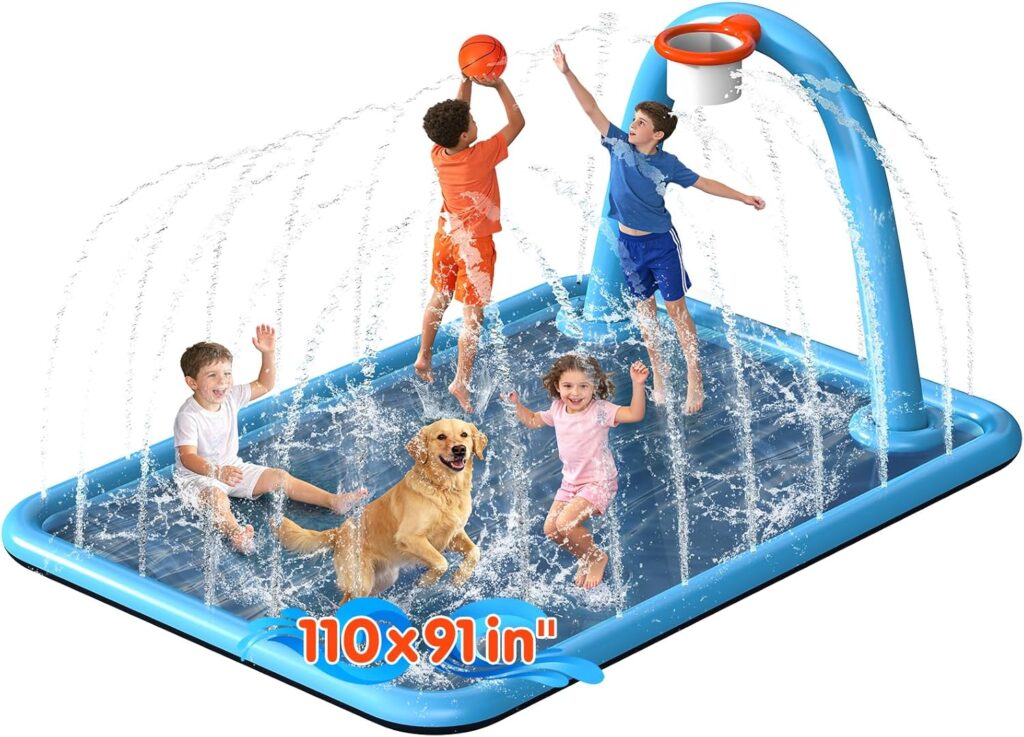
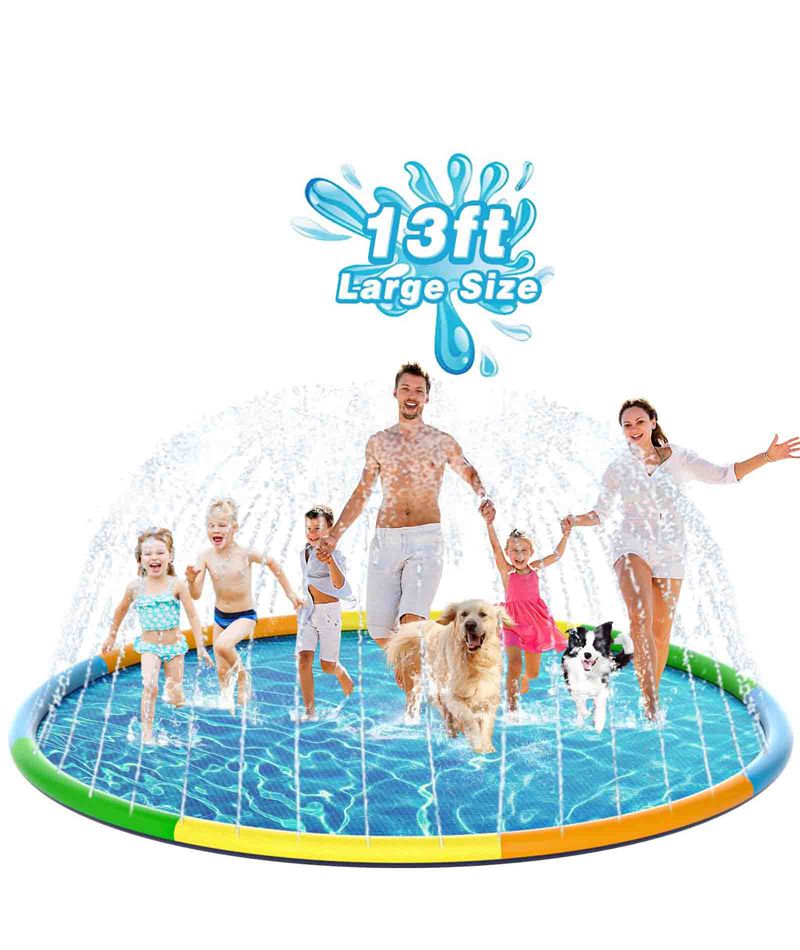
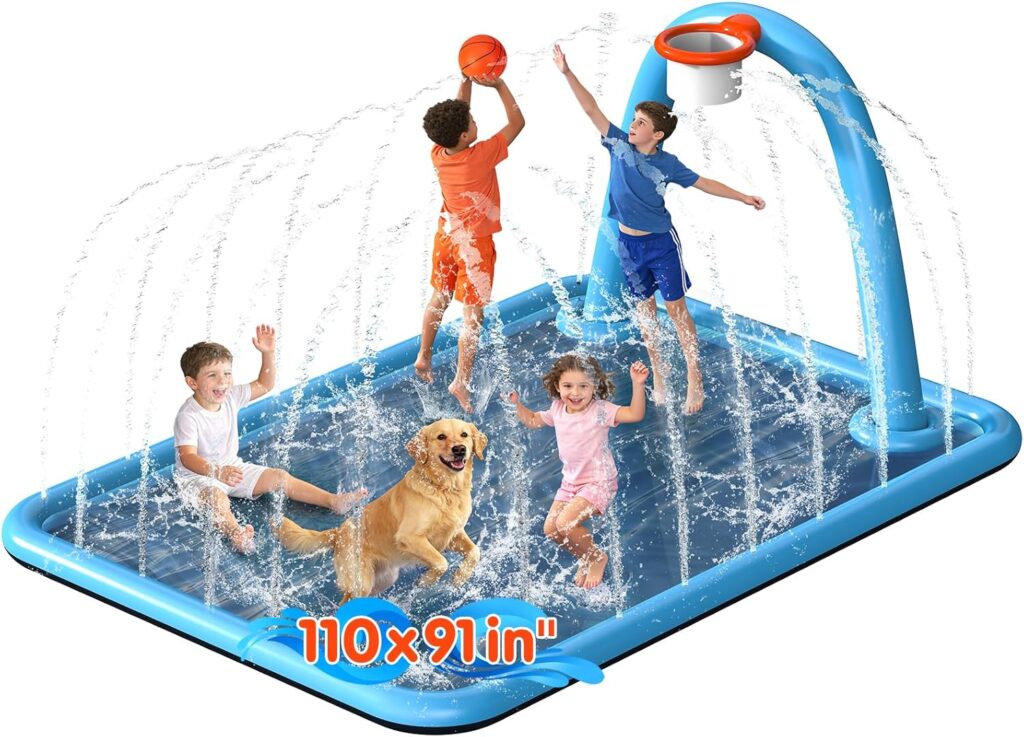
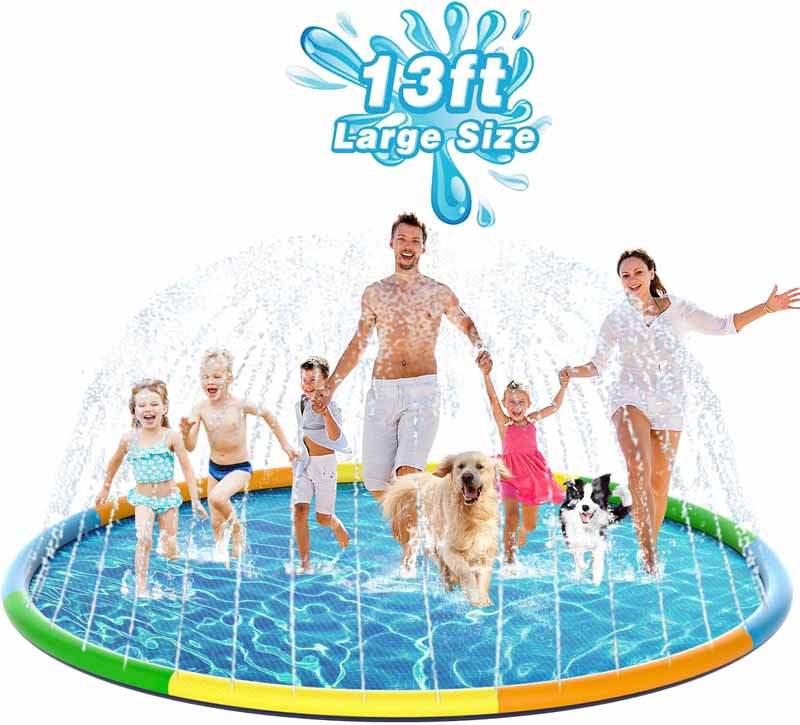
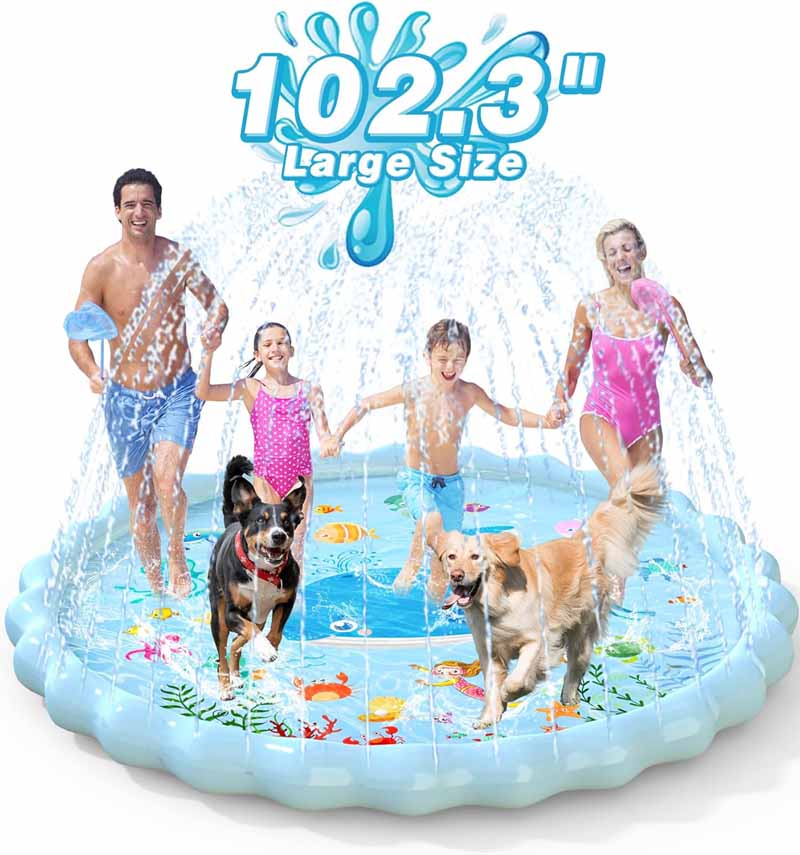
A splash pad is a flat PVC water-play mat that connects to a standard garden hose. Water enters the outer ring and sprays through small holes around the edge. Most backyard splash pads keep the center surface very shallow, so children and pets move through water instead of sitting in deeper water.
For daily family use, the biggest advantage is speed. After the ground is cleared, many splash pads can be ready in about 3 to 5 minutes. Parents unfold the mat, connect the hose, start with low pressure, and adjust the spray height based on the child’s age, pet comfort level, and yard setup.
A splash pad works especially well for short summer sessions, BBQ afternoons, pet cooling, and smaller yards. It also stores more easily because it folds flat when dry. Families comparing structure and material can also learn more about what material is best for a splash pad, especially when checking PVC thickness, surface feel, seam width, and hose connector quality.
Inflatable Pool Basics
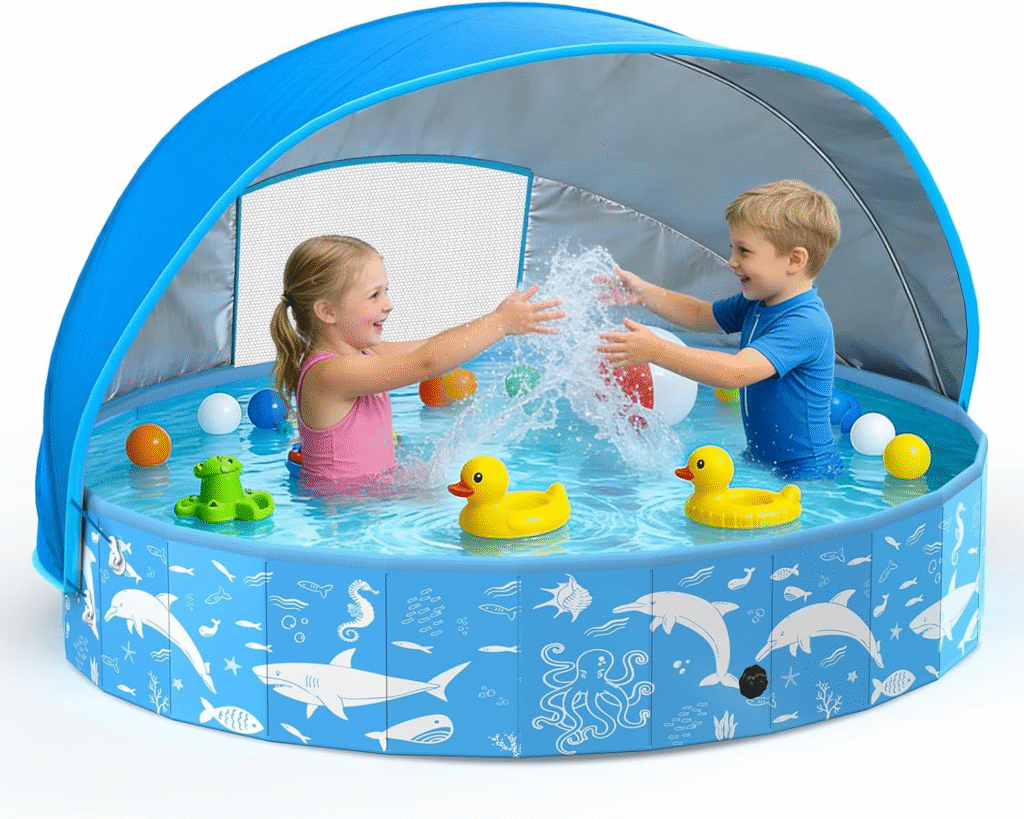
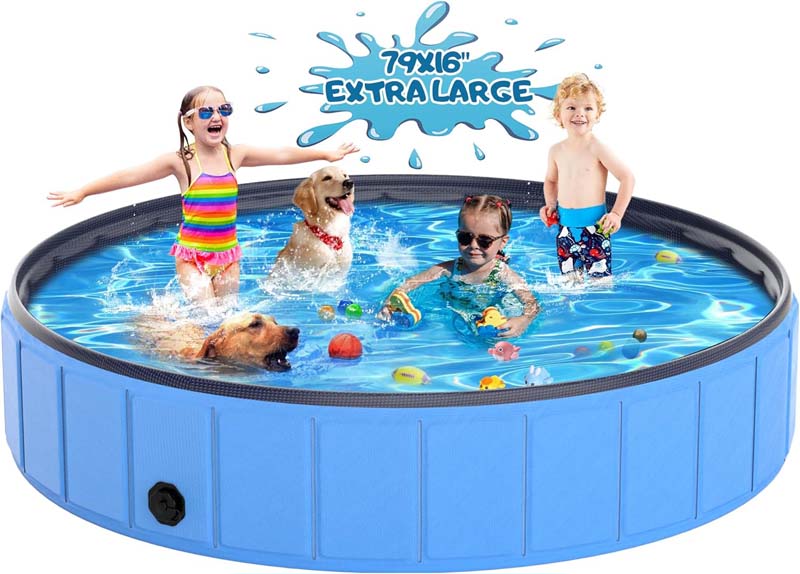
An inflatable pool uses air-filled side walls to hold water. It gives children a more traditional pool feeling, where they can sit, soak, scoop water, and play with floating toys. Compared with a splash pad, it feels calmer and more contained, but it also requires more work before and after play.
Setup usually includes inflating the pool, checking the ground, filling it with water, and monitoring water depth. A small inflatable pool may take around 8 to 15 minutes to prepare with an electric pump and hose. Larger family-size pools can take longer, especially if they have multiple air chambers or a wider base.
The main advantage is longer seated play. Children who enjoy cups, boats, floating balls, and quiet water time may prefer an inflatable pool. The trade-off comes later: the pool needs to be drained, wiped, dried around seams and valves, deflated, and stored carefully.
Daily Use Feel
A splash pad feels active. Children step through spray, turn, chase water streams, and move in and out of the play area. Dogs can walk through the spray without being lifted into deeper water. Adults can stop the water immediately by turning off the hose.
An inflatable pool feels slower. Children sit inside, play with toys, and cool down over a longer period. It can be better for calm play, but the water remains in one place and needs more care after use.
| Daily Factor | Splash Pad | Inflatable Pool |
|---|---|---|
| Main play style | Moving through spray | Sitting in water |
| Setup time | About 3–5 minutes after ground check | About 8–20 minutes depending on size |
| Best play length | 15–45 minutes | 30–90 minutes |
| Water depth | Very shallow surface water | Several inches or more |
| Water control | Adjust hose pressure | Control fill depth |
| Cleanup work | Drain, rinse, dry | Drain, wipe, dry, deflate |
| Storage | Folds flat when dry | Needs full drying before folding |
| Pet use | Better for active dogs | Better for calm soaking |
Families who want fast setup, active play, easier storage, and less standing water usually get more value from a splash pad. It is a strong fit for busy summer days, younger children under close supervision, dogs that enjoy spray, and homes where cleanup time matters.
Families who want sitting, soaking, and longer water play may prefer an inflatable pool. It is better for children who like staying in one place with toys. The trade-off is more water, more supervision, more cleaning, and more drying time.
Splash Pad vs Inflatable Pool Safety
A splash pad usually has less standing water, which can make short supervised play easier to manage. An inflatable pool holds more water, so it requires closer attention around toddlers, climbing, sitting balance, and drainage after use. Both options still need active adult supervision, flat ground, controlled play, and a clear setup area.

The biggest safety difference is standing water. A splash pad usually creates a thin layer of moving water across the surface. Children are stepping through spray rather than sitting in several inches of water. This reduces the amount of pooled water in the play area, although it does not remove the need for close supervision.
An inflatable pool holds water by design. Even a small pool can hold enough water for a toddler to sit, lean, slip, or lose balance. Larger inflatable pools may hold water for longer play sessions, which makes them closer to a small backyard pool than a quick water toy.
With a splash pad, adults mainly control spray pressure and movement speed. With an inflatable pool, adults must control water depth, entry, exit, and access after play. The pool should not remain filled in the yard when play is over, especially if young children can reach the area later.
Toddler Safety
Toddlers need extra attention because they have less balance and less understanding of water risk. A toddler may sit suddenly, crawl toward the hose, reach for a toy, or try to climb over a soft pool wall without warning.
A splash pad can work well for toddlers when the spray pressure is low and the surface is not crowded. The adult can stay close, keep the water gentle, and turn off the hose quickly if the child becomes nervous or unstable.
An inflatable pool can also work for toddlers, but the water level should stay low and the adult should remain within easy reach. Too many floating toys can encourage a toddler to lean forward or reach too far. A small pool may look harmless, but any standing water requires careful attention.
For toddler water play, the better choice is the product adults can manage confidently. Spray pressure should stay low on a splash pad, water depth should stay low in a pool, and the area around both products should stay clear of hard toys, towels, sandals, chairs, and anything that creates a tripping or climbing risk.
Slip Control
Slipping is the main safety issue for splash pads. Most slips happen when wet PVC, fast movement, uneven ground, loose toys, and high water pressure come together. A splash pad should be placed on flat, clean ground before the hose is connected.
Grass is often better than concrete because it is softer underfoot, but the lawn still needs to be level and free from stones, roots, sticks, thorns, sprinkler heads, and sharp patio edges. Families planning lawn setup can read more about can you use a splash pad on grass for ground-prep details.
The safest play usually comes from a simple routine: start with low water pressure, do not allow running starts from outside the mat, keep toys and sandals off the wet surface, and stop play if the mat shifts or folds. A splash pad should feel playful, not chaotic.
Pool Entry
Inflatable pools have a different risk: entry and exit. Children often step over the side wall, press down on it, or sit on the edge before getting in. If the wall bends, the child can lose balance. If the ground outside the pool becomes muddy, slipping becomes more likely.
The side wall should not be used as a step or seat. Young children should be helped in and out. The pool should be placed where an adult can reach all sides quickly. Water depth should stay controlled, and the pool should be drained after play instead of left as an open water area in the yard.
A well-set inflatable pool can be enjoyable, but it asks more from the adult. The wall, water depth, ground surface, and child’s movement all need to be watched together.
Splash Pad vs Inflatable Pool Cleaning
A splash pad is usually easier to clean because it does not hold a large amount of standing water. The main work is draining, rinsing, and drying the PVC surface. An inflatable pool takes more effort because water sits inside, collects dirt and residue, and needs to be fully drained, wiped, dried, deflated, and folded.
Splash Pad Cleaning
A splash pad should be cleaned after use, even when it looks clean. Sunscreen, lawn dirt, pollen, pet paw marks, and small grass pieces may stay on the surface or collect near spray holes. If the pad is folded while damp or dirty, odor, surface marks, sticky folds, or uneven spray may appear the next time it is opened.
Cleaning is usually simple because the surface is open and flat. After play, the hose can be turned off and disconnected gently. The outer ring should be allowed to drain before the pad is moved. The center surface can be rinsed with fresh water, while sunscreen marks or paw marks can be wiped with a soft cloth. Spray holes, the hose connector, and the underside deserve a quick check because these areas often collect grass, sand, or mineral residue.
The goal is not to scrub the pad aggressively. Hard brushes can scratch PVC or printed areas. A mild wipe and full drying are usually more useful than heavy cleaning. For EPN splash pads, smooth spray-hole layout, stable seams, and secure hose connectors help make repeated cleaning easier during summer use.

An inflatable pool needs more cleaning because it holds standing water. Children bring grass, dirt, sunscreen, snacks, and body oils into the pool. Pets add fur, mud, paw oil, and outdoor debris. After several hours outside, the water may look cloudy, the bottom may feel slippery, and the waterline may collect sunscreen residue.
After play, the pool should be drained and rinsed instead of left filled for another day. The bottom panel and inner walls should be wiped, especially along the waterline where lotion and oils collect. Valves and side seams need time to dry because moisture can stay trapped around those areas.
A small pool may feel easy to manage, but cleaning becomes more demanding as the size increases. A larger pool holds more water, takes longer to drain, and has more surface area to dry. Families should choose size based not only on play space, but also on how much cleaning work they can handle after each use.
Water Volume
Water volume affects convenience more than many families expect. A splash pad uses running water while the hose is on. The exact amount depends on hose pressure, spray height, and play time. If a family plays for 20 to 30 minutes, there is no large body of water to empty afterward.
An inflatable pool uses water upfront. A small round pool around 5 to 6 feet wide, filled to about 6 to 8 inches, can hold roughly 70 to 140 gallons depending on shape and wall design. Larger family pools can hold much more. More water means more time to fill, more water to drain, and more residue to clean from the bottom and side walls.
| Water Use Point | Splash Pad | Inflatable Pool |
|---|---|---|
| Water pattern | Running spray during play | Filled water held inside |
| Short play | Easier for quick cooling | Can feel wasteful if drained soon |
| Long play | Hose may run longer | Water stays available |
| After-play water | Drains away | Must be emptied |
| Cleaning impact | Less water to manage | More water holds more dirt |
| Best control | Adjust hose pressure | Keep fill depth reasonable |
Drying is just as important as cleaning. PVC products should not be folded wet. Moisture trapped inside folds can create odor, sticky surfaces, mildew marks, and early material stress.
A splash pad dries faster because it lies flat. After rinsing, it can be spread out, flipped once, and checked on both sides. In warm, dry weather, drying may take about 20 to 60 minutes depending on shade, airflow, and lawn moisture.
An inflatable pool has more hidden wet areas. Water can remain near valves, along side-wall seams, under the bottom panel, and between folded air chambers. In many backyard conditions, an inflatable pool may need 1 to 3 hours or more to dry fully. If it is deflated too early, damp areas may fold inward and stay wet longer.
Splash Pad vs Inflatable Pool Durability
Durability depends on PVC quality, seam design, pressure control, ground setup, sun exposure, and storage habits. A splash pad must handle water pressure, wet foot traffic, folding, hose tension, and sometimes dog paws. An inflatable pool must hold both air and water while resisting side-wall pressure, valve leaks, bottom wear, and repeated inflation.
Material Strength
A splash pad and an inflatable pool may both use PVC, but the material works in different ways. A splash pad lies flat and carries pressure through the outer water ring. The center surface takes walking, stepping, turning, and pet-paw contact. The edge carries water pressure and controls spray.
An inflatable pool must hold air and water at the same time. The side walls need to stay inflated while children lean, climb, sit, or press against them. The bottom panel must resist ground friction while carrying water weight.
Good material should feel flexible, not brittle. The surface should not feel overly slick when wet. Seams should look wide, smooth, and even. The hose connector or valve should feel secure. The product should fold without sharp, forced creases. For long-term use, how to choose a splash pad that lasts more than one summer offers a deeper look at seam structure, storage habits, and repeated-use signs.
Seam Quality
Seams are often where durability is decided. A splash pad may look strong when flat, but the outer ring becomes pressurized after water enters. If the seam is too narrow, uneven, or poorly bonded, the edge may bulge, leak, or spray unevenly.
Inflatable pools depend even more on seam quality. Side-wall seams hold air pressure. Bottom seams carry water weight. Corner seams handle bending when children climb in and out. A small weakness in one seam can slowly become an air leak, a water leak, or a soft wall that loses shape during play.
| Seam Area | Splash Pad Concern | Inflatable Pool Concern |
|---|---|---|
| Outer edge | Water pressure and spray balance | Less central |
| Hose connector | Pulling and twisting | Less central |
| Spray holes | Tearing and uneven spray | Not applicable |
| Side wall | Edge stability | Air pressure and leaning |
| Bottom panel | Ground friction | Water weight and abrasion |
| Fold lines | Repeated storage stress | Chamber and wall creases |

Leaks usually start where pressure, movement, and material stress meet. On splash pads, common weak areas include the hose connector, outer ring seam, spray holes, and underside. On inflatable pools, common weak areas include air valves, side-wall seams, bottom seams, and entry areas.
Many leaks are preventable. Dragging the product while filled, setting it over stones or roots, using very high water pressure, overinflating a pool in hot weather, letting children sit on pool walls, allowing dogs to dig, and folding damp PVC can all shorten product life. A small flat-surface puncture is often easier to patch than a seam split. For early warning signs, why some splash pads leak easily explains common weak points in more detail.
Seasonal Wear
Many water toys look good on the first day but show problems after repeated use. A family using a splash pad or pool 2 to 4 times per week over a 10-week summer period may put the product through 20 to 40 setup, water-use, drying, and storage cycles in one season.
A splash pad may begin to show wear along fold lines, near the hose connector, or around spray holes. An inflatable pool may lose air more quickly, develop soft side walls, or show stress along seams. The product does not fail because of one normal play session; it usually wears down through repeated small stresses.
EPN focuses on repeated-use details such as seam width, reinforced areas, valve reliability, spray balance, UV exposure, folding behavior, and pressure stability. These details matter because a backyard water toy should last beyond the first hot weekend.
Splash Pad vs Inflatable Pool for Pets
A splash pad often works better for active dogs because it has shallow water, easy entry, and moving spray. An inflatable pool can work for calm dogs that enjoy standing or soaking. Pet owners should consider dog size, nail length, play style, water confidence, and cleanup time.
Dog Splash Pad Use
Many dogs enjoy splash pads because the water moves. The spray gives them something to chase, sniff, paw at lightly, and walk through without forcing them into deeper standing water. For dogs that dislike baths or feel nervous around pools, a splash pad can feel less stressful because they can step on and off freely.
A splash pad also works well for quick cooling. After a walk or backyard play, the dog can move through the spray for a few minutes and rest in the shade. The owner does not need to lift the dog into water or drain a full pool afterward.
| Dog Size | Suggested Splash Pad Use | What to Watch |
|---|---|---|
| Under 25 lb | Small to medium splash pad | Low spray pressure |
| 25–60 lb | Medium to large splash pad | Turning space and grip |
| 60–90 lb | Large splash pad | Nail trimming and edge pressure |
| Over 90 lb | Extra-large or pet-focused splash pad | Strong PVC and wide play area |

An inflatable pool is better for dogs that like to stand, soak, or stay in one place. Some dogs enjoy placing their paws and belly in cool water. Others like pool-style play during bathing or after outdoor exercise.
The challenge is entry and exit. Dogs often put their front paws on the side wall first, press down, then push with their back legs. That movement can bend the wall, scratch the PVC, or pull against the seam. Larger dogs create more pressure because their weight is concentrated on a small part of the inflated edge.
An inflatable pool works better when the dog is calm around water, the water level is shallow, the nails are trimmed, and an adult guides entry and exit. If a dog jumps, digs, chews, or scratches when excited, a soft inflatable pool may not be the best match.
Nail Resistance
No PVC water toy should be treated as completely claw-proof. The real question is how the product handles normal paw pressure, walking, turning, and occasional scratching.
A splash pad often handles dog nails better than an inflatable pool because the surface is flat. The dog steps directly onto the mat instead of climbing over a soft wall. Pressure spreads across the surface, especially when the pad is placed on smooth grass.
An inflatable pool has more nail-sensitive areas. The side wall, upper edge, valve area, and inner bottom can all be affected by claws. When a dog climbs over the wall, claws may press into inflated PVC. If the dog slips or becomes nervous, it may scratch harder while trying to regain balance.
Pet Cleaning
Pet use adds cleaning work. Dogs bring fur, mud, grass, paw oil, and outdoor debris onto the surface. A splash pad usually rinses faster because the surface is open and flat. An inflatable pool takes longer because dirt settles inside the water and sticks to the bottom or side walls.
| Cleaning Point | Splash Pad | Inflatable Pool |
|---|---|---|
| Fur removal | Easier to rinse | Can float, sink, or stick |
| Mud cleanup | Surface rinse and wipe | Drain, rinse, wipe bottom |
| Drying time | Usually faster | Usually longer |
| Shared child and pet use | Rinse between uses | Drain and clean between uses |
| Odor risk | Mainly from damp folding | Higher if water residue remains |
For homes where children and pets share the same water toy, cleaning should be more careful. The surface should be rinsed and dried between uses whenever possible.
The better choice depends on how the product will be used, not only how it looks online. A splash pad is usually better for fast play, active children, pet cooling, small yards, and easier cleanup. An inflatable pool is better for seated water play, longer soaking time, and children who enjoy staying in one place with toys.
Splash Pad Daily Choice
A splash pad is the stronger daily choice when the family wants water play without a long setup routine. It is easy to bring out for a short summer break, especially when children want to cool down for 20 to 40 minutes before dinner, after school, or during a weekend BBQ.
It also fits homes where outdoor play happens often. A product that is easy to set up on Monday is more likely to be used again on Wednesday. A splash pad also gives adults quick control because water can be stopped immediately by turning off the hose.

An inflatable pool is better for dogs that like to stand, soak, or stay in one place. Some dogs enjoy placing their paws and belly in cool water. Others like pool-style play during bathing or after outdoor exercise.
The challenge is entry and exit. Dogs often put their front paws on the side wall first, press down, then push with their back legs. That movement can bend the wall, scratch the PVC, or pull against the seam. Larger dogs create more pressure because their weight is concentrated on a small part of the inflated edge.
An inflatable pool works better when the dog is calm around water, the water level is shallow, the nails are trimmed, and an adult guides entry and exit. If a dog jumps, digs, chews, or scratches when excited, a soft inflatable pool may not be the best match.
Nail Resistance
No PVC water toy should be treated as completely claw-proof. The real question is how the product handles normal paw pressure, walking, turning, and occasional scratching.
A splash pad often handles dog nails better than an inflatable pool because the surface is flat. The dog steps directly onto the mat instead of climbing over a soft wall. Pressure spreads across the surface, especially when the pad is placed on smooth grass.
An inflatable pool has more nail-sensitive areas. The side wall, upper edge, valve area, and inner bottom can all be affected by claws. When a dog climbs over the wall, claws may press into inflated PVC. If the dog slips or becomes nervous, it may scratch harder while trying to regain balance.
Pet Cleaning
Pet use adds cleaning work. Dogs bring fur, mud, grass, paw oil, and outdoor debris onto the surface. A splash pad usually rinses faster because the surface is open and flat. An inflatable pool takes longer because dirt settles inside the water and sticks to the bottom or side walls.
| Cleaning Point | Splash Pad | Inflatable Pool |
|---|---|---|
| Fur removal | Easier to rinse | Can float, sink, or stick |
| Mud cleanup | Surface rinse and wipe | Drain, rinse, wipe bottom |
| Drying time | Usually faster | Usually longer |
| Shared child and pet use | Rinse between uses | Drain and clean between uses |
| Odor risk | Mainly from damp folding | Higher if water residue remains |
For homes where children and pets share the same water toy, cleaning should be more careful. The surface should be rinsed and dried between uses whenever possible.
Splash Pad vs Inflatable Pool Choice
The better choice depends on how the product will be used, not only how it looks online. A splash pad is usually better for fast play, active children, pet cooling, small yards, and easier cleanup. An inflatable pool is better for seated water play, longer soaking time, and children who enjoy staying in one place with toys.
Splash Pad Daily Choice
A splash pad is the stronger daily choice when the family wants water play without a long setup routine. It is easy to bring out for a short summer break, especially when children want to cool down for 20 to 40 minutes before dinner, after school, or during a weekend BBQ.
It also fits homes where outdoor play happens often. A product that is easy to set up on Monday is more likely to be used again on Wednesday. A splash pad also gives adults quick control because water can be stopped immediately by turning off the hose.