Skip to content


An Amazon return window can close before you have really learned whether a product deserves a permanent place in your home. Many purchases look perfectly acceptable during unboxing, yet their most important weaknesses do not show up in the first five minutes. A wireless device may disconnect only after prolonged use, a battery may charge normally but drain unusually quickly, a chair may loosen after several normal load cycles, and a flexible PVC product may show a slow air or water leak only after the material, seams, valves, and connections have been placed under ordinary use conditions.
The useful question before the deadline is therefore not simply, “Can I still return this?” A better question is, “Have I tested enough of this product to make a confident keep, replace, return, or warranty decision?” This guide is designed around that practical decision. It combines ordinary consumer checks with quality-control thinking commonly used for PVC, welded composite, outdoor recreation, household, and seasonal products, while keeping the process simple enough for a normal household to complete without special equipment or destructive testing.
The goal is not to encourage unnecessary returns or to convince you to keep a questionable item. It is to reduce avoidable uncertainty. Some problems are genuine defects. Others are missing accessories, incorrect versions, setup mistakes, compatibility issues, environmental limitations, or minor conditions that can be resolved without sending an otherwise functional product back. Amazon itself continues investing in post-purchase product support and replacement-part programs, which is a useful reminder that “problem found” and “full return required” are not always the same conclusion.
Quick Pre-Deadline Check
Use the following table if your deadline is close and you need to prioritize the most important checks first. A careful inspection does not require hours for most products, but it should cover more than the obvious power button or outer surface. Give priority to functions you will depend on, features you have not yet used, accessories that could still be hiding in packaging, and problems that may take more than one test to reproduce.
| Check | What to Do | A Result Worth Investigating |
|---|---|---|
| Return timing | Confirm the current return or replacement option for the exact order | The date is closer than expected or the option is no longer shown |
| Product identity | Match model, size, version, quantity, color, capacity, and specifications | Wrong variant, dimension, connector, generation, or pack size |
| Included parts | Lay out every accessory and compare it with the listing or instructions | Charger, cable, remote, adapter, hardware, fitting, pump, or other part missing |
| Physical condition | Check corners, joints, seams, valves, connectors, cables, and stress points | Crack, separation, distortion, looseness, abnormal wear, leakage |
| Main function | Run the product in the way you realistically plan to use it | Weak performance, shutdown, leak, instability, excessive heat, control failure |
| Unused features | Test important features you have not needed yet | Secondary feature does not work correctly |
| Repeatability | Repeat a questionable but safe test under similar conditions | Same problem appears two or more times |
| Compatibility | Check fit, device support, power, dimensions, connections, and use environment | Product is functional but unsuitable for the intended application |
| Safety | Stop normal testing if a meaningful hazard appears | Smoke, swelling, exposed wiring, structural failure, severe overheating |
| Evidence | Photograph visible problems and record repeatable behavior | Problem may be difficult to explain after packing the item |
1. Check Your Exact Amazon Return Deadline First
Use the Live Order Information, Not a Memory of the “30-Day Rule”
Many consumers associate Amazon with a 30-day return period, but it is risky to turn this common reference point into a universal rule for every order. Return eligibility can vary with the product, seller, category, purchase circumstances, seasonal programs, and other conditions. Instead of calculating from memory, sign in to Amazon, open Your Orders, locate the exact item, and review the return, replacement, or support options currently displayed for that order. When the live order information and a general article disagree, the live order information deserves priority.
The date also needs to be understood correctly. The time available to initiate a return, the date shown after a return has been created, and any deadline attached to a replacement transaction are not concepts a consumer should casually merge into one number. Follow the instructions shown in the actual return flow and retain the confirmation once you create a return. Amazon policies and interfaces can change over time, so a screenshot from another shopper, an old forum post, or a calculation based only on delivery date is not as reliable as the current information attached to your order.
- Official Amazon policy reference: Review Amazon’s current Returns and Refunds information for the broad policy framework, then use your individual order for the decision applying to your purchase.
Finish Meaningful Testing Before the Last Day
A deadline should be treated as the end of your decision process, not the day you finally begin testing. Products with intermittent faults often need more than one normal-use session. Seasonal products can require suitable weather. A gift may need to be opened and tried before the birthday or holiday if the timing allows. An inflatable may need to be checked again after temperature changes. An appliance may need one complete operating cycle rather than a brief power-on test.
A practical buffer is therefore based on the product rather than a made-up universal number. If the item needs three evenings of normal use, a weekend outdoors, a full battery cycle, several inflation checks, or access to a particular hose or device, schedule those tests while enough time remains to act. The important principle is simple: leave room for test → diagnose → retest → decide, rather than trying to complete all four steps during the final hours.
Use a Date Calculator Only as a Planning Aid
There are situations where a neutral calculator is useful. You may want to see what calendar date falls 30 days after delivery, count how many days remain before a displayed deadline, or plan when a weekend test can happen. Timeanddate provides a straightforward tool for adding or subtracting days, weeks, months, and years. Its result is useful for personal scheduling, but it should never replace the eligibility or deadline shown for the live Amazon order.
- External date-planning tool — Timeanddate Date Calculator: Enter a starting date and add or subtract days to plan testing time. Use it as a calendar tool rather than as an interpretation of Amazon policy.
2. Confirm You Received Exactly What You Ordered
Match the Specific Version, Not Just the Product Name
Product families can be surprisingly difficult to distinguish once the box is open. Two models may use the same housing while differing in storage capacity, generation, connector, voltage, included software, or accessory compatibility. Outdoor recreation products can share artwork while being sold in different dimensions. A garden product may look correct but use an unexpected fitting. Clothing may carry the correct product name while the actual size or variant differs from the order.
Reopen the order and compare the physical item with the specifications that influenced your purchase. Look for model numbers, size markings, pack count, dimensions, capacity, connector type, stated voltage, intended device generation, and any version code printed on the product or packaging. Do not stop after confirming the brand and color. In professional return inspection, product identity is one of the first checks because it makes little sense to diagnose “poor performance” before verifying whether the unit being evaluated is actually the correct configuration.
Compare Important Claims With Real Product Characteristics
The listing may have highlighted features such as a specific capacity, compatibility range, included accessory, dimensional measurement, number of operating modes, or material construction. Before the window closes, compare the features you relied on when buying with the product you actually received. This does not mean attempting to scientifically verify every marketing sentence. Focus on measurable or observable points that materially influenced the purchase.
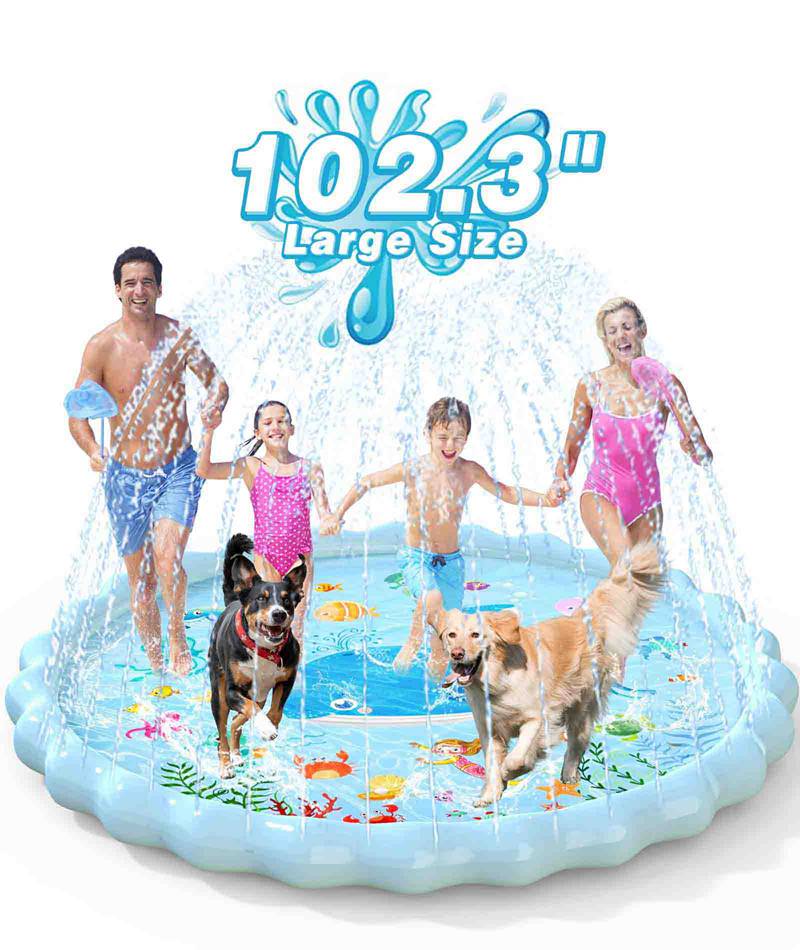
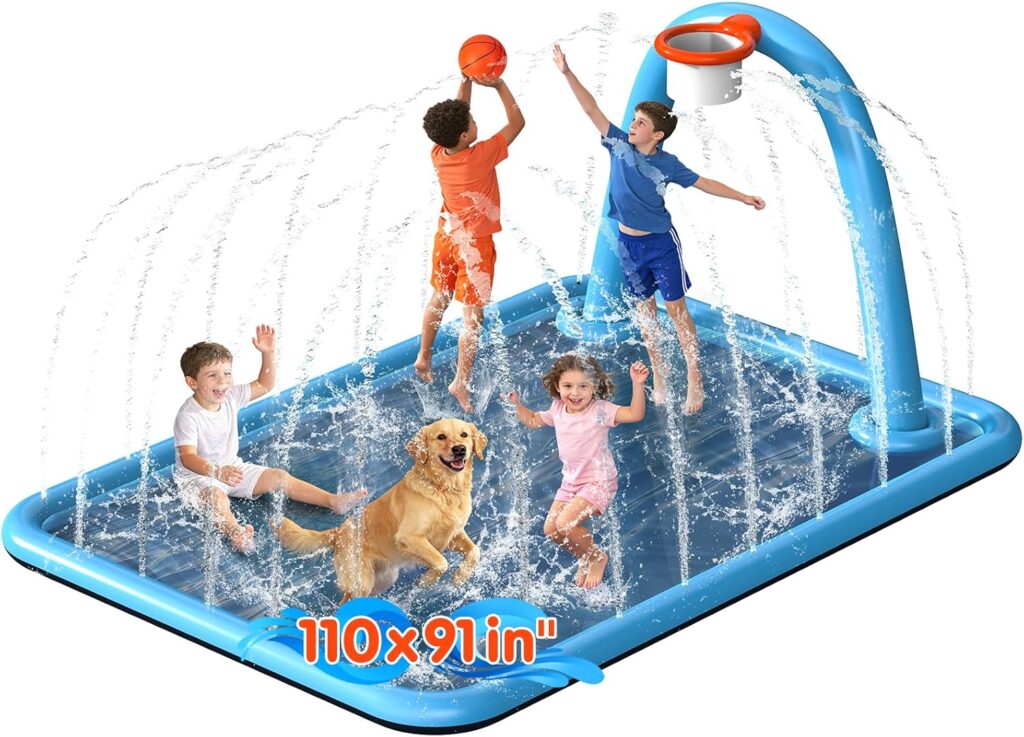
For example, if a storage organizer was purchased because its listed dimensions fit a narrow space, measure the actual assembled footprint. If a cable was selected for a particular connector standard, confirm both ends before the deadline. If a splash product was selected because of its size, unfold it and verify the working area is reasonably consistent with the stated dimensions and suited to the yard. If a package was supposed to include multiple units, count them rather than assuming the sealed box must be complete.
Amazon describes returned-product evaluation as a process involving inspection of product condition, packaging, signs of use, and whether the item matches its description. The consumer does not need to duplicate Amazon’s internal process, but the underlying logic is useful: identity, completeness, condition, and function are different checkpoints, and a good pre-return inspection looks at each separately.
- Evidence — Amazon’s explanation of what happens to returned products: This resource explains how returned items can be evaluated after arrival and is useful background for understanding why matching the actual item, accessories, condition, and description matters.

Take Every Accessory Out of the Box
Missing accessories are especially easy to discover late because many households do not use every component immediately. A television may be installed without the secondary stand hardware. A power tool may be used before the spare accessory is needed. A splash pad may be unfolded before anyone checks whether the expected garden-hose adapter is in the package. A portable product may spend weeks in use before the owner looks for the promised storage bag.
Before the deadline, empty the packaging and compare what you have with the manual, packaging diagram, or product listing. Keep detachable pieces together until you are confident the product is staying.
- Main unit
- Chargers and power adapters
- Cables
- Remote controls
- Mounting brackets
- Screws, washers, clips, and pins
- Hose adapters or fittings
- Pumps or inflation accessories
- Storage bags
- Replacement tips or spare parts
- Safety straps
- Covers
- Manuals or setup cards needed for operation
A Missing Part Does Not Always Require a Full Return
Amazon’s Product Support and Replacement Parts programs illustrate the practical distinction between an entire defective product and one missing or replaceable component. In a 2026 Amazon Seller Forums post from an Amazon representative, the company reported that more than 1.3 million sellers used Product Support in 2025, contributing to the prevention of more than 16 million unit returns; the same post reported that 64% of customers receiving replacement parts did not proceed with a full product return. Availability varies by item, but the data supports a useful consumer principle: check for an eligible part-level or support solution before packing a large, otherwise functional product.
- Evidence — Amazon Product Support and Replacement Parts Program: Useful when the item is generally correct but a part is missing, defective, or replaceable.
3. Inspect for Damage and Unusually Early Wear

Check the Places Where Stress Concentrates
A large decorative surface is often the least informative place to inspect. Problems commonly begin near joints, moving interfaces, edges, connectors, fasteners, folds, or transitions between different materials. For rigid goods, check hinges, corners, support points, screw locations, adjustment mechanisms, cable entries, handles, and mounting areas. For soft PVC or welded composite products, examine seam paths, valves, folds, drain fittings, hose connectors, welded handles, reinforced corners, and the areas where rigid plastic components meet flexible sheet material.
Use good lighting and examine the item from several angles. Gently feel accessible seams and edges for separation, unusual ridges, sharp areas, or looseness. Do not deliberately overload, bend, puncture, overinflate, or otherwise stress the product beyond its instructions. A return-window inspection should imitate normal use, not create a failure through misuse. If you discover a condition that could reasonably involve electrical shock, fire, collapse, pressure release, cutting, choking, entrapment, or another serious hazard, stop ordinary testing and move to the safety section below.
Separate Cosmetic Imperfections From Functional Deterioration
A superficial mark may be annoying without affecting performance. A crack extending from a fastener, a seam starting to open, a cable jacket splitting, a valve becoming loose, or an adjustable mechanism progressively losing its lock is different. These conditions can develop into reliability or safety problems, especially when they appear after very limited normal use.
The phrase early wear is useful here. You are not trying to predict an exact service life from one observation. You are asking whether the amount of deterioration appears reasonable for the amount of use. Look for peeling, fraying, material cracking, adhesive lifting, seam separation, excessive play in joints, permanent deformation, recurring unusual noise, surface breakdown, or components becoming less secure from one use to the next. One isolated mark may be cosmetic; a pattern that changes with every use deserves documentation.
CPSC’s short playground inspection video demonstrates the same basic logic in a child-safety context: look for loose bolts, broken parts, and damaged surfaces before use instead of assuming equipment is safe because it remains standing. The setting is different from an Amazon household product, but the inspection habit transfers well to furniture, outdoor toys, exercise products, children’s equipment, and other goods with load-bearing or moving components.
- Video 1 — CPSC: Keep Kids Safe at the Playground: A simple visual example of checking structural condition and obvious damage before normal use.
4. Test Every Important Function Before Time Runs Out
A Product Working Once Does Not Prove It Works Reliably
A five-second power-on test is useful during unboxing, but it is not the same as evaluating normal function. Many faults emerge only during a full operating cycle, after several minutes of load, when the battery is partially discharged, during wireless reconnection, or after the product has been moved and set up again. A good test reproduces the conditions you actually bought the product for instead of inventing extreme conditions that the manufacturer never intended.
A coffee maker should complete a normal brew cycle. Headphones intended for work calls should be checked for microphone quality as well as music playback. A printer purchased for home-office use should test scanning or Wi-Fi if those functions influenced the purchase. Adjustable furniture should be moved through its ordinary adjustment range. A flexible backyard product should be connected, filled, inflated, drained, folded, or otherwise handled in the way your household will realistically use it.
Test the Features You Have Not Needed Yet
This is one of the highest-value checks before a return window closes. People naturally use the easiest or most urgent feature first, leaving secondary functions untouched for weeks. The problem is not limited to electronics. A chair’s recline mechanism may stay unused, a suitcase expansion zipper may never be opened, a garden product’s drain may remain untested, and a seasonal PVC product may be used once without anyone checking how easily it dries and folds afterward.
Make a list of features that influenced the purchase but have not yet been tried. You do not need to test functions irrelevant to your life. Focus on the features you would be disappointed to lose after the easy return period.
- Headphones: microphone, controls, wired mode, noise cancellation, charging
- Laptop: camera, battery, Wi-Fi, Bluetooth, ports, keyboard, external display
- Printer: scan, wireless connection, duplex printing, feeder
- Appliance: timer, temperature control, full cycle, seals, safety shutoff
- Tool: battery, speed settings, attachment fit, controls
- Furniture: adjustment range, lock, normal-load stability
- Clothing: sitting, walking, arm movement, zipper, pocket use
- Outdoor product: setup, connection, drainage, folding, storage
Repeat an Intermittent Problem Under Similar Conditions
Intermittent failures deserve a little discipline because one successful retest can hide a real issue while one isolated failure can make a functional product look defective. When continued testing is safe, reproduce the situation two or three times using similar conditions. Record obvious variables such as battery level, connected device, cable, room temperature, water pressure, load, setup sequence, and how long the product had been running.
Do not chase perfect scientific control. The goal is practical repeatability. If a device disconnects three times during similar 30-minute sessions, or a valve repeatedly loses meaningful pressure after correct closure, the pattern is more useful than a vague memory of “something seemed wrong last week.” If the issue disappears completely after correcting setup, compatibility, or an obvious connection problem, continue normal use and observe whether the fix remains stable.
| Product Type | Normal-Use Tests Worth Completing | Problems Often Missed at Unboxing |
|---|---|---|
| Laptop or tablet | Battery, charging, camera, Wi-Fi, Bluetooth, ports, audio, display | Heat, rapid drain, dead port, intermittent connection |
| Headphones | Both channels, microphone, controls, wireless reconnection, charging | Mic failure, unstable pairing, one-sided audio |
| Printer | Printing, scanning, wireless, feeder, duplex function | Scanner or wireless feature never tested |
| Appliance | Full operating cycle, controls, timer, seals, temperature | Leak, abnormal noise, mid-cycle shutdown |
| Furniture | Assembly, adjustments, locks, dimensions, normal-load stability | Loose fastener, wobble, mechanism not locking |
| Clothing or footwear | Walking, sitting, bending, closures, stitching, comfort | Size label correct but practical fit poor |
| Inflatable | Valve, seams, inflation, air retention, normal-use shape | Slow leak, valve seating issue |
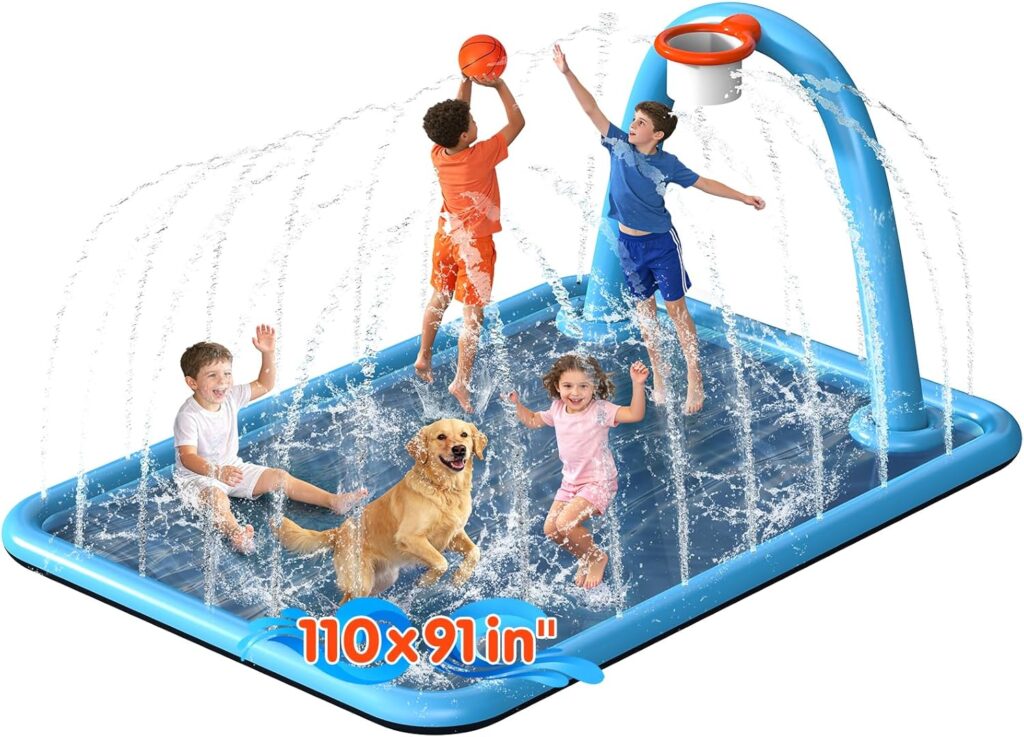
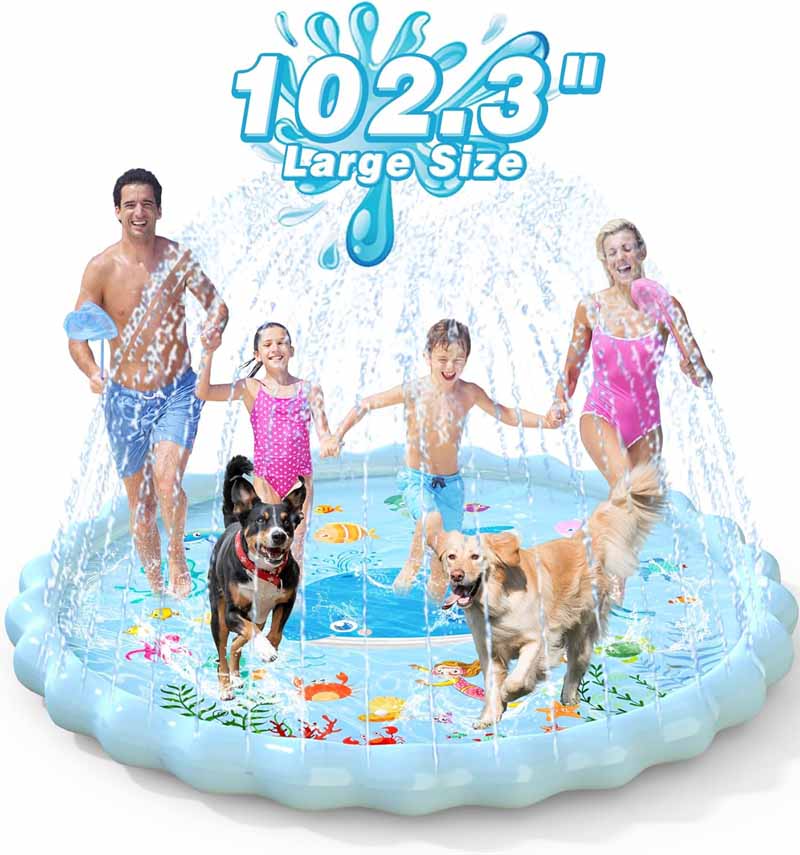
| Splash or sprinkler product | Hose fit, water flow, spray distribution, seams, drainage | Connector leak, weak or uneven spray |
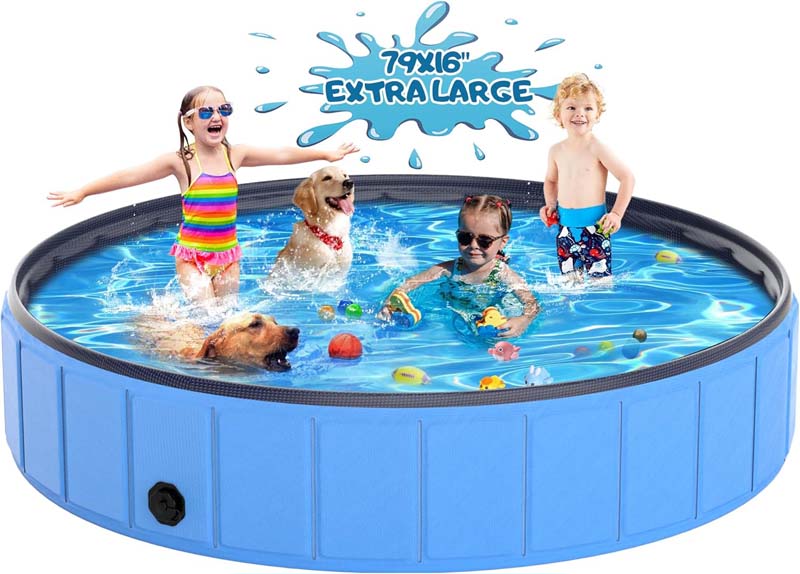
| Foldable pet pool | Wall stability, panel joints, floor, drain, folding, drying | Drain leak, panel shift, awkward cleanup |
| Seasonal outdoor product | Setup, use, cleanup, storage, included parts | Product works once but is impractical to maintain |
5. Give PVC, Inflatable, and Water-Play Products a More Specific Check
Turn Professional QC Logic Into a Simple Home Inspection
A practical quality-control lesson from more than two decades of PVC and composite-material product work is that flexible products should not be judged as one undivided object. A disciplined first-piece inspection in a factory can include a dozen or more distinct points: material, dimensions, printed panels, cut parts, welded seams, air chambers, water channels, valves, connectors, handles, spray openings, accessories, function, folding, and packaging. Consumers do not need factory gauges or pressure equipment, but this same structure makes home inspection far more reliable.
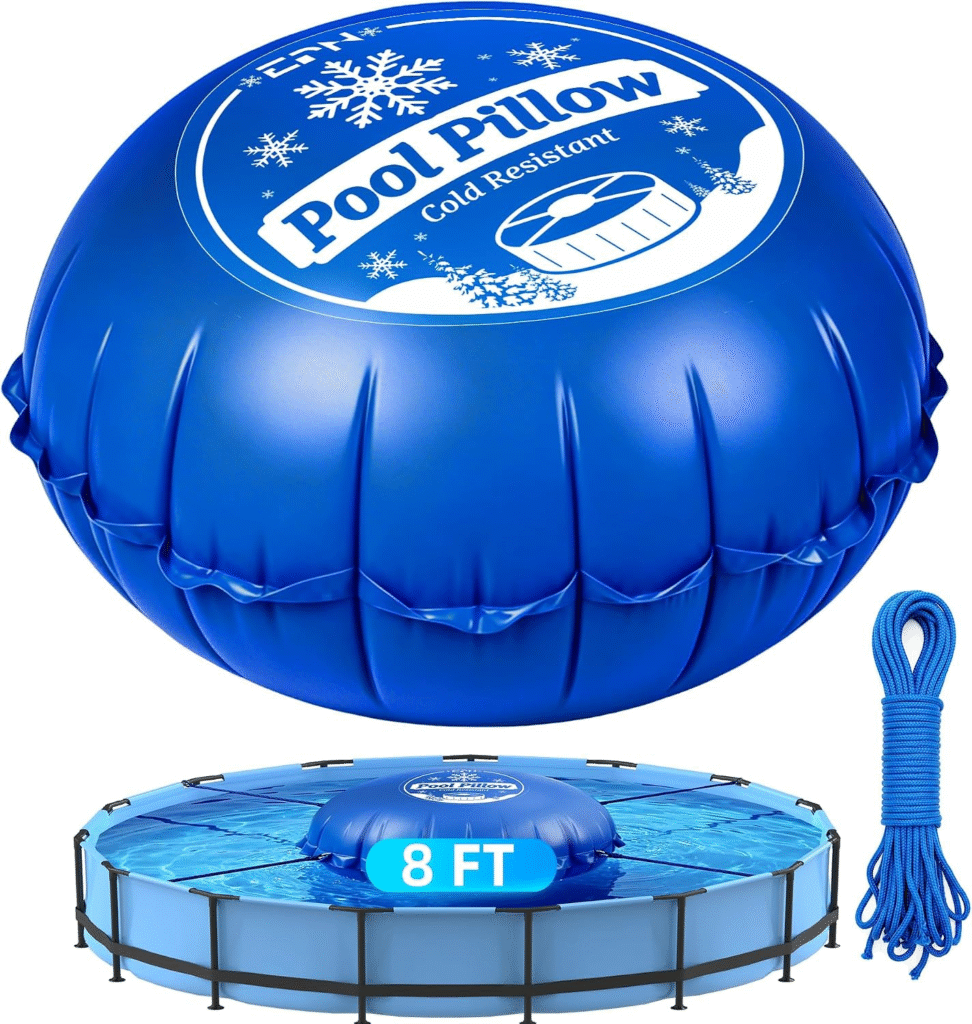
For a splash pad, dog pool, snow tube, pool pillow, low-pressure inflatable, or similar welded product, break the check into systems. Ask whether the material is visibly intact, whether welded boundaries remain continuous, whether the valve or connection seats correctly, whether air or water stays where it should, whether attached components remain secure, and whether the product still performs correctly after realistic setup and cleanup.
Start With Seams, Valves, Fittings, and Reinforced Areas
Flexible PVC usually concentrates stress around transitions. A broad sheet can remain visually perfect while a leak begins at a valve flange, corner weld, reinforced handle, drain assembly, hose fitting, or multi-layer crossing. Inspect these areas while the product is unloaded, then again during normal use when the structure takes shape. Look for seam separation, unusual bubbles trapped along a weld, wrinkles that appear to cross a sealing path, lifting layers, distortion around rigid components, or a connection that shifts noticeably under normal pressure.
A seam does not need to look cosmetically perfect to be functional, and slight visual variation is not automatically evidence of a leak. The meaningful question is whether the area remains structurally continuous and whether air or water escapes in a repeatable way. Avoid poking seams with sharp objects or pulling on welded parts beyond ordinary use; destructive home testing can create the very failure you are trying to diagnose.
Evaluate a Suspected Slow Air Leak Correctly
Air pressure and firmness can change as temperature changes, so an inflatable feeling softer later does not automatically prove a puncture. If you inflated the product in a warm environment and checked it later in much cooler air, some difference in feel is expected from basic gas behavior. Compare the item under reasonably similar conditions whenever possible before deciding the structure is leaking.
A practical test is to inflate the item according to the manufacturer’s instructions, confirm the valve is fully seated, note its normal shape and firmness, use it only as intended, and recheck the valve and likely seam areas later. If meaningful softening repeatedly occurs under comparable conditions, document the change. Avoid creating a universal “24-hour leak rule” for all inflatables; low-pressure toys, pool pillows, snow tubes, furniture, and other structures use different volumes, valves, constructions, and intended pressure ranges.

Test Splash Pads and Sprinkler Products With Your Actual Water Supply
Water-play products can be especially difficult to evaluate from indoor inspection because household water supply is part of the working system. Hose length, internal hose diameter, faucet flow, local pressure, kinks, adapters, elevation, and competing water use can all change spray height and distribution. If the product seems weak, first check the installation before blaming the internal water channel.
Use a flat, clean outdoor surface. Remove stones, sticks, and sharp debris. Connect the fitting carefully, make sure the hose is not sharply bent, and increase water gradually rather than immediately turning the faucet to maximum. Observe whether the water reaches the intended channels, whether spray appears reasonably distributed, and whether unwanted leakage is coming from a connection rather than from a welded section.
| Symptom | Check Before Calling It a Defect | Evidence More Consistent With a Product Issue |
|---|---|---|
| Low spray | Faucet opening, hose kink, long/restricted hose, connection | Persistent weak distribution despite suitable supply and correct setup |
| Connector leak | Thread alignment, washer, adapter seating | Leak remains at product-side fitting after correct connection |
| Product looks softer | Temperature, valve seating, initial inflation level | Repeated meaningful loss under comparable conditions |
| Water escaping | Drain closure, hose fitting, expected overflow path | Leakage through an unintended seam or wall area |
| Uneven shape | Ground level, unfolding, pressure/fill level | Same structural distortion appears on a flat suitable surface |
| Difficult drainage | Product position, drain opening, yard slope | Drain does not operate as designed under suitable setup |
| Difficult folding | Water remaining inside, incomplete drying | Construction prevents normal storage even after correct cleanup |
Test Cleanup Before You Decide to Keep It
Consumers often test only the entertaining part of a seasonal product and discover the maintenance burden later. For backyard PVC products, the entire ownership cycle matters: setup → use → drain → rinse → dry → fold → store. If any of those steps is important to your routine, test it before the deadline. A product may be mechanically sound but still be unsuitable for a small patio, vacation home, apartment storage space, or family schedule.
Drying deserves special attention. Folding damp flexible material for long periods can create odor and storage problems, and trapped water can make a product unpleasant to reopen. Follow the care instructions for the specific item. If the product has internal channels, folds, or drains, understand how long normal drainage and drying take in your environment before storing it away for several months.
Water Safety Is Separate From Product Performance
A splash pattern can be perfect while the use environment remains unsafe. For products involving children and water, adult supervision is not a feature you can test once and then stop thinking about. CPSC’s June 2026 report states that drowning remains the leading cause of death for U.S. children ages one through four; the agency reported an average of 376 fatal pool- or spa-related drownings per year among children under 15 from 2021 through 2023, with nearly 80% of those victims under five. These figures concern pools and spas rather than every splash product, so they should not be used to imply equal risk across all water-play categories. They do reinforce the need for attentive supervision whenever young children are around water.
- Evidence — CPSC 2026 childhood drowning report: Useful for understanding why product performance checks do not replace active water supervision.
CPSC’s Water Watcher guidance makes this more practical. A designated adult should remain focused on children near water rather than reading, texting, or becoming absorbed in another activity. For a family evaluating a splash pad, pet pool used around children, portable pool, or another backyard water product, the takeaway is straightforward: include visibility, supervision, ground conditions, slipping, drainage, and access to water in the keep-or-return decision rather than judging only spray height or material thickness.
- Video 2 — CPSC: Anatomy of a Water Watcher: A short 2026 video explaining the role of focused adult supervision near water.
CPSC also provides a short overview of pool safety practices such as supervision, drain safety, barriers, swimming ability, and CPR. Although a small splash pad is not the same as a residential swimming pool, families using larger portable water products can use the video as a reminder to evaluate the whole use environment rather than the product alone.
- Video 3 — CPSC: 5 Pool Safety Tips for Water Safety Month: Use this resource when the product creates a larger water environment or is used around a pool or spa. https://www.cpsc.gov/node/66645
- Downloadable file — CPSC Pool Safely Tip Card PDF: A printable two-page reference covering supervision, barriers, drain safety, and lifesaving skills.
What the Same Checklist Means for Custom PVC Product Development
The consumer checklist also contains useful lessons for brands developing private-label or custom low-pressure PVC products. A strong development brief should define more than shape, color, logo, and material thickness. It should specify critical seam paths, valve or water-connection type, reinforcement points, expected use environment, drainage concept, folding method, accessory set, packaging arrangement, and the functional tests a pre-production sample must pass.
This matters because product changes interact. Increasing material thickness may improve one aspect while making folding or spray-channel formation more difficult. Moving a connector may improve packaging while placing stress near a seam. Adding handles changes local reinforcement requirements. Changing a valve can affect inflation time, air retention, customer operation, and folded package size. For custom splash pads, dog pools, snow tubes, pool pillows, inflatable punching bags, and similar low-pressure welded products, representative-use testing should therefore be part of sample approval rather than an afterthought after mass production begins.
6. Rule Out Setup, Compatibility, and Environmental Problems
Use a Short Troubleshooting Sequence Before You Return a Functional Product
Some returns begin with a real frustration but not a real product defect. A wireless accessory may be in the wrong pairing mode. A replacement component may fit a neighboring model but not your exact generation. Furniture may wobble because fasteners were fully tightened before the frame was aligned. A sprinkler can perform poorly because a hose is sharply kinked. An appliance may stop mid-cycle because an installation step or safety interlock has not been completed.
A useful troubleshooting sequence is deliberately short:
- Read the relevant part of the instructions again.
- Verify the exact model and compatibility.
- Check ordinary power, cable, hose, fitting, battery, or assembly connections.
- Confirm any safety lock, cap, valve, latch, or setup step is correctly engaged.
- Restart, reconnect, or reseat only components the instructions allow the user to handle.
- Repeat the original test once or twice.
- Stop troubleshooting if the same meaningful fault remains or the deadline is becoming too close.
The purpose is not to repair a new product at your own expense or spend days solving a manufacturer’s problem. It is to rule out simple causes that would make a replacement behave exactly the same way. Avoid opening sealed electrical products, bypassing safety systems, applying unapproved chemicals, drilling, cutting, rewiring, modifying pressure components, or making any other change that could create a hazard or interfere with return or warranty options.
Check Technical, Physical, and Environmental Compatibility Separately
Compatibility is broader than whether two plugs physically connect. Technical compatibility includes operating systems, wireless standards, power requirements, voltage, firmware, apps, and device generations. Physical compatibility includes product dimensions, mounting-hole patterns, hose threads, furniture clearances, clothing fit, and replacement-part geometry. Environmental compatibility includes ground conditions, room temperature, water supply, weather exposure, storage space, ventilation, and access to suitable power.
Separating these categories prevents wasted troubleshooting. A perfectly manufactured product can still be the wrong item for your use. For example, a cover can be dimensionally wrong for your furniture without being defective. A device accessory can perform normally but be incompatible with your model. A splash product may perform differently at a vacation rental with a restricted water supply. In those situations, returning or exchanging the item may still be appropriate, but your return reason is more accurate when you understand the actual mismatch.
iFixit maintains troubleshooting pages for phones, tablets, laptops, consoles, appliances, batteries, power problems, cameras, water damage, error messages, and other device issues. These guides are most useful after checking your manufacturer’s own instructions because similar-looking devices can use different hardware and procedures.
- External troubleshooting resource — iFixit: A non-interactive library of device-specific troubleshooting material for electronics, appliances, batteries, and power issues.
Environmental setup can also create safety problems even when the product itself is functioning normally. CPSC’s 2026 portable-fan safety video uses a simple example: a fan may work perfectly, yet a poorly placed power cord creates a trip hazard. The same thinking applies to chargers across walkways, furniture blocking exits, outdoor hoses crossing paths, or a water-play product positioned where adults cannot supervise effectively.
- Video 4 — CPSC: Portable Fan Safety Tips: A useful visual reminder that safe product use depends on the surrounding setup, not only on whether the device operates.
7. Check Safety Warnings and Product Recalls Before More Testing
Know When to Stop Troubleshooting
Some symptoms should end the normal return-window testing process immediately. Smoke, sparking, a burning smell, swelling batteries, melting, exposed conductors, repeated electrical shocks, severe abnormal heat, unstable load-bearing structures, a component detaching during ordinary use, unusual pressure buildup, or another credible injury hazard should not be recreated several times simply to produce better evidence.
When safety is involved, the priority changes from “Is the problem repeatable?” to “How do I prevent exposure while identifying the correct remedy?” Disconnect power when safe and appropriate, move people away from the product, stop ordinary use, and check the manufacturer’s instructions and official recall information. Do not automatically discard a potentially recalled product before reading the remedy because some recalls require specific photographs, model information, proof of disposal, or return procedures.
Search the Exact Model, Not a Generic Product Term
The U.S. Consumer Product Safety Commission maintains a searchable database of recalls and product safety warnings. Its current site allows searches by terms and provides hazard, product-category, date, and other filters. CPSC also explains that recall remedies vary: an affected consumer may be offered a refund, repair, replacement, disposal instruction, or new operating instructions rather than one universal solution.
When checking a product, find the exact model number, date code, serial range, UPC, or other identifying information mentioned in the recall notice. A recall affecting one version does not automatically include every product under the brand. Conversely, a recalled product should not continue in use simply because your individual unit “seems fine” if the official notice tells affected owners to stop using it.
- Official recall search — U.S. CPSC: Search by brand, model, product name, date, or hazard and read the exact consumer remedy in the recall announcement.
CPSC’s 2026 Thermos recall video is a particularly useful example because it shows the correct reasoning sequence: identify the product, check the model number, determine whether it falls within the recall, stop use if affected, and follow the specified replacement remedy. CPSC reported 8.2 million affected Thermos Stainless King food jars and Sportsman bottles in this recall, demonstrating why model identification can matter even when a product appears visually normal.
- Video 5 — CPSC: Thermos Recall Alert — Check Your Bottle Now: A practical demonstration of matching the model to an official recall before deciding what to do next.
https://www.cpsc.gov/node/66644
Treat Lithium-Ion Battery Warning Signs Differently
Rechargeable lithium-ion batteries are present in phones, tablets, laptops, headphones, power tools, power banks, toys, and many other household products. Swelling, smoke, hissing, severe abnormal heating, physical damage to the battery, or signs of ignition should not be treated as ordinary performance complaints. CPSC has repeatedly warned about serious fires involving defective lithium-ion battery products, including incidents involving products sold through major online marketplaces.
Do not keep charging a visibly swollen battery to “see whether it still reaches 100%.” Do not puncture, squeeze, flatten, or place a damaged battery in ordinary household trash without checking local disposal requirements. Product-specific and local hazardous-waste guidance should determine the safe next step.
- Video 6 — CPSC: Lithium-Ion Battery Fire Safety: A short official explanation of why battery warning signs deserve immediate attention instead of repeated stress testing.
Use Recall Data as Evidence, Not as a Guessing Tool
For readers researching broader product-safety patterns, CPSC provides downloadable recall data going back decades. This is useful for researchers, product developers, and quality teams looking for recurring hazard categories or recall patterns. It is not a substitute for checking the live notice for your individual product because remedy availability and operating status can change. CPSC says its displayed recall data is updated as new recalls are announced, while remedy information may change more frequently.
- Downloadable data file — CPSC All Recalls CSV: Useful for non-interactive research, historical analysis, and product-safety review.
8. Document Problems Before the Window Closes
Match the Evidence to the Type of Problem
Documentation does not need to become a complicated legal file for an ordinary household purchase. Its job is to make the issue understandable after the product has been packed, moved, turned off, deflated, or returned. Use photographs for visible conditions such as cracks, wrong parts, missing components, warped panels, seam separation, damaged packaging, or incorrect labels. Use short video when the problem depends on time, movement, sound, water flow, air loss, intermittent shutdown, instability, or a control failing during operation.
When recording video, begin with enough context to identify the product and setup, then show the problem without performing unsafe actions. A useful clip of a sprinkler leak shows the connection and normal water flow. A useful appliance clip captures the abnormal sound under ordinary operation. A useful electronics clip can show an error or shutdown. A dangerous battery does not need to be charged again on camera just to create more convincing proof.
Use a Simple Repeatability Log for Intermittent Faults
For problems appearing only occasionally, a basic note often adds more clarity than twenty unorganized photos. Record the date, function, setup, expected behavior, actual result, and whether the problem repeated. For a device, note battery level or connected accessory if relevant. For a water product, note the same hose and faucet. For an inflatable, note whether you are comparing similar temperature conditions. For furniture, note whether the same connection or mechanism is loosening repeatedly.
A short record may look like this:
- Test 1: Bluetooth call, 28 minutes, disconnected once.
- Test 2: Same phone and location, 31 minutes, disconnected twice.
- Setup check: Device reset and paired again.
- Test 3: Same environment, disconnected after 22 minutes.
- Evidence: Video showing reconnection failure and screenshot of error.
This structure is more useful than simply writing “Bluetooth bad” because it shows both repetition and a basic troubleshooting attempt. The same approach works for slow leaks, intermittent controls, changing spray patterns, temperature-related shutdowns, or any fault where timing and conditions matter.
Save Warranty Information Before You Need It
A retailer return window and a manufacturer warranty are different remedies. The Federal Trade Commission advises consumers to review warranty length, coverage, exclusions, available remedies, and the claims process, and to keep the written warranty together with proof of purchase. The FTC also notes that warranty terms may specify repair, replacement, or refund and may require the customer to follow particular claim procedures.
Download or save the warranty while the listing, order record, packaging, and product information are easy to find. Keep the model and serial number where relevant. This is particularly useful for appliances, electronics, power equipment, or other higher-value products that may remain in service long after the retailer return option ends.
- Evidence — FTC Consumer Advice on Warranties: Explains what consumers should look for in written warranties and which records are worth keeping.
9. Decide: Keep, Replace, Return, or Use Warranty Support
Make the Decision From the Problem You Actually Found
By this stage, most purchases fall into a clearer category. A correct product with every important function working normally can be kept with more confidence. A product with an installation problem that disappears after correct setup can be retested and kept if the fix remains stable. A wrong size or incompatible version may need an exchange even though it is perfectly manufactured. A repeatable functional defect usually deserves a stronger remedy than a minor cosmetic mark.
Use the effect on normal ownership as your guide. Does the issue interfere with the function you bought the product for? Does it create a safety risk? Is it likely to require repeated workarounds? Is the problem limited to one easily replaceable accessory? Is the product otherwise a good match for your space, device, family, or activity? These questions lead to better decisions than returning everything with a minor imperfection or, at the opposite extreme, keeping a repeatedly failing product because you hope the fault will disappear after the deadline.
| What You Found | Practical Next Step to Consider | Reasoning |
|---|---|---|
| All important checks pass | Keep | Product matches the intended use and has no meaningful unresolved issue |
| Setup problem fully corrected | Retest, then keep if stable | Replacement may behave exactly the same if setup was the cause |
| Wrong size, model, version, or compatibility | Return or exchange if available | Product cannot meet the intended need |
| One replaceable component missing | Product support or replacement part | Full-product return may be unnecessary |
| Important function repeatedly fails | Return or replacement | Repeatable normal-use failure is meaningful |
| Significant shipping or structural damage | Return or replacement | Condition can affect usability or expected life |
| Serious safety issue or active recall | Stop use and follow official remedy | Safety takes priority over normal troubleshooting |
| Cosmetic issue only | Personal keep-or-return decision | Practical impact varies by household |
| Return period ended but warranty applies | Follow warranty claim procedure | Manufacturer remedy may remain available |
Do Not Treat Every Small Problem as a Full-Product Failure
The growth of Amazon Product Support provides useful context. Amazon has stated that its post-purchase support can address setup, usage, troubleshooting, repair, and missing parts, and the company’s reported 2025 data shows millions of returns were avoided through those channels. This does not mean consumers should keep defective products to reduce return statistics. It means the next step should fit the problem. A missing screw and a failed motor are not equivalent situations.
When an eligible replacement part solves the entire issue and the main product is correct, replacement can be the lowest-friction solution. When the unit repeatedly fails, arrives badly damaged, has a safety problem, or simply does not suit the intended use, a return or complete replacement is more sensible. If you are close to the deadline and the same important failure has already repeated after reasonable setup checks, avoid spending unnecessary days troubleshooting a new product that has not earned your confidence.
10. If You Return It, Prepare and Hand It Back Correctly
Follow the Return Instructions Generated for Your Item
Once the decision is made, start the return from your order and follow the exact method Amazon presents. Return options vary according to item type, dimensions, weight, location, and eligibility. Some returns are box-free and label-free, while others require packaging, a shipping label, a carrier pickup, or another method. The current instructions in the return flow should decide what you bring, how you package it, and where you take it.
Amazon updated its U.S. returns network information in March 2026 and reported more than 10,000 drop-off locations, with four out of five U.S. Amazon customers having access to one of those locations within five miles. Eligible no-box, no-label options include participating FedEx Office, Whole Foods Market, The UPS Store, Kohl’s, Staples, and other locations. Amazon also notes that the choices available to an individual customer are shown in the Returns Center.
- Evidence — Amazon’s updated 2026 U.S. return-location guide: Useful for understanding current box-free and label-free options while remembering that eligibility varies by return.

Count the Accessories Again Before Leaving Home
Before sealing a shipping box or walking into a drop-off point, perform one final accessory sweep. Chargers, remotes, cables, detachable legs, brackets, screws, hose fittings, straps, manuals required by the return, spare parts, and storage pieces often end up in different rooms after the product has been tested. Missing a component can create avoidable confusion after the return is already in transit.
For flexible water or PVC products, remove water, allow the item to dry as instructed, detach components only when the instructions call for it, and fold without forcing wet material into an undersized package. For pet products, remove reasonable dirt and hair. For appliances, check reservoirs, filters, trays, and storage compartments for household items. For toys, inspect the room or yard for detachable accessories before assuming everything is back in the box.
Amazon’s Whole Foods return guide provides a simple visual sequence: initiate the return in Your Orders, choose an available location, save the QR code, bring the eligible item, and monitor the refund status. The guide also makes clear that location options depend on the return rather than being identical for every order.
- Step-by-step visual resource — Amazon return at Whole Foods Market: Helpful for users who want to see the drop-off sequence before leaving home.
Remove Personal Information From Electronics
A returned electronic device can contain information far more valuable than the hardware. Before returning a phone, tablet, computer, smartwatch, camera, console, or connected home device, back up anything you need, sign out of accounts, remove personal removable media, and follow the manufacturer’s model-specific procedure for disabling activation locks or resetting the device. The exact sequence differs across brands and models, so use the manufacturer’s instructions instead of a generic reset tutorial.
Remember to remove SIM cards, memory cards, external storage, personal cases, and other items that did not come with the product. A factory reset can erase local information but may not remove every cloud association or device-lock feature. Verify the device is no longer tied to your account when the manufacturer’s process requires account-level removal.
Keep the Drop-Off Evidence Until the Return Is Finished
Save the return confirmation, QR code or label as appropriate, and any carrier or store receipt produced at handoff. If the receipt is printed on thermal paper, a quick photograph can preserve the information if the paper fades. For higher-value items, keep tracking or handoff evidence until the refund or replacement process is complete.
This does not need to become an elaborate recordkeeping exercise for every small purchase. A screenshot of the return confirmation plus the drop-off receipt is usually enough to establish when and where the package left your possession. Continue checking the order until the return is shown as processed rather than assuming the process is complete immediately after scanning the QR code.
11. What to Do if the Amazon Return Window Has Already Closed
Check Support and Warranty Options Before Assuming You Have No Remedy
A closed retailer return window does not automatically mean every form of support has ended. Begin with the order and product-support options still available, then review any manufacturer warranty. If the issue is safety-related, search official recall information regardless of how long ago you bought the product. A recall remedy and a normal retailer return are different processes, and an official recall may apply years after purchase.
For warranty claims, read the written terms carefully. The FTC advises consumers to check how long coverage lasts, what parts and problems are covered, whether the company provides repair, replacement, or refund, and what the claim procedure requires. The FTC also states that if a defect is reported to the company during the warranty period and the product is not properly fixed, the company remains responsible for correcting the problem even if the warranty expires while the issue is being resolved.
Describe the Problem With Facts, Not a Long Emotional Timeline
If you need to contact a seller or manufacturer after the easy return option has ended, present the information in a form someone can quickly act on. Give the product name, model or serial number, purchase date, a short description of the defect, when it began, what basic troubleshooting was attempted, and what remedy you are seeking. Attach copies rather than surrendering original records where physical documents are involved.
The FTC’s consumer problem-resolution guidance recommends identifying the product, explaining the problem clearly, specifying the result you want—such as refund, repair, exchange, or credit—and including relevant records such as receipts and warranty documents. Clear records are especially helpful for intermittent faults because the person reviewing the claim may never see the product fail during a short inspection.
- Evidence — FTC guide to resolving product problems: Useful when a normal retailer return is no longer available and you need to approach the seller or manufacturer with a clear factual request.
Use a Written Complaint Template When the Issue Needs Formal Escalation
Most ordinary product problems do not require a formal complaint letter. If repeated attempts to resolve a legitimate warranty or consumer issue have failed, however, a structured written record can help. The FTC provides a sample customer complaint format covering the transaction, product information, problem, requested resolution, supporting documents, and a reasonable response deadline.
- External template — FTC Sample Customer Complaint Letter: A non-interactive template you can copy and adapt if a documented product problem remains unresolved after ordinary support efforts.
Do not build your strategy around online stories promising a “trick” for late returns. Individual exceptions, customer-service decisions, warranty obligations, recalls, seller remedies, and ordinary return policies are different things. The most reliable path is to identify which remedy still applies to your situation and use the corresponding official process.
Final Takeaway
The days before an Amazon return window closes are best used as a final ownership test rather than a countdown. Confirm the actual order information first, then check whether you received the correct product and every included part. Inspect high-stress areas, complete normal-use tests, try important functions you have not yet touched, and repeat intermittent problems under comparable conditions. For PVC, inflatable, and water-play products, pay particular attention to seams, valves, connections, air or water retention, drainage, drying, folding, and the real environment where the product will be used.
Do not confuse careful inspection with aggressive stress testing. A new product should not need unsafe experiments to prove it is defective. Simple troubleshooting is worthwhile when it can separate a setup or compatibility problem from a manufacturing fault, but repeated meaningful failure after correct setup is useful information in itself. If a safety warning appears, stop ordinary testing and check recall or manufacturer guidance. If the product is staying, keep it because you have enough evidence to trust its normal performance—not simply because time ran out.
For product developers, the same consumer logic is worth carrying upstream into custom PVC and composite-product development. When samples are approved against real use conditions—connections, seams, air or water containment, accessories, folding, drainage, storage, packaging, and repeated function—the final product is more likely to meet the expectations people use when deciding whether to keep it. Good return reduction begins much earlier than the return desk; it begins with a product whose construction, instructions, accessories, and real-world performance have been evaluated together.
Frequently Asked Questions
1. How do I know exactly when my Amazon return window closes?
The safest approach is to open the specific purchase in Your Orders and review the return or replacement information currently shown for the item. Do not rely only on a general “30-day Amazon return policy” statement found in an article, because eligibility can vary by product, seller, purchase circumstances, and special return periods. If you create a return, follow the deadline and instructions shown during that transaction and keep the confirmation until the process is complete.
2. Should I test an Amazon product even if it seems fine?
Yes, when important functions remain unused. You do not need to invent extreme stress tests, but you should try the features that influenced your purchase while a straightforward return or replacement option is still available. A laptop should have the important ports checked, headphones used for calls should have the microphone tested, an appliance should complete a normal cycle, and an inflatable or water-play product should be set up under realistic conditions before seasonal storage.
3. How many times should I test an intermittent product problem?
There is no universal number applying to every product, but two or three safe attempts under similar conditions often provide more useful information than one isolated failure. The goal is to determine whether the issue repeats, not to wear out or damage the product. If the same important fault continues after reasonable setup checks, you may already have enough information to decide. Stop immediately if repeated testing could involve fire, shock, structural collapse, pressure release, battery failure, or another safety hazard.
4. Should I keep the original packaging until the return window closes?
Keeping packaging, accessories, labels, and included parts together is a practical habit until you are confident you will keep the product, especially for electronics, seasonal products, products with many components, or items with special packaging instructions. It does not mean every Amazon return requires the original retail box. When you initiate a return, follow the packaging directions generated for that specific item because eligible no-box returns and returns requiring packaging can both exist within Amazon’s current system.
5. How can I tell whether an inflatable product really has a slow leak?
First confirm the valve is correctly seated and the product was inflated according to its instructions. Compare firmness under reasonably similar temperatures because cooler air can make an inflatable feel softer without a puncture. Inspect valve flanges, welded seams, folds, reinforced areas, and other likely stress points. If meaningful air loss repeatedly appears under comparable normal-use conditions, document the change. Avoid using a fixed 24-hour standard unless the manufacturer specifically provides one for your product.
6. Is a manufacturer warranty the same as the Amazon return window?
No. A retailer return period and a manufacturer warranty serve different purposes and may have different deadlines, exclusions, and remedies. A return window can provide a relatively simple way to send back an eligible recent purchase, while a warranty may cover specific defects for a longer period and may offer repair or replacement instead of a refund. Read the actual warranty rather than assuming all manufacturers provide the same coverage, and keep the purchase record needed to prove the date of sale.
7. What should I do if I discover a defect after the Amazon return window has closed?
Start by checking the order for any remaining product-support options, then review the manufacturer warranty and search official recall information if the problem may involve safety. Keep your purchase record, model and serial information, photographs, video of repeatable behavior when safe, and a short note describing when the problem began. Avoid assuming an out-of-window Amazon return will automatically be approved, but do not assume the end of the retailer return period eliminates every repair, warranty, replacement, recall, or consumer-protection remedy either.