Skip to content
How to Prevent Dog Pool Collapse: Complete Guide
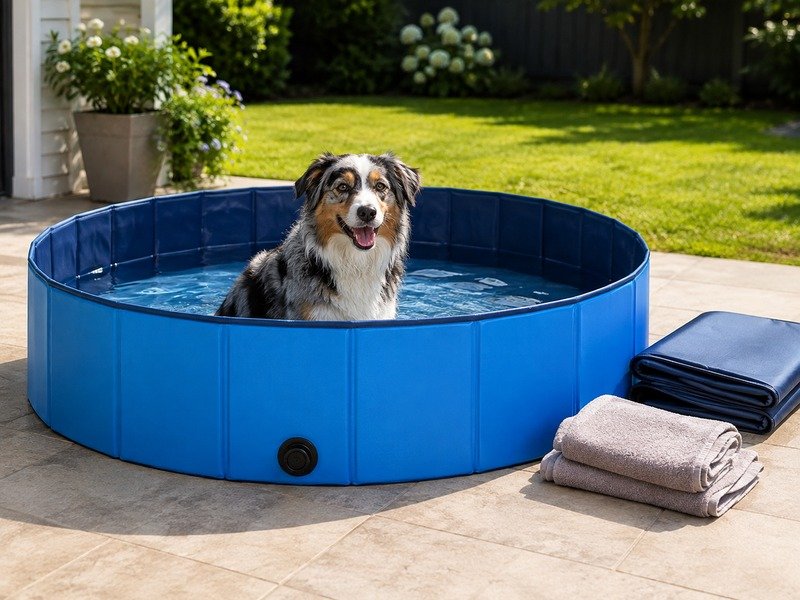
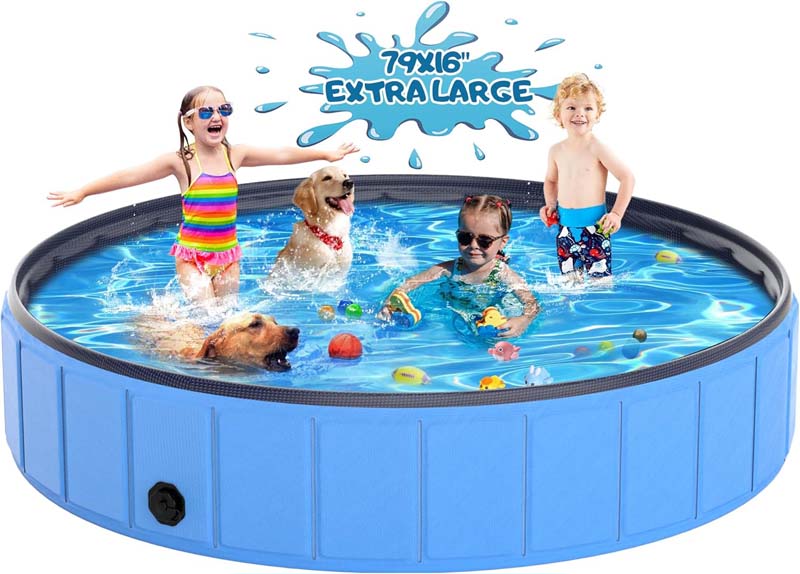
A foldable dog pool can look stable while it is empty, yet begin leaning, bowing, or spilling water only minutes after filling. That does not always mean the pool has suffered a sudden defect. In many cases, the structure was already too weak for its height, diameter, water level, or intended dog size. Thin wall cores, poorly supported seams, flexible rims, and unsuitable setup surfaces can all make a portable pool lose its shape more easily than expected.
Large Dog Pool vs Standard Dog Pool
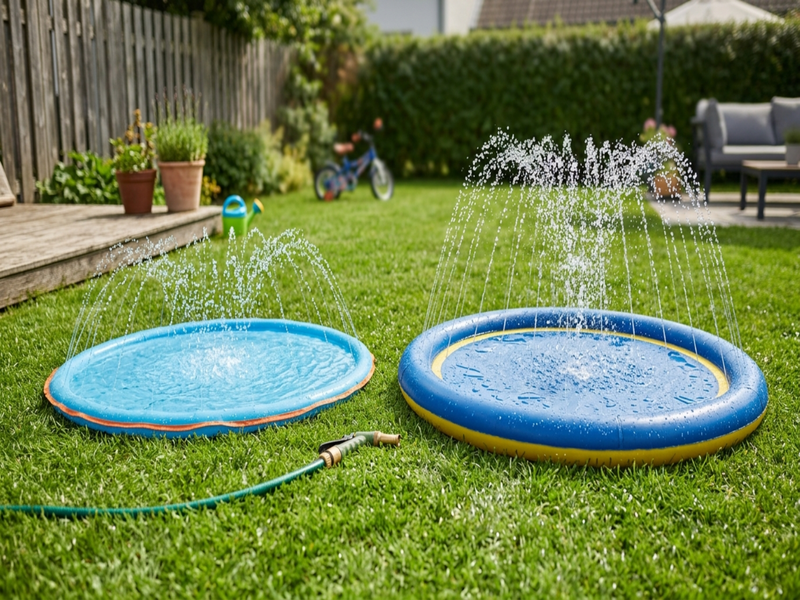
A standard dog pool is generally more practical for bathing, paw cooling, and short soaking sessions. A large dog pool is more suitable when a dog needs room to turn, sit, stretch out, play with toys, or share the water. Internal floor dimensions, wall height, filling depth, construction, drainage, and storage matter more than the size name printed on the packaging.
Best Dog Pools for Active Breeds : How to Choose a Strong, Safe Backyard Pool
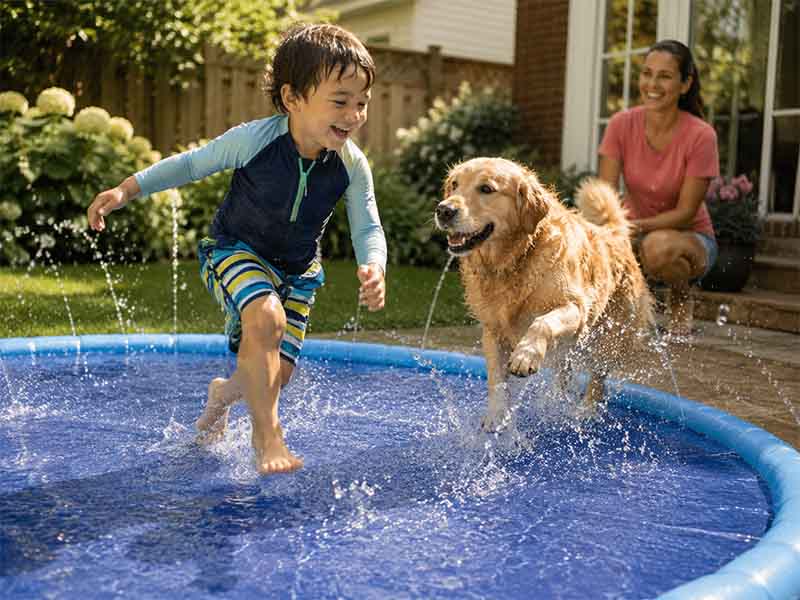
Active dogs can turn a simple backyard pool into a real durability test. A calm small dog may step in, stand still, and cool off for a few minutes. An active Labrador, German Shepherd, Border Collie, Australian Shepherd, Husky, Boxer, or energetic mixed breed often uses the pool very differently. They run toward it, step in hard, turn quickly, paw at the water, shake off, climb out, and repeat the same movement several times in one play session.
Best Dog Swimming Pools: How to Choose the Right One
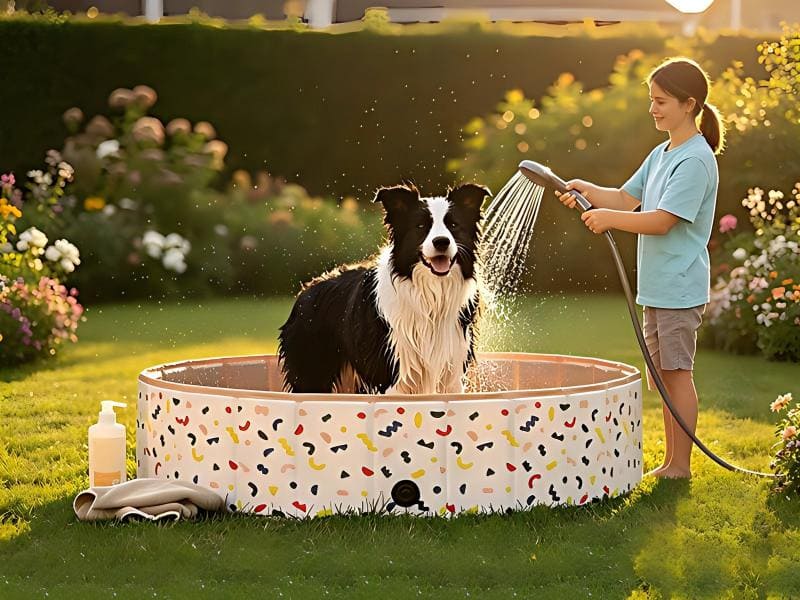
A lot of people think the best dog swimming pool is simply the cheapest pool that can hold water. That sounds practical, but it usually leads to the same result: a pool that bends too easily, punctures too fast, gets ignored by the dog, or becomes a hassle to clean after a few uses. Dogs do not use pools the way people do.