Skip to content
What Size Splash Pad Should I Buy

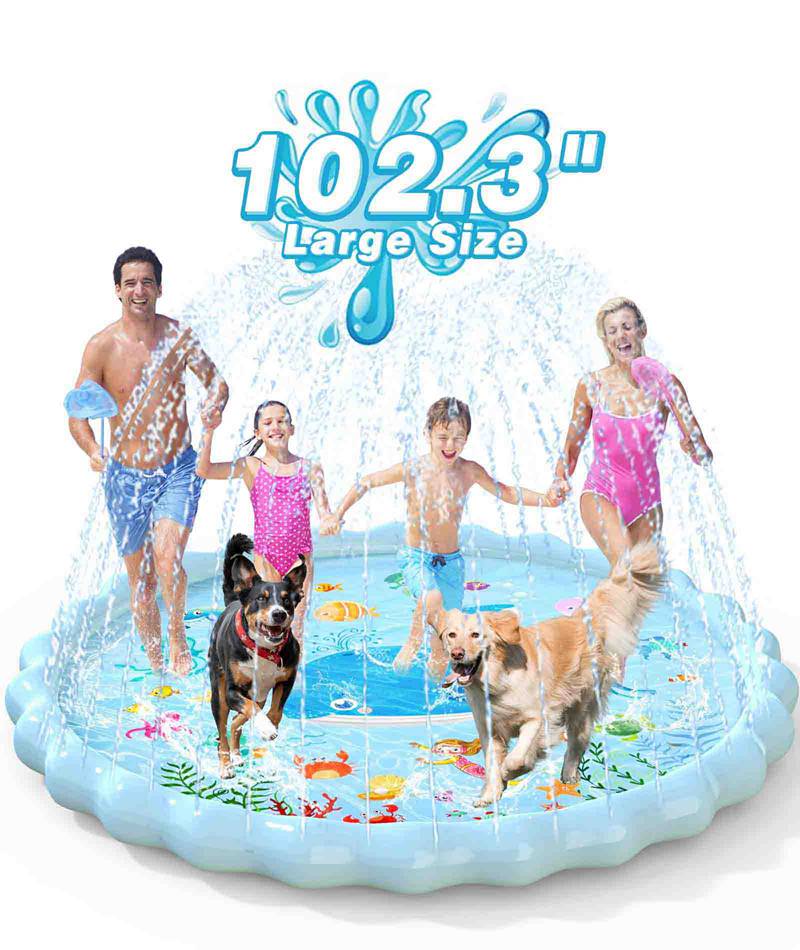
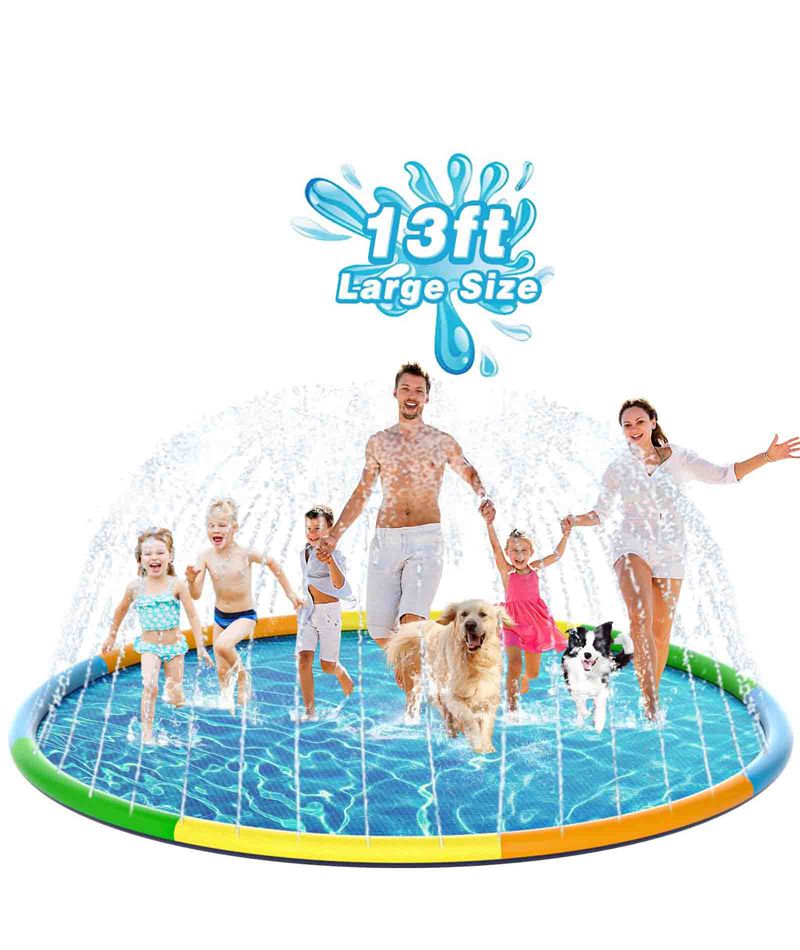
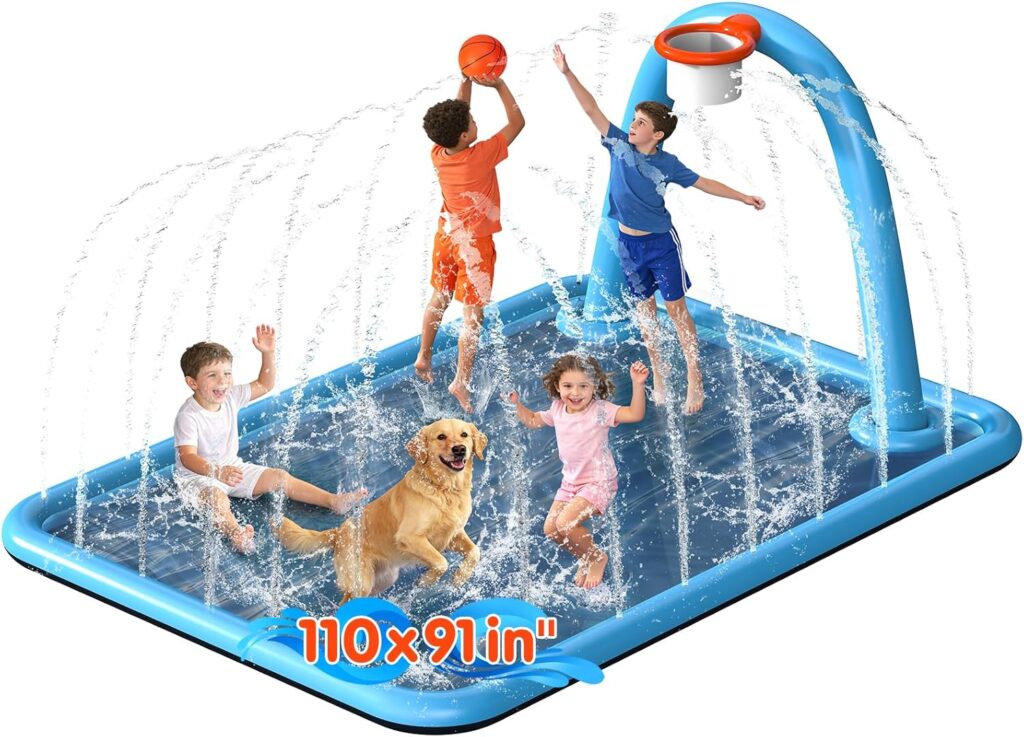
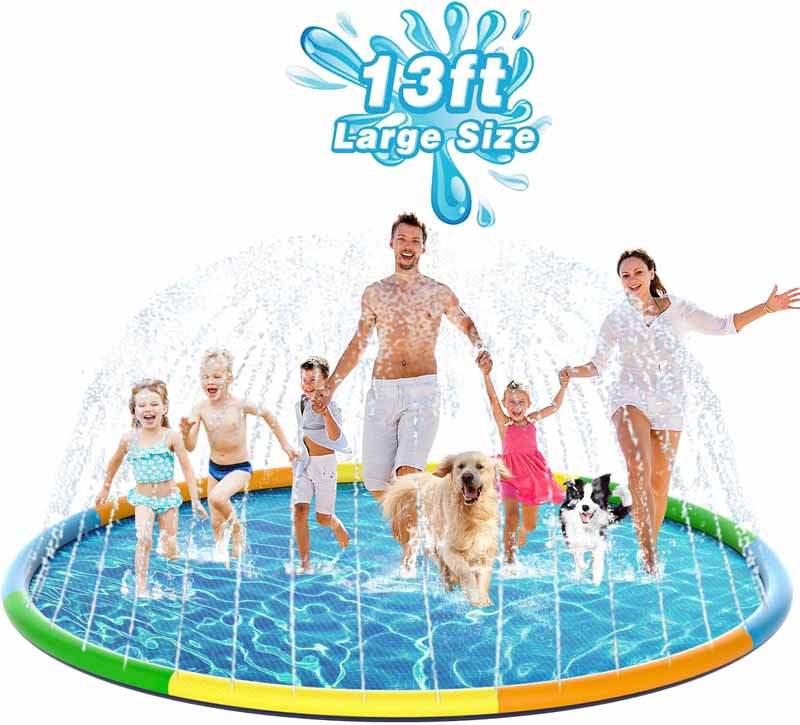
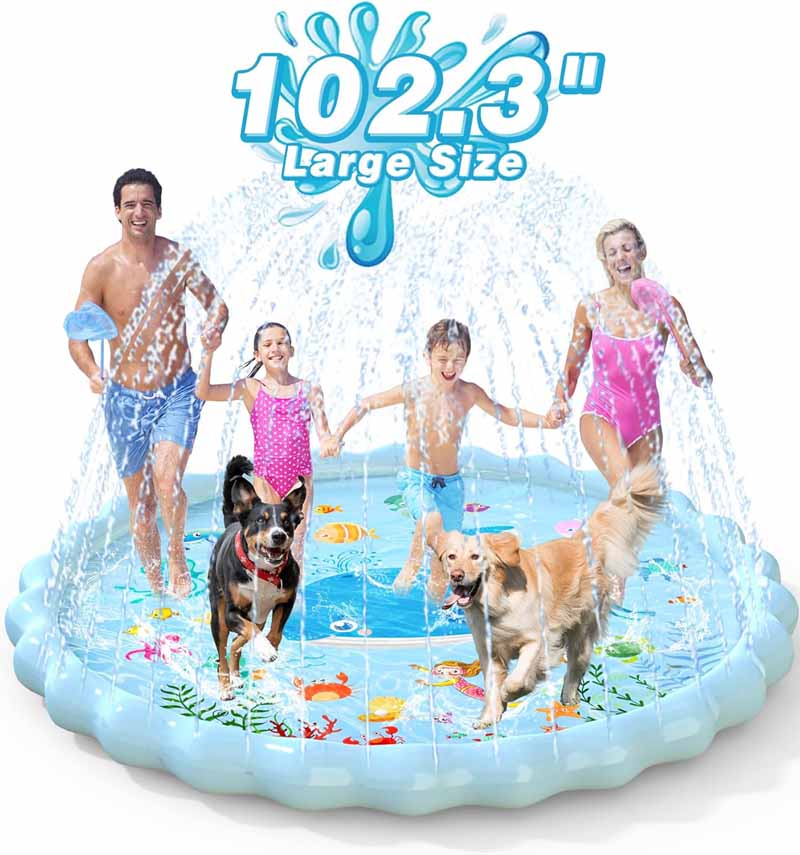
For most families, 5–8 ft works well for one young child, 8–10 ft is a practical range for one or two children, 10–12 ft gives two to four active children more comfortable movement space, and 13–16 ft makes more sense for larger groups, regular playdates, pets, or spacious yards. The best choice depends on users, activity level, usable play area, yard space, water supply, and storage.
Thick Splash Pad vs Thin Splash Pad
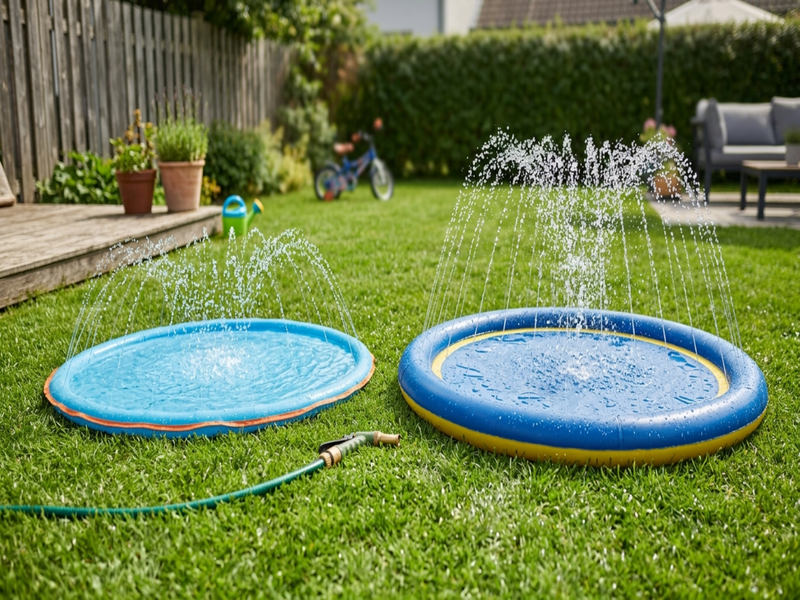
For frequent backyard use, multiple children, larger splash pads, dogs, or harder ground surfaces, thicker PVC generally provides a better durability margin. A thinner or medium-weight splash pad can still be a practical choice for occasional light use on clean grass. Thickness matters, but seam quality, hose-inlet reinforcement, surface texture, ground preparation, water pressure, and storage habits also influence how long a splash pad remains usable.
How Much Water Pressure Does a Splash Pad Need
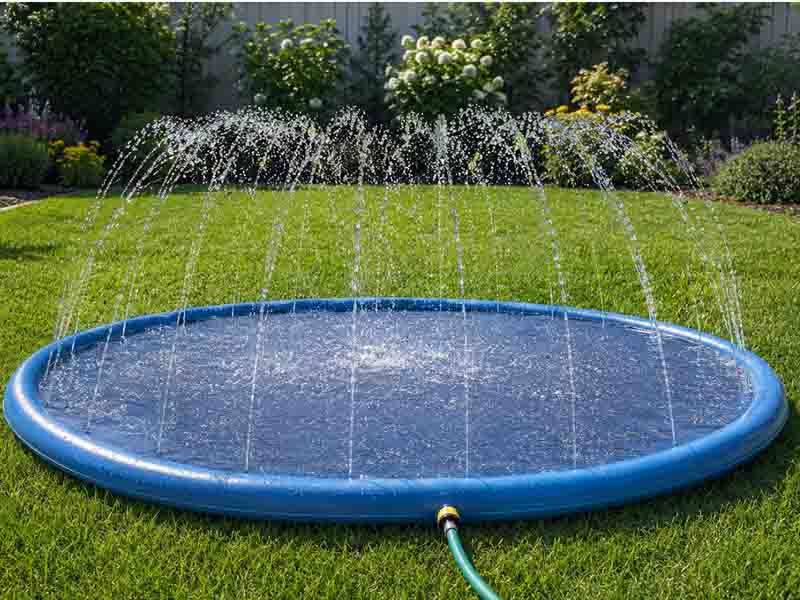
Most hose-fed backyard splash pads are designed to work from ordinary residential water pressure rather than a dedicated high-pressure pump. A household supply around 45–60 PSI is a useful residential reference, but there is no universal PSI requirement for every splash pad. Actual performance also depends on available GPM, hose length, fittings, pad size, spray-hole design, leaks, and the manufacturer’s operating limits.
How to Clean and Store a Splash Pad
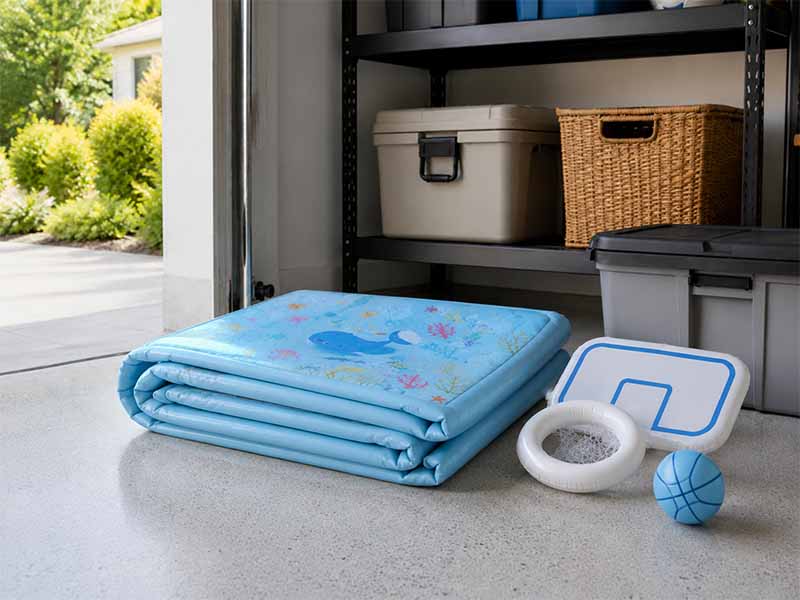
The best way to clean and store a splash pad is to drain it promptly, rinse away dirt and debris, use mild soap when a deeper clean is needed, rinse away all cleaner residue, dry the top, underside, perimeter, seams, and hose connection completely, then fold it gently and keep it in a clean, dry, protected location. Avoid storing it while damp or under prolonged sunlight, heavy pressure, or contact with sharp objects.
What Is a Splash Pad
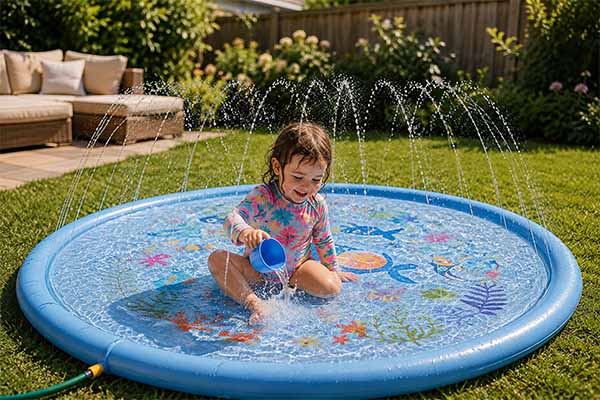
A splash pad is an interactive water-play area that uses sprays, jets, fountains, or sprinkler openings instead of relying on deep swimming water. Public splash pads are usually permanent recreational facilities, while portable backyard splash pads commonly use household hose pressure to fill an integrated PVC water channel and create controlled spray around a shallow or nearly flat play surface.
Why Spray Pattern Matters in a Kids Splash Pad
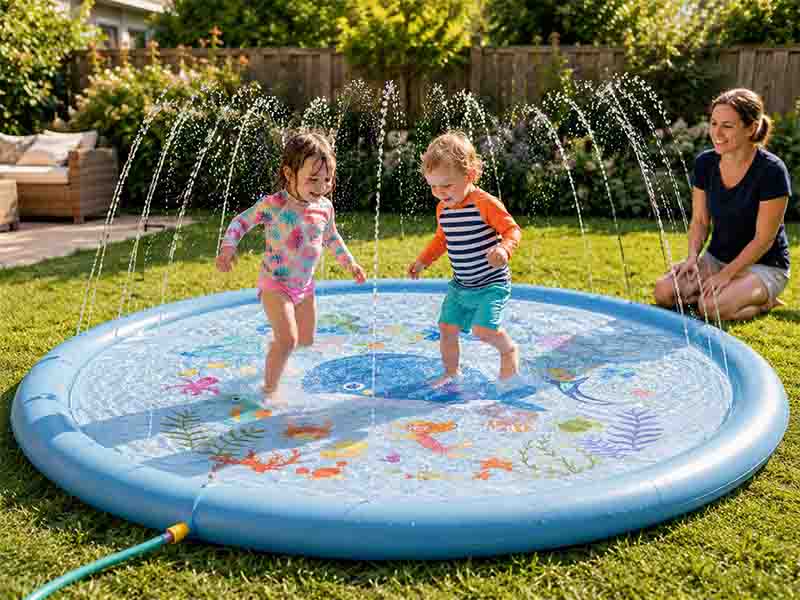
Spray pattern matters because it decides how water moves across the splash pad, how comfortable children feel, how much of the play area is actually usable, and how evenly water pressure is released through the edge. A well-designed spray pattern helps create softer water contact, better center coverage, safer movement, lower pressure stress, and a more enjoyable backyard play experience.
How to Clean a Splash Pad After Backyard Use
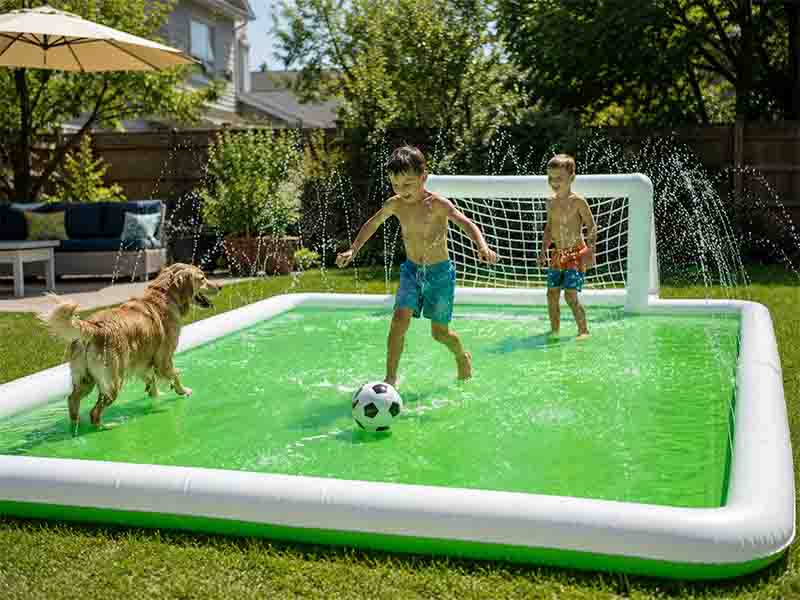
To clean a splash pad after backyard use, drain it fully, rinse the surface with fresh water, wipe dirty areas with mild soap, clear grass and sand from the spray holes, dry both sides, and store it only after the seams and hose connector are dry. A 5–10 minute rinse after each use can help reduce odor, mildew risk, clogged spray holes, and early PVC wear.
Kids Splash Pad vs Inflatable Pool : Which One Fits Your Backyard?
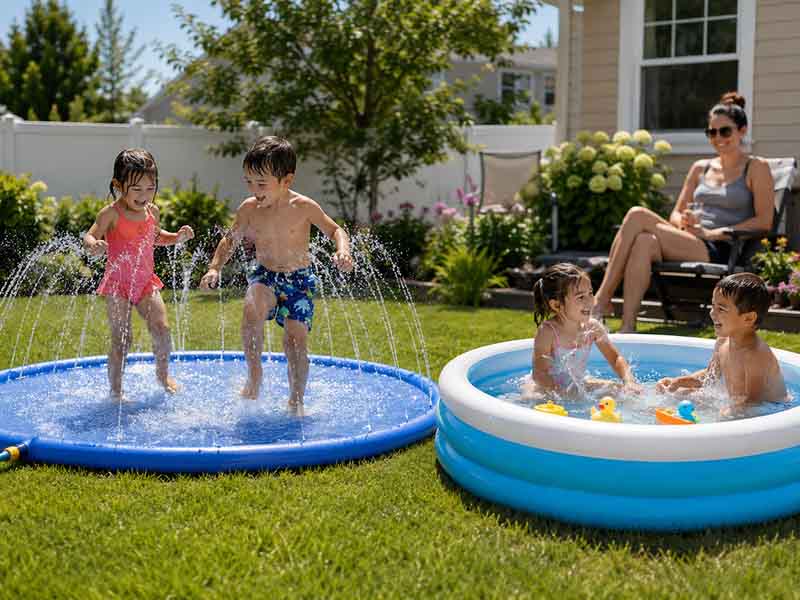
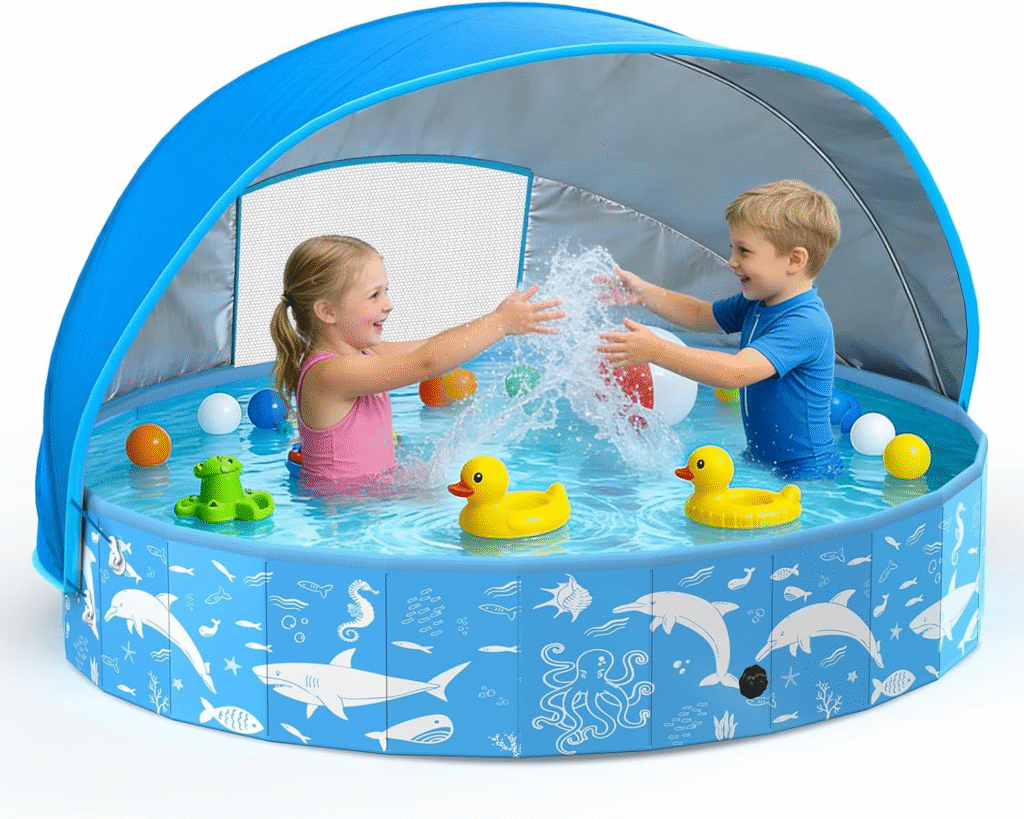
A hot backyard afternoon can make a simple water toy feel like a real family decision. Parents want kids to cool down, laugh, move, and enjoy outdoor play, but they also think about water depth, slipping, cleanup, storage, and how much work the toy will create after playtime ends.
How to Choose a Kids Splash Pad for Multiple Children
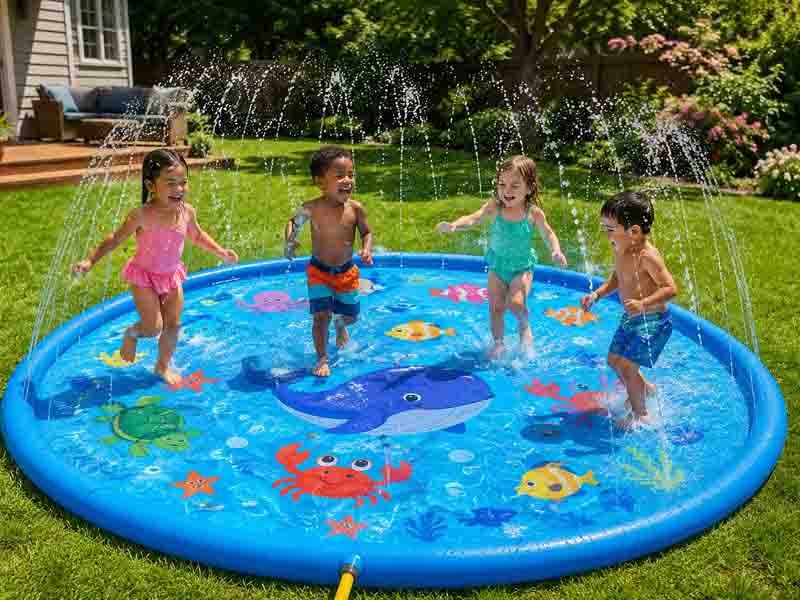
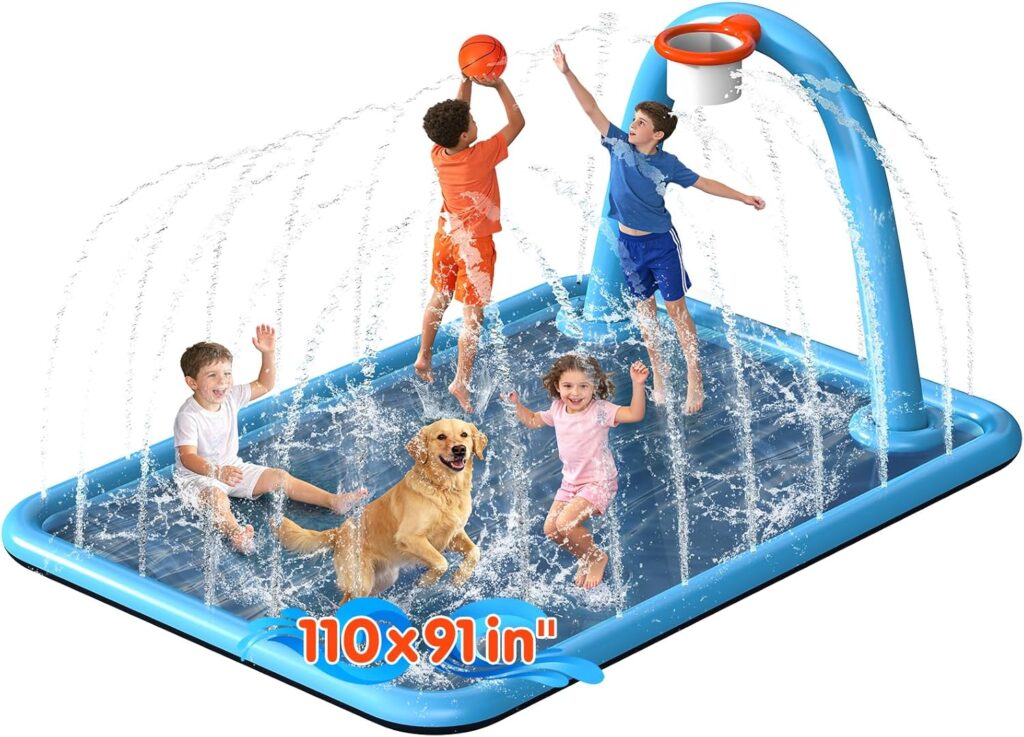
A kids splash pad looks like one of the easiest summer toys to choose. Parents see a colorful water mat, a garden hose connection, and children laughing in the spray. But when two, three, or four children play together, the small details become much more important. Size affects whether children have enough room to move.
Best Backyard Splash Products for Dogs
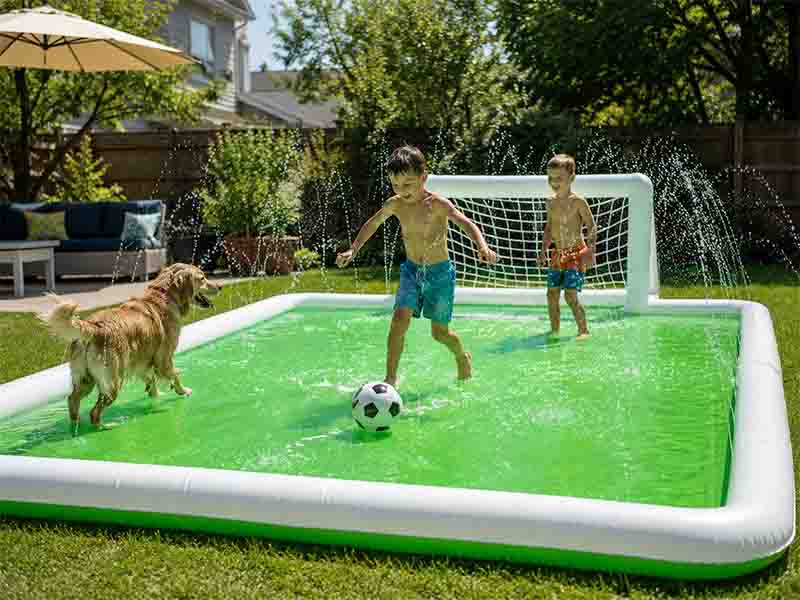
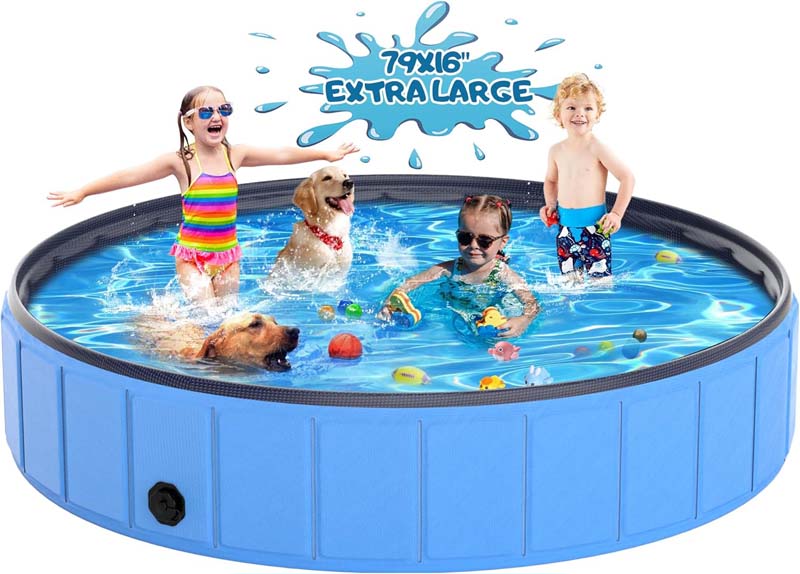
Hot weather can turn a normal backyard into a hard place for dogs to enjoy. Grass gets warm, patios hold heat, and many dogs still want to play even when the temperature rises. A good backyard splash product gives dogs a safer way to cool their paws, release energy, rinse off dirt, and enjoy outdoor time without needing a full swimming pool.
Splash Pad Water Pressure Guide for First-Time Buyers
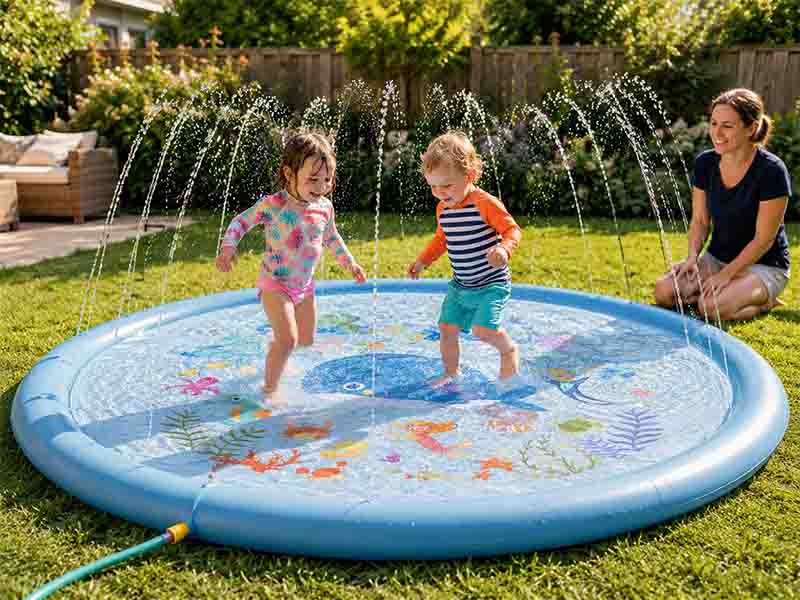
Water pressure is one of the first things people notice when they set up a splash pad for the first time. The box may show a cheerful backyard scene with water spraying around the edge, kids running through the center, and a clean summer setup that looks effortless.
What Material Is Best for a Dog Splash Pad
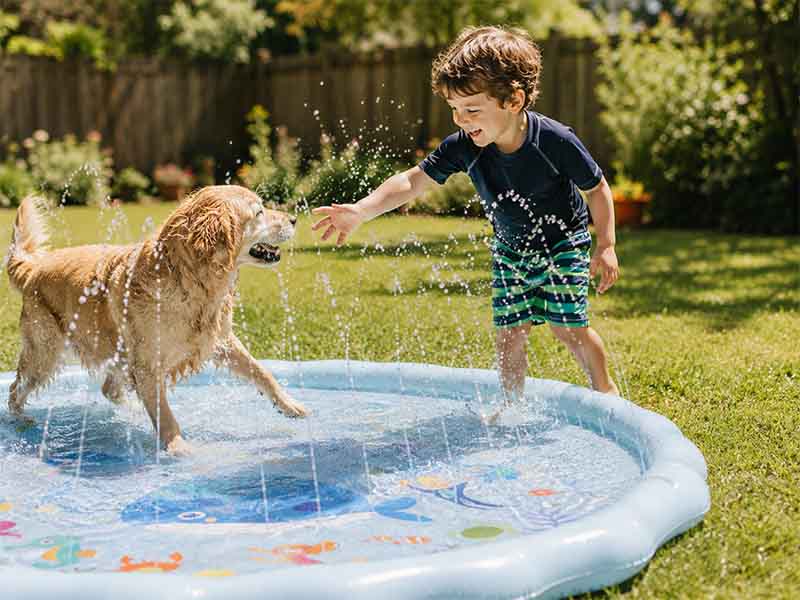
A dog splash pad may look like a simple summer toy, but the material decides how well it performs once real pets start using it. Dogs do not step onto a splash pad the same way children do. They turn quickly, scratch at moving water, push off with their paws, stand near the spray edge, shake water from their coat, and sometimes drag their nails across the surface without meaning to damage it. For families, that means the material has to handle more than water. It needs to deal with paw pressure, wet movement, outdoor ground contact, hose pressure, sunlight, folding, drying, and repeat use through the warm season.