Skip to content
Best Dog Pool: How to Choose a Safe, Durable Pool for Dogs
# Your Trusted Inflatable Supplier In US
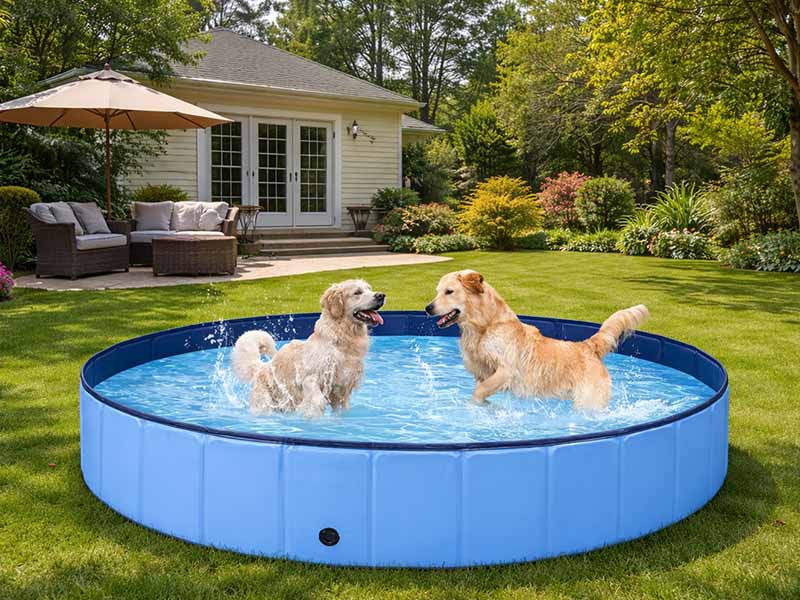
Choosing the best dog pool isn’t about picking the brightest color or the most eye-catching design. Many products labeled as “dog pools” are created to look appealing in photos, but they often fail once real dogs start using them. Dogs step on pool edges, scratch for balance, lean their full body weight against the walls, and jump in or out without warning. These behaviors quickly expose weaknesses in materials, structure, and overall stability—especially for large or active dogs.
This is why so many dog owners experience the same frustration: a pool that looked sturdy online collapses after a few uses, punctures easily, or becomes slippery and uncomfortable for the dog. In hot weather, poor-quality materials may also soften, warp, or release unpleasant odors, further reducing usability and safety. What looks good to humans doesn’t always work for dogs.
How Do You Choose the Right Size Dog Pool?
The real question behind “best dog pool” is not about brand names or marketing claims. It’s about which designs actually support dog behavior, which materials last under heat, claws, and repeated use, and which features make a pool safe and comfortable for everyday backyard or home use. A well-designed dog pool should encourage confident entry, allow easy exit, remain stable under pressure, and hold up through an entire summer—not just a weekend.
What Is the Best Dog Pool?
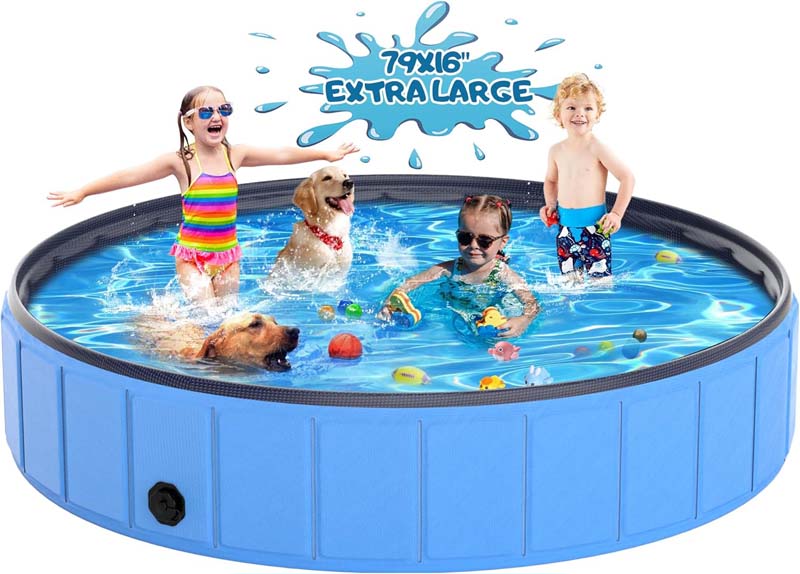
The best dog pool is one designed specifically for dogs, using reinforced, non-toxic PVC, stable non-inflatable walls, and shallow, wide dimensions. It should resist claw damage, stay firm when dogs lean on the edges, and allow easy entry and exit. Unlike inflatable or repurposed children’s pools, a true dog pool prioritizes safety, durability, and real dog behavior over appearance.
Many dog owners only realize these differences after replacing failed pools again and again. Understanding why certain pools don’t work, how dogs truly interact with water, and what design choices matter most can save time, money, and frustration. More importantly, it helps ensure that water play remains safe, comfortable, and enjoyable for dogs throughout the summer. The sections below break down exactly what works, what doesn’t, and how to choose a dog pool that your dog will actually keep using.
What Is the Best Dog Pool for Home Use?
The best dog pool for home use is a dog-specific pool made from reinforced, non-toxic PVC with non-inflatable, stable walls and a shallow, wide design. It should support frequent entry and exit, resist claw damage, remain stable on common home surfaces, and be easy to drain and clean. Pools designed for dogs are safer and more durable than inflatable or human pools in everyday home settings.
Why Home Dog Pools Need Different Design Than Outdoor or Public Pools
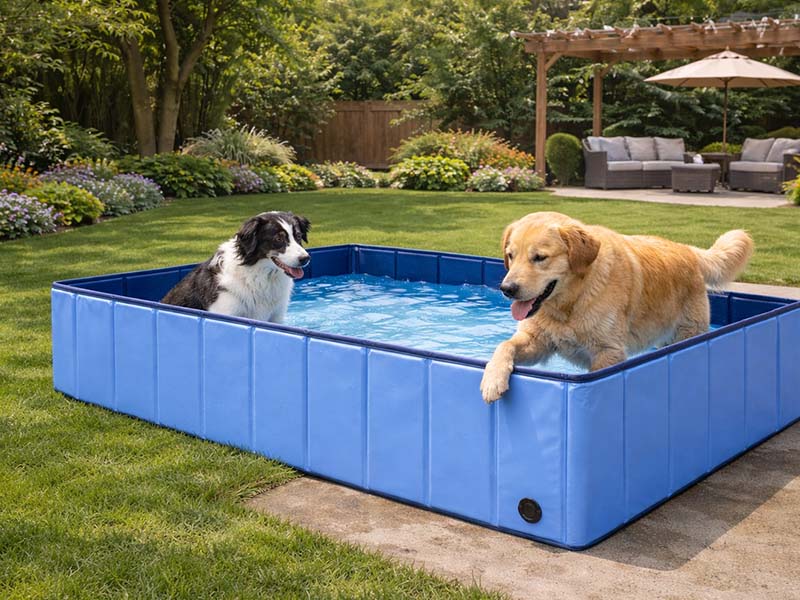
A home dog pool is used very differently from pools in parks, training centers, or commercial facilities. At home, dogs are more relaxed and less controlled. They may enter the pool on their own, test the edge multiple times, or jump in suddenly during play. This means the pool must handle unpredictable movement and uneven weight distribution.
Inflatable pools often fail in these conditions because air-filled walls compress when dogs step or lean on them. In contrast, non-inflatable dog pools rely on material strength and structure, allowing them to stay upright and predictable. For home use, predictability is essential—dogs are far more likely to reuse a pool they trust not to collapse or shift unexpectedly.
What Makes a Dog Pool Safe for Daily Home Use?
Safety in a home environment is about reducing small but repeated risks. A good home dog pool should have shallow water to prevent fatigue, stable edges to avoid slipping, and materials that remain firm under heat. Non-toxic, odor-free materials are especially important because pools often sit in direct sunlight and come into frequent contact with a dog’s skin and paws.
Another overlooked factor is ease of exit. At home, dogs often go in and out of the pool many times. Low, flexible edges that maintain shape allow dogs to exit calmly, reducing stress and accidental tipping. A safe home dog pool doesn’t require constant correction or supervision—it supports natural, relaxed use.
How Home Surfaces Affect Dog Pool Performance
Most home dog pools are placed on grass, concrete, decking, or tile. Each surface introduces different challenges. Uneven grass can cause wobbling, while concrete increases wear on materials and amplifies slipping risks. This is why the best dog pools for home use include anti-slip interiors and thick bases that reduce movement and abrasion.
Lightweight inflatable pools tend to shift or deform on hard surfaces, while rigid plastic pools can crack or slide. Reinforced PVC dog pools strike a balance: flexible enough to conform slightly to surfaces, but strong enough to stay in place. This makes them more reliable for everyday backyard and indoor use.
Why Ease of Cleaning and Storage Matters at Home
At home, convenience directly affects whether a dog pool gets used regularly. Pools that are difficult to drain, awkward to store, or slow to dry often end up unused after the initial novelty fades. The best dog pools for home use are designed to drain quickly, rinse clean with a hose, and fold flat for compact storage.
When cleanup takes only a few minutes, dog owners are far more likely to set the pool up again the next day. Over time, this turns the dog pool from a seasonal toy into a practical part of daily summer care.
Which Type of Dog Pool Is Best for Your Dog?
The best type of dog pool is one that matches your dog’s size, activity level, and water confidence. Non-inflatable dog pools are best for large, active, or claw-heavy dogs, while inflatable pools may work for calm, small dogs with supervision. Human pools are not ideal for dogs, as they are not designed for claw pressure, edge loading, or frequent entry and exit.
Which Is Better: Inflatable or Non-Inflatable Dog Pools?
Inflatable dog pools are often chosen for their low cost and easy storage, but their performance depends heavily on a dog’s temperament. Because inflatable pools rely on air pressure for structure, they compress when dogs step on the edge or scratch for balance. For dogs that hesitate, shift weight frequently, or jump in and out, this instability can cause stress or sudden collapse.
Non-inflatable dog pools, by contrast, are supported by reinforced materials rather than air. They remain upright under lateral pressure, making them more predictable and comfortable for dogs. This stability is especially important for large breeds, senior dogs, or dogs new to water. In everyday use, non-inflatable pools tend to last longer and encourage repeat use because dogs quickly learn they can trust the structure.
| Feature | Inflatable Dog Pool | Non-Inflatable Dog Pool |
|---|---|---|
| Structural support | Air pressure | Material & wall reinforcement |
| Edge stability when dog leans | Compresses easily | Stays firm and predictable |
| Resistance to claws | Low–medium | High |
| Suitability for large dogs | ❌ Not recommended | ✅ Ideal |
| Behavior predictability | Low | High |
| Typical lifespan | Short-term | Multi-season with care |
| Daily use suitability | Limited | Designed for repeated use |
| Stress level for nervous dogs | Higher | Lower |
Which Dog Pool Type Works Best for Large Dogs?
Large dogs place unique demands on dog pools. Their weight concentrates pressure on pool edges during entry and exit, and their claws increase the risk of punctures. Inflatable walls and thin plastics often fail under these conditions.
For large dogs, the best pool type is a non-inflatable, reinforced PVC dog pool with wide dimensions and low walls. Wide surface area allows the dog to turn and stand comfortably, while shallow depth reduces fatigue and safety risks. Reinforced edges prevent collapse when the dog leans or pushes off, which is one of the most common failure points in poorly designed pools.
Are Human Pools (Intex or Bestway) Suitable for Dogs?
Brands like Intex or Bestway are well-known for human pools, but their products are not designed around dog behavior. Human pools assume controlled entry, minimal edge pressure, and no sharp contact. Dogs violate all of these assumptions.
Common issues when dogs use human pools include punctured inflatable rings, unstable tall walls, and difficulty exiting due to height or softness. While some owners use these pools temporarily, they are not ideal or reliable for regular dog use. Purpose-built dog pools address these issues by focusing on shallow depth, reinforced walls, and pet-safe materials.
How Dog Confidence and Temperament Affect Pool Choice
A dog’s comfort with water plays a major role in pool selection. Confident dogs may jump directly into a pool, while cautious dogs test the edge repeatedly before entering. Pools that shift, collapse, or feel slippery can quickly discourage hesitant dogs.
Stable, non-inflatable pools with anti-slip interiors help nervous dogs feel secure. For dogs that are easily startled, predictability matters more than depth or size. Choosing a pool that stays firm and consistent under movement increases the chance that the dog will view water play as positive rather than stressful.
Why “One Pool Fits All Dogs” Rarely Works
Dog pools are often marketed with broad claims like “suitable for all dogs,” but real-world use shows this is rarely true. A pool that works for a small, calm dog may fail completely for a large or energetic breed. Similarly, a pool designed for occasional use may not hold up under daily summer cooling or washing routines.
The best approach is to choose a pool type based on how often it will be used, where it will be placed, and how your dog behaves, rather than relying on generic labels. Matching pool type to actual use conditions leads to better durability, safer play, and higher satisfaction over time.
What Materials Are Best for a Durable Dog Pool?
The best materials for a durable dog pool are reinforced, non-toxic PVC or PVC-based composite materials. These materials resist claw damage, remain flexible under heat, and maintain structural stability during repeated use. Thin plastic, low-grade vinyl, or single-layer inflatable materials tend to puncture, warp, or degrade quickly, making them less suitable for dogs.
| Material Type | Typical Thickness | Claw Resistance | Heat Stability | Expected Lifespan |
|---|---|---|---|---|
| Thin plastic sheet | <0.3 mm | Low | Poor | <1 season |
| Low-grade vinyl | 0.3–0.4 mm | Medium | Medium | 1 season |
| Reinforced PVC | 0.45–0.6 mm | High | High | Multiple seasons |
| Composite PVC blends | 0.6 mm+ | Very high | Very high | Long-term use |
Why Thin Plastic and Low-Grade Vinyl Often Fail
Many inexpensive dog pools are made from thin plastic sheets or low-grade vinyl designed for short-term use. While these materials may look rigid at first, they tend to crack, crease, or become brittle after repeated folding or exposure to heat. Once micro-cracks form, leaks and tearing follow quickly—especially when dogs scratch or shift their weight.
Low-grade vinyl is also more sensitive to temperature changes. In hot weather, it can soften and lose shape; in cooler conditions, it may stiffen and crack. These fluctuations make such materials unreliable for outdoor dog pools that are expected to perform consistently across a summer season.
What Makes Reinforced PVC the Preferred Material for Dog Pools?
Reinforced PVC is widely used in higher-quality dog pools because it balances strength, flexibility, and water resistance. Unlike thin plastics, reinforced PVC distributes stress across the material instead of concentrating it at a single point. This is especially important when dogs step on edges or push off the walls while exiting the pool.
Thickness plays a critical role. PVC materials in the range of approximately 0.45–0.6 mm or more are far more resistant to punctures and deformation than thinner alternatives. Reinforcement layers or composite blends further improve durability, allowing the pool to flex slightly under pressure without collapsing or tearing.
How Claw Resistance and Abrasion Tolerance Affect Durability
Claws are one of the most underestimated stress factors in dog pool design. Even calm dogs instinctively scratch for balance when standing on wet surfaces. Materials that lack abrasion resistance will show wear quickly, leading to thinning, rough edges, or eventual punctures.
Durable dog pool materials are tested for abrasion tolerance, meaning they can withstand repeated claw contact without losing integrity. Reinforced PVC surfaces, especially when paired with subtle anti-slip textures, reduce wear while also improving footing for dogs. This combination extends the pool’s usable life and improves the dog’s comfort and confidence.
Why UV Resistance and Heat Stability Matter Outdoors
Dog pools are often placed in direct sunlight, where surface temperatures can rise quickly. Materials without UV stabilizers may fade, harden, or become brittle over time. Heat can also accelerate chemical breakdown in poor-quality plastics, shortening lifespan and increasing the risk of odors or residue release.
High-quality PVC and composite materials are formulated with UV resistance to maintain flexibility and strength under prolonged sun exposure. This ensures that the pool remains stable and safe throughout the summer, rather than degrading halfway through the season.
Are Non-Toxic and Pet-Safe Materials Essential?
Yes—durability alone is not enough. Dogs are in constant skin and paw contact with pool surfaces, and they may lick water or surfaces during play. Materials used in dog pools should be free from harmful plasticizers, strong odors, and toxic additives.
Pet-safe PVC formulations are designed to be odor-free and compliant with common safety standards. Choosing non-toxic materials reduces the risk of skin irritation, allergic reactions, or long-term exposure concerns, especially for puppies and senior dogs that may be more sensitive.
How Do You Choose the Right Size Dog Pool?
The right dog pool size allows your dog to stand, turn, and lie down comfortably without deep water. Width and surface area matter more than depth. For most dogs, the pool should be at least 1.2–1.5 times the dog’s body length, with shallow sides for easy entry and exit. Oversized depth increases risk, while undersized pools reduce comfort and stability.
Why Width Matters More Than Depth in Dog Pools
One of the most common mistakes dog owners make is choosing a pool based on depth rather than width. Unlike humans, dogs rarely need deep water to cool down. Shallow water that reaches the paws, legs, or belly is usually enough to regulate body temperature effectively.
Width determines whether a dog can turn around, reposition, or lie down without feeling confined. When a pool is too narrow, dogs crowd the edges, increasing pressure on the walls and raising the risk of collapse. A wider pool distributes weight more evenly, improving both stability and comfort—especially for large or heavy dogs.
| Dog Size / Weight | Recommended Pool Diameter | Wall Type | Why |
|---|---|---|---|
| Small dogs (<25 lbs) | 100–120 cm | Low wall | Easy entry, low stress |
| Medium dogs (25–60 lbs) | 120–150 cm | Reinforced wall | Balance of space & stability |
| Large dogs (60+ lbs) | 150–200 cm | Reinforced non-inflatable | Handles edge pressure safely |
| Multiple dogs | +20–30% width | Reinforced wall | Reduces crowding & tipping |
How to Measure Your Dog for the Right Pool Size
To choose the right size dog pool, start by measuring your dog from nose to base of tail while standing naturally. This body length provides a practical reference point.
A good guideline is:
- Pool width or diameter = 1.2–1.5× dog body length
- Larger or more active dogs benefit from the upper end of this range
This measurement ensures the dog has enough room to turn, sit, or lie down without pressing constantly against the walls. For households with multiple dogs, additional width is more important than extra depth.
How Pool Size Affects Entry, Exit, and Confidence
Dogs enter and exit pools frequently, especially during home use. If a pool is too tall or narrow, dogs may hesitate or struggle, increasing stress and the chance of tipping. Shallow sides and adequate interior space allow dogs to approach water gradually and exit without panic.
Confidence plays a major role in whether a dog uses a pool repeatedly. A properly sized pool feels predictable and forgiving. Dogs are far more likely to return to a pool where they can move freely and maintain balance than one that feels cramped or unstable.
Why Oversized or Undersized Pools Cause Problems
Oversized pools may seem appealing, but they often introduce unnecessary depth, increased water volume, and more difficult cleanup. Deeper water can tire dogs quickly and raises safety concerns, particularly for puppies or senior dogs.
Undersized pools create the opposite problem. Dogs are forced to lean on edges or step awkwardly, accelerating wear and increasing the likelihood of structural failure. In both cases, improper sizing reduces usability and shortens the pool’s lifespan.
How Pool Size Interacts with Material and Structure
Size and material work together. Larger pools place more stress on walls and seams, making reinforced materials essential. A wide pool made from thin or weak material may deform or collapse under pressure, while a properly reinforced pool maintains shape even at larger sizes.
This is why size should never be considered in isolation. The best dog pools combine appropriate dimensions with materials and structure designed to support those dimensions under real use conditions.
Do Dog Pools Need Special Design for Stability?
Dog pools need special stability design because dogs lean on edges, shift weight suddenly, and enter or exit repeatedly. Stable dog pools use reinforced walls, strong edge support, non-inflatable structures, and anti-slip surfaces to prevent collapse or tipping. Pools without these features often deform, scare dogs, or fail prematurely, especially with large or active breeds.
How Dogs Actually Stress a Pool Structure
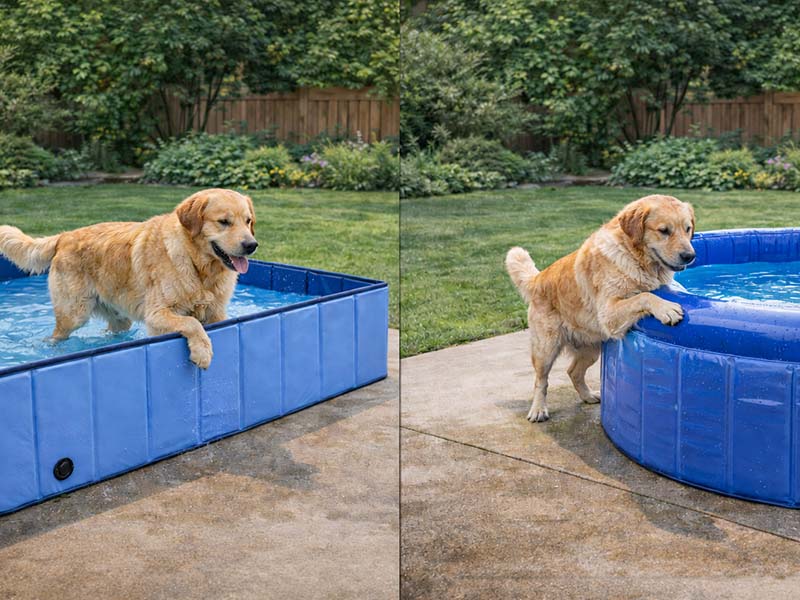
Most dog pool failures happen at the edges, not the floor. Dogs commonly place two front paws on the rim, lean their body weight forward, then either step in or push off to exit. This creates horizontal and downward force at the same time, which many pools are not designed to handle.
Inflatable walls compress under this pressure, causing sudden shape changes that can startle dogs or lead to collapse. Thin plastic walls may buckle or crack. Stability-focused designs anticipate these movements and reinforce the structure accordingly, allowing the pool to remain firm and predictable during normal dog behavior.
Why Reinforced Walls and Edge Support Matter More Than Thickness Alone
Material thickness alone does not guarantee stability. A thick floor combined with weak or flexible walls can still fail when a dog leans on the edge. This is why reinforced walls and edge support are essential components of a stable dog pool.
Reinforced designs distribute force along the entire wall rather than concentrating it at one point. This prevents folding, inward collapse, and sudden deformation. For large dogs, edge reinforcement is often the difference between a pool that lasts a season and one that fails after a few uses.
How Non-Inflatable Structures Improve Predictability
Predictability is key to whether a dog feels comfortable using a pool. Non-inflatable dog pools maintain their shape regardless of movement, which helps dogs learn that the pool is safe to enter and exit.
When a pool shifts or collapses unexpectedly, dogs may associate water play with stress and refuse to use it again. Non-inflatable structures eliminate this risk by relying on material strength and structural design rather than air pressure. This makes them especially suitable for nervous dogs, senior dogs, and large breeds.
Why Anti-Slip Surfaces Are Part of Stability Design
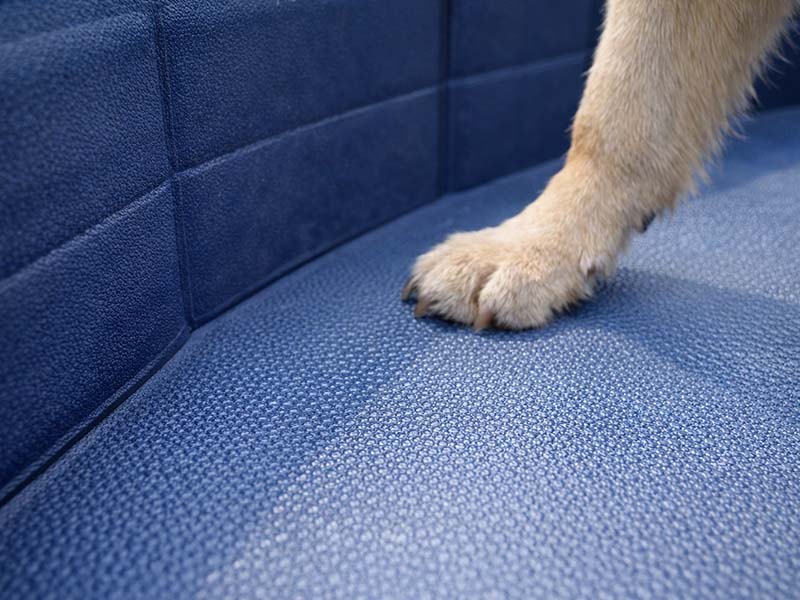
Stability isn’t only about walls—it also includes footing. Slippery interiors cause dogs to scramble for balance, increasing claw damage and panic responses. Anti-slip textures improve grip, reduce stress, and help dogs move more naturally in the pool.
Better footing also reduces sudden weight shifts, which in turn lowers stress on pool walls and seams. This creates a feedback loop where good surface design improves both user experience and structural longevity.
How Pool Stability Affects Long-Term Use and Safety
A stable pool is not just safer—it’s used more often. Dog owners are more likely to set up a pool they trust not to collapse, and dogs are more likely to return to a pool they feel confident using.
Unstable pools often end up abandoned after a few negative experiences. In contrast, stability-focused designs support repeated daily use for cooling, washing, or light play, making the pool a practical part of summer care rather than a short-lived novelty.
Are Dog Pools Easy to Clean, Store, and Reuse?
High-quality dog pools are designed to be easy to drain, clean, store, and reuse. The best dog pools empty quickly, rinse clean with a hose, dry fast, and fold flat for compact storage. Non-inflatable PVC dog pools are generally easier to maintain and reuse than inflatable or rigid plastic pools, which often trap dirt or require more effort to store.
How Long Should I Let My Dog Swim or Play in the Pool?
Most dogs only need 10–20 minutes of water play to cool down effectively. Dog pools are not intended for long swimming sessions; they are designed for shallow soaking, standing, and light movement.
Signs that your dog should take a break include heavy panting, slowing movements, or repeated attempts to exit the pool. Short, supervised sessions are safer and more enjoyable, especially during hot weather. Pools that are easy to drain and refill make it practical to offer multiple short sessions throughout the day without hassle.
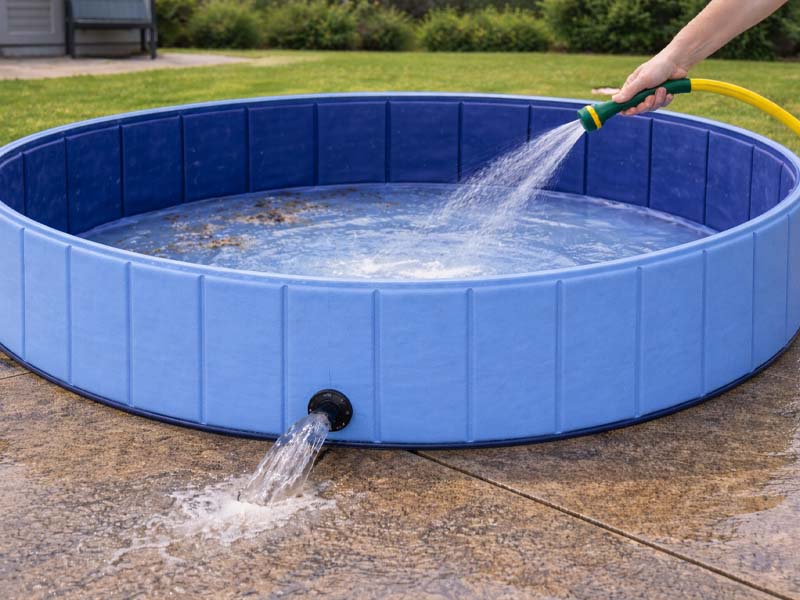
Why Drainage Design Matters for Cleaning
Drainage is one of the most important features for easy maintenance. Pools that drain slowly or require lifting when full are inconvenient and often spill dirty water onto surrounding areas.
Well-designed dog pools include:
- Bottom or low-point drainage
- Flexible walls that allow controlled tipping
- Smooth interior surfaces that don’t trap debris
Quick drainage allows owners to rinse out dirt, hair, or soap residue in minutes, making regular cleaning realistic rather than burdensome.
How Material Choice Affects Cleaning and Drying
Material quality directly impacts how easy a dog pool is to clean and reuse. Reinforced PVC surfaces resist staining and don’t absorb odors, making them easier to rinse clean. Smooth but non-slip textures allow water and debris to flow out instead of clinging to the surface.
Low-grade plastics or fabrics may trap dirt, discolor over time, or develop persistent odors. These issues discourage reuse and shorten the pool’s lifespan. Materials that dry quickly also reduce the risk of mildew and make storage safer between uses.
Why Storage Convenience Determines Whether Pools Get Reused
At home, storage space is limited. Dog pools that are bulky, rigid, or slow to dry often get left outside or thrown away after limited use. Foldable dog pools made from flexible, reinforced materials can be flattened and stored in garages, sheds, or even car trunks.
Ease of storage matters because it lowers the “setup barrier.” When a pool is easy to take out and put away, owners are far more likely to reuse it regularly throughout the summer.
How Reusability Affects Long-Term Value
A dog pool’s real value comes from repeated use. Pools that are easy to clean and store tend to be reused daily or weekly, turning them into practical tools for cooling, washing, and enrichment.
In contrast, pools that are difficult to maintain often become clutter or waste. Reusability depends on thoughtful design choices that prioritize owner convenience and dog comfort—not just initial appearance or price.
What Makes a Dog Pool Worth Buying Long-Term?
A dog pool is worth buying long-term if it withstands repeated use, resists claw and heat damage, remains stable over time, and stays easy to clean and store. Durable materials, reinforced structure, pet-safe construction, and practical design features determine whether a dog pool lasts for multiple seasons or fails after limited use.
Why Many Dog Pools Fail After One Season
Most dog pools that fail early do so for predictable reasons. Thin materials stretch or crack, inflatable walls lose air or collapse, and poorly reinforced edges weaken under repeated pressure. Exposure to sunlight accelerates material fatigue, while folding and storage introduce creases that turn into weak points.
These failures aren’t random—they reflect designs optimized for quick sales rather than long-term use. A pool that looks fine in its first few uses may already be accumulating invisible stress that leads to sudden failure later in the season.
How Engineering and Testing Affect Longevity
Long-lasting dog pools are the result of engineering choices, not luck. Experienced manufacturers test materials for abrasion, pressure resistance, heat stability, and repeated flexing. Structural design is evaluated based on how dogs actually behave—leaning on edges, stepping unevenly, and entering or exiting frequently.
Pools designed with testing feedback in mind tend to age gradually rather than failing suddenly. This predictability is important for safety and gives owners confidence that the product won’t become unusable without warning.
Why Material Control Matters More Than Price
Price alone is a poor indicator of long-term value. A slightly cheaper pool made from low-grade materials often costs more in the long run due to replacement and frustration. In contrast, pools made from reinforced, pet-safe materials may have a higher upfront cost but deliver consistent performance over multiple summers.
Material control—including thickness consistency, reinforcement layers, and additive quality—determines how a pool responds to real-world conditions. Pools built with controlled materials maintain shape, resist wear, and remain comfortable for dogs over time.
How Daily Usability Supports Long-Term Ownership
A dog pool that’s hard to clean, drain, or store is unlikely to be used regularly, no matter how durable it is. Long-term value depends on whether the pool fits naturally into daily routines. Easy setup, fast drainage, and compact storage all increase the likelihood of frequent reuse.
When a pool is simple to manage, owners are more willing to set it up again and dogs benefit from consistent cooling and enrichment. Over time, this regular use is what justifies the purchase.
Why Trust and Confidence Matter for Repeat Use
Dogs remember negative experiences. If a pool collapses, shifts unexpectedly, or feels uncomfortable, a dog may avoid it entirely. A stable, predictable pool builds trust, making water play enjoyable rather than stressful.
Long-term value includes not just physical durability but also behavioral acceptance. A pool that a dog willingly returns to throughout the summer delivers far more value than one that technically survives but goes unused.
How to Choose the Best Dog Pool for Your Needs
The best dog pool for your needs depends on dog size, activity level, usage frequency, and setup location. Large or active dogs require non-inflatable pools with reinforced walls, while small or calm dogs may use lighter designs. Daily backyard use prioritizes durability and easy cleaning, while occasional use favors portability. Matching features to real use cases ensures safety, longevity, and better value.
Quick Decision Table: Match the Pool to Your Needs
| Your Situation | Recommended Pool Type | Key Features to Look For | Why It Works |
|---|---|---|---|
| Large dogs (60+ lbs) | Non-inflatable dog pool | Reinforced PVC, wide diameter, low walls | Handles edge pressure, reduces collapse risk |
| Small or calm dogs | Light non-inflatable or supervised inflatable | Shallow depth, soft edges | Lower stress, easier entry |
| Daily summer cooling | Heavy-duty non-inflatable pool | UV-resistant PVC, fast drainage | Withstands frequent use and heat |
| Backyard washing | Stable non-inflatable pool | Anti-slip interior, easy drain | Safer footing, faster cleanup |
| Multiple dogs | Extra-wide pool | Reinforced walls, large surface area | Prevents crowding and tipping |
| Limited storage space | Foldable non-inflatable pool | Flexible reinforced material | Easy to store flat when not in use |
| Occasional travel use | Lightweight foldable pool | Compact fold, quick setup | Easy transport and setup |
How Dog Size and Weight Should Guide Your Choice
Dog size affects every aspect of pool performance. Larger dogs apply more pressure to edges during entry and exit, increasing the risk of collapse in inflatable or thin-walled pools. As a general rule, dogs over 60 lbs (27 kg) benefit most from non-inflatable pools with reinforced walls and wider footprints. Smaller dogs can tolerate lighter designs, but stability is still preferred for repeat use.
How Usage Frequency Changes the “Best” Choice
A pool used once a month has very different requirements from one used every day. For daily or weekly use, durability and ease of cleaning matter more than portability. Reinforced PVC materials, UV resistance, and fast drainage significantly extend lifespan. For occasional use, portability and storage convenience may take priority, but safety and stability should never be compromised.
How Environment Influences Pool Selection
Backyard grass, concrete patios, decks, and indoor wash areas all interact differently with pool materials. Hard surfaces increase abrasion and slipping risk, making anti-slip interiors and thicker bases important. Sunny environments accelerate material fatigue, so UV-stable materials become essential in warmer climates.
Choosing a pool that matches your environment reduces wear and improves safety over time.
Why Feature Balance Matters More Than Any Single Specification
No single feature defines the “best” dog pool. A very large pool made from weak material may fail faster than a slightly smaller but well-reinforced one. Likewise, a durable pool that’s hard to drain or store may go unused.
The best choice balances:
- Size appropriate for your dog
- Material strength for your usage frequency
- Stability for dog behavior
- Convenience for the owner
Pools that strike this balance deliver the highest long-term value.
Not sure which dog pool will actually last? Use this checklist before you buy.
Frequently Asked Questions About Dog Pools
Are dog pools good for dogs?
Yes, dog pools are good for dogs when they are properly designed and used under supervision. Shallow dog pools help dogs cool down, reduce heat stress, and provide low-impact enrichment during hot weather. Unlike deep swimming pools, dog pools allow dogs to stand, sit, or lie down safely, which is more aligned with how most dogs naturally interact with water.
Are dog pools safe for puppies and senior dogs?
Dog pools can be safe for puppies and senior dogs if they are shallow, stable, and made from non-toxic materials. Puppies and older dogs should avoid deep water and slippery surfaces. A good dog pool for these age groups has low walls, anti-slip flooring, and enough space for the dog to enter and exit without jumping or strain.
How long should I let my dog use a dog pool?
Most dogs only need 10–20 minutes in a dog pool at a time. Dog pools are meant for cooling and light play, not prolonged swimming. Signs that a dog should take a break include heavy panting, slowing movement, or repeatedly trying to leave the pool. Short sessions can be repeated throughout the day if the dog remains comfortable.
Can dogs use a dog pool every day in summer?
Yes, dogs can use a dog pool daily during hot weather, provided sessions are short and supervised. Daily use is common for cooling paws and bellies, especially in warm climates. Pools designed for easy drainage and cleaning are best for daily use, as they help maintain hygiene and encourage consistent reuse.
Are inflatable dog pools safe?
Inflatable dog pools may be safe for calm, small dogs under supervision, but they are generally not ideal for large or active dogs. Inflatable walls compress when dogs lean or step on the edges, increasing the risk of collapse or punctures. Non-inflatable dog pools are safer and more durable for frequent or long-term use.
Can I use a kids’ pool or human pool for my dog?
While some owners temporarily use kids’ pools or human inflatable pools, these are not designed for dog behavior. Human pools are built assuming smooth entry, minimal edge pressure, and no claws. Dogs often puncture or destabilize these pools, making purpose-built dog pools a safer and more reliable option.
What size dog pool should I choose?
The right dog pool size depends on your dog’s body length and weight. As a general rule, the pool should be 1.2–1.5 times your dog’s body length and shallow enough for the dog to stand comfortably. Width matters more than depth, especially for large dogs or multiple-dog households.
How long do dog pools usually last?
High-quality dog pools made from reinforced PVC can last multiple seasons with proper care. Pools made from thin plastic or low-grade vinyl often fail within one season. Longevity depends on material quality, structural design, frequency of use, and exposure to sunlight.
Do dog pools need special cleaning?
Dog pools should be rinsed after use to remove dirt, hair, or soap residue. Pools with smooth, non-absorbent surfaces are easiest to clean and dry. Regular draining and quick rinsing help prevent odors and extend the pool’s usable life.
Do dogs need supervision when using a dog pool?
Yes, dogs should always be supervised when using a dog pool, even if the water is shallow. Dogs can slip, become overstimulated, or tire quickly in hot weather. Supervision helps ensure the dog enters and exits safely, does not ingest excessive water, and shows no signs of overheating or stress.
Should I add ice or very cold water to a dog pool to cool my dog?
No, you should not add ice or very cold water to a dog pool. Sudden exposure to very cold water can cause discomfort, muscle stiffness, or shock, especially in hot weather. Cool tap water is sufficient for helping dogs regulate body temperature. The goal of a dog pool is gentle cooling of paws, legs, and belly—not rapid temperature reduction.
What should I put under a dog pool on concrete or hard surfaces?
When placing a dog pool on concrete, decks, or tile, it’s best to use a non-slip mat, outdoor rug, or rubber padding underneath. This helps prevent sliding, reduces abrasion on the pool base, and improves stability when dogs step in or out. A flat, cushioned surface also increases comfort and extends the pool’s lifespan.
Final Thoughts: Where to Buy or Customize a Reliable Dog Pool
If you’re looking to buy a ready-to-ship dog pool, Epsilon products are available across Amazon US, Canada, and major EU marketplaces, with local warehousing and fast delivery.
If you’re a brand owner, retailer, or distributor, Epsilon also supports:
- OEM / ODM customization
- Size, color, material, and packaging customization
- Bulk orders with consistent quality control
Whether you’re buying for your own dog or sourcing for your market, choosing a dog pool built on engineering, safety, and real-world use is what makes the difference.
If you’re evaluating dog pool options, EPN offers ready-to-ship availability to review for sourcing decisions.
Get A Fast quote
Here, bringing your inflatable concepts to life is no longer a challenge—it’s a collaborative journey where American Epsilon helps families, outdoor enthusiasts, and global brands transform creative ideas into safe, certified, and market-ready inflatable solutions.


Partner With Epsilon
Whether you are a family looking for safe backyard fun or a brand seeking large-scale OEM/ODM solutions, American Epsilon Inc. guarantees every inflatable is built with safety, durability, and excitement in mind. With flexible low MOQs, strategically placed warehouses in the U.S., Canada, U.K., and Germany, plus 24/7 professional support, we ensure smooth delivery and reliable service worldwide.
Ready to bring your inflatable ideas to life? Request free samples, fast prototypes, and customized designs today—your trusted inflatable journey starts here.