Skip to content
Dog Pool vs Dog Splash Pad: Which Is Better for Dogs?
# Your Trusted Inflatable Supplier In US
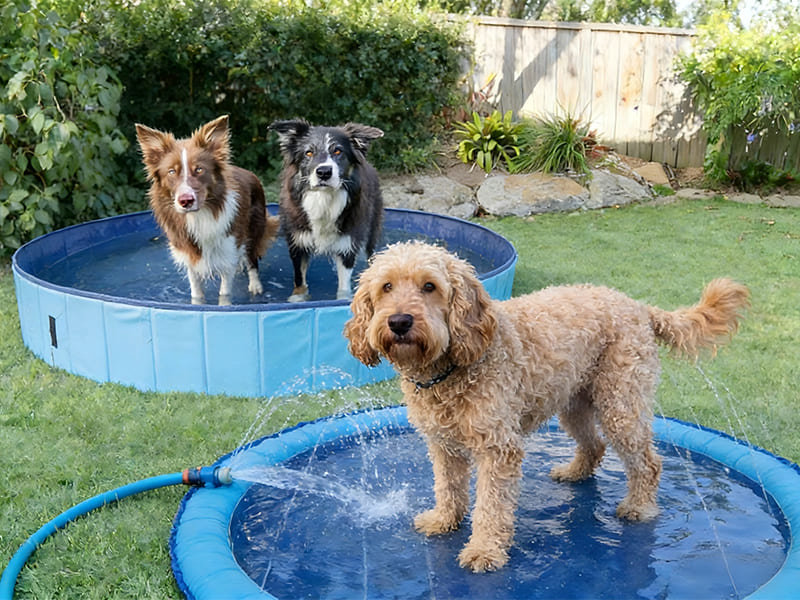
Summer heat doesn’t just make dogs “a little tired.” It changes how they breathe, how they move, and how quickly they can get into trouble. Dogs cool themselves mostly by panting, and when the air is hot (especially in dry backyards with direct sun), panting becomes less effective. Add a thick coat, a short muzzle, or a high-energy personality, and a normal play session can turn into overheating faster than most owners expect. That’s why “backyard water fun” has become a real category for pet families—because it’s not only about entertainment; it’s about safe cooling.
Here’s the practical truth: a dog pool and a dog splash pad solve different problems. One is built for soaking and deep cooling. The other is built for shallow, moving water that triggers play and keeps risk lower. If you buy the wrong one, you’ll see it immediately: the product sits unused, your dog avoids it, or it becomes a cleaning headache.
A dog pool is usually better for dogs that want to lie down and cool their entire body quickly; a dog splash pad is usually better for dogs that enjoy chasing water, staying on the move, and playing in shallow spray. The best choice depends on dog size, age, heat tolerance, and your space.
Now let’s make the decision easy—without fluffy language—using real-world factors owners care about: cooling power, safety, durability, water use, and cleanup.
Dog Pool vs Dog Splash Pad — Key Differences

At first glance, a dog pool and a dog splash pad both look like simple summer toys. In real homes, they behave very differently. The difference is not just in appearance — it affects how dogs cool down, how long they play, how much water is used, and how often owners actually bring the product out.
A dog pool is built around water containment. It holds a stable body of water that allows dogs to soak. A splash pad is built around water movement. It sprays shallow water that encourages running and chasing. That core difference shapes everything else: cooling efficiency, activity level, safety profile, and daily convenience.
Most owners notice within the first week that their dog strongly prefers one experience over the other. Matching that preference is the key to long-term use.
Dog Pool vs Dog Splash Pad — What is the difference?
The most important difference is how your dog interacts with water.
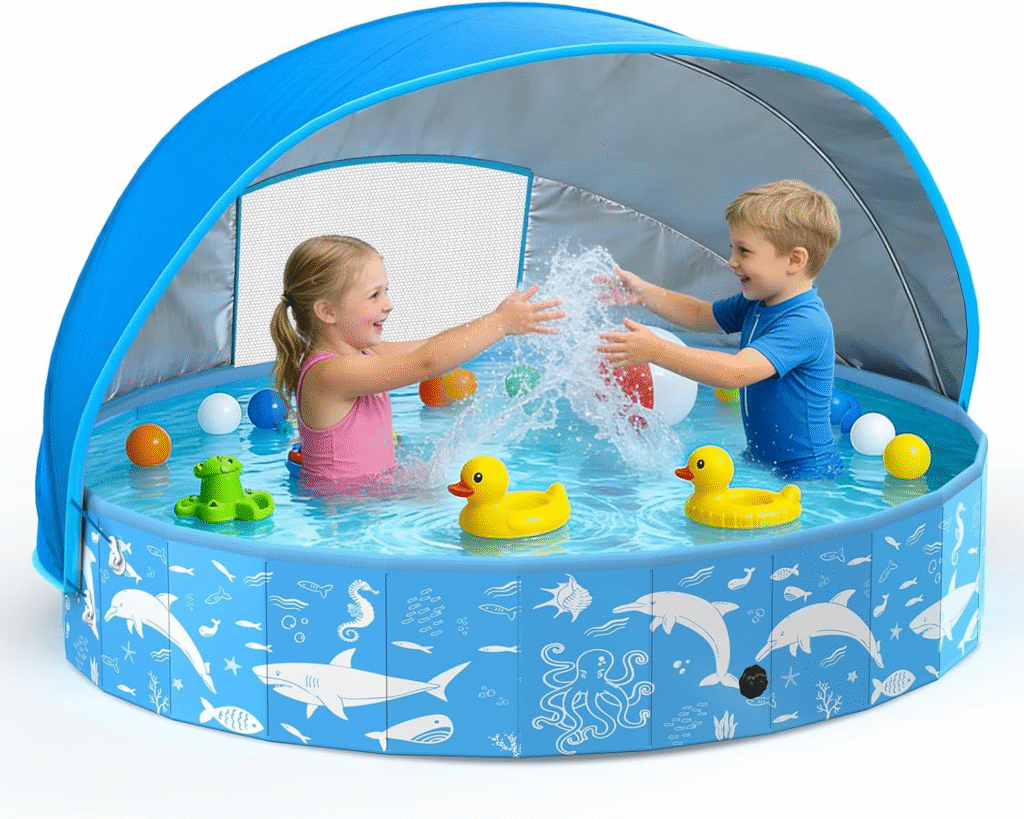
A dog pool provides a contained space where a dog can step in, turn around, sit, or lie down. The water stays relatively still. This allows full-body contact between the dog and the water surface. Heat transfers out of the dog’s body through the belly and chest — areas with thinner fur and higher blood flow.
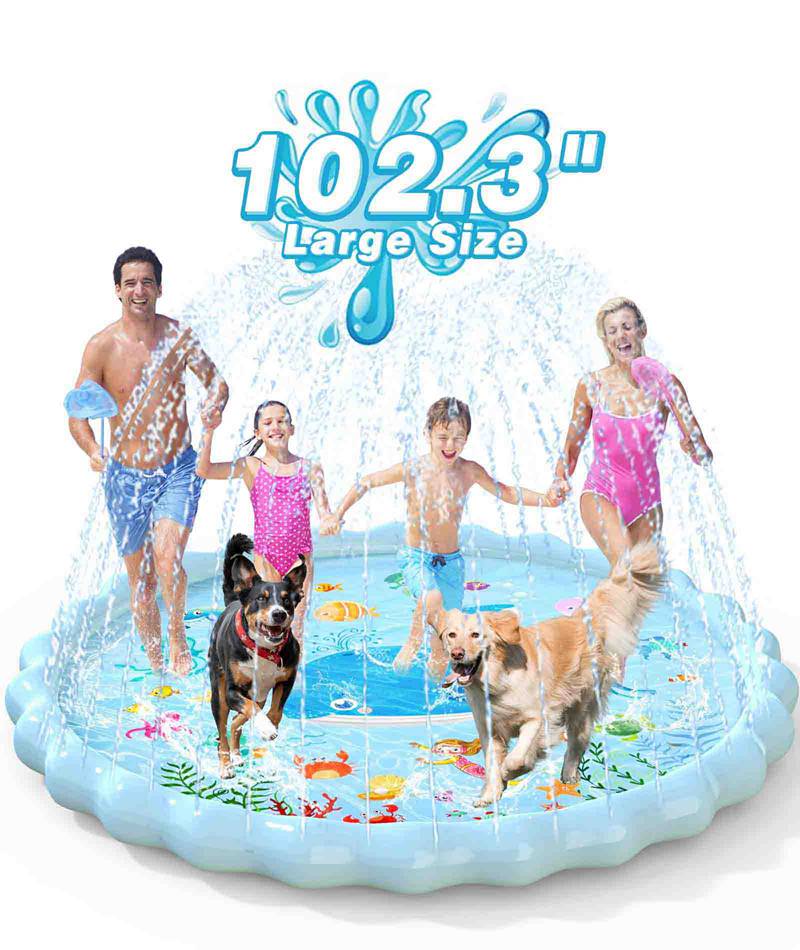
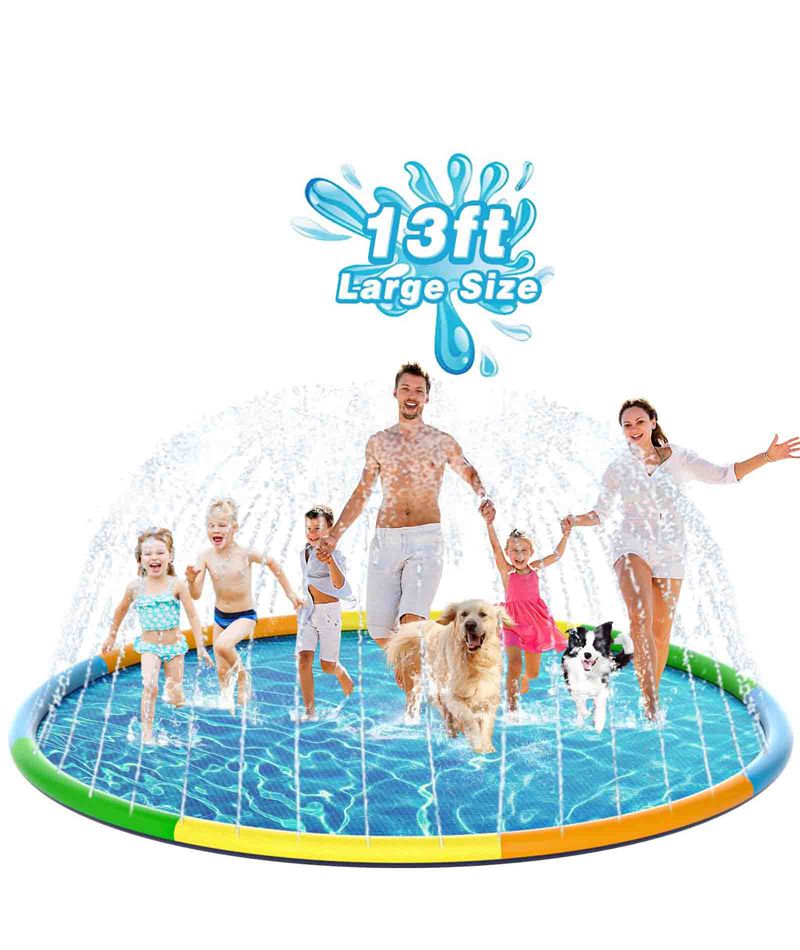
A splash pad spreads a thin layer of water across a flat surface while jets spray upward. Dogs remain standing or running most of the time. Cooling comes from wet paws, splashing, and evaporation rather than deep soaking.
From an owner’s perspective, this creates two very different usage patterns:
- Dog pools support longer, calmer sessions. Many dogs enter the pool and remain there for 5–20 minutes at a time.
- Splash pads create short bursts of excitement. Dogs often sprint, chase jets, then rest, repeating in cycles.
Cooling performance also differs in measurable ways. While exact temperature drop depends on environment, soaking typically cools dogs faster than spray exposure because of larger contact area. Owners in hotter climates often rely on pools during peak afternoon heat, while splash pads are used more for interactive play.
A practical side-by-side comparison:
| Core Feature | Dog Pool | Dog Splash Pad |
|---|---|---|
| Main water behavior | Still water soaking | Moving spray play |
| Cooling method | Full-body immersion | Surface wetting + evaporation |
| Typical session length | Longer, calmer | Short, energetic bursts |
| Dog posture | Sitting / lying down | Standing / running |
| Cooling intensity | Higher | Moderate |
| Play style | Relaxation + gentle movement | High stimulation |
This difference explains why some dogs ignore splash pads but love pools — and vice versa. It’s less about product quality and more about matching the dog’s personality.
Dog Pool vs Dog Splash Pad — How does each one work?
Understanding the mechanics behind each product helps explain real-world performance.
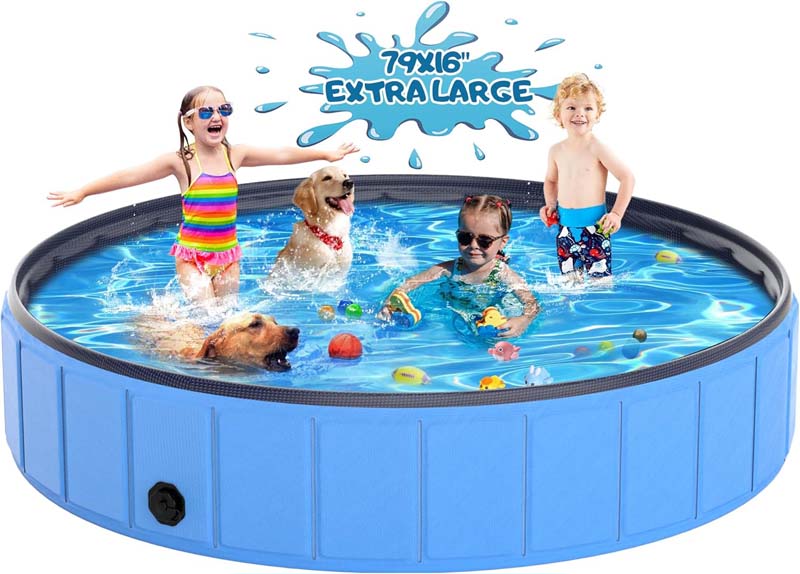
A dog pool works by holding a fixed volume of water. Once filled, that water acts as a thermal buffer. The larger the water volume relative to the dog’s body size, the more effective the cooling. Medium dog pools typically hold enough water to allow partial immersion of the torso, which is where most cooling occurs.
Pools also rely heavily on structural design. Reinforced side panels prevent collapse when dogs lean or jump in. Thicker PVC walls resist claw damage and maintain shape. Entry and exit stability matter more for large breeds that generate force when moving.
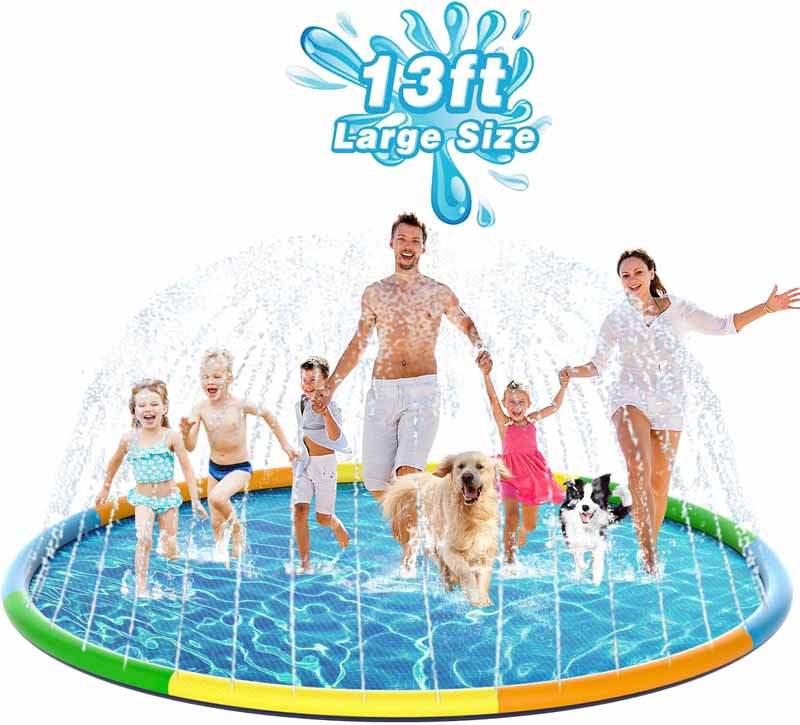
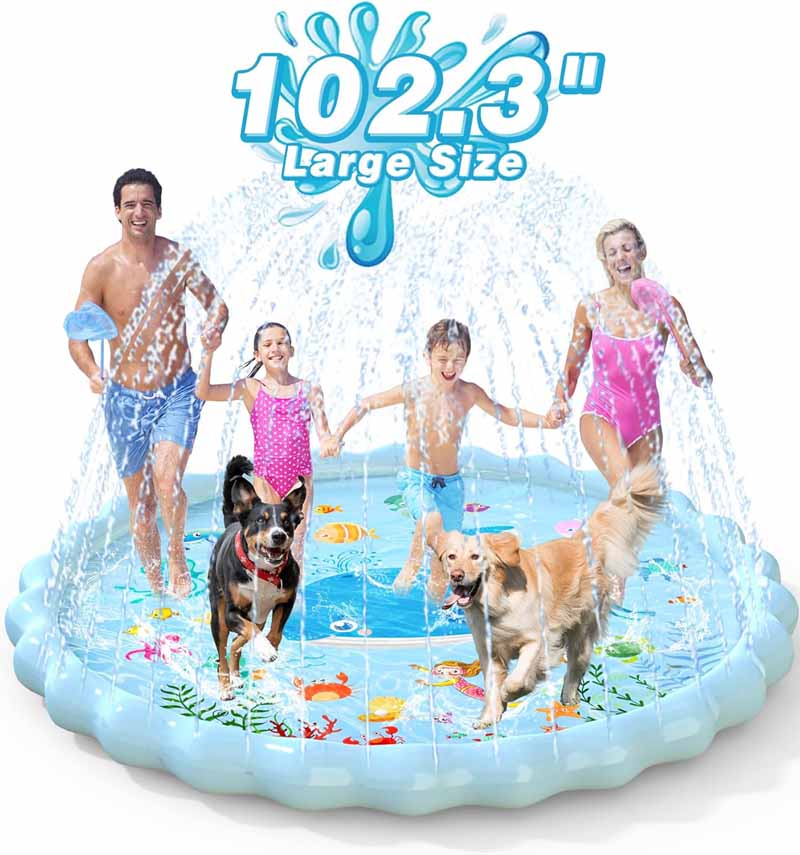
Splash pads operate differently. They distribute pressurized water through a circular or patterned ring. The height and intensity of spray depend on household water pressure. Most splash pads function best within normal residential pressure ranges, and owners can fine-tune spray height by adjusting the faucet.
Because water flows continuously, splash pads emphasize movement rather than retention. This changes both water use and experience.
A practical comparison owners often ask about is water consumption and operational behavior:
| Operational Factor | Dog Pool | Dog Splash Pad |
|---|---|---|
| Water style | Fill once per session | Continuous flow while active |
| Cooling source | Stored water volume | Active spray + wet surface |
| Water reuse | Possible within a session | Constant fresh flow |
| Noise level | Quiet | Audible spray |
| Setup cycle | Fill → play → drain | Connect → adjust → play |
Another real-world difference is environmental sensitivity.
Dog pools tolerate uneven surfaces better. As long as the ground is reasonably flat, the water stabilizes the structure. Splash pads perform best on smooth, clean surfaces. Sharp debris or rough textures can shorten lifespan and affect spray consistency.
From a maintenance perspective, pools concentrate dirt in one place, making cleanup straightforward but necessary. Splash pads spread water across the surface, reducing standing water but increasing exposure to ground debris.
Owners who understand these mechanical differences make more accurate expectations about daily use. A family seeking calm cooling during extreme heat will experience a pool very differently from a family wanting quick interactive play sessions between walks.
Dog Pool vs Dog Splash Pad — Comfort & Safety

Comfort and safety are the two reasons most families buy water equipment for their dogs in the first place. Dogs overheat faster than humans, and heat stress can develop quietly. A well-chosen water setup should cool the body efficiently without introducing new risks such as slipping, overexertion, or poor hygiene.
Dog pools and splash pads both help with summer cooling, but they support comfort and safety in different ways. A pool focuses on deep physical cooling and rest. A splash pad focuses on shallow, active play with lower standing water exposure. Understanding how each affects your dog’s body and behavior helps prevent accidents and improves long-term enjoyment.
Dog Pool vs Dog Splash Pad — Are dog pools good for dogs?
Dog pools can be extremely beneficial when used correctly, especially in hot climates or for breeds that struggle with heat regulation.
The main comfort advantage of a dog pool is full-body cooling. When a dog lies down in water, heat transfers quickly from the chest and abdomen. These areas contain major blood vessels close to the skin. Cooling them helps regulate overall body temperature faster than spraying the back or legs.
In everyday use, owners commonly notice:
- Dogs stay outdoors longer without signs of heat fatigue
- Panting slows after a short soak
- Recovery time after exercise decreases
For older dogs, pools offer an additional benefit: low-impact movement. Water reduces joint pressure and supports gentle mobility. Many veterinarians recommend shallow water activity for dogs with stiffness or early arthritis because buoyancy reduces stress on hips and knees.
However, comfort depends on safe usage. Standing water introduces responsibilities that owners should treat seriously:
Key safety considerations for dog pools:
- Water depth control: Pools should remain shallow enough for the dog to stand comfortably.
- Slip prevention: Smooth plastic surfaces can become slick. Textured bottoms or anti-slip mats reduce falls.
- Water hygiene: Warm water accumulates dirt and bacteria quickly. Draining after each session is the safest habit.
- Supervision: Dogs should never be left unattended around water, even shallow pools.
A practical risk and benefit overview:
| Comfort & Safety Factor | Dog Pool Impact |
|---|---|
| Cooling efficiency | High |
| Joint support | Strong benefit |
| Risk of slipping | Moderate without texture |
| Hygiene maintenance need | High |
| Overheating prevention | Excellent |
When used with proper supervision and cleaning, dog pools provide one of the most effective backyard cooling tools available.
Dog Pool vs Dog Splash Pad — Are splash pads safer?
Splash pads are often perceived as safer because they eliminate deep standing water. For puppies, small breeds, and senior dogs, this shallow design reduces the risk of panic or accidental submersion.
The biggest safety advantage of splash pads is controlled water exposure. Dogs remain upright and mobile. There is no basin to fall into. This makes splash pads especially suitable for dogs that are new to water or uncomfortable with soaking.
From a behavioral standpoint, splash pads encourage movement and stimulation. This can be positive for energetic dogs but requires awareness. High excitement sometimes leads to sprinting and sharp turns.
Owners should pay attention to:
- Surface traction: Non-slip textures reduce sliding injuries.
- Water pressure: Gentle spray prevents eye and ear irritation.
- Session duration: Active play in heat should include rest breaks.
- Hose supervision: Some dogs chew hoses or obsess over spray streams.
Splash pads also reduce hygiene concerns related to stagnant water. Because water keeps moving, bacteria buildup is less likely during short sessions. However, the surface still collects dirt from paws and grass and should be rinsed regularly.
A practical comparison of safety characteristics:
| Safety Factor | Dog Pool | Splash Pad |
|---|---|---|
| Standing water risk | Higher | Very low |
| Slip risk during running | Low | Moderate |
| Overstimulation risk | Low | Moderate–high |
| Hygiene management effort | Higher | Moderate |
| Suitability for puppies | Good with supervision | Excellent |
| Suitability for seniors | Good | Good with gentle spray |
In real homes, the safest option is the one that matches the dog’s temperament. Calm dogs often benefit from the stability of a pool. Highly energetic dogs may respond better to the shallow environment of a splash pad.
Regardless of product choice, a few universal safety habits apply:
- Always supervise water play
- Provide shade and drinking water
- Limit sessions during extreme heat
- Check surfaces for debris before use
- Dry equipment thoroughly after cleaning
Comfort and safety are not built into a product by default. They come from combining thoughtful design with responsible use. When owners understand how their dog interacts with water, both pools and splash pads can become safe, reliable parts of summer routines.
Dog Pool vs Dog Splash Pad — Setup & Care
Setup and maintenance determine whether a dog water product becomes part of a daily routine or ends up forgotten in storage. Most families don’t stop using dog pools or splash pads because dogs lose interest. They stop because setup feels inconvenient or cleanup feels messy.
In real households, the difference between these two products shows up in time investment, cleaning habits, and long-term durability. A dog pool requires a fill–drain cycle and more deliberate drying. A splash pad prioritizes speed and convenience but introduces continuous water flow and surface wear.
Understanding the real maintenance rhythm helps owners choose equipment they will actually use all summer.
Dog Pool vs Dog Splash Pad — How easy is setup?
For most families, setup difficulty isn’t about technical skill. It’s about how quickly the product fits into everyday life.
A typical dog pool setup follows a predictable routine:
- Place the folded pool on flat ground
- Expand side panels
- Fill with hose
- Supervise play
- Drain after use
The time required mainly depends on pool size and water pressure. In an average backyard with standard hose pressure:
| Pool Size | Approximate Fill Time |
|---|---|
| Small (under 40 in) | 2–4 minutes |
| Medium (40–60 in) | 4–7 minutes |
| Large (60+ in) | 6–10 minutes |
Foldable reinforced pools are generally easier to handle than inflatable ones. There is no air pump, no inflation time, and fewer failure points. Owners with large dogs often prefer foldable designs because they resist collapsing when a dog leans on the wall.
Splash pads are faster to activate:
- Lay flat on smooth surface
- Connect hose
- Adjust water pressure
Total setup time is usually under 30 seconds. This speed is the main reason splash pads get used more frequently in short bursts. Families can turn them on for a quick 5-minute cooling break after a walk.
However, splash pads require better surface preparation. Small stones, sticks, or rough concrete increase wear. Many experienced owners dedicate a clean area of the yard or place the pad over smooth patio surfaces.
A realistic convenience comparison:
| Setup Factor | Dog Pool | Splash Pad |
|---|---|---|
| Activation speed | Moderate | Very fast |
| Surface tolerance | Flexible | Needs smoother surface |
| Preparation effort | Medium | Low |
| Best for spontaneous play | Good | Excellent |
This difference affects usage patterns. Pools tend to support planned sessions. Splash pads support quick, repeated play throughout the day.
Dog Pool vs Dog Splash Pad — How hard is maintenance?
Maintenance is where long-term ownership either feels manageable or frustrating. Most owners underestimate how much dirt dogs carry into water: grass clippings, soil, fur, and saliva accumulate quickly.
Dog pool maintenance focuses on water hygiene.
After a typical session, owners usually:
- Open the drain valve or tilt the pool
- Rinse interior surfaces
- Air dry completely
- Fold or leave open to dry
In warm weather, water left standing more than 24 hours often develops odor. Families who use pools daily generally adopt one of two routines:
| Usage Pattern | Common Cleaning Habit |
|---|---|
| Daily heavy use | Drain and rinse after each session |
| Light weekend use | Drain after use, full rinse weekly |
Drying matters as much as cleaning. Folding a wet pool can trap moisture and encourage mildew. Allowing even 10–20 minutes of sun drying improves longevity.
Splash pad maintenance emphasizes surface cleanliness.
Because water flows continuously, splash pads avoid stagnant pools. However, dirt collects on the pad surface and underside.
Typical care includes:
- Rinsing debris off the top surface
- Shaking off excess water
- Drying before folding
After muddy sessions, experienced owners rinse both sides. This prevents abrasive grit from wearing the material when folded.
A practical maintenance workload comparison:
| Maintenance Task | Dog Pool | Splash Pad |
|---|---|---|
| Water draining | Required | Not needed |
| Surface rinsing | Frequent | Moderate |
| Drying importance | Very high | High |
| Cleaning time per session | 3–8 minutes | 1–4 minutes |
While pools require more cleaning effort, many families find the deeper cooling benefit worth the extra time.
Dog Pool vs Dog Splash Pad — How do storage and durability compare?
Storage and durability often decide whether a product survives multiple seasons.
Dog pools are thicker and more rigid. When folded correctly and stored dry, reinforced PVC pools can last several summers. Key durability habits include:
- Storing in shaded indoor spaces
- Avoiding sharp folding creases
- Keeping away from rodents and sharp tools
Splash pads are thinner and lighter. They compress into smaller storage space but are more sensitive to repeated folding and ground abrasion.
Environmental exposure affects both products. UV radiation gradually weakens plastics. Owners who leave equipment in direct sunlight for months without breaks typically see shorter lifespans.
Seasonal durability expectations under typical family use:
| Product Type | Average Lifespan with Proper Care |
|---|---|
| Reinforced dog pool | 2–4 summers |
| Mid-range splash pad | 1–3 summers |
Durability improves significantly with:
- Regular cleaning
- Complete drying before storage
- Avoiding abrasive surfaces
- Off-season indoor storage
From a long-term ownership perspective, care habits influence lifespan as much as product design. Families who treat water equipment as seasonal gear rather than disposable toys usually see better value and performance.
Dog Pool vs Dog Splash Pad — Price & Choice
Price is rarely just about what you pay at checkout. For dog pools and splash pads, the real cost includes durability, water use, replacement frequency, and how often the product actually gets used.
Many families buy the cheapest option first. After one season of tearing, leaking, or frustration, they end up buying again. A better approach is to look at total ownership cost over 2–3 summers, not just the initial price.
Dog pools and splash pads overlap in price, but they behave differently in long-term value.
Dog Pool vs Dog Splash Pad — Are splash pads cheaper?
In most retail markets, splash pads start at a lower entry price than reinforced dog pools. However, price ranges vary widely depending on material thickness and construction quality.
A realistic consumer market overview looks like this:
| Product Tier | Splash Pad Typical Price | Dog Pool Typical Price |
|---|---|---|
| Entry-level | $15–30 | $30–60 |
| Mid-range | $30–60 | $60–100 |
| Heavy-duty | $60–90 | $100–180 |
At first glance, splash pads appear more affordable. But price alone doesn’t tell the full story.
Durability strongly affects cost over time.
Thin splash pads exposed to claws and rough surfaces may last one summer. Reinforced models can survive multiple seasons. Similarly, cheap inflatable pools often fail faster than foldable reinforced pools designed for pet use.
A simple way many experienced owners think about value is cost per season:
| Product Type | Purchase Price | Expected Lifespan | Approx. Cost per Summer |
|---|---|---|---|
| Budget splash pad | $25 | 1 season | $25/year |
| Mid splash pad | $50 | 2 seasons | $25/year |
| Reinforced dog pool | $120 | 3 seasons | $40/year |
These numbers vary by care habits, but they illustrate an important point: the cheapest product is not always the most economical long term.
Water usage also influences operating cost.
Splash pads run continuously. If a hose delivers roughly 2–4 gallons per minute, a 20-minute session may use 40–80 gallons of water. A medium dog pool may hold a similar amount but doesn’t require continuous flow.
In areas with higher water rates or restrictions, families sometimes limit splash pad sessions. Pools provide more predictable water use.
Dog Pool vs Dog Splash Pad — Which should you buy?
The smartest purchase decision comes from matching product characteristics to real household needs rather than chasing the lowest price.
Below are common family scenarios and practical recommendations:
Choose a dog pool if:
- Your dog overheats easily in hot climates
- You want strong cooling, not just play
- Your dog is older or benefits from gentle water support
- You expect multi-season durability
- You prefer quieter, calmer backyard activity
Choose a splash pad if:
- Your dog is highly energetic and playful
- You want instant setup for short sessions
- You have limited storage space
- Your dog is new to water exposure
- You want a lower initial purchase price
Consider owning both if:
- You have multiple dogs with different personalities
- You live in very hot regions with long summers
- You want both exercise and recovery options
A decision framework many families find helpful:
| Household Situation | Recommended First Purchase |
|---|---|
| Apartment patio or small yard | Splash Pad |
| Large backyard with active dogs | Splash Pad + Pool |
| Senior dog household | Dog Pool |
| Hot desert climate | Dog Pool |
| Budget-conscious first-time buyer | Splash Pad (mid-range) |
| Long-term durability focus | Reinforced Dog Pool |
Another overlooked factor is frequency of use. A product used daily provides more value than one used occasionally. If your dog plays outside every day, investing in stronger construction usually pays off.
Before buying, experienced owners often run through a simple checklist:
- Will this product survive my dog’s size and behavior?
- How often will we realistically use it?
- Is cleaning effort acceptable for our routine?
- Do we want cooling, play, or both?
- Are we planning for one summer or several?
Answering these questions prevents impulse purchases and leads to equipment that becomes a regular part of your dog’s life.
Dog Pool vs Dog Splash Pad — Final Decision Guide

Most dog owners don’t struggle because they can’t understand the difference between a dog pool and a splash pad. They struggle because they’re trying to predict how the product will actually fit into daily life.
A good decision is less about features and more about routine. The right choice is the one your family will use repeatedly without friction. That means thinking about your dog’s behavior, your climate, your schedule, and your tolerance for maintenance.
Instead of asking “Which is better?”, a more useful question is: “Which one solves my real problem?”
Dog Pool vs Dog Splash Pad — How to choose based on your dog’s behavior?
Dogs generally fall into a few predictable behavior patterns around water. Recognizing your dog’s type makes the decision much easier.
1. The Soaker (Cooling-Seeker)
These dogs step into water and settle down. They prefer lying still and absorbing the cool sensation.
Typical traits:
- Sensitive to heat
- Slower movement outdoors
- Enjoys baths or shallow water
- Often older or thick-coated
Best match: Dog pool
These dogs benefit from full-body immersion. A splash pad may feel overstimulating or ineffective because it doesn’t provide sustained cooling.
2. The Chaser (High-Energy Player)
These dogs treat water like a moving target. They sprint, jump, and chase anything that sprays.
Typical traits:
- High stamina
- Loves sprinklers and hoses
- Enjoys fast play sessions
- Often younger working or sporting breeds
Best match: Splash pad
A pool may be ignored or used briefly. A splash pad provides constant movement and stimulation that matches their energy.
3. The Cautious Explorer
These dogs approach water slowly and prefer shallow exposure.
Typical traits:
- Hesitant around new environments
- Smaller breeds or puppies
- Sensitive to sudden spray
Best match: Gentle splash pad or shallow pool
Low water pressure and gradual introduction matter more than product type.
A behavior-based decision table:
| Dog Behavior Type | Primary Need | Recommended Choice |
|---|---|---|
| Soaker | Deep cooling | Dog Pool |
| Chaser | Interactive play | Splash Pad |
| Explorer | Gentle introduction | Splash Pad (low pressure) or shallow Pool |
Matching behavior reduces the chance of buying something your dog ignores.
Dog Pool vs Dog Splash Pad — How to choose based on climate and living space?
Climate changes how often and how intensely cooling tools are needed.
Hot, dry climates (desert or long summers):
Dogs in these regions experience extended heat exposure. Pools provide stronger cooling and longer relief. Many families in hot climates use pools daily during peak months.
Mild or seasonal climates:
Splash pads often make more sense because cooling needs are shorter and more play-focused.
Living space matters just as much.
Small patios or shared yards:
Splash pads fit tighter spaces and pack away easily.
Large private yards:
Pools can remain set up longer and support multi-dog use.
A practical environment matrix:
| Environment | Recommended Priority |
|---|---|
| Hot climate + large yard | Dog Pool first |
| Mild climate + small space | Splash Pad first |
| Mixed climate + active dogs | Splash Pad + Pool combo |
| Apartment patio | Splash Pad |
Dog Pool vs Dog Splash Pad — How to choose based on usage frequency and budget?
A product used daily justifies a higher investment than one used occasionally.
Families that play outside every day tend to wear out entry-level products quickly. Reinforced construction becomes more economical over time.
A useful rule of thumb:
- Daily use: Invest in durability (reinforced pool or heavy-duty splash pad)
- Weekend use: Mid-range options are usually sufficient
- Occasional novelty use: Entry-level may be acceptable
Another way to think about value is cost per use.
Example scenario:
| Usage Pattern | Product Cost | Uses per Summer | Cost per Use |
|---|---|---|---|
| Daily (90 uses) | $120 pool | 90 | $1.33 |
| Weekly (12 uses) | $50 splash pad | 12 | $4.17 |
High-frequency users benefit more from durable equipment.
Budget decisions should consider:
- Replacement likelihood
- Cleaning effort tolerance
- Storage space
- Expected lifespan
A cheap product that fails mid-season often leads to a second purchase. Many experienced owners prefer buying once and using longer.
Dog Pool vs Dog Splash Pad — Simple decision rules for quick choice
For readers who want a fast conclusion, these practical rules cover most households:
- If your dog lies down in water → Choose a dog pool
- If your dog chases sprinklers → Choose a splash pad
- If summers are extremely hot → Choose a dog pool first
- If setup speed matters most → Choose a splash pad
- If you want long-term durability → Choose reinforced construction
- If you have multiple dogs → Consider owning both
These rules aren’t marketing claims. They come from repeated real-world usage patterns observed by pet owners.
The best choice isn’t universal. It’s situational. A dog pool supports cooling and recovery. A splash pad supports movement and stimulation. Many families eventually use both as complementary tools.
The most important factor is alignment. When the product matches your dog’s behavior and your household routine, it stops being a novelty and becomes part of everyday summer life.
Dog Pool vs Dog Splash Pad — Which Is Better?
After looking at cooling performance, safety, setup effort, maintenance workload, and long-term cost, the answer becomes practical rather than theoretical: the better option is the one that solves your dog’s main summer problem and fits your daily routine.
For most households, the decision comes down to cooling intensity versus play intensity.
Dog pools deliver stronger temperature relief because a dog can cool the chest and abdomen — the areas where heat exchange happens fastest. In regions where summer temperatures regularly exceed 85–95°F (29–35°C), many owners find that soaking reduces visible heat stress signs such as heavy panting and restlessness within minutes.
Splash pads, on the other hand, act more like an exercise tool. They encourage short bursts of sprinting and interaction. For high-energy breeds, this type of stimulation can reduce excess energy and indoor destructive behavior more effectively than passive cooling alone.
What experienced dog owners often learn after one or two summers is that usage frequency matters more than product category. A mid-priced product used every day provides more real value than an expensive product used occasionally.
A realistic performance summary based on everyday ownership:
| Real-World Priority | Dog Pool Outcome | Splash Pad Outcome |
|---|---|---|
| Heat relief in hot climates | Strong cooling support | Helpful but lighter cooling |
| Energy release for active dogs | Moderate | Strong |
| Quiet backyard environment | Calm and contained | More active and noisy |
| Multi-dog sharing | Easier to share space | More movement conflict |
| Long daily sessions | Comfortable | Usually shorter bursts |
Many long-term owners eventually use both tools in combination: splash pads for active play in the morning or evening, pools for cooling and recovery during peak heat.
If a final decision needs to be made quickly:
- Choose a dog pool if heat management is your top concern.
- Choose a splash pad if exercise and stimulation matter most.
- Invest in durable construction if you expect daily summer use.
- Consider both if you have multiple dogs or long, hot summers.
The best purchase is the one that becomes part of your dog’s everyday routine. When used consistently, either product improves comfort, safety, and overall quality of outdoor time.
Professional Buying Guide: What to Look for Before You Purchase
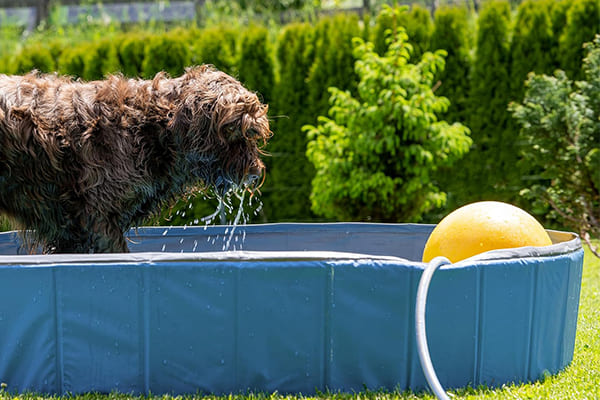
Many buyers focus heavily on size and price, but experienced owners pay closer attention to construction details and usability. These factors determine how long a product lasts and how safe it remains under repeated use.
Material thickness and structure
Dogs apply concentrated pressure through their paws and nails. Thin materials wear quickly under repeated scratching and jumping.
Look for:
- Reinforced multi-layer PVC construction
- Heat-welded seams instead of glued seams
- UV-resistant surface coatings
Thicker materials typically correlate with longer lifespan. Products designed for pets should tolerate repeated folding and outdoor exposure without cracking.
Stability and surface grip
Safety improves when surfaces provide traction.
Important design features include:
- Textured or anti-slip interior surfaces
- Rigid or reinforced sidewalls (for pools)
- Even spray distribution without pressure spikes (for splash pads)
Slip resistance reduces the chance of joint strain or falls during excited play.
Drainage and cleaning design
A well-designed drainage system saves time after every session.
Practical features:
- Wide drain valves that empty quickly
- Smooth interior surfaces that rinse easily
- Materials that dry without trapping moisture
Families who use water equipment daily appreciate designs that reduce cleanup time from several minutes to under two.
Size selection based on dog weight
Choosing the correct size improves comfort and durability.
| Dog Weight | Suggested Minimum Pool Diameter |
|---|---|
| Under 25 lbs | 30–40 inches |
| 25–55 lbs | 40–55 inches |
| 55–90 lbs | 55–65 inches |
| 90+ lbs | 65+ inches reinforced |
For splash pads, larger diameters reduce crowding and allow safer movement.
Expected lifespan and ownership value
A well-constructed reinforced pool or splash pad can last 2–4 summers with proper care. Cheaper thin products often last one season. Buyers planning daily use benefit from investing in stronger construction upfront.
A simple ownership mindset many experienced families adopt:
- Buy for the number of summers you expect to use it
- Prioritize durability over novelty features
- Choose designs that simplify cleaning
This approach usually reduces total cost over time.
Why Many Retailers and Brands Work with Epsilon
Behind every durable dog pool or splash pad is a manufacturing system that determines performance, safety, and consistency. Many retailers and private-label brands partner with Epsilon because of its focus on engineering, material science, and scalable production rather than short-term cost cutting.
Advanced material expertise
Epsilon specializes in PVC and composite material formulation. Internal research teams test:
- Weather resistance under UV exposure
- Pressure tolerance and puncture resistance
- Seam durability under repeated folding
- Safety compliance for pet and household use
Products are designed to withstand real pet behavior rather than light seasonal novelty use.
High-volume production with quality control
Epsilon’s manufacturing facilities integrate:
- Automated cutting and high-frequency welding systems
- Air-tightness testing on every production batch
- Structural stress simulations for large products
- Multi-stage quality inspections
This process reduces defect rates and ensures consistent performance across large production runs.
Customization for brands and distributors
For B2B clients, flexibility matters as much as quality. Epsilon supports:
- OEM and ODM product customization
- Custom sizes, colors, and material thickness
- Private-label packaging and branding
- Rapid sample development (typically within days)
- Scalable production for global distribution
Retailers working with Epsilon gain access to manufacturing that balances innovation with reliability.
Global logistics and market experience
Epsilon products are distributed through major international platforms and retail networks. Experience across North America, Europe, and Asia helps align products with regional safety standards and consumer expectations.
Warehousing and logistics support enable faster fulfillment and more predictable supply chains for partners.
For dog owners, this manufacturing depth translates into products that feel sturdier, safer, and longer-lasting. For retailers and brands, it means working with a partner capable of consistent quality and scalable growth.
Families looking to upgrade their dog’s summer setup — and businesses seeking reliable pet product manufacturing — benefit from choosing equipment built with engineering discipline rather than disposable design.
Ready to Upgrade Your Dog Water Products?
If you are looking to source high-quality dog pools or splash pads — or develop customized pet water solutions — Epsilon provides professional manufacturing, design support, and global distribution capabilities.
You can contact American Epsilon Inc. to:
- Order branded dog pool and splash pad products
- Request OEM or ODM customization
- Discuss bulk purchasing and distribution
- Receive product samples and technical specifications
Investing in durable, well-engineered pet water equipment improves safety, enhances play, and builds trust with customers. Whether for personal use or commercial development, choosing the right partner makes a measurable difference.
For immediate purchase, we have stock available for our related products:
Visit our Amazon page to buy our high-quality products directly:
Custom Orders
If you are interested in custom dog pool or splash pad solutions, please feel free to contact us directly for customized options tailored to your specific needs.
Additionally, we invite you to explore more of our product offerings on our independent website. Check out our related product tank pages, including:
- Snow Tubes
- Splash Pads
- Kids Sprinkler
- Dog Pool with Sprinkler
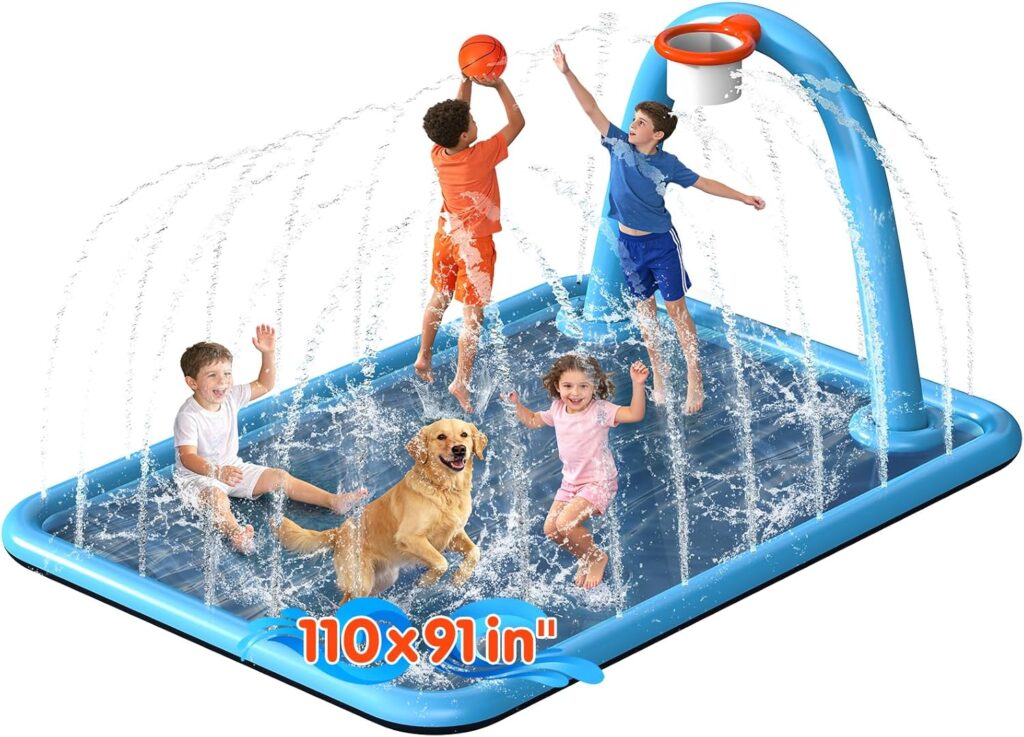
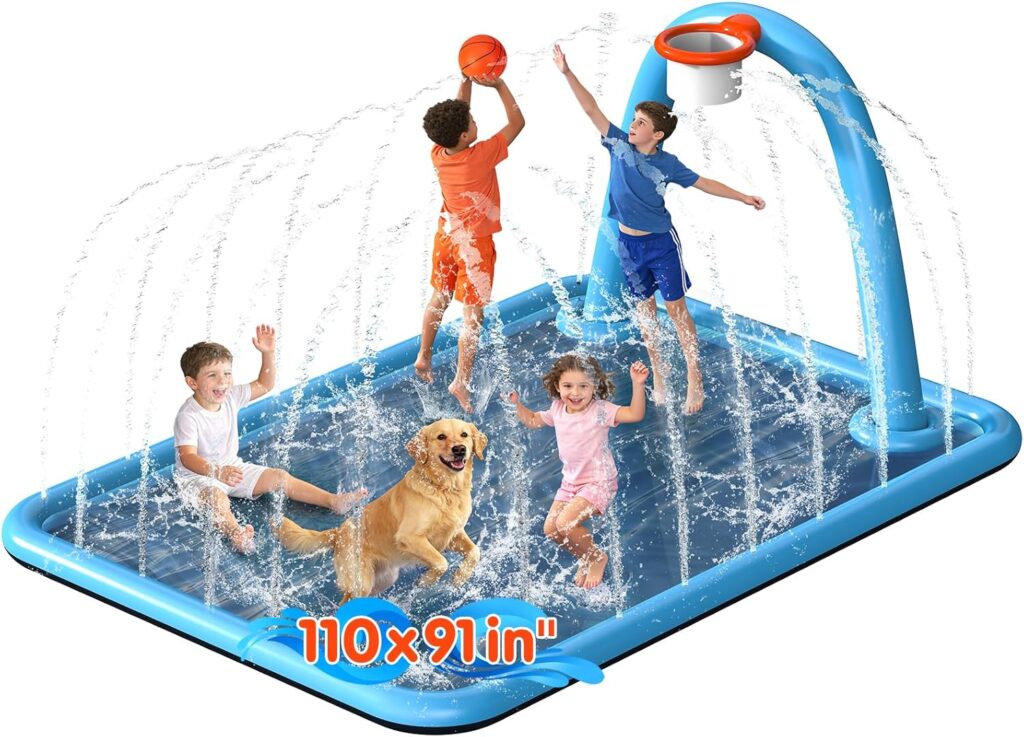
- Splash Pad With Basketball Hoop
- Pool Pillow
Feel free to visit these pages to explore more of our high-quality, durable pet products and summer outdoor solutions!
Get A Fast quote
Here, bringing your inflatable concepts to life is no longer a challenge—it’s a collaborative journey where American Epsilon helps families, outdoor enthusiasts, and global brands transform creative ideas into safe, certified, and market-ready inflatable solutions.


Partner With Epsilon
Whether you are a family looking for safe backyard fun or a brand seeking large-scale OEM/ODM solutions, American Epsilon Inc. guarantees every inflatable is built with safety, durability, and excitement in mind. With flexible low MOQs, strategically placed warehouses in the U.S., Canada, U.K., and Germany, plus 24/7 professional support, we ensure smooth delivery and reliable service worldwide.
Ready to bring your inflatable ideas to life? Request free samples, fast prototypes, and customized designs today—your trusted inflatable journey starts here.