Skip to content

Water pressure is an essential element for creating an enjoyable and safe splash pad experience. It directly affects the intensity and distribution of water spray, which can make or break the fun factor. Whether you’re setting up a splash pad for kids, pets, or large family gatherings, finding the right balance of water pressure ensures optimal performance and longevity. But what is the right PSI for your splash pad?
In this guide, we’ll walk you through the key factors that determine splash pad water pressure, why it matters, and how to measure and adjust it. We’ll also explore the impact of water pressure on durability, safety, and water conservation, so you can make informed decisions for your setup.
You’ll also learn about common issues like water waste, and how adjusting the water pressure can minimize these concerns, ensuring your splash pad works for longer. Imagine a backyard where water sprays just the right amount, creating the perfect water playground for kids and pets. Stick around to find out how you can achieve this!
What is Splash Pad Water Pressure?
Water pressure in a splash pad refers to the force with which water is pushed through the system, affecting how it flows from the jets and how high or far it sprays. This pressure is measured in PSI (pounds per square inch) and is crucial for splash pad performance.
Water pressure impacts several key factors:
- Spray Height: Higher pressure creates taller sprays, while lower pressure results in smaller, gentler sprays.
- Coverage Area: Proper pressure ensures the water spreads evenly across the entire splash pad for consistent coverage.
- User Experience: Too much pressure can create harsh splashes, while too little can result in weak or inconsistent water flow.
Why is Water Pressure Important?
Water pressure directly affects the intensity, spray height, and coverage area of the water. Proper water pressure ensures an even distribution of water, covering the entire splash pad area with the right spray height. If the pressure is too low, the spray may feel weak, and coverage may be uneven, resulting in a subpar experience. On the other hand, if the pressure is too high, it can create excessive splashing, leading to a messy and potentially unsafe environment, especially on hard surfaces.
Maintaining the correct water pressure ensures a smooth, enjoyable experience for all users, providing the right balance of water flow and coverage.
Ideal Water Pressure Range for Splash Pads
For most residential splash pads, the optimal water pressure is between 30 and 50 PSI. Here’s a breakdown:
- 30–40 PSI: Best for small splash pads, especially those designed for kids and pets. It offers a gentle spray that’s safe and enjoyable.
- 40–50 PSI: Suited for larger or commercial splash pads, where higher pressure allows for taller sprays and larger coverage, making the experience more exciting.
How to Know if Your Water Pressure is Right?
Regularly check water pressure to ensure optimal performance. If the spray is weak or inconsistent, adjust it promptly. Use a water pressure gauge to measure PSI and ensure it’s within the optimal range for your splash pad. If necessary, use a pressure regulator or flow control valve to adjust.
How to Measure Splash Pad Water Pressure?
Measuring the water pressure for your splash pad is a simple yet crucial task to ensure optimal performance. Knowing your PSI (pounds per square inch) helps you determine if the water flow is strong enough for fun or if adjustments are needed.

Why Measure Water Pressure?
- Ensure Optimal Spray: The right PSI ensures that your splash pad’s water jets work properly, spraying evenly and at the right height.
- Prevent Damage: Too high a pressure can damage the splash pad material, while too low a pressure may cause weak sprays and underperformance.
- Maintain Efficiency: Monitoring your water pressure helps save water and energy, preventing unnecessary waste.
Steps to Measure Water Pressure:
- Get a Water Pressure Gauge: A water pressure gauge is an affordable tool that attaches to your faucet or hose. It measures the water pressure coming from your supply. You can find these gauges at most hardware stores or online (typically $10–$20).
- Attach the Gauge: Securely connect the gauge to the faucet or hose bib where your splash pad is hooked up. Ensure it’s tightly fastened to avoid leaks.
- Turn On the Water: Open the faucet fully to allow water to flow. This ensures an accurate reading. Let the water run briefly for the gauge to stabilize.
- Check the Gauge: Once the water is running at full pressure, check the reading. The ideal PSI for most residential splash pads falls between 30–50 PSI.
- 30–40 PSI: Ideal for small or pet-friendly splash pads.
- 40–50 PSI: Better for larger family setups or commercial splash pads.
- Adjust if Necessary: If the PSI is too high or too low, you may need to install a pressure regulator or flow control valve to fine-tune the flow.
Common Water Pressure Issues & Solutions:
- Low Pressure: If PSI is below 30, the spray may be weak. Solution: Check for blockages in the hose, like dirt or sediment. Clear them out or use a pressure booster if the supply pressure is naturally low. Sometimes, you may also need to check for any water supply issues or a faulty faucet.
- High Pressure: If PSI exceeds 50, the spray could be too forceful, leading to water waste or potential damage. Solution: Install a pressure regulator or use adjustable nozzles to reduce the pressure. Nozzles with a wider spray pattern can also reduce the intensity and spread the water more evenly.
Understanding Pressure Variability in Your Area:
- What Affects Water Pressure? Local plumbing and the distance from the water source can affect pressure. For instance, older pipes or higher elevations may result in lower pressure. Water pressure is also impacted by peak usage times, which can cause fluctuations in spray performance.
- Test for Variability: Measure the pressure at different times, especially during peak usage hours, to check for fluctuations. If the pressure is consistently lower or higher at certain times, you may need to install a pressure regulator or booster pump.
How to Fix Pressure Variability:
- Install a Pressure Booster: If you live in an area with naturally low pressure or experience fluctuating pressure, installing a booster pump can help increase the flow and stabilize the pressure for a better splash pad experience.
- Use Flow Control Valves: These valves help adjust the flow and ensure consistent pressure even if your water supply varies.
How to Achieve the Best Water Pressure for Your Splash Pad?
The ideal water pressure for your splash pad depends on several factors, including the size of the splash pad, its design, and how it’s being used. Understanding the appropriate water pressure ensures your splash pad functions optimally, providing a fun and safe experience for kids, pets, and families. Too little pressure might leave the water jets weak and ineffective, while excessive pressure could lead to dangerous situations and water wastage.

Ideal Water Pressure Range for Different Splash Pads
Water pressure is measured in PSI (pounds per square inch), and it’s critical for ensuring your splash pad performs at its best. The ideal PSI range for most residential splash pads is between 30 and 50 PSI. Here’s an optimized guide to understanding the effect of different PSI levels on spray performance:
| Water Pressure Range (PSI) | Effect on Spray | Recommended Use | Ideal For |
|---|---|---|---|
| 30–40 PSI | Gentle spray, wide coverage | Best for small splash pads, safe for kids & pets | Residential use, pet-friendly setups |
| 40–50 PSI | Stronger spray, higher jets | Suitable for larger splash pads, higher coverage and spray power | Larger residential or commercial setups |
| Above 50 PSI | Excessive force, risk of damage | Not recommended for safety or efficiency | Not suitable for residential use or small pads |
Why the Right PSI Matters?
The right PSI is essential for ensuring both fun and safety. High water pressure can cause excessive force, which may harm children or pets and increase the risk of slips and falls, especially on hard surfaces. Low water pressure, while safer, may result in weak sprays and insufficient coverage, reducing the excitement and effectiveness of the splash pad.
Moreover, maintaining optimal pressure helps conserve water. Excessive water pressure often leads to water wastage, which increases water bills. By adjusting the water pressure to the ideal range, you can optimize water usage, ensuring both efficiency and a safe, fun experience.
How to Adjust Water Pressure for Your Splash Pad?
To maintain optimal water pressure, consider using pressure regulators, adjustable nozzles, or flow control valves. These tools ensure that water pressure stays within the desired range, preventing damage while maximizing the fun.
- Impact of PSI on Spray Patterns
Water pressure plays a significant role in controlling both the spray height and coverage. For
smaller splash pads , a lower PSI (30-40 PSI) is recommended to create a gentle spray with a wide coverage that is safe for children and pets. It ensures the spray is soft and consistent without causing discomfort.
On the other hand, for larger splash pads or commercial setups, a higher PSI (40-50 PSI) is ideal, as it produces stronger sprays with higher jets, providing greater coverage. This range is perfect for features such as fountains, arches, or interactive jets that require more force to function effectively.
Factors to Consider for Adjusting PSI
There are several factors that will influence how you adjust the PSI for your splash pad:
- Size of the Splash Pad: Larger splash pads require more water pressure to cover the entire area and ensure that the water reaches the desired height. Smaller pads, especially those designed for kids or pets, can operate well with lower water pressure.
- Water Features: If your splash pad includes additional water features, such as fountains, misters, or water arches, you will likely need higher PSI to ensure these features are fully functional. Lower PSI might result in underwhelming or ineffective spray patterns.
- Water Conservation: While higher PSI can improve the fun and coverage of the splash pad, it can also lead to higher water usage. If you’re looking to conserve water, it’s best to adjust the PSI to a lower setting, especially for smaller splash pads.
How to Achieve the Best Water Pressure for Your Splash Pad?
If your splash pad spray isn’t strong enough, or if it’s too harsh, you can adjust the water pressure easily with the following tools and tips:
- Use a Pressure Regulator: A pressure regulator is an effective tool to control water pressure. It ensures that the water flow remains within the optimal PSI range, preventing damage caused by excessive pressure. Regulators are especially useful for areas where water pressure fluctuates.
- Adjustable Nozzles and Sprinklers: Many splash pads come with adjustable nozzles or sprinklers that allow you to control the water flow and spray direction. By adjusting these nozzles, you can fine-tune the spray height and width, ensuring an enjoyable and safe experience for users.
- Monitor and Test Regularly: It’s important to regularly monitor the PSI, especially if you notice any changes in spray coverage or pressure. Use a water pressure gauge to check the PSI every few weeks or at the beginning of each season. This ensures that your splash pad continues to perform at its best.
Achieve the Perfect Balance for Safety and Fun
The best PSI for your splash pad is one that balances performance, fun, safety, and durability. For most residential setups, maintaining a PSI of 30-50 PSI will provide optimal water flow while ensuring safety and longevity. Adjusting the PSI based on the size of your splash pad and the features you have will help maintain a fun, safe, and effective water play experience for years to come.
By keeping your splash pad water pressure in check, you ensure that it remains enjoyable, safe, and durable. Whether you are setting up a small backyard pad or a larger commercial feature, finding the right balance is key to maximizing your splash pad’s performance and minimizing water waste.
Does High Water Pressure Affect Splash Pad Durability?
Yes, excessive water pressure can significantly impact the durability of your splash pad. While splash pads are designed to handle exposure to water, high pressure can create unnecessary strain on the materials, leading to wear and damage over time. Prolonged use of high water pressure can cause the splash pad material to weaken, tear, or lose its integrity faster than anticipated.

How High Pressure Affects Durability
Water pressure doesn’t just affect the spray height or intensity—it also plays a key role in the overall longevity of your splash pad’s materials. Here’s how excessive water pressure can impact the structural integrity of your splash pad:
- Material Strain: Splash pads are typically made from PVC or composite materials, both of which are durable but still susceptible to extreme pressure. When exposed to high water pressure, the material can stretch or warp, especially in areas where seams, joints, and connections are located. Over time, the continuous strain on these weak spots could lead to leaks, tears, or premature wear and tear. The added stress can break down the flexibility of the material, weakening its ability to withstand regular use.
- Joint and Seam Damage: The seams and joints of the splash pad, where the pieces are sealed together, are particularly vulnerable to excessive pressure. These areas bear the most force when water is entering and exiting the splash pad. Over time, high pressure can cause the seams to fail, resulting in water leaks or even splits along the edges. For inflatable splash pads, this could cause air leaks, leading to deflation and reduced water pressure, undermining the entire functionality of the pad.
- Fading and UV Damage: High pressure not only accelerates the mechanical wear and tear of the materials, but it can also contribute to UV damage. When combined with direct sunlight, high water pressure can lead to accelerated breakdown of the material’s surface. This causes color fading and potentially cracks or surface degradation, making the splash pad look worn out much sooner than expected.
- Risk of Abrasions: Stronger water pressure can impact the surface of the splash pad with greater force, leading to abrasions and scratches. Although this might not happen immediately, over time the surface could become rough, making it less visually appealing and prone to dirt buildup or algae growth, especially in humid environments.
Signs High Water Pressure is Damaging Your Splash Pad
If your splash pad is being exposed to high water pressure, there are a few signs that may indicate damage:
- Visible Damage to Seams or Joints: Cracks, splits, or visible tears along the seams or edges of the splash pad are clear indicators of high pressure. These areas are under constant stress, and excessive pressure exacerbates this issue.
- Frequent Leaks: Water leaking from certain parts of the splash pad or spraying in unintended directions is often a sign that the material is failing under high water pressure. These leaks are usually caused by weakened seams or joints.
- Decreased Water Coverage: In some cases, high pressure can cause water to pool in certain areas, leading to uneven water distribution. If certain areas are receiving more water while others remain dry, it could be due to pressure being too high and not properly balanced across the entire splash pad.
How to Prevent Damage from High Water Pressure
Fortunately, you can take several proactive steps to avoid the damaging effects of high water pressure:
- Use a Pressure Regulator: Installing a pressure regulator is one of the most effective solutions for controlling water pressure. A regulator keeps the water pressure consistent and prevents high-pressure spikes, reducing the risk of damage. It’s easy to install and can ensure that the water pressure remains within safe limits, preserving the longevity of your splash pad.
- Monitor Pressure Regularly: Regularly checking the water pressure with a pressure gauge helps you stay on top of any fluctuations. If you notice that the pressure is rising above the ideal range, you can adjust it before it causes damage. Monitoring pressure is especially important in areas with inconsistent water supply or during peak usage times.
- Adjust Nozzles and Sprinklers: Many splash pads come with adjustable sprinklers or nozzles that let you control the water pressure and spray direction. If you’re experiencing excessive spraying or splashing, adjusting the nozzles can help redirect the water flow and reduce pressure, while still maintaining an enjoyable experience for users.
- Limit Pressure for Smaller or Residential Splash Pads: If you’re setting up a smaller splash pad, it’s best to keep the pressure on the lower end, around 30–40 PSI. This range is especially ideal for pet-friendly or kid-friendly splash pads, where gentle water flow is safer and more enjoyable. For larger setups or commercial splash pads, a higher PSI may be needed but should stay within the 50 PSI limit to avoid unnecessary strain.
How to Ensure Long-Term Durability of Your Splash Pad
To ensure that your splash pad remains in good condition for many seasons, here are some steps to follow:
- Use a Pressure Regulator: Always install a pressure regulator to maintain consistent water flow.
- Monitor and Adjust Regularly: Regularly check the PSI and adjust it as necessary. This will help maintain the right balance between water pressure and durability.
- Inspect for Damage: Keep an eye on seams, joints, and the surface for any signs of wear. Repair any small tears or cracks promptly to prevent further damage.
By following these steps, you can significantly extend the life of your splash pad, ensuring it remains a fun and safe feature in your backyard or business for many years.
Extend the Lifespan of Your Splash Pad with Epsilon
Excessive water pressure may damage your splash pad, but with the right tools and maintenance, you can preserve your investment for years to come. At Epsilon, we offer splash pads designed with durable, high-quality materials that can withstand moderate water pressure while maintaining a fun, safe experience. If you’re looking for customized solutions to fit your needs, or want to discuss how to enhance the longevity of your splash pad, contact us today for a custom quote or more information.
How to Adjust Water Pressure on Splash Pads?
Adjusting the water pressure for your splash pad is an essential task to ensure the best performance and enjoyment. Proper water pressure is crucial for creating the right spray height, coverage, and overall fun. Whether the water is splashing too high or not enough, adjusting the pressure can help you achieve the ideal flow for an optimal splash pad experience.
Why Adjust Water Pressure?
Water pressure directly affects how the water sprays, how far it reaches, and how evenly it covers the splash pad. If the pressure is too high, the water might splash excessively, creating a messy or even unsafe environment. If the pressure is too low, the water jets may not reach the desired height or cover enough area. Properly adjusting the pressure ensures that the splash pad performs at its best, creating a fun, safe, and enjoyable experience.
Methods to Adjust Water Pressure:
Here are a few ways to adjust water pressure, whether you need to reduce it or increase it for better performance.
1. Use a Pressure Regulator
A pressure regulator is one of the most effective and simplest ways to control water pressure for your splash pad. It ensures that the water entering your splash pad stays at a consistent and safe PSI level.
- What is a Pressure Regulator? A pressure regulator is a device that attaches to your water source (such as a garden faucet or hose bib) and limits the maximum water pressure flowing into your splash pad system. It helps maintain the water pressure within the ideal range, preventing damage caused by excessive pressure.
- Why Use a Pressure Regulator? If you live in an area where water pressure fluctuates, a pressure regulator helps ensure consistency. It’s especially useful for smaller splash pads or residential setups where the water pressure doesn’t need to be too high. By using a pressure regulator, you can protect the splash pad from unnecessary wear and tear while ensuring safety for users.
- How to Install a Pressure Regulator: Simply attach the pressure regulator to the faucet or hose bib before connecting it to the splash pad. Most pressure regulators are easy to install without professional help. Set the regulator to a PSI range of 30-50 PSI for residential splash pads or adjust it higher for larger setups.
2. Install a Flow Control Valve
A flow control valve is another useful tool for adjusting the water flow, ensuring that the pressure stays consistent and does not exceed the desired levels.
- What is a Flow Control Valve? A flow control valve attaches to the hose or pipe leading to your splash pad and helps reduce or increase the water flow, limiting the amount that passes through at any given time.
- Why Use a Flow Control Valve? A flow control valve is ideal for fine-tuning water pressure. While pressure regulators maintain overall pressure consistency, a flow control valve allows you to adjust the flow rate precisely. This gives you more control over the spray’s intensity and coverage, which is particularly helpful for varying spray patterns.
- How to Use a Flow Control Valve: Attach the flow control valve between the faucet and the splash pad hose. These valves usually come with an adjustable knob that lets you increase or decrease the water flow as needed. This is perfect for achieving the desired spray pattern without affecting the overall pressure.
3. Adjust the Nozzles or Sprinklers
If your splash pad has adjustable nozzles or sprinklers, you can fine-tune the water pressure directly at the water spray points.
- What are Adjustable Nozzles? Adjustable nozzles allow you to change the height, direction, and intensity of the water spray. These can be found on most splash pads, whether residential or commercial.
- Why Adjust the Nozzles? Adjusting the nozzles is a quick and easy way to control the water spray. If you notice that the water pressure is too high in one spot, you can use the nozzles to redirect or lower the intensity, creating a more uniform water flow across the splash pad.
- How to Adjust Nozzles: Turn the nozzle or sprinkler head to adjust the water flow. Most nozzles have a simple mechanism where you can tighten or loosen the head to either increase or decrease the water flow. If you have a larger splash pad with multiple nozzles, adjusting each one individually can help balance the water pressure across the entire pad.
4. Check for Blockages or Leaks
Occasionally, water pressure issues are caused by blockages or leaks in the system. If you notice inconsistent water flow or weak sprays, check the hose, connections, and sprinklers for any obstructions.
- Why Blockages Matter: Blockages in the hose or at the sprinkler heads can restrict water flow, causing the pressure to drop. This is a common issue that can lead to uneven spray coverage and poor performance.
- How to Check for Blockages: Disconnect the hose from the faucet and splash pad, and visually inspect the hose for any obstructions, like dirt or debris. If found, clear them using a garden hose or small brush. Also, check the nozzles or sprinkler heads for debris that may be clogging the water spray.
- Why Leaks Matter: Leaks in the hose or connections can lead to water loss, which affects the pressure. If you notice water dripping or wet spots, tighten the fittings or replace any worn-out hoses.
- How to Check for Leaks: Inspect the hose and connections for leaks or wear. If the hose is old or damaged, replace it. For connections, use Teflon tape or tighten the fittings to ensure a secure seal.
5. Monitor Pressure with a Gauge
After making adjustments, it’s always a good idea to monitor the water pressure with a pressure gauge to ensure the pressure remains within the ideal range.
- Why Use a Pressure Gauge? A water pressure gauge allows you to measure the PSI (pounds per square inch) coming out of your hose. Regularly checking the pressure ensures the system is working optimally and prevents damage caused by excessive pressure.
- How to Use a Pressure Gauge: Attach the gauge to the hose bib or faucet where the splash pad is connected. Turn on the water fully, and let the pressure stabilize. If the PSI is too high or low, adjust accordingly using the methods described above (pressure regulator, flow control valve, etc.).
How to Keep Your Splash Pad Running Smoothly
Regularly checking and adjusting the water pressure of your splash pad ensures that it remains fun, safe, and efficient for years to come. Follow these steps to get the most out of your splash pad experience:
- Install a Pressure Regulator to maintain consistent pressure.
- Monitor Pressure using a pressure gauge to avoid overuse or underperformance.
- Adjust Nozzles or Sprinklers for precise control of water flow and coverage.
- Check for Blockages and Leaks to prevent issues that could affect water pressure.
By properly adjusting and maintaining the water pressure, you can enjoy a well-functioning splash pad that delivers consistent water play for all users.
Achieving the Right Water Pressure for Maximum Fun
Getting the right water pressure is key to getting the most out of your splash pad. Whether you’re setting up a small backyard splash pad for kids or a larger, commercial water feature, the pressure influences everything—from spray height to safety and durability.
Maintaining the correct water pressure ensures a fun, safe, and efficient experience. Too low a pressure might leave your splash pad underwhelming, with weak sprays and uneven coverage. On the other hand, excessive pressure can lead to excessive splashing, making the experience messy and potentially causing safety concerns, such as slips or damage to the pad.
Why the Right PSI Matters
Having the right PSI is crucial for performance and safety. Now that you know how to achieve the right water pressure, let’s dive into the steps for managing it effectively.
- Fun & Playability: The ideal PSI strikes the right balance between a powerful spray and gentle, fun play. A range of 30-50 PSI is typically perfect for residential splash pads. This range ensures water sprays are engaging, high enough for kids and pets, but not too intense to cause discomfort or accidents.
- Safety: Too much pressure can create high jets of water that might harm children or pets, particularly if the splash pad is on a hard surface. The right PSI ensures that the spray remains comfortable and non-hazardous for everyone.
- Water Conservation: Setting the right water pressure helps you avoid wasting water, which is good for both the environment and your water bill. Splash pads, especially larger ones, can use significant amounts of water if the pressure is too high. Adjusting the pressure to the optimal range reduces water wastage, making your splash pad setup more sustainable.
How to Achieve the Best Water Pressure for Maximum Fun
- Measure Pressure Regularly: Use a simple water pressure gauge to make sure your splash pad’s water pressure stays within the desired range. A gauge is easy to use and attaches to your faucet or hose connection. Checking the pressure periodically, especially at the start of the season, ensures that the system operates at optimal performance.
- Adjust and Fine-Tune: Depending on your splash pad’s size and design, you might need to fine-tune the pressure. Smaller splash pads typically function well with lower pressures (30-40 PSI), while larger setups with more water features or higher sprays might need more pressure (40-50 PSI). Use flow control valves or pressure regulators to make the adjustments, ensuring the pressure is perfect for fun and safety.
- Monitor for Leaks and Blockages: Regularly inspect hoses, nozzles, and connections for any leaks or blockages. Even small leaks can reduce water pressure and lead to poor performance. If you notice the water pressure dropping, check for visible issues and fix them quickly. This will help maintain consistent water flow and extend the lifespan of your splash pad.
- Maintain Consistency: Fluctuating water pressure can affect splash pad performance. If your area experiences inconsistent water pressure (due to time of day, plumbing system, or other factors), consider installing a pressure regulator. This device helps maintain a consistent water pressure, regardless of external fluctuations.
Safe, Fun, and Long-lasting Water Play
Proper water pressure is essential—not only for the fun factor but also for ensuring your splash pad operates efficiently, lasts longer, and provides a safe environment for everyone. Whether you’re setting up a small splash pad for your backyard or a large-scale installation, maintaining optimal water pressure ensures your splash pad performs at its best for years to come.
For high-quality, durable splash pads that combine fun, safety, and longevity, Epsilon has the perfect solution. Our splash pads are designed with the right materials to handle various water pressures, ensuring they remain sturdy, safe, and enjoyable. Contact us today for a custom quote or more information about our splash pad offerings.
How to Ensure Long-Term Splash Pad Durability
Ensuring that your splash pad lasts for many seasons involves more than just setting it up and using it. Long-term durability is dependent on several factors including the quality of the materials, maintenance routine, and water pressure management. By taking proactive steps, you can preserve your splash pad, maximize its lifespan, and ensure it continues to provide a fun and safe environment for years.
1. Choose High-Quality Materials
The foundation of a durable splash pad is choosing high-quality materials. PVC and composite materials are commonly used because of their durability, resistance to wear and UV damage, and safety for children and pets.
| Material | Key Benefits | Why It Matters |
|---|---|---|
| PVC | Durable, Water-Resistant, UV-Resistant | – Handles constant water exposure without deteriorating quickly- Resists abrasion from foot traffic and pets- Prevents mold and mildew buildup |
| Composite Materials | UV Protection, Enhanced Durability, Wear-Resistant | – Built-in UV protection prevents fading and cracking- Designed to withstand outdoor elements and heavy use |
Epsilon’s High-Quality Materials
Epsilon’s splash pads are made with superior-quality PVC and composite materials, ensuring durability and resistance to UV rays, water, and wear. Whether you’re looking for a pet-friendly splash pad or a larger commercial setup, our materials are built to withstand the elements and provide a long-lasting solution.

2. Regular Maintenance and Cleaning
Routine cleaning and maintenance are essential for prolonging the lifespan of your splash pad. Keeping the pad clean prevents the buildup of dirt, algae, or other contaminants that could damage the material or clog water jets.
| Cleaning Frequency | Tasks | Recommended Tools | Notes |
|---|---|---|---|
| Daily | Rinse off visible debris, dirt, or pet hair | Garden hose or soft cloth | Helps prevent buildup of dirt or debris. |
| Weekly | Clean water jets and nozzles to prevent clogs | Soft brush or cloth | Prevents clogging and maintains flow. |
| Monthly | Inspect for damage (tears, cracks, fading); check seams | Visual inspection | Reinforce seams and joints as needed. |
| Every 2-3 Months | Deep cleaning with mild detergent and warm water | Mild detergent, sponge | Avoid harsh chemicals; prevents algae. |
3. Proper Water Pressure Management
As highlighted in earlier sections, managing water pressure is essential to maintaining the longevity of your splash pad. Too much pressure can weaken the material over time, while too little pressure can strain the system and lead to poor performance.
How to Maintain the Right Water Pressure:
- Pressure Regulator: Use a pressure regulator to keep the water pressure consistent. This ensures water flows at the ideal PSI (typically 30-50 PSI for residential pads). A steady flow reduces the risk of material strain and leaks.
- Adjustable Nozzles: Many splash pads come with adjustable nozzles or sprayers. Regularly check these settings to ensure the pressure isn’t too high, and that water is evenly distributed across the surface.
- Monitor Water Flow: Regularly check spray coverage to ensure even distribution. If certain areas are receiving more water than others, there may be an issue with the water flow or pressure.
4. Protect Against Harsh Weather Conditions
Exposing your splash pad to extreme weather conditions without proper protection can shorten its lifespan. Whether it’s high heat, strong winds, or cold winters, harsh weather can cause significant wear on your splash pad.
Winterizing Your Splash Pad:
- Draining: In colder climates, always drain the water from the splash pad before winter to prevent freezing water that could cause cracks or material damage.
- Storage: If possible, store your splash pad during the off-season to avoid exposure to harsh weather. If you can’t store it, cover it with a waterproof tarp to protect it from snow, ice, and debris.
- Check for Damage: Before setting up in the spring, inspect the pad for cracks or tears that may have developed over the winter. Repair any damage promptly for safe use.
Protecting Against UV Damage:
- Use UV Covers: When not in use for an extended period, cover the splash pad with a UV-resistant tarp. This will help protect the material from sun exposure, which can cause fading and degradation over time.
- Strategic Placement: Place your splash pad in a shaded area during peak sunlight hours to reduce UV exposure, preserving the colors and structural integrity of the material.
5. Regular Inspections and Repairs
To keep your splash pad in top condition, inspect it regularly for signs of wear. Prompt repairs can prevent minor issues from developing into larger, more costly problems.
What to Inspect:
- Seams and Joints: These areas are the most vulnerable. Look for gaps, splits, or signs of wear. Any small tears or leaks should be patched immediately to avoid further damage.
- Water Jets: Inspect the water jets and nozzles for clogs, which can reduce water pressure and cause damage. Clean the jets regularly to maintain optimal function.
- Surface: Check for cracks or abrasions on the surface. If you spot any, repair them promptly to prevent worsening issues.
6. Store Properly When Not in Use
Proper storage when your splash pad is not in use is crucial for its longevity. This helps prevent damage from environmental factors like sun exposure, rain, and wind.
How to Store:
- Dry Storage: When not in use, store the splash pad in a dry, cool location. For inflatable models, ensure it’s deflated and stored in a protective bag.
- Avoid Heavy Items: Do not store heavy items on top of the splash pad, as this could cause unnecessary pressure or damage to the material.
Ensuring Long-Term Fun and Durability
By following these simple yet effective steps, you can ensure your splash pad remains in excellent condition for years. Opt for high-quality materials, maintain regular cleaning and maintenance routines, manage water pressure effectively, and protect against harsh weather conditions. Regular inspections and proper storage during the off-season will also help extend the lifespan of your splash pad.
If you want a splash pad built to last, Epsilon offers durable, high-performance splash pads designed to withstand pressure and the elements. Contact us today to explore custom options, get a personalized quote, or learn more about our wide range of splash pad solutions.
Suggested Water Pressure Ranges for Different Types of Splash Pads
| Type of Splash Pad | Recommended Pressure Range (PSI) | Ideal for |
|---|---|---|
| Small Residential Pads | 30-40 PSI | Kids and pets, smaller setups |
| Larger Family Pads | 40-50 PSI | Larger family or commercial setups |
| Commercial Pads | 50+ PSI | High-volume use, multiple features |

How Epsilon Can Help You Create the Perfect Splash Pad
At Epsilon, we believe that creating the perfect splash pad goes beyond just fun—it’s about safety, durability, and customization. Whether you’re designing a small backyard splash pad for kids or a large commercial setup for a community, Epsilon offers the expertise, materials, and customizable solutions you need to make it a reality. Here’s how we can help you create the best splash pad for your needs:
1. High-Quality, Durable Materials for Long-Lasting Performance
The foundation of every great splash pad is the material it’s made from. At Epsilon, we specialize in high-quality PVC and composite materials that are durable, UV-resistant, and designed to withstand years of water play. Our splash pads are built to endure exposure to water, UV rays, and regular wear and tear from foot traffic, pets, and outdoor conditions.
Durable PVC Construction:
- Our PVC material is specifically designed to be tough and water-resistant, ensuring your splash pad not only looks great but lasts longer. It’s built to handle the elements and won’t fade or wear out easily.
UV and Water-Resistant Composite:
- We also offer composite materials reinforced for additional durability. These provide enhanced resistance to UV damage, mold, and mildew, ensuring your splash pad maintains its appearance and functionality for years.
2. Custom Design and Size Options
Every yard and commercial space is unique, and so are your needs. That’s why Epsilon offers custom design options to ensure your splash pad is the perfect fit. Whether you need a small, child-friendly splash pad or a large setup with multiple water features, we can tailor the design to meet your specifications.
Customizable Features:
- From water jets and sprinklers to layout and overall design, we can help you create the splash pad of your dreams. Choose from a variety of spray patterns, water features, and adjustable nozzles that allow you to control water flow and spray height. This ensures a fun, safe, and customized experience for both kids and pets.
Variety of Sizes:
- Whether you’re looking for a compact design for a small backyard or a large commercial setup, we offer splash pads in various sizes. Our flexible solutions cater to both residential and commercial needs, so you can easily find the right fit for your space and budget.
3. Water Conservation and Eco-Friendly Solutions
At Epsilon, we prioritize sustainability. We offer eco-friendly solutions to help you conserve water while enjoying all the benefits of a splash pad.
Recirculating Systems:
- For larger or commercial setups, we can equip your splash pad with recirculating systems, allowing water to be filtered and reused. This reduces water consumption, making your splash pad more water-efficient and cost-effective over time. By recycling water, you help conserve resources and reduce waste.
Low-Pressure Options:
- For residential splash pads, we can recommend low-pressure designs that still deliver a satisfying spray effect while using less water. This helps reduce your water bill while maintaining performance.
4. Easy Installation and Expert Support
Installing a splash pad doesn’t have to be a daunting task. Epsilon makes the process easy. Our team provides expert guidance from start to finish, ensuring your splash pad is set up correctly and functions efficiently.
Simple Setup:
- Most of our splash pads come with clear, easy-to-follow instructions for quick installation. Whether you do it yourself or work with a professional, we ensure a smooth, hassle-free process.
Expert Support:
- Have questions or need advice? Our team is always ready to offer support and recommendations. From choosing the right water pressure to ensuring proper safety features, we’re here to help at every step.
5. Customizable Features for Both Residential and Commercial Use
Epsilon’s splash pads are designed for both residential and commercial use. We offer customization options to meet the unique needs of both setups.
Residential Use:
- For homeowners, we offer family-friendly splash pads that are safe for kids and pets. With adjustable water features and splash zones, we tailor each design to fit your space, providing both fun and safety.
Commercial Use:
- For commercial installations (e.g., parks, hotels, resorts), we provide splash pads with multiple water features, larger surface areas, and durable materials designed to handle high traffic. We can integrate elements like fountains, water arches, and interactive spray zones, creating an engaging experience for large groups.
6. Long-Term Durability and Maintenance Support
Your splash pad is an investment, and Epsilon ensures it remains in excellent condition for years. We don’t just sell you a splash pad—we provide maintenance tips and repair services to help you keep it running smoothly.
Low Maintenance:
- Our splash pads are designed for minimal maintenance. Regular cleaning, checking for leaks, and inspecting water features are the primary tasks to ensure optimal performance.
Repairs and Upgrades:
- Over time, your splash pad may need minor repairs or upgrades. Whether it’s replacing a damaged nozzle or updating the water features, Epsilon provides ongoing support to keep your splash pad in top shape.
7. Affordable and Transparent Pricing
At Epsilon, we believe in providing high-quality products at affordable prices. We offer transparent pricing with no hidden fees and work with you to find the best splash pad solution for your budget.
Custom Quotes:
- We offer personalized quotes based on your specific needs and preferences. Whether you’re looking for a residential splash pad or a large commercial setup, we ensure the price matches the solution.
No Hidden Costs:
- Our pricing is clear and straightforward—no surprises. We make sure you understand exactly what you’re paying for, from design to installation.
Contact Epsilon Today
Get in touch with Epsilon for expert guidance and a personalized quote tailored to your needs.
Why is Water Pressure Important?
- Email: epsilon2100@yahoo.com
- Phone: +1-909-248-8833
- Address: 6029 Primrose Ave, APT5, Temple City, CA 91780, USA
Ready to Build a Smarter Backyard Water Play Setup?
Creating a true “backyard water park” isn’t about buying one oversized product. It’s about combining movement, soaking, and interactive elements — while keeping water pressure balanced and safe.
A well-designed setup typically includes:
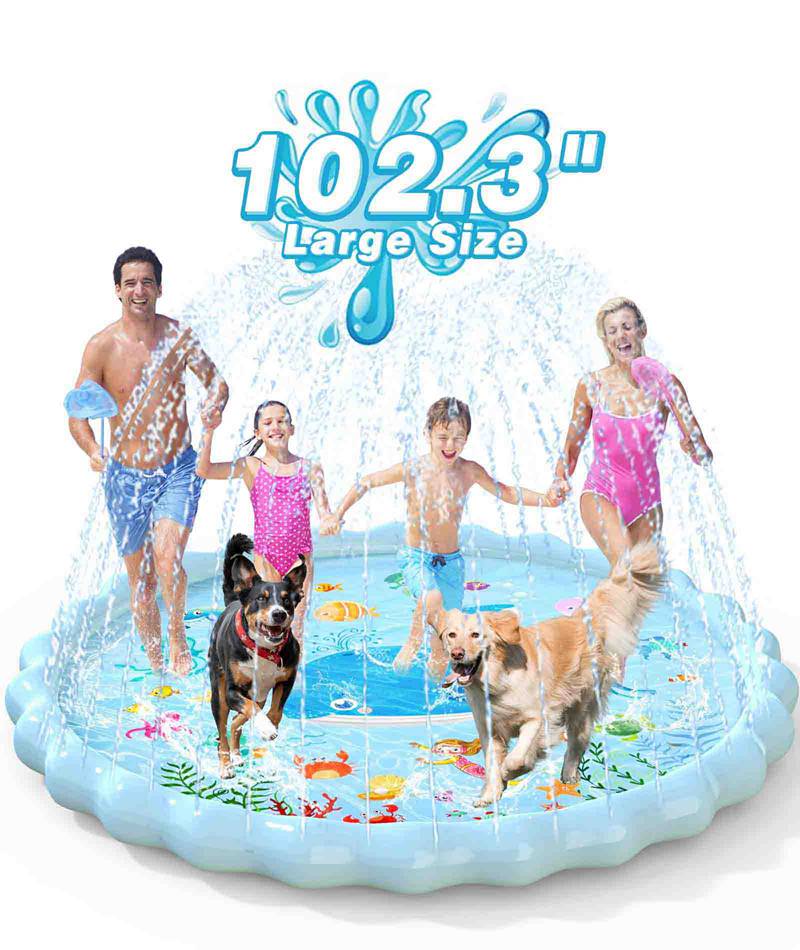
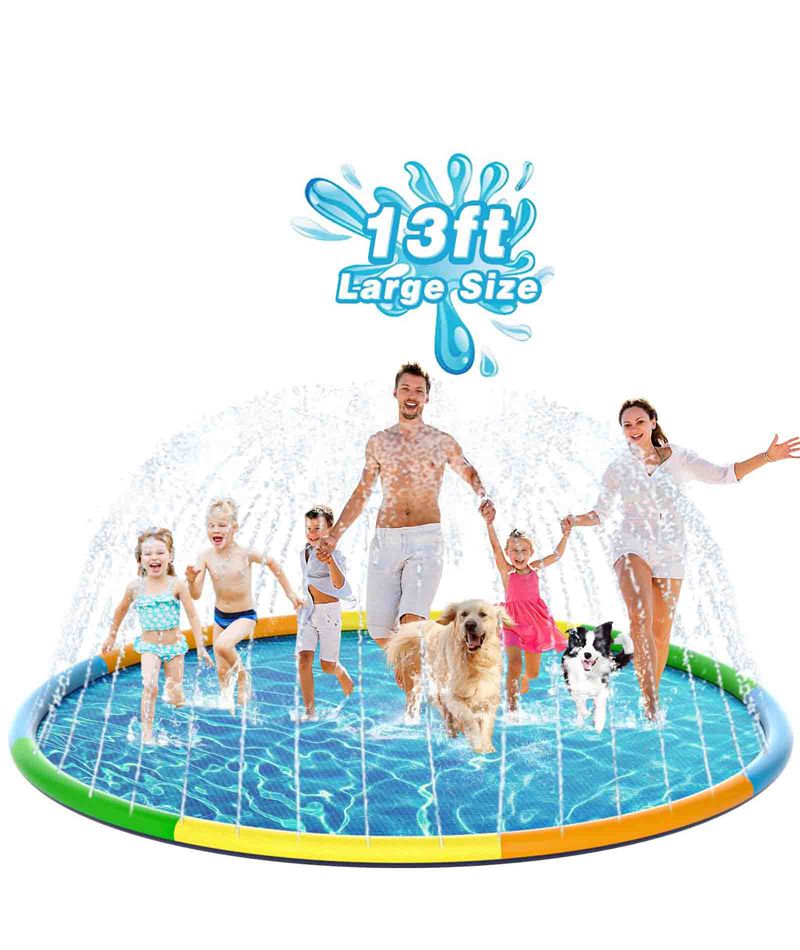
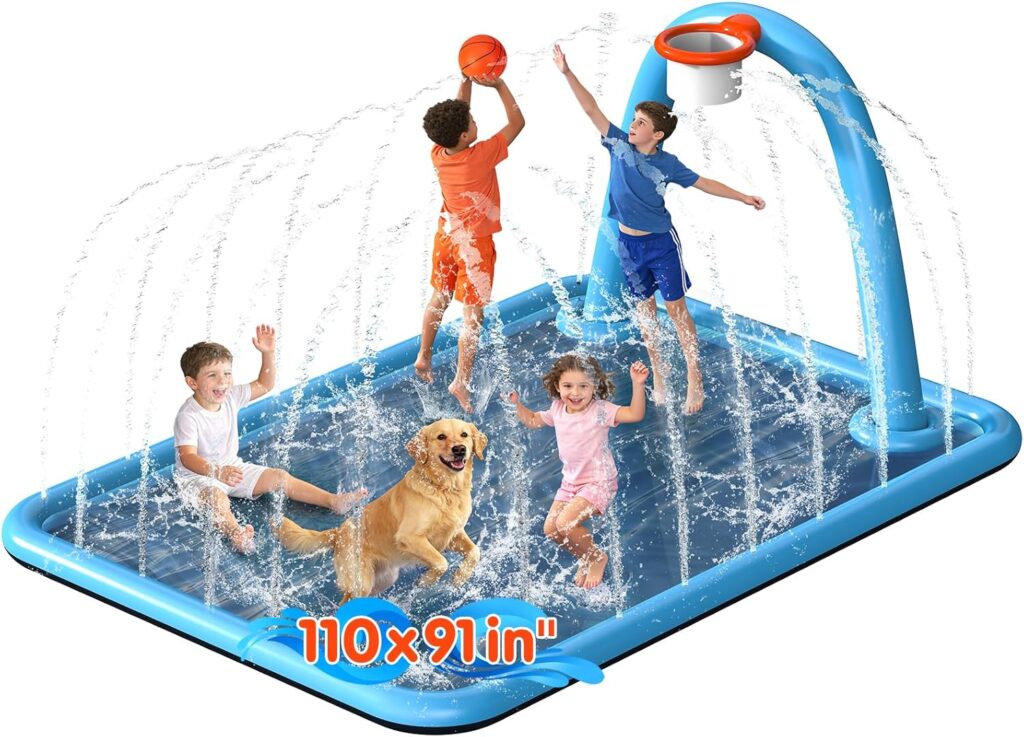
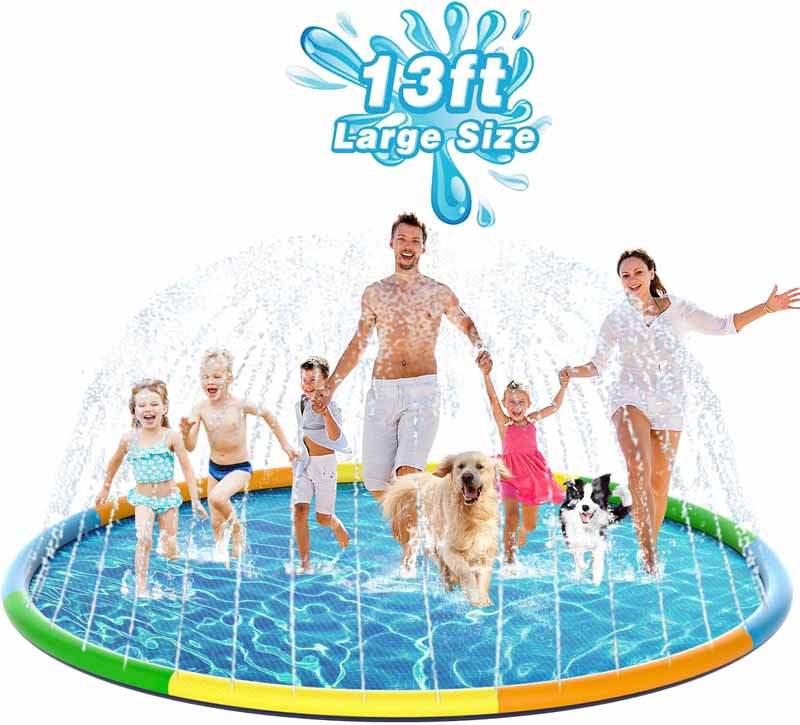
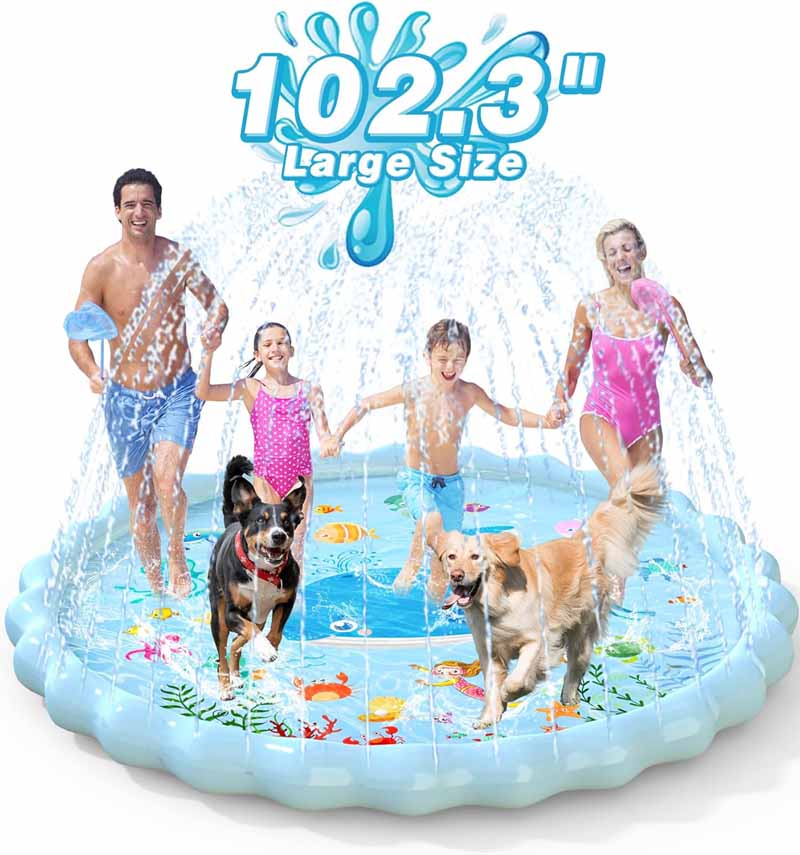
- A splash pad for continuous motion and spray play
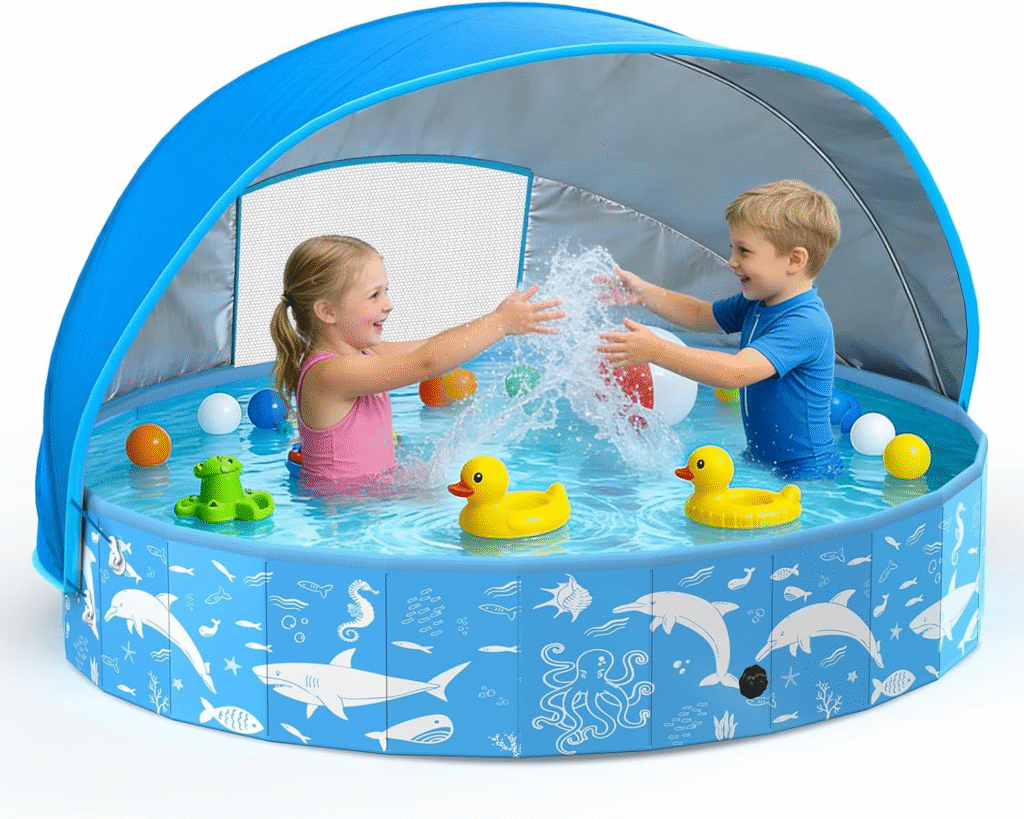
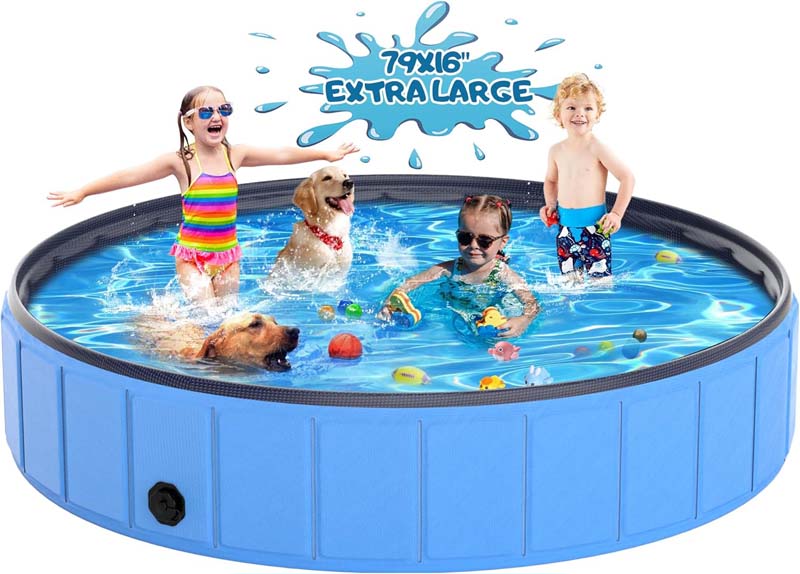
- A pool for longer cool-down sessions
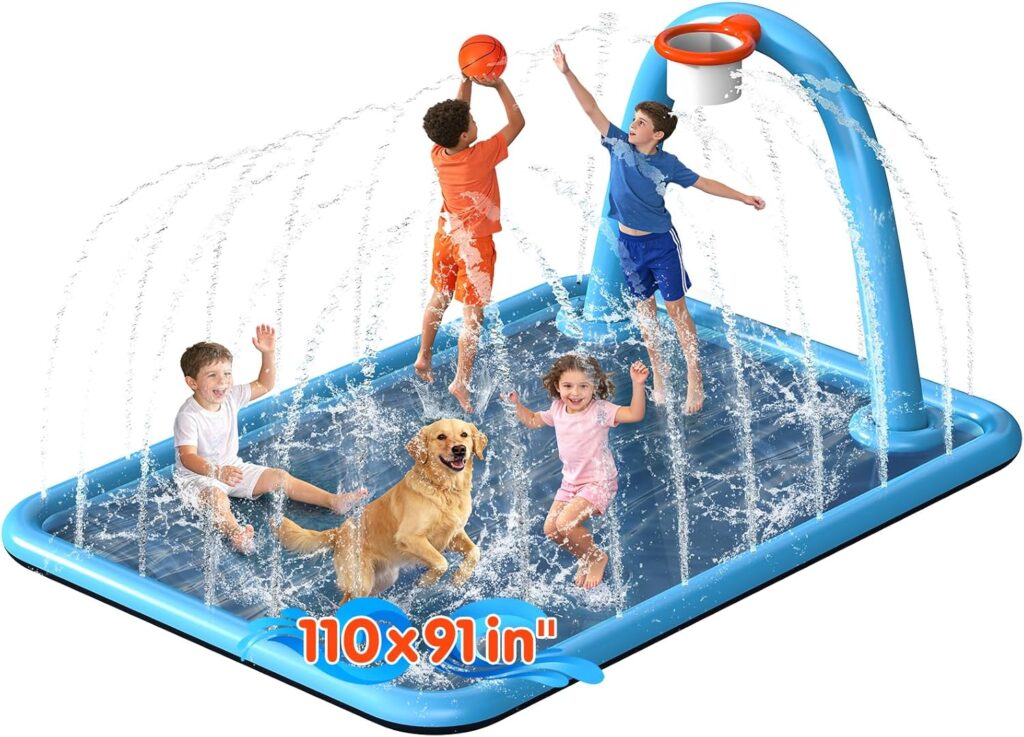
- A game feature (like a basketball or soccer element) to keep kids engaged
When these elements are engineered to operate within the recommended 30–50 PSI range, you get better performance, safer spray height, and longer product life.
Shop In-Stock Water Play Products on Amazon
If you’re looking for ready-to-ship options optimized for residential water pressure systems, here are some strong starting points:
Splash Pads for Active Play
Pet-Friendly Water Play Add-Ons
These products are designed to work efficiently under standard household PSI ranges, reducing spray imbalance and unnecessary material strain.
OEM / ODM: Build Your Own Water Play Line
If you’re developing a private label or expanding your seasonal water-play catalog, Epsilon supports full OEM/ODM development.
We help brands customize the elements that directly impact:
- Spray layout & water distribution balance
- Material thickness (e.g., 0.45MM / 0.5MM / reinforced options)
- Anti-slip surface design
- Seam reinforcement strength
- UV-resistant printing
- Packaging & retail positioning
- Multi-market compliance (US / EU standards)
Instead of just changing graphics, we focus on the engineering specs that influence durability, PSI tolerance, and long-term customer satisfaction.
Share your target audience (toddlers / family / pets / commercial), sales channel, and budget range — we’ll suggest a practical spec roadmap for sampling and production.
Explore More Water-Play Categories
If you’re planning a broader seasonal catalog or expanding beyond splash pads, these pages may be useful: