Skip to content
A lot of people start shopping for an inflatable paddle board the same way: they open a marketplace, type “best inflatable paddle board,” and immediately get buried under dozens of boards that all seem to promise the same things. Stable. Lightweight. Durable. Beginner-friendly. Family-ready. The problem is that these words do not mean much unless you know how board length, width, thickness, construction, and weight capacity actually affect performance on the water. A board that looks great in photos can still feel slow, wobbly, underbuilt, or simply wrong for the person using it.
This short video shows a typical inflatable paddle board used for recreational paddling, family water activities, and beginner-friendly SUP experiences.
The real answer is more practical than most product listings make it sound. For most beginners and family users, the best inflatable paddle board is usually an all-around board around 10’6″ to 11′ long, 32″ to 34″ wide, and 6″ thick, built with strong PVC layers and drop-stitch construction. That size range gives the best balance of stability, carrying capacity, portability, and ease of use for casual paddling, light touring, and shared family use.
That sounds simple, but the details matter. A board that is one or two inches too narrow can feel much less forgiving. A board with weak material layering may look fine on day one and disappoint by mid-season. A board with the wrong shape can make a new paddler think they are bad at paddle boarding, when the real problem is the product, not the person. That is why this topic deserves a closer look before anyone spends money or builds a product line around the wrong design.
Best Inflatable Paddle Board Basics
The best inflatable paddle board for most people is not necessarily the fastest or the most expensive model on the market. For beginners and families, the right board is usually one that provides stable balance, reliable construction, and a forgiving riding experience. When someone steps onto a paddle board for the first time, the feeling of stability often determines whether the activity becomes enjoyable or frustrating.
Inflatable paddle boards have become extremely popular in recent years because they solve several common problems that hard boards cannot easily solve. They are easier to transport, easier to store, and generally safer for beginners. A properly built inflatable SUP can deliver excellent rigidity when inflated while still remaining portable and convenient to use.
Several design factors determine whether a board performs well for beginners and casual users. These include board dimensions, weight capacity, deck stability, and construction quality.
| Key Factor | Why It Matters |
|---|---|
| Board width | Wider boards improve balance for new paddlers |
| Board thickness | Thicker boards maintain stiffness under weight |
| Length | Affects glide, speed, and maneuverability |
| Construction quality | Determines durability and rigidity |
| Deck layout | Improves comfort and confidence when standing |
A good beginner board usually focuses on predictable performance rather than extreme speed. Stability allows the paddler to concentrate on technique, scenery, and enjoyment instead of constantly fighting to maintain balance.
What Is the Best Inflatable Paddle Board for Beginners
The best inflatable paddle board for beginners usually falls into the all-around paddle board category. These boards are designed to work well across a variety of water conditions including lakes, calm rivers, and sheltered coastal areas.
An all-around board typically features a slightly rounded nose, moderate length, and generous width. This shape distributes weight evenly across the water surface and reduces sudden side-to-side movement.
For beginners, the most important dimensions include length, width, and thickness.
| Dimension | Typical Beginner Range | Effect on Performance |
|---|---|---|
| Length | 10’6″ – 11′ | Balanced glide and maneuverability |
| Width | 32″ – 34″ | High stability |
| Thickness | 6″ | Strong rigidity and weight support |
This size range has become the industry standard because it accommodates most adult paddlers comfortably. A board that is too short may feel unstable for larger users, while a board that is too long can feel harder to control for new paddlers.
Another factor beginners should consider is board volume, which determines how much weight the board can support while maintaining good performance. Volume is influenced by board dimensions and thickness. Boards designed for recreational paddling usually have enough volume to support both the paddler and additional gear.
Comfort features also play an important role in beginner boards:
- EVA foam deck pads improve grip and reduce slipping
- center carry handles make transport easier
- front bungee cords allow small gear storage
- removable fins improve tracking and control
When these features are combined with balanced dimensions, the board becomes easier to learn on and more enjoyable to use.

Are the Best Inflatable Paddle Boards Any Good
Many first-time buyers question whether inflatable paddle boards can really perform well compared with rigid boards. The answer depends largely on construction quality and proper inflation.
Modern inflatable paddle boards rely on drop-stitch technology to achieve structural rigidity. Inside the board, thousands of internal threads connect the top and bottom layers. When air pressure fills the board, these threads prevent expansion and create a rigid platform suitable for standing.
The following comparison illustrates how inflatable boards perform in everyday use.
| Feature | Inflatable Paddle Board | Hard Paddle Board |
|---|---|---|
| Transport | Fits in backpack or car trunk | Requires roof rack or large vehicle |
| Storage | Compact and easy to store | Needs significant storage space |
| Beginner comfort | Soft surface and forgiving | Hard surface, less forgiving |
| Durability against impacts | Flexible and resilient | Can chip or crack |
| Travel convenience | Easy to bring on trips | Difficult to transport |
For casual recreational use, inflatable boards often provide advantages that rigid boards cannot offer. Families, travelers, and occasional paddlers appreciate the convenience of being able to pack the board in a bag and carry it to the water.
Another advantage is safety. When beginners fall off an inflatable board, they land on water next to a soft PVC surface rather than a hard fiberglass board. This reduces the risk of injury and makes the activity more approachable for children and new users.
While rigid boards may offer slightly better glide performance for experienced paddlers, inflatable boards deliver excellent overall performance for recreational environments.
How Does the Best Inflatable Paddle Board Work
An inflatable paddle board works by combining high-pressure air chambers with reinforced textile structures. Unlike simple inflatable toys, SUP boards are engineered to maintain shape and rigidity when inflated to specific pressure levels.
The internal structure of the board contains drop-stitch fibers connecting the upper and lower layers. When the board is inflated, these fibers hold the surfaces apart and prevent the board from bulging outward.
The outer structure of the board consists of multiple material layers designed to protect the internal structure and maintain airtight integrity.
| Component | Function |
|---|---|
| Drop-stitch core | Maintains board shape under pressure |
| PVC outer layers | Provide strength and water resistance |
| Reinforced rails | Strengthen seams and edges |
| Air valve | Allows inflation and pressure control |
| Deck pad | Provides grip and comfort |
When inflated to the recommended pressure, usually between 12 and 15 PSI, the board becomes rigid enough to support the paddler’s weight without excessive flexing.
Pressure plays a critical role in board performance. Boards inflated below recommended levels may feel soft and unstable. Proper inflation ensures that the internal structure distributes weight evenly across the board surface.
Manufacturers often test boards using pressure endurance tests and load simulations to ensure the structure can handle repeated use. High-quality boards are designed to withstand thousands of inflation cycles while maintaining structural integrity.
For the user, the operation process is straightforward:
- Unroll the board from its storage bag
- Inflate using a manual or electric pump
- Attach the fin system
- Adjust the paddle length
- Launch the board into the water
This simple setup process is one of the main reasons inflatable paddle boards have become so popular among recreational users. They allow people to enjoy paddle boarding without needing large storage space or specialized transportation equipment.
Best Inflatable Paddle Board Size
Board size is one of the most important factors when choosing the best inflatable paddle board. While graphics, accessories, and brand names often get attention in product listings, the length, width, thickness, and volume of a paddle board are what truly determine how it performs on the water. A well-sized board feels stable, predictable, and comfortable for long paddling sessions. A poorly sized board can feel unstable, slow, or difficult to control.
For beginners and families, choosing the right size usually means selecting a board that provides good balance first, then efficient movement through the water. Most recreational paddlers are not trying to maximize speed. Instead, they want a board that is easy to stand on, easy to paddle, and capable of carrying their weight comfortably.
Several dimensions work together to determine overall board performance.
| Dimension | Typical Range | Main Influence |
|---|---|---|
| Length | 9′ – 12’+ | Glide and tracking |
| Width | 30″ – 35″ | Stability |
| Thickness | 5″ – 6″ | Rigidity and load capacity |
| Volume | 200 – 350+ liters | Overall buoyancy |
These measurements may seem small, but even slight differences can change the feel of the board significantly. For example, a board that is two inches wider can feel noticeably more stable when standing or turning.
Most beginners and family users choose boards between 10’6″ and 11′ long, because this size offers a practical balance between stability and maneuverability.
Which Size Best Inflatable Paddle Board Is Right
The right paddle board size depends largely on the paddler’s weight, height, and intended use. Recreational users usually want a board that performs well in a variety of situations rather than one optimized for a single purpose.
For many customers, the board will be used in environments such as:
- calm lakes
- slow rivers
- sheltered coastal water
- family recreation areas
In these settings, the most common size recommendation is a board around 10’6″ to 11′ long. This length allows the board to glide smoothly across the water while still remaining easy to turn and control.
Below is a practical guide that many paddlers find helpful.
| Rider Weight | Recommended Length | Board Type |
|---|---|---|
| Under 150 lbs | 10′ – 10’6″ | Light recreational board |
| 150 – 200 lbs | 10’6″ | Standard all-around board |
| 200 – 250 lbs | 10’6″ – 11′ | Higher volume board |
| 250+ lbs | 11′ – 12′ | Larger all-around or touring board |
Longer boards generally move more efficiently through the water because the extended waterline improves glide. However, extremely long boards can feel harder to maneuver for beginners.
For most recreational paddlers, the goal is not maximum speed but a comfortable balance between stability and control.
How Wide Should the Best Inflatable Paddle Board Be
Width is the dimension that most directly affects stability. A wider board spreads the paddler’s weight across a larger surface area, which helps reduce side-to-side tipping.
Beginners usually benefit from boards that are 32 inches or wider. Narrower boards are often designed for speed or racing and require more balance skill.
The following table shows how width influences board behavior.
| Board Width | Stability Level | Typical Use |
|---|---|---|
| 28″ – 30″ | Lower stability | Racing and advanced paddling |
| 30″ – 32″ | Moderate stability | Intermediate paddlers |
| 32″ – 34″ | High stability | Beginners and families |
| 34″+ | Very high stability | Fishing, yoga, heavier riders |
Many popular recreational boards fall into the 32″–34″ range, because it provides strong stability while still allowing reasonable paddling efficiency.
Wider boards also make certain activities easier, including:
- paddle board yoga
- fishing from the board
- paddling with children or pets
- carrying additional gear
However, extremely wide boards may feel slower when paddling longer distances. For casual users, though, the extra stability usually outweighs the small loss in speed.
How Much Weight Can the Best Inflatable Paddle Board Hold
Weight capacity is another key factor when selecting the correct paddle board size. Every board has a maximum load rating, but comfort and performance often improve when the rider stays below the upper limit.
A board loaded near its maximum capacity may still float, but it can sit lower in the water and feel less stable.
Typical weight capacities for inflatable paddle boards look like this:
| Board Length | Typical Capacity |
|---|---|
| 10′ board | 200 – 250 lbs |
| 10’6″ board | 250 – 300 lbs |
| 11′ board | 300 – 350 lbs |
| 12′ board | 350 – 400+ lbs |
For family use, it is often better to choose a board with slightly higher capacity than the paddler’s weight alone. Extra capacity allows the board to carry:
- small children sitting at the front
- backpacks or waterproof gear bags
- fishing equipment
- coolers or picnic items
This additional margin helps the board maintain proper balance and glide even when carrying extra load.
Another factor that affects capacity is board thickness. Most inflatable paddle boards are either 5 inches or 6 inches thick.
| Thickness | Typical Benefit |
|---|---|
| 5″ | Lower profile, lighter riders |
| 6″ | Higher rigidity and larger load capacity |
The majority of modern recreational boards use the 6-inch thickness, because it improves structural stiffness and allows the board to support heavier paddlers without noticeable flex.
When choosing the best inflatable paddle board size, it is helpful to remember that comfort on the water usually comes from slightly more stability and volume than strictly necessary. A board that feels stable and forgiving encourages longer paddling sessions and makes the experience more enjoyable for both beginners and experienced users alike.

Best Inflatable Paddle Board Brands
When people search for the best inflatable paddle board, one of the first questions they ask is which brand they should trust. The market now includes hundreds of paddle board brands, ranging from large outdoor companies to small online sellers. Some brands focus mainly on design and marketing, while others concentrate on manufacturing quality and material engineering.
For most customers, the best brand is not simply the most advertised one. A good inflatable paddle board brand usually stands out because of consistent construction quality, reliable materials, realistic product specifications, and good long-term durability.
Many boards on the market may look similar in photos. However, differences in manufacturing methods, PVC materials, and structural reinforcement can lead to very different user experiences after months or years of use.
Several characteristics often separate stronger brands from weaker ones:
- clear and realistic weight capacity ratings
- stable board shapes designed for beginners
- reinforced PVC layers and strong rail seams
- consistent board rigidity when inflated
- good reputation for durability and reliability
Customers who compare boards carefully usually find that construction quality and board design matter more than brand name alone.
What Is the Best Brand of Inflatable Paddle Board
The best inflatable paddle board brand depends largely on how the board will be used. Some brands focus on high-performance racing boards, while others design boards specifically for beginners and families.
For recreational paddling, the best brands often focus on all-around boards that work well in different environments such as lakes, rivers, and calm coastal areas.
A reliable brand usually provides boards with balanced specifications like the following:
| Feature | Common Range for Reliable Boards |
|---|---|
| Length | 10’6″ – 11′ |
| Width | 32″ – 34″ |
| Thickness | 6″ |
| Weight Capacity | 250 – 350 lbs |
| Recommended PSI | 12 – 15 PSI |
Boards built within these ranges tend to perform well for most paddlers because they combine stability with manageable handling.
Another indicator of a good brand is material transparency. Reliable brands often describe the construction of their boards clearly, including:
- drop-stitch density
- number of PVC reinforcement layers
- seam construction methods
- recommended inflation pressure
When brands provide detailed specifications instead of vague descriptions, customers can better understand what they are purchasing.
Which Best Inflatable Paddle Board Is Most Popular
In the recreational SUP market, popularity usually reflects ease of use and versatility. Boards that are easy for beginners and adaptable to many situations tend to sell in higher numbers.
The most widely used inflatable paddle boards today fall into the all-around category. These boards work well for casual paddling, family outings, fitness sessions, and light touring.
Typical features of popular boards include:
| Feature | Reason for Popularity |
|---|---|
| 10’6″–11′ length | Good balance between speed and control |
| 32″–34″ width | Stable standing platform |
| EVA foam deck pad | Comfortable grip |
| Front cargo bungee | Useful for gear storage |
| Removable fin system | Improves tracking |
Because these boards perform well in many environments, they are often recommended for first-time buyers.
Popular boards also tend to support a wide range of activities:
- recreational paddling
- beginner fitness training
- light touring
- paddling with children
- paddle board yoga
Versatility is a major reason these boards dominate the market. A board that works for many types of users naturally becomes more popular.
How to Compare Best Inflatable Paddle Board Brands
When comparing inflatable paddle board brands, the most useful approach is to examine the structural characteristics of the board rather than relying only on marketing claims.
Several technical features strongly influence long-term performance.
Material layering
Boards with multiple PVC layers usually resist abrasion and pressure stress better than boards with thinner shells.
Rail reinforcement
The rails are one of the most stressed parts of the board. Reinforced rails improve durability and reduce the chance of seam failure.
Inflation pressure rating
Boards designed for higher PSI levels generally maintain better rigidity. Most recreational boards operate around 12–15 PSI.
Board weight and rigidity
A slightly heavier board sometimes indicates stronger material layering, although design efficiency also plays a role.
The following comparison illustrates some differences often seen in the market.
| Construction Feature | Basic Boards | Higher Quality Boards |
|---|---|---|
| PVC layers | Single or double | Double or fusion laminated |
| Rail reinforcement | Standard seam | Multi-layer reinforced rails |
| Recommended PSI | 10–12 PSI | 12–18 PSI |
| Structural rigidity | Moderate | Higher |
Customers can also look for signs of consistent manufacturing quality, such as clean seams, well-aligned deck pads, and solid valve installation.
Reliable paddle board brands often work closely with experienced inflatable product manufacturers. These manufacturers specialize in PVC materials, drop-stitch construction, and high-pressure inflatable structures. Their production experience helps ensure that each board meets consistent performance standards.
For buyers comparing different brands, focusing on materials, structure, and realistic performance specifications often leads to a better long-term purchase decision than relying solely on brand popularity.

Best Inflatable Paddle Board Durability
For many first-time buyers, durability is the biggest concern. People do not usually worry about whether a paddle board looks good for one weekend. They worry about whether it will still feel solid after a full summer, whether it can handle transport in and out of a car trunk, whether it will survive being dragged across a beach by mistake, and whether it will still hold air properly after repeated inflation and storage. That is why durability matters so much in this category. A board that feels convenient but does not last quickly becomes a bad purchase.
The good news is that a well-made inflatable paddle board can be very durable. Modern boards are not built like simple pool inflatables. They use dense drop-stitch cores, multiple PVC layers, reinforced rails, and high-pressure construction methods that allow them to carry serious loads while remaining foldable and portable. When built correctly and used with normal care, a quality inflatable board can last for many seasons of recreational use.
What usually determines durability is not one single feature. It is the combination of several things working together:
- PVC quality and thickness
- drop-stitch density
- rail and seam construction
- valve quality
- recommended PSI range
- how the board is stored and handled after use
This is also why two boards that look almost identical in photos can perform very differently after six months or one year. One may still feel rigid and reliable, while the other may begin to soften, crease more easily, or show seam stress.
A practical way to think about durability is to divide it into four questions:
| Durability Question | What Customers Really Mean |
|---|---|
| Will it puncture easily? | Can it survive normal outdoor use without constant worry? |
| How long will it last? | Is this a one-season product or a long-term purchase? |
| How strong is it under load? | Will it stay stable when I stand on it, carry gear, or paddle with a child? |
| What causes early failure? | What should I avoid if I want the board to last? |
For customers, durability is really about peace of mind. A durable board lets people focus on paddling, traveling, and enjoying the water. A weak board keeps them worrying about pressure loss, scratches, and whether the board will hold up on the next outing.
Do the Best Inflatable Paddle Boards Puncture Easily
In normal recreational use, a good inflatable paddle board does not puncture easily. This is one of the biggest myths in the category. Many people hear “inflatable” and imagine something soft and fragile, but a well-built SUP is much closer to a reinforced high-pressure sports structure than to a beach toy. The outer shell is usually made from thick PVC layers designed to resist abrasion, repeated folding, sunlight exposure, and ordinary contact with water, sand, docks, and shoreline surfaces.
That does not mean punctures are impossible. Any inflatable structure can be damaged by sharp rocks, glass, metal edges, fish hooks, or rough dragging over hard surfaces. But in everyday paddling conditions, punctures are not the most common problem. More often, early product failure comes from weak seams, poor lamination, bad storage habits, or underbuilt materials.
A useful way to look at puncture risk is this:
| Use Scenario | Puncture Risk |
|---|---|
| Calm lake launch from sand | Low |
| Carrying board to water properly | Low |
| Light contact with dock or paddle | Low |
| Dragging board over gravel | Medium |
| Contact with sharp rocks or metal debris | High |
| Leaving board around fishing hooks or broken glass | High |
For families and beginners, this matters because fear often keeps people from using the product properly. In reality, a durable inflatable board can handle regular day trips, shoreline launching, and casual family use very well. The smarter message is not “puncture-proof,” because no board is that. The smarter message is “durable enough for real use when treated like outdoor equipment, not like disposable gear.”
One more practical point: small punctures, if they do happen, are often repairable. That is a major difference from some hard boards, where cracks and structural damage can be harder and more expensive to fix. For many recreational customers, this makes inflatable boards feel less risky, not more.
What Is the Lifespan of the Best Inflatable Paddle Board
A good inflatable paddle board can often last five to ten years, and sometimes longer, depending on construction quality, usage frequency, climate exposure, and storage habits. That is a wide range, but it reflects real user behavior. A board used lightly a few weekends each summer and stored correctly will usually age much more slowly than a board left inflated in direct sunlight for weeks, dragged over rough concrete, and packed away wet.
Lifespan is strongly affected by these factors:
- how often the board is inflated and deflated
- how much UV exposure it gets
- whether it is rinsed and dried after use
- whether it is stored in a cool, dry place
- whether it is overloaded regularly
- whether the material and seams were well made to begin with
A simple durability outlook looks like this:
| Board Quality / Use Pattern | Expected Service Life |
|---|---|
| Lower-cost board, heavy seasonal use | 2–4 years |
| Mid-range board, normal recreational use | 4–6 years |
| Well-made board, good care, moderate use | 5–8 years |
| Premium board, careful storage, lighter use | 8–10+ years |
This is why customers should not only ask how long an inflatable paddle board can last. They should also ask how they plan to use it. A family taking the board out 8–12 times a season and storing it properly may get many years of reliable service. A rental business or beachside operator will naturally put much more stress on the same structure.
There is also a difference between “still holds air” and “still performs well.” Some boards may technically remain usable but lose stiffness, develop cosmetic wear, or feel softer under load over time. For recreational paddlers, long-term value comes from a board that remains dependable, not just from one that technically survives.
Practical care makes a real difference:
- rinse with fresh water after saltwater use
- dry before long-term storage
- avoid storing fully inflated in intense heat
- do not leave heavy objects pressing on folded creases for long periods
- use the recommended pressure instead of guessing
These steps sound simple, but they are often what separates a board that lasts two or three seasons from one that stays in solid condition much longer.
How Strong Is the Best Inflatable Paddle Board
Strength in an inflatable paddle board is about more than surviving punctures. It is also about rigidity, load support, and how the board behaves when someone stands on it, shifts weight, carries gear, or paddles through small chop. A strong board should not feel like it is sagging in the middle, twisting underfoot, or losing shape when used near its intended load range.
That strength comes from several layers of design working together:
- dense drop-stitch internal core
- strong PVC outer layers
- reinforced rail construction
- proper inflation pressure
- balanced board dimensions for the intended rider load
A practical strength view looks like this:
| Strength Factor | What It Affects |
|---|---|
| Drop-stitch density | Board stiffness under pressure |
| PVC layering | Surface toughness and structural support |
| Rail reinforcement | Seam reliability and shape retention |
| PSI capability | Overall rigidity on the water |
| Width and thickness | Load distribution and stability |
In recreational boards, a common operating range is 12–15 PSI, while stronger premium models may support 15–18 PSI or more. Higher pressure usually improves rigidity, but only if the board was designed and built to handle it. A well-built 6-inch-thick board at proper pressure can feel impressively solid for an inflatable structure.
Load also matters. A board supporting a 160 lb paddler will feel very different from the same board supporting 260 lbs plus a child and gear. That is why capacity numbers should be read carefully. The board may float both situations, but it will feel stronger, drier, and more stable when it is not being pushed close to its upper limit.
Here is a practical way customers can think about strength:
| Real-World Use | What a Strong Board Should Do |
|---|---|
| Solo beginner paddling | Feel stable and not overly flexy |
| Family use with child or pet | Maintain shape without becoming sluggish |
| Gear carrying | Stay balanced with extra load |
| Repeated inflation cycles | Hold pressure and rigidity over time |
| Light chop and shoreline movement | Stay predictable underfoot |
For real customers, strength is not just a technical specification. It is the feeling that the board is working with you instead of against you. A strong board makes standing easier, paddling more efficient, and the whole experience more enjoyable. That matters especially for beginners, because the first few sessions shape whether they keep using the product or give up on paddle boarding altogether.
What Usually Damages an Inflatable Paddle Board Early
Many customers focus on punctures, but early board damage often comes from less dramatic causes. In real life, inflatable paddle boards are more often shortened by bad handling and poor storage than by one major accident. That is important because it means many durability problems are preventable.
The most common causes of early wear include:
- leaving the board in direct sun for long periods while fully inflated
- storing the board wet or dirty
- dragging it over rough ground repeatedly
- overinflating in hot weather
- folding it carelessly in the same hard crease every time
- placing heavy objects on top of it during storage
- using low-quality pumps or fittings that stress the valve area
These risks are often underestimated because the board still looks fine for a while. But material fatigue tends to build slowly. Seams, rails, valve zones, and fold lines can all age faster when exposed to repeated stress.
A useful prevention table looks like this:
| Risk | Better Practice |
|---|---|
| Long sun exposure | Deflate slightly or move to shade when not in use |
| Storing wet | Dry before storage |
| Repeated dragging | Carry to launch zone when possible |
| Overloading | Stay within comfortable weight range |
| Overinflating in heat | Follow PSI guidance and account for temperature |
| Tight folding carelessly | Fold with moderate consistency, not force |
This is where a well-made board helps again. Better materials and stronger rails give the product more tolerance for normal user mistakes. But even the best inflatable paddle board will last longer when it is treated like real outdoor equipment. That is what most customers want in the end: not a board that requires perfection, but a board that is durable enough to handle real life well.

Best Inflatable Paddle Board Materials
When people compare inflatable paddle boards, they often focus first on board size, price, or included accessories. But the material system is what usually decides whether the board feels solid after inflation, holds up over time, and still performs well after repeated folding, transport, and summer use. Two boards can look almost identical in photos and still feel very different on the water because the internal core, PVC layering, rail build, and lamination method are not the same.
For most customers, material quality affects four things immediately:
- how stiff the board feels underfoot
- how well it resists wear, abrasion, and seam stress
- how much weight it can support without feeling soft
- how long it stays reliable after repeated use
This is especially important for beginners and families. A first-time paddler does not usually know whether poor balance is caused by personal inexperience or by a board that is underbuilt. In many cases, materials are the hidden reason. A board with weaker construction may flex more, wobble more, and feel less confident even when its listed dimensions look correct.
A practical way to think about paddle board materials is to separate the structure into four parts:
| Material Area | What It Does |
|---|---|
| Drop-stitch core | Creates internal shape and stiffness |
| PVC outer layers | Provide durability and pressure resistance |
| Rail reinforcement | Protects seams and improves structural stability |
| Deck materials | Improve grip, comfort, and user confidence |
The best inflatable paddle board materials are not just “strong” in a general sense. They are strong in the ways that matter in real use: repeated inflation, carrying loads, exposure to water and sunlight, and normal recreational handling.
What Materials Make the Best Inflatable Paddle Board
The best inflatable paddle boards are usually built from a combination of drop-stitch fabric, reinforced PVC layers, rail tapes, and EVA deck padding. Each one plays a different role. Together, they determine whether the board feels stable, durable, and worth the money.
The most important internal component is the drop-stitch core. This is what separates a real inflatable paddle board from a simple inflatable water toy. Inside the board, thousands of threads connect the upper and lower fabric layers. Once the board is inflated, those threads keep the structure flat and allow the board to hold high pressure without ballooning upward.
The second major material is PVC, which forms the board’s outer shell. PVC is widely used in inflatable sports products because it combines flexibility, water resistance, and impact tolerance. On paddle boards, PVC is usually layered over the drop-stitch core to create the structure riders actually stand on.
Most quality boards also include:
- reinforced rail tapes along the board edges
- EVA foam deck pads for grip and comfort
- reinforced fin box zones and valve zones
- printed or laminated outer surfaces for added protection and appearance
A useful simplified structure looks like this:
| Board Part | Common Material | Why It Matters |
|---|---|---|
| Core | Drop-stitch fabric | Supports stiffness and shape |
| Shell | PVC layers | Adds strength and leak resistance |
| Rails | PVC rail bands / reinforcement strips | Protects the most stressed seam area |
| Deck | EVA foam | Improves grip and standing comfort |
Customers do not need to memorize every technical term, but they do benefit from understanding one thing clearly: a paddle board is only as good as the system of materials holding it together. A board with attractive accessories but weak layering is still a weak board.
How PVC Builds the Best Inflatable Paddle Board
PVC is the main material customers interact with, even if they do not realize it. It forms the outer body of the board, protects the internal core, resists water intrusion, and absorbs daily wear from transport, launching, and paddling. For that reason, PVC quality is one of the clearest indicators of overall board quality.
A well-made inflatable paddle board usually uses multiple PVC layers or high-quality laminated PVC construction. These layers help the board resist abrasion, support air pressure, and maintain structural integrity under load. They also influence how the board feels. A stronger board usually feels firmer, cleaner in shape, and more confidence-inspiring underfoot.
There are a few common PVC build approaches in the market:
| PVC Build Type | What It Means | Practical Result |
|---|---|---|
| Single-layer PVC | One main structural shell layer | Lower cost, lighter, less robust |
| Double-layer PVC | Added reinforcement layer | Better durability and support |
| Fusion laminated PVC | Layers bonded with reduced glue weight | Stronger feel with lower weight |
| Reinforced composite PVC | Heavier-duty structure | Better for premium or high-load use |
For customers, this matters because material build affects both durability and usability. A double-layer or well-laminated board may cost more, but it often delivers better stiffness, better pressure handling, and better long-term value. That is especially relevant for family boards, where the product may be used by different riders and occasionally loaded with children, gear, or pets.
PVC also matters because paddle boards experience repeated environmental stress:
- water exposure
- sunlight and heat
- sand abrasion
- repeated folding
- pressure cycling during inflation and deflation
A weak PVC structure may still pass a first impression test. It inflates, floats, and looks fine. But over time, that weaker shell may crease more, soften more quickly, or show earlier seam stress. Stronger PVC construction usually delays those problems and gives the board a more reliable working life.
Why Drop Stitch Matters for the Best Inflatable Paddle Board
If PVC is the outer strength system, drop stitch is the internal engineering that makes paddle boarding possible. Without drop-stitch construction, an inflatable board would not hold its shape in a usable way. It would swell, sag, and behave nothing like a board. Drop stitch is what makes a flat, rigid platform possible.
Inside the board, thousands of threads connect the top and bottom surfaces. When air pressure is added, those threads hold the board at a consistent thickness and create a rigid, supportive body. This is why inflatable boards can support adult riders while staying relatively light and portable.
For customers, the practical value of drop stitch shows up in several ways:
- less flex in the middle of the board
- better weight distribution
- more stable feeling while standing
- more efficient paddling because the board holds shape
- less sag when carrying extra load
A useful way to think about it is this:
| Drop-Stitch Quality | What the Rider Feels |
|---|---|
| Lower density / weaker core | More flex, softer feel, less confidence |
| Better core density / stronger structure | Firmer ride, improved stability, better load support |
This matters most for beginners because flex often feels like instability. A new paddler may think they simply have bad balance, when in fact the board is flexing more than it should. A stronger drop-stitch core reduces that problem and makes the board feel more supportive.
It also matters for heavier riders and family users. The more load the board carries, the more important it is that the internal structure resists sagging. This is one reason many stronger recreational boards are built with 6-inch thickness and better internal construction. Thickness helps, but thickness without a good internal core does not solve everything. The quality of the drop-stitch structure is what turns thickness into useful stiffness.
How Strong Are the Best Inflatable Paddle Board Materials
Customers often want to know one practical thing: how strong is the board really? The answer depends on how the materials work together. Strength in an inflatable paddle board is not only about puncture resistance. It is about the board’s ability to carry load, hold pressure, stay rigid, resist seam fatigue, and survive repeated handling over time.
A strong material system usually means:
- a dense drop-stitch core
- solid PVC layering
- reinforced rails
- reliable valve installation
- proper pressure tolerance
The table below shows how materials translate into real use:
| Material Feature | Real-World Benefit |
|---|---|
| Strong drop-stitch core | Better rigidity and less flex |
| Reinforced PVC shell | Better abrasion and wear resistance |
| Reinforced rails | Improved seam life |
| Good deck padding | Better traction and safer stance |
| Higher pressure tolerance | Cleaner shape and stronger paddling feel |
For recreational boards, working pressures often fall around 12–15 PSI, with some better-built boards designed for 15–18 PSI or more. This does not mean every customer needs the highest pressure board available. What matters more is whether the board maintains a stable feel at its intended pressure. A well-built 12–15 PSI board can be excellent for families, beginners, and casual paddlers.
From a customer standpoint, material strength shows up in familiar moments:
- stepping onto the board and feeling that it does not sink or wobble too much
- carrying a dry bag without the board feeling overloaded
- paddling with a child sitting at the front and still feeling balanced
- using the board through a full season without noticeable performance loss
That is what strong materials really mean. They make the board feel dependable, not just technically inflatable.
How Long Do the Best Inflatable Paddle Board Materials Last
Material lifespan depends on both build quality and user behavior. A board made with stronger PVC and better internal construction usually starts with an advantage, but proper care still matters. Even premium materials will age faster under bad storage conditions, heavy UV exposure, or repeated rough handling.
In real use, material lifespan is shaped by:
- how often the board is used
- whether it is dried before storage
- how long it stays exposed to hot sun
- whether it is dragged over abrasive surfaces
- whether it is consistently overinflated or overloaded
A practical lifespan view looks like this:
| Material / Use Level | Realistic Material Life Outlook |
|---|---|
| Entry-level material, heavy use | Shorter lifespan |
| Mid-range PVC with normal care | Moderate lifespan |
| Strong laminated or reinforced build with good care | Longer lifespan |
For many customers, the goal is not to own the most technically advanced board in the market. The goal is to own a board that still feels good after multiple seasons. That usually comes from choosing materials that are appropriate for the intended use instead of choosing based only on price or appearance.
There are a few material care habits that make a visible difference:
- rinse after saltwater use
- dry before long-term storage
- avoid long direct sun exposure when not paddling
- fold with care rather than forcing hard creases
- store in a cool, dry place
When people ask how long the best inflatable paddle board materials last, what they are really asking is whether the product can become part of their lifestyle instead of becoming a one-season regret. Strong materials make that much more likely. And for brands or retailers sourcing boards, strong materials do something equally important: they reduce complaints, reduce returns, and improve the chance that the product earns repeat trust from customers.
Work With Epsilon for Inflatable Paddle Boards
For businesses planning to develop or source inflatable paddle boards, working with an experienced inflatable product manufacturer can greatly simplify product development, testing, and large-scale production.
American Epsilon Inc. is a U.S. registered company specializing in PVC and composite inflatable product development and manufacturing. Our team focuses on outdoor recreation equipment, water sports products, family entertainment items, and pet products used by customers around the world.
Epsilon operates integrated production facilities that support material preparation, structural engineering, manufacturing, quality testing, and packaging. With advanced equipment and experienced engineering teams, we can produce a wide range of inflatable structures designed for durability, safety, and long-term outdoor use.
Manufacturing capabilities include:
- inflatable paddle board structure design and engineering
- reinforced PVC and composite material processing
- custom graphics and private label branding
- packaging design and multilingual instruction manuals
- prototype sampling and scalable production capacity
Our inflatable products are distributed globally through e-commerce platforms, retail brands, and international distributors, serving customers across North America, Europe, Asia, and other international markets.
If you are developing a new private label paddle board brand, outdoor sports equipment line, or inflatable water recreation product, our engineering team can support product development from concept to mass production.
Request Custom Inflatable Paddle Board Production
If you are looking to develop custom inflatable paddle boards, branded water sports equipment, or OEM outdoor recreation products, our team can help with structural design, manufacturing consultation, and production planning.
Contact Us for Custom Paddle Board Manufacturing
Request Inflatable Paddle Board Samples
For brands, retailers, and distributors who want to evaluate product quality before placing bulk orders, we also provide prototype samples and product testing support.
Request a Product Sample
Explore More PVC Inflatable Products by Epsilon
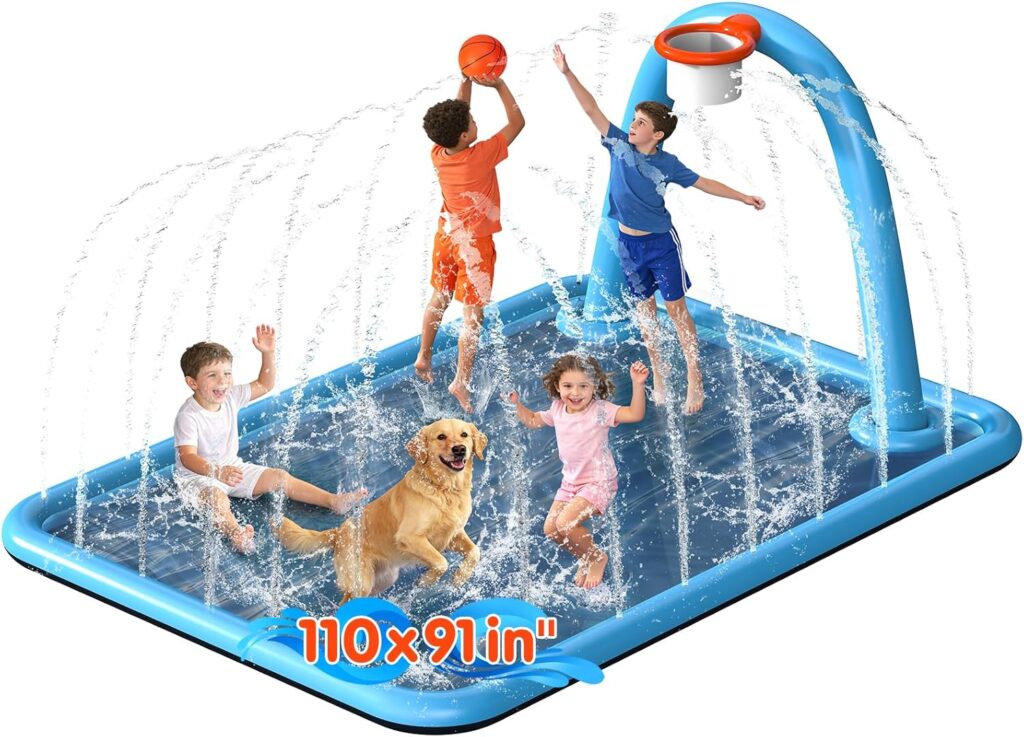
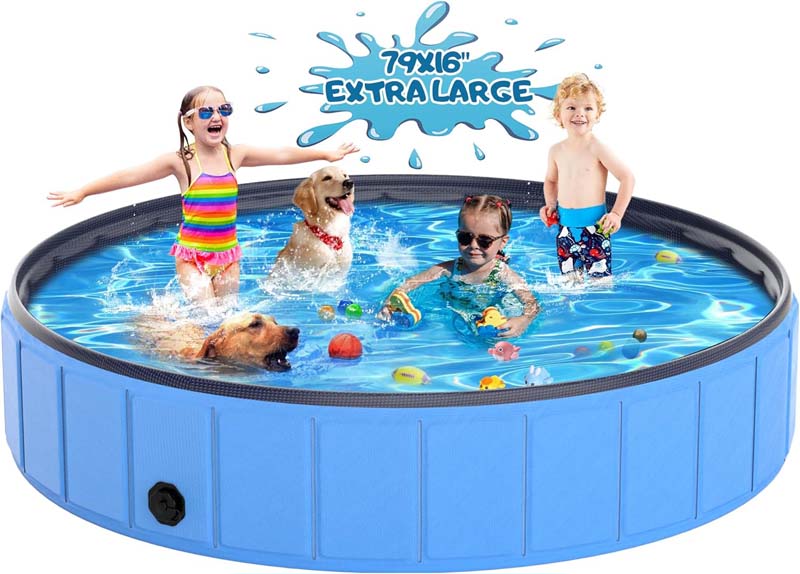
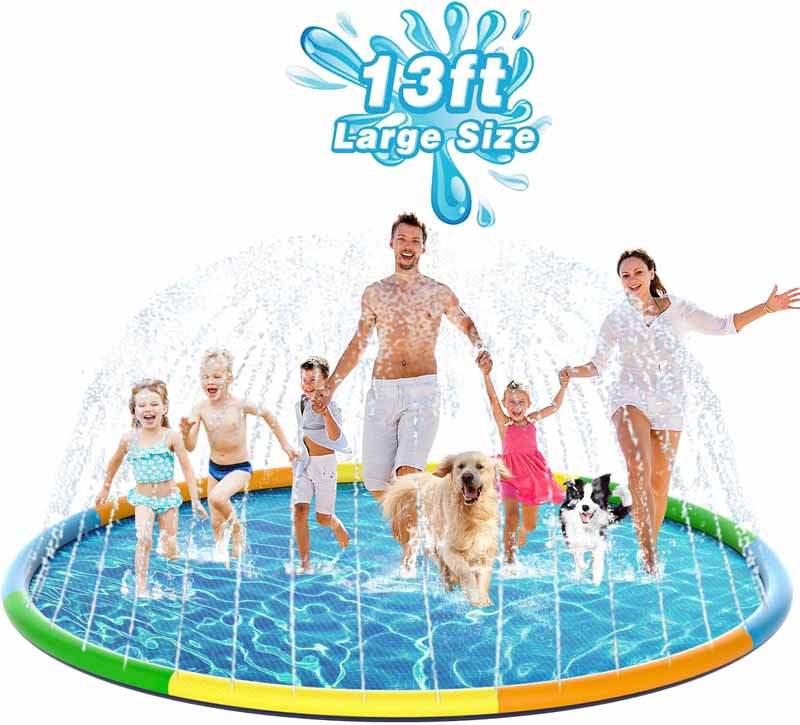
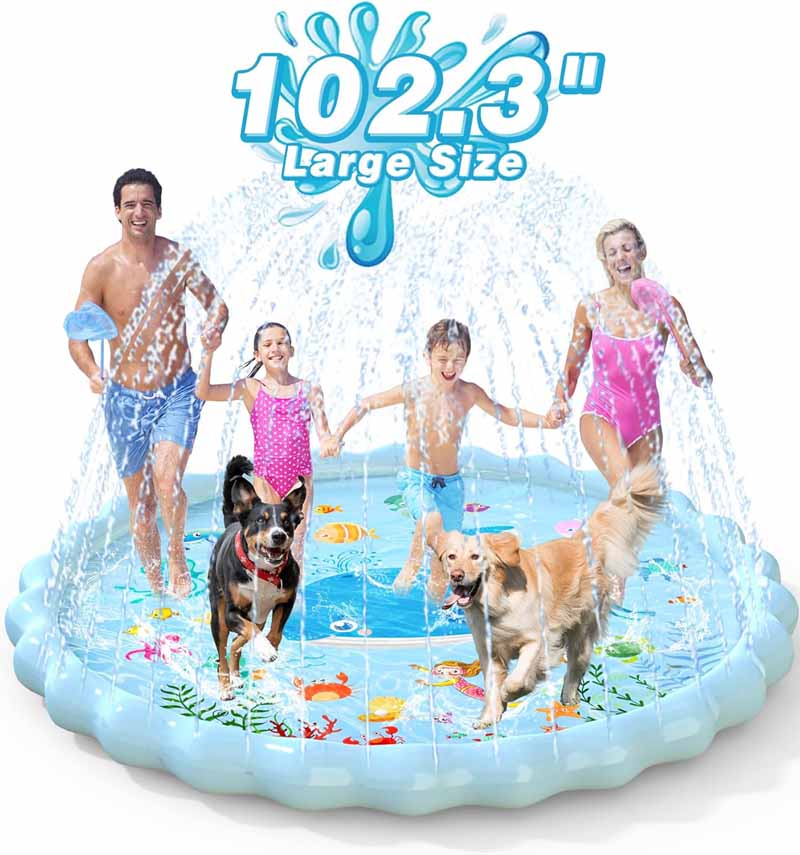
If you are sourcing PVC inflatable outdoor products or planning to expand your product catalog, you may also be interested in the following manufacturing solutions.