Skip to content
Low-Odor Splash Pads: Why This Matters for Family Use
# Your Trusted Inflatable Supplier In US

A splash pad usually looks like an easy summer purchase. Parents see a colorful mat, a garden hose connection, a few photos of children running through water, and it feels like a simple way to turn the backyard into a cooler play space. But the first thing many families notice is not the spray height or the printed design. It is the smell when the package is opened.
A strong plastic smell can change how a splash pad feels in the first few minutes. Instead of feeling fresh, fun, and ready for kids, the product may make parents pause. They may wonder if the material is suitable for toddlers, bare feet, wet hands, pets, and repeated summer use. That first reaction matters because a splash pad is not a product children use from a distance. They sit on it, crawl across it, run barefoot over it, lean into the water spray, and often bring toys, cups, or pets into the same play area.
Low-odor splash pads matter because children, pets, and parents stay very close to the play surface. A strong plastic smell can make backyard water play feel less comfortable, especially in warm weather. Better low-odor splash pads usually depend on controlled PVC materials, cleaner production, stable printing, proper drying, reliable packaging, and simple first-use care.
Odor is not the only sign of quality, but it is one of the fastest ways families judge whether a product feels comfortable enough for home use. A splash pad can have a large size, bright pattern, and fun spray height, but if the smell feels harsh, parents may not want toddlers sitting on it. A better family splash pad should feel good from the moment it is opened, and it should continue to feel reliable after rinsing, drying, folding, and using it again across the summer.
What Are Low-Odor Splash Pads?
Low-odor splash pads are outdoor water-play mats designed to have a lighter, less irritating material smell during normal family use. A mild new-product smell can appear after unpacking, but it should fade after airing and rinsing. For family use, low odor usually depends on PVC formulation, printing control, drying time, packaging, storage, and first-use care.

Low-Odor Splash Pads Explained
Low-odor splash pads do not mean the product has no smell at all. Many flexible PVC outdoor products may have a light new-material smell when first opened, especially after being folded and sealed in packaging for shipping. The important difference is whether the smell is mild and temporary or sharp, heavy, and difficult to ignore.
For family water play, low odor matters because the product is used close to the body. Children may sit directly on the surface. Toddlers may place their hands on the mat and then touch their face. Parents may kneel nearby while adjusting the hose or helping younger children step into the spray area. Pets may sniff the mat before deciding whether to play.
A better low-odor splash pad should feel comfortable after a simple first-use routine: open it outdoors, air it out, rinse it, connect the hose, and start with gentle water pressure. If the smell becomes much lighter after ventilation and rinsing, that usually fits normal new-product behavior. If the smell stays strong for days, parents may question the material quality, printing process, or storage conditions.
Low odor is not a replacement for supervision, age guidance, material claims, or cleaning. It is one comfort signal among many. Still, it has real value because trust often starts when the family opens the box.
Why Low-Odor Splash Pads Smell Less
A splash pad may smell because of several production and storage factors. PVC material can have its own light scent. Printing ink, surface treatment, heat-sealed seams, folded packaging, and long storage time may also affect first-use odor. Warm storage or delivery conditions can make trapped packaging smell more noticeable when the product is opened.
Many family splash pads use PVC around 0.35 mm to 0.50 mm, depending on size, structure, and production requirements. Thickness alone does not decide odor. A thicker splash pad can still smell lighter if the PVC formula, printing process, drying time, and packaging control are handled well. A thinner product can still smell strong if the material is poorly controlled or packed too quickly after production.
The outer spray ring also affects the material requirements. A splash pad must hold water pressure around the edge while keeping the center shallow and comfortable. This usually requires flexible PVC, heat-sealed seams, printed surfaces, and a hose connection area. Each production step can affect smell if drying, curing, or packaging is rushed.
For EPN, low odor is part of the whole family-use standard. A splash pad should not only spray water. It should feel suitable for children, pets, and parents who may use it repeatedly during the summer.
When Low-Odor Splash Pads Still Smell New
Even low-odor splash pads may smell slightly new after unpacking. This is common for sealed PVC outdoor products, especially if they were folded tightly for transport. A light smell that fades after airing and rinsing is different from a strong odor that feels sharp, sour, or uncomfortable.
A simple first-use routine helps. Open the splash pad outdoors, unfold it fully, let air move across the surface, and rinse it with clean water before play. For many new PVC splash pads, 2 to 6 hours of shaded ventilation can reduce light packaging smell. If the product was stored in a hot box or tightly sealed for a long time, overnight airing may work better.
Families should avoid judging odor while the product is still folded. Smell can collect between layers. Once the splash pad is opened flat, rinsed, and used with flowing water, a normal new-material smell should become much lighter.
If the odor remains strong after several days of ventilation, that is less ideal for family play. Parents may want to check the product’s material claims, storage instructions, or seller support options.
Why Low-Odor Splash Pads Matter
Low-odor splash pads matter because backyard water play is close, warm, wet, and repeated. Kids touch the surface often, pets may step onto it, and parents stay nearby. A strong smell can make a splash pad feel uncomfortable even when the design looks fun. Low odor supports better first-use comfort and stronger repeat-use value.
Low-Odor Splash Pads for Kids
Children use splash pads differently from adults. They do not simply stand beside the mat and watch the spray. They run through water jets, sit in the shallow center, crawl after toys, kneel on the surface, and sometimes lie down during play. That close contact makes odor more noticeable.
A backyard water play session may last 20 to 40 minutes, and during that time a child’s hands, feet, knees, clothing, and toys may all touch the splash pad. If the product has a strong plastic smell, parents may feel less comfortable letting toddlers stay on it for long.
Low odor helps the product feel more suitable for everyday family use. It does not remove the need for supervision, and it does not make the product automatically safer than every other water toy. But it does reduce one common concern parents have when opening a new product: whether the material feels comfortable enough for children to be close to it.
For retailers, Amazon sellers, distributors, and private-label brands, low odor is also easier to explain than many technical claims. Families may accept a light new-product smell that fades. They are much less forgiving of a harsh odor that makes the product feel cheap, rushed, or unsuitable for children.
Low-Odor Splash Pads for Real Family Routines
Another reason low-odor splash pads matter is that backyard water play rarely happens in a perfect setup. Parents may open the product on a hot weekend, place it on the lawn, connect the hose quickly, and let children start playing within minutes. In that moment, a strong plastic smell becomes very noticeable.
Low odor is especially important for:
- Families with toddlers who sit, crawl, and touch the play surface often
- Parents who set up water toys in small patios, decks, or enclosed backyard areas
- Children who play barefoot and stay close to the mat for 20–40 minutes
- Pet owners who let dogs cool off under supervision
- Families who reuse the same splash pad across several weekends
- Retail customers who judge quality within the first few minutes after opening
A splash pad does not need to smell like fragrance or cleaning products. It simply needs to avoid the harsh plastic odor that makes parents uncomfortable. For families comparing backyard water toys, low odor often becomes part of the same decision as thickness, spray direction, drainage, and storage.
Families who want to compare long-term quality signals can also read our guide on how to choose a splash pad that lasts more than one summer, especially when comparing low-odor PVC, edge structure, and repeated outdoor use.
Low-Odor Splash Pads in Summer Heat
Summer heat can make odor more noticeable. A splash pad may sit on grass, patio, or garden flooring for several hours. Direct sun can warm the PVC surface, and warm material may release trapped packaging smell faster during early use.
This is why low odor matters more for splash pads than for many indoor products. A splash pad is used in hot weather, around water, and close to children in swimsuits or light clothing. A smell that seems mild indoors may feel stronger outside when the material becomes warm.
Parents can reduce this issue by airing the splash pad before the first play session. Shaded ventilation is usually better than placing a new product under strong direct sun just to remove odor. Too much heat may make trapped smell more noticeable at first.
A well-made low-odor splash pad should still feel comfortable after normal outdoor setup. It should not create a strong plastic smell every time the sun comes out. That is one reason material feel, surface finish, and high-temperature aging review are important for PVC outdoor recreation products.
Low-Odor Splash Pads and Hygiene
Low odor and hygiene are often connected in a parent’s mind, but they are not the same thing. A splash pad can smell light and still need proper cleaning. A splash pad can also smell fresh but become less sanitary if dirty water sits on the surface, pets use it without rinsing, or children swallow contaminated spray water.
Home splash pads are easier to manage than public splash pads because families can control the water source, play time, cleaning routine, and storage. Most backyard splash pads connect to a garden hose and use fresh water during play. Public splash pads may use different water systems, and some shared water-play spaces may recirculate water through tanks, filters, or treatment systems.
For daily family use, the most practical hygiene habits are simple:
- Use fresh hose water for each play session
- Do not let children drink or swallow spray water
- Keep children out of water play when they have stomach illness
- Rinse the surface after pet use
- Remove grass, mud, sunscreen residue, or food crumbs
- Drain the splash pad fully after play
- Air-dry before folding
- Store in a cool, dry place instead of a hot sealed box
A low-odor splash pad feels cleaner when opened, but real cleanliness comes from water flow, surface rinsing, drainage, and dry storage. Families should treat splash pads like other close-contact outdoor toys: easy to enjoy, but better when cleaned and stored properly.
What Families Should Notice First
When a family opens a new splash pad, the first inspection should be simple but careful. Parents do not need a laboratory test in the backyard. They need to check details that affect real use.
| What to Check | What Good Looks Like | Why It Matters |
|---|---|---|
| Smell after opening | Light new-material smell that fades | Helps judge first-use comfort |
| Surface feel | Smooth, flexible, not sticky | Better for bare feet and hands |
| Edge seams | Flat, sealed, no obvious gaps | Helps reduce leak risk |
| Hose connector | Fits standard garden hose | Makes setup easier |
| Spray direction | Water sprays inward | Keeps water play more focused |
| Drainage | Water leaves easily after use | Helps avoid trapped dirty water |
| Thickness | Around 0.35 mm–0.50 mm for many family models | Helps judge durability and ground feel |
| Instructions | Clear setup, cleaning, and storage steps | Helps families use the product correctly |
The best family splash pad is not judged by one feature. Low odor, soft feel, stable seams, easy setup, and clean storage all work together. A product that smells light but leaks quickly is not good enough. A product that is thick but smells harsh is also not ideal. Families need balance.

Materials in Low-Odor Splash Pads
The materials in low-odor splash pads matter because odor, durability, flexibility, print quality, and storage all begin with material choice. PVC is still widely used because it is waterproof, flexible, foldable, and suitable for sealed spray structures. For family use, better PVC should combine low odor, stable thickness, smooth touch, reliable seams, and easy cleaning.
Low-Odor Splash Pads and PVC
PVC remains one of the most common materials for splash pads because it matches the job of the product. A splash pad must be flexible enough to fold, waterproof enough to guide water, printable enough for child-friendly designs, and strong enough to handle repeated setup on grass or patio.
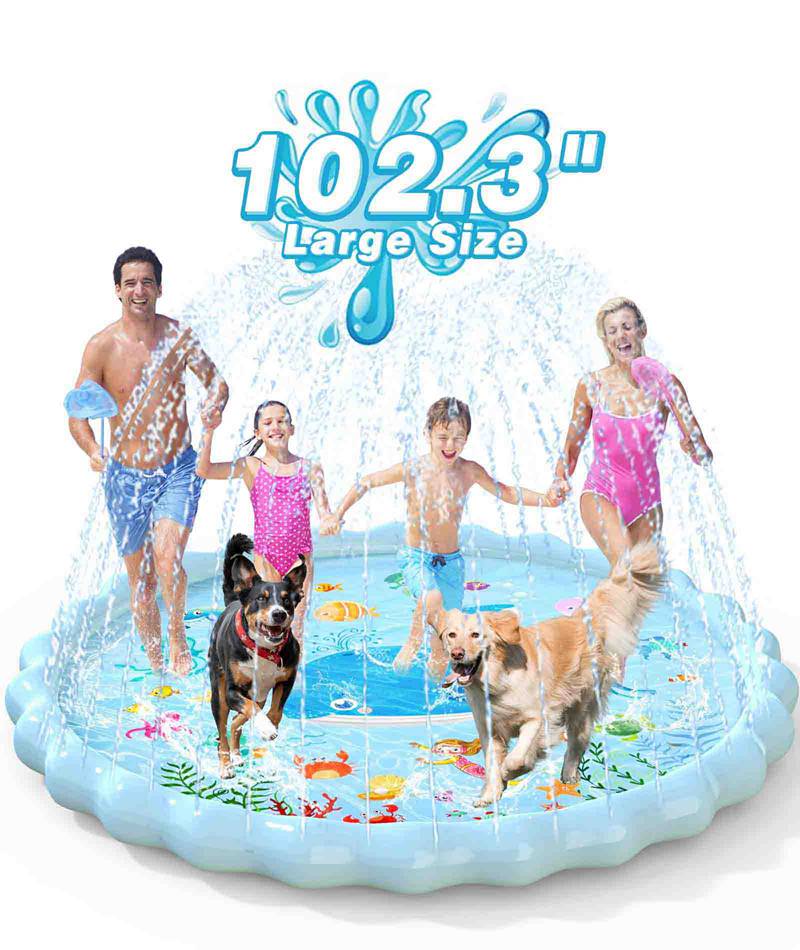
Most backyard splash pads use a flat mat design with an outer spray ring. The hose connects to the edge, water fills the ring, and spray holes send water inward toward the center. This design creates a shallow play area without the depth of a pool. For many families, that is the main appeal: kids can enjoy moving water without the setup burden of a large pool.
| Feature | Common Family-Use Range |
|---|---|
| PVC thickness | About 0.35 mm–0.50 mm |
| Hose connection | Standard 3/4 inch garden hose |
| Spray style | Inward spray from outer ring |
| Play area | Shallow center surface |
| Use surface | Lawn, patio, backyard, garden |
| Setup style | Hose connect, water pressure adjust |
| Storage | Drain, dry, fold, store |
PVC quality is not only about thickness. The formula, surface finish, printing process, and heat sealing all affect how the product smells and performs. A low-odor PVC splash pad should feel flexible, not overly stiff or sticky. It should open flat, rinse easily, and become more comfortable after normal airing.
For family users, the best material is not always the hardest or thickest possible material. It is the material that fits the use case. A kids’ splash pad needs softness, low odor, surface comfort, and stable seams. A pet splash pad may need more wear resistance. A larger family splash pad may need better edge stability and more even water pressure around the spray ring.
Low-Odor Splash Pads Material Details
Material quality is not only about whether a splash pad feels thick in the hand. For family use, a good PVC splash pad needs the right balance of softness, odor control, water resistance, and edge stability. If the material is too thin, it may feel flimsy on grass or patio surfaces. If the material is too stiff, it may not fold well and may feel less comfortable for young children.
For many family splash pads, PVC thickness often falls around 0.35 mm to 0.50 mm. This range can support daily summer play when combined with proper seam sealing, inward spray design, and clean storage habits.
| Material Detail | Better Family-Use Result |
|---|---|
| 0.35 mm–0.50 mm PVC range | Better balance between flexibility and durability |
| Low-odor material control | More comfortable first-use experience |
| Smooth surface finish | Better feel for bare feet and hands |
| Stable printed layer | Less harsh smell from printing residue |
| Heat-sealed edge | Helps reduce leaking around the spray ring |
| Foldable structure | Easier seasonal storage |
| Water-resistant surface | Easier to rinse after grass, mud, or pet use |
A low-odor splash pad should not rely on smell alone as its quality signal. Parents should also look at how the material handles water pressure, sunlight, folding, and repeated contact with grass. A product that smells light but leaks from the edge is still not a strong choice. A product that feels thick but gives off a harsh odor after several uses may also disappoint families.
For a deeper comparison of PVC, surface feel, and outdoor water-play materials, families can review what material is best for a splash pad before choosing a backyard splash pad for kids or pets.
Better Low-Odor Splash Pads
A better low-odor splash pad usually comes from better production control, not from one single claim on the package. Families may see words like “safe,” “non-toxic,” or “premium,” but those words only matter if the product also performs well in daily use.
Key material and production factors include:
- Low-odor PVC formula
- Controlled printing and surface finish
- Proper drying before packaging
- Stable material thickness
- Reliable heat-sealed seams
- Reinforced edge structure
- Smooth play surface
- Even inward spray
- Clear cleaning and storage guidance
For EPN, material and structure are developed together. A splash pad with a fun design still has to deal with water pressure, sun exposure, folding, dragging, ground friction, pet contact, and repeated family use. That is why EPN focuses on PVC and composite material matching across different product types, including kids’ splash pads, pet splash pads, water slides, inflatable pools, pet pools, floating products, snow tubes, and pool pillows.
Low odor works best when it comes together with stable PVC thickness, sealed edges, inward spray, easy drainage, and packaging that does not trap too much smell before first use. The product should smell lighter, but it should also resist leaking, spray evenly, connect properly to a garden hose, and store without trapping water inside folds.
For families, this means the product should not feel like a single-use toy. It should be easy to set up on a warm afternoon, rinse after use, dry before storage, and bring out again the next weekend.
Low-Odor Splash Pads Claims
Families should read splash pad claims carefully. Not every claim has the same value. Some claims describe comfort, some describe material direction, and some describe durability. The best product pages make these details easy to understand.
| Claim | What It Helps With | What Families Should Look For |
|---|---|---|
| Low odor | Better close-contact comfort | Smell should fade after airing |
| BPA-free | Common family concern | Clear material statement |
| Phthalate-free | Important for flexible PVC products | Product or packaging claim |
| Listed thickness | Helps compare durability | Clear mm or gauge information |
| Tested material | More useful than vague safety words | Testing direction or standard reference |
| Easy drainage | Helps reduce dirty water buildup | Drain, dry, fold instructions |
| Inward spray | Keeps water play more focused | Spray holes along outer ring |
| Reinforced edge | Supports water pressure and shape | Stable ring and sealed seams |
| UV exposure testing | Helps review outdoor stability | Useful for summer products |
| Aging test | Helps evaluate heat performance | Important for hot-weather use |
Parents should be careful with products that only say “safe” without explaining material, use instructions, or storage habits. A family splash pad is not a decoration. It is a water-use product that touches children, pets, grass, shoes, sunscreen, and outdoor surfaces.
For retailers, Amazon sellers, distributors, and private-label brands, these details also make the product easier to explain and sell. Low-odor material, thickness range, hose compatibility, and testing direction all make a product easier to position and easier to trust.
A stronger product page does not need to overpromise. It should answer practical questions:
- Does it smell strong after opening?
- Is the material listed clearly?
- Is the surface comfortable for kids’ feet and hands?
- Can it connect to a normal garden hose?
- Does the spray go inward?
- Can the spray height be adjusted by water pressure?
- Can it be drained and dried without trapping water?
- Is it suitable for repeated summer use?
These details help families compare products faster and decide whether a splash pad is suitable for toddlers, pets, lawns, patios, and repeated summer use.
Using Low-Odor Splash Pads
Using low-odor splash pads should feel simple: open, rinse, connect, adjust, play, drain, and dry. Low odor improves the first impression, but daily comfort also depends on water pressure, clothing, pets, supervision, and storage. A good splash pad fits family routines instead of creating extra work after every play session.
Low-Odor Splash Pads at Home
At home, a splash pad becomes part of the backyard routine. Parents may set it up after lunch, during a weekend barbecue, after school, or when children need a quick way to cool off without filling a large pool. In these moments, low odor makes setup feel easier and cleaner.
A strong smell can change the mood quickly. Instead of focusing on play, parents start wondering whether the product needs more airing, whether the material is suitable, or whether children should stay off it. Low odor reduces that friction.
A home splash pad also gives families more control than a public water-play area. Parents know who used it, how long it stayed outside, whether pets played on it, whether the water came from a fresh hose connection, and whether it was dried before storage. This control is a major advantage for comfort and hygiene.
For families with small backyards, low-odor splash pads can also feel more practical than large pools. There is less water depth, faster setup, easier draining, and simpler storage. Supervision is still needed, but the routine is lighter.
| Use Moment | Practical Habit | Family Benefit |
|---|---|---|
| Before play | Air and rinse if new | Reduces first-use smell |
| Setup | Start with low pressure | Prevents sudden high spray |
| During play | Keep kids from drinking water | Supports better hygiene |
| Pet use | Rinse after dogs play | Keeps surface cleaner |
| After play | Drain fully | Reduces standing water |
| Storage | Dry before folding | Helps prevent odor buildup |
Low-Odor Splash Pads for Different Backyard Users
Low-odor design matters because a splash pad is often shared by more than one user. A single backyard play session may include toddlers, older siblings, parents, pets, and visiting friends. Each user notices the product in a different way.
Low odor is especially useful for:
- Toddlers who sit close to the mat and touch the surface often
- Older kids who run barefoot through the spray
- Parents who kneel near the hose connector or edge ring
- Dogs that sniff the surface before stepping onto the mat
- Families who use the splash pad on patios, lawns, or garden areas
- Households that fold and store the same splash pad after every weekend
This is also why low odor has strong retail value. It is not only a comfort detail. It affects the first impression, repeat-use confidence, and how easily parents recommend the product to other families. A splash pad that smells lighter, rinses faster, dries more easily, and stores without musty odor is more likely to become a regular summer item instead of a one-time backyard toy.
Families using splash pads on grass should choose a flat, clean surface and remove sharp debris before setup. This helps reduce underside wear and trapped dirt during repeated summer use.
Low-Odor Splash Pads for Parents
Parents do not always wear bathing suits to backyard splash pads. Many wear casual summer clothes, sandals, or quick-dry shorts while supervising nearby. If parents plan to join children inside the spray area, swimwear or quick-dry clothing is more practical.
This is a small but useful point because it shows how splash pads are used in real life. Parents are often not “going swimming.” They are turning on the hose, helping a toddler step onto the mat, adjusting spray height, moving toys, or calling the dog away from the connector. They may kneel, bend down, sit nearby, or step onto the edge to help younger children.
Low odor matters in these small moments. Adults may notice a strong plastic smell even before children complain. A low-odor mat feels more natural in a backyard space where people are barefoot, close to the ground, and handling wet surfaces.
For public splash pads, swimwear may be more common or required by local rules. For home splash pads, comfort and practicality usually decide what parents wear.

Low-Odor Splash Pads for Pets
Many families want a splash pad that can work for both kids and pets. Dogs may enjoy shallow water, moving spray, and a cool surface on hot days. But pets also bring extra hygiene and durability considerations.
Dogs have a strong sense of smell, so a harsh plastic odor may make some pets avoid the mat. Low-odor material can make the product feel more acceptable, especially for pets that are cautious around unfamiliar outdoor items.
Pet use should still be supervised. Trim nails before play, place the splash pad on smooth grass or a clean patio, and avoid rough ground that can scrape the underside. After pet use, rinse the surface before children use it again. If the splash pad becomes muddy or covered with hair, clean and dry it before folding.
Low odor is helpful, but it does not replace wear resistance. For pet-friendly use, families should also look for stable PVC thickness, reinforced edges, and a smooth surface that is easier to rinse.
For mixed kids-and-pets households, these habits work well:
- Let pets sniff the splash pad before turning on high water pressure.
- Keep water pressure lower for nervous dogs.
- Trim pet nails before use.
- Avoid gravel, sharp grass roots, rough concrete, or broken patio areas.
- Rinse the mat after pet play.
- Do not fold the splash pad with pet hair, mud, or dirty water inside.
- Store away from chewing pets.
Low-Odor Splash Pads and Quality
Low odor is a quality signal, but it is not the whole quality standard. A splash pad can smell fine but still have weak seams, poor spray balance, or a loose hose connector. A better family product should combine several details.
A stronger family-use splash pad should have:
- Low-odor PVC material
- Stable thickness around 0.35 mm–0.50 mm
- Smooth surface feel
- Reinforced edge ring
- Inward spray from the outer ring
- Standard 3/4 inch garden hose compatibility
- Leak-resistant heat sealing
- Easy drainage
- Clear storage instructions
- Testing for spray, leakage, UV exposure, aging, and folding
For EPN, this is the practical direction behind product development. Families do not judge a splash pad in a laboratory. They judge it when the child sits on it, when the water pressure changes, when the sun heats the surface, when the dog runs across it, and when the product has to be folded at the end of the day.
Good quality is what still feels reliable after those moments.

Cleaning Low-Odor Splash Pads
Cleaning low-odor splash pads is about keeping the surface fresh, preventing trapped water, and reducing avoidable hygiene risks. Families should use clean hose water, rinse the mat, prevent children from swallowing spray water, drain fully after play, and dry before folding. Good cleaning habits help control both odor and germs.
Low-Odor Splash Pads Before Use
Before first use, families should treat a new splash pad like a close-contact outdoor product. It does not need a complicated cleaning process, but it should not go straight from sealed packaging to toddler play without airing and rinsing.
A simple first-use routine works well:
- Open the package outdoors.
- Unfold the splash pad fully.
- Let it air in a shaded place for several hours.
- Rinse the play surface with clean water.
- Check the hose connector and spray ring.
- Connect to a standard garden hose.
- Start with low water pressure.
- Increase spray height slowly.
- Keep children from drinking or swallowing spray water.
- Drain and dry after play.
The first rinse removes dust, packaging residue, and light surface smell. Starting with low water pressure helps parents check the connector and spray pattern before children run onto the mat.
For splash pads with inward spray from the outer ring, water pressure adjustment is especially important. Higher pressure can increase spray height, but families do not always need the highest spray for toddlers or pets. For first use, families can start with low water pressure for the first 1–2 minutes, then slowly increase the flow until the spray height feels comfortable for children and pets.
A better first-use setup also includes surface choice. Smooth grass is usually more forgiving than rough concrete. A clean patio can work if the surface is flat and free from sharp debris. Avoid placing a splash pad over stones, branches, tools, or uneven ground that may stress the underside.
Low-Odor Splash Pads and Water Safety
Water safety is not only about depth. With splash pads, families also need to think about how water moves, where it comes from, and whether children put it in their mouths. A backyard splash pad usually has very shallow water, but young children may still splash, crawl, and accidentally swallow water.
A safer home-use routine includes:
| Family Habit | Why It Helps |
|---|---|
| Use fresh hose water | Reduces dirty standing water |
| Start with lower pressure | Makes spray easier for toddlers |
| Keep sick children out of water play | Reduces germ spread |
| Avoid food on the splash pad | Keeps surface cleaner |
| Rinse after pet use | Removes hair, dirt, and paw residue |
| Drain after each session | Prevents water from sitting |
| Dry before storage | Helps reduce musty odor |
For most families, the goal is not to make water play complicated. The goal is to build small habits that make the splash pad easier to enjoy again. Fresh water, simple rinsing, and dry storage can prevent many of the problems parents worry about later, including odor, residue, slippery buildup, and dirty water.
If parents notice leaking around the edge or water collecting where it should not, they can also review our guide on why some splash pads leak easily to understand how seam quality, water pressure, and storage affect long-term use.
Low-Odor Splash Pads and Norovirus
Norovirus can spread through contaminated water if germs enter the mouth. For splash pads, the practical concern is not the mat itself but water hygiene and user behavior. If sick children use water-play areas, or if children swallow contaminated water, illness can spread.
Public splash pads may carry higher hygiene concerns because many children may use the same area in a short time, and some systems may recirculate water. A home splash pad is easier to manage because families can use fresh hose water, control who uses the mat, and drain it after play.
For a home splash pad, families can reduce risk with practical habits:
- Use fresh hose water.
- Do not let children drink spray water.
- Keep children out of water play when they have diarrhea, vomiting, or stomach illness.
- Take bathroom breaks before play.
- Change diapers away from the play area.
- Rinse the mat after use.
- Drain water fully.
- Dry before folding and storing.
This does not mean families should be afraid of backyard splash pads. It means water play works best when parents treat hygiene as part of setup and cleanup. A low-odor splash pad feels better, but clean water habits make it safer and more pleasant to use.
Home splash pads have one advantage: the family controls the water source and the cleanup routine. Parents can drain the mat after a short play session instead of relying on a public system. That does not remove all hygiene concerns, but it gives families a practical way to manage them.
Low-Odor Splash Pads and Legionnaires
Legionnaires’ disease is usually linked to breathing in small water droplets that contain Legionella bacteria. For families, the key difference is between a simple home splash pad connected to fresh hose water and a poorly maintained recirculating water system.
A backyard splash pad that uses fresh water, drains after play, and dries before storage is not the same situation as a public fountain, hot tub, or recirculating splash park with complex water systems. Still, good habits matter. Do not leave water sitting inside the splash pad or hose connector for long periods. Do not fold and seal the product while damp. Avoid storing it in hot, wet conditions. Rinse the connector area if dirt, grass, or pet residue collects there.
The goal is not to make parents anxious. The goal is to keep water moving, surfaces clean, and storage dry.
A simple rule helps: if water play is fresh, supervised, drained, and dried, the product is much easier to manage. If water sits for a long time, mixes with dirt, or gets trapped in warm storage, odor and hygiene concerns become more likely.

Low-Odor Splash Pads Storage
Storage is one of the most overlooked parts of splash pad care. Many odor complaints do not come from the first day. They come after the product has been folded while damp, stored in a hot garage, or left with dirty water trapped between layers.
After each use, drain the splash pad fully. Lift the edge gently to let water move out of the spray ring and center area. Rinse off grass, mud, sunscreen residue, or pet hair if needed. Let the product air-dry before folding.
Before folding, the splash pad should be dry to the touch. If water remains trapped between folds for 24 hours or longer, musty odor is more likely to appear during the next use.
| Storage Step | Why It Helps |
|---|---|
| Drain fully | Reduces trapped water |
| Rinse after muddy use | Removes dirt and residue |
| Dry before folding | Helps prevent musty smell |
| Fold loosely | Reduces stress on seams |
| Store cool and dry | Helps protect material |
| Avoid direct heat | Reduces odor and aging |
| Keep away from sharp tools | Helps prevent punctures |
A splash pad is a seasonal product, but it should not feel disposable. Good storage helps low-odor materials stay fresher and helps the product last through more than one summer.
EPN Low-Odor Splash Pads
EPN low-odor splash pads are developed around family use, material comfort, spray performance, and repeated outdoor play. As part of American Epsilon Inc., EPN focuses on PVC and composite products for kids, pets, outdoor recreation, and seasonal use. Low odor is treated as one part of a broader quality system.
EPN Low-Odor Splash Pads Focus
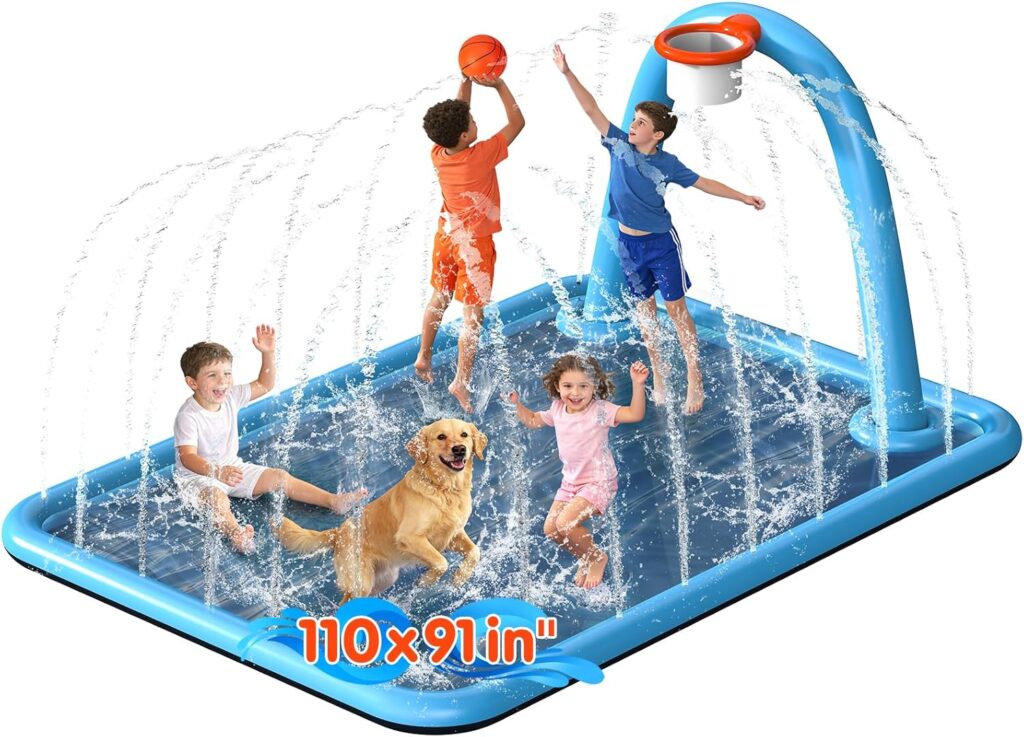
EPN belongs to American Epsilon Inc., a U.S.-registered company focused on PVC and composite outdoor recreation products. The product range includes kids’ splash pads, pet splash pads, basketball splash pads, water slides, inflatable pools, kids’ pools, pet pools, floating products, snow tubes, punching columns, spray arches, and pool pillows.
For low-odor splash pads, the focus is not only the printed pattern or size. EPN looks at how the material feels when opened, how the edge holds water pressure, how evenly the spray ring works, how the surface performs under sunlight, and how easily the product can be drained, dried, folded, and reused.
This matters for both families and retail markets. Families want a splash pad that feels clean, comfortable, and simple to use. Brand owners, retailers, distributors, and Amazon sellers need products that can support clear selling points, stable quality, and repeatable production.
Low odor is easier to trust when the material, seam structure, testing, and packaging are controlled together.
EPN’s splash pad development direction is built around real use:
- Children playing barefoot on the surface
- Parents setting up the hose quickly
- Pets stepping in and out of the water
- Products being folded after drying
- Summer heat affecting material feel
- Repeated weekend use across one season
- Storage between uses
- Multi-market packaging and instruction needs
A family splash pad should not only look good in photos. It should work well when it is wet, warm, folded, moved, rinsed, and used again.
EPN Low-Odor Splash Pads Testing
EPN’s development direction includes more than basic appearance. For outdoor water-play products, testing must reflect real backyard use: water pressure, sunlight, folding, dragging, pet contact, children’s movement, and storage.
| Test Focus | Why It Matters for Family Use |
|---|---|
| Leak testing | Helps reduce edge and seam failure |
| Spray ring testing | Supports more even water distribution |
| UV exposure testing | Reviews outdoor material stability |
| High-temperature aging | Helps evaluate warm-weather performance |
| Folding checks | Supports repeated storage and reuse |
| Ground friction checks | Reviews wear from grass or patio use |
| Odor review | Improves first-use comfort |
| Drainage review | Helps reduce trapped water after play |
| Hose connection review | Supports easier backyard setup |
| Surface feel review | Improves close-contact comfort |
EPN uses material testing, product design, and real-use feedback together when developing splash pads for kids, pets, and family outdoor play. With material, structure, mold, children’s play, pet use, and outdoor recreation experience, the team can develop products for different scenarios instead of treating every splash pad the same way.
For example, a toddler splash pad may need softer feel and lower spray comfort. A pet splash pad may need more attention to wear resistance and surface cleaning. A family backyard splash pad may need larger play space, inward spray, low odor, and easier folding.
For retailers, Amazon sellers, distributors, and private-label brands, these testing directions also help with product positioning. A product that can be described with clear material, structure, and use data is easier to present on Amazon, Walmart, independent websites, retail packaging, and B2B catalogs.
EPN Low-Odor Splash Pads for Family and Retail Markets
EPN develops splash pads with both daily family use and retail product planning in mind. For families, the product needs to feel clean, comfortable, and easy to manage. For retail and private-label projects, the product also needs clear selling points, stable quality, packaging flexibility, and repeatable production.
Low-odor splash pads are useful for several product directions:
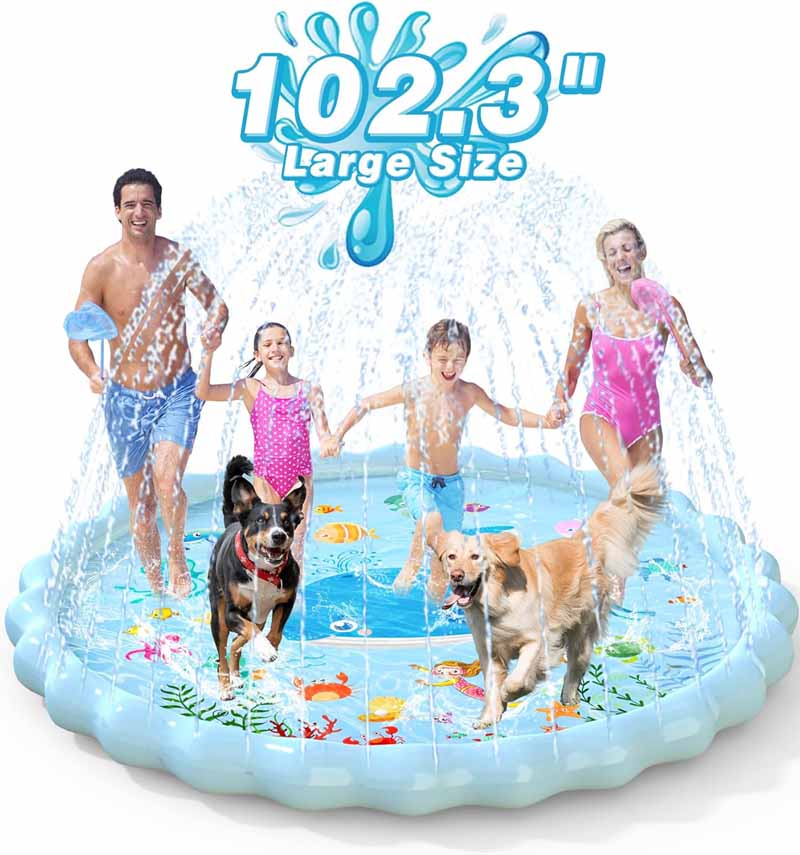
- Kids’ backyard splash pads for summer play
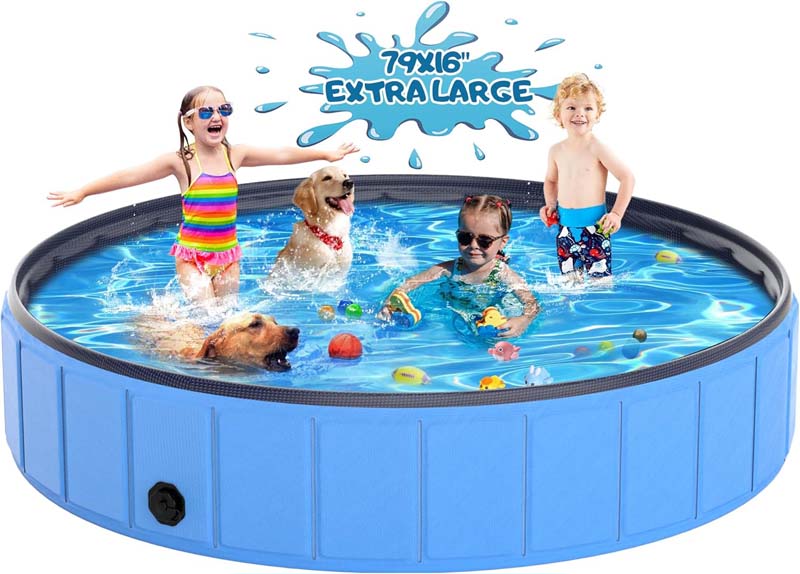
- Pet splash pads for supervised cooling
- Soccer splash pads for active outdoor games
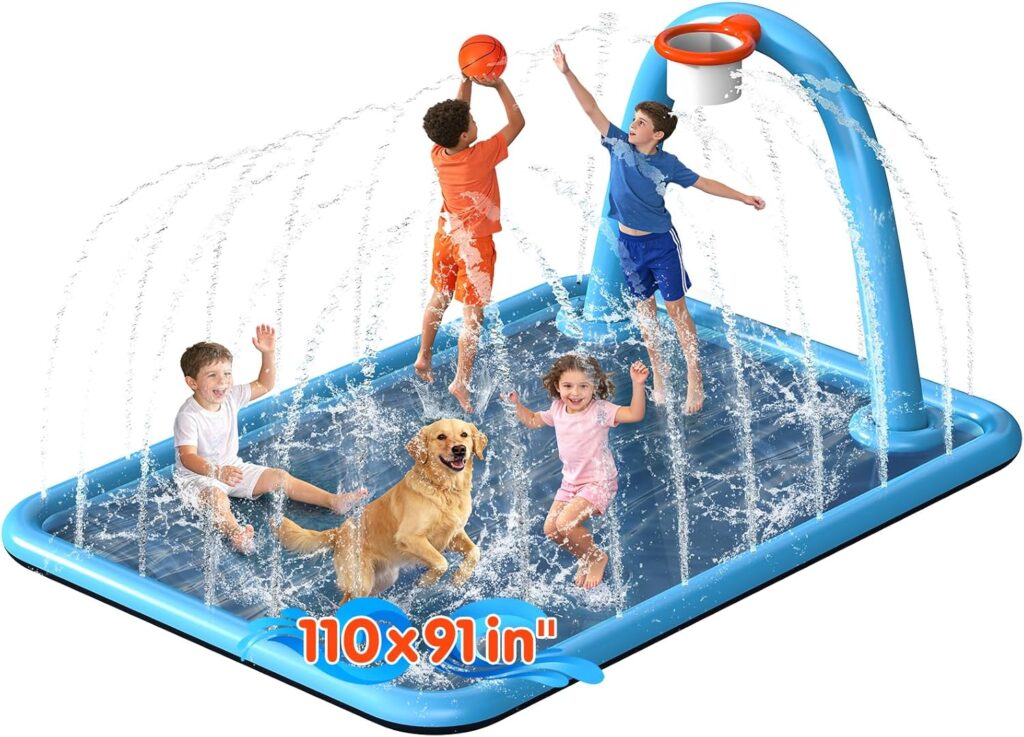
- Basketball splash pads for sports-themed water play
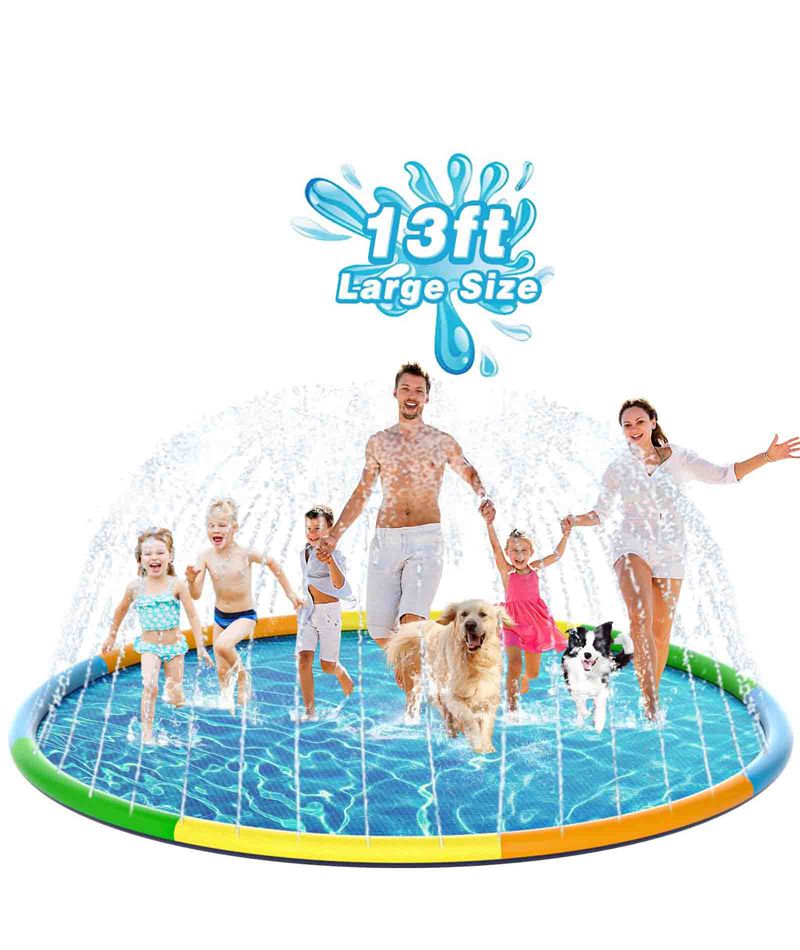
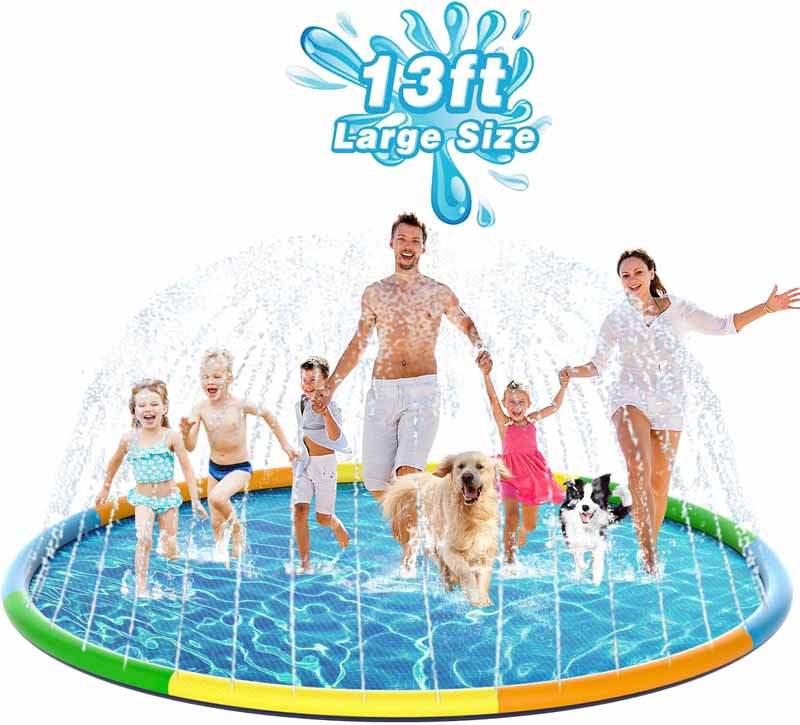
- Large family splash pads for siblings and playdates
- Private-label PVC splash pads for Amazon and retail channels
- Seasonal water toy collections for summer promotions
EPN can support low-odor splash pad projects through material selection, size planning, artwork development, packaging design, label adaptation, and OEM / ODM customization. For retail and private-label customers, this helps reduce the time spent coordinating separate suppliers for product, packaging, and market presentation.
| Project Need | EPN Support Direction |
|---|---|
| Standard product order | Existing splash pad styles and size options |
| Private-label launch | Logo, artwork, packaging, and instruction customization |
| Amazon product line | Clear selling points, image-friendly product structure |
| Retail packaging | Box design, labels, barcodes, and multi-language content |
| Pet-use version | Material and wear-resistance adjustment |
| Kids-use version | Lower odor, softer feel, family-friendly pattern |
| Seasonal order | Sampling, production planning, and shipment coordination |
For brands, distributors, and online sellers, low odor can become a practical product advantage. It gives the product a better first impression, supports family-focused copywriting, and helps customers understand why the splash pad feels more suitable for repeated backyard use.
Choosing Low-Odor Splash Pads
Families choosing low-odor splash pads should look beyond the color and pattern. A good design should answer real use questions: Will it smell strong? Is it easy to rinse? Does it connect to a normal hose? Does the spray go inward? Can it be dried and folded without trapping water?
A practical family checklist:
- Low-odor PVC material
- BPA-free and phthalate-free material direction
- Thickness around 0.35 mm–0.50 mm
- Standard 3/4 inch garden hose connection
- Inward spray from the outer ring
- Reinforced edge structure
- Smooth surface feel
- Easy drainage
- Clear cleaning and storage steps
- Leak, spray, UV, aging, and folding tests
For retail and private-label customers, the checklist can go further:
| Project Need | Why It Matters |
|---|---|
| OEM / ODM support | Helps build private-label lines |
| Low MOQ trial orders | Reduces first-order risk |
| Fast sampling | Supports seasonal launch timing |
| Packaging localization | Helps meet market expectations |
| Label and instruction support | Improves retail readiness |
| Material adaptation | Fits kids, pets, or outdoor scenarios |
| Multi-market delivery | Supports Amazon, retail, and distribution |
| Stable production capacity | Helps seasonal restocking |
EPN supports branded products, custom development, packaging design, local market adaptation, and OEM / ODM cooperation. For customers building a splash pad line, low odor can become a strong product advantage, especially when combined with better thickness, stable seams, inward spray, and clean storage guidance.
EPN can support projects such as:
- Standard kids’ splash pads
- Pet splash pads
- Soccer-themed splash pads
- Basketball splash pads
- Large backyard splash pads
- Retail-packaged seasonal water toys
- Amazon-ready product lines
- Private-label PVC outdoor recreation products
- Custom pattern, size, packaging, and instruction projects
For seasonal products, timing also matters. Retailers and online sellers often need samples, packaging confirmation, production planning, and shipping schedules before peak summer demand. EPN’s manufacturing and product development background helps support low MOQ testing, small-batch trial orders, and larger seasonal production plans.
FAQ
Are low-odor splash pads better for toddlers?
Yes. Low-odor splash pads are better for toddlers because young children play close to the mat. They may sit, crawl, touch the surface, and bring toys onto the splash pad. A lighter smell makes the play area feel more comfortable, especially during warm-weather use.
Do low-odor splash pads still smell new?
Some low-odor splash pads may still have a light new-material smell after unpacking. This should fade after airing and rinsing. A strong odor that remains for several days is less ideal for family water play.
Are low-odor splash pads sanitary?
Low odor does not automatically mean sanitary. A splash pad stays cleaner when families use fresh hose water, rinse the surface, drain after play, dry before storage, and avoid use when children are sick.
Can low-odor splash pads spread norovirus?
Any water-play area can spread germs if contaminated water gets into the mouth. For home splash pads, families can reduce risk by using fresh water, keeping sick children out of play, preventing children from swallowing spray water, and drying the mat after use.
Can low-odor splash pads cause Legionnaires’ disease?
A simple backyard splash pad connected to fresh hose water is different from a poorly maintained recirculating public water system. Good habits still matter: avoid standing water, keep connectors clean, drain fully, and store the splash pad dry.
Do parents wear bathing suits to low-odor splash pads?
At home, many parents wear casual summer clothes, sandals, or quick-dry shorts. Swimwear is more practical if parents plan to play inside the spray area with children. Public splash pads may have local dress rules.
How do you store low-odor splash pads?
Drain the water fully, rinse off dirt or pet residue, air-dry the surface, fold loosely, and store in a cool, dry place away from high heat and sharp objects.
What thickness is good for a low-odor splash pad?
Many family splash pads use PVC around 0.35 mm to 0.50 mm, depending on the size, structure, and product design. Thickness should be considered together with seam quality, surface feel, spray performance, and storage habits.
Are low-odor splash pads good for pets?
Yes, low-odor splash pads can be useful for supervised pet cooling and outdoor play. For dogs, choose a smooth surface, trim nails before use, rinse after pet play, and dry the mat fully before folding.
What makes EPN low-odor splash pads different?
EPN focuses on PVC material matching, odor control, edge structure, inward spray, drainage, folding, and repeated outdoor use. For retail and private-label customers, EPN also supports OEM / ODM, packaging customization, low MOQ trial orders, and multi-market product development.
Best Choice for Low-Odor Family Splash Pads
Low-odor splash pads are not only about smell. They are about how a family feels when opening the product, setting it up for children, letting pets join the fun, and using it again across the summer. A good splash pad should feel clean, comfortable, easy to manage, and suitable for close-contact backyard play.
For families, the best choice is a splash pad that combines low-odor PVC, stable thickness, inward spray, easy drainage, and clear cleaning habits. For brand owners, retailers, distributors, and Amazon sellers, low odor can become a meaningful selling point when it is backed by material control, testing, packaging clarity, and reliable production.
EPN supports branded splash pad products and custom PVC outdoor recreation projects for family, pet, and seasonal markets. For standard product orders, OEM / ODM development, packaging customization, private-label projects, or bulk inquiry needs, customers can contact Epsilon to discuss material options, size plans, artwork, packaging direction, testing needs, MOQ, sampling, and delivery schedules.
Get A Fast quote
Here, bringing your inflatable concepts to life is no longer a challenge—it’s a collaborative journey where American Epsilon helps families, outdoor enthusiasts, and global brands transform creative ideas into safe, certified, and market-ready inflatable solutions.


Partner With Epsilon
Whether you are a family looking for safe backyard fun or a brand seeking large-scale OEM/ODM solutions, American Epsilon Inc. guarantees every inflatable is built with safety, durability, and excitement in mind. With flexible low MOQs, strategically placed warehouses in the U.S., Canada, U.K., and Germany, plus 24/7 professional support, we ensure smooth delivery and reliable service worldwide.
Ready to bring your inflatable ideas to life? Request free samples, fast prototypes, and customized designs today—your trusted inflatable journey starts here.