Skip to content
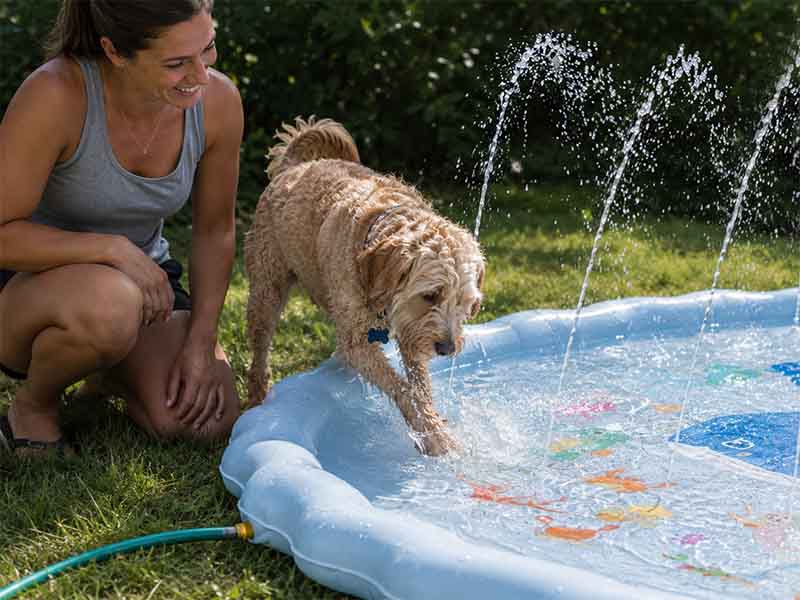
A dog pool can look like one of the easiest summer purchases a pet owner will ever make. Open it, add water, and let the dog cool down. The problems usually appear later: the dog cannot turn comfortably, the wall is too high for an older pet, the drain leaves several centimeters of dirty water behind, or the folded pool takes up far more storage space than expected. Good results depend less on color and price than on fit, structure, and daily convenience.
Before buying a dog pool, consider the dog’s body length, shoulder height, age, mobility, confidence around water, and preferred activity. Compare usable floor space, wall height, water depth, floor stability, sidewall support, drainage position, cleaning access, and folded size. A good pool allows the dog to enter, stand, turn, lie down, and leave comfortably while remaining practical to fill, empty, dry, and store.
One family may need a shallow pool for a small dog that only wants to cool its paws. Another may need a wide, reinforced model for two large dogs that circle, splash, and lean against the walls. The best choice becomes much clearer once the product is judged against real behavior rather than a staged product photograph.
Is a Dog Pool Right for Your Pet?
A dog pool is a good fit when the dog feels comfortable around water and can enter, stand, turn, and leave without stress or physical strain. Some dogs enjoy active water play, while others prefer a few centimeters of water around their paws and underside. Age, body shape, breathing ability, mobility, and temperament matter more than breed reputation alone.
Water Confidence
A dog that enjoys puddles, shallow streams, sprinklers, or baths may adapt quickly, but a portable pool introduces a different set of sensations. The water surface may reflect light, the PVC floor may flex slightly under the paws, and the surrounding wall creates a boundary the dog must cross. Even a confident lake swimmer may pause when faced with a new pool in the backyard.
A calm first introduction usually works better than placing the dog directly into water. Let the dog inspect the empty pool, walk inside voluntarily, and find its own way out. Once the floor no longer feels unfamiliar, add a shallow layer of water. Two to five centimeters is often enough for an initial session because the paws remain fully supported while the dog becomes accustomed to the wet surface.
Body language offers a more reliable guide than assumptions. Relaxed sniffing, loose movement, normal breathing, and willingness to take food suggest that the dog is coping well. Freezing, leaning backward, refusing treats, scratching urgently at the side, or repeatedly trying to escape indicate discomfort. A dog that remains uneasy may prefer a splash pad, shaded cooling mat, misting area, or lower-sided bathing tub.
Swimming is not the goal for every pet. Many dogs receive the cooling and enrichment they need from standing, walking, or lying in shallow water. A pool can be valuable even when the dog never paddles across it.
Age and Mobility
Puppies often approach water with enthusiasm, but enthusiasm does not equal coordination. They may turn too quickly, misjudge the wall, or struggle to find the same exit they used moments earlier. Senior dogs may enjoy gentle cooling and reduced-impact movement, yet high walls, slippery surfaces, and deep water can make the experience tiring rather than relaxing.
Body shape changes the fit as well. A short-legged dog may struggle with a wall that a taller dog of the same weight crosses easily. Long-bodied breeds need enough internal length to turn without bending tightly against the perimeter. Broad-chested dogs may require more width than a simple weight chart suggests, while flat-faced breeds can become tired more quickly during excitement or exertion.
The most useful test is simple: can the dog step in, stand naturally, turn without slipping, and leave without being lifted? A large diameter cannot make up for an entry wall that is too high. A low wall cannot make up for a floor that shifts under the paws. Dogs with recent surgery, balance problems, breathing conditions, or significant joint limitations should be assessed more carefully before water exercise is added to their routine.
A ramp can help some pets, although it needs a stable angle, a textured walking surface, and a secure position that does not create a sharp pressure point against the pool floor. For less mobile dogs, easy entry is often more important than maximum water capacity.
Purpose of the Pool
The right structure depends on what the dog will actually do. A pool used for cooling can remain shallow and may not need a very large diameter. A bathing pool needs enough room for the owner to reach around the dog. A play pool must tolerate repeated turning, pawing, climbing, and sideways pressure against the walls.
| Main Use | Practical Water Level | Most Important Features | Common Problem |
|---|---|---|---|
| Summer cooling | Paws to lower legs | Low entry, stable floor, quick setup | Filling deeper than necessary |
| Bathing | Shallow to moderate | Easy drainage, washable surface, owner access | Too little room to wash around the dog |
| Wading | Usually below the chest | Broad internal floor, supported walls | Choosing by outside diameter alone |
| Active play | Based on body size and ability | Reinforced base, stable sidewalls, turning space | Underestimating climbing and turning pressure |
| Multi-dog use | Based on combined size and behavior | More floor area, open exit, stronger support | Crowding near toys or the exit |
| Travel or events | Shallow and easy to replace | Compact fold, manageable weight, fast drying | Difficult repacking after use |
Cooling usually requires less water than owners expect. A shallow layer around the paws, legs, and underside may be enough to make warm-weather rest more comfortable. Bathing creates a different need: the dog must have room to stand while the owner reaches the chest, back, legs, and belly without pressing the animal against the wall.
Active play puts the greatest demand on structure. A dog rarely remains in the center. It turns quickly, lowers its body, paws at toys, and climbs over the same section of wall repeatedly. Multi-dog use adds another issue because dogs often gather near one toy or exit point instead of spreading evenly across the pool. In some homes, two moderate-sized pools work better than one oversized model.
The most useful purchase is usually the one designed for the activity that will happen every week, not for an occasional idealized moment.

The open dimensions are only part of the space requirement. Owners also need room to guide the dog, reach the drain, connect a hose, wipe the walls, and move around the entry side without stepping over wet ground or outdoor furniture. When the yard allows it, approximately 60 to 90 centimeters of working space around the main access and drainage areas makes routine use much easier.
Grass can hide stones, sprinkler fittings, dry branches, and small pieces of metal. Concrete provides a firm base but may wear the pool floor over time. Wooden decks can contain splinters, gaps, or raised fasteners. A protective ground layer may help, although it should lie flat and remain free of wrinkles that create pressure ridges under the pool.
Raised decks and balconies require additional caution because water becomes heavy very quickly. One liter of water weighs approximately one kilogram before the dog, pool, accessories, and nearby people are added. A pool holding 300 liters places roughly 300 kilograms of water on a concentrated area, so structural suitability and drainage should be confirmed before filling.
The discharge route matters as much as the setup area. Water should not flow toward a foundation, basement entrance, electrical equipment, neighboring property, or soft ground that may erode after repeated emptying.
What Size and Depth Do You Need?
Choose the pool by clear internal floor space and practical wall height rather than a small, medium, or large label. Measure body length and shoulder height, then allow room for turning and lying down. Water should remain shallow enough for stable footing unless the dog is a capable swimmer under close supervision. External dimensions may overstate the space available inside.
Measuring the Dog
Weight offers only a rough starting point. Two dogs weighing 25 kilograms can have very different body lengths, chest widths, leg heights, and turning patterns. A compact, broad dog may need more width, while a long-bodied dog needs greater internal length. Direct measurement produces a more useful result than relying only on breed categories.
Measure from the front of the chest to the base of the tail while the dog stands naturally. Record shoulder height from the floor to the top of the shoulder blade, then note the widest part of the body. Watching the dog turn and lie down also reveals how much space it naturally uses.
A practical planning method is to allow internal floor space equal to approximately 1.25 times body length for standing and turning. Around 1.5 times body length provides more room for lying down, relaxed movement, and toy play. These ratios are working guides rather than fixed safety standards, and broad or highly active dogs may need more.
| Dog Body Length | Basic Floor Space at 1.25× | More Comfortable Space at 1.5× | Likely Use |
|---|---|---|---|
| 45 cm | 56 cm | 68 cm | Small-dog cooling or bathing |
| 60 cm | 75 cm | 90 cm | Medium-dog wading |
| 75 cm | 94 cm | 113 cm | Large-dog cooling and turning |
| 90 cm | 113 cm | 135 cm | Long-bodied or large dog |
| 105 cm | 131 cm | 158 cm | Giant breed or broad movement |
| 120 cm | 150 cm | 180 cm | Very large dog or active play |
The measurements refer to clear internal floor space. A listed outside diameter may include wall thickness, reinforced edges, panel folds, and inward wall angles. A 160-centimeter pool may therefore offer less than 160 centimeters of flat standing area.
Internal Space
Size names vary between manufacturers, so the printed category should never replace actual measurements. A “large” pool from one supplier may offer less floor space than a “medium” model from another. Internal floor diameter, wall height, folded size, drain position, and product weight give a more accurate picture of everyday usability.
A single dog should be able to turn without pressing continuously against the side. Enough length should remain for the dog to lower its body or lie down without curling tightly. A pool that only permits standing may still work for bathing, but it will feel restrictive during cooling or play.
For two calm dogs, adding roughly 25 to 35 percent more usable floor area than their combined standing footprint can provide a reasonable planning allowance. That figure is not a universal rule, because behavior matters. Dogs that chase toys, circle quickly, or crowd the same exit need more room than dogs that stand quietly.
Round pools support natural turning and distribute water pressure around the wall. Rectangular pools often fit narrow patios more efficiently and may suit long-bodied dogs. Corners, however, collect hair, soil, and moisture more easily, so shape should be evaluated alongside cleaning and drainage.
Before purchasing, compare the internal floor, wall height, folded dimensions, weight, recommended water level, and space required to reach the drain. Those details describe the real experience far better than an extra-large label.

Wall height and operating water depth are not the same. A pool with a 30-centimeter wall may need that height for structure, yet the dog may only need 5 to 15 centimeters of water. Beginning with a shallow layer allows the dog to understand the surface while keeping all four paws firmly supported.
Cooling and wading generally work best when the water remains around the paws, lower legs, or below the chest. The dog should stand with a relaxed back and natural head position. Once the paws leave the floor, the activity becomes swimming, which requires more skill, closer supervision, and an exit that the dog can locate immediately.
Fifteen centimeters of water affects a Labrador very differently from a small senior Dachshund. Leg length, shoulder height, confidence, coat weight, breathing ability, age, and joint condition all influence the right level. Product capacity should never become a filling target.
More water also places greater outward pressure on the sidewalls and increases filling, cleaning, and drainage time. Foldable pools usually become more stable after a moderate amount of water is added, but filling close to the top places unnecessary force on seams, folds, and drain fittings. The recommended fill line should be followed, and no one should sit or lean on the perimeter.
Water Volume
A shallow pool can still hold several hundred liters when the diameter is large. Estimating volume helps owners understand water use, filling time, drainage demands, and the load placed on decks or patios.
For a round pool, approximate volume can be calculated with:
Volume in liters = 3.14 × radius² in meters × water depth in meters × 1,000
| Pool Diameter | Average Water Depth | Approximate Volume | Approximate Water Weight |
|---|---|---|---|
| 100 cm | 10 cm | 79 L | 79 kg |
| 120 cm | 10 cm | 113 L | 113 kg |
| 140 cm | 12 cm | 185 L | 185 kg |
| 160 cm | 15 cm | 302 L | 302 kg |
| 180 cm | 15 cm | 382 L | 382 kg |
| 200 cm | 15 cm | 471 L | 471 kg |
Actual capacity may be lower because foldable walls are not always vertical and the dog displaces some water. Even with that difference, a 160-centimeter pool filled to an average depth of only 15 centimeters can contain more than 300 kilograms of water.
The calculation explains why large pools should never be lifted or tipped while full. Most water should leave through the drain before the remaining layer is removed. It also explains why an oversized pool may be inconvenient for frequent use, especially in areas with limited drainage or seasonal water restrictions.
Which Materials and Structures Last?
Durability comes from the complete construction rather than PVC thickness alone. The wall surface, internal support panels, reinforced floor, heat-sealed seams, fold lines, protected edges, and drain fitting must work together. Foldable PVC pools balance portability and strength, while rigid plastic offers stiffness but takes more storage space. No flexible pool is immune to chewing, digging, or sharp ground debris.
Comparing Pool Structures
Each pool format solves a different problem. Foldable PVC models open quickly and store in less space. Inflatable pools have softer edges but introduce air chambers and valves that can be punctured. Hard plastic pools are rigid and easy to rinse but remain bulky throughout the year.
| Pool Type | Main Strength | Main Limitation | Best Use |
|---|---|---|---|
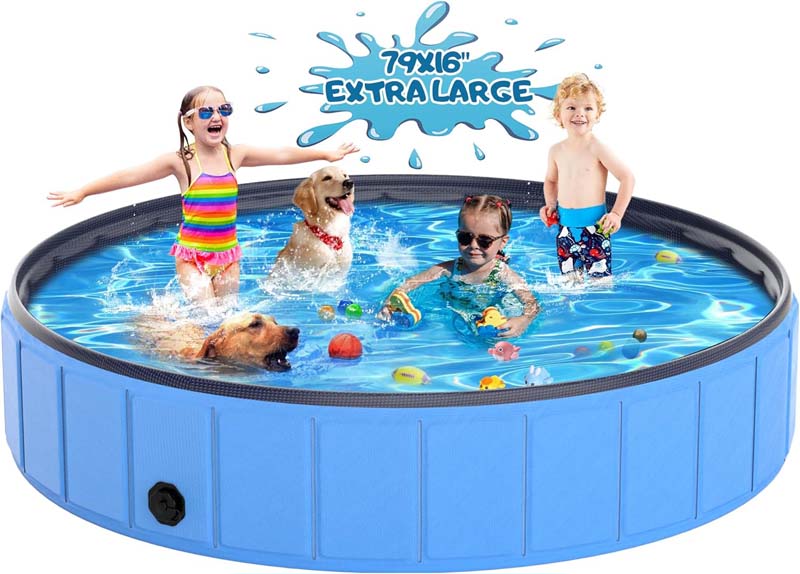
| Foldable PVC panel pool | Quick setup, supported walls, compact storage | Must be fully dried before folding | Regular cooling, bathing, and backyard play |
| Inflatable pool | Lightweight with soft edges | Greater puncture and valve risk | Calm dogs and occasional use |
| Hard plastic pool | Rigid and easy to clean | Bulky transport and storage | Permanent or semi-permanent placement |
| Frame-supported pool | Stable when assembled correctly | More parts and longer setup | Extended seasonal use |
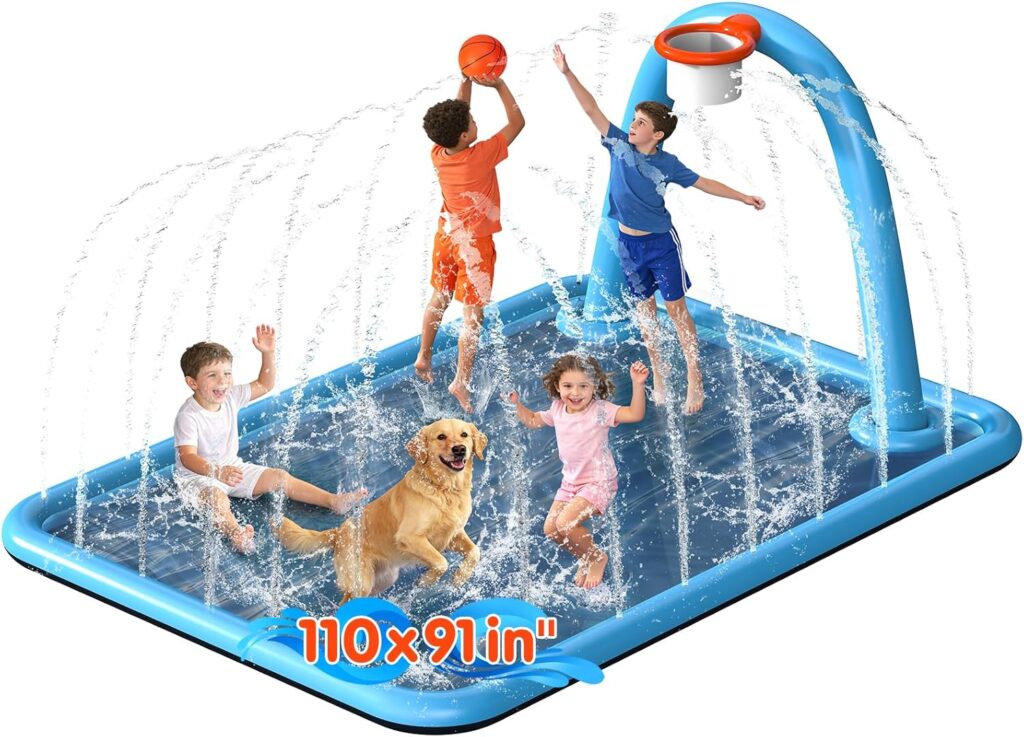
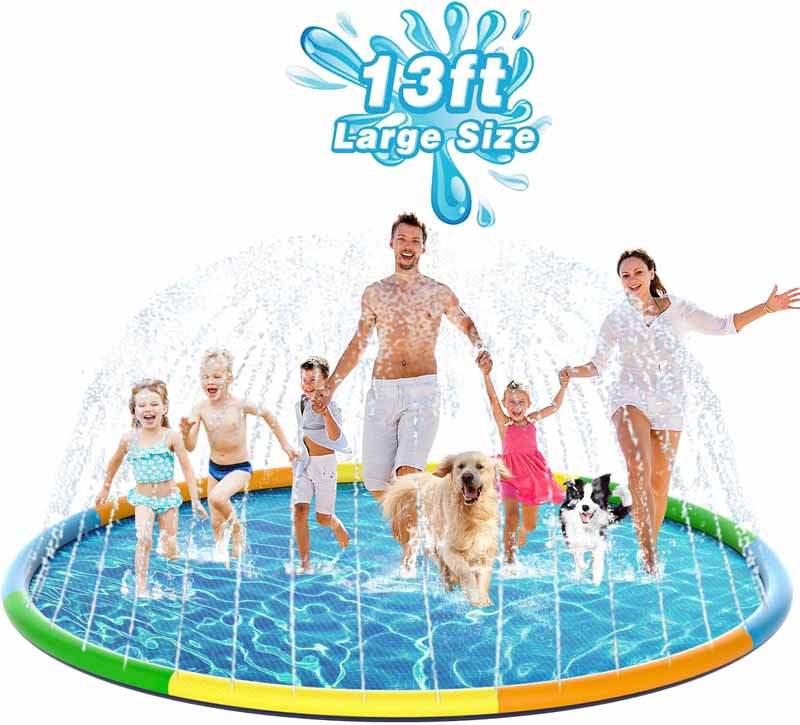
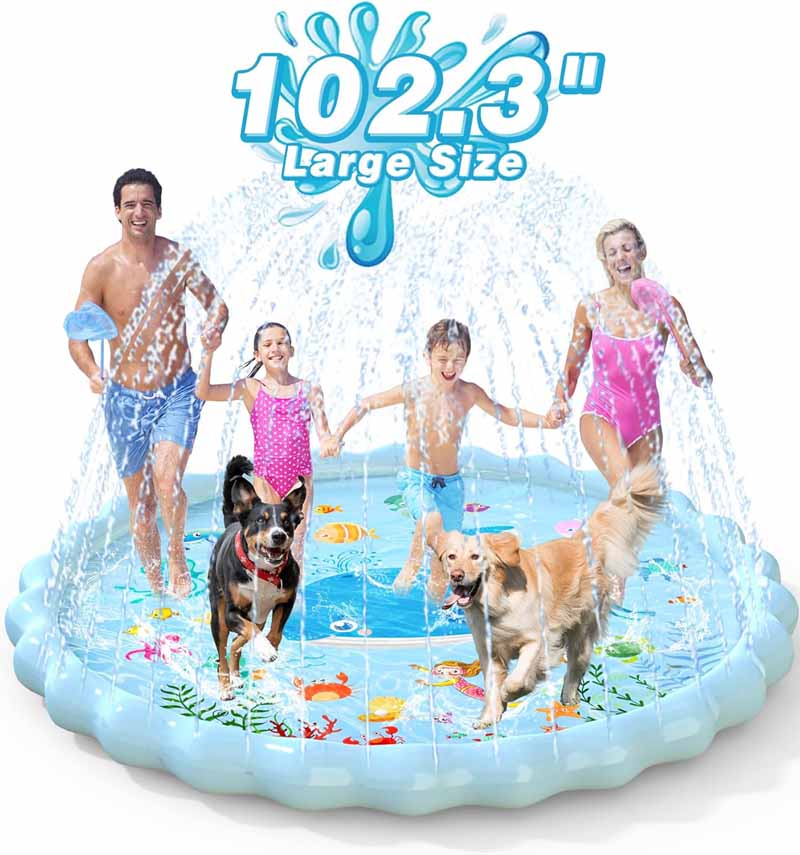
| Splash pad | Very shallow water and active spray | Limited soaking depth | Water play and cautious dogs |
Foldable pools use internal boards or support sections to hold the wall upright without air pressure. The PVC surface provides water resistance, while the internal panels manage part of the lateral load. That combination works well for households that need stronger support than an inflatable pool but do not have room to store a rigid tub.
Inflatable designs can feel comfortable around the edge and pack down small, although claws, teeth, valves, and chamber seams create more failure points. Hard plastic removes concerns about folds and air leakage, but moving or storing a large rigid shell can be difficult.
Frame-supported models make sense for long seasonal use and larger water areas. Splash pads suit dogs that enjoy moving water but do not want to stand in a deeper pool. Choosing the structure according to actual use avoids paying for features that create more work than value.

PVC works well for portable pools because it is water-resistant, flexible, printable, and compatible with heat-sealed construction. A phrase such as “heavy-duty PVC” does not explain whether the floor, wall, folds, or drain have been designed for repeated pet use.
A durable foldable pool usually combines outer PVC layers, internal support panels, reinforced flooring, consistent heat-sealed joints, protected upper edges, controlled folding positions, and extra support around the drain. The wall and floor face different loads. The wall manages outward water pressure and contact from the dog, while the floor carries body weight, paw movement, dirt, and abrasion from the ground below.
Thickness is only one part of the result. A thicker sheet can still fail when the drain is poorly installed, a panel edge is misaligned, or a fold concentrates stress repeatedly in the same place. Good construction spreads the load across the structure and reinforces the areas that receive the greatest pressure.
Claims such as indestructible, completely claw-proof, or puncture-proof should be treated cautiously. A well-designed pool can tolerate normal standing, walking, turning, bathing, and supervised play. Chewing, deliberate digging, dragging across concrete, and contact with sharp objects remain realistic causes of damage.
Trimming sharp nails, preparing the ground, preventing chewing, avoiding overfilling, and lifting the empty pool instead of dragging it can extend service life considerably.
High-Stress Areas
Damage often starts at transitions rather than across the middle of a flat PVC panel. The bottom perimeter seam, floor-to-wall junction, drain fitting, upper edge, and repeated fold lines receive more concentrated pressure during filling, play, emptying, and storage.
A dog climbing over one side can place far more force on a single wall panel than it creates while standing in the center. A connected hose pulled sideways transfers tension directly to the drain. Dragging a partly filled pool combines abrasion against the ground with the weight of the water, creating stress that the floor was never intended to carry.
Ground preparation prevents many avoidable failures. Stones, screws, broken branches, exposed irrigation parts, rough concrete, and sharp deck edges should be removed before setup. A protective ground layer can reduce abrasion, but it must remain flat and clean.
After use, water should leave through the drain before the pool is moved. The remaining shallow layer can be directed toward the outlet with gentle pressure. Once empty, the pool should be lifted, dried, and folded along the intended panel pattern instead of being forced into a smaller shape.
Regular inspection is worthwhile. Small changes around the drain, folds, seams, or upper edge are easier to address before they become leaks or structural problems.
Durability Testing
A pool that survives one fill has not yet proved that it can handle a full warm-weather season. Real use involves repeated opening, filling, dog movement, drainage, cleaning, drying, folding, packing, and storage. Each cycle places slightly different stress on the material and fittings.
A meaningful evaluation should include repeated folding, wall stability under sideways pressure, floor behavior during movement, drain operation, long-duration water pressure, and inspection after storage. Valve alignment, seam consistency, panel position, and the ability to return the product to its carton also affect the final experience.
Pet-focused development benefits from tests that reflect actual use rather than laboratory pressure alone. Claw-abrasion checks, UV exposure, heat aging, repeated fold cycles, water-pressure stability, and low-temperature brittleness evaluation can reveal weaknesses that may not appear during a short fill test.
EPN’s wider product-development operation includes 27 research and development specialists and more than 18 designers working across materials, structure, pet-use behavior, ergonomics, graphics, packaging, and localization. Its independent laboratory carries out more than 500 material and product performance tests annually, supporting development across pet, family, outdoor, and seasonal PVC products.
Those figures matter most when they lead to better decisions around floor reinforcement, wall support, drain placement, folding geometry, and packaging protection rather than becoming standalone marketing claims.
How Safe and Easy Is It to Use?
A safe dog pool remains stable on level ground, gives the dog dependable footing, provides an obvious exit, and drains without heavy lifting. Safe use also requires close supervision, controlled water depth, fresh drinking water, and attention to fatigue. A pool that is difficult to clean or dry may receive less maintenance and eventually become less pleasant to use.
Stable Footing
A textured or slip-resistant floor can improve traction, but no wet surface can prevent every slip. Mud, loose hair, shampoo, algae, body oil, and excited movement can reduce grip. The ground below the pool also changes how stable the inner floor feels.
A level, firm surface helps distribute water pressure evenly. A slope pushes more load toward one wall and reduces support on the opposite side. Soft soil may settle under the dog’s weight and form ridges beneath the floor. Rough concrete may wear the underside gradually even when no immediate puncture appears.
Preparation should be simple but thorough. Remove stones, sticks, metal fragments, and sharp debris. Open every wall panel fully, make sure the drain cap is secure, and leave a clear route around the entry side. Any protective mat should lie flat without wrinkles.
Older dogs deserve extra observation while turning and lowering their bodies. Balance problems often appear during weight shifts rather than while the dog is standing still. Bathing creates another challenge because shampoo residue can make the floor much more slippery. Water levels should remain moderate, and all residue should be rinsed away before the next play session.
Good footing comes from the combination of floor texture, ground preparation, manageable depth, and calm use.

Every dog should have one clear and repeatable exit. A pet that enters confidently may become tired or distracted later, and the safest route should not require a difficult jump from a wet floor.
Wall height should be compared with leg length, shoulder height, age, and normal stepping ability. A 30-centimeter wall may be easy for a healthy large dog but challenging for a puppy, short-legged breed, or senior pet. A lower entry panel can improve access. A ramp may also help when it has a gentle angle, reliable traction, and a secure position.
Exit training works best in shallow water. Guide the dog toward the same location, reward it after stepping out, and repeat from several positions. The dog should understand the route before deeper water or more energetic play is introduced.
Supervision means staying close enough to respond immediately. A session should end when the dog loses coordination, swallows water repeatedly, shivers, breathes unusually, or tries urgently to climb out. Excitement can hide fatigue, especially in puppies and active dogs that do not stop on their own.
An easy exit is not an optional accessory. It is one of the central conditions that makes water play manageable.
Drainage
Drainage affects how often a pool is used. Large models may hold hundreds of liters, so lifting or tipping should never be part of the normal routine. The outlet should be reachable from outside, easy to operate with wet hands, and positioned to release water in a controlled direction.
A low drain removes more water than one placed several centimeters above the floor. A wider opening reduces emptying time. Reinforcement around the fitting helps manage repeated cap operation and hose connection. Hose compatibility can direct water away from the pool, although the hose must be supported so it does not pull sideways on the valve.
Some large pools benefit from two drainage points: one for rapid bulk emptying and another for the remaining shallow layer. A single low outlet can also work well when the floor shape guides water toward it.
The discharge route should be decided before filling. Hundreds of liters released toward a foundation, doorway, neighboring yard, or soft slope can create a much larger problem than the pool itself. Water containing shampoo or cleaning products may also need different handling from clean cooling water.
A practical drain turns cleanup into a routine task instead of a reason to avoid using the pool.
Cleaning and Storage
Dog pools collect hair, grass, mud, saliva, insects, and skin oils quickly. Warm standing water can develop odor and surface residue, especially when several dogs use the same pool. Easy access to the floor, walls, folds, and drain is therefore more valuable than a complicated shape with decorative features.
After draining, rinse the lower walls and floor while debris is still loose. Hair often gathers along folds and corners, so those areas deserve extra attention. A PVC-compatible cleaner can be used when needed, followed by a complete rinse. Strong residues should never remain where the dog will stand or drink.
There is no universal water-change interval. Temperature, pool size, number of dogs, cleanliness, and frequency of use all affect water condition. Replacement becomes necessary when the water turns cloudy, develops an odor, contains heavy debris, or can no longer be kept clean through simple skimming.
Fresh drinking water should remain nearby so the dog does not rely on the pool. Even clean-looking water may contain hair, soil, saliva, or shampoo residue.
Storage problems usually begin with trapped moisture. The visible surface may feel dry while water remains below the floor, inside folds, or around the drain. Both sides should dry in moving air before folding. The pool should then be stored away from high heat, sharp tools, rodents, and heavy objects that may crush the panels.
What Makes a Dog Pool Worth Buying?
A worthwhile dog pool fits the dog, survives repeated seasonal use, drains without heavy lifting, cleans without complicated work, and folds into the available storage space. Price alone does not determine value. Accurate dimensions, stable sidewalls, reinforced flooring, sensible drainage, clear care instructions, and replaceable small parts usually matter more than decorative extras.
Daily Convenience
A pool only creates value when people are willing to set it up regularly. Small frustrations that seem minor on the first day often become the reason the product remains in storage later in the season.
The full routine matters. The pool should open without repeated adjustment, stand evenly after filling begins, accept an ordinary garden hose, and allow the dog to enter without being lifted. The drain should be reachable from the planned location, and one person should be able to rinse, dry, and move the empty product.
A heavier pool may provide stronger walls but become awkward to carry. A very large model may offer generous space yet require several hundred liters of water each time. A compact model may fit easily on a shelf but feel restrictive when a large dog turns.
Frequency of use helps define the right balance. A pool used twice a week for four warm months may experience 30 to 40 cycles of opening, filling, emptying, cleaning, drying, and folding. A structure that looks strong during the first fill but performs poorly after repeated handling offers limited seasonal value.
Replacement drain caps, compatible hoses, repair materials, and clear folding instructions can extend useful life. Small serviceable parts often matter more than accessories that are only used once.
Product Information
Reliable product information should help owners picture the real experience before ordering. Broad phrases such as premium, extra durable, or suitable for all dogs are far less useful than measurable dimensions and clear structural details.
External size should be accompanied by usable internal floor measurements. Wall height should be shown alongside recommended water depth. Product weight and folded dimensions matter because the pool must be moved and stored after use. Drain position, outlet size, and hose compatibility help owners understand how the water will leave.
Construction details should explain whether the wall contains internal support panels, whether the floor is reinforced separately, and whether the drain area receives additional support. Care information should cover surface preparation, fill level, cleaning, drying, folding, and realistic limitations around claws, chewing, and dragging.
Clear limits build trust. A dog pool is not a chew toy, a permanent pond, an unattended swimming area, or a replacement for professional rehabilitation equipment. When those limits are explained honestly, owners are more likely to select the right product and use it properly.
For larger models, the carton is also part of the decision. A pool may fit the yard but not the storage shelf, vehicle trunk, or doorway used to move it.

The purchase price is only one part of ownership cost. Water consumption, filling time, drainage effort, drying space, replacement parts, repairability, and seasonal durability all affect whether the pool remains worthwhile.
A cheaper product may become poor value when the internal space is smaller than expected, the wall bends during normal movement, or the drain leaves a heavy layer of water behind. A floor that wears quickly on ordinary ground or folds that never dry properly can shorten useful life even when the material appears thick.
A higher price does not automatically guarantee better performance. Extra thickness, multiple outlets, decorative printing, or included accessories create value only when they support the intended use. A calm small dog needs a different structure from two large dogs playing together.
Long-term value comes from balance: enough space without excessive water demand, strong walls without unmanageable weight, effective drainage without weak fittings, and compact storage without damaging folds. The best pool is not the one with the longest feature list. It is the one that continues to work after repeated real-world use.
Custom Dog Pool Projects
Commercial projects begin with the intended use rather than the logo. A compact cooling pool for small dogs has different structural needs from a 200-centimeter model designed for several large dogs. Wall height, floor reinforcement, drain position, folded size, packaging volume, and artwork layout should all follow the application.
Sales channel also affects the product. Online marketplaces place more pressure on carton efficiency, warehouse labels, transit protection, and clear instructions. Retail programs may require stronger shelf presentation, multilingual packaging, barcodes, local warnings, and display-ready graphics. A grooming or hospitality project may care more about repeated drainage, cleaning speed, and commercial appearance.
A project using an existing structure with new colors, graphics, and packaging can usually move faster than one requiring a new size, wall system, or drain arrangement. Clear information about the target market, dog size, use scenario, preferred dimensions, estimated quantity, packaging, testing direction, and launch schedule allows the manufacturer to evaluate development more accurately.
EPN operates under American Epsilon Inc. and develops PVC and composite-material leisure products for pet, family, outdoor, and seasonal use. Its development resources include 27 research and development specialists, more than 18 designers, an independent laboratory conducting over 500 material and product performance tests annually, and coordinated capabilities covering PVC processing, components, printing, packaging, and finished-goods delivery.
Suitable projects can involve custom dimensions, colors, graphics, labels, packaging, drain configurations, and selected structural changes. Sample development may take approximately 3–5 days for compatible projects, while regular mass-production schedules are commonly around 20–30 days. Final timing depends on structure, packaging, testing, and order volume.
Companies planning a standard, private-label, or custom dog pool can share the intended size, use, target market, quantity, artwork, packaging format, and launch timing. Those details make it possible to evaluate material structure, sampling, production, packing, and quotation requirements with far greater accuracy.