Skip to content
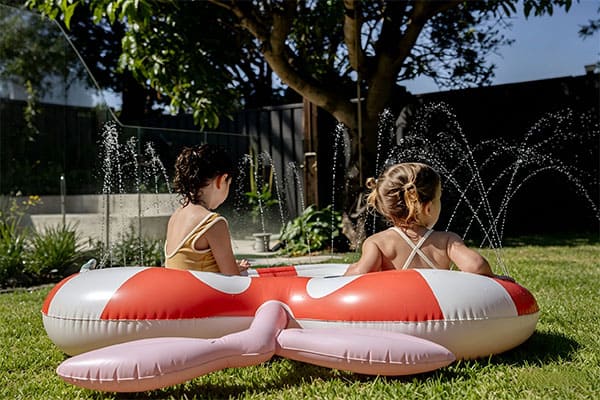
A splash pad looks easy to understand, and that is part of why families like it. You connect a hose, turn on the water, and the play area starts spraying. It feels lighter than a pool, easier to set up, and more realistic for everyday backyard use. But once people actually use a splash pad for more than one afternoon, the real standard becomes much higher. They stop asking whether water comes out and start asking whether the spray is even, whether the surface stays comfortable, whether the edge remains stable, whether the product dries without becoming a hassle, and whether it still feels worth using after the first few weekends of summer.
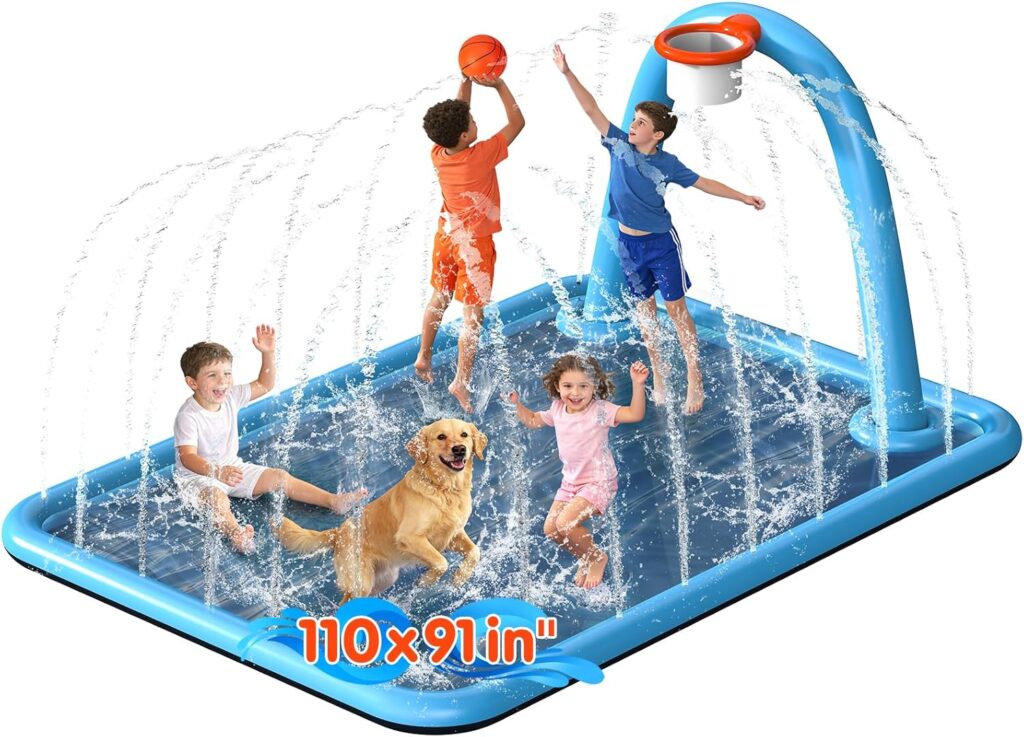
A splash pad works by sending water into a shallow spray structure and pushing it out through small openings around the edge or play zone. Instead of storing a deep body of water, it creates a thin wet surface and controlled spray for active play, cooling, and easier repeat use.
That simple idea only works well when several small details are matched properly. Water has to enter smoothly, pressure has to build evenly, the spray layout has to feel balanced, the surface has to remain shallow enough for easy play, and the product has to drain and dry in a way that still feels manageable for real families. This is why two splash pads can look similar in photos and perform very differently once they are used in a real yard. One may feel stable, clean enough, and fun enough to bring out again the next day. Another may puddle, lean, spray unevenly, or start feeling annoying after only a few uses. For families, that difference shows up in comfort, convenience, and repeat use. For retailers, importers, and brand owners, it shows up in satisfaction, complaint rates, and long-term product confidence.

What Is a Splash Pad?
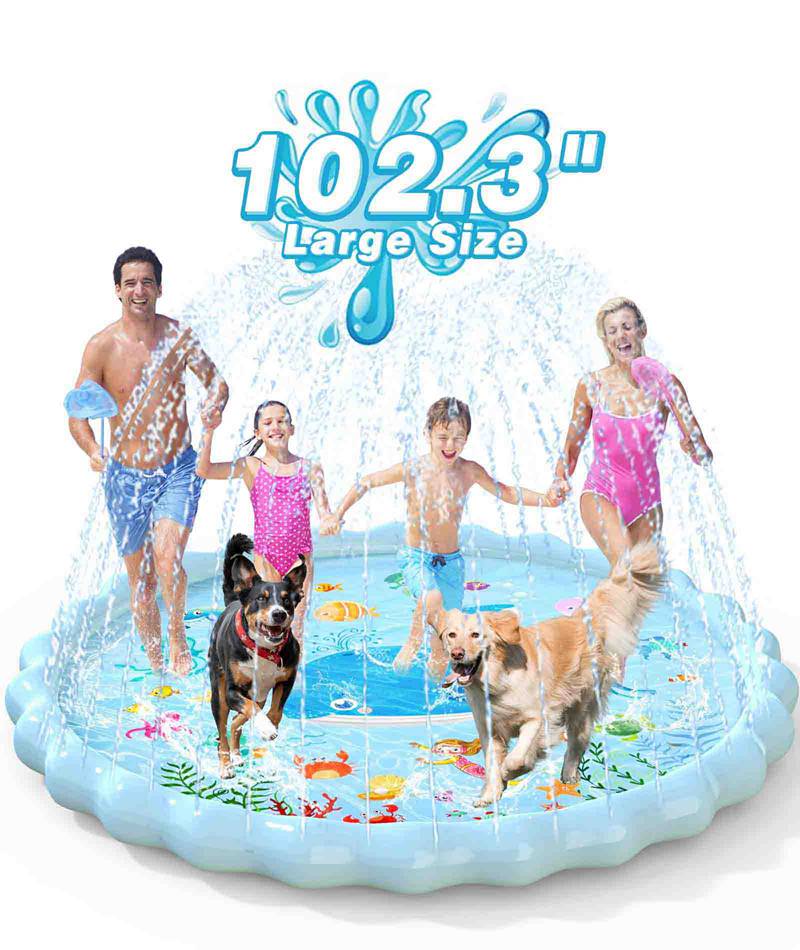
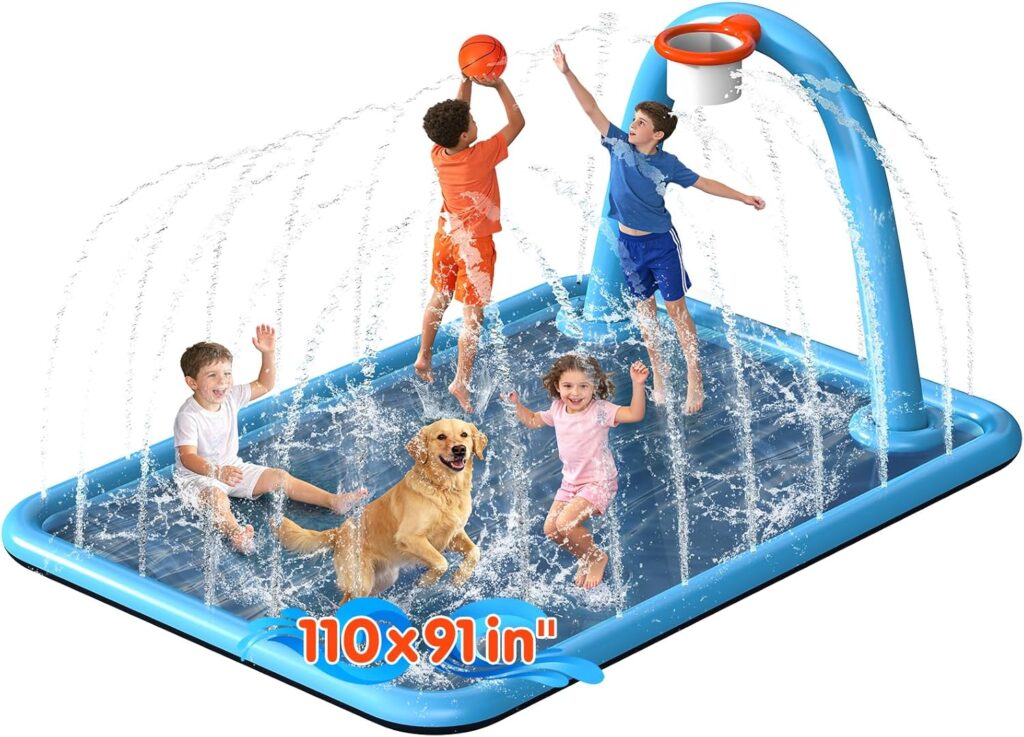
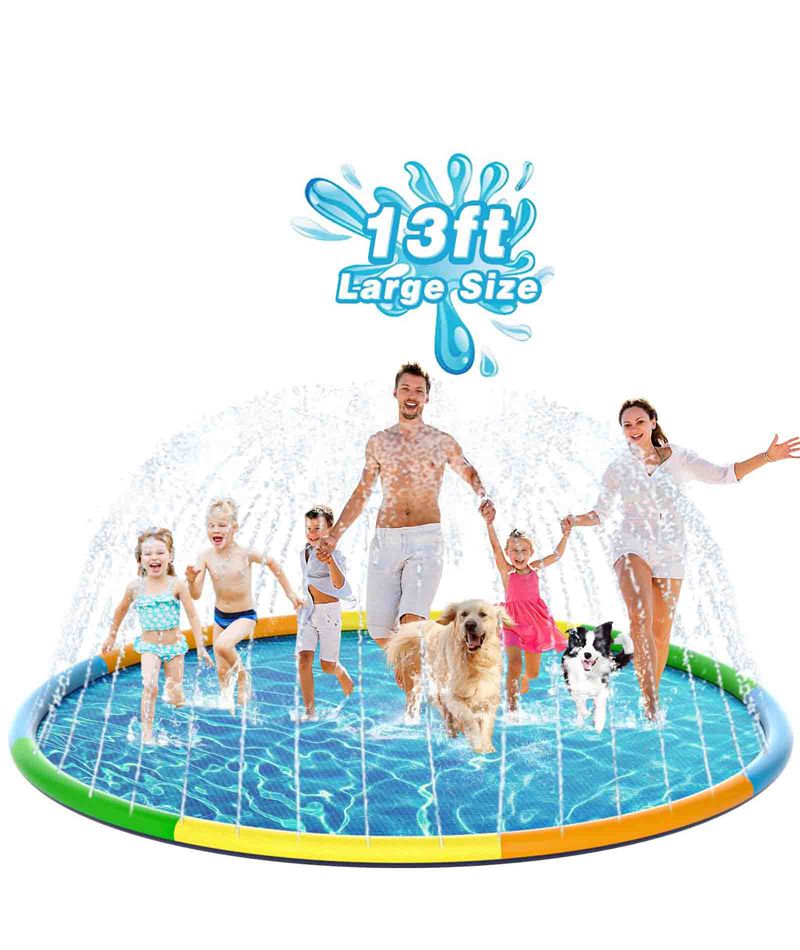
A splash pad is a shallow water-play surface designed to spread and spray water without forming a deep basin. It is made for movement, cooling, and easy entry, which is why many families choose it when they want summer water play that feels lighter, quicker, and easier to manage than a pool.
What Does a Splash Pad Do?
A splash pad turns ordinary hose water into an active play area. That sounds simple, but it matters because it changes how children use the product. They do not settle into one contained body of water the way they often do in a kiddie pool. They move through the splash pad. They step across it, sit in the spray, run through the edge pattern, and use it in short, flexible bursts.
That makes the product a very good fit for the way many families actually use their yard. A household may only have twenty or thirty minutes for outdoor play before dinner, before nap time, or between other plans. In that kind of routine, a splash pad often makes more sense than a larger water setup that feels heavier to fill, manage, drain, and clean. The value is not only that it gets children wet. The value is that it makes outdoor water play easier to start.
It also works well across more than one age group. Younger children often like the open access and lower water depth. Older children are more likely to treat it as a run-through or movement toy. In many homes, one child uses the center calmly while another interacts more with the edge spray. That flexibility is one of the biggest strengths of the category.
A good splash pad is doing more than creating spray. It is turning water pressure into a play experience that feels balanced. The water should be active enough to feel fun, but not so uneven that one section feels empty while another feels too harsh. The best products do not just spray. They stay usable.
Why Does a Splash Pad Stay Shallow?
A splash pad stays shallow because it is designed to move water across the surface rather than collect it into a deeper volume. That shallow format is one of its biggest advantages. It makes the setup feel lighter, lowers the visual weight of the product in the yard, and helps children move on and off more easily during play.
For many households, this is the whole reason the product makes sense. They are not looking for a full swim setup every time children want to cool off. They want something easier. They want something that can be used on a warm afternoon without turning the yard into a bigger water-management job. A splash pad answers that need by keeping the experience more open, more casual, and easier to reset.
Still, shallow does not mean nothing can go wrong. A splash pad can still puddle if the ground is uneven. It can still feel slippery if dirt, sunscreen, or grass builds up on the surface. It can still feel messy if the spray pattern throws too much water in the wrong direction. So while shallow design helps, it only works well when the rest of the product supports it.
That is also why development matters more than many people expect. Because the product is not relying on depth to create the play experience, it needs more control in spray layout, edge behavior, and surface balance. When those parts are done well, the splash pad feels easy in the best possible way.
A shallower design usually gives families a better experience when it offers:
- easier step-on, step-off use
- lower setup burden than a pool
- less intimidation for younger children
- faster after-play handling
- a better fit for shorter summer play sessions
Is a Splash Pad Like a Pool?
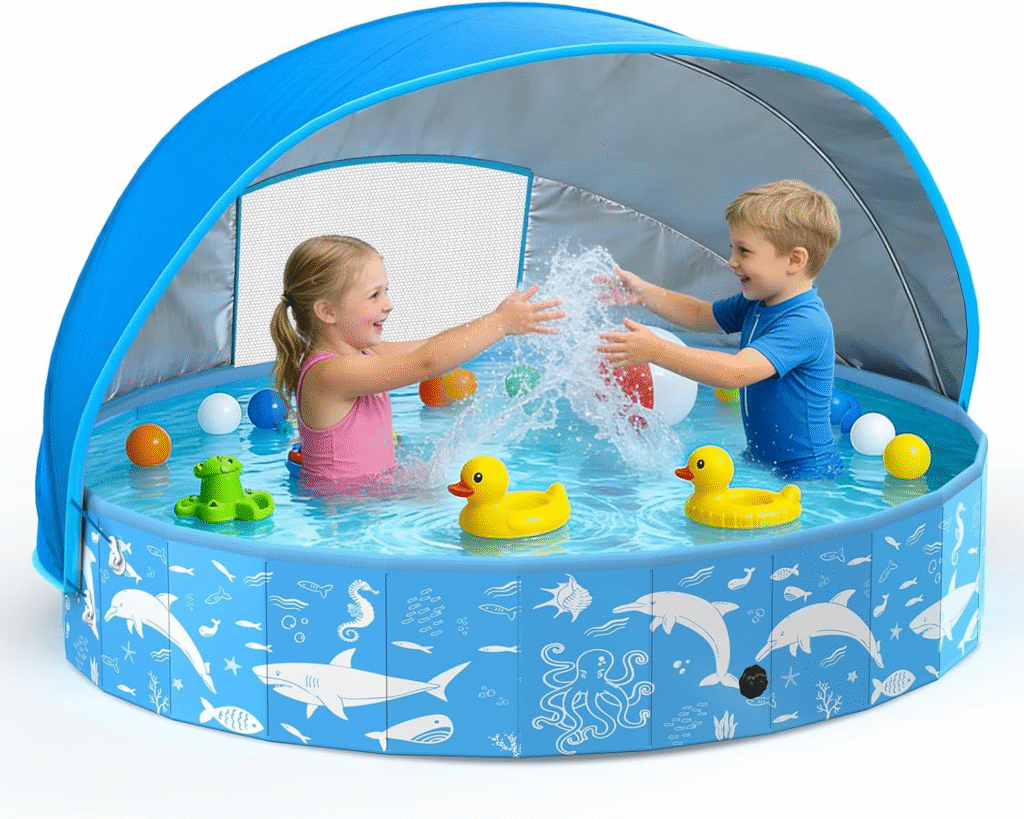
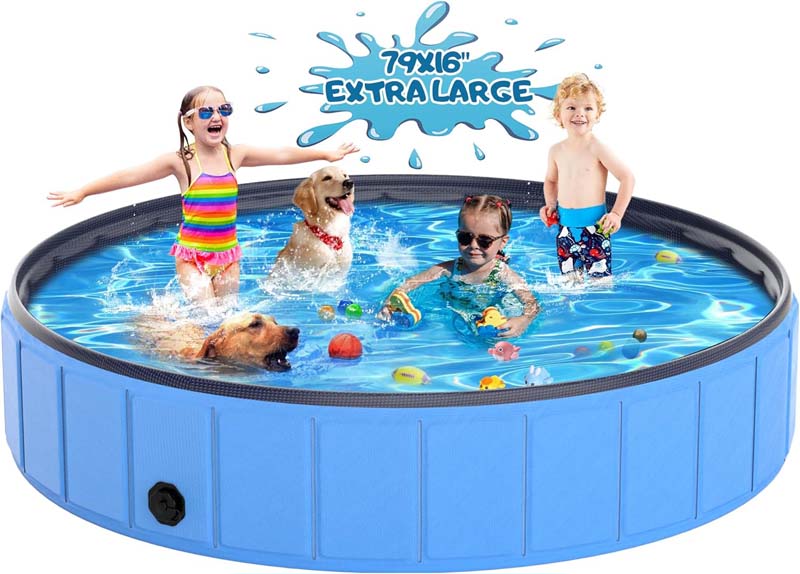
A splash pad and a pool both belong to summer water play, but they are designed around very different use patterns. A pool is made to hold water. A splash pad is made to distribute water. That difference affects how each one feels in the yard, how children interact with it, and what kind of after-use care families expect.
A pool usually supports more stationary play. Children sit in it, soak in it, or remain in one contained area for longer periods. A splash pad creates more movement. Children run through the spray, move in and out, and use it in shorter bursts. That changes the whole rhythm of play.
The difference also matters in how families judge the product. A pool is often judged by depth, capacity, and comfort inside the water. A splash pad is more often judged by spray balance, edge stability, surface feel, and whether it is easy enough to use again tomorrow. In homes with limited space or a more casual outdoor routine, that lighter setup often matters more than sheer water volume.
It matters commercially too. A splash pad sold like a mini pool can disappoint because the expectation starts in the wrong place. It performs best when it is positioned clearly as an active, surface-based cooling product rather than as a substitute for deeper contained water.
| Feature | Splash Pad | Kiddie Pool | Larger Pool |
|---|---|---|---|
| Water behavior | Moving spray and shallow surface flow | Holds shallow standing water | Holds deeper standing water |
| Main play style | Active movement | Sitting and scooping | Soaking or swimming |
| Setup burden | Light | Moderate | Higher |
| Cleanup focus | Rinse, dry, store | Drain, wipe, refill | Ongoing care and water management |
| Best fit | Quick repeat backyard play | Quiet shallow play | Longer water sessions |
For most families, the better question is not which category sounds better. It is which one fits the way the yard is really used. In many homes, the most successful summer product is the one that gets used often because it feels easy enough to bring out again.
Is a Splash Pad Safe for Kids?
A splash pad is often seen as a safer option because it does not depend on deep standing water to create the play experience. That lower-water format is one of its clearest strengths, especially for younger children and for families who want something less demanding than a pool.
But safety should not be reduced to water depth alone. In real use, a splash pad feels safer when it lies flat enough to stay comfortable, when the spray remains controlled rather than harsh, when the edge keeps its shape under movement, and when the setup area is level enough to avoid unnecessary pooling. It also needs to stay manageable after play, because a product that becomes messy, slippery, or hard to clean can quickly feel less trustworthy even if it still technically works.
Families usually respond well to products that feel predictable. The water pattern is balanced. The center remains usable. The edge does not collapse too easily. The surface does not become an avoidable hassle after one messy afternoon. That sense of control is what often makes the product feel more comfortable and more dependable.
For product teams, this is also where complaint reduction starts. Many disappointing experiences do not come from dramatic failure. They come from smaller problems that stack up quickly: weak spray on one side, too much puddling in the center, a connection area that feels flimsy, or a surface that becomes harder to keep clean than expected. Those problems affect how relaxed a parent feels while the product is in use.
A safer and more comfortable splash pad usually gives families:
- a flatter and more usable play surface
- a spray pattern that feels balanced rather than aggressive
- stable edges during stepping, sitting, and turning
- easier supervision because the play area stays visually open
- simpler after-use care, which helps the product remain pleasant over time
What Most Customers Notice First
Customers rarely describe splash pad quality in technical language. They describe what they feel in the yard. That is why first-use impressions are so practical.
Most families notice these things first:
- whether the splash pad starts spraying evenly
- whether the edge rises in a stable way
- whether the center becomes too puddled
- whether the surface feels comfortable underfoot
- whether setup feels fast or annoying
- whether cleanup feels manageable or messy
These points shape almost every real opinion about the product. If the first use feels smooth, the splash pad usually earns another use quickly. If the first use feels awkward, messy, or unstable, the product starts losing value right away.
| What customers care about | Why it matters in real use |
|---|---|
| Even spray | Keeps the whole play area usable |
| Shallow structure | Feels easier and lighter than a pool |
| Stable edge | Improves comfort and reduces adjustment during play |
| Easy setup | Increases repeat use across the season |
| Easier cleanup | Makes the product feel practical, not disposable |
| Better material behavior | Supports repeat folding, sun exposure, and daily handling |
A splash pad is often judged in the first ten minutes, but its real value is decided over several weekends.
How Does a Splash Pad Run?
A splash pad runs by taking incoming water, building pressure inside a shallow internal structure, and releasing that water through small openings around the play area. On the surface, this looks easy. In real use, it only feels good when that process stays controlled from beginning to end.
How Does Splash Pad Water Enter?
Most home splash pads begin at one small but very important point: the hose connection. This is where outside water enters the product, and it is also where many real-use problems begin if the structure is weak. A splash pad may look like one printed surface, but the inlet area is one of the highest-stress parts of the whole product. It handles water pressure, movement during connection, twisting during setup, and repeated bending during storage.
Once the hose is connected, water usually enters a perimeter chamber or edge channel. That channel acts as the internal delivery path for the spray system. As it fills, pressure begins to spread around the ring, and the edge gradually rises into shape. This is why many splash pads do not spray fully the second the faucet is turned on. They often need a short moment to fill and stabilize before the water pattern becomes more even.
That startup phase matters more than many customers realize. If one side fills faster than another, the spray may begin unevenly. If the connector leaks or does not sit tightly, the pressure entering the structure may never build properly. When people say a splash pad “doesn’t spray right,” the issue often begins much earlier than the holes themselves.
For product teams, this is one of the clearest examples of why splash pads should not be treated as visual products only. The inlet is not a small accessory. It is one of the functional foundations of the whole design.

How Does a Splash Pad Spray?
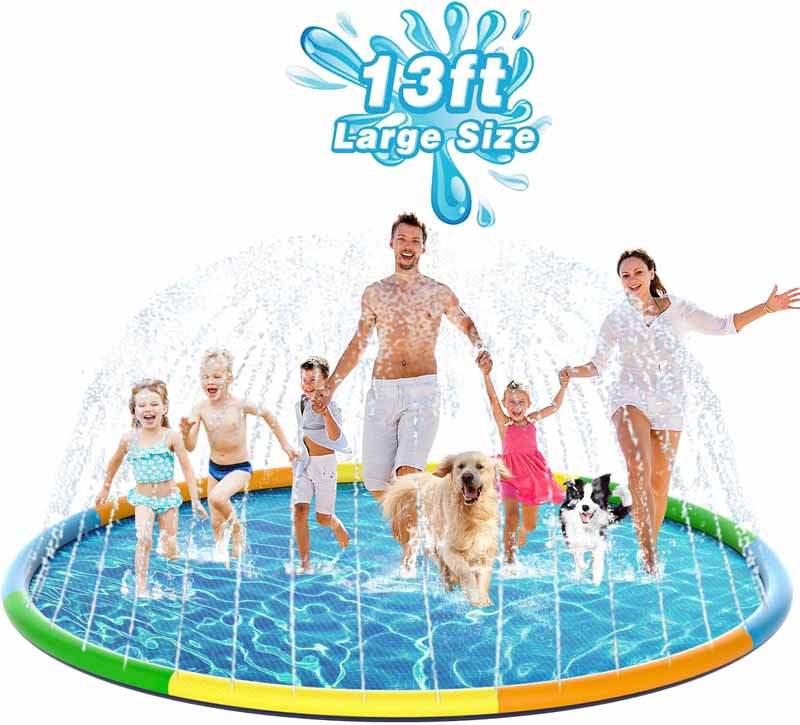
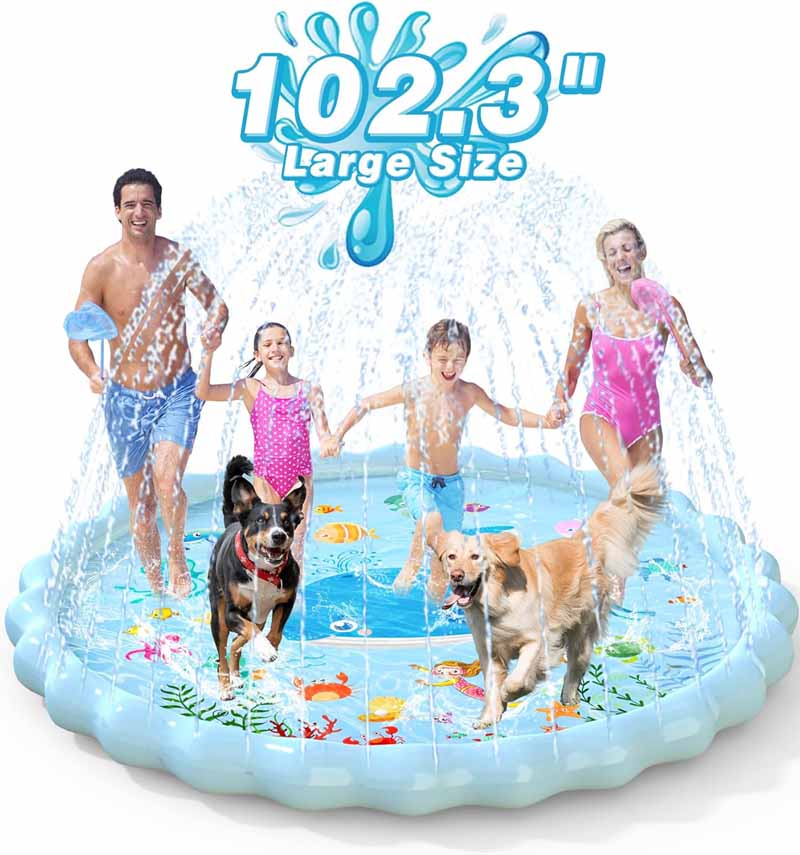
A splash pad sprays when pressure inside the edge or spray chamber forces water out through a series of small openings. In most backyard splash pads, those holes are arranged around the perimeter and angled toward the center. That is what creates the circular spray pattern most families expect.
But a good spray effect is not just about getting water out. It is about getting water out in a way that feels even, playful, and usable. Hole spacing affects whether the spray feels continuous or patchy. Hole size affects how much water exits and how strong the jets feel. Hole angle determines whether the spray lands in the play area or shoots too far outward. Edge chamber volume affects how well the ring builds and holds pressure. None of these details work well in isolation.
This is why some splash pads feel lively and satisfying while others feel weak or awkward even when they are connected to the same hose. One product may create a smooth ring of low spray that keeps the full play area active. Another may produce hard spray in only a few sections and almost nothing in others. Children react to that difference quickly. They stop using the dead areas and gather around the few sections that feel engaging. When that happens, the product feels smaller and less successful than it looked in the listing.
A better splash pad usually does not win by producing the tallest spray. It wins by producing the most usable spray. Families notice when the pattern feels balanced enough for the whole surface to stay active.
How Does a Splash Pad Drain?
A splash pad drains by letting water move across the surface and run off naturally instead of holding it inside a basin. That sounds simple, but drainage strongly affects how the product feels in everyday use. It influences comfort during play, how quickly the product can be rinsed afterward, and how easy it is to dry before storage.
When drainage works well, the surface stays active without becoming overly heavy with standing water. The center remains wet enough for play, but the product does not turn into a shallow puddle that feels messy or awkward. When drainage is weak, the problems show up quickly. Water lingers in low areas. The center becomes soggier than expected. Grass and dirt stick more easily. Drying takes longer.
Ground condition plays a major role here. Even a well-made splash pad will behave differently on a level patio than on uneven grass with hidden dips. If the setup surface slopes even slightly, water may drift toward one side and make the whole product feel less stable. That is one reason feedback can vary so widely from home to home. Sometimes the product is weak. Sometimes the setup surface is doing part of the damage.
For brands and sellers, drainage is one of those issues that customers do not always name directly, but they describe the result very clearly. They say the splash pad puddles too much, stays too wet, dries too slowly, or becomes harder to manage than expected.
Does a Splash Pad Turn On Automatically?
Most home splash pads do not turn on automatically. They begin when the user turns on the water and stop when the water is shut off. That simplicity is part of the appeal. It keeps the product easy to understand and easy to use.
This also fits the way most households use the product. A backyard splash pad is usually brought out for short, casual play sessions. Families want something they can set up quickly and stop just as easily. Manual start and stop keeps the product lightweight in both cost and experience.
Where confusion often happens is when people mix home splash pads with public splash features. In public parks or larger community play areas, splash systems may activate through timers, motion sensors, or programmed controls. That makes sense in a managed environment where operating hours, water use, and maintenance need closer control. But that is not how most consumer splash pads are designed to work.
This distinction matters because expectation shapes satisfaction. A home splash pad should feel easy, not technical. A more advanced project installation may need smarter control logic, but a consumer product performs best when the water path itself is reliable and the operation stays simple.
What Affects Splash Pad Performance First
Many customers assume performance depends mainly on size, print, or total number of holes. In real use, the first things that shape performance are more structural.
The parts that most often affect first-use performance are:
- the hose connection and how well it seals
- the inlet structure and how evenly it accepts pressure
- the perimeter chamber and how well it builds support
- the spray-hole layout and angle
- the setup surface underneath the product
| Functional area | What it controls | What customers usually notice |
|---|---|---|
| Hose connection | Water entry and seal stability | Loose fit, startup leaks, pressure loss |
| Inlet area | Early pressure transfer | Slow fill, weak edge lift, unstable spray |
| Edge chamber | Pressure support around the ring | Uneven spray, weak ring shape |
| Spray holes | Direction and play effect | Patchy spray, harsh spots, dead zones |
| Ground setup | Drainage and balance | Puddling, one-sided flow, uneven use |
In a category like splash pads, real performance is rarely decided by one dramatic feature. It is usually decided by whether these small functional areas work together without creating extra trouble for the family.
How Does Splash Pad Water Change?
Splash pad water does not behave exactly the same way in every yard. It changes with water pressure, hose condition, connector fit, setup surface, and the internal structure of the pad itself. That is why the same splash pad can feel lively in one backyard and disappointing in another.
How Much Pressure Does a Splash Pad Need?
Most home splash pads are designed to work with normal household hose pressure. That is one of the most important points in the whole category. A splash pad should not need unusually strong water supply to feel acceptable. It should be able to create a satisfying play pattern under ordinary home conditions, because that is how most families will actually use it.
This is where product expectations need to stay realistic. High spray may look exciting in marketing, but extra height is not always the same as better use. Spray that is too forceful can make the edge less stable, throw too much water outside the play zone, and create a less comfortable experience for smaller children. For many family-use splash pads, moderate and even spray performs better than tall but unstable spray.
Pressure also needs to be understood as part of a system. Water supply matters, but so do hose length, hose diameter, connector fit, and how much resistance the splash pad itself creates. A product that only performs well under unusually strong pressure is too narrow in its real-world usefulness.
Why Does a Splash Pad Spray Low?
A low spray pattern does not always mean the product is defective. In many cases, it means the pressure reaching the spray holes is lower than needed, or the product is losing pressure before it can build a stronger ring.
This can happen for several reasons. The faucet may not be fully open. The hose may be long, narrow, or slightly kinked. The connection may be loose. The spray holes may be partially blocked. The perimeter chamber may not be filling evenly. Customers notice low spray quickly because it affects the emotional side of the product. A splash pad is expected to feel lively from the start. If the water effect feels weak, the whole product can seem smaller and less fun than expected.
There is also a design side to low spray. Some splash pads are simply not matched well to normal household conditions. If hole size, chamber volume, and internal pressure path are not balanced properly, the product may never reach a satisfying spray effect under ordinary backyard use. In those cases, the problem is not just setup. It is product logic.
Why Does a Splash Pad Spray Unevenly?
Uneven spray is one of the fastest ways to make a splash pad feel lower quality. Families notice it immediately because it changes how the play area works. One side may spray strongly while another stays flat. One section may throw water outward while another barely reaches the center. Even when the splash pad is technically functioning, it no longer feels well made.
There are usually several reasons this happens. The first is inconsistent hole layout. If the holes are not evenly spaced, cleanly formed, and properly angled, the spray pattern will never look truly balanced. The second is uneven pressure distribution in the perimeter chamber. If one side fills faster or holds pressure more effectively than another, the output will reflect that difference. The third is setup condition. A twisted hose, partial connector issue, or sloped ground can change the way water moves through the product.
This is why spray quality is not only about water supply. It is also about precision. A better splash pad usually performs more evenly because the whole system was tested as one design rather than adjusted late.
How Does a Splash Pad Flow Change?
Splash pad flow changes throughout use because water behavior is not static. At startup, the perimeter may still be filling, so the pattern can look softer or more uneven. Once the edge chamber builds pressure, the spray often becomes more stable. During play, the pattern may change again if children press heavily on one side, the hose shifts, the connection loosens slightly, or the ground underneath allows the product to tilt.
Temperature and material condition also play a role. A freshly unfolded splash pad may need a little time to flatten and settle into shape. Warm outdoor conditions can make the material more flexible, which can slightly change how the edge responds as pressure builds. These are not dramatic changes, but they are enough to affect how the product feels from one session to the next.
The best splash pads are not just the ones that make a strong first impression. They are the ones that settle into a stable pattern and stay usable through the whole play session.

What Improves Splash Pad Water Performance
Most water-performance issues improve when the product and setup are working in better alignment. Customers often look for one big fix, but the result usually comes from several smaller things being handled well together.
Water performance usually improves when:
- the hose connection is tight and fully aligned
- the faucet is opened enough for consistent flow
- the hose is not kinked or overly restrictive
- the splash pad is set on a flatter surface
- the edge chamber is given time to fill before heavy play starts
- the spray holes stay clear of dirt or blockage
| Water issue | What often causes it | What usually helps |
|---|---|---|
| Low spray | Weak flow, pressure loss, partial blockage | Improve connection, check hose, clear holes |
| Uneven spray | Poor hole layout, uneven chamber fill, sloped setup | Better level setup, stronger design balance |
| Weak edge rise | Inlet instability, low pressure, poor chamber support | Better seal, better chamber design, steadier flow |
| Too much outward spray | Poor hole angle or excess pressure in one section | Better spray layout, more balanced distribution |
| Changing flow during use | Hose shift, pressure variation, product movement | More stable setup and stronger structural support |
A better splash pad does not need to feel complicated. It just needs the water to behave in a way that feels controlled, repeatable, and easy for families to enjoy.

How Does a Splash Pad Stay Clean?
A splash pad stays clean when water source, surface condition, drainage, and after-use care all work together. For most home users, the splash pad does not become difficult because the structure is complicated. It becomes difficult when dirt builds up, moisture lingers too long, and the product is folded away before it is really dry.
Is a Splash Pad Sanitary?
A splash pad can be sanitary, but it is not automatically sanitary just because the water looks fresh. Many families assume that because a splash pad is shallow and open, it must also be cleaner than other water-play products. In everyday home use, that can be partly true at the start of play, especially when the water is coming directly from a clean hose source. But once the splash pad is being used, the surface begins collecting normal outdoor residue very quickly.
Feet bring in soil and grass. Sunscreen leaves a film. Pets, when they also use the pad, can add more debris and more wear. Warm weather makes any damp surface more likely to hold odor if it is not dried properly afterward. This means sanitation is less about one dramatic contamination event and more about whether the product stays easy to clean over repeated use.
For most families, the real question is not whether the splash pad is perfectly sterile. It is whether it still feels clean enough, fresh enough, and easy enough to reuse several times a week. That is where product quality starts to matter. A splash pad that traps dirt too easily, dries too slowly, or becomes unpleasant after only a few uses quickly loses value, even if it looked attractive on the first day.
A cleaner-feeling splash pad usually gives customers:
- a smoother surface that rinses more easily
- less unwanted water retention after play
- easier drying before storage
- a more pleasant second and third use
- less hesitation about bringing it out again
Does a Splash Pad Reuse Water?
Most home splash pads do not reuse water the way public splash areas do. In normal backyard use, the water comes in through the hose, sprays across the surface, and then runs off. It is a pass-through play setup, not a recirculating water system.
This matters because it shapes how families think about cleanliness. A home splash pad is usually not filtering and treating the same body of water again and again. It is depending on incoming water quality and on the care routine after play. In other words, the question is not whether the product operates like a public splash park. The question is whether the surface stays manageable over time.
That also means customers should judge the product by the right standard. A residential splash pad should be easy to rinse, easy to dry, and easy to put away without moisture becoming a recurring problem. If it meets those expectations, it usually performs well in normal home use. If it does not, people often say it feels “dirty fast” or “harder to manage than expected,” even when the actual water source is still fine.
How Does a Splash Pad Keep Water Clean?
In home use, a splash pad keeps water cleaner mainly by starting with a clean incoming water source and avoiding unnecessary contamination during and after play. The product itself is not usually purifying water. It is relying on practical conditions to stay fresh enough for repeated family use.
A cleaner setup often begins before the water is even turned on. If the splash pad is placed on a relatively clean, flat surface, it begins with less dirt and less grass trapped underneath. If the hose connector is clean and the product is not being dragged across rough ground before use, the whole play session begins in a better state.
What matters most after play is what happens in the last few minutes. Many products feel harder to keep clean not because they got dirty during use, but because they were left wet too long afterward. Water left in low pockets, folds, or edge areas tends to hold residue longer. That is why a splash pad that drains and dries more easily often feels like a cleaner product overall, even if the visible design looks similar to another model.
| Cleaning factor | Why it matters | What customers usually notice |
|---|---|---|
| Clean setup surface | Reduces dirt and grass transfer | Less mess during and after play |
| Better drainage | Helps water leave the surface faster | Less pooling, easier rinsing |
| Smoother surface feel | Makes residue easier to wipe away | Cleaner appearance after use |
| Faster drying | Reduces damp storage problems | Less odor, easier reuse |
| Easier fold and storage routine | Helps keep the product manageable | More likely to be used again |
A splash pad stays cleaner when the product and the routine are both simple enough to repeat.
Which Splash Pad Parts Matter Most?
When people think about cleanliness, they often focus only on the printed surface. In real use, several structural areas influence whether a splash pad stays manageable across the season. The first is the center surface. This is the part children stand, sit, crawl, and play on most, so it needs to rinse clean without holding too much residue. The second is the edge. If the outer ring traps water too easily or never dries well, the whole product can start to feel unpleasant even if the center still looks fine.
The inlet area matters too. If the connection point leaks, drips, or stays messy during use, that one area can make the whole splash pad feel less clean and less refined. Customers often do not describe this as an engineering issue. They simply say the product feels sloppy or harder to deal with than expected.
Drain behavior is another big factor. A splash pad that lets water move off the surface more naturally is much easier to keep pleasant over time than one that always holds extra moisture in the middle or around the ring.
What Helps a Splash Pad Stay Cleaner
Most cleanliness problems do not come from one major mistake. They come from ordinary habits repeated too casually.
A splash pad usually stays cleaner when:
- it is placed on a flatter and cleaner area before use
- dirt and grass are rinsed off soon after play
- the product is not left sitting wet for too long
- the edge and center are allowed to dry before folding
- the storage area stays dry and reasonably clean
- the splash pad is used as a seasonal product, not left outdoors indefinitely
In many households, cleanliness is not judged by one perfect moment. It is judged by whether the splash pad still feels worth using again next time.

How Does a Splash Pad Last Longer?
A splash pad lasts longer when the structure is matched to real use and the customer does not have to fight the product every step of the way. Most early wear does not come from one dramatic failure. It usually comes from smaller stress points repeated over time: a strained inlet, unbalanced pressure at the edge, rough ground underneath, poor drying, repeated hard folds in the same area, or surface wear that builds faster than expected.
Which Splash Pad Material Lasts Longer?
For most family-use splash pads, the material needs to balance flexibility, water resistance, surface comfort, print performance, and enough structural stability to handle repeated setup and storage. This is why PVC and PVC-based composite structures remain such a practical direction for water-play products. They can be adapted across different use needs, but the real result depends on how the material is matched to the product rather than on material name alone.
Customers often focus on thickness first, and that makes sense because thickness is easy to understand. But thickness by itself does not decide lifespan. A thicker sheet with a weak inlet, poor seam control, or poorly matched edge design can still disappoint quickly. On the other hand, a more balanced construction can often perform better over a full season because the stress is distributed more sensibly.
Use case matters too. A splash pad for small children may need softer feel and better sun stability. A pet splash pad usually needs stronger wear resistance and better support under repeated stepping and claw contact. A larger-format family splash pad may need better edge balance so the water path stays more stable across the full surface.
A longer-lasting material setup usually depends on:
- enough flexibility for folding and storage
- enough stability for repeated pressure changes
- a surface that does not become unpleasant too quickly
- a structure that matches the intended user type
- better support at higher-stress areas such as the inlet and edge
How Does Splash Pad Setup Affect Wear?
Setup affects wear more than many users expect. The same splash pad can age very differently depending on where and how it is used. On a flatter lawn or smoother patio, the product usually lies more evenly, drains more naturally, and builds pressure in a more balanced way. On rougher concrete, sharp gravel, or uneven ground, the stress becomes less predictable.
When the product is set up on poor surfaces, the edge may twist more, certain areas may hold more water than intended, and some sections may experience repeated pressure imbalance. Over time, that can shorten product life even if there is no one dramatic failure point. What people notice instead is that the splash pad starts feeling less stable, less clean, or less pleasant to use.
Sun exposure and handling also add up. A splash pad is made for outdoor use, but repeated cycles of heat, pressure, folding, and storage still place real stress on the structure. This does not mean families need to treat the product delicately. It means the product performs better when it is given a fair setup and not left in poor conditions without consequence.
How Do You Clean a Splash Pad?
A splash pad should be easy to clean, because the easier the care routine is, the more likely families are to keep using it throughout the season. Most people do not want pool-style maintenance. They want a short routine after play.
In practice, that usually means removing visible dirt, rinsing the surface, letting extra water run off, and allowing the product to dry before storage. The real value of cleaning is not only visual. It also helps the product feel more pleasant next time. A splash pad that is put away with grass, residue, or trapped moisture often feels worse when reopened. It may smell less fresh, look more worn, and require extra effort before the next use even begins.
A simple after-use routine is usually enough:
- turn off the water and let the surface relax
- rinse away visible grass, dirt, and residue
- allow water to leave the center and edge as much as possible
- wipe problem areas if needed
- let the product dry before folding
The easier it is to do these things, the stronger the product feels in everyday family life.
How Do You Store a Splash Pad?
Storage is one of the least exciting parts of the product experience, but it has a major effect on lifespan. A splash pad can perform well during play and still lose value if it is repeatedly folded wet, compressed carelessly, or stored in an unsuitable place. Most people do not judge storage as a separate category. They judge the result. They notice when the product smells worse next time, when the fold lines feel harder, or when it opens looking more worn than expected.
Good storage is usually simple rather than technical. The splash pad should be dried as well as practical, folded without forcing the exact same hard crease every time, and placed in a reasonably clean, dry storage area. That routine helps reduce unnecessary stress on the structure and makes the next setup feel easier.
A product that stores well tends to feel more durable even when the user never describes it that way directly. What they notice is that it still feels ready to use.
What Helps a Splash Pad Last Longer
A splash pad usually lasts longer when product design and user habits support each other instead of working against each other. The structure needs to be right from the beginning, but the customer also needs a product that fits normal home behavior.
A splash pad usually lasts longer when:
- the inlet area is reinforced and less prone to stress
- the edge chamber builds pressure in a balanced way
- the material is matched to the intended use instead of only chasing thickness
- the product is used on a cleaner and flatter surface
- the splash pad is rinsed and dried after use
- storage does not repeatedly lock deep stress into the same fold points
| Lifespan factor | What it affects | What customers usually feel |
|---|---|---|
| Material matching | Flexibility, comfort, repeat use | Better long-term usability |
| Inlet strength | Pressure stability and seal durability | Fewer early-use frustrations |
| Edge balance | Spray consistency and structure support | More reliable play experience |
| Surface choice | Wear, drainage, and stress pattern | Less rough-handling damage |
| Drying and storage | Odor, fold condition, reopening feel | Product feels better next time |
| Overall structural fit | Repeat use across the season | Higher perceived quality |
The products that last longer are usually the ones that respect real-life use from the start. They are not only made to look good in a product photo. They are made to remain easy enough, stable enough, and clean enough for families to keep bringing them back out.
Final Thoughts
A splash pad works well when simple water play is backed by better structure. The product may look easy from the outside, but the real experience depends on how smoothly water enters, how evenly it sprays, how naturally it drains, how manageable it stays after use, and how well it holds up across repeated family routines. That is why the difference between an average splash pad and a better one is rarely just the print or the size. It is usually the way the product behaves after the novelty wears off.
For home users, the best splash pad is often the one that feels easiest to live with. It starts without hassle, creates balanced play, stays manageable after use, and still feels worth bringing out again next weekend. For retailers, importers, and brand owners, the same idea applies at a larger scale. Better structure usually means better user satisfaction, fewer avoidable complaints, and a stronger chance of repeat demand.
If you are looking for ready-to-order splash pad products, Epsilon can support stable supply across kids’ splash pads, pet splash pads, and other seasonal water-play categories. If you are planning a new project, Epsilon can also support OEM and ODM development in material matching, structure adjustment, size planning, artwork, packaging, and multi-market product customization. A splash pad may seem simple, but a better one starts with better development.