Skip to content
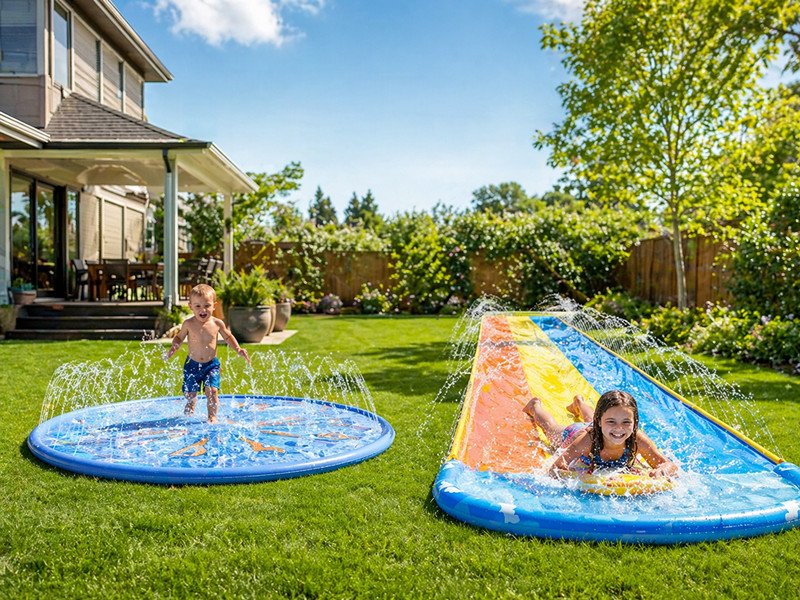
A splash pad and a backyard water slide can both make a backyard feel like summer, but they are not equally easy to live with. One usually works best when parents want fast setup, shorter play sessions, and a product younger kids can enjoy without much hesitation. The other often wins on excitement, but it also asks for more yard space, more supervision, and more cleanup once the water is off. That is why families who buy only on first-glance fun often end up disappointed. The better product is usually the one that still feels easy and worth using after the third or fourth hot weekend, not the one that creates the biggest first impression.
For most families, a splash pad is the better everyday buy. It usually fits younger children, smaller yards, and lower-effort daily play more naturally. A backyard water slide is often the better choice for older kids, wider open yards, and higher-energy weekend fun. Splash pads are also generally designed so standing water does not collect in the play area, which helps reduce drowning exposure compared with deeper backyard water play.
There is also a bigger ownership question behind the product choice. Families are not only buying a water toy. They are choosing a setup routine, a cleanup routine, a water-use habit, and a level of adult involvement. For brands and retailers, the same logic matters. Products that match real family use patterns usually earn better repeat demand than products that only look impressive in photos.
| What Many Families Compare First | Splash Pad | Backyard Water Slide |
|---|---|---|
| Everyday use | Strong fit | Depends on effort |
| Best for younger kids | Usually yes | Sometimes |
| Small-yard fit | Better | Harder |
| Setup speed | Faster | Slower |
| Excitement level | Moderate | Higher |
| Cleanup burden | Lower | Higher |

Splash Pad vs Backyard Water Slide: Core Difference
A splash pad usually makes more sense when the goal is flexible, low-pressure water play. A backyard water slide makes more sense when the goal is stronger movement, faster play, and a bigger “event” feeling in the yard.
What Is a Splash Pad For?
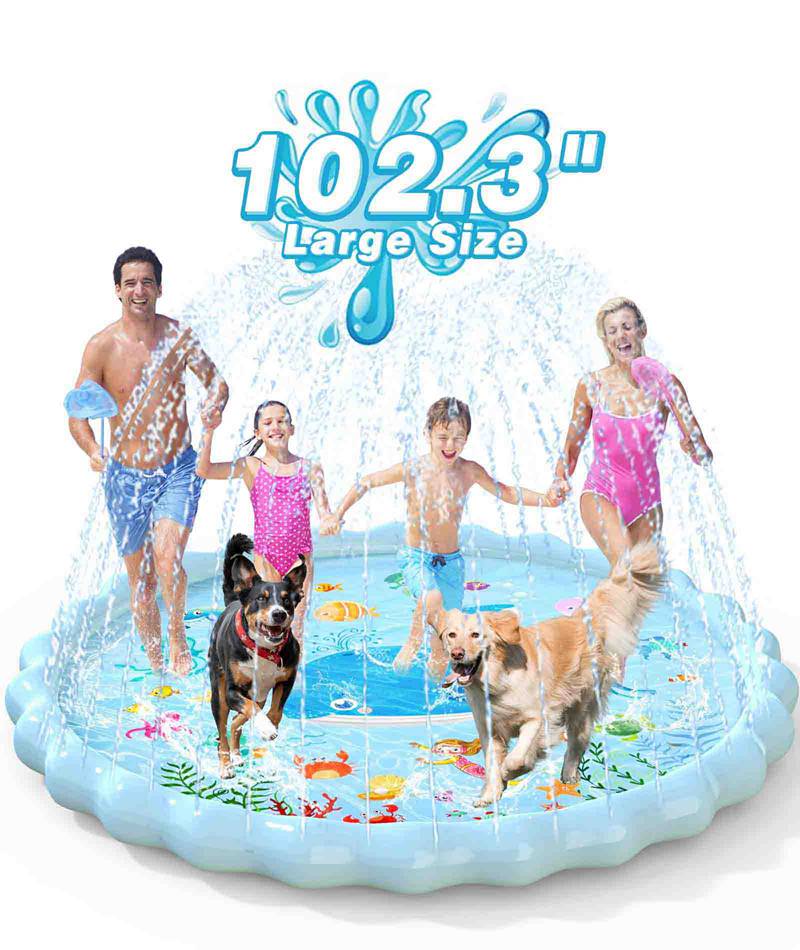
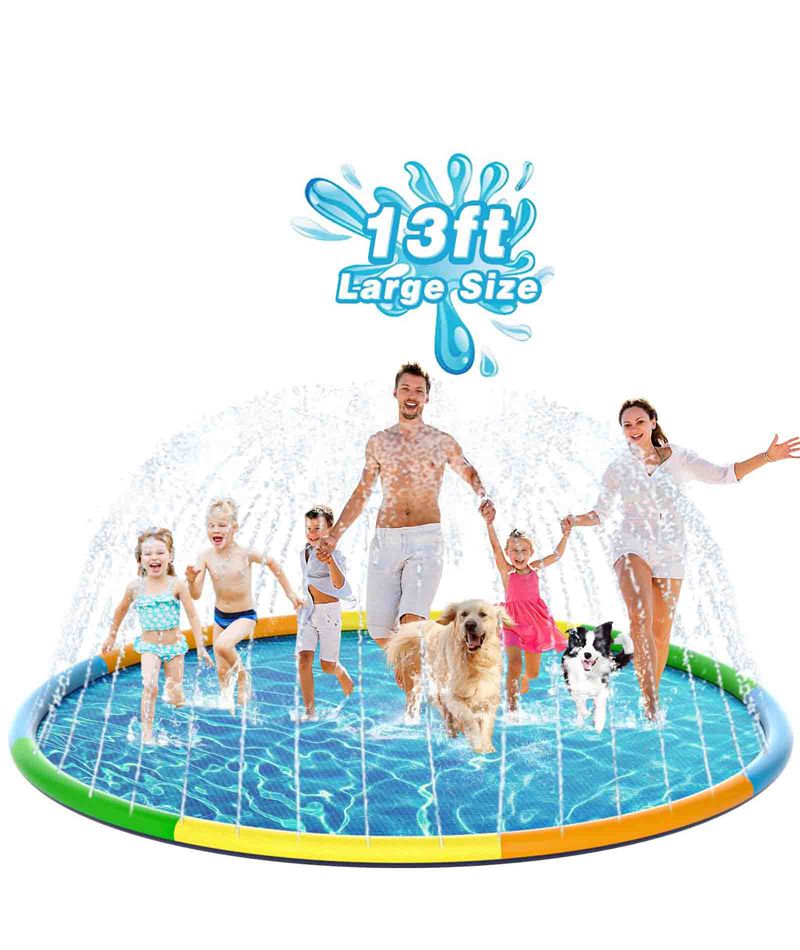
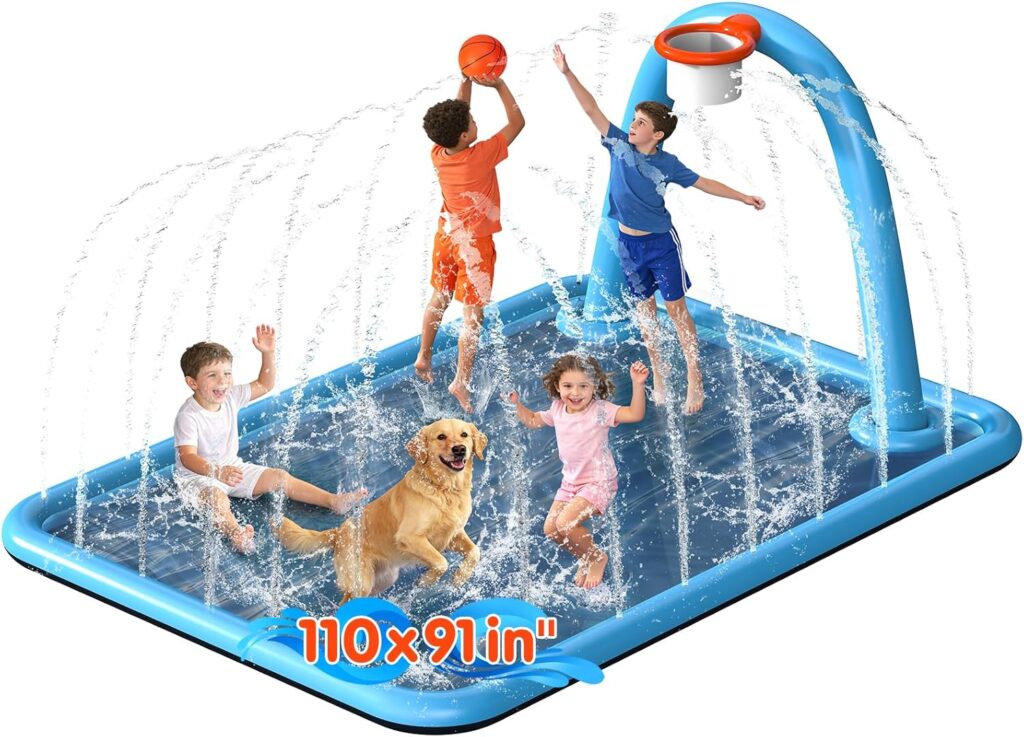
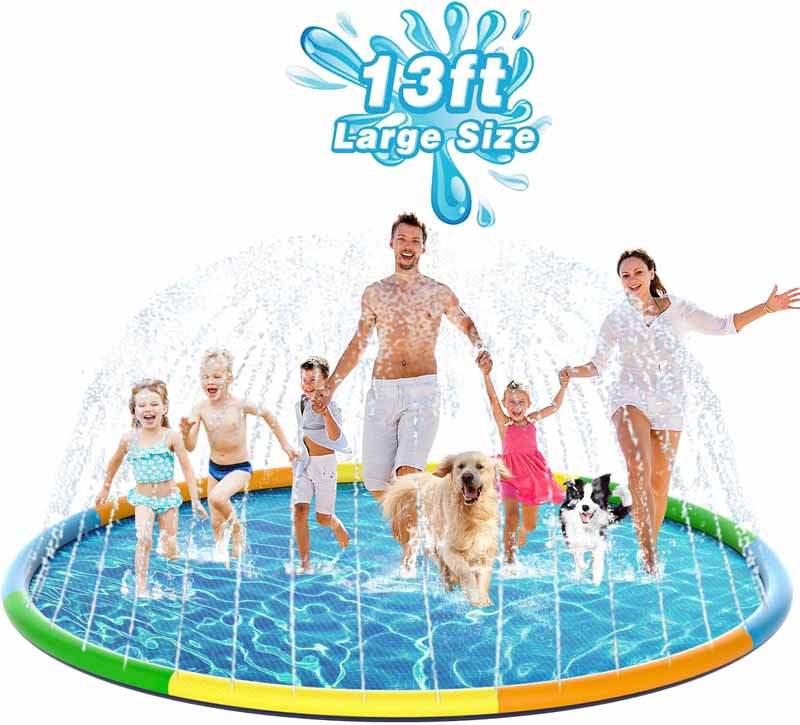
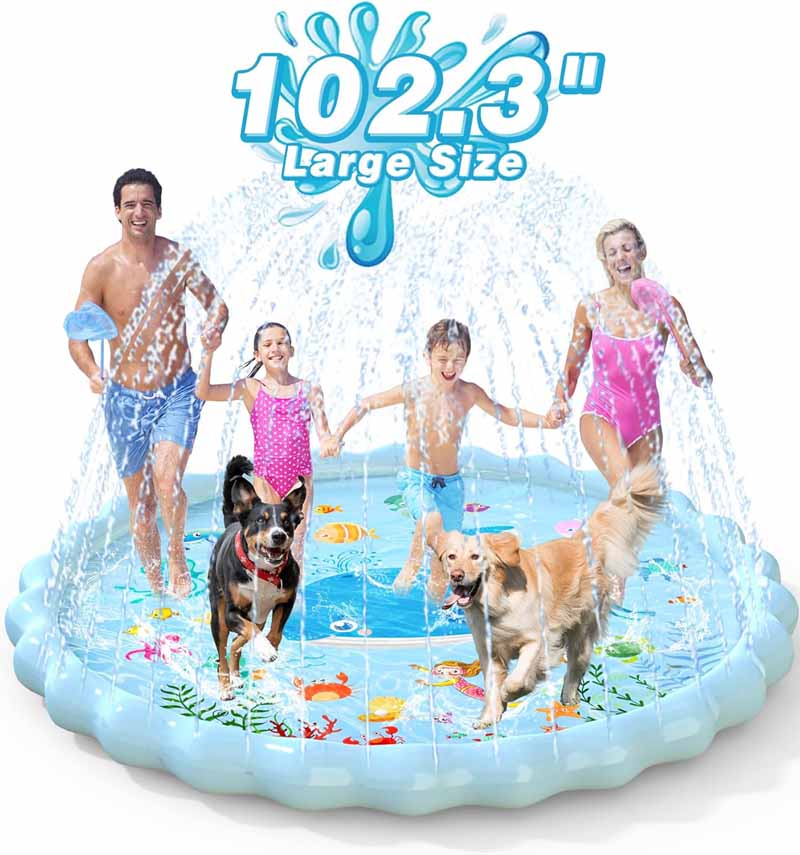
A splash pad is designed for easy movement, easy cooling, and repeat use. Kids can step in, sit down, run through the spray, then step back out without needing a launch point or a landing zone. CDC says splash pads spray or jet water on users and are usually designed so that standing water does not collect in the water play area, which reduces drowning risk. CDC also notes that splash pads can spread germs if the water is not adequately disinfected.
In real family use, a splash pad usually works well because it:
- feels less intimidating for younger children
- fits shorter weekday play sessions
- gives mixed ages more freedom
- takes less effort to start and stop
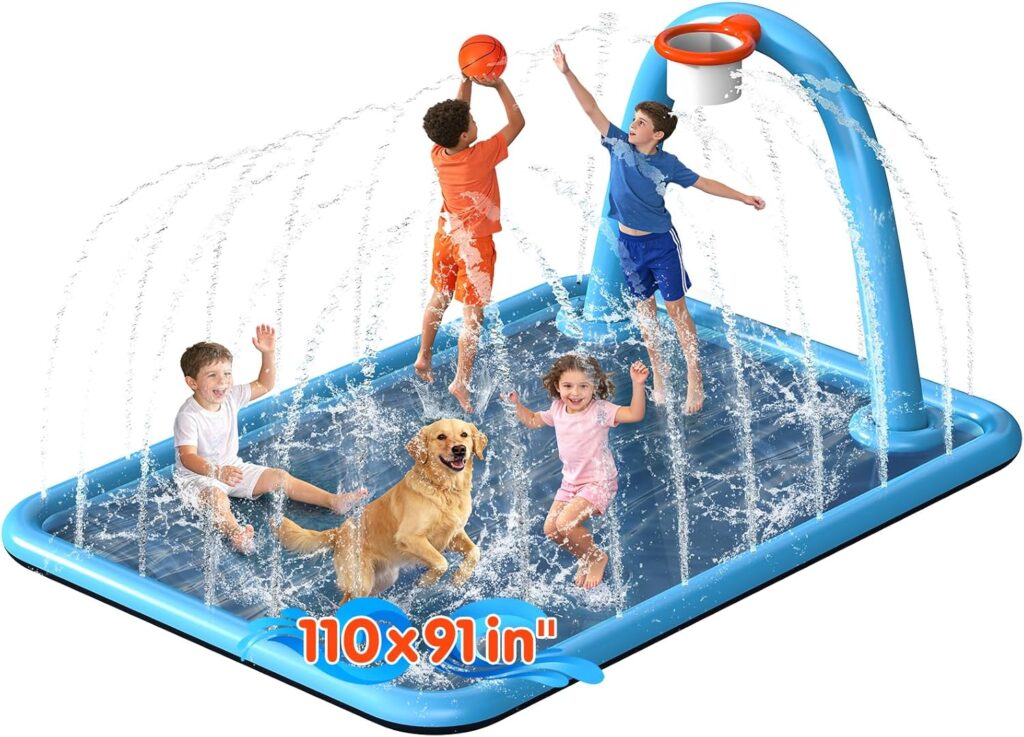
That is also why splash pad quality shows up quickly in real use. Uneven spray, a weak inlet area, poor seam work, or material that feels thin in the sun can make a product feel disappointing fast. Product design matters here more than many buyers expect.
What Does a Backyard Water Slide Do Best?
A backyard water slide is built around motion. It creates a clear play loop: run, slide, land, repeat. That simple pattern is exactly why it often feels more exciting from the first minute, especially for older children who want speed and stronger physical play.
A backyard water slide usually does best when the household wants:
- faster, louder play
- more dramatic reactions
- racing or turn-taking
- a stronger party feature
The tradeoff is that slide-based play pushes more activity into fewer zones. That means more congestion around the landing area, more stress on key wear points, and more need for adults to stay close. CDC warns that inflatable water slides can pose a drowning risk and can spread germs, and recommends close supervision plus daily emptying, rinsing, and air drying for small inflatable water-play products.
Which Backyard Water Slide Type Fits Best?
Water slides are often grouped together, but home-use formats behave very differently. A flat slide lane on grass, a dual-lane race slide, and a taller inflatable slide with a landing area may all sit in the same shopping category, but they create different demands in setup, storage, and supervision.
The most common home-use types are:
- Ground slide lane: simpler storage, but more dependent on smooth grass
- Dual-lane slide: good for siblings, but busier in use
- Inflatable slide: bigger visual impact, bigger setup load
- Hybrid play center: more features, more maintenance points
The smarter question is not only which one looks fun. It is which format fits the yard, the age group, and the amount of effort the household is actually willing to give it.
Which Creates More Fun?
If fun means speed, noise, and instant excitement, the backyard water slide usually wins. If fun means longer usable time, easier mixed-age play, and less friction for parents, the splash pad often wins.
That difference matters because there are really two kinds of value in backyard water play:
- peak fun, which the water slide often delivers better
- repeat fun, which the splash pad often delivers better
For many homes, repeat fun matters more. A product that gets used several times a week often ends up being the better purchase than one that feels bigger on day one but becomes too much trouble after a short time.

Splash Pad vs Backyard Water Slide: Best Age
A splash pad is usually the better fit for toddlers, younger children, and mixed-age play. A backyard water slide usually starts making more sense when the main users want more speed, more repetition, and a stronger sense of challenge.
Is a Splash Pad Best for Toddlers?
In many homes, yes. A splash pad usually suits toddlers better because the play does not depend on climbing, launch confidence, or landing balance. Children can enter slowly, stay near the edge, or simply enjoy the spray without following a fixed path. CDC says splash pads are usually designed so standing water does not collect in the play area, which reduces drowning risk compared with deeper water play.
Why toddlers often fit a splash pad better:
- no steep entry
- no fast landing
- no pressure to “go again” immediately
- easier entry and exit
- lower fear factor
That does not mean a splash pad is hands-off. Wet surfaces, poor ground conditions, and weak material quality still matter. For younger children, soft feel, low odor, stable seams, and balanced spray are more important than oversized graphics.
Which Kids Prefer a Backyard Water Slide?
Backyard water slides usually appeal more to children who want momentum, repetition, and a stronger sense of action. Older kids often enjoy the feeling that they are riding something rather than simply moving through water.
A water slide usually fits better when kids want:
- more speed
- racing and turn-taking
- a bigger visual feature
- more physical play
Parents still need to be realistic. A child can be old enough for a slide on paper and still not enjoy the pace or landing in real use. The better purchase is usually the one that matches the child’s real confidence, not the child’s most ambitious moment.
Can a Splash Pad and Backyard Water Slide Fit Mixed Ages?
A splash pad usually handles mixed ages more naturally because there is no single required way to play. One child can stay near the edge while another moves through the center. That makes it easier for parents to manage different comfort levels at once.
Why splash pads often work better for mixed ages:
- flexible movement
- less crowding
- no landing bottleneck
- easier supervision across skill levels
A backyard water slide can still work for mixed ages, but only when older kids are not dominating the usable space. Once the landing zone gets busy, younger children usually lose comfort first.
Splash Pad vs Backyard Water Slide: Safety
A splash pad is usually the lower-risk format for routine home use, but it is not risk-free. A backyard water slide adds speed, landing pressure, and stronger supervision demands. Both also need sensible cleaning because water-play products can spread germs if they are poorly managed.
What Are the Main Splash Pad Risks?
The biggest mistake is assuming shallow-looking play automatically means safe play. The risk profile changes, but it does not disappear.
The main splash pad risks are:
- slips on wet surfaces
- poor water hygiene
- weak hose connection areas
- unstable edges
- hard ground under thin materials
CDC’s splash-pad outbreak review shows why hygiene matters. From 1997 through 2022, public health officials reported 60 splash pad–associated outbreaks, causing 10,611 cases and 152 hospitalizations. CDC also notes that splash pad water can be either single-pass or recirculated, and that some splash pads are not always required to disinfect water with germ-killing chemicals.
| Splash Pad Public-Health Data | Number |
|---|---|
| Outbreaks | 60 |
| Cases | 10,611 |
| Hospitalizations | 152 |
A splash pad can still be the better safety choice for many families, but only when the basics are respected:
- keep sick children out of the water-play area
- use the product on a suitable surface
- dry and store it properly
- choose better seam and inlet construction
What Are the Main Backyard Water Slide Risks?
The risk profile becomes more intense with a backyard water slide because the product combines water, motion, and repeat landings.
The main risks are:
- slip-and-fall injuries
- pileups in the landing zone
- side-entry collisions
- germ spread in small inflatable systems
- weak supervision during repeat play
CDC says small inflatable water slides and kiddie-pool-style products do not have the same germ protections as properly operated swimming pools or treated splash pads, and recommends emptying them daily, removing debris, rinsing dirt off, and letting them air dry.
That guidance alone explains a lot. The bigger thrill product often carries a heavier hygiene and supervision burden at home.
Is a Splash Pad Safer Than a Pool?
In one important sense, yes. CDC says splash pads are usually designed so standing water does not collect in the play area, which reduces drowning exposure compared with deeper backyard water play.
But that should not be overread. A more accurate comparison looks like this:
| Safety Question | Splash Pad | Pool |
|---|---|---|
| Standing water exposure | Lower | Higher |
| Drowning exposure | Lower | Higher |
| Germ risk if poorly managed | Still possible | Still possible |
| Adult supervision needed | Yes | Yes |
So the safer family choice is not simply “the shallowest one.” It is the one that matches the child’s age, the yard, and the adults’ ability to supervise and clean it properly.
How Much Supervision Does a Backyard Water Slide Need?
A lot. More than many families expect. CDC advises adults to keep a close eye on children using small inflatable water-play products and not get distracted by things like smartphones.
That matters because the slide creates several fast-changing situations:
- one child can stop in the landing zone
- another can launch too soon
- wet grass around the product can get slippery
- excited children often crowd the same entry and exit areas
If the goal is a water toy that feels easier to manage on an ordinary weekday, the splash pad usually has the advantage.

Splash Pad vs Backyard Water Slide: Space and Water
A splash pad usually works better in smaller yards and with shorter, easier-to-control play sessions. A backyard water slide needs more open space and often leads to longer run times. EPA says outdoor water use accounts for more than 30% of household water use on average, and a hose can waste 6 gallons per minute if left running.
Can a Splash Pad Fit a Small Yard?
Usually, yes. A splash pad is easier to fit into a typical family yard because the play stays inside a compact zone. You still need enough room around it for safe movement, but you do not need the longer run-up path or larger landing area a slide usually needs.
Why splash pads usually fit smaller yards better:
- compact footprint
- less runoff traffic
- easier placement near patios or lawn edges
- lower layout pressure overall
A product that technically fits is not always a product that functions well. The splash pad often wins here because it leaves more of the yard usable for everything else.
How Much Space Does a Backyard Water Slide Need?
More than the listed dimensions suggest.
A backyard water slide usually needs:
- product footprint
- side clearance
- landing space
- a clear run-up path
- safer wet exit space
Before buying, it helps to check:
- whether the grass is level
- whether the landing area is clear
- whether the surrounding ground will get slippery
- whether kids can enter and exit without crowding
A larger slide is not automatically the better option if the yard cannot support it comfortably in real use.
Does a Splash Pad Use a Lot of Water?
It can. Water use rises faster than many buyers expect once the hose runs continuously. Using EPA’s 6 gallons per minute figure as a rough benchmark, the math looks like this.
| Continuous Hose Time | Approximate Water Use |
|---|---|
| 15 minutes | 90 gallons |
| 30 minutes | 180 gallons |
| 45 minutes | 270 gallons |
| 60 minutes | 360 gallons |
That sounds high, but seasonal water use depends on behavior as much as on the product itself. Splash pads often end up being easier to pause and easier to shut off, which can make them easier to manage over a full summer.
Why splash pads often use less water in practice:
- shorter average sessions
- easier to start and stop
- less pressure to keep the activity going
- fewer “one more turn” cycles
Which Is Easier to Set Up?
For most homes, the splash pad is easier by a clear margin.
A simple splash-pad setup usually looks like this:
- unfold
- connect the hose
- adjust the spray
- start play
A backyard water slide usually asks for more:
- clear a larger area
- align the run and landing path
- inflate if needed
- manage hose flow more carefully
- dry more surface area afterward
CDC’s maintenance guidance for small inflatable water-play products makes that difference clear. These products should be emptied daily, rinsed, and air dried.

Splash Pad vs Backyard Water Slide: Cost and Life
The cheaper product is not always the better value. Long-term value comes from repeat use, lower hassle, slower wear, and simpler storage. In many homes, the splash pad wins on total seasonal value. A backyard water slide can still be worth it, but only when the extra excitement gets enough real use to justify the extra effort.
What Makes a Splash Pad Last Longer?
A splash pad lasts longer when stress is distributed well and the materials are matched to real use conditions.
The main durability factors are:
- PVC quality
- seam strength
- stable outer ring
- reliable water inlet zone
- UV resistance
- fold resistance after repeat storage
For custom development and wholesale sourcing, this is where Epsilon stands out. Epsilon says it designs and manufactures inflatable products using PVC and composite materials, offers OEM/ODM services, and supports rapid prototyping in 3–5 days. Its product-development page also says the company works with 27+ engineers and 18 designers, focuses on material optimization, and supports warehousing in the U.S., U.K., Germany, and Canada.
That matters because most customer complaints do not come from the print. They come from seam failure, unstable spray rings, weak inlet areas, and products that stop feeling good after sun, folding, and repeated use.
What Makes a Backyard Water Slide Wear Out?
A backyard water slide usually wears faster because more force hits the same areas again and again. The landing zone, side rails, entry area, and base contact points take repeated stress every session.
The biggest wear drivers are:
- repeated body impact
- rough ground contact
- wet-dry cycling
- sun exposure
- folding after use
That does not make backyard water slides poor products by nature. It means they need better structure to hold up well. For retailers and brands, that is exactly why development, testing, and materials matter before the product ever reaches the customer.
Which Is Easier to Clean and Store?
The splash pad usually wins.
Why families often prefer storing splash pads:
- flatter product shape
- faster drying
- less trapped water
- smaller folded size
- lower storage burden
Backyard water slides often need more post-use attention because there is more surface area, more water to clear, and more places where dirt and debris collect. CDC’s advice to empty, rinse, and air dry small inflatable products shows how much that maintenance matters in real ownership.
A product that is easy to store is more likely to get used again next week. That simple point changes long-term satisfaction more than many feature lists do.
Which One Gives Better Value?
For most households, the splash pad gives better overall value because it usually turns into more sessions with less effort.
Why splash pads often win on value:
- lower setup burden
- lower cleanup burden
- better fit for younger children
- easier weekday use
- more likely to be used frequently
A backyard water slide gives better value when:
- older kids will use it heavily
- the yard is open enough
- adults are ready for close supervision
- the higher-thrill format will be used often enough
That is the difference between price and value. A bigger product can still be the worse buy if it does not fit the family’s real routine.
Splash Pad vs Backyard Water Slide: Final Choice
If the goal is easier daily use, a better fit for younger children, and lower ownership friction, the splash pad is usually the better choice. If the goal is bigger reactions, more speed, and a stronger party feature, and the yard and supervision can support it, the backyard water slide may be the better pick.
When Is a Splash Pad the Better Buy?
A splash pad is usually the better buy when the household wants:
- frequent use
- faster setup
- easier storage
- a better fit for toddlers or mixed ages
- a more flexible play area
It is also the stronger first purchase for many families because it gives water play without pushing too far into the maintenance and risk profile of a pool or larger slide.
When Is a Backyard Water Slide the Better Pick?
A backyard water slide is usually the better pick when the household wants:
- bigger excitement
- more speed
- stronger party use
- a more dramatic backyard feature
- a better fit for older kids
It works best when the yard is open, the age group is right, and adults are prepared for closer supervision and more cleanup.
How Should You Choose Between Them?
A simple three-step filter works well.
Start with the main user.
- toddlers or mixed ages: splash pad
- older, more active kids: backyard water slide
Then check the yard honestly.
- compact or busy layout: splash pad
- open run-out space: backyard water slide
Then check your own tolerance for effort.
- lower setup and easier cleanup: splash pad
- bigger payoff, more work: backyard water slide
| If This Sounds Like Your Home | Better Fit |
|---|---|
| Younger kids | Splash Pad |
| Mixed ages | Splash Pad |
| Smaller yard | Splash Pad |
| Frequent weekday use | Splash Pad |
| Bigger kids | Backyard Water Slide |
| Party-driven use | Backyard Water Slide |
| Higher-thrill play | Backyard Water Slide |
For most families, the splash pad is the smarter first buy because it fits real summer life more easily. For families with bigger kids, more yard space, and the patience to manage a more demanding setup, a backyard water slide can absolutely be worth it.
For branded purchasing, visit EPN on Amazon. For OEM/ODM development, visit Epsilon Product Development. These pages describe EPN’s in-stock Amazon-ready products, Epsilon’s OEM/ODM support, rapid prototyping, and development capabilities.