Skip to content
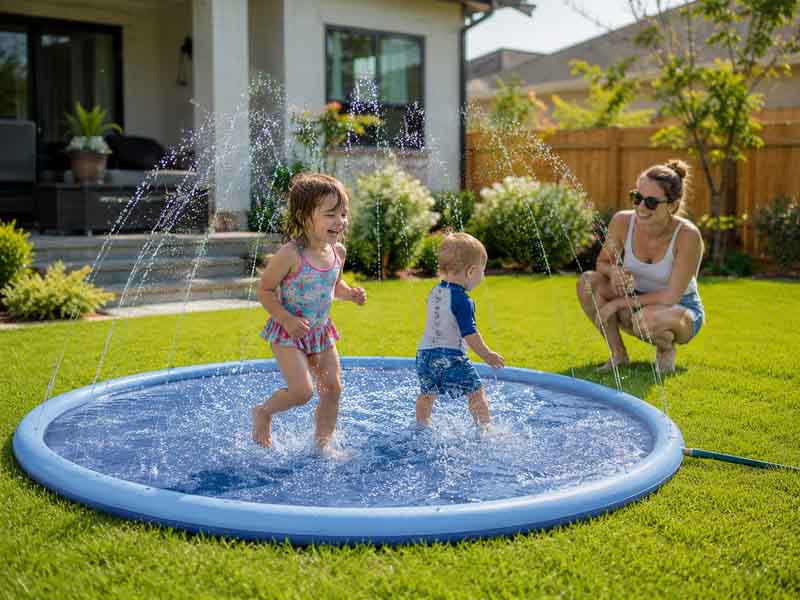
A splash pad looks like a simple summer toy. You unfold it, connect a garden hose, turn on the water, and children start running through the spray. But the reason families keep buying splash pads is more practical than it first appears. A splash pad gives children outdoor water play without the space, cost, water depth, and cleaning work that often comes with a backyard pool.
For many families, summer play needs to be easy enough for normal weekdays. A pool may feel too large for a small yard. A sprinkler may feel too basic after a few minutes. A splash pad fills the gap between those options. It creates water movement, cooling spray, and a clear play area, while still being light enough to drain, dry, fold, and store after use.
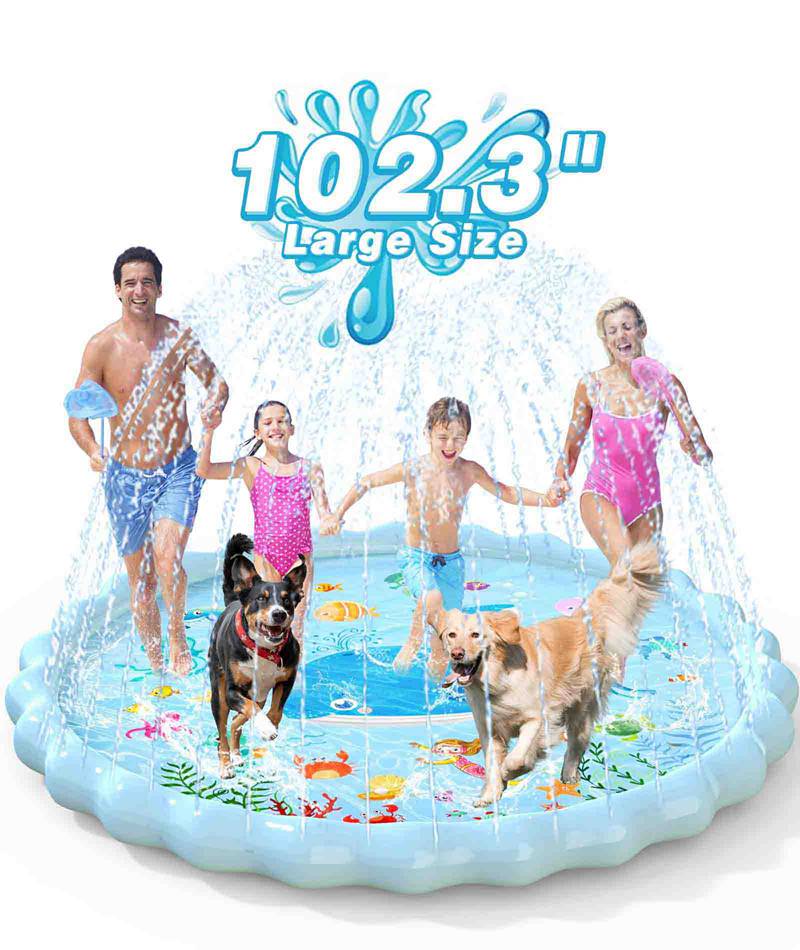
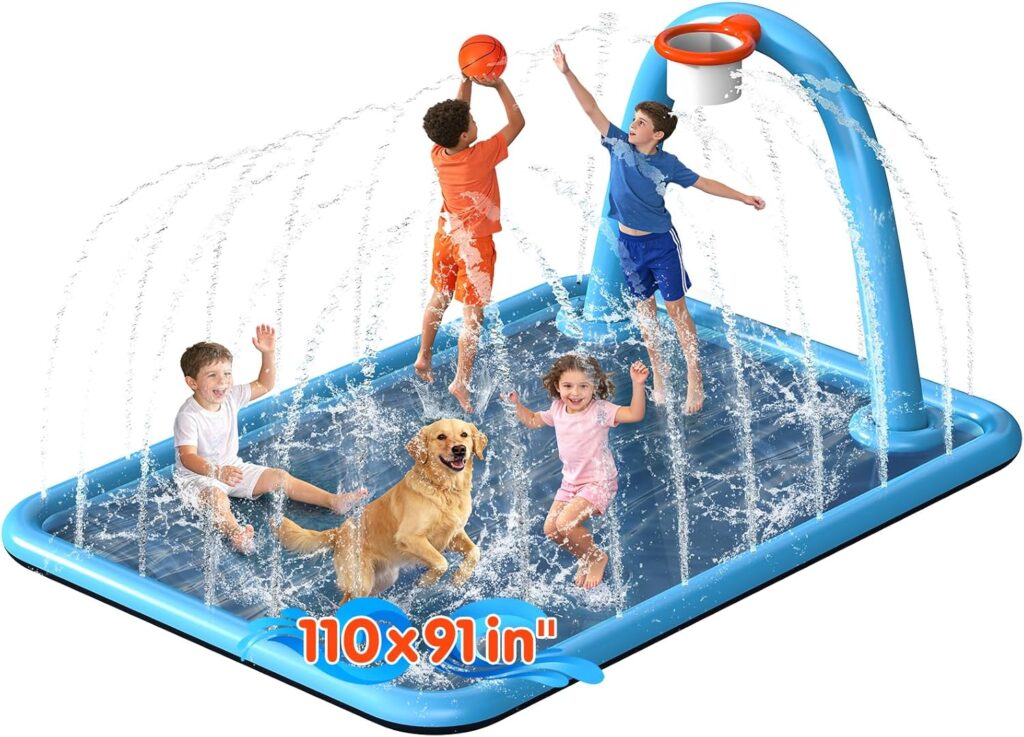
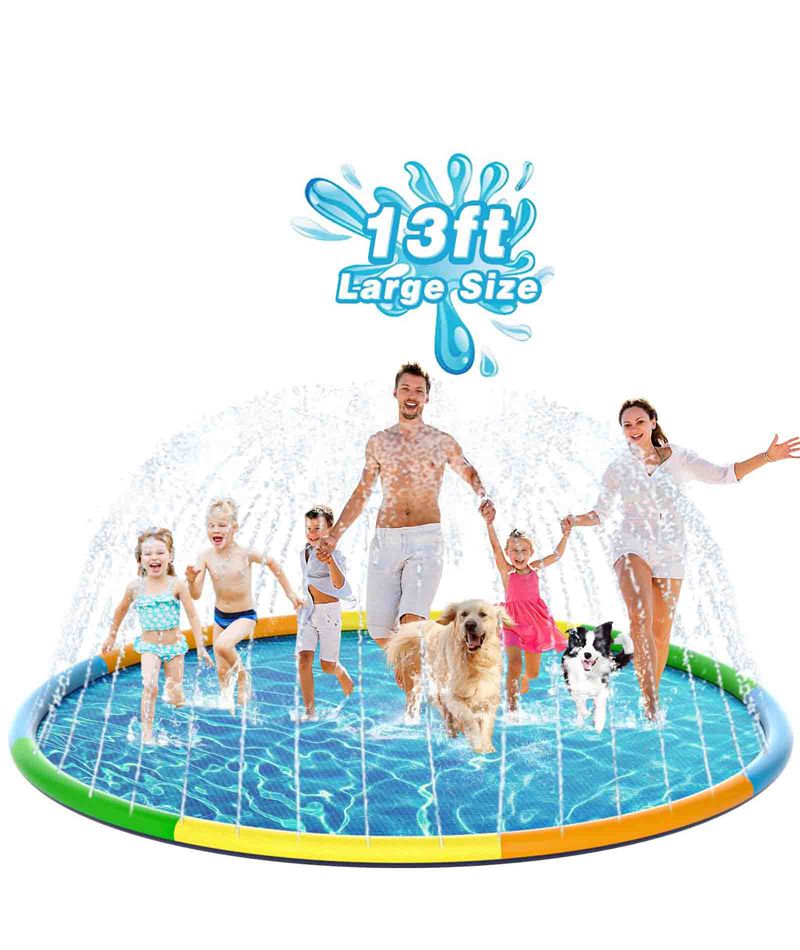
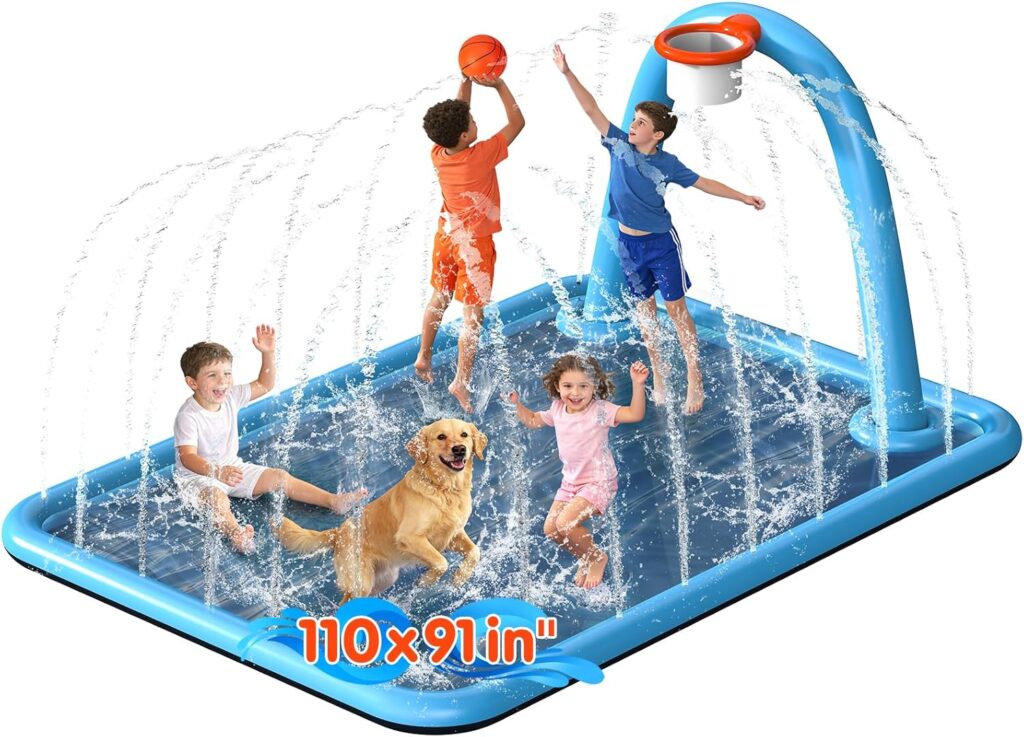
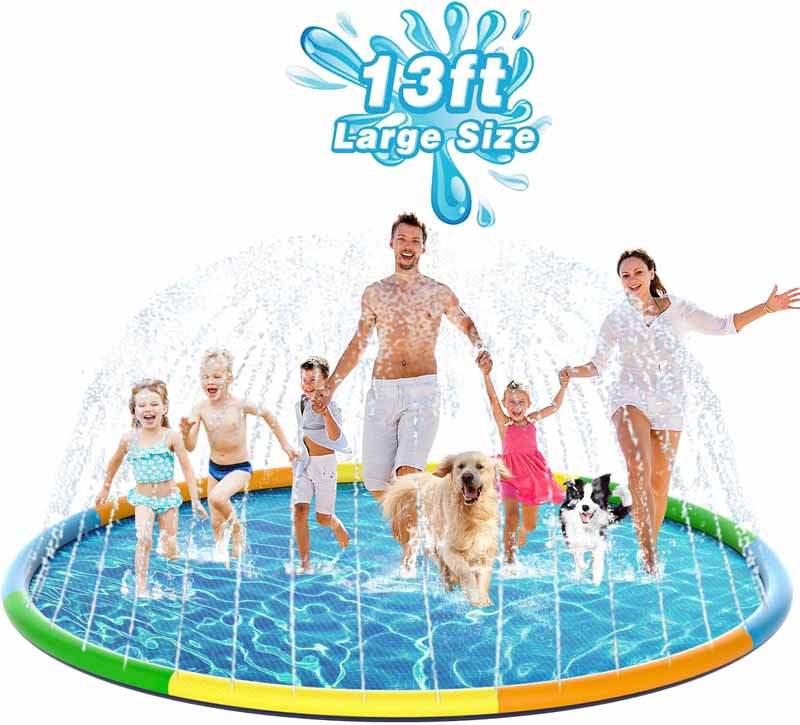
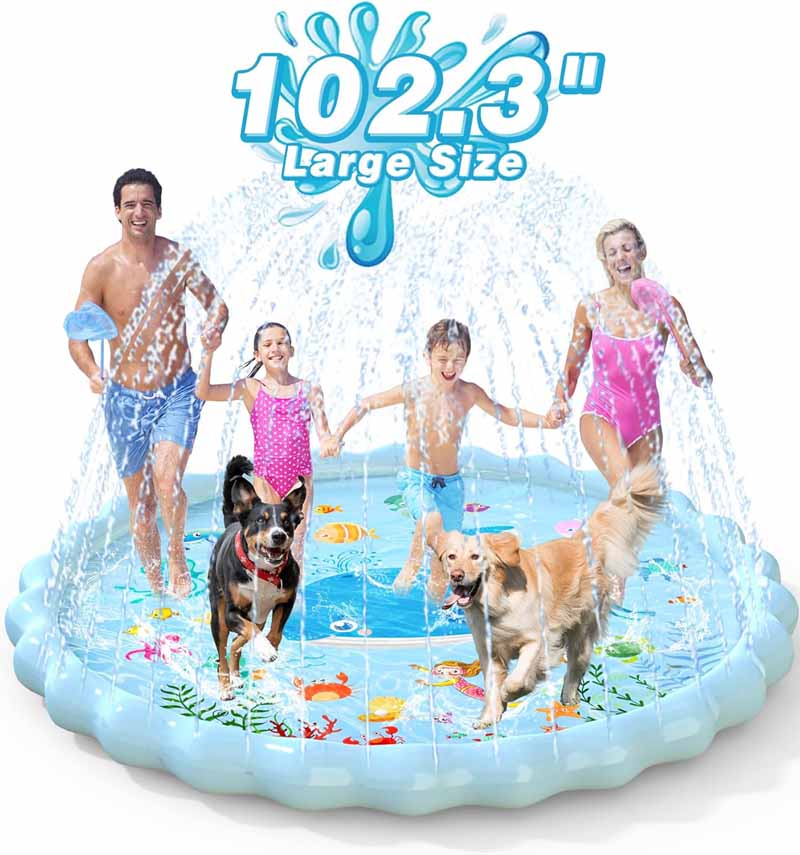
A splash pad is a flat outdoor water play mat that connects to a garden hose and sprays water from its edge or surface. Families buy splash pads because they offer low-water backyard fun for toddlers, kids, and sometimes pets. Compared with pools, splash pads are usually faster to set up, easier to clean, easier to store, and better suited for short summer play sessions.
The best splash pad is not only the largest or brightest one. Parents usually care about practical questions: Will it leak? Is the PVC thick enough? Does the spray reach the center? Can toddlers use it safely? Will it work on grass? Can dogs play on it? How much water pressure is needed? Those details decide whether a splash pad becomes a one-day toy or a product the family uses all summer.

What Is a Splash Pad?
A splash pad is a portable outdoor water play surface that uses garden hose pressure to create spray. Most backyard splash pads are flat, foldable, and made from PVC or similar flexible materials. Unlike a pool, a splash pad is mainly designed for running, stepping, sitting, and playing in moving water rather than swimming.
Splash Pad Meaning
A splash pad may also be called a sprinkler pad, splash mat, water play mat, outdoor spray pad, or backyard sprinkler pad. In home use, it usually means a flat mat with a water-filled edge. Once connected to a garden hose, water flows into the outer ring and sprays through small holes.
For most families, a splash pad earns its place in the backyard when it solves a few simple summer problems:
- Gives children a cooling activity at home
- Creates outdoor play without a large pool
- Works with a standard garden hose
- Supports quick setup before short play sessions
- Drains and folds without taking much storage space
- Can be used repeatedly across the summer season
| Family Need | What a Splash Pad Should Do |
|---|---|
| Fast setup | Connect to a common garden hose without tools |
| Easy play | Create a clear spray area for children |
| Simple storage | Drain, dry, fold, and store flat |
| Lower water depth | Support shallow water play when used correctly |
| Repeat use | Hold up through regular summer sessions |
| Easy cleaning | Rinse and dry without complicated maintenance |
EPN splash pads are developed around these real home-use needs. Instead of focusing only on color or pattern, EPN also looks at material feel, welded edge strength, water inlet design, spray distribution, and folding performance.
Splash Pad Purpose
The main point of a splash pad is to create active water play without the work of a pool. It helps children cool down, move around, and enjoy outdoor time during warm weather. For parents, the value is convenience: less filling, less draining, less storage space, and less maintenance than many pool-style products.
Different families use splash pads for different reasons:
| User Group | Main Need | Why a Splash Pad Fits |
|---|---|---|
| Toddlers | Gentle water discovery | Low spray can feel less overwhelming |
| Preschool kids | Active outdoor play | Running and stepping keep play moving |
| Siblings | Shared summer activity | Larger pads allow group play |
| Small-yard homes | Limited outdoor space | Foldable design saves room |
| Pet families | Dog cooling and play | Moving water attracts many dogs |
| Party hosts | Quick backyard activity | Easy setup before gatherings |
| Retail brands | Seasonal product demand | Broad summer appeal across families |
A splash pad is not a swimming pool or water slide. Its strength is simple, repeatable water play. That makes it useful for families who want less setup and more everyday use.
Splash Pad vs. Kiddie Pool
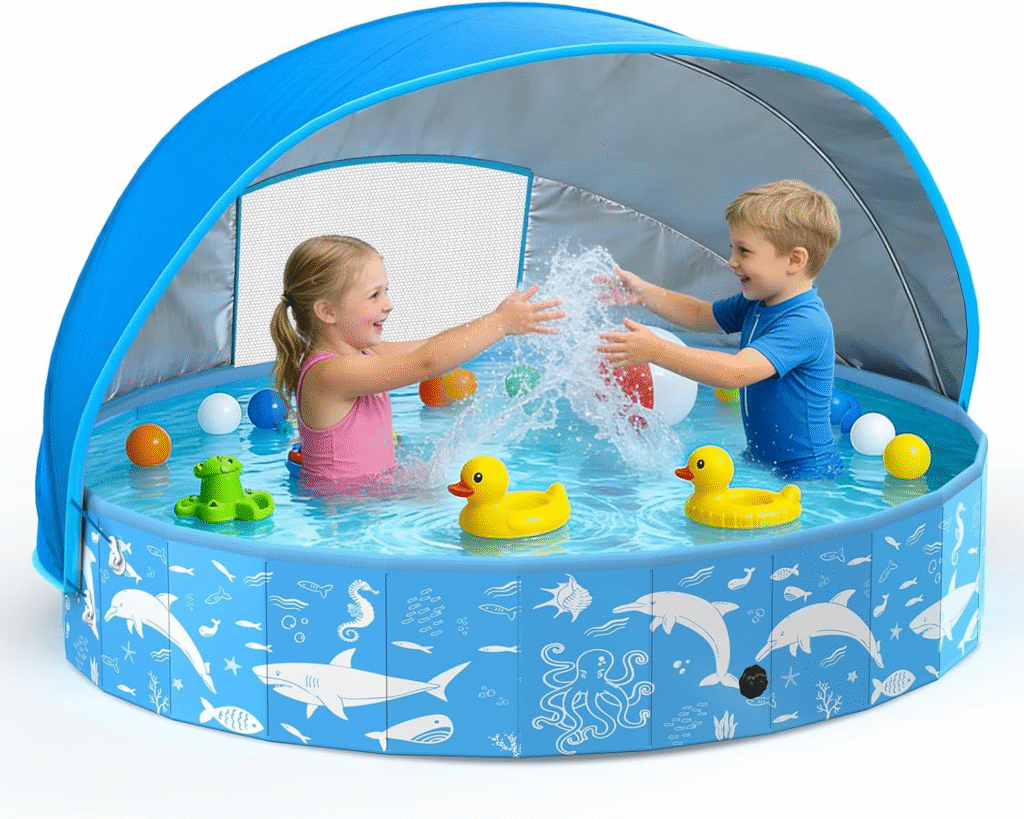
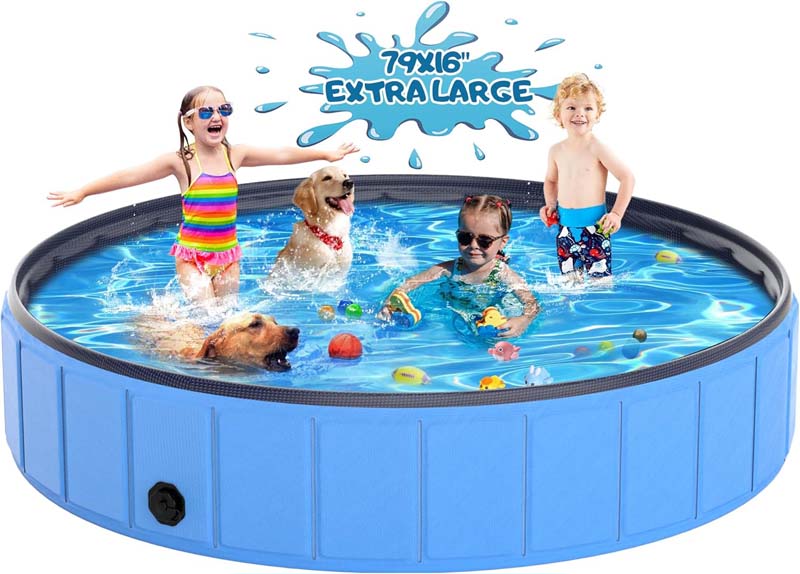
A splash pad and a kiddie pool both support summer water play, but they work differently. A kiddie pool holds water. A splash pad moves water.
| Feature | Splash Pad | Kiddie Pool |
|---|---|---|
| Main play style | Spray, stepping, running, movement | Sitting, soaking, toy play |
| Water depth | Very shallow when used correctly | Holds standing water |
| Setup time | Often 3–5 minutes | Often 5–15 minutes depending on size |
| Drainage | Usually easier | May be heavy to empty |
| Cleaning | Rinse and dry | More water surface to clean |
| Storage | Flat and foldable | Bulkier, especially rigid pools |
| Best for | Active cooling play | Calm water play |
For toddlers, a splash pad can feel easier to manage because it does not rely on deep water. For children who like to sit and pour water into cups or toys, a kiddie pool may still be better. Families comparing both options can read our full splash pad vs kiddie pool guide to see which one fits their backyard space, child age, and play style better.
How a Splash Pad Works
A backyard splash pad works through water pressure. Water enters through the hose connector, fills the outer ring, and sprays through small holes. The spray height depends on faucet pressure, hose length, connector seal, spray-hole direction, and whether the pad is placed on flat ground.
| Part | Function | Common Customer Concern |
|---|---|---|
| Hose connector | Brings water into the pad | Leaks or loose fit |
| Outer ring | Holds and distributes water | Uneven spray or twisting |
| Spray holes | Release water into the play area | Spray too low or too high |
| Center mat | Main play space | Comfort, drainage, surface feel |
| Welded seams | Seal the water channel | Leak resistance |
Full water pressure is not always the best setting. For toddlers, lower spray often feels more comfortable. For older kids, moderate spray can make play more exciting. If the spray is uneven, the cause may be low pressure, uneven ground, a loose connector, or a folded edge.
For homes where the spray stays too low, an internal guide about splash pad water pressure can explain how hose length, faucet flow, connector fit, and ground level affect spray height.

Why Buy a Splash Pad?
Families buy a splash pad because it gives children outdoor water play without the cost, space, and maintenance of a pool. It is easy to set up, simple to store, and flexible for everyday summer use. A splash pad works well for small yards, toddlers, siblings, playdates, pets, and short backyard cooling sessions.
Splash Pad for Summer
Summer creates a simple problem for families: children want to play outside, but hot weather makes normal backyard play less comfortable. A splash pad makes the yard feel cooler and more exciting without requiring a trip to a pool or water park.
A summer toy should not be exciting only on the first afternoon. It should be easy enough to use again and again. Splash pads are often used for:
- Hot afternoon cooling
- Weekend backyard play
- Birthday parties
- Playdates
- Family BBQs
- Toddler water discovery
- Dog cooling sessions
- Small-yard summer activities
The value is in repeat use. A splash pad that connects quickly and drains easily is more likely to become part of a normal summer routine.
Splash Pad for Backyard Play
A splash pad makes backyard play more active. Children are not only sitting in water. They are stepping into spray, running around the center, touching water arcs, and creating simple games.
In real backyard use, the weak points are often not the printed pattern. Families usually notice the difference when the pad has to handle:
- Children stepping across the mat
- Kids sitting in the center
- Siblings playing together
- Small toys being moved around
- Water pressure changing during play
- Grass, sunscreen, and outdoor debris contacting the surface
- Folding and drying after repeated use
EPN develops splash pads with these daily-use details in mind. A product may look simple, but backyard play puts pressure on the seams, connector, outer ring, and center surface. Strong structure helps the pad keep working after repeated sessions.
Splash Pad for Small Yards
A splash pad is especially useful for small yards because it creates water play without taking over the whole outdoor space. Unlike a large pool, it can be folded and stored after use.
| Yard Type | Why a Splash Pad Works |
|---|---|
| Small lawn | Creates a defined water play zone |
| Patio | Works if the surface is smooth and safe |
| Rental home | No permanent installation needed |
| Townhouse yard | Easy to remove after play |
| Shared yard | Can be stored after each session |
| Seasonal home | Lightweight and portable |
Parents should measure the full play area, not only the pad diameter. Children may move around the edge, so extra space around the pad matters. The setup area should be flat, open, and away from stairs, garden tools, sharp objects, and electrical items.
Splash Pad for Active Kids
A splash pad encourages movement. Children step, run, balance, reach, turn, and react to the spray. For active kids, that movement is the fun.
Parents can make splash pad play more engaging by adding simple activities:
- Count how many spray streams reach the center
- Run around the outside edge without stepping on it
- Place floating toys in the middle
- Create a “spray freeze” game
- Let siblings take turns choosing water pressure
- Combine the pad with soft outdoor balls
Active play also requires stronger product design. A splash pad used by energetic children needs stable seams, a reliable connector, balanced water distribution, and material that can handle normal foot traffic.
Is a Splash Pad Safe?
A splash pad can be a safe-feeling option for supervised backyard water play because it usually uses shallow moving water instead of a deep basin. Safety still depends on age fit, ground surface, water pressure, hygiene, and adult supervision. Parents should treat a splash pad as a water play item that requires clear rules and careful setup.
Splash Pad Age Range
Most backyard splash pads are used by toddlers, preschool children, and young school-age kids. The right age depends on the child’s balance, comfort with water, and ability to follow simple safety directions.
| Age Range | Play Style | Parent Focus |
|---|---|---|
| 1–2 years | Sitting, touching water, sensory play | Close supervision and low spray |
| 3–5 years | Running, stepping, simple games | Slipping and sharing space |
| 6–8 years | Faster movement and group play | Rough play and edge pulling |
| 9+ years | Cooling, parties, casual play | Larger size and durability |
A practical age-fit check includes:
- Can the child stand or sit steadily on a wet surface?
- Does the child enjoy water spray or feel overwhelmed by it?
- Can the child follow simple rules such as no pushing or pulling the edge?
- Will an adult stay close enough during play?
- Is the pad size suitable for the number of children?
Splash Pad and Standing Water
One reason families like splash pads is that they usually do not rely on deep standing water. The main play comes from spray, which can feel easier to manage than a filled pool.
Still, water can collect if the ground is uneven, the pad center sags, or the drainage area is poor. Parents should check the pad during use and drain it fully afterward.
| Checkpoint | What to Look For |
|---|---|
| Ground level | Water should not pool heavily on one side |
| Center surface | No large sagging area |
| Edge pressure | Ring should stay stable |
| Drainage | Water should move away after use |
| Surface cleanliness | No mud, food, or pet waste nearby |
A splash pad should never be folded while water is still trapped inside or sitting on the surface. Dry storage helps reduce odor and mildew.

Splash Pad Hygiene
Hygiene is one of the most important concerns for families. A splash pad touches bare feet, hands, grass, sunscreen, soil, and sometimes pet paws. Clean use habits are important, especially when toddlers sit or crawl on the surface.
Before use:
- Rinse the pad briefly if it has been stored
- Check for dust, leaves, or insects
- Make sure the hose connector is clean
- Keep food away from the play area
After use:
- Drain water completely
- Rinse away grass and sunscreen
- Wipe dirty areas if needed
- Dry both sides before storage
- Store in a cool, dry space
| Cleaning Moment | Action | Why It Matters |
|---|---|---|
| Before play | Quick rinse | Removes storage dust |
| During play | No food on mat | Reduces sticky residue |
| After play | Drain fully | Prevents trapped water |
| After cleaning | Dry both sides | Reduces odor risk |
| After pet use | Rinse more carefully | Removes hair and dirt |
Families who use the pad several times per week can connect to an internal guide about cleaning and storing a splash pad, especially when the pad is used by both children and pets. For a more detailed routine, our guide on how to clean and store a splash pad explains rinsing, drying, folding, and odor prevention after repeated use.
Splash Pad Safety Tips
A splash pad should always be used with adult supervision. The setup area should be flat, open, and clear of sharp objects. Water pressure should be adjusted slowly instead of turned on at full force immediately.
Useful safety habits include:
- Place the pad on a clean, flat surface
- Remove sticks, stones, toys, and garden tools
- Keep the hose away from running paths
- Start with low water pressure
- Avoid rough jumping on the edge
- Stop use if the pad shifts or leaks
- Keep toddlers within arm’s reach
- Dry the pad before folding
- Store away from sharp items
For pet use, trim dog nails and stop play if the dog begins to bite or dig at the mat.

What Is a Splash Pad Made Of?
Most backyard splash pads are made from PVC or similar flexible composite materials because these materials can be water-resistant, foldable, printable, and heat-sealed. A better splash pad usually has balanced material thickness, reinforced seams, stable edges, and a reliable hose connection. Material quality affects odor, comfort, leak resistance, spray performance, and product life.
PVC Splash Pad
PVC is commonly used for splash pads because it is flexible, water-resistant, and suitable for heat-sealed structures. It allows a splash pad to stay portable while holding water pressure in the outer ring.
Customers often care about:
- Whether the material has a strong smell
- Whether it feels too thin
- Whether it folds easily after drying
- Whether the seams hold pressure
- Whether the surface feels comfortable
- Whether the bottom resists normal ground contact
Because EPN develops PVC and composite products across children’s water toys, pet water play, inflatable pools, floats, pool pillows, and seasonal outdoor items, its splash pad design can draw from more than one product category. Children’s products need comfort and lower odor. Pet products need stronger wear resistance. Outdoor seasonal products need better folding and storage performance.
Splash Pad Thickness
Thickness is one of the easiest numbers for customers to understand, but it should not be the only buying factor. A thicker splash pad may offer better puncture resistance, but seam quality, edge design, water inlet strength, and spray-hole balance are equally important.
Many backyard splash pads use PVC in the approximate range of 0.35 mm to 0.50 mm, depending on size, design, and use scenario.
| Material Detail | Lower-Quality Risk | Better Design Goal |
|---|---|---|
| Thin PVC | Easier punctures and weak feel | Balanced thickness and flexibility |
| Weak welded seam | Edge leaks under pressure | Wider, stronger sealing |
| Poor connector area | Water loss and low spray | Reinforced inlet structure |
| Uneven spray holes | One side sprays higher | Balanced spray layout |
| Poor fold performance | Sticking or cracking over time | Better storage durability |
For customers comparing materials, an internal article about the best material for a splash pad can further explain PVC thickness, seam strength, odor control, and outdoor performance.
Splash Pad Edge Design
The edge is one of the most important parts of a splash pad. It holds water, distributes pressure, supports the spray holes, and helps shape the spray direction.
Many splash pad problems start at the edge:
- Water leaks from the seam
- One side sprays higher than the other
- The ring twists under pressure
- The connector area pulls or wrinkles
- The edge collapses after repeated use
| Edge Feature | Customer Benefit |
|---|---|
| Wider welded area | Better leak resistance |
| Stable outer ring | More even spray |
| Reinforced inlet area | Fewer connector problems |
| Balanced spray holes | Better water coverage |
| Smooth edge feel | More comfortable play |
Families interested in common failure points can read more about why some splash pads leak easily, including seam quality, pressure stress, and storage habits.
Durable Splash Pad Features
A durable splash pad should be built for real family behavior. Children step on it, sit on it, run across it, drag toys over it, and fold it imperfectly after use.
Durability depends on several parts working together:
- PVC or composite material suited for outdoor use
- Reinforced seams
- Reliable hose connector
- Stable water ring
- Balanced spray-hole layout
- Comfortable play surface
- Clear drainage path
- Fold-friendly structure
- Resistance to normal sun and ground exposure
EPN’s splash pad development considers pressure stability, leak control, outdoor use, folding, drying, and repeated play. For families, that means a product designed for more than a single weekend. For custom projects, it means a stronger foundation for retail, Amazon, and seasonal sales.
How to Choose a Splash Pad
To choose a splash pad, start with the users and the yard. Consider child age, number of children, available space, water pressure, ground surface, material thickness, cleaning needs, and whether pets will use it. A good splash pad should fit the home environment, not only look attractive online.
Splash Pad Size
Size affects comfort, movement, and storage. A small splash pad may be enough for one toddler. A larger splash pad is better for siblings, playdates, and active children.
| Splash Pad Size | Best Use | Notes |
|---|---|---|
| 39–60 inches | Toddlers and compact patios | Easier to control and store |
| 67–79 inches | One or two young children | Good for simple backyard play |
| 90–120 inches | Siblings and playdates | More room for movement |
| 120+ inches | Parties and larger lawns | Needs open space and stable pressure |
For business customers, size also affects packaging volume, shipping cost, retail price, and platform fulfillment fees. EPN can support custom splash pad size development for toddler play, family backyard use, pet cooling, and larger seasonal programs.
Splash Pad Water Pressure
Water pressure controls spray height and spray coverage. If pressure is too low, the water may barely rise. If pressure is too high, spray may overshoot the play area or make the outer ring unstable.
| Problem | Possible Reason | What to Try |
|---|---|---|
| Low spray | Faucet not fully open | Increase pressure slowly |
| Weak spray on one side | Uneven ground | Move to flatter area |
| Connector leak | Loose fit or washer issue | Reconnect hose |
| Overspray | Pressure too high | Lower water flow |
| Edge twisting | Pressure imbalance | Smooth pad and reduce flow |
Parents should not chase maximum spray height. Comfortable, controlled spray usually creates a better play experience than water shooting too high.
Splash Pad Setup Area
The setup area affects safety, durability, and spray performance. A clean, flat lawn is often a good choice. A smooth patio may also work if it is not too slippery or rough.
Avoid these surfaces:
- Gravel
- Sharp stones
- Rough concrete
- Splintered wooden decks
- Steep slopes
- Muddy ground
- Areas near tools or furniture
- Surfaces with hidden sticks or thorns
A good setup area should be flat, clean, soft or smooth, easy to supervise, away from stairs and sharp objects, and able to drain after use.
Splash Pad Storage
Storage is one of the biggest factors in product life. Many splash pads are damaged after use, not during play.
A better storage routine:
- Turn off the water.
- Disconnect the hose.
- Let the pad drain.
- Rinse away grass, soil, sunscreen, or pet hair.
- Wipe or air-dry both sides.
- Fold loosely.
- Store in a cool, dry place.
Storage mistakes to avoid:
- Folding while wet
- Leaving water inside the edge
- Storing near sharp garden tools
- Placing heavy boxes on top
- Leaving in direct sun for long periods
- Packing away with grass or pet hair still on the surface

Can Pets Use a Splash Pad?
Pets can use some splash pads, but the product should be chosen carefully. Dogs need stronger material, supervised play, trimmed nails, and a stable surface. A pet-friendly splash pad should have durable PVC, reinforced seams, enough space, and easy cleaning. Not every children’s splash pad is suitable for frequent dog use.
Splash Pad for Dogs
Dogs use splash pads differently from children. They may run quickly, paw at the spray, bite the water, or scratch the surface when excited. That creates more stress on the material.
A splash pad for dogs should offer:
- Stronger PVC or reinforced surface
- Stable outer edge
- Reliable seams
- Enough room to move
- Easy rinsing after use
- Moderate spray option
- Clear supervision rules
Before use, dog owners should trim nails and check the play area for sharp objects. During use, they should stop the session if the dog begins biting the edge, chewing the hose connector, or digging at the mat.
Pet-Friendly Splash Pad
A pet-friendly splash pad is not only about size. It also needs to handle paw pressure, surface friction, and repeated movement.
| Concern | Why It Matters |
|---|---|
| Claws | May scratch or puncture weak material |
| Chewing | Can damage edge or connector |
| Dirt and hair | Requires more cleaning |
| Fast running | Increases surface stress |
| Shared use | Cleaning needed before children play |
EPN develops both children’s water play products and pet water products. That experience helps with material selection, support structure, and real-use design.
Kids and Dogs Splash Pad
Many families want one splash pad for both children and dogs. That can work with the right product and careful use, but children and pets should not always play together at the same time.
Shared-use tips:
- Let toddlers and energetic dogs play separately
- Rinse the pad after pet use
- Keep water pressure moderate
- Watch for claw marks
- Do not allow chewing
- Choose a larger pad to reduce crowding
- Dry fully before storage
For families with both kids and pets, it is worth choosing a stronger splash pad rather than the lowest-cost option.
Is a Splash Pad Worth It?
A splash pad is worth it for families who want easy outdoor water play without the cost, space, and maintenance of a pool. It works especially well for toddlers, young children, small yards, renters, pets, and short summer play sessions. Its real value depends on use frequency, material quality, size, care habits, and durability.
Splash Pad Value
The value of a splash pad depends on how often the family uses it. One party use makes it a seasonal toy. Repeated use across summer makes it a practical backyard product.
| Summer Use Frequency | Value Level |
|---|---|
| 1–3 uses | Occasional party item |
| 5–10 uses | Useful summer toy |
| 15–30 uses | Strong family value |
| 30+ uses | High-value backyard item |
Cost per use drops when the pad is used more often. A stronger splash pad may cost more at first, but it can be a better value if it lasts longer and performs better.
Splash Pad vs. Pool
A splash pad is not better than a pool in every way. Pools are better for soaking and swimming. Splash pads are better for quick setup, active spray play, and easy storage.
| Factor | Splash Pad | Pool |
|---|---|---|
| Setup | Fast | Slower |
| Water depth | Very shallow | Shallow to deep |
| Maintenance | Lower | Higher |
| Storage | Flat and foldable | Larger and bulkier |
| Play style | Spray and movement | Sitting, soaking, swimming |
| Best for | Quick cooling and active play | Longer water sessions |
The right choice usually comes down to how the family actually plays with water at home.
Splash Pad Maintenance
Splash pads require less maintenance than pools, but they still need care. The basic routine is drain, rinse, dry, inspect, and store.
| Frequency | Maintenance Task |
|---|---|
| Every use | Drain and rinse |
| Every use | Dry before folding |
| Weekly during heavy use | Check seams and connector |
| After pet use | Clean surface more carefully |
| End of season | Wash, dry fully, store loosely |
Families who want a splash pad to last more than one summer can also read more about how to choose a splash pad that lasts more than one summer, especially when comparing thickness, seams, and storage habits.
Long-Lasting Splash Pad
A long-lasting splash pad depends on both product design and user care. Strong PVC, reinforced seams, stable edges, balanced spray holes, and a reliable connector all matter.
A stronger splash pad should provide:
- Suitable PVC thickness for its size
- Comfortable surface feel
- Reinforced edge welding
- Stable water inlet area
- Even spray distribution
- Leak-resistant structure
- Easy drainage
- Clear storage routine
EPN’s product development focuses on PVC and composite material performance, outdoor use, folding, water pressure, and repeated play. For families, that means more attention to details that affect everyday use. For retail and custom projects, it means stronger support for market-specific size, design, packaging, and product positioning.
FAQ
What is a splash pad used for?
A splash pad is used for outdoor water play. Families place it in a yard, connect it to a garden hose, and let children play in the spray. It is mainly used for cooling, movement, sensory play, playdates, and summer backyard fun.
Do splash pads use much water?
A splash pad uses water while the hose is running. Water use depends on pressure, play time, hose flow, and spray design. Families can reduce water use by using moderate pressure, limiting session time, and turning off the hose during breaks.
Can a splash pad go on grass?
Yes, many splash pads can be used on grass if the area is flat and clear of sharp objects. Grass can feel softer underfoot, but parents should check for sticks, stones, thorns, and uneven areas before setup.
Are splash pads slippery?
Splash pads can become slippery because water, sunscreen, grass, and fast movement affect traction. Parents should supervise play, avoid rough running, place the pad on a flat surface, and keep the area clear.
How do you clean a splash pad?
Rinse the splash pad after use, remove grass and dirt, wipe away sunscreen or pet residue, drain it fully, and dry both sides before folding. For frequent use, mild soap and water can be used, followed by a clean rinse.
Can toddlers use a splash pad?
Toddlers can use a splash pad when the product is age-appropriate and adults supervise closely. Lower water pressure, gentle spray, a soft setup surface, and short play sessions are better for younger children.
How long does a splash pad last?
A splash pad can last through a summer season or longer when made with durable material and cared for correctly. Product life depends on PVC thickness, seam quality, water pressure, ground surface, pet use, cleaning, and storage.
What makes a good splash pad?
A good splash pad has durable PVC, reinforced seams, a reliable hose connector, balanced spray, comfortable surface feel, easy drainage, and clear storage steps. For families, repeated-use stability matters more than pattern alone.
Choose an EPN Splash Pad
A splash pad should make summer easier for families. It should be quick to set up, fun for children, simple to clean, and strong enough for repeated use. The best options do not rely only on bright patterns. They perform well because the material, edge, connector, spray holes, and play surface are designed together.
EPN, under American Epsilon Inc., develops PVC and composite-material products for family recreation, children’s water play, pet products, outdoor leisure, and seasonal use. EPN splash pads are developed with attention to material feel, edge stability, spray distribution, hose connection, folding, storage, and real backyard use.
For families, EPN splash pads can support summer play, toddler water activities, pet cooling, backyard parties, and everyday outdoor fun.
For business customers, EPN can support splash pad projects in several directions:
- Ready-to-order EPN splash pad options
- Custom splash pad size development
- Custom pattern and theme design
- Private label logo placement
- Retail packaging design
- Amazon-ready packaging support
- Multi-language labels and instructions
- OEM and ODM project development
- Small trial orders and seasonal programs
- Product structure adjustment for children, pets, or family use
EPN supports projects for Amazon sellers, retail brands, distributors, seasonal product programs, and outdoor leisure product lines. If you are looking for current EPN splash pad options, you can contact Epsilon for stock information. If you want to develop a custom splash pad for your brand or market, Epsilon can support product consultation, sample development, packaging planning, and project quotation.